
No words needed.
No words needed.
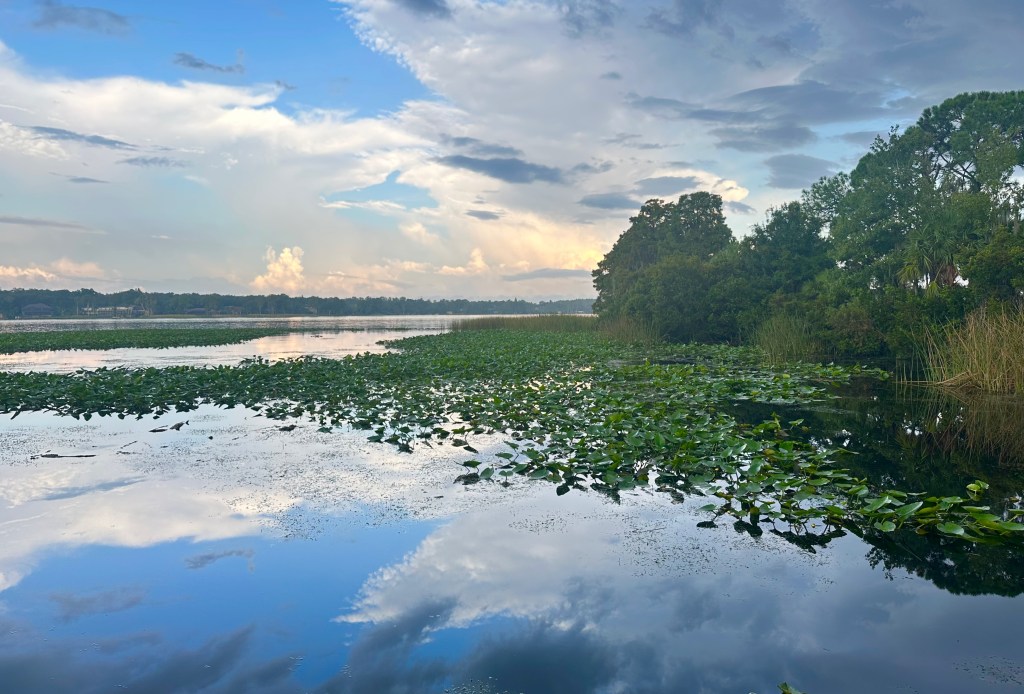

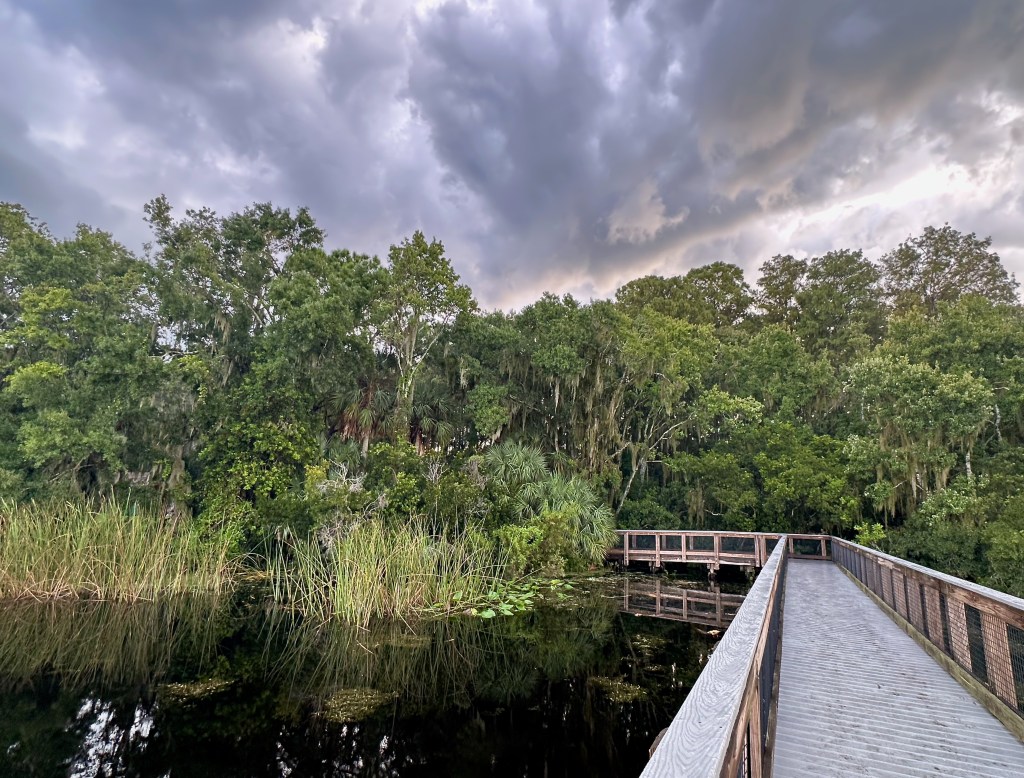
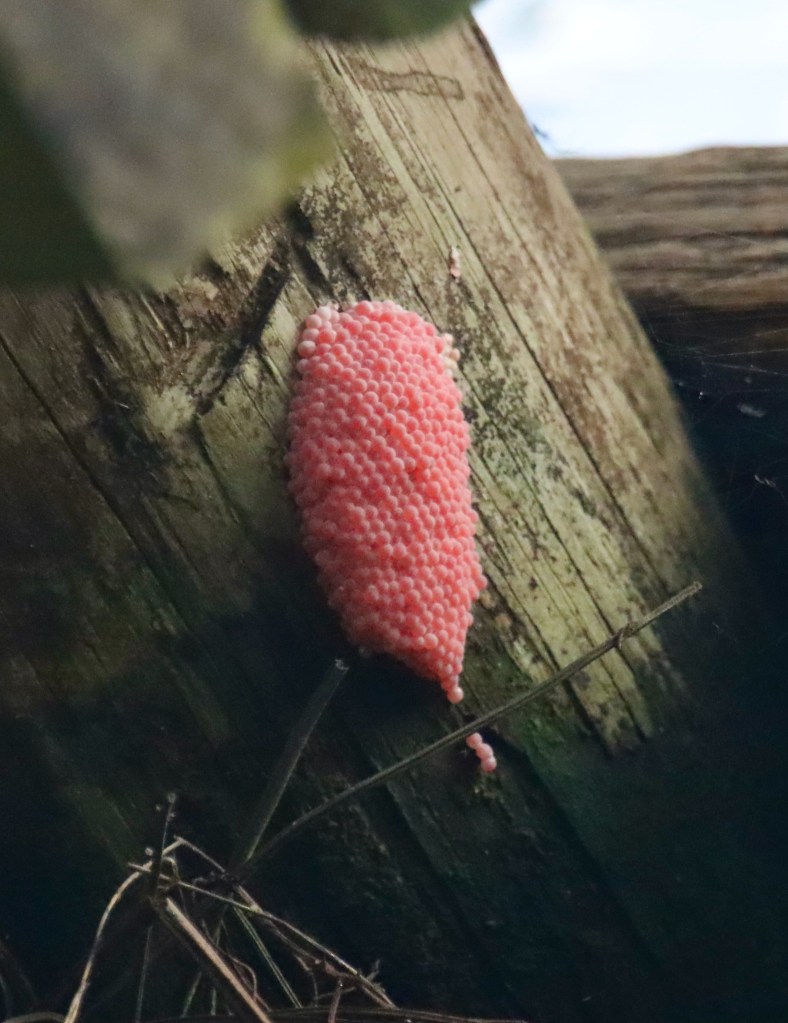



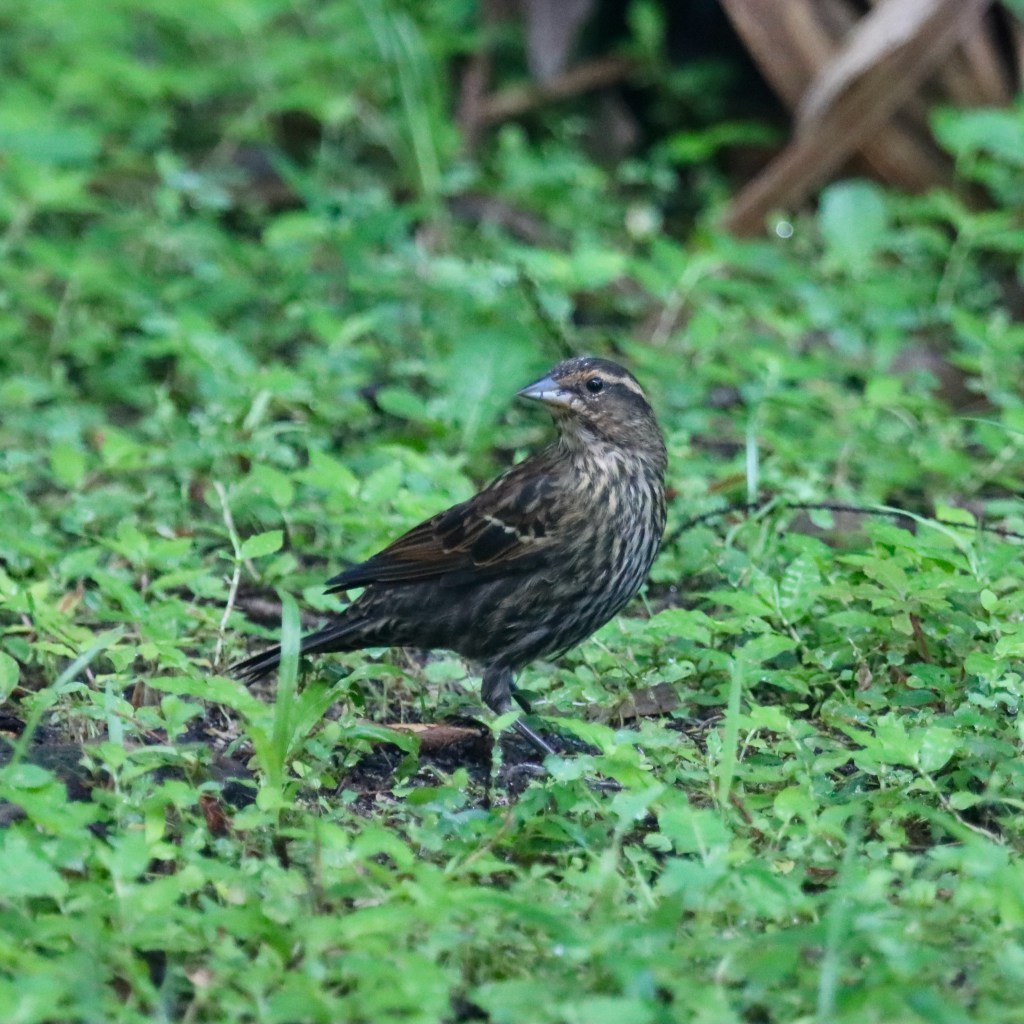





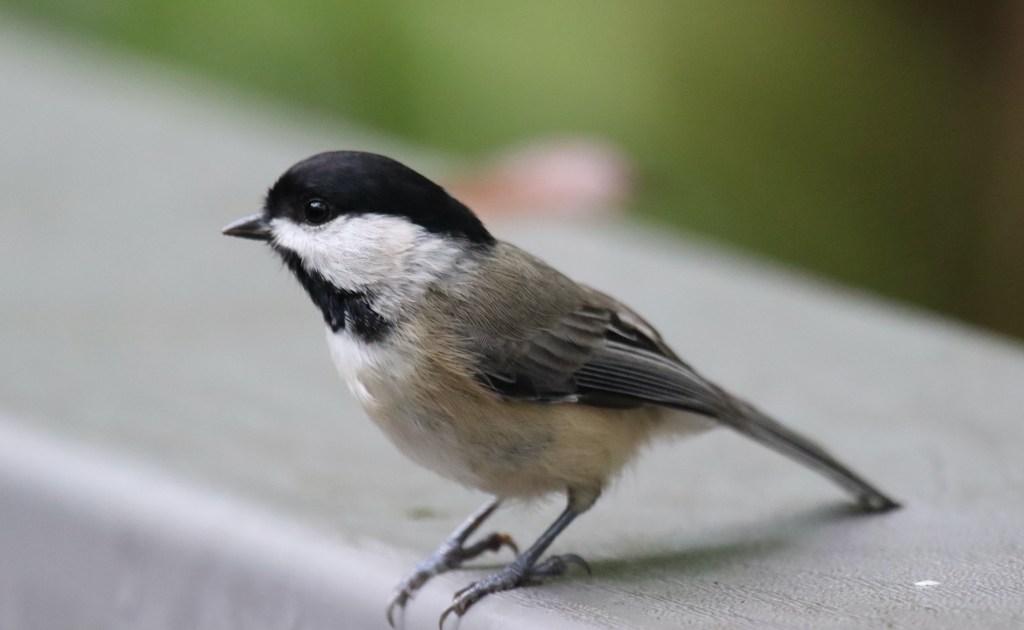

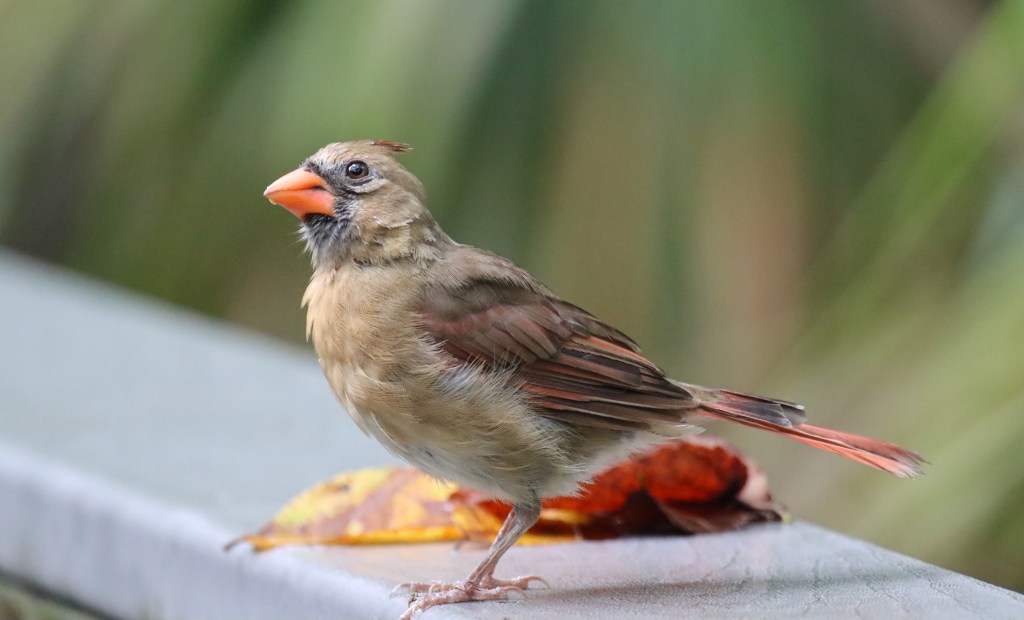

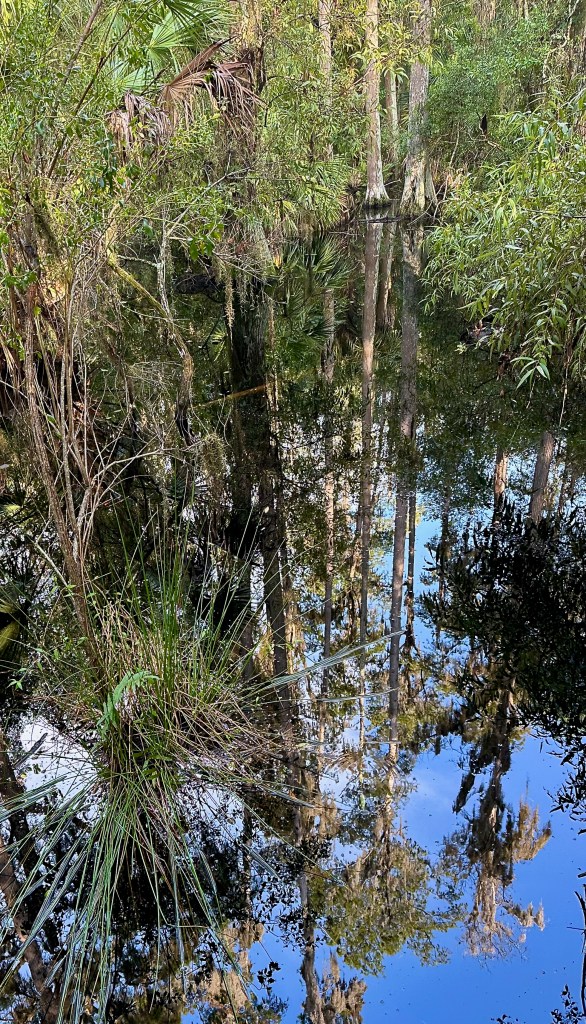


Saturday morning, I ventured up to John Chestnut Sr. Park, lured by a bird walk. Unfortunately, I was discouraged by the large (and talkative) crowd. Thankfully, the cloud cover was perfect for exploring the trails so I wandered off on my own instead.
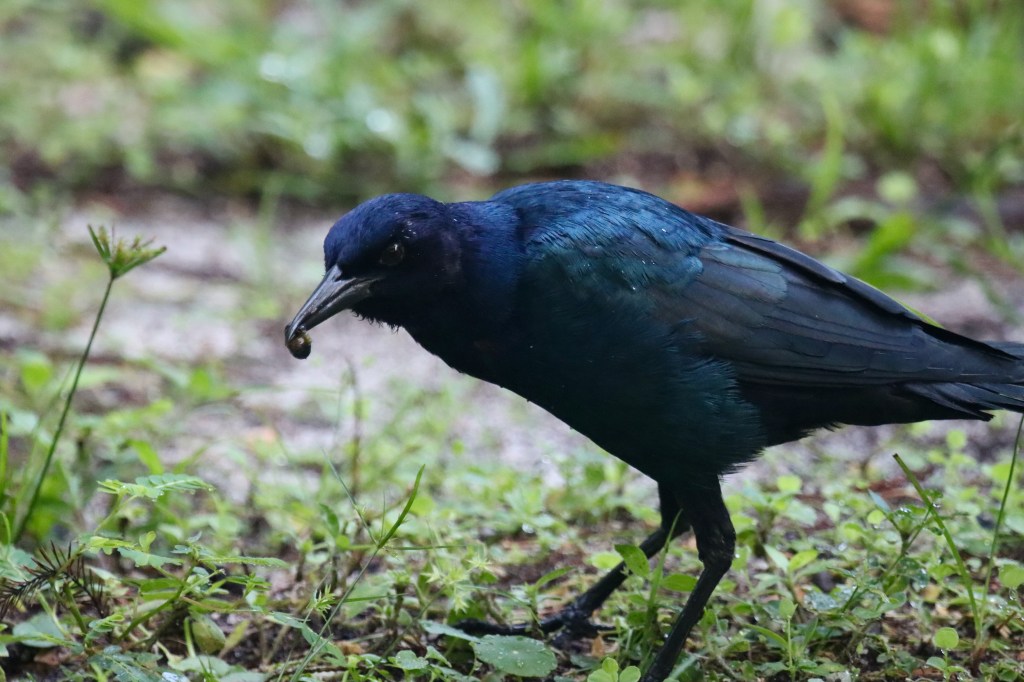
As I cut across a field I came across a feeding frenzy, grackles and blackbirds were feasting on small grubs that were wriggling in the grass. Adding proof to the claim that the early bird gets the worm. A squirrel and a male cardinal foraged nearby.
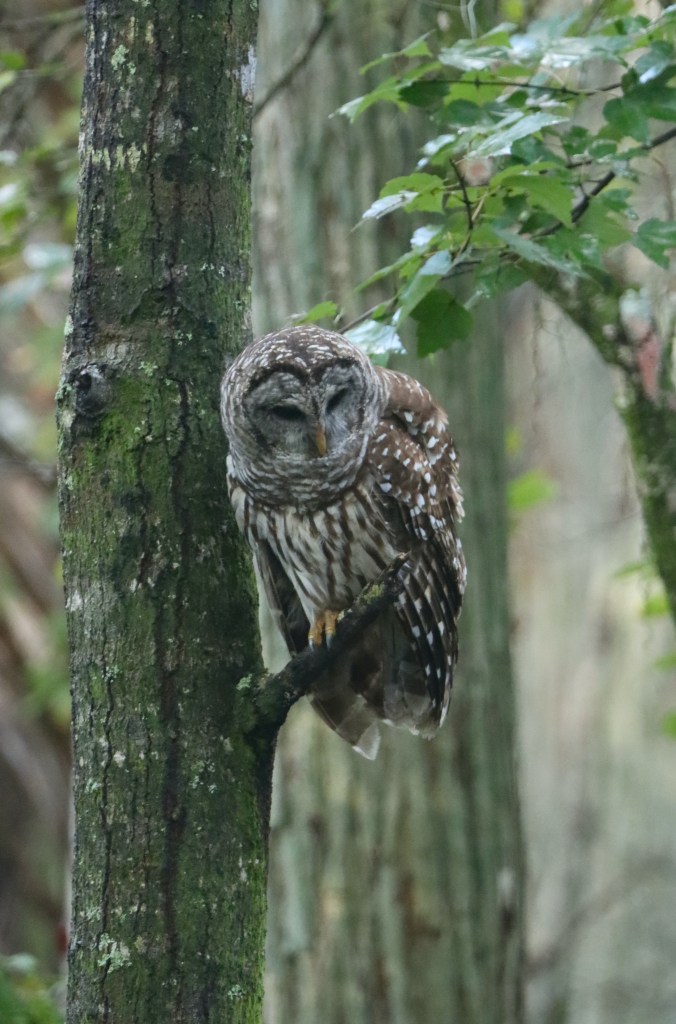
Up on the boardwalk, I was focused on all the fungi under me until a large flash movement in the trees caught my eye. I watched the Barred Owl for quite some time. Long enough to see it swivel its head at the sound of prey, launch from a branch, snatch a crayfish, fly up to a perch, and gulp it down.
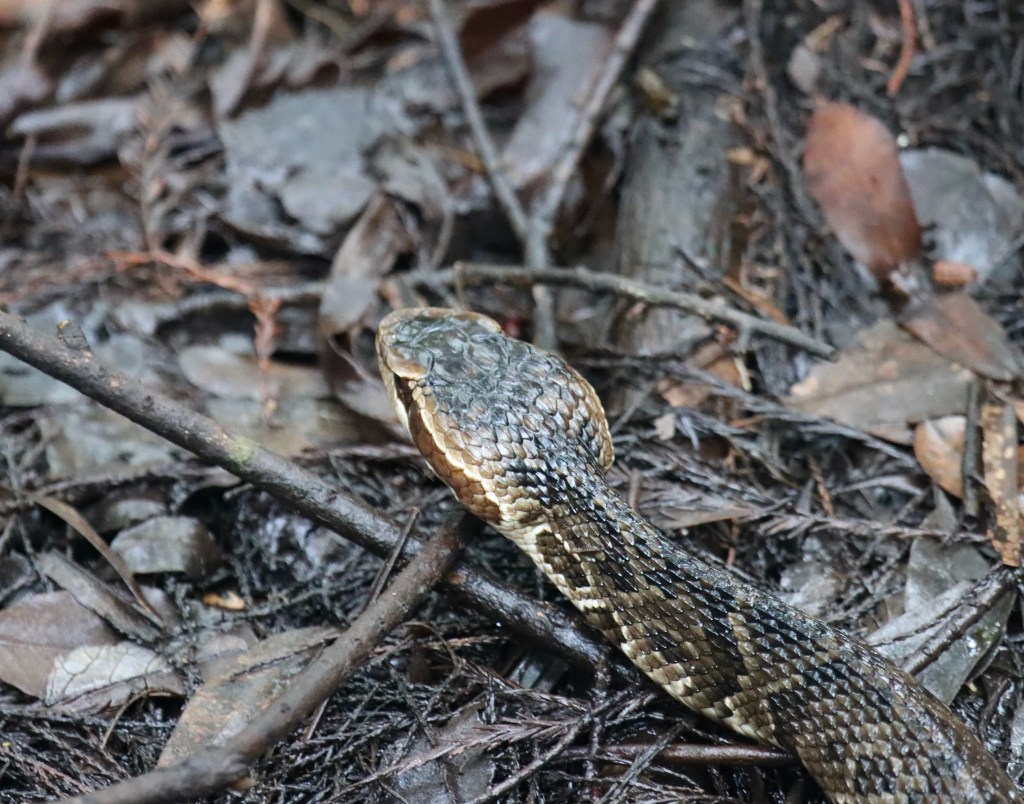
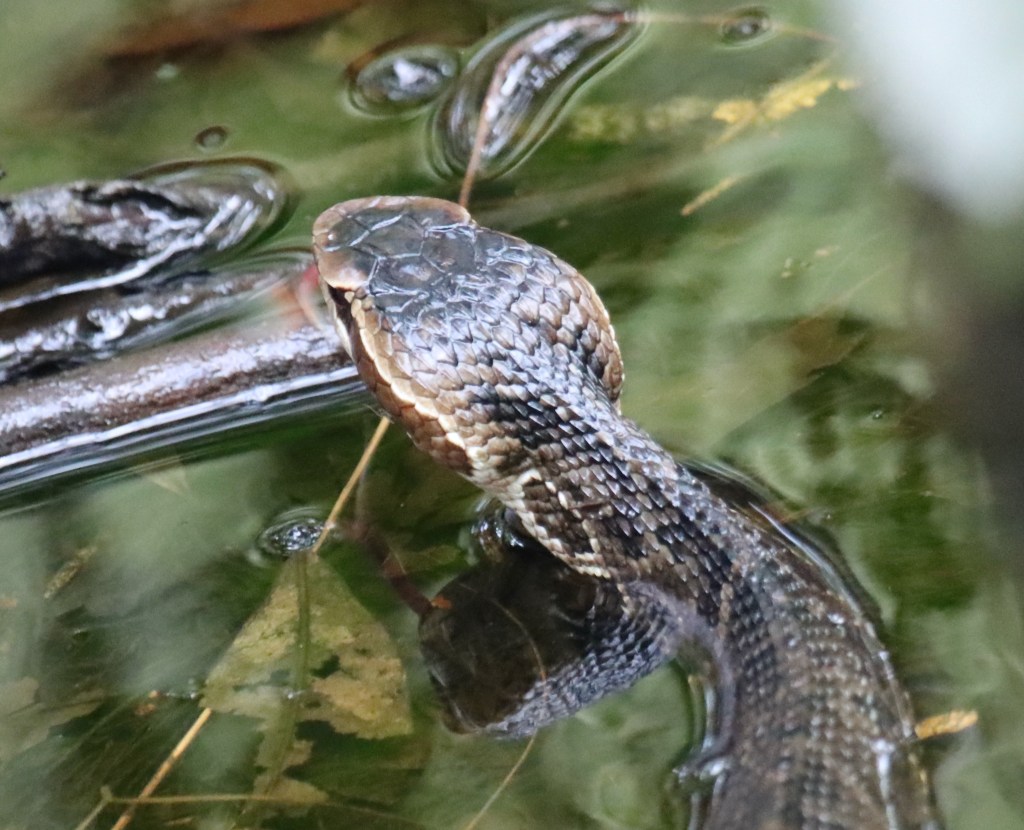
A few steps later I noted another hunter gliding through the duff, a Florida Cottonmouth. A first for me, I appreciated that the boardwalk afforded me a great view (and some safety).
Raccoon prints in the mud let me know that the masked mammals had also been scouting for food recently.
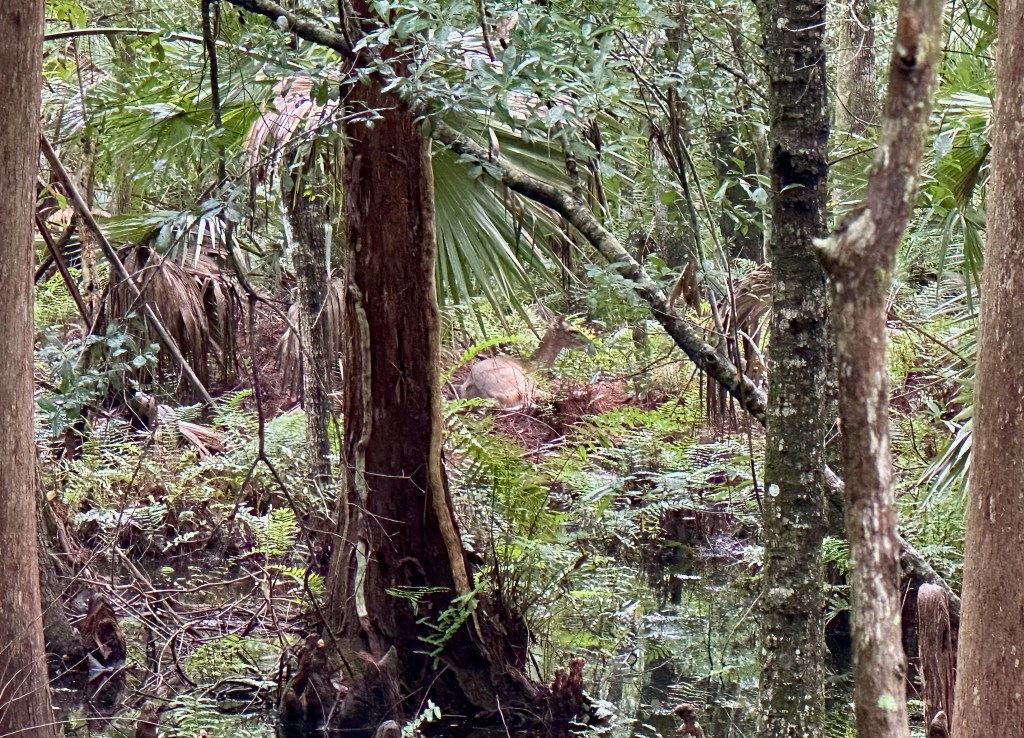
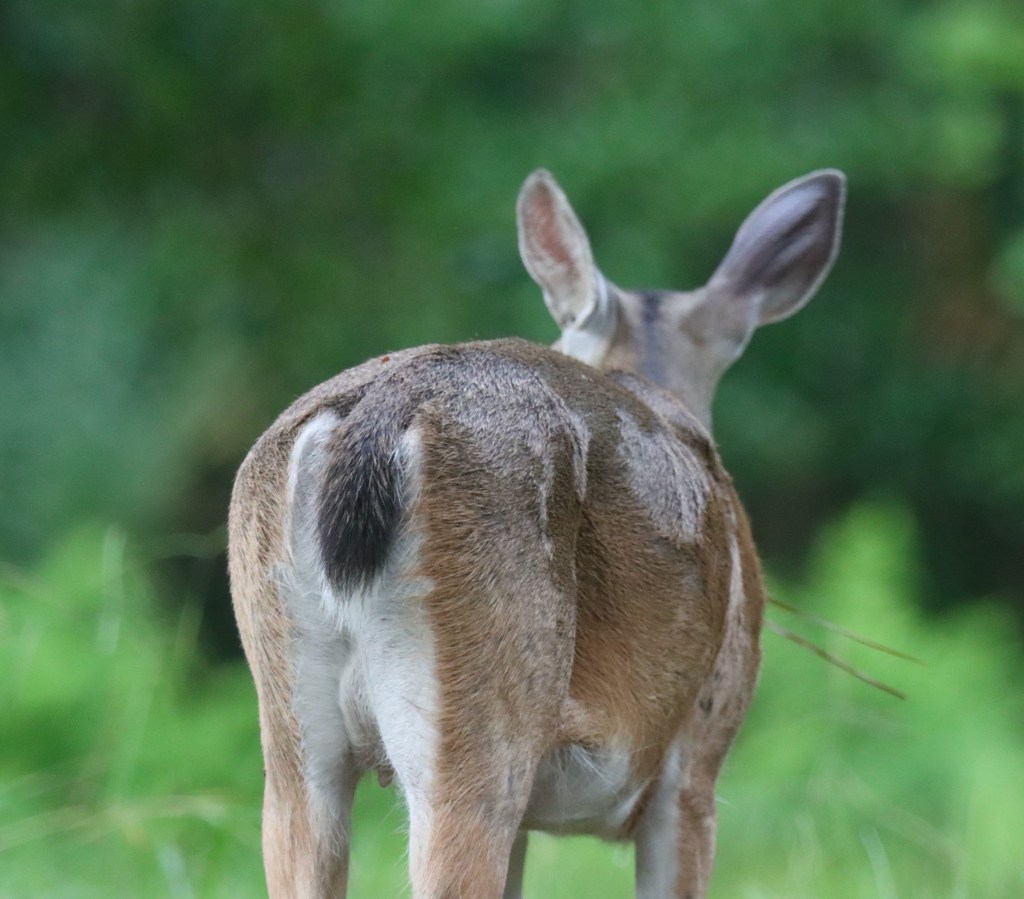
Around the bend I encountered a small bird party. They noisily flitted around while I tried to capture them in photos. Pausing from my seemingly fruitless endeavor, I noted a White-tailed Deer chewing its cud while resting on a small hammock in the swamp.
After exiting the trail, I cut across a field and encountered more deer. They are obviously quite used to sharing their park with humans as they continued to browse without concern about my presence.
I was tempted to stay longer but opted to leave once the clouds started their ominous rumbling. The bird group may have spotted more species than I did but I don’t think they had nearly as magical a time.
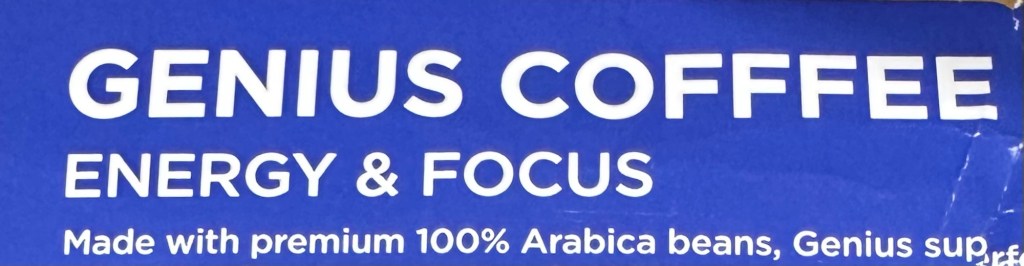
I spotted this in the grocery store yesterday. That’s a pretty ironic typo, considering what the product purportedly does.
I presume if the designer had actually guzzled some of this coffee the mistake would’ve been avoided…


While dodging flooded streets on my way home from work last week I cut through the parking lot of a vacant building. I noticed ripe papayas in the overgrown hedge so I stopped to take a closer look.
As usual with papayas, the yellowing fruit was up near the crown, a good 15 feet off the ground and well out of my reach. Side note: During my stay in Costa Rica, there were two tall papaya trees in my yard. I was never able to reach the large fruits, but they were favored by toucans, who obviously had no trouble flying to those heights.
But, back to my current story. As I returned through the shrubbery to my car I noted a strange, knobby, green ball among the branches. Wondering if it was also edible, I snapped a photo and did a quick online search. Turns out it was a Sugar Apple, also known as Sweetsop (Annona squamosa).
I’ve never tasted one before but the description sounded interesting, smooth and creamy (like custard) with a mild floral, banana flavor. I searched through the branches until I found a ripe one (about the size of a softball) and brought it home to sample. After gently pulling it apart with my hands I used a spoon to scoop the segments out of the rind.
The flesh was soft, and more sweet than flavorful, but I enjoyed it. Though I had to chew carefully because each segment contained a large, hard seed. Since the tree is native to the American tropics and considered naturalized in southern Florida, I saved the seeds and will try to germinate them. Who knows, maybe I’ll grow my own someday!

I had to turn around to snap a photo of this boat. It’s been sitting in this yard for so long that trees are growing out of it! Not the intended purpose of this vessel, I assure you.
It’s a Florida thing that I don’t think I’ll ever understand, there are boats, sitting in yards, that haven’t seen water in roughly a decade. Why not just sell it? A boat isn’t cheap so why let it rot away? Is it because as long as people have a boat they have hope that they could go boating? 🤷♀️


Caught a bit of the action at the bird feeder this morning. Though, based on what I witnessed, I suppose I should just call it “the feeder” from now on. It wasn’t much of a battle as the birds quickly flew off, complaining the whole way. Apparently, this squirrel doesn’t share!
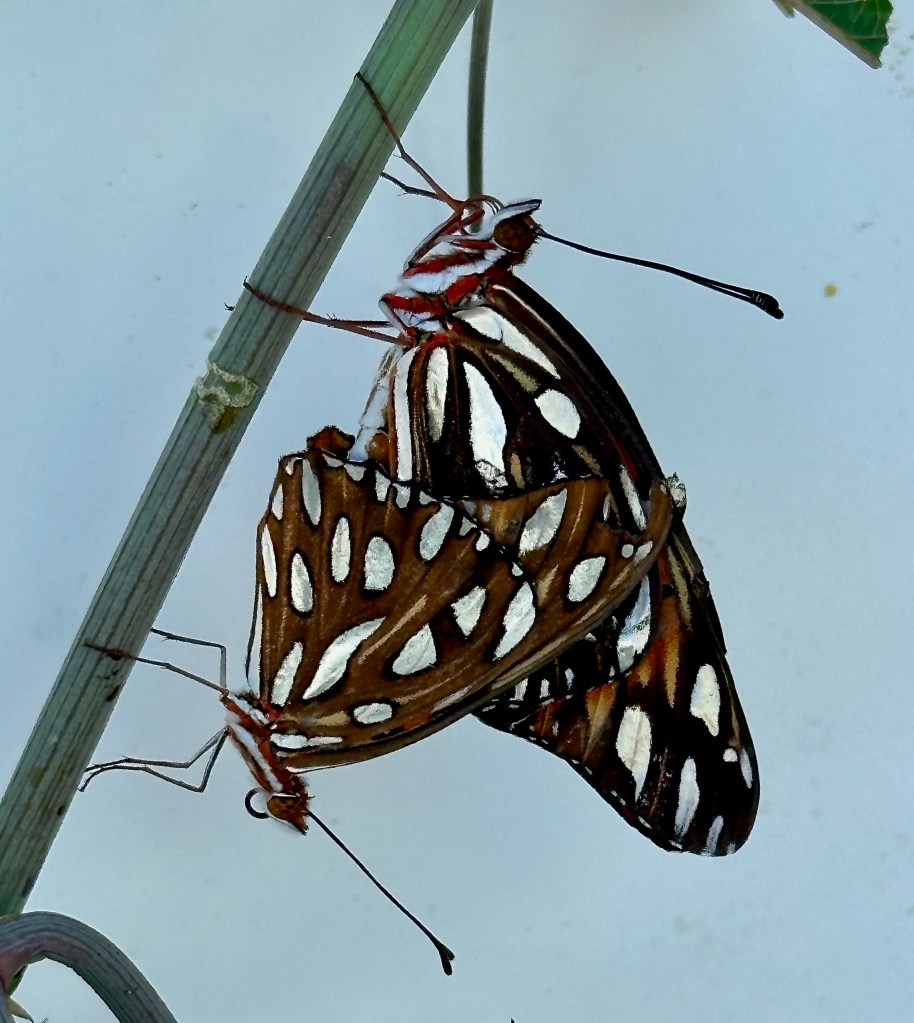


There’s been an awful lot of fluttering in my yard lately and I have my sister Desirée to thank for it. When she, her husband Scott, and our dad George stopped by for a quick visit in 2021 she gifted me two passionvine seedlings (Passiflora sp.).
They’ve grown well in my front yard and over the years I’ve even been able to move a few volunteer starts to my back yard. The abundance of passionvines has attracted a number of Gulf Fritillarys (Agraulis vanillae) this summer.
While their offspring have munched my vines bare, I’m delighted that my yard provides them suitable habitat. Besides, I know the vines will recover. As you might guess, their decided preference for passionvines led to their other common name, Passion Butterfly. No matter what you call them, I love watching them flutter around my yard!

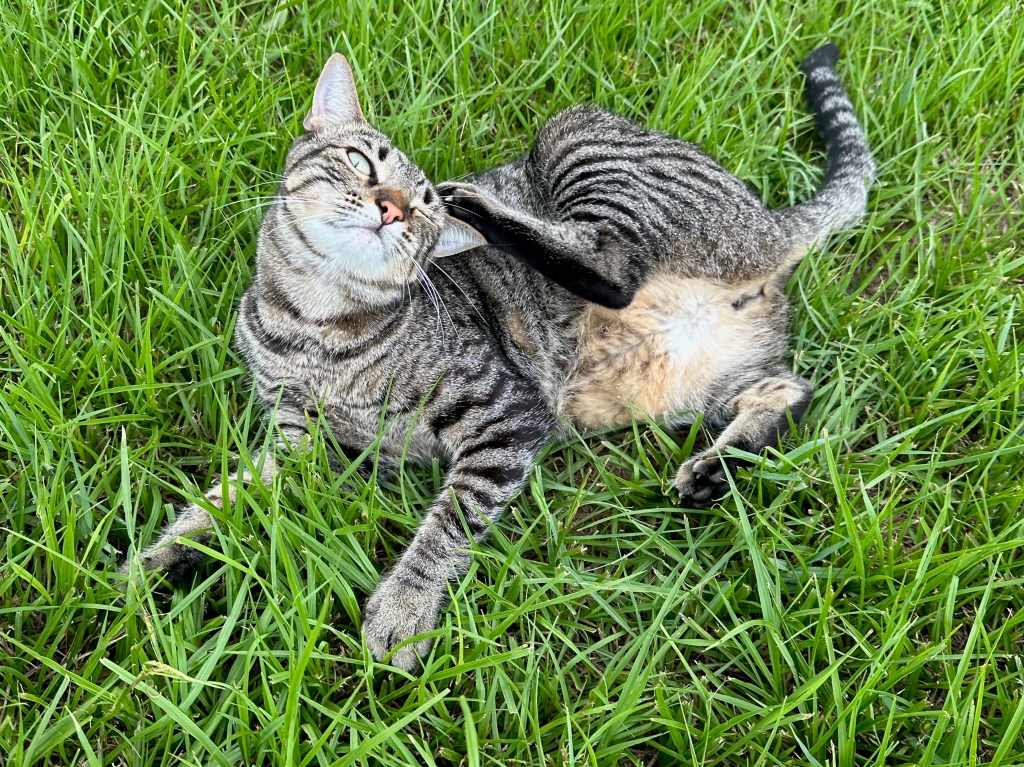
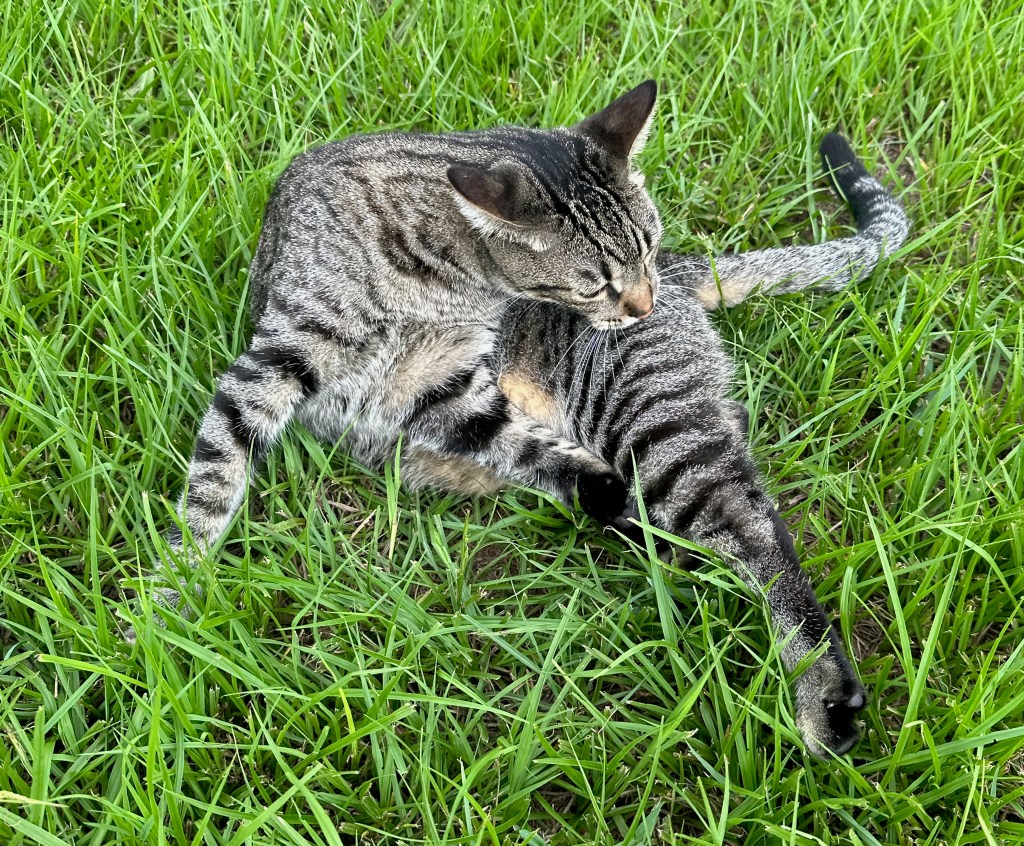

This. This was Westley’s level of concern about the long list of yard work that I shared with him. The absolute embodiment of disinterest. If you look up nonchalant, these are the photos you’d find…
The mowing, weeding, trimming, and installation of a French drain were all completed without him lifting a single paw. Lucky fluff!

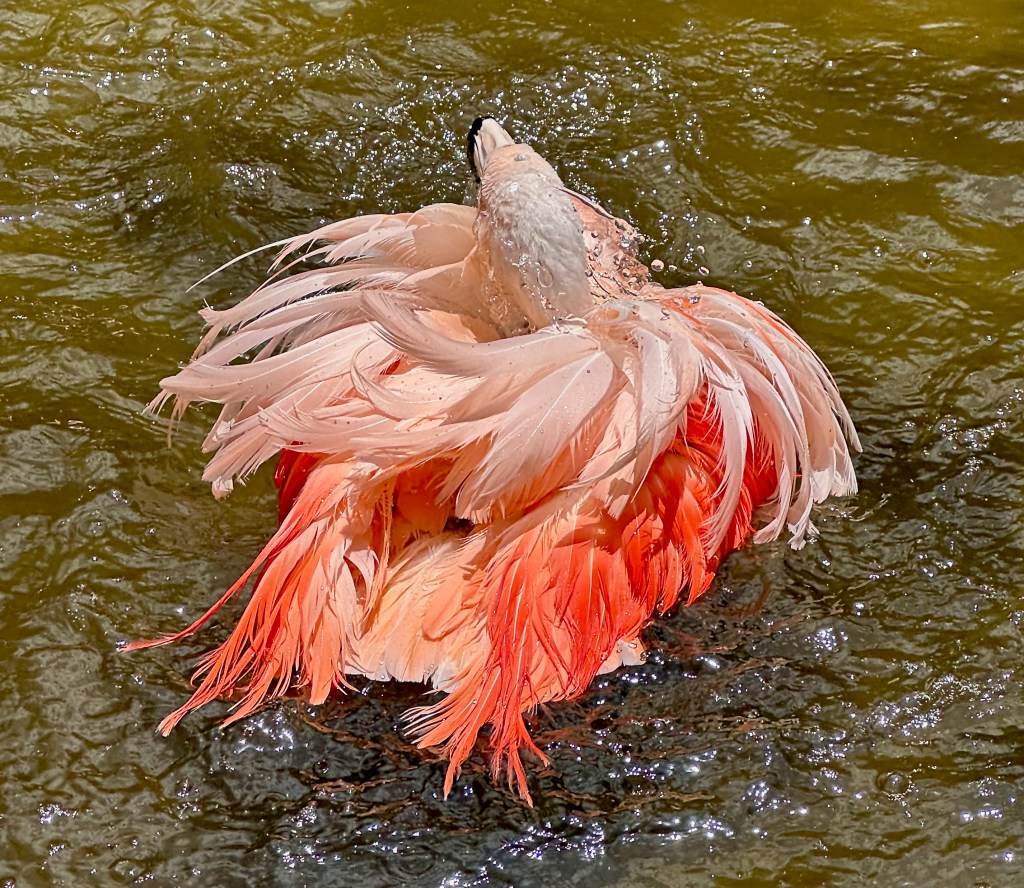
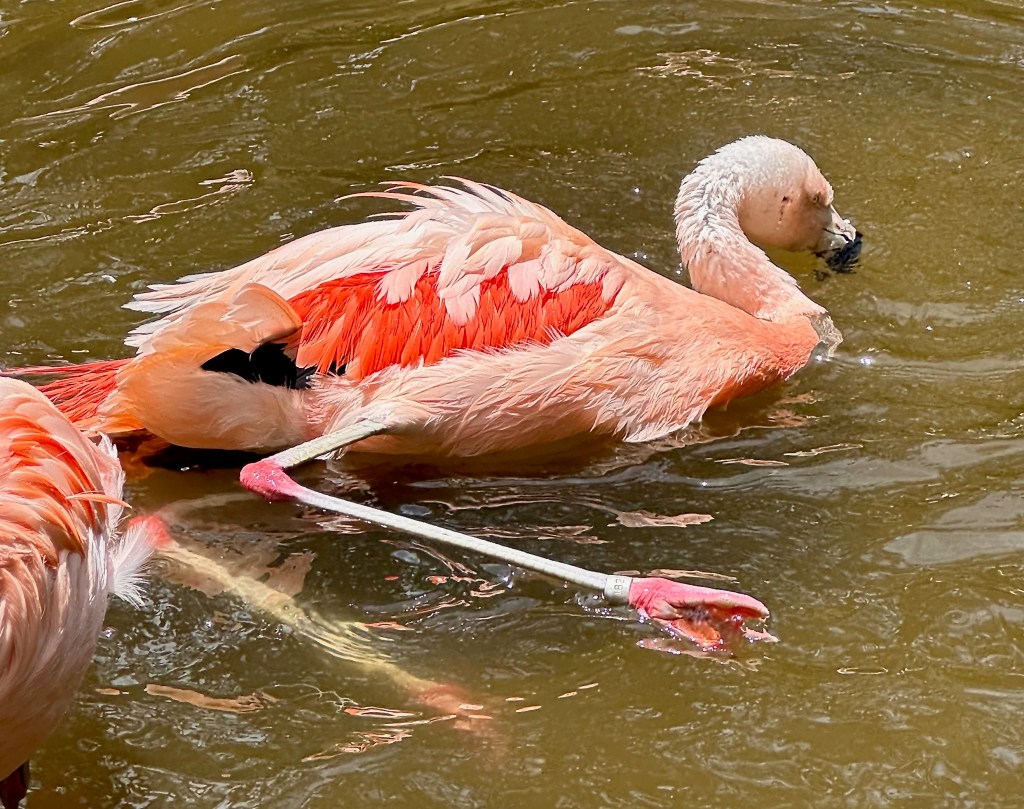
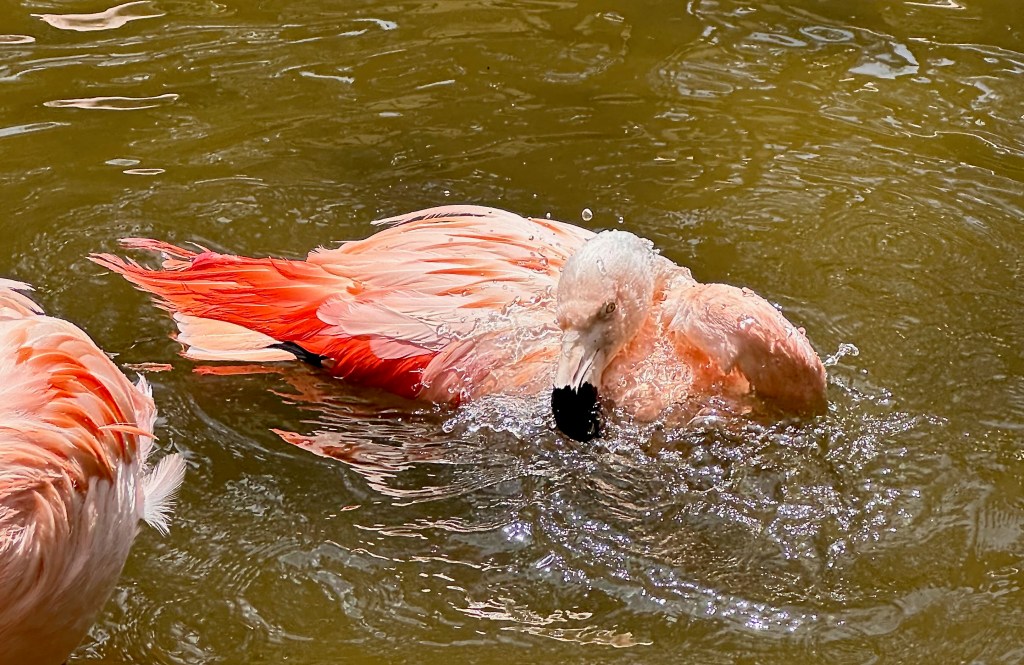


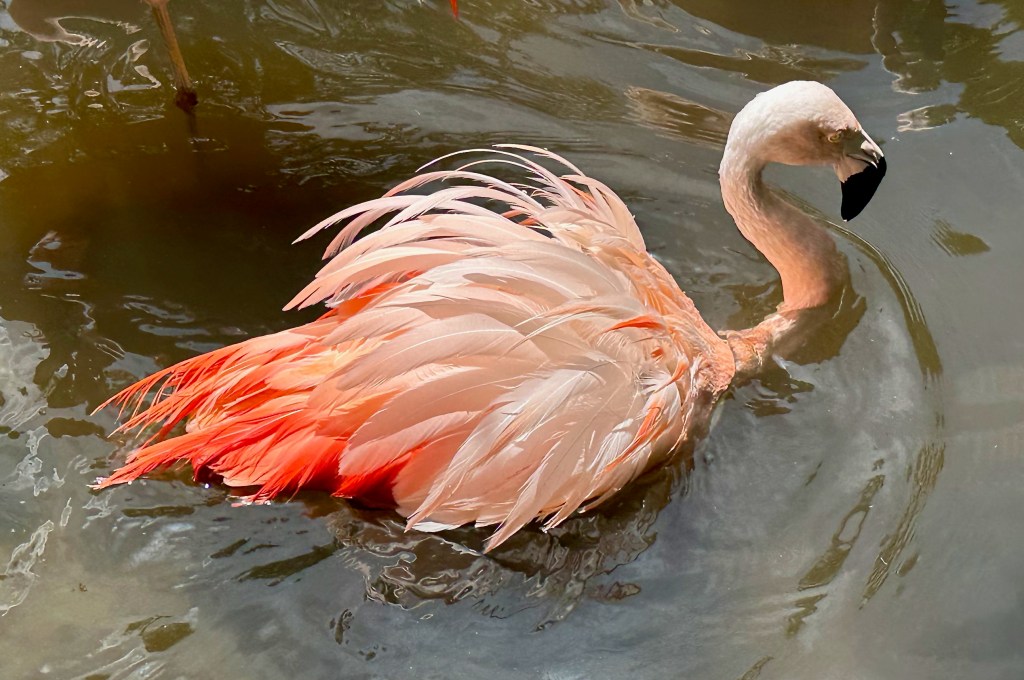
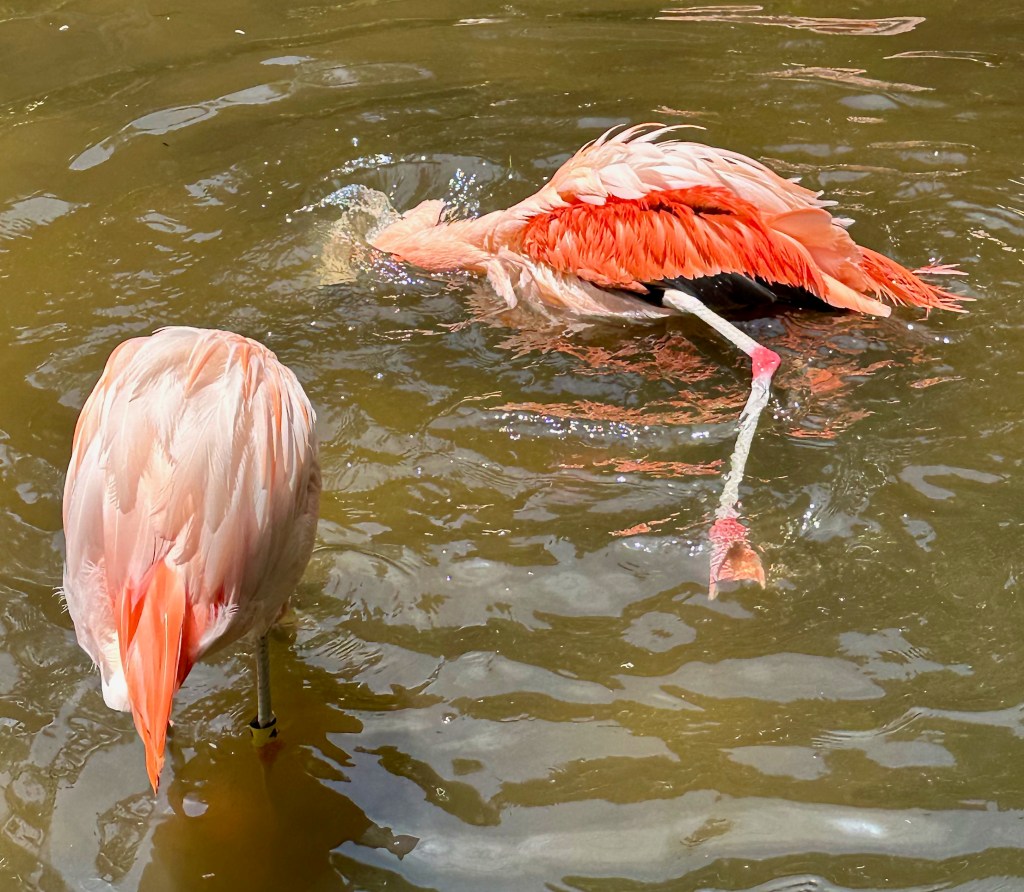
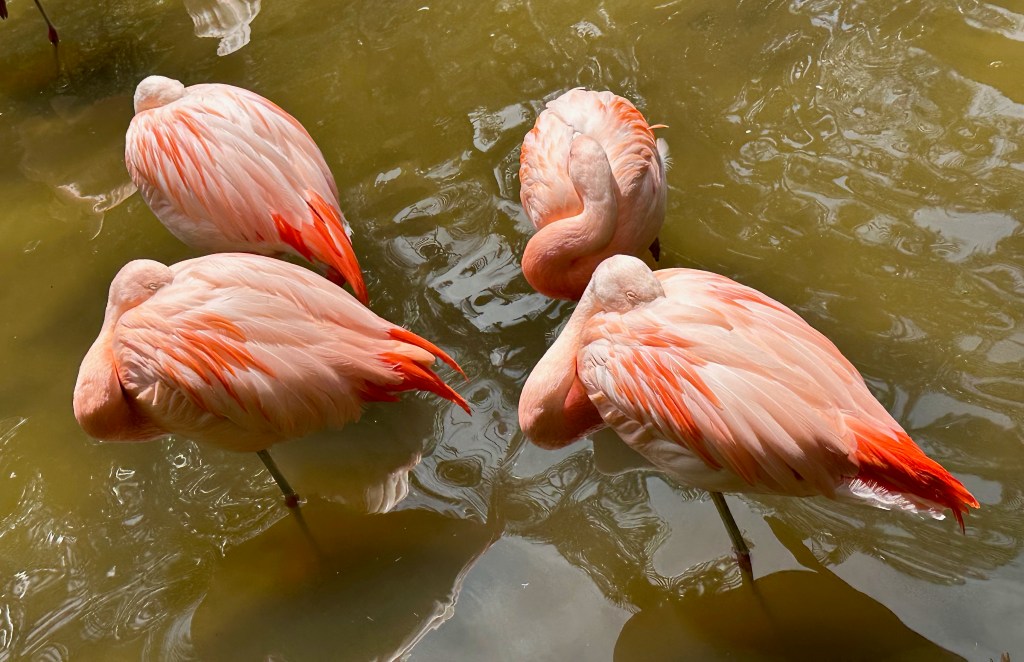

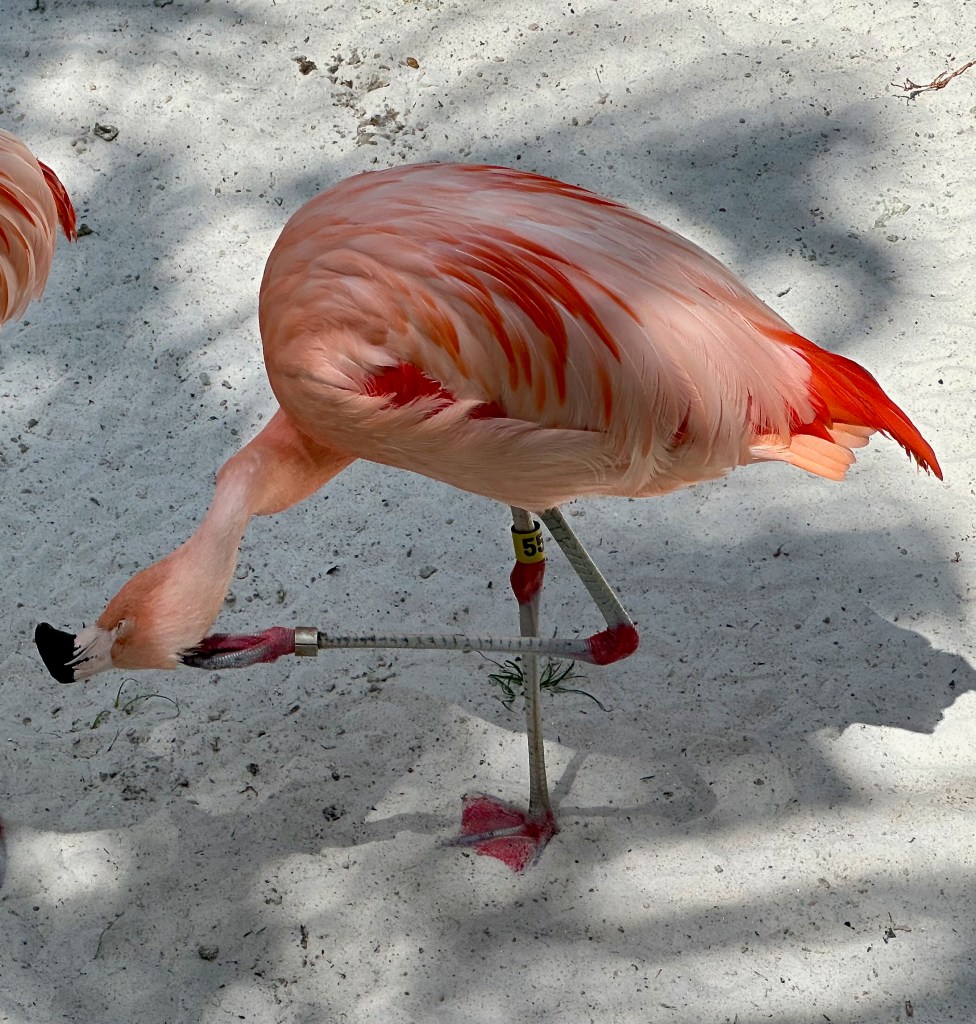
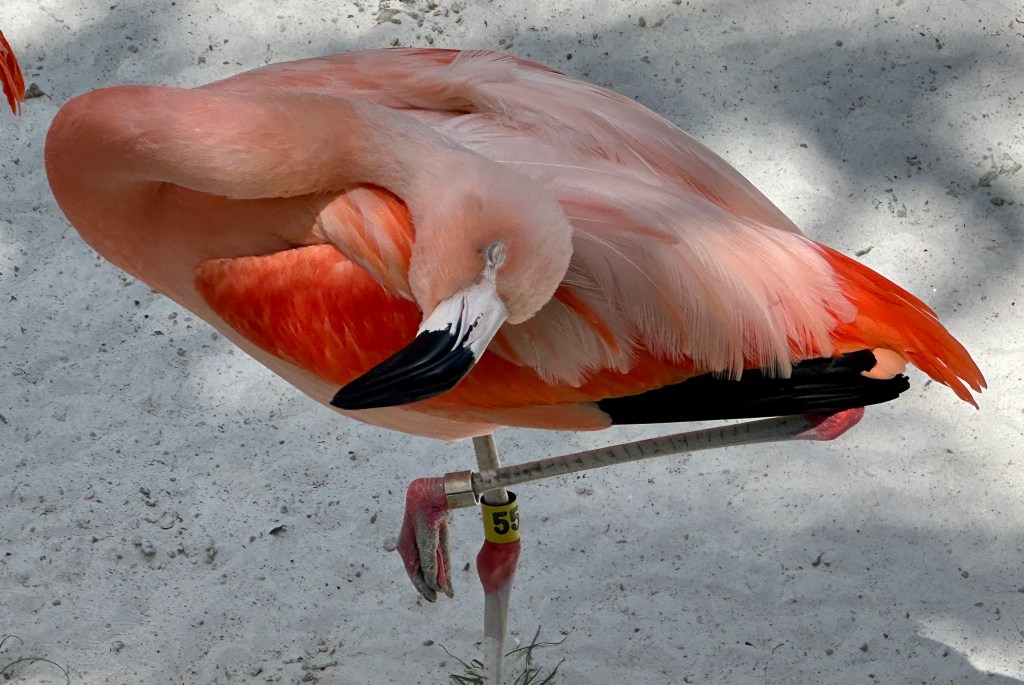

As I mentioned yesterday, there’s more to Sunken Gardens than just plants. Flamingoes have been an important part of this oasis since they were put on display in 1955.
According to signage, the Turner family drove to Miami in a station wagon to pick up the first flock. The Turner kids rode in the back with the large birds, which honked, grunted, and growled their displeasure all the way to St Petersburg. It’s a 4 hour drive today but back then it was at least a 6 hour trip (due to slower speeds and smaller roads) – can you imagine?!
It was worth the effort because the birds were a huge hit with tourists. Over the years the menagerie grew as more exotic birds, pygmy goats, and even monkeys were added. Things are quieter in the Gardens these days as only flamingoes and a dozen other rescue birds remain.
In 2016 the current flamboyance of Chilean Flamingoes moved in. They seem well-acclimated to our hot weather as they went about the important business of bathing, preening, feeding, and pursuing mates. After all these years, the flamingoes are definitely still a hit with tourists! 🦩

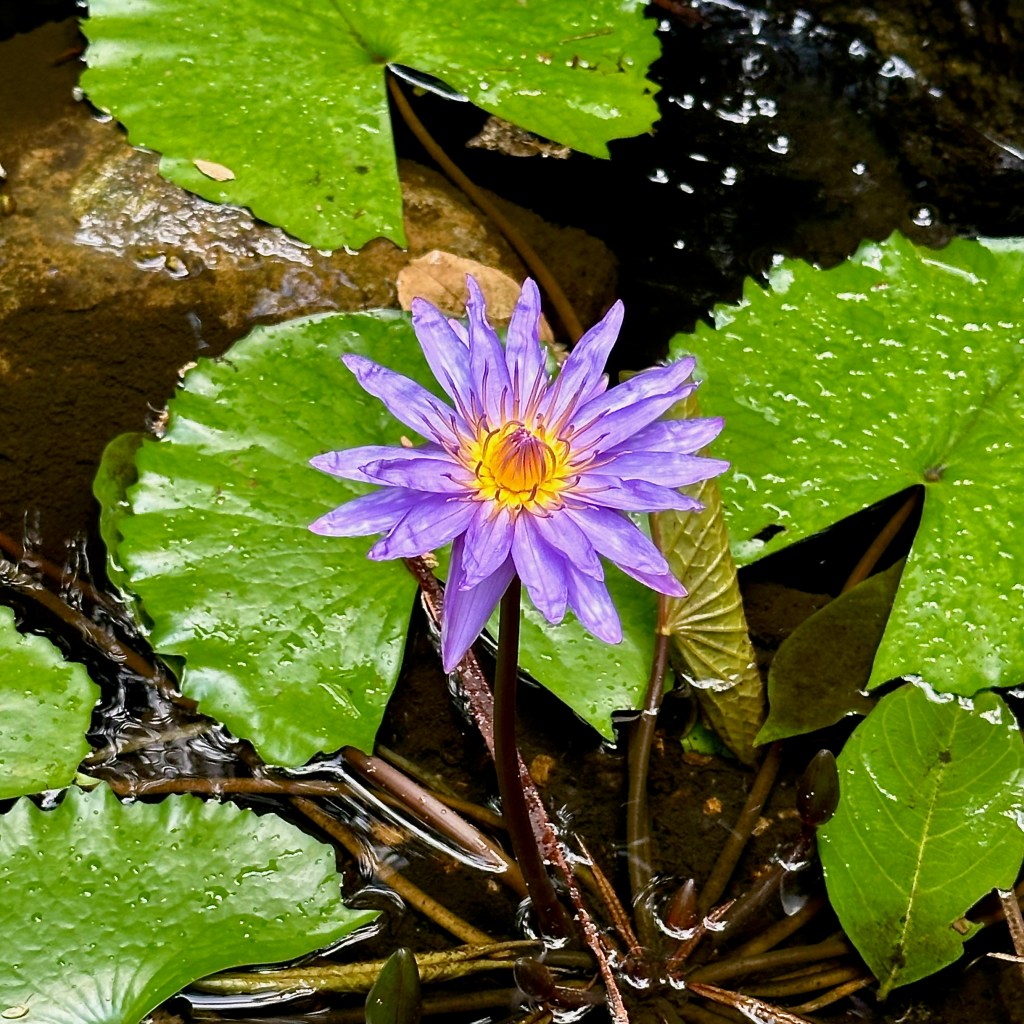


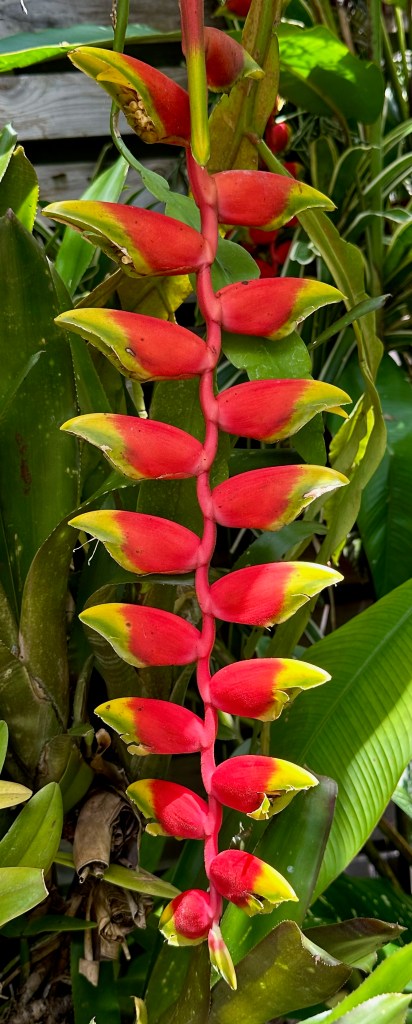

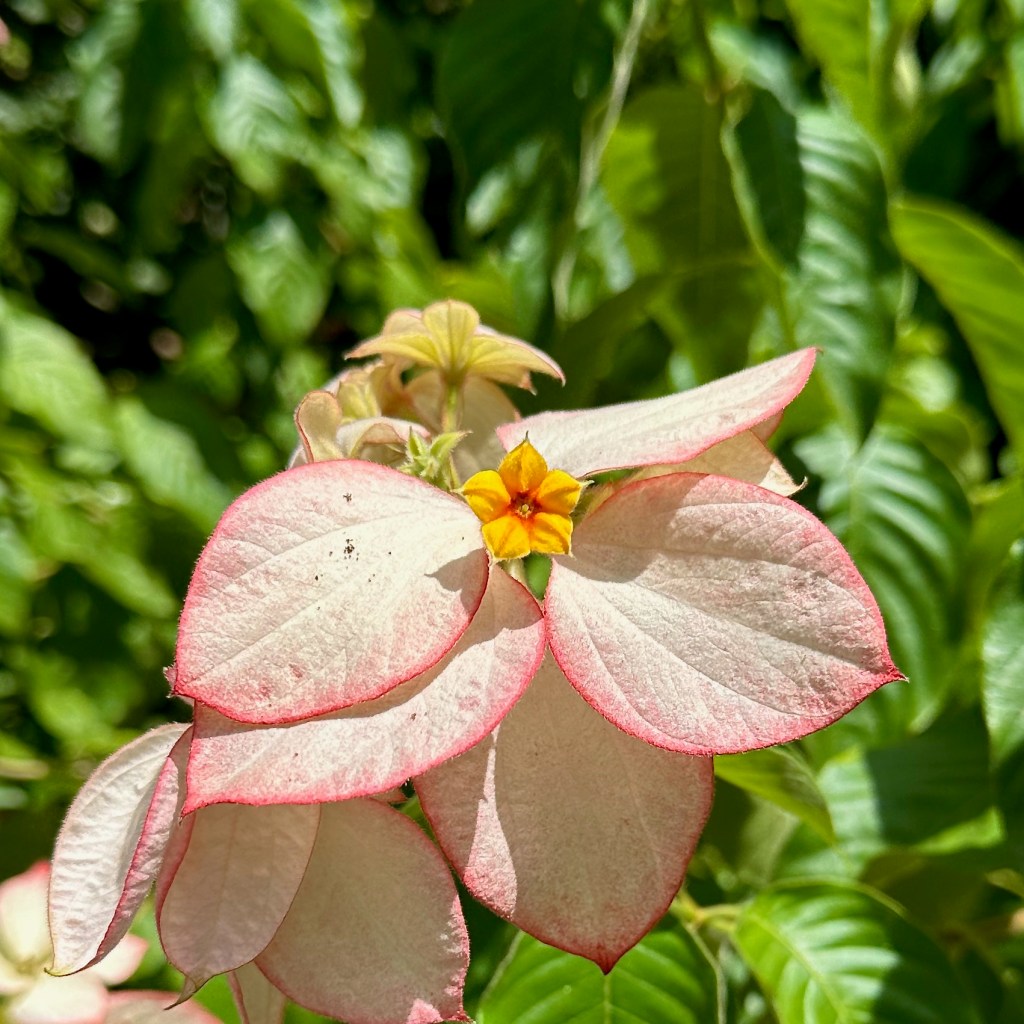
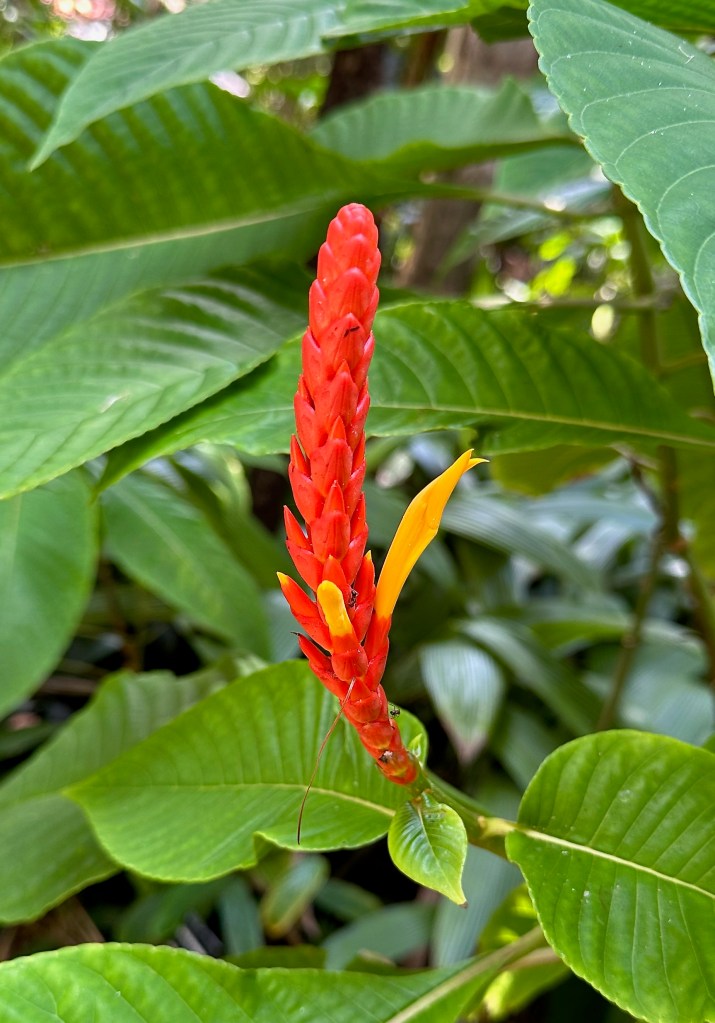

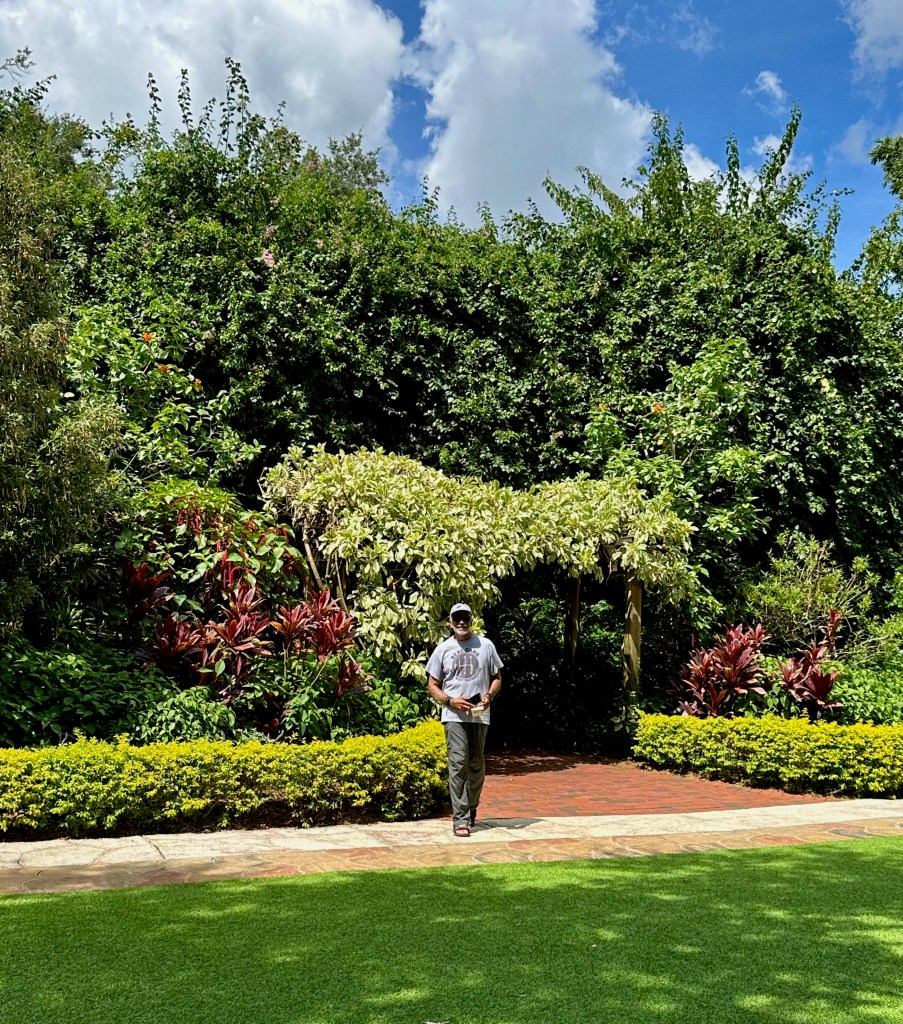
During his visit last week, my friend Hector and I spent a warm afternoon wandering Sunken Gardens’ winding pathways. What started over 100 years ago as the Turner family’s orchard and garden gradually grew into a lush roadside attraction.
As visitation grew, the Turner’s added flamingoes, parrots, monkeys, and other exotic animals to their vast collection of tropical plants. All while still selling delicious fruits and vegetables to local markets.
Sadly, tourist preferences changed over time and in 1989 the family made the difficult decision to put the 4-acre property up for sale. They patiently waited for the right buyer and thankfully, in 1999 the community rallied around this special place raising the funds to purchase and preserve it.
We’re very fortunate to have this historic oasis here in the heart of St Petersburg.
 3rin's View...