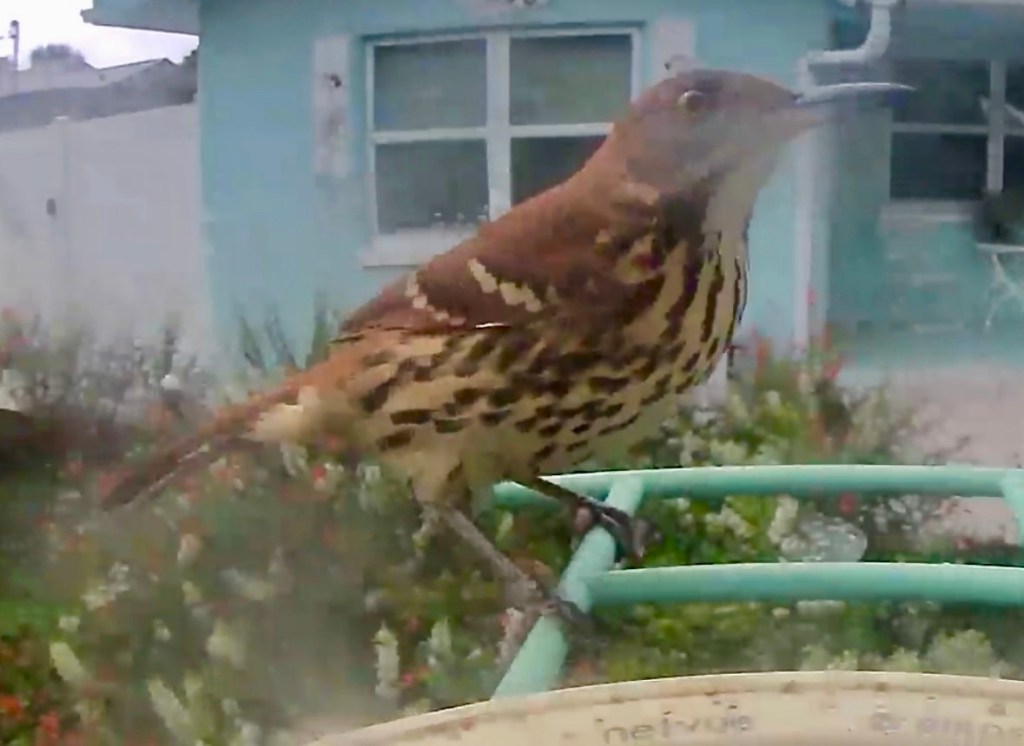
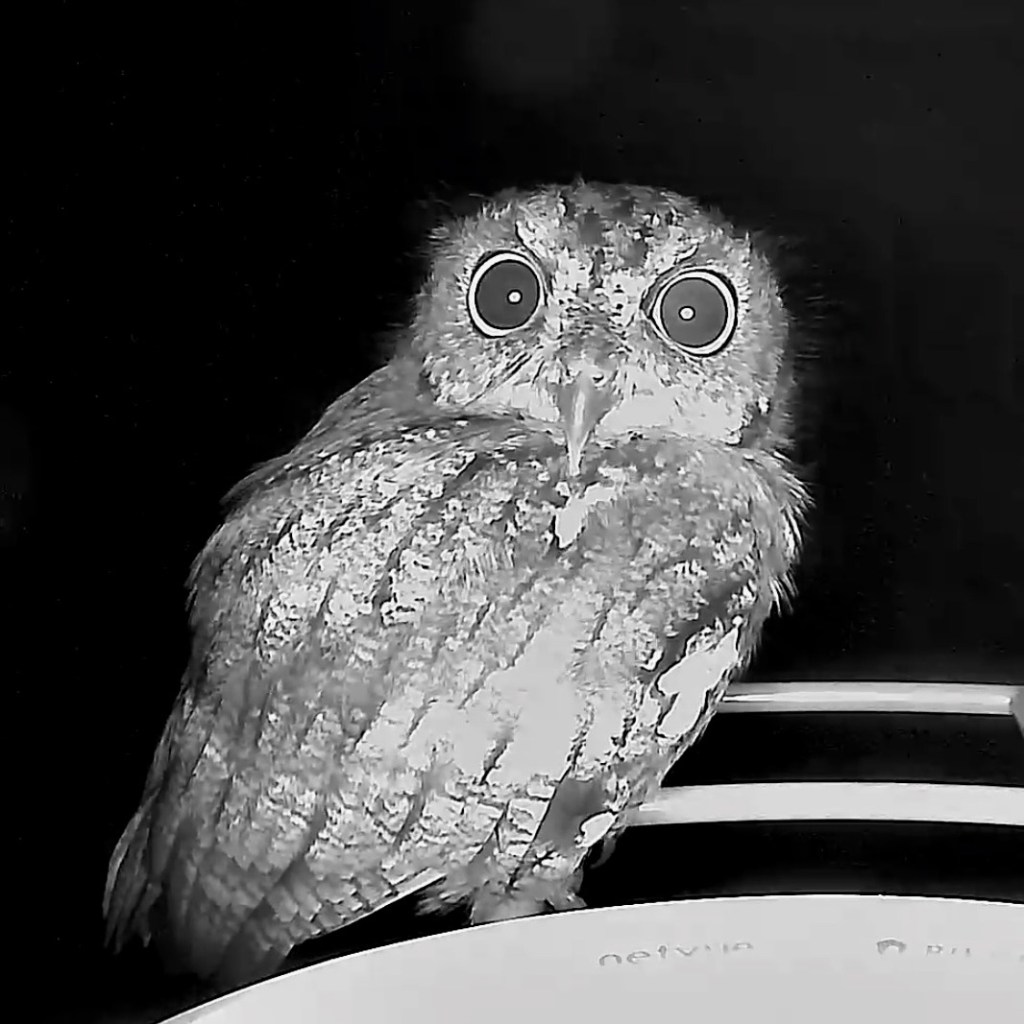
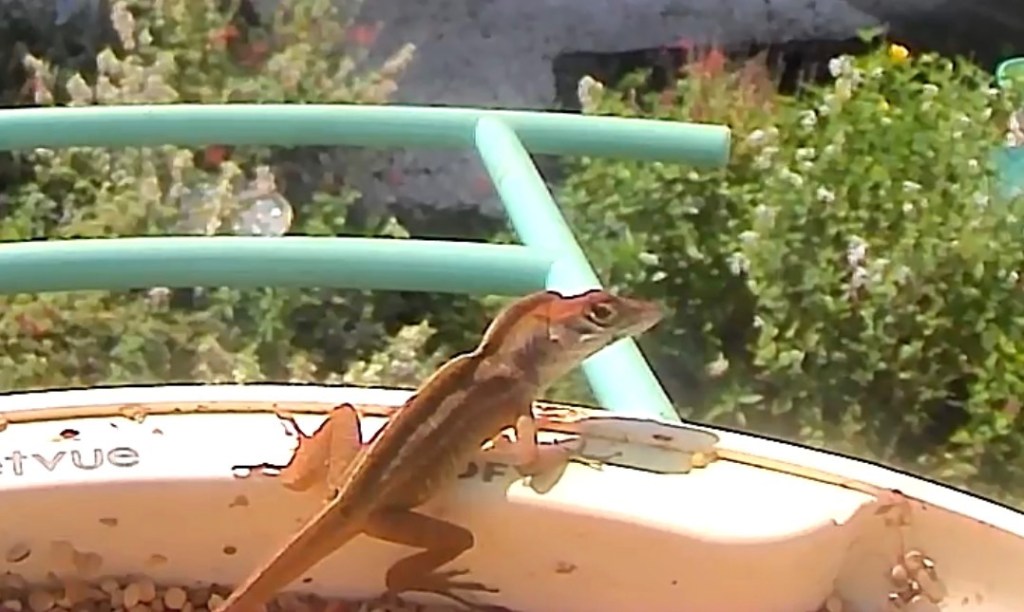
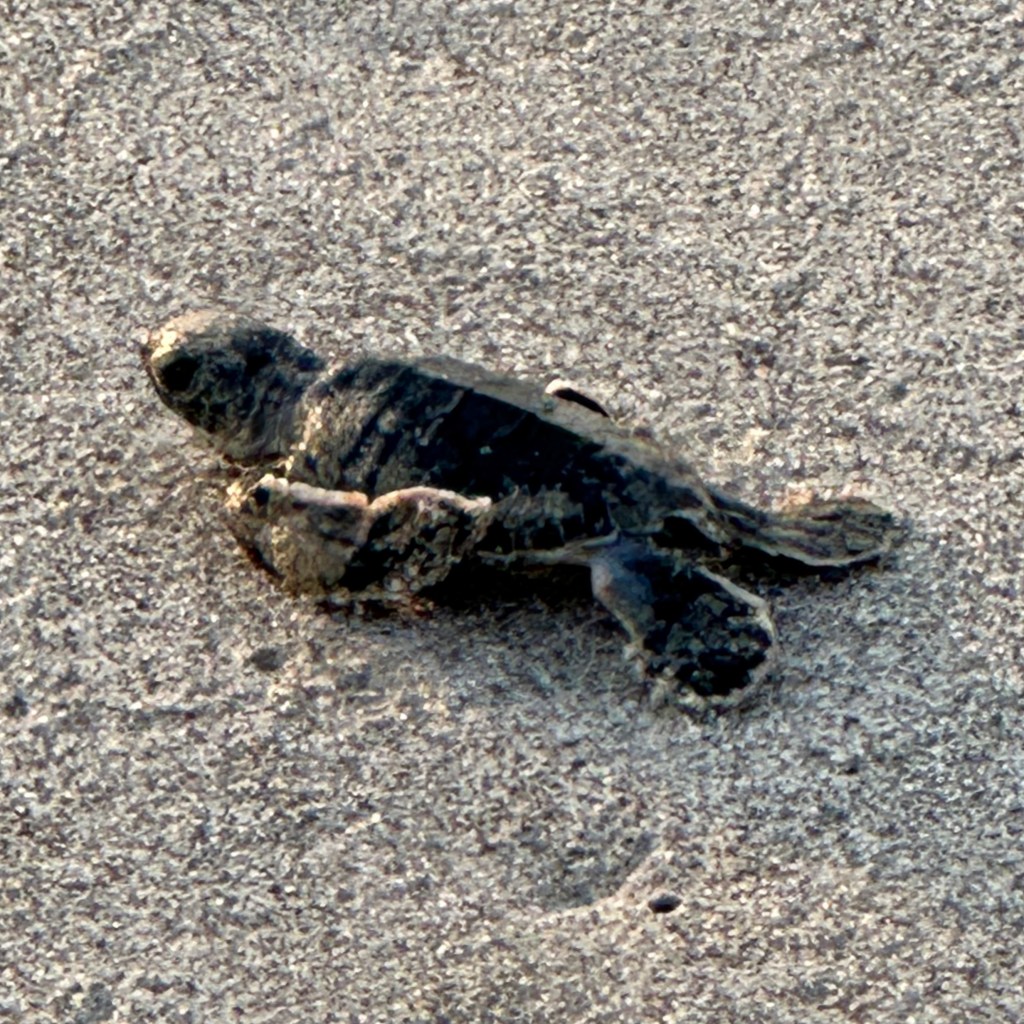
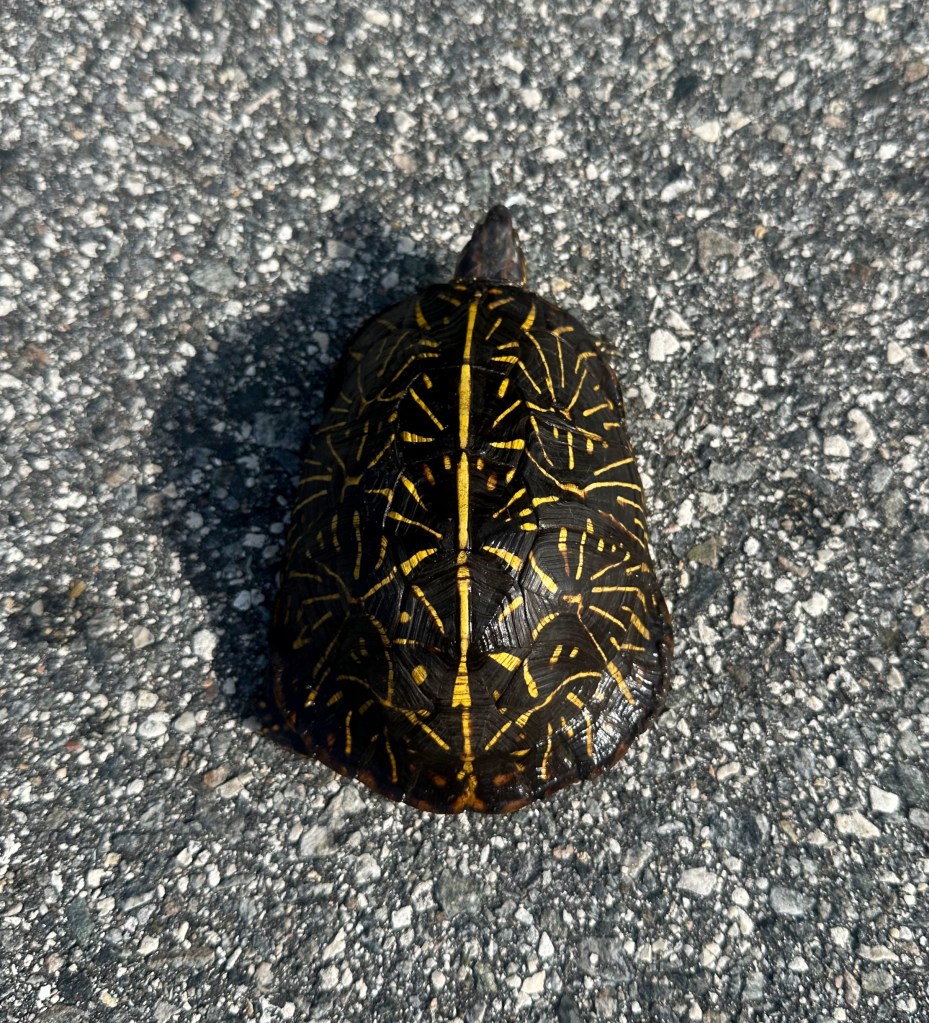
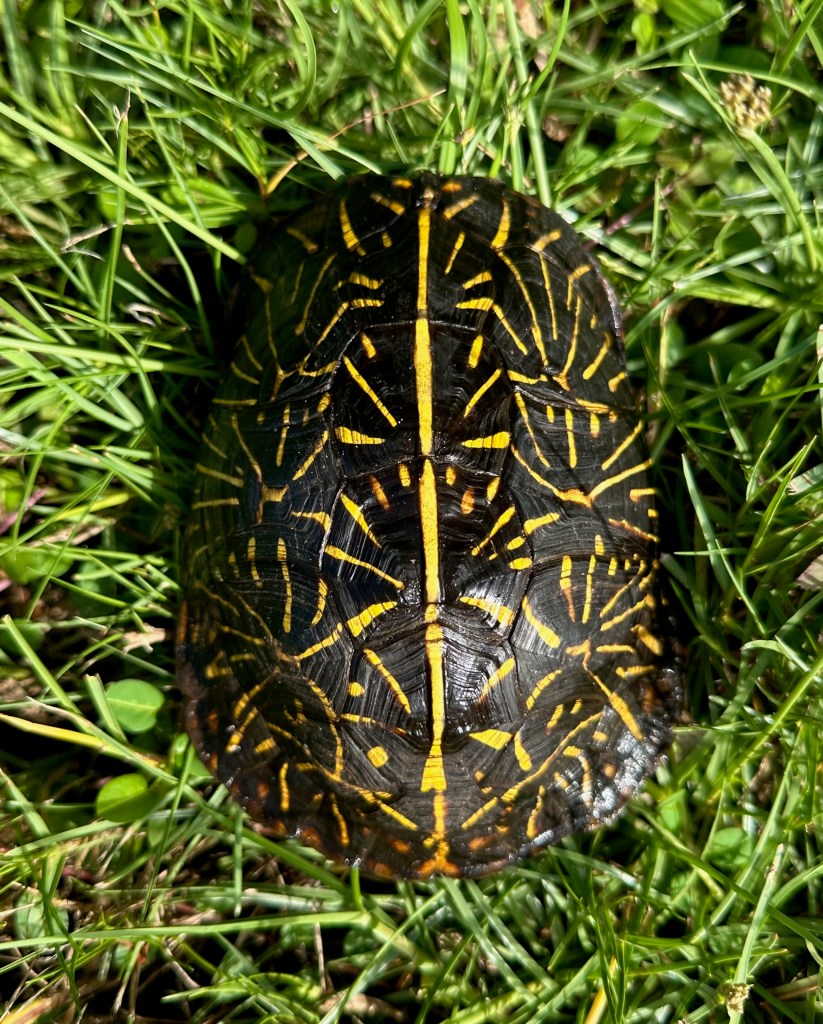
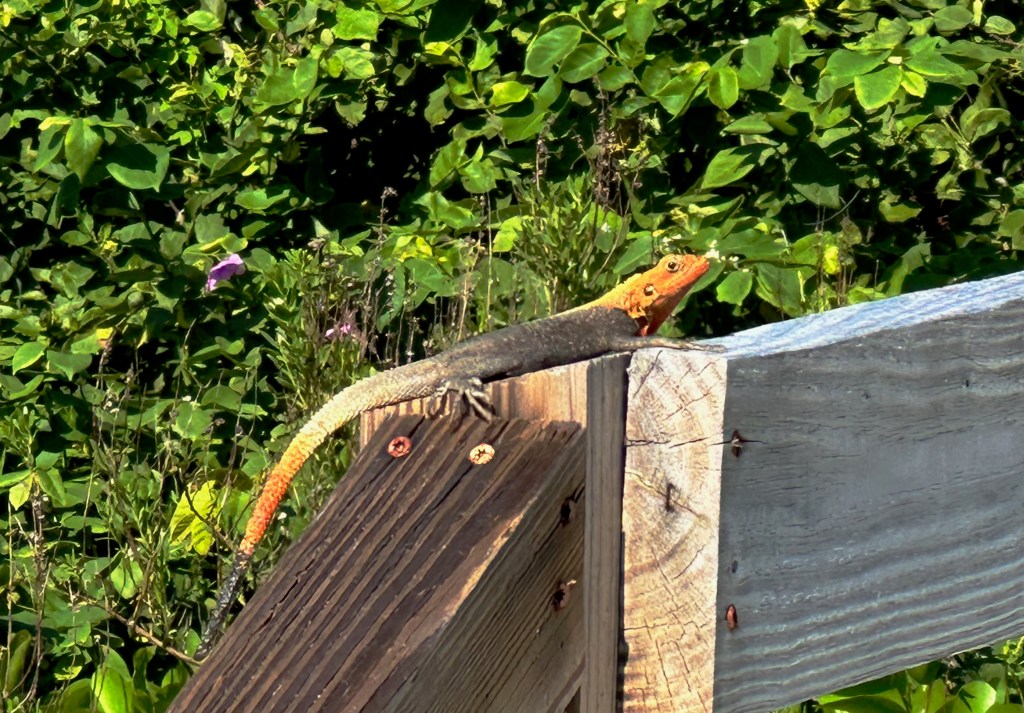
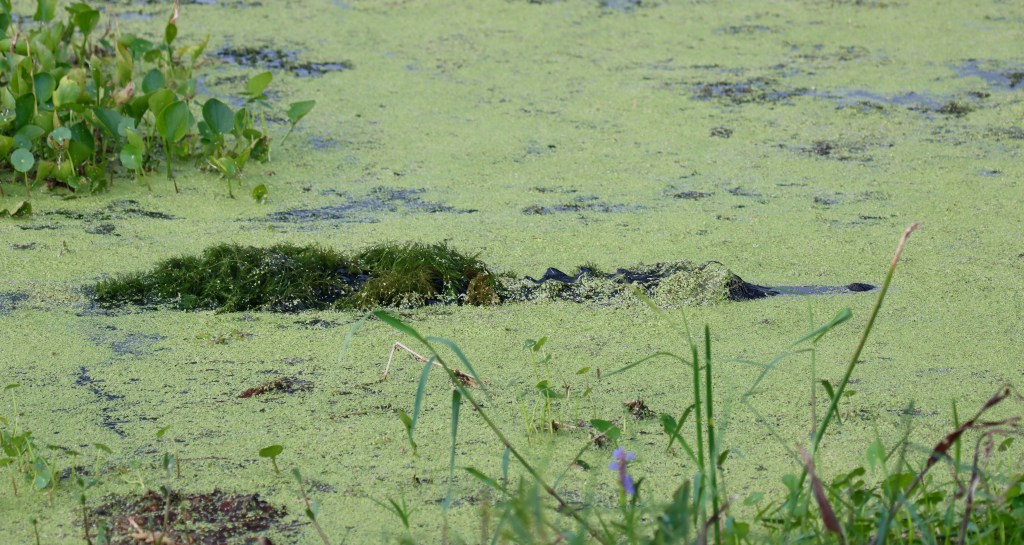
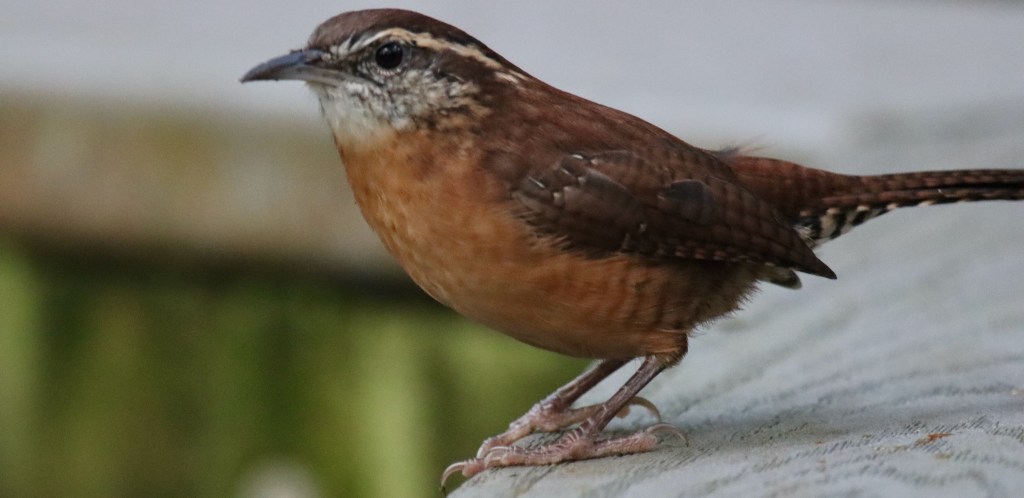
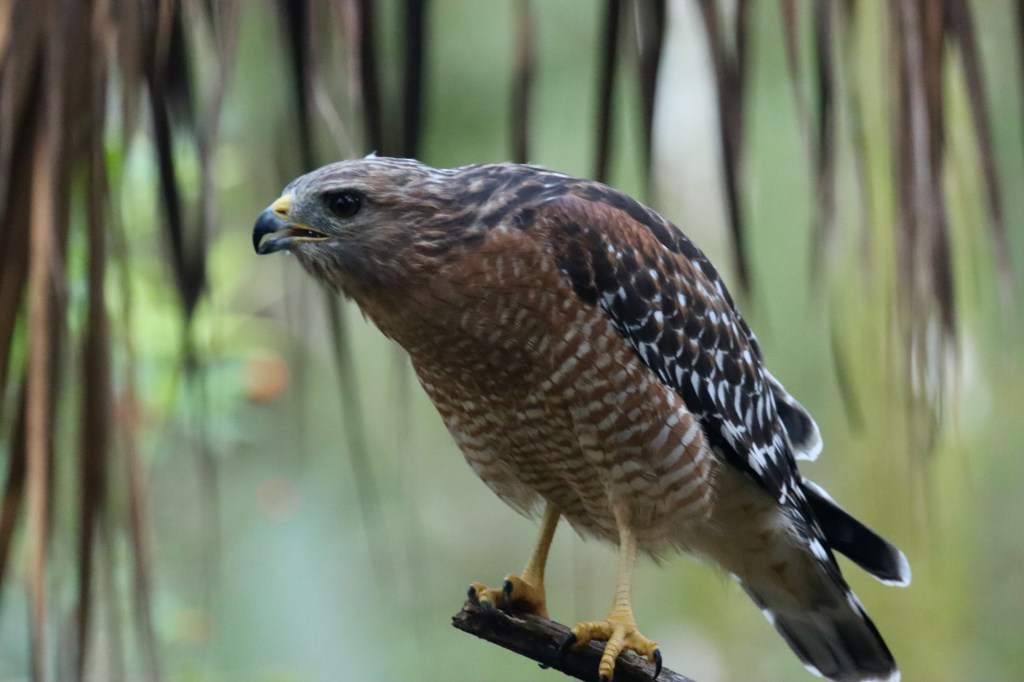
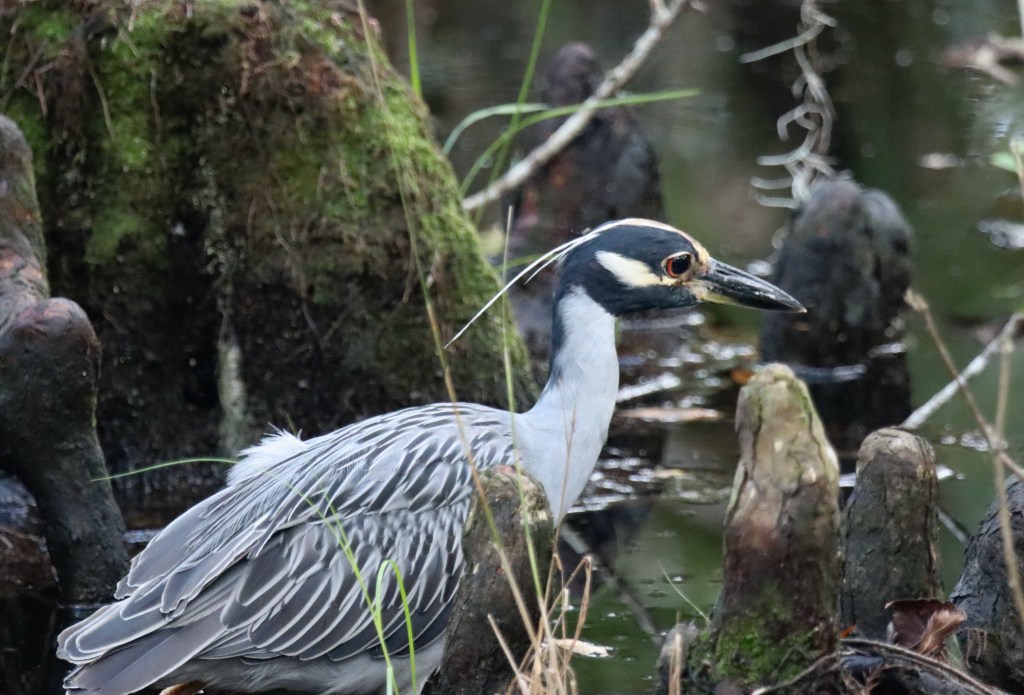
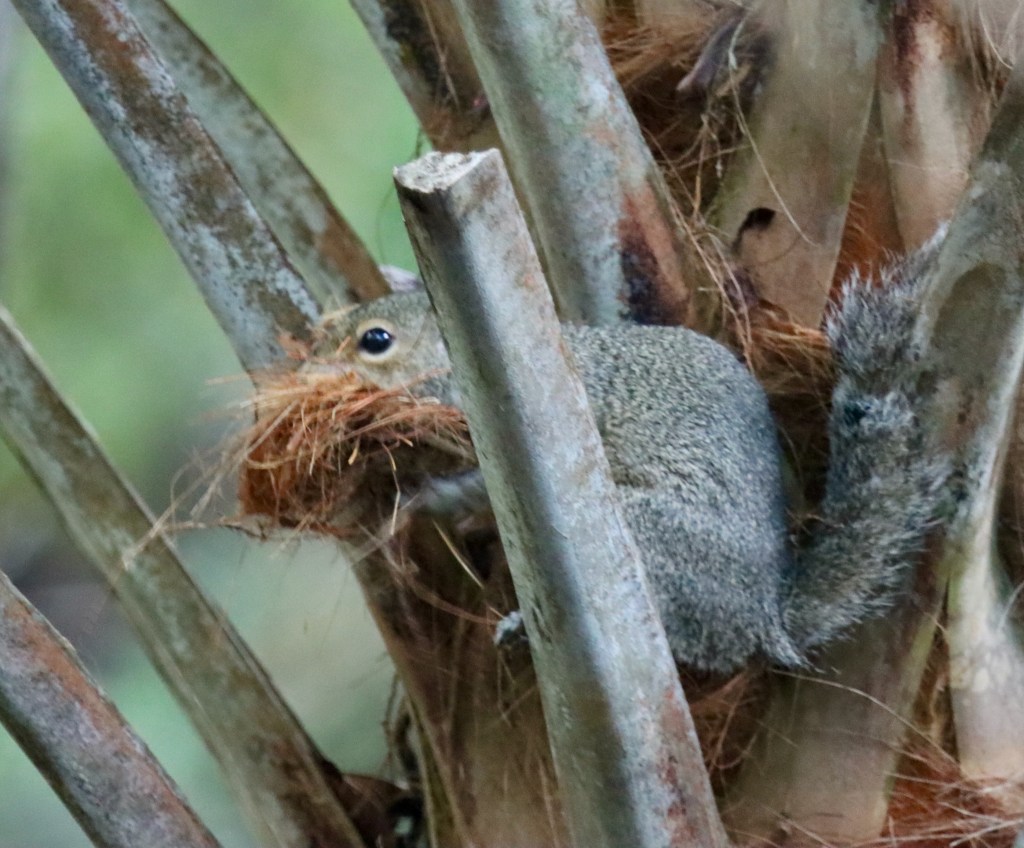
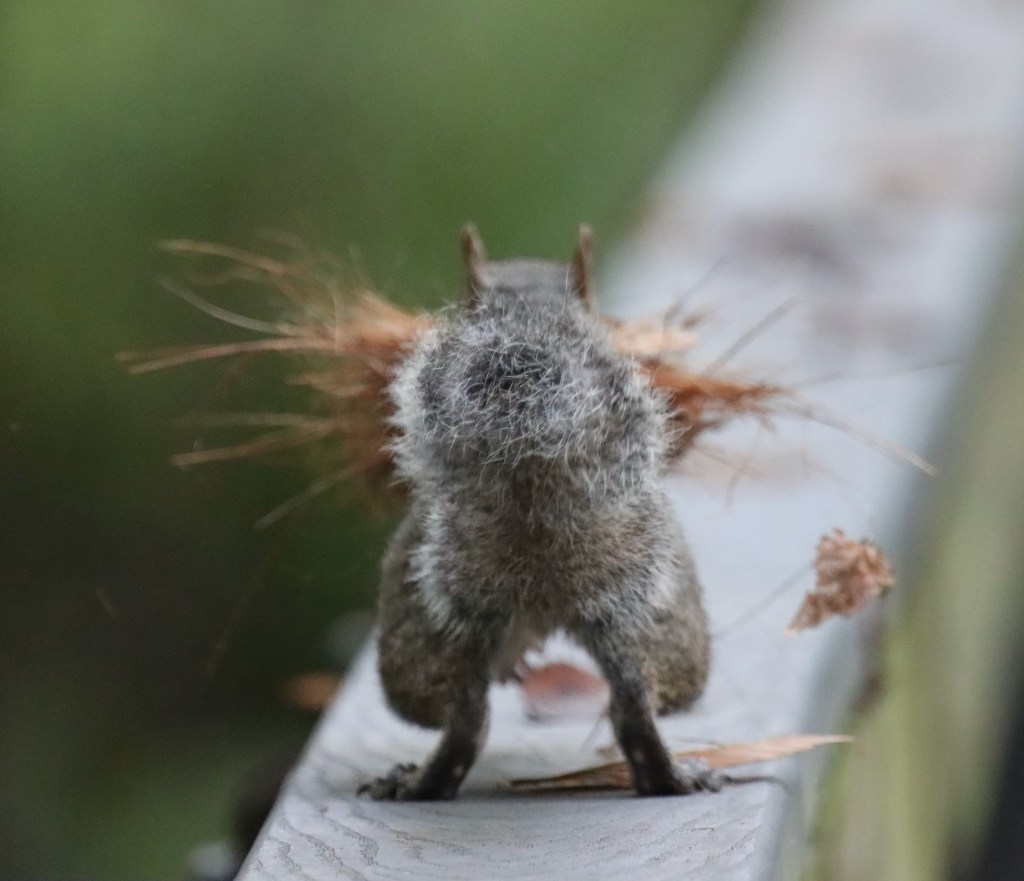
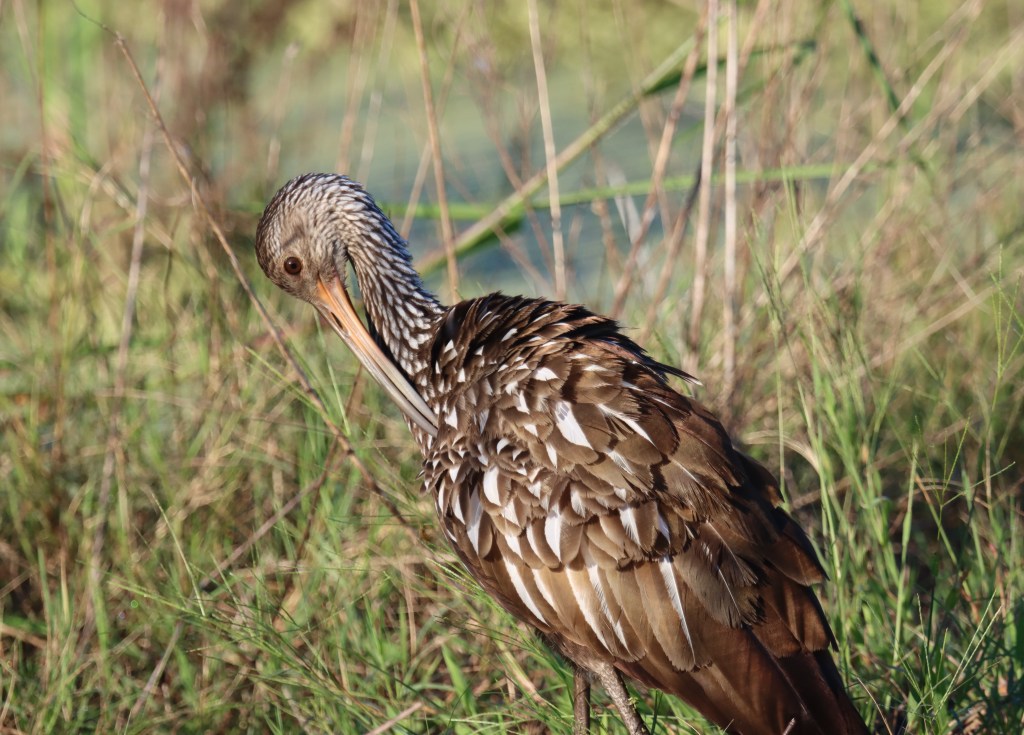
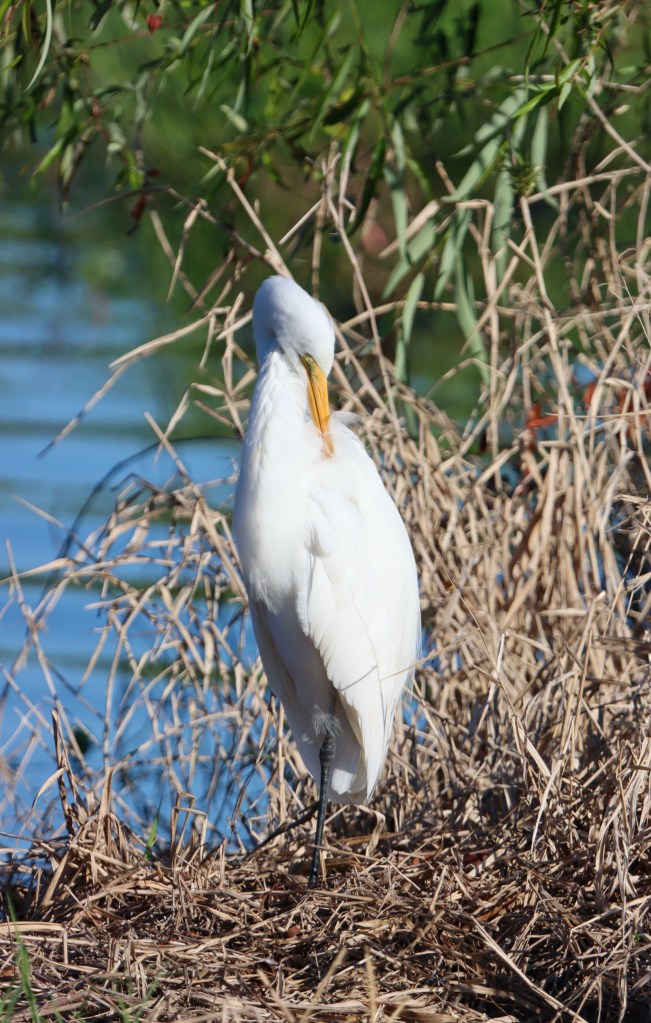
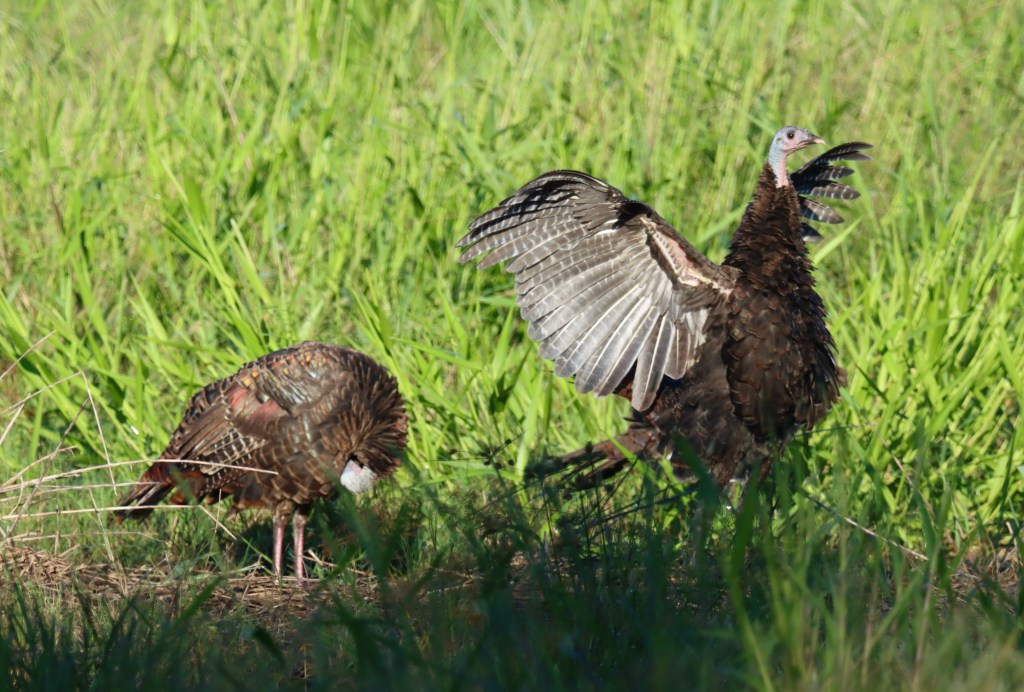
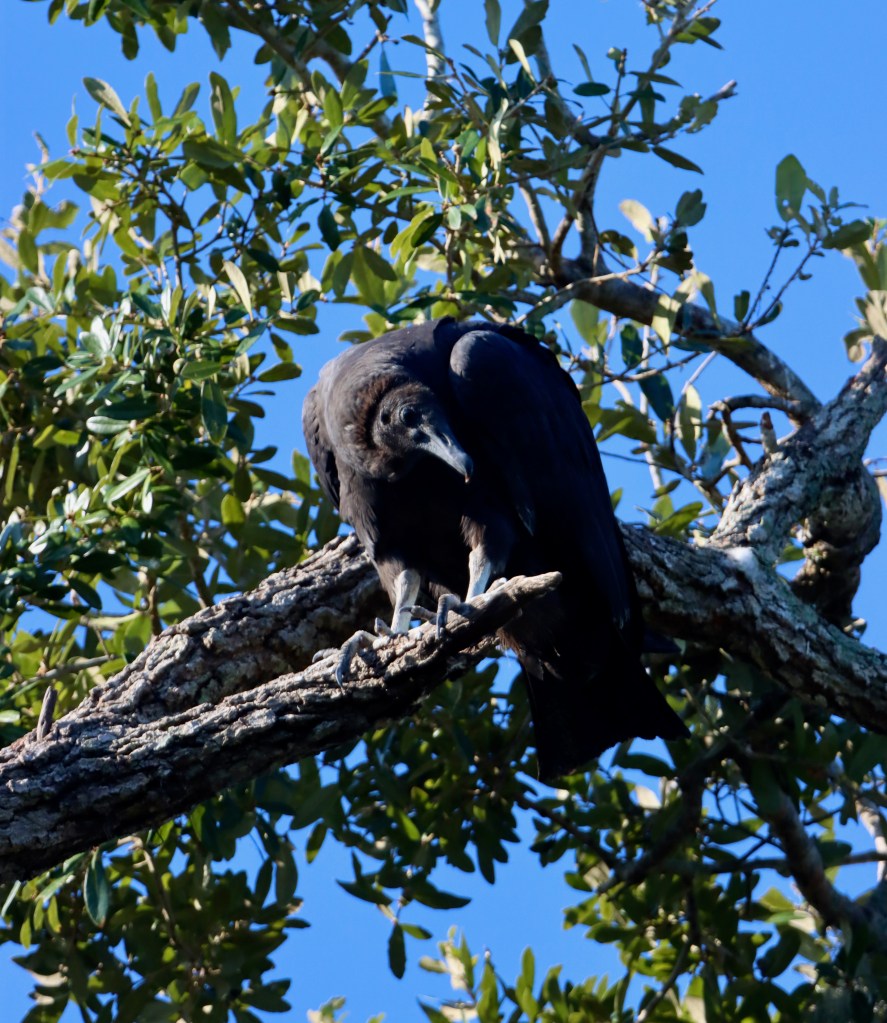
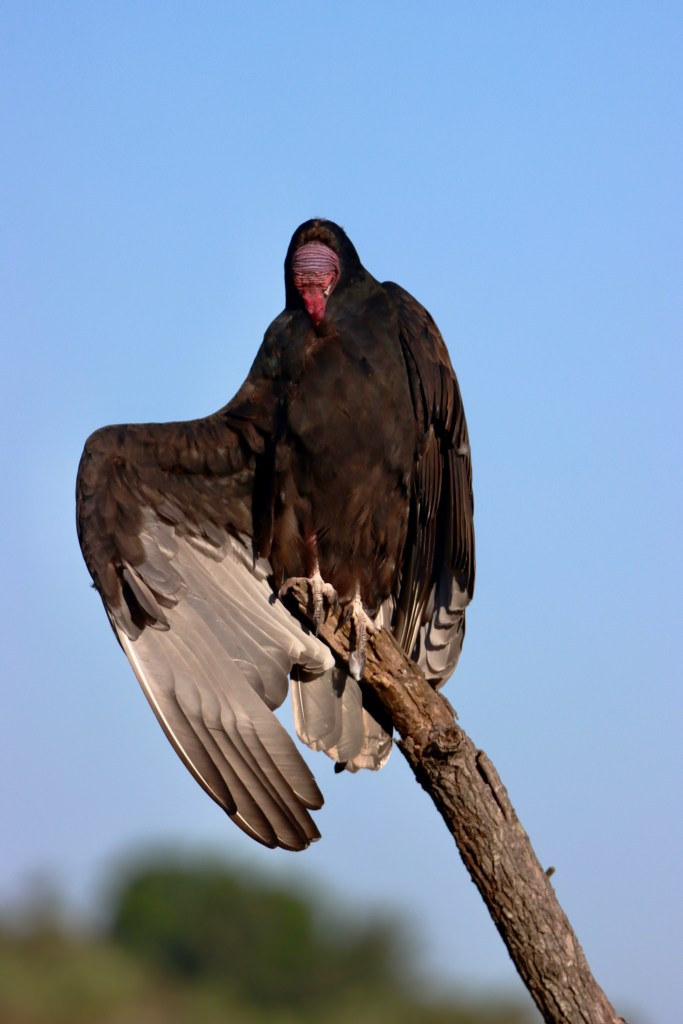
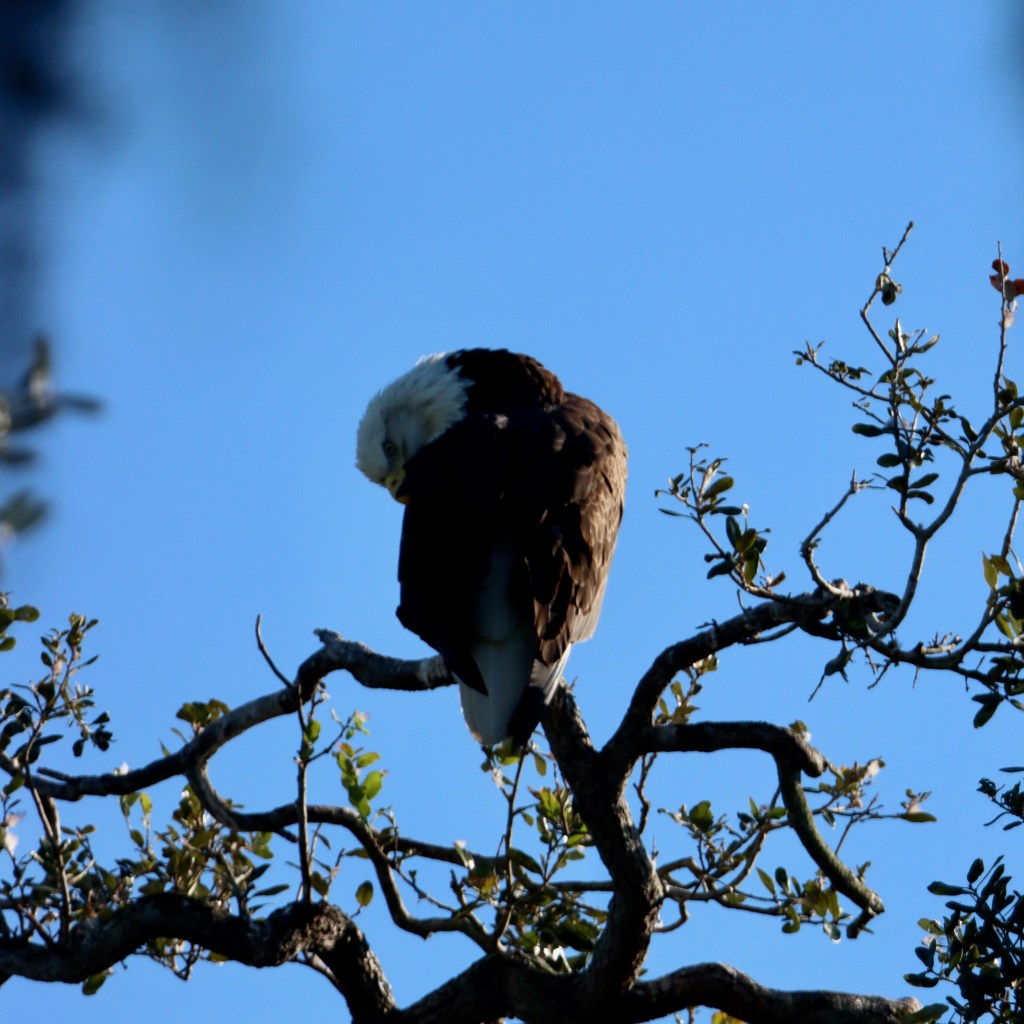
Recently, my bird camera caught a new species at the feeder. Not exactly the intended subject, though I suppose if you go back far enough* in their family tree they are related.
*Roughly 315 million years ago they diverged from a common ancestor. Today, birds are more closely related to alligators and crocodiles than lizards. I do hope an alligator does not take interest in my bird feeder, it’s not sturdy enough to withstand that! 🐊
For best viewing there are a number of factors that need to align; the water needs to be warm, the skies clear, the moon in its early stages, and for the comb jellies late Summer/early Fall. As luck would have it, last week all of that aligned with my work schedule, so it was a bit of a last minute decision but I didn’t want to miss my chance.
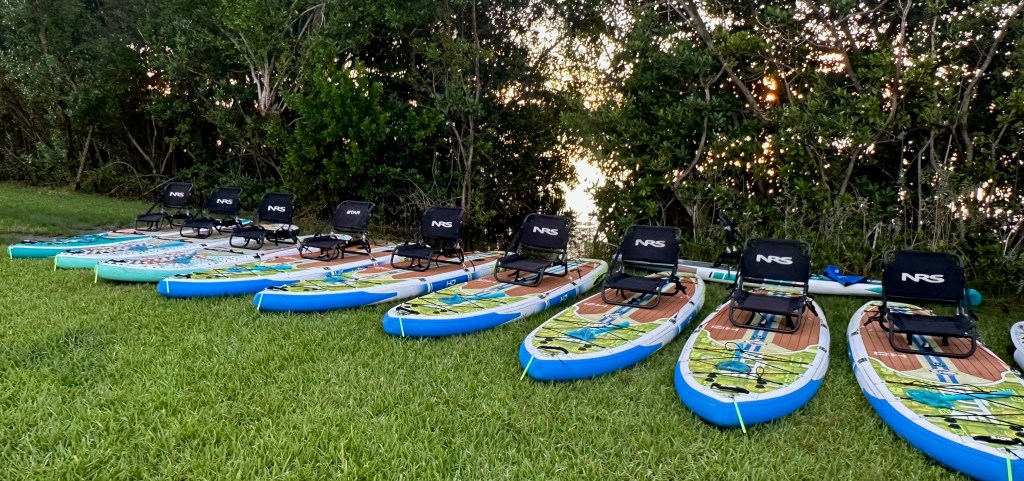
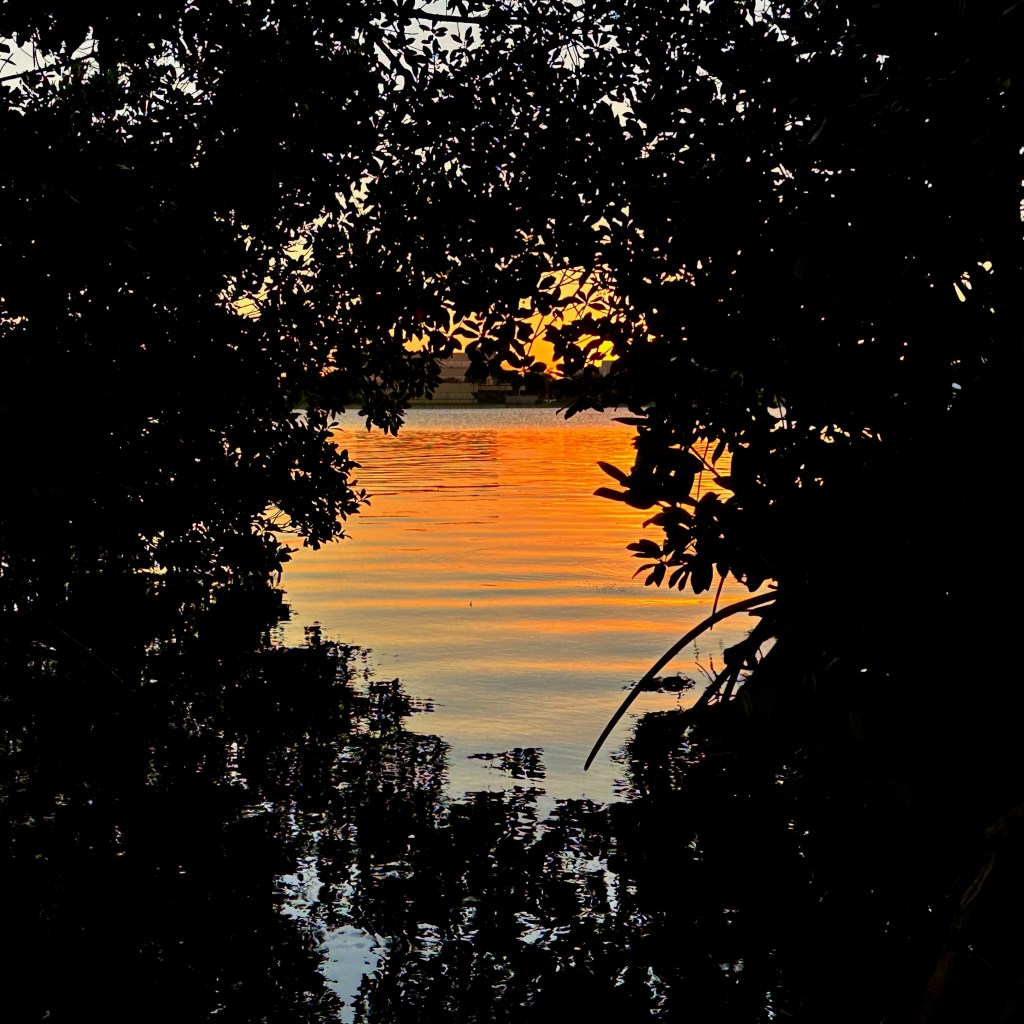
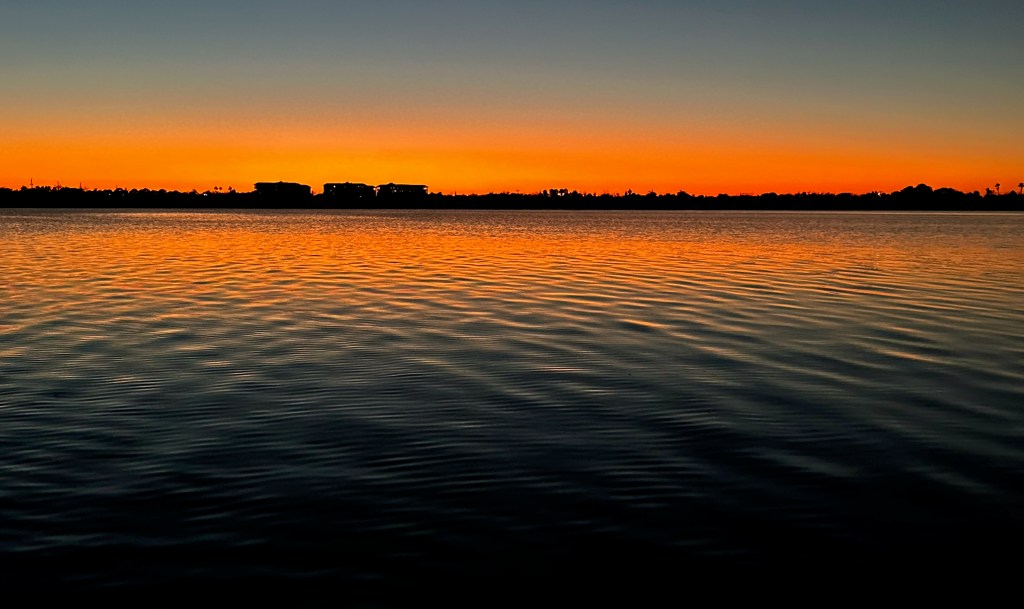
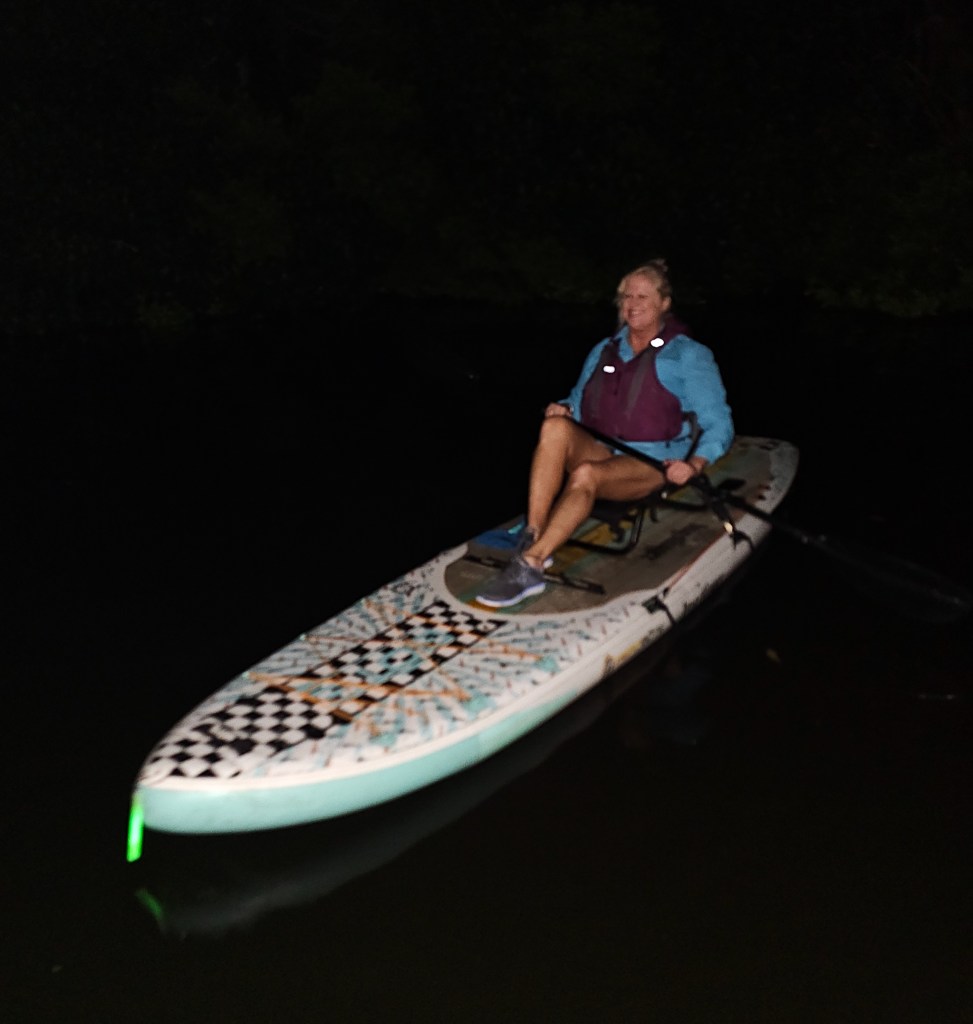
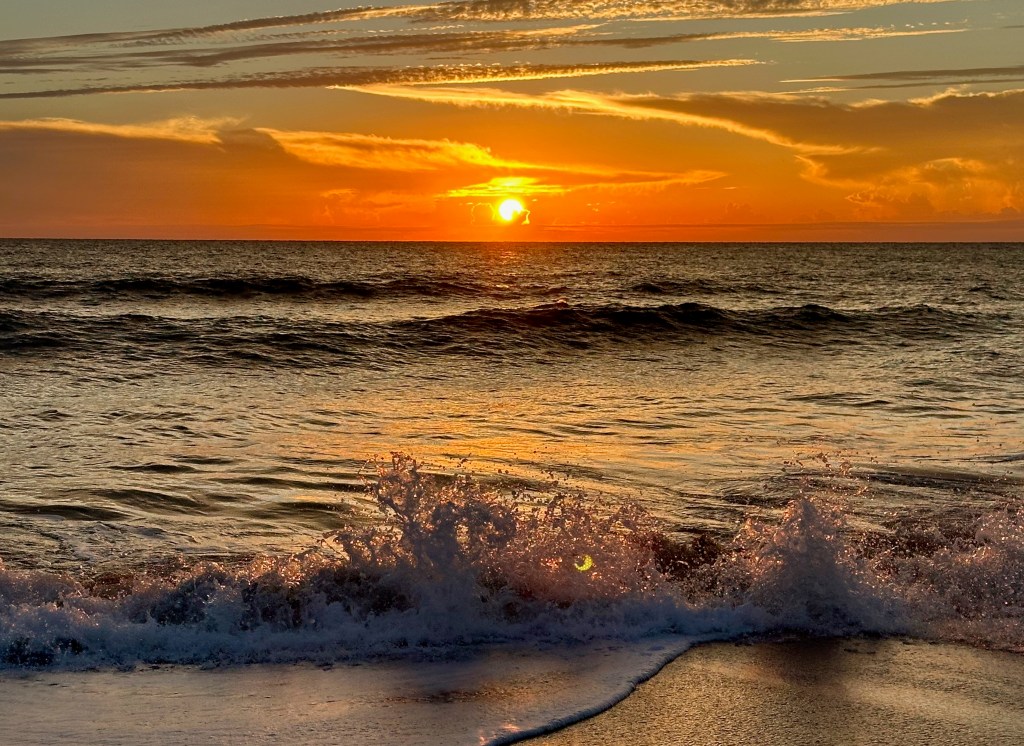
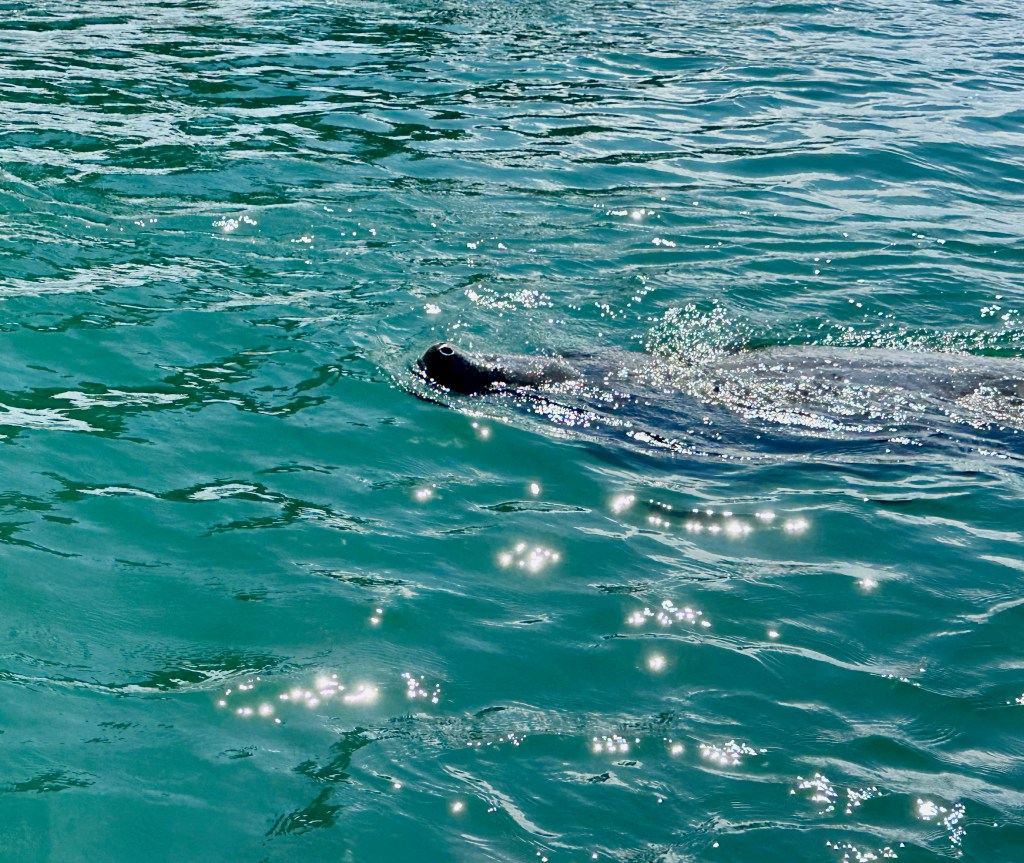
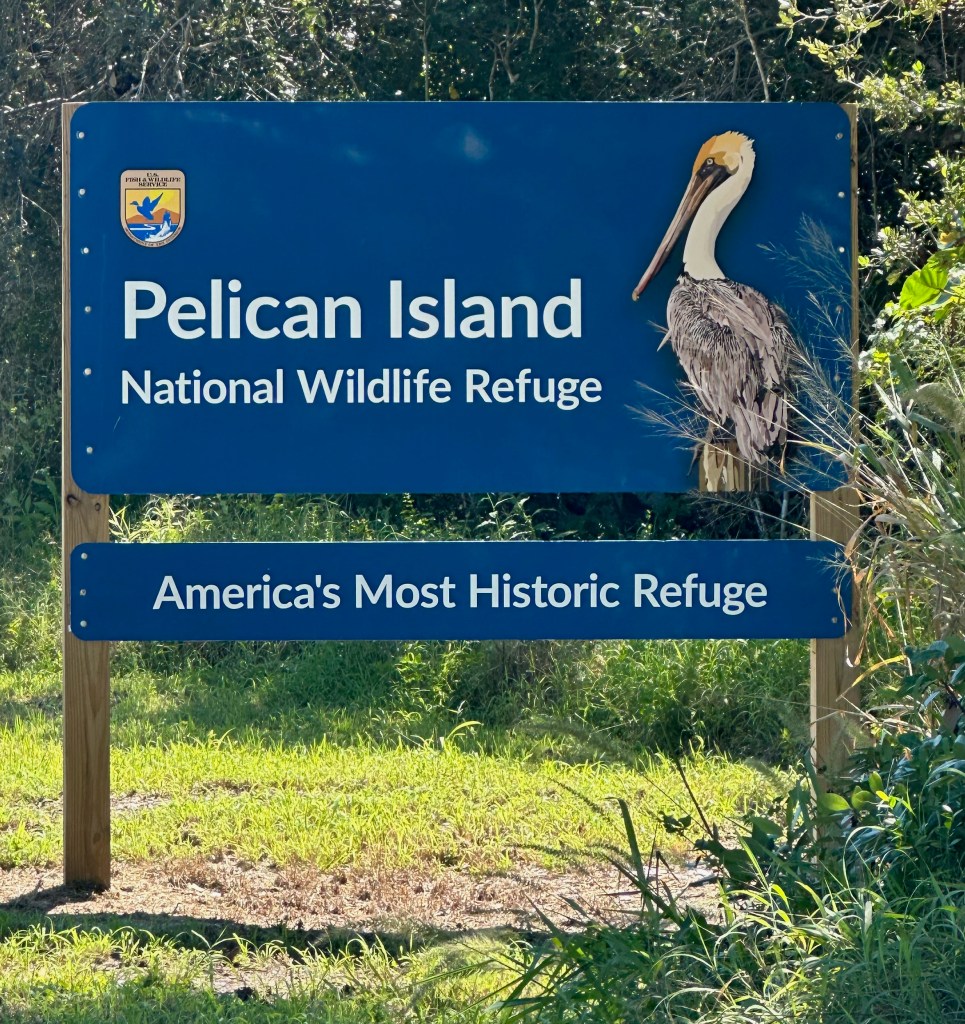
Setting off at 7pm we had time to get acquainted with our hybrid paddle boards while the sun set. That part of the lagoon is part of a wildlife refuge so light pollution from humans was limited, which was important.
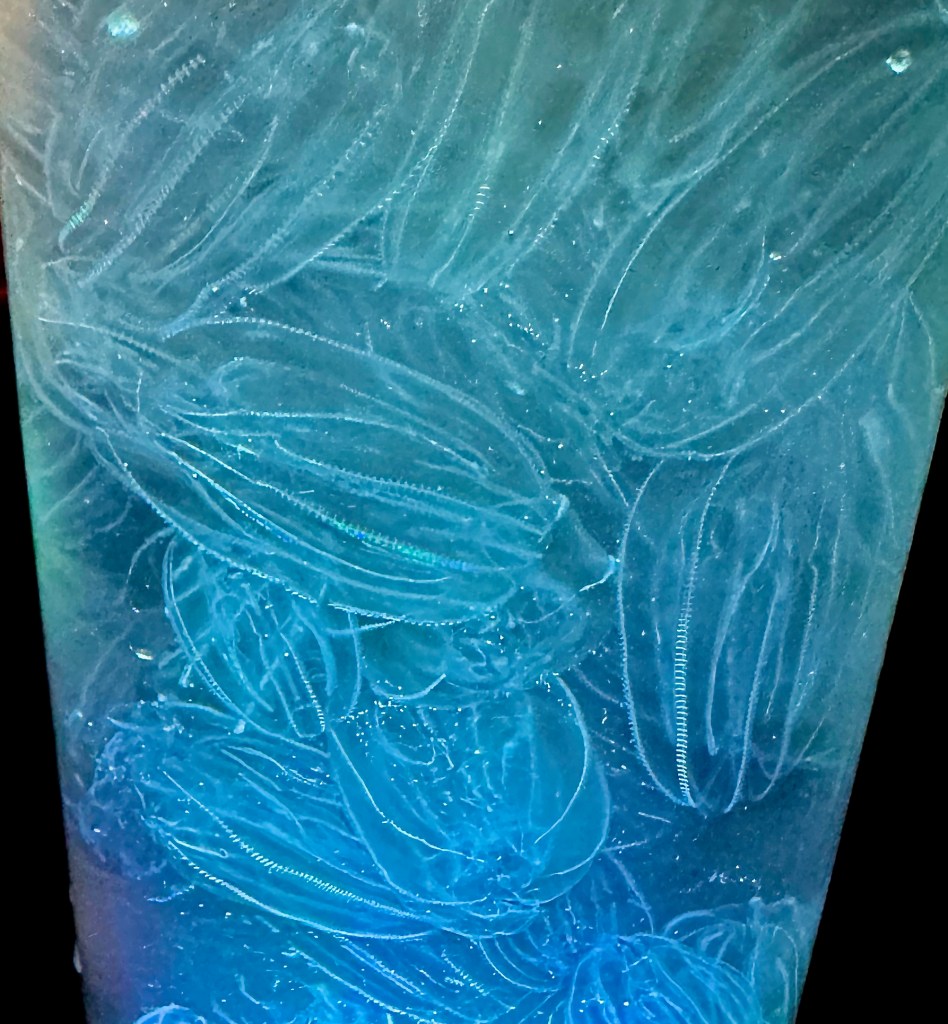
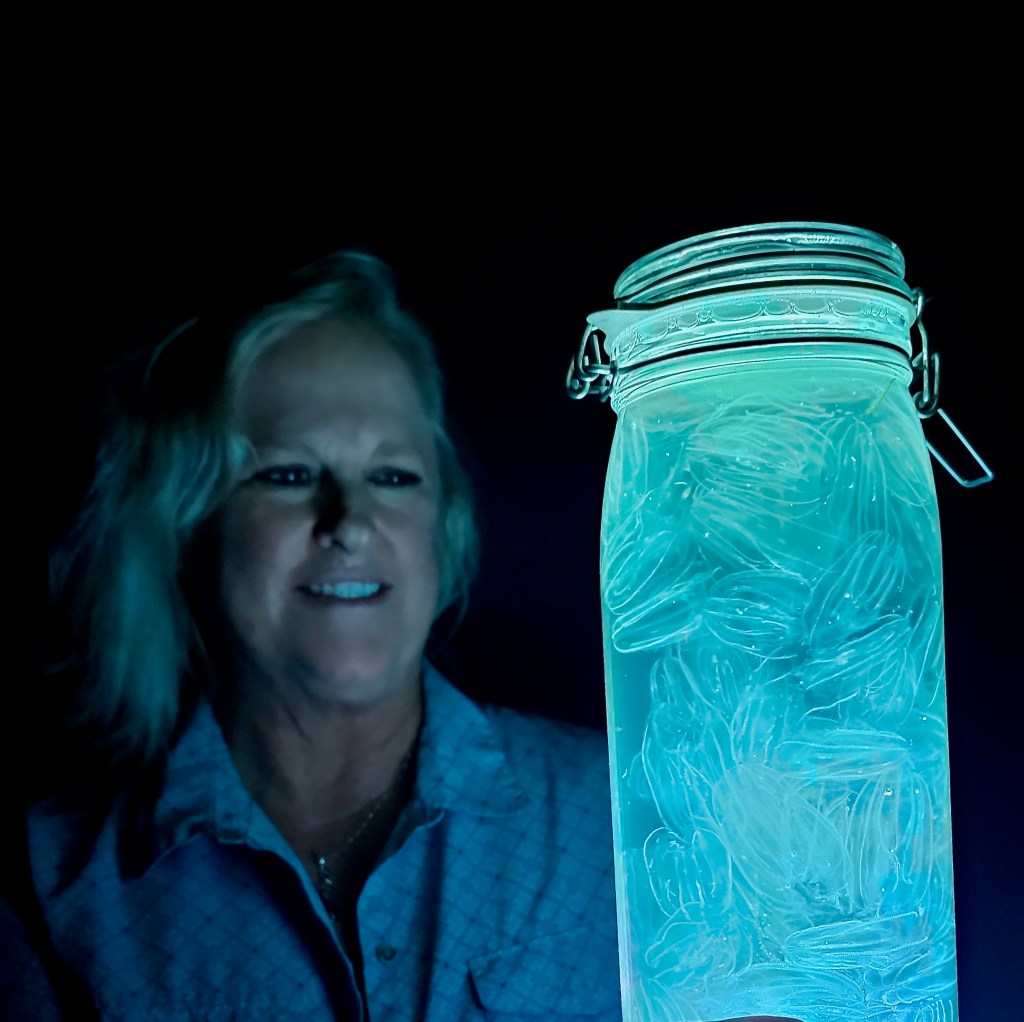
The bio we paddled through was fairly faint with a few intermittent bright spots but I wasn’t disappointed because the Sea Walnut (Mnemiopsis leidyi) comb jellies made up for it by far! Jess, our tour guide gave us each a net to swish in the water to stir up the jellies and catch the glowing, pulsating little orbs.
At the end of our paddle she placed them all in a glass jar so we could get an up close look at the brainless little marvels. Afterward, she gently released them back into the brackish water. What a cool experience!
Forgive the video quality, it was a bit of a challenge to paddle and film at the same time. At least you’ll get the general idea.
Leaving Little Lady Liberty I purposely stayed off the interstate, opting to follow blue highways* instead. I had all day to reach my destination so I decided I would stop at random points of interest along the way.
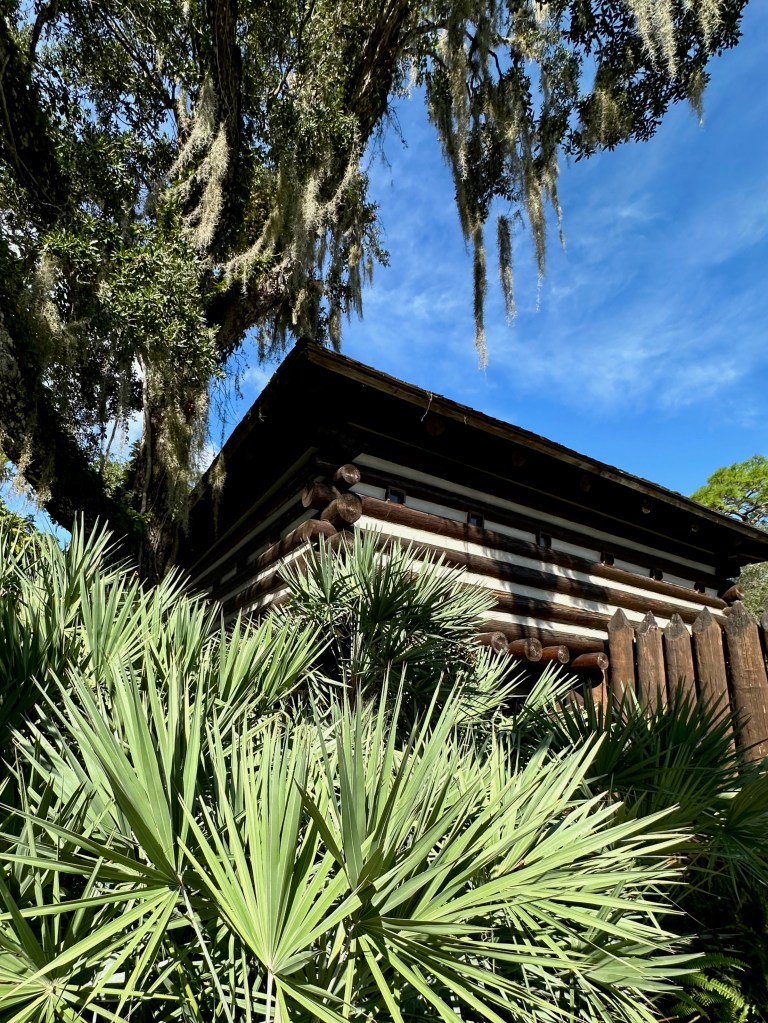
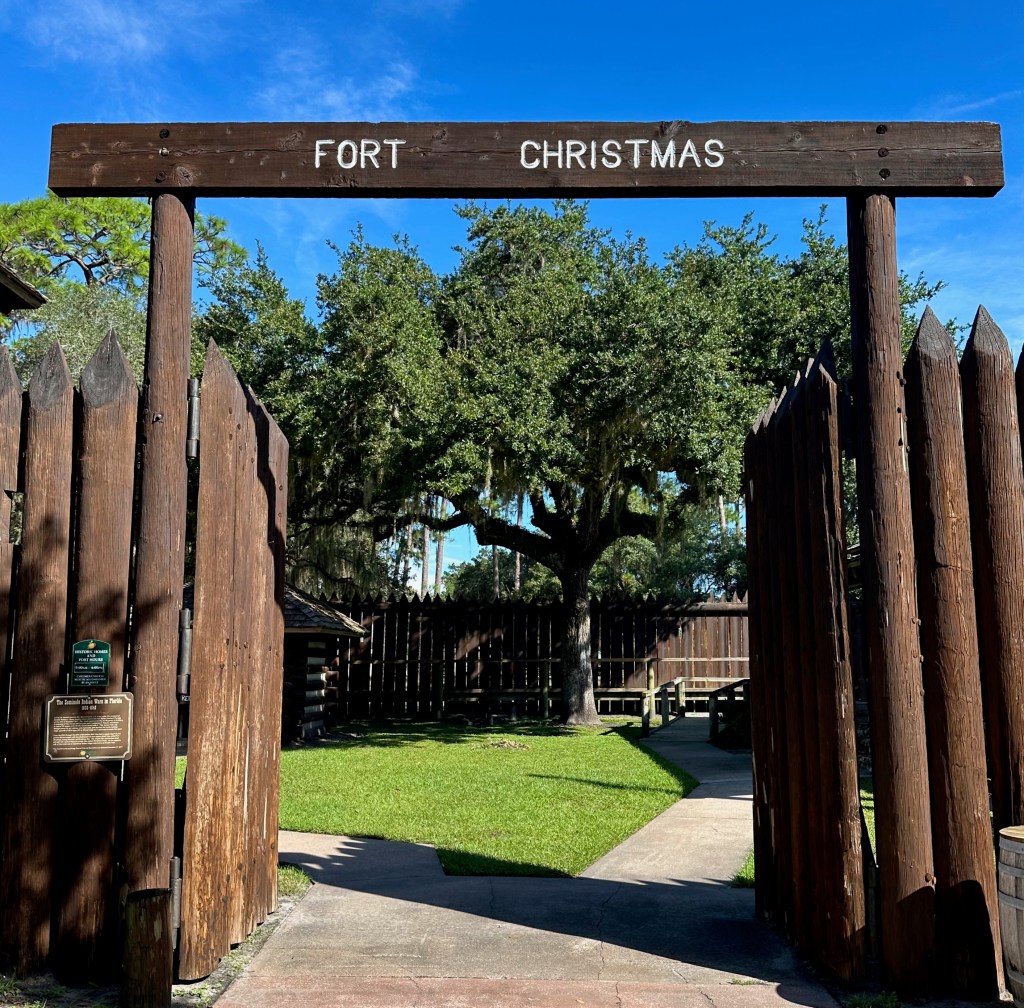
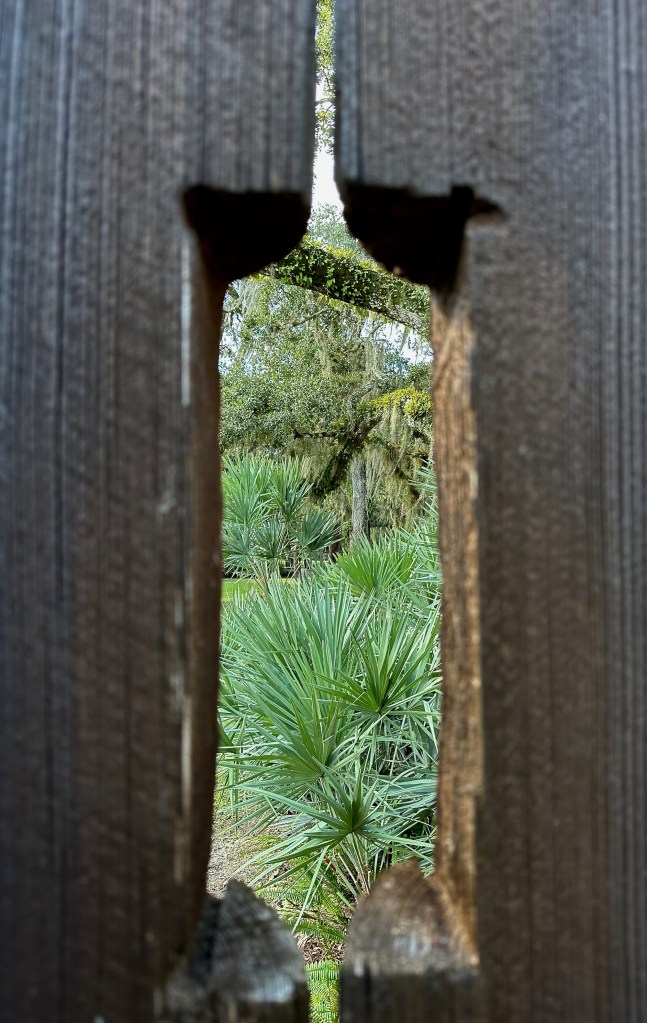
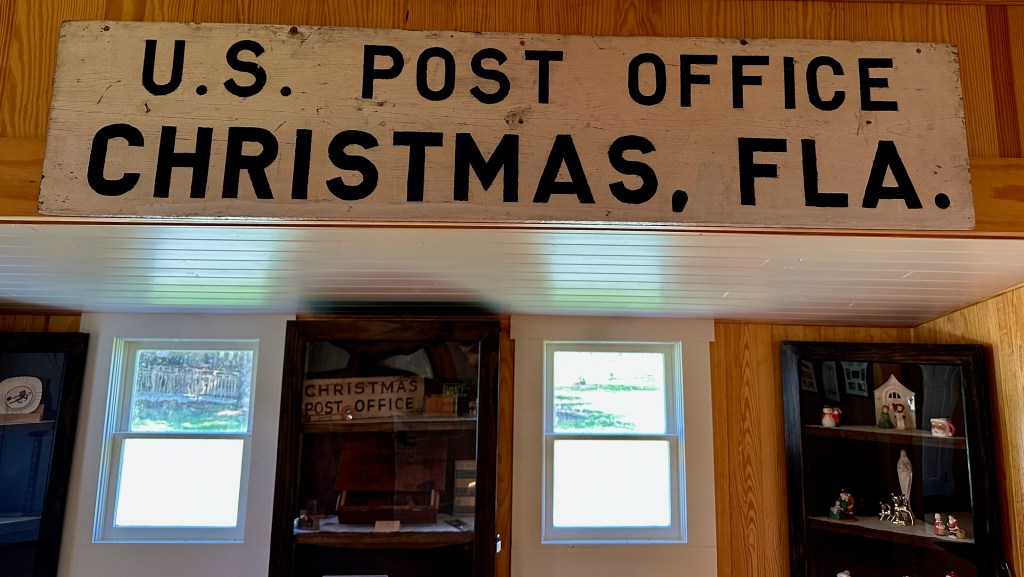
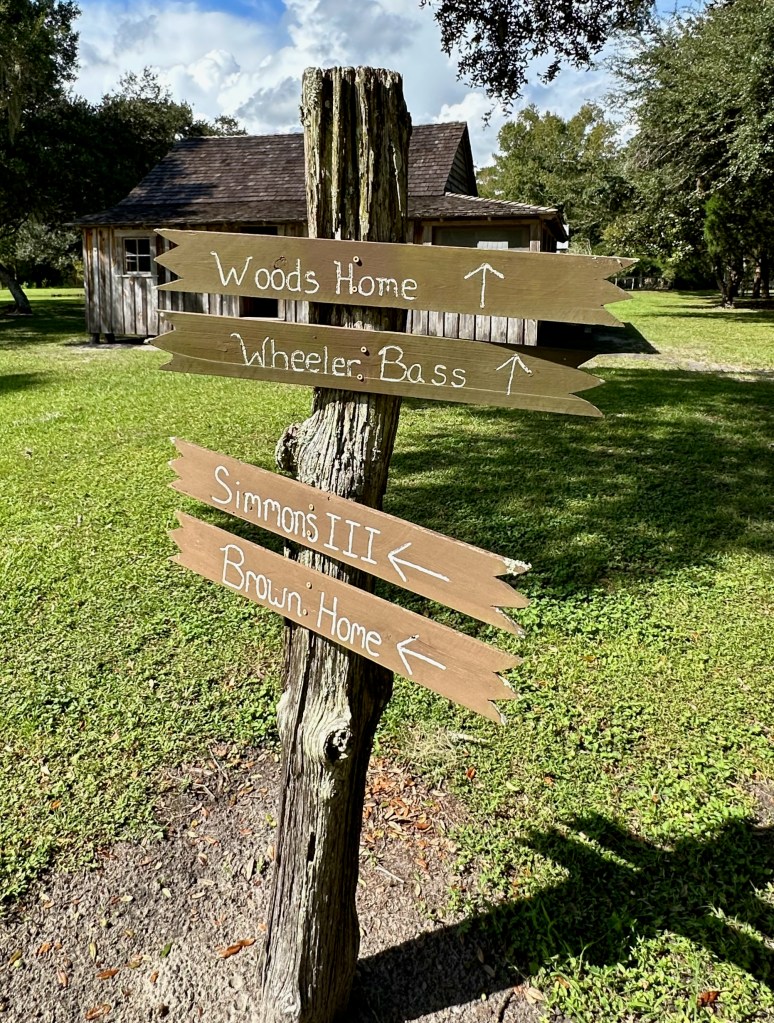
First up was the replica of Fort Christmas. This short-lived US Army outpost was one of a dozen constructed during the Seminole Wars. Built in 1837, the fort’s name came from the day they broke ground. As was customary at the time, the small town that sprang up nearby adopted the fort’s name (ie, Fort Lauderdale, Fort Myers). Though in this case, the US Postal Service removed “fort” from the official town name since there were already too many fort somethings in the state.
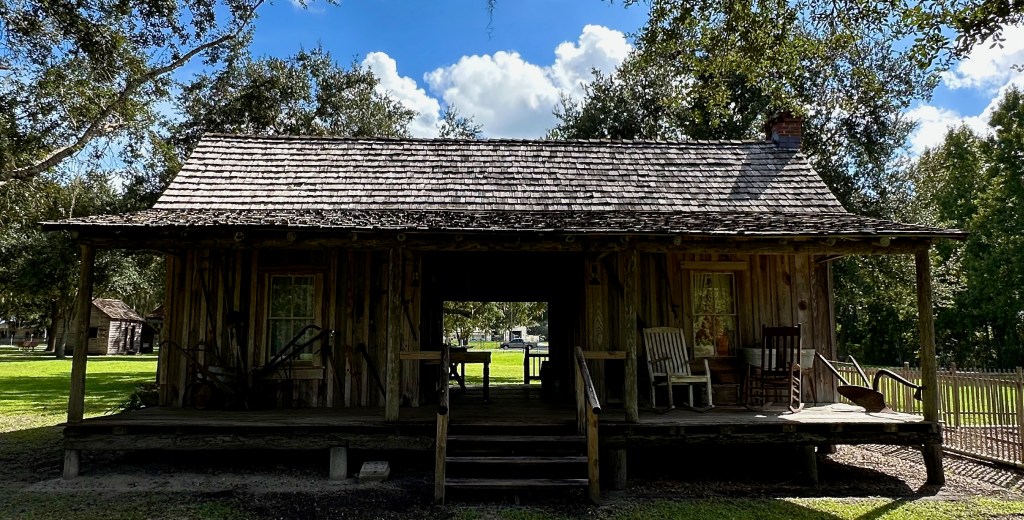
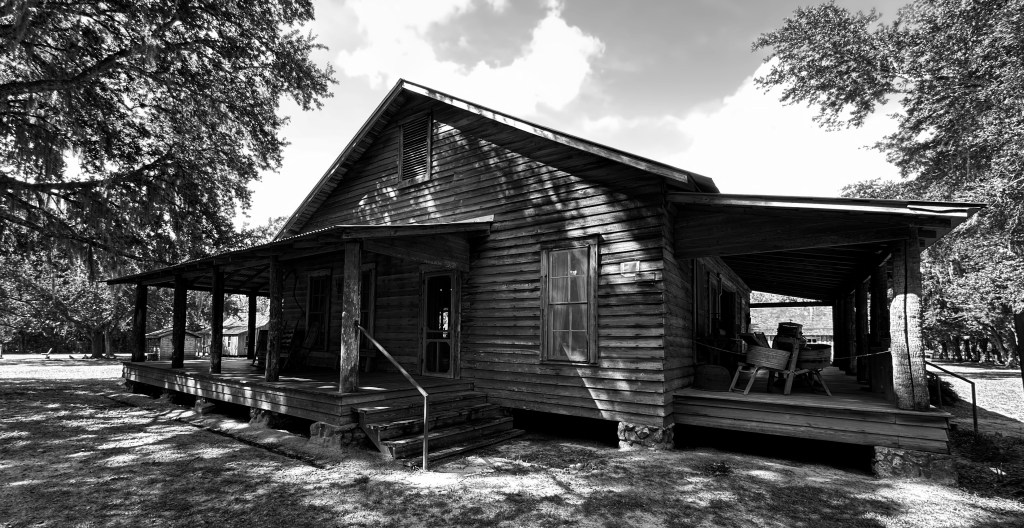
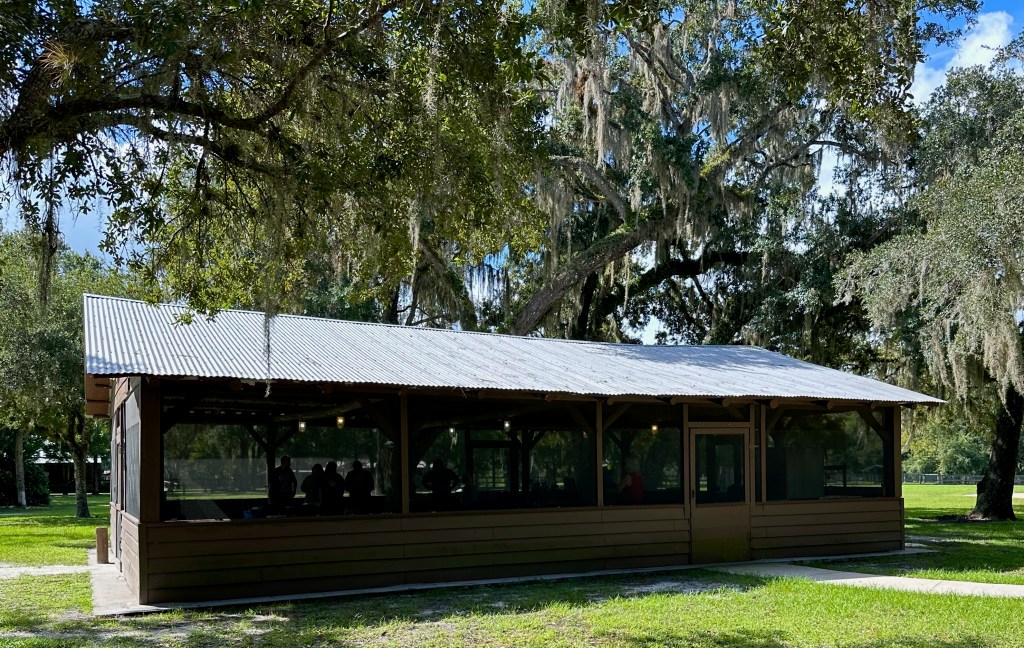
The property also protects other historic buildings from the area’s past, including a picnic pavilion built by the WPA in the 1930s. I was impressed not only by the number of structures but by how well-appointed and maintained they all were. No mean feat considering Florida’s often temperamental weather and the amount of nature that wants to move in.
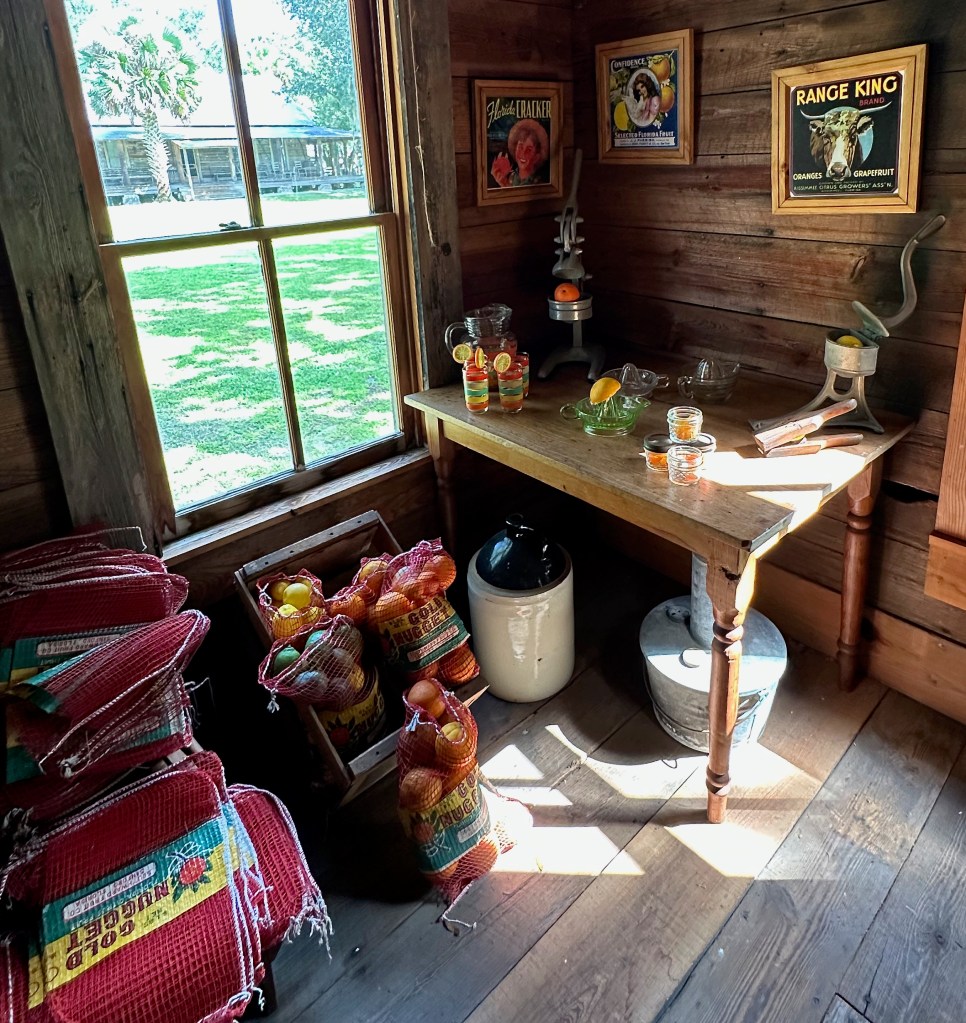
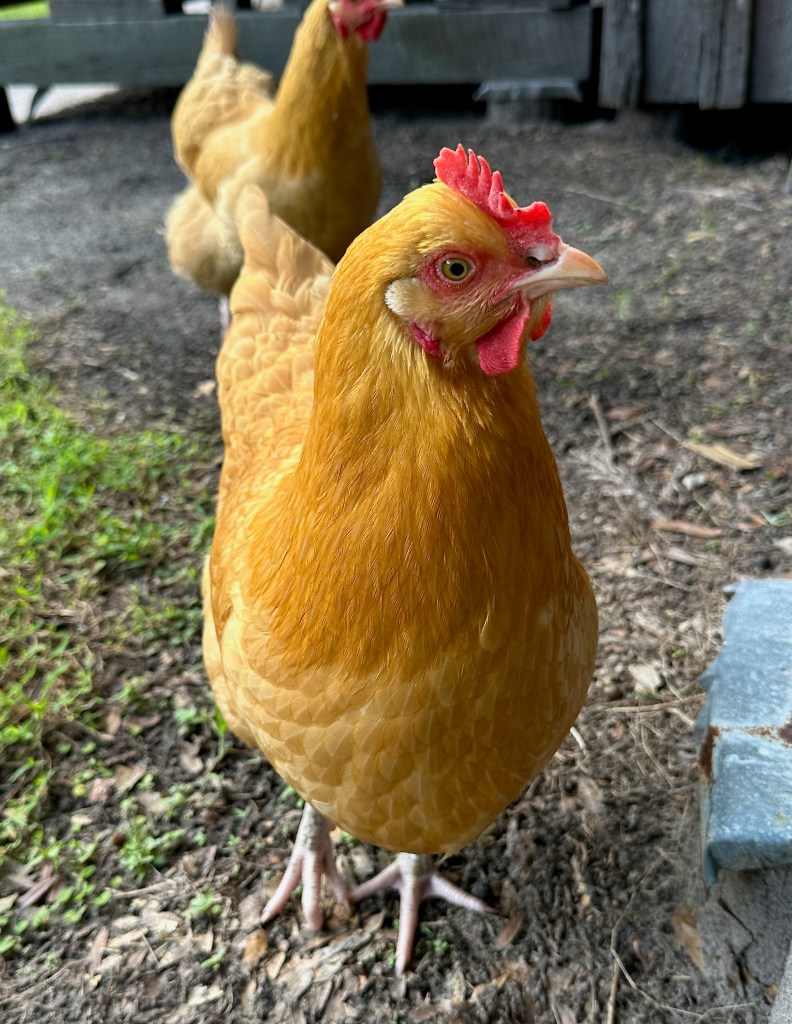
Fort Replica, Built in 1973Brown House c. 1900Orange GrowersBossy ChickenWoods House c. 1927Cattle FamilyWPA Picnic Pavilion c.1930s
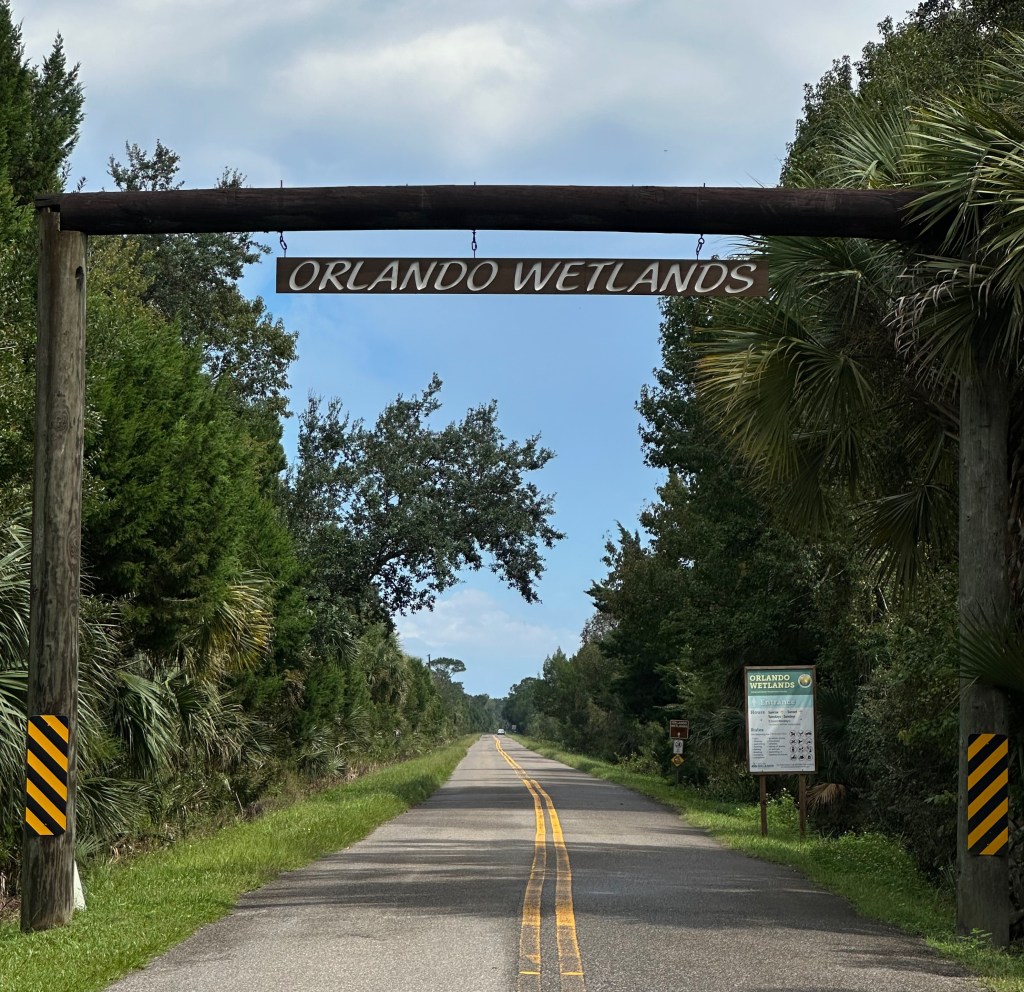
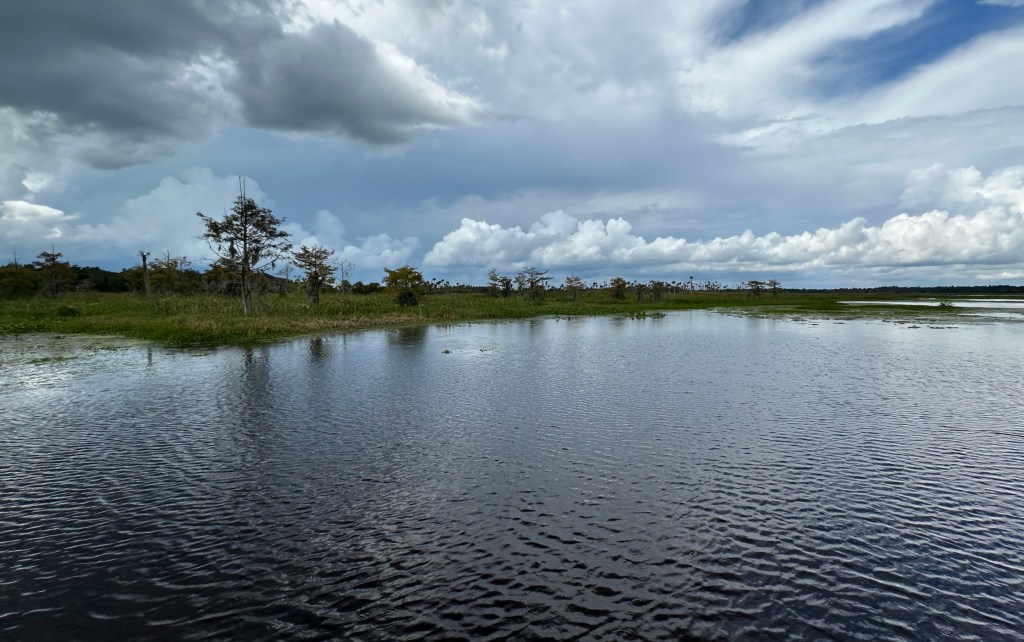
Speaking of nature, my next stop, Orlando Wetlands Preserve, was literally just around the corner. Originally constructed as part of the metropolitan water management system, it didn’t take long for nature to take advantage of it. Fortunately, people are allowed to wander property to watch all the wildlife.
After parking, I noted the heavy-looking gray clouds and grabbed my rain jacket before heading out on the boardwalk. I was about halfway through my walk when the skies opened up. Furthest point from my car – who says Mother Nature doesn’t have a sense of humor? From this drenching experience, I learned two things, alligators all head for the water during a downpour and, I need a new raincoat. Sigh…
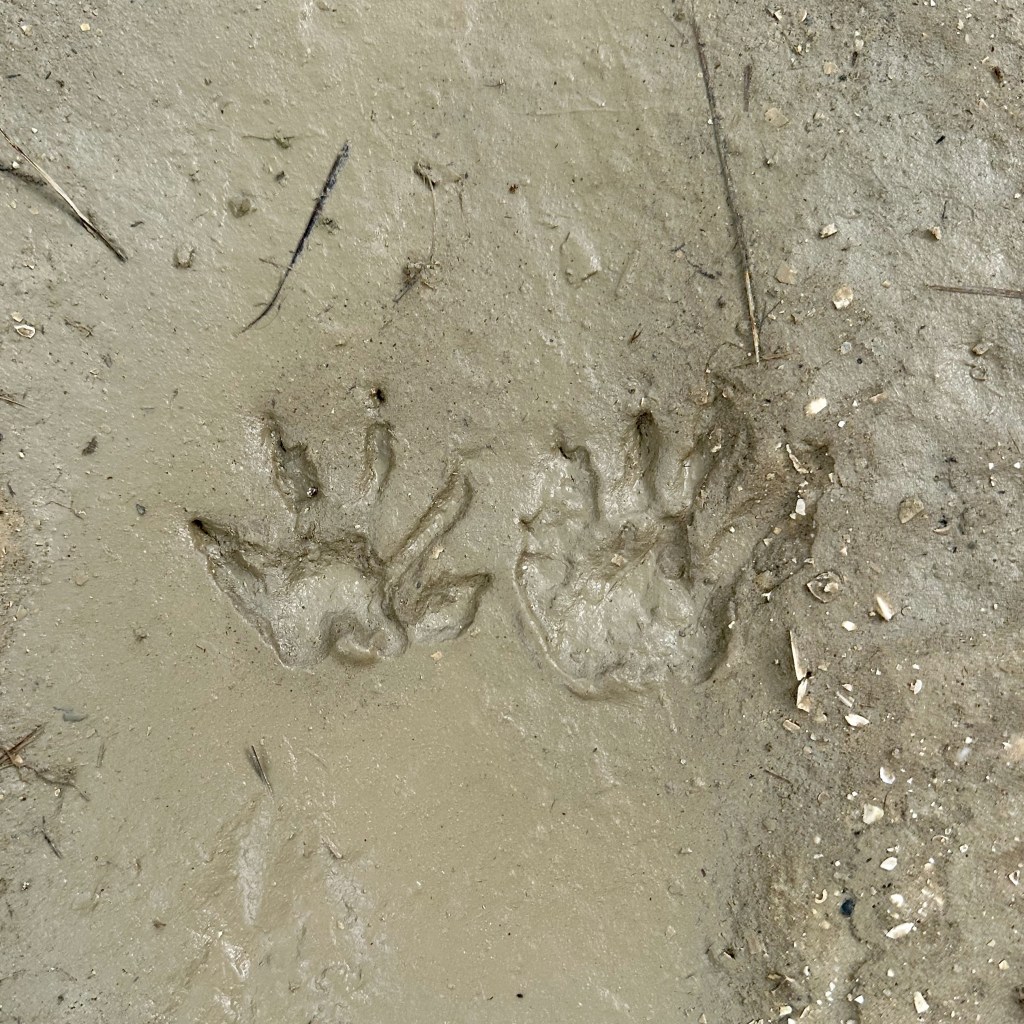
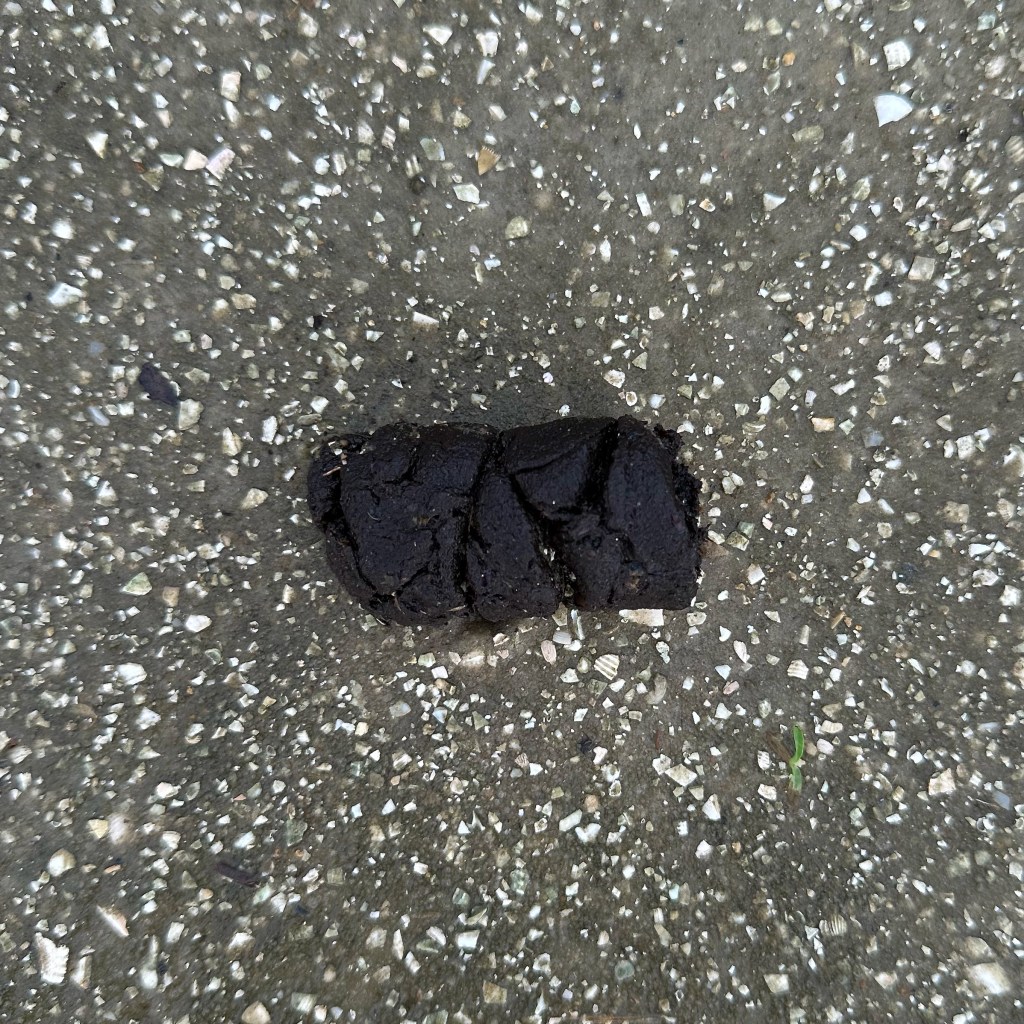
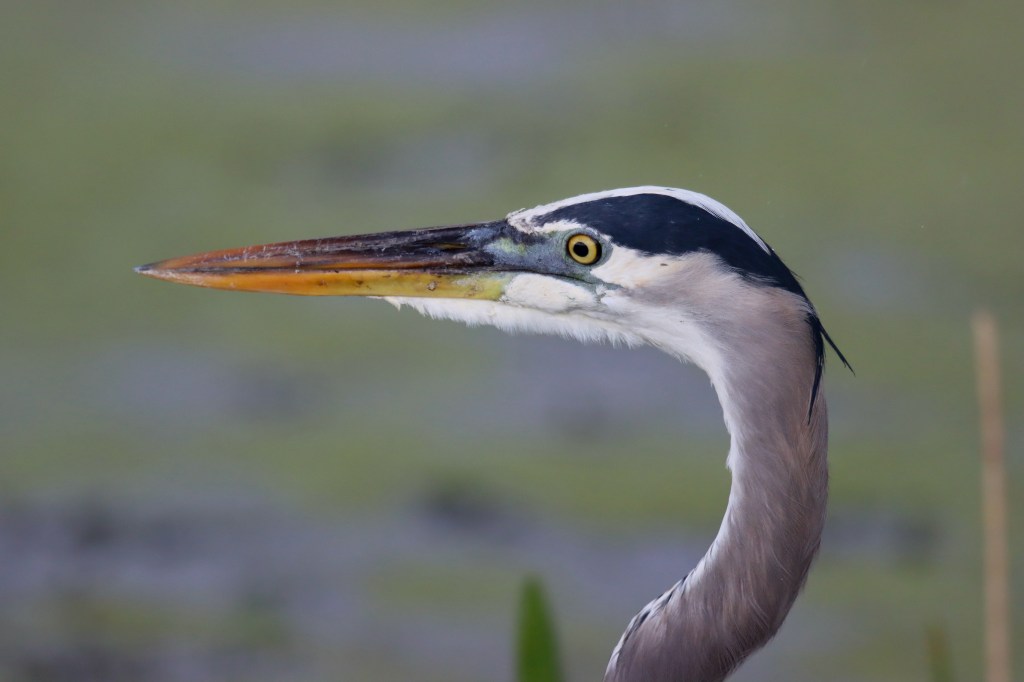
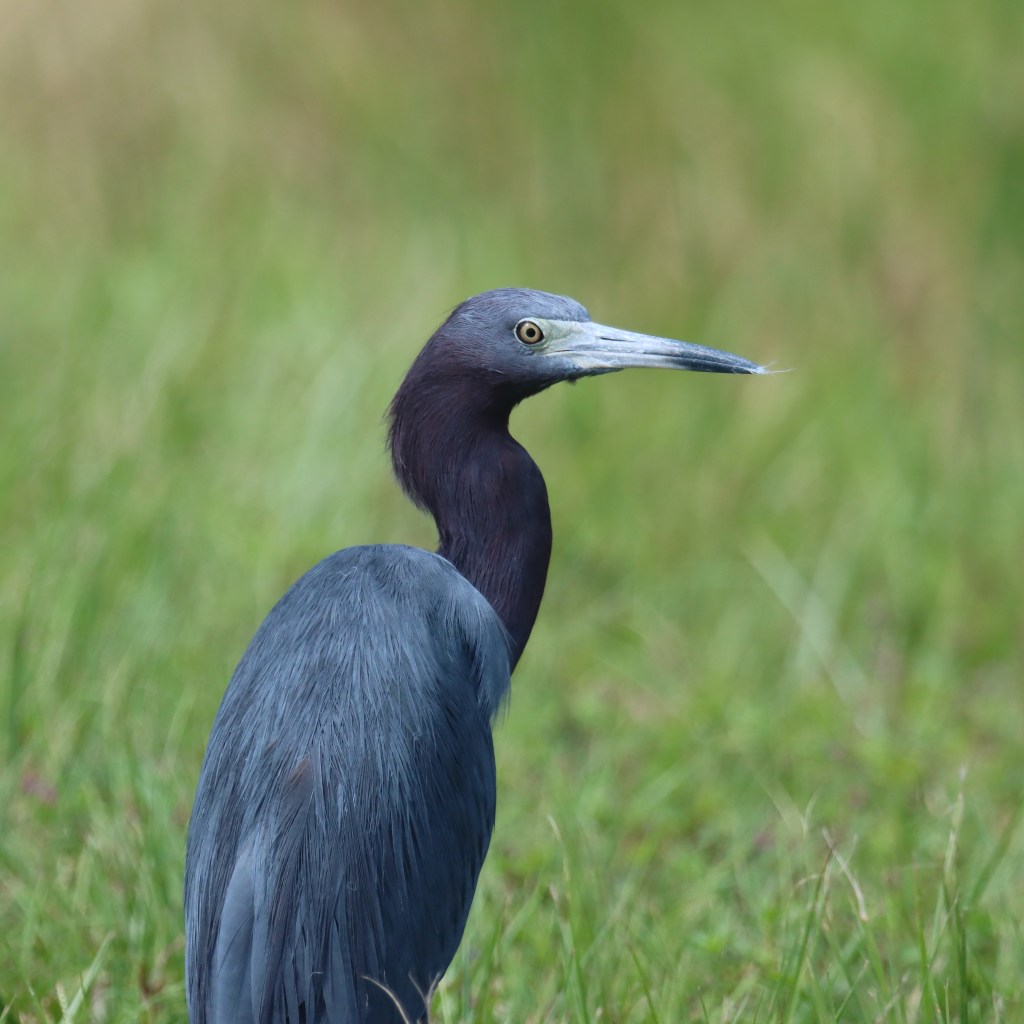
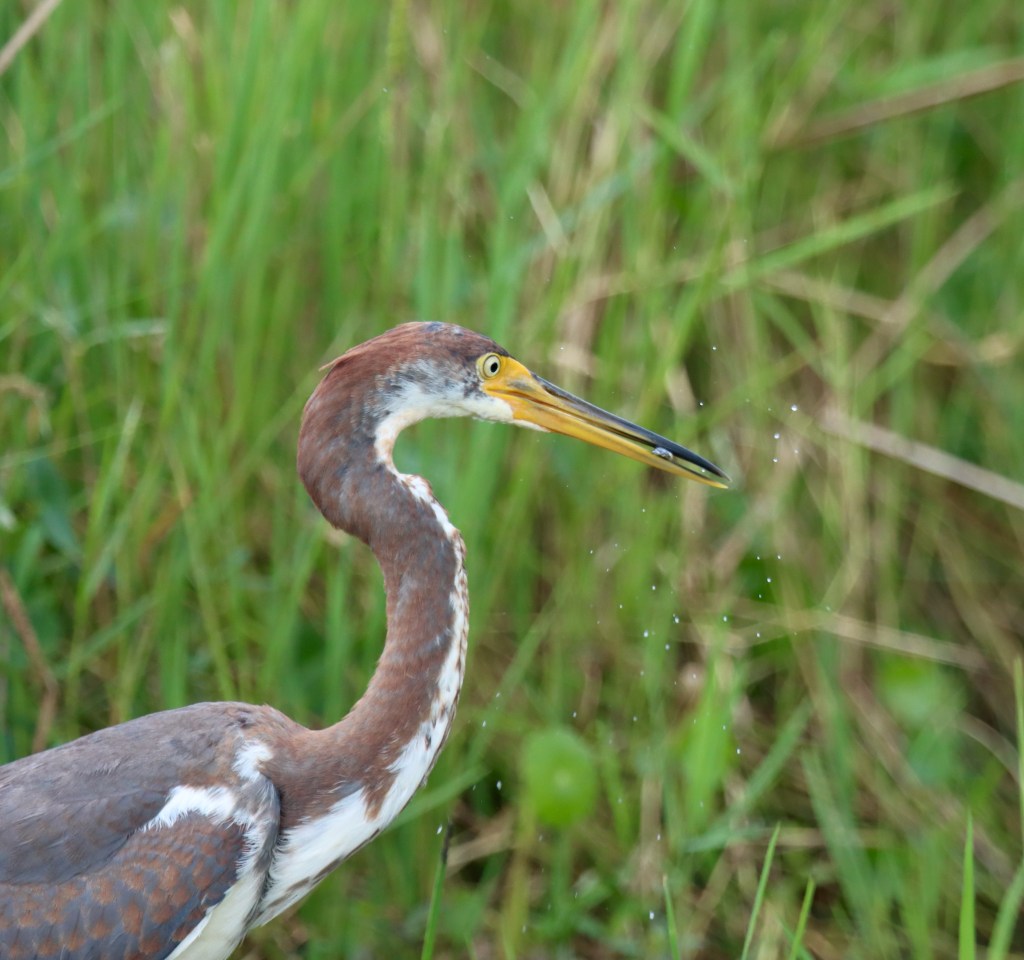
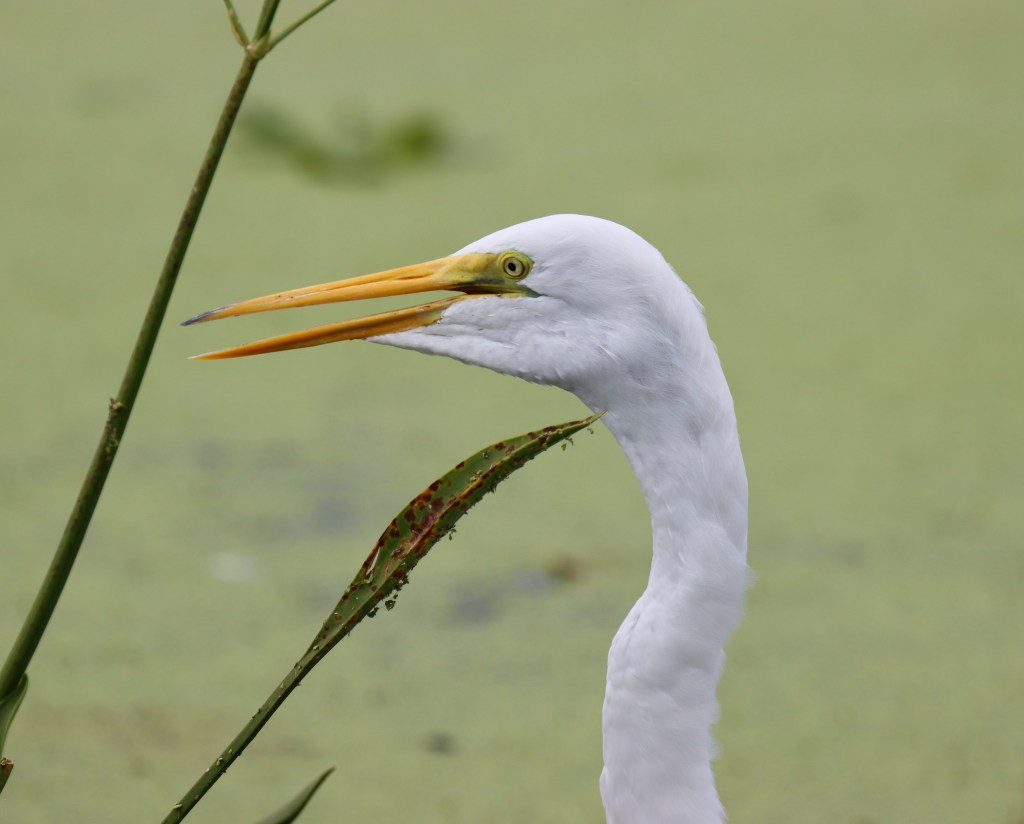
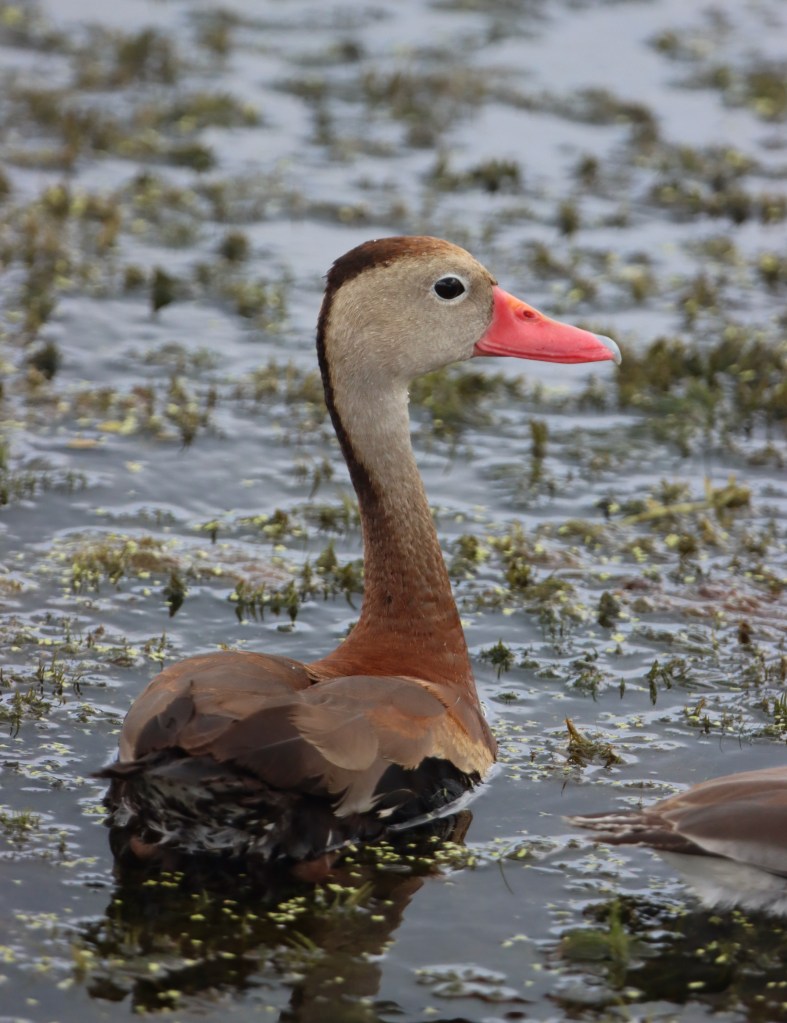
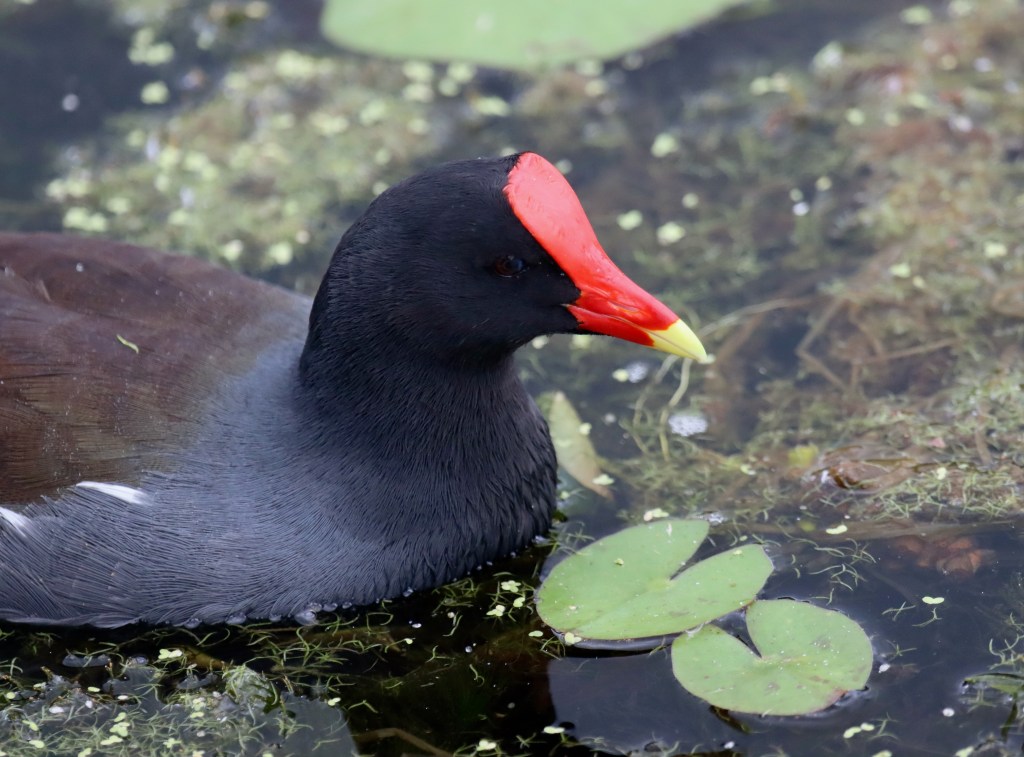
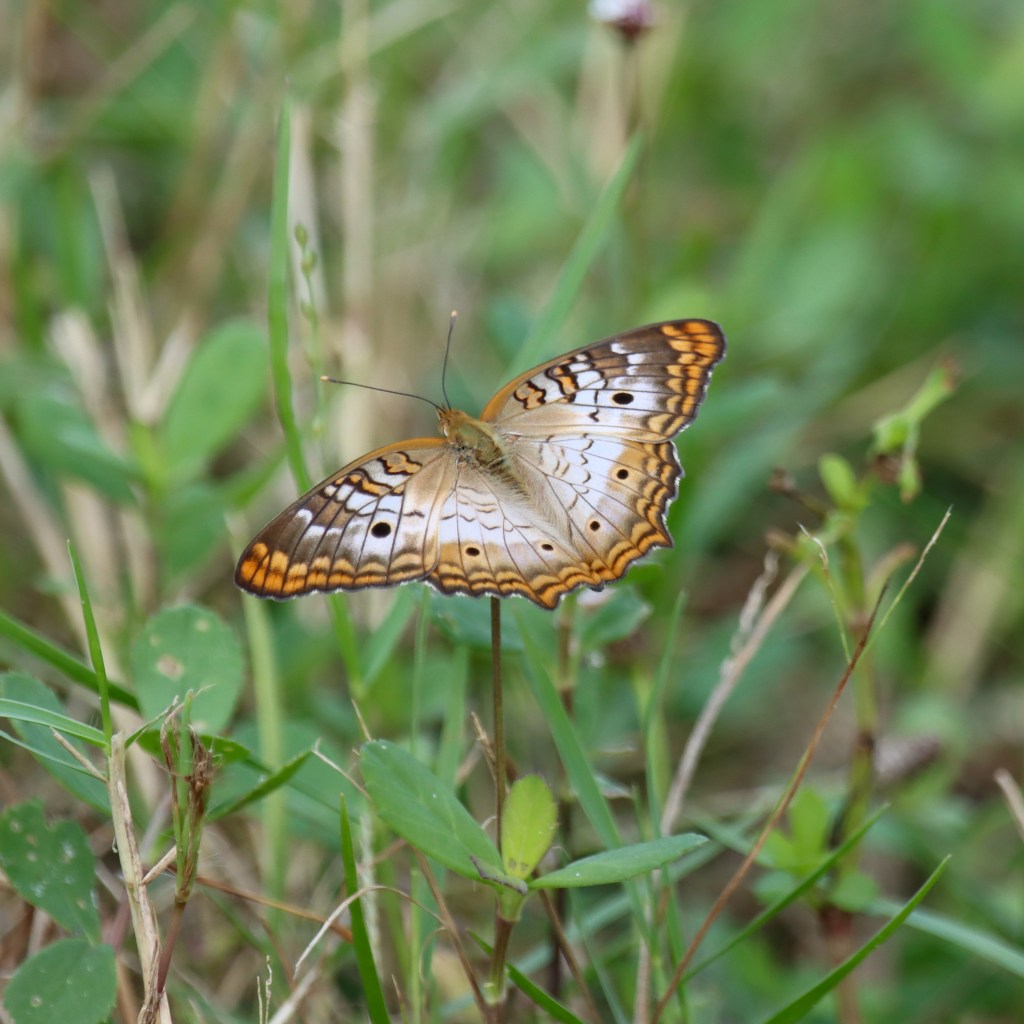
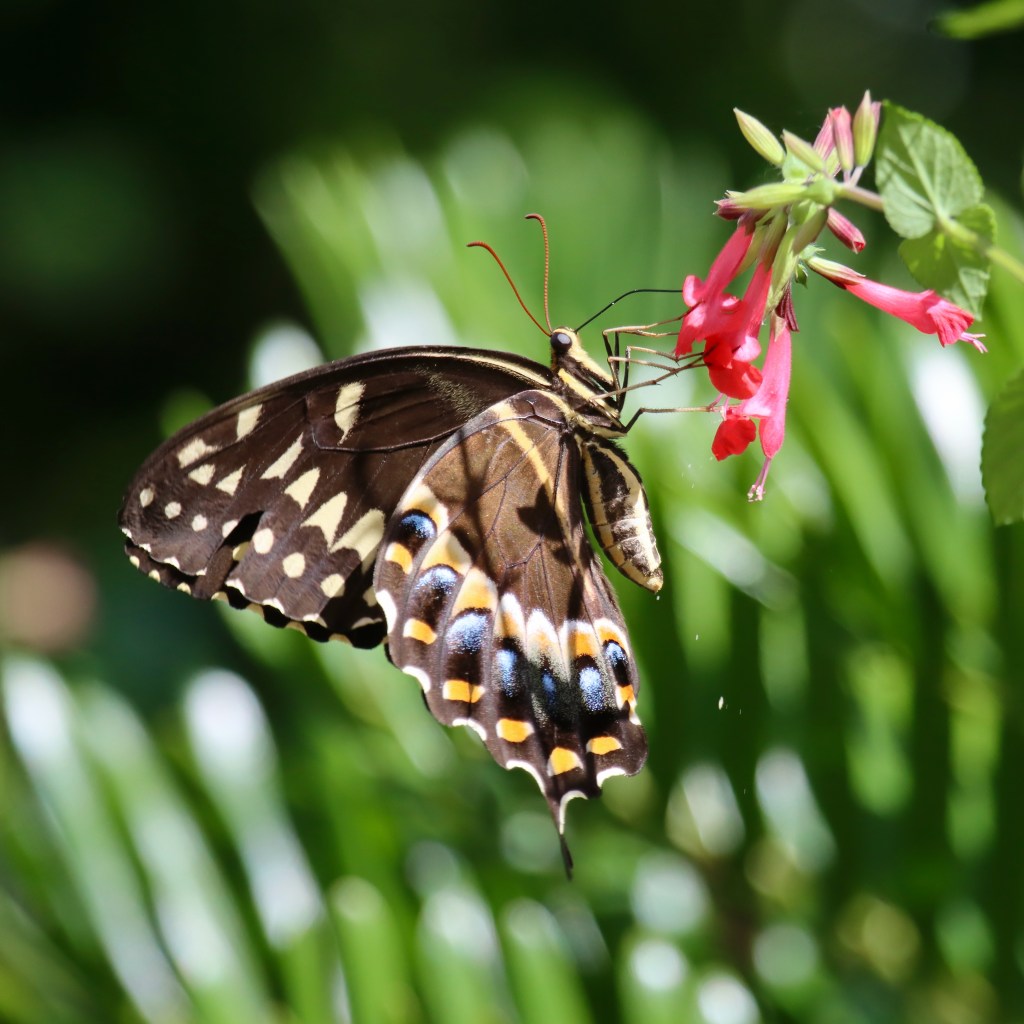
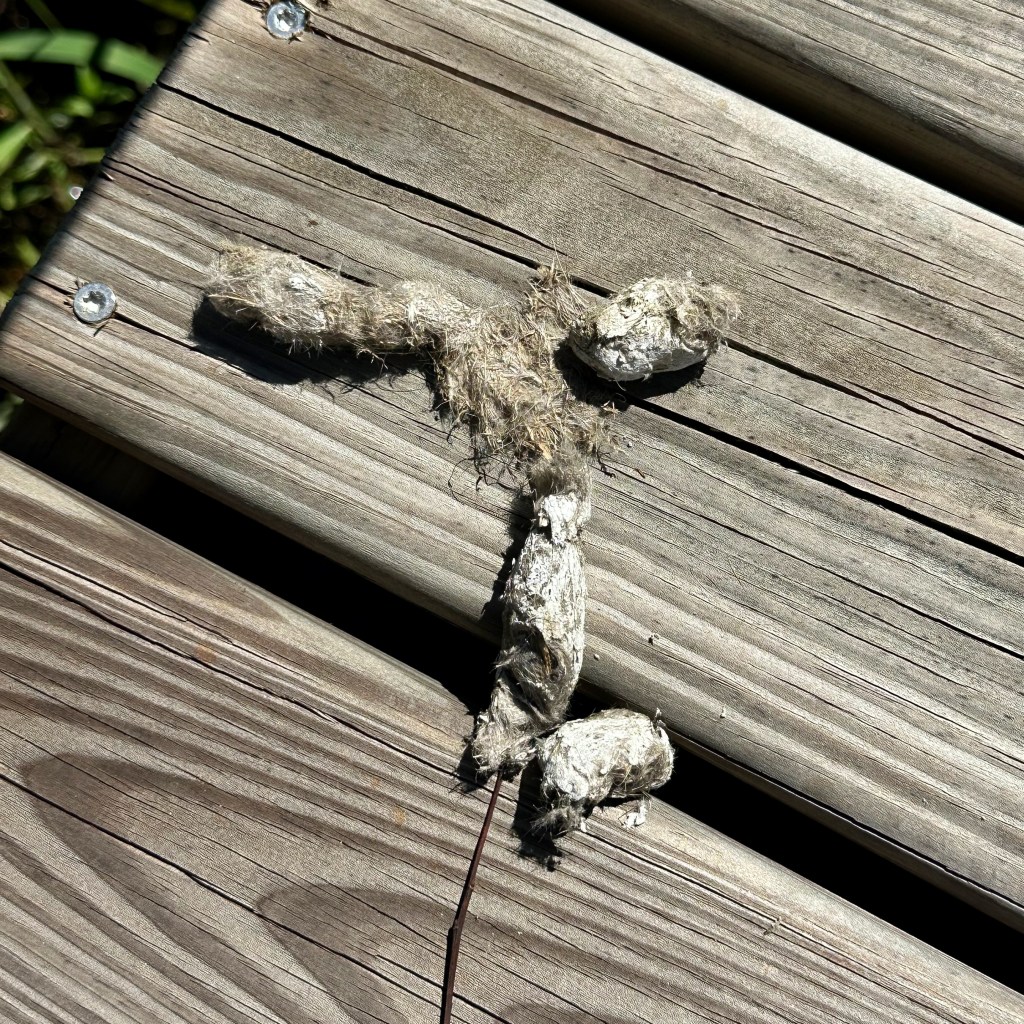
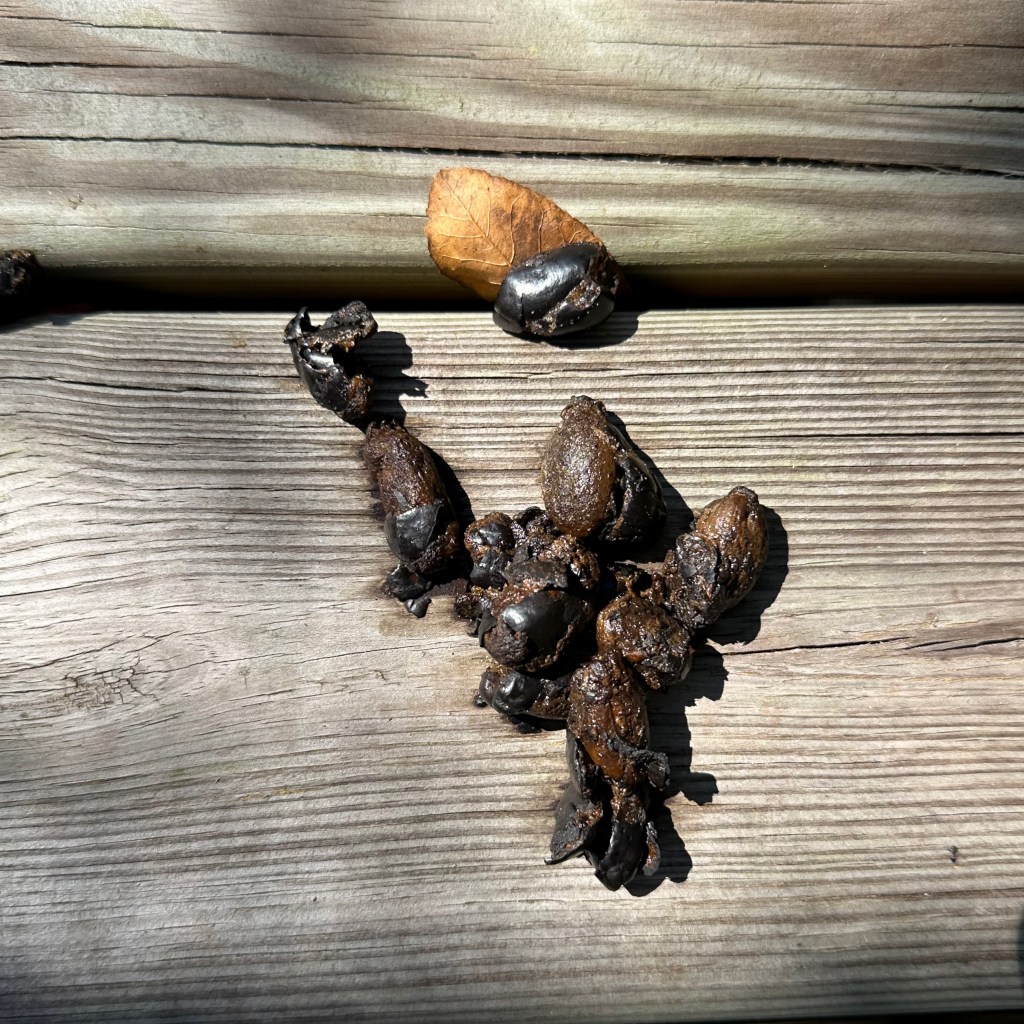
Raccoon PrintsAlligator ScatGreat Blue HeronLittle Blue HeronTricolored HeronGreat EgretBlack-bellied Whistling DuckCommon GallinuleWhite Peacock ButterflyPalamedes Swallowtail Alligator Wins Best Costume Contest
Thankfully the storm was short-lived and by the time I finished the trails I was no longer dripping wet (though not dry by any means, yay humidity). Good thing I always have a beach towel in the car!
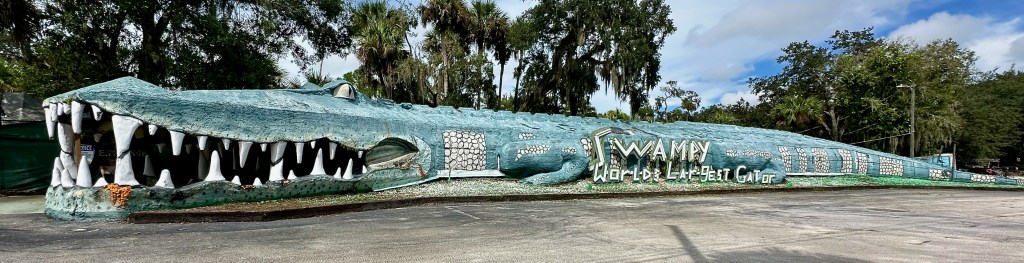
My next stop required driving a few miles extra to find a turnaround spot. But when you whiz past a sign for the World’s Largest Alligator, you do what you have to do. Measuring one inch over 200′, Swampy was built in 1989 as the entrance to Jungle Adventure. A bit rundown, this roadside attraction is still open, but you can no longer walk through the gator’s mouth to enter – thanks to a lawsuit from nearby Gatorland (the Mouse isn’t the only one fighting over tourist dollars).
Before getting back on the road, I scanned the map for any other interesting locations and found that the Windover Archaeological Site was on my route. There isn’t much to see, only a small sign that does little to convey the magnitude of the discoveries made there.
In 1982, a planned development came to a halt when bodies were found in a pond. After law enforcement determined that they were ancient remains, archaeologists spent the next several years unearthing over 168 carefully interred bodies. They were so well-preserved in the anaerobic water that there was still brain matter in over half of the skulls!
Though the site is now on private property in the middle of a housing development, the unearthed artifacts are still being researched, providing astonishing insight into the people that lived there roughly 8,000 years ago. I encourage you to look it up on the internet (this video provides a decent overview).
Florida is far more than just beaches and a big Mouse, the interior of the state has a so many fascinating stories to tell!
*For those not familiar with paper maps, interstates and state highways were once denoted by different colors. The latter, on some maps were blue, hence the term blue highways. It’s also the title of a great roadtrip book by William Least Heat-Moon (reminiscent of Steinbeck’s Travels with Charley). If you haven’t read either of them, I highly recommend you do.
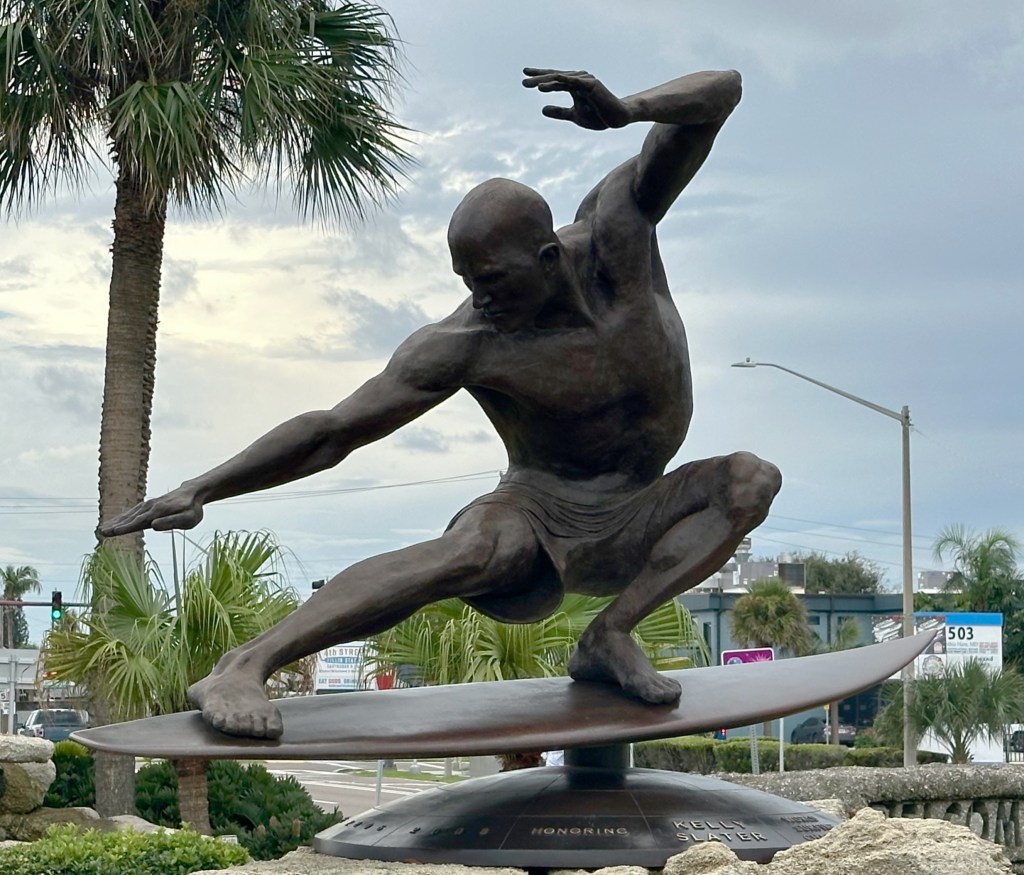
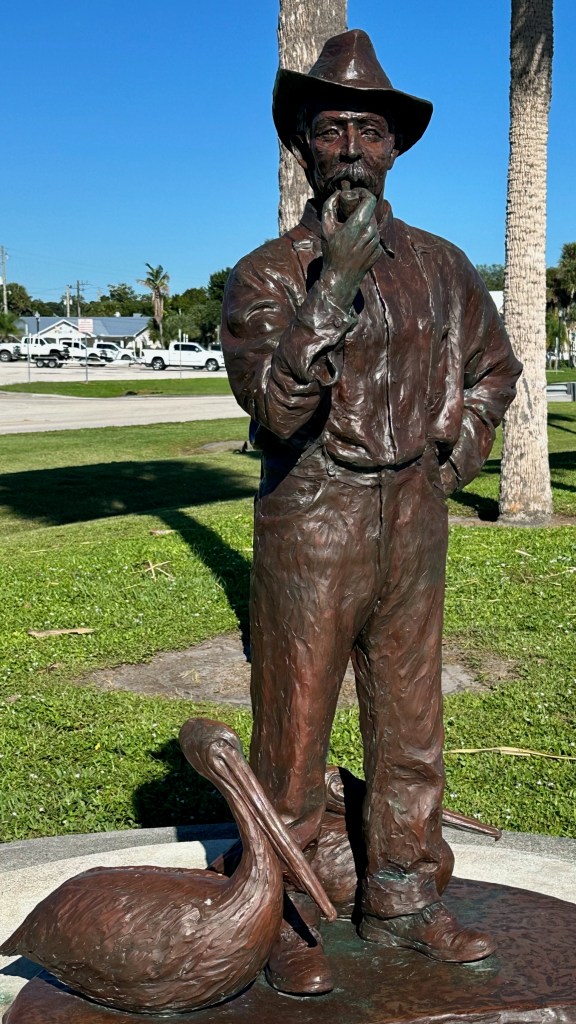
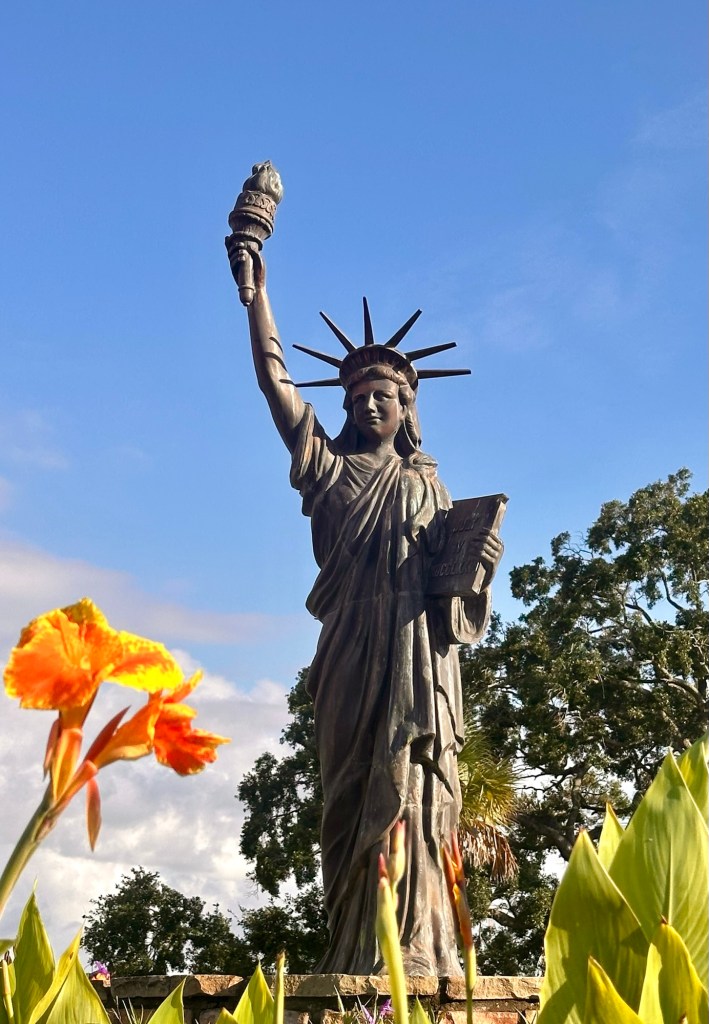
Without any fanfare or signage she overlooks Lake Ivanhoe from a traffic island in north Orlando. Though unheralded she’s in good shape. It just seems a shame, especially since the initial investment for each statue was $350 ($4,700 in 2025 dollars) and that didn’t include the pedestal or installation costs.
I’m glad I stopped to find her. Even though I’ve driven across this country dozens of times, there are still so many things for me to learn and explore…
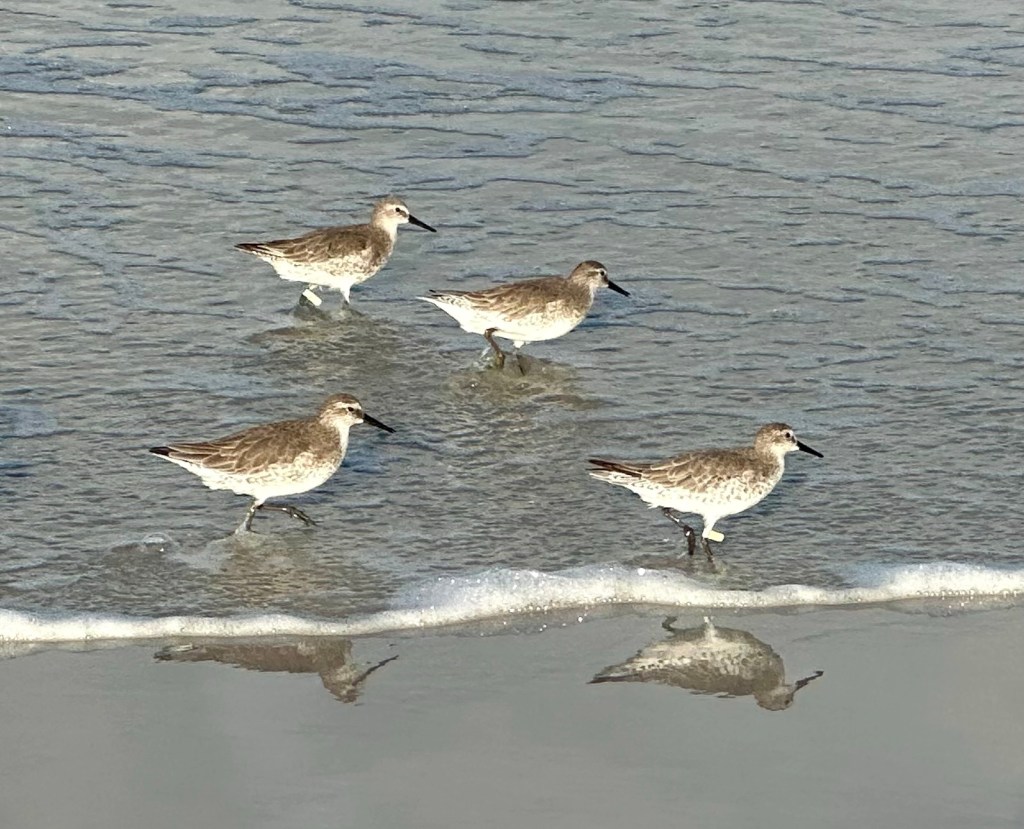
This small shorebird has one of the longest known annual migration routes, flying from the Arctic down to Tierra del Fuego in South America each winter. That’s roughly 18,000 miles round trip each year!
This group will probably continue on their way when the weather clears, though in recent years more and more have been wintering along the Gulf coast. A phenomena that scientists want to better understand (hence the bands).
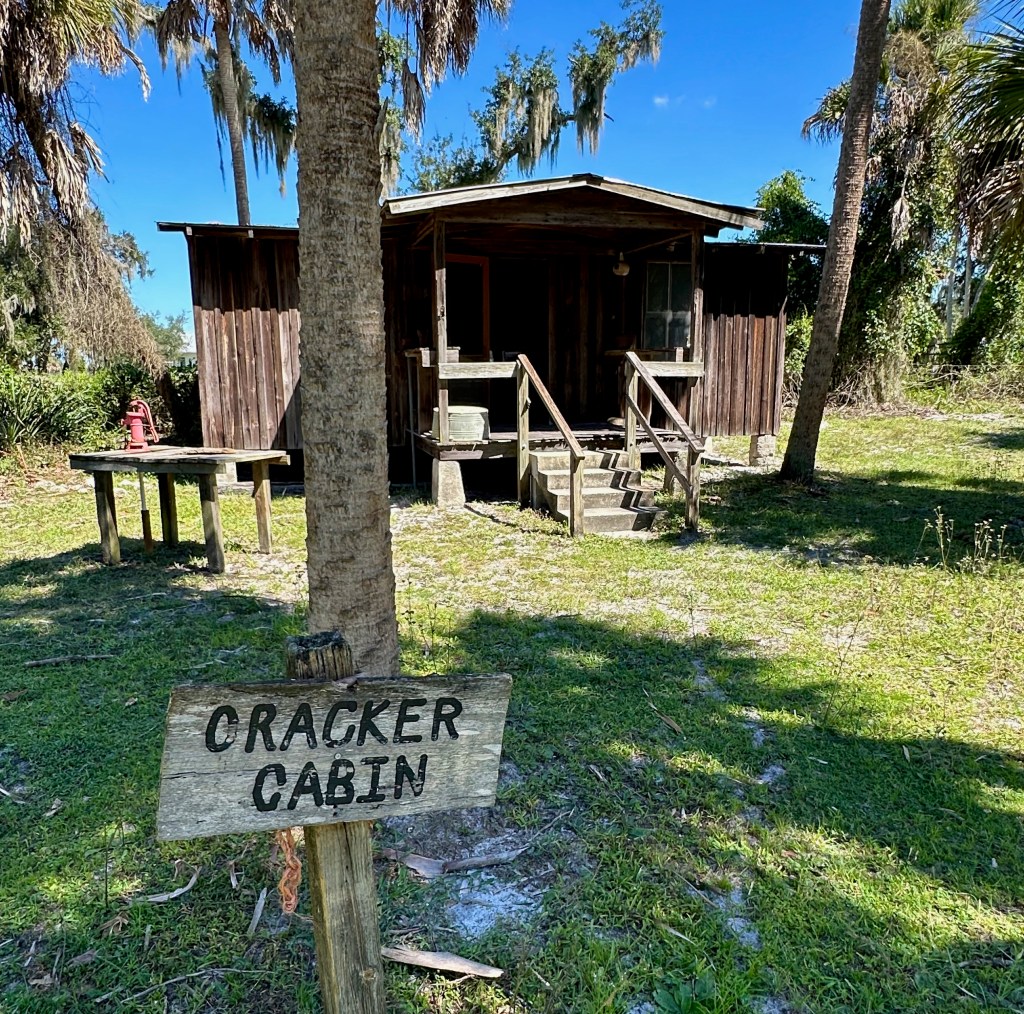
After my brief tour of Myakka River State Park I headed down a country lane to the slowly disappearing town of Old Miakka. My destination was the Crowley Museum & Nature Center for a taste of Old Florida.
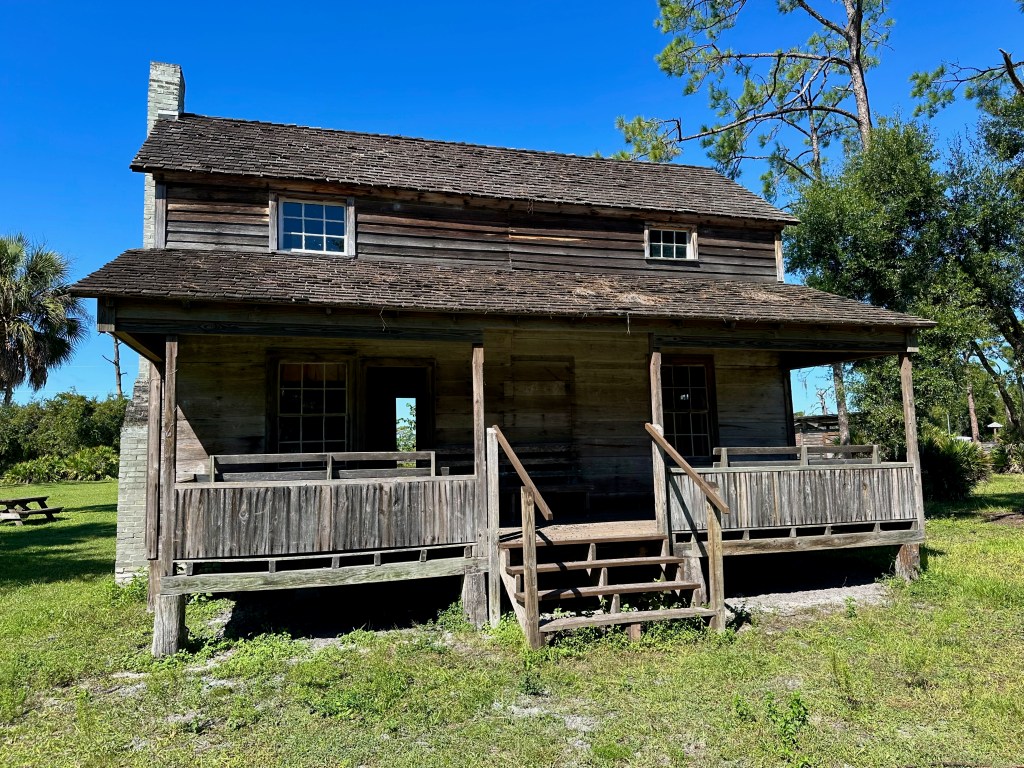
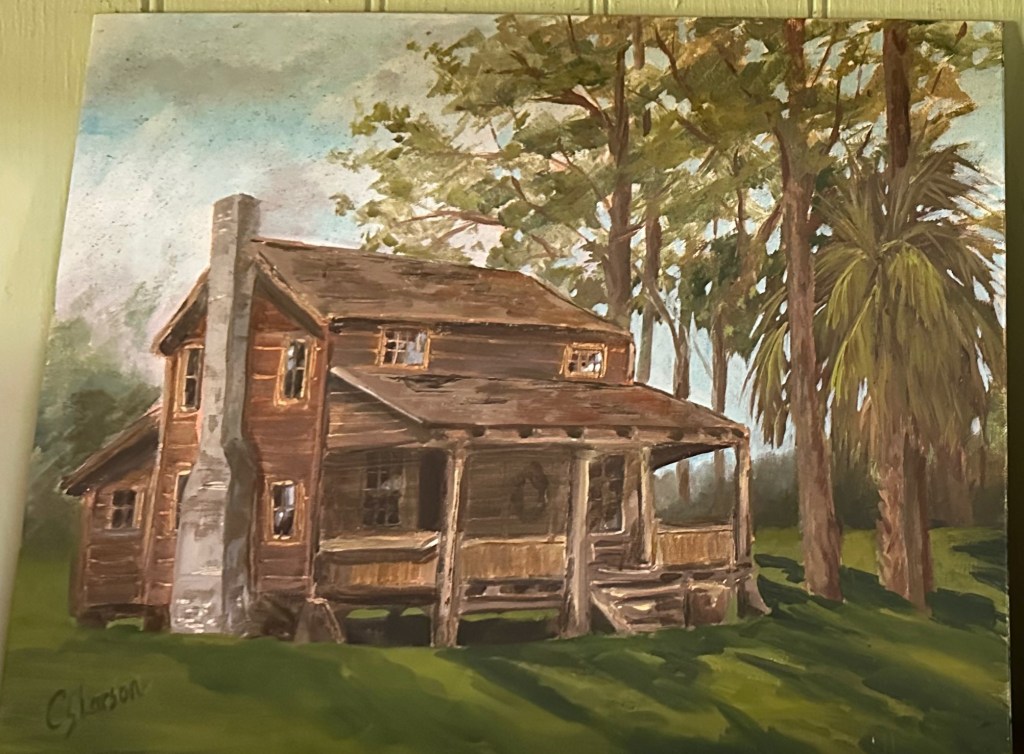
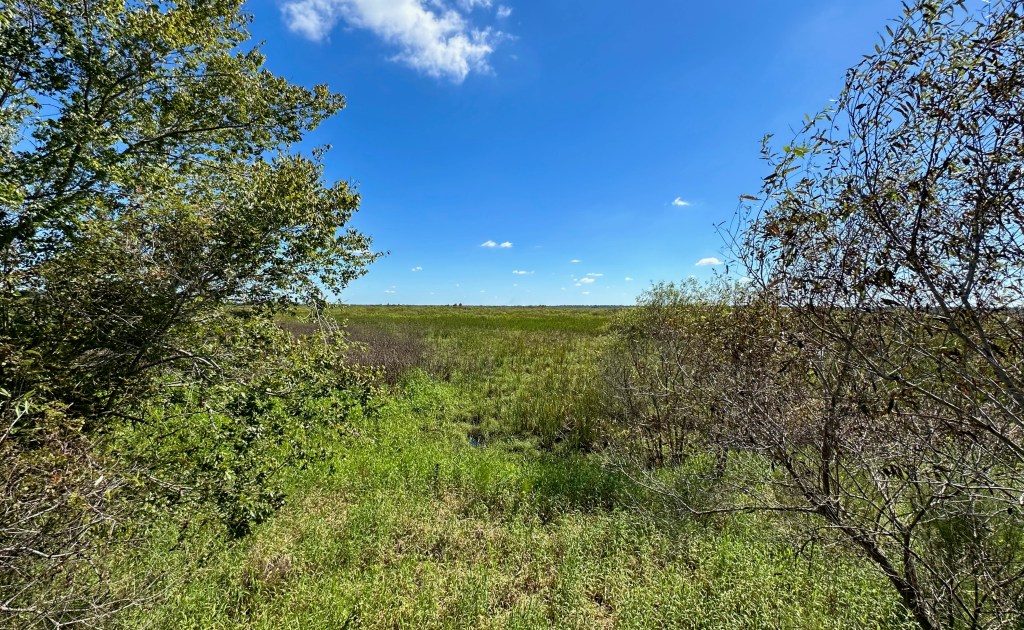
A small nonprofit cares for 191 acres of along the Myakka River, preserving the ranching landscape of early settlers. Tours of the property are self-guided so I started with the Tatum House, a historic home that was moved to the Center from neighboring Sarasota to save it from demolition.
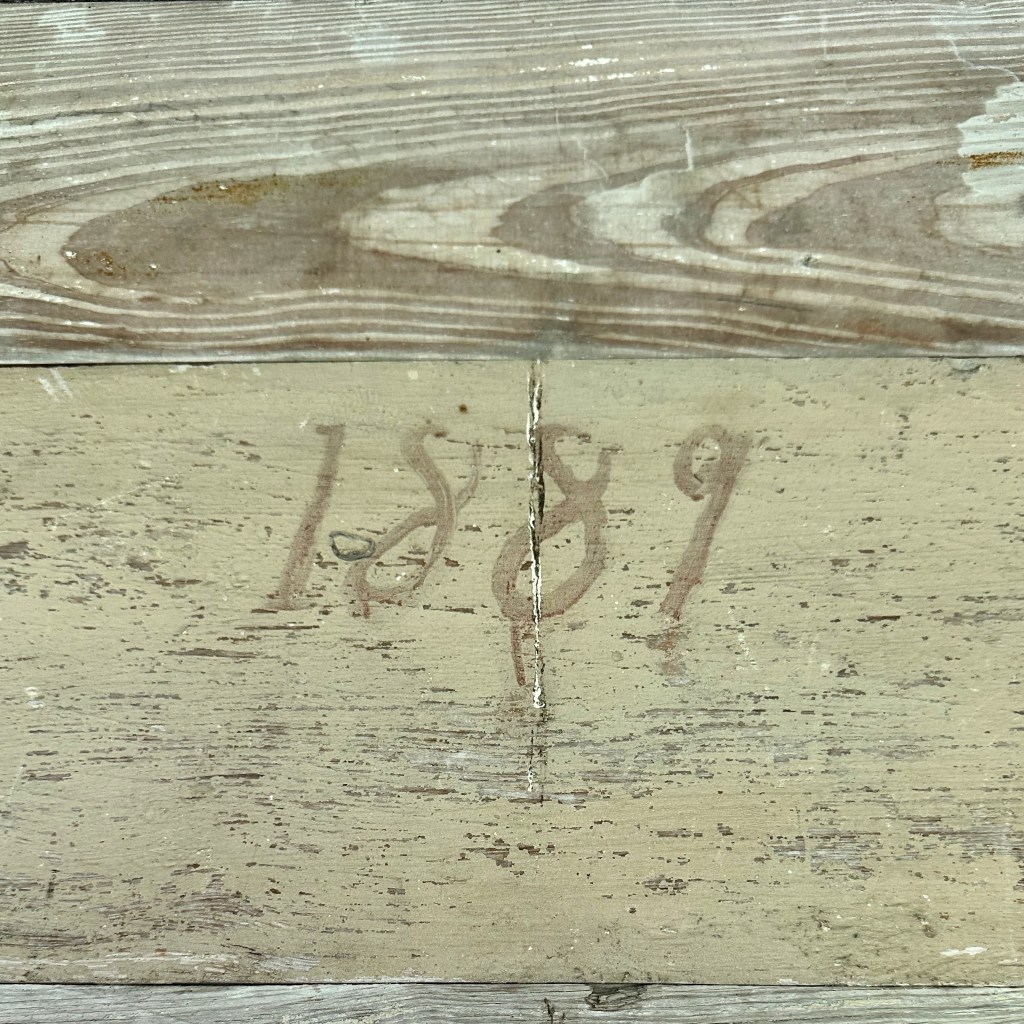
Built in 1889, the house was a decent size for the era, though it’s hard to imagine a house that size holding a family with 11 kids!
After the house, I stopped in the yard to give Sweet Pea (one of the resident pigs) a quick scritch behind the ears. Then I moseyed over to the boardwalk. It just recently opened after a full rebuild, thanks to devastating damage caused by Hurricane Milton two years ago.
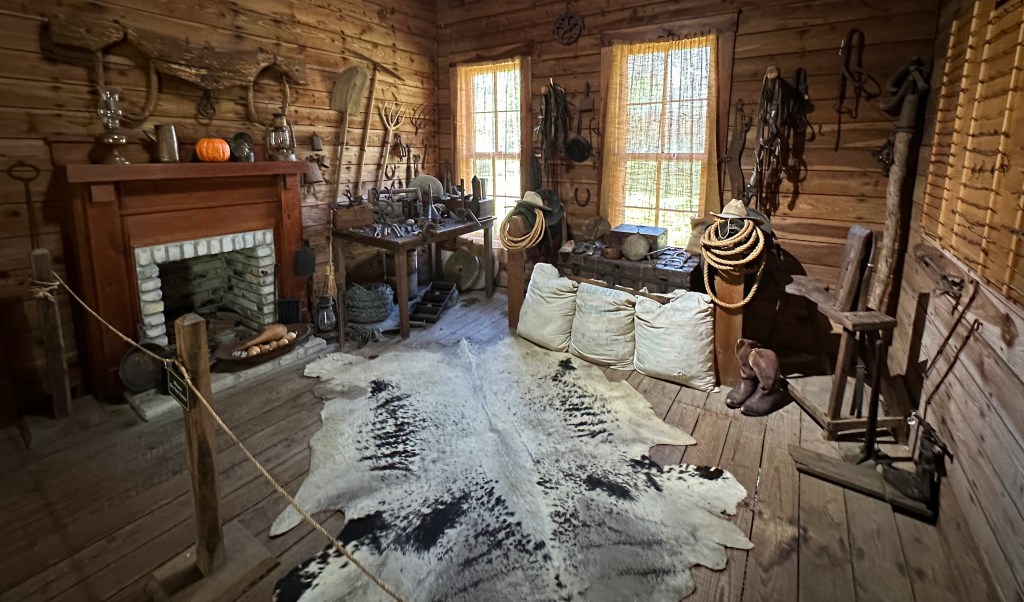
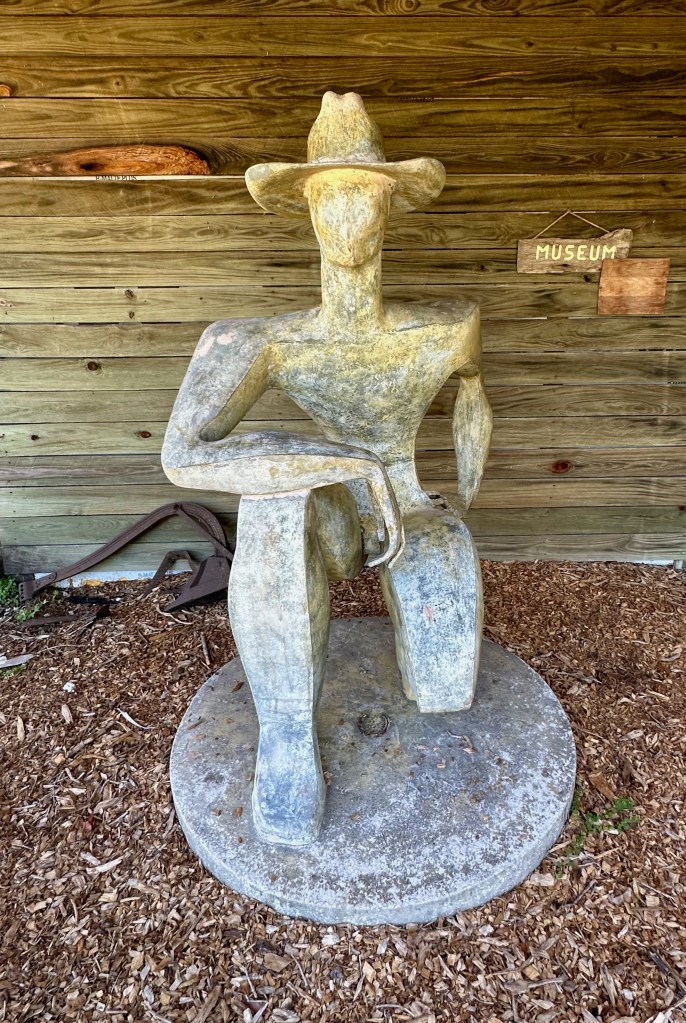
Then I toured the Cracker exhibit in the old barn, an informative display about the first cowboys in the United States. Growing up out West with all the cowboy lore it’s easy to presume that’s where they began. However, since the first cattle in America were brought over by the Spanish when they landed in La Florida in 1521, it makes sense that the first cowboys came from here too.
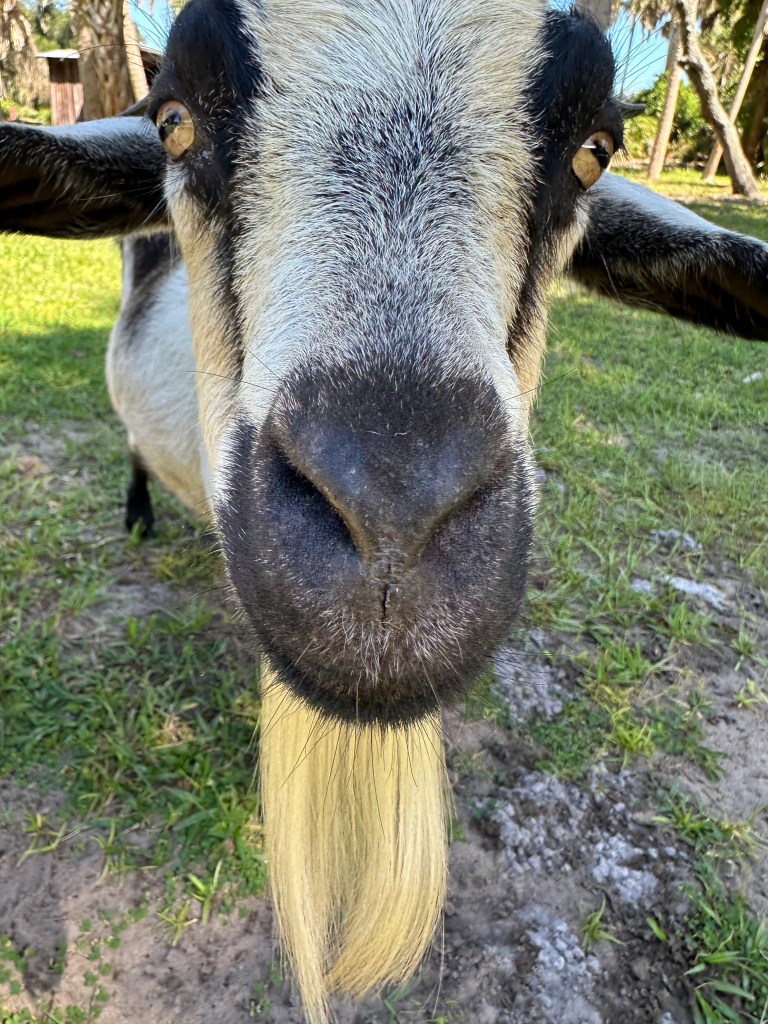
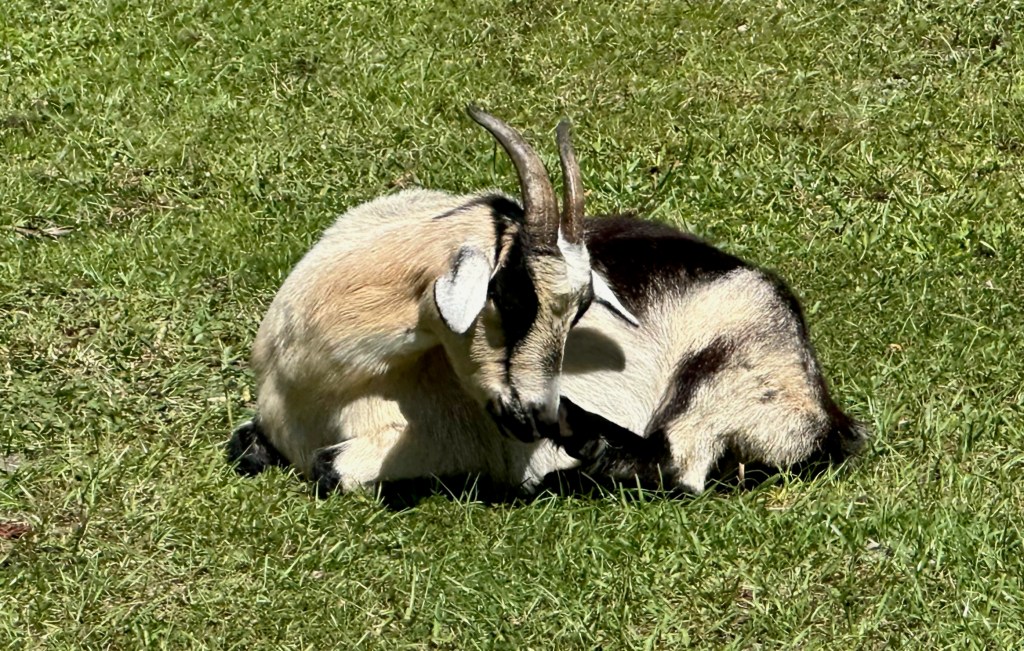
A few friendly goats helped me wrap up my visit – definitely a enjoyable morning.