Passion Butterfly

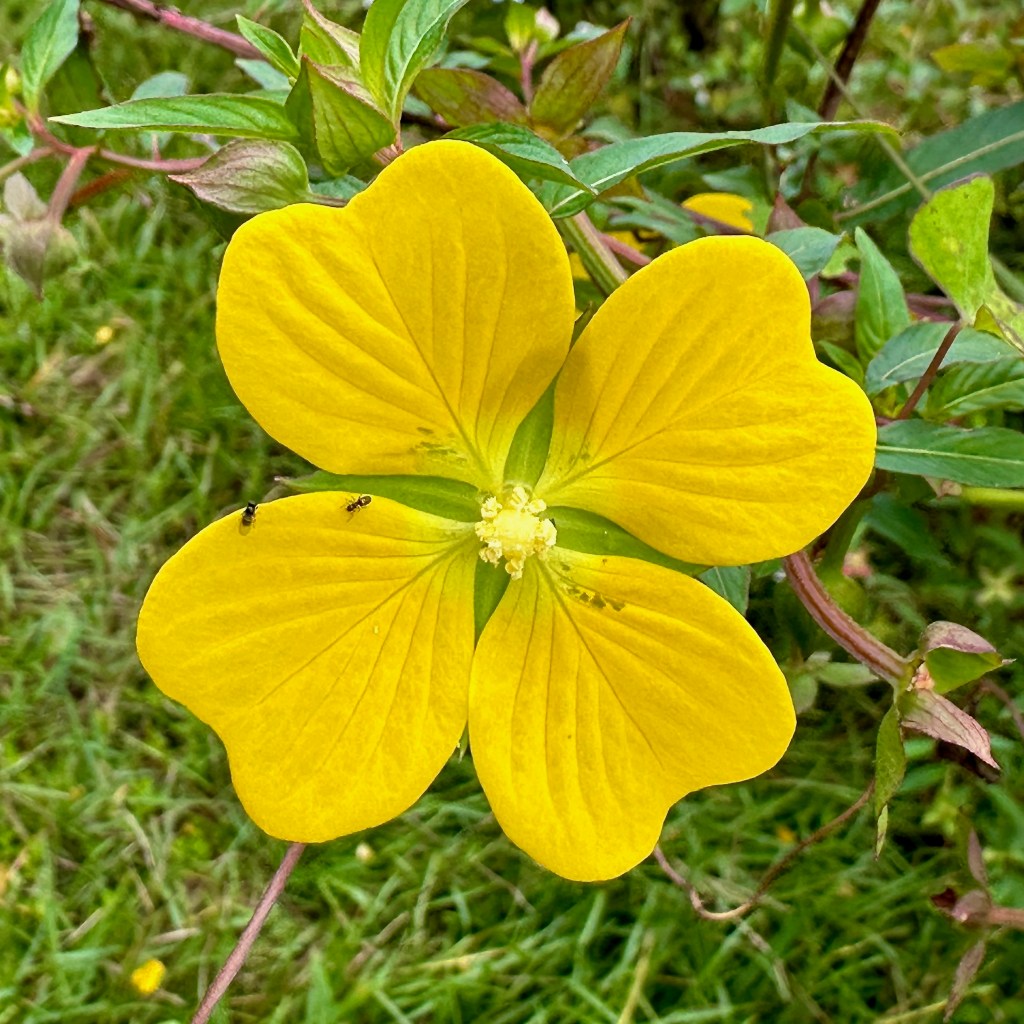
There’s been an awful lot of fluttering in my yard lately and I have my sister Desirée to thank for it. When she, her husband Scott, and our dad George stopped by for a quick visit in 2021 she gifted me two passionvine seedlings (Passiflora sp.).

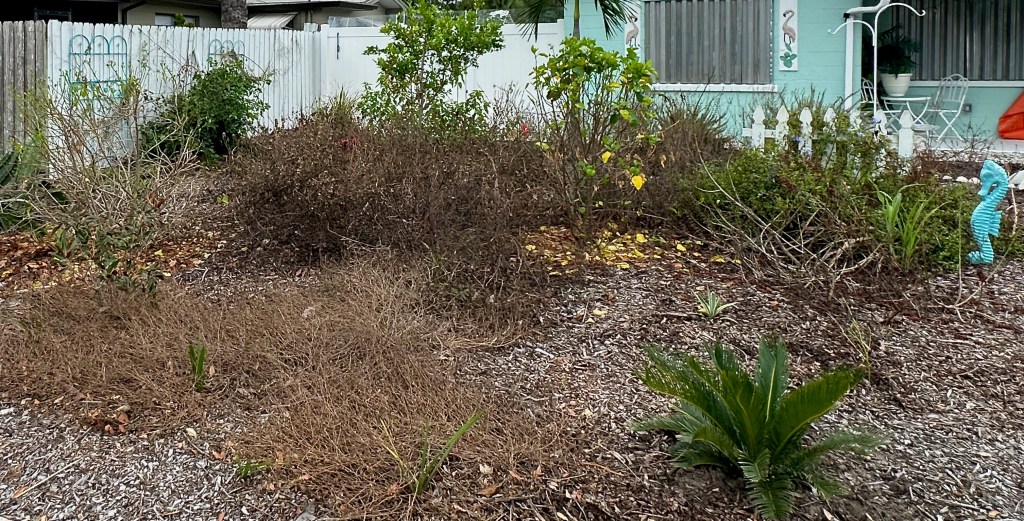
They’ve grown well in my front yard and over the years I’ve even been able to move a few volunteer starts to my back yard. The abundance of passionvines has attracted a number of Gulf Fritillarys (Agraulis vanillae) this summer.

While their offspring have munched my vines bare, I’m delighted that my yard provides them suitable habitat. Besides, I know the vines will recover. As you might guess, their decided preference for passionvines led to their other common name, Passion Butterfly. No matter what you call them, I love watching them flutter around my yard!

Flamingling

As I mentioned yesterday, there’s more to Sunken Gardens than just plants. Flamingoes have been an important part of this oasis since they were put on display in 1955.

According to signage, the Turner family drove to Miami in a station wagon to pick up the first flock. The Turner kids rode in the back with the large birds, which honked, grunted, and growled their displeasure all the way to St Petersburg. It’s a 4 hour drive today but back then it was at least a 6 hour trip (due to slower speeds and smaller roads) – can you imagine?!

It was worth the effort because the birds were a huge hit with tourists. Over the years the menagerie grew as more exotic birds, pygmy goats, and even monkeys were added. Things are quieter in the Gardens these days as only flamingoes and a dozen other rescue birds remain.

In 2016 the current flamboyance of Chilean Flamingoes moved in. They seem well-acclimated to our hot weather as they went about the important business of bathing, preening, feeding, and pursuing mates. After all these years, the flamingoes are definitely still a hit with tourists! 🦩

Bathing Ritual
Foot Stomping – Wrong Place
Foot Stomping – Right Place
Couple Fends Off an Interloper

Roadside Paradise

During his visit last week, my friend Hector and I spent a warm afternoon wandering Sunken Gardens’ winding pathways. What started over 100 years ago as the Turner family’s orchard and garden gradually grew into a lush roadside attraction.

As visitation grew, the Turner’s added flamingoes, parrots, monkeys, and other exotic animals to their vast collection of tropical plants. All while still selling delicious fruits and vegetables to local markets.

Sadly, tourist preferences changed over time and in 1989 the family made the difficult decision to put the 4-acre property up for sale. They patiently waited for the right buyer and thankfully, in 1999 the community rallied around this special place raising the funds to purchase and preserve it.

We’re very fortunate to have this historic oasis here in the heart of St Petersburg.

Ankle Monitoring

My friend Hector was just recently in town for a couple days so, of course, I drug him out to my favorite place, Treasure Island, a couple times. While Hector and I were walking the beach Monday morning I noted this American Oystercatcher.

They are striking avians on their own but I was particularly fascinated by this one since it was banded. After a bit of online digging, I learned that a research study started back in 2013 to assess and monitor the welfare of this species. The overall number of these large and showy shorebirds has declined and, if this continues unabated, they could soon be listed as a Threatened Species.

Thankfully, the bird was tolerant and allowed me to capture a few photos with my phone. They were good enough that I was able to determine the “triangular” code of the color bands on the bird’s upper legs (the metal band on the lower leg is only meant to be read when the bird is recaptured or found deceased).

I used this information to file a band sighting report online with the American Oystercatcher Working Group. I had hoped to learn more about “my bird” from the data set collected when it was originally banded (age, sex, etc.) but I couldn’t find that anywhere on the website. I was at least able to determine that it was banded up in Massachusetts within the last ten years.

Here’s hoping this bird (and the rest of the species) live long and prosper!