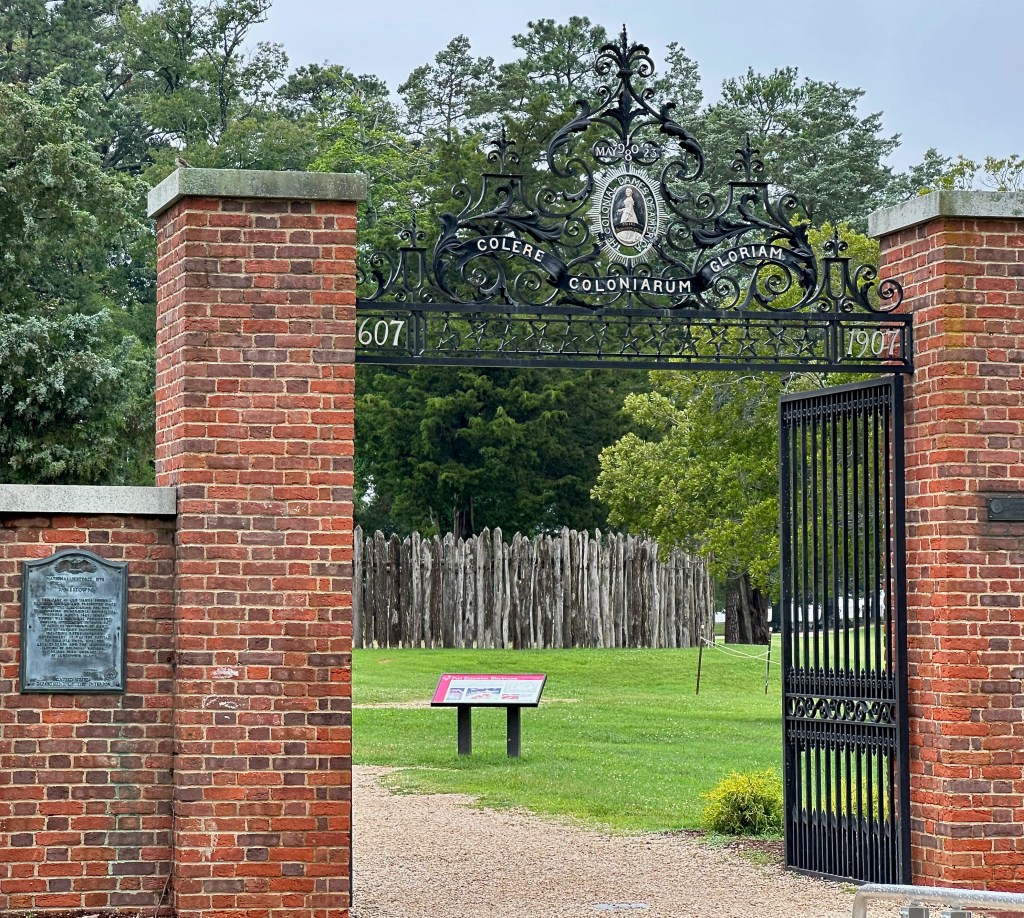
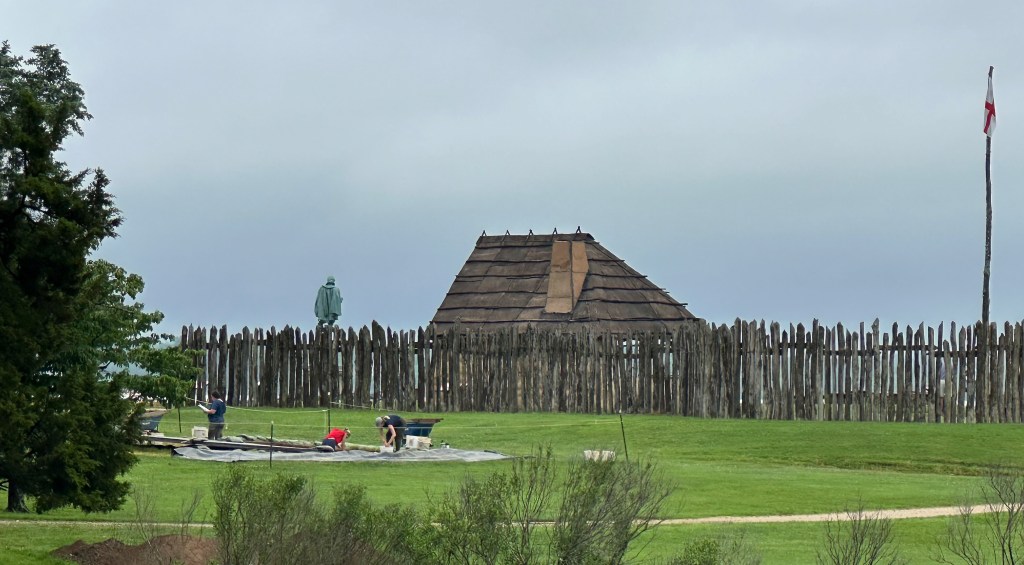
After the dismal rainy weather the day before I was greeted with a cloudy and mild morning, perfect for wandering the remains of the first permanent English settlement in North America. Speaking of firsts, I was the first visitor at the Jamestown National Historic Site that day.
In December 1606 three ships loaded with 144 men, boys, and provisions left London headed for the New World. The goal was to establish a colony to give England a foothold in between the Spanish and French land claims.
On May 14, 1607, after exploring the Chesapeake Bay a suitable location was finally selected, roughly 40 miles up a river (which they named after their king, James). As the three ships and their sailors returned to England, construction of a fort commenced.
The main prerequisites were that the land be defensible and unoccupied. The fort’s location on a bend in the river provided good sightlines. However, the land was in use by native people, though only seasonally. The Powhatan tribe did not have a permanent village there because, as the newcomers soon discovered, the swampy land wasn’t arable, there was a dearth of fresh drinking water, and the surrounding slack water bred hordes of mosquitoes.
Despite those hazards, and mainly through the largesse of the Powhatans, the colonists survived (unlike the earlier settlers at Roanoke which all mysteriously disappeared in the late 1580s). But survival wasn’t the only goal, the colony needed to find and cultivate materials for export.
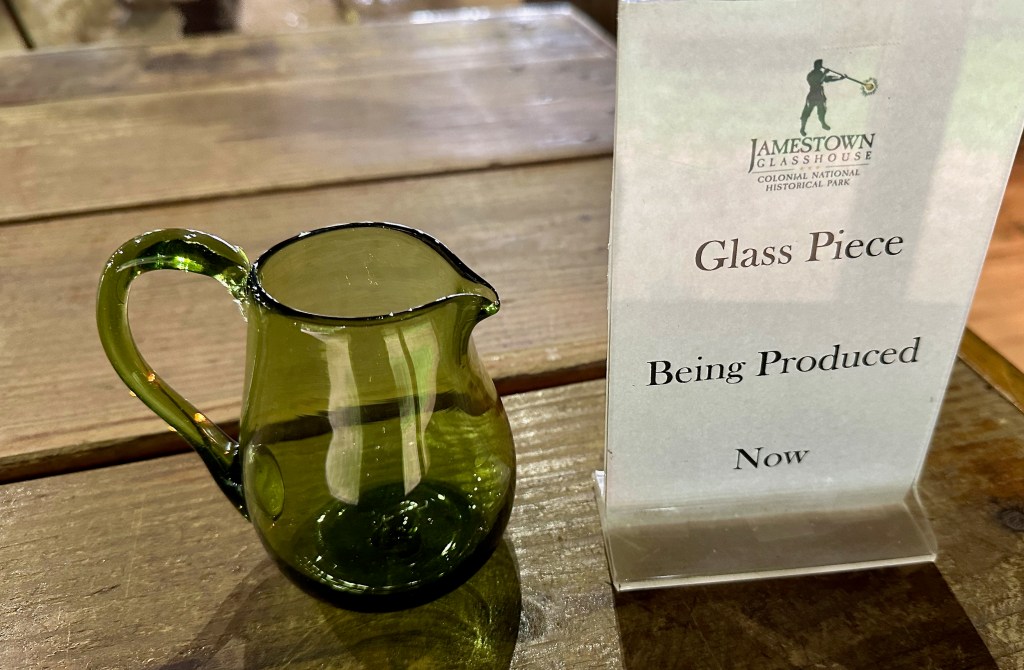
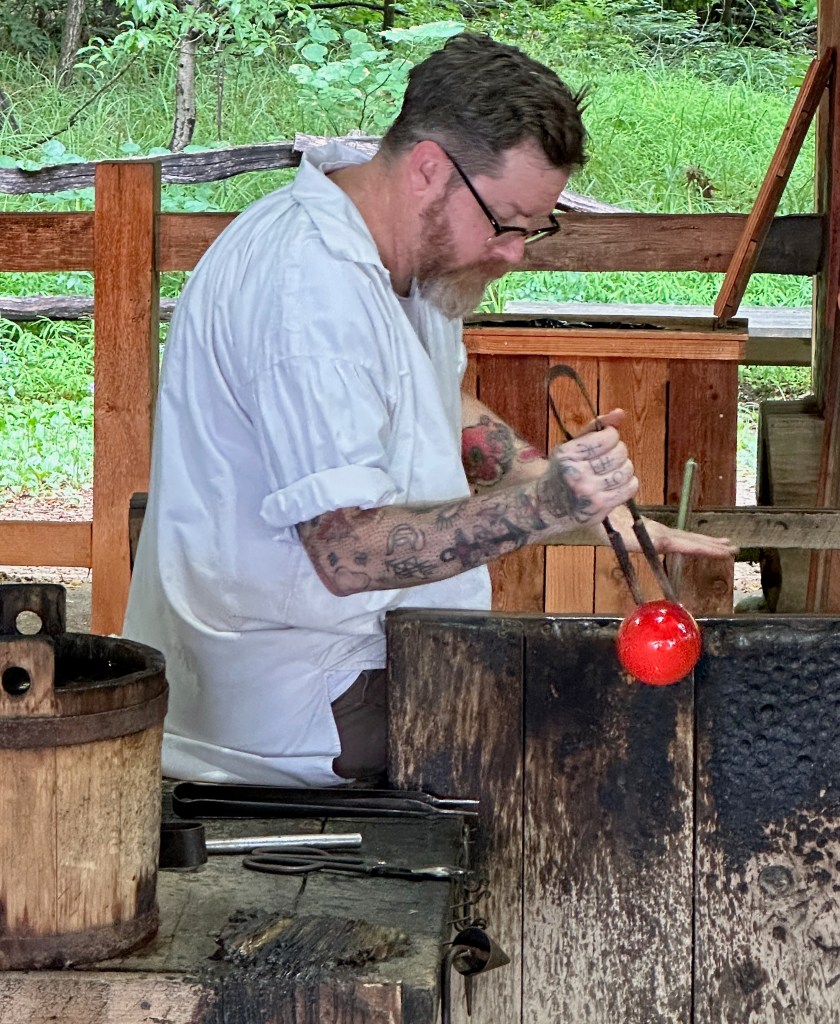
Timber and forest products were in high demand in England, though cumbersome to transport. The settlers planted grapes for wine and mulberry trees for silkworms. They even tried glassblowing, mining, and shipbuilding. Of all their attempts, tobacco quickly became their most valuable commodity.
The downside of that cash crop? It was labor intensive. The economic woes in England provided a handy solution. Indentured servants were sent over by the boatload to work off their debts (or crimes, such as murder or even merely stealing a loaf of bread). Sadly, over 55% of them did not survive the harsh working conditions.
While ultimately a success story, I appreciated that the exhibits in the museum and on the grounds attempted to provide a balanced view. This first permanent colony produced a lot of firsts, not all of them good, such as the first plantations and the first slaves (with the arrival of stolen and enslaved Africans in 1619).
We are all fortunate that places such as this have been preserved and are still being studied. As Winston Churchill said in a 1948 speech to the British House of Commons, “Those that fail to learn from history are doomed to repeat it.”
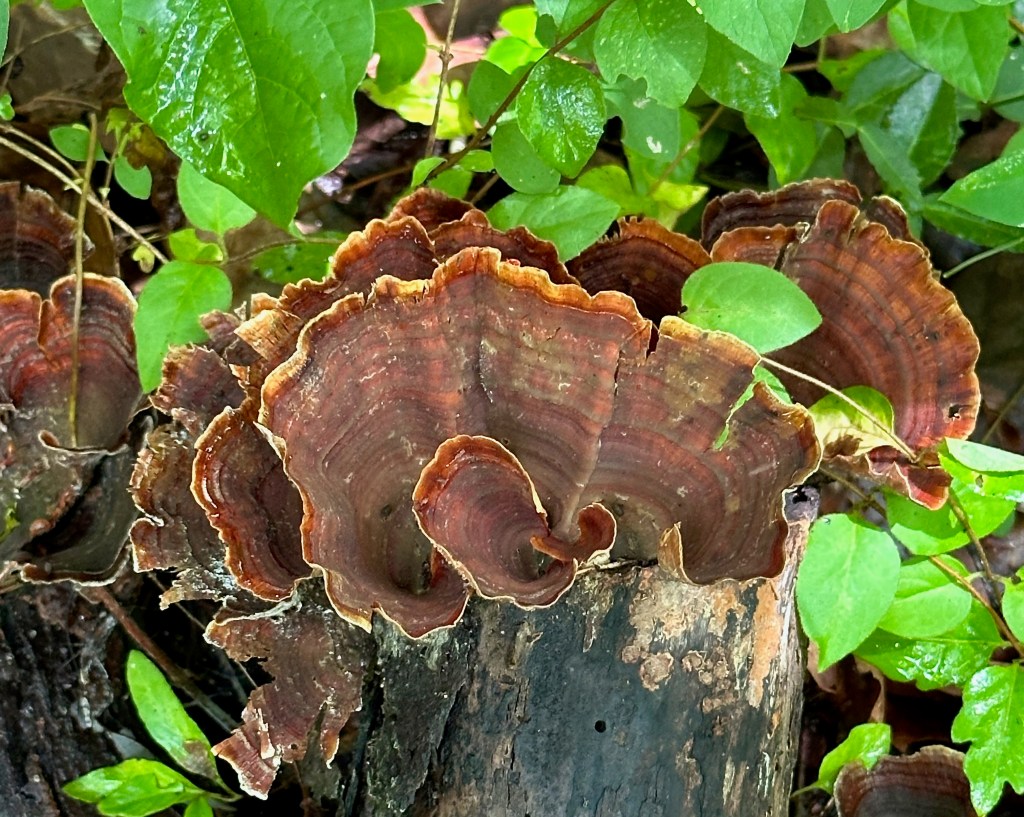
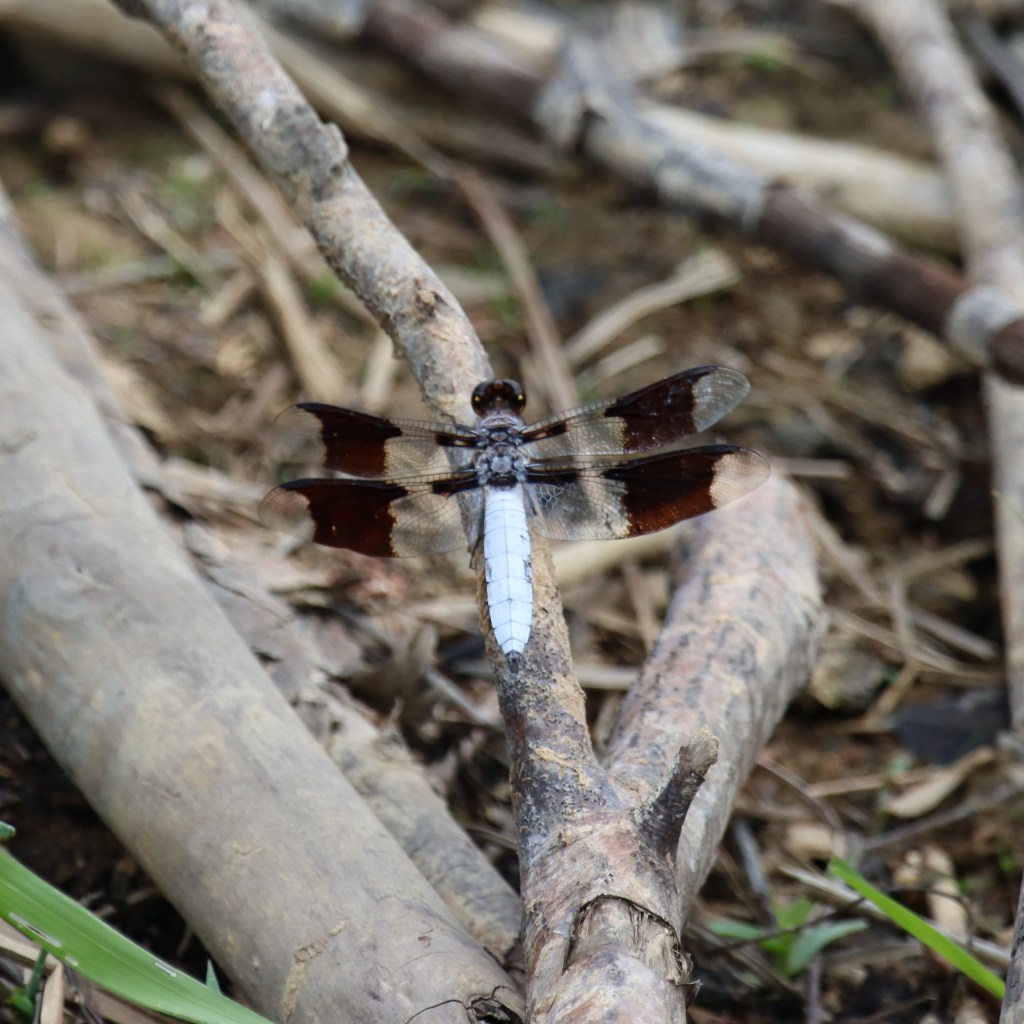
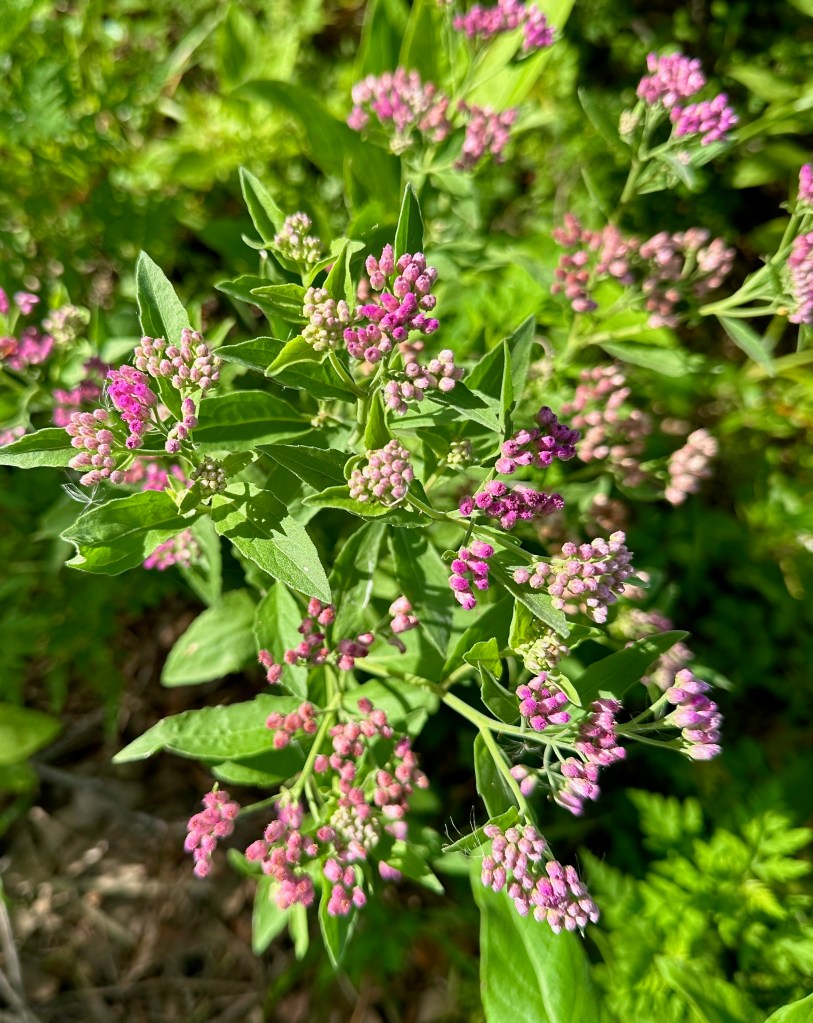
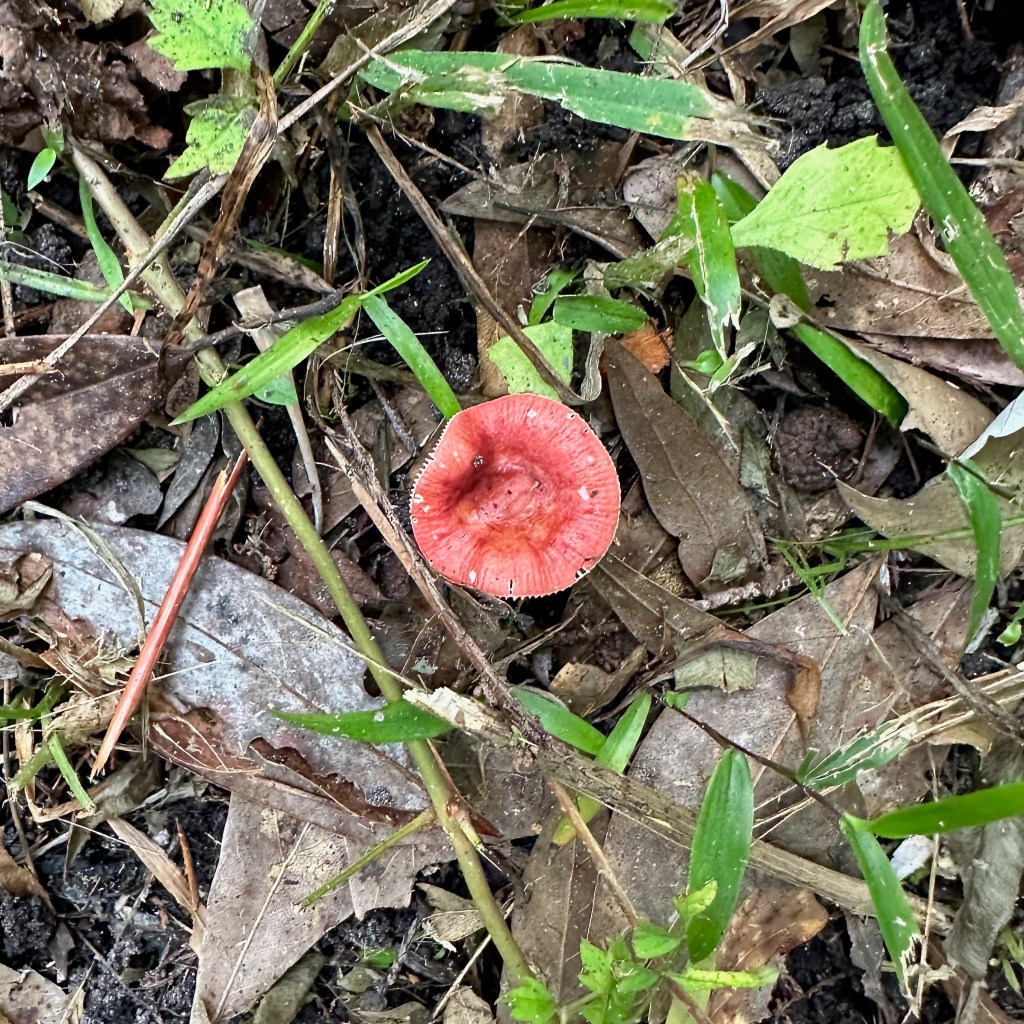
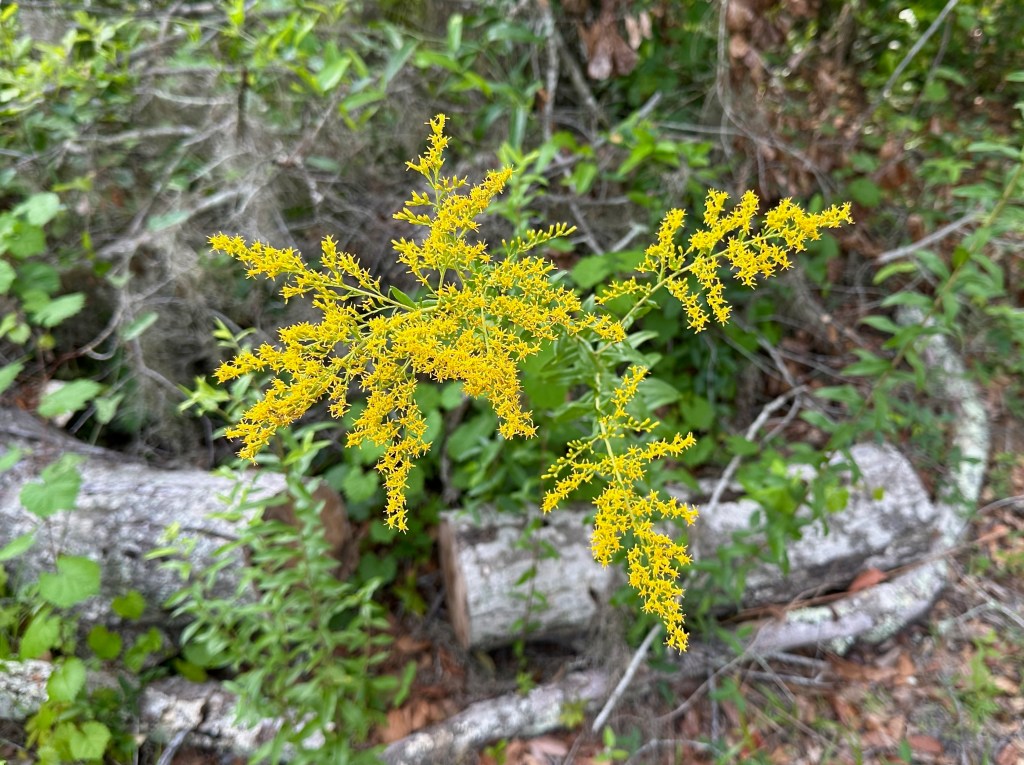
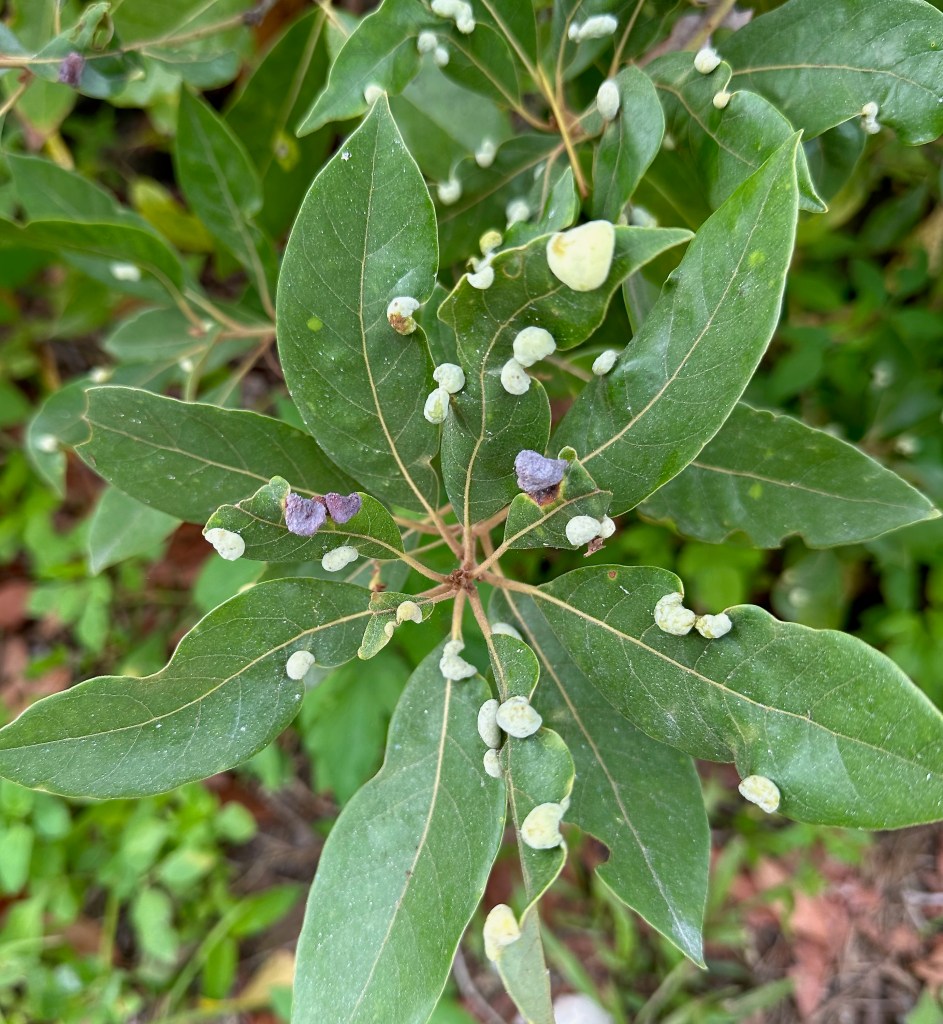
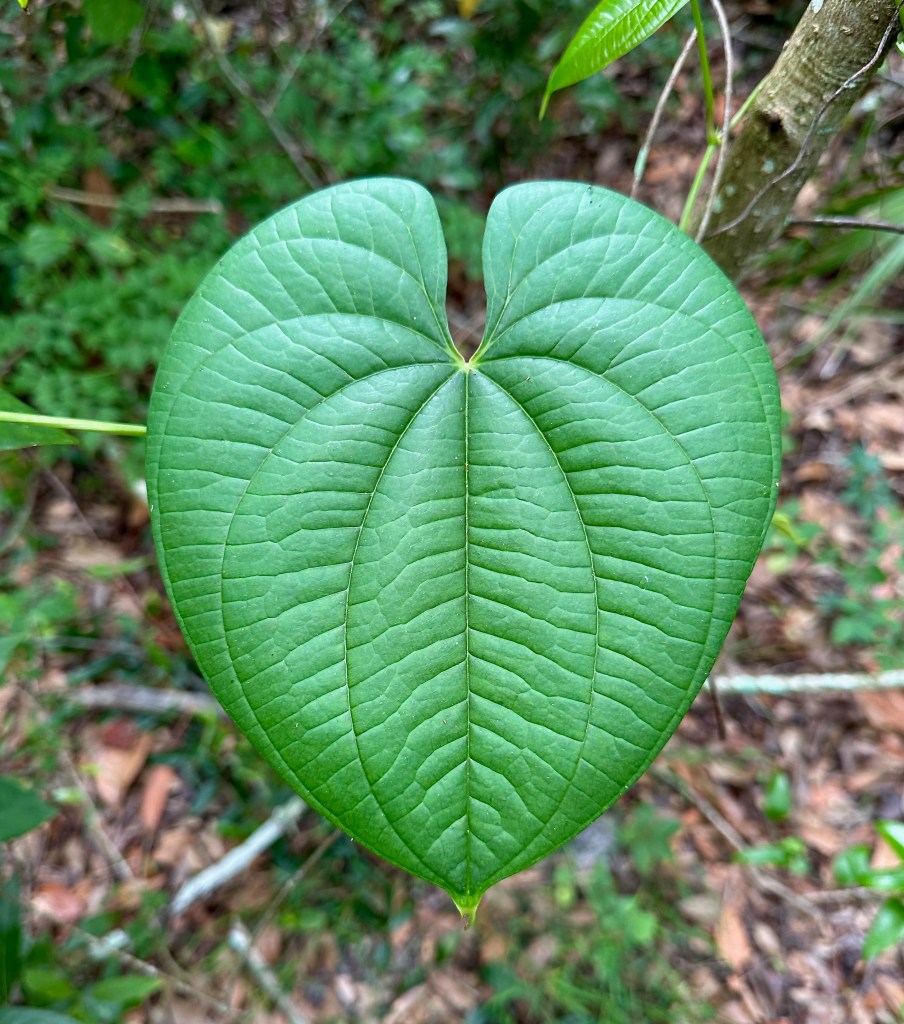
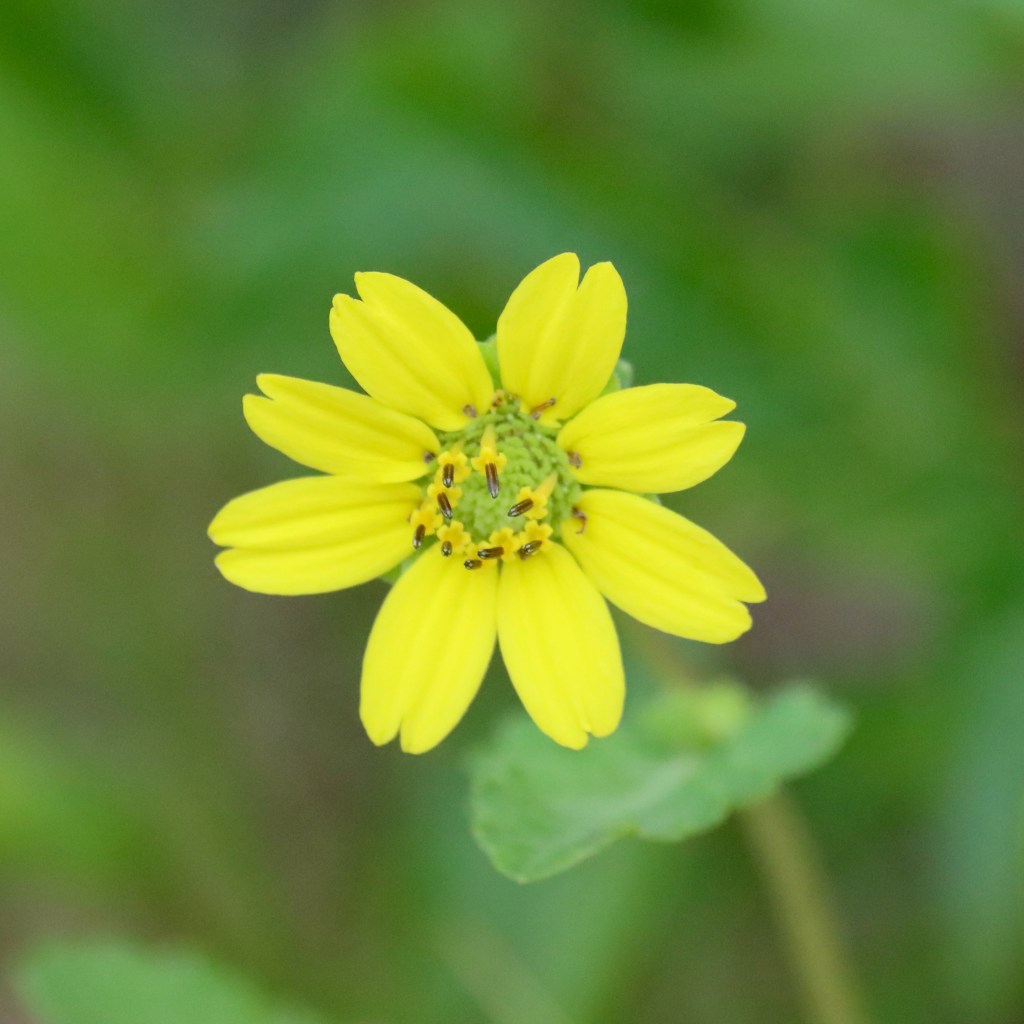
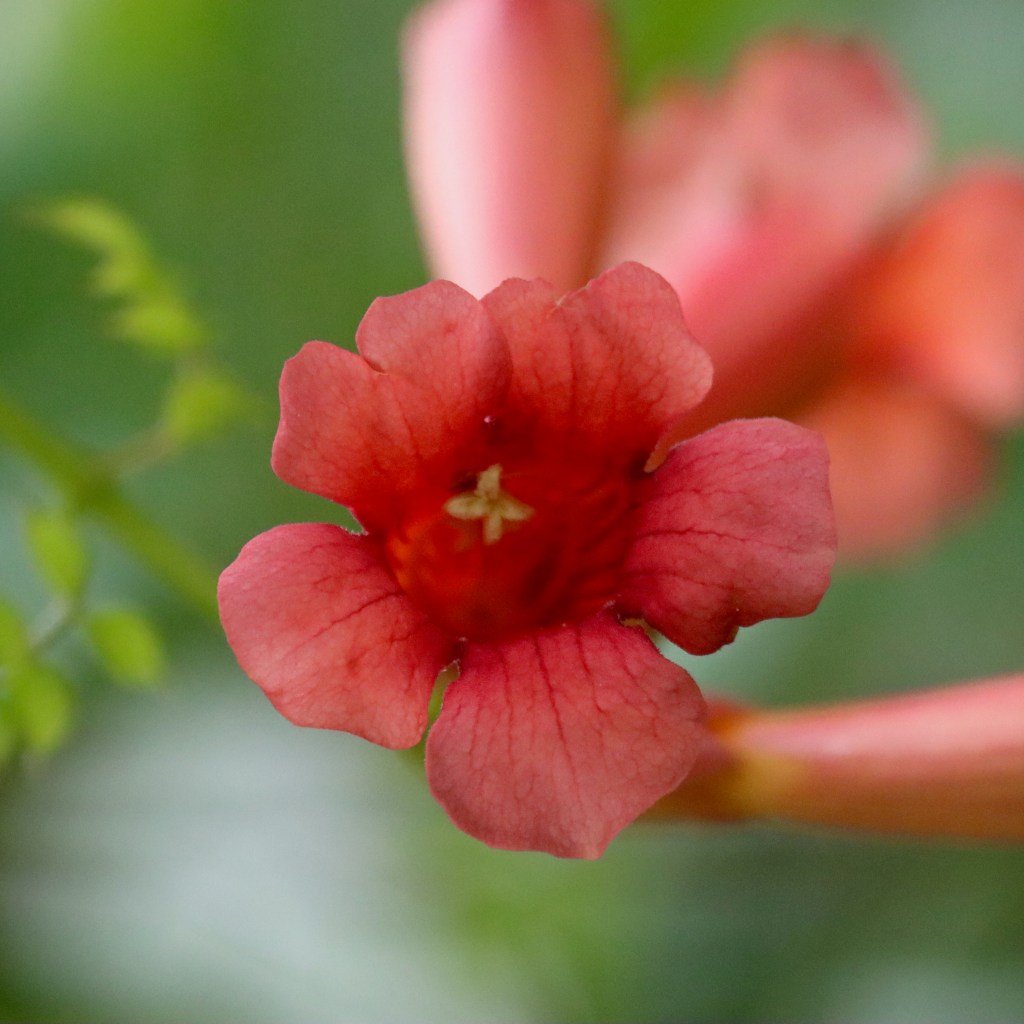
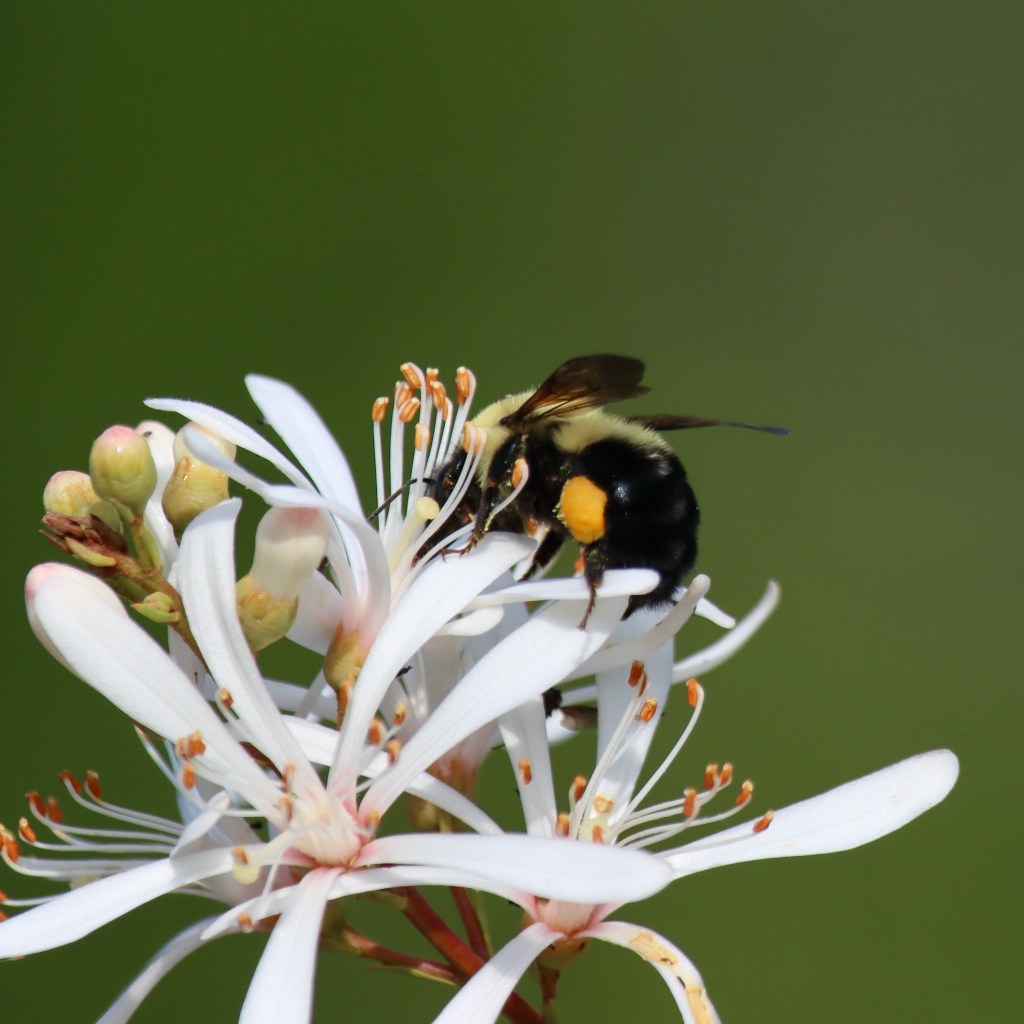
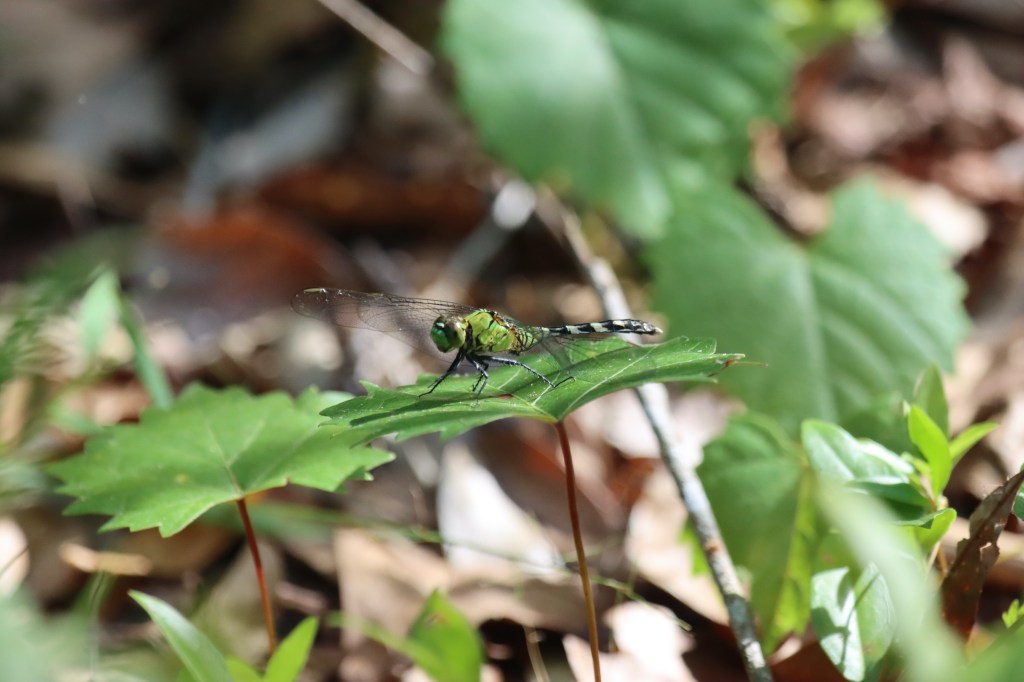
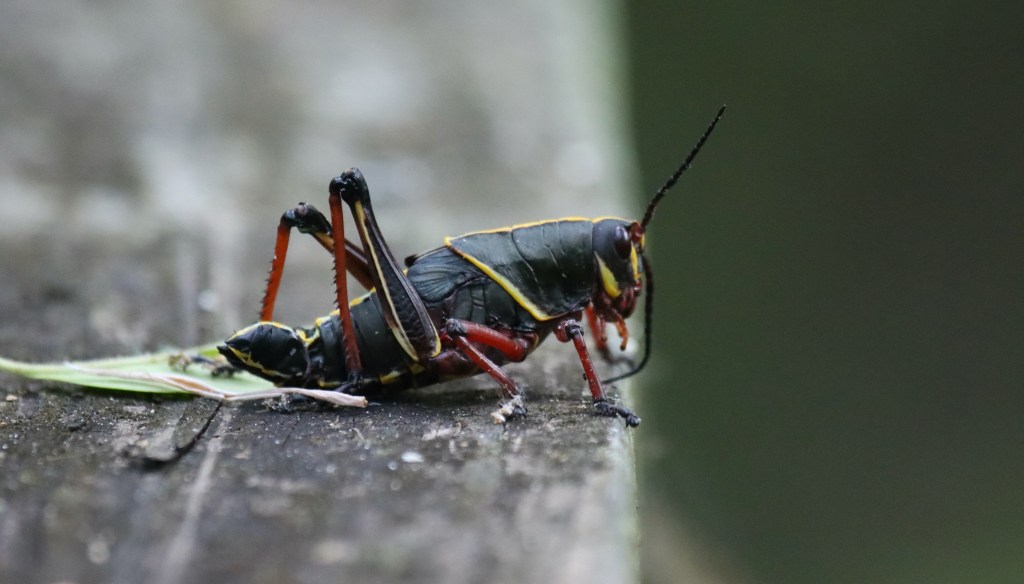
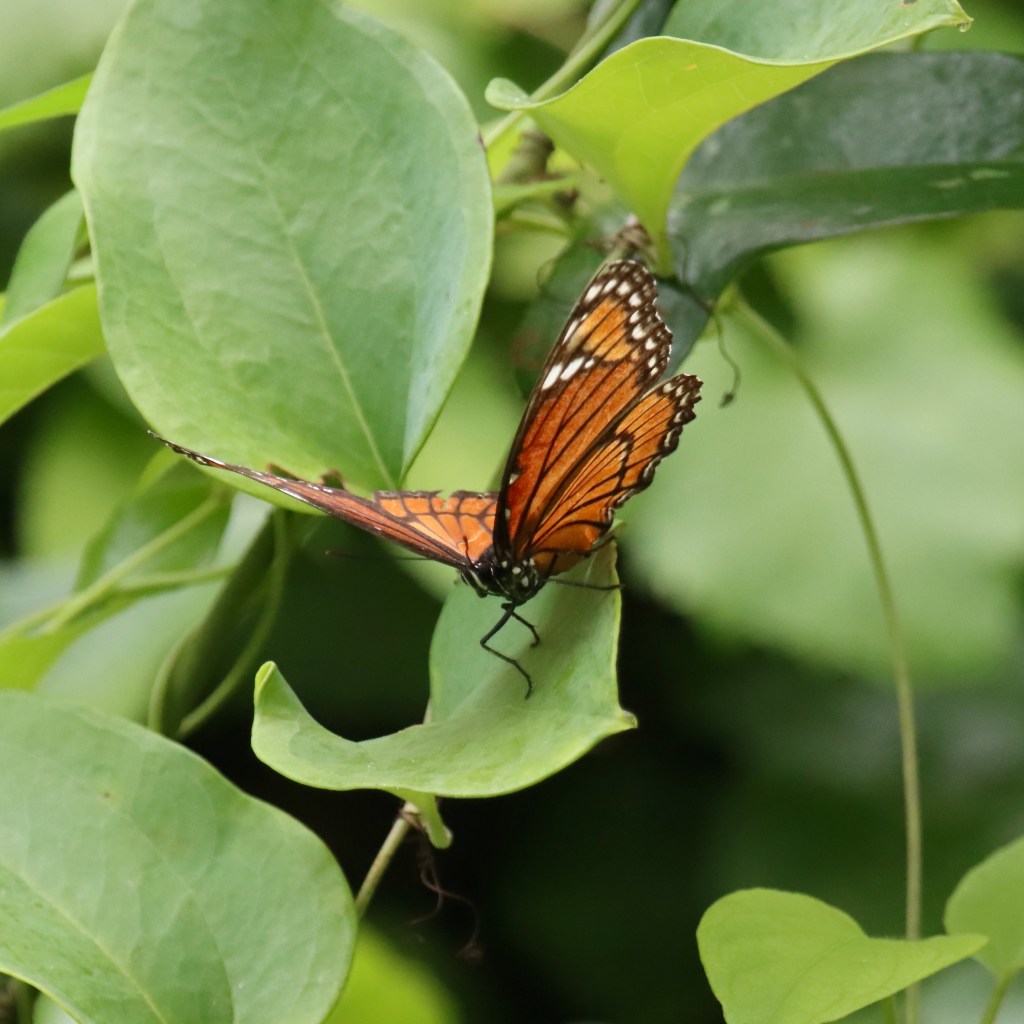
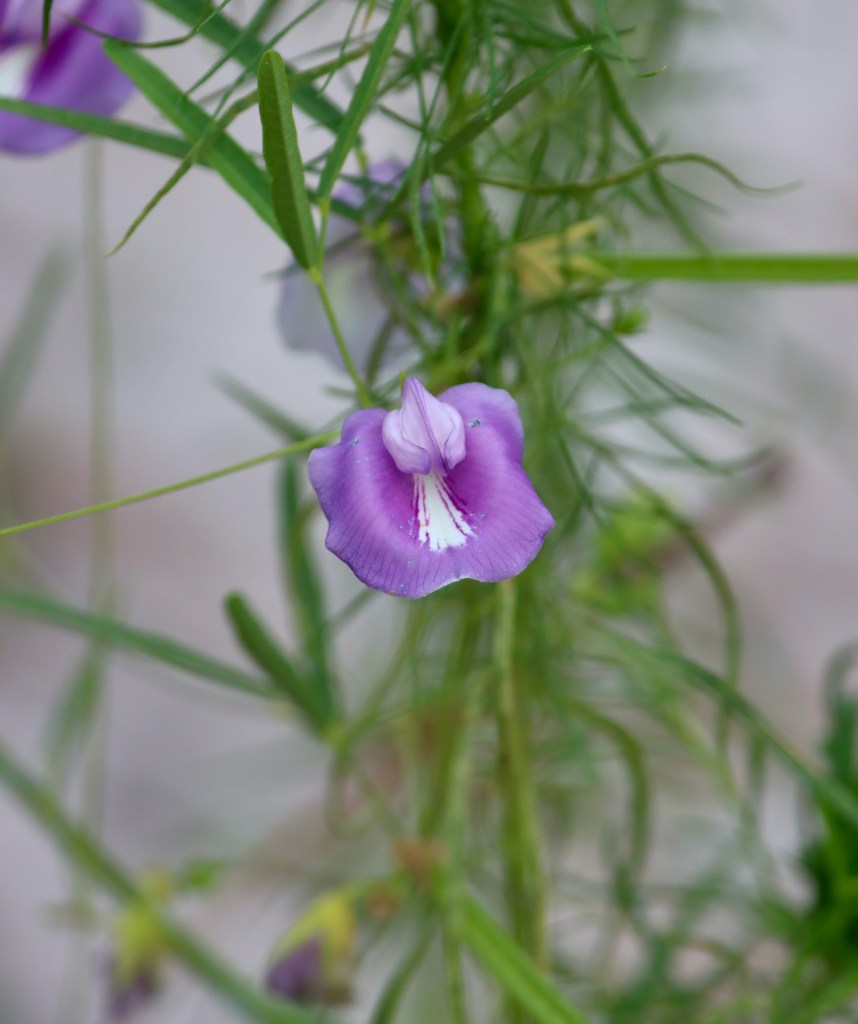
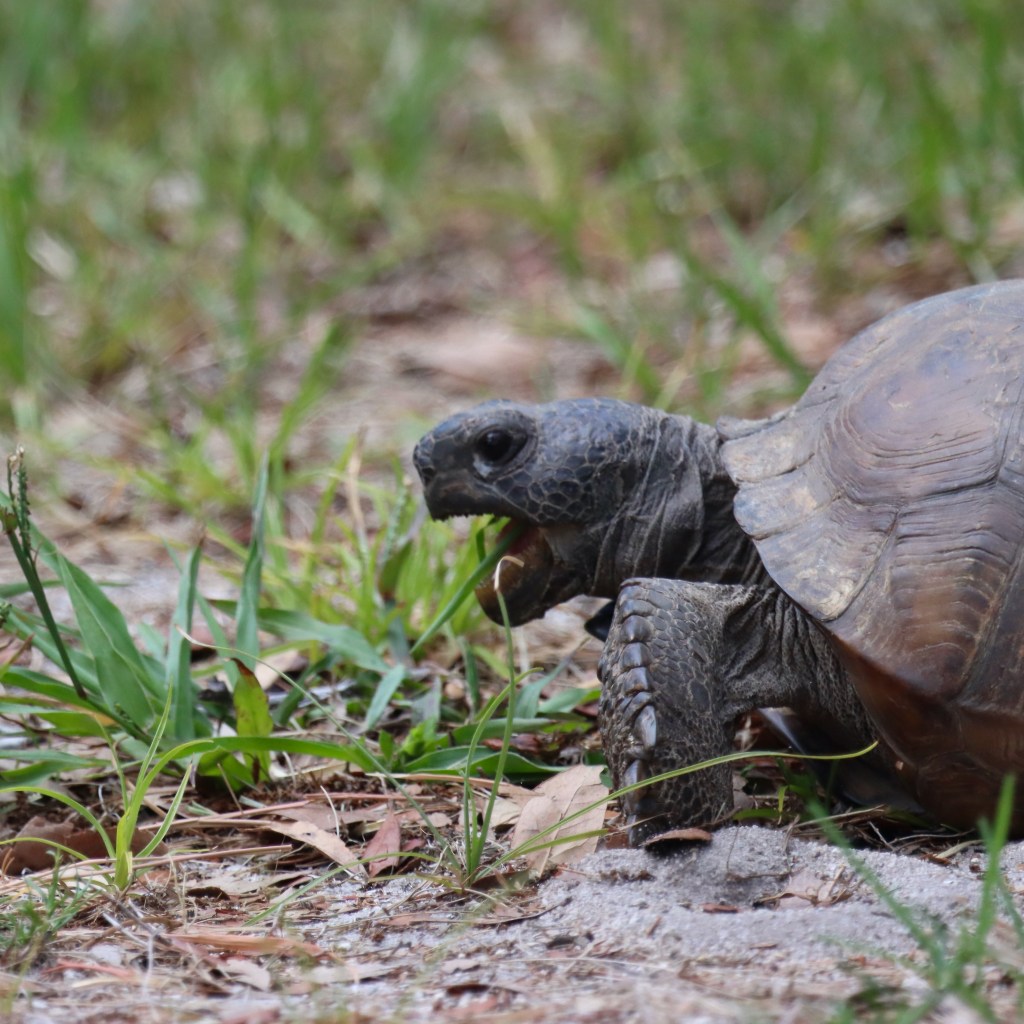
Caesarweed (Urena lobata)Eastern Rat Snake (Pantherophis quadrivittatus)Lichen DiversityLongleaf Pine (Pinus palustris)Prickly Pear PadTree FungusReindeer Moss (Cladonia evansii)Close-upThe “Sickener” (Russula emetica) Goldenrod (Solidago odora)Woodpecker WorkManroot (Ipomoea pandurata)Persea sp. with GallsLeaf of the Invasive Air Potato Vine (Dioscorea bulbifera)Tree Eats Hiker, Multi-use Trail SignTarflower (Bejaria racemosa)Florida Greeneyes (Berlandiera lyrata) Maryland Meadowbeauty (Rhexia mariana)Trumpet Creeper (Campsis radicans)Bumblebee Robberfly with Prey (Laphria flava)Bumblebee (Bombus sp.) on TarflowerGrass-fed SquirrelNeedham’s Skimmer (Erythrodiplax umbrata)Blue Dasher (Pachydiplax longipennis)Common Green Darner (Anax junius)Eastern Lubber (Romalea microptera)Brown Anole (Anolis sagrei)Ground Nut (Apios americana)Common Buttonbush (Cephalanthus occidentalis)Willow Primrose (Ludwigia decurrens)Viceroy (Limenitis archippus)Creeping-oxeye (Sphagneticola trilobata)Spurred Butterfly Pea (Centrosema virginianum)Gopher Tortoise (Gopherus polyphemus)Big BiteTortoise DenRaccoon TracksBarred-Owl FeatherGopher Tortoise ScatRemains of an Invasive Wild Hog (Sus scrofa)The One that Got Away, Desiccated Fish on Line Stuck in BranchesYoung Cypress Forest, Regrowth
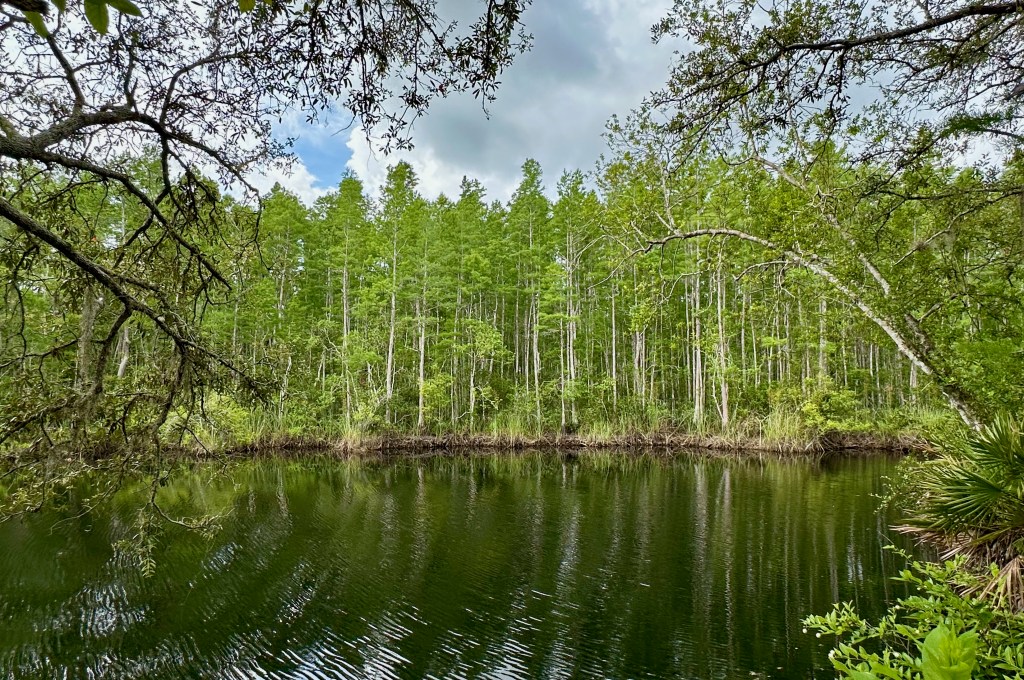
Last week I drove deep into neighboring Pasco County to the Upper Pithlachascotee River Preserve, a little spot that just recently came across my radar. The river’s long name is Creek for “Boat Building” (pithlo=canoe and chaskita=to chop out). The once abundant cypress trees along the river attracted Seminoles who would hollow out the large tree trunks into canoes.
Cypress lumber was also prized by later settlers, who clearcut so many areas that few of the giants remain in Florida. This preserve was partially set aside to protect the largest remaining cypress tree in Pasco County and I was looking forward to seeing it.
I took the narrowing of the roads and growth of potholes as signs that I was getting closer. When I finally pulled in, it didn’t surprise me in the least to be the only car in the parking lot.
Low visitation can make for a more peaceful outing though there are some downsides; wildlife can be more skittish since they are unaccustomed to humans and trails tend to be overgrown since they are less frequently traveled. But the worst part, is all the dang spiderwebs! I coped by picking up a stick and waving it in front of me like I was casting spells. A behavior that I’m certain would have bemused fellow hikers, had I encountered any.
There were fewer than 5 miles of trails but there was still plenty for me to see along the way. A week earlier we had finally received some decent rainfall in the Tampa Bay area and plants had responded with showy displays. As a result, the place was buzzing with pollinators.
While I followed a bumblebee, a smaller version caught my eye because of its odd behavior. It wasn’t visiting flowers to fill the pollen baskets on its legs, instead it was clinging to a plant stem with something clenched in its grasp. It turned out to be a Bumblebee Robberfly, which as the name infers, is a mimic that preys on flying insects. The one I spotted was probably in the midst of injecting its catch with toxic saliva so it could then suck up the liquified innards. Yum!
I enjoyed a nice visit with a striking Eastern Rat Snake, a first for me. I admired the long, slender serpent as it slithered sinuously atop the duff. Since it lives in the forest, it didn’t surprise me to learn that it was also an agile climber.
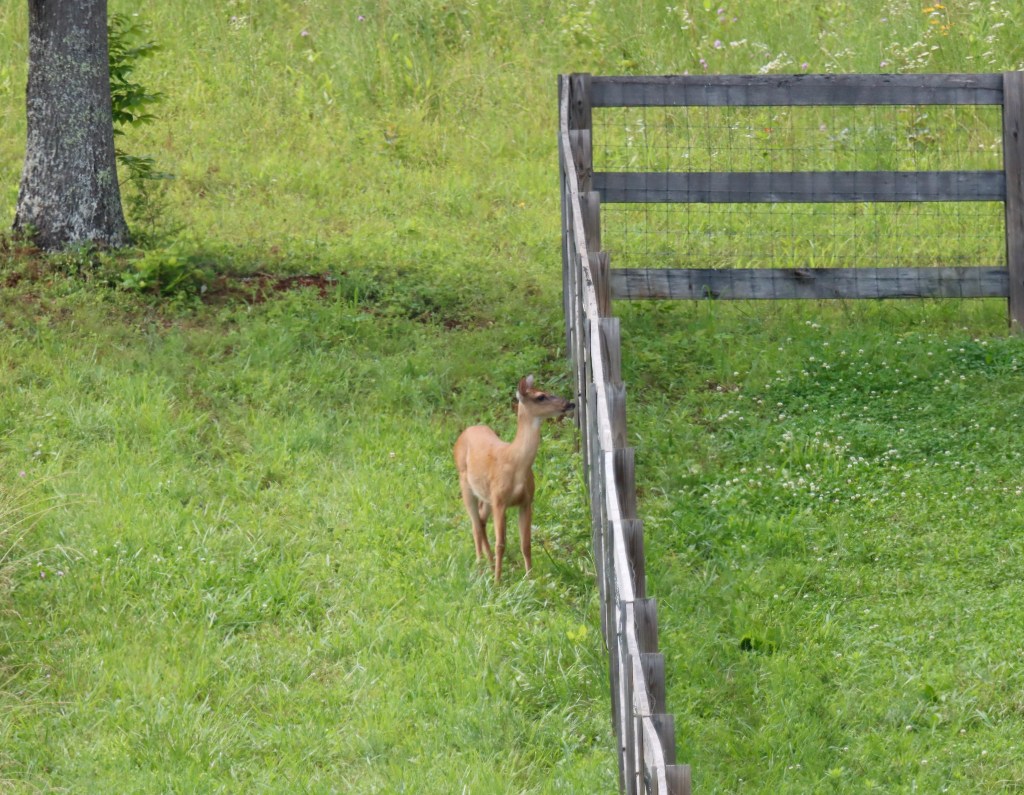
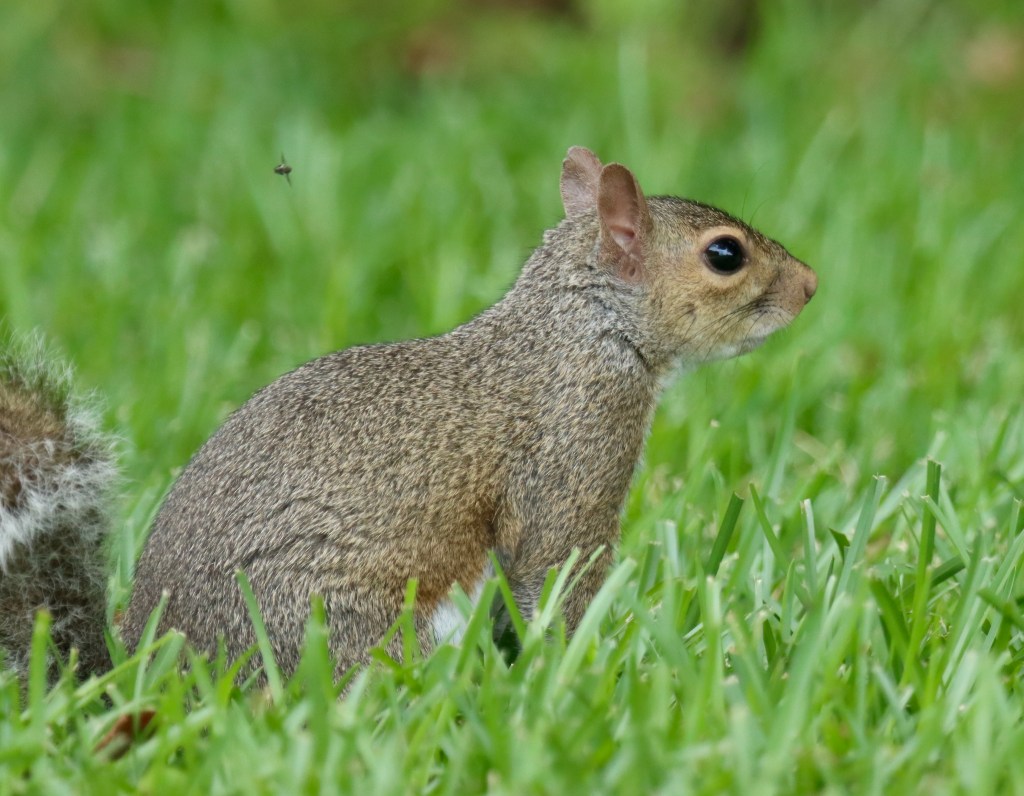
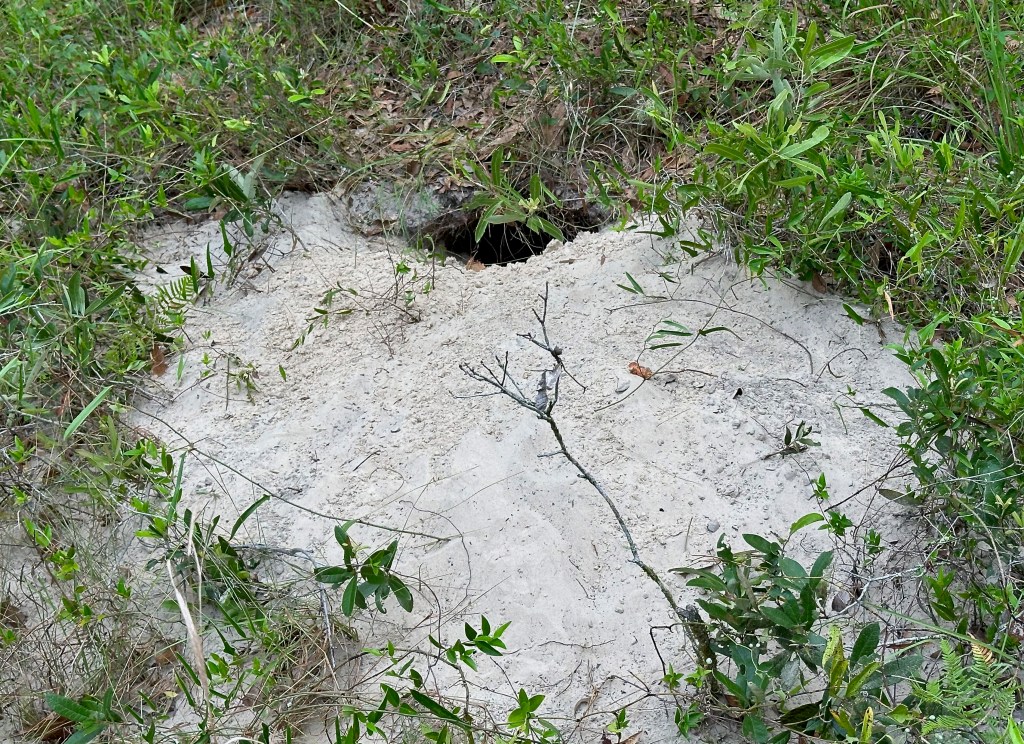
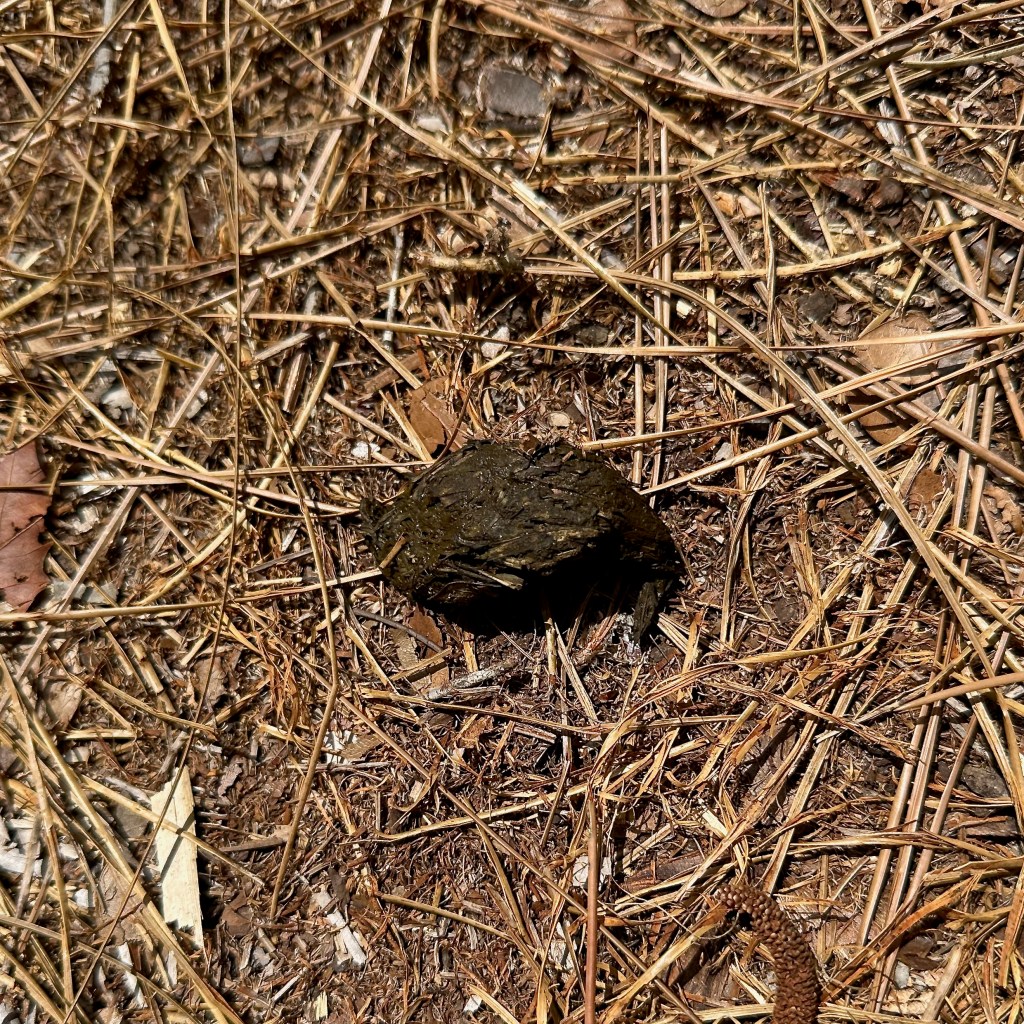
While a White-tailed Deer and an Eastern Cottontail chose not to pose for photos, an Eastern Grey Squirrel and a Gopher Tortoise didn’t seem to mind as they were both too busy chomping on their veggies.
I was pleased to discover some Reindeer Moss just off the trail. It is very sensitive to disturbance by humans, so there are precious few populations of it left in the state.
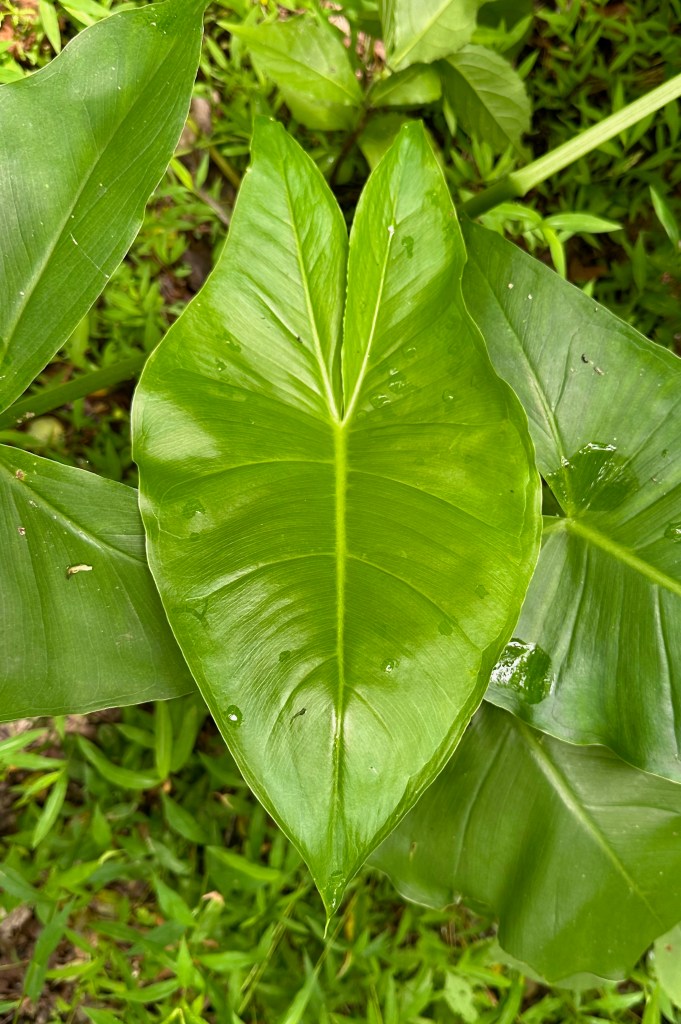
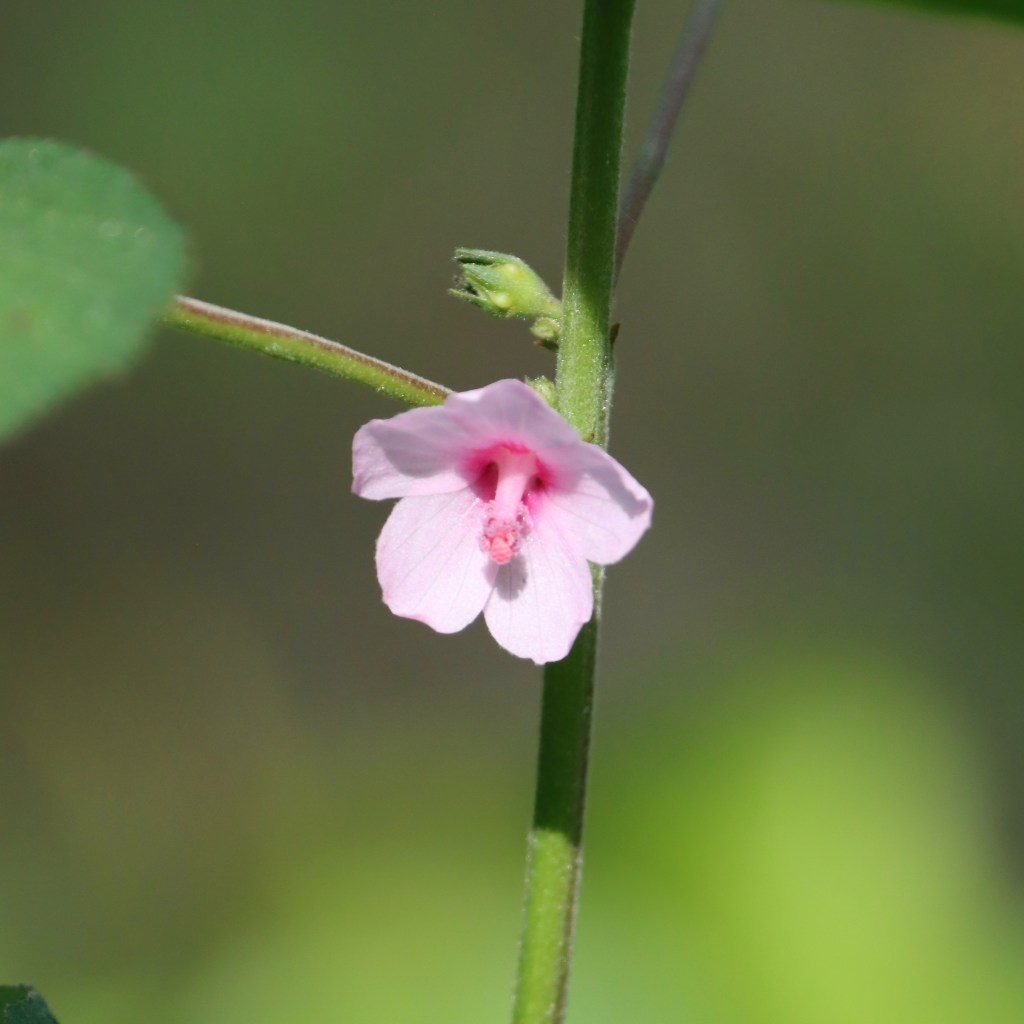
Unfortunately, I noted a couple invasive plant species had snuck into the preserve (looking at you Caeserweed and Air Potato Vine). Though happily, there weren’t very many specimens of either. I only spotted one invasive animal, a Wild Boar and it was deceased (which is my favorite kind of Wild Boar).
Sadly, last year’s hurricanes destroyed the section of boardwalk that leads to the large cypress so I didn’t get a chance to see it. I’m hopeful that it survived the storms. Even though I missed out on the giant cypress, it was still a lovely way to spend a warm, overcast day.









































































 3rin's View...