
In 2025, may our days be bright, our dreams take flight, and our hearts be light…💖
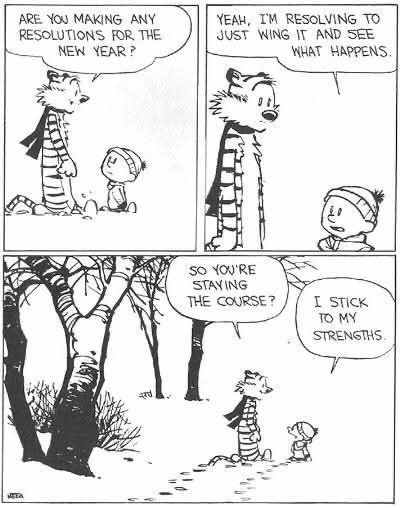
As for resolutions, I’m with Calvin. 😉
In 2025, may our days be bright, our dreams take flight, and our hearts be light…💖
As for resolutions, I’m with Calvin. 😉

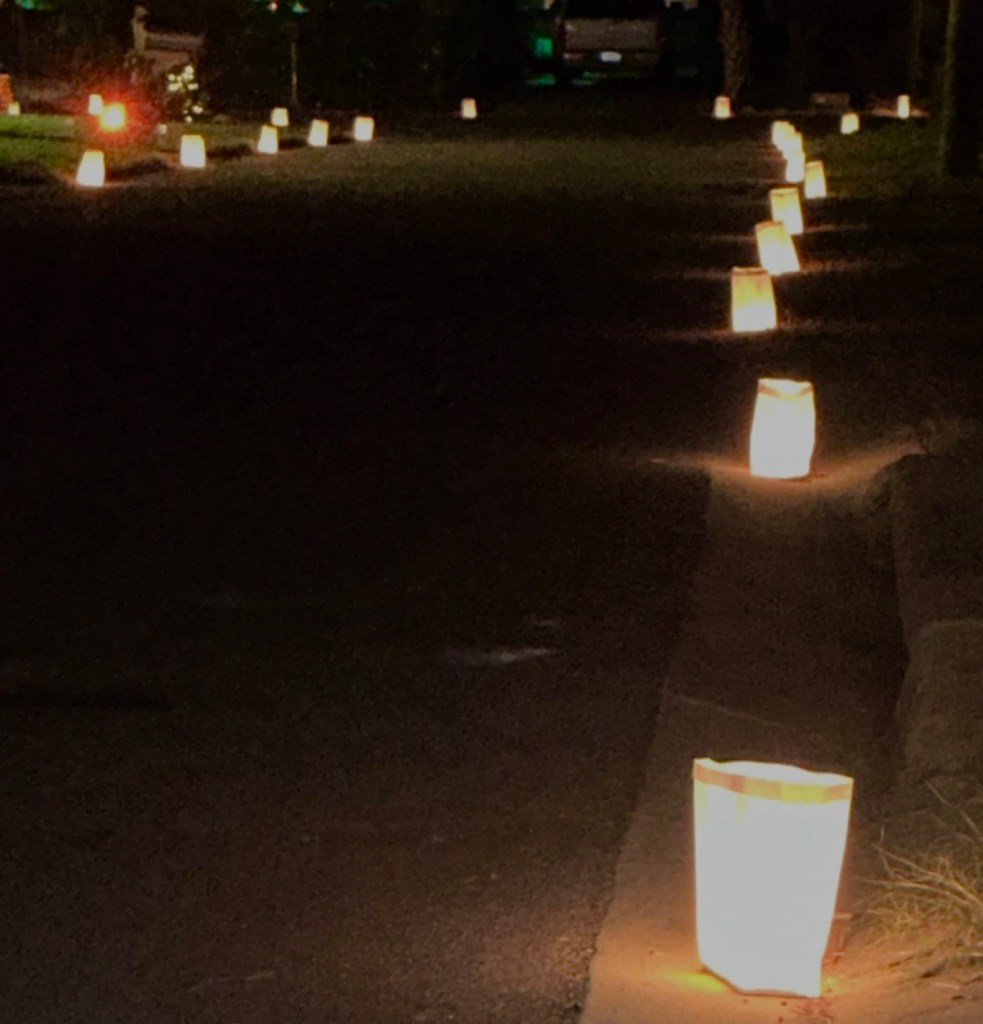
However you celebrate, I hope your holidays are full of warmth and cheer! 🎄

Cats are well-known for creating toys out of the most ordinary objects and Westley is no exception. This evening my mischievous boy stole a cotton ball from me and proceeded to have a very energetic solo snowball fight.
Thankfully, that’s the only kind of snow we’ll have to deal around here. ☃️

When leaving work this afternoon I noticed something peculiar in the parking garage. Not sure why someone left a parliament of owls on the alarm box but I was amused by the quirky display. It was a charming bright spot during my otherwise hectic day.
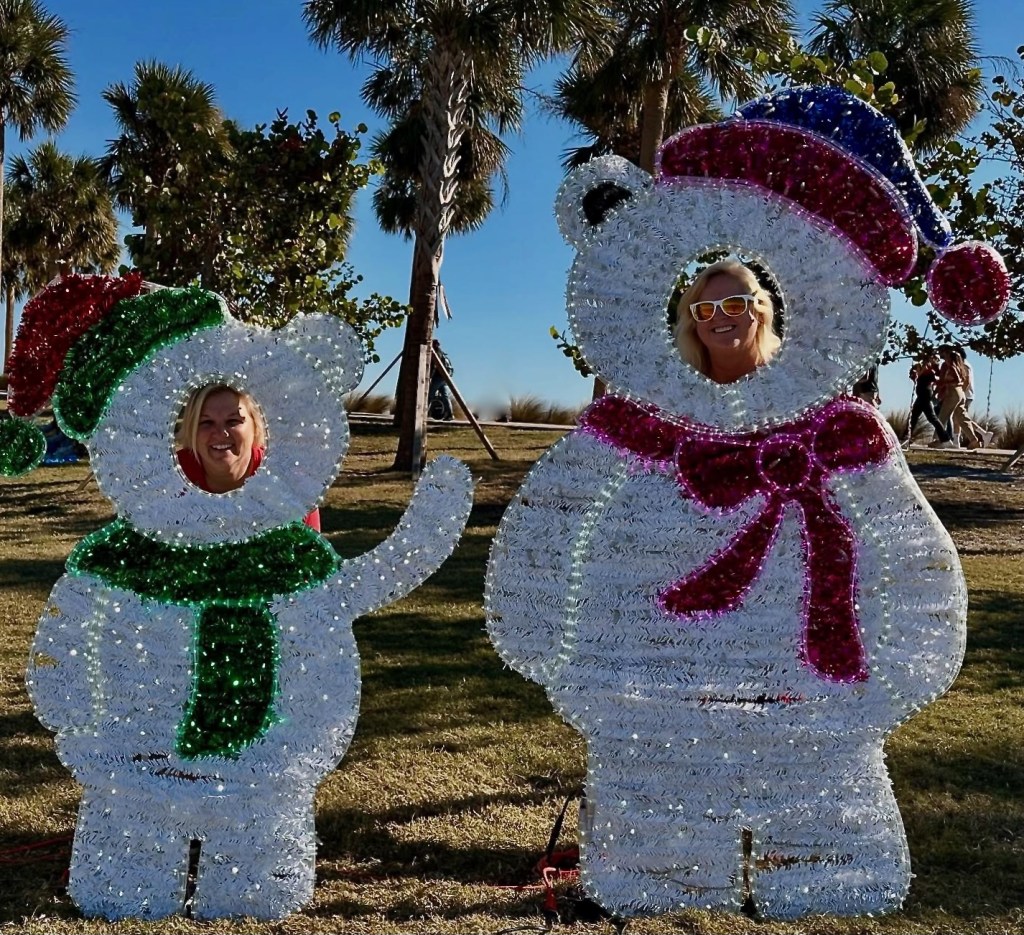
While our outing did not go as planned today, my friend Amber and I made the most of the lovely weather. Since the hurricanes blew through a couple months ago we’ve both been busy working and restoring our lives. There hasn’t been a lot of time for fun, so wandering around downtown St Pete this afternoon was a pleasant reprieve.
Our walk was really quite beneficial – not only was the fresh air and exercise good for us but Amber purchased a gift at the Pier market, I found a drill bit, and we stumbled across a fun little oddity.
In the grass along the waterfront, across from Al Lang Stadium, a small, unassuming slab of granite caught my eye. Of course, I had to veer off the sidewalk to check it out. It sported a bronze plaque touting the launch of the Titanic on October 29, 1976.
Amber and I were intrigued. We knew that it couldn’t actually be related to the infamous ship so a quick Google search ensued. Thanks to the Tampa Bay Times for providing some background:
“The men named on the plaque resurrected an old wooden Chris Craft and, taking into consideration its potential, named it the Titanic. On launch day the crew – complete with captain’s hats and deck chairs – hired an orchestra to play Nearer My God To Thee at the moment of launching. Then they joined their guests for a champagne luncheon.”
Little is known about the fate of this second Titanic, nor does anyone seem to know who placed this monument to absurdity. As for me, I’m glad this bit of whimsy exists in St. Pete, it’s a good reminder to not take life so seriously.

“A grateful St. Petersburg commemorates the site of the launching of the Titanic Oct. 29, 1976, and salutes these gallant, farsighted, unselfish citizens: Capt. Gary Froid, Capt. Joseph Lettellier, Capt. Raleigh Greene, Capt. William Mills, Capt. David Knowlton, Capt. William Mills Jr. and Capt. John B. Lake.”
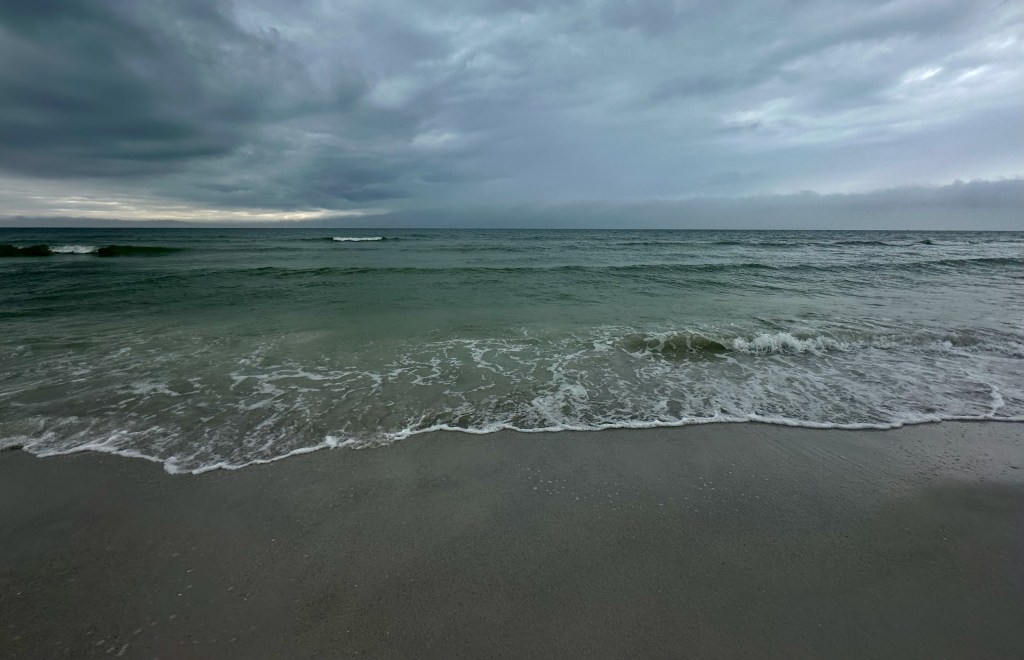
Today was only my third visit to the beach since Hurricane Helene swept through on 09/26. She brought a major coastal surge that flooded thousands of homes (including mine). While a scant two weeks later Hurricane Milton blew through with winds over 100mph and dumped 18″ of rain, damaging and flooding previously unscathed, inland homes. It has definitely been an interesting couple months!
Today, the sun wasn’t shining, the sky was overcast, and the Gulf of Mexico wasn’t at its most beautiful, even so it was still quite striking.
*Not pictured are the huge piles of household debris I drove by (including my own) and the thousands of mullet carcasses that I walked past in order to get down to the waterline.
While pulling weeds over the weekend a wee depression in the dirt caught my attention. I’m thrilled since I can add a new species to my yard list. I now have my first antlion!
If you don’t know, the larval stage of an antlion’s life is spent in the ground (while the adult takes to the air). Though voracious predators, the larvae are homebodies. There’s no need to go out hunting with their well-designed homes.
They dig inverted cones in loose soil and when prey walks in (typically an ant, hence the name) the steep sides and friable sediment make escape nearly impossible.
Their efforts to leave disturb the sand and the tiny trickle alerts the antlion, lurking in the bottom of the pit. The antlion then lurches out and grabs its meal.
As you can see (if you look carefully- don’t blink), this little one was very busy working on its home. Something we have in common, though I’m pretty sure the antlion will be done with repairs before I will! 🤷♀️

My awesome Texas friends (and Gulf Shores roommates) sent me home with a gift for Westley. Even though he was very disgruntled with me for going away, he was obviously chuffed with his new toy. 😹
#nationalcatday
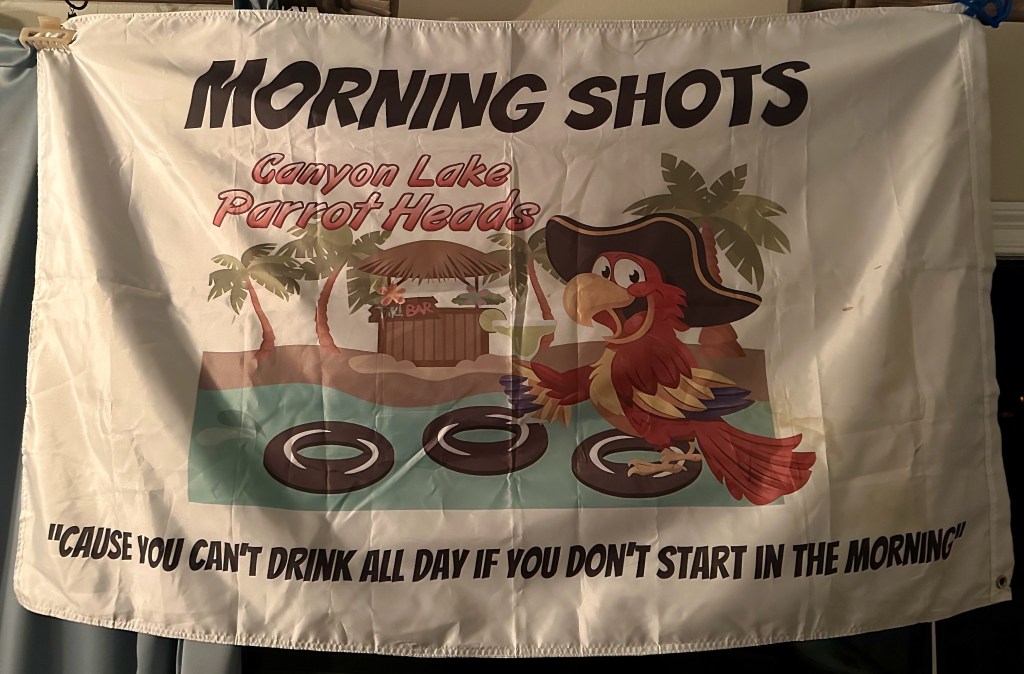
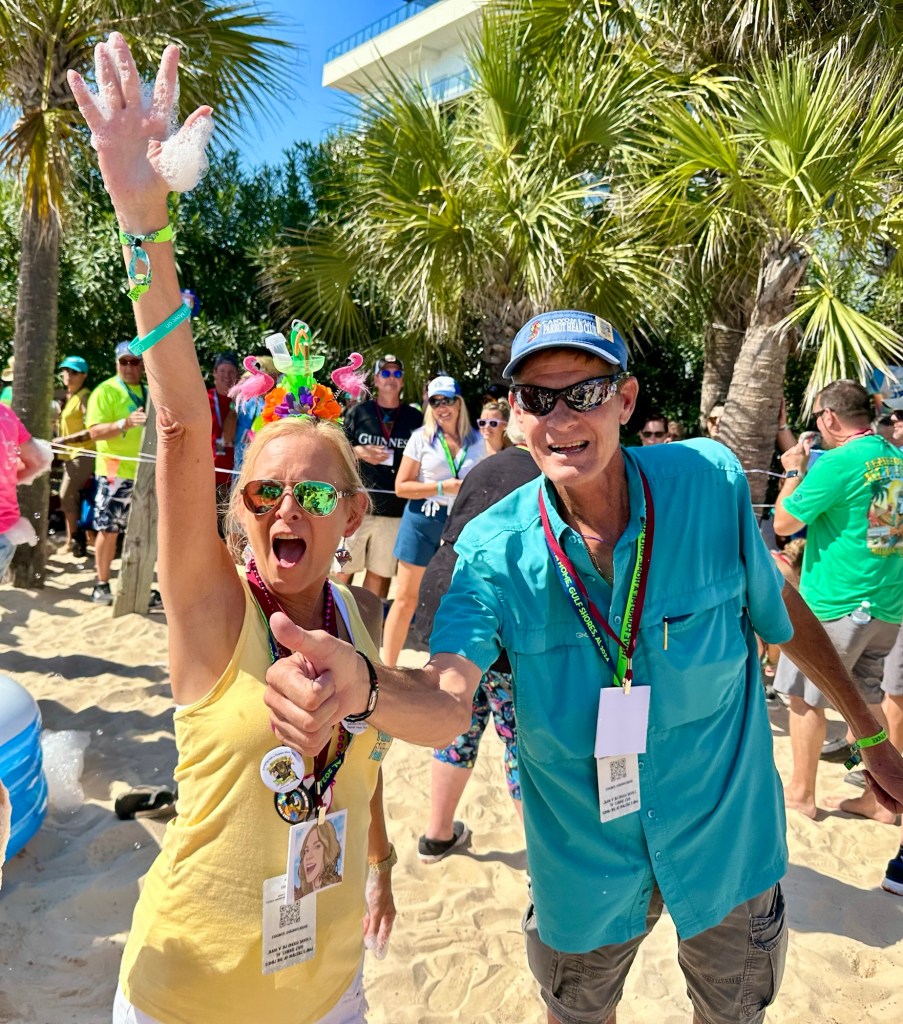

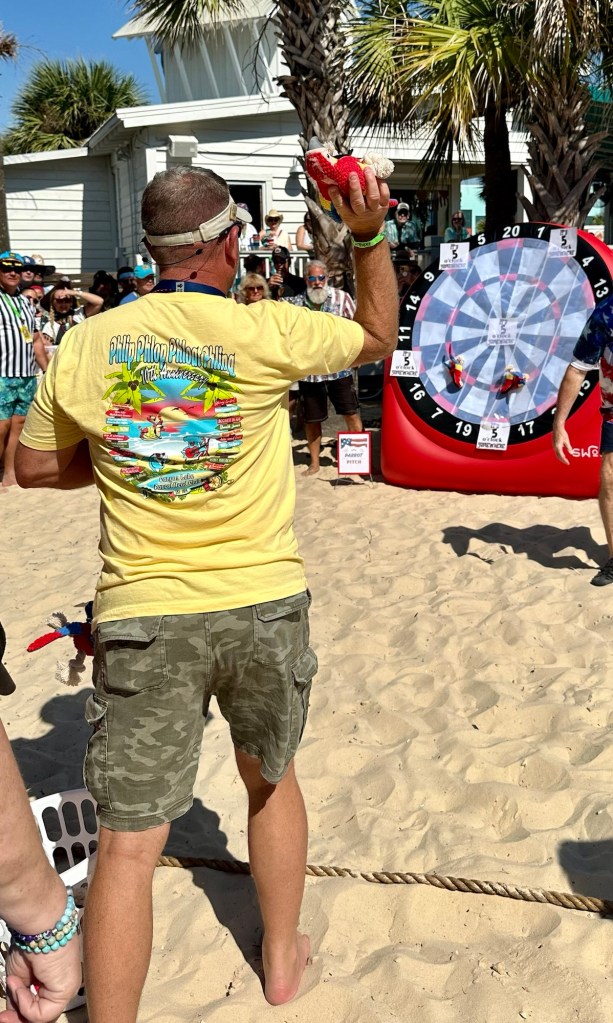
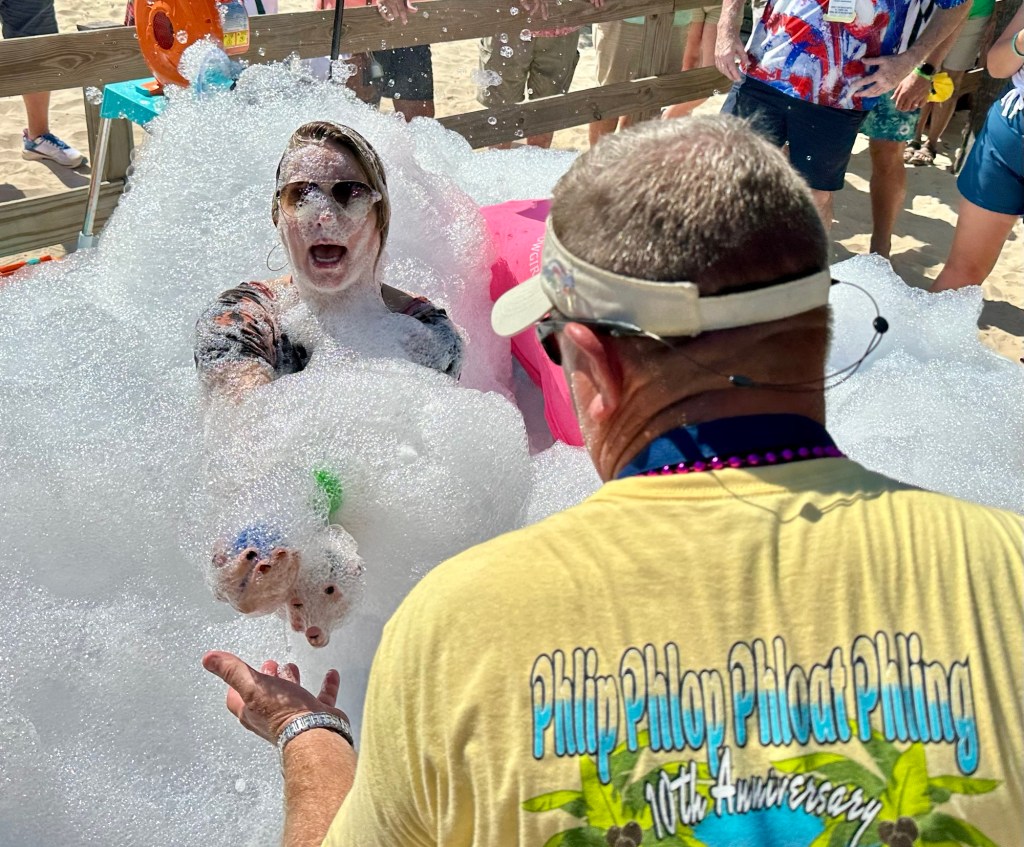
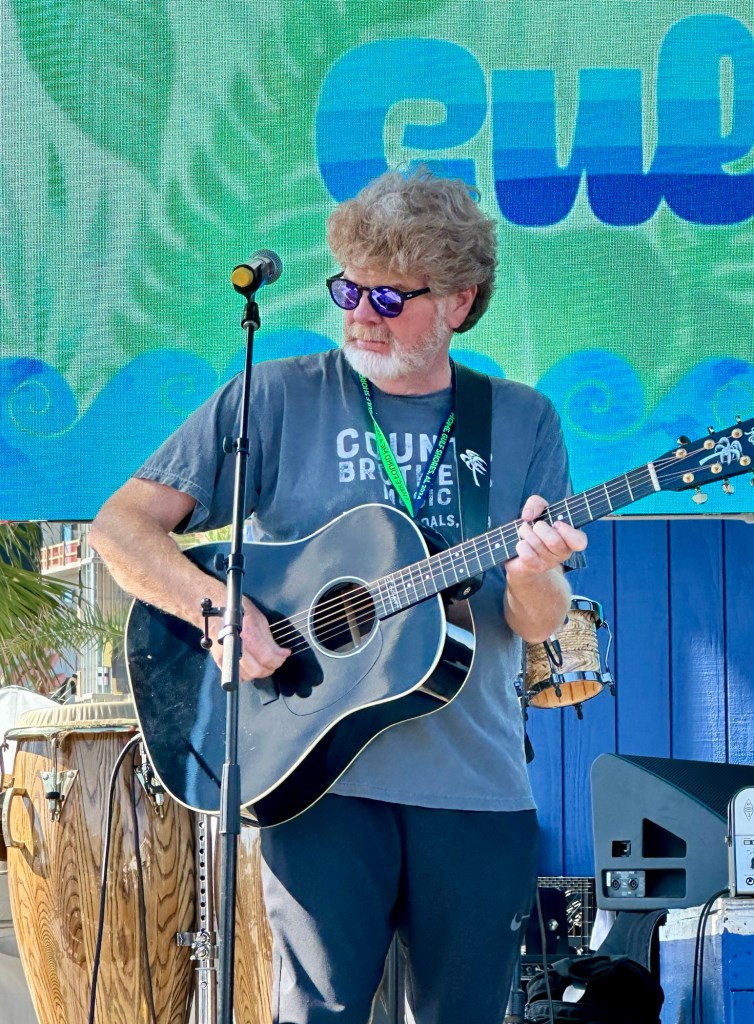


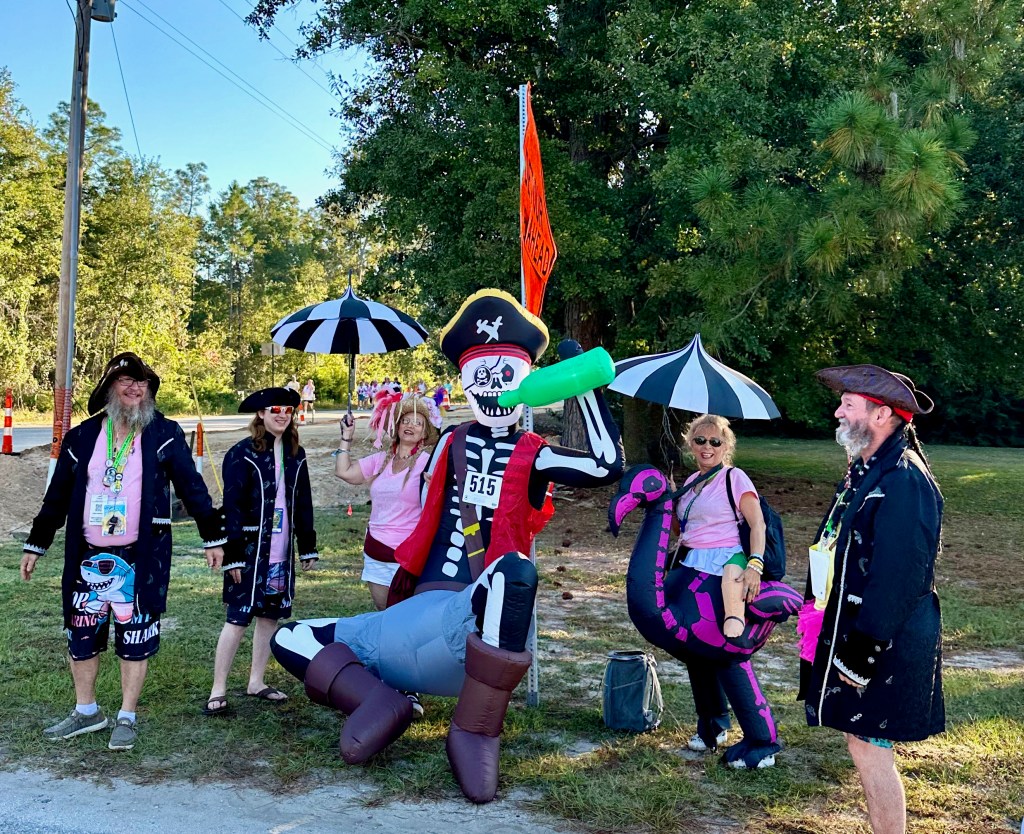
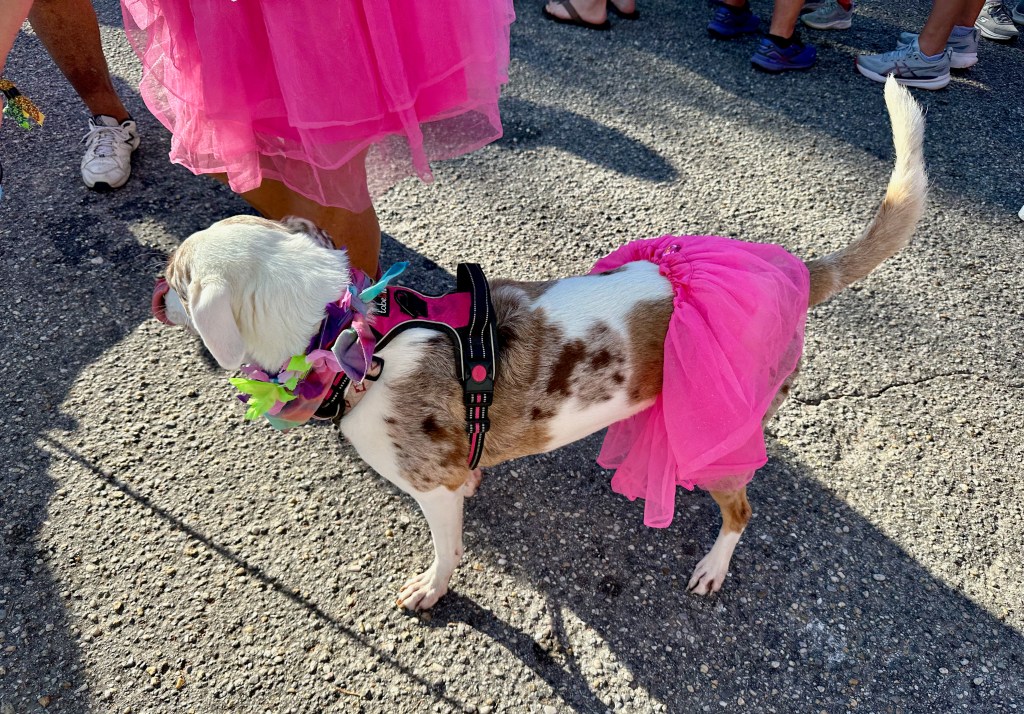


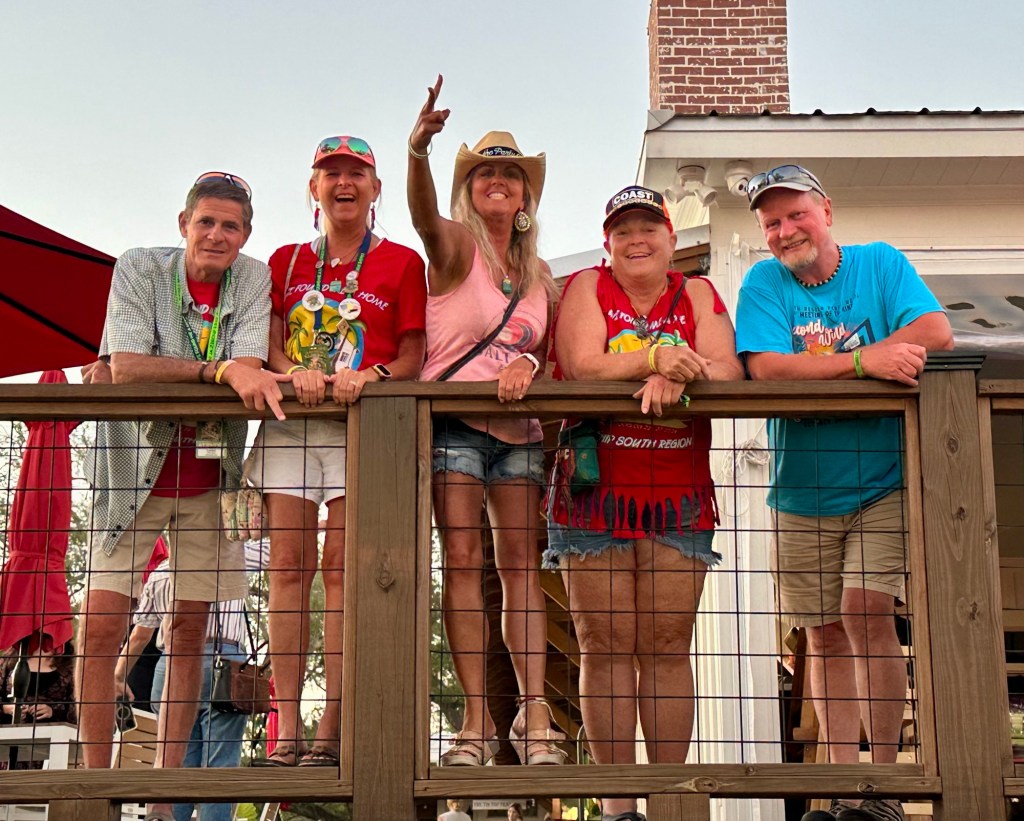
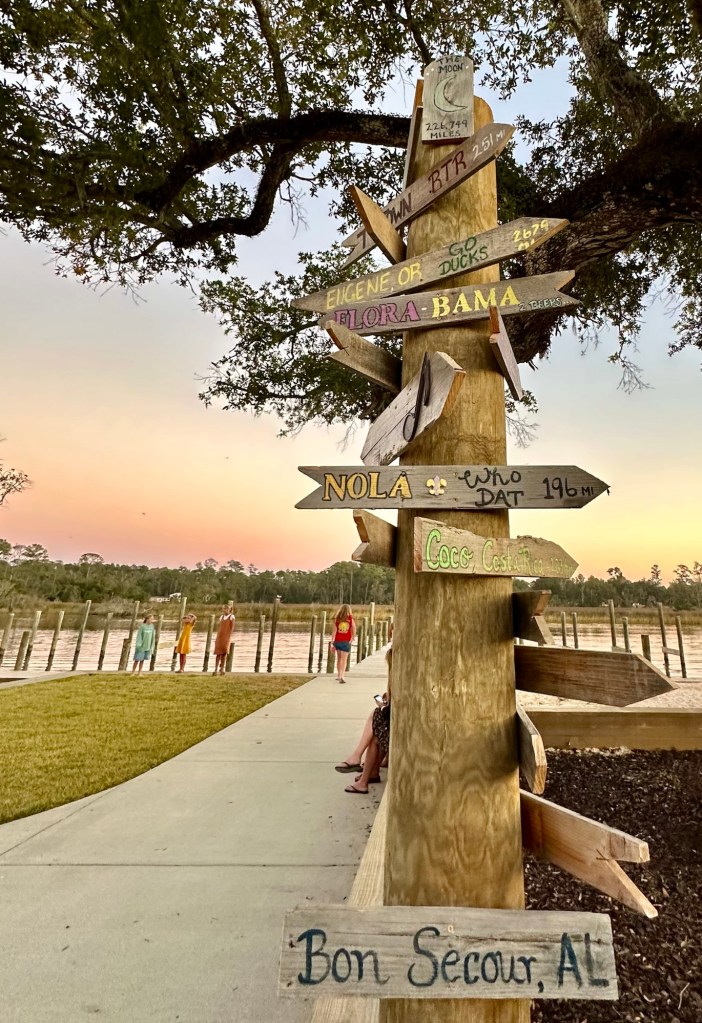
The last two days of Meeting of the Minds in Gulf Shores, Alabama absolutely flew by, but we crammed in a ton of good music and phun times.
Friday morning my Texas friends and I participated in the inaugural Trop Rock Olympics, raising money for a kids music program. The games were ridiculous and the event was an absolute hoot but I am delighted to say our team won silver!
That night the Coral Reefers, Jimmy Buffett’s band, played the main stage and they were phenomenal. It was standing room only and we all sang along because they were songs “we know by heart”.
There wasn’t a dry eye in sight when Mac McAnally (who is not just a long-time band member but also a singer, guitar virtuoso, and talented songwriter in his own right) pointed out the empty microphone in the center of the stage, where Jimmy would’ve stood.
Saturday morning we were up early for Sippin’ and Skippin’, a breast cancer fun run hosted by Lulu’s (Lucy Buffett’s restaurant). We had a blast participating but most importantly, we raised over $18,000 for the local survivors’ charity.
That was followed by another afternoon of live music, and after a delicious dinner at the Tin Top in nearby Bon Secour, we wrapped up our last night by listening to Yächtley Crëw.
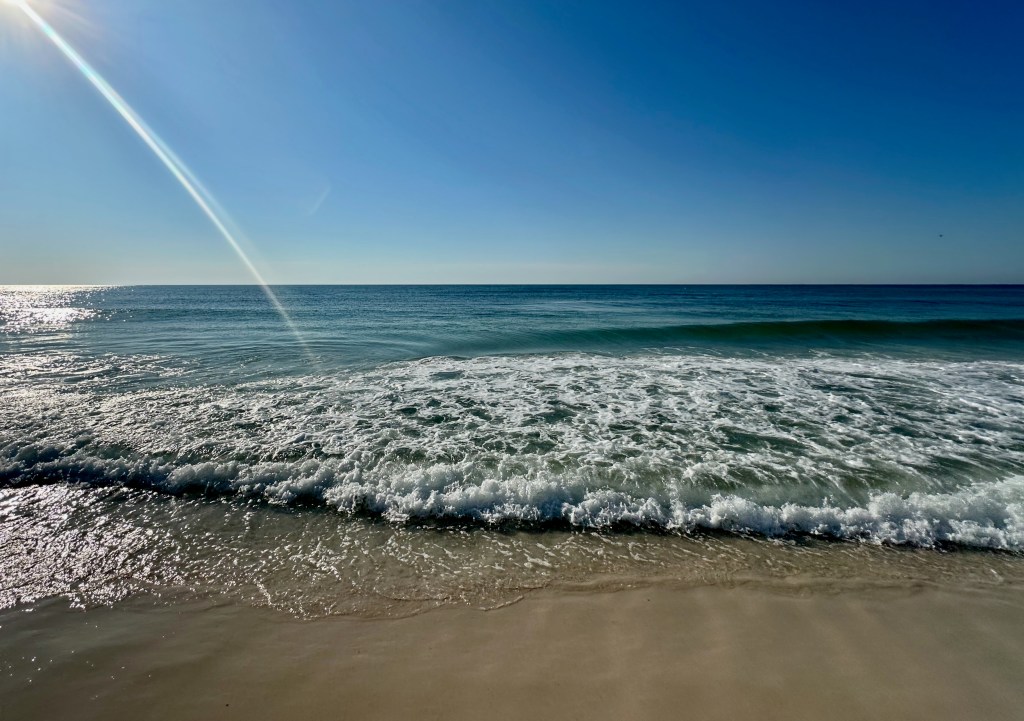
This morning I wandered out to the beach for one last visit before driving home. As often happens with these events, the time passed much too quickly but we certainly made some good memories! 🎶🦜🏝️🍺☀️🫧💖


The weather? Perfect. The music? Entertaining. The time with friends? Amazing!
The main point of all of this? Raising money for charity.
I love being a Parrothead! 🦜🎶🍺🏝️☀️
 3rin's View...