I am no fan of eating oysters but I am now a fan of the Fulton Oysterfest! The party kicked off with a carnival, live music, and foggy fireworks on Thursday evening. Every day was jam-packed with performances and events (like oyster eating and shucking contests).
This was the 40th year for the event which raises money for the Fulton Volunteer Fire Department. My favorite part was watching my friends of the band Whiskey Bent take the stage on Sunday afternoon.
I didn’t have much time to rest as I was on the road by noon on Monday. A month ago I learned that the Zac Brown Band was playing at the Houston Livestock Show and Rodeo and I jumped at the chance to see them. My concert ticket included admission to the rodeo so I went early to check out the scene.
I grew up with horses and helped show Quarter Horses as a teenager, so it was a trip down memory lane. The band rode the stage as it was wheeled out to the center of the arena after the last event. The lights went down and the sound went up. I had heard they put on a good show and they did not disappoint. It was a rowdy, toe-tapping evening!
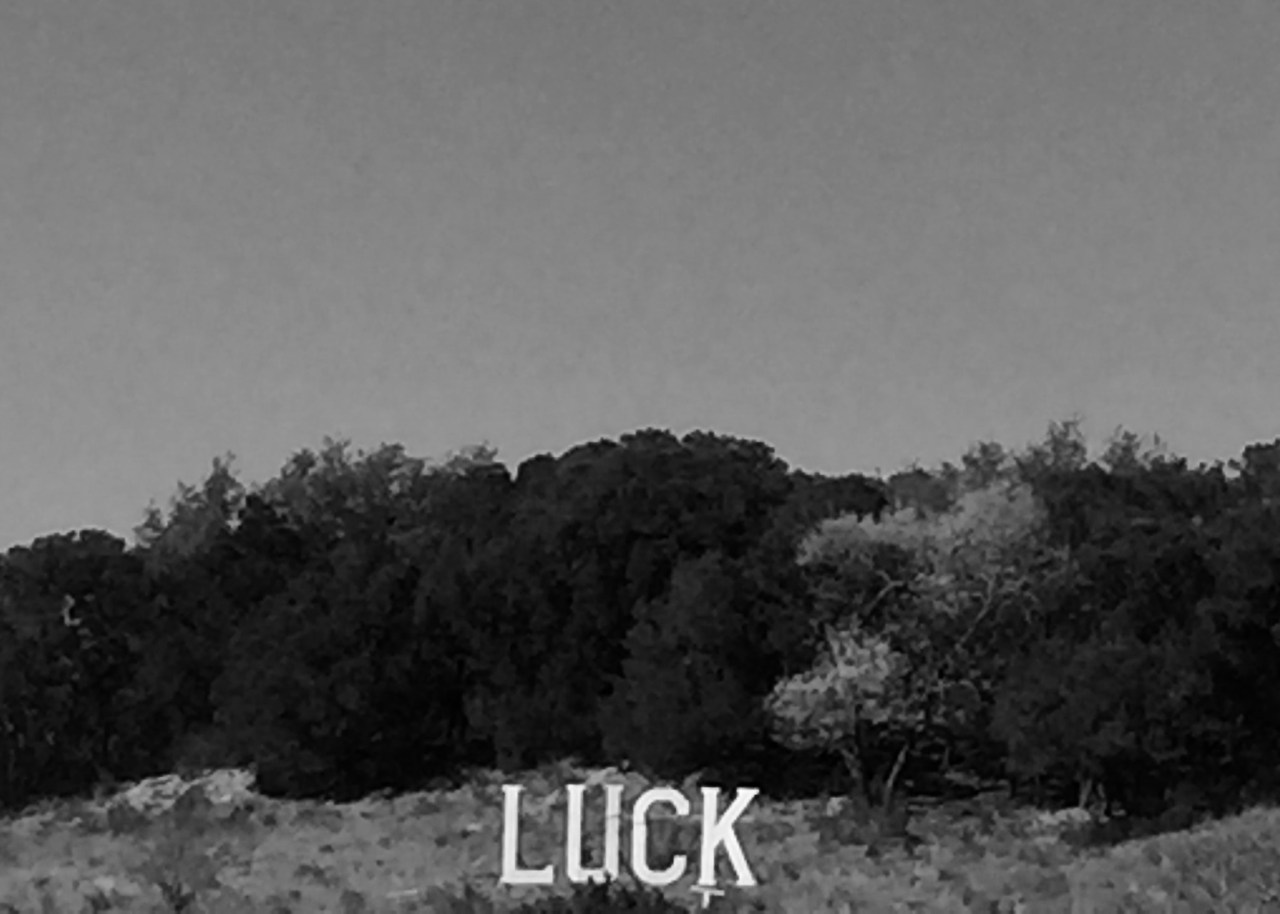
I wrapped up my musical week by attending the Luck Reunion, a festival held at Willie Nelson’s ranch outside of Austin. To keep it intimate they only sell 2,000 tickets which they make available by a series of lotteries. I stumbled upon a link from Southwest Airlines three weeks ago and was over the moon to get a ticket. I knew it would be a lot of events in one week but when you get a chance to hang out at Willie Nelson’s, you’d be crazy to pass it up.
The layout was fantastic; six stages were spread out among an Old West movie set which included a saloon, jail, and chapel among other buildings. Scattered around were sitting areas and places to spread out a blanket. Food trucks had a variety of vittles available for purchase. Of course, there was a ton of merch. Amazingly, the beverages were free (Lagunitas beer, Patron Tequila, Knob Creek Bourbon, Tito’s Vodka, as well as cold-brew coffee and bottled water).
A light breeze kept the warm and sunny day from becoming uncomfortable. And comfort was the theme. The mellow vibe felt like a big family reunion. Musicians strolled through the crowd, joining friends on stage for impromptu jam sessions. Each and every act I watched mentioned how grateful they were to be there. The hardest part for me was choosing which group to watch; The Marcus King Band, Nathaniel Rateliff, Steve Earle, and Mavis Staples, among two dozen others.
As the sun went down, the other stages went dark. Everyone gathered around the main stage to watch the talented Nelson family. Paula Nelson started off with a set of country classics; Micah Nelson played his unworldy music as Particle Kid; Lukas Nelson and Promise of the Real followed with their recent thought-provoking hits; and after one last set change, Willie walked out to a standing ovation.
The family was clearly up there to have fun, mixing standard Willie songs like On the Road Again with newer ones like Roll Me Up and Smoke Me When I Die. They cheekily sang It’s Hard to Humble before filling the stage with other musicians to wrap up the show with Will the Circle Be Unbroken. I feel lucky to have attended such a phenomenal event!





 3rin's View...