
Apparently, the beach is trying to dress me up. I recently picked up these bright baubles: a plastic ring, a flower barrette, a broken bracelet, and a bit of red bling. Weird treasures out there…
Apparently, the beach is trying to dress me up. I recently picked up these bright baubles: a plastic ring, a flower barrette, a broken bracelet, and a bit of red bling. Weird treasures out there…
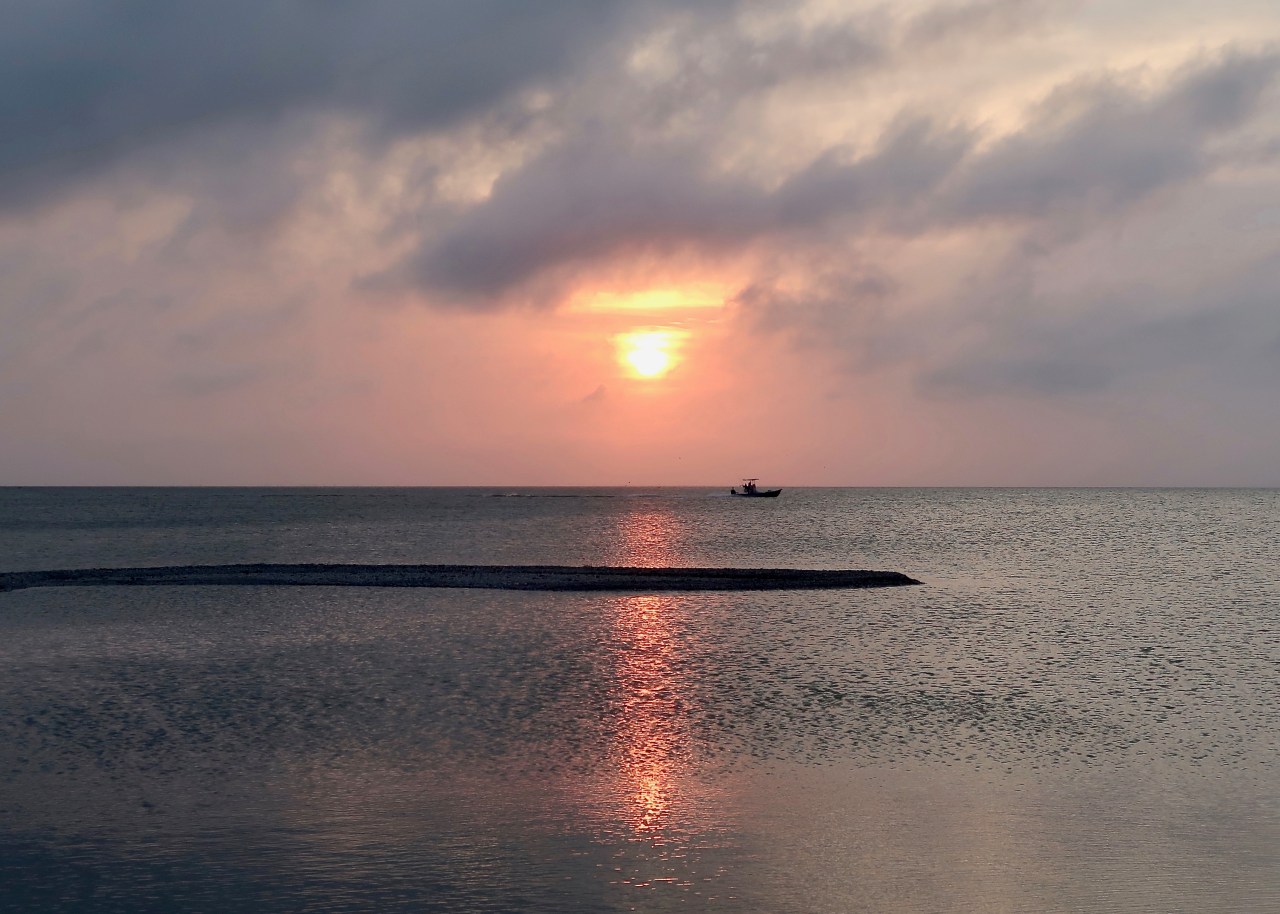
Copano Bay Sunset, Texas May 2019
Calm water. Showy sunset. Fishing boat. The salt life doesn’t suck!
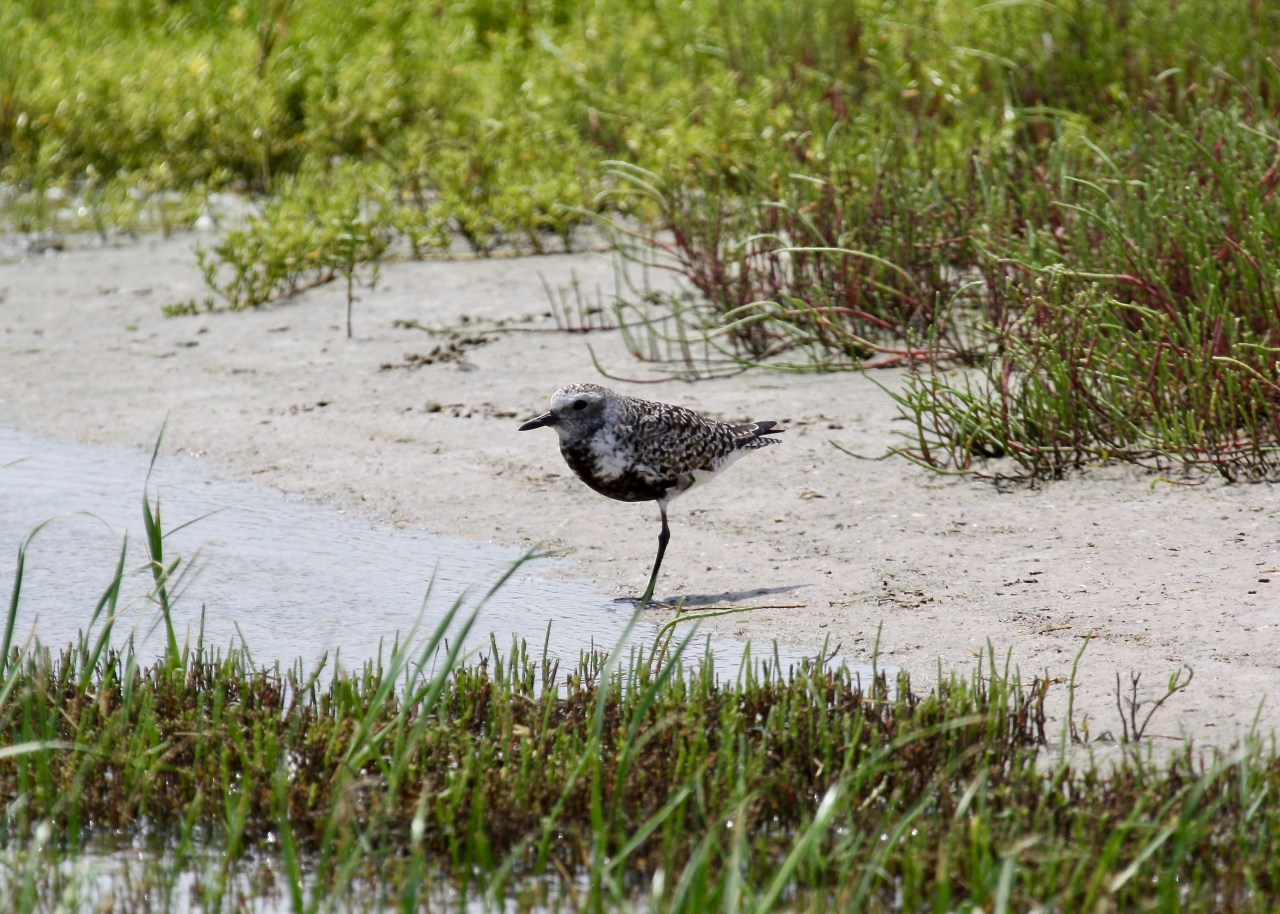
Earlier in May, this Black-bellied Plover (Pluvialis squatarola) hung out in the bayside wetlands for a few days. It was apparently resting before continuing on up to its breeding range in the Arctic. Since egg laying begins in early June I think someone was gonna be late for a very important date.
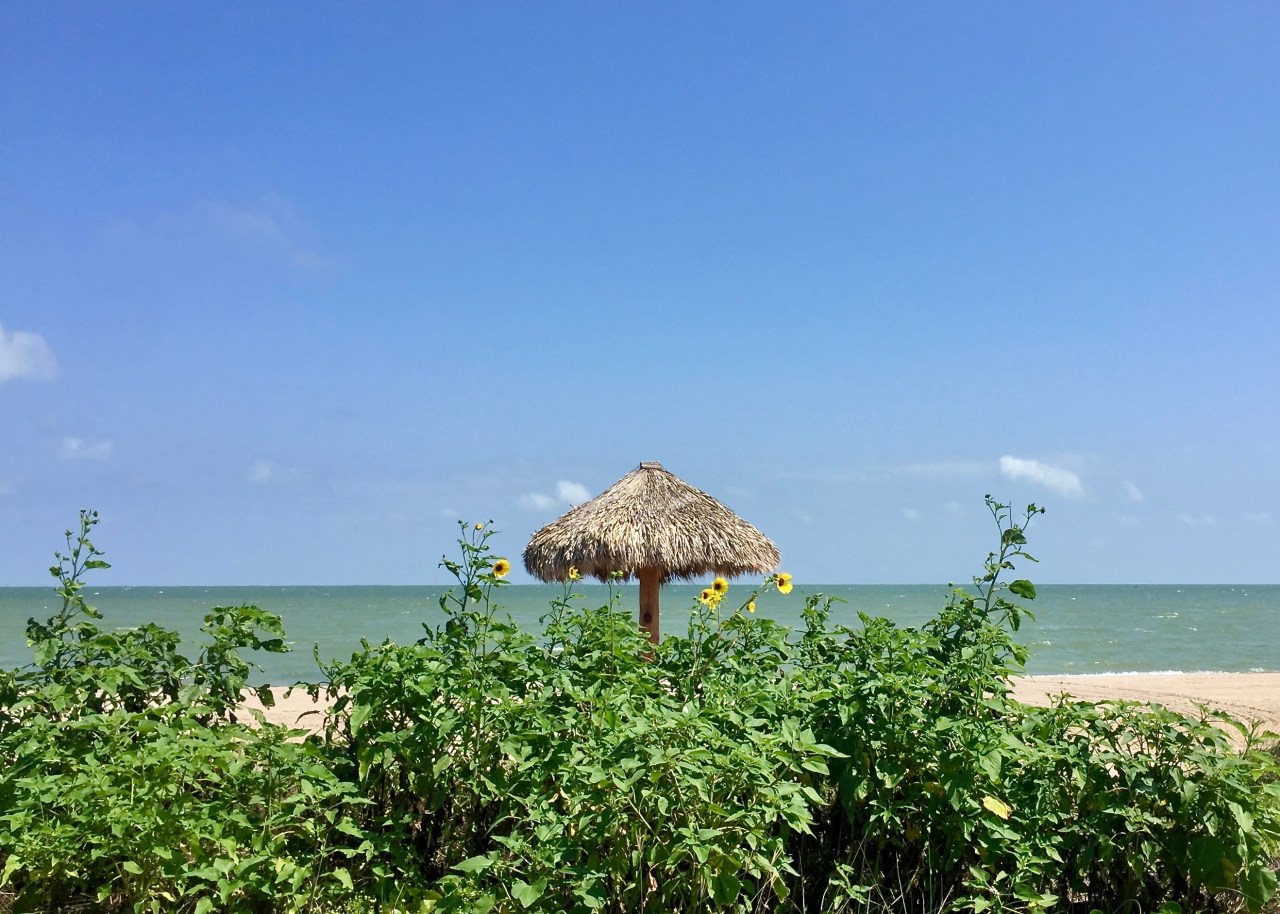
There are several dozen of these palapas lining Rockport Beach not far from me. They are in high demand on the busy weekends when shade is hot commodity. Not a bad place to spend the day…

While there are several species of wild grape in Texas the Mustang Grape (Vitis mustangensis) is the most common one in the state. The fruit is edible, though quite tangy, so it is best enjoyed as a jam or in baked goods. In the mid-1860s the grapes were fermented into Mustang Wine which was purported to have healing powers. I look forward to them ripening so I can give them a try.


The Laughing Gulls made the best of the freshwater puddles after the big rain last week. I liked the water droplets in these photos…
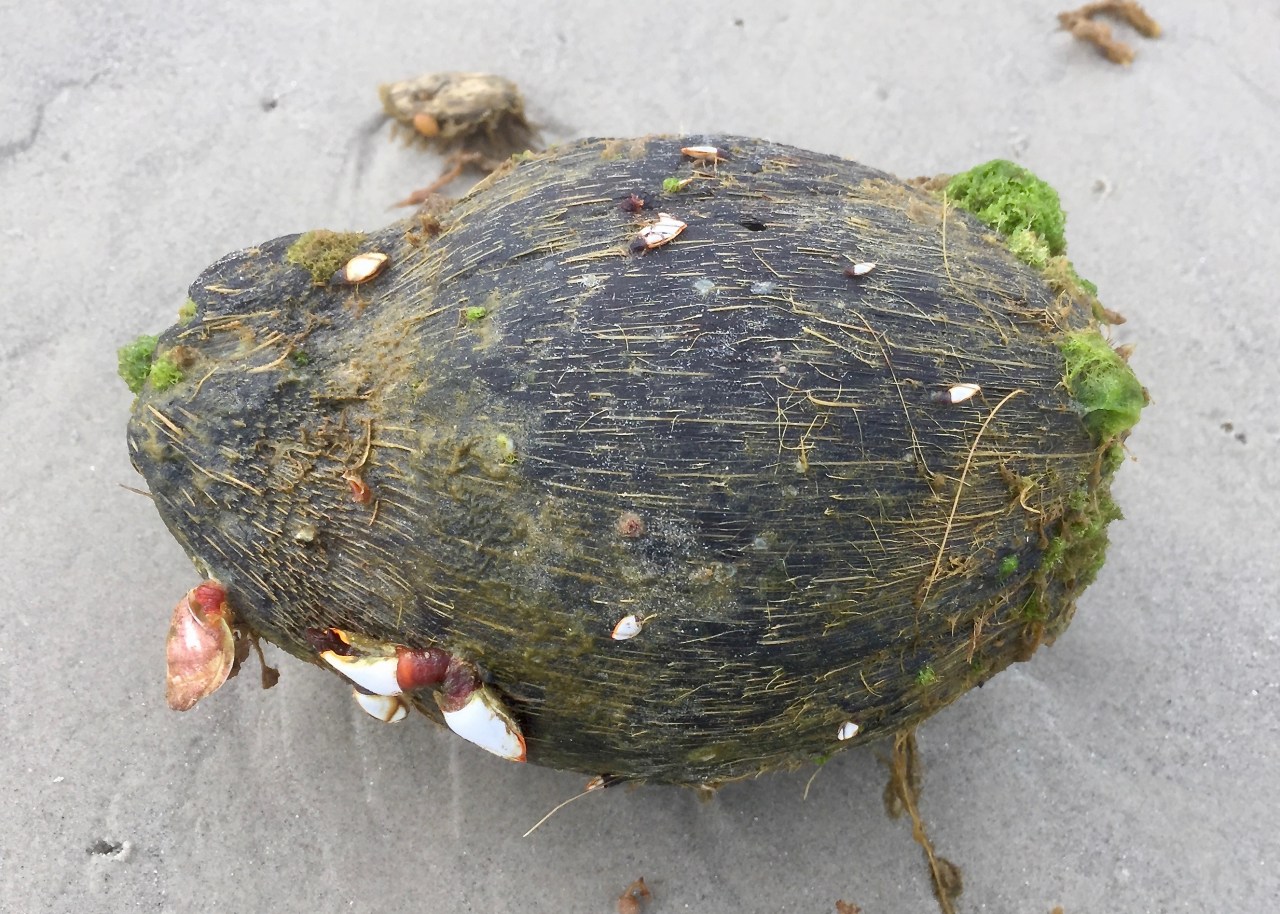
This past weekend’s full moon resulted in higher than normal astronomical tides. NOAA warned of coastal flooding as result. And I did see areas where the waves pushed past the beach. It was interesting to see what the water left behind. This coconut had definitely been afloat for awhile. Don’t you just wonder where it originated?


Ruddy Turnstones (Arenaria interpres) are common worldwide with most breeding in the northern tundra. There are some down here along the Gulf Coast, however, that choose to not go the extra mile and stay here year round instead. Currently, they are rocking their bold “calico” breeding plumage. These short and stocky shorebirds busily use their strong bills to probe the soil or turn over rocks for tasty morsels (hence their common name).
Obviously, a quick internet search will prove that Florida clearly has earned its infamy as the home state of some of the most ridiculous and inept criminals (go ahead, search for Florida Man, I’ll wait). Texas, however, doesn’t like to be outdone in any category. So, I’m submitting, for your reading pleasure, this caper taken from the recent Texas Parks and Wildlife Game Warden Field Notes:
“Wardens observed an individual fishing on Richland Chambers Reservoir after dark with no lights on his boat and made contact. The subject was found to have several water safety, fishing, and narcotics violations, including no lights and no boat registration, no fishing license, using game fish for bait, leaving game fish to die, undersized crappie, and possession of methamphetamine, heroin, and marijuana. The subject was arrested and taken to the Navarro County Jail. A few days later, one of the wardens got a call from the Navarro County Sheriff’s Office informing them the subject’s wife was just arrested for trying to bond her husband out using $900 in counterfeit bills!”
An idiot two-fer!

Copano Bay, Fulton, Texas April 2019

No Parking Sign in Gruene, Texas May 2019
 3rin's View...