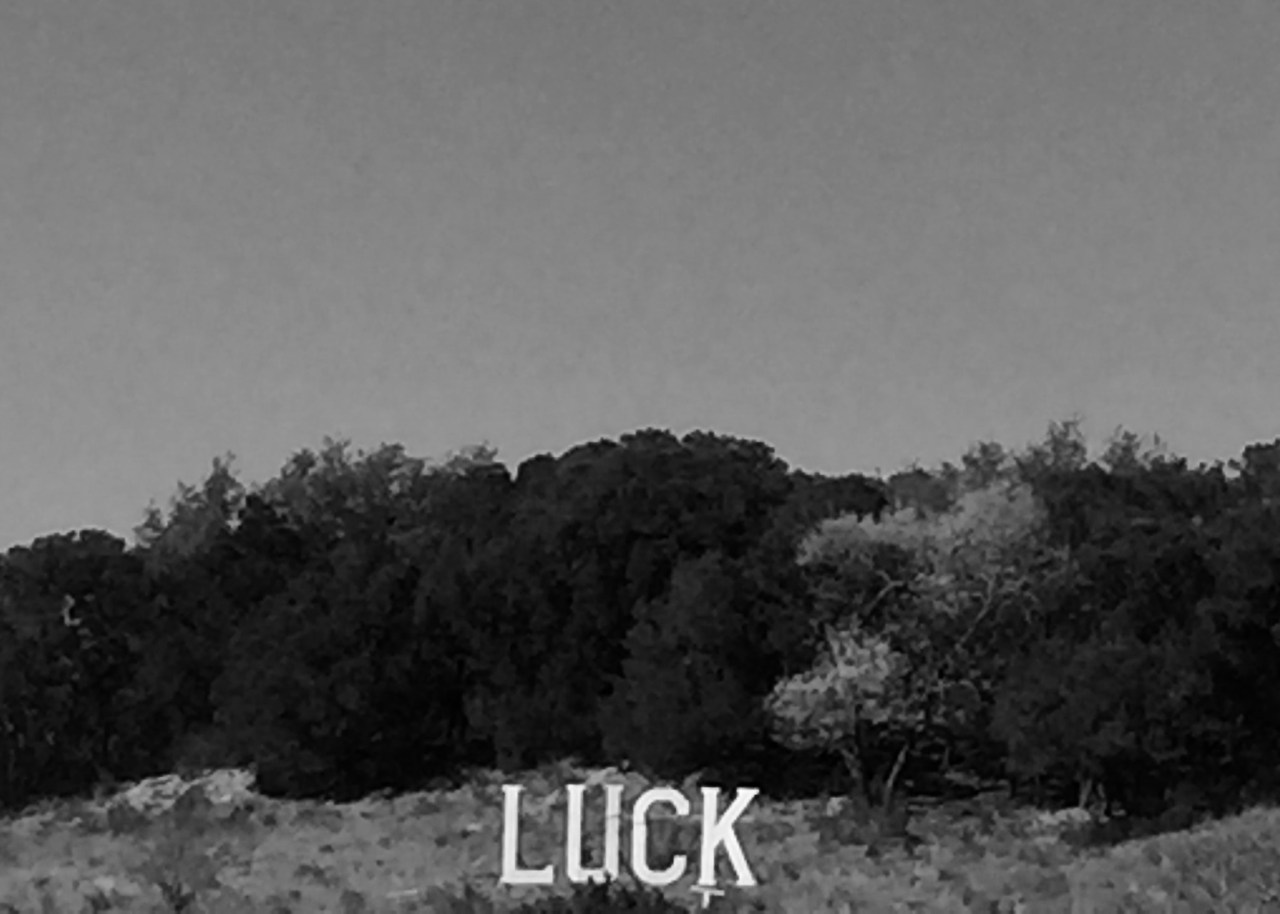
I was fortunate to recently attend the Luck Reunion held at Willie Nelson’s ranch outside of Austin. The music festival derives its moniker from his fortuitously-named ranch. At first glance, the appellation seems appropriate considering Willie’s long and tumultuous career. But when I mull it over, I really think a better epithet would be Perseverance. During his 86 years, there were a multitude of setbacks:
- Born during the Great Depression, Willie’s parents abandoned him with his grandparents.
- By the age of ten he was playing in a band to earn much-needed money.
- He was discharged from the Air Force due to back problems after less than a year.
- He worked short stints as: tree trimmer, pawn shop clerk, bouncer, saddle maker, phone operator, disc jockey, door-to-door salesman for bibles, vacuums, and encyclopedias, guitar instructor, and actor.
- In 1970 he went through a divorce and his Tennessee ranch burned down.
- Married a total of four times, divorced three.
- Survived life-threatening emphysema.
- His 1985 movie, Red-headed Stranger, was a box office flop.
- In 1990 the IRS seized his assets, claiming he owed $32 million in back taxes, penalties, and interest.
- Arrested several times for marijuana possession.
- Roughly one third of his albums were failures.
Instead of giving up, Willie persistently pursued his passion; music. Over his 75 year career 46 of his albums charted in the top ten, he co-authored several books, and acted in 30 films. Oh, and remember that trouble with the IRS? While working to resolve his debt, Willie continued his involvement with Farm Aid (a benefit concert series he founded with John Mellencamp and Neil Young).
I’m not claiming Willie is a hero (though his album Heroes is fantastic, you should check it out) but I do admire how hard he worked to follow his passion. His life brings to mind the title of a book by Pema Chödrön, “Fail, Fail again, Fail better.” I would call it moxie or grit or even perseverance. But it damn sure wasn’t luck.