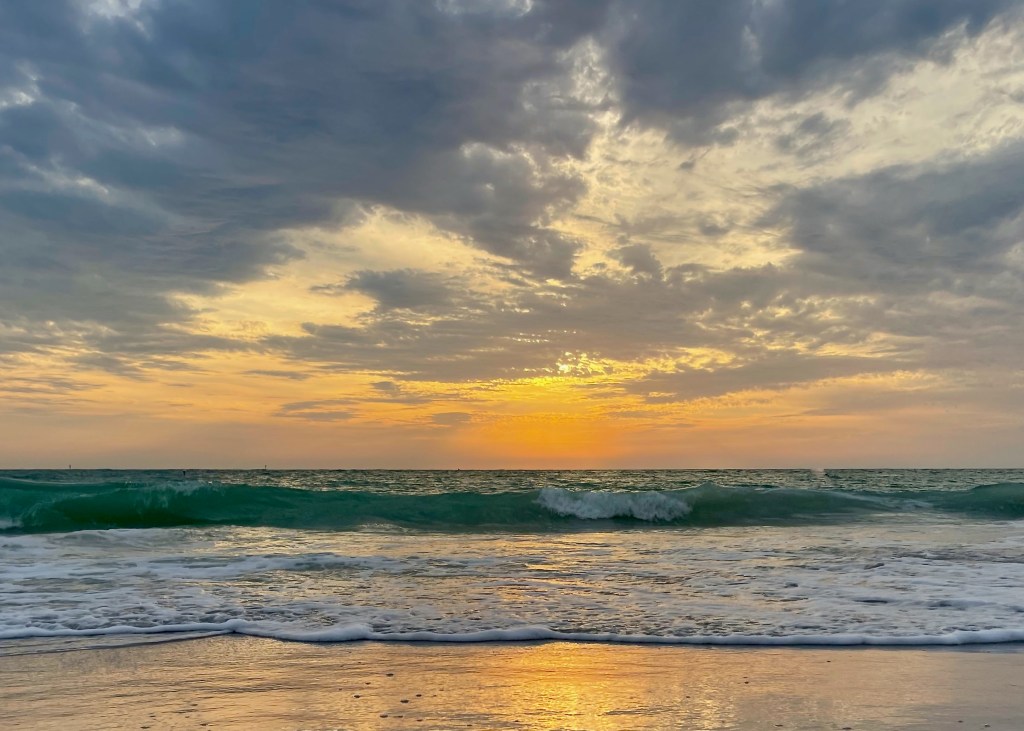
Most knew him as the musician in flip-flops, with an irreverent outlook and infectious smile, who inspired the world to relax with a boat drink. But it wasn’t all just drinking songs, Jimmy Buffett cared deeply about the places that influenced him.
Most notably, he founded the Save the Manatee Club here in Florida to help conserve the endangered species and also raised money for Gulf Coast areas hammered by hurricanes and the BP oil spill.
My love of Jimmy’s work (both his music and his books) changed my life. The first thing I did when I moved to a small beach town in Texas was join the local Parrot Head club. I met amazing people and talented musicians from all over the country, many of them I’m fortunate to still call my “phriends”. And now, no matter where I go, I can find a welcoming flock.
It wasn’t just music, beer, and good times. Every club hosts “phunraisers” – events that collect money for their favorite charities. In the past 20+ years, clubs around the world have contributed close to $60 million while members have volunteered over 4.5 million hours in their communities – and we’re not done yet!
If you only know two Buffett songs, I guarantee you, they’re the wrong ones. Not really, but trust me, there’s so much more depth to his music. After all, his discography spanned over 50 years, from his first country effort in 1970 to his newly recorded album (which is being released soon).
So, please, don’t ask me my favorite songs unless you have plenty of time. Instead, I suggest that you flop down in a hammock with a cold drink and start listening. It’s what Jimmy would’ve wanted…
“But me, hell, I just want to live happily ever after
Every now and then.”
Jimmy music I’ve shared on this blog over the years:
Breathe In, Breathe Out, Move On
Knee Deep (recorded with the Zac Brown Band)
Saltwater Gospel (recorded with the Eli Young Band)
Gulf Coast Girl (Jimmy co-wrote and sang backup vocals)






























































 3rin's View...