
…are why I moved here (definitely one of my better decisions). Just look at those colors!
…are why I moved here (definitely one of my better decisions). Just look at those colors!


In honor of Florida’s Gopher Tortoise Day I thought I’d share my most recent encounter with this keystone species. This one made quite an impression when we crossed paths briefly during a visit to Solomon’s Castle last month.
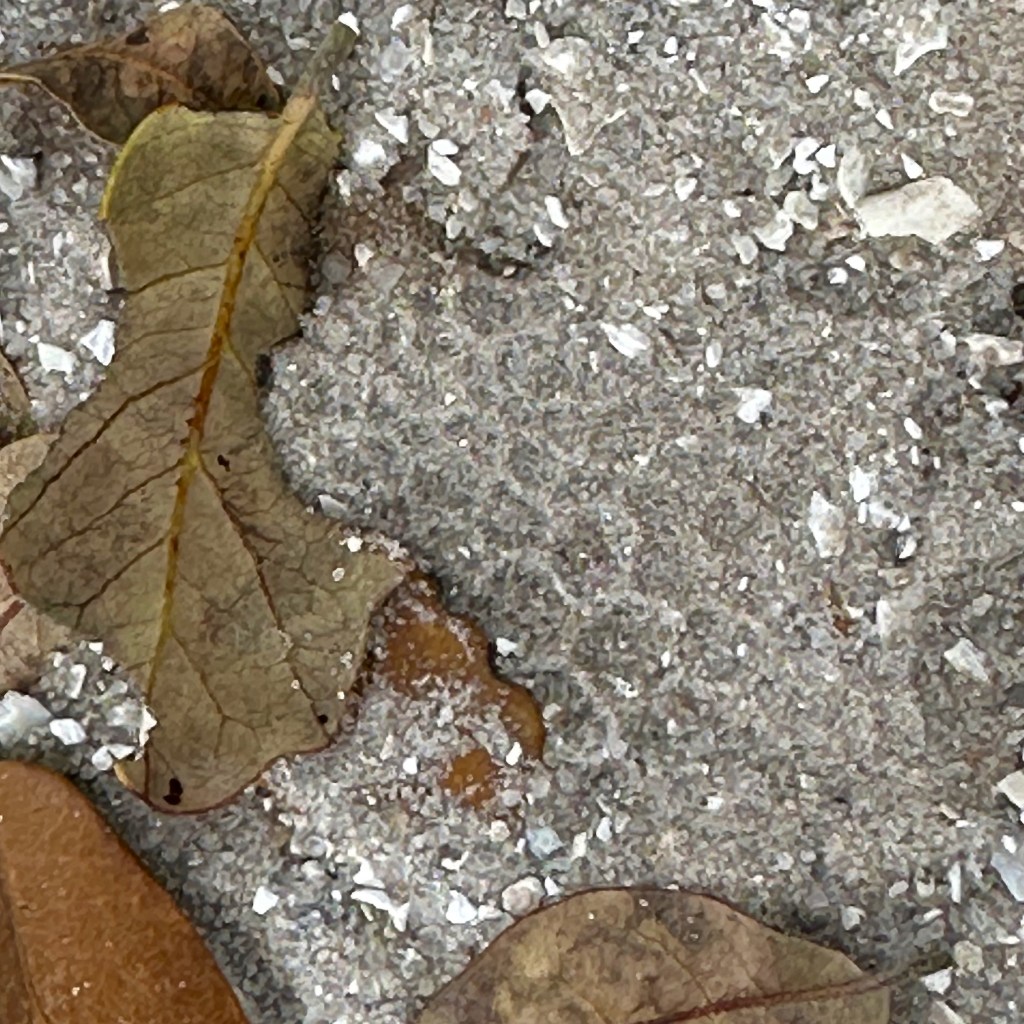
While I was pleased with the quick sighting, my attention was drawn to what the tortoise left behind as it marched down the sandy trail. A footprint! Look at all those little dimples in the soil, what a cool pattern! I wonder if these prints are unique to each individual (like a human fingerprint) and if so, could that be a helpful tool for tracking them?

My friend Amber and I came across this beautiful scene while walking the beach tonight. What a lovely way to end the day!
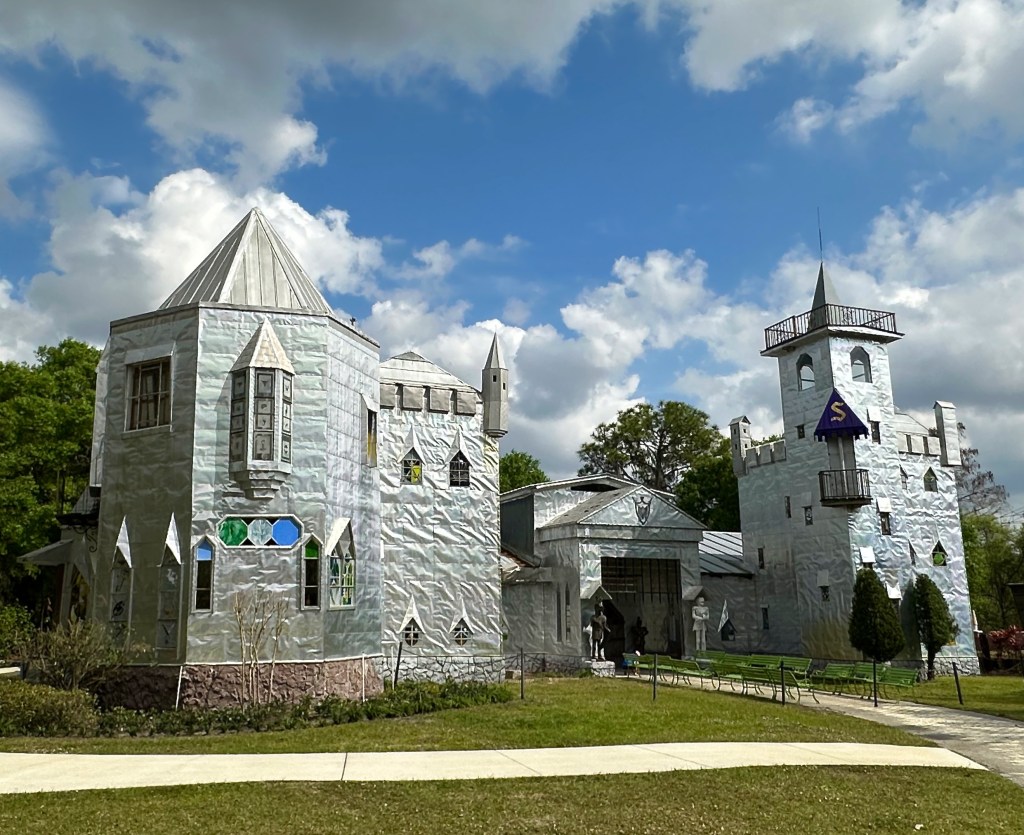




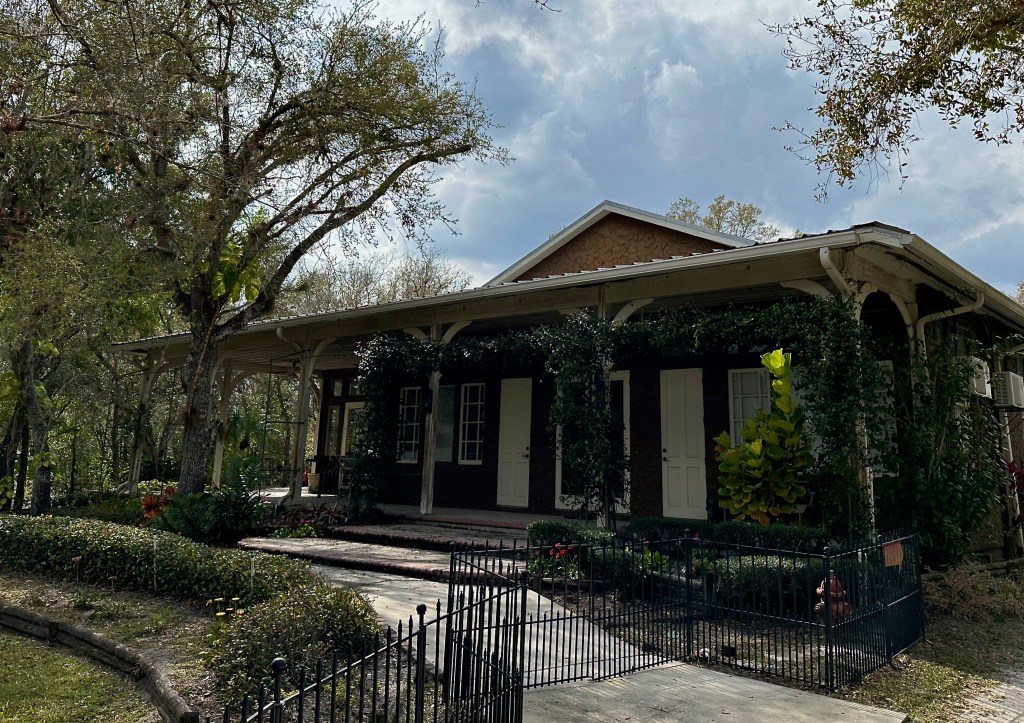
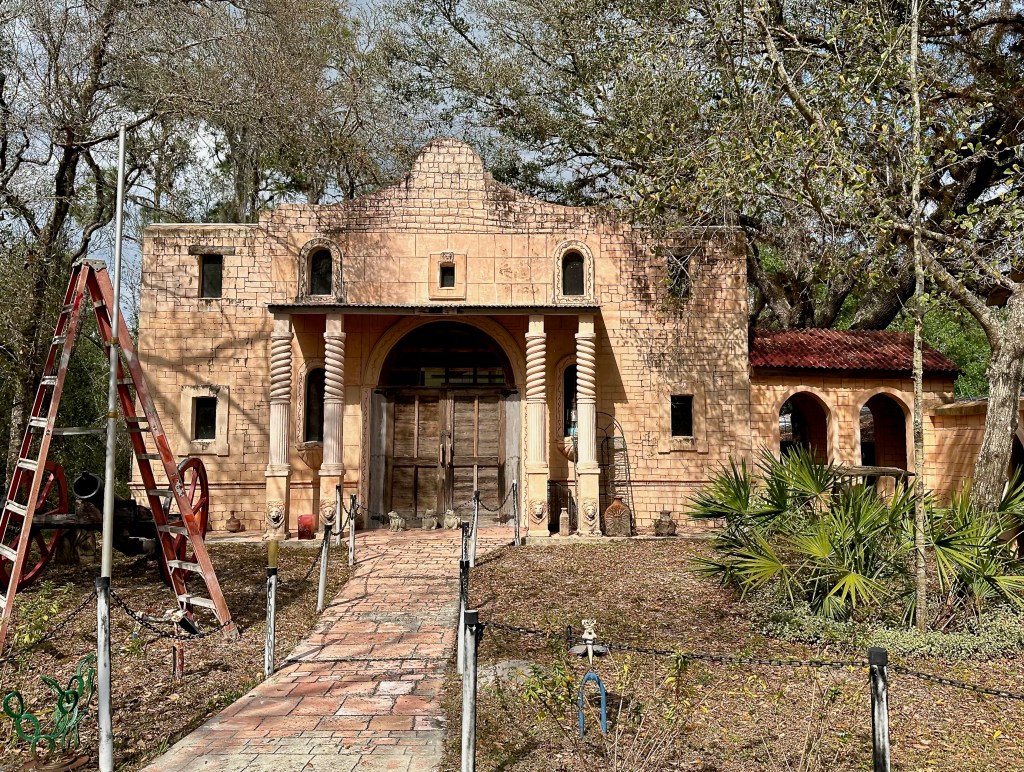

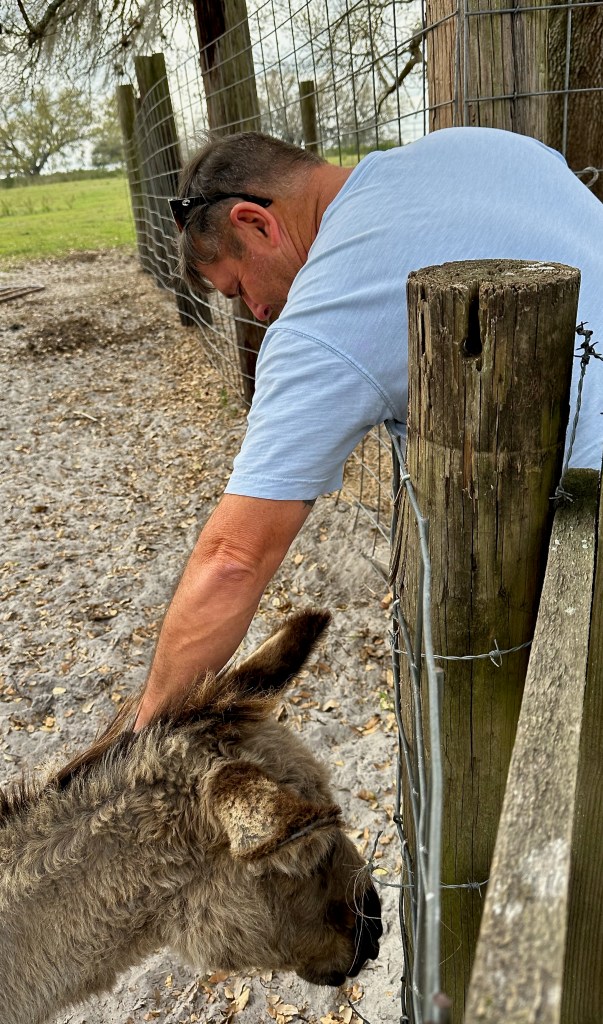
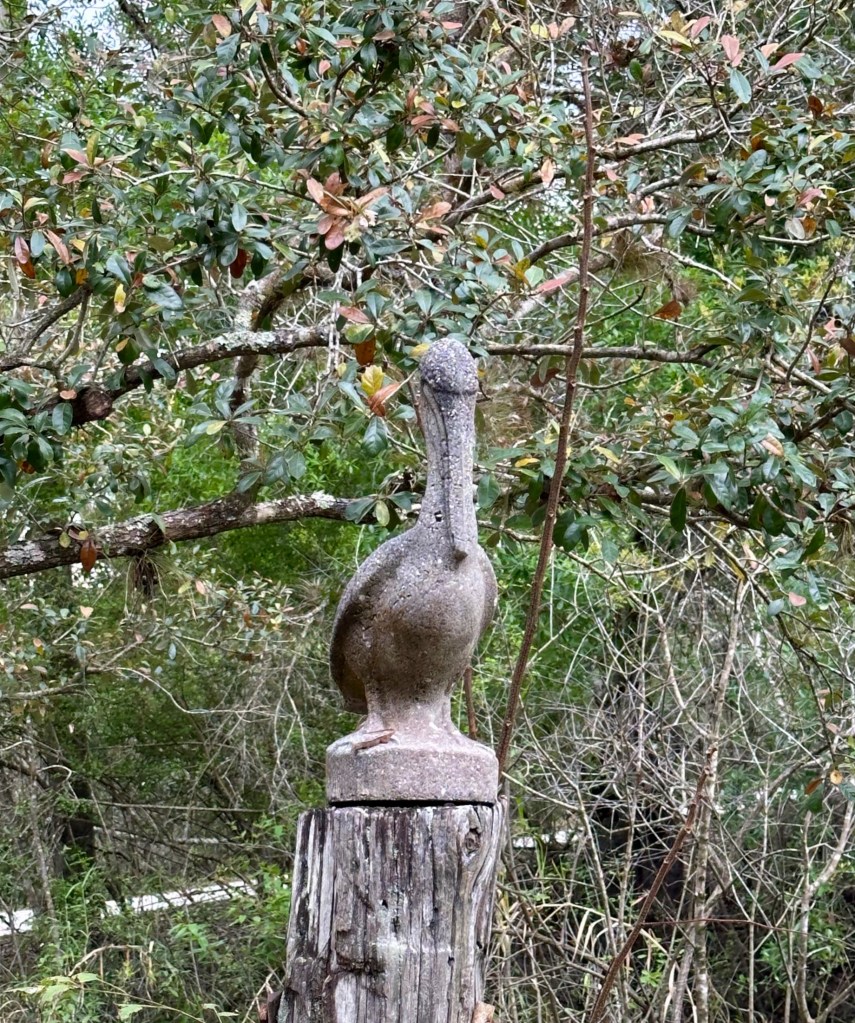


Even though I’ve lived here for four years now, I still have a long list of Florida places to explore. Solomon’s Castle was one of the unique and quirky places I’ve wanted to visit.
So, last month Al and I drove east into central Florida. The roads narrowed and curved the further we went, at one point we even lost cell phone coverage. Thankfully, there are still some undeveloped areas in the middle of this state.
The story of this roadside oddity began back in the early 1970s when Howard Solomon bought 40 acres of rural land in Hardee County. Unfortunately, the young New Yorker had been duped into buying flood prone acreage along Horse Creek.
Undeterred, Howard decided to make the best of his $350 investment by building on the high ground. A creative man, he decided the best way was up and hence, a castle was born. As Howard said, “Every man’s home is his castle, and now my castle can be my home.”
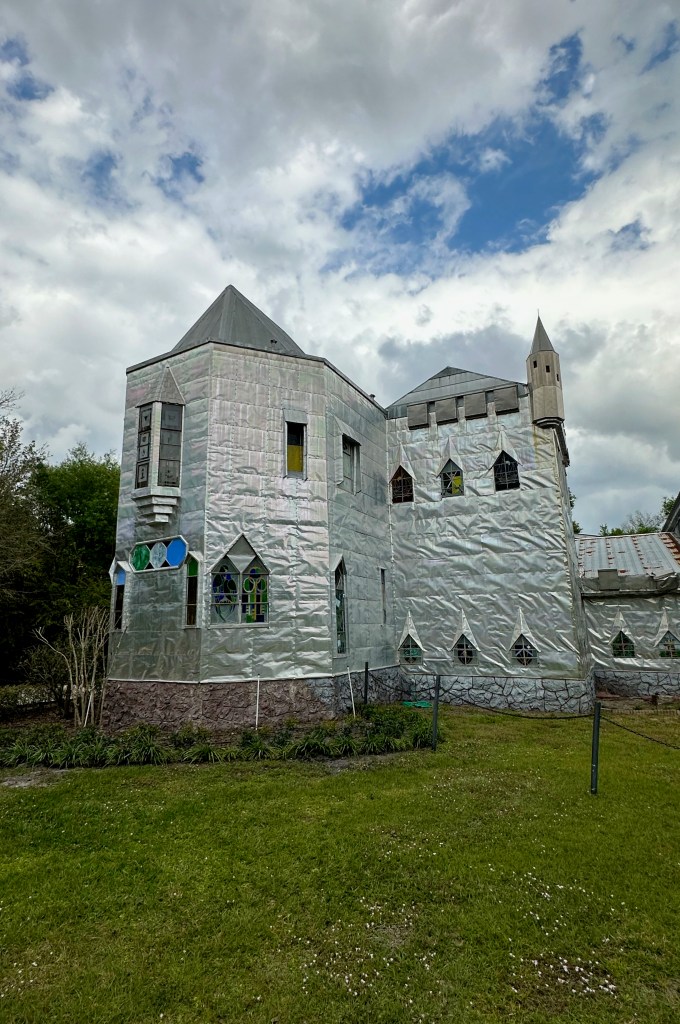
The finished structure is a 65′ tall, 12,000 square foot castle replete with turrets, bell tower, 80 stained-glass windows, wrought iron portcullis, and even two knights in armor at the door. It was made even more eye-catching when Howard covered the exterior with discarded metal printing plates from the Wauchula Herald-Advocate. His creation shines like a coat of armor!
Howard was clearly a resourceful man. He considered himself “the DaVinci of debris, the Rembrandt of reclamation, the wizard of odds and ends, and the savior of salvage.” Once his neighbors learned this they started dropping off random items for him (besides, back then the county didn’t have a landfill).
I have some equally talented family members who possess that rare vision to create something out of nothing. I remain in awe of all these artists.
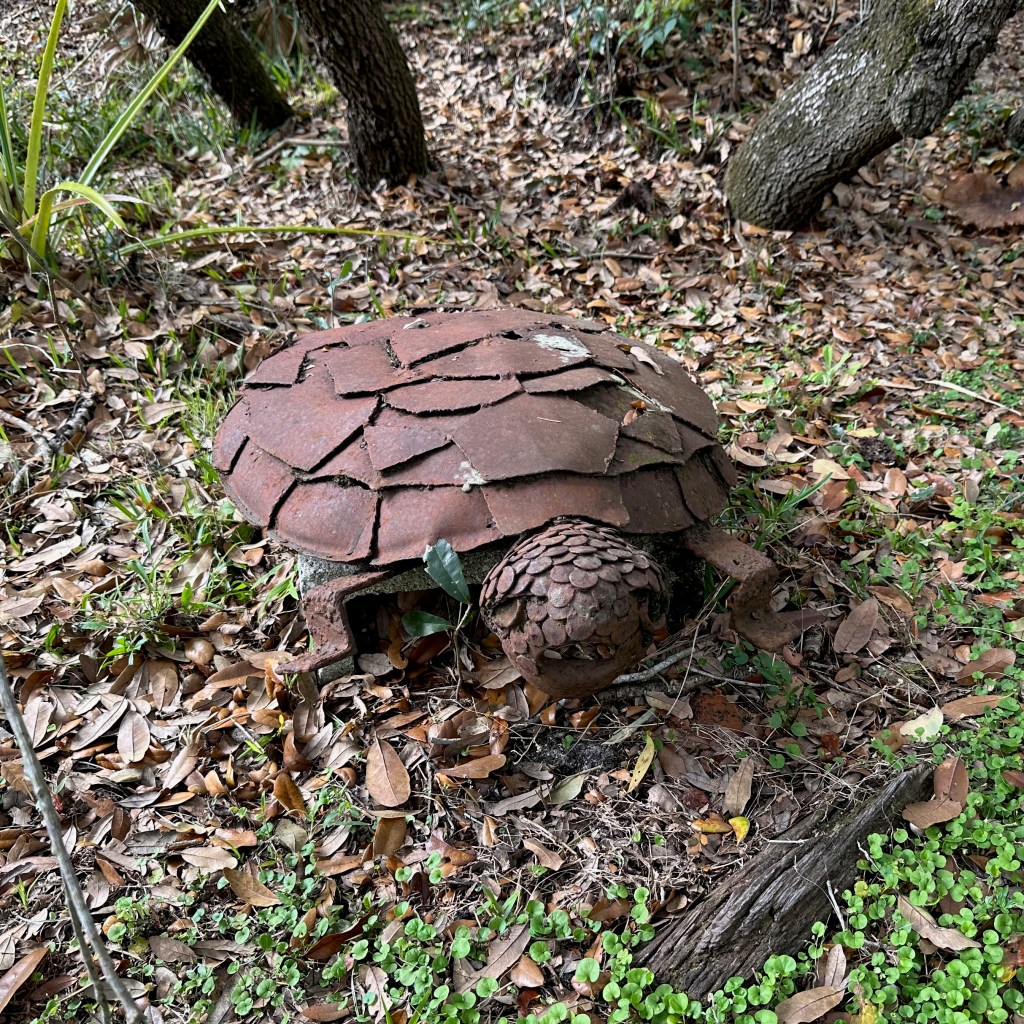
We didn’t have time to join an official tour but we still had a great time wandering the grounds. Life even imitated art when a gopher tortoise crossed our path, not far from Howard’s sculpture of one.
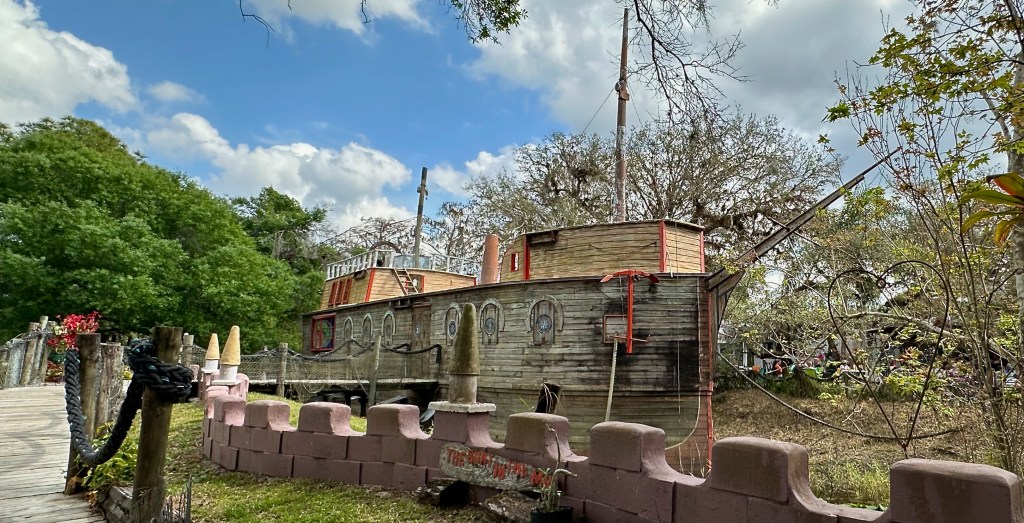
We capped off our afternoon with a quick bite from the onsite Boat in the Moat cafe. Remember that flooding issue? Howard had dredged a small drainage around his castle, to move water away from his masterpiece. The process created a moat, so Howard was inspired to build a replica of a Portuguese galleon.
By the 1980s visitors began stopping by to admire Howard’s handiwork. As visitation grew, the family started giving tours and repurposed the boat into a small restaurant that offered light meals. Though Howard passed away in 2016, his daughter and other family members are still welcoming visitors to the property.
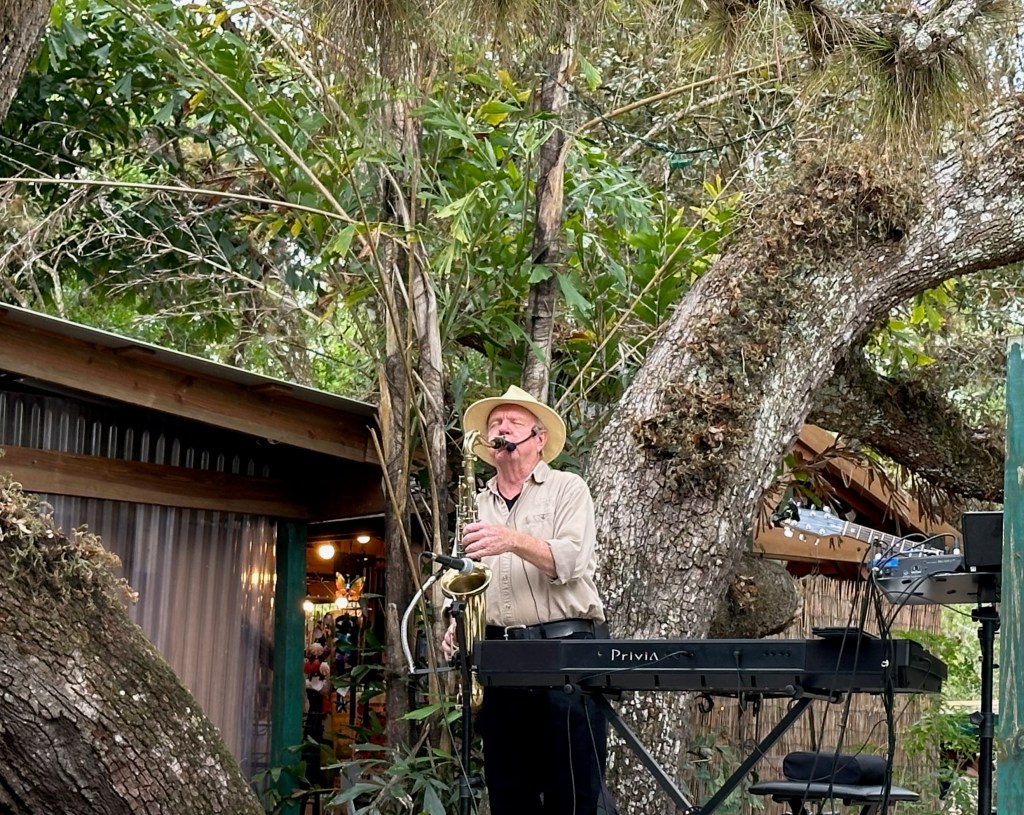
We wrapped up our visit with a snack and a beer while sitting under the massive oak trees while listening to live music. Such a relaxing way to spend the day!
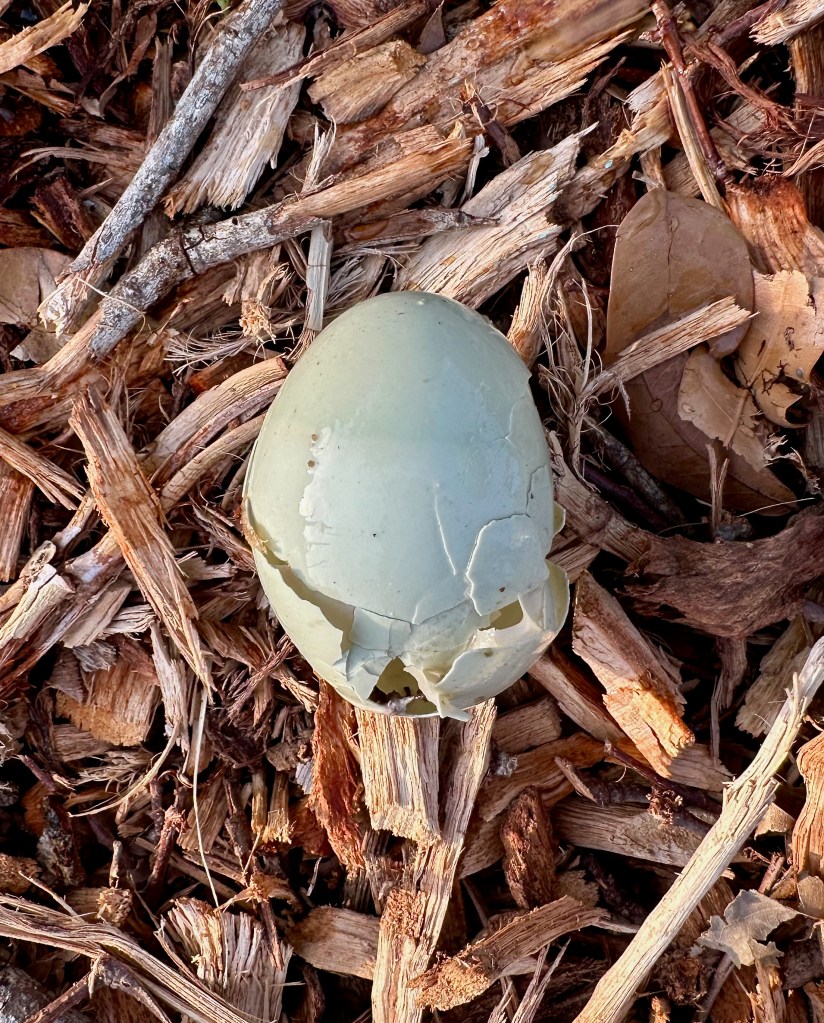
This is what I found when I cleaned out the bird bath in my front yard this afternoon. The greenish hue and size reminds me of a duck egg. A week late for Easter but apparently crows don’t have calendars.
Since this is the same location where I recently discovered a small turtle it reinforces my desire to get a motion-activated video camera for my front yard. I’m currently attributing these deposits to crows but it’ll be interesting to learn who the culprits actually are.
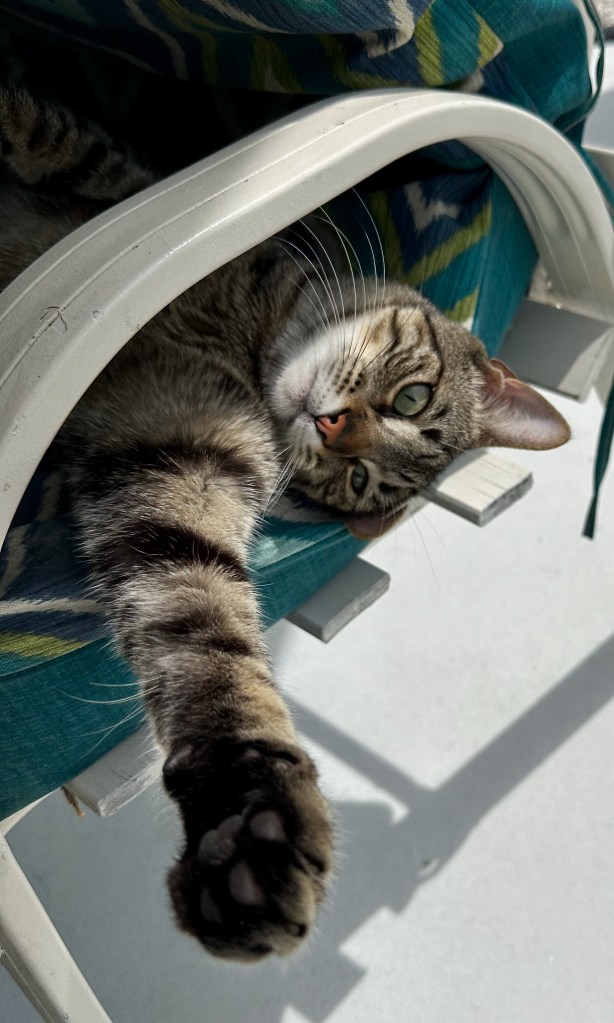
This. This is the life I think we all deserve. Westley excels at pointing out the absurdities of my life. Why do yard work when you could be relaxing?
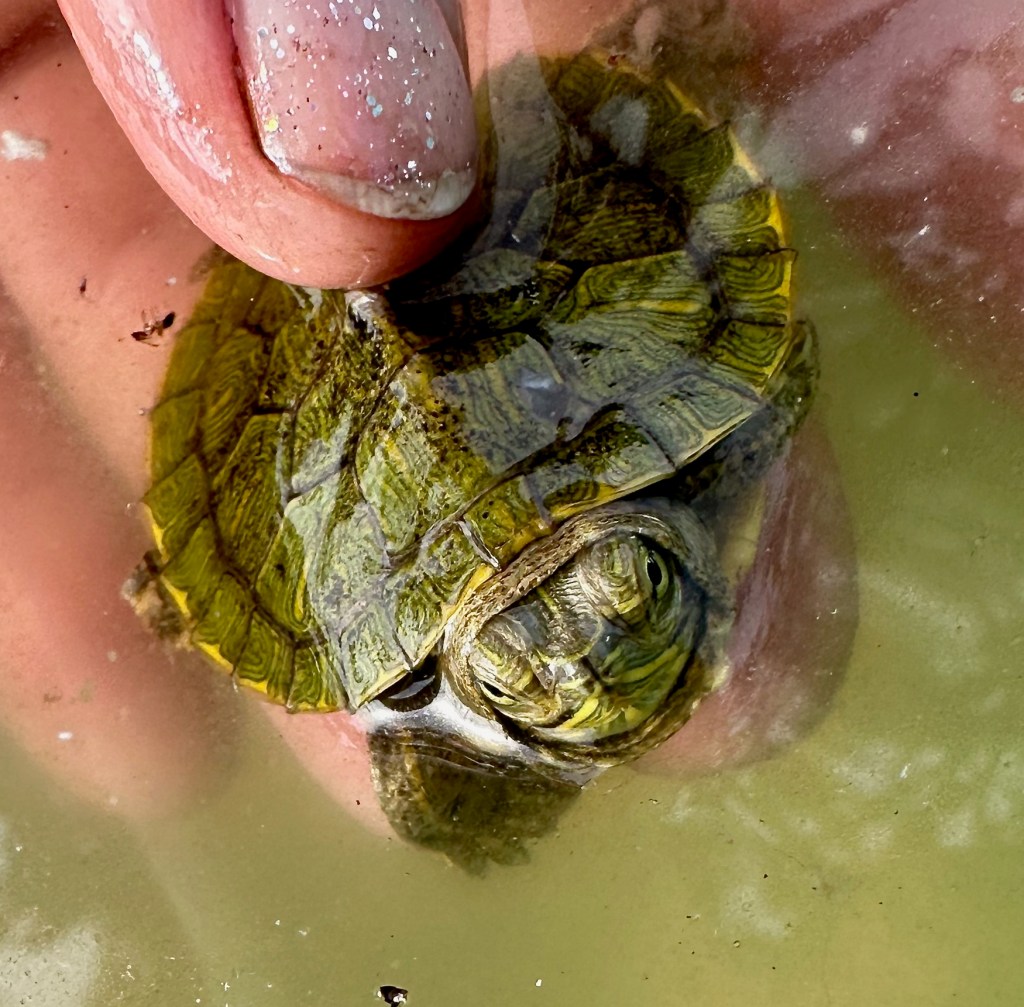
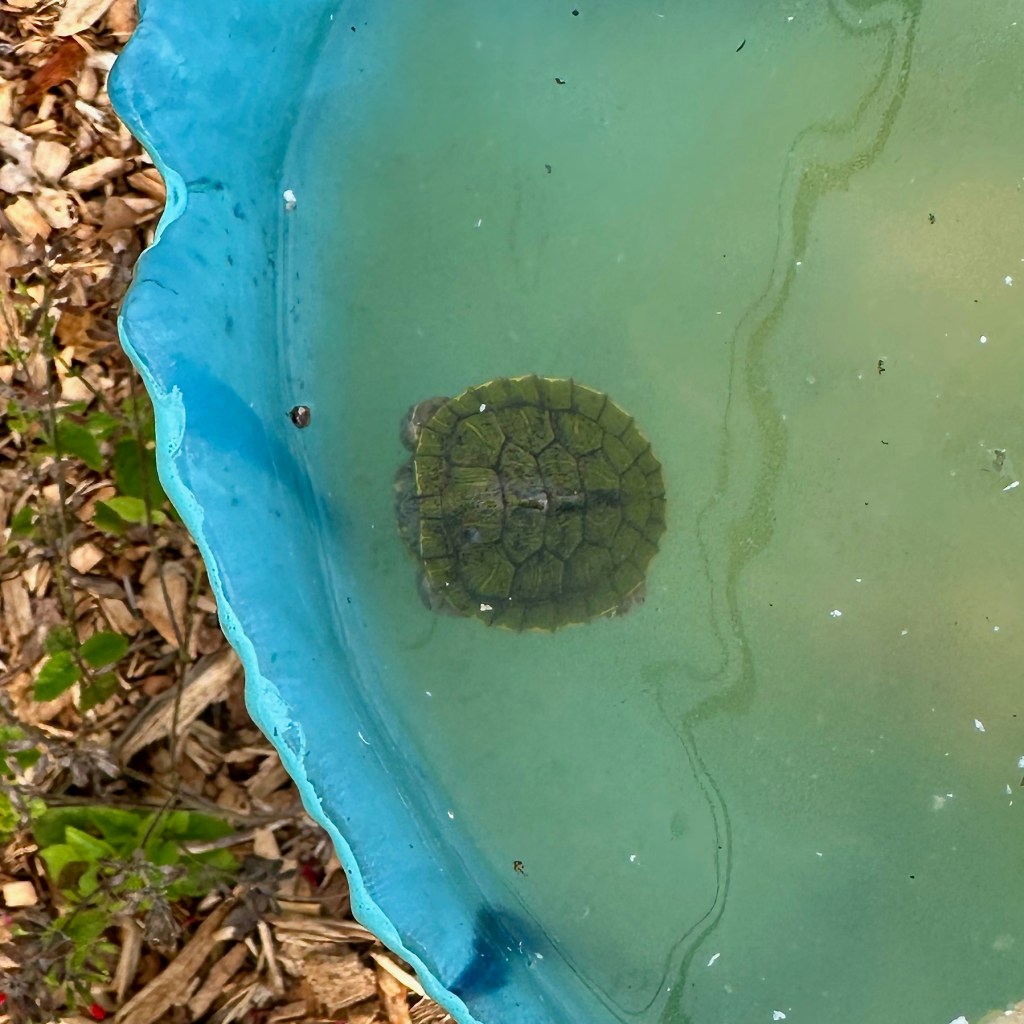


This afternoon I decided to clean and refill the bird bath in the front yard because I noticed it was looking a little green. The birds around here are a messy bunch, since some of them like to wash their food.
I was not expecting a lump in the bottom of the dish to start moving! It was an adorable baby Red-eared Slider. How in the world did that tiny cooter get up into my bird bath which is 18″ off the ground?
My best guess is that a bird caught it and brought it in for a quick rinse. Or did my crow friends gave me a gift? I took the little turtle over to the canal and set it free, I hope it does well!
Now I want to set up a little camera in my front yard so I can see what goes on out there…
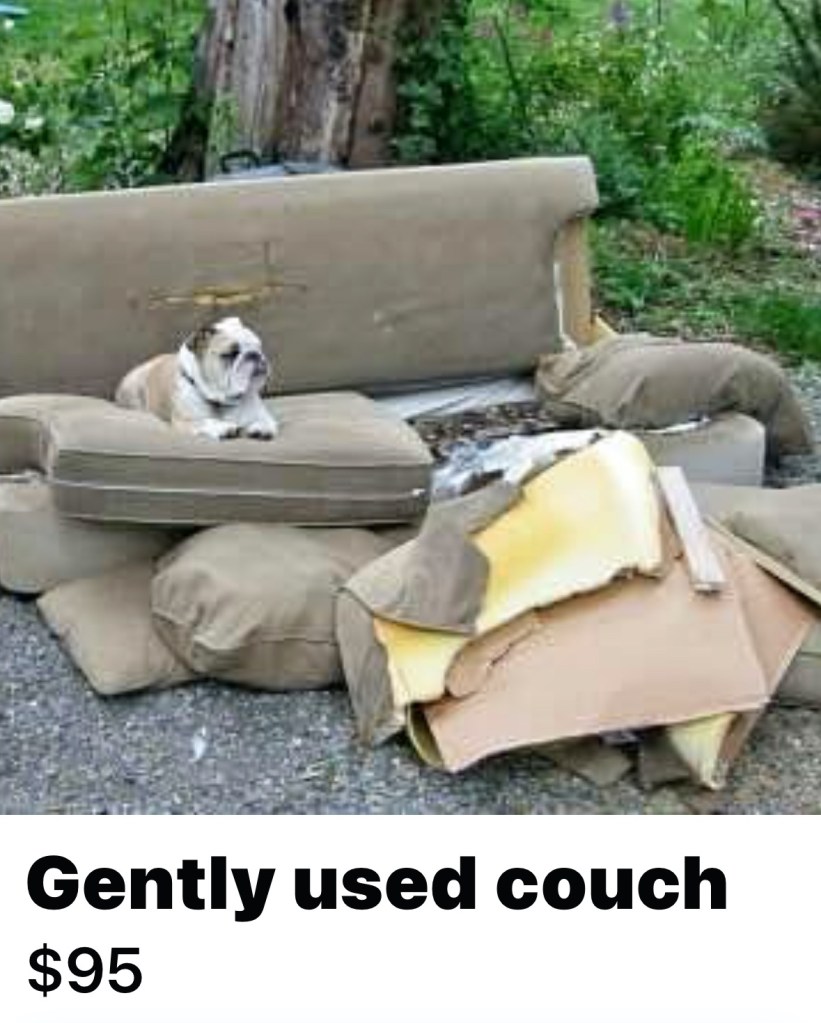
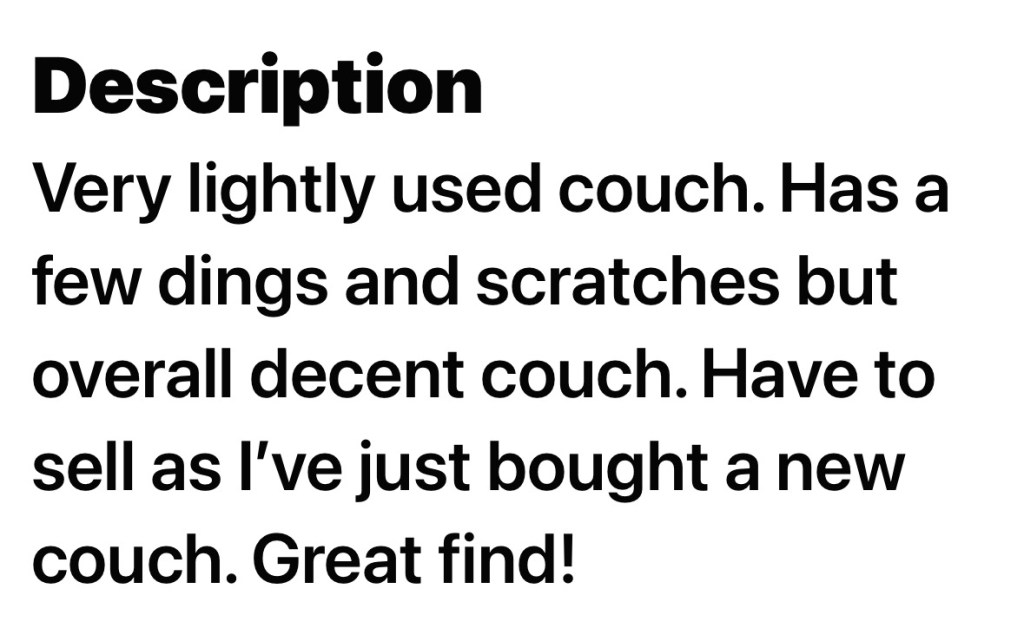
Just came across this listing in my local Facebook Marketplace. Thought I’d share it in case any of you are looking to replace your couch. To be honest, if it were a different color, I’d be interested (but only if that completely unrepentant doggo came with it).
At least someone has a sense of humor about their dog’s handiwork!
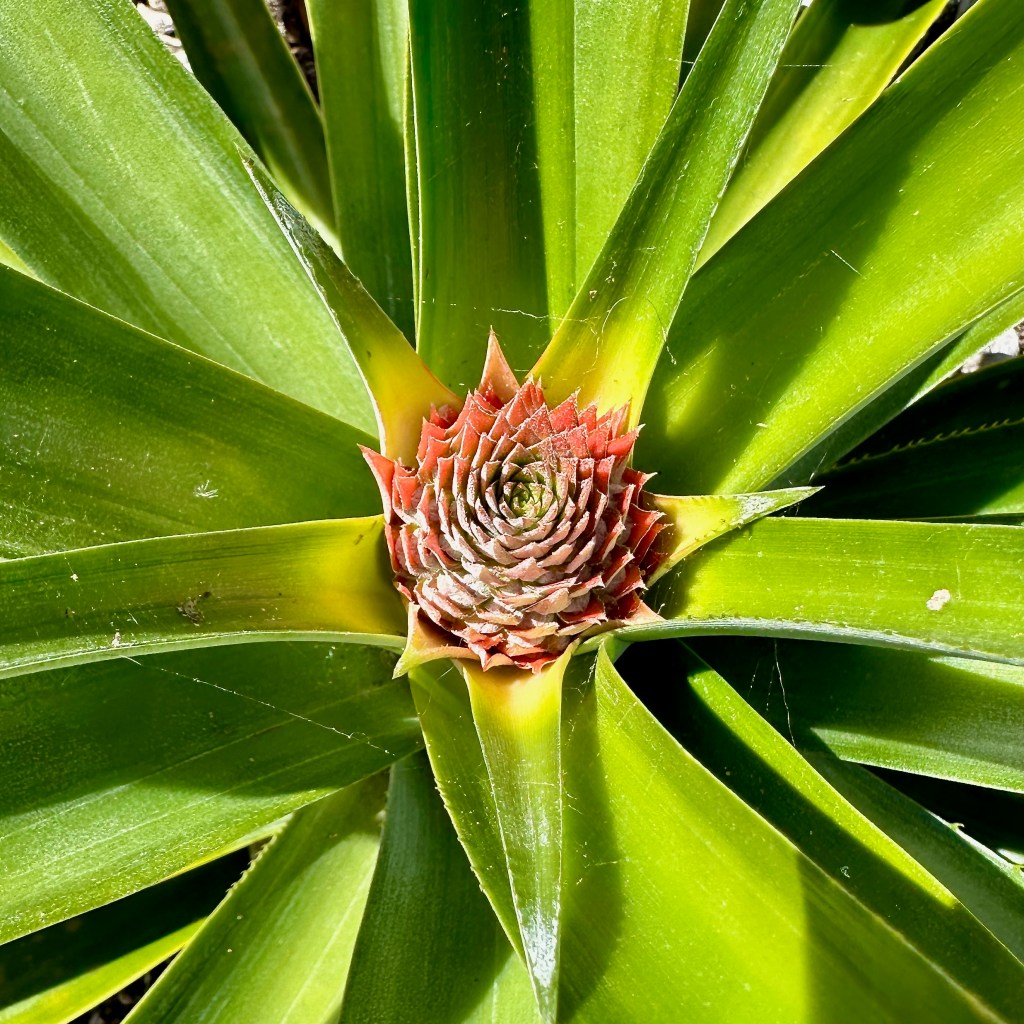
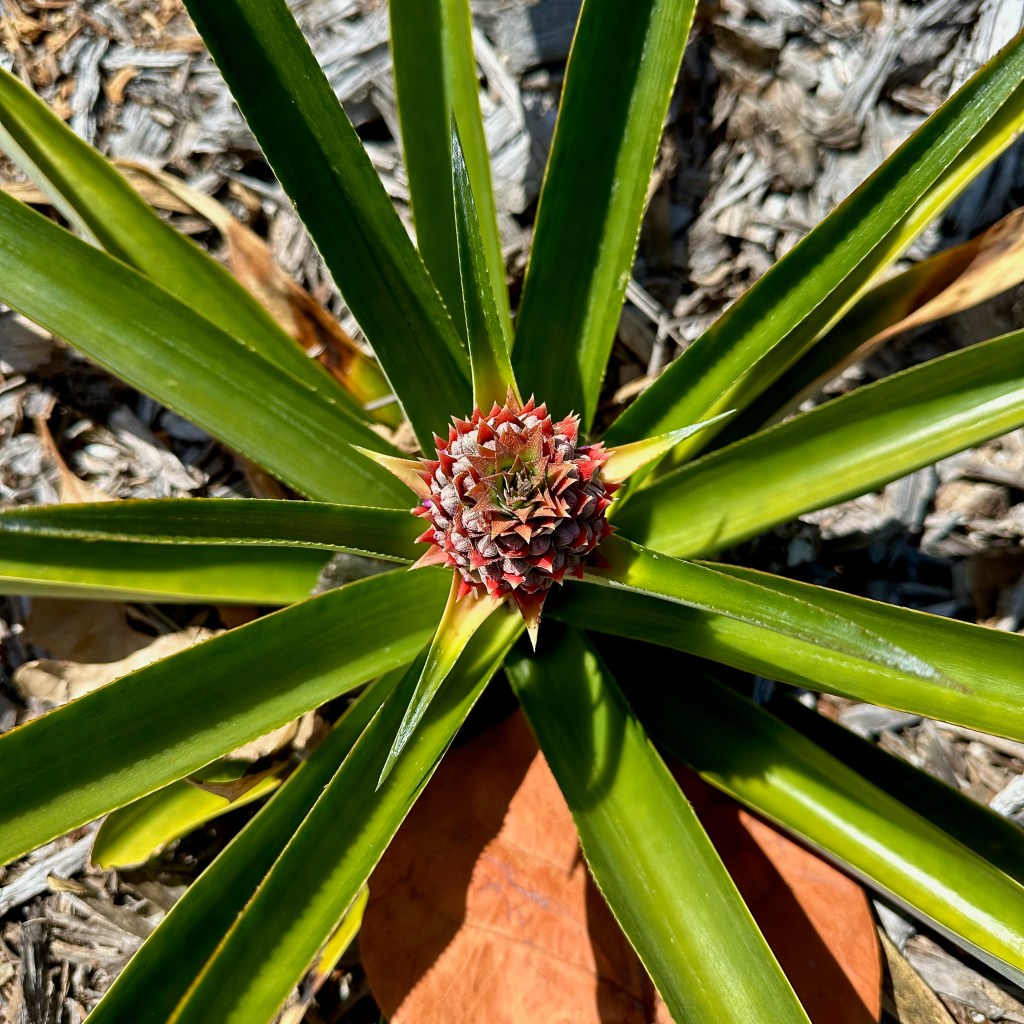

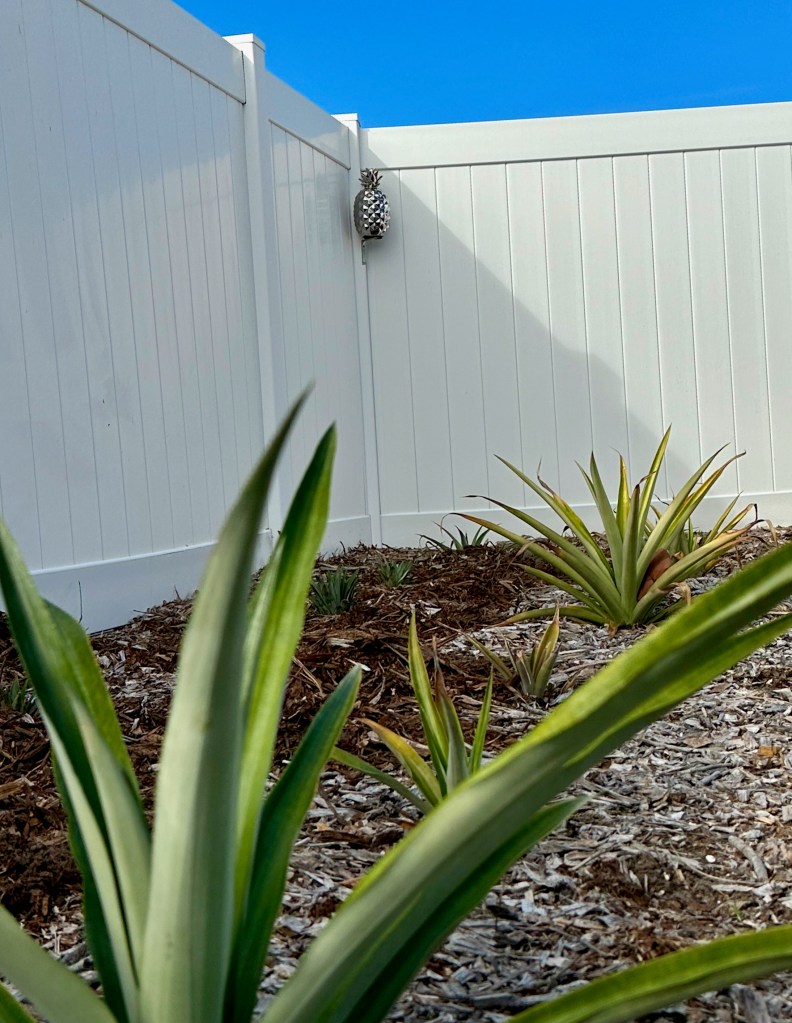
Back in December 2022, I dug up a section of my backyard lawn and planted two strawberry guava trees. I just couldn’t decide what to do with the bare area around them. Then one afternoon while visiting a grocery store I noticed all the freshly cut pineapple.
Taking a chance I asked the produce manager if I could have the pineapple tops. Lucky for me, he generously loaded up an entire banana box full of them, which I planted around my new fruit trees.
I’ve never tried growing pineapples before but some of my friends here have done well with them. Though they warned me it would take years before I’d get any results. Thankfully, these tropical plants grow like weeds here. Other than a bit of supplemental water during our dry months (May-June), I haven’t fussed with them much.
So I was pleasantly surprised yesterday when I walked by my pineapple patch and saw two adorable babies. I have 24 pineapple plants (though some were planted more recently), so hopefully I’ll have more fruit setting on soon!
Then I checked my guava trees since they’ve been blooming for a few weeks now. Sure enough, I have dozens of small guavas on each one. I’m so excited! Fruit salad anyone?
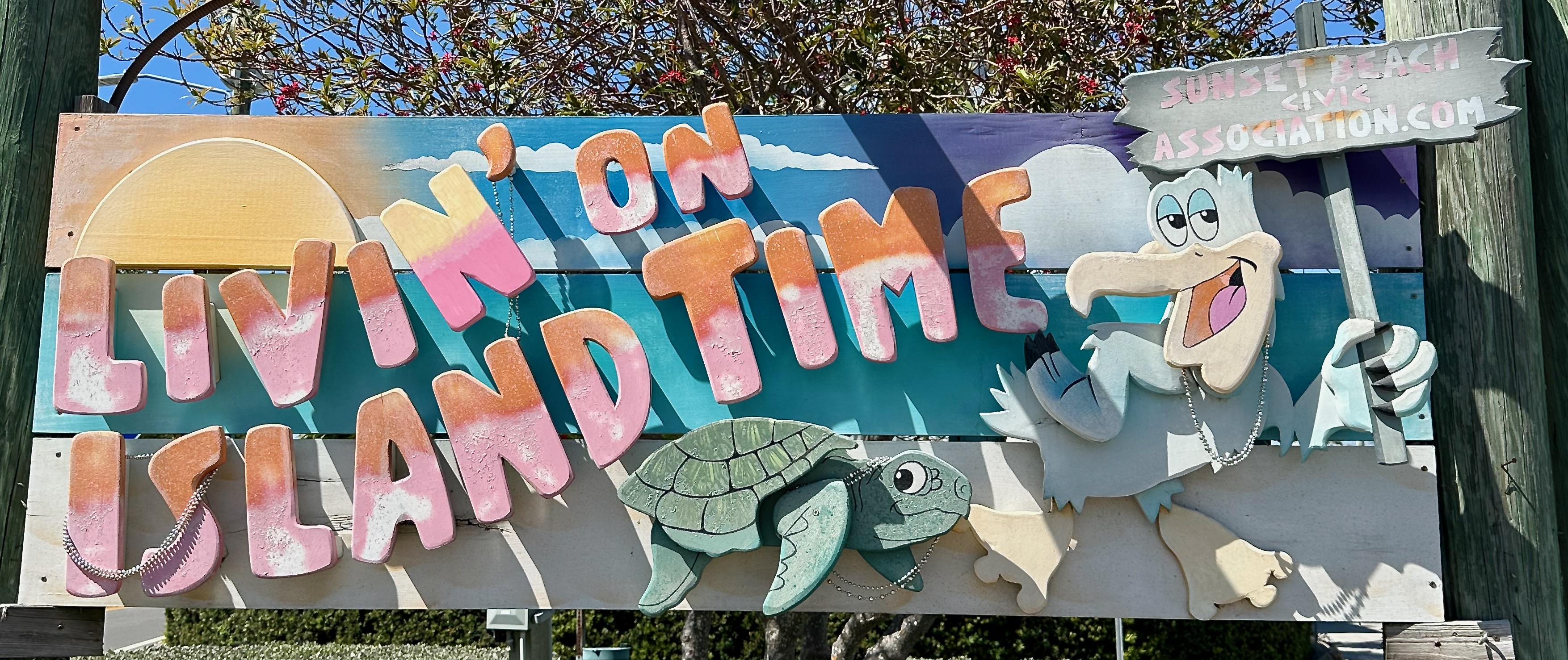
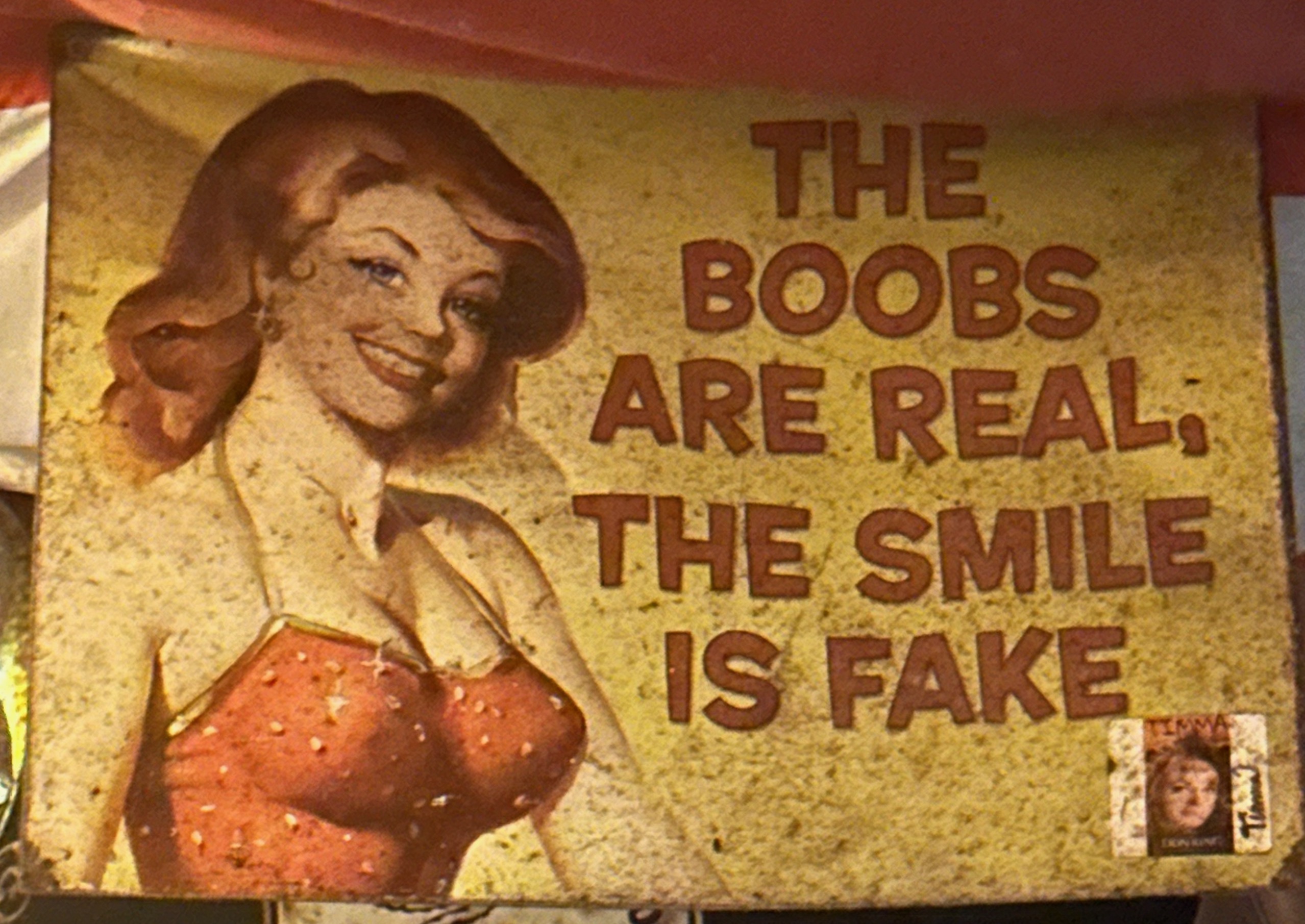

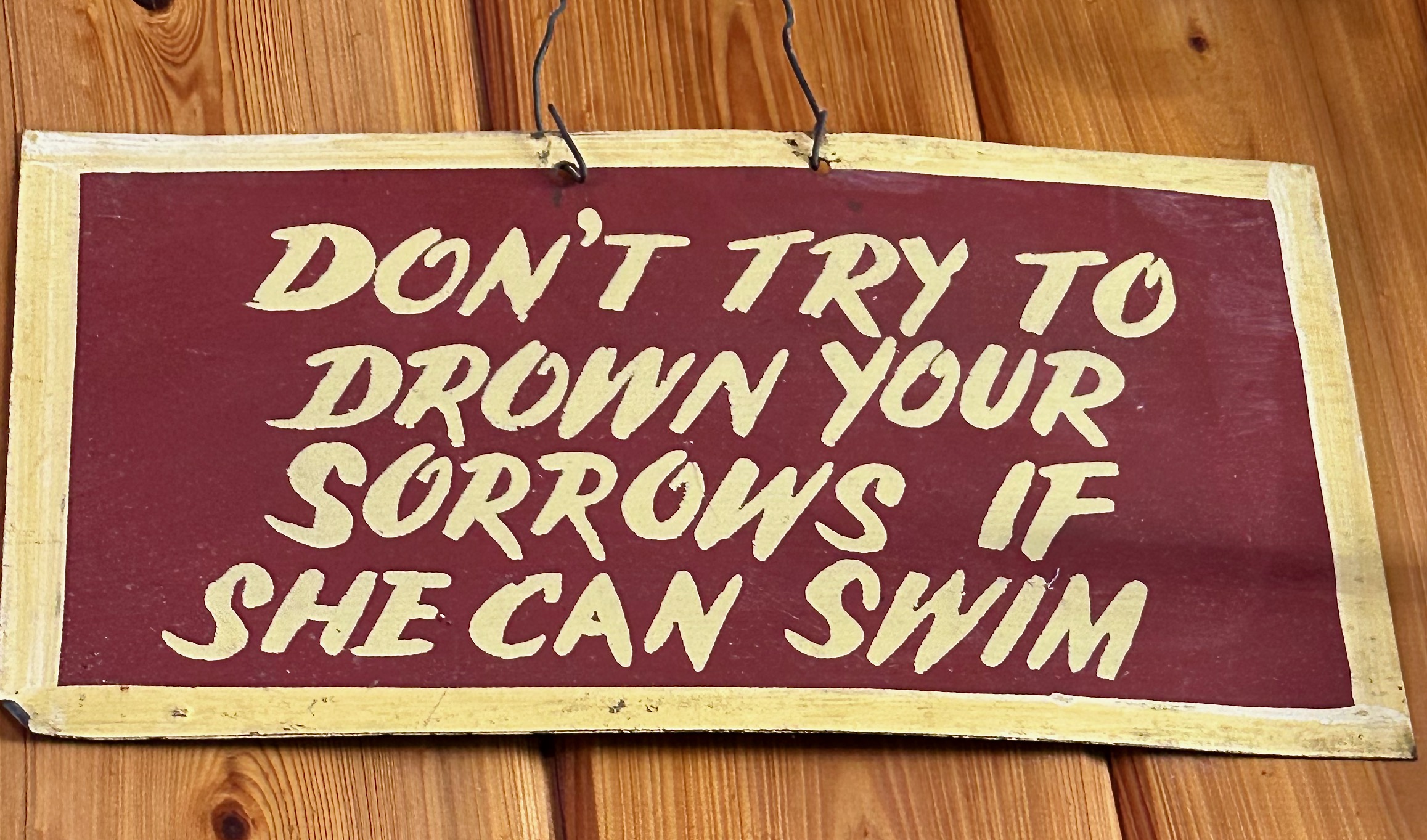

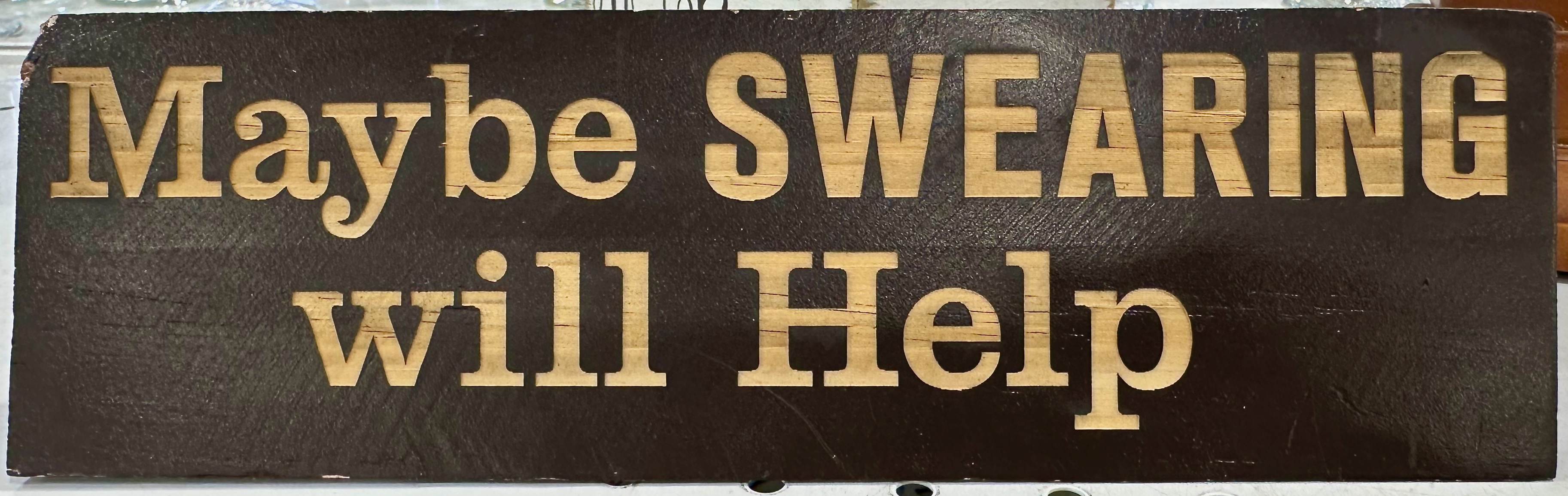
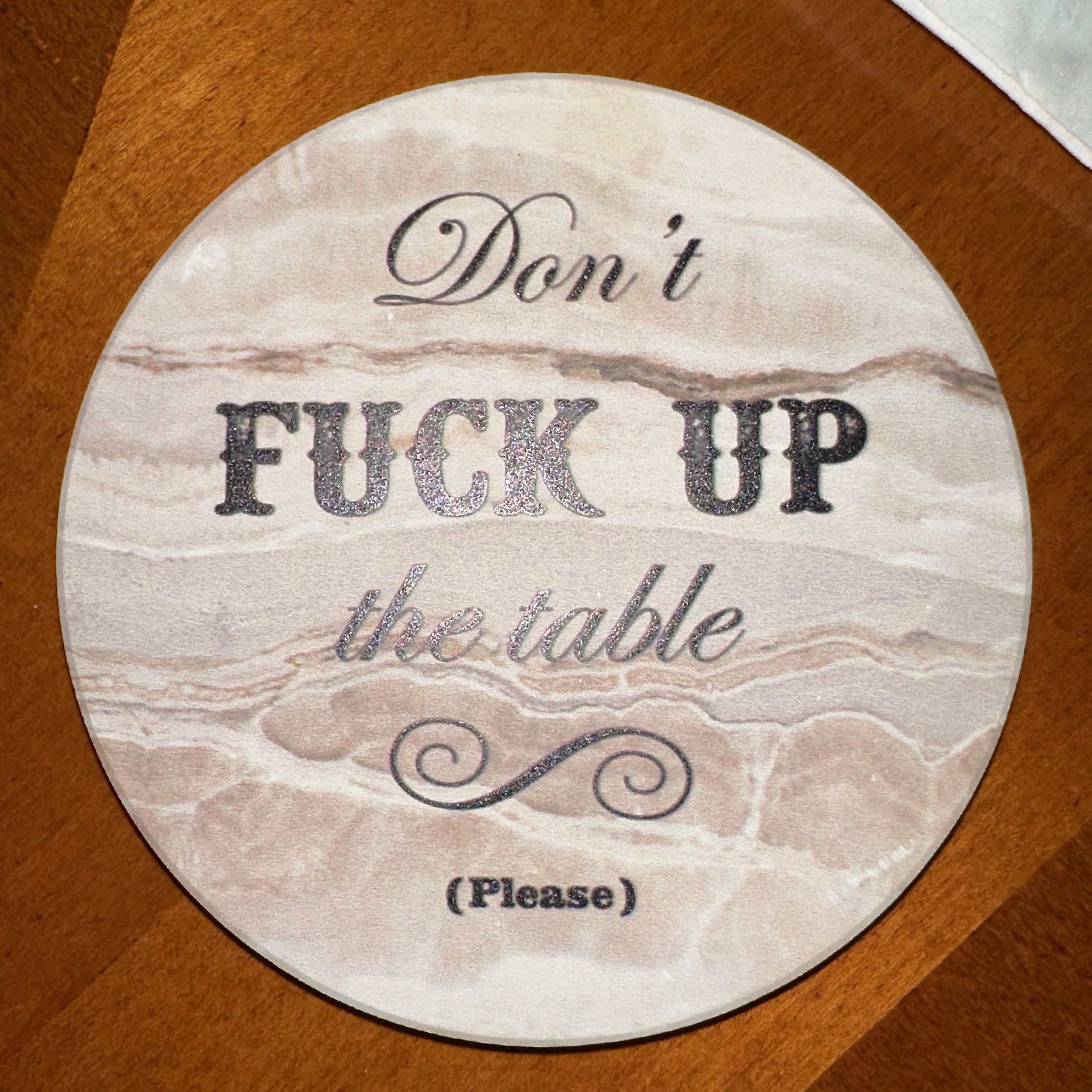

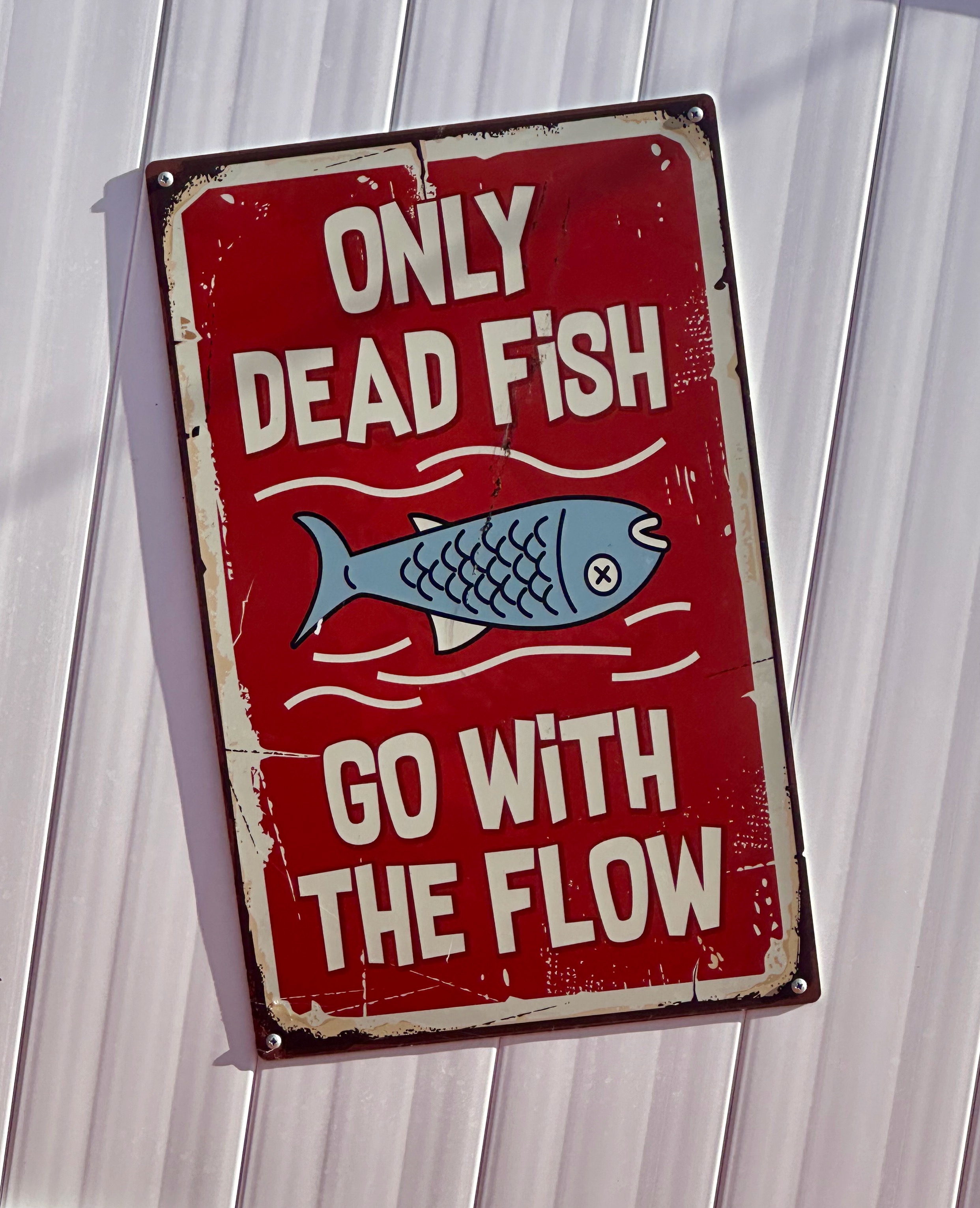

Thought I’d share a smattering of the signs I’ve spotted over the past few months. Some were creative, some were funny, and some (like the last one) were quite truthful.

