
Found this in my reusable shopping bag last night. Westley is such a silly little dude! 💖
Found this in my reusable shopping bag last night. Westley is such a silly little dude! 💖


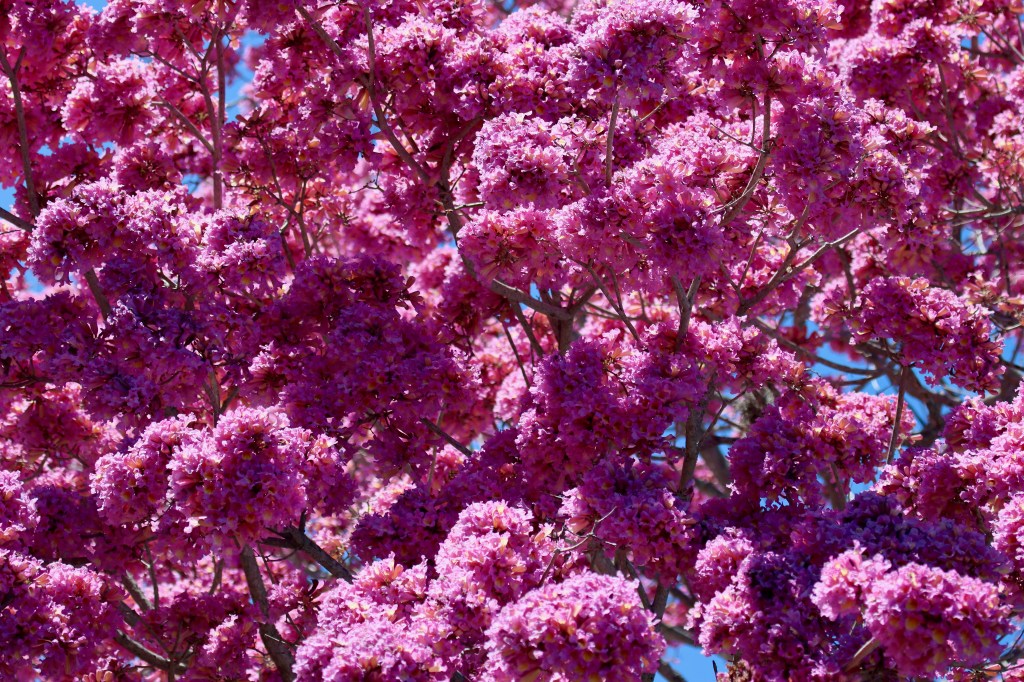

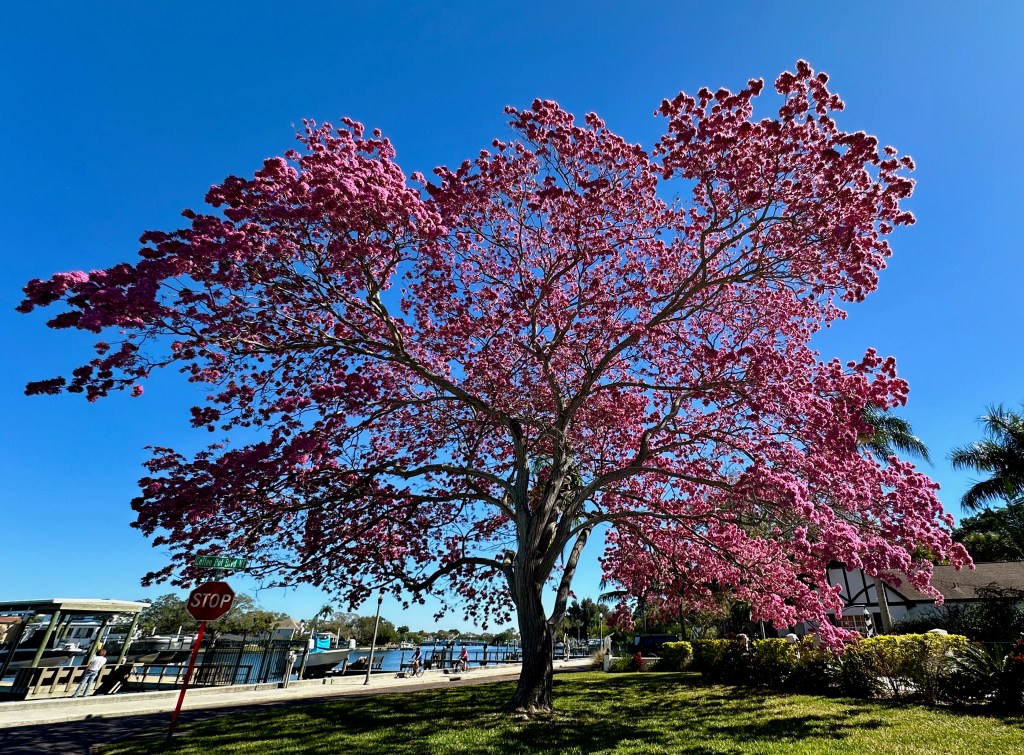

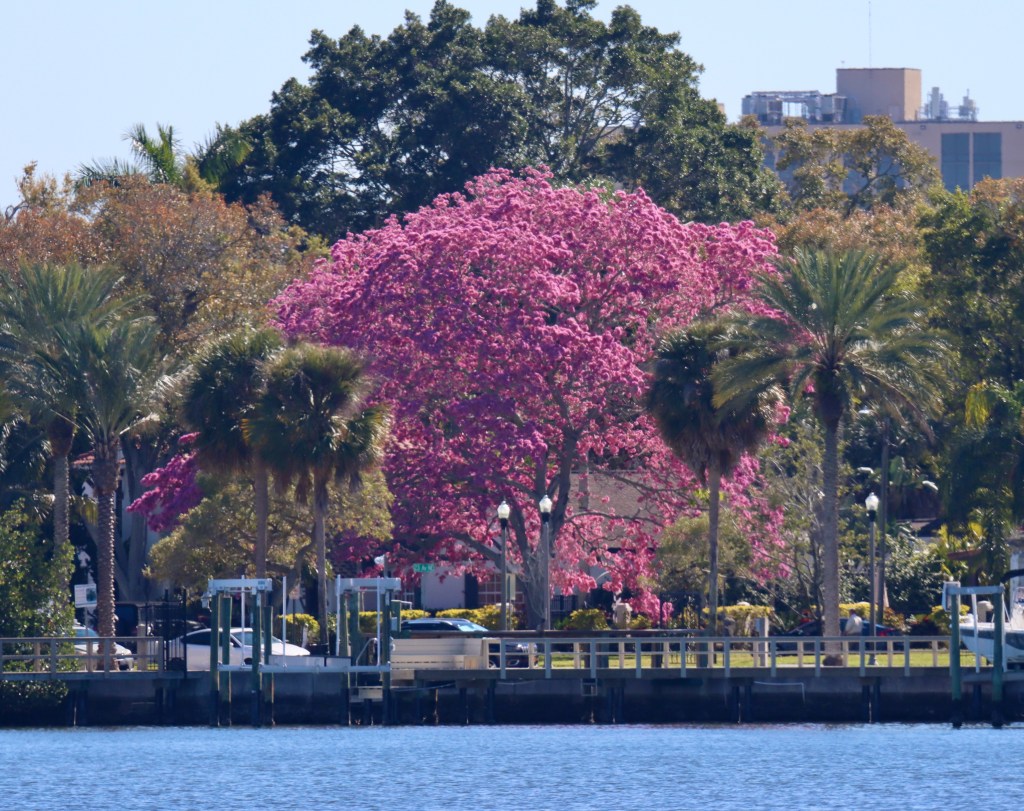
Some locales have delicate plants such as crocuses and trilliums that signal Spring is on the way. Down here in St. Pete, we have a large and flamboyant Pink Trumpet Tree (Tabebuia heterophylla).
This beauty creates quite a buzz every year, and not just because of all the bees that frequent it. If it was a bird it would be a flamingo because everyone flocks to see it. It truly is that stunning of a specimen!


I never know what I’m going to discover when I wander along the sand. I enjoy stumbling across fun little finds, especially when it’s art someone left behind for others to enjoy. 💖

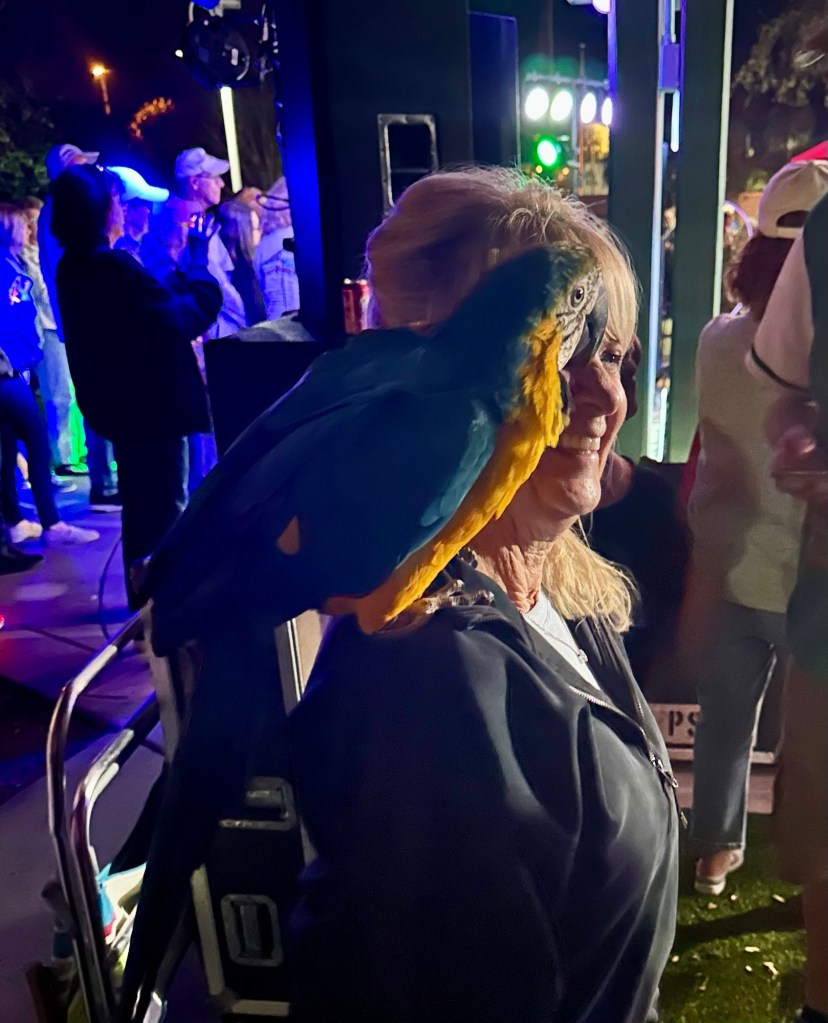
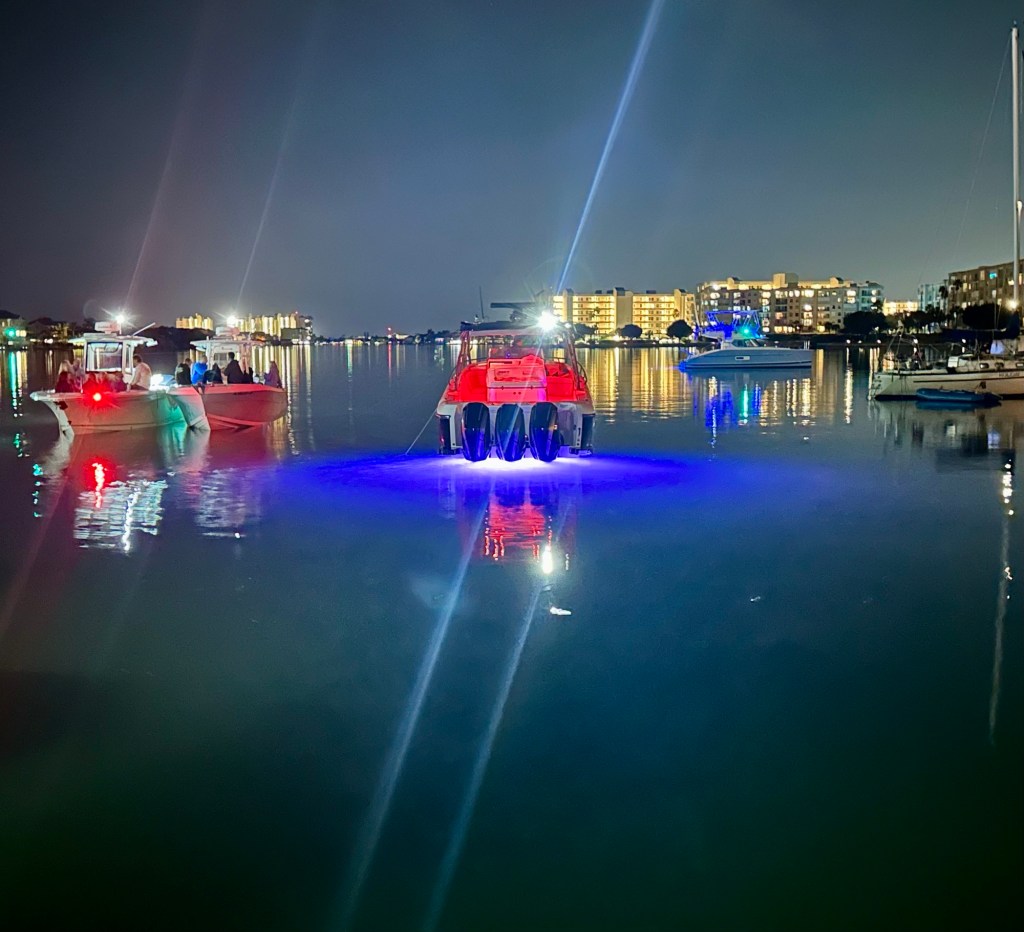

What a fun way to wrap up a week, a Jimmy tribute band on the water near my house.
As tends to happen with these events, it was a colorful crowd full of characters (myself excluded, of course 😉).

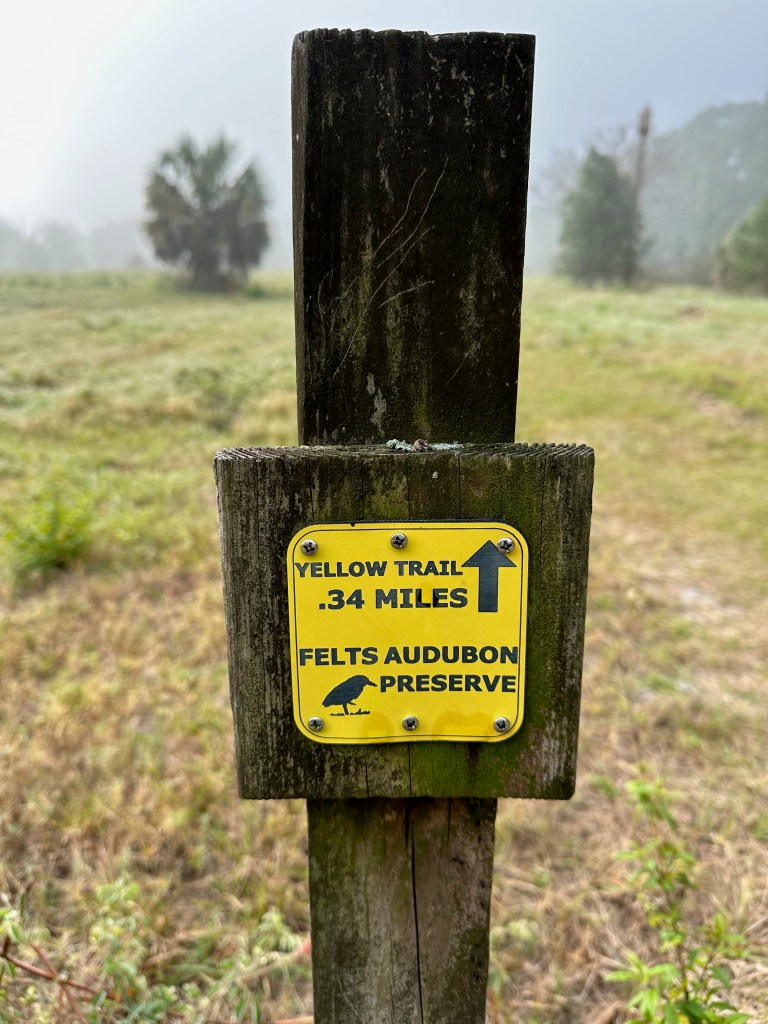
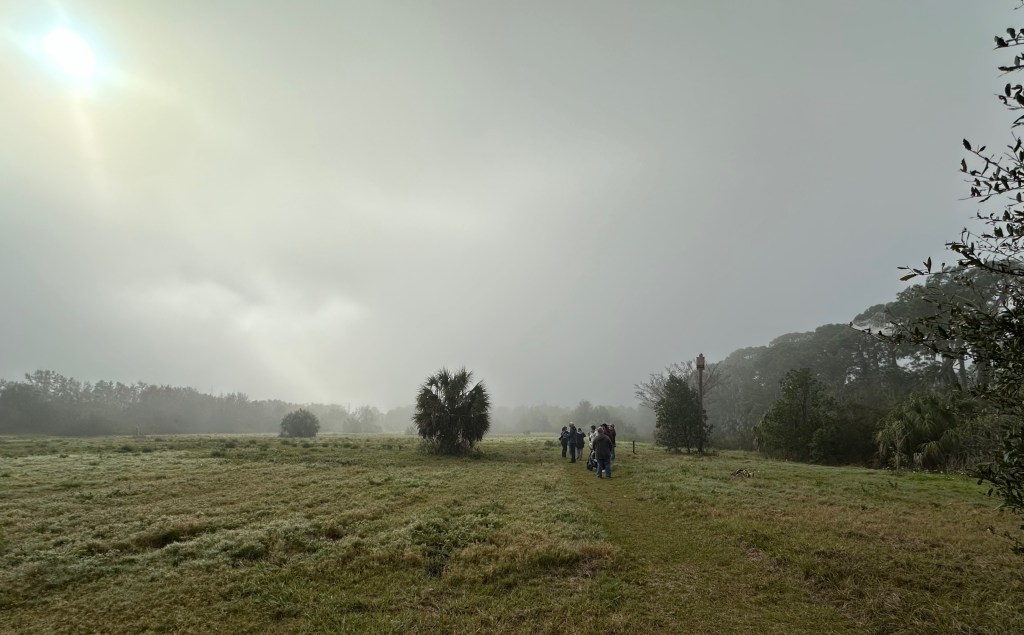

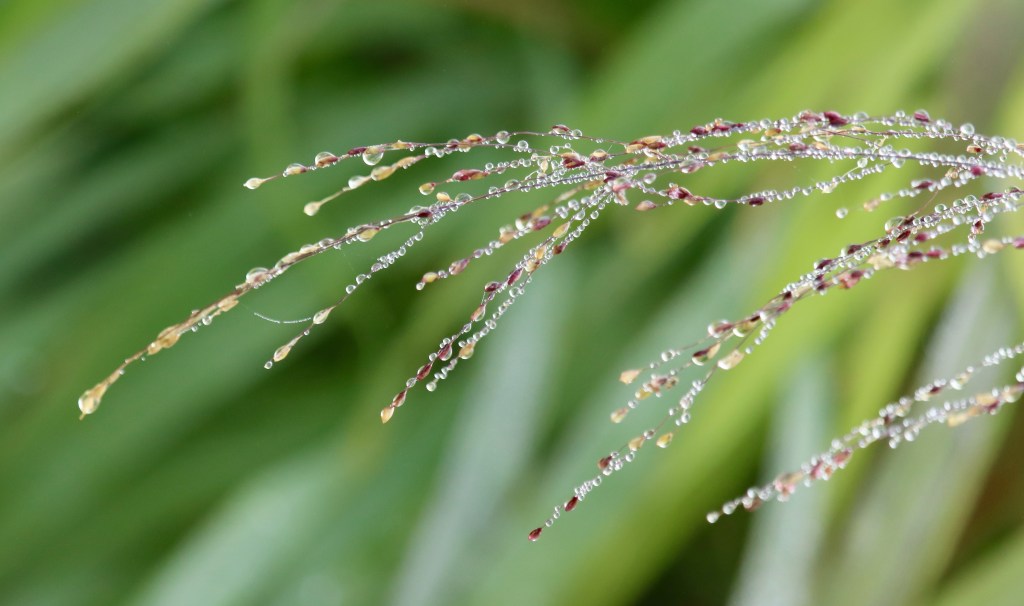
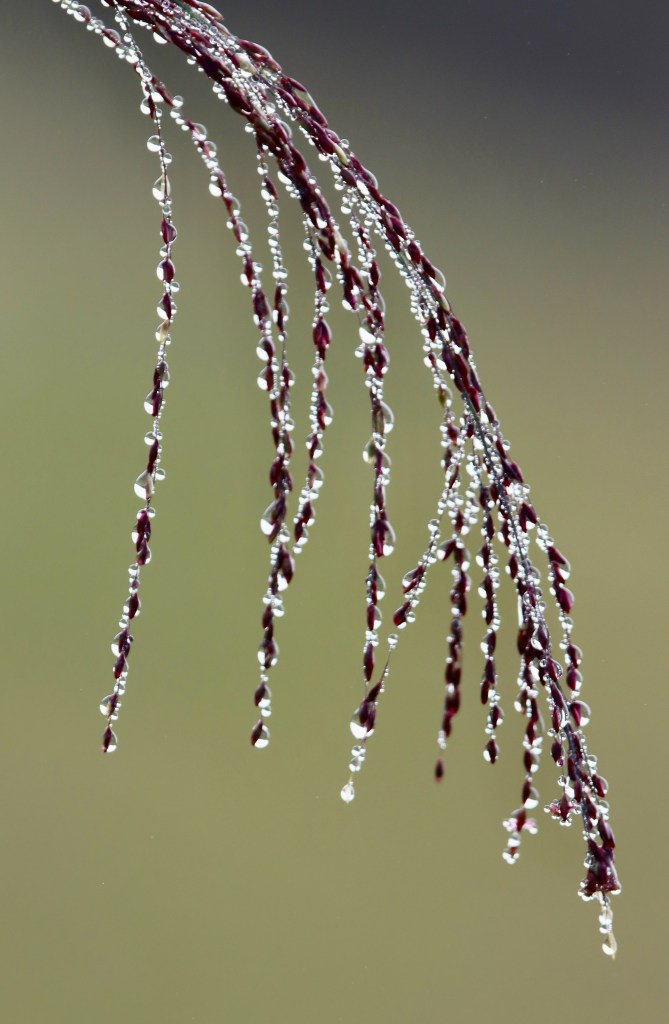
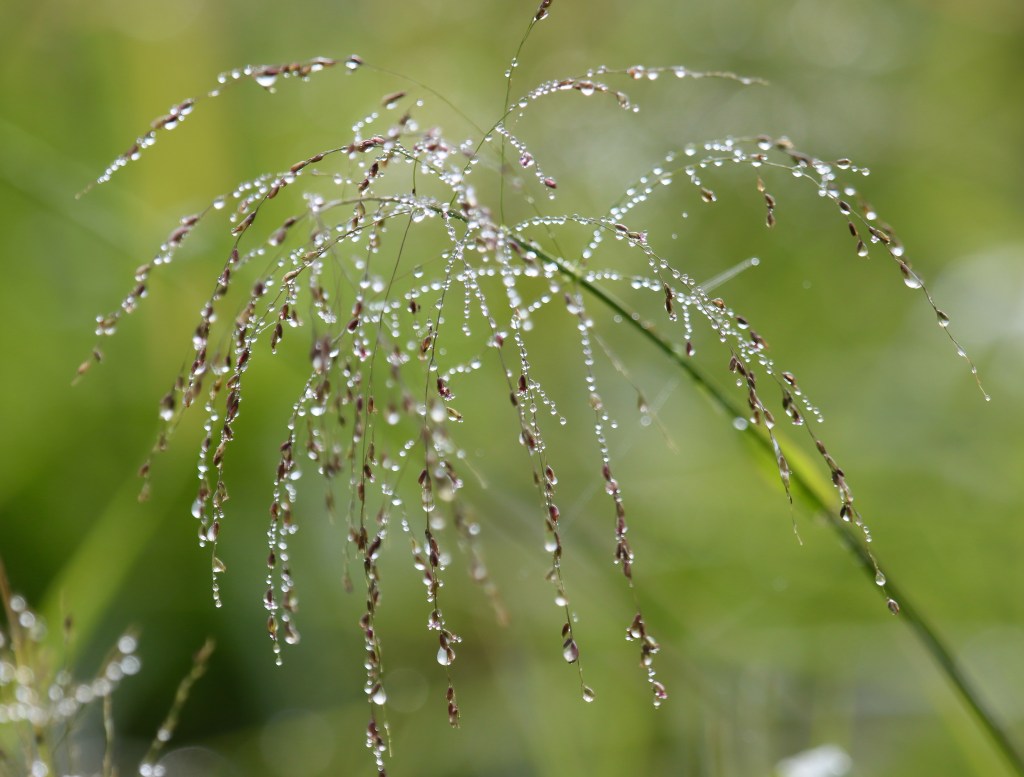
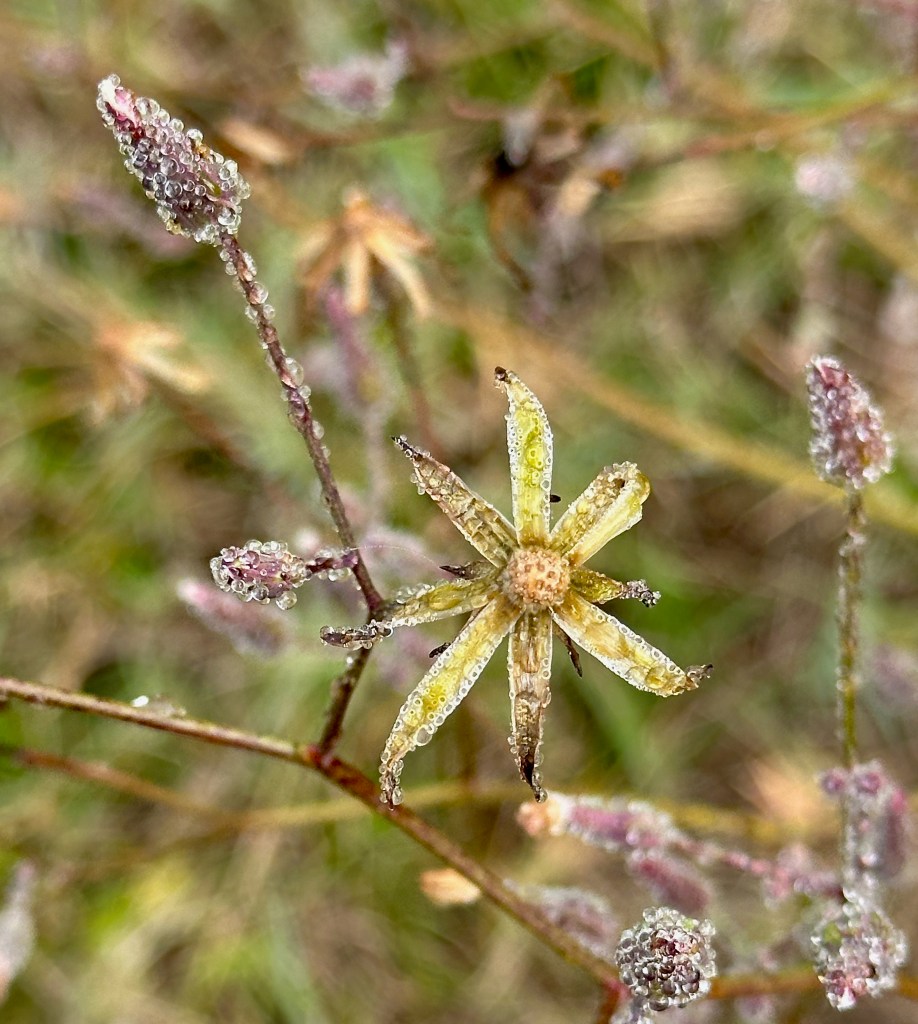
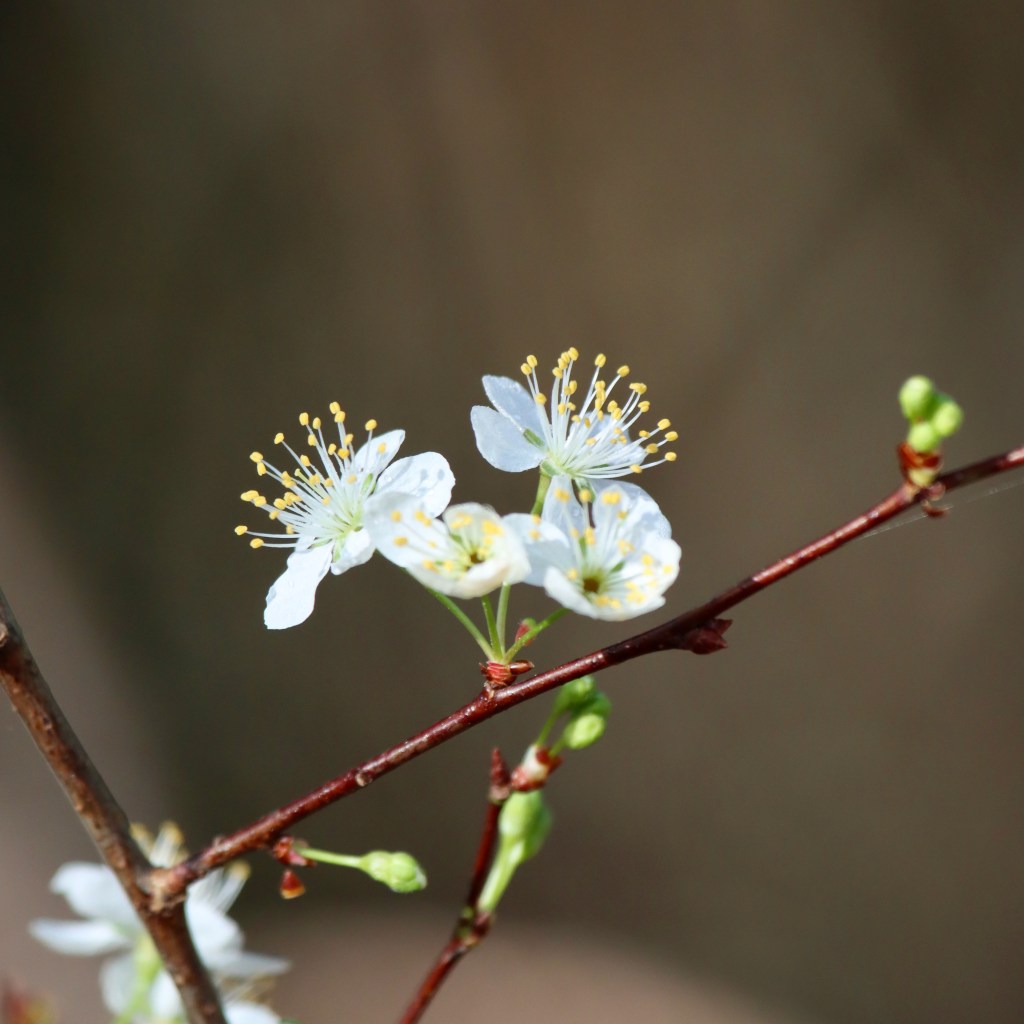


This past Saturday I drove down to Palmetto to join a bird walk at Felt’s Audubon Preserve. I was intrigued for a couple reasons, it was a new location for me and they reported recent sightings of both Painted and Indigo Buntings.
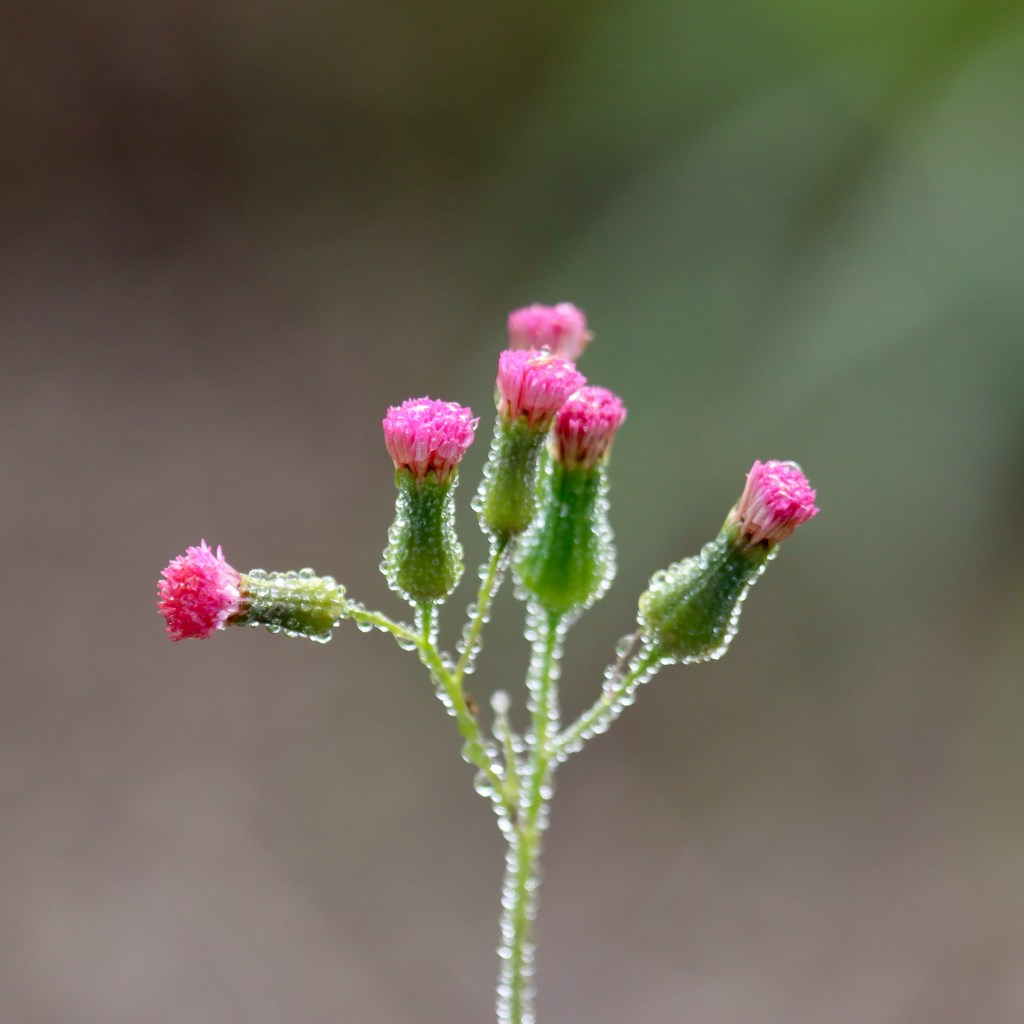
We started off in thick fog, which wasn’t great for birding since it kept them hunkered down. There was plenty to catch my eye though, as the dew made for some fantastic sights.
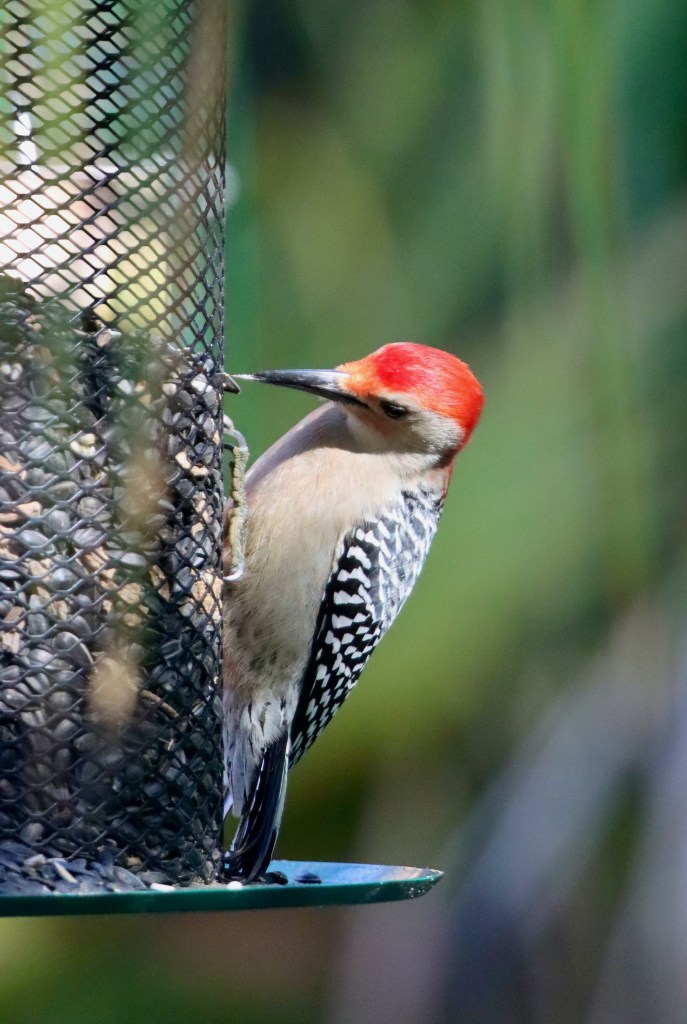
By the time our guided tour wrapped up, the sun had chased off all the fog so I made another loop down the trail. I’m glad I did because I was treated to a brief sighting of a handsome male Painted Bunting (too fleeting for a photo), some Indigo Buntings, and a showy Red-bellied Woodpecker.
All in all, a lovely way to spend a muzzy morning!

This gave me a good chuckle when I spotted it in a thrift shop last week. It’s unopened, which might be a clue as to how the recipient felt about it.
Since it’s a big gift giving month, here’s some advice for the men out there, utilitarian items are never appropriate gifts (for any occasion). So, forget about the car cleaning kit and the vacuum because, as tokens of admiration, they both suck!


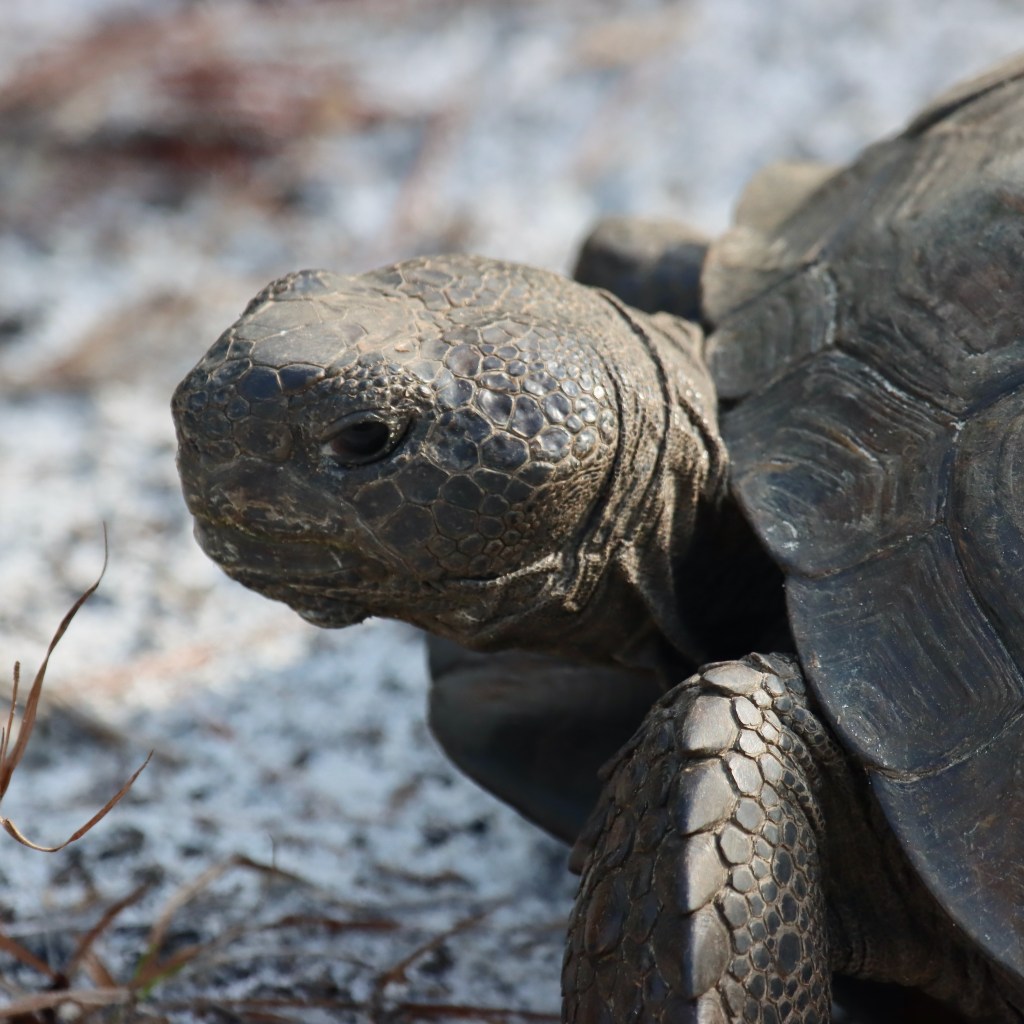
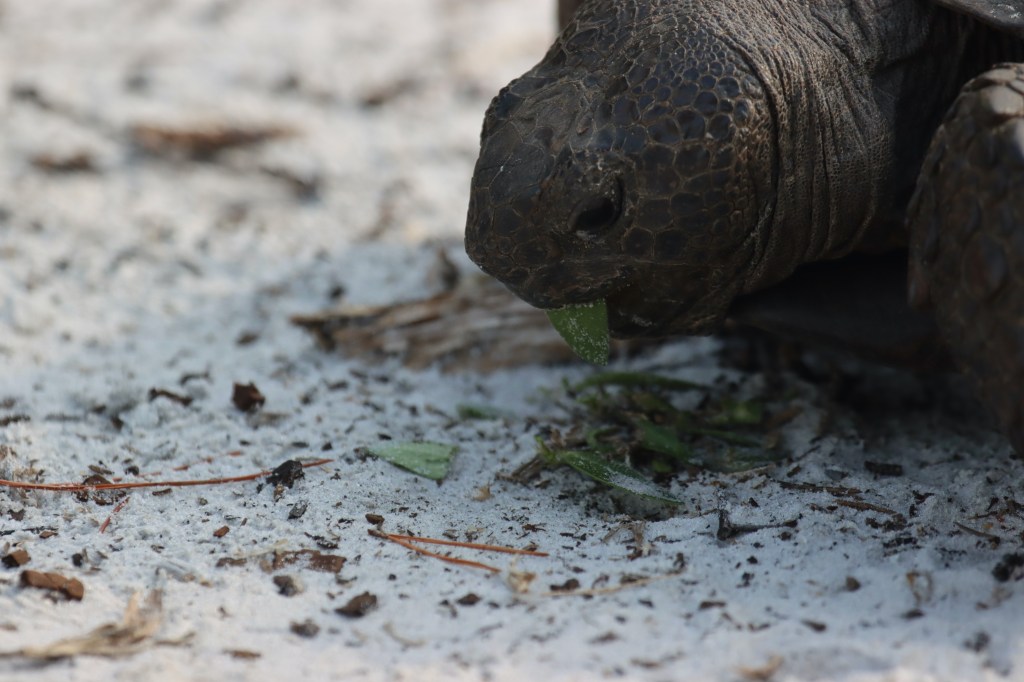
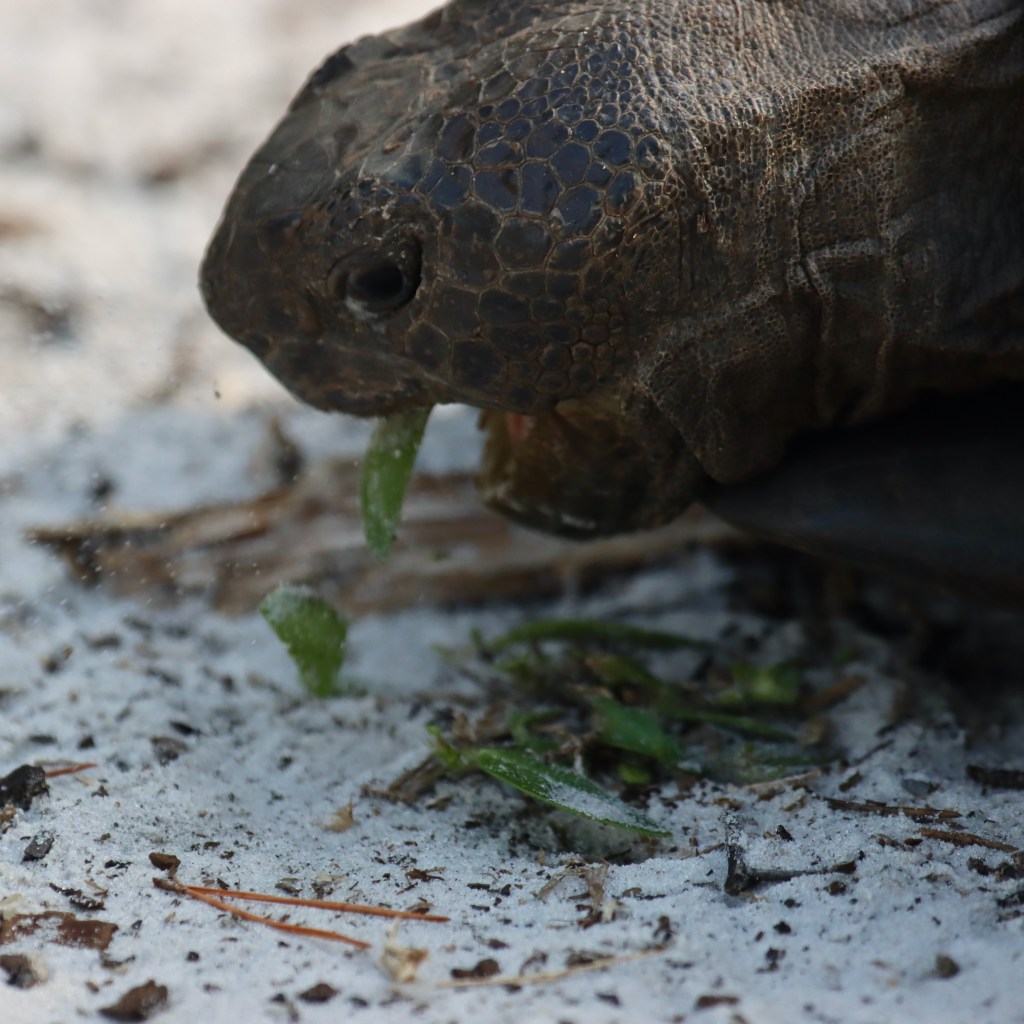

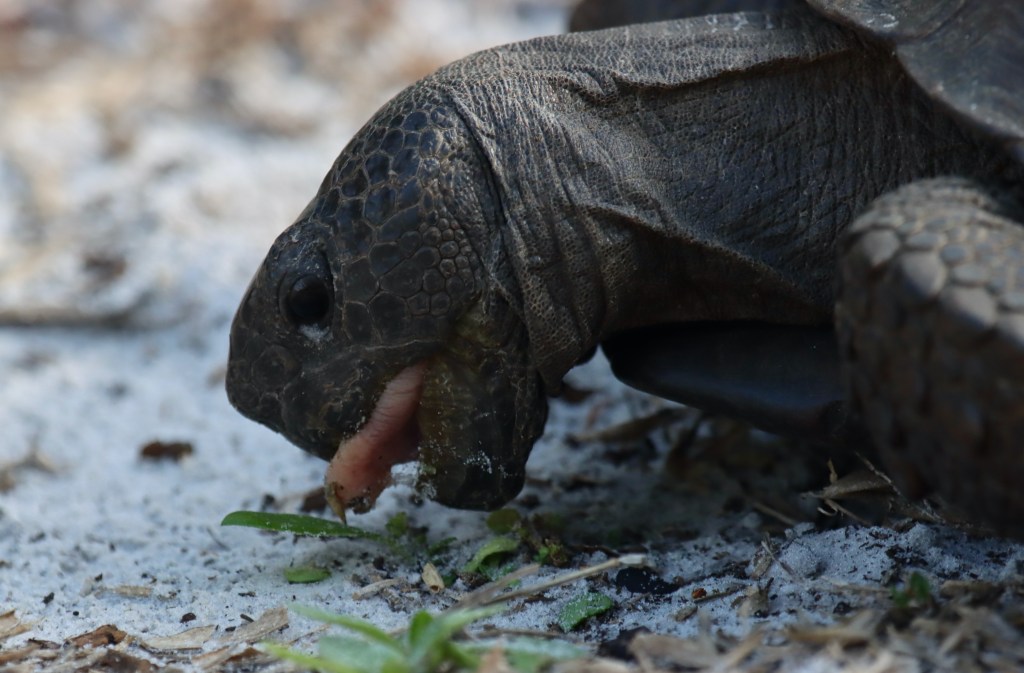
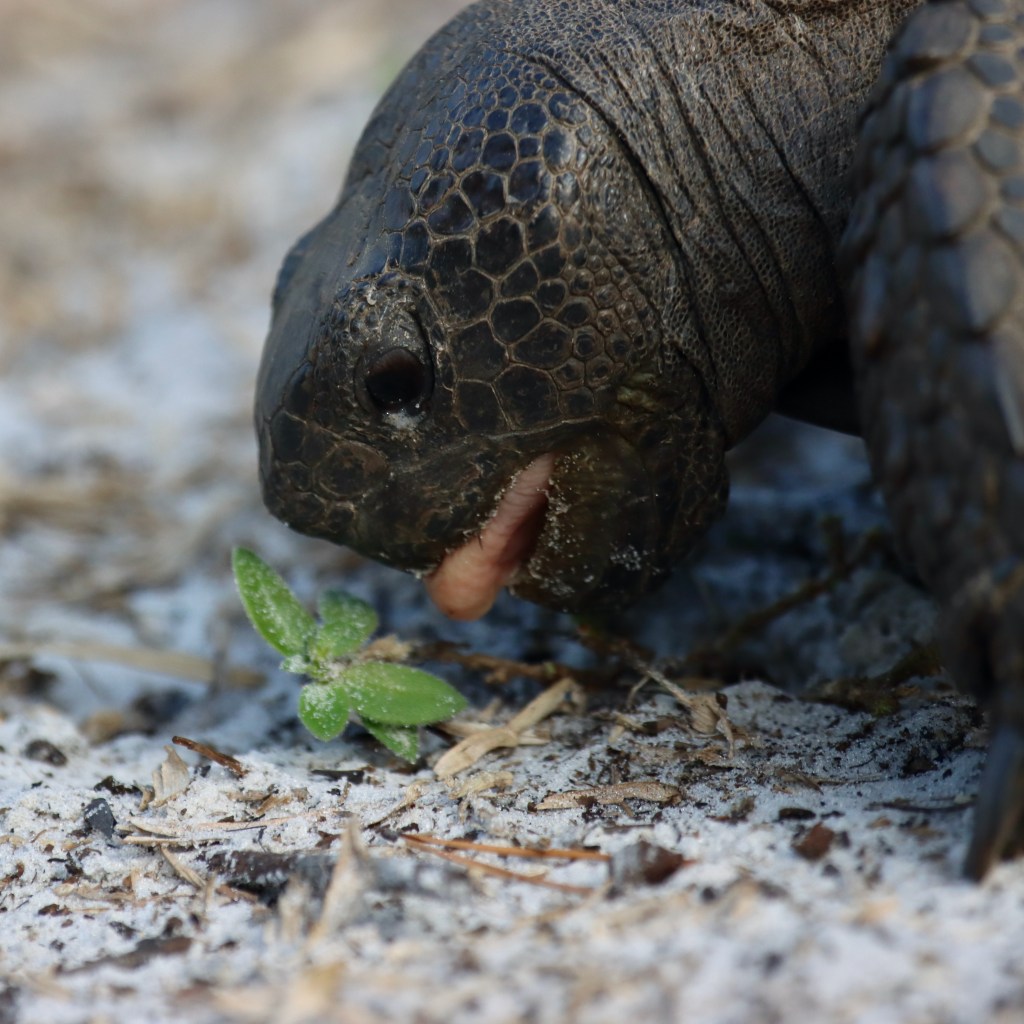
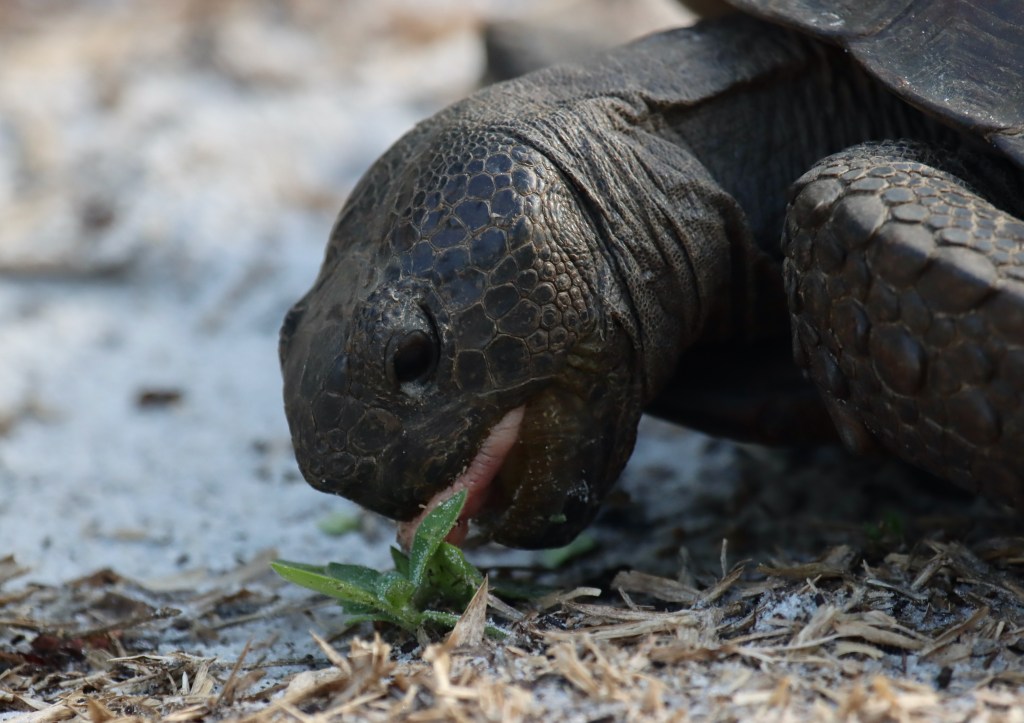

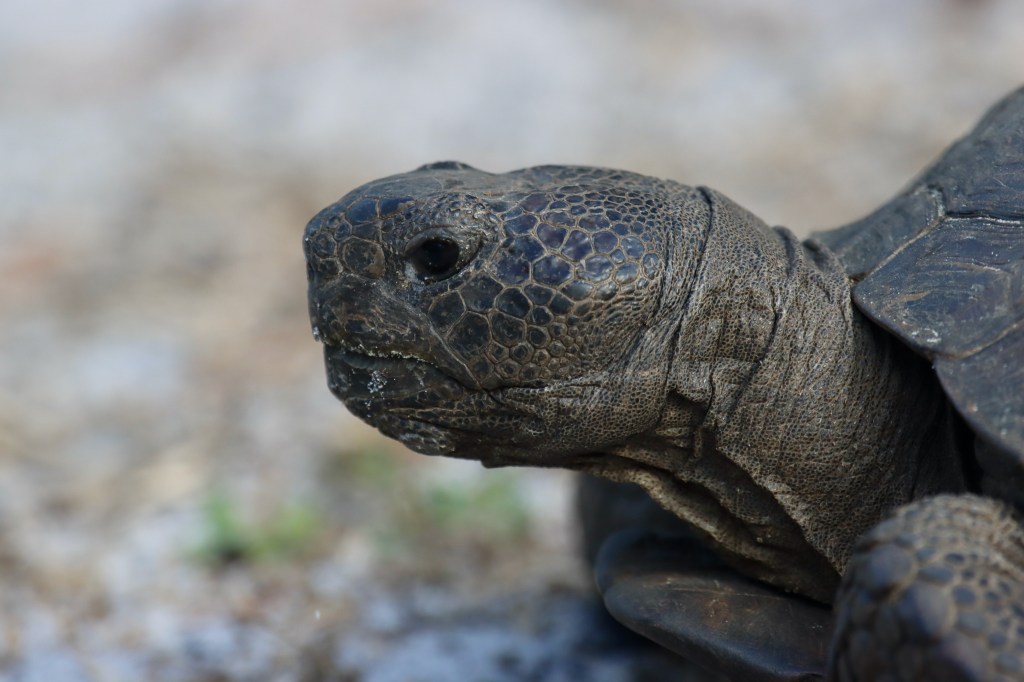
I was fortunate to spend time with this Gopher Tortoise (Gopherus polyphemus) during my visit to Key Vista Nature Park back in December.
See the sturdy claws on the front feet? They are used for digging roomy burrows (about 15′ long by 6′ wide, though they have been known to far exceed that).
Their digging skills are so impressive that they were named for them twice; Gopherus refers to the ground tunneling rodent while Polyphemus honors a Greek cave-dwelling giant.
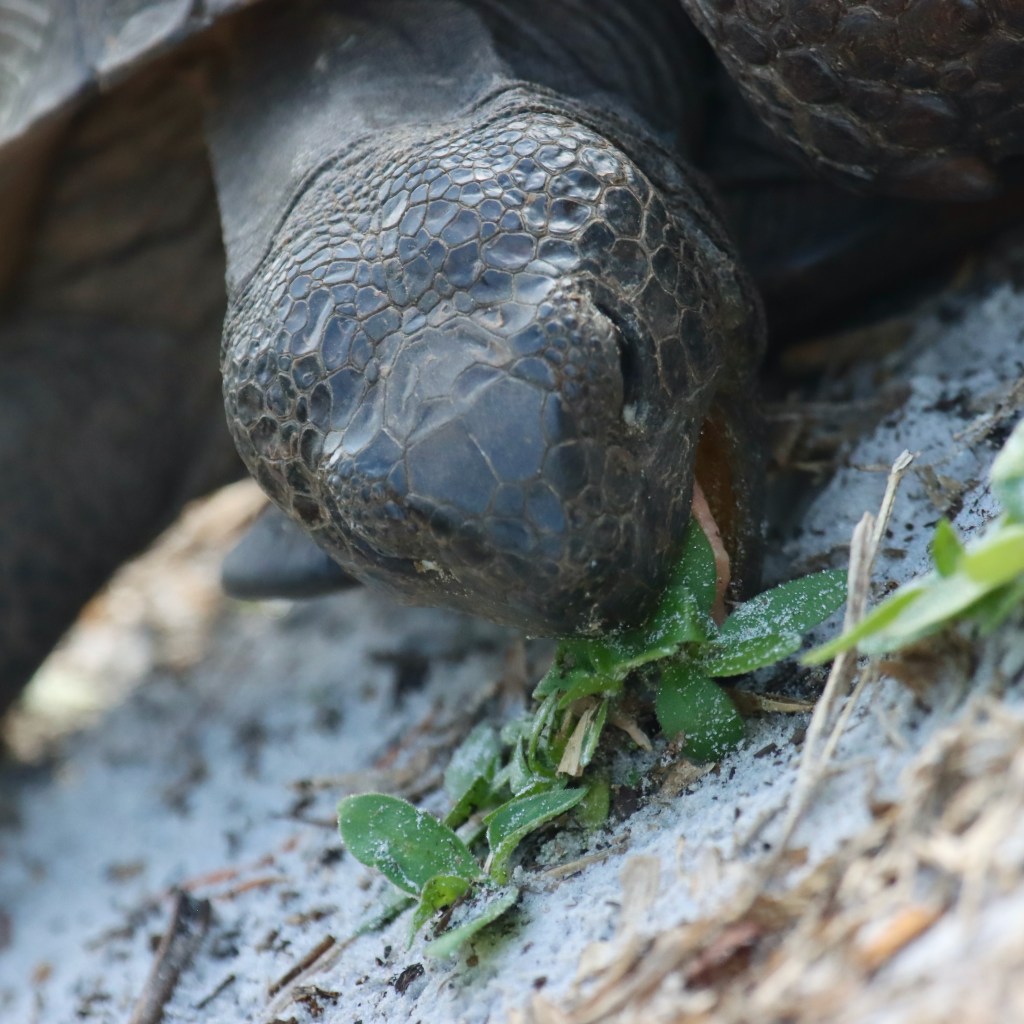
All that earth moving must work up quite an appetite because this tortoise was focused on one thing and one thing only, eating. I dropped to my knees with my zoom lens so I could capture some shots. I was fascinated by the way its pink tongue contrasted against the dark scales and hard shell.
After 15 minutes, the tortoise ambled off into the brush and I meandered on down the trail, thankful for these protected spaces that so many wild creatures call home.
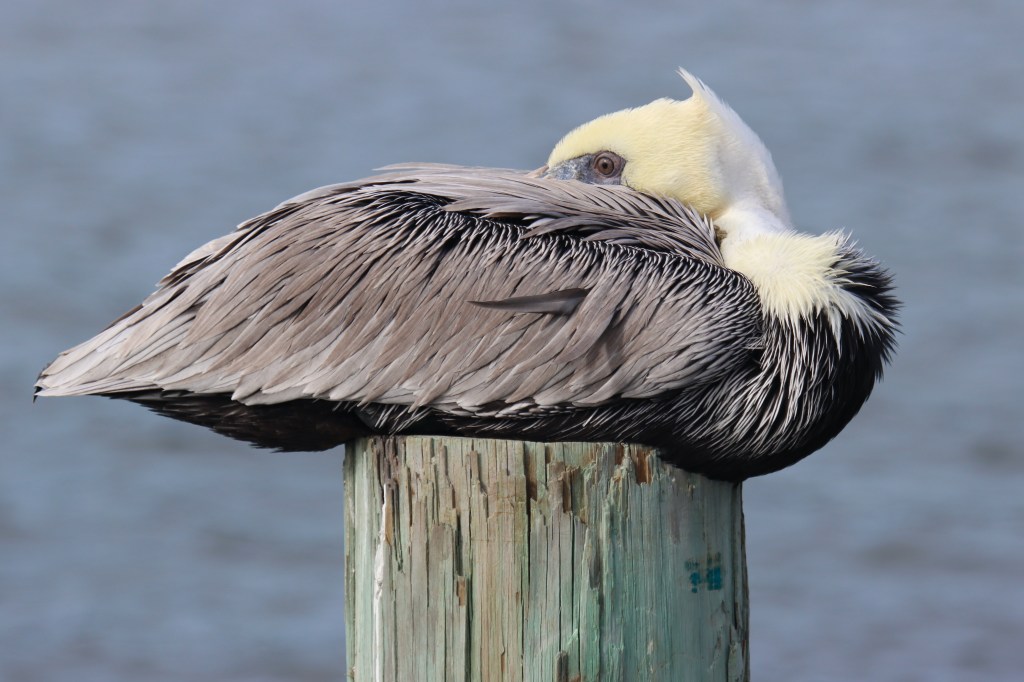


I spent some time photographing this Brown Pelican (Pelecanus occidentalis) at Anclote River Park last month. This adult (it is difficult to tell the genders apart, since coloration is similar with females being slightly smaller) was just beginning to prep for breeding season, hence the yellow head and reddish bill.
The bird didn’t seem to mind the impromptu photo shoot, though it did keep an eye on me the entire time.
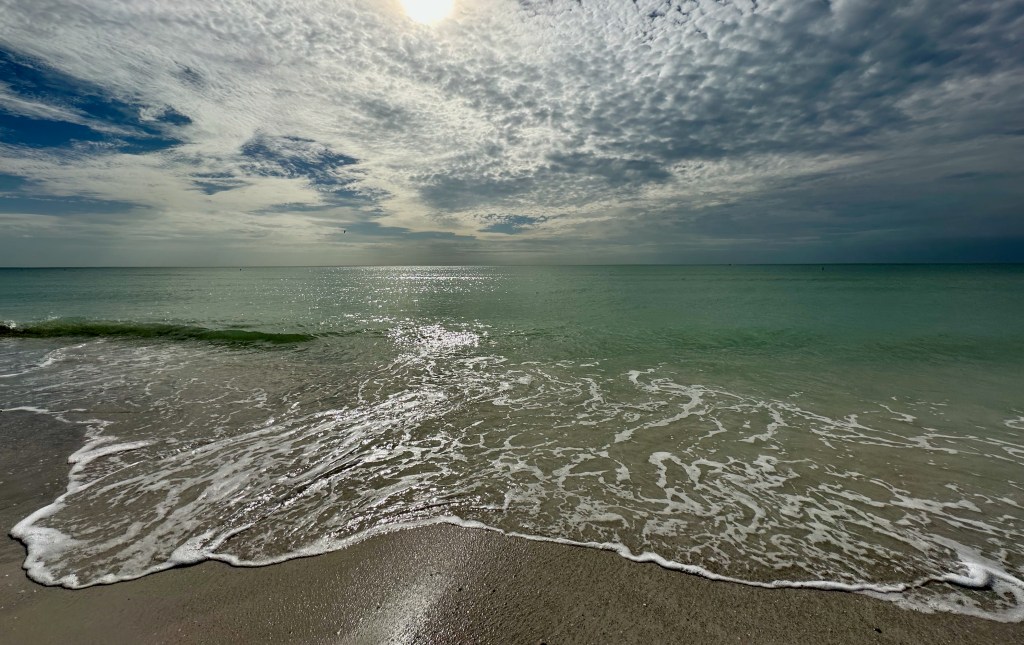


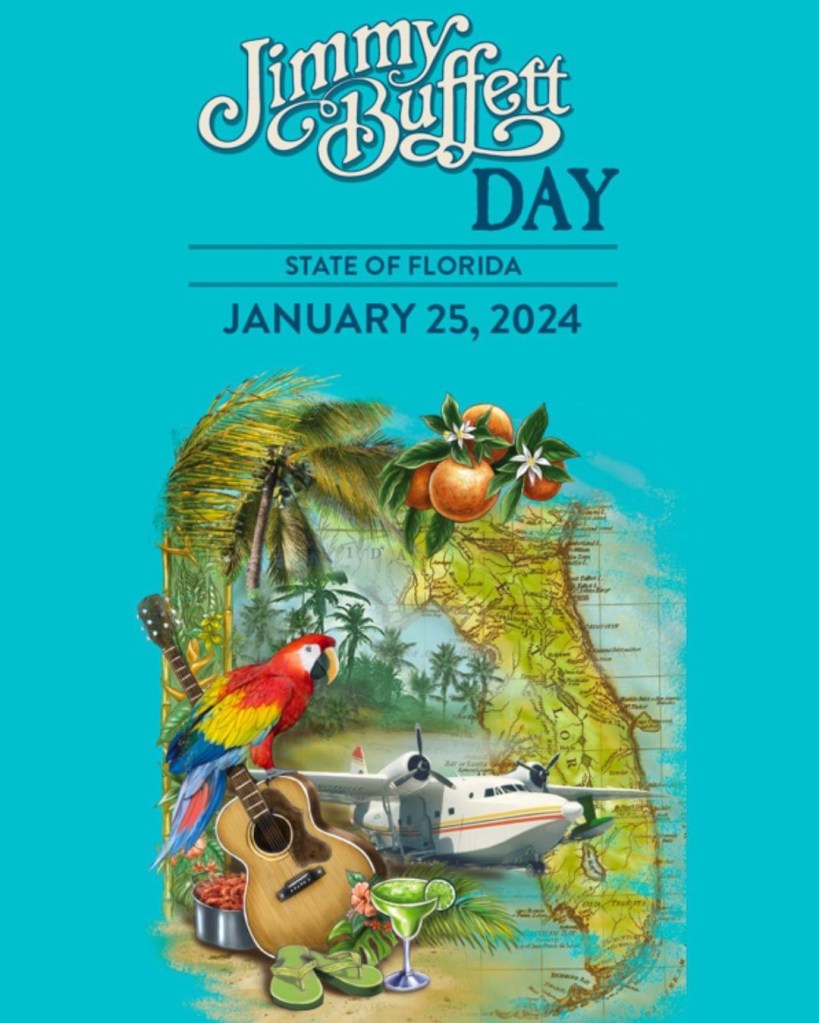
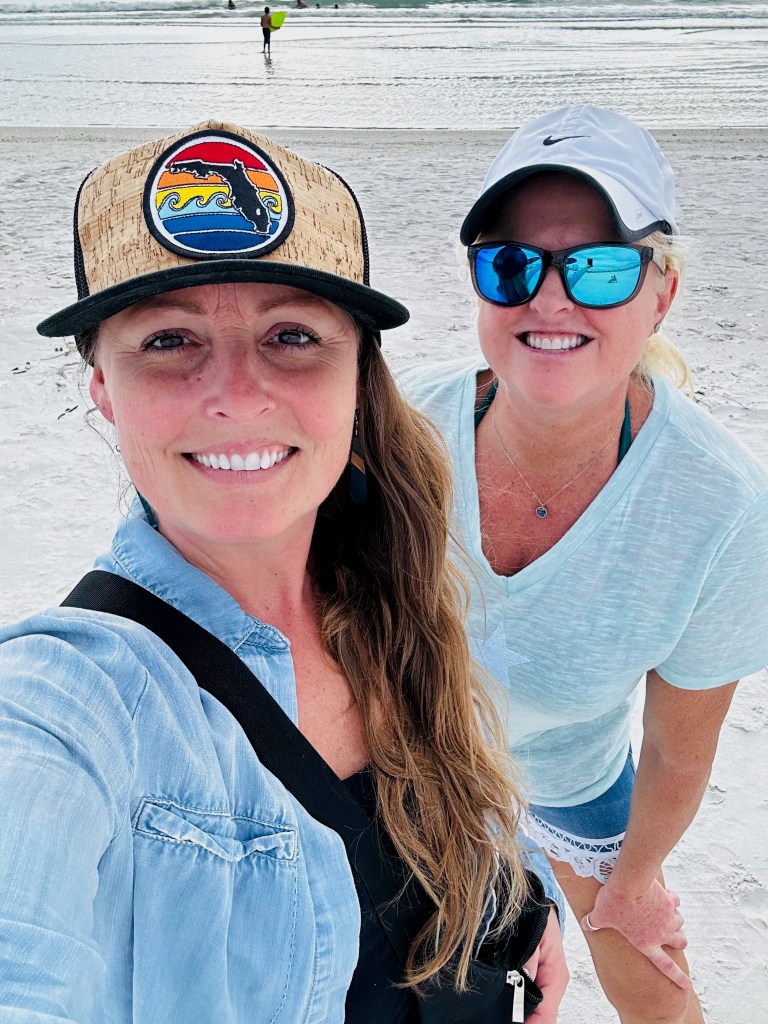


Yesterday was an epic day! Not only was the weather divine but January 25th is a pretty important date down here: it’s National Florida Day, the Florida state legislature just designated it as Jimmy Buffett Day, and it happens to be the birthday of little ol’ me.
After working in the morning (adulting stinks) I spent the rest of the day on the beach with friends: walked a couple miles in the sand, savored sunset, caught a little fish, and wrapped up the day with seaside yoga under the first full moon of the year.
Throughout the day I received birthday wishes and surprise gifts from friends and family. I’m so incredibly fortunate, thank you all for helping me celebrate!



Since I’m originally from Southern Arizona and now reside along the Gulf Coast of Florida I never really learned how to do winter. I have no idea how people handle the short, overcast days and long, chilly nights. Though, I can hazard a guess based on the preponderance of late summer/early fall birthdays.
Flinter* as Florida winter is called down here, kept me indoors all last weekend and I was about to go stir crazy. Thankfully, I usually have some indoor projects that need my attention.
One of them was to add a bit of color to my bedroom by dying my curtains. The only drawback to this was that I didn’t actually have any dye. Yes, I could’ve gone out to the store and purchased some, but did I mention that it was COLD?!
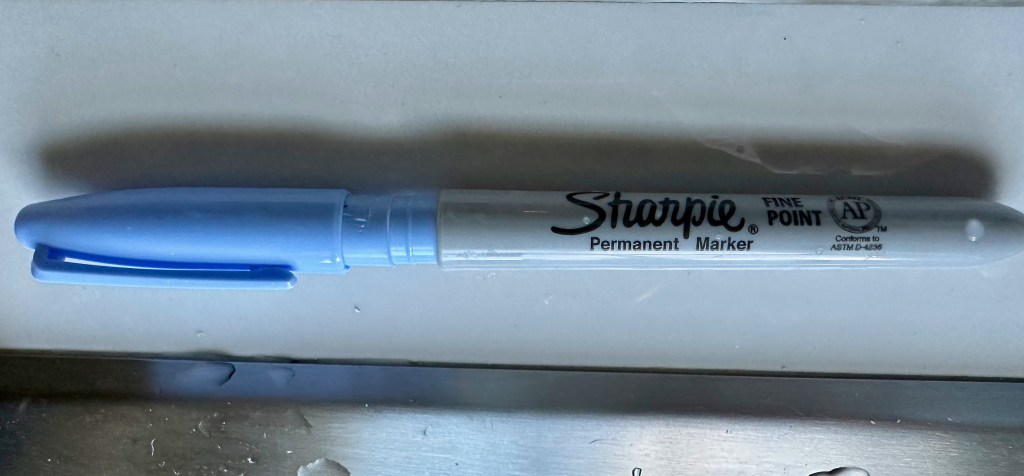
As luck would have it, I happened to have a Sharpie marker in my desired shade. Did I have any idea what I was doing? Nope. Did I think it would actually work? Only one way to find out!
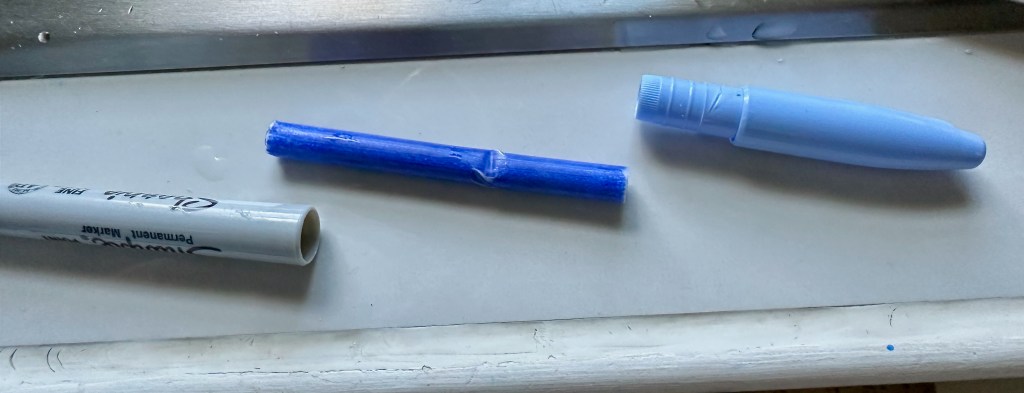
So, I disassembled the marker, squished the ink into a sink full of hot water, shoved in my synthetic sheers, and hoped for the best. I stirred them a few times before rinsing and to my utter delight, the color didn’t wash away. After a short tumble in the dryer, my new curtains were ready to hang.
Not a bad outcome for a lousy weather day!
*Keep in mind that I am basically a lizard so anything under 70º is cold to me. Our overnights were in the low 40s with highs barely reaching 60. Plus there was a wind chill advisory. Brrr! 🥶
 3rin's View...