Tag Archive for ‘wildlife’

Along Alligator Alley

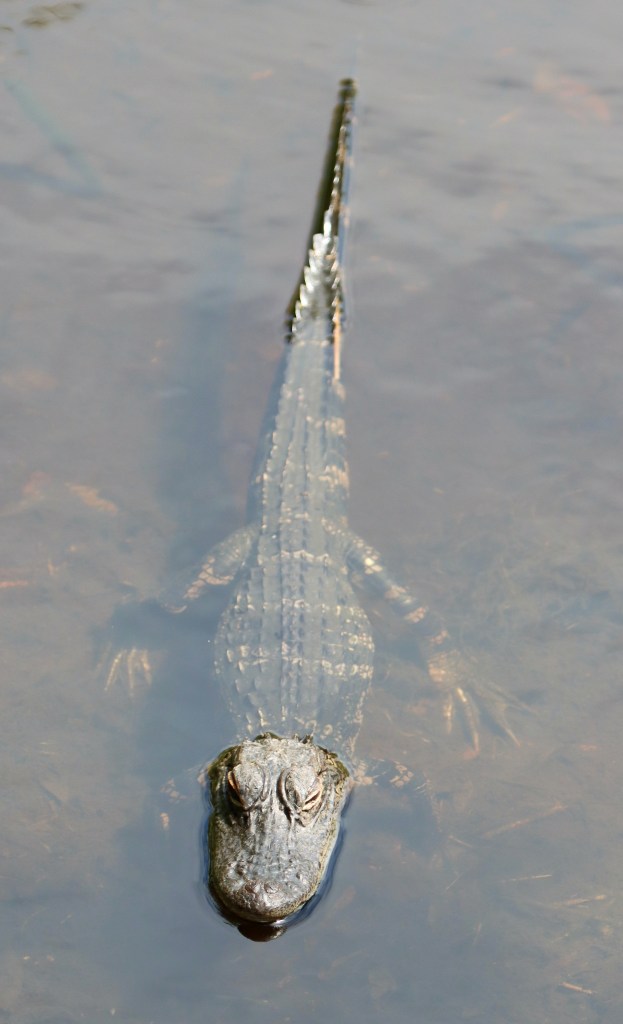
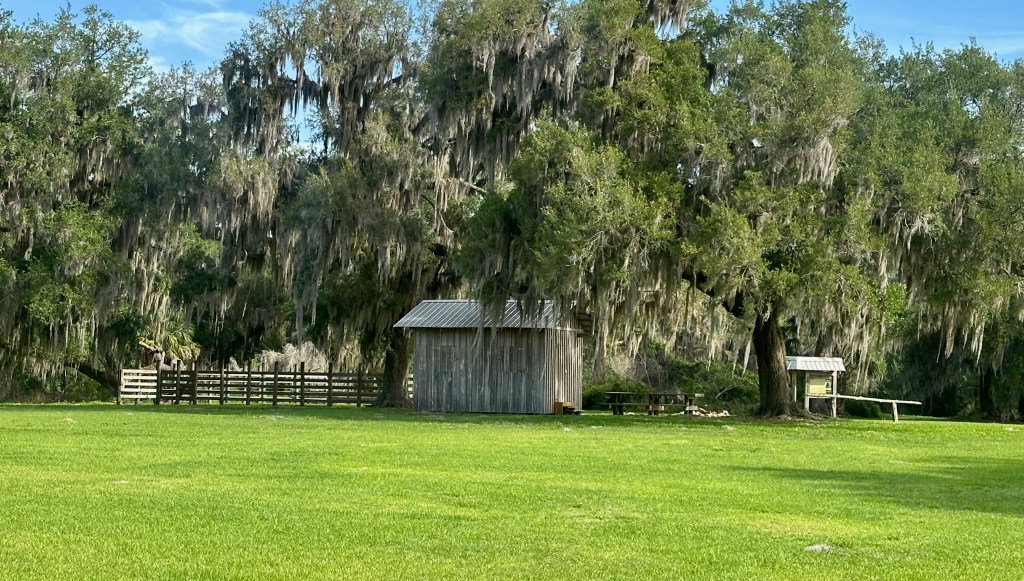
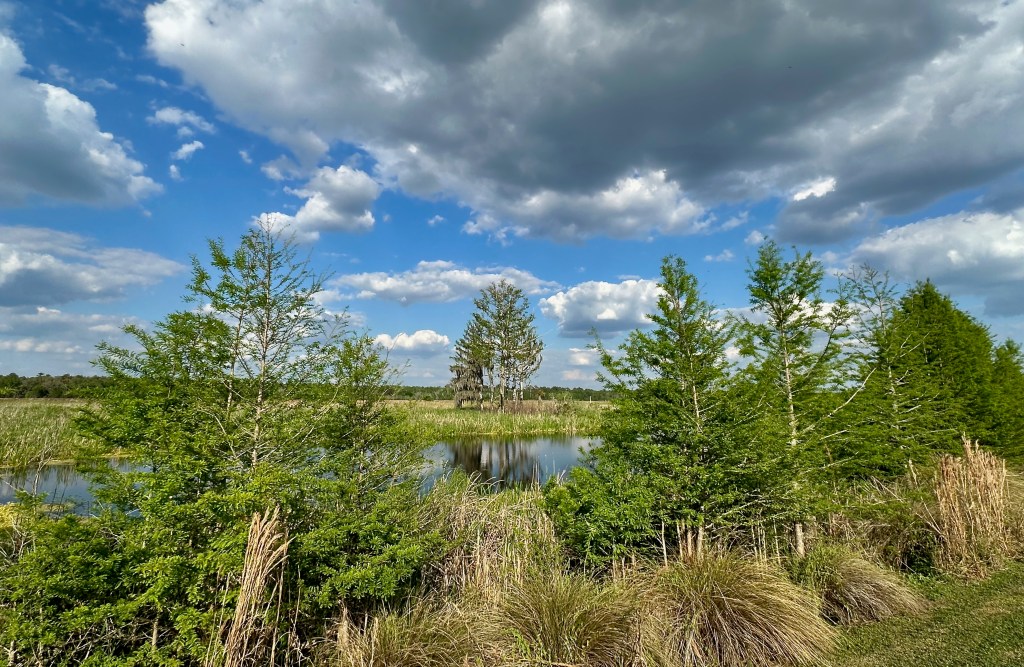
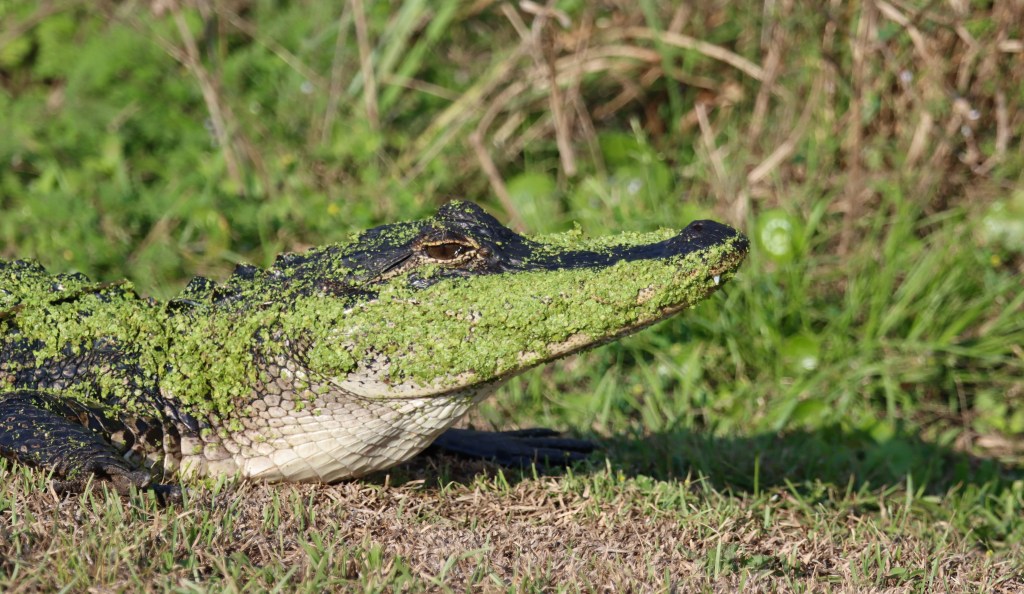
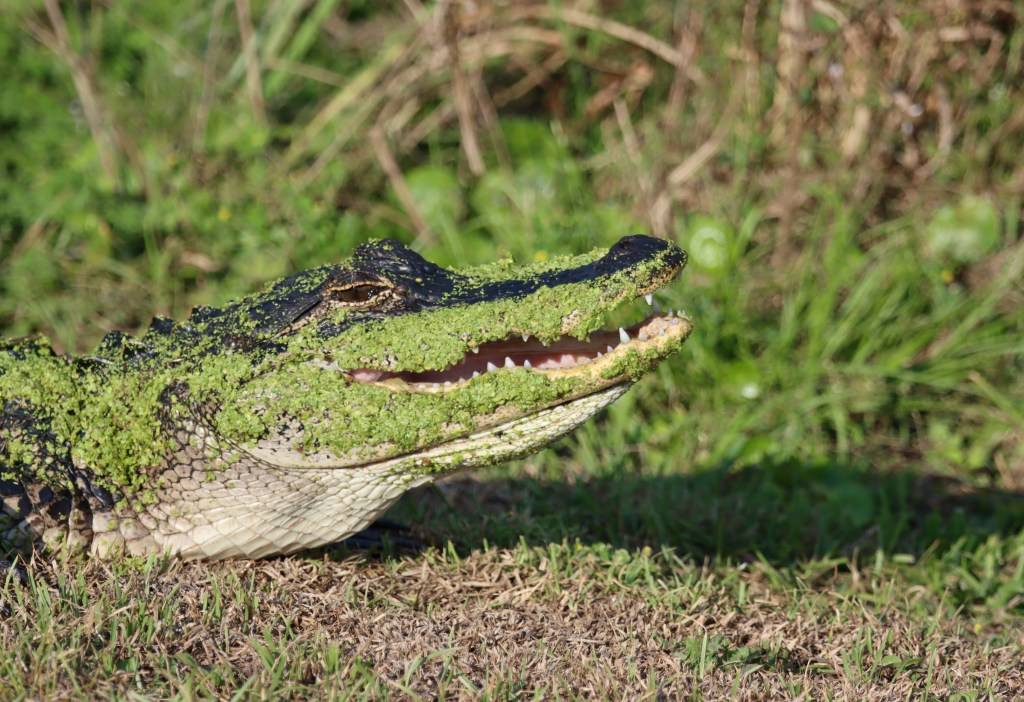
In Florida, if I say Alligator Alley most people think of the stretch of I-75 that cuts through the Everglades. However, I much prefer another Alligator Alley, a lakeside trail at Circle B Bar Reserve. Last week I was fortunate to attend a special tour of the roughly 1,300 acre former cattle ranch.

I left home before dawn for two reasons, I was hoping to avoid the worst of I-4 traffic and I wanted to walk the loop before joining the tour. Since my last visit two years ago, not much has changed (which is a rare thing here in Florida).

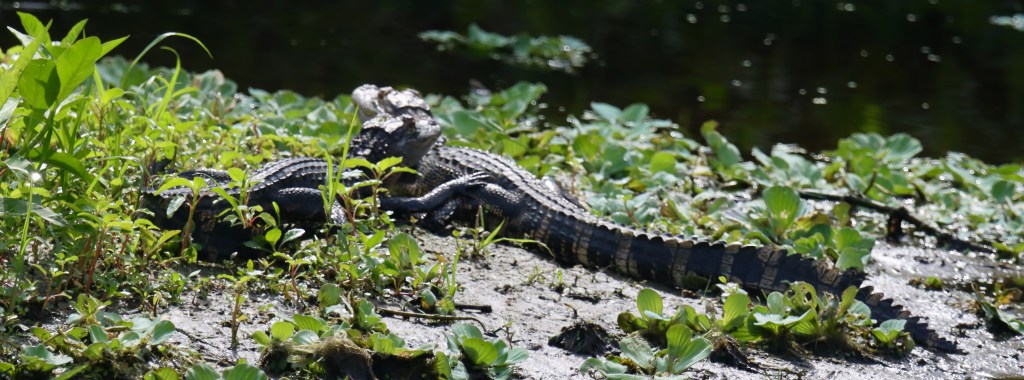
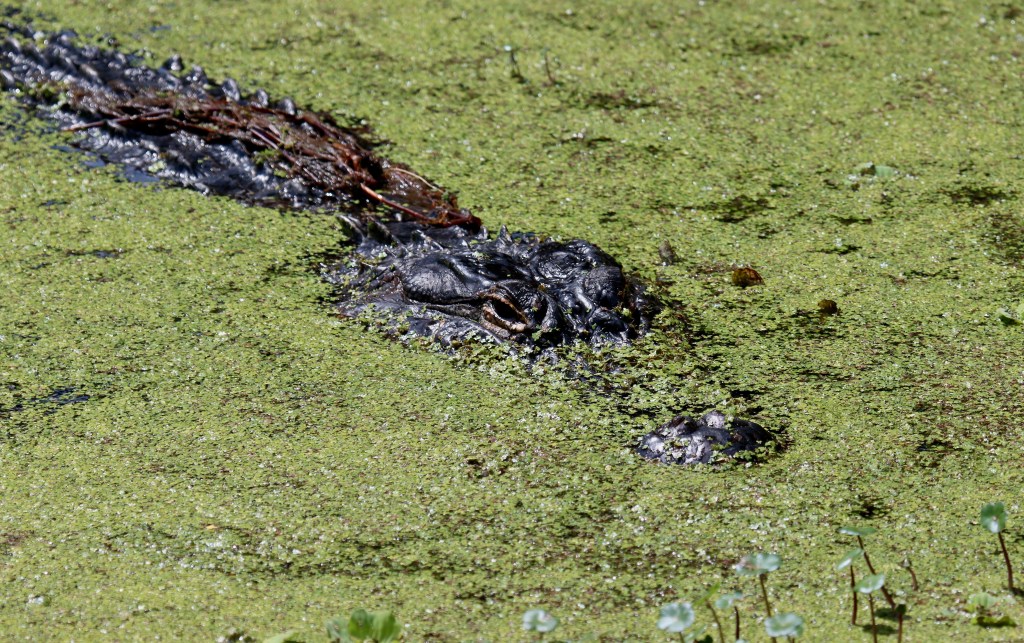
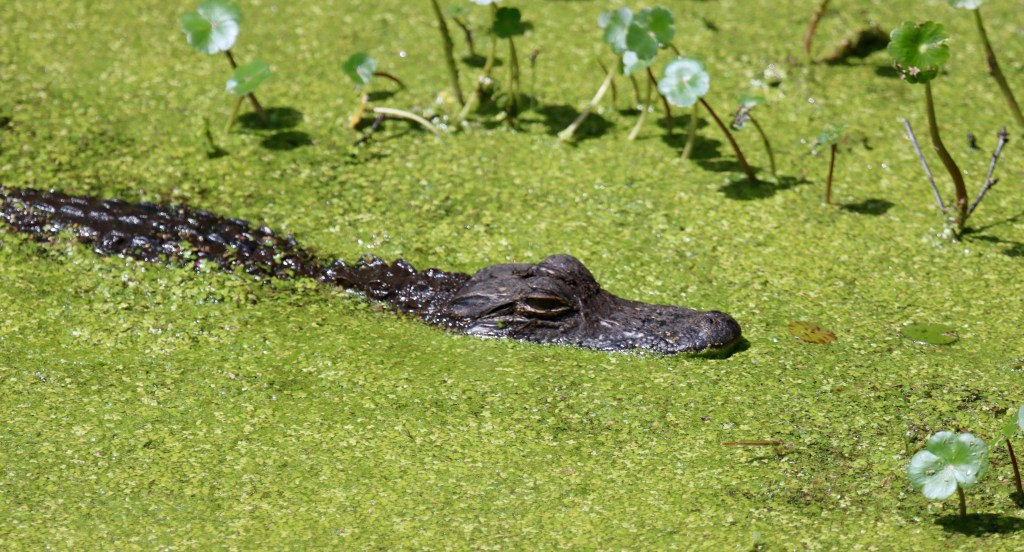
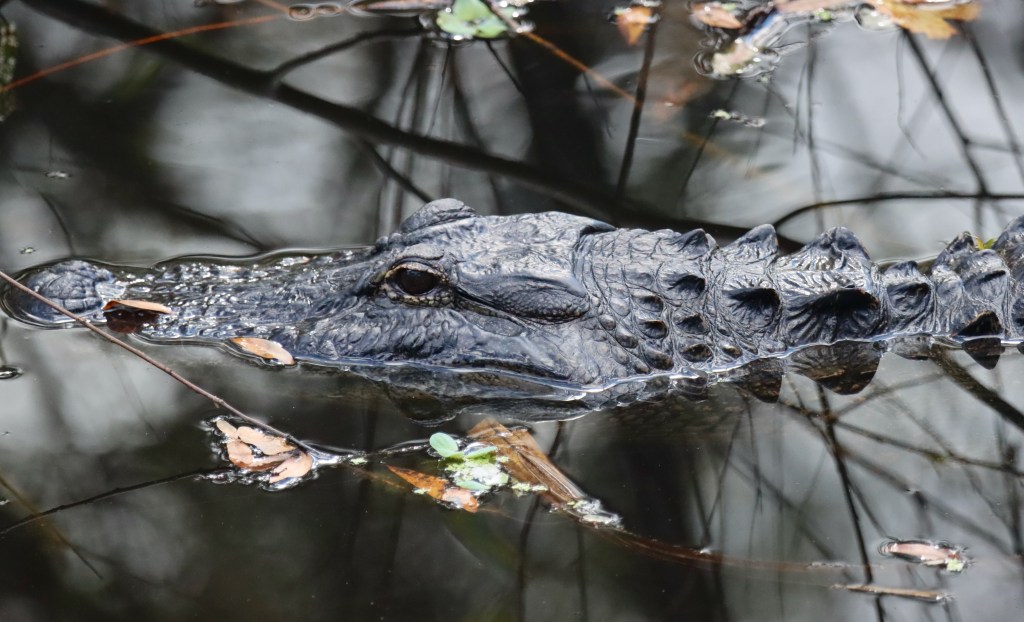
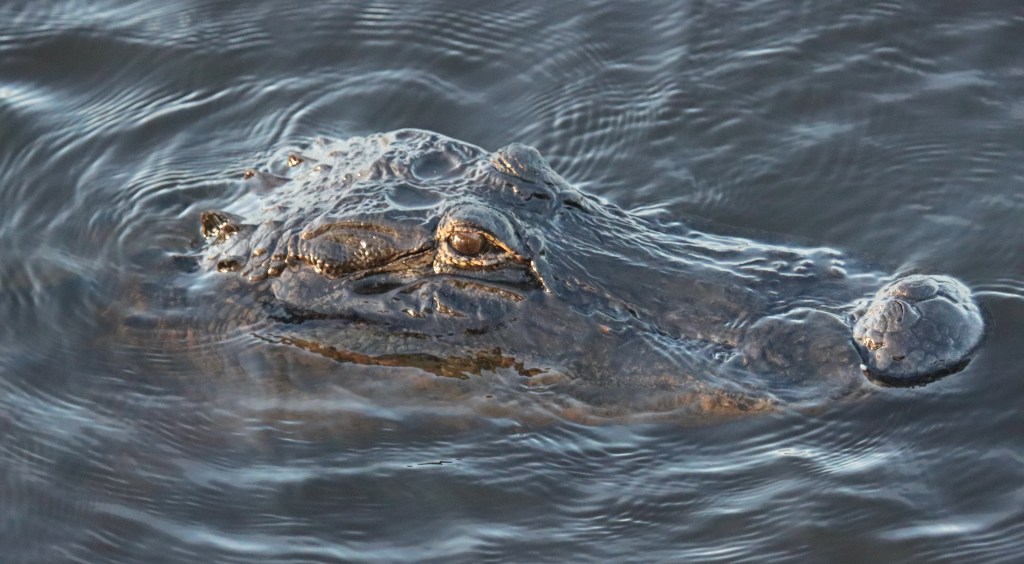
The trail was fairly busy, with quite a few photographers in the mix. As I passed by two young men pointing into the water, I overheard their excitement at seeing their first alligator. They certainly came to the right place, Circle B is loaded with them!

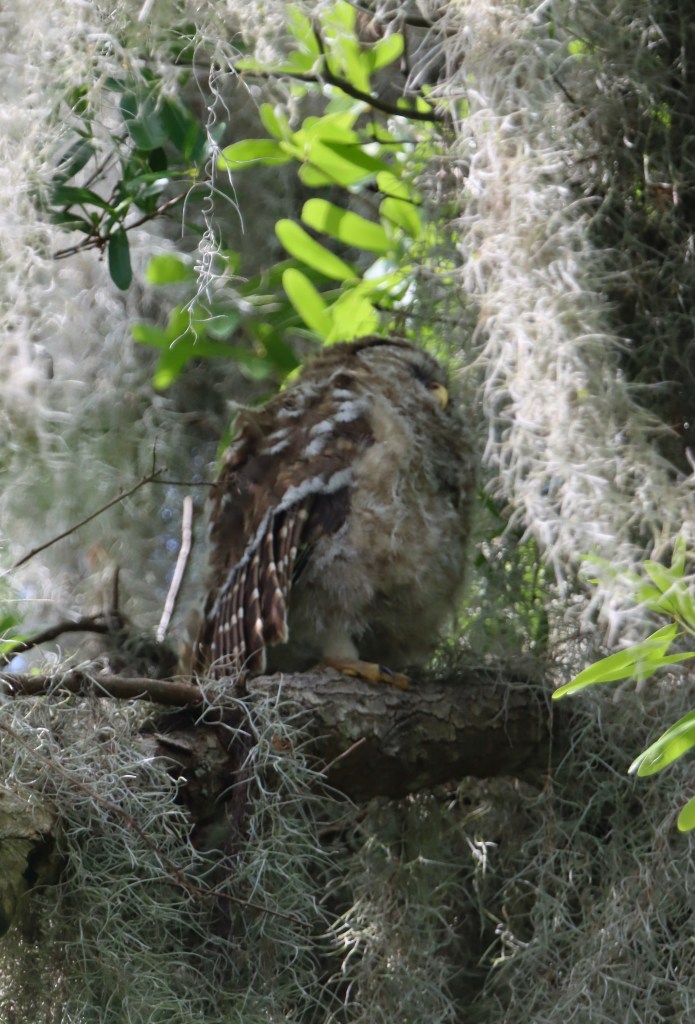
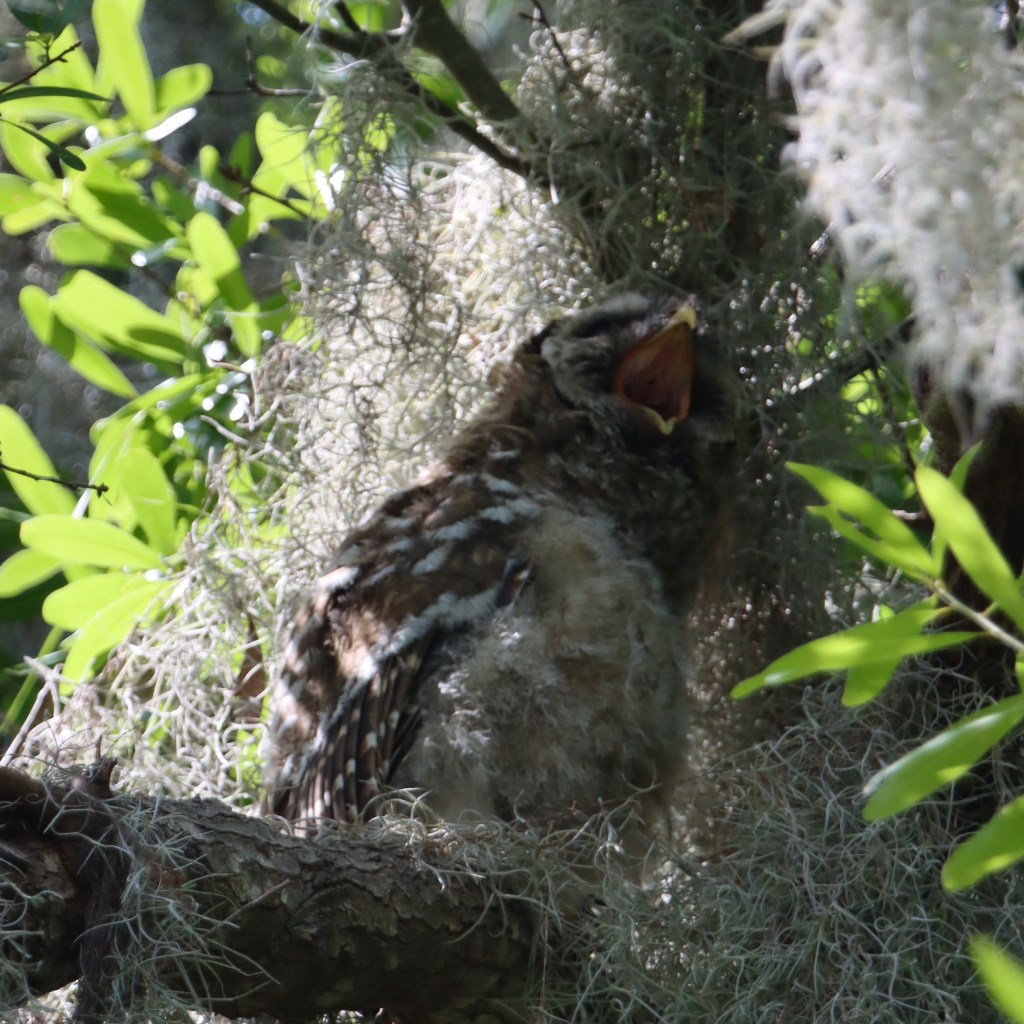
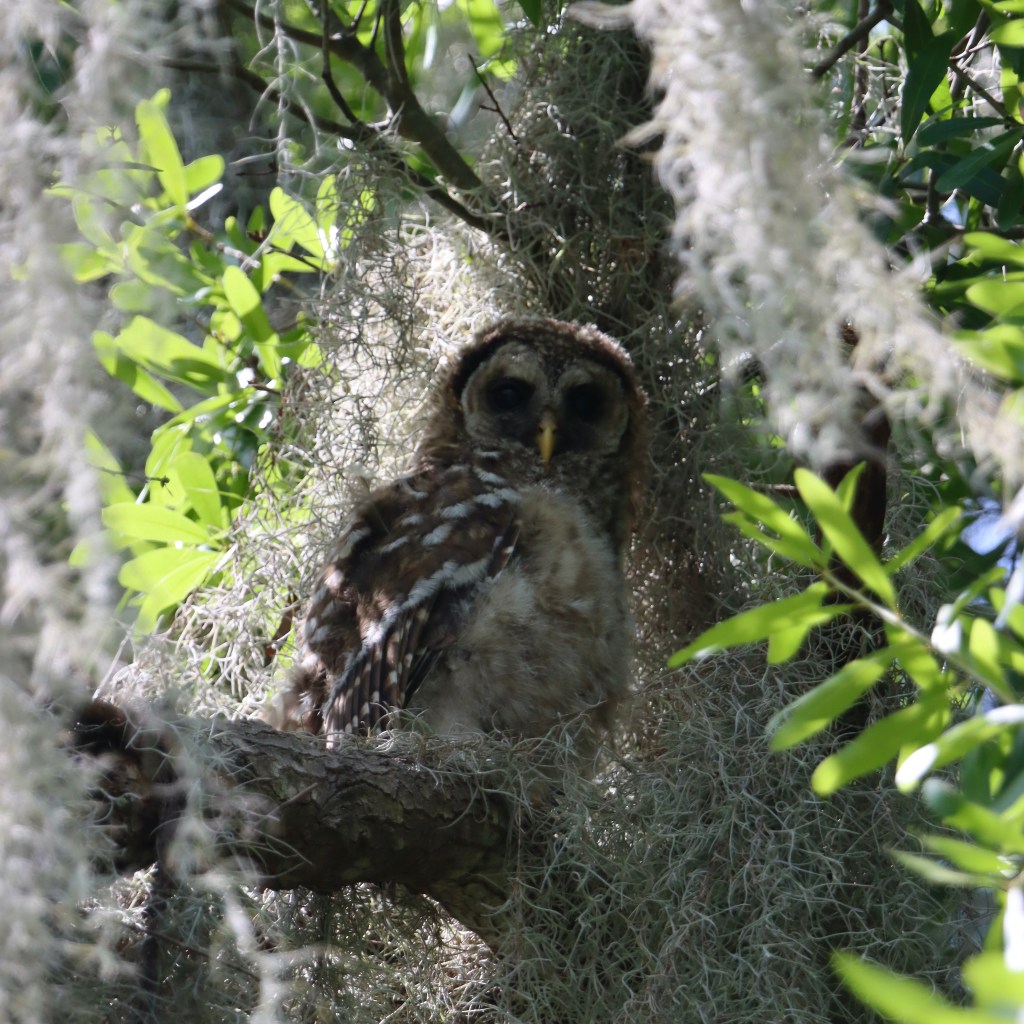
I enjoyed the tram tour, not only was it informative but it took me into an area I had not yet explored (plus we spotted a Barred Owlet).

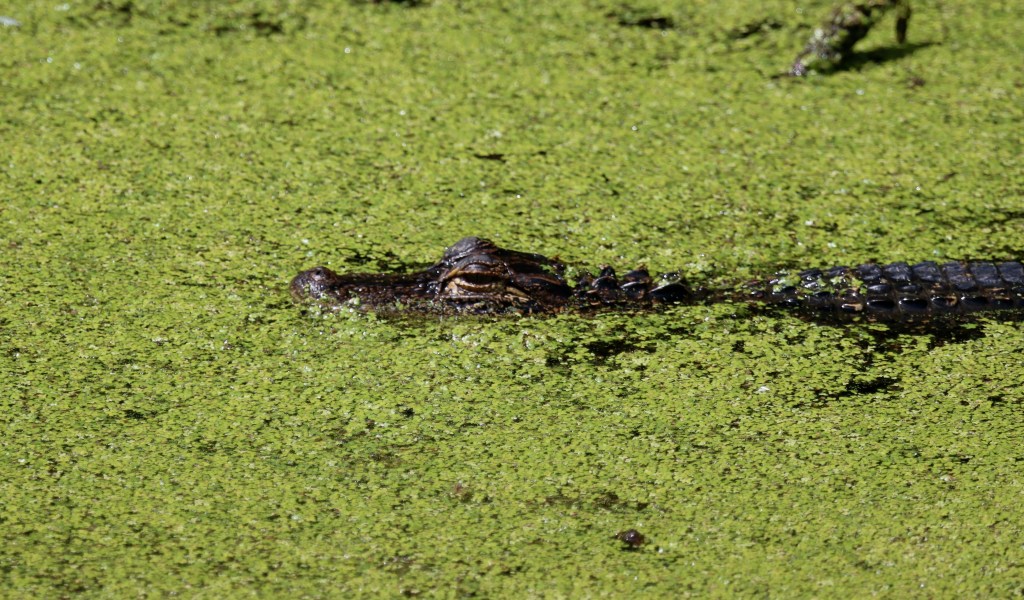
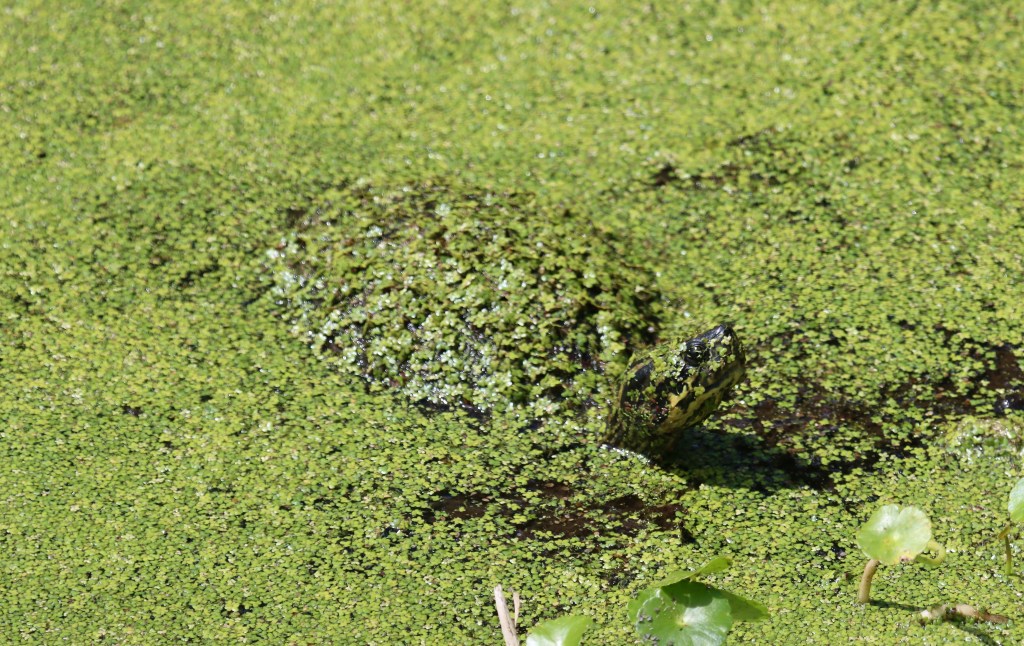
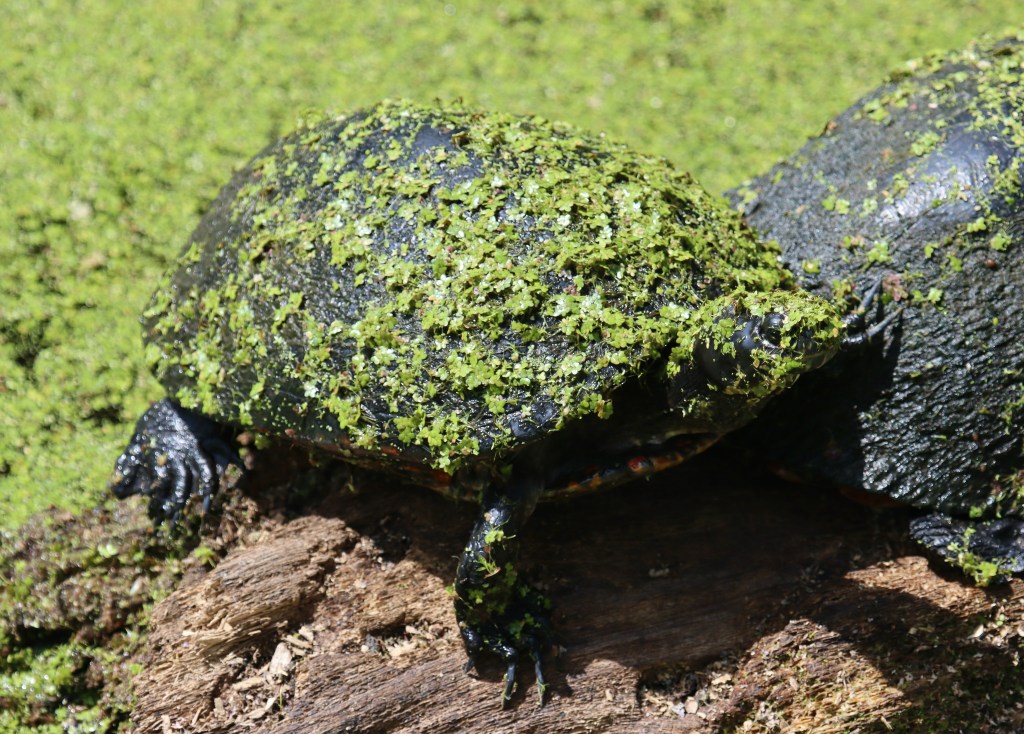
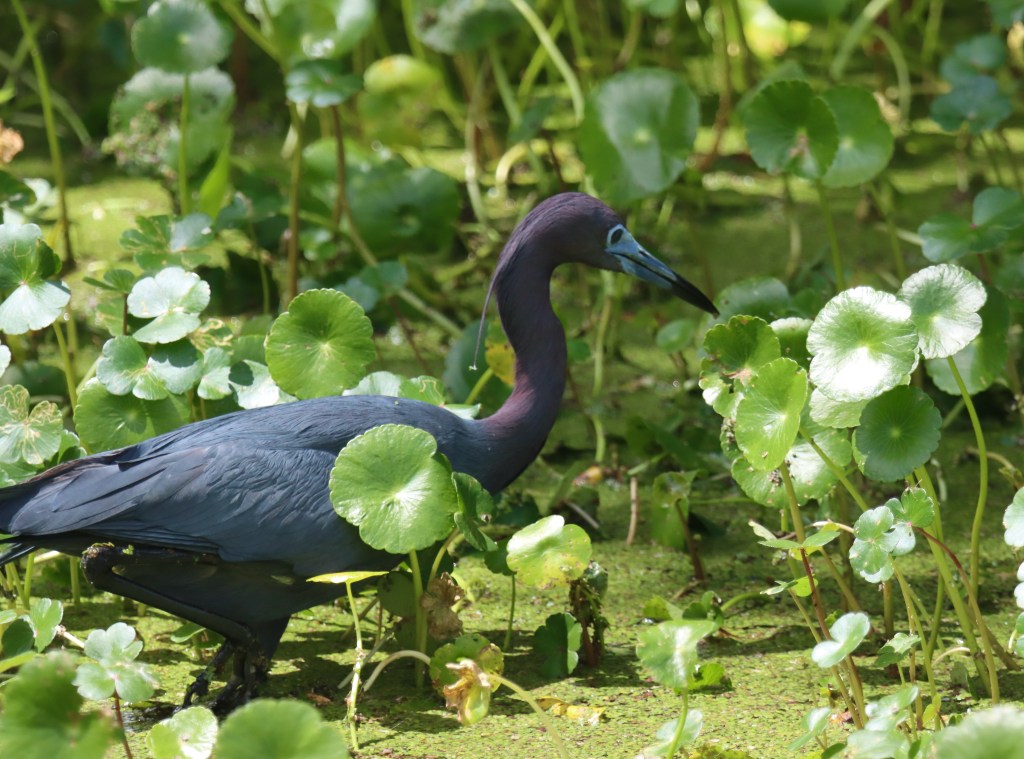
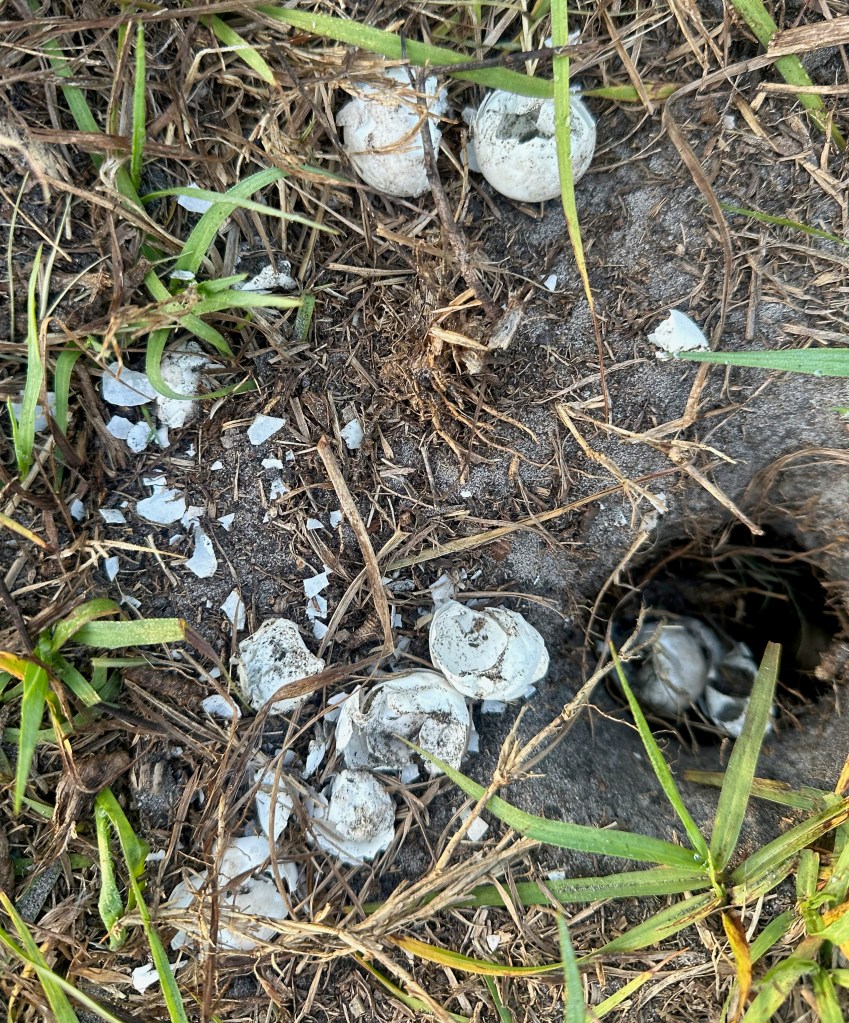
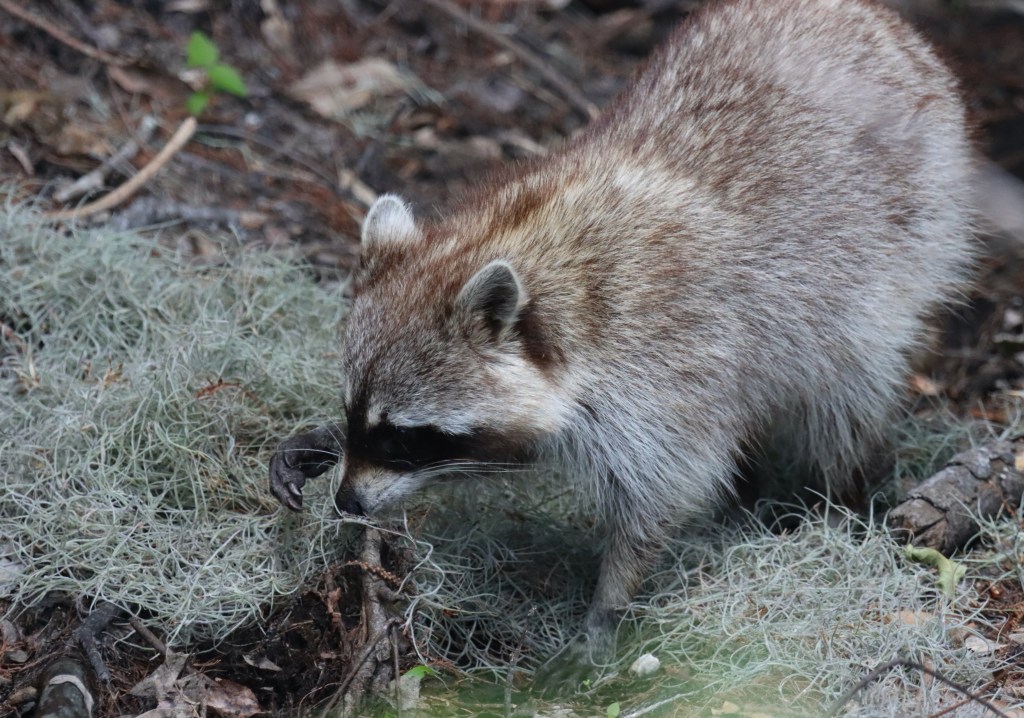
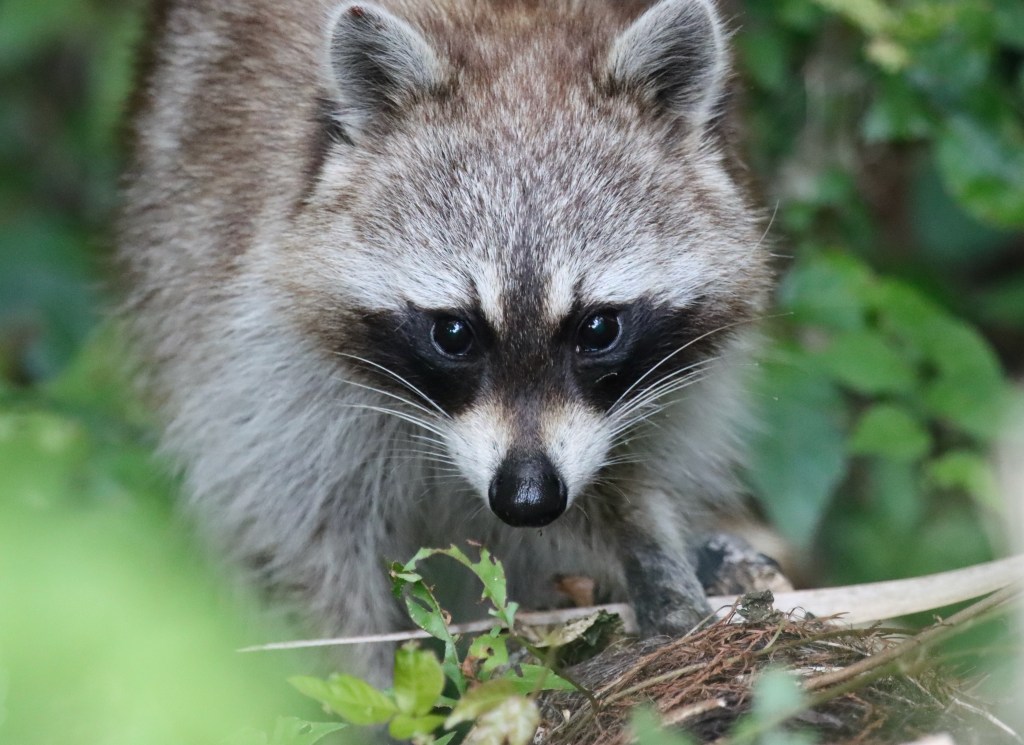
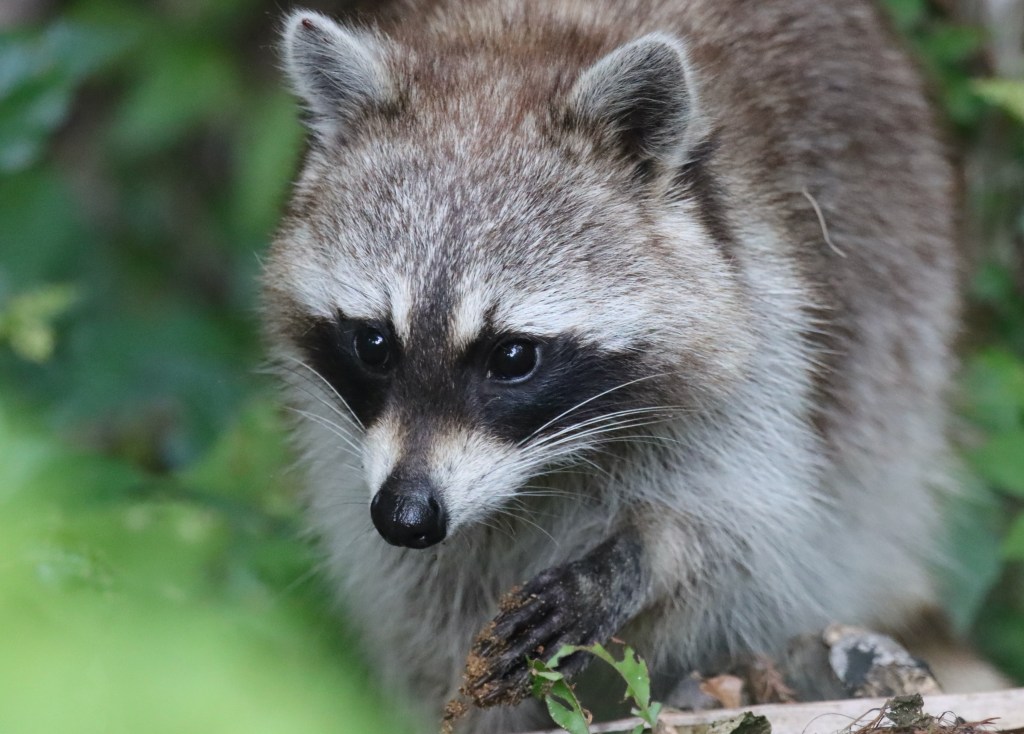
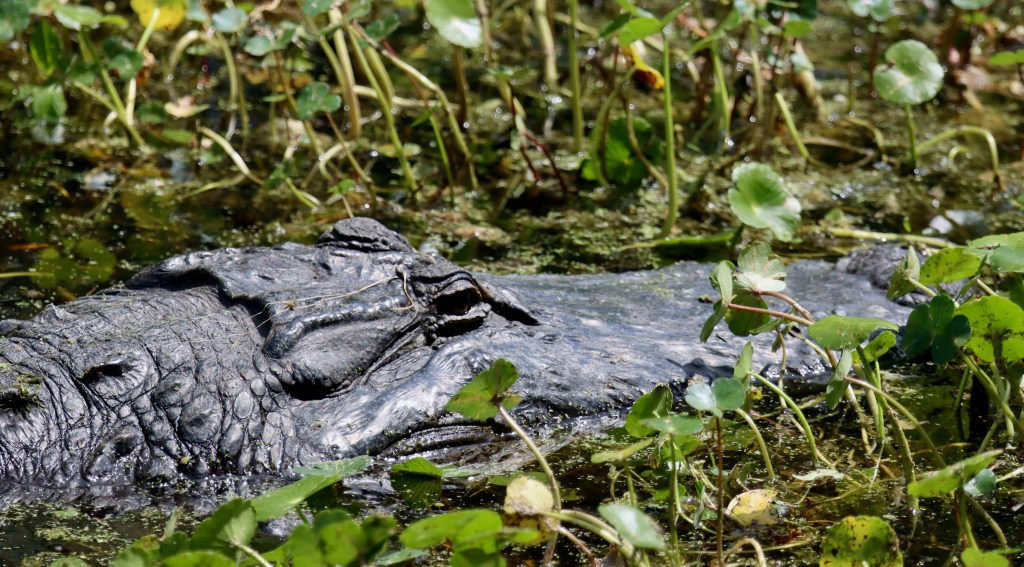
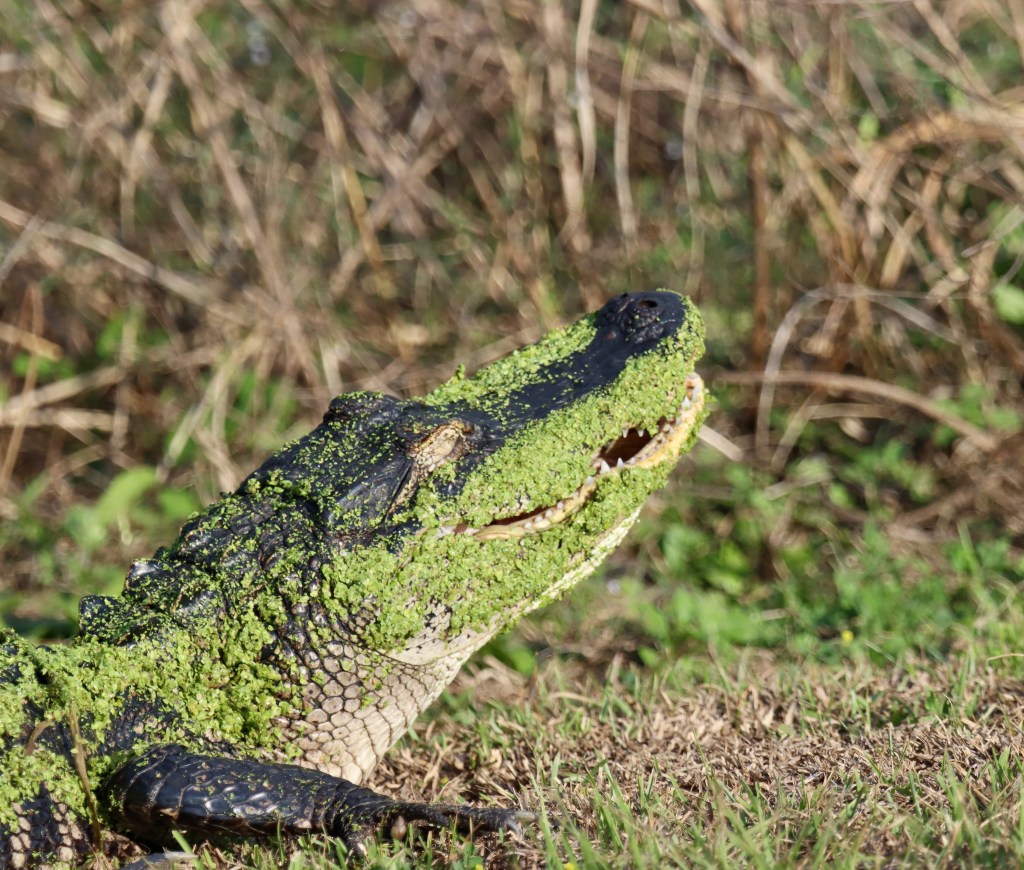
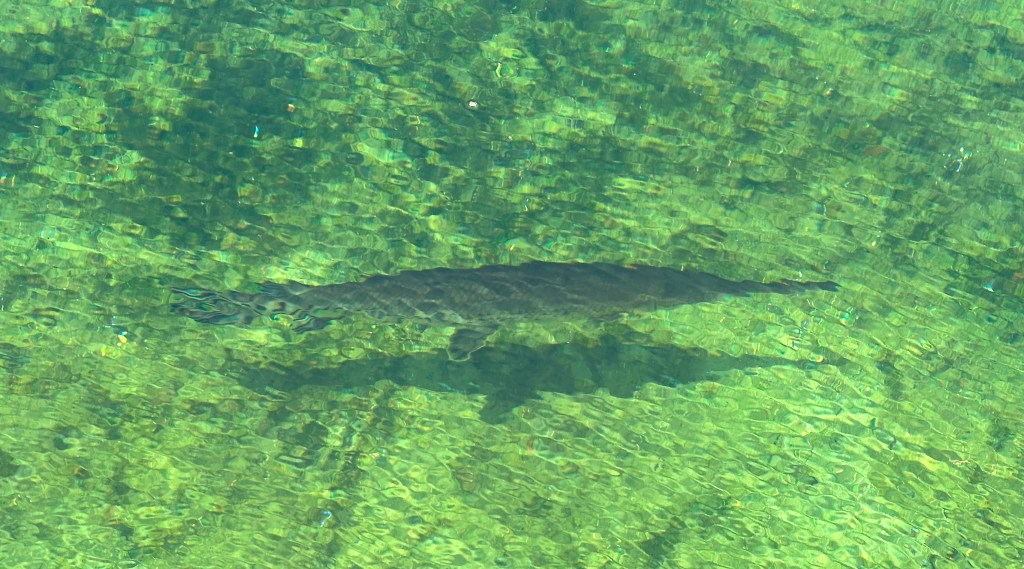
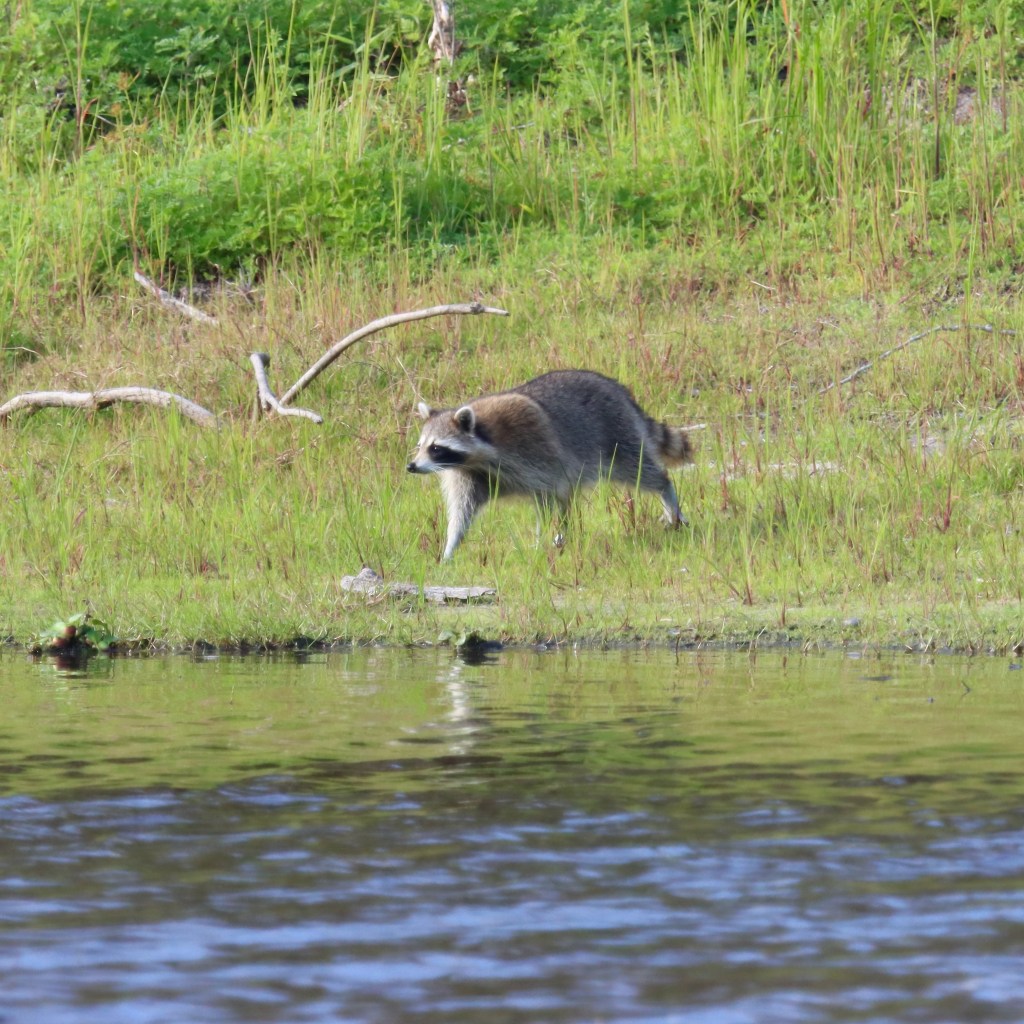
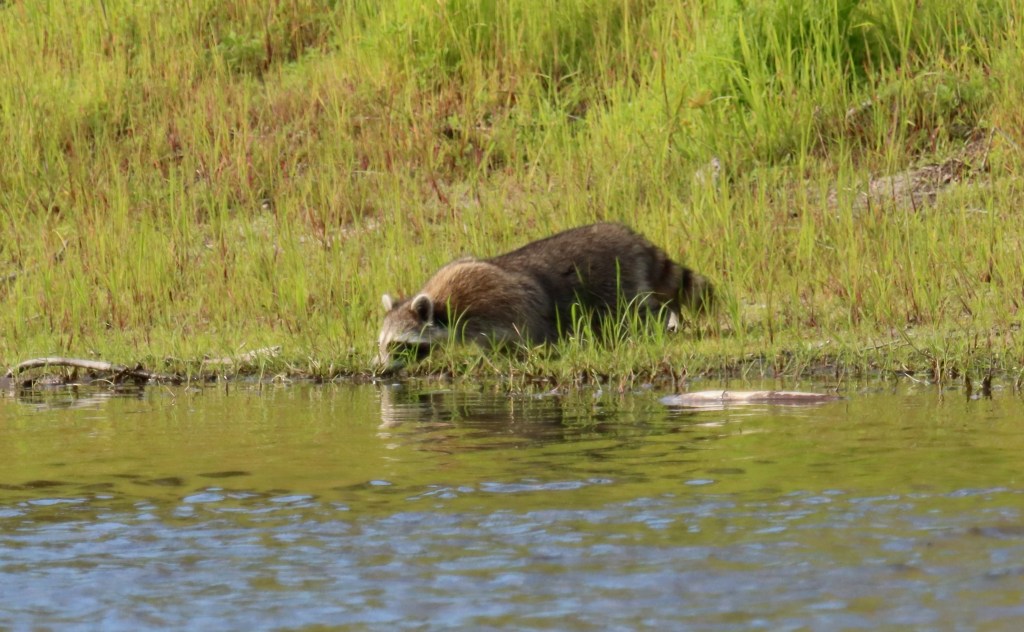
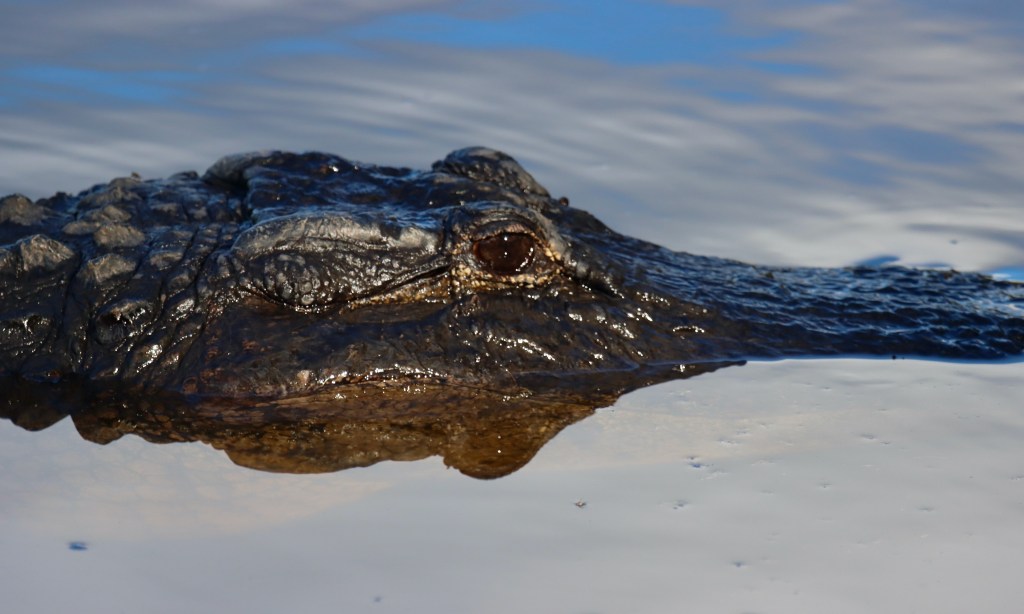
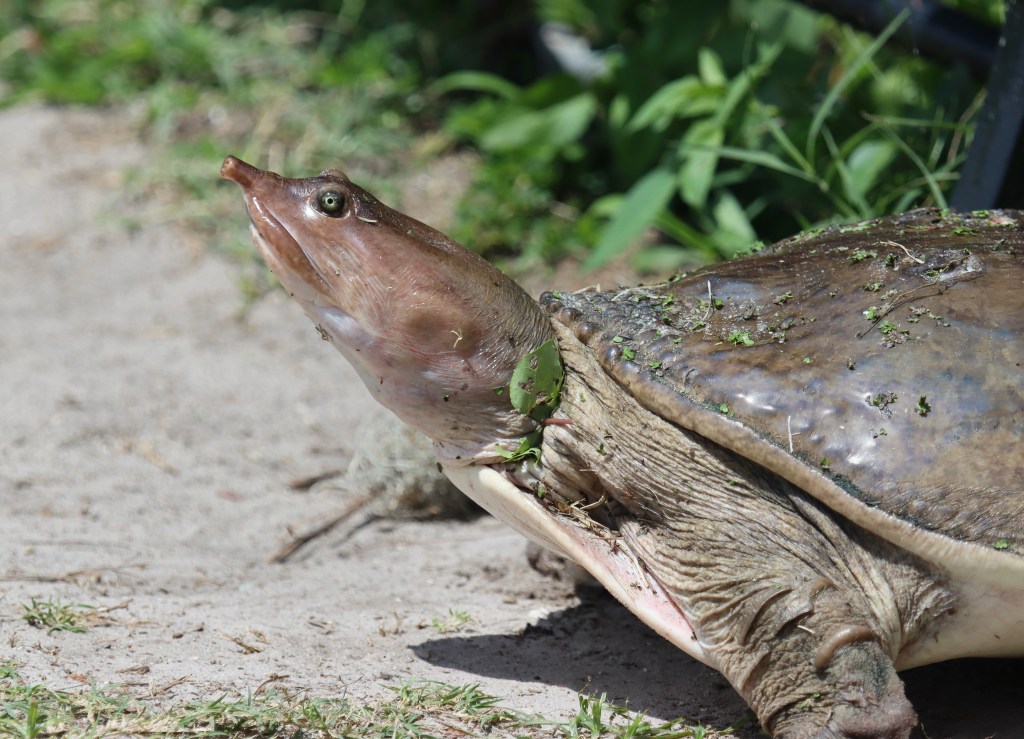
After the tour I decided to hit the loop one more time before heading home. And I’m so glad I did! Since it was closer to midday, there was hardly anyone else on the trail. I went the opposite way and was rewarded with wonderful wildlife moments: an absolutely massive gator (roughly 15′ long), a raccoon looking for food, a turtle laying eggs, and a squirrel feasting on vegetation.

So thankful that areas like this have been protected!

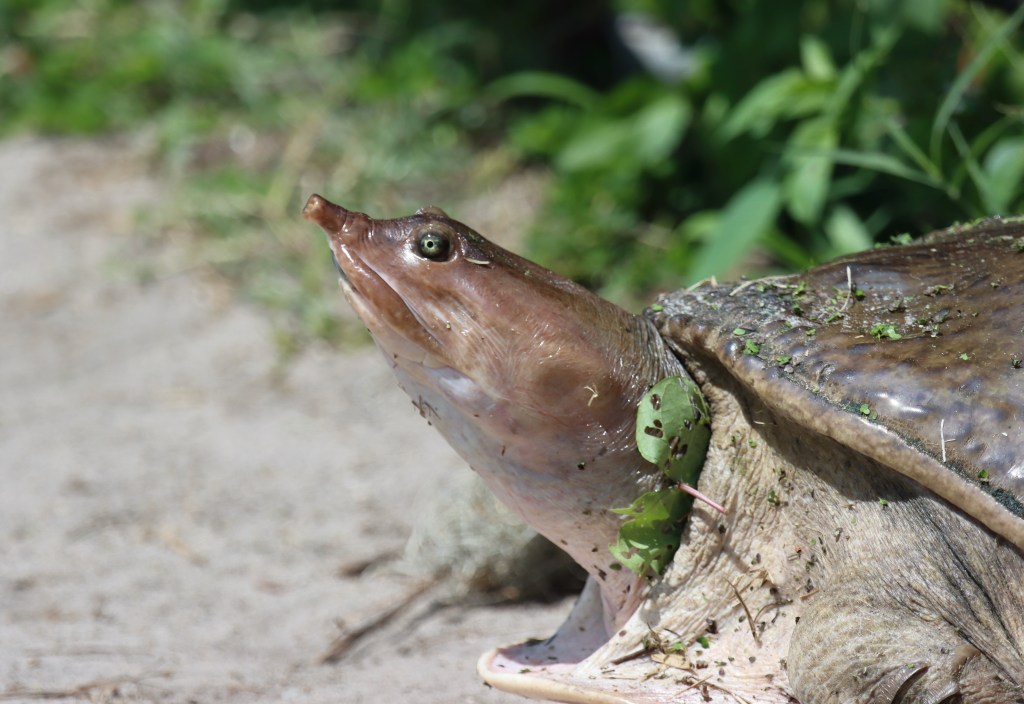
Florida Softshell, Laying Eggs
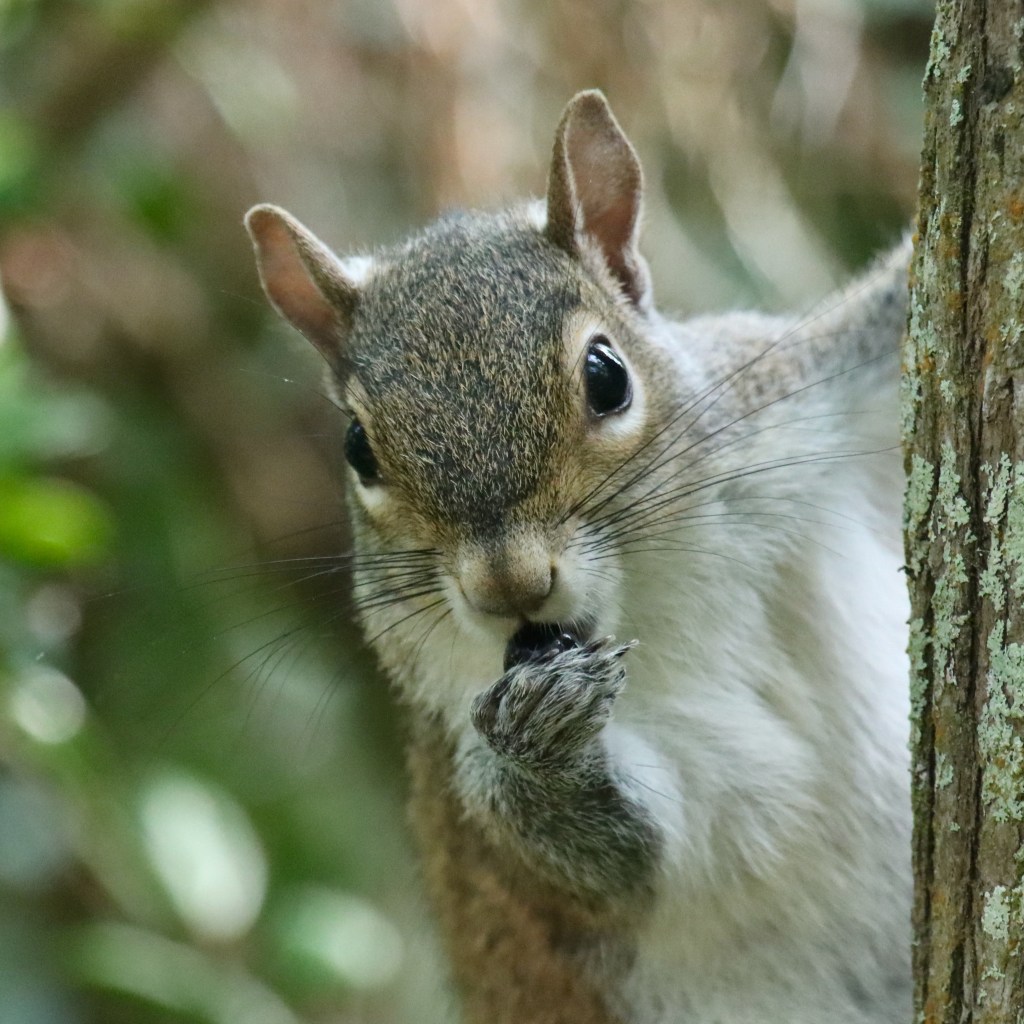
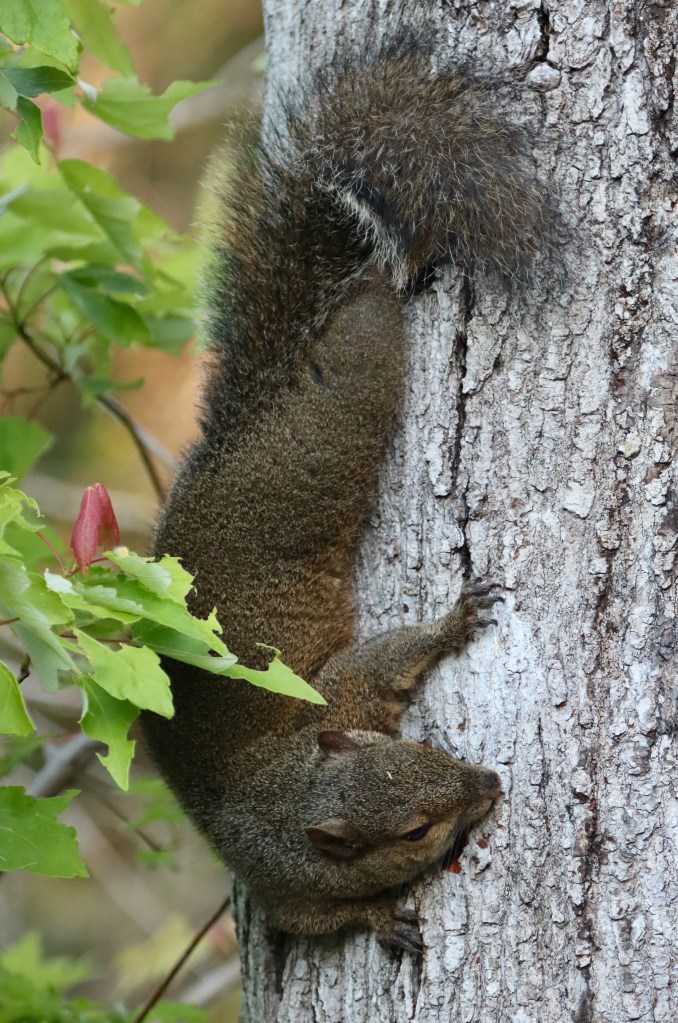
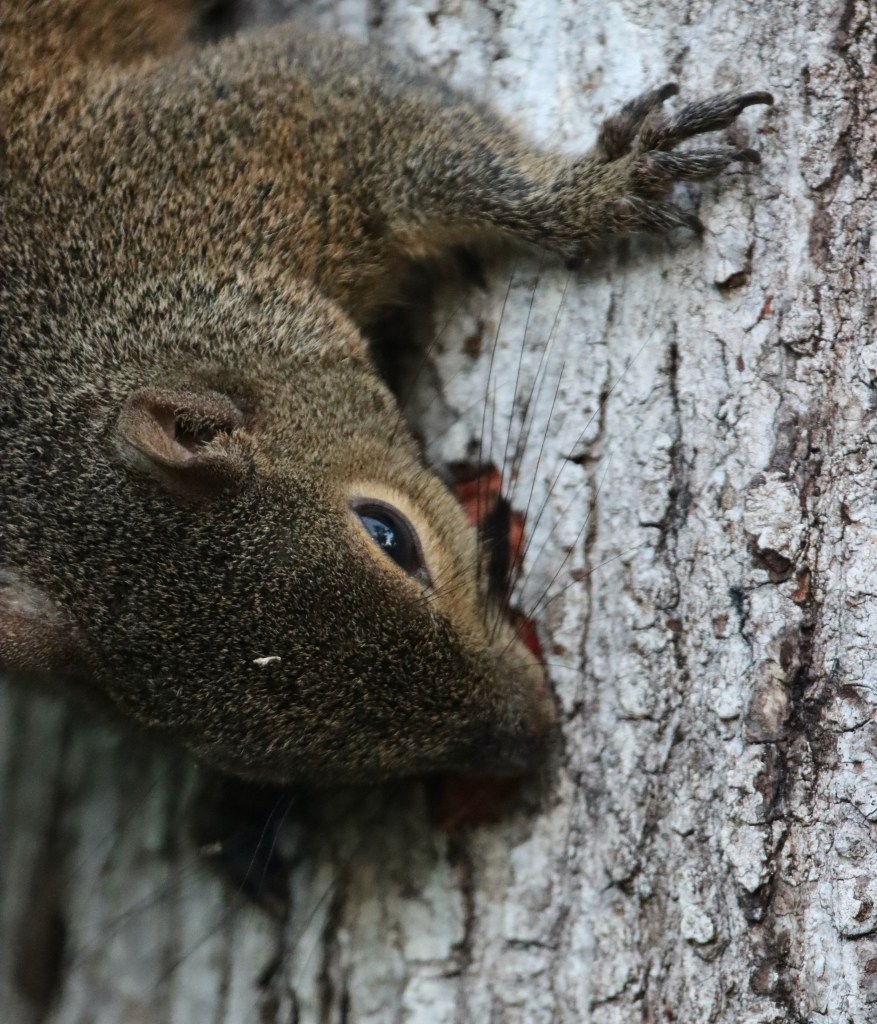
Squirrel, Eating Greenery

Wandering in Parks

On my days off I’ve been taking advantage of our mild Spring weather (knowing full well that heat and humidity are on the way) by toting my camera around various local parks. Our usual Spring blooms have been muted by the ongoing drought but there were still other signs of Spring.

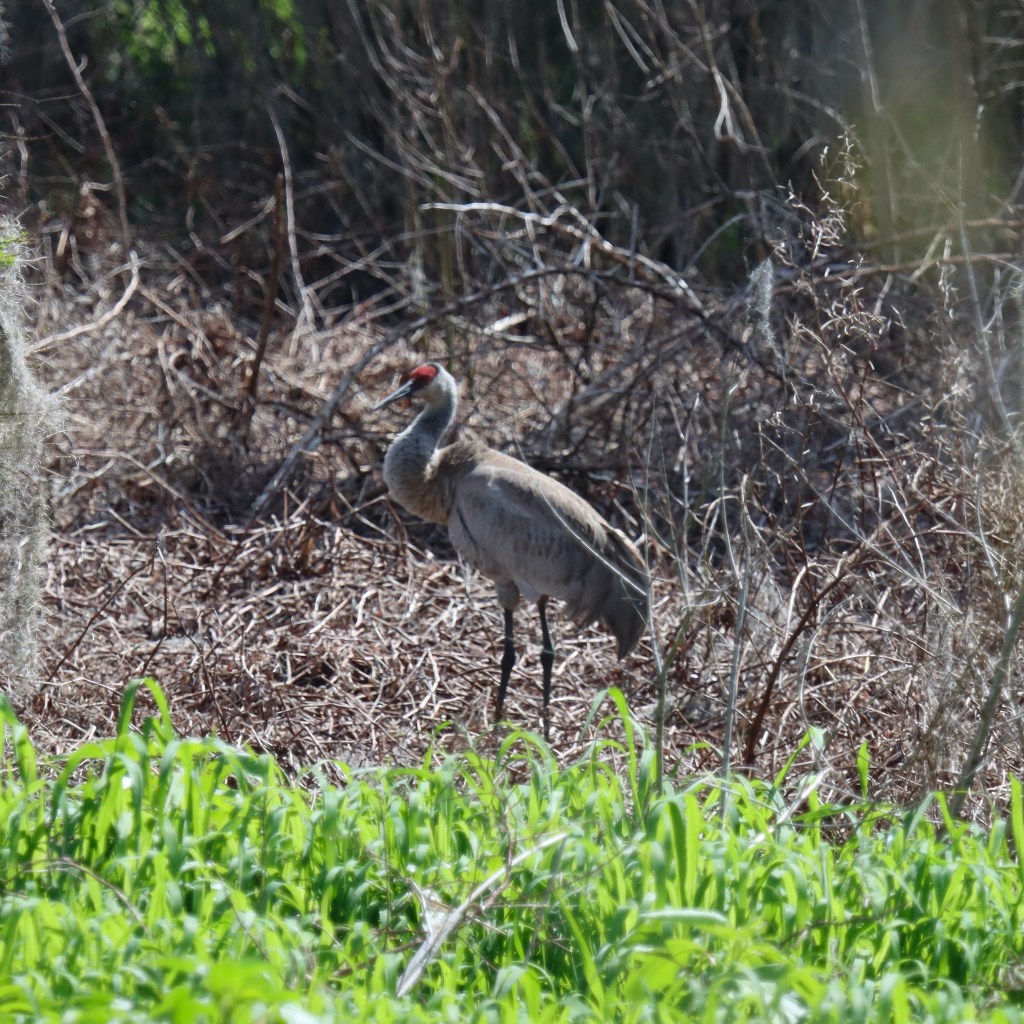
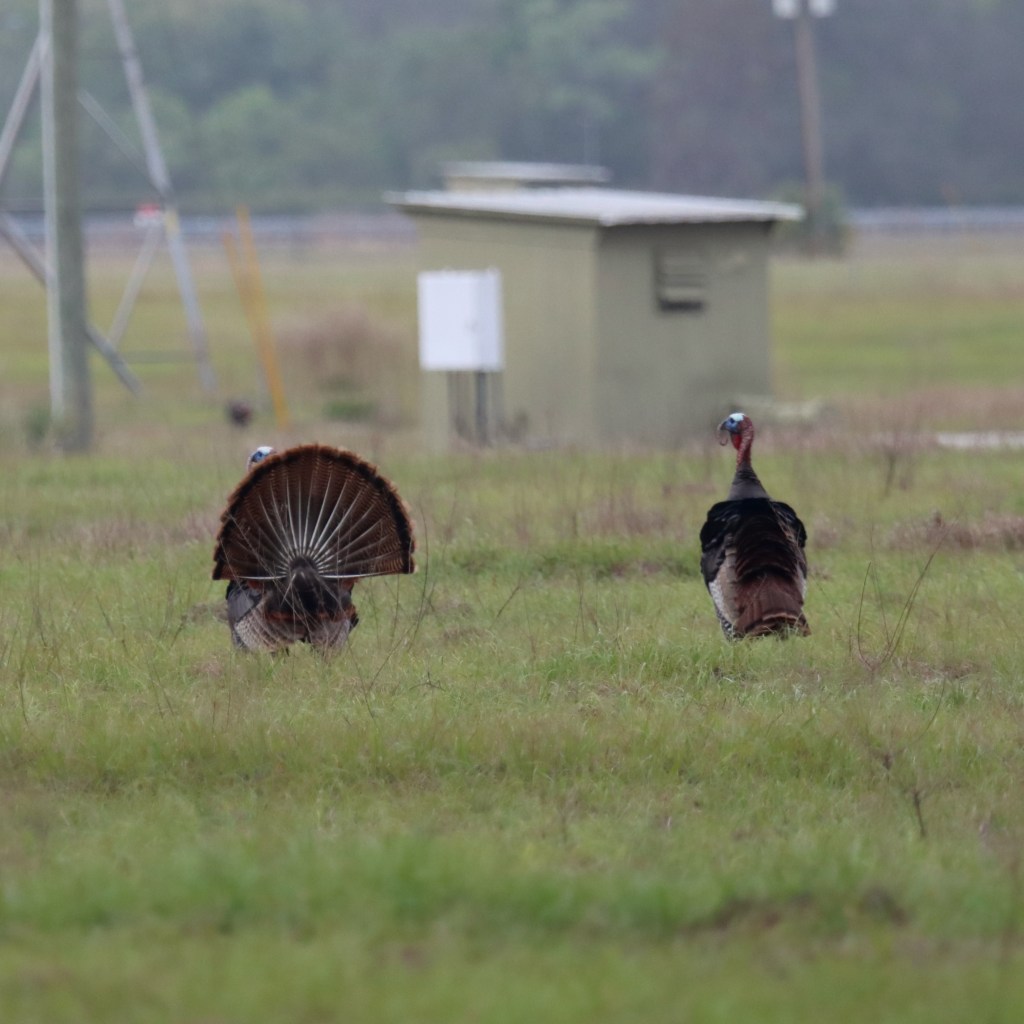
At Booker Creek Preserve, a Wild Turkey tom loudly strutted his stuff in a nearby fallow field. I was impressed, though it didn’t seem like any of lady friends were. In the distance a pair of Sandhill Cranes were feeding, they likely had colts with them but sadly they were too far away for me to see.

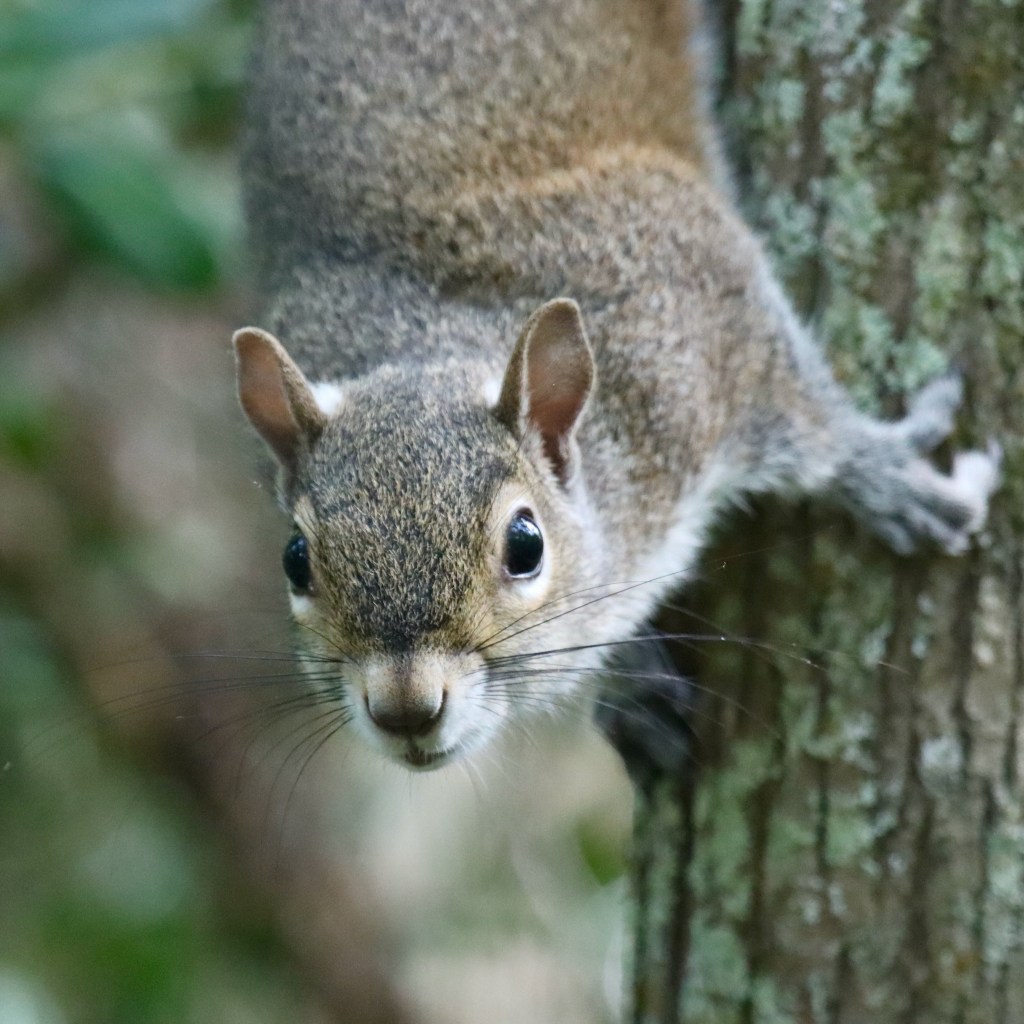
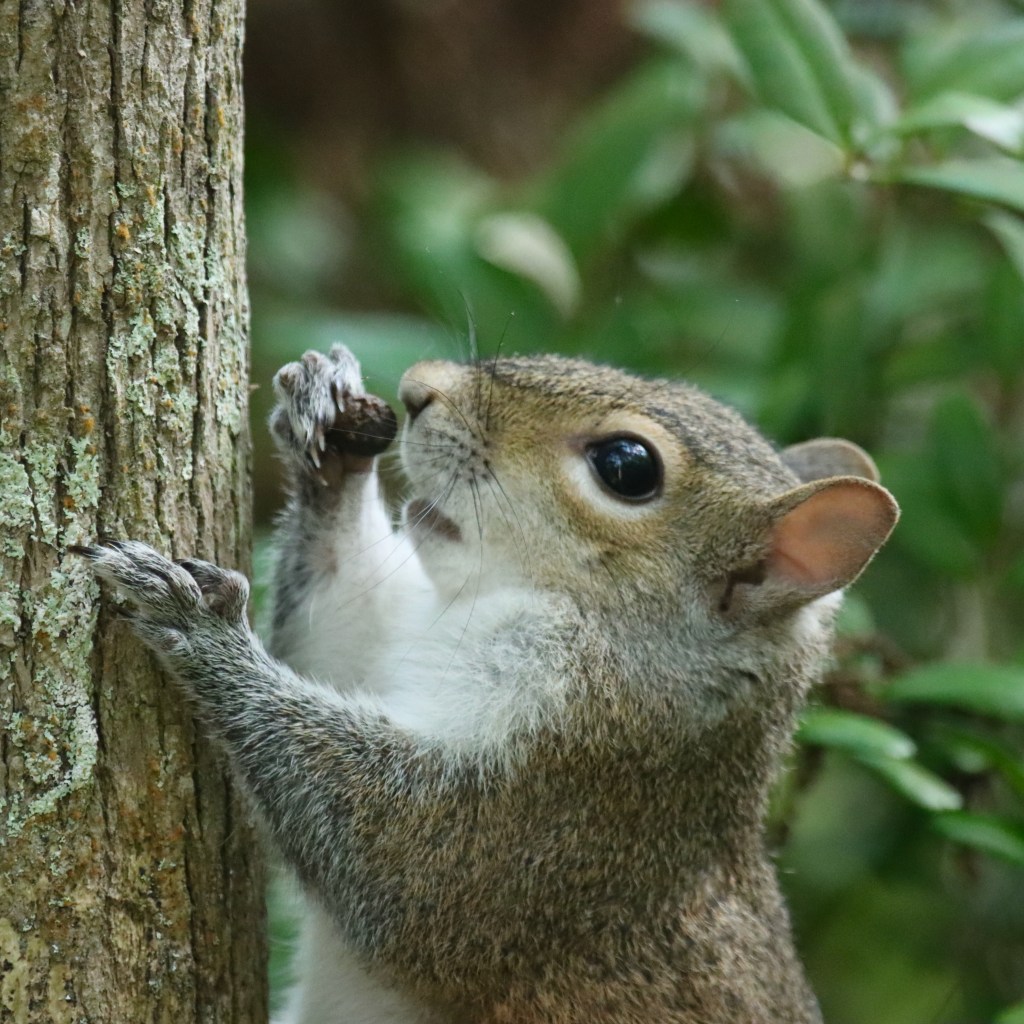
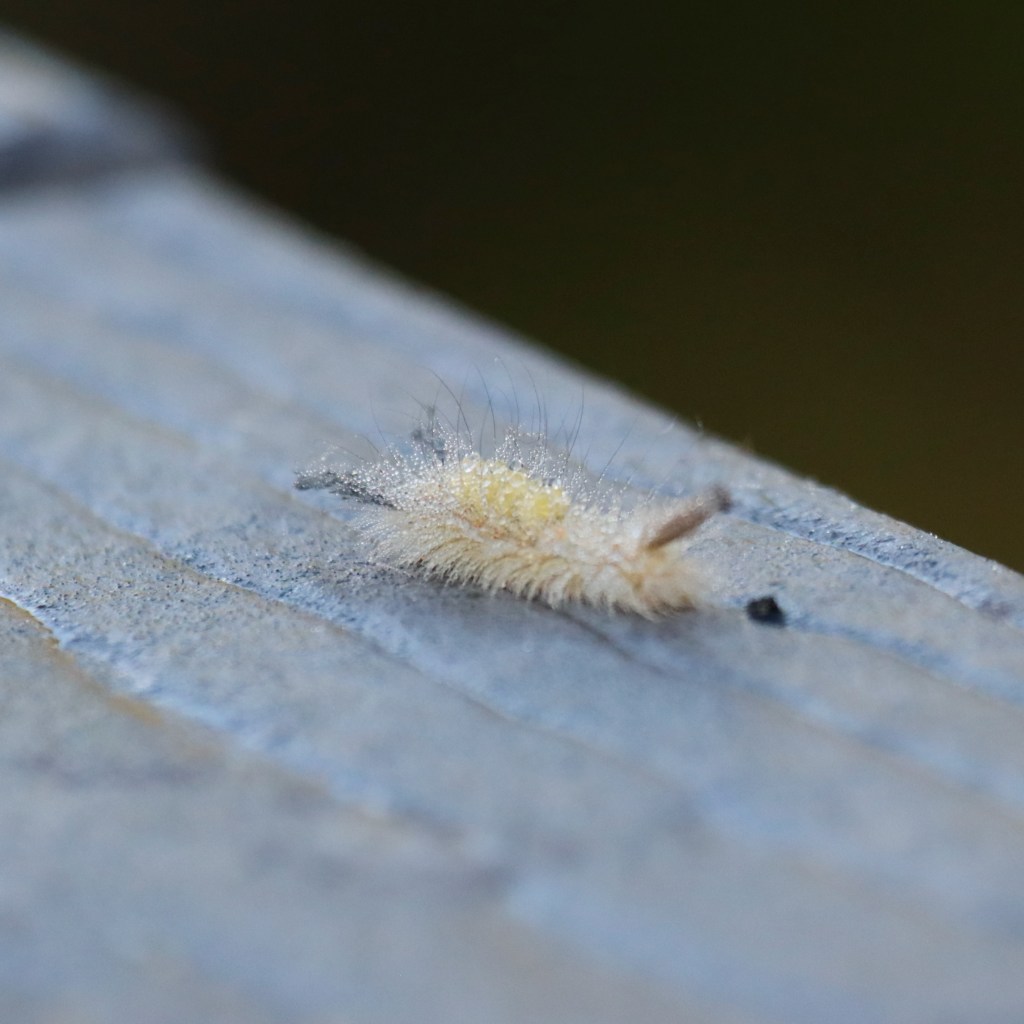
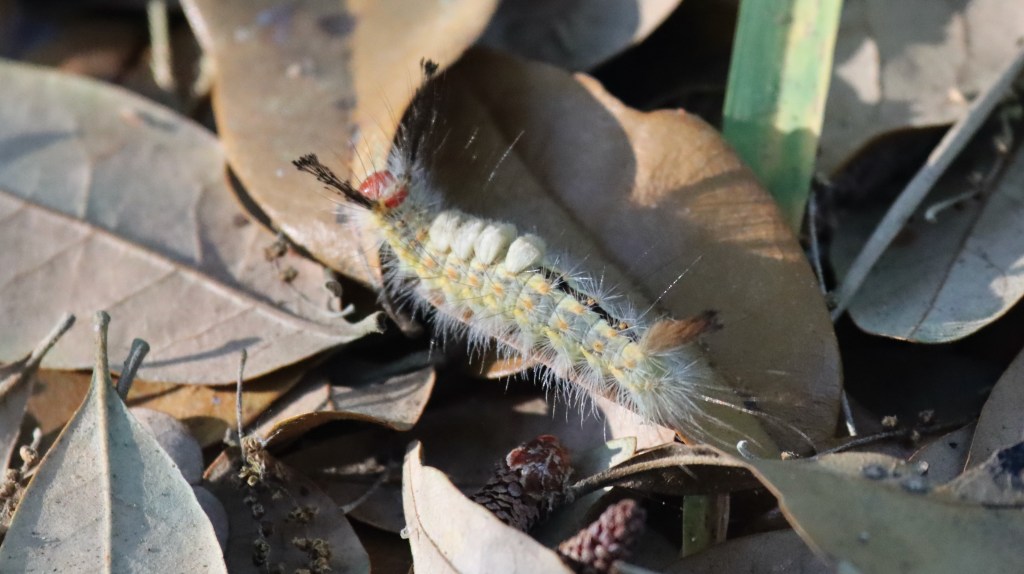
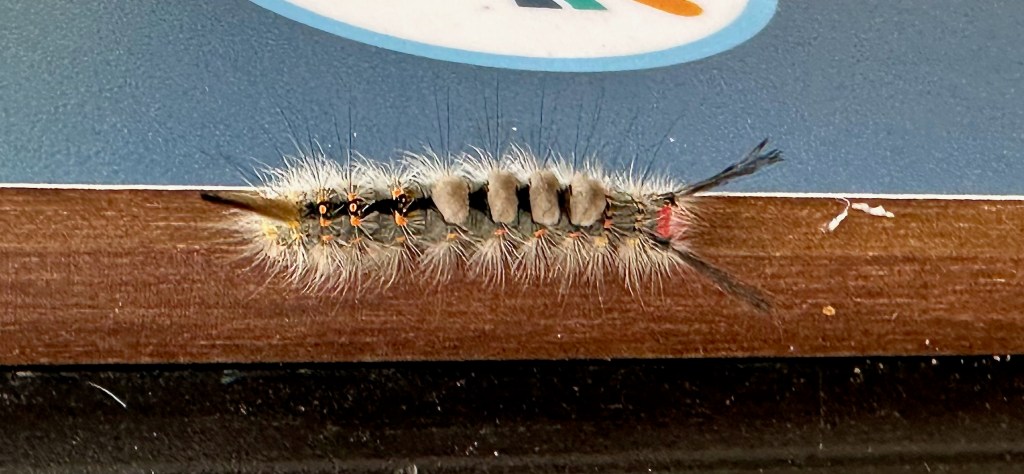
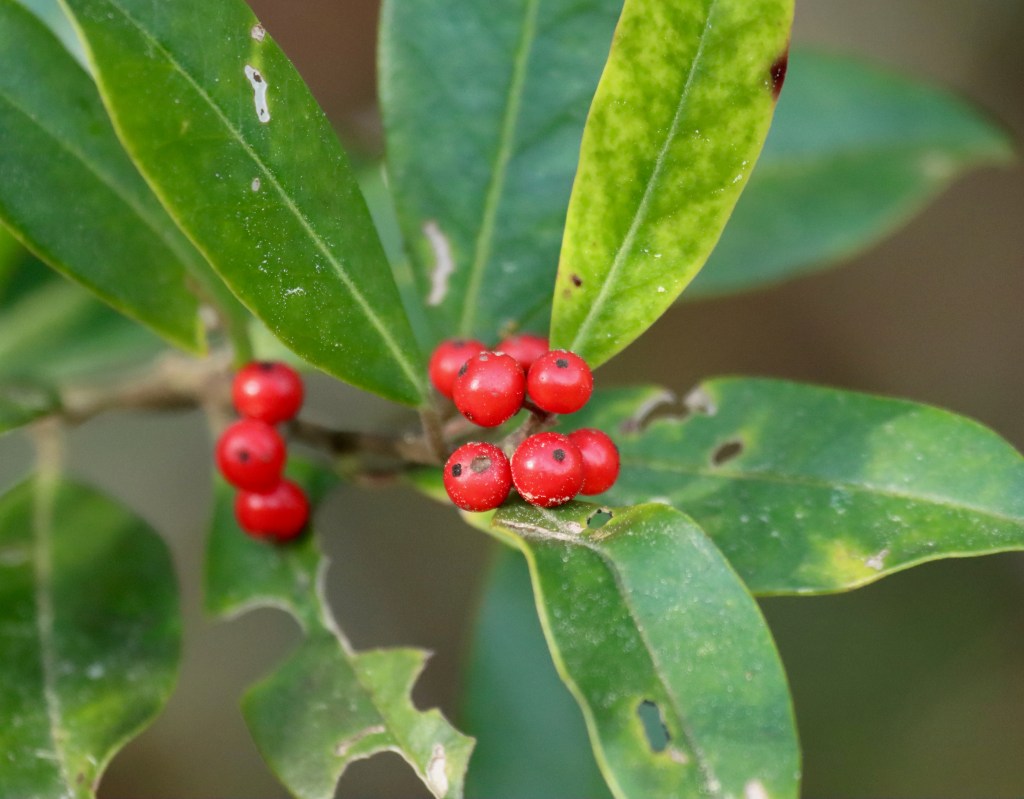
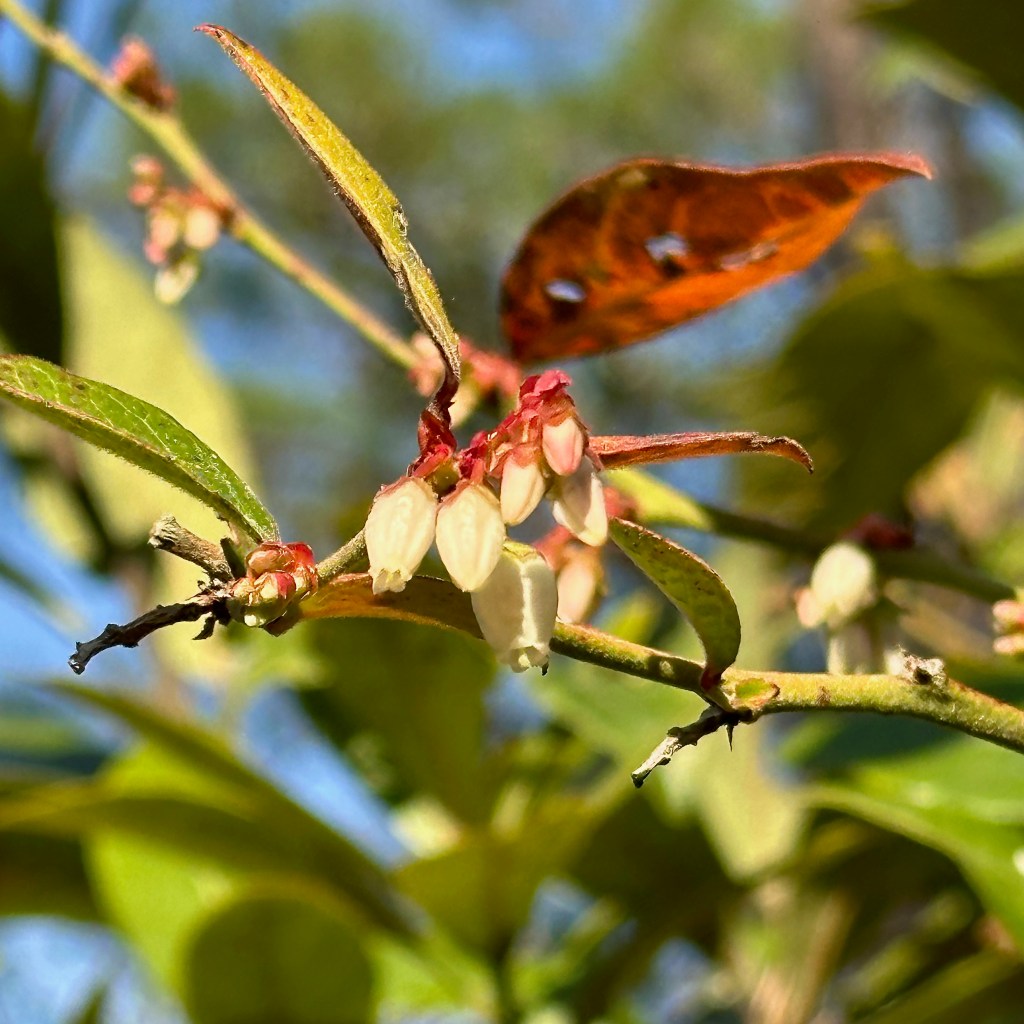
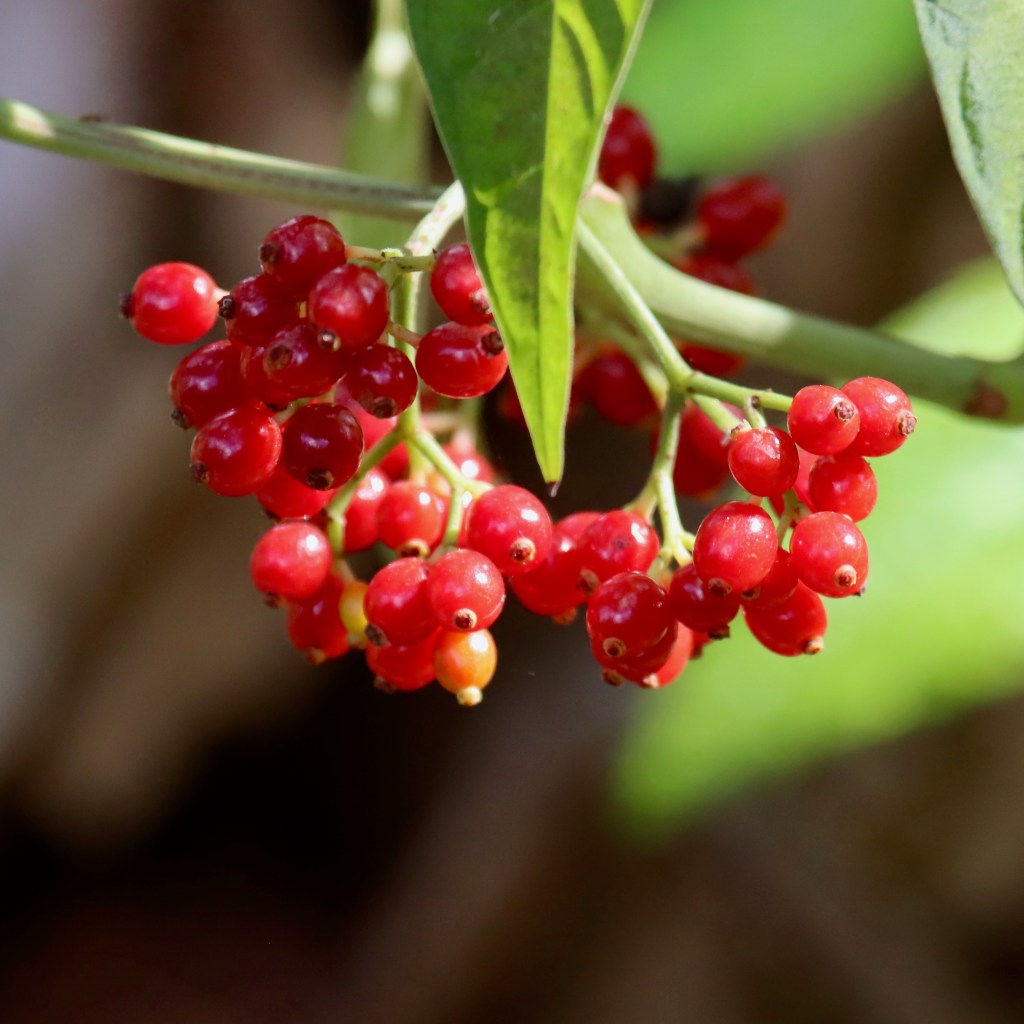
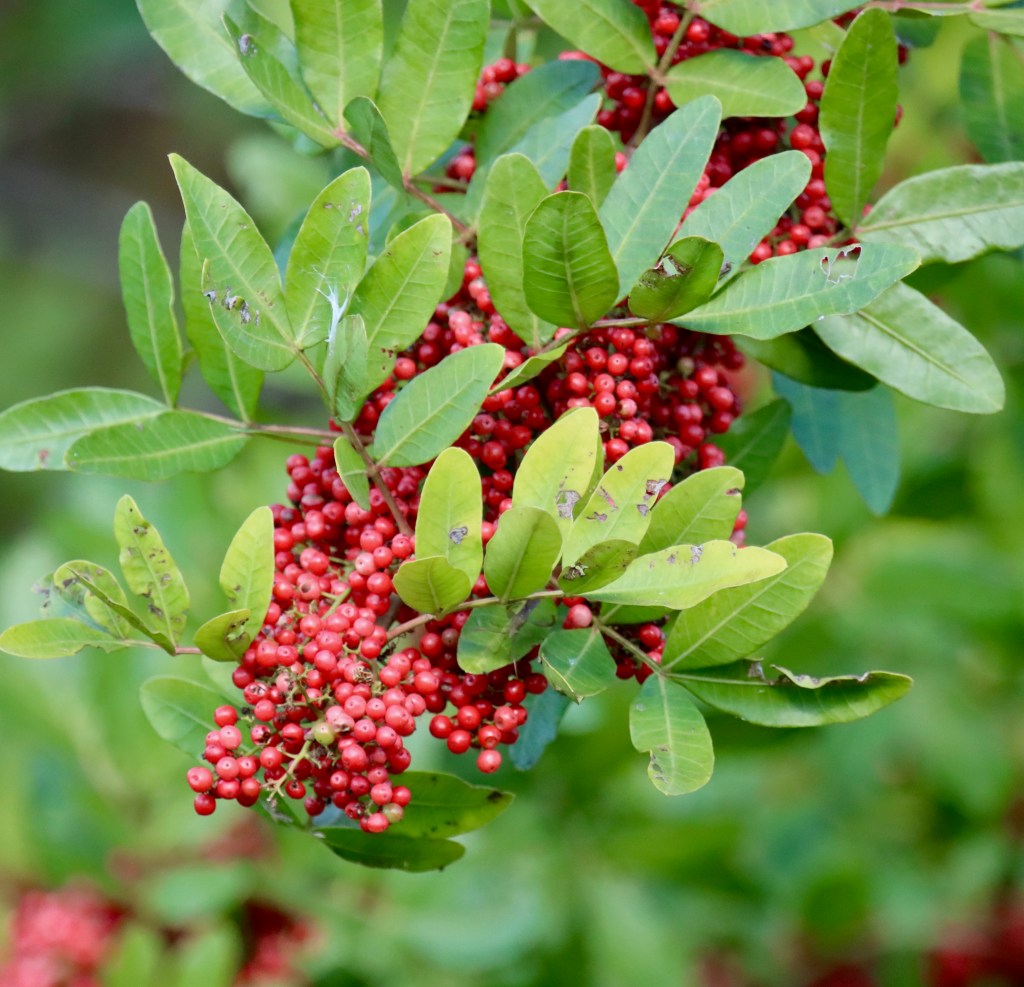
At John Chestnut Sr. Park I was captivated by a squirrel exerting great effort to harvest dried fruits from a bush. I still don’t know what kind of a bush it was but apparently, it produced delicious fruit. While strolling along the boardwalk I had to watch where I put my hands as the park was literally crawling with tussock moth caterpillars. They may look cute and fluffy but those fuzzy hairs are defensive. Reactions to touching them range from irritating to downright painful (and I was not interested in finding out).

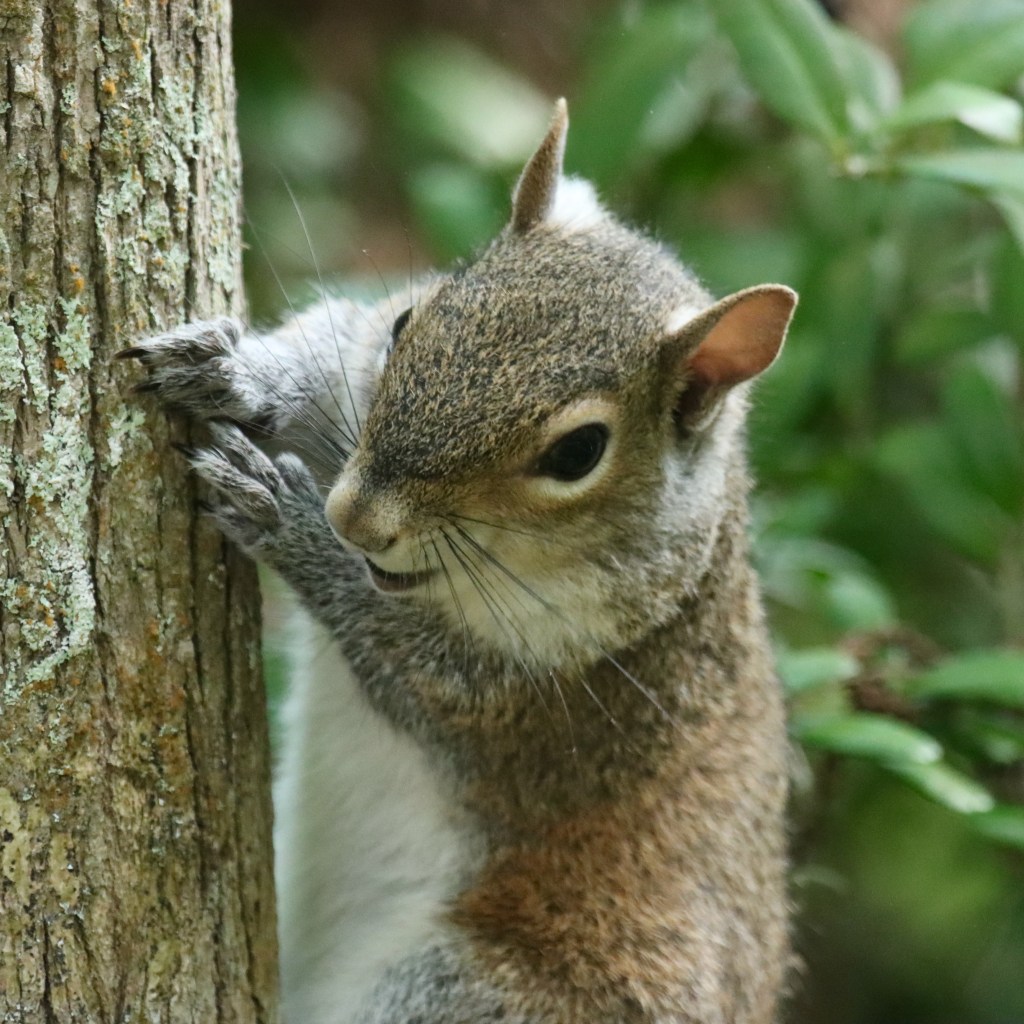
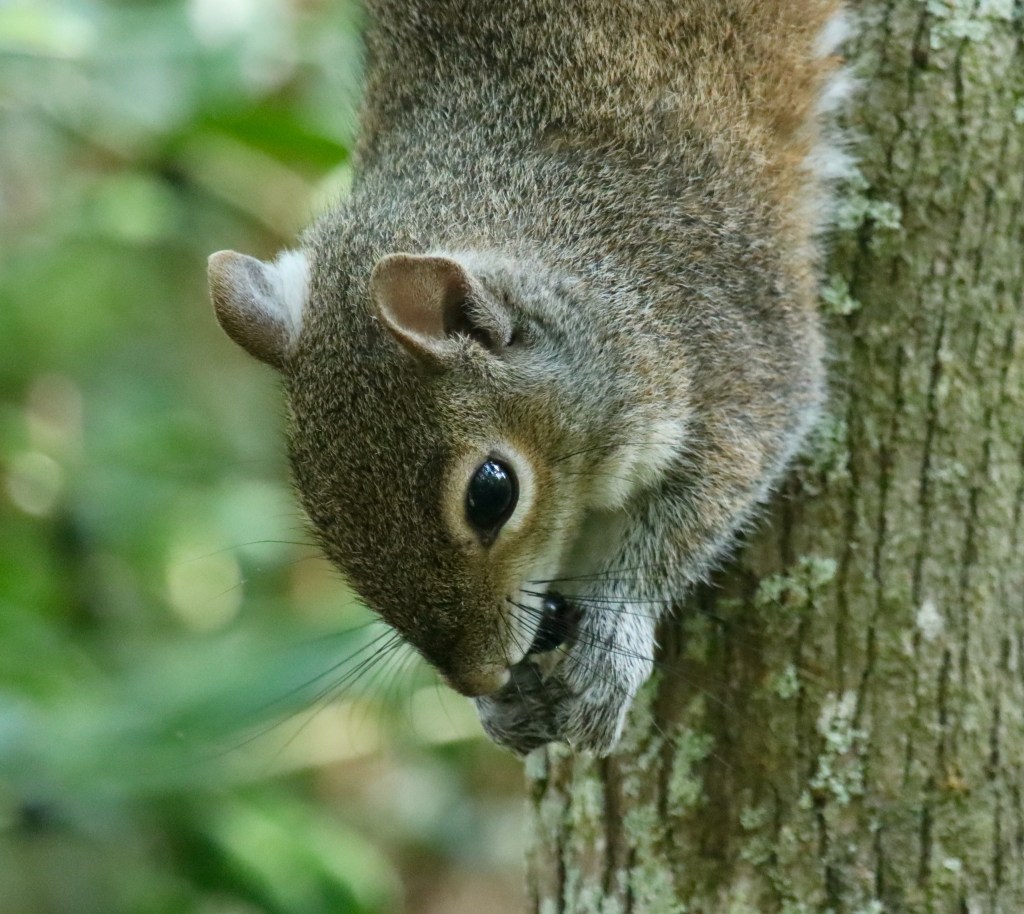
At Sawgrass Lake Park a noticeably large squirrel on a tree trunk caught my eye and its curious behavior drew me closer. The squirrel was intently gnawing the bark. After watching, I surmised that she was pregnant and was selectively chewing that section of bark for either the sap or insects inside, presumably needing extra nutrition for gestation.

I never know just what I might see in my local parks!

Alachua Savannah

After leaving Palatka I drove west toward the broad Alachua Savannah, south of Gainesville. I stopped and explored at two connected sites; Sweetwater Preserve and Sweetwater Wetlands. Both are roughly the same size at 125 acres but they are owned by different government entities, protect different kinds of habitats, and are therefore, managed differently.

The Preserve encompasses a stretch of Sweetwater Branch (a small creek) with narrow, dirt trails that wander through an upland forest. In contrast, the adjacent Wetlands are a series of highly engineered water retention basins that serve as a natural filtration system to improve water quality before it flows into Paynes Prairie and the Floridan Aquifer.

I weathered the hottest part of the afternoon next to the quiet creek in the shady Preserve before venturing over to the wide open Wetlands. As is usual with man-made waters- if you build it, wildlife will come. The tall berms between basins afforded not only great views of wildlife but of Paynes Prairie Preserve State Park to the south as well.

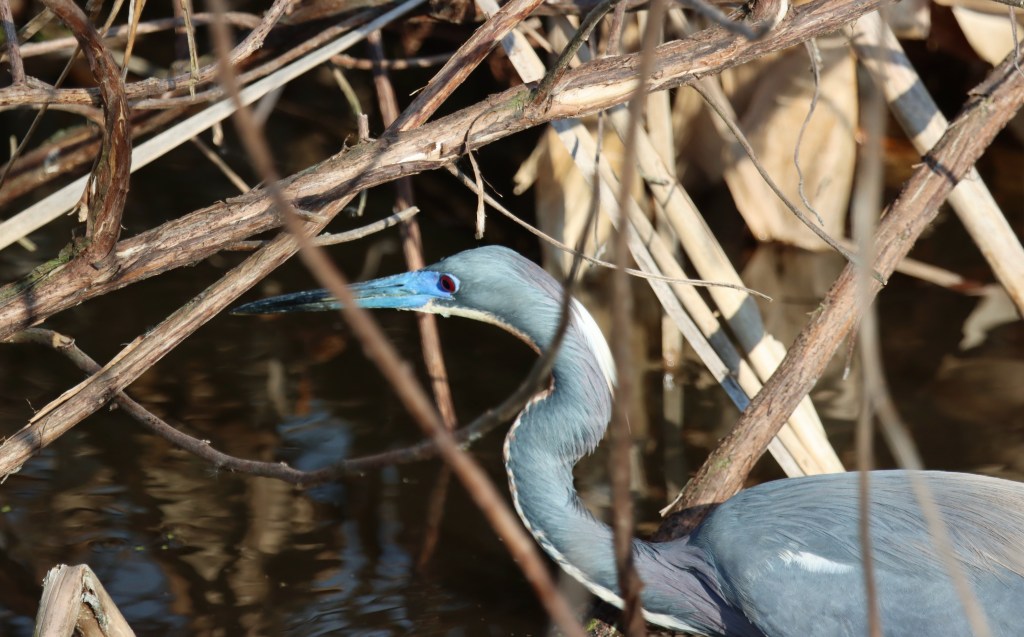
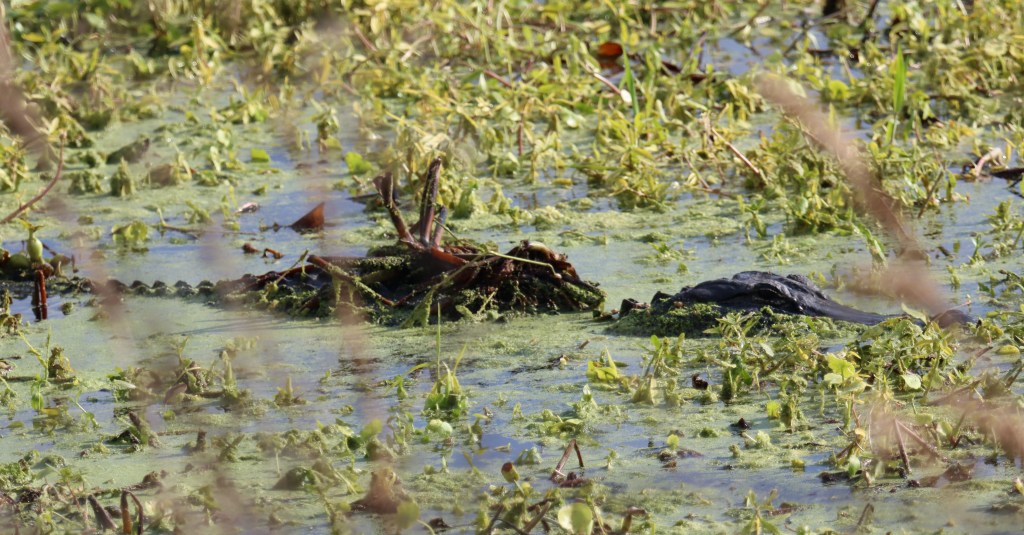
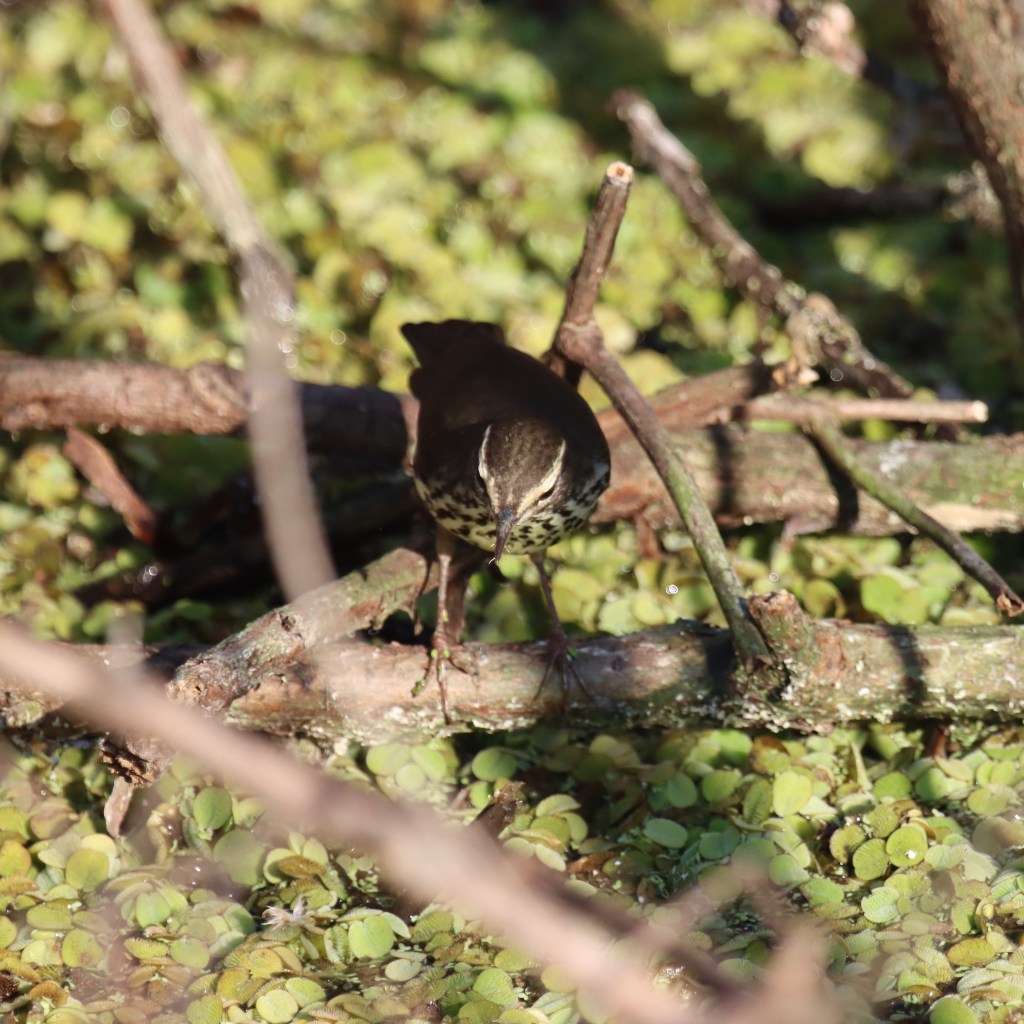
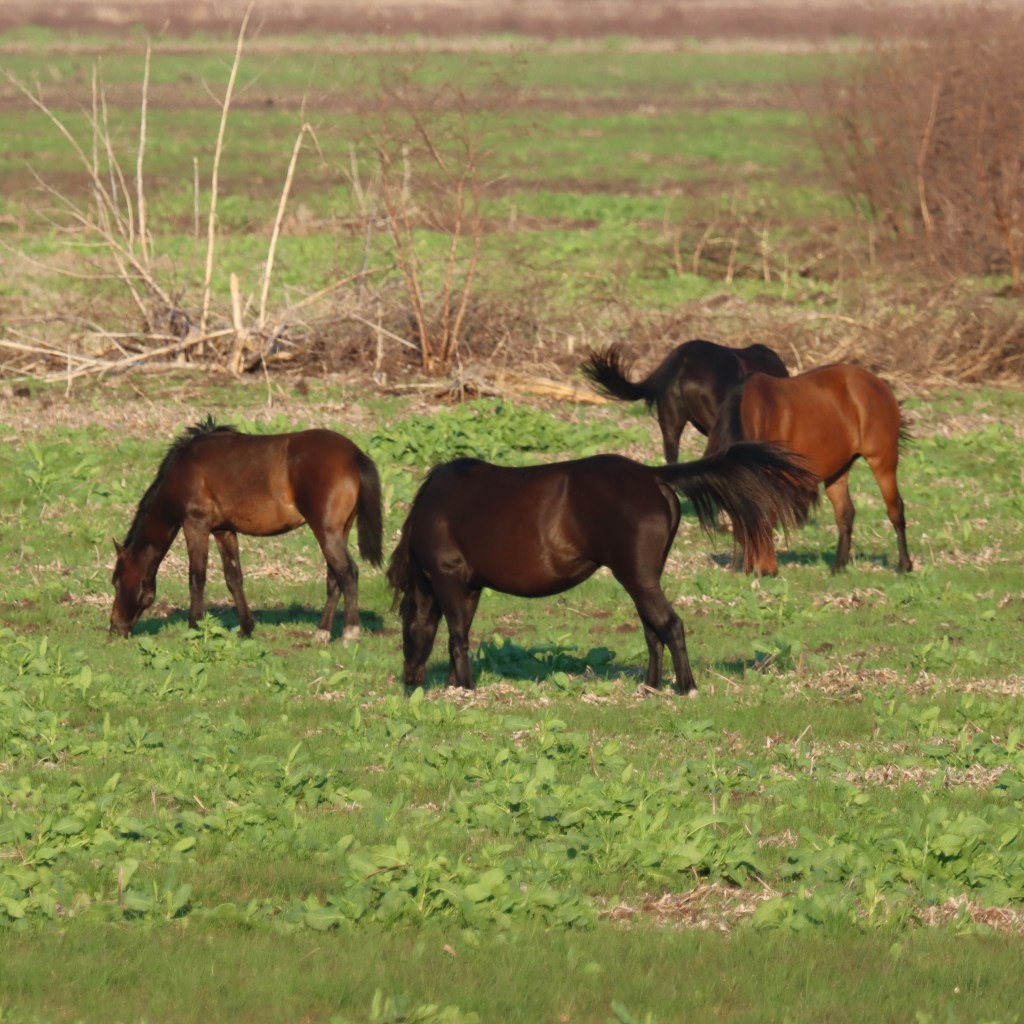
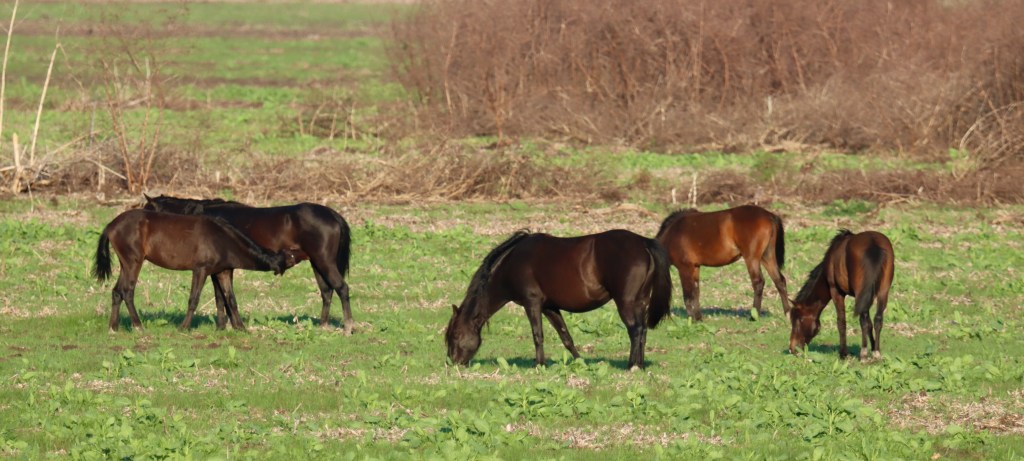
I spotted dozens of species of birds and quite a few alligators as I strolled the along. It was difficult to tear myself away but I still had a 2.5 hour drive. It turned out to be a good thing that I left when I did as my route home from the Wetlands paralleled Paynes Prairie State Park and there was enough light left to spot a herd of horses from the roadside lookout.

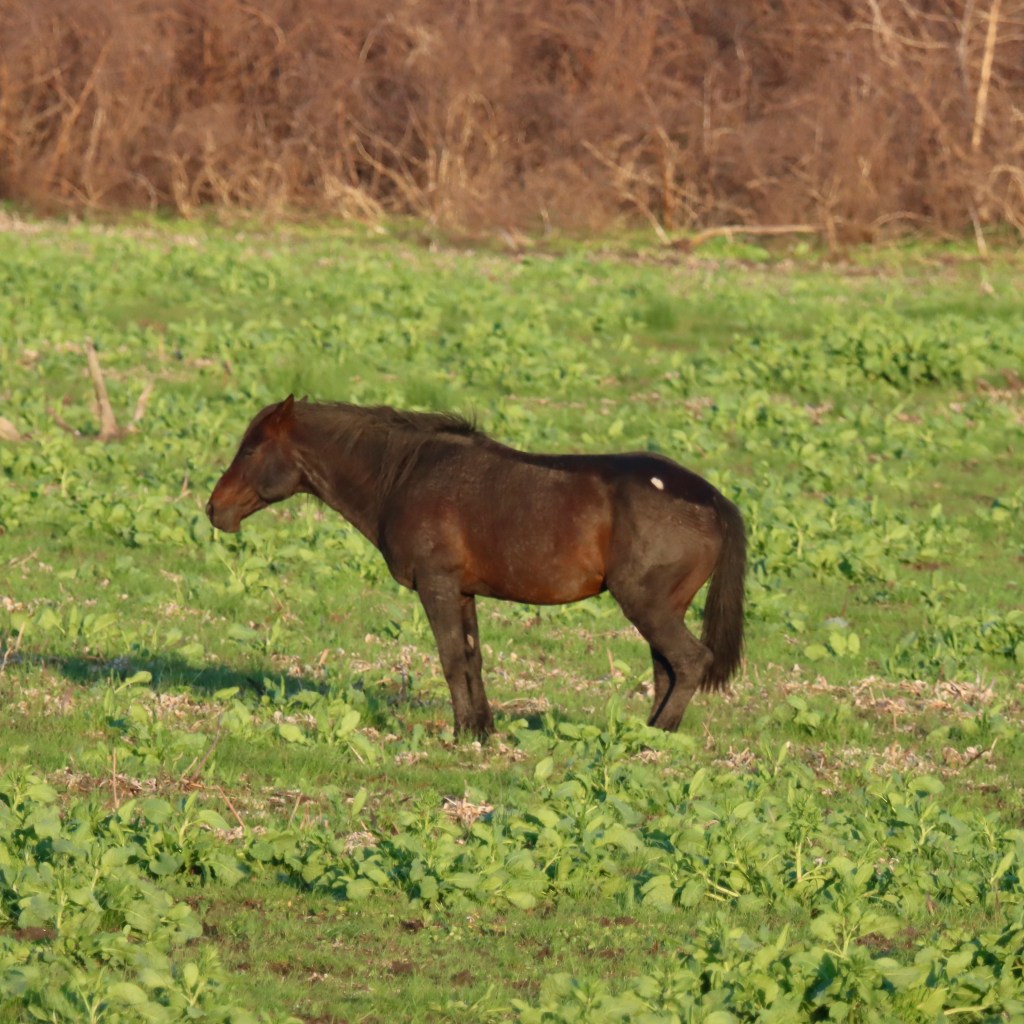
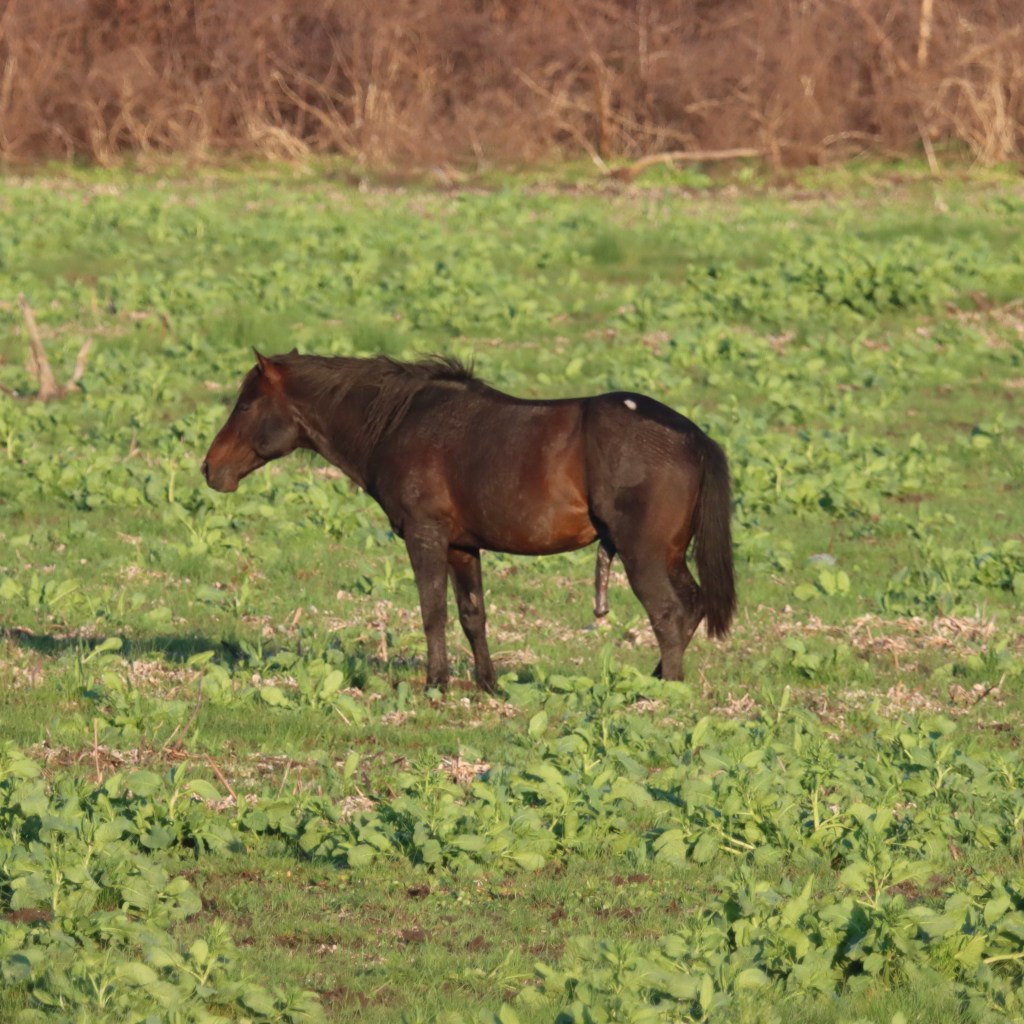
It was my first time seeing some of the wild-roaming Florida Cracker horses and I enjoyed watching the interaction of the band. The mares, and last year’s young (which was still trying to nurse), were carefully watched from the side by their stallion (there was another small band in the distance that he kept a wary eye on). I had surmised he was a stallion by his stance and thick neck but then he relieved himself, letting it all hang out which erased any doubt (see photo above).

Even though much has changed in the Alachua Savannah during the past 250 plus years, William Bartram’s description of the area from 1774 still holds true: it is a vast, fertile savanna surrounded by forests, teeming with cattle, horses, and wildlife.

Blue, Orange, Flash

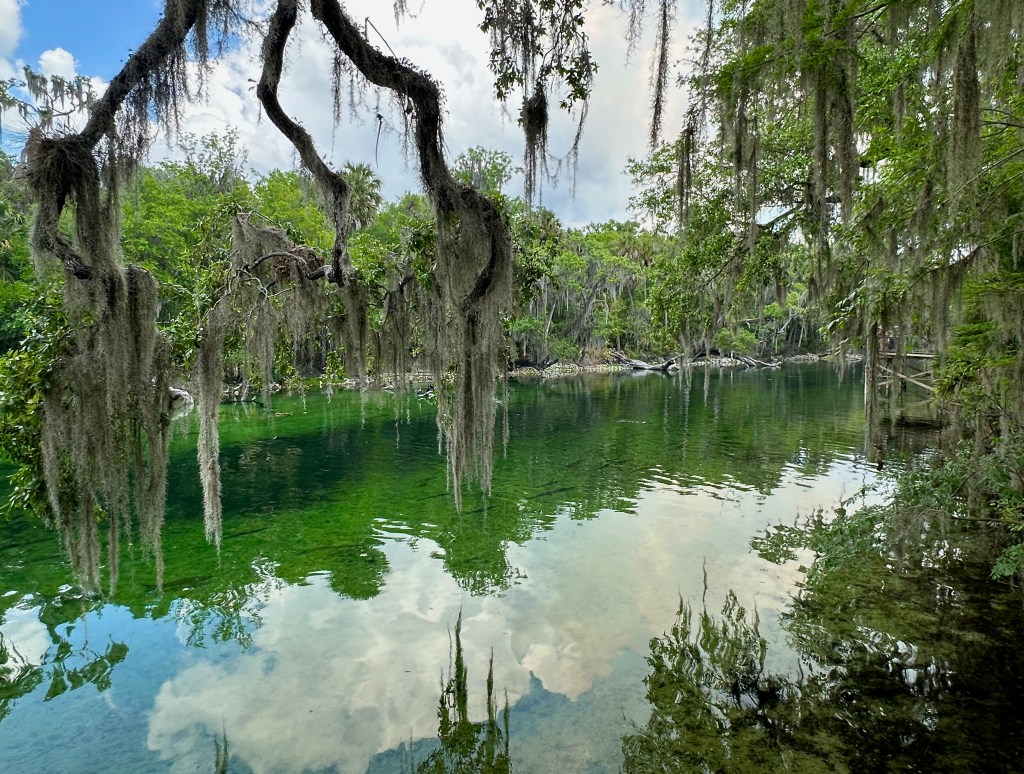
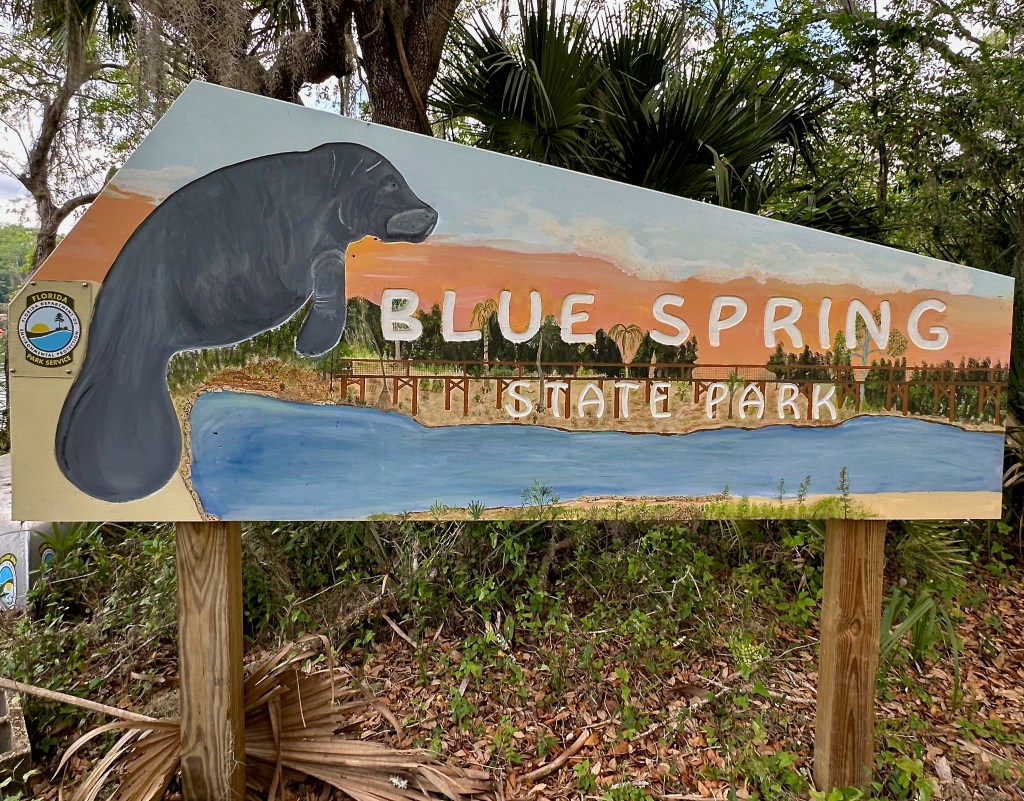
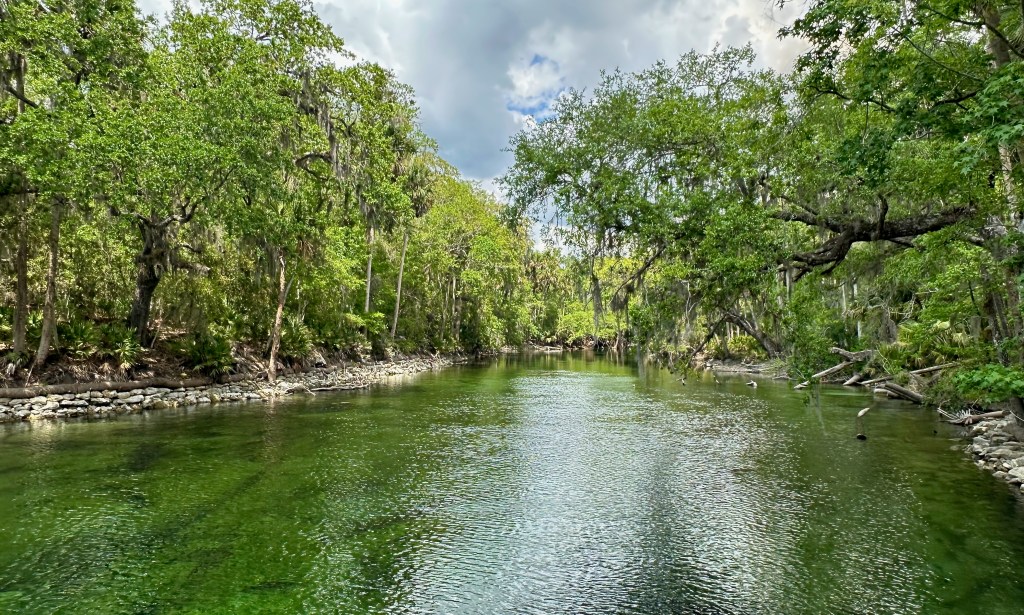
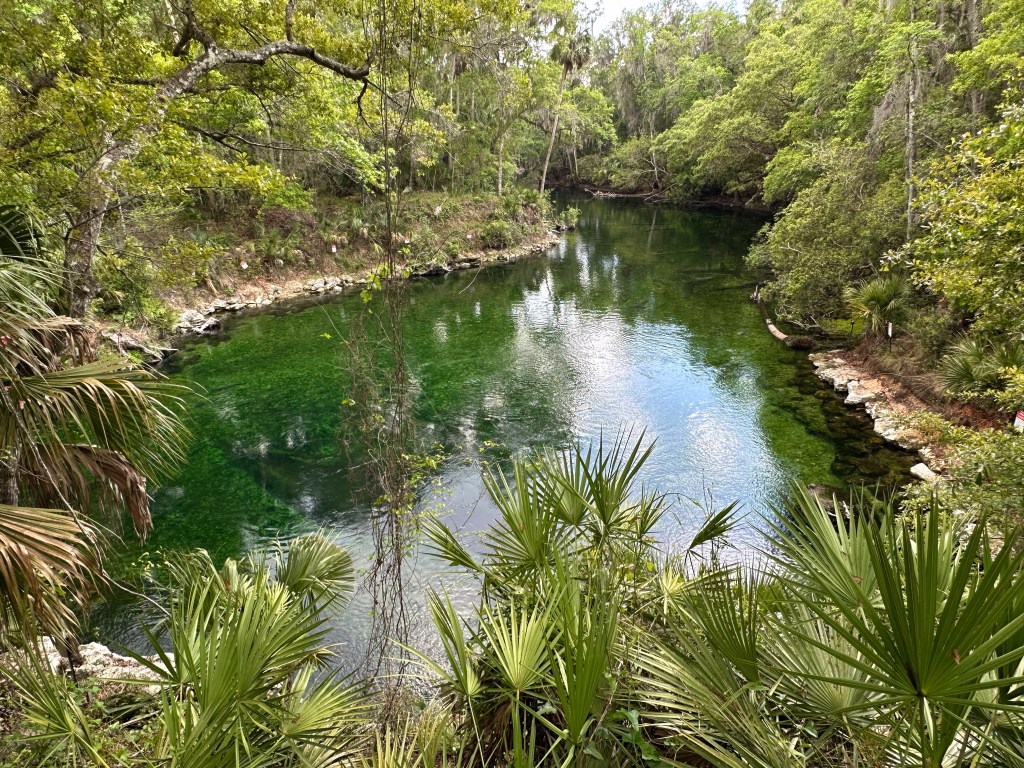
After spending the morning admiring Tiffany’s inspired-by-nature glass art, I was eager to get out into nature myself. Less than an hour later, I was exploring Blue Spring State Park.

There were several reasons that I was drawn to that location: it’s the largest spring along the St. Johns River (over 100 million gallons of fresh water bubble up every day), it hosts the largest winter population of manatees in the state (on February 2 this year there were a record 834 manatees crammed into the spring run), and for a few weeks every Spring the park sparkles after dark from the mating dance of the Florida Single Snappy (Photuris congener).

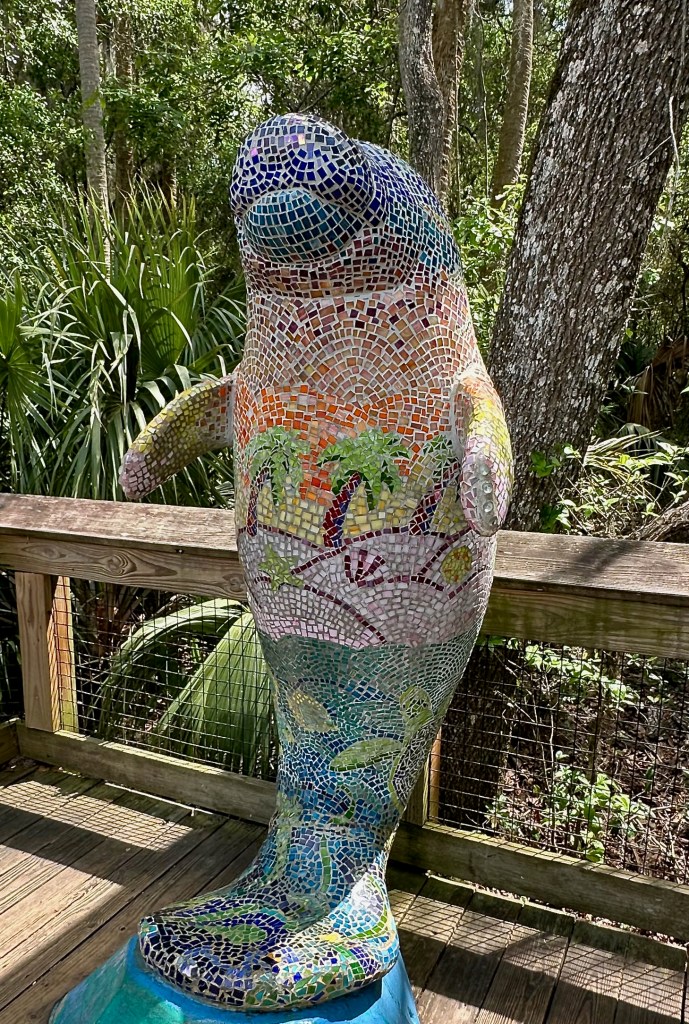
The past month of warm weather increased the water temperature in the St. Johns River, so there weren’t any manatees hanging around. Since I knew that they just take advantage of the 72° water during cold spells, I wasn’t disappointed (though other visitors were). Manatees, despite their considerable girth, are unlike seals and whales in that they do not have blubber so they rely on warmer water during the winter.

There was still plenty of wildlife to admire as I wandered the trails. And more interesting history than I anticipated. Long before the Spanish landed in Florida (and all the way up until roads and railroads), the St. Johns River was a watery thoroughfare. A large shell mound near the river is evidence that Native Americans used the site for generations.

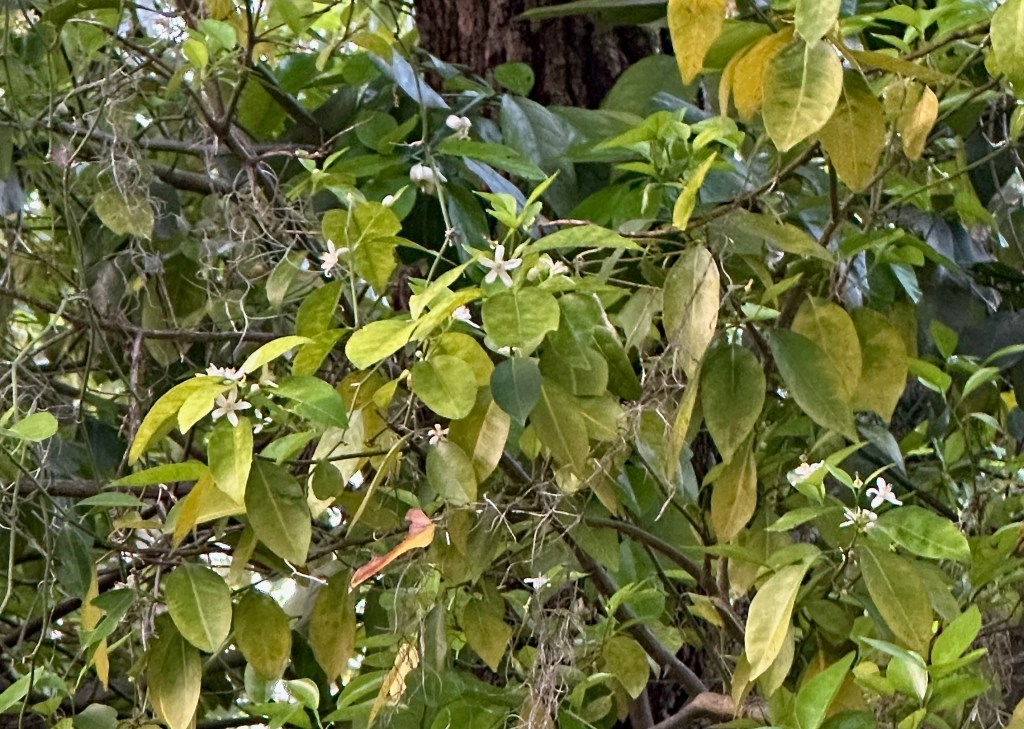
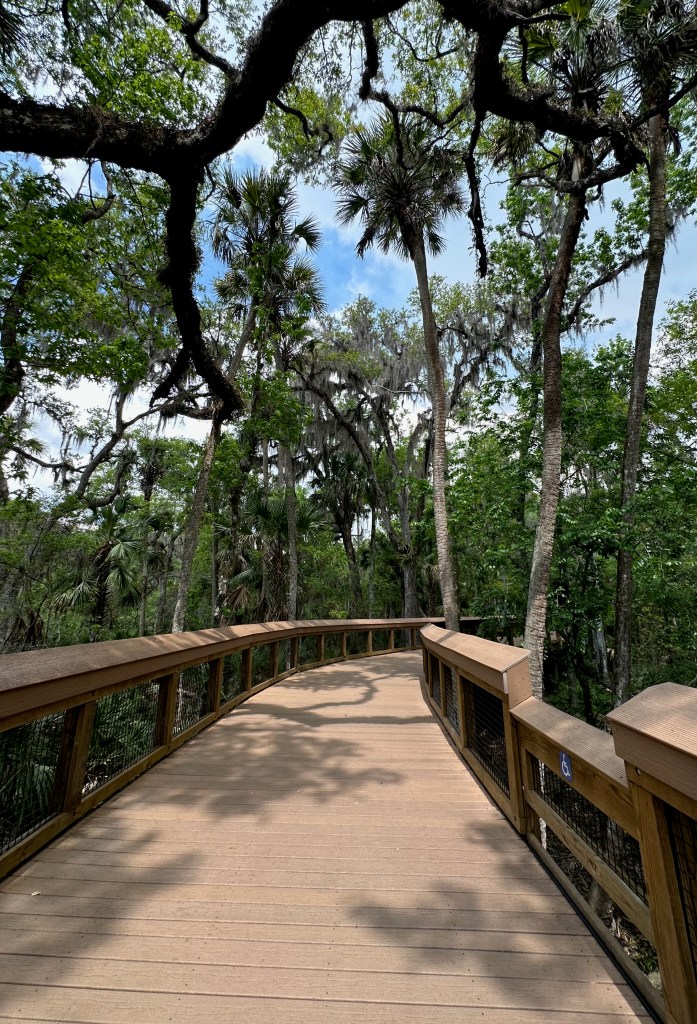
In 1856, Louis P. Thursby bought the land at the confluence and opened Blue Spring Landing, one of the first steamboat landings on the river. He and his family also planted one of the area’s first orange groves. I caught a whiff of orange blossoms while walking the boardwalk. Since it is my absolute favorite smell, I circled around looking for the tree. I finally spotted the scraggly tree, fighting through the shade of a massive oak. Amazing when one considers it’s a feral descendant of the Thursby’s orchard that was planted 170 years earlier!

After getting my bearings I left the park to check into my room in nearby Orange City. When founded, the town’s name rang true as it was located in Florida’s vast orange growing region. During the 1870s and 80s citrus and other commerce traveled along 400 miles of waterways, primarily the St. Johns. In its heyday, 1894, Florida exported 5 million boxes of oranges. Sadly, a brutal cold snap, known as the Great Freeze, killed roughly 99% of the orange trees in that area. As a result, Florida’s orange production shifted further south to milder climes.

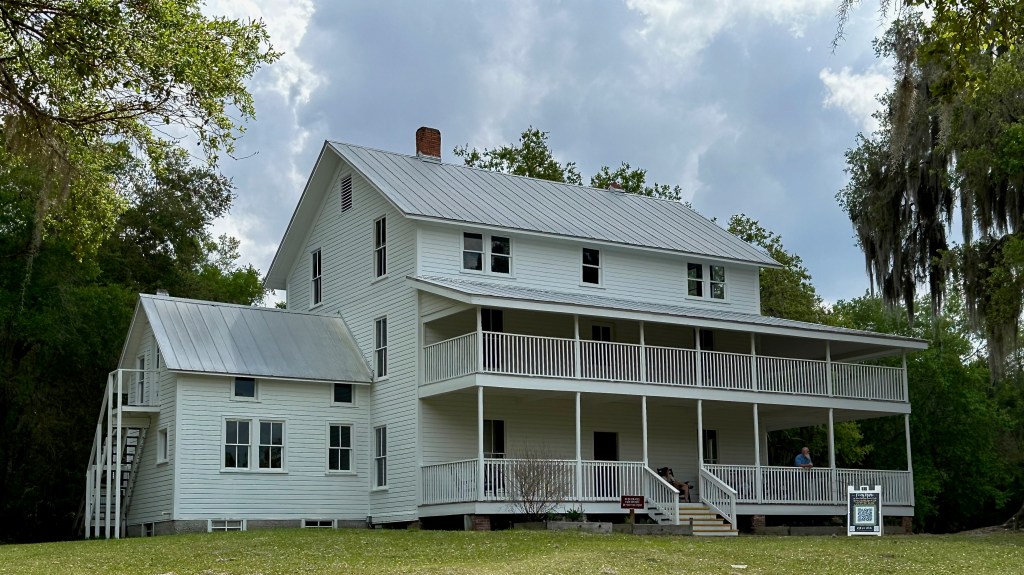
After a brief refresh, I returned to the Park for the feature event, Firefly Night. The park’s Friends group hosts these special evenings which celebrate fireflies and raise awareness of their dwindling populations. I listened to the ranger talk while sitting in a rocking chair on the wraparound porch of the historic Thursby House. The family home, which was built in 1872 atop the shell mound certainly has a commanding view of the river.

As for the fireflies, the Florida Single Snappy is one of the state’s 56 known species. As the name implies, this species uses one quick bright flash to attract a mate. I also learned that fireflies undergo complete metamorphosis (like butterflies) and have the ability to flash during any life stage. Each of the 4 stages last 1-3 weeks except the larval stage, which can last 1-2 years!

By then it was dark, and the first few bright flashes elicited excited murmurs from the crowd scattered along the boardwalk. It was a definitely magical way to spend the evening!

My Amateur Attempt to Capture Florida Single Snappies

Pecking Order

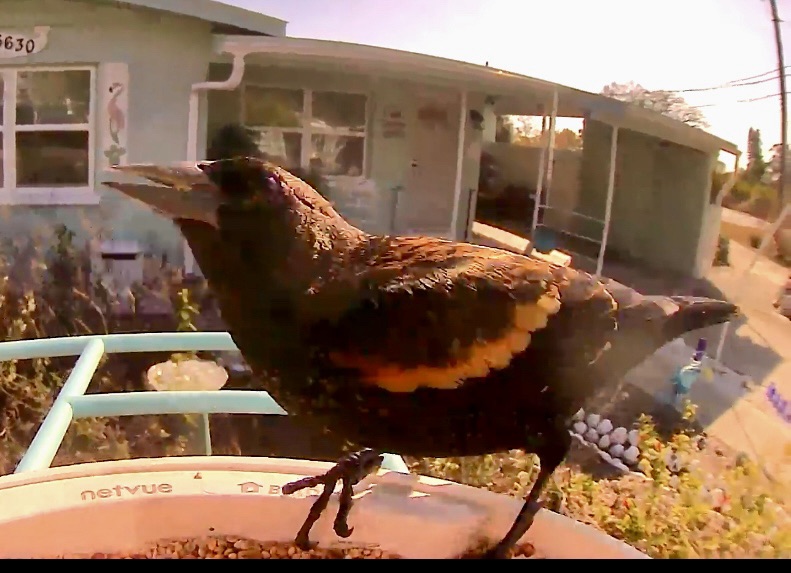
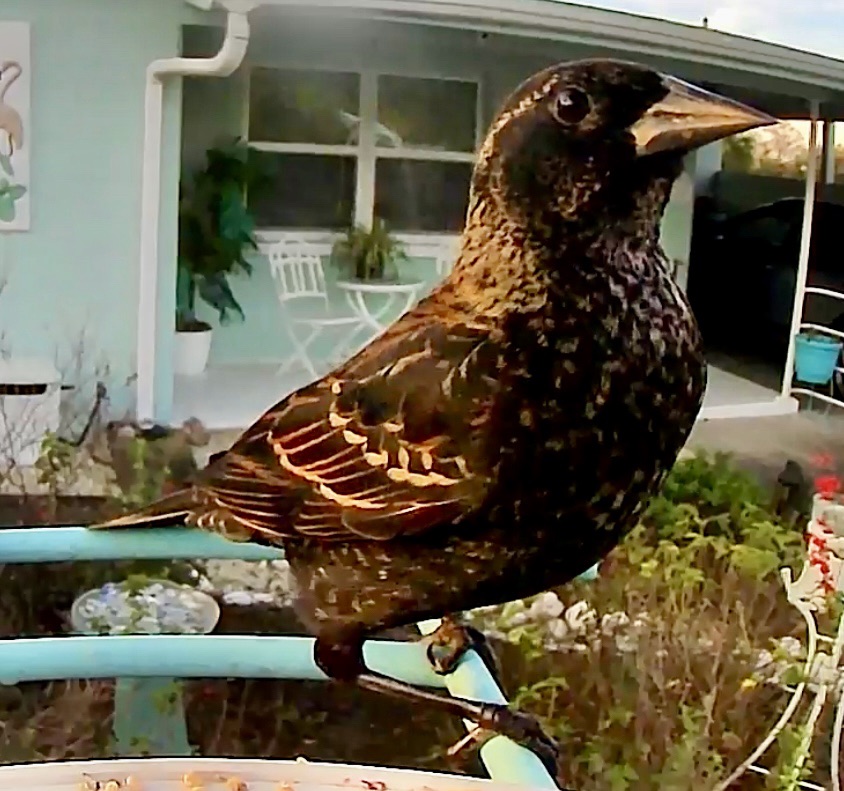
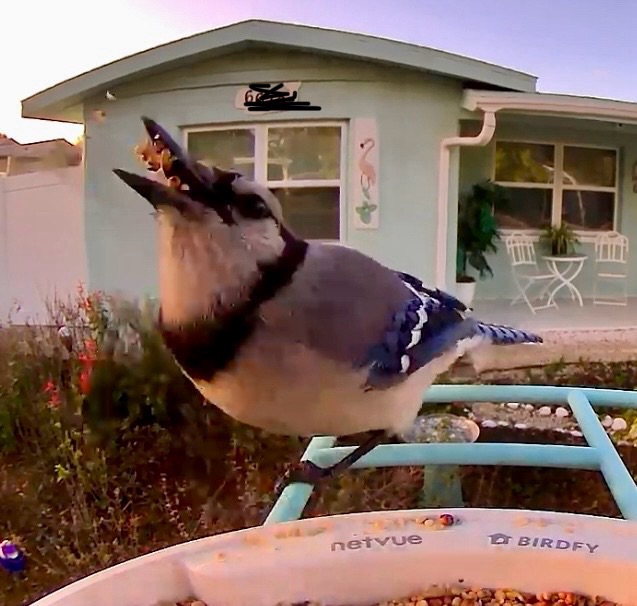
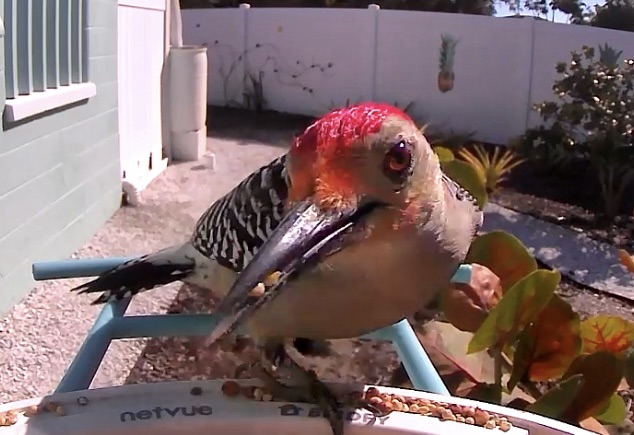
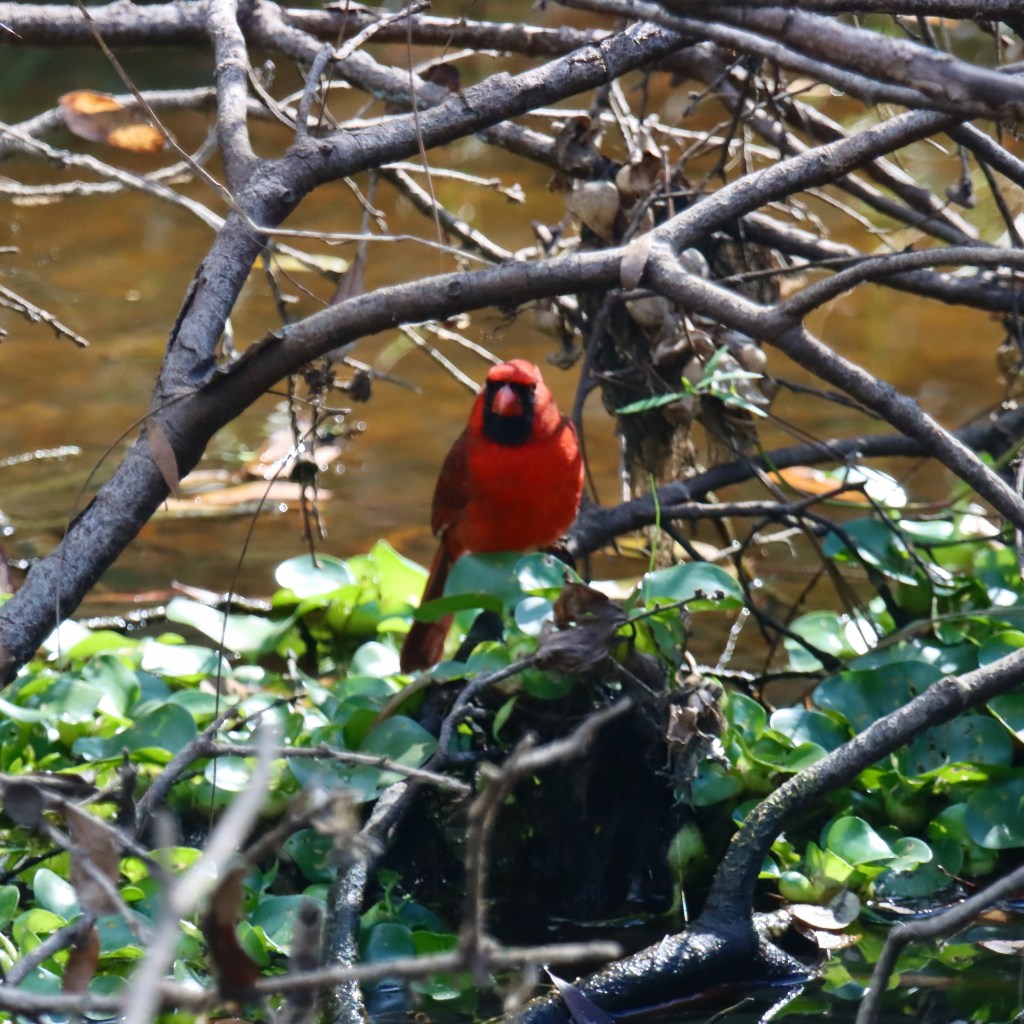
In honor of National Bird Feeding Month, I thought I’d update you on my bird feeder camera. Last week I relocated it to a sunnier spot in my front yard (and moved that feeder to the backyard- never fear, my birds still have options).

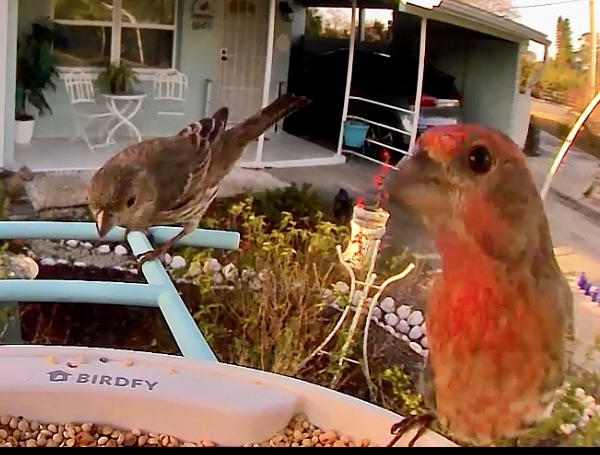
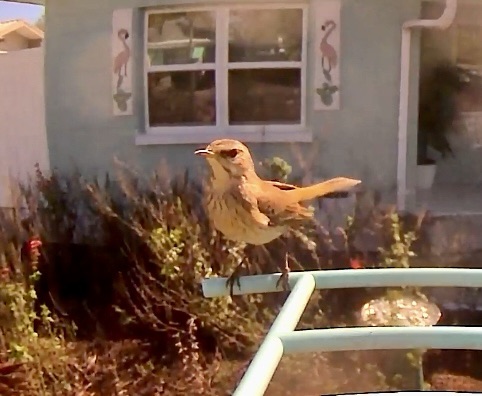
The camera caught two new species at the feeder, both of which, for different reasons, surprised me. Between working and relaxing, I spend a decent amount of time out in my yard and this is the first time House Finches have made an appearance. They aren’t an uncommon species, but they are a new yard species for me. As for the Palm Warbler, it is a winter visitor that I first noticed a few years ago and I’m always pleased when the little tail bobber returns. Since they typically dine on insects I didn’t expect it to show up at the feeder. Ever resourceful, they resort to seeds during colder weather.

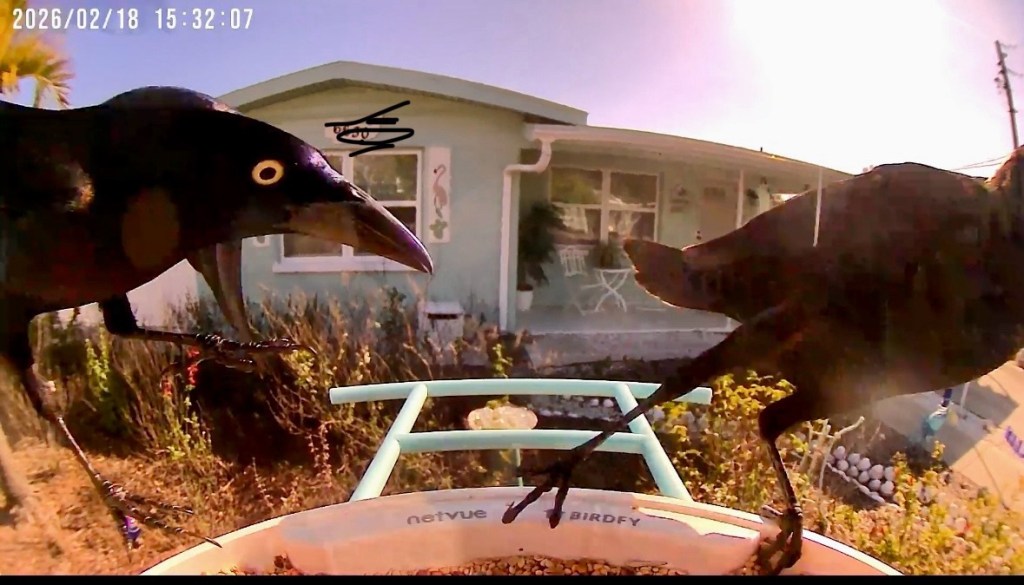
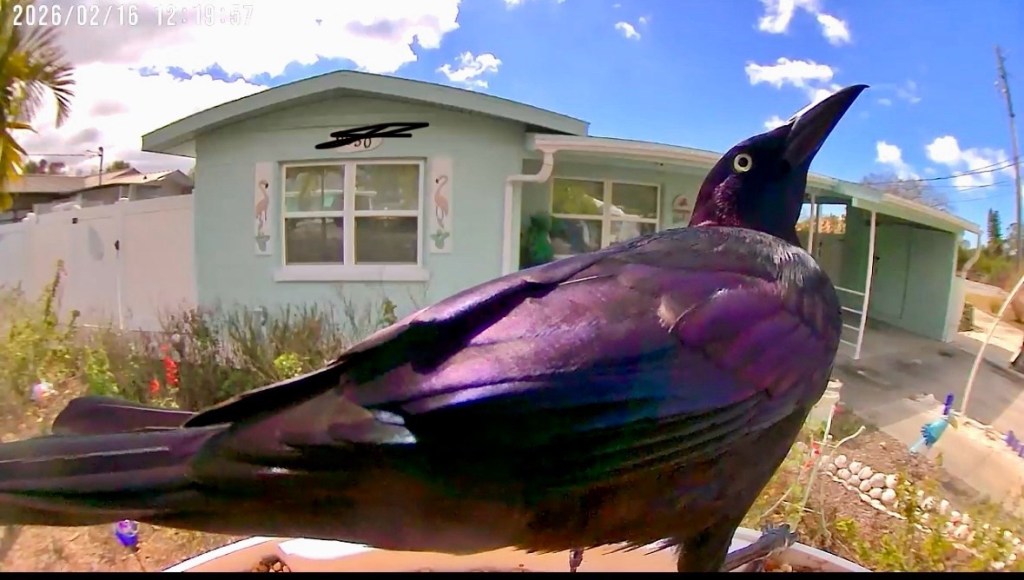
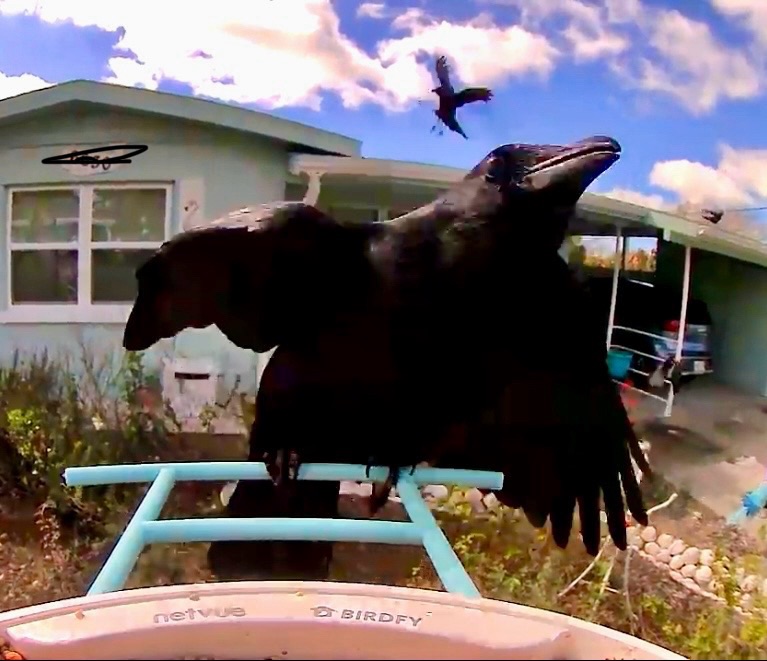
What’s most notable is the “ownership” of my new feeder. Apparently, it belongs to the grackles. Not only are they the first and last visitors every day, but they chase off all the other species (with two notable exceptions).

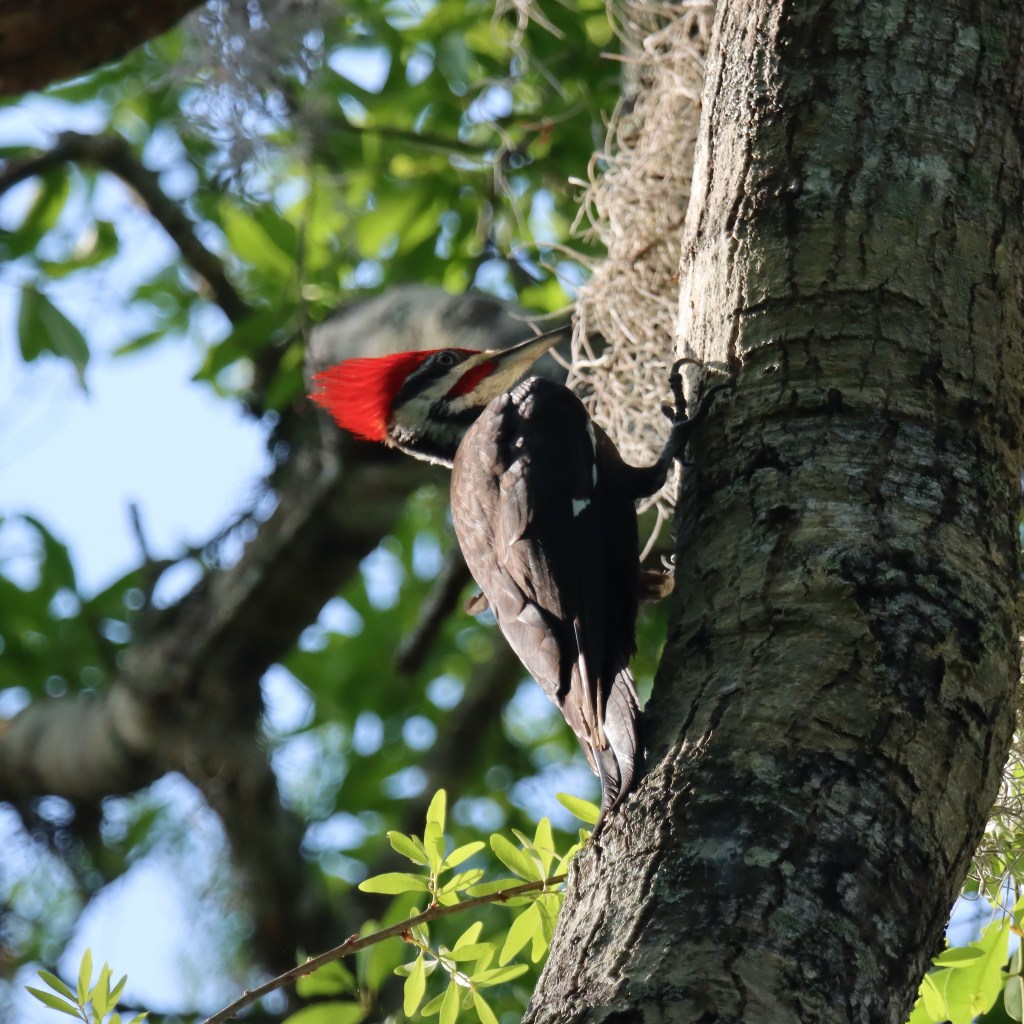
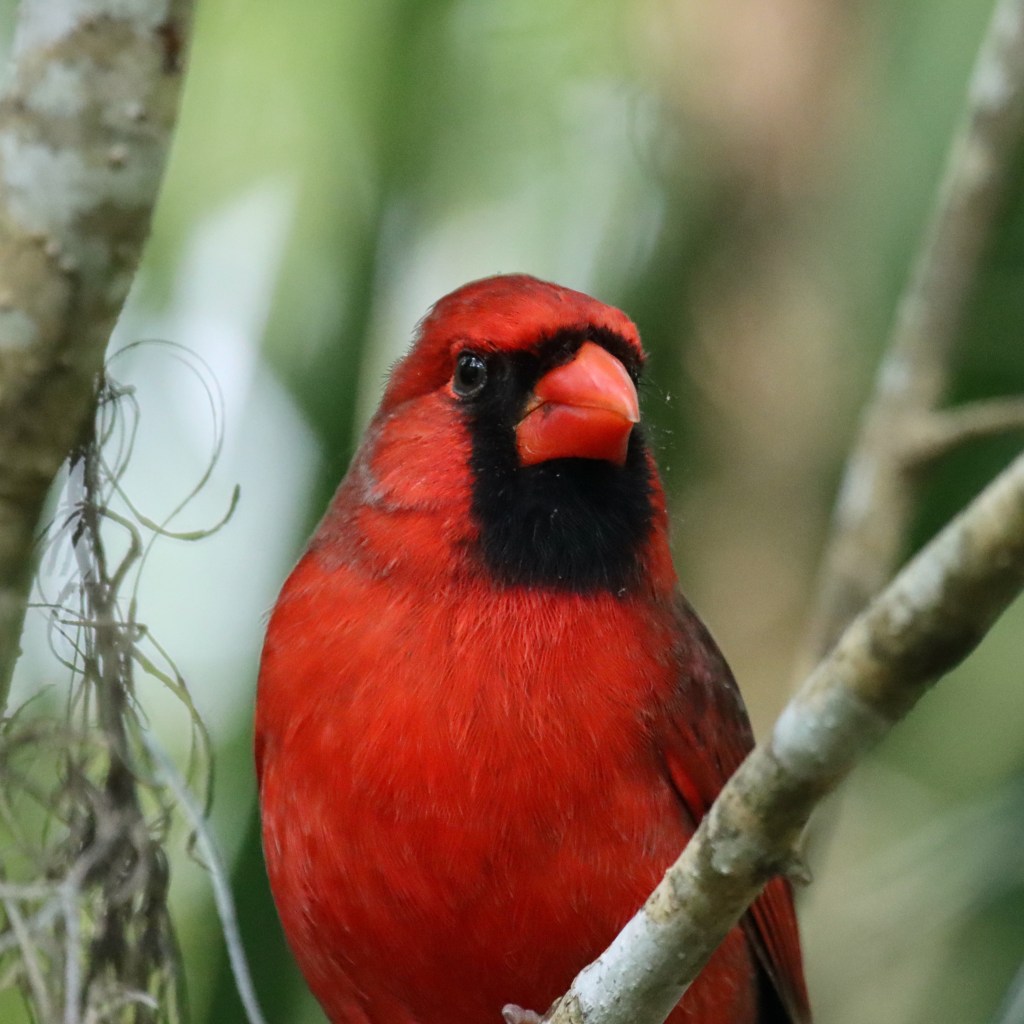
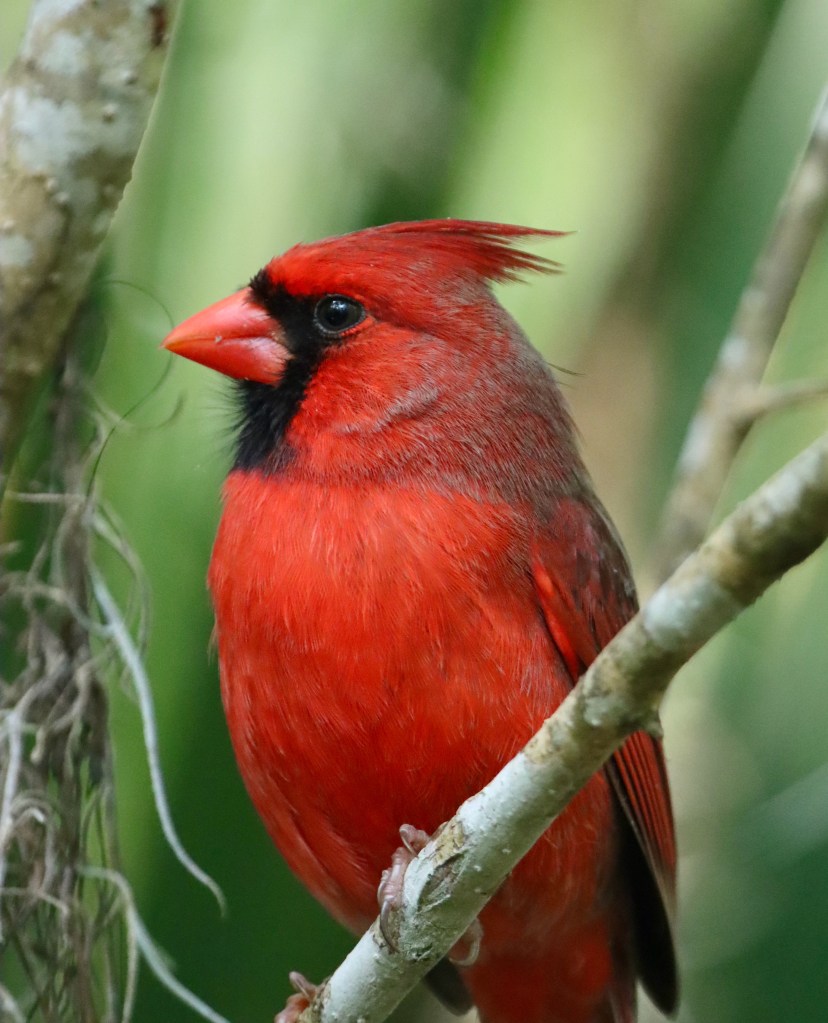
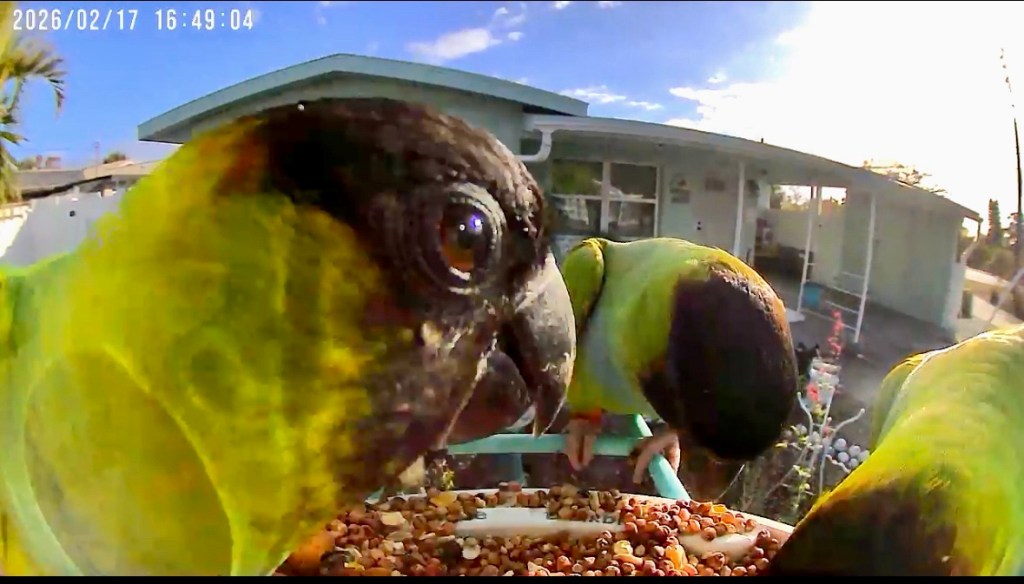
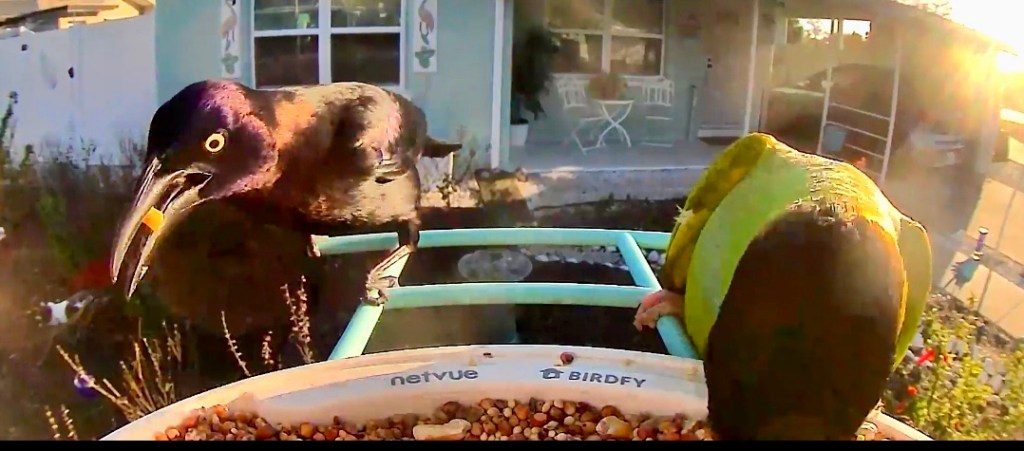
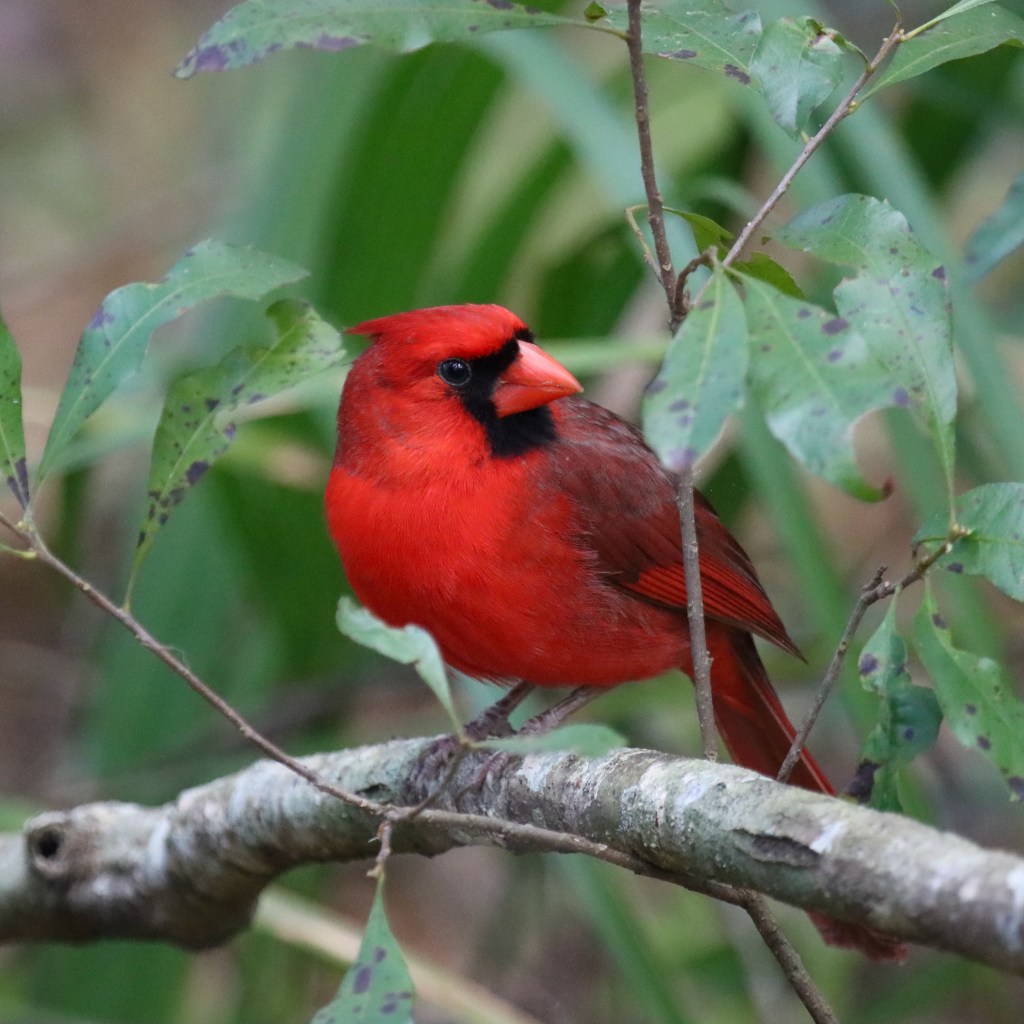
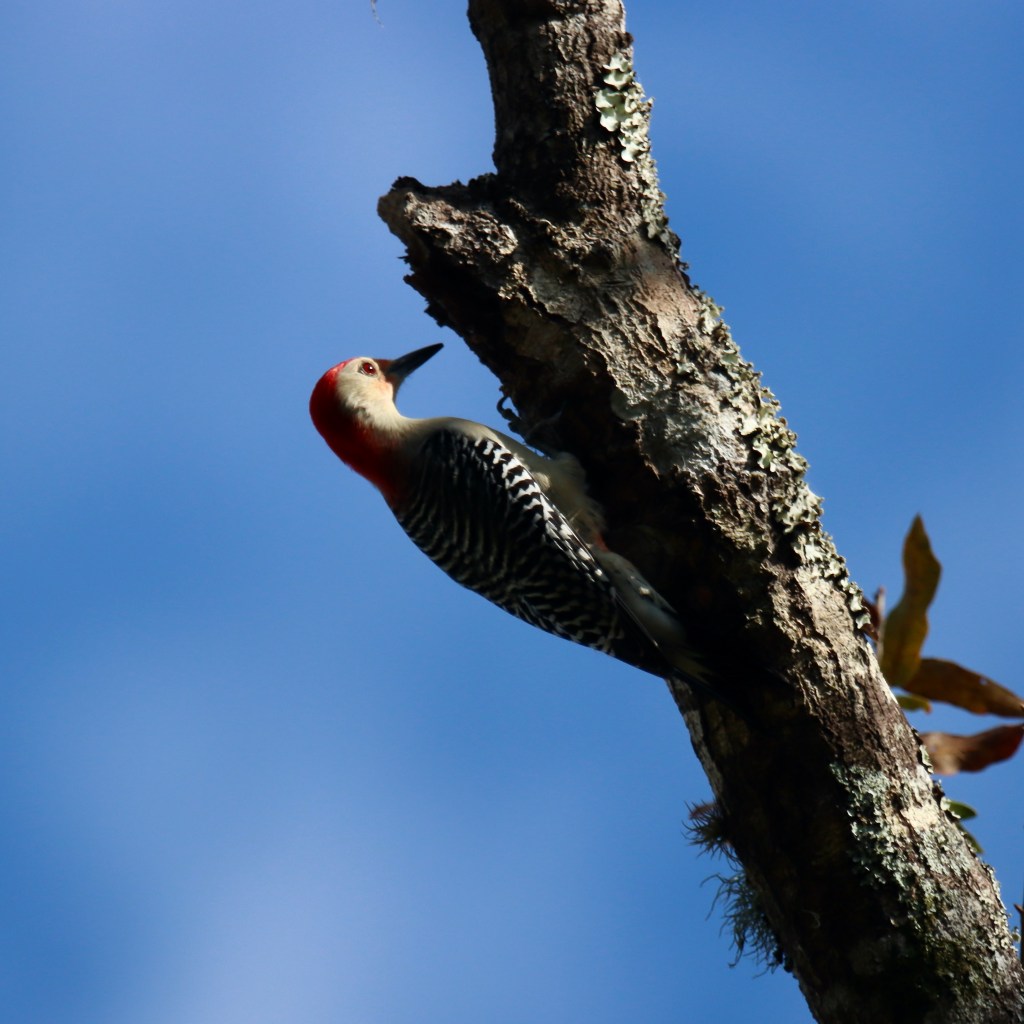
In between grackles other birds swoop in but there is a hierarchy among those species. The small birds and cardinals cede to the jays, which in turn defer to the woodpeckers. All of them will take flight when a grackle appears. Thus far, only a pandemonium* of parakeets or a crow outrank grackles.

*Don’t you just love the collective nouns of different animal species? Even when feeding, a group of parakeets is definitely a wild and noisy thing!

Wandering the Watershed

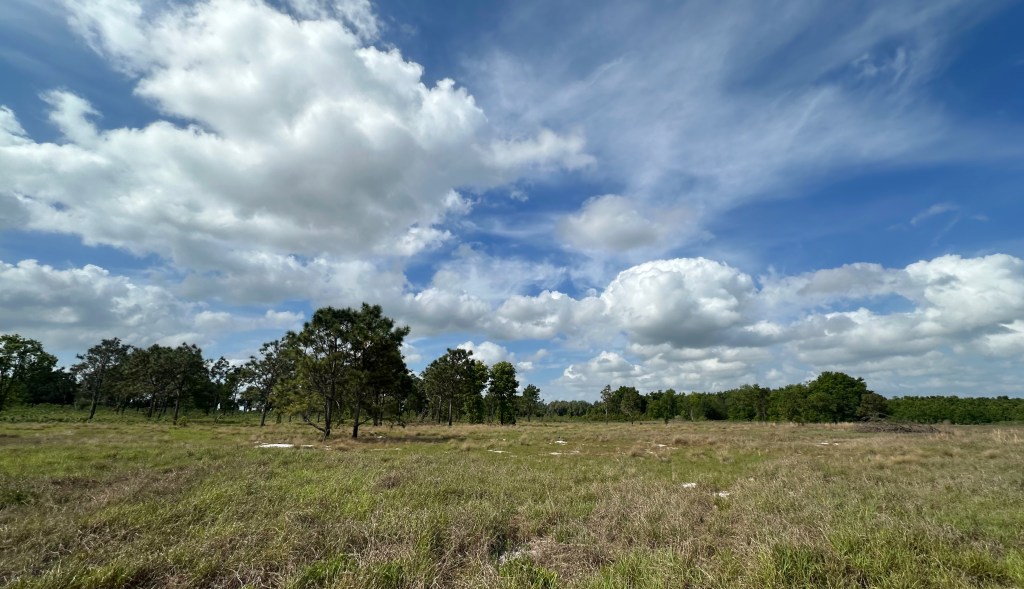
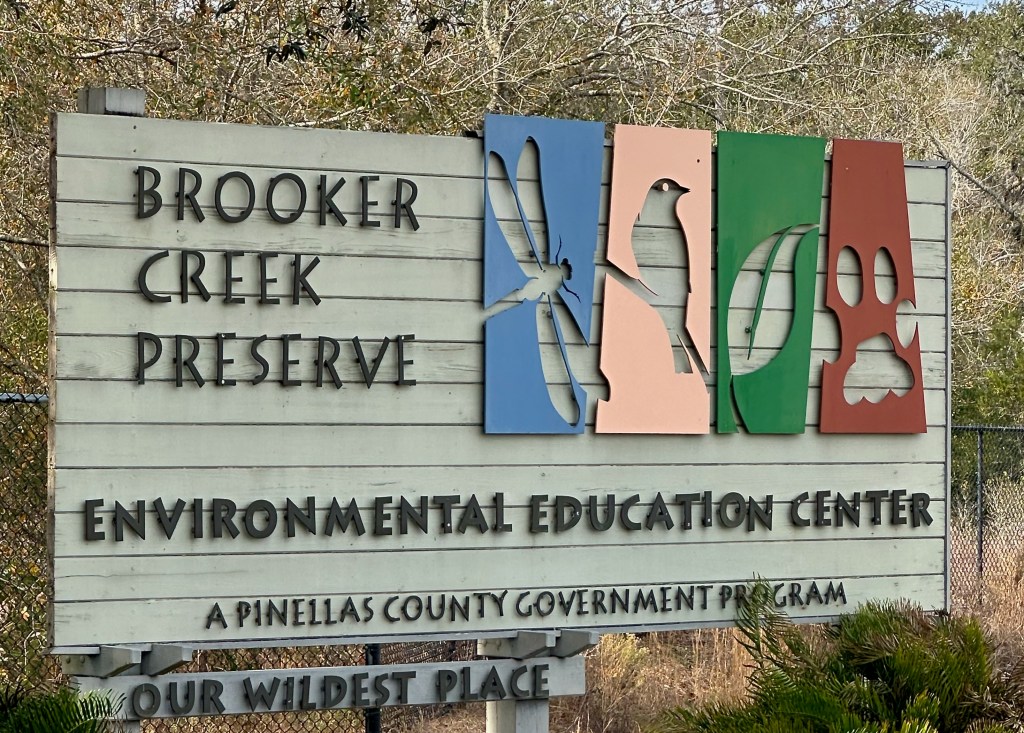
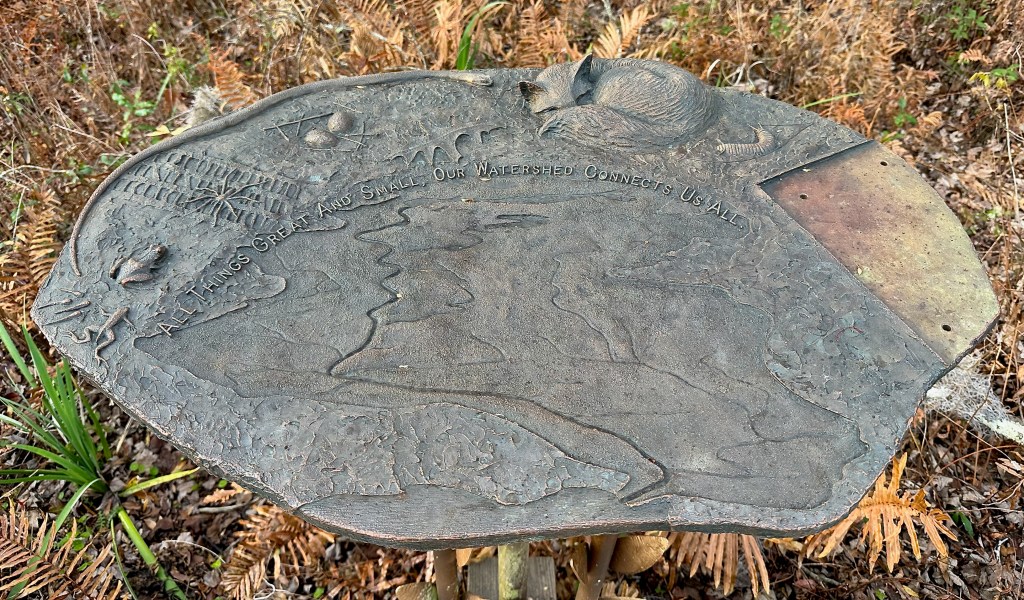
Yesterday I finally had a chance to explore Brooker Creek Preserve. Located near the northern border of Pinellas County, the preserve straddles Brooker Creek. It not only protects a large section of the watershed but it also encompasses the county’s largest remaining swath of undeveloped land (close to 9,000 acres). Considering that Pinellas is the most densely populated county in the state, this open space is a rare treat.

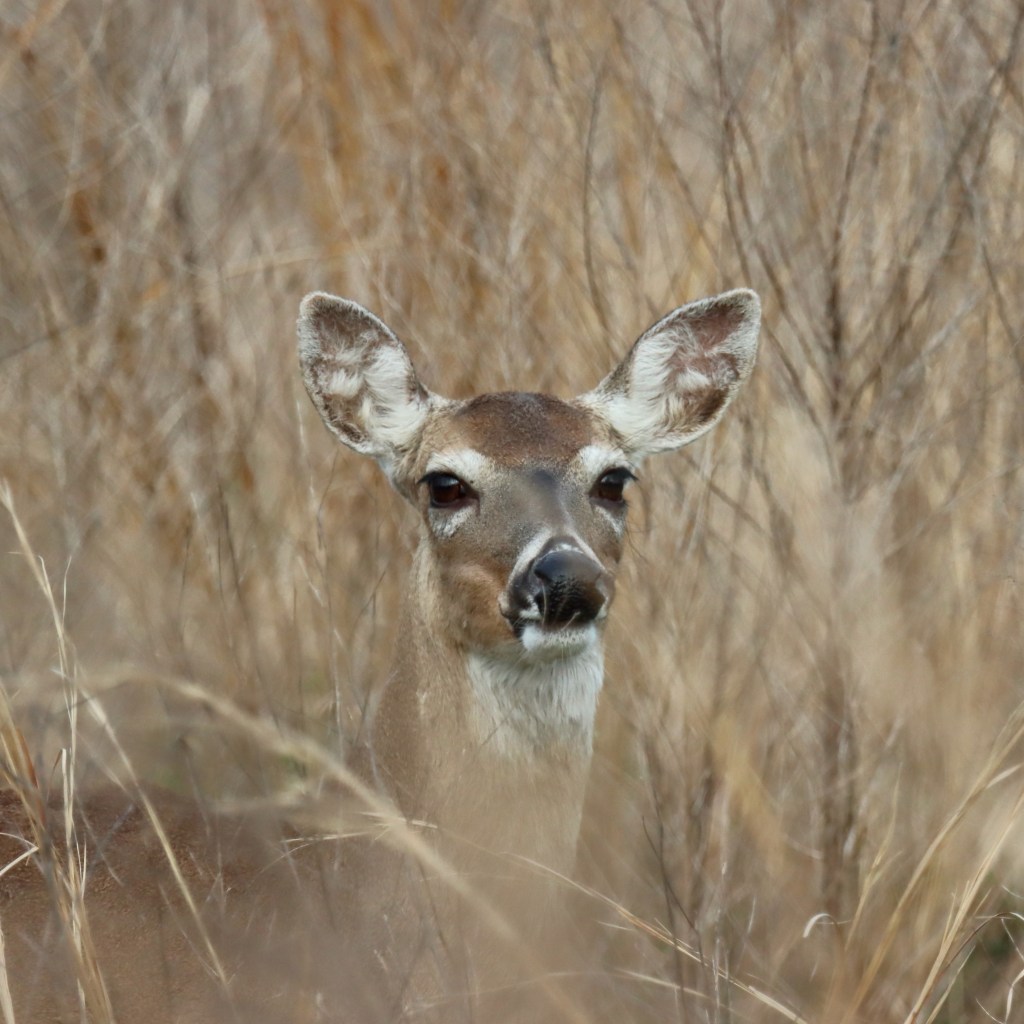
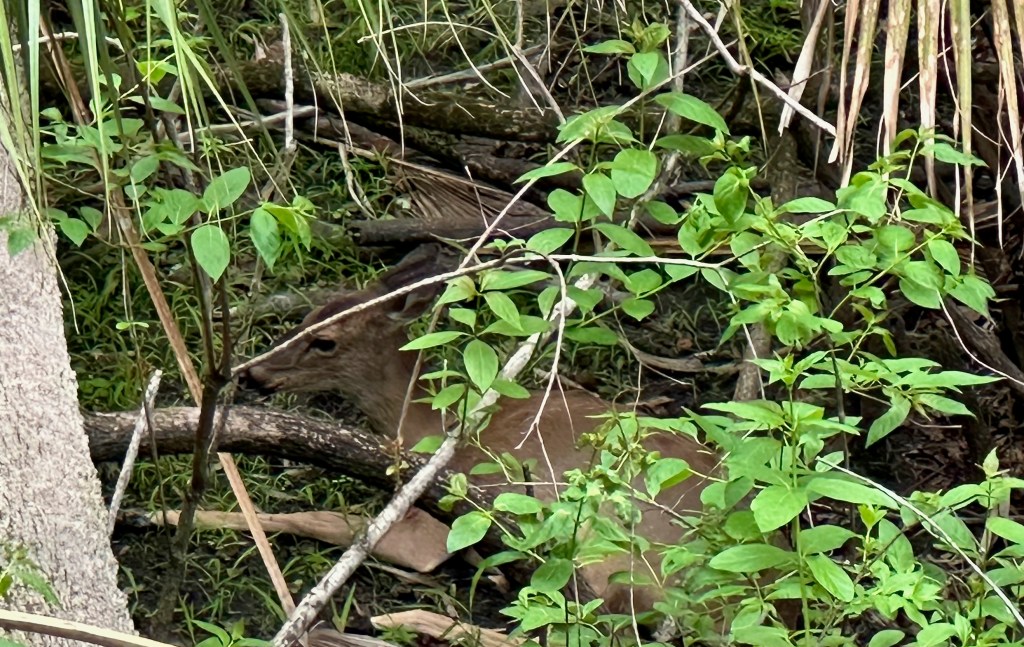
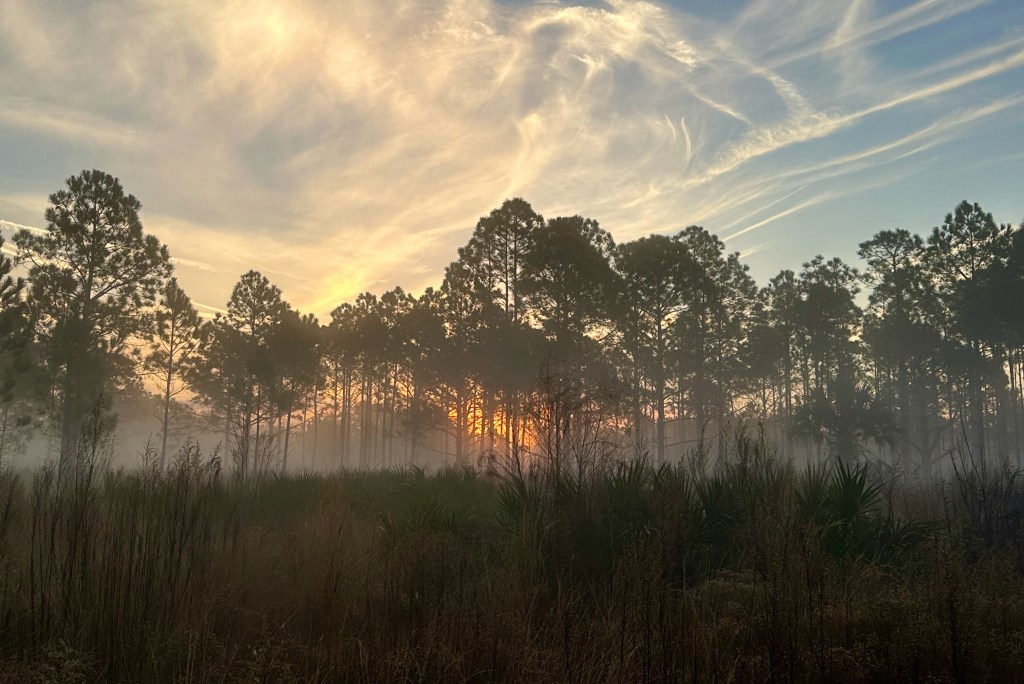
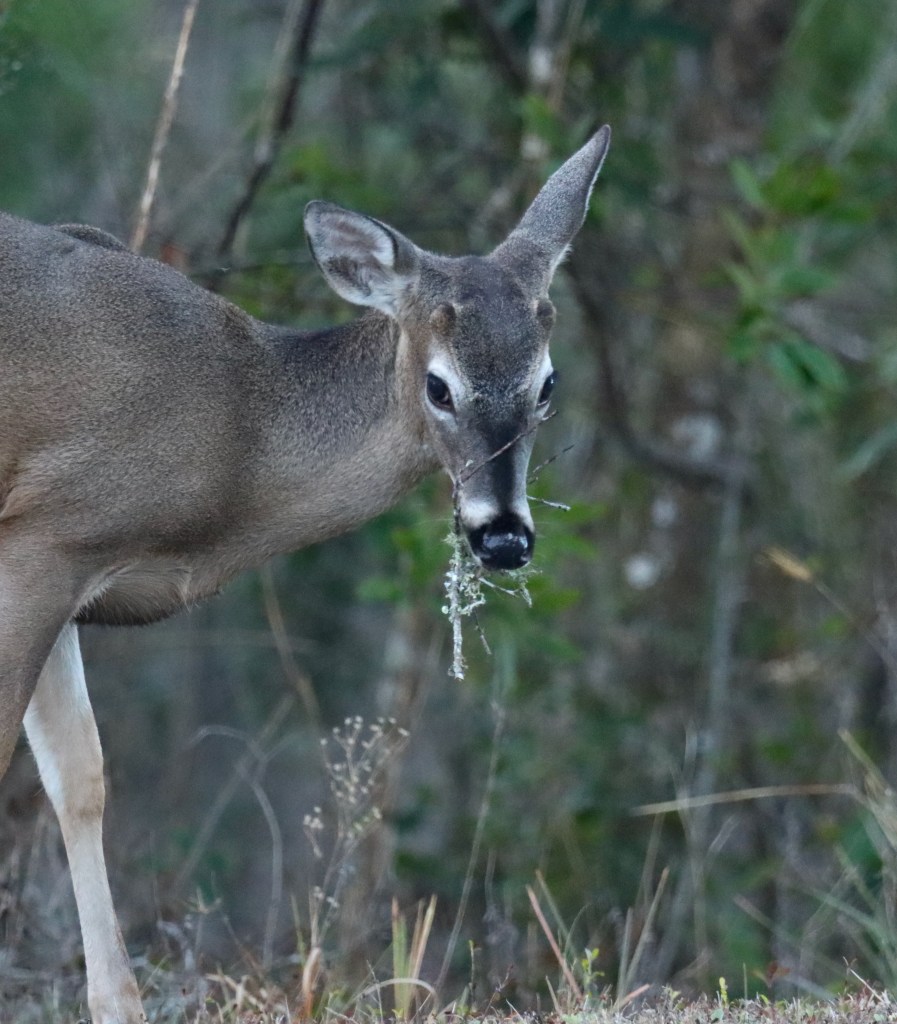
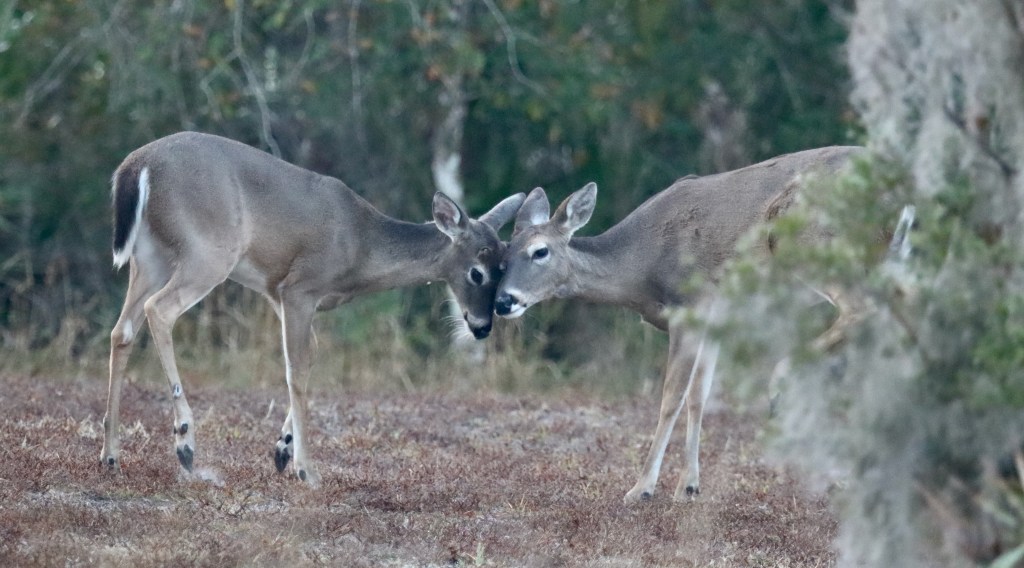
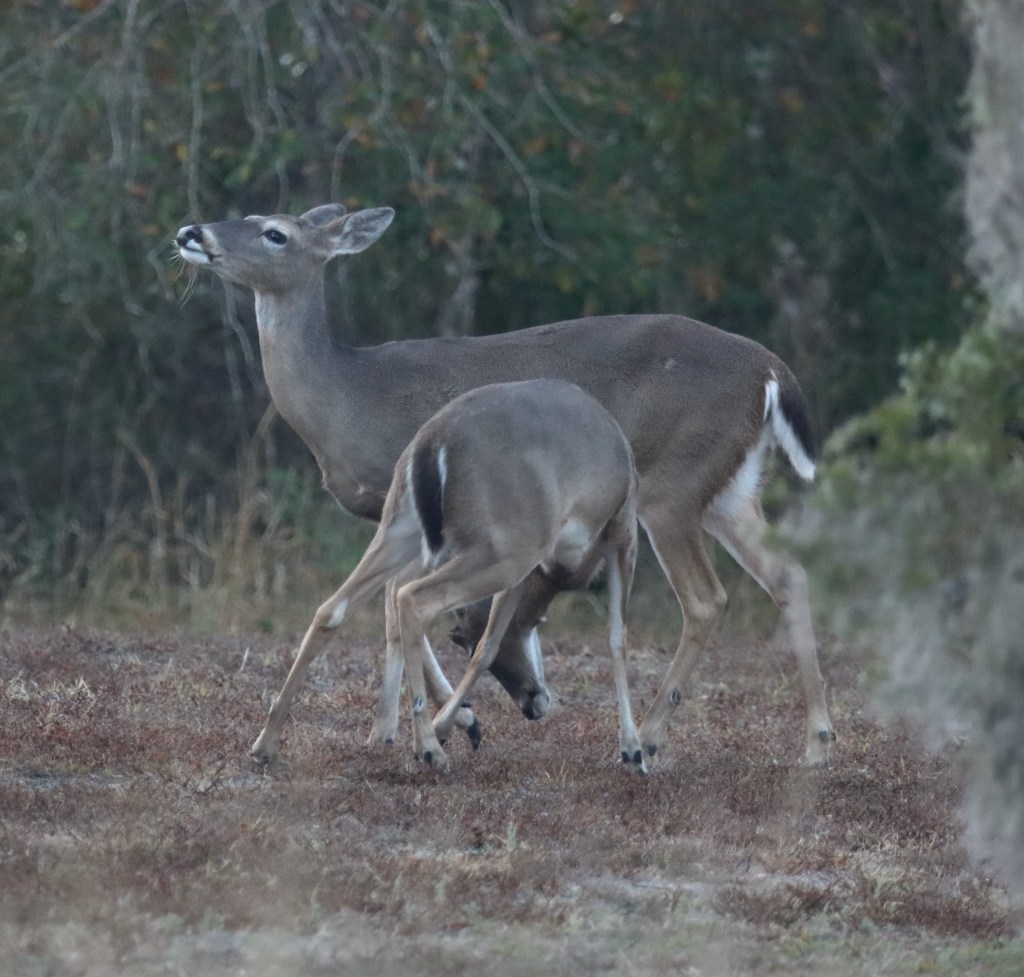
I was up before dawn so that I’d get to there when it opened. I timed it just right, the sun and I both arrived about 7am. I followed the park ranger in as he unlocked the gates but after that I was on my own. Well, except for a couple of White-tailed Deer that foraged and frolicked nearby, completely unconcerned with my presence.

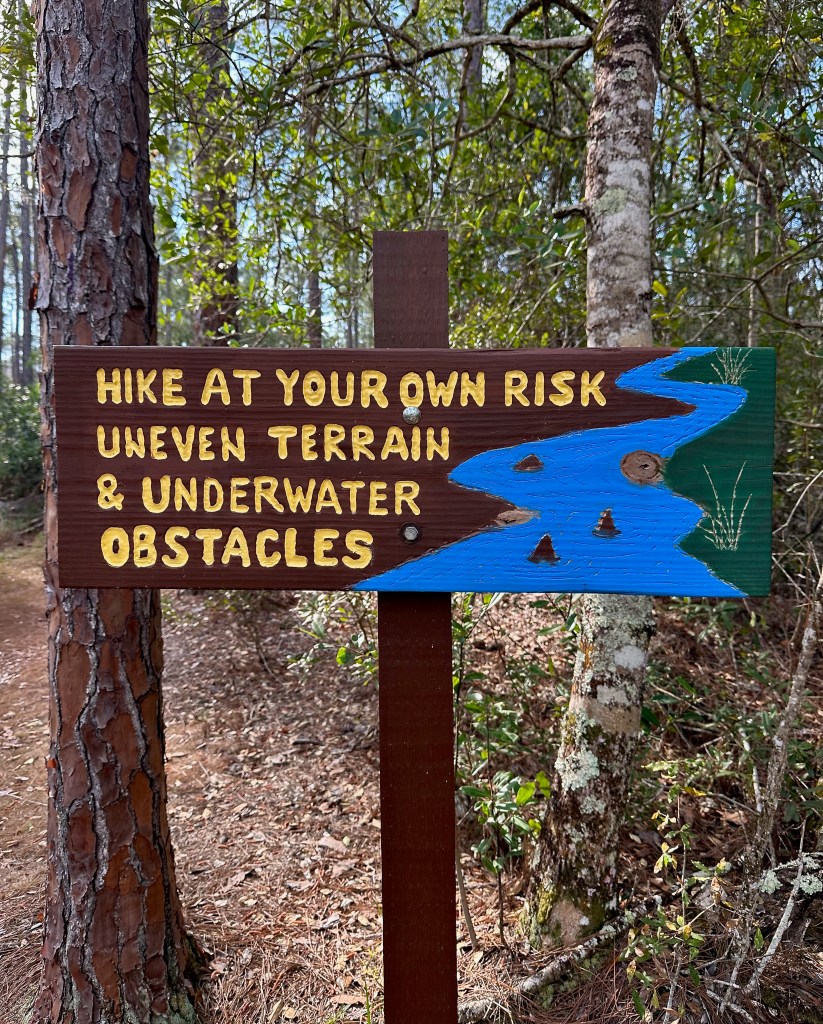
The main thing I noticed as I wandered the boardwalk and trails was the lack of water. If it wasn’t for the current drought, most of the dusty footpaths I wandered would normally be underwater (or at least very muddy, hence the trail sign).

That’s the thing about Florida, it’s the flattest state in the country. Which means that historically, during the rainy season, the water in our largest watershed didn’t exactly gush, as much as it just spread across the landscape. Lacking elevation and the great pull of gravity, the water meandered, passing through marshes, swamps, and wetlands before eventually moseying into Tampa Bay (when left unaltered, but spoiler alert, it’s almost all been altered).

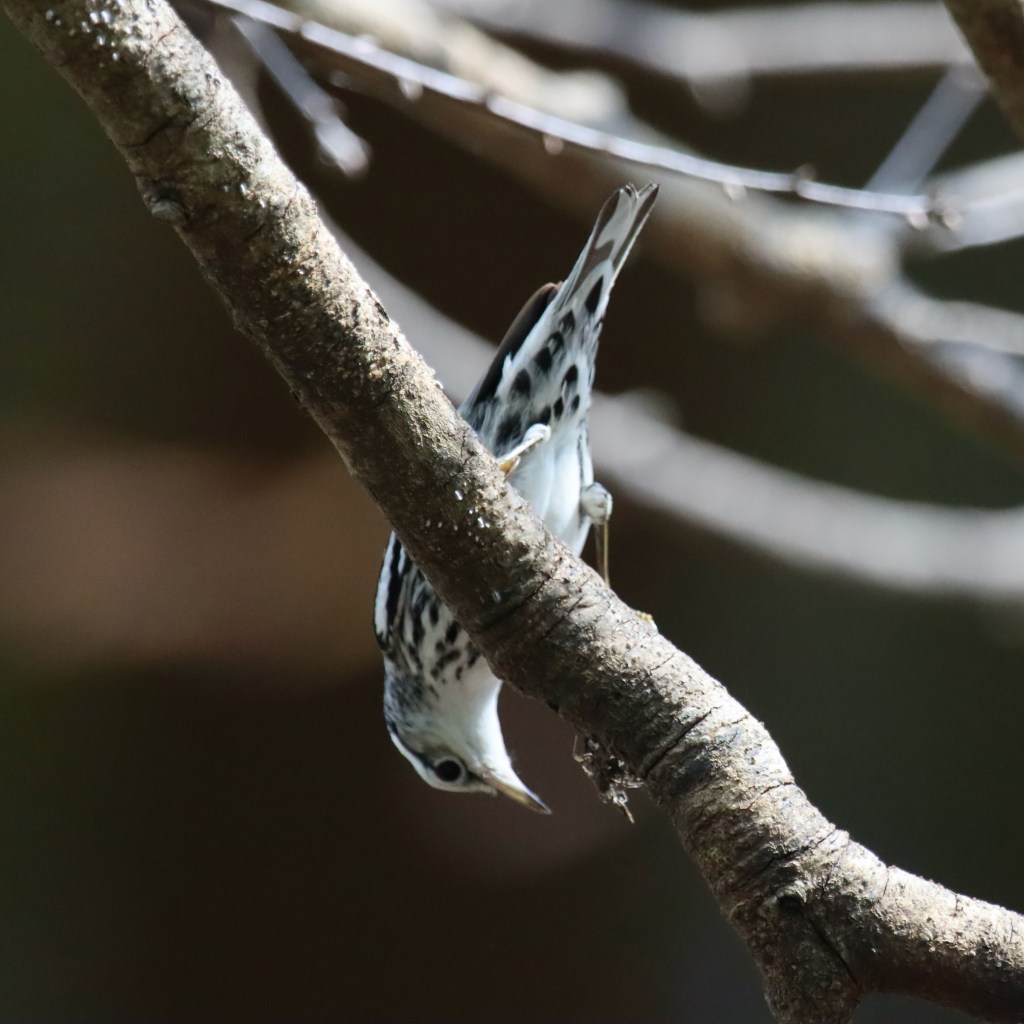
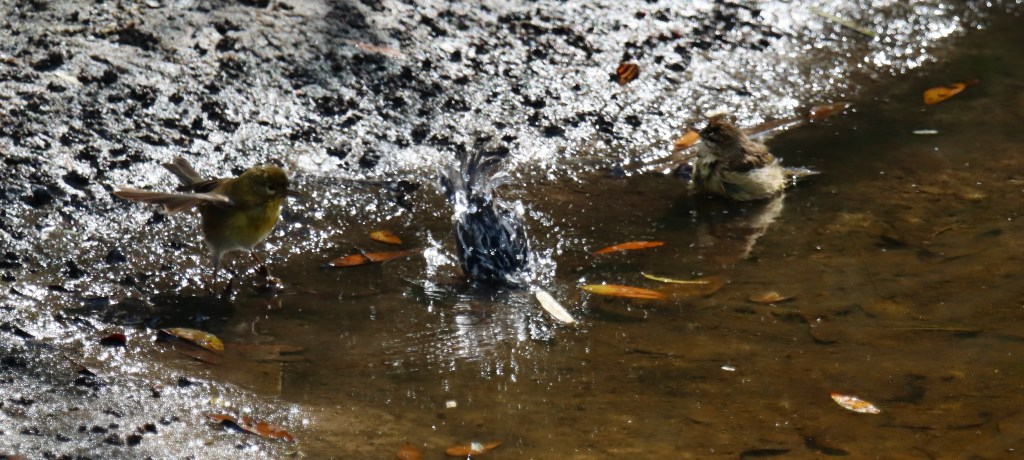
Overall, the dryness worked in my favor, as birds were drawn to the remaining ribbon of water (and my feet didn’t get wet). How fortunate for all of us that this land is protected!

Whispers in the Pines

A Walk in the Park

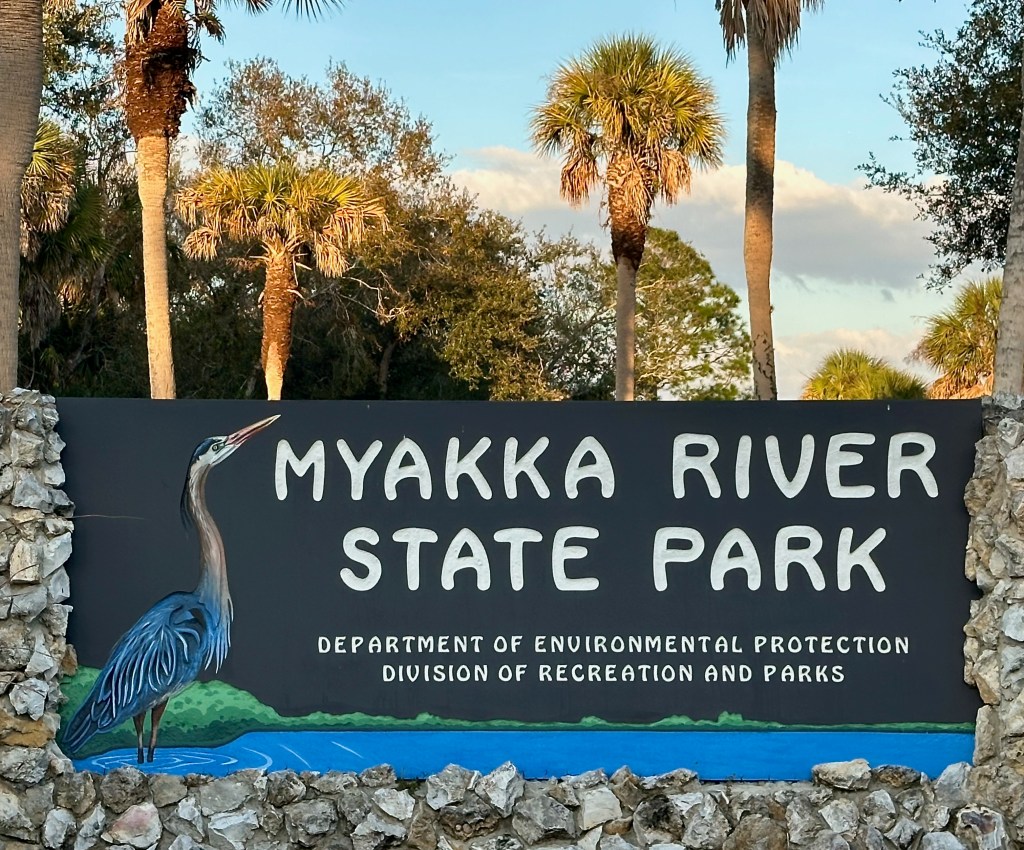
The weather down here has been incredible lately, with daytime temperatures in the upper 70s and plenty of sunshine. On Sunday I drove down to Myakka River State Park. It was the first state park I visited in Florida when I moved here back in 2019, right about this time of year. While I’ve returned to wander a few times since, I don’t think I’ve had quite such an amazing experience before.
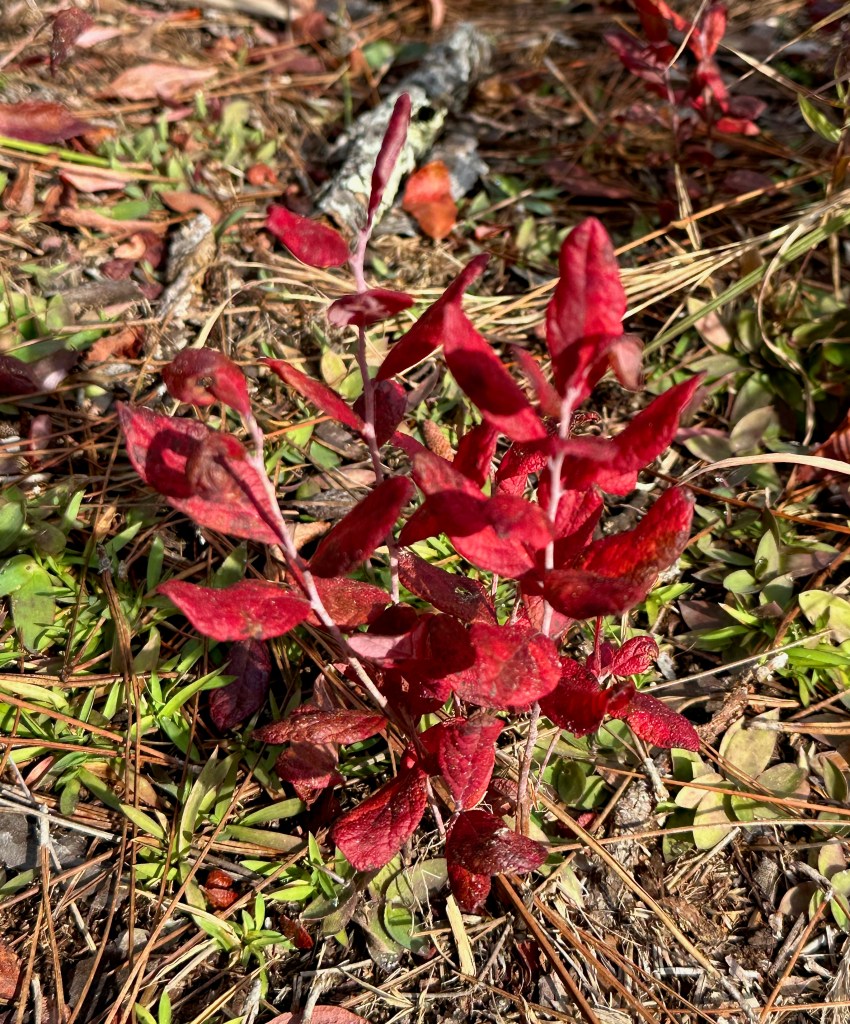
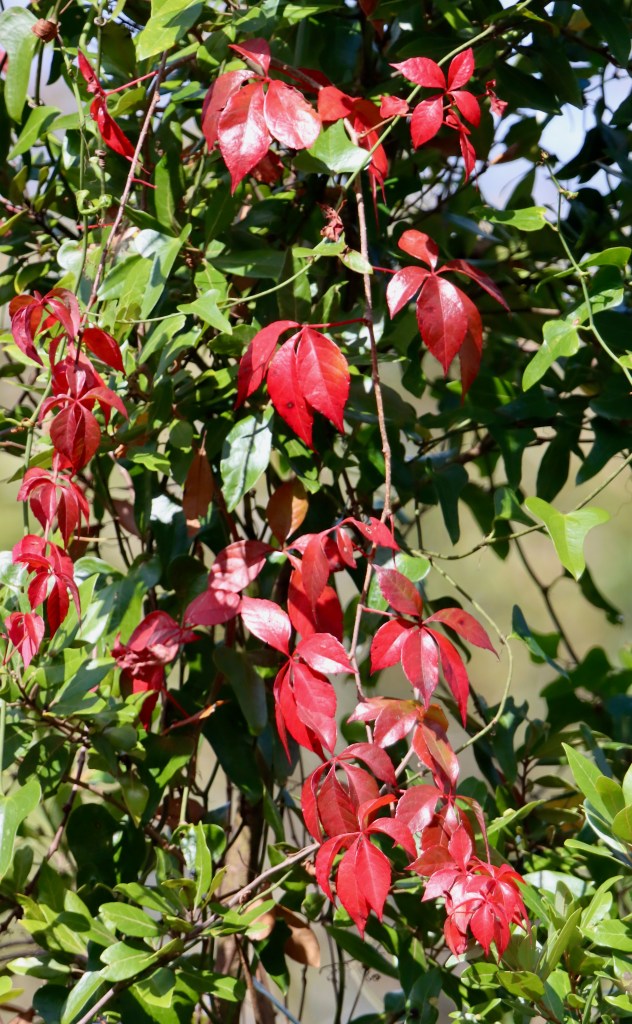
As the afternoon heated up, I headed into the forested hammock. The thing about winter in Florida, I go through a lot of clothes! When I left my house it was 59° so I wore jeans and a long-sleeve shirt. By the time I parked at the trailhead, it was mid-70s and sunny so I switched into shorts and a tshirt. I started the day on an open trail but by mid-afternoon, the sun chased me onto a much shadier trail. We may not get showy Fall colors down here but as you can see, the foliage was definitely festive!

For the last part of my day, I trekked south along the much-diminished Myakka River. Though our dry season has just started, most of Florida is already in a Stage 1 drought. As a result, I was able to reach sections of the river that would typically be completely under water.
I perched on one of the trees downed by last year’s hurricanes and waited, knowing that low water levels elsewhere in the park would bring wildlife here. I didn’t have to wait long, as a steady stream of birds and even a raccoon soon stopped by.

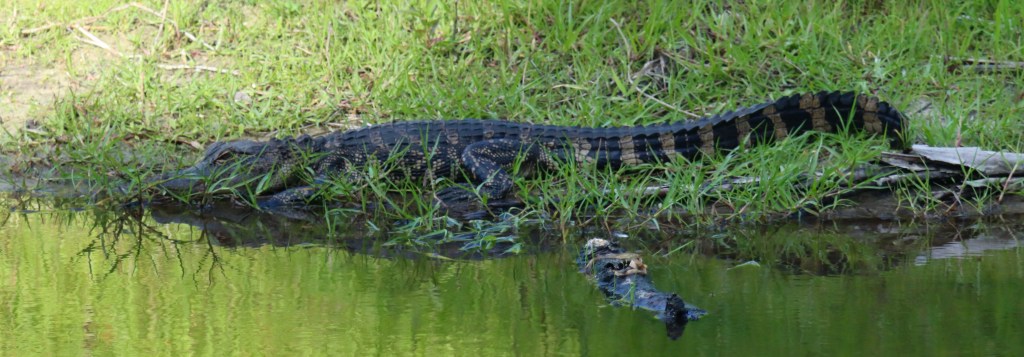
As for alligators, you know what they say, if there’s water in Florida it’s a safe bet that there’s gators! I admire them from a distance because although they mostly laze about, they are surprisingly quick and agile. The momma gator in the video below swam over to warn me to stay away from her not-so-little babies.

Who Goes There?

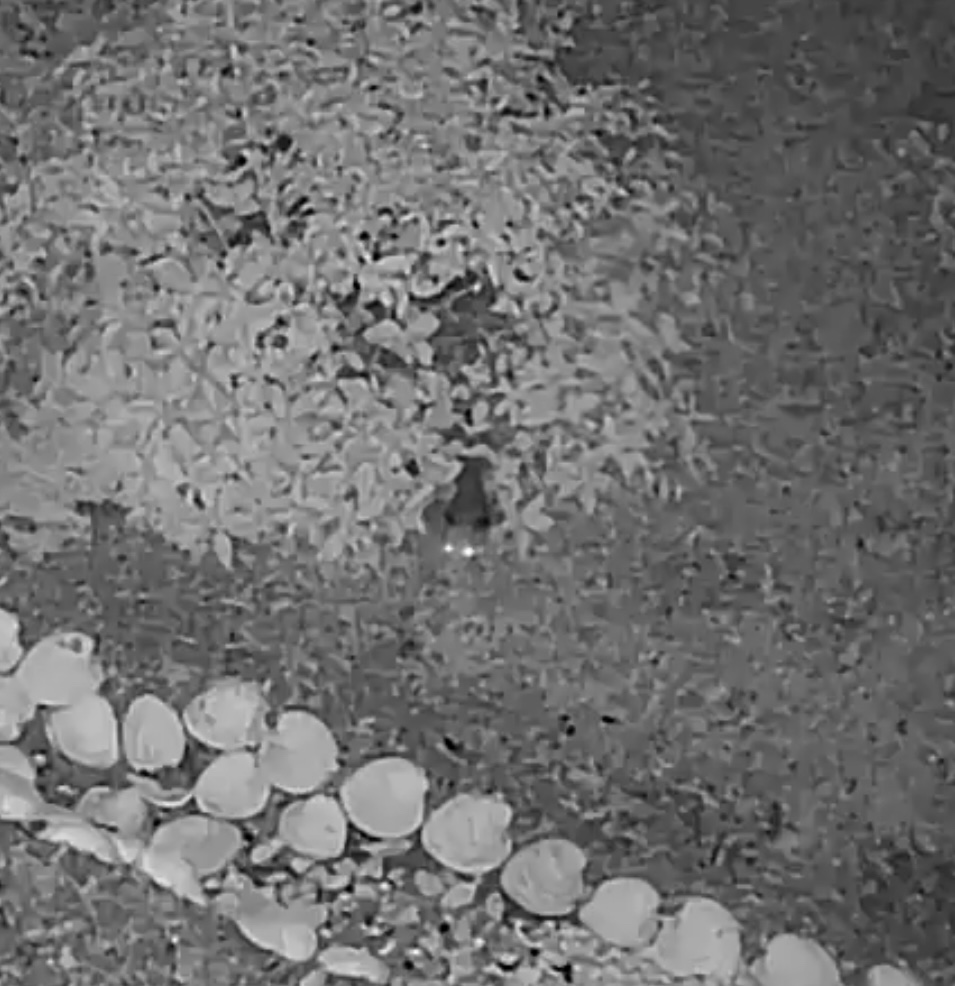
Grainy Screenshot from the Video Below

The camera in my front yard recorded a furtive animal a couple months ago. I delayed sharing the video because I had hoped to get species confirmation from Florida Fish and Wildlife Conservation Commission (FWC).

I used a process of elimination to narrow down the list of possible species. Based on the darting, somewhat secretive behavior, lean body, long snout, and short legs of the animal, I’ve ruled out raccoon, opossum, and stray cat. Which really only leaves members of the mustelid family.

Since FWC is collecting data on mustelid sightings to better understand their prevalence, I sent over my information but I have yet to get a response. Presuming that this animal was not an escaped or released exotic pet, there are three members of the weasel family native to the state to consider: North American River Otter (Lontra canadensis), American Mink (Neogale vison), and Long-tailed Weasel (Neogale frenata).

While I do live across the street from a small waterway where otters have been spotted, the smallish size of this animal leads me to believe it’s not an otter. Since it’s not as small and narrow as a weasel, I’m fairly certain it’s an American Mink, a species that also lives along waterways. A cool, new species for my yard!

Mrs. Hernbrode

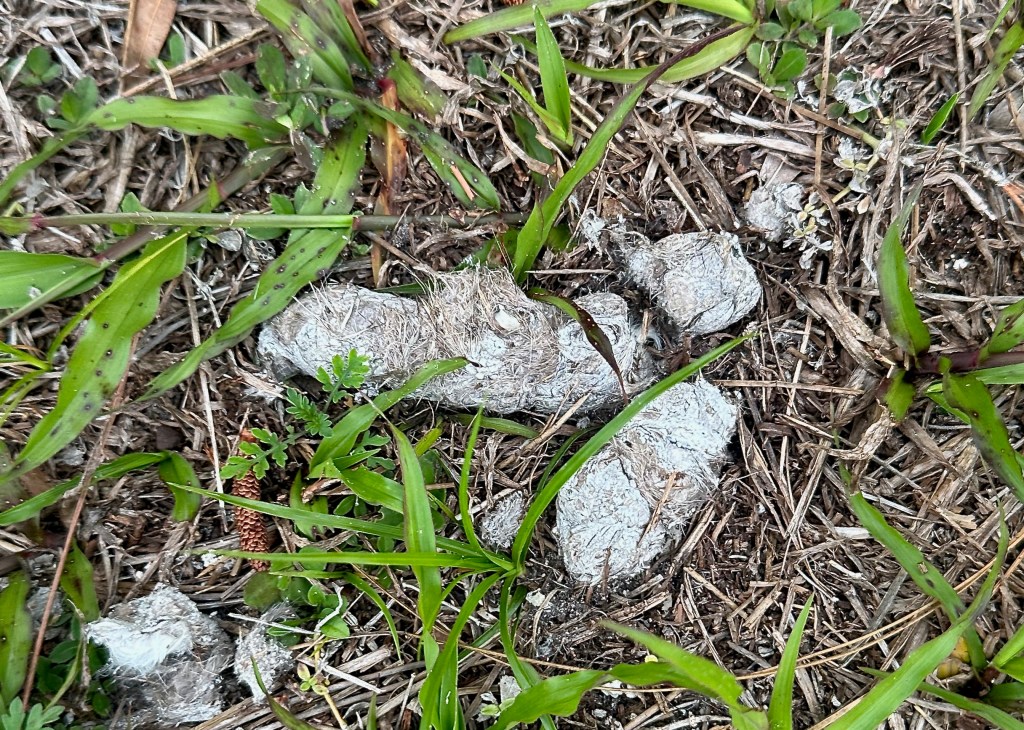
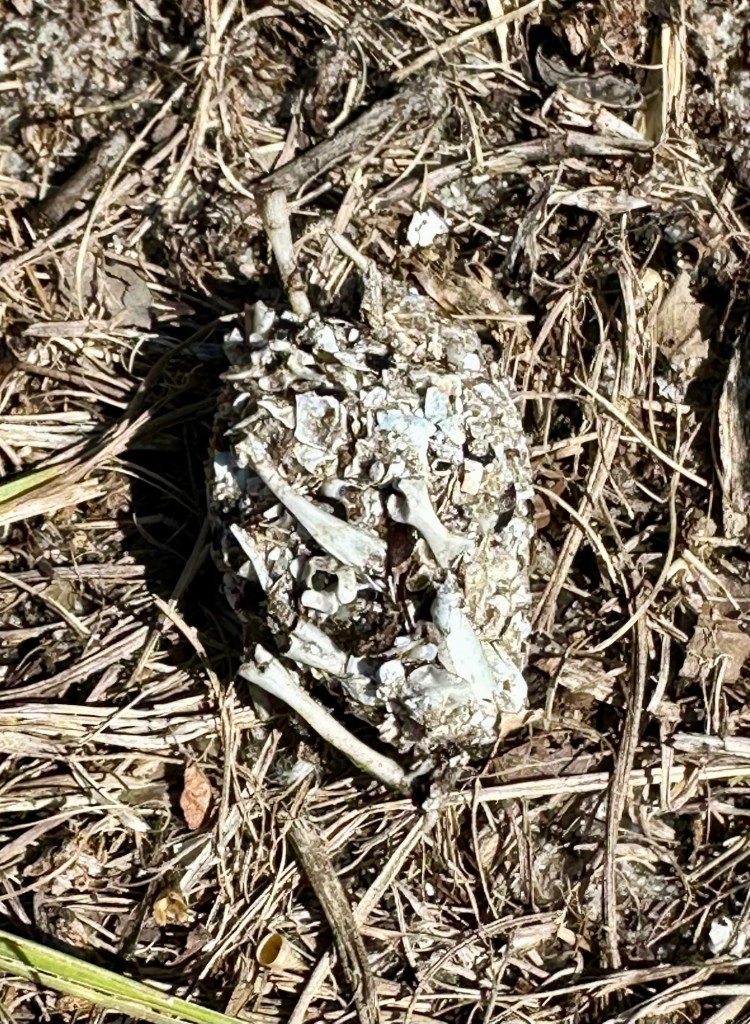
While pulling weeds in my front yard yesterday I was pleased to discover this odd little lump. The roughly 2” long bundle of fur and bones immediately transported me back to 3rd grade…

We were learning about Great Horned Owls as part of our science and biology curriculum. Unlike raptors that tear their meals apart, big owls tend to swallow their food whole.

In order to learn about their place in the ecosystem, my teacher, Mrs. Hernbrode, brought in owl pellets for us to dissect (cast pellets are little balls of non-digestible parts that the owls cough up after eating).

Our task was to gently extricate all the bones and carefully reassemble the skeleton so we could identify the prey animal. Most of the girls in my class were grossed out, but the guys and I dug right in (newsflash, I was a bit of a tomboy – riding horses, climbing trees, and playing in the dirt were my main hobbies). In other words, I was an eager pellet detective!

I had always been fascinated by nature and wildlife, but I credit Mrs. H for encouraging my curiosity. That curiosity guided me through college and has led me to some incredible places over the years. For that, and other reasons, Mrs. H remains my absolute favorite elementary school teacher.

So imagine my excitement when we crossed paths again, some 30 years later. She had moved to Portal, a small town nestled in the heart of the Chiricahua Mountains of Southern Arizona (where my parents had moved decades earlier). I recognized her immediately and was touched when she remembered me (out of all those students over the years).

Finding this pellet pleases me because it’s a sign that my yard is welcoming to wildlife. In her honor, I’m naming the pair of Great Horned Owls in my neighborhood the Hernbrodes. As for the pellet, I’m still debating whether or not to dissect it…

Washed Up

Last week I took advantage of a slightly overcast morning to wander the beach at nearby Fort De Soto Park. I hit the sand shortly after the park opened, so it was just me and the literal early birds out there.

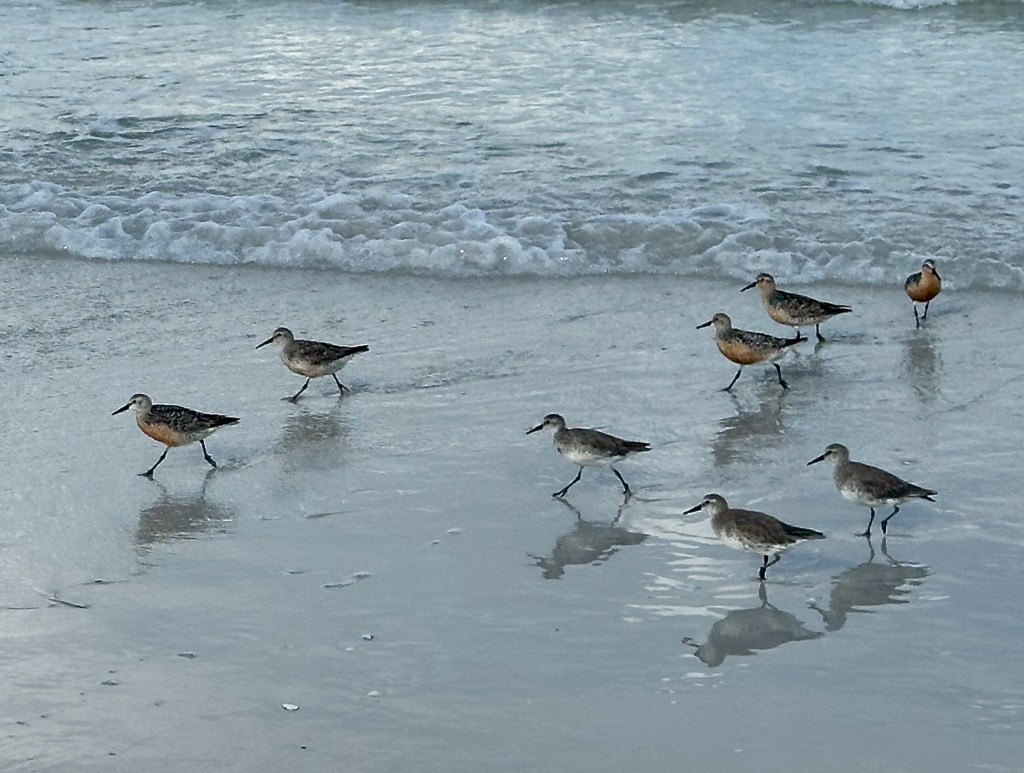
My avian friends mainly consisted of Willets (Tringa semipalmata) and Red Knots (Calidris canutus rufa). The former hang out here year-round while the latter are just stopping over on their migration from the circumpolar region to the southern tip of South America. That’s an epic 9,000 mile journey for a bird that’s only slightly larger than a robin with just a 22″ wingspan!

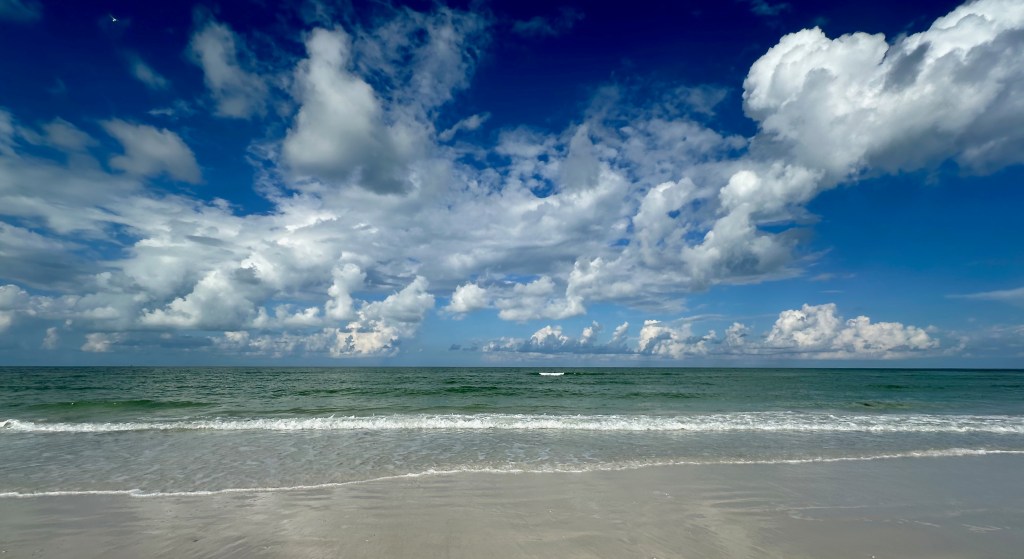
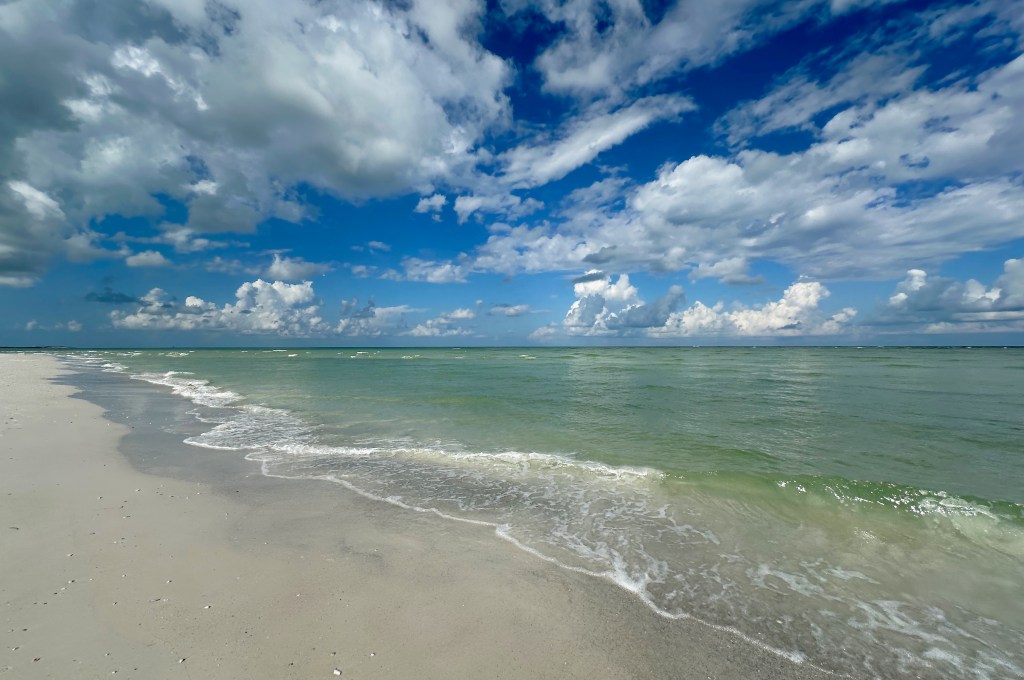
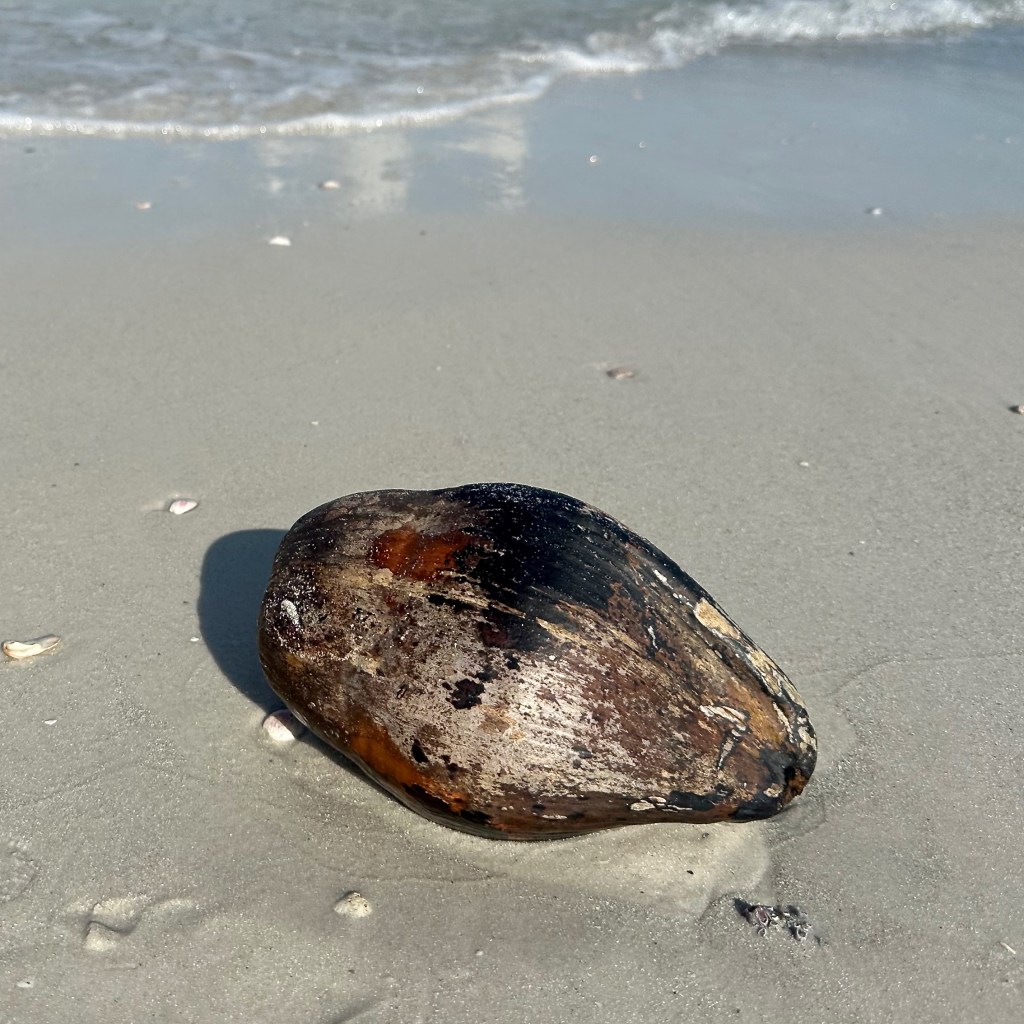
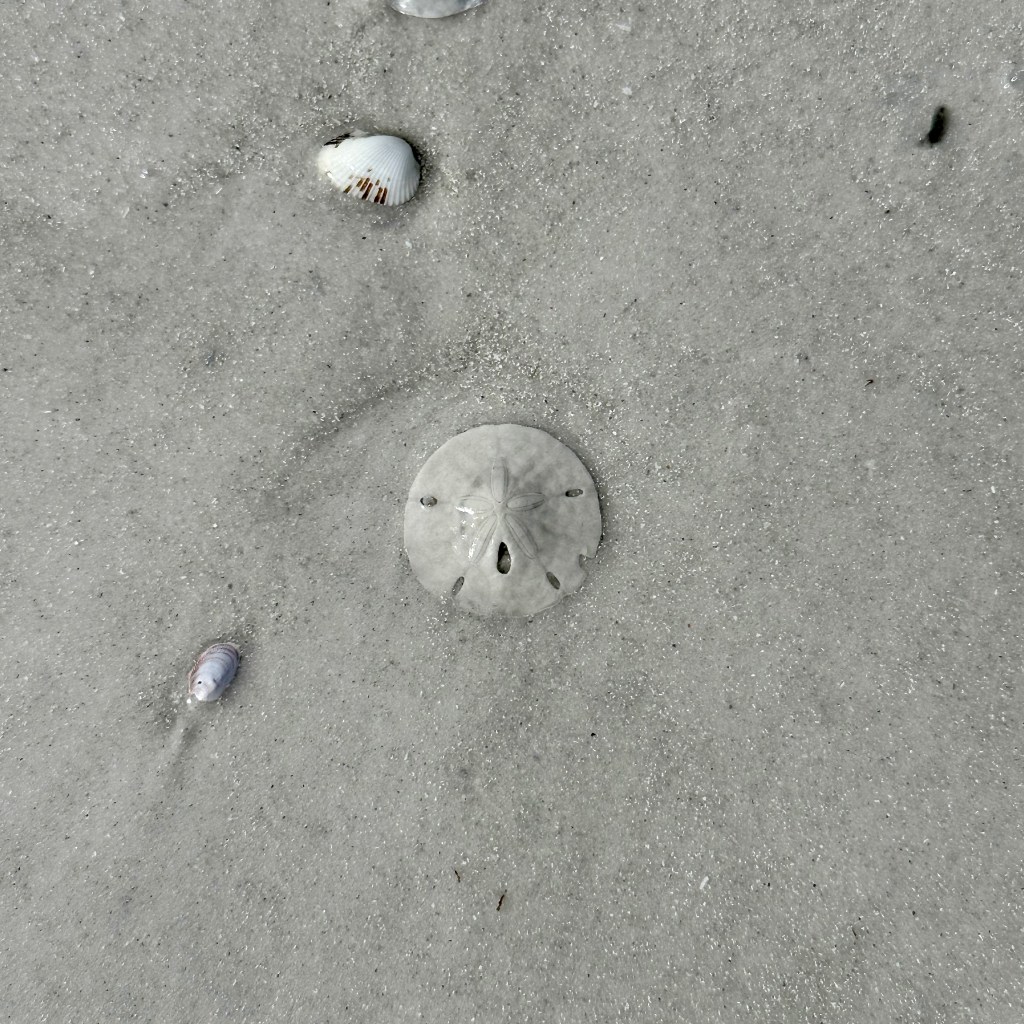
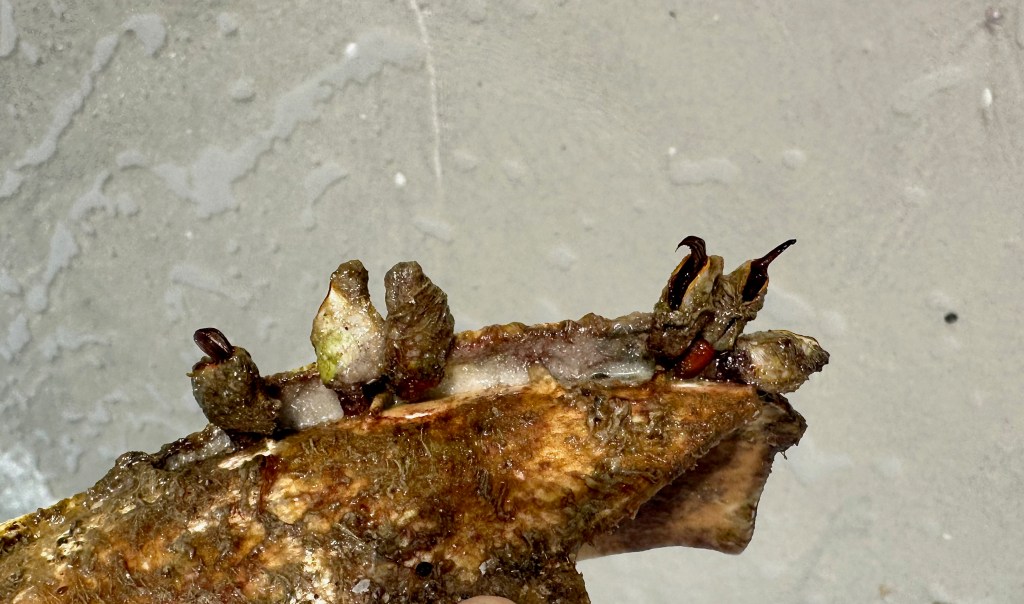
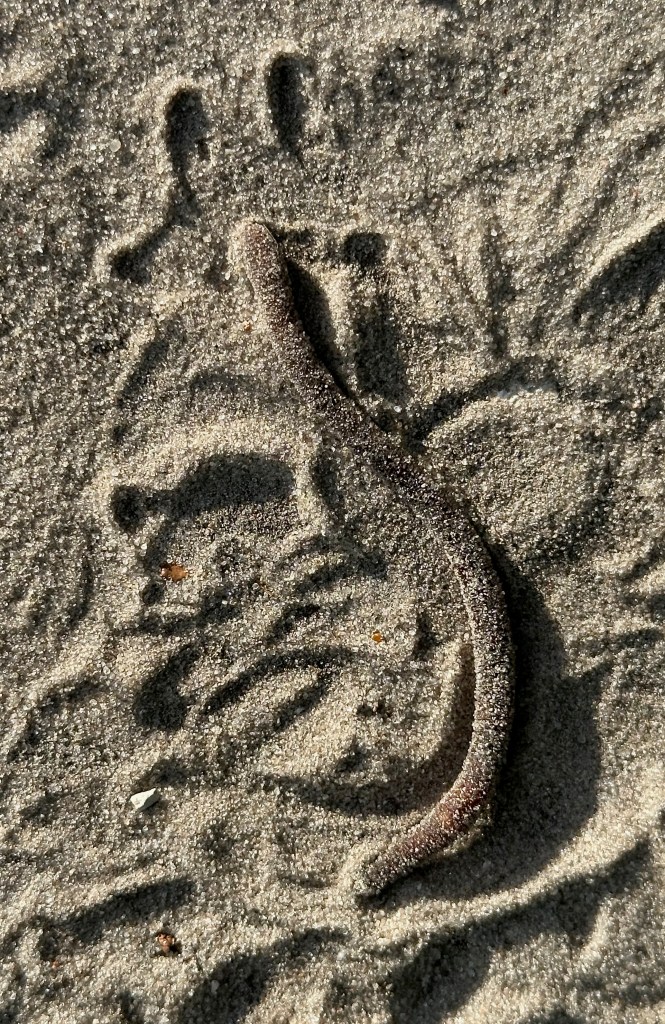
The scattered clouds put on quite a show up in the sky while the gulf left random treasures on the beach for me. In order of appearance: non-edible Sea Liver (Eudistoma hepaticum), edible Sea Lettuce (Ulva lactuca), coconut, sand dollar, piece of broken plastic hosting Stalked Sea Squirts (Styela clava) invasive stowaways, and a Tootsie Roll-shaped chunk of manatee scat (definitely not edible).

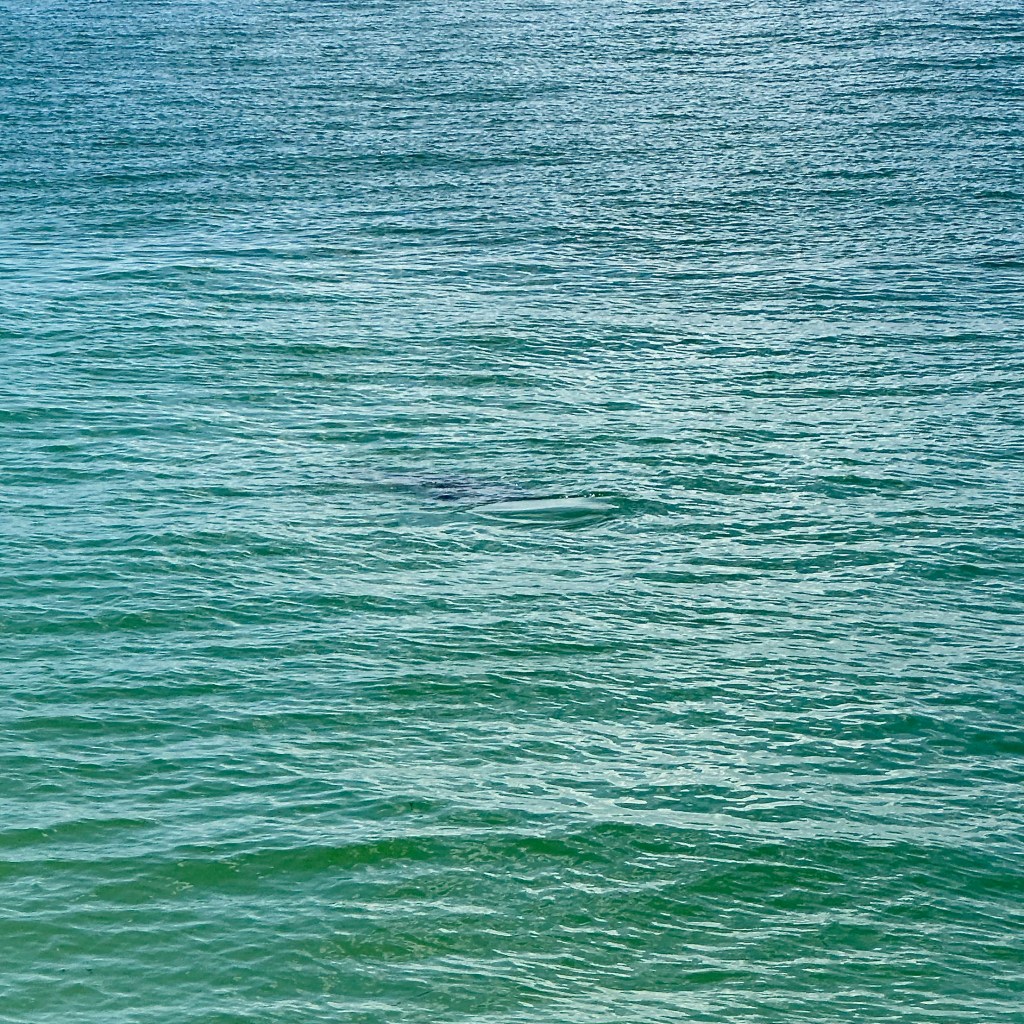
The scat looked fairly fresh so I scanned the water and was fortunate to spot a chubby mermaid just offshore. Unless they are part of a mating mob, manatees typically aren’t that active, preferring to just bob along feeding and farting (that’s how they control their buoyancy).

After they surface for a breather the natural oils on their skin leave behind just enough of residue to change the surface tension of the water which creates a tell-tale circular “footprint”. I may not get a good visual of the manatee but I know where it is. No matter what its always a treat to see them.

What a great way to start the day!