Tag Archive for ‘nature’

Corkscrew Swamp Sanctuary

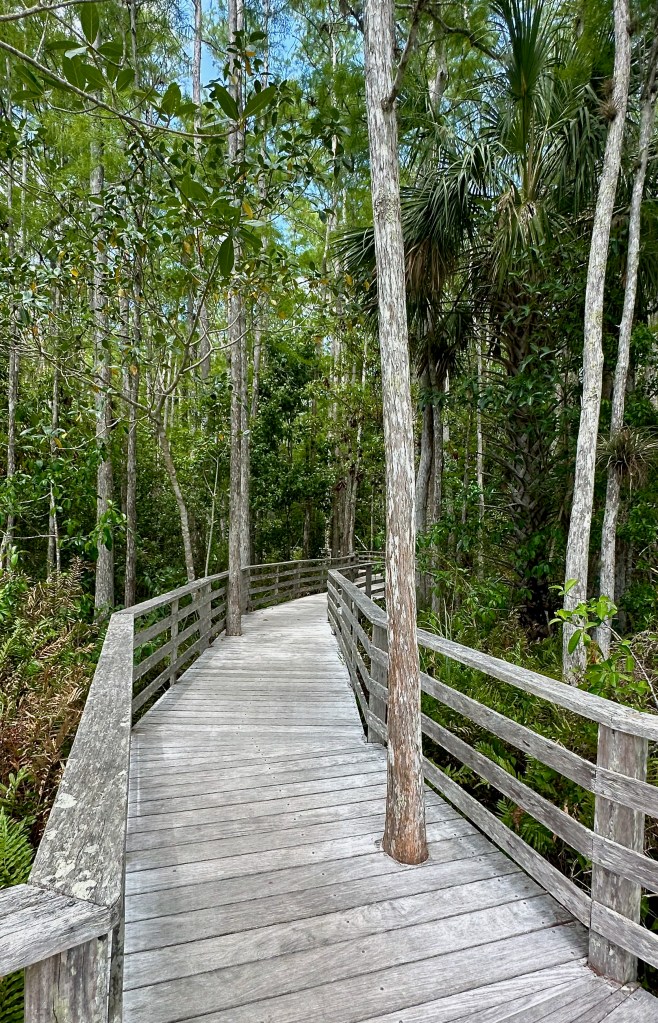
I wanted to take advantage of the last of our Spring weather (before it really heats up down here in Florida) so I headed over to explore Audubon’s Corkscrew Swamp Sanctuary. The refuge’s name came from an early epithet for a nearby winding waterway, now known as the Imperial River.

The wetland sanctuary at the western edge of the Everglades, spans over 13,000 acres. Much of it first set aside in 1954, though protections for the heart of the property began much earlier. In a way, we can thank the fashion industry for that.

Ladies’ hats in the late 1800s were elaborate displays, featuring fancy feathers and floral elements. The feathers were sourced from wild birds, usually during breeding and nesting season when they were at their showiest.

Milliners were paying $32 an ounce for the feathers, which was more than the price of gold at the time. As a result, plume hunters around the world were killing over 5 million birds a year. By 1900, they had wiped out an estimated 95% of Florida’s shorebirds (primarily herons, egrets, Roseate Spoonbills, and Flamingoes).

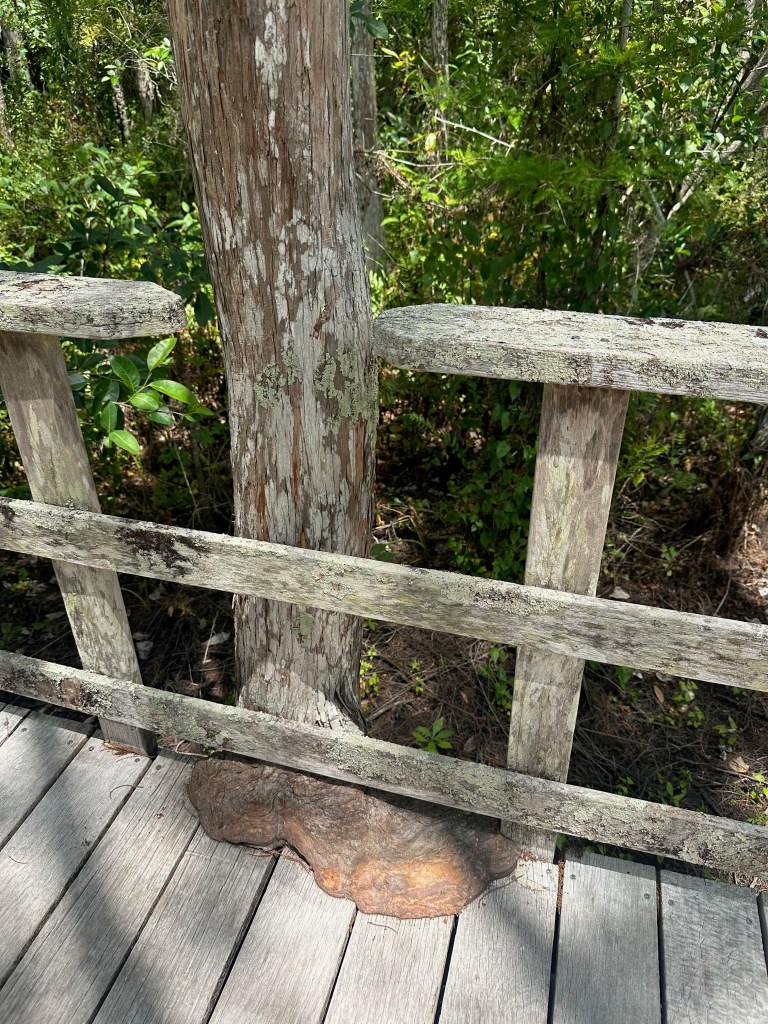
Near the center of what is now the sanctuary was a massive rookery, which locals took upon themselves to hire protection for in 1900. Some fifty years later, the area again needed protection, this time from logging. Again, local residents fought to save the area. In 1954 the first section of land was set aside to protect a stand of ancient bald cypress trees.

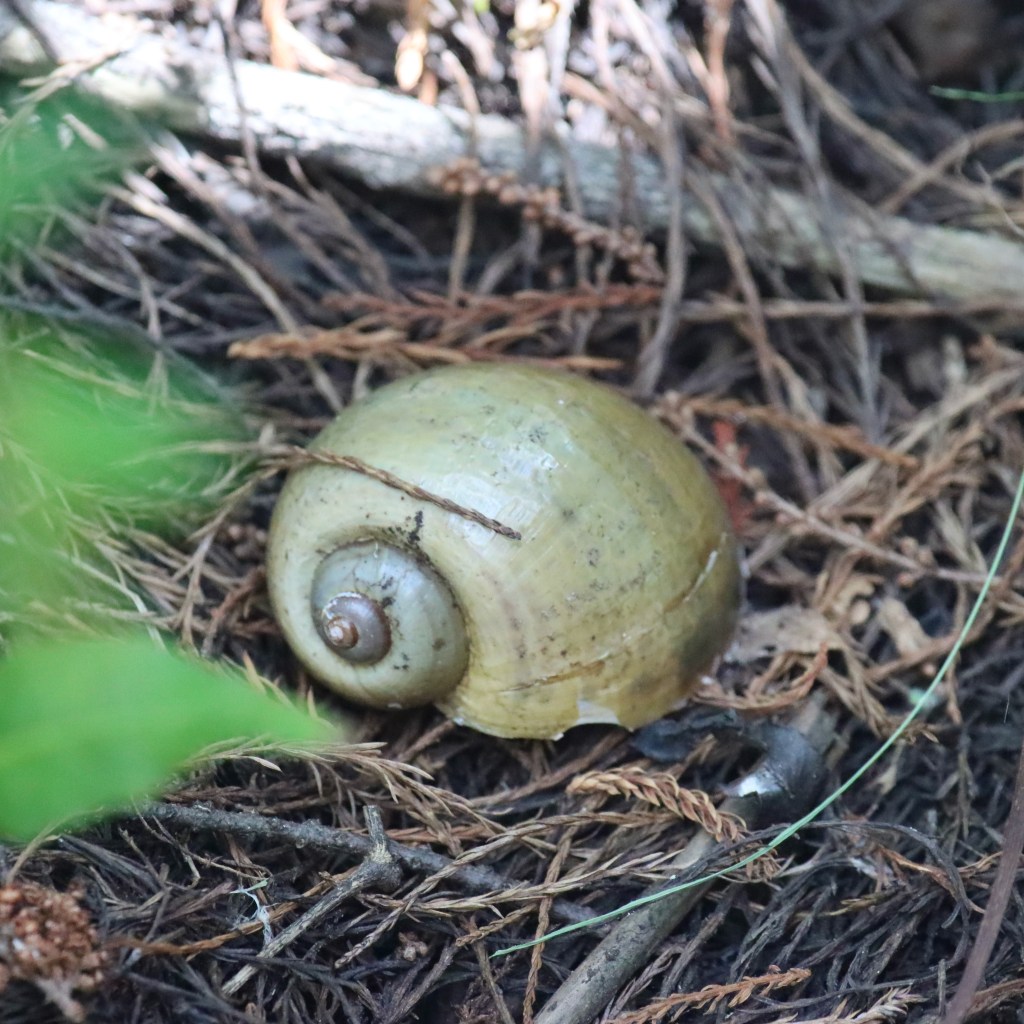
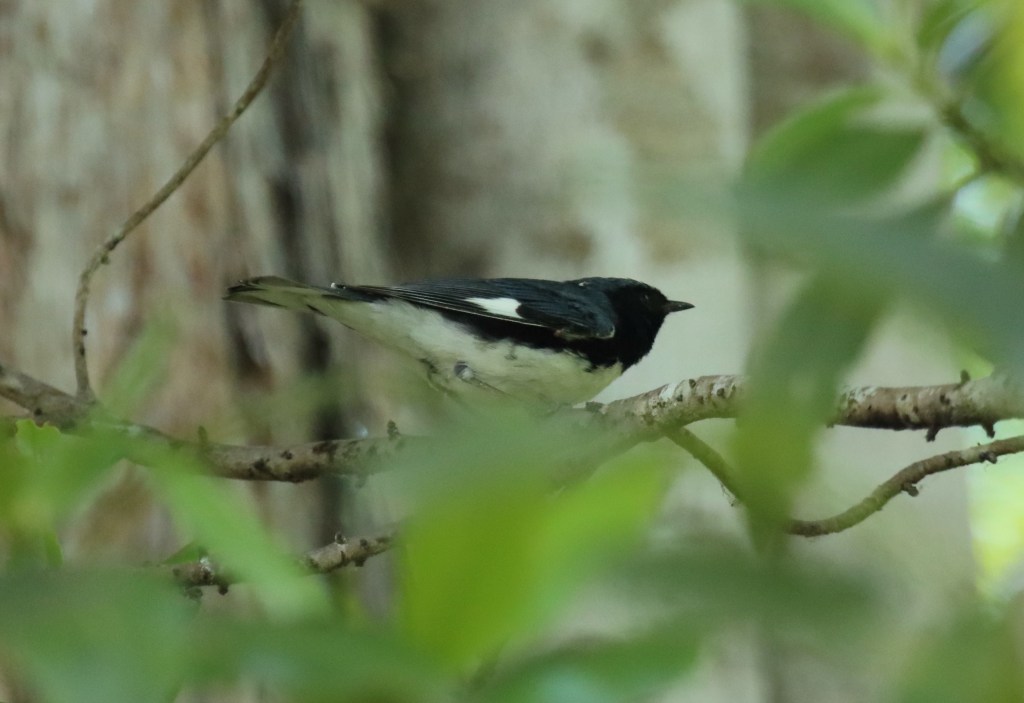
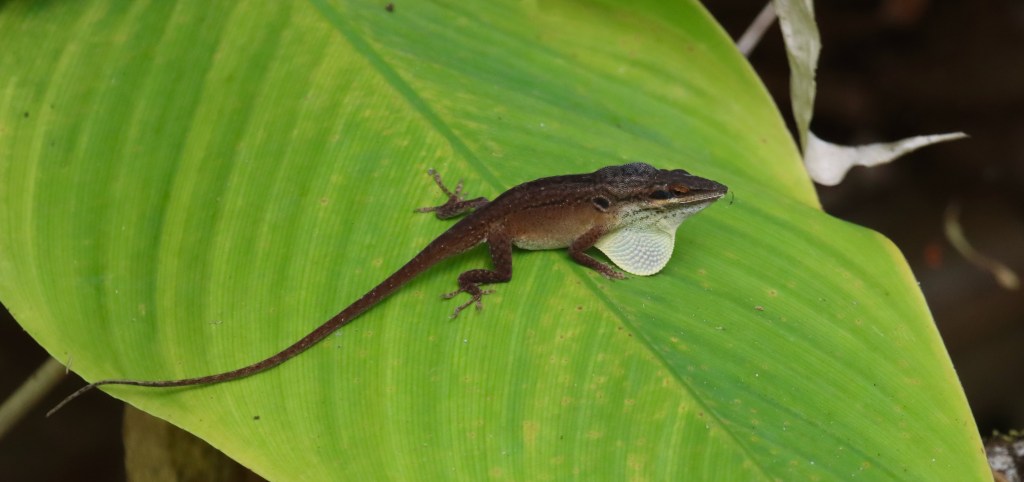
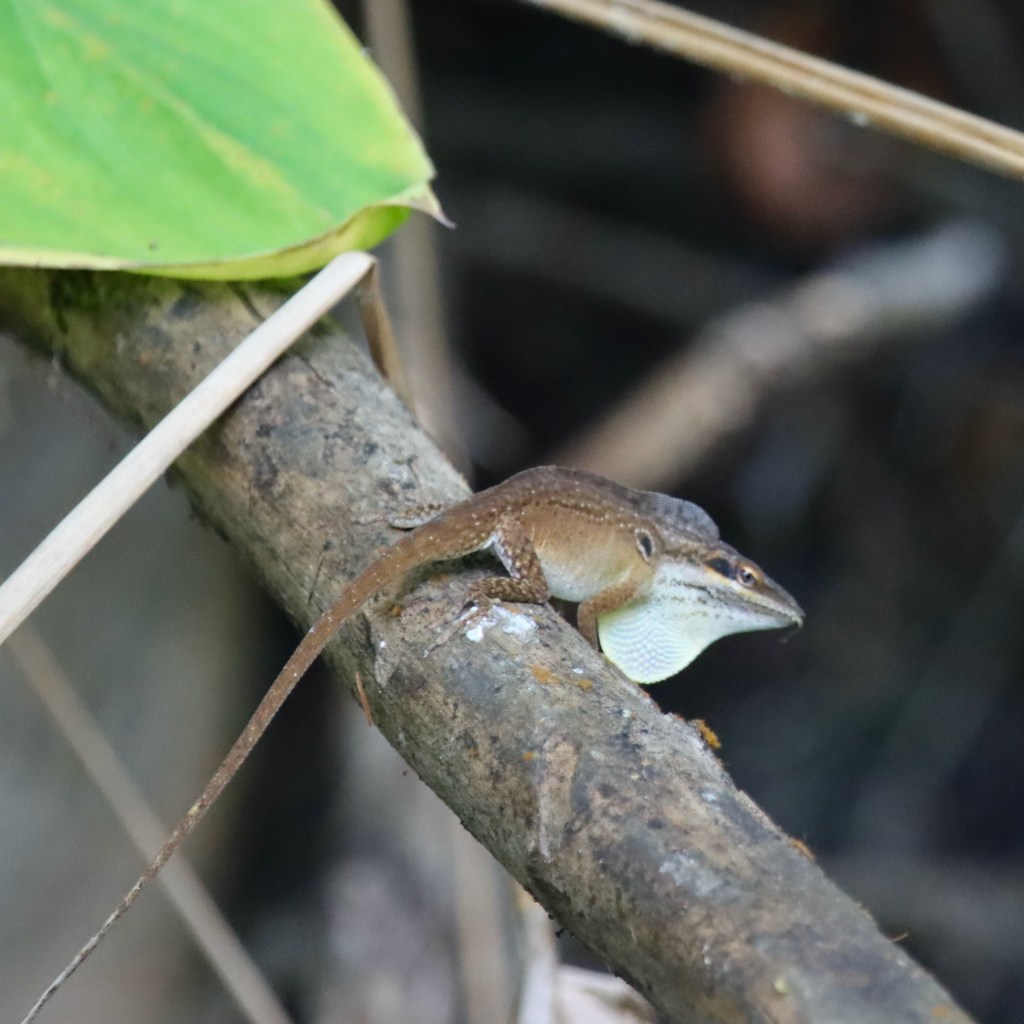
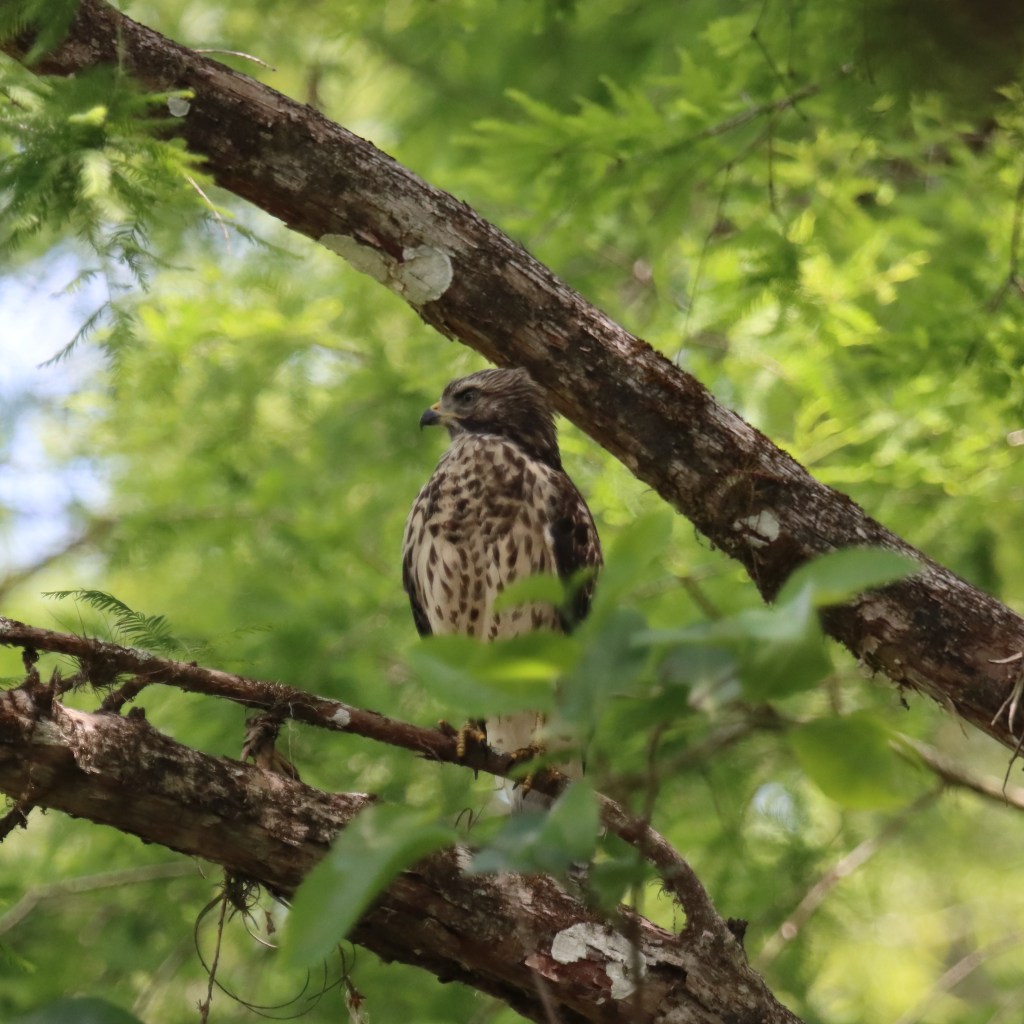
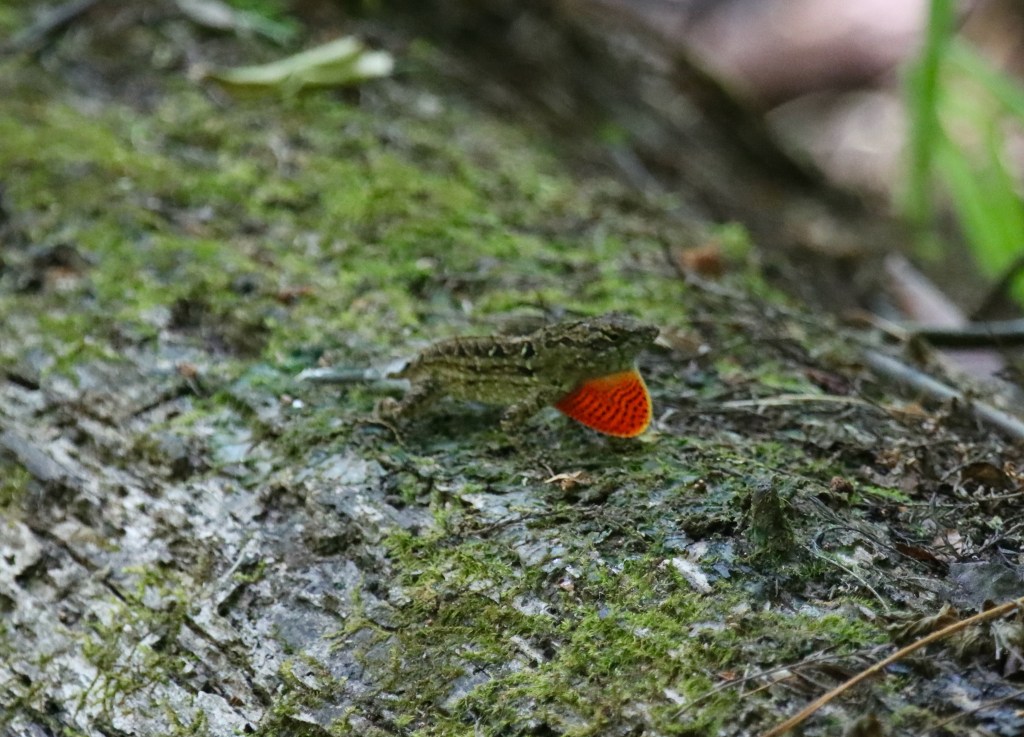
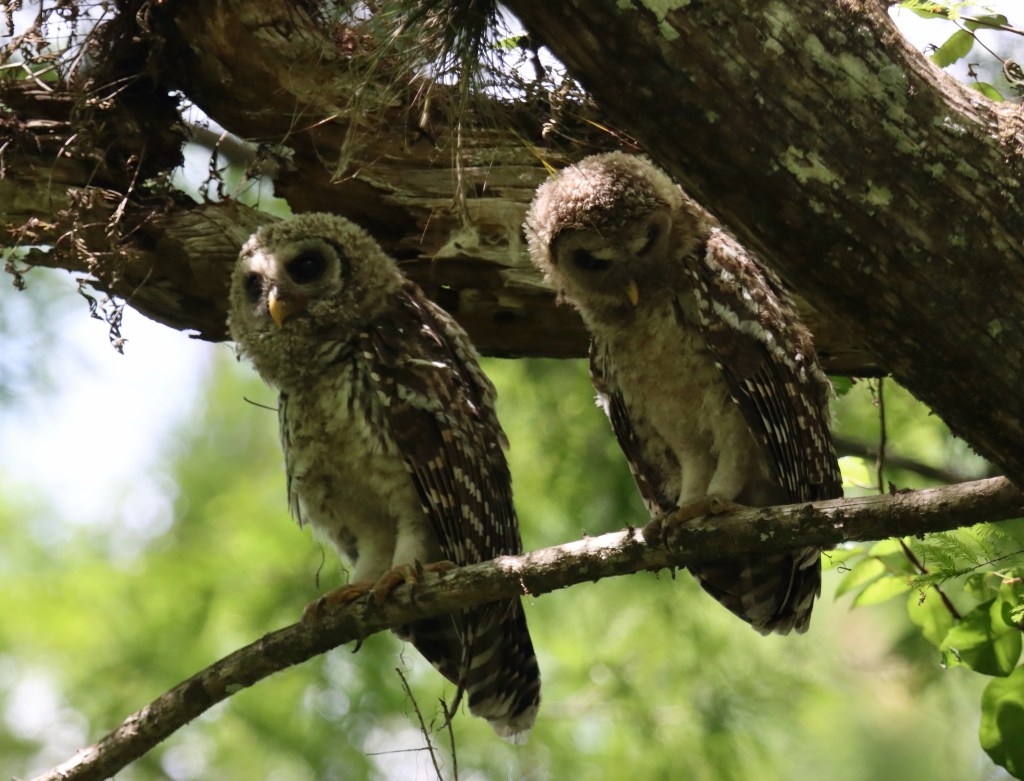
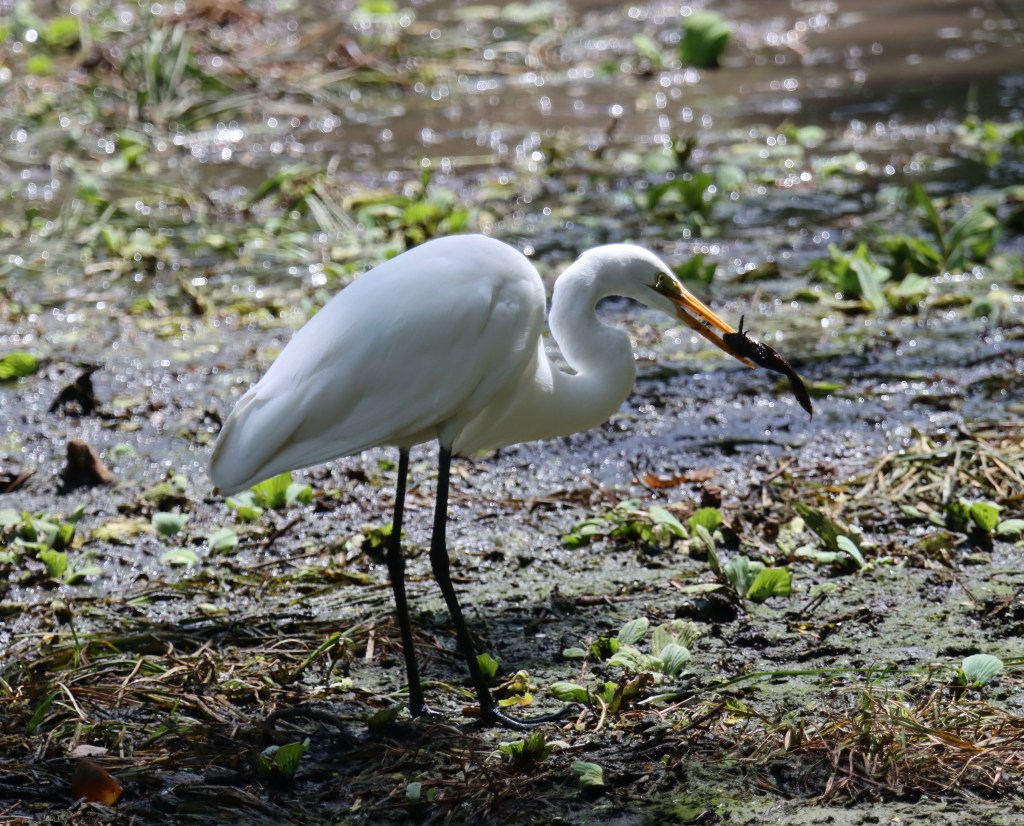
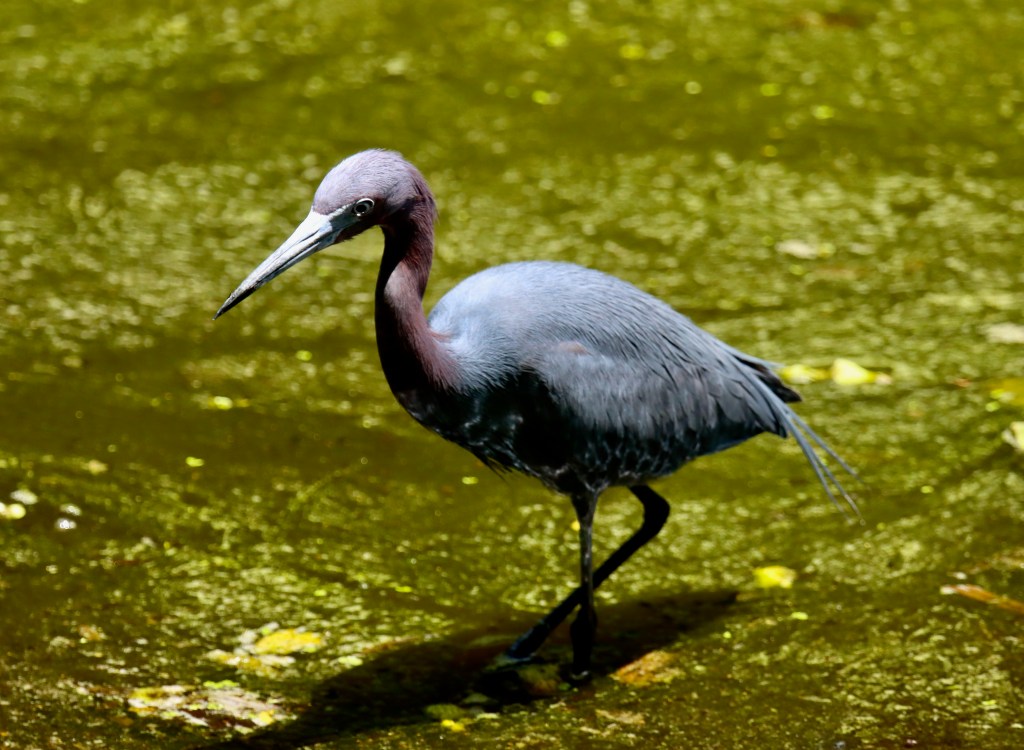
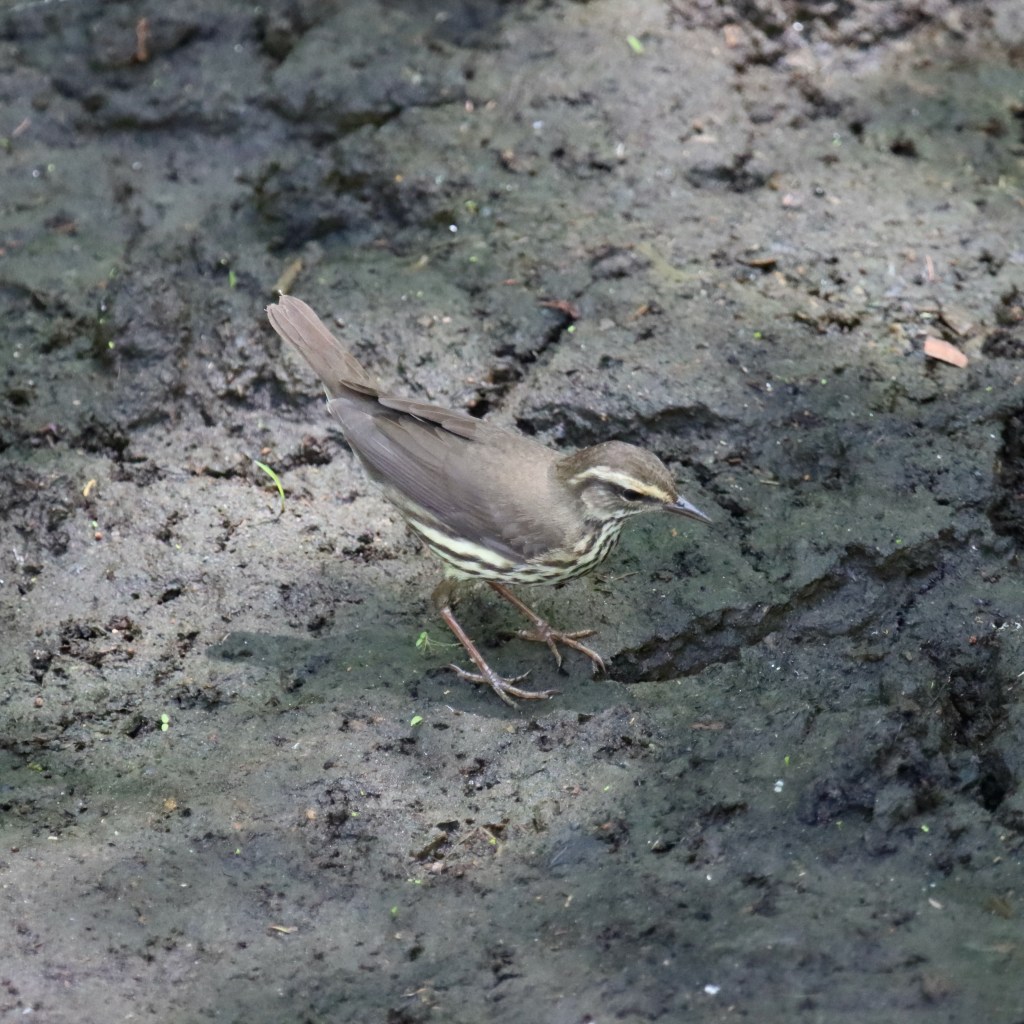
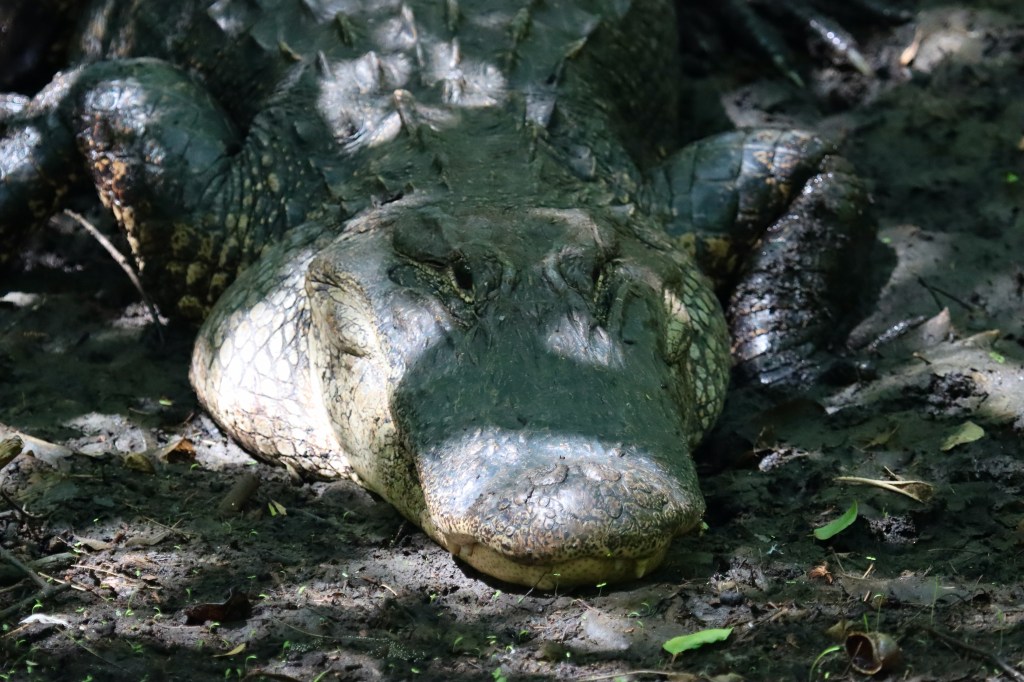
During my stroll along the two mile boardwalk, I found the area to be absolutely teeming with wildlife. Sanctuary indeed!

Adventuring Home

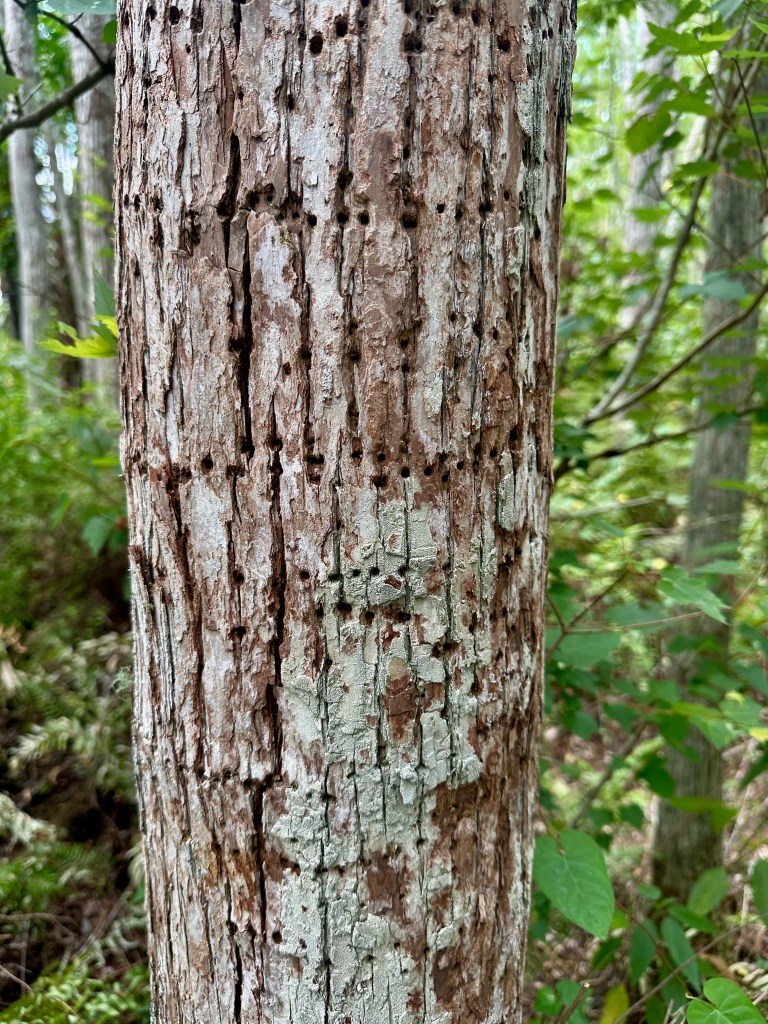
I decided to do a bit more exploring before leaving the Panhandle last weekend. I was lured to Ochlockonee River State Park by the possibility of sighting an endangered Red-cockaded Woodpecker, or their piebald squirrels, or even river otters.

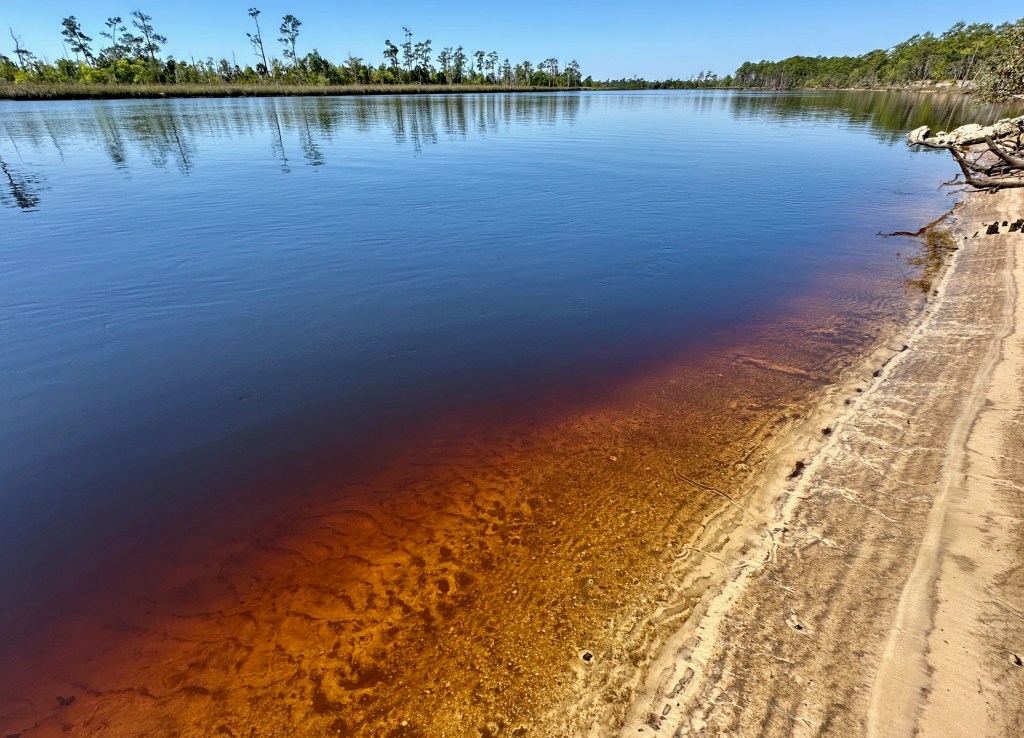
No luck with any of those but I still had a great time in this section of the Apalachicola National Forest. The park’s main waterway (and namesake) is a unique blackwater river, the water isn’t murky but it is a dark, burnt orange from all the tannins. No surprise that Ochlockonee in native Hitchiti means yellow river.

The park protects a small remnant of a Longleaf Pine (Pinus palustris) forest. Pre-European settlement there was an estimated 90,000,000 acres of these trees in the South. Longleaf Pines were prized by early settlers not only for their wood but for their resin. Collected by hatching the bark, resin was processed into turpentine used to waterproof boats, an important part of the naval stores industry.

Much of the state park land was purchased from the Phillips Turpentine Company in the early 1930s, as demand for turpentine waned. Sadly, because of deforestation and overharvesting only about 3% of the original Longleaf Pine forest remains in the US.

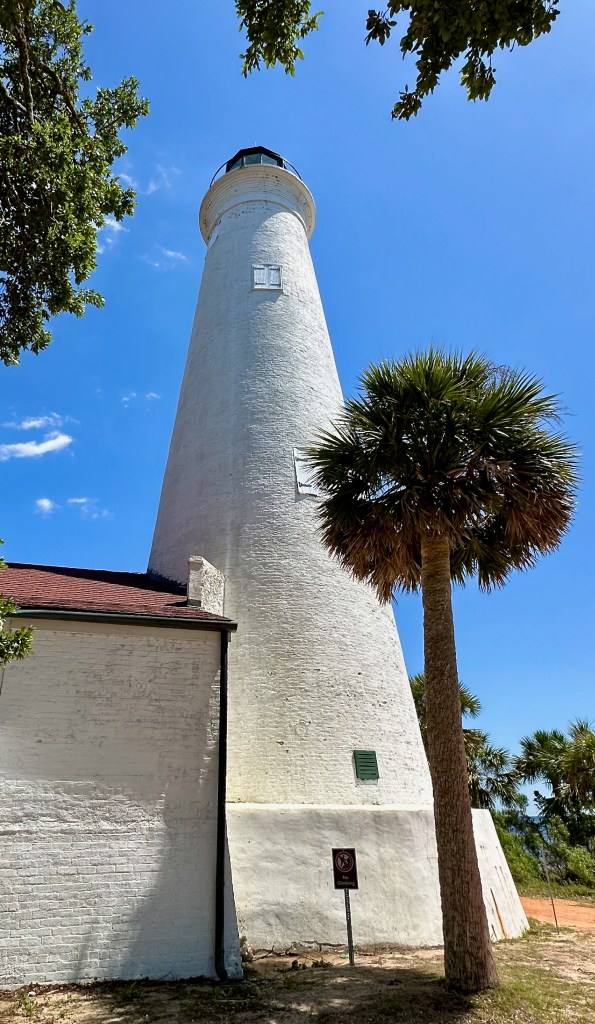
A short drive later I entered St. Marks National Wildlife Refuge. For me, the main draw of the refuge’s 83,000 acres was the St. Marks Lighthouse, the second-oldest one in the state. First lit in 1831, the tower weathered many hurricanes and even withstood a Confederate attack in 1865 before finally being deactivated in 2016.

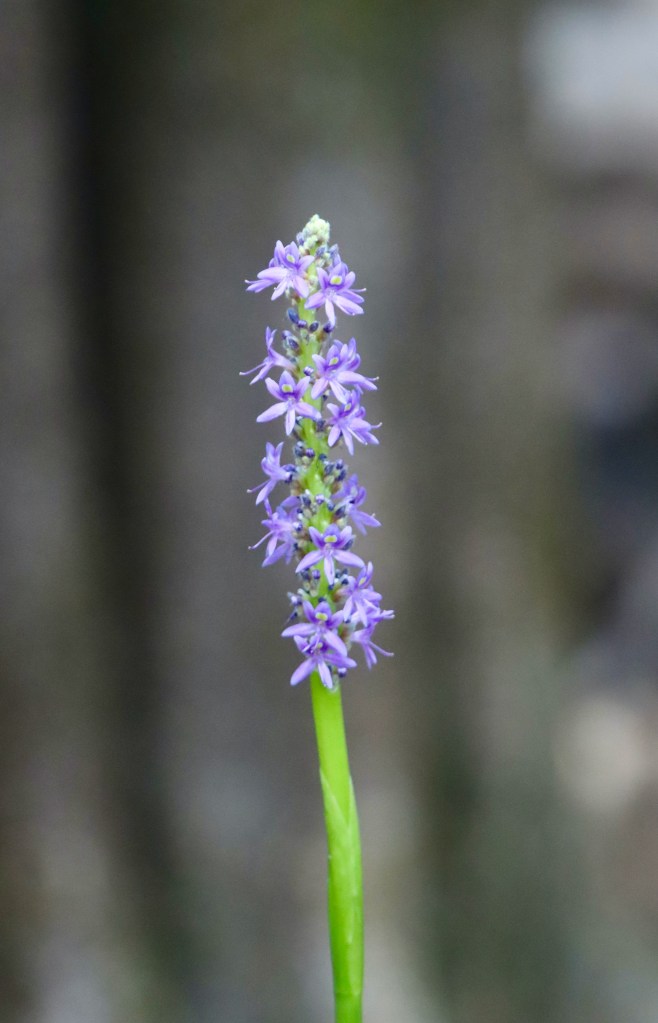
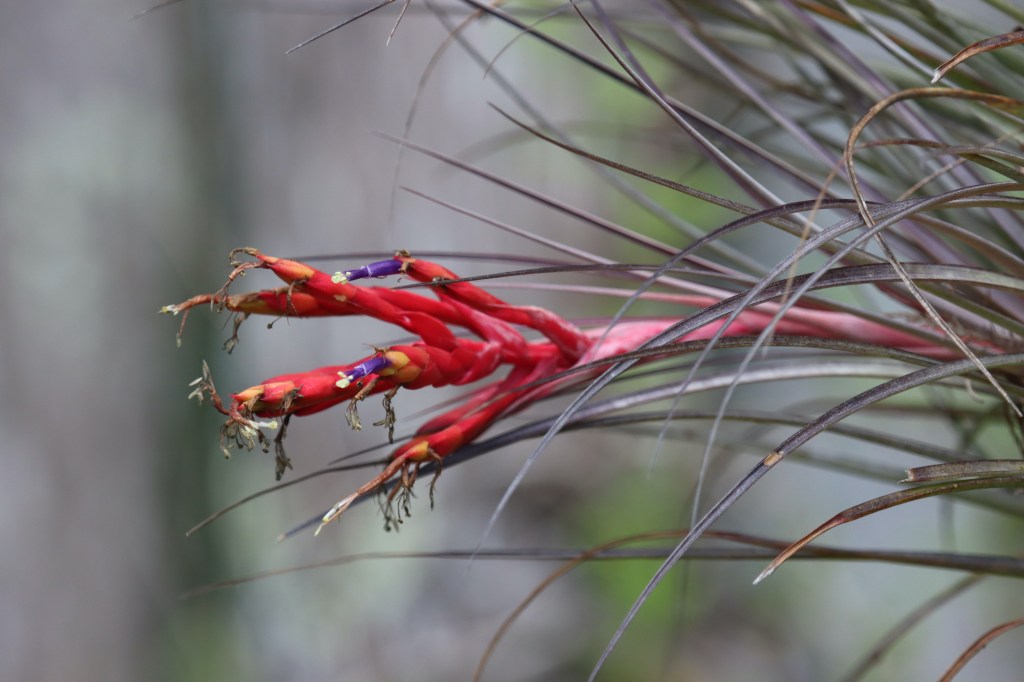
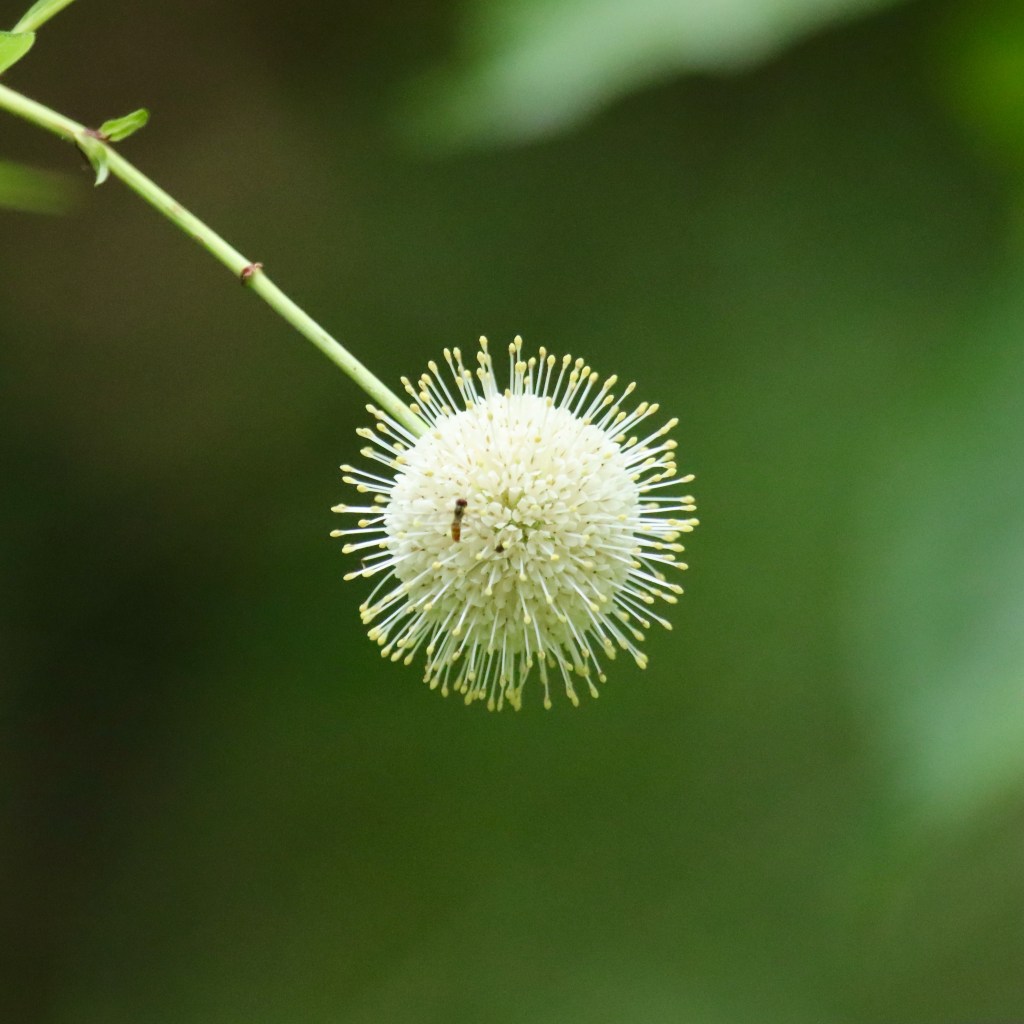
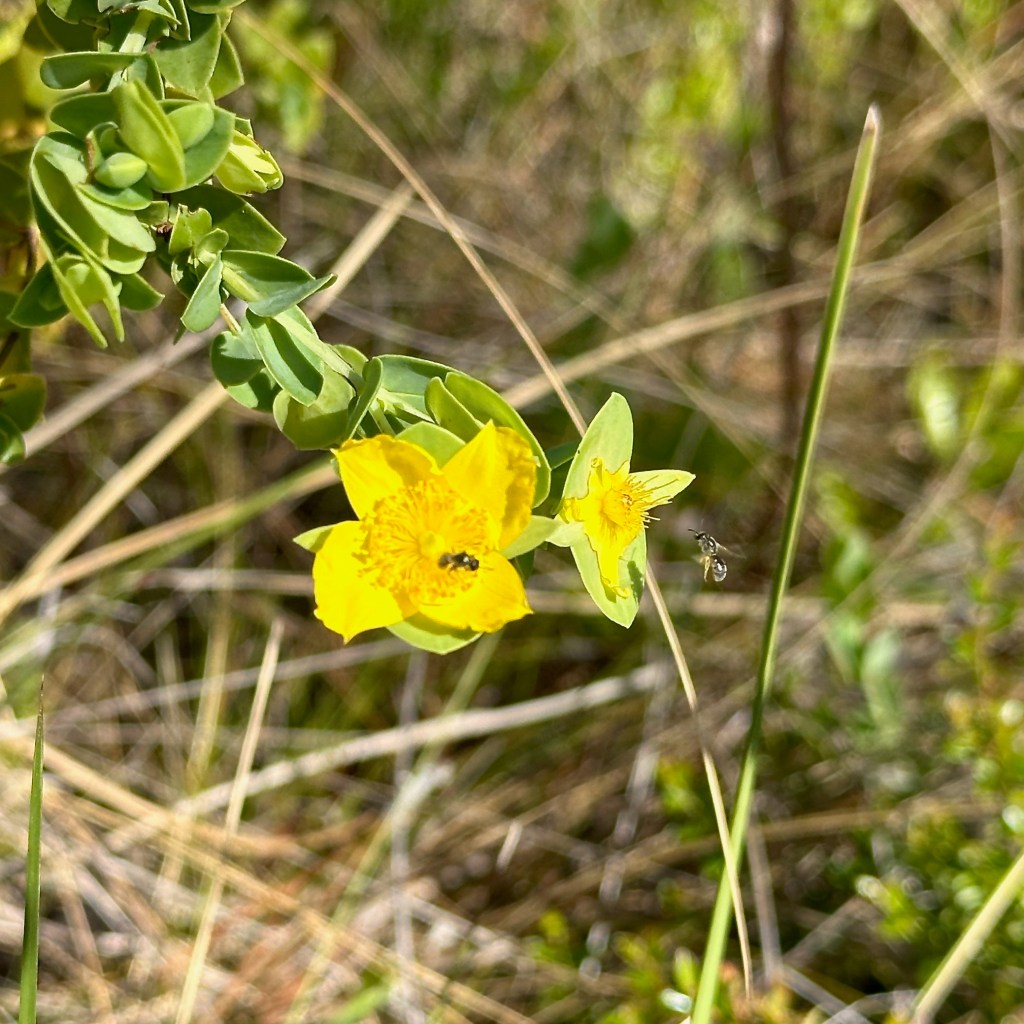
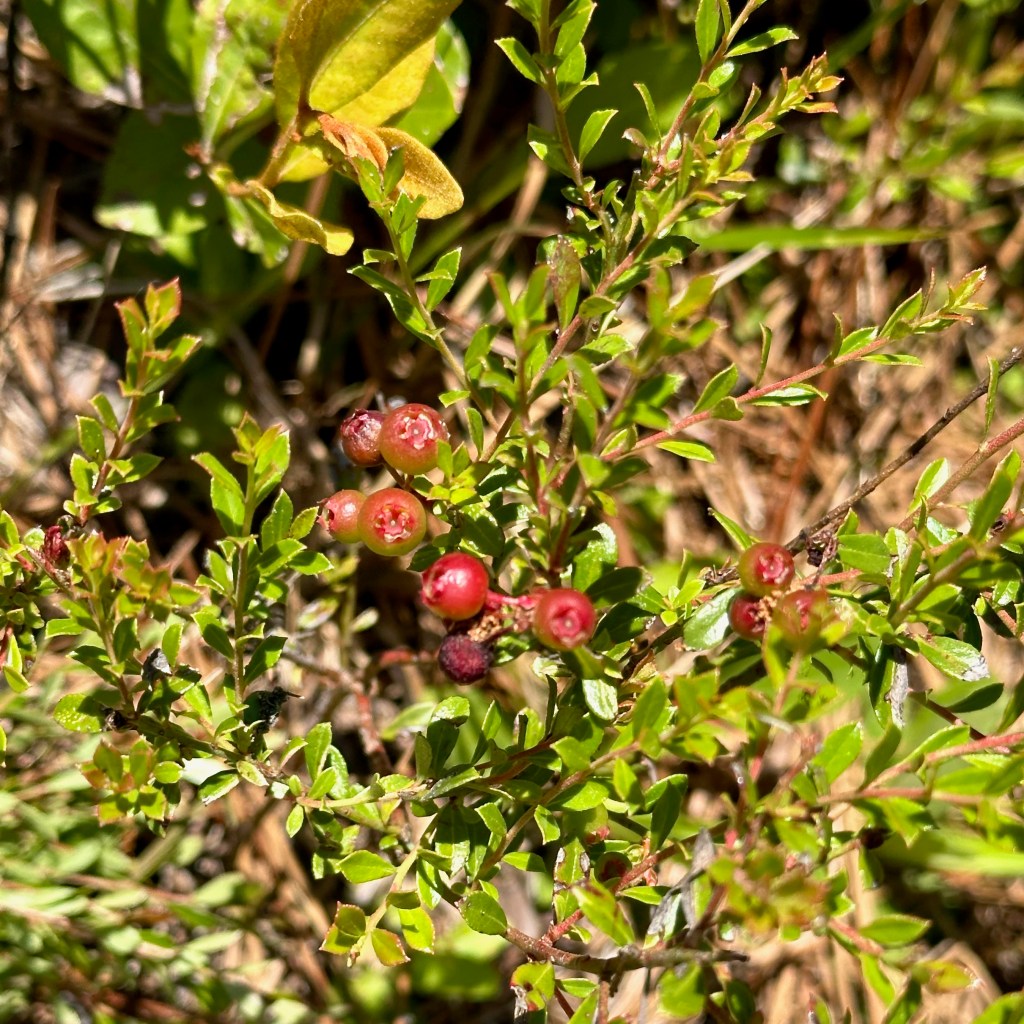
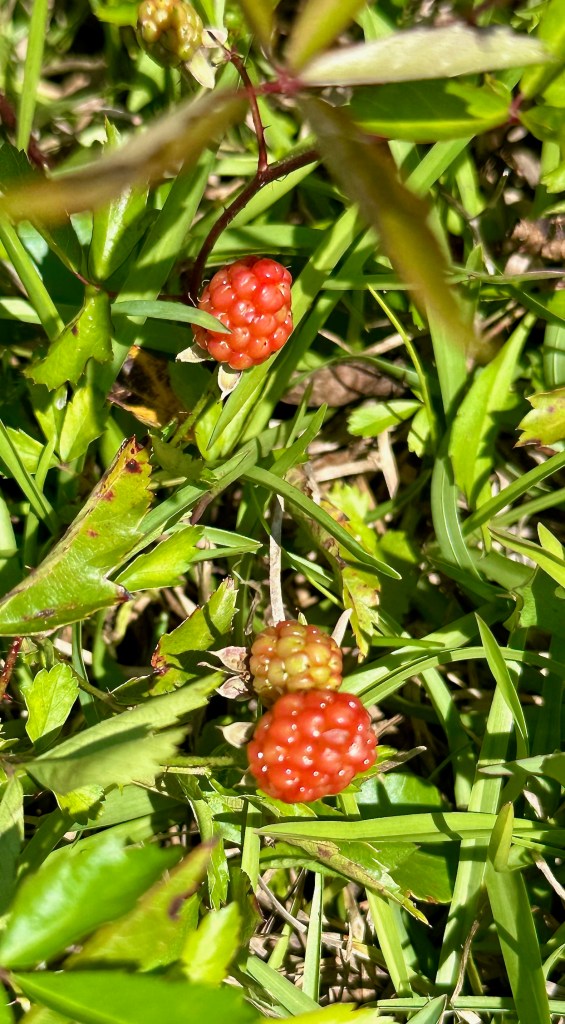
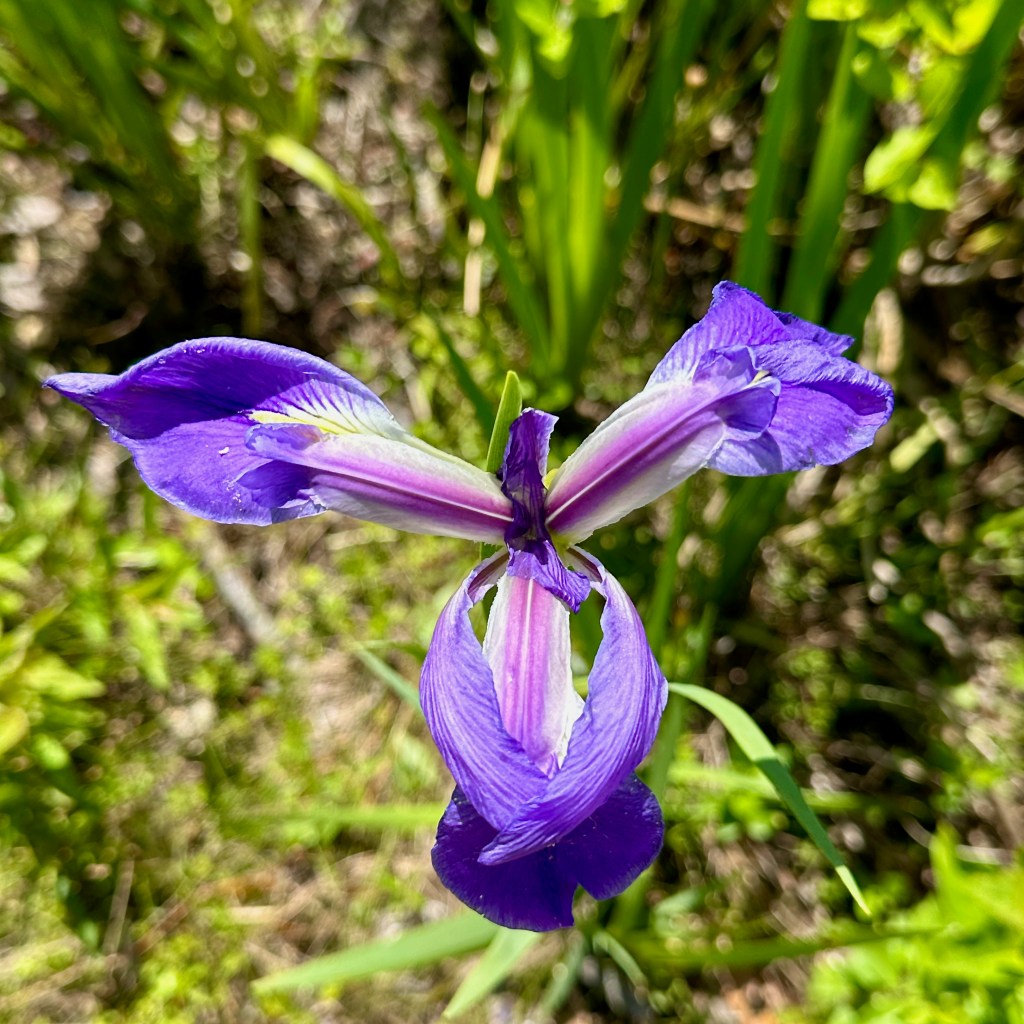
The refuge is best accessed from the water but I enjoyed wandering the few trails, pleasantly surprised by the Spring flowers I encountered. All the leg-stretching came in handy on my long drive home that evening.

It was a quick visit but I’m glad I made the trip up to the Panhandle, it’s been on my list of places to see for a few years now. There’s always so much to see and discover!