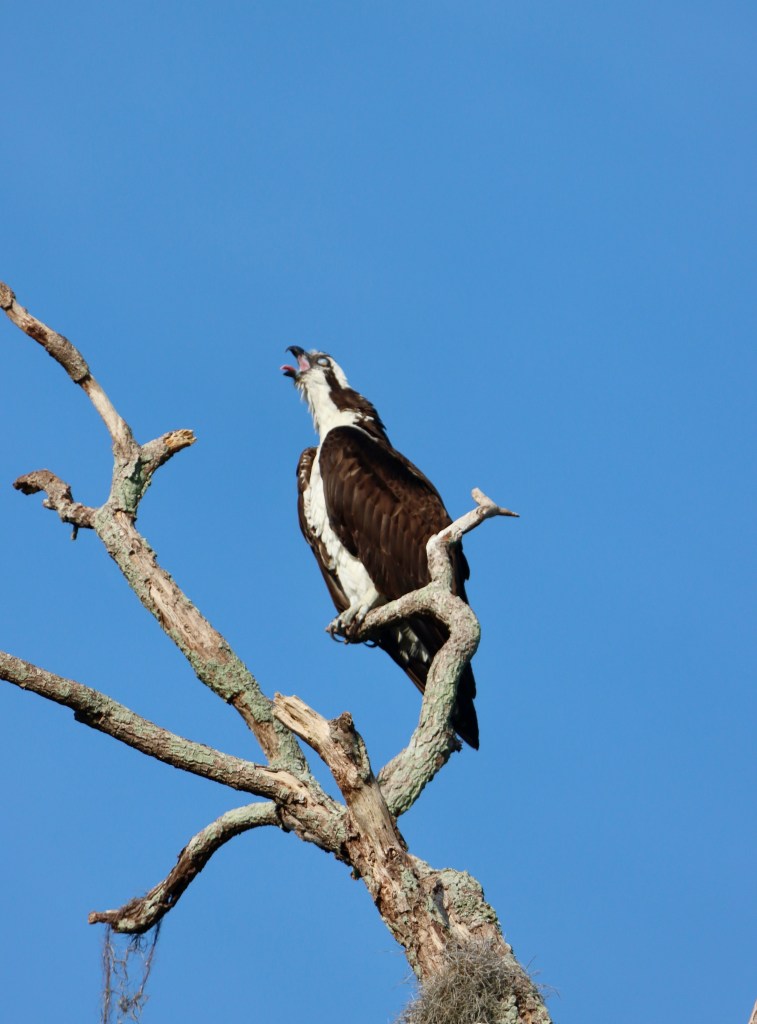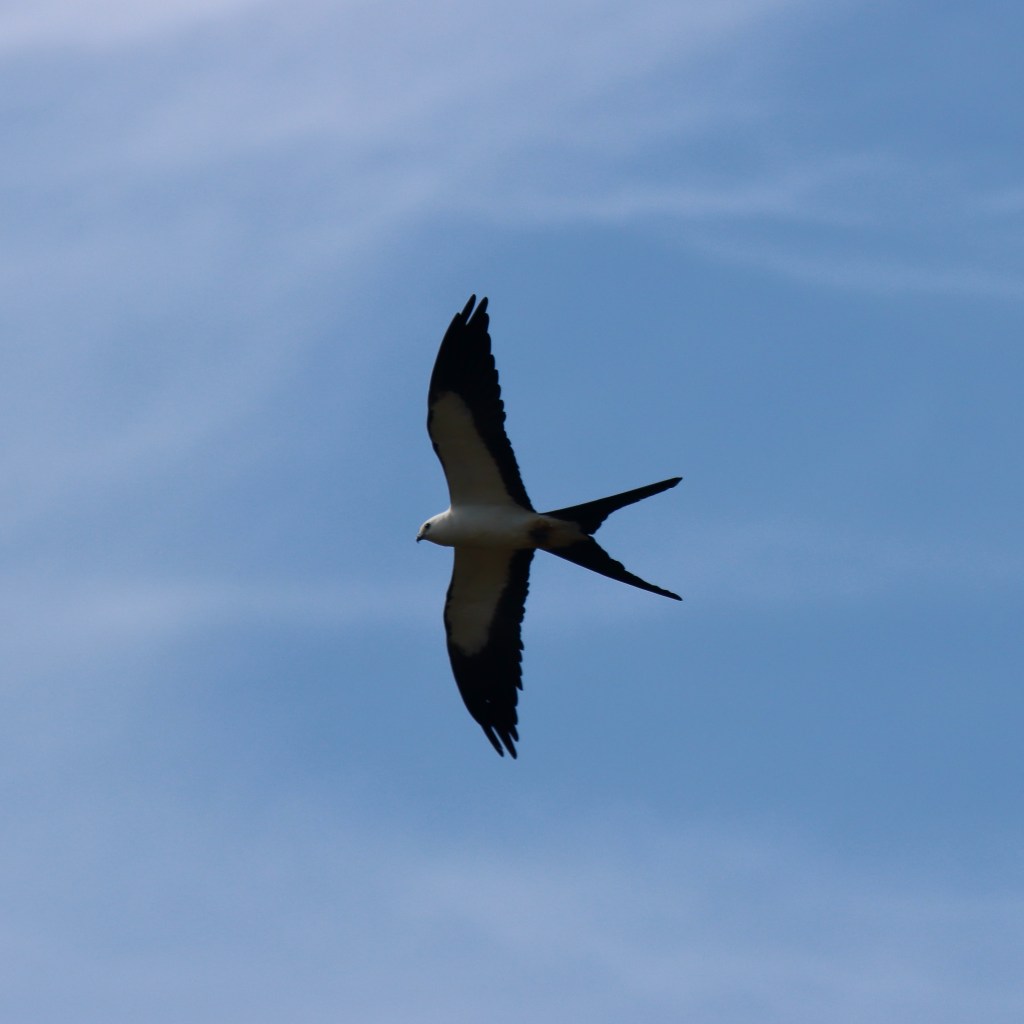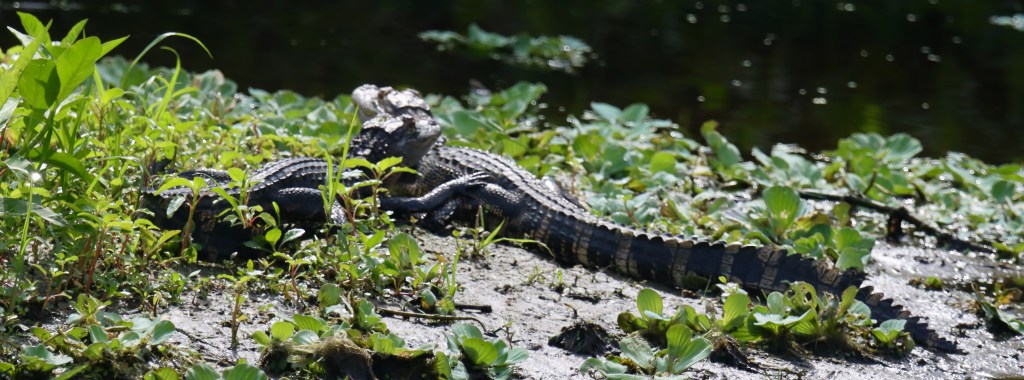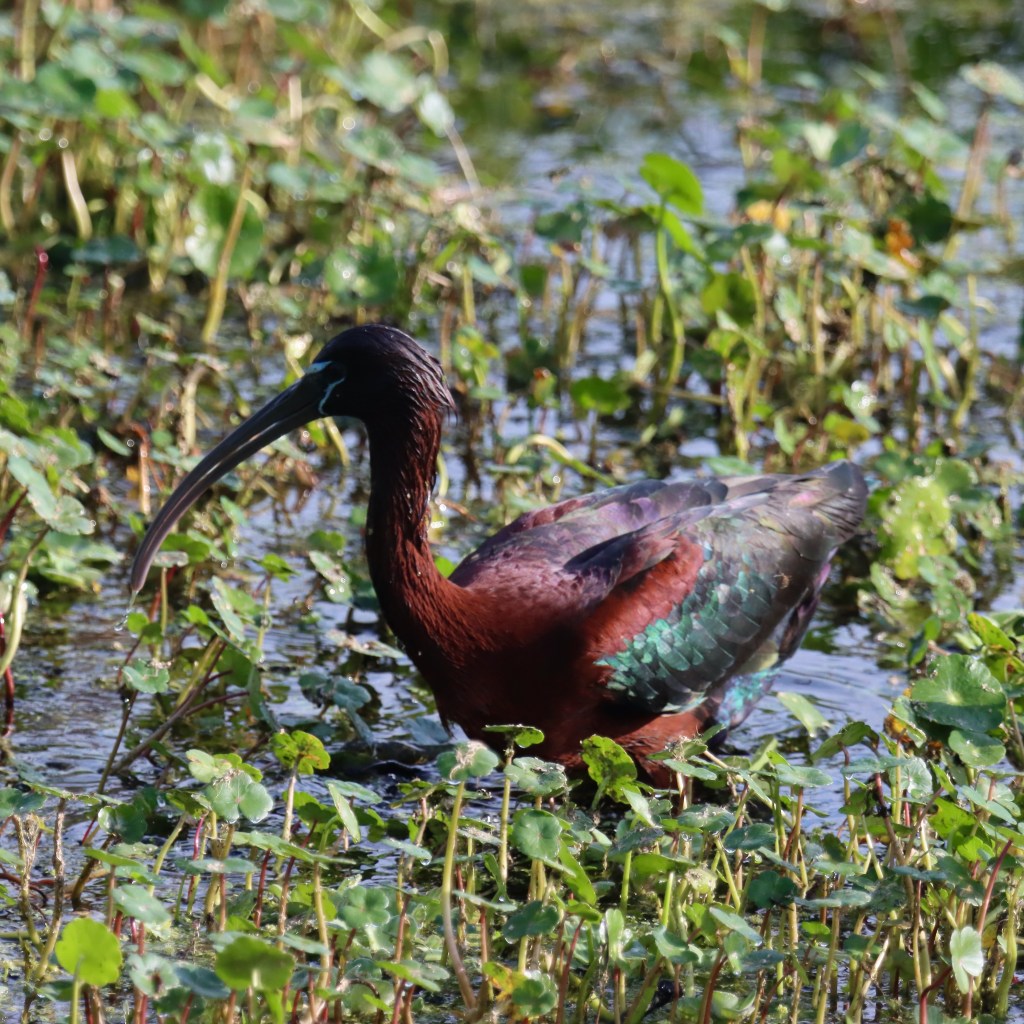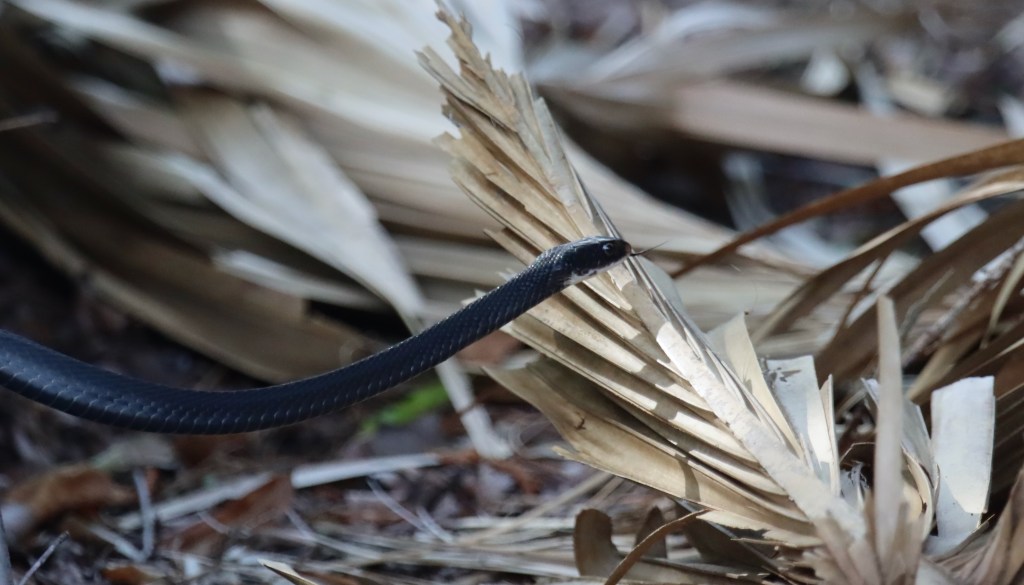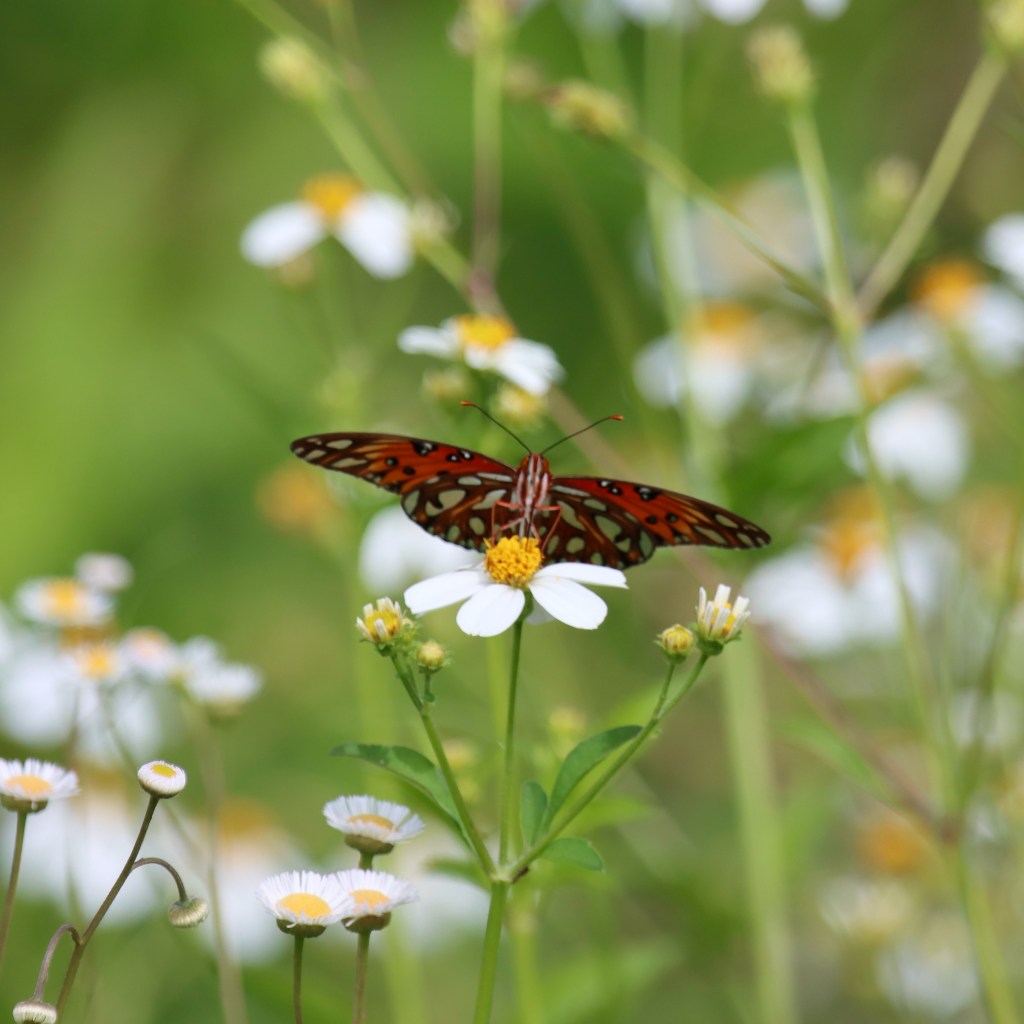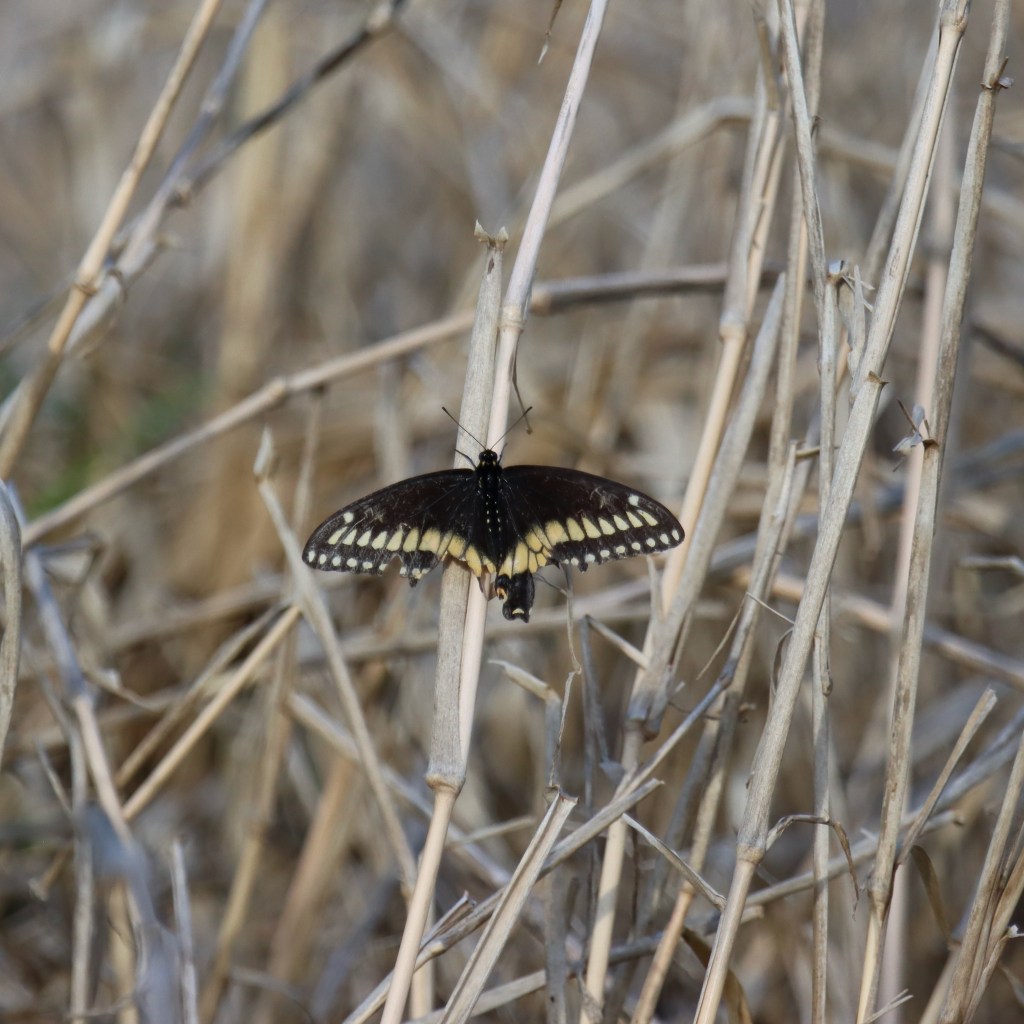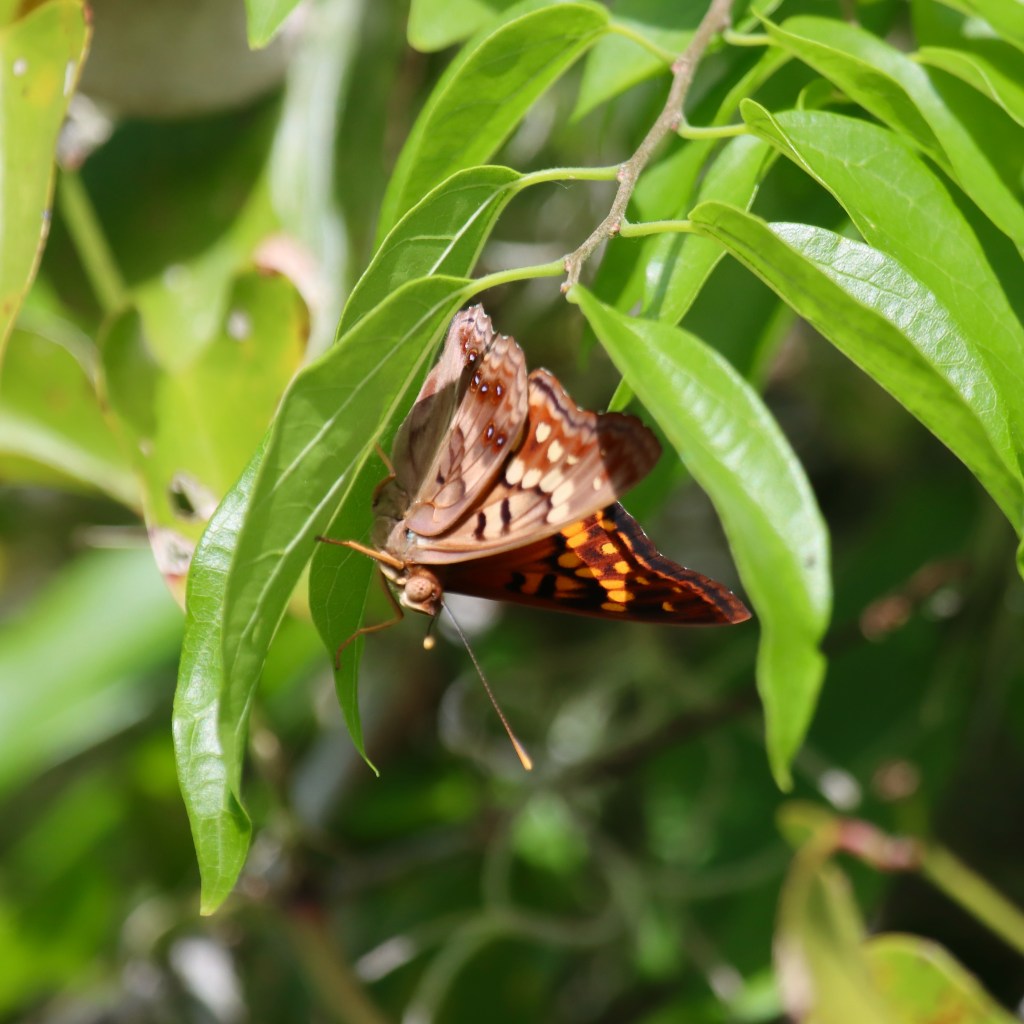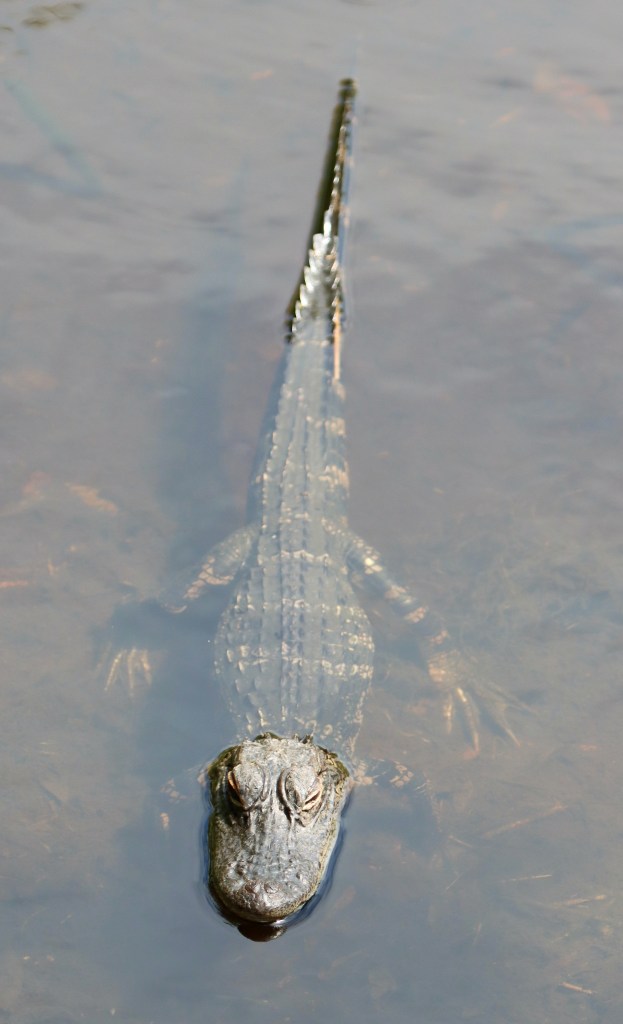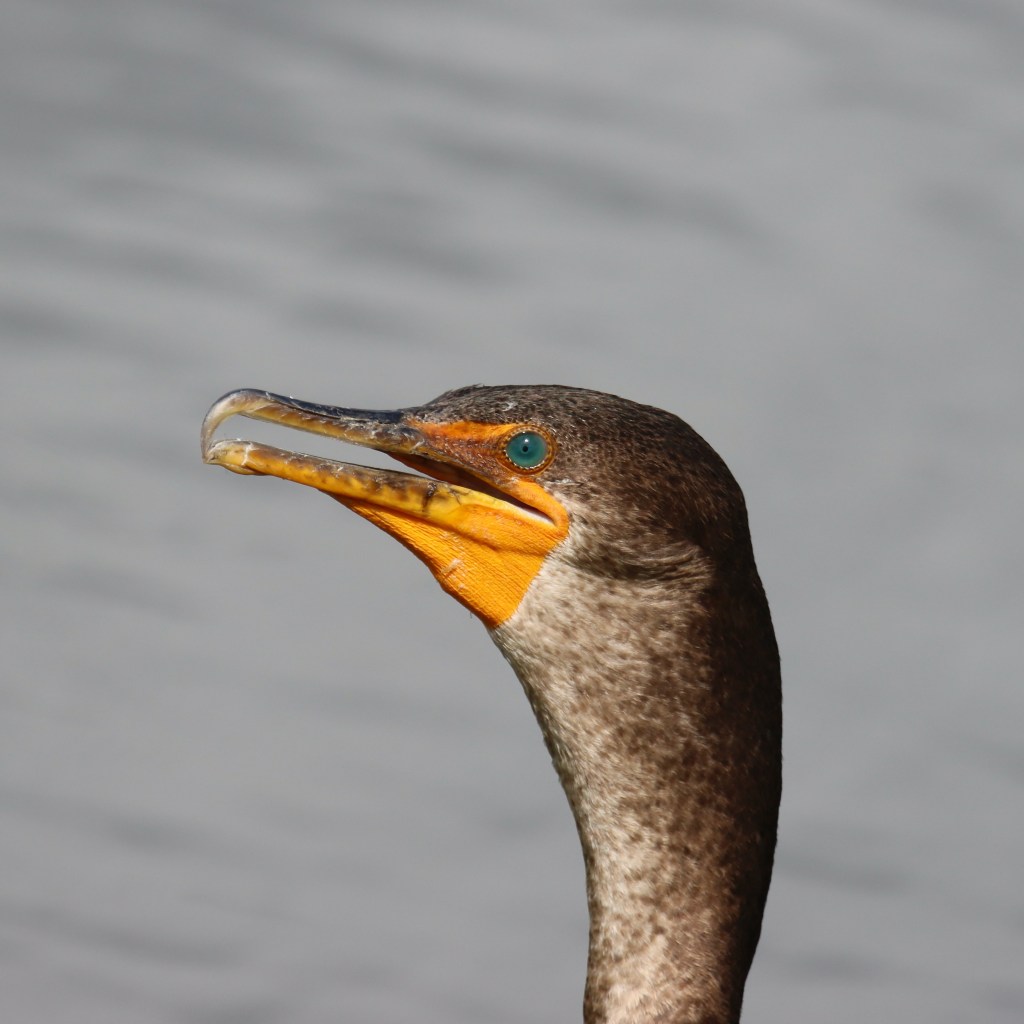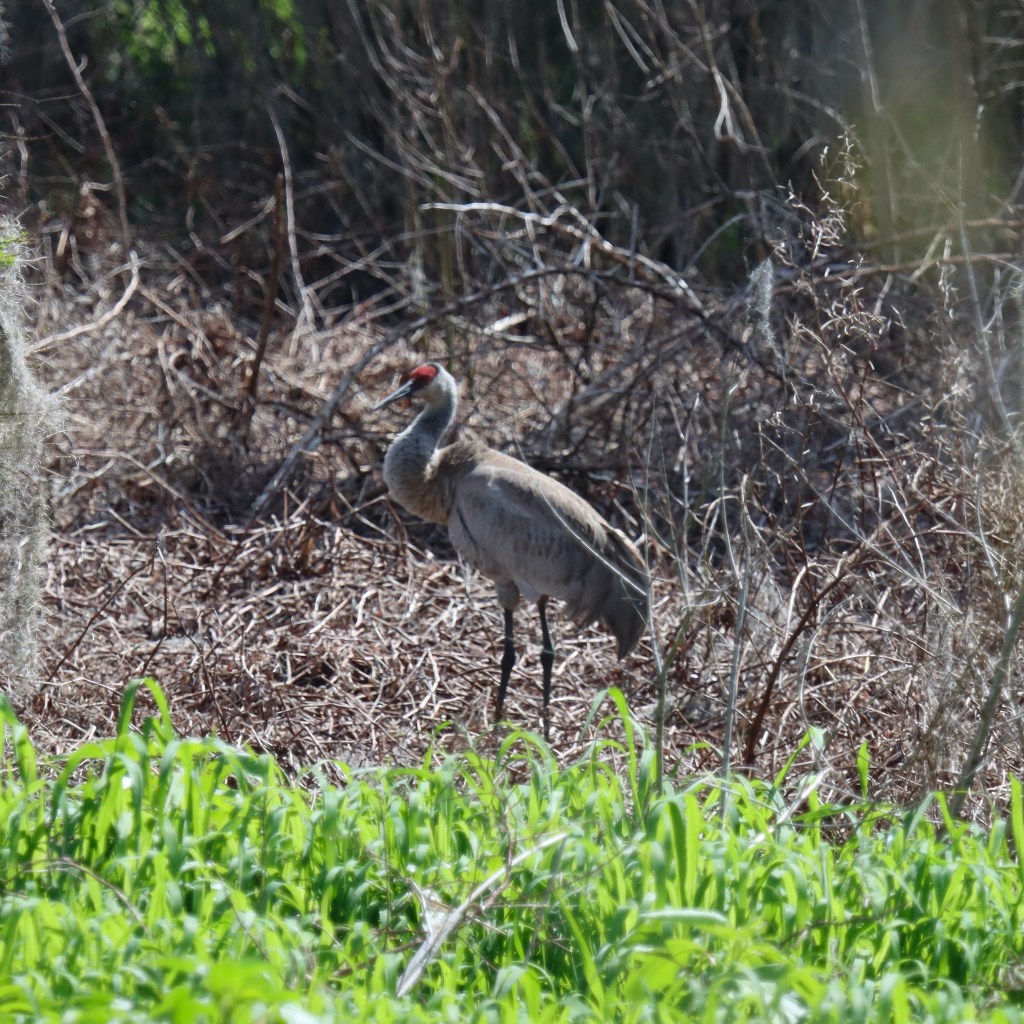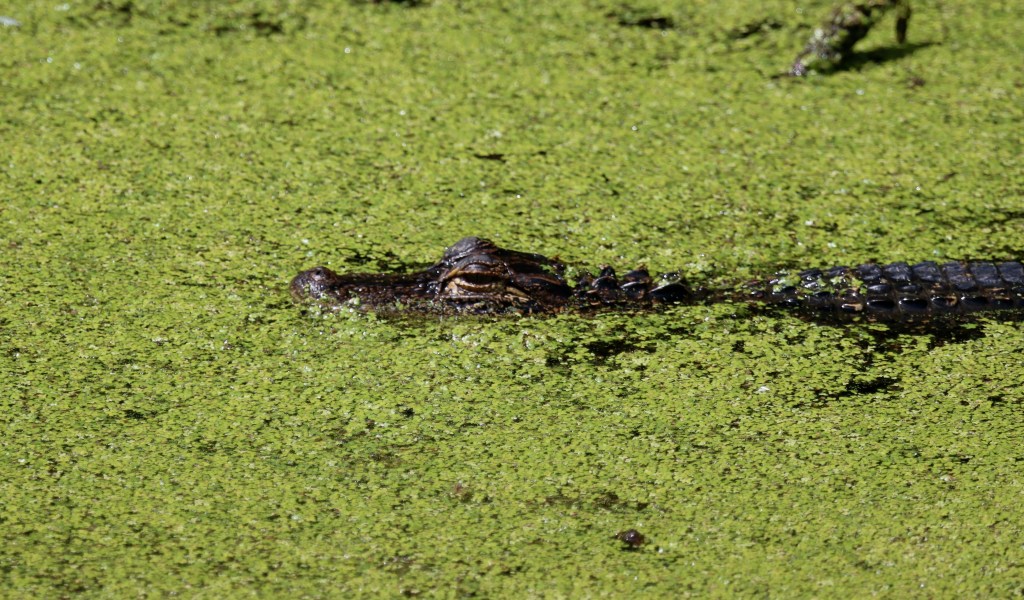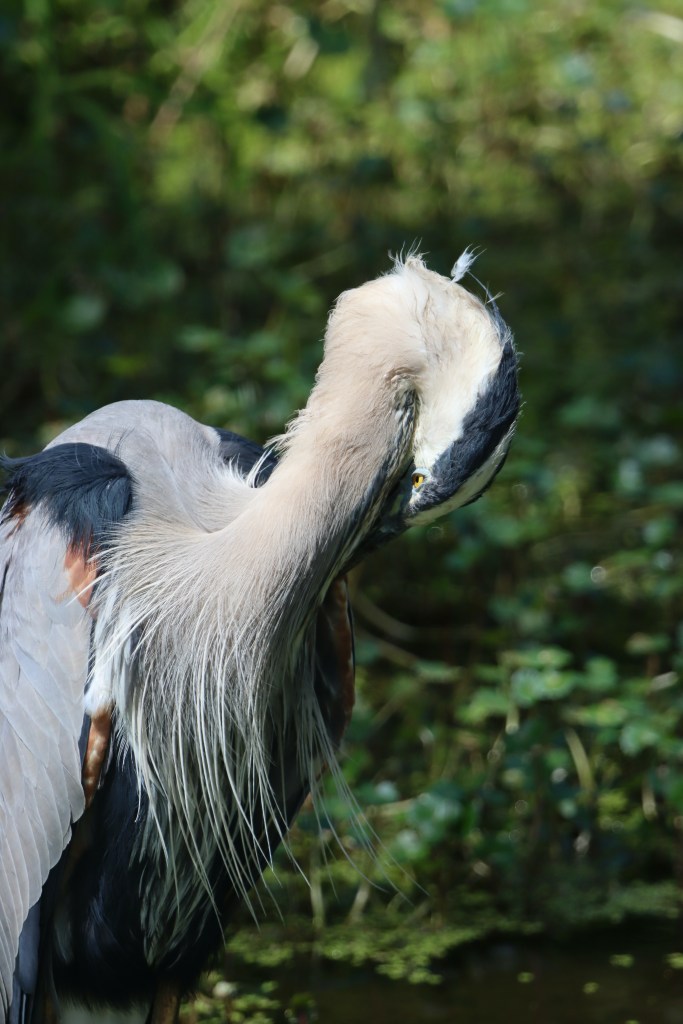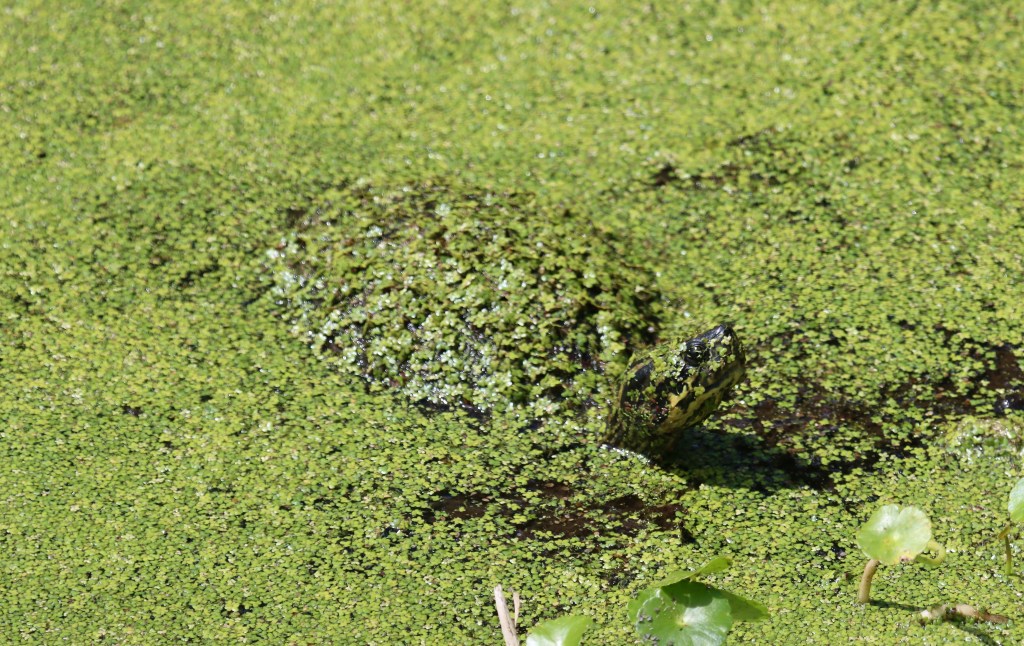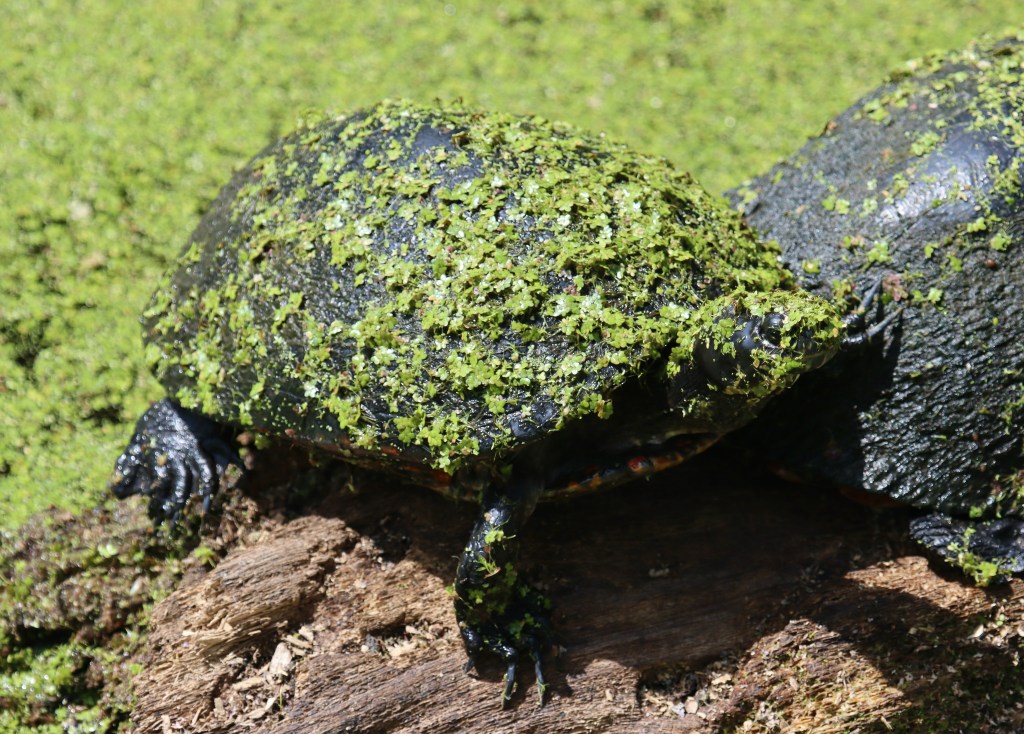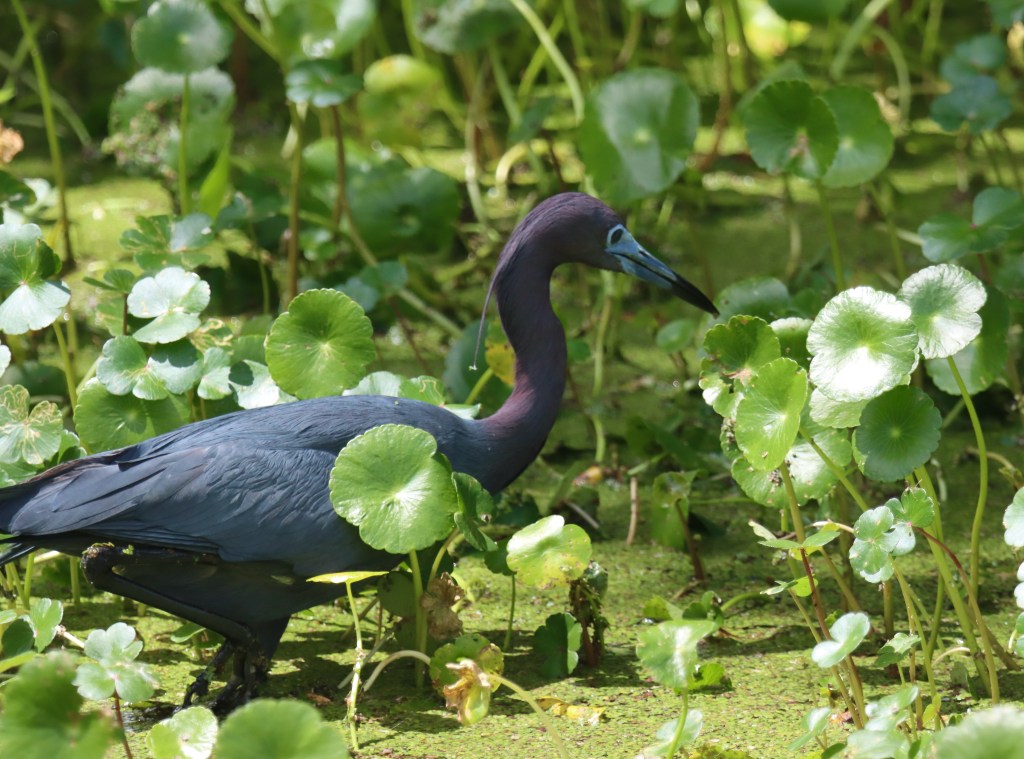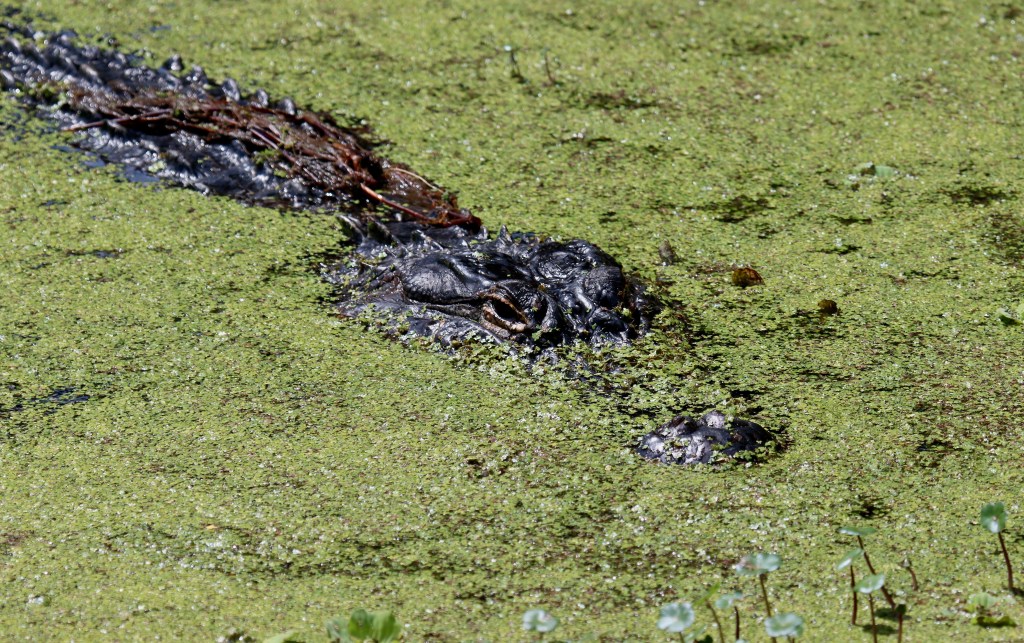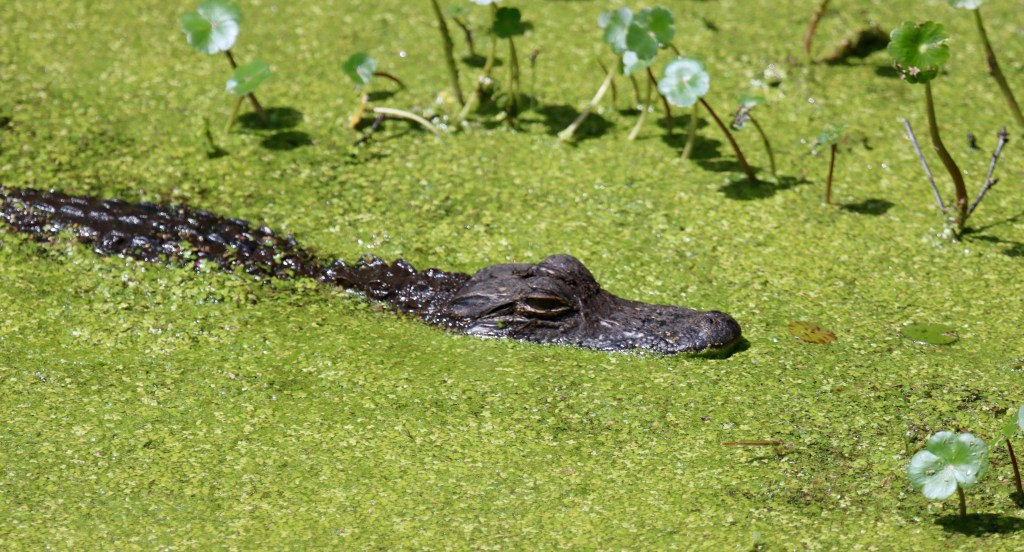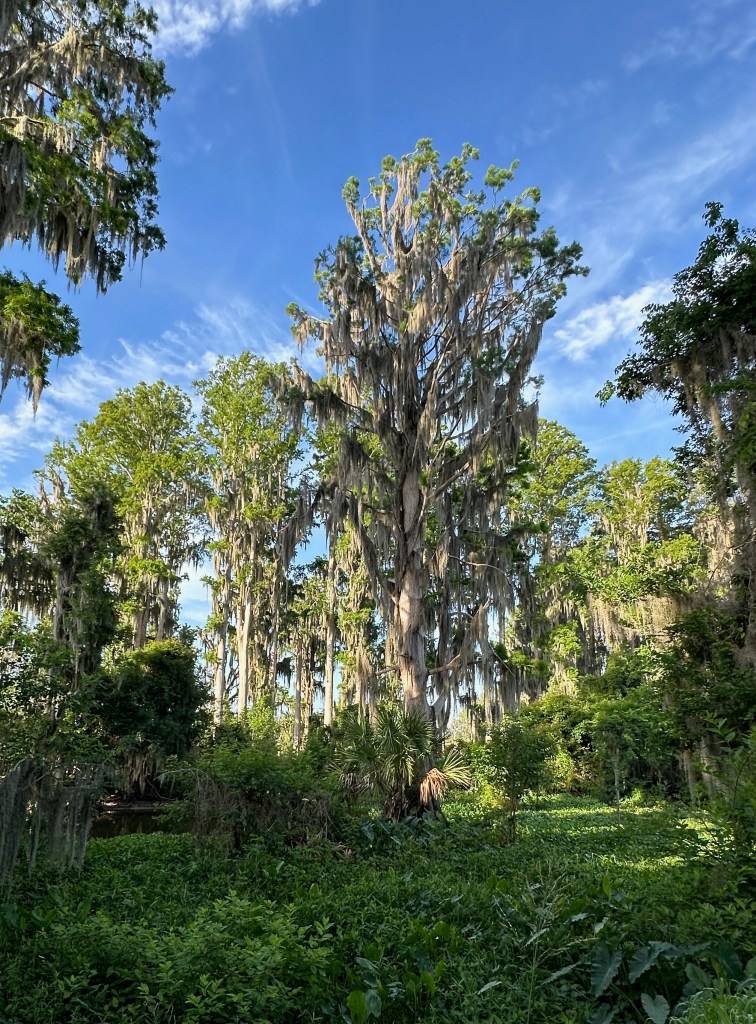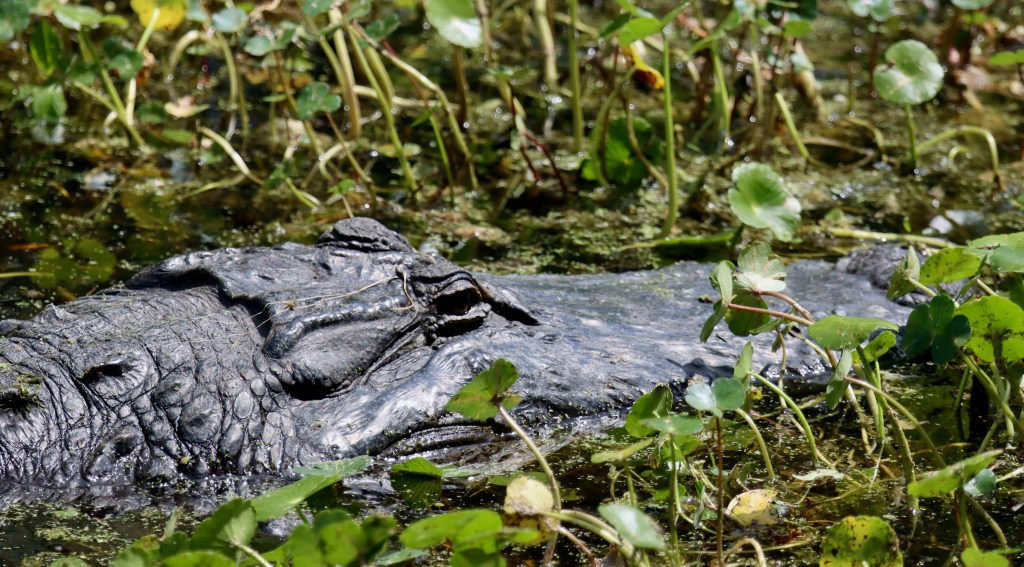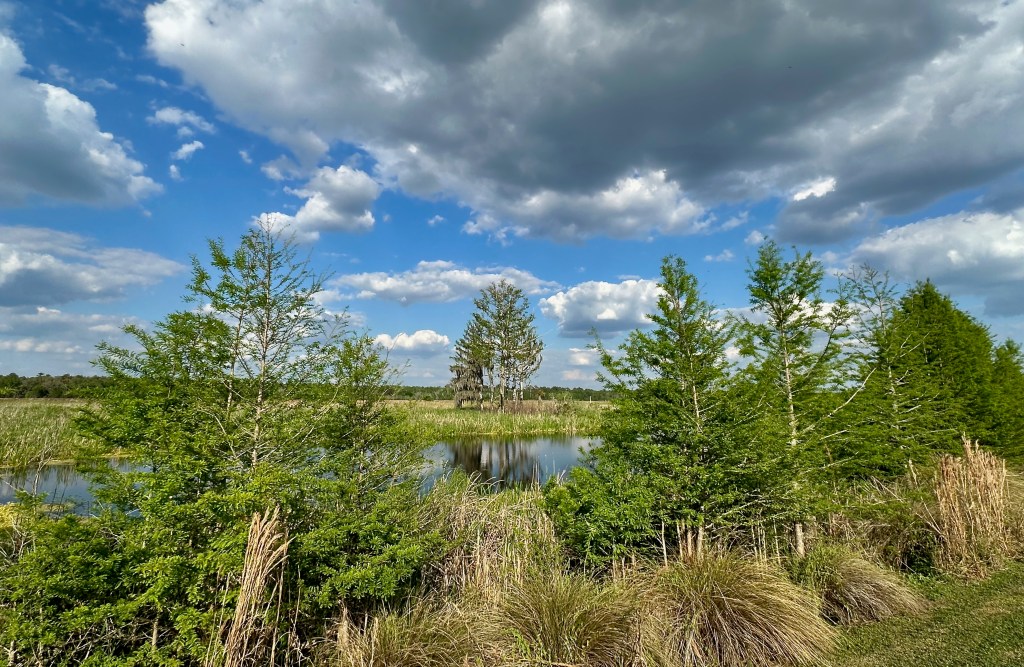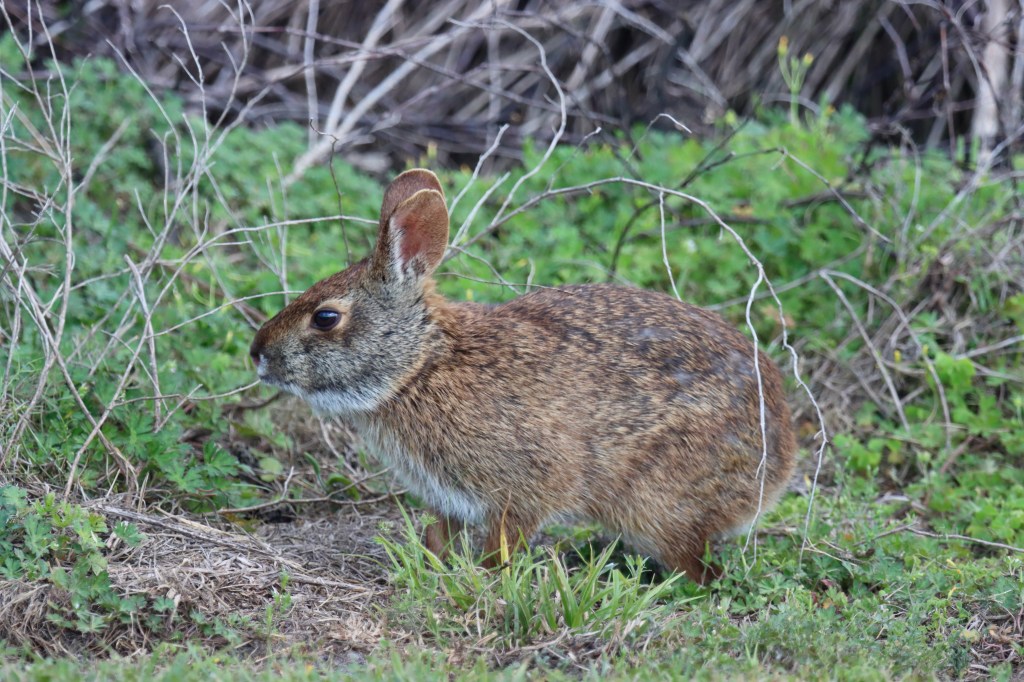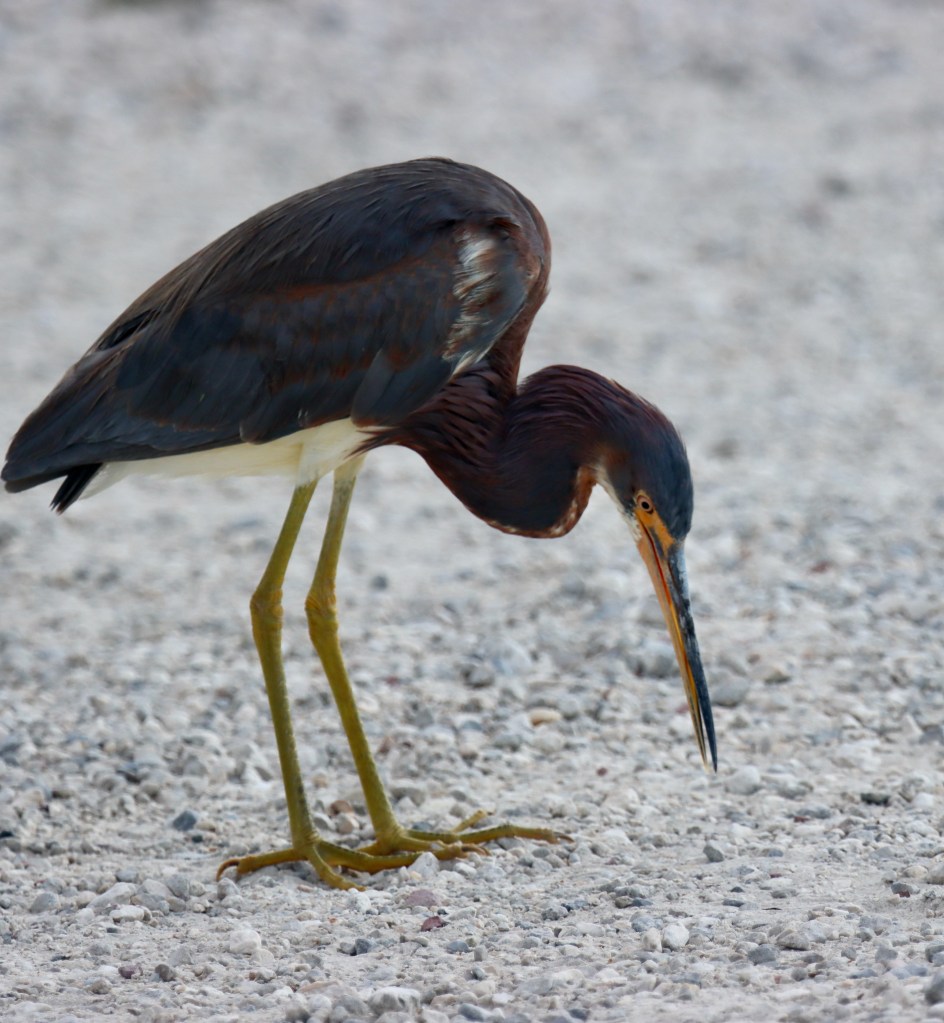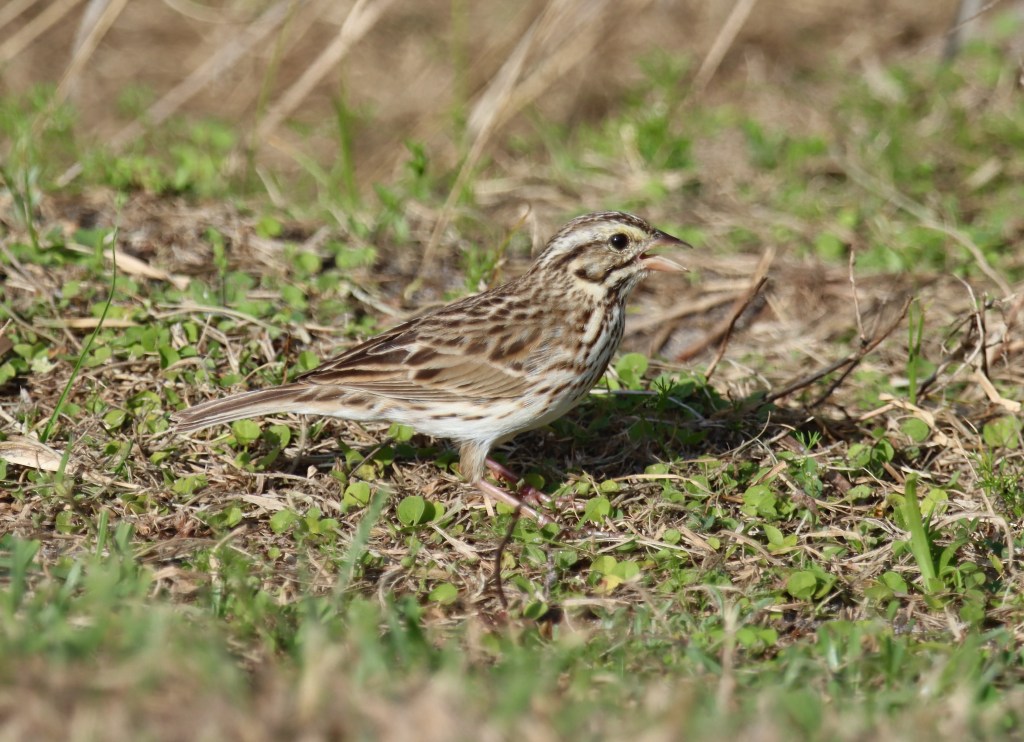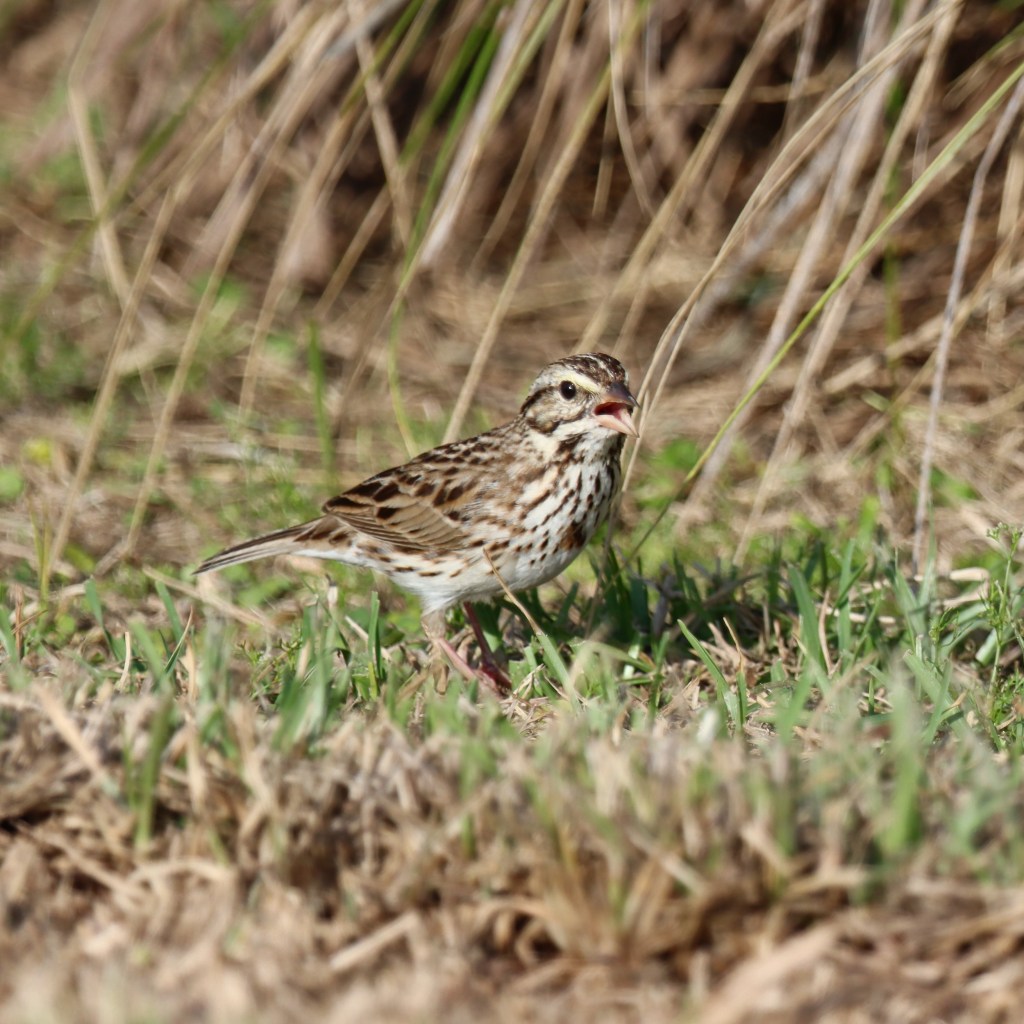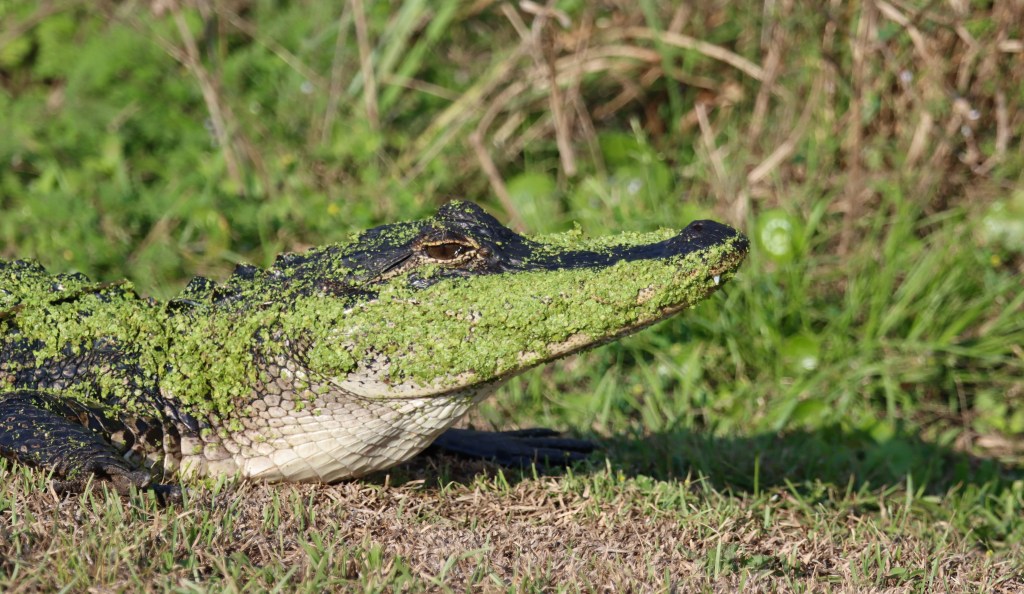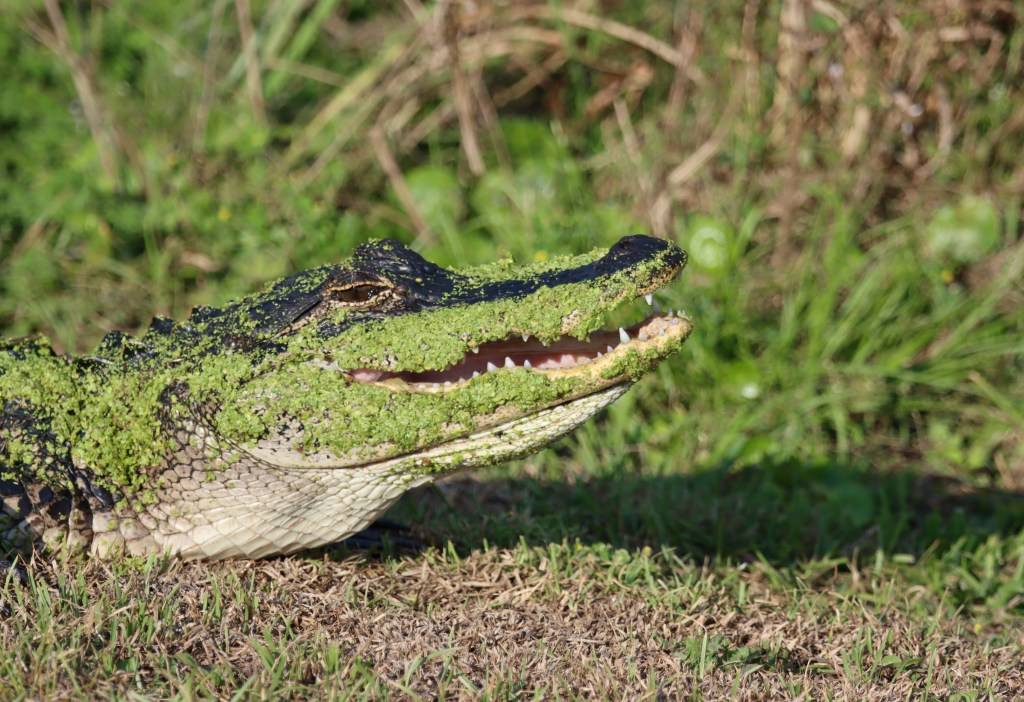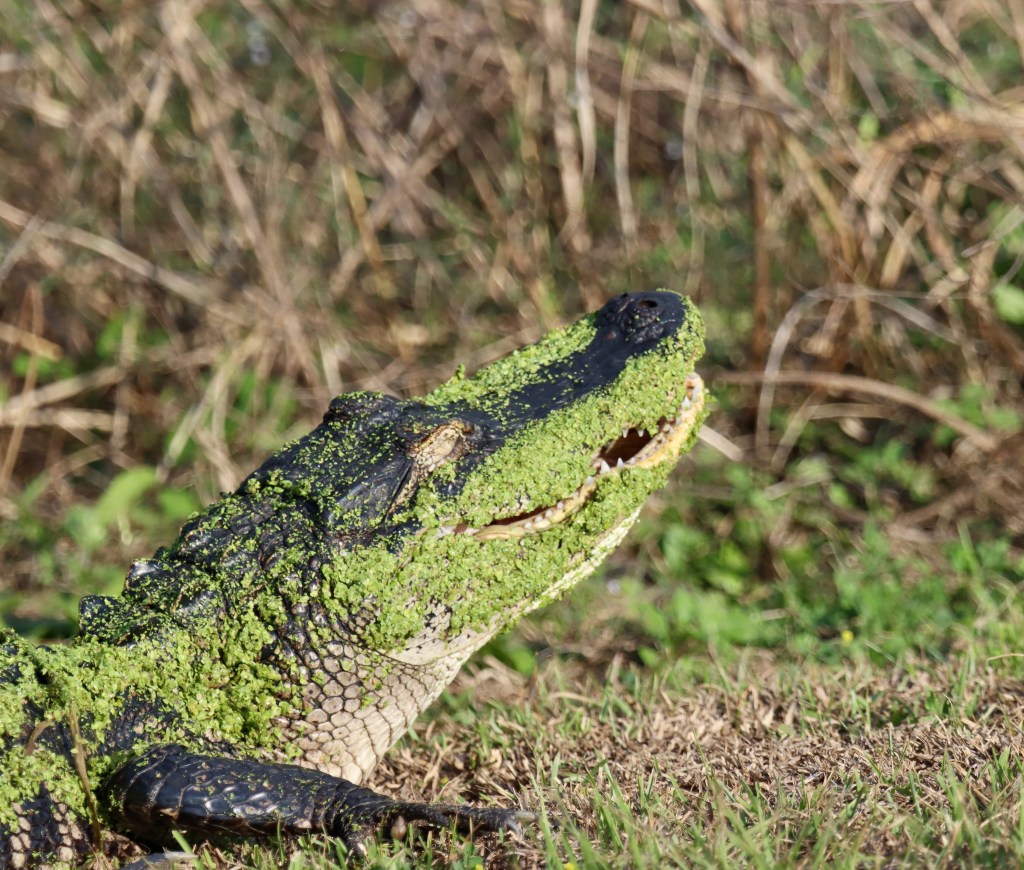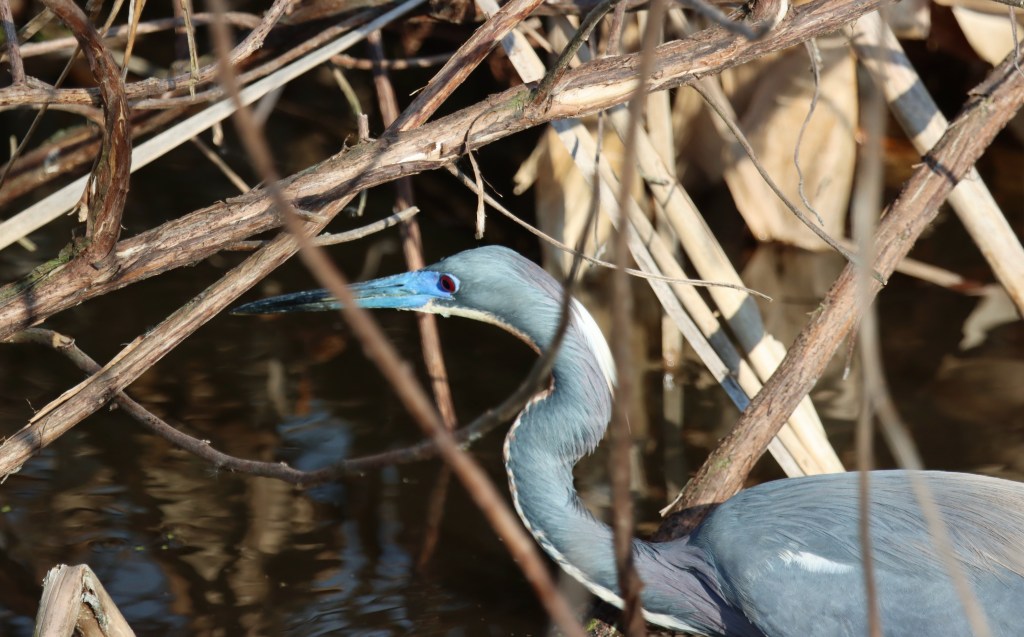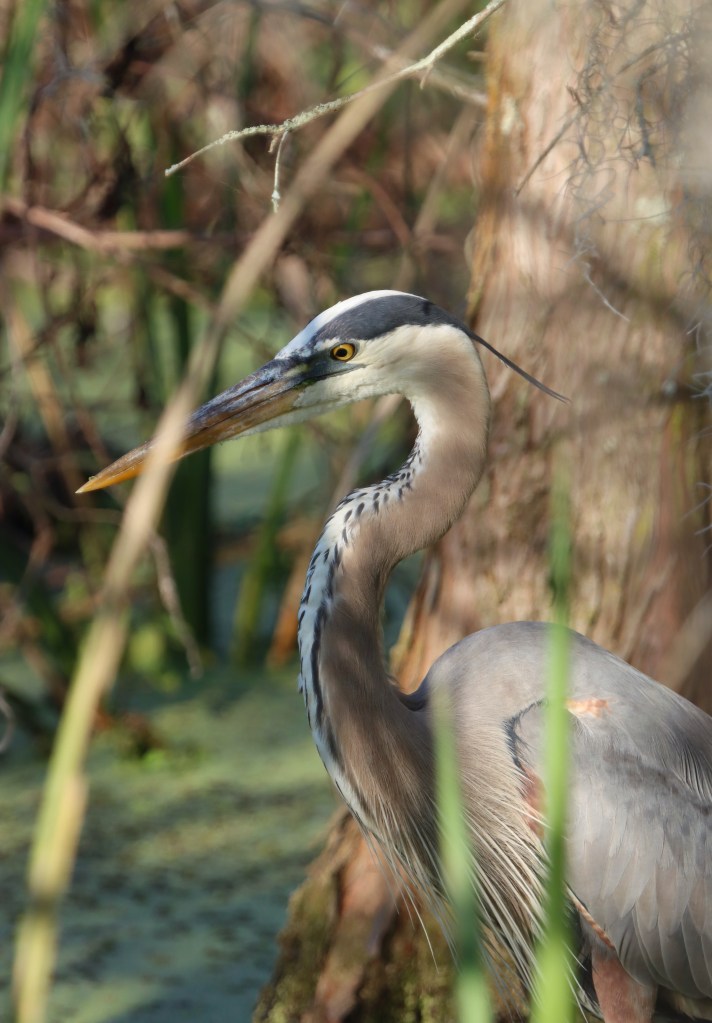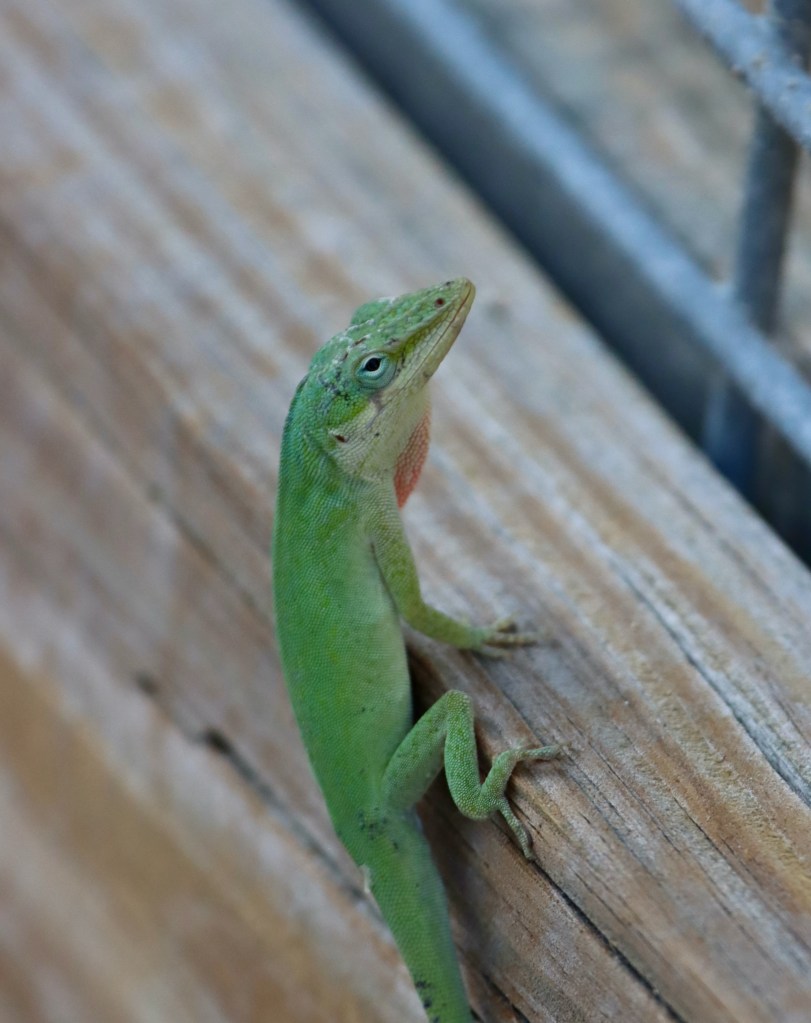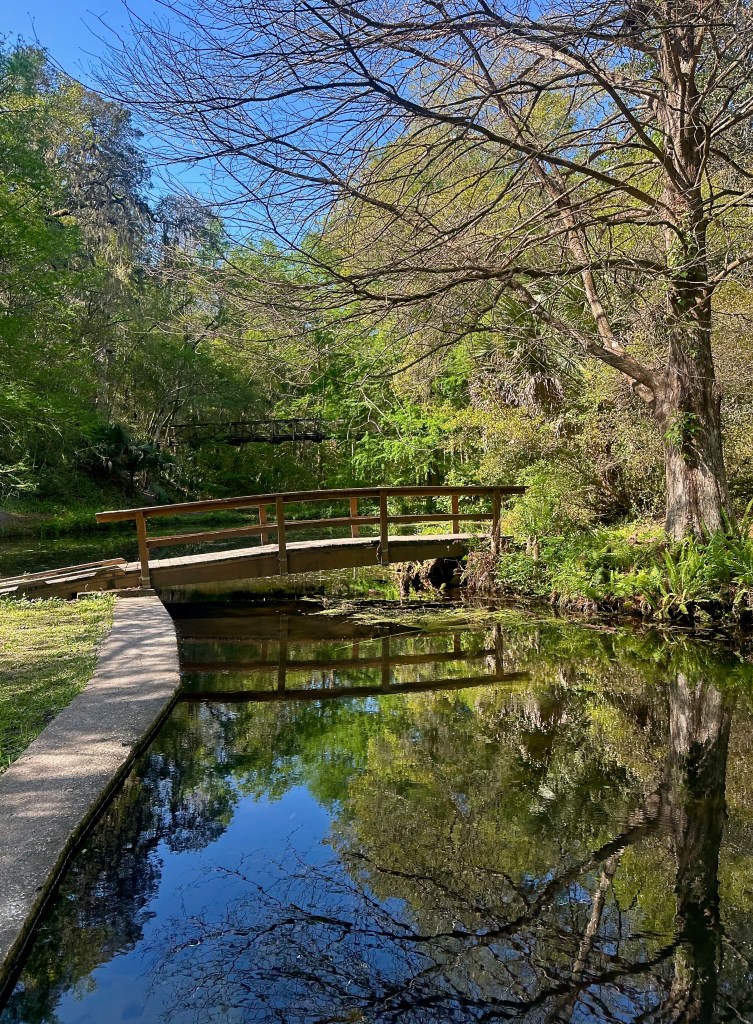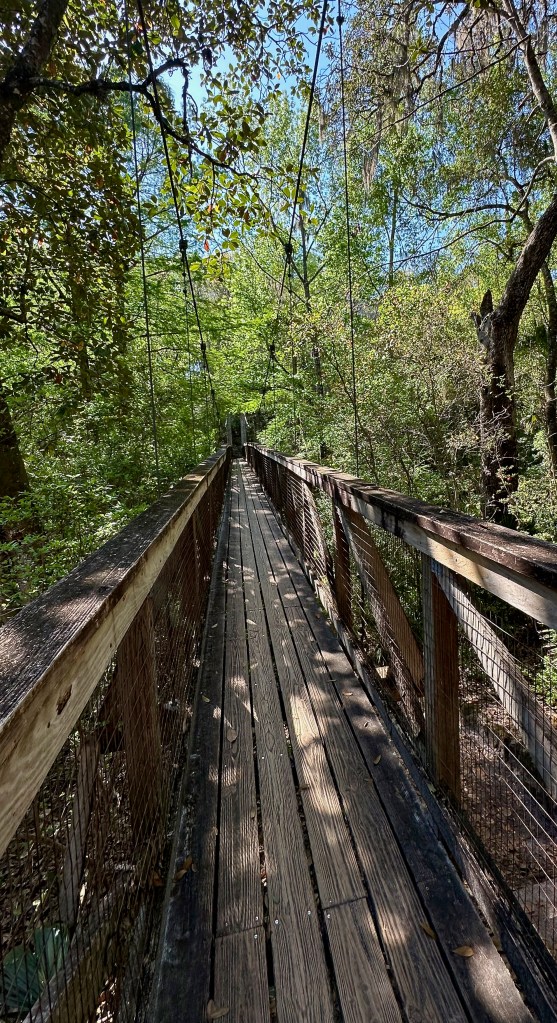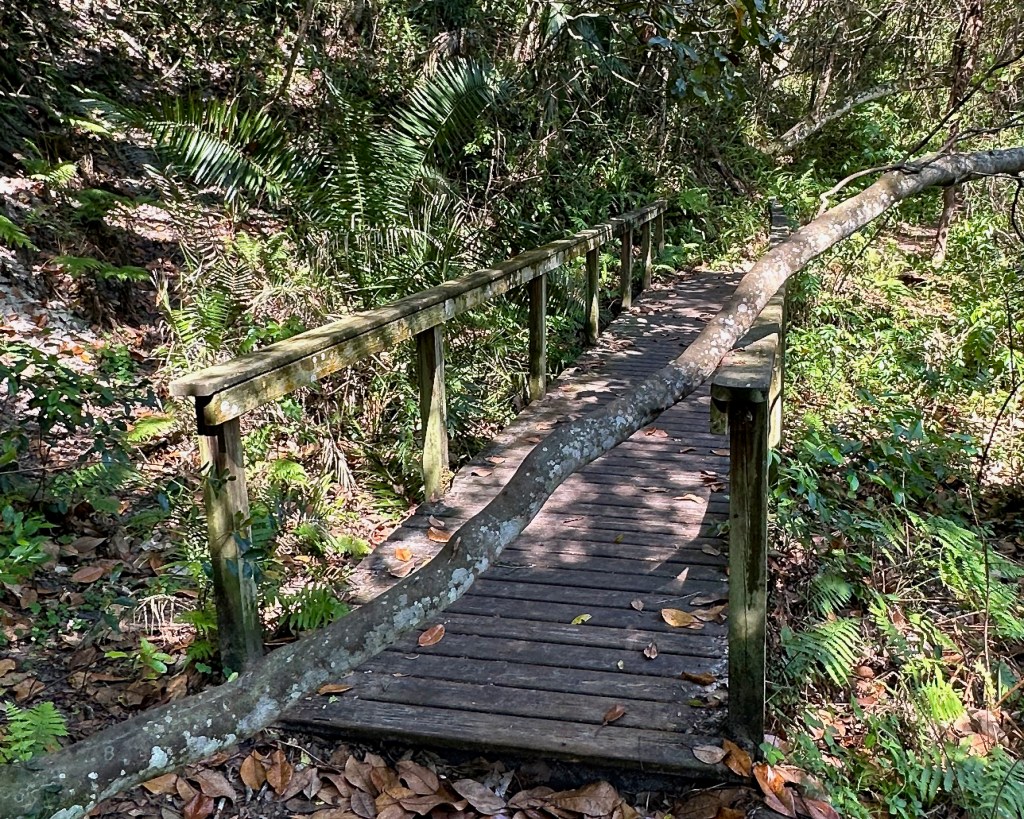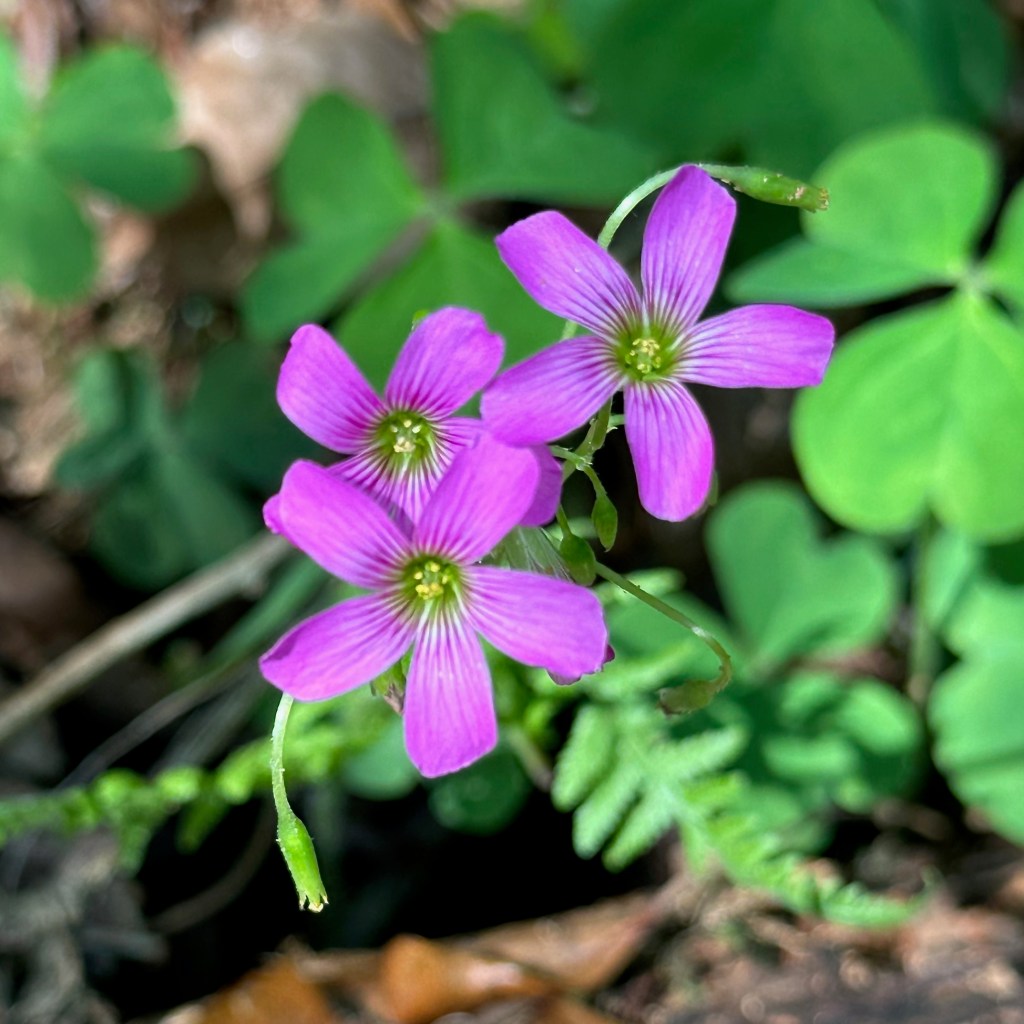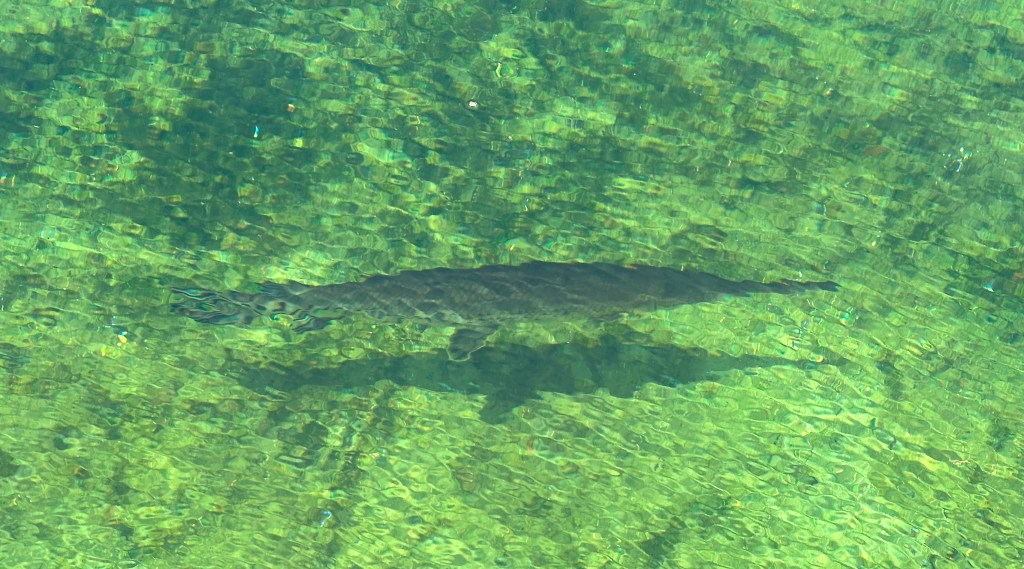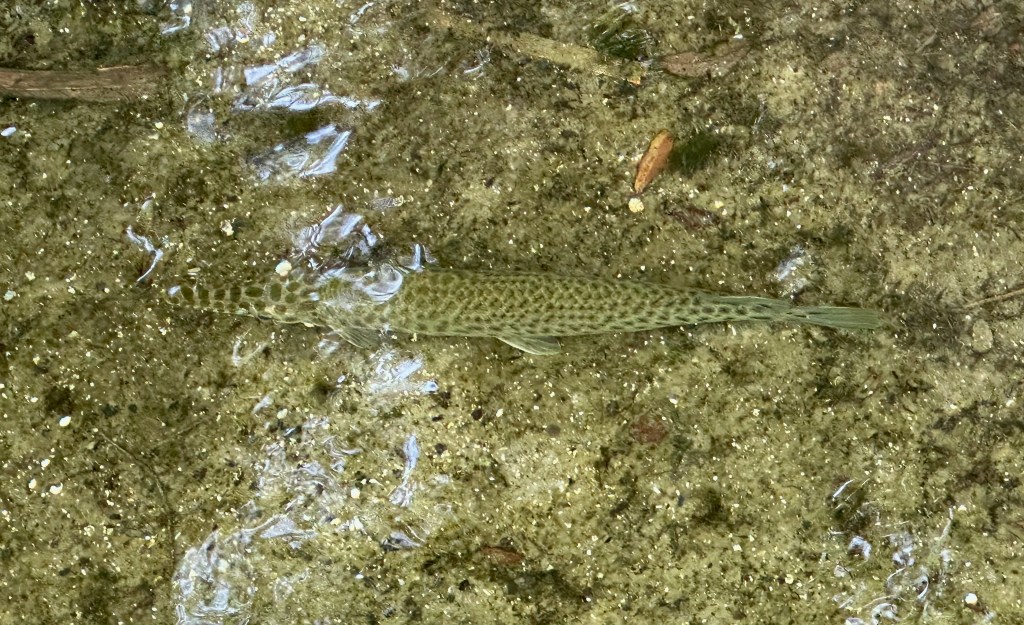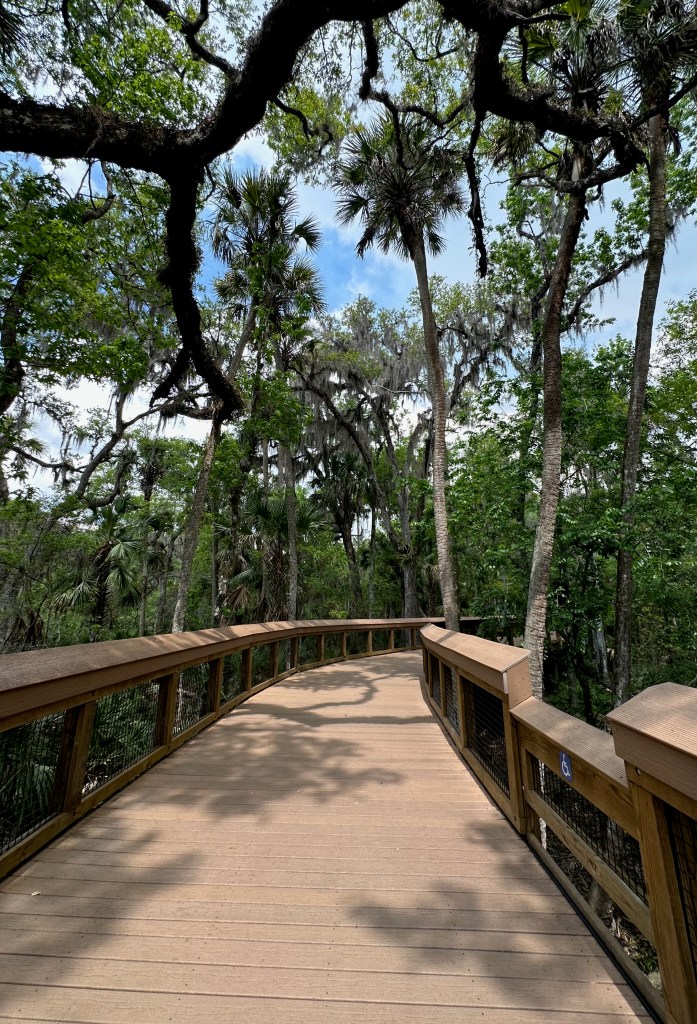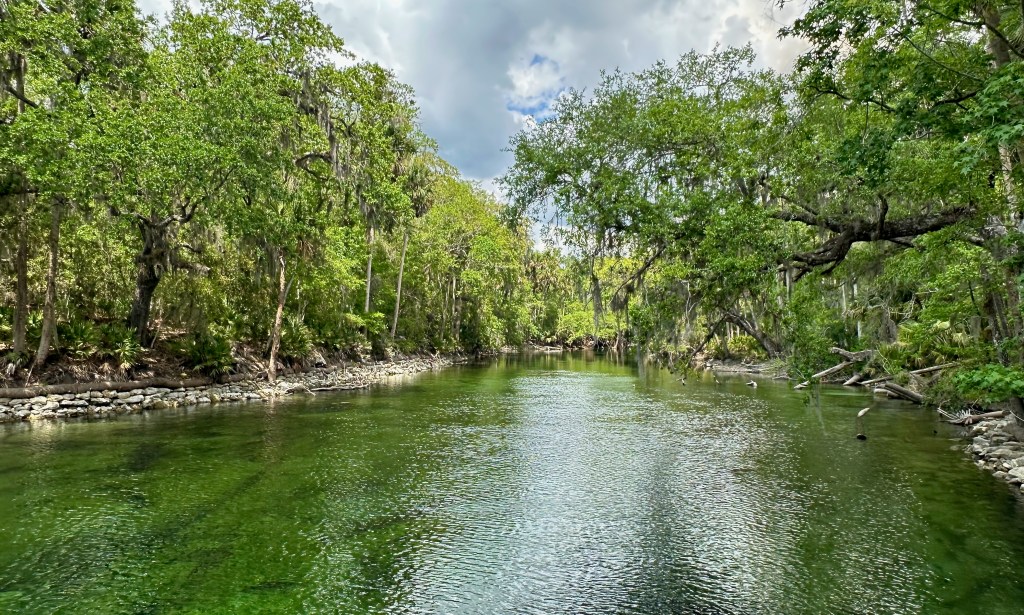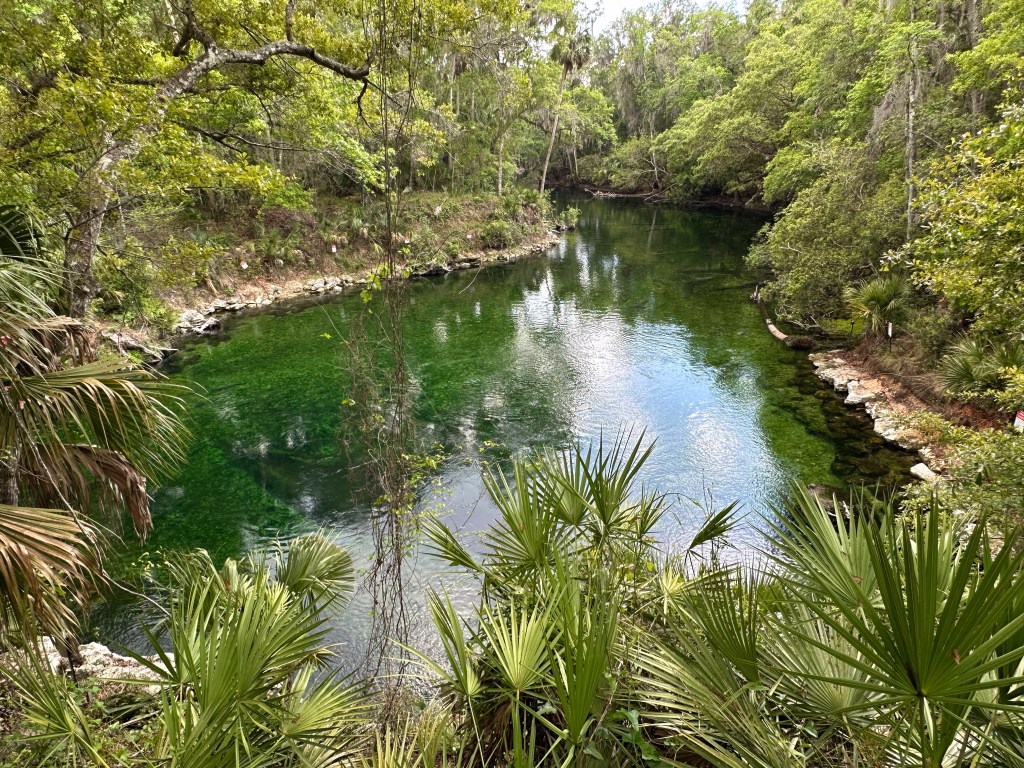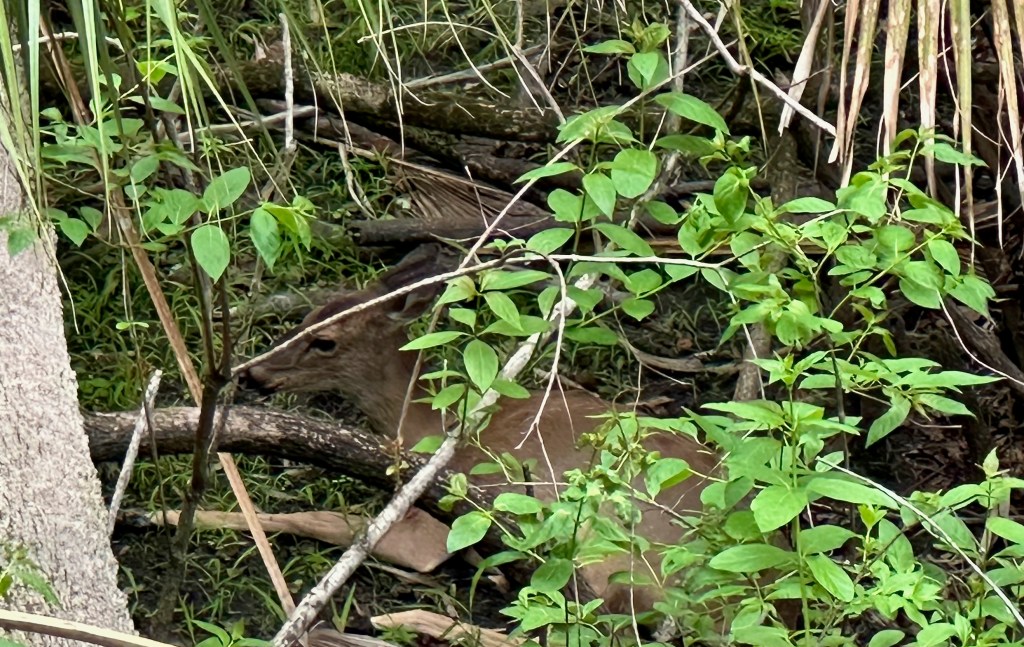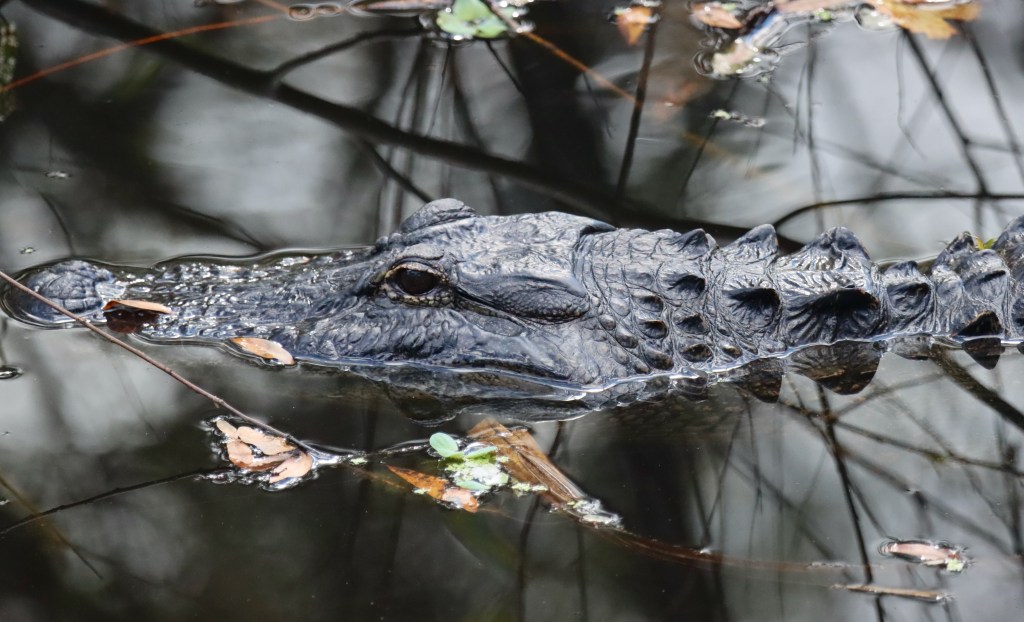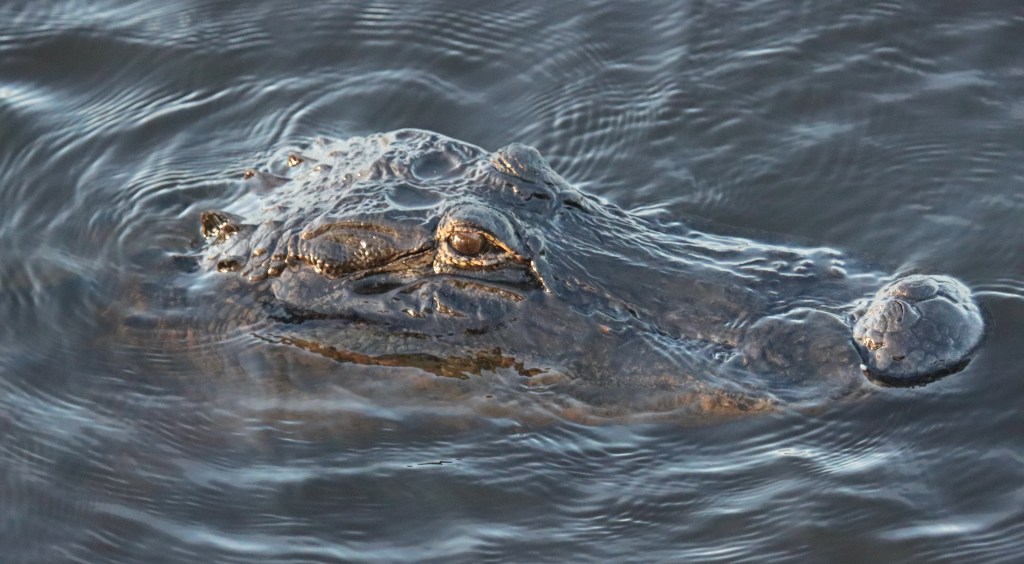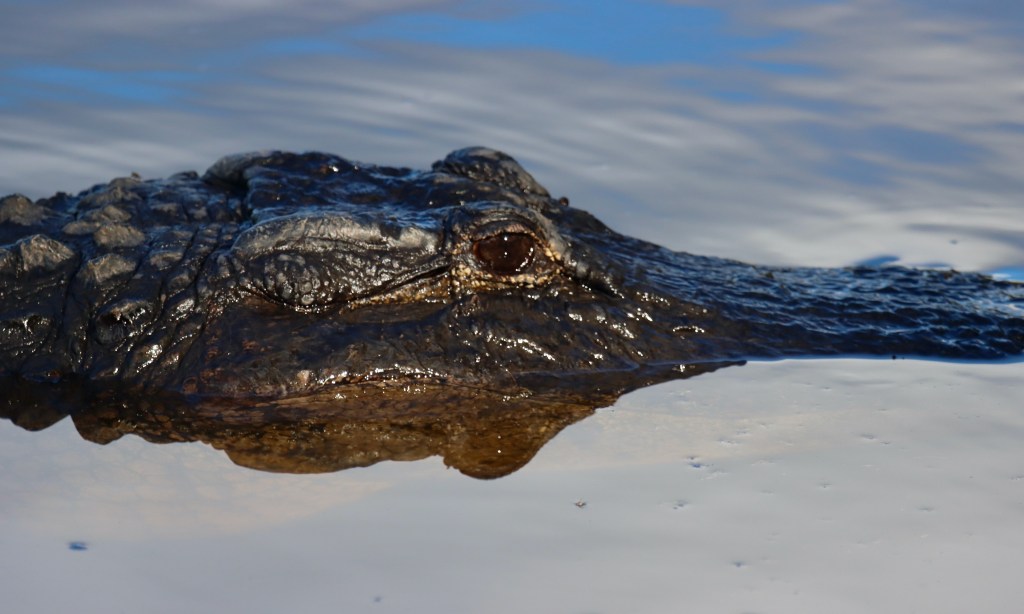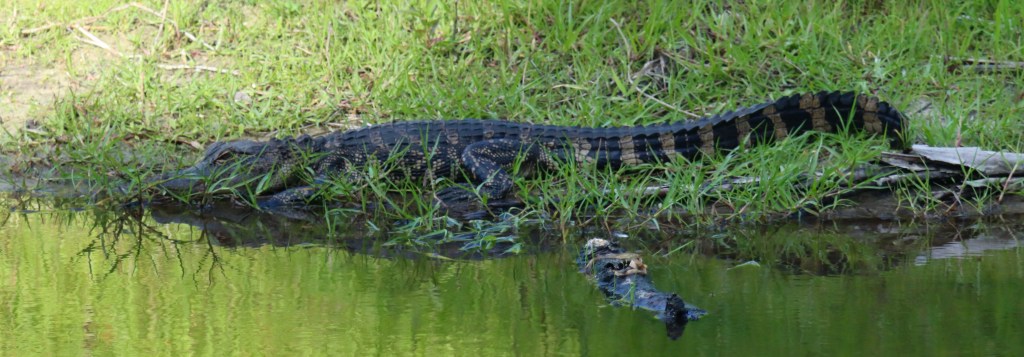
The trail was fairly busy, with quite a few photographers in the mix. As I passed by two young men pointing into the water, I overheard their excitement at seeing their first alligator. They certainly came to the right place, Circle B is loaded with them!
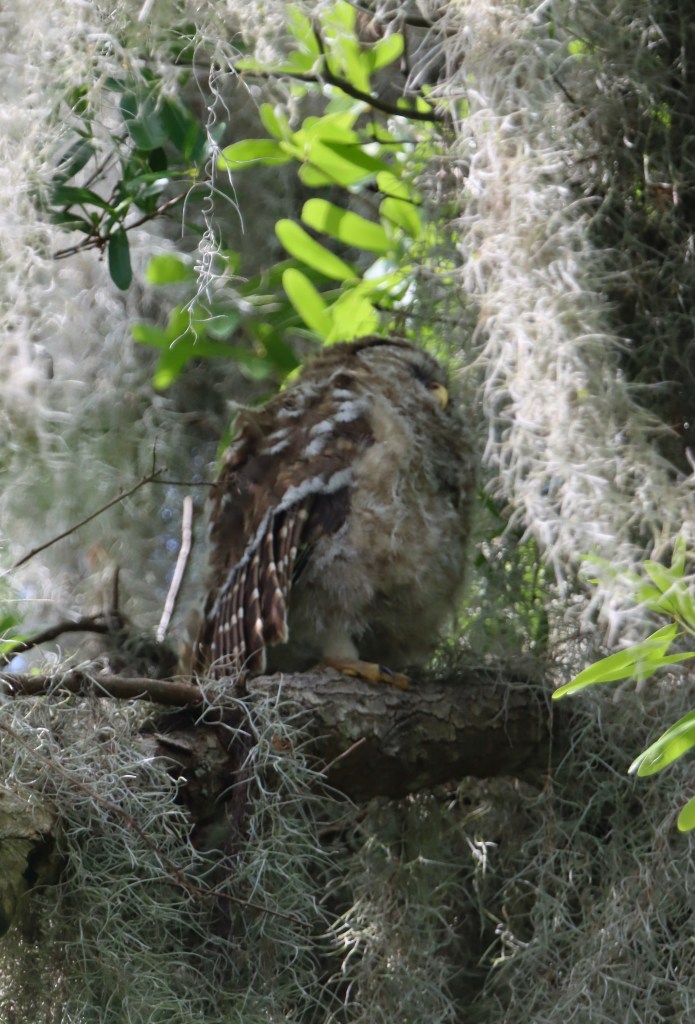
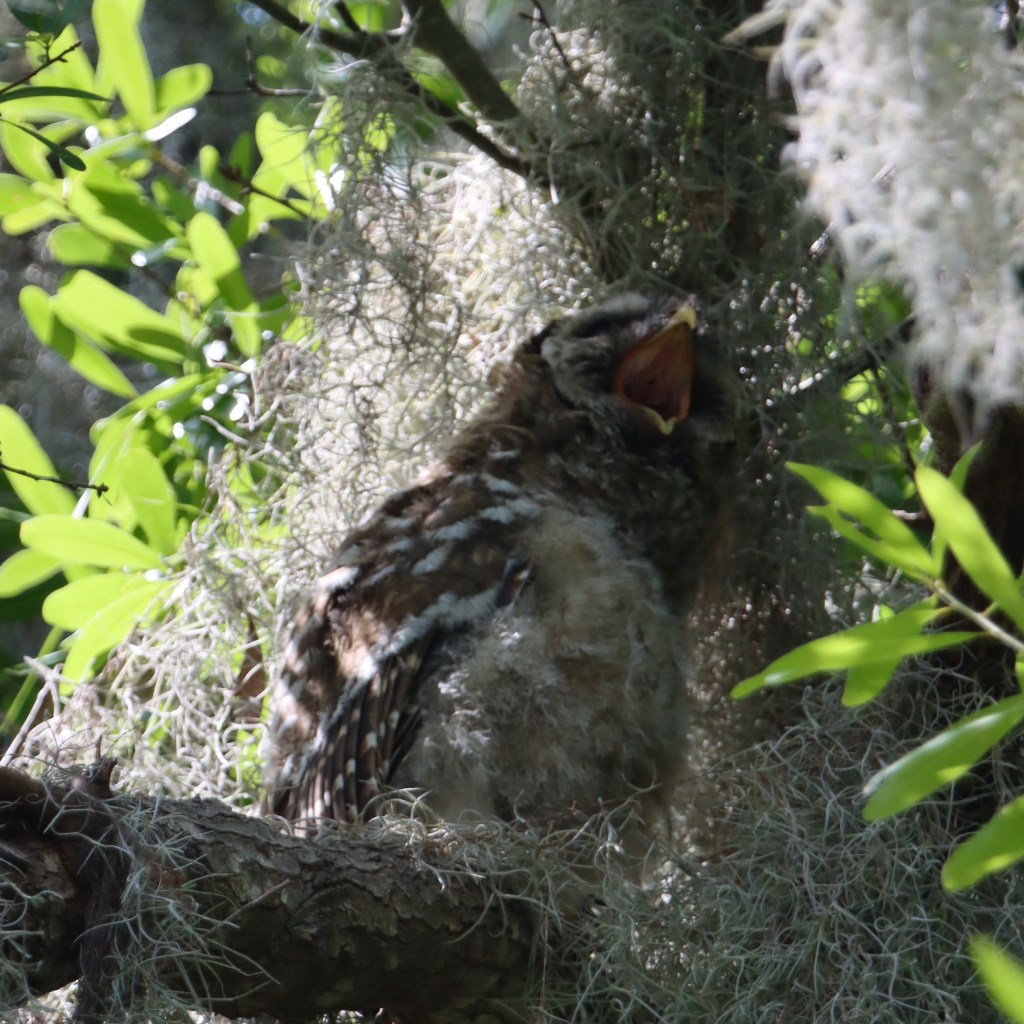
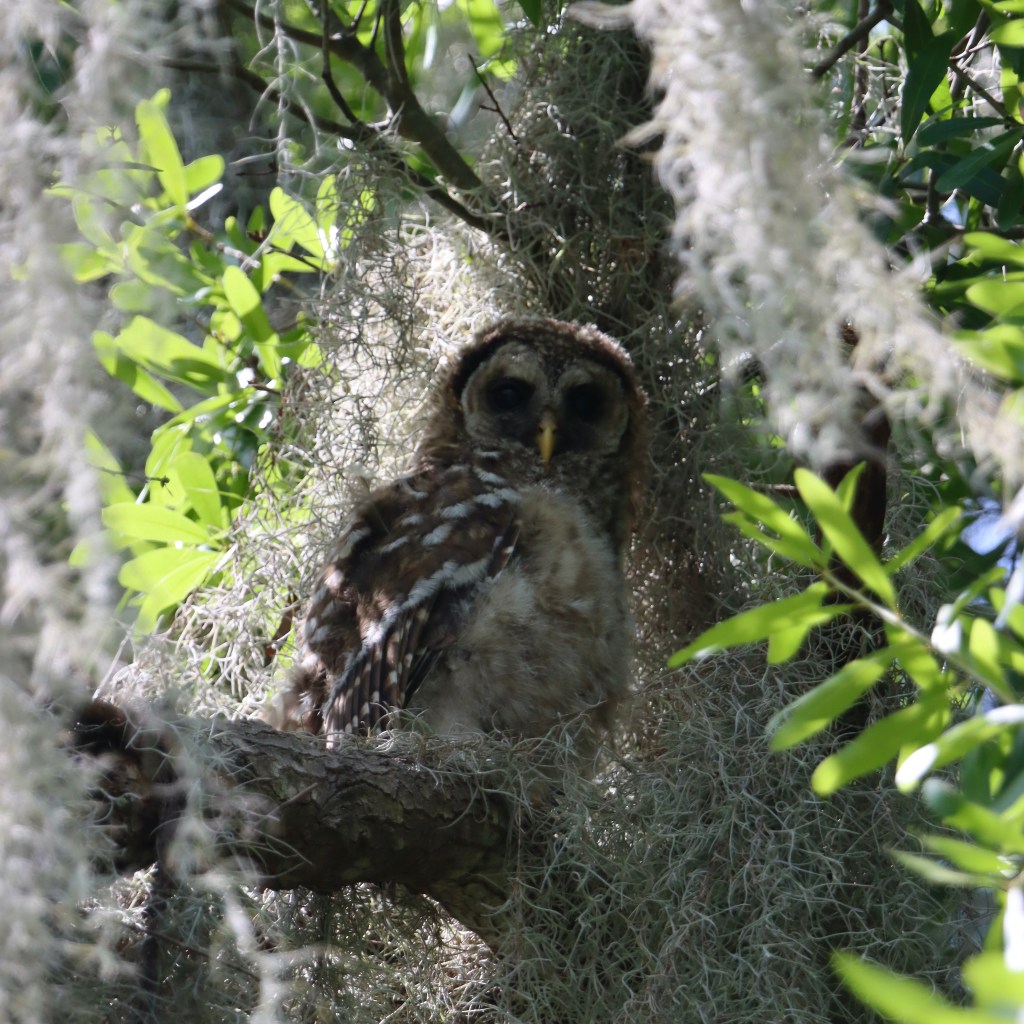
I enjoyed the tram tour, not only was it informative but it took me into an area I had not yet explored (plus we spotted a Barred Owlet).
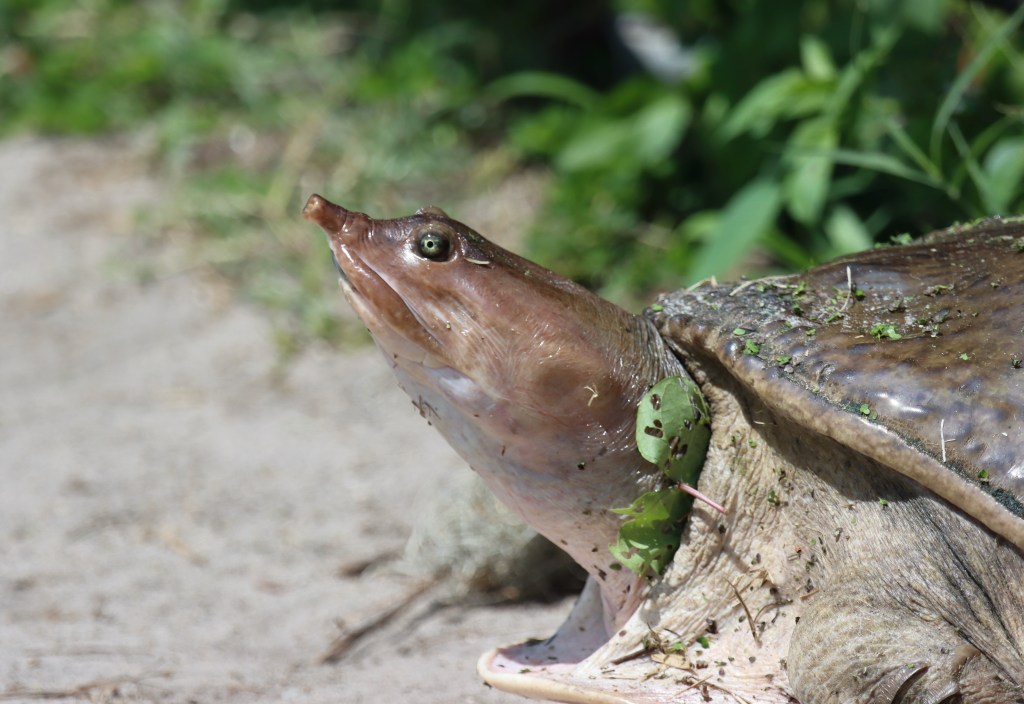
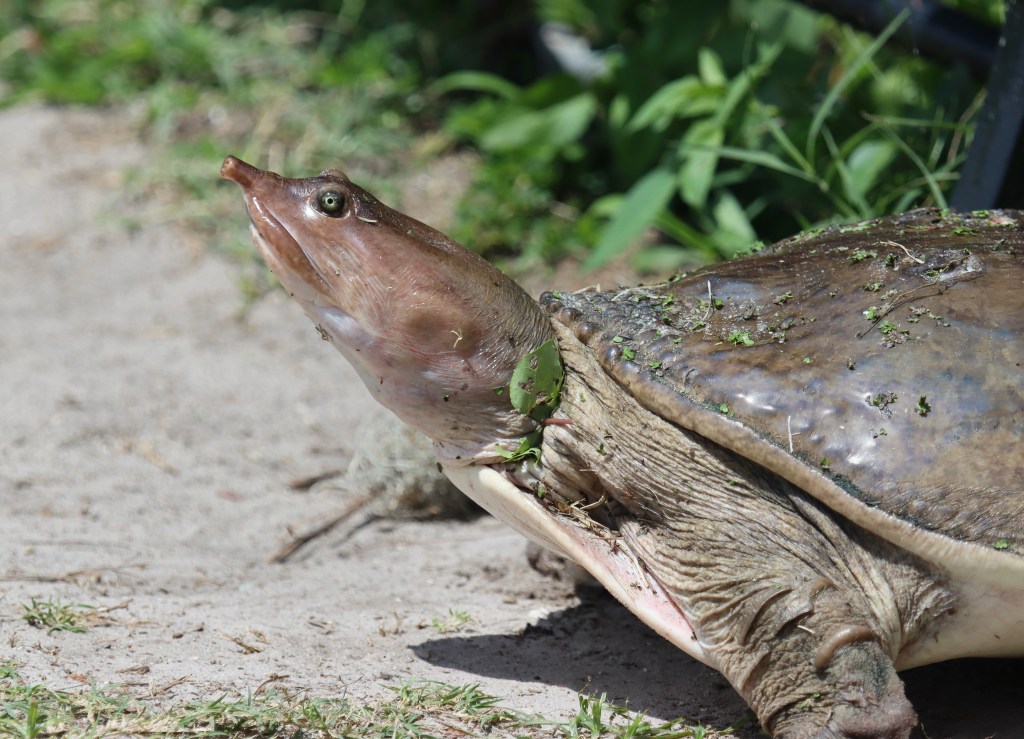
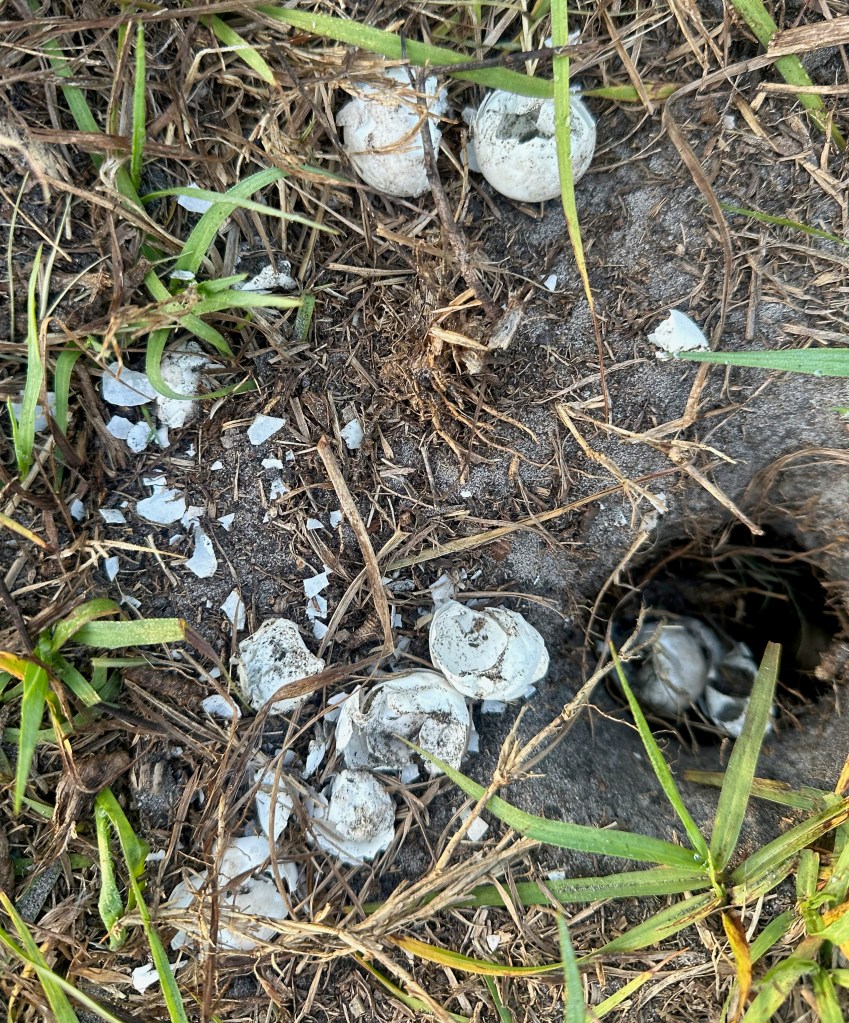
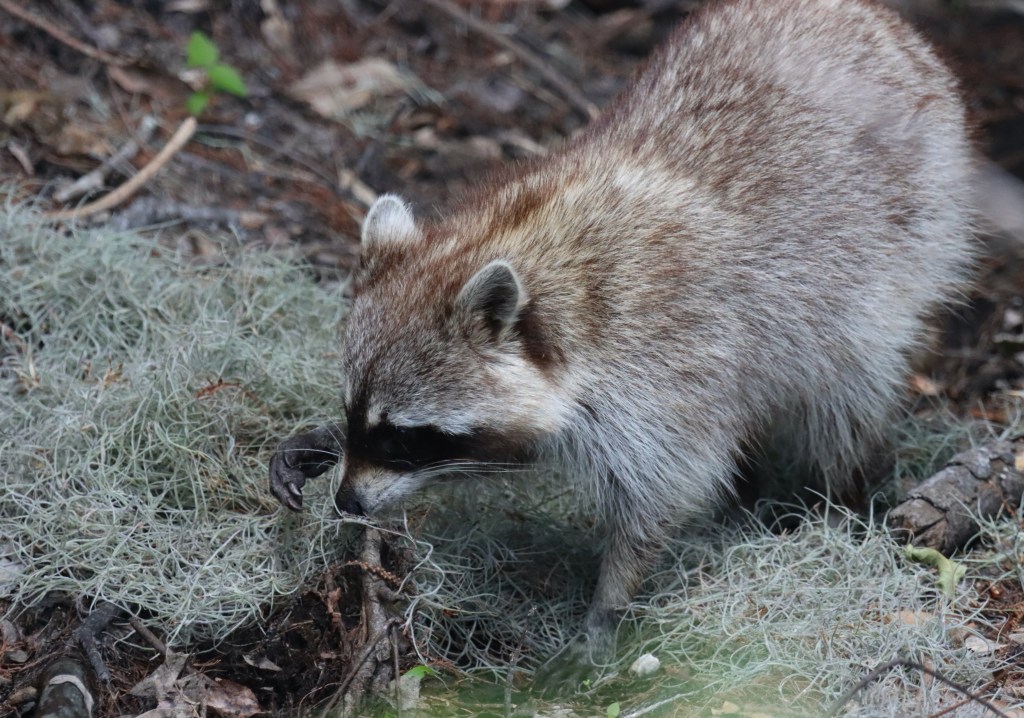
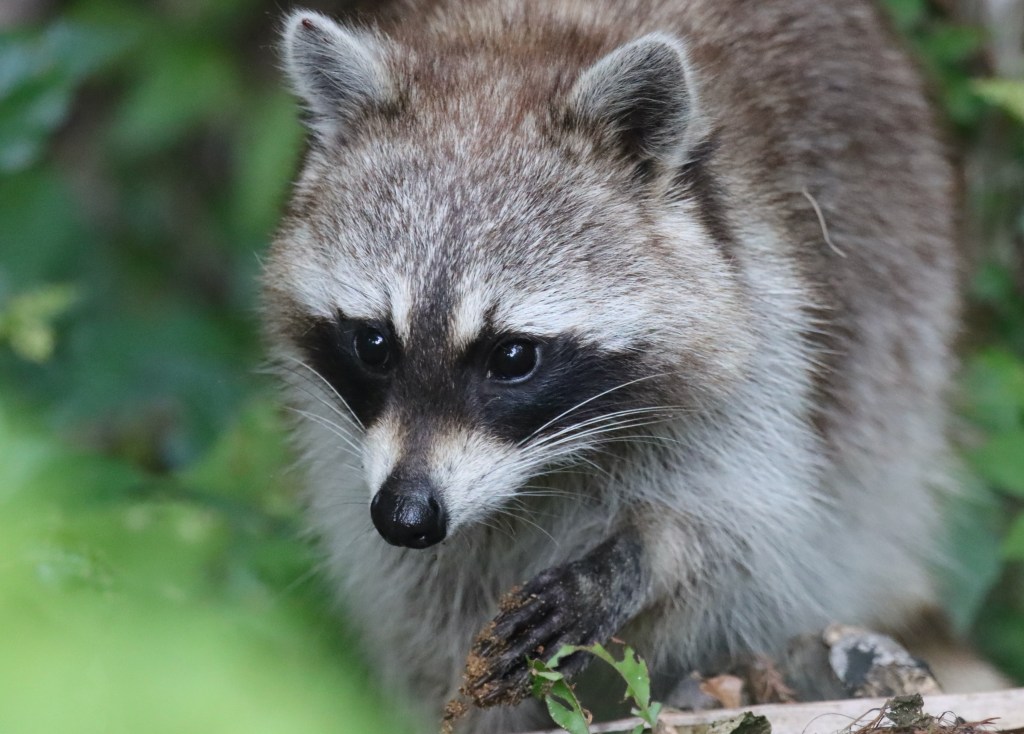
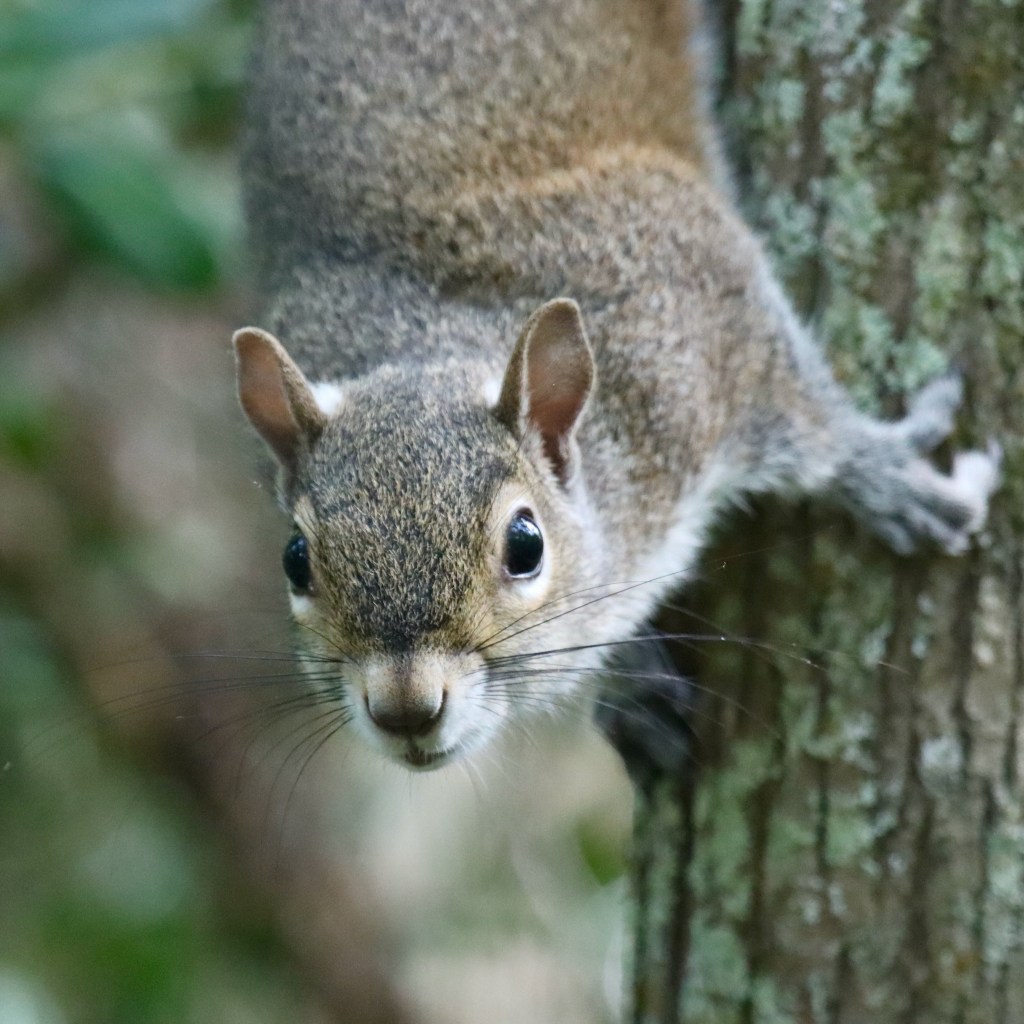
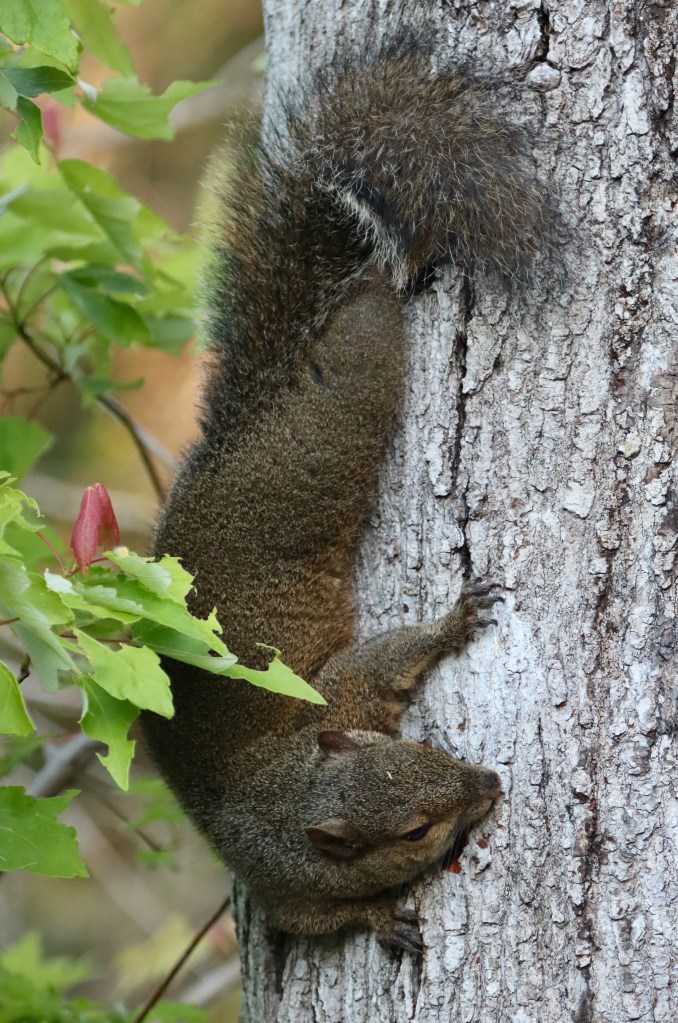
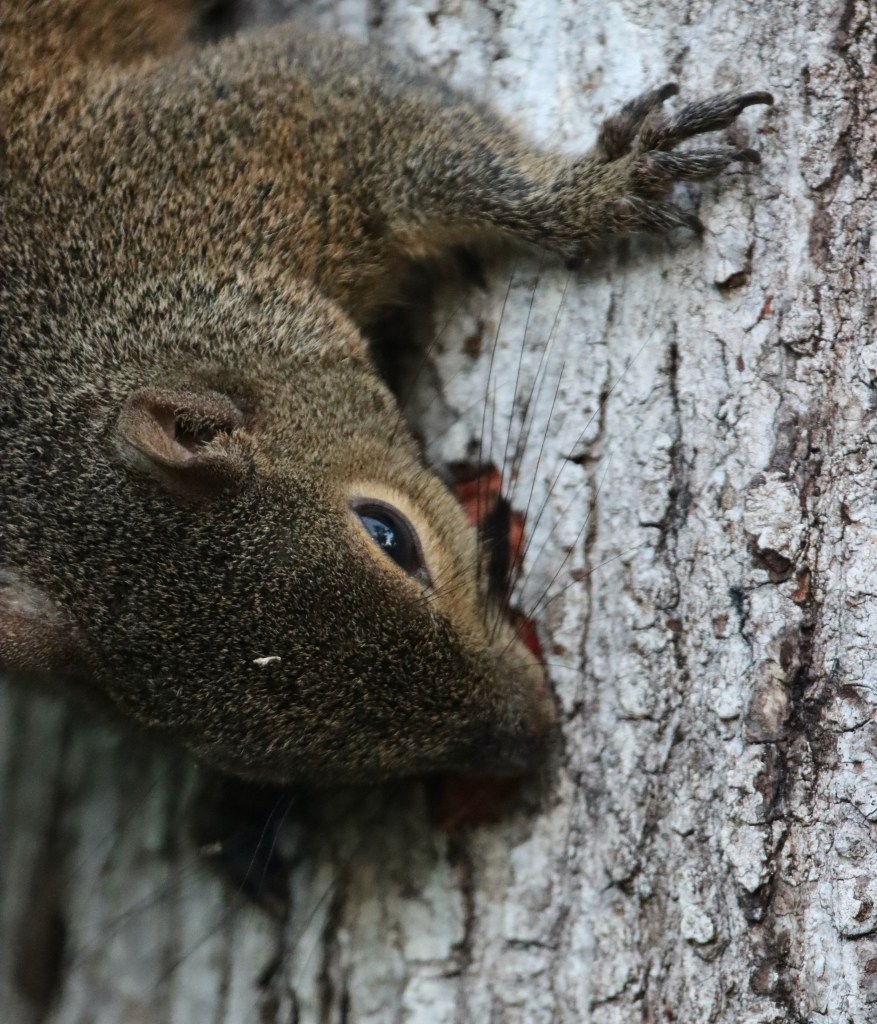
After the tour I decided to hit the loop one more time before heading home. And I’m so glad I did! Since it was closer to midday, there was hardly anyone else on the trail. I went the opposite way and was rewarded with wonderful wildlife moments: an absolutely massive gator (roughly 15′ long), a raccoon looking for food, a turtle laying eggs, and a squirrel feasting on vegetation.
So thankful that areas like this have been protected!
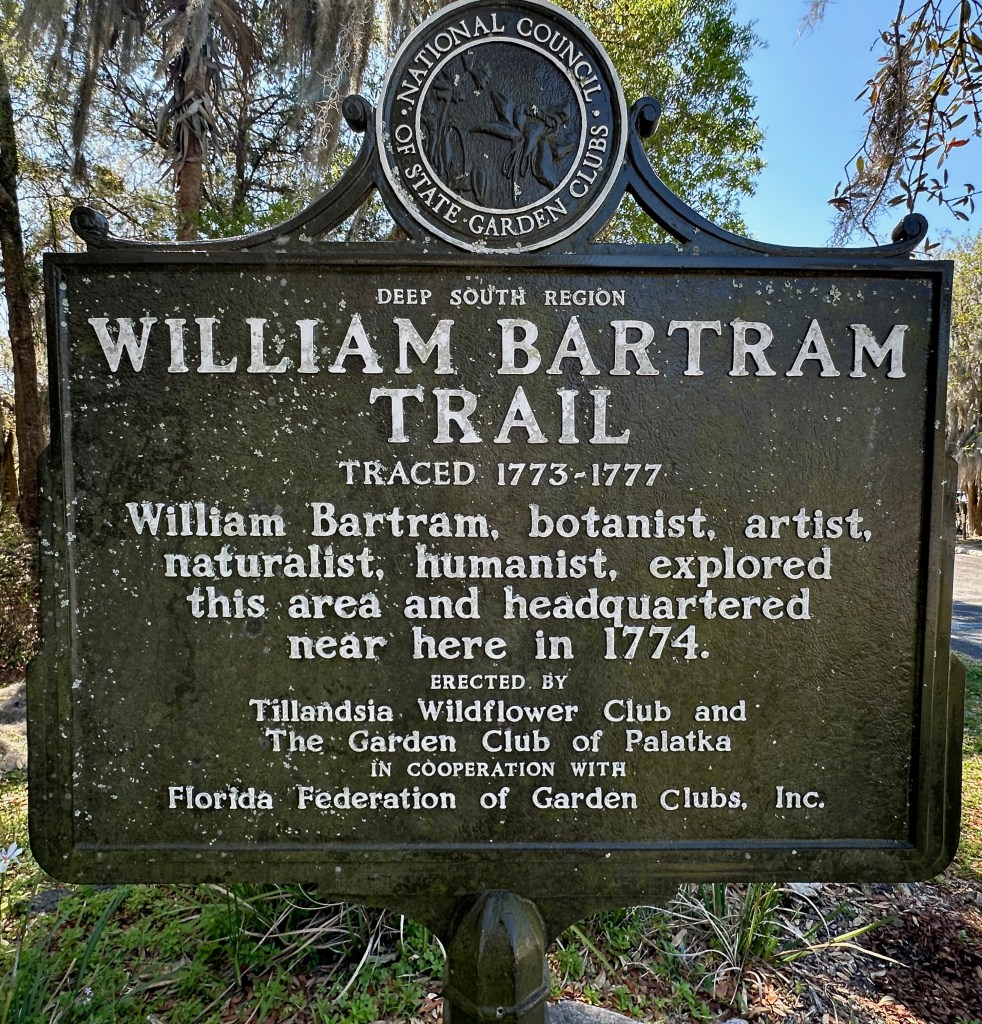
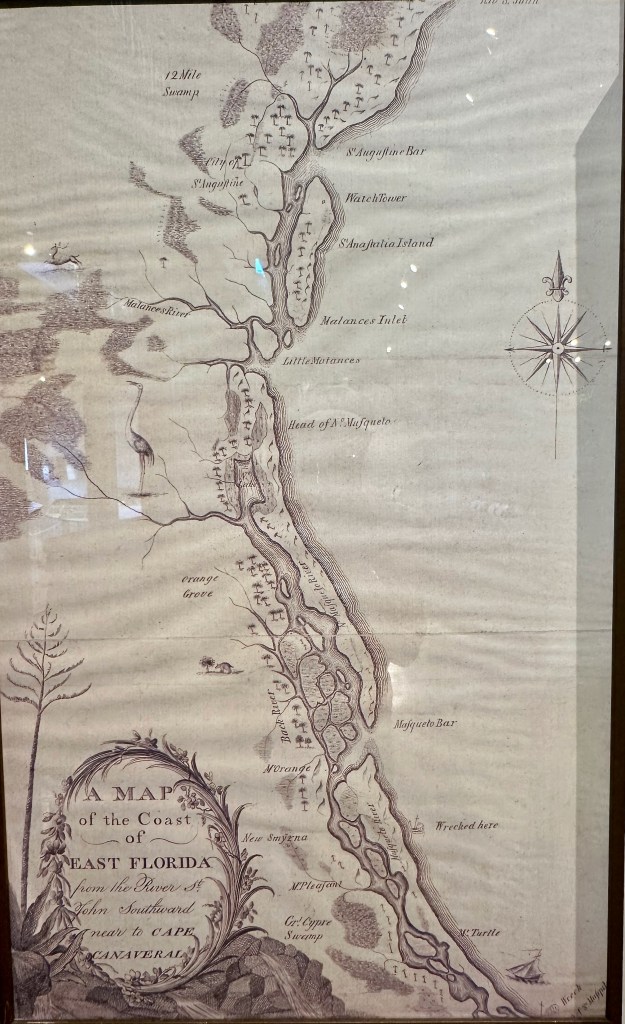
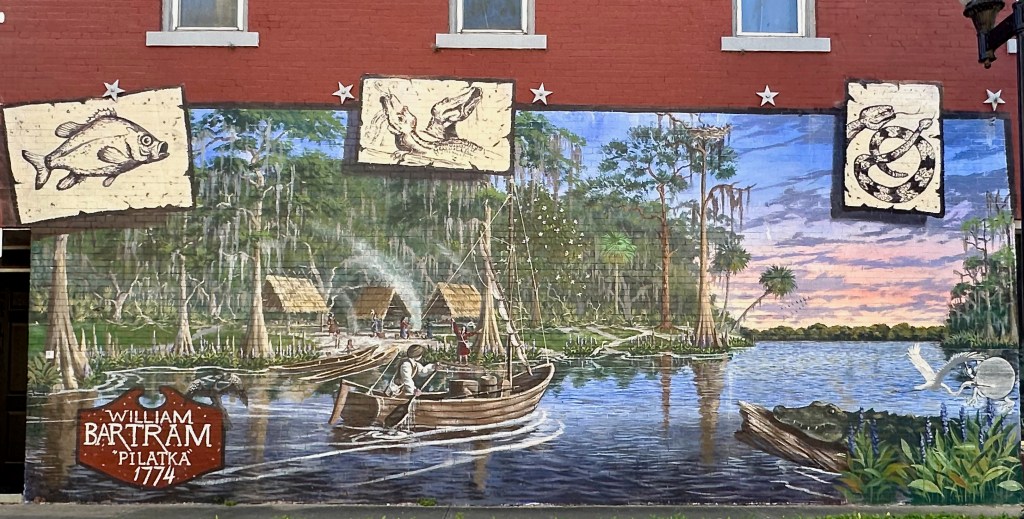
From his nearby home base, Bartram ventured upriver to Blue Spring. It’s odd to call a southern location upriver but the St. Johns is distinctive in that it flows from south to north. Though the term flow is generous, over its entire 310 miles the river drops less than 30’. Battling the current is not the issue but wayfinding is, especially in the Upper Basin where the river fans out to include 13 lakes. One of the lakes, Lake Hell ‘n Blazes* the headwater of the river, earned its colorful name because it was so notoriously difficult to navigate.
Bartram wrote about his Blue Spring trip in his Book “Travels”, relating that a wolf stole fish from his campsite and large alligators almost capsized his little boat (the last is not surprising since his trip was during alligator mating season). He also ventured west, out to the Alachua Savannah, which funnily enough was where I was headed next…
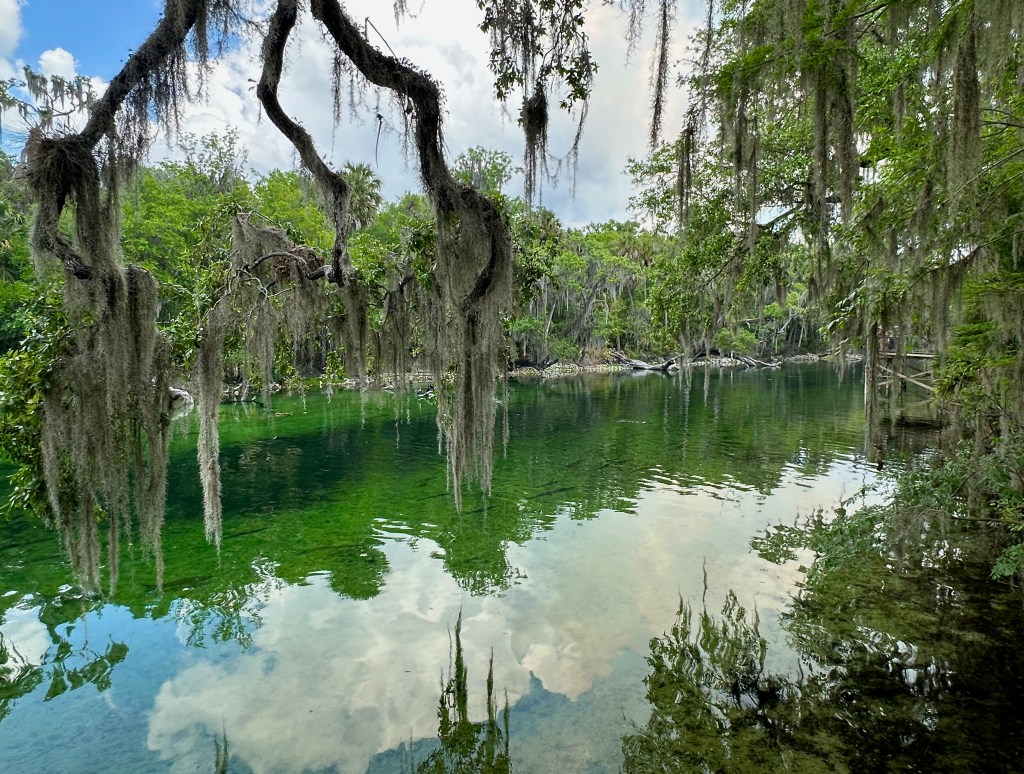
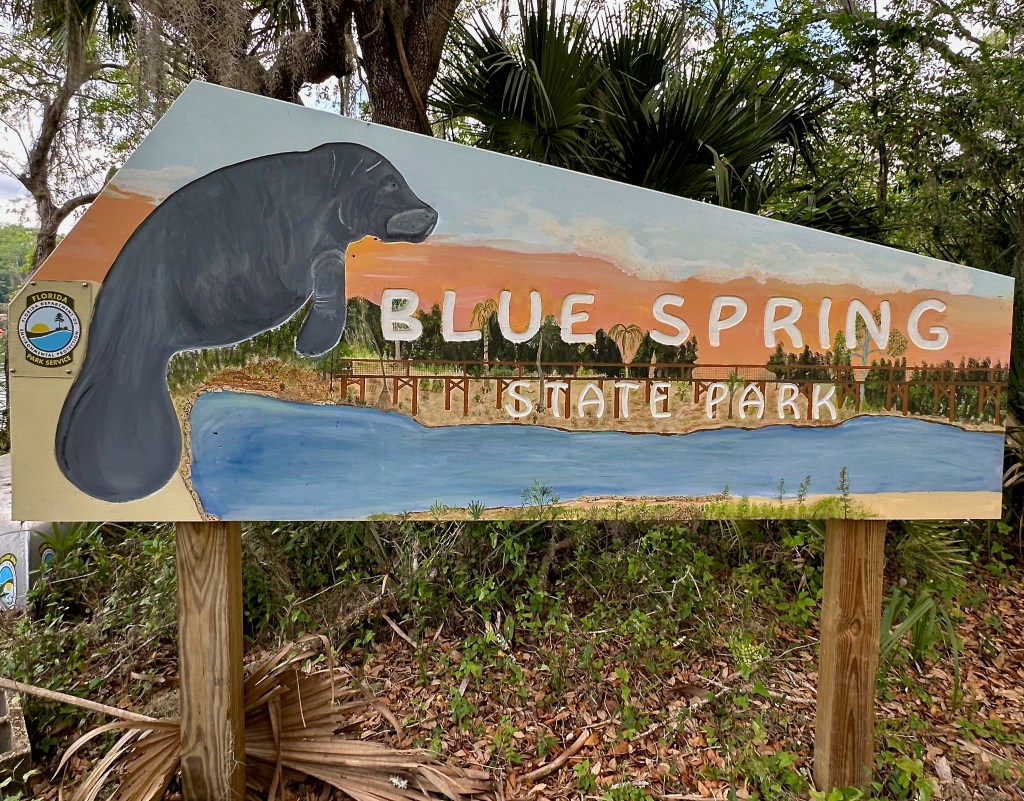
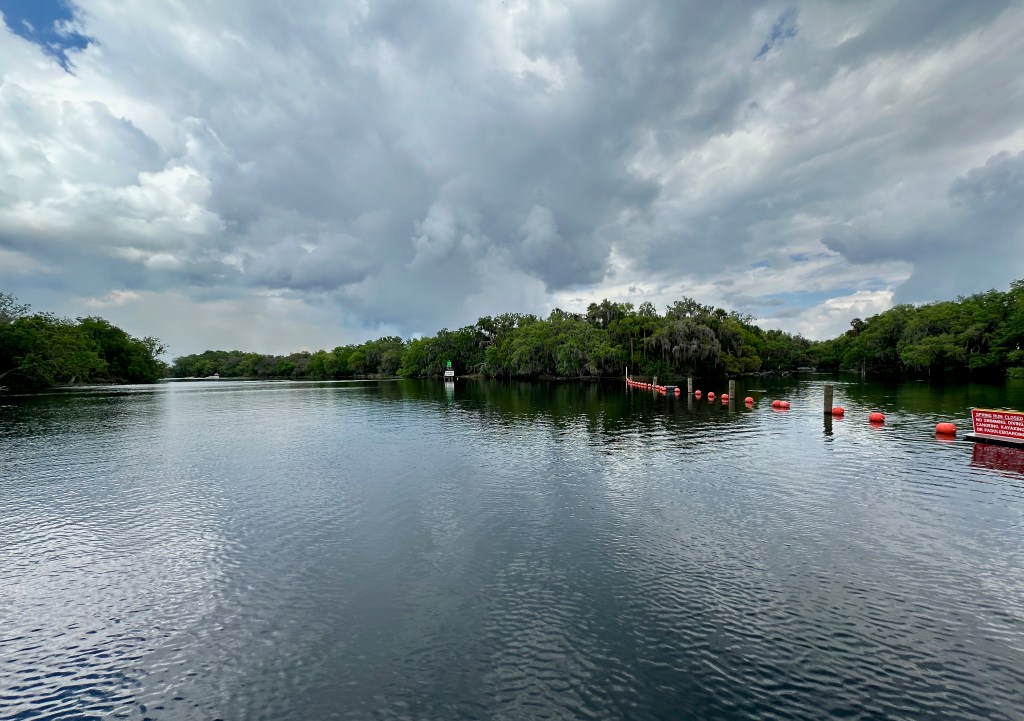
There were several reasons that I was drawn to that location: it’s the largest spring along the St. Johns River (over 100 million gallons of fresh water bubble up every day), it hosts the largest winter population of manatees in the state (on February 2 this year there were a record 834 manatees crammed into the spring run), and for a few weeks every Spring the park sparkles after dark from the mating dance of the Florida Single Snappy (Photuris congener).
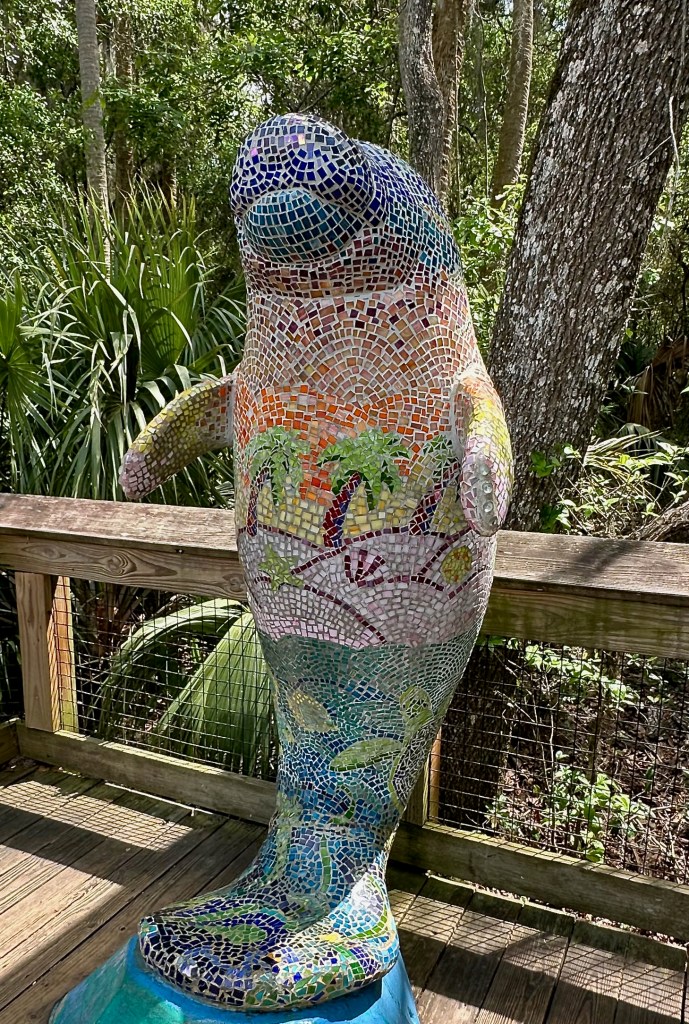
The past month of warm weather increased the water temperature in the St. Johns River, so there weren’t any manatees hanging around. Since I knew that they just take advantage of the 72° water during cold spells, I wasn’t disappointed (though other visitors were). Manatees, despite their considerable girth, are unlike seals and whales in that they do not have blubber so they rely on warmer water during the winter.
There was still plenty of wildlife to admire as I wandered the trails. And more interesting history than I anticipated. Long before the Spanish landed in Florida (and all the way up until roads and railroads), the St. Johns River was a watery thoroughfare. A large shell mound near the river is evidence that Native Americans used the site for generations.
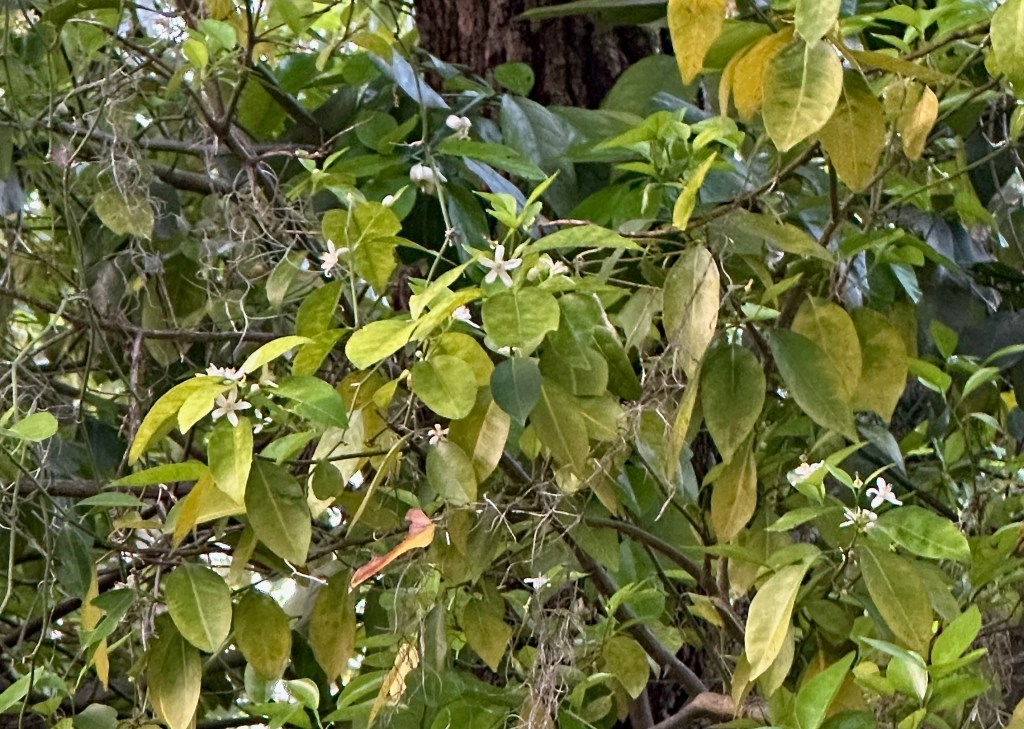
In 1856, Louis P. Thursby bought the land at the confluence and opened Blue Spring Landing, one of the first steamboat landings on the river. He and his family also planted one of the area’s first orange groves. I caught a whiff of orange blossoms while walking the boardwalk. Since it is my absolute favorite smell, I circled around looking for the tree. I finally spotted the scraggly tree, fighting through the shade of a massive oak. Amazing when one considers it’s a feral descendant of the Thursby’s orchard that was planted 170 years earlier!
After getting my bearings I left the park to check into my room in nearby Orange City. When founded, the town’s name rang true as it was located in Florida’s vast orange growing region. During the 1870s and 80s citrus and other commerce traveled along 400 miles of waterways, primarily the St. Johns. In its heyday, 1894, Florida exported 5 million boxes of oranges. Sadly, a brutal cold snap, known as the Great Freeze, killed roughly 99% of the orange trees in that area. As a result, Florida’s orange production shifted further south to milder climes.
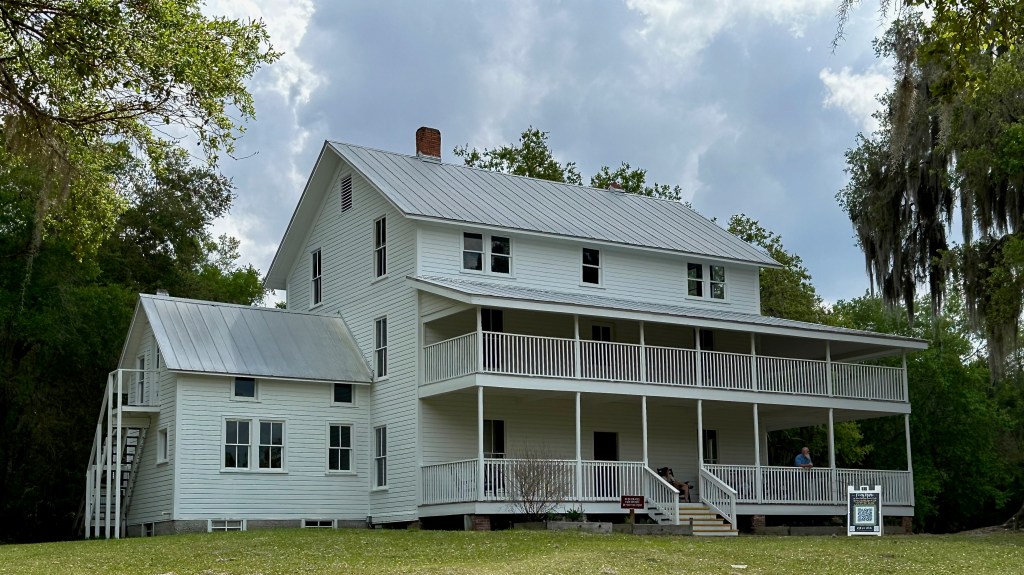
After a brief refresh, I returned to the Park for the feature event, Firefly Night. The park’s Friends group hosts these special evenings which celebrate fireflies and raise awareness of their dwindling populations. I listened to the ranger talk while sitting in a rocking chair on the wraparound porch of the historic Thursby House. The family home, which was built in 1872 atop the shell mound certainly has a commanding view of the river.
As for the fireflies, the Florida Single Snappy is one of the state’s 56 known species. As the name implies, this species uses one quick bright flash to attract a mate. I also learned that fireflies undergo complete metamorphosis (like butterflies) and have the ability to flash during any life stage. Each of the 4 stages last 1-3 weeks except the larval stage, which can last 1-2 years!
By then it was dark, and the first few bright flashes elicited excited murmurs from the crowd scattered along the boardwalk. It was a definitely magical way to spend the evening!
My Amateur Attempt to Capture Florida Single Snappies3
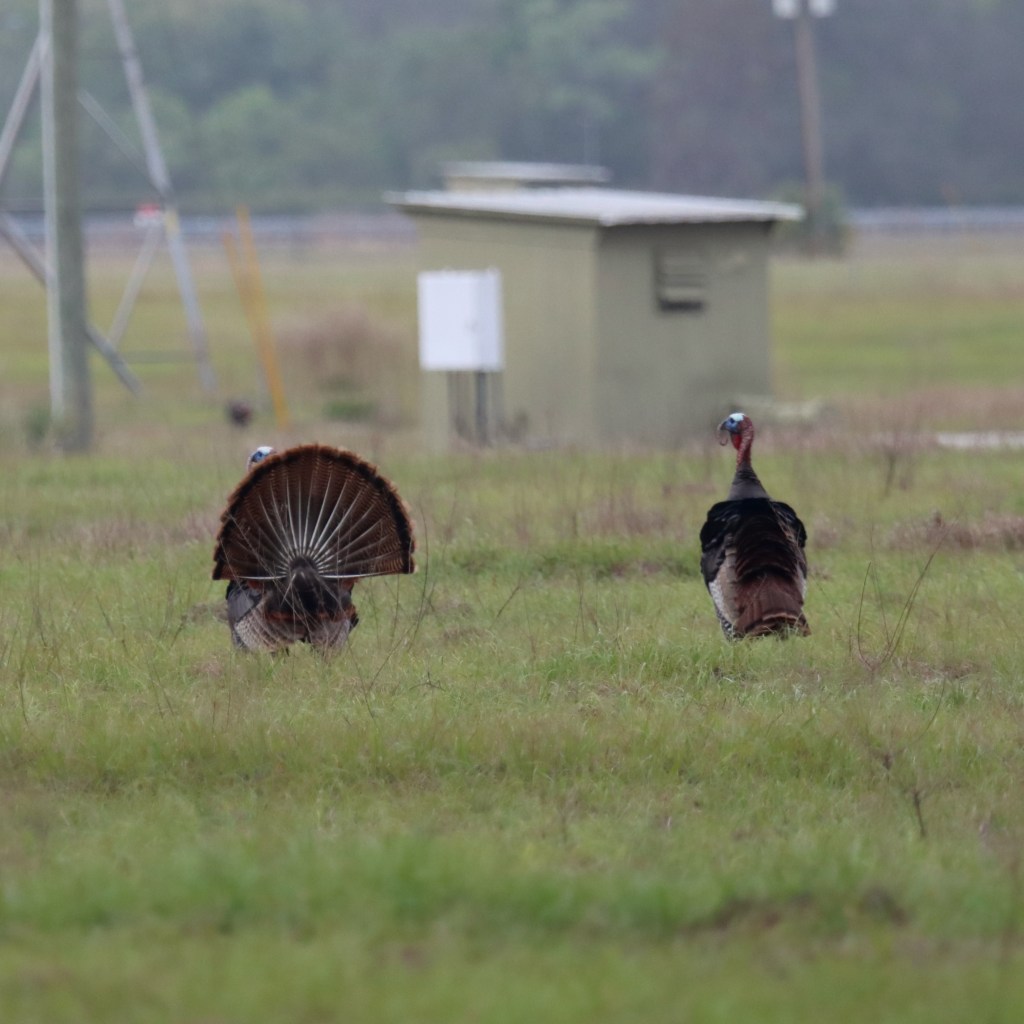
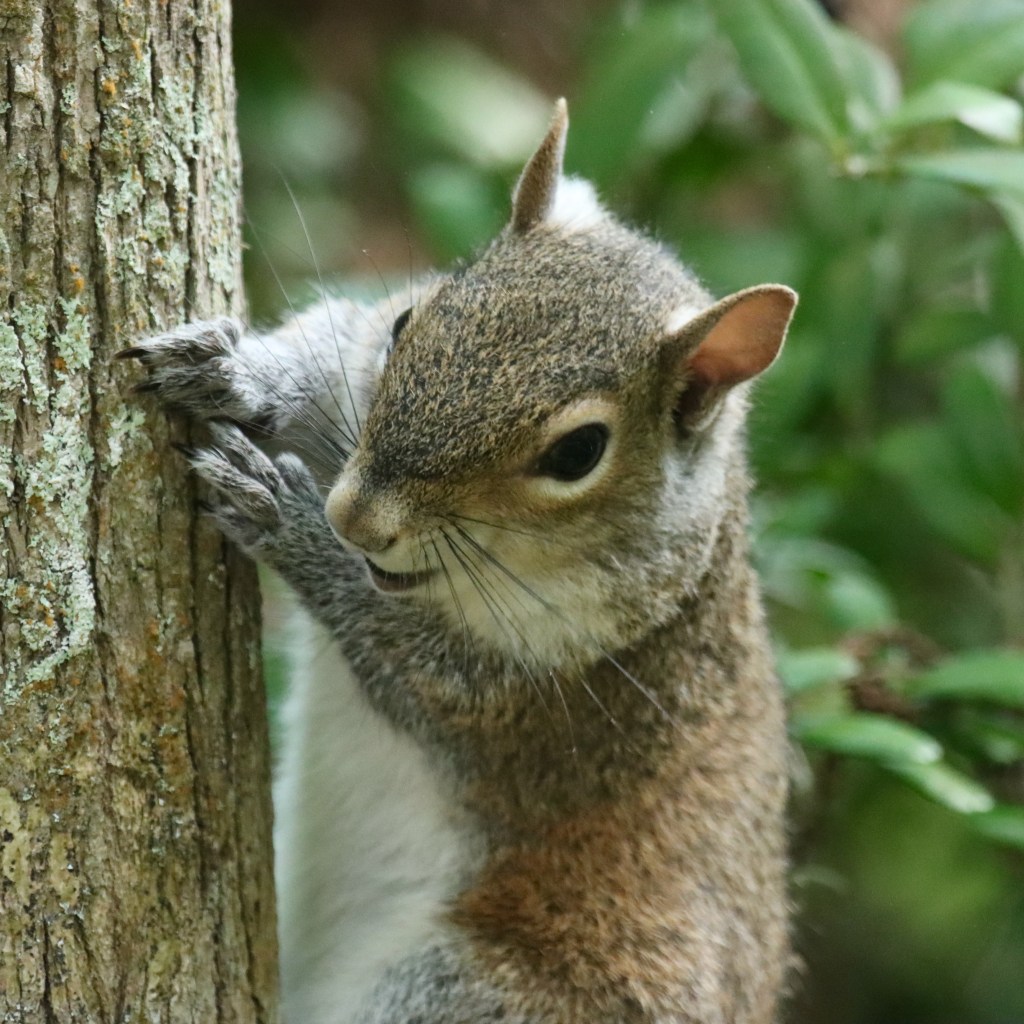
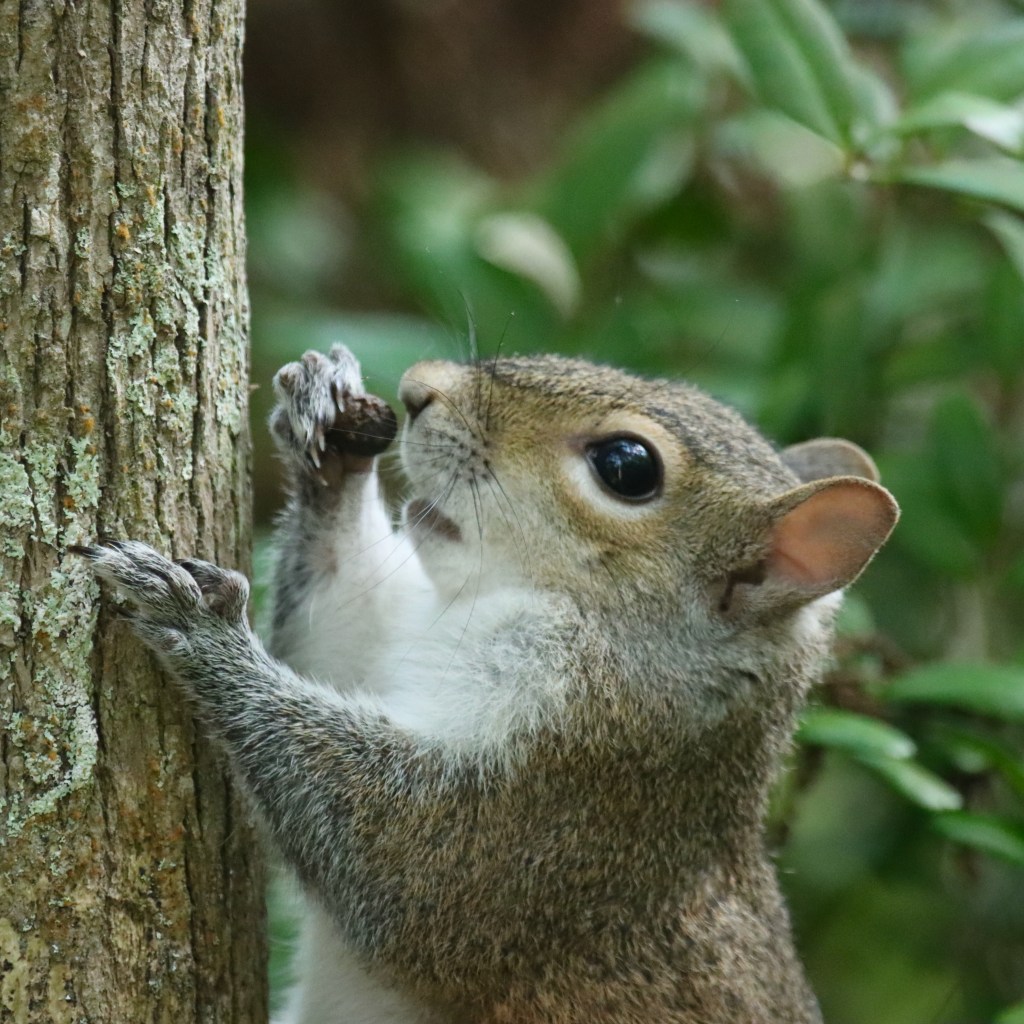
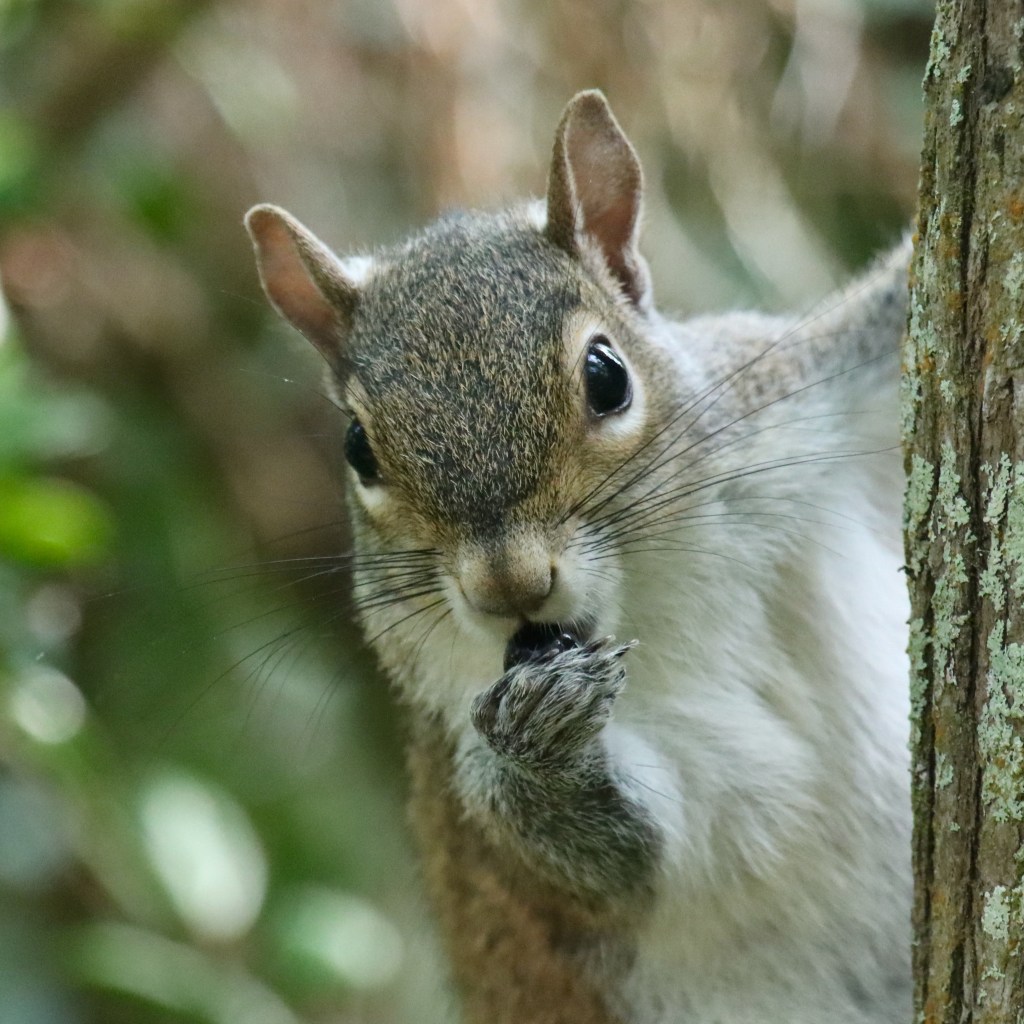
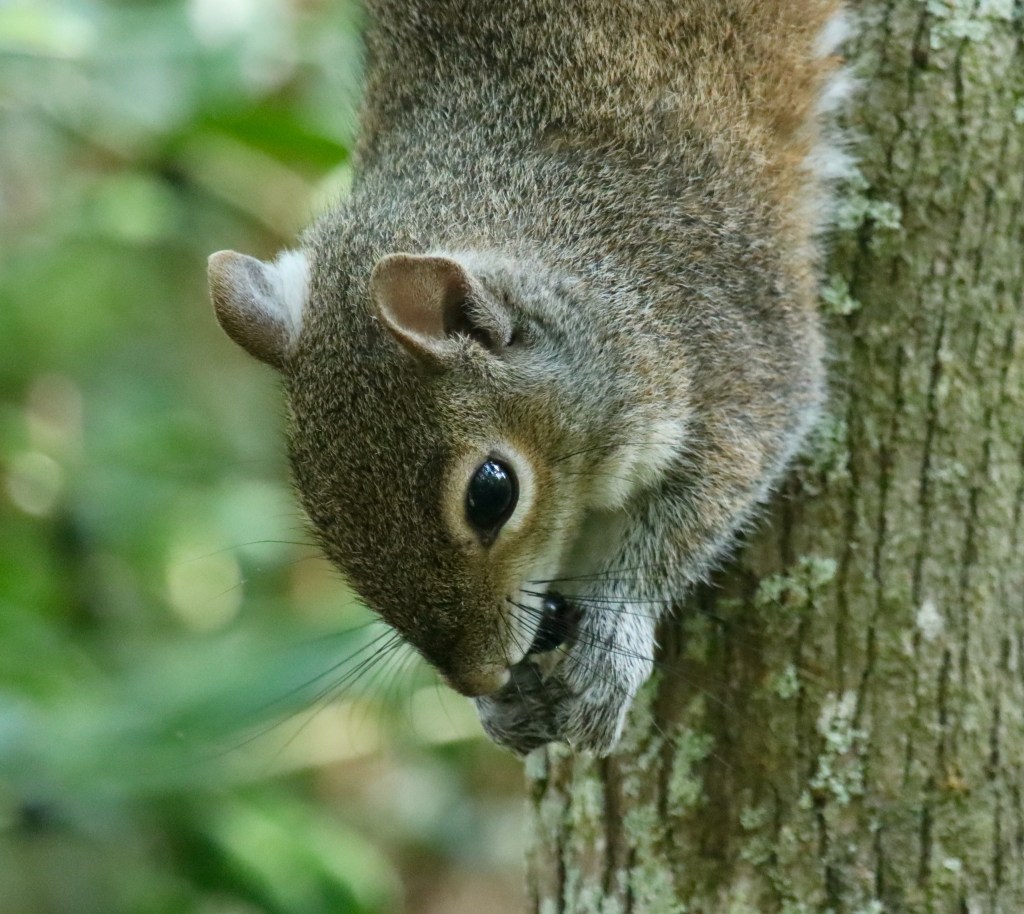
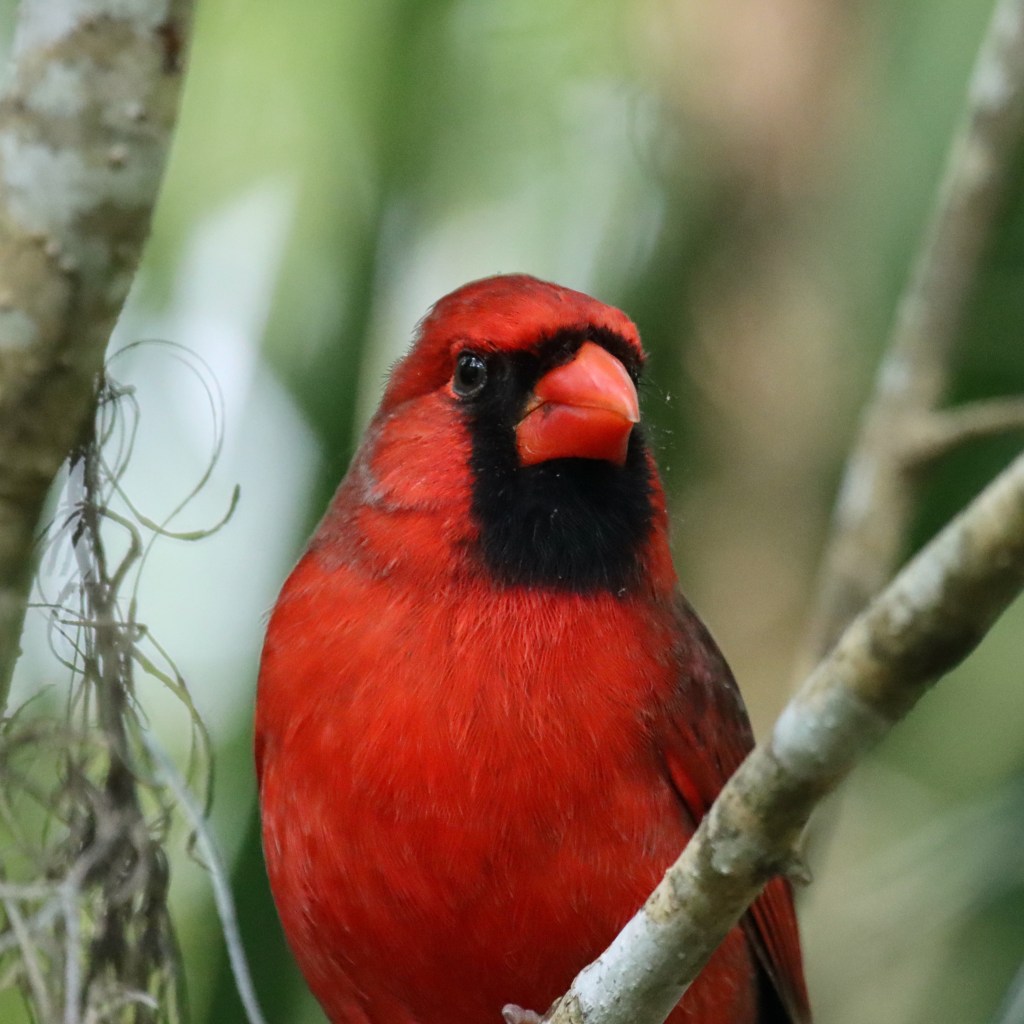
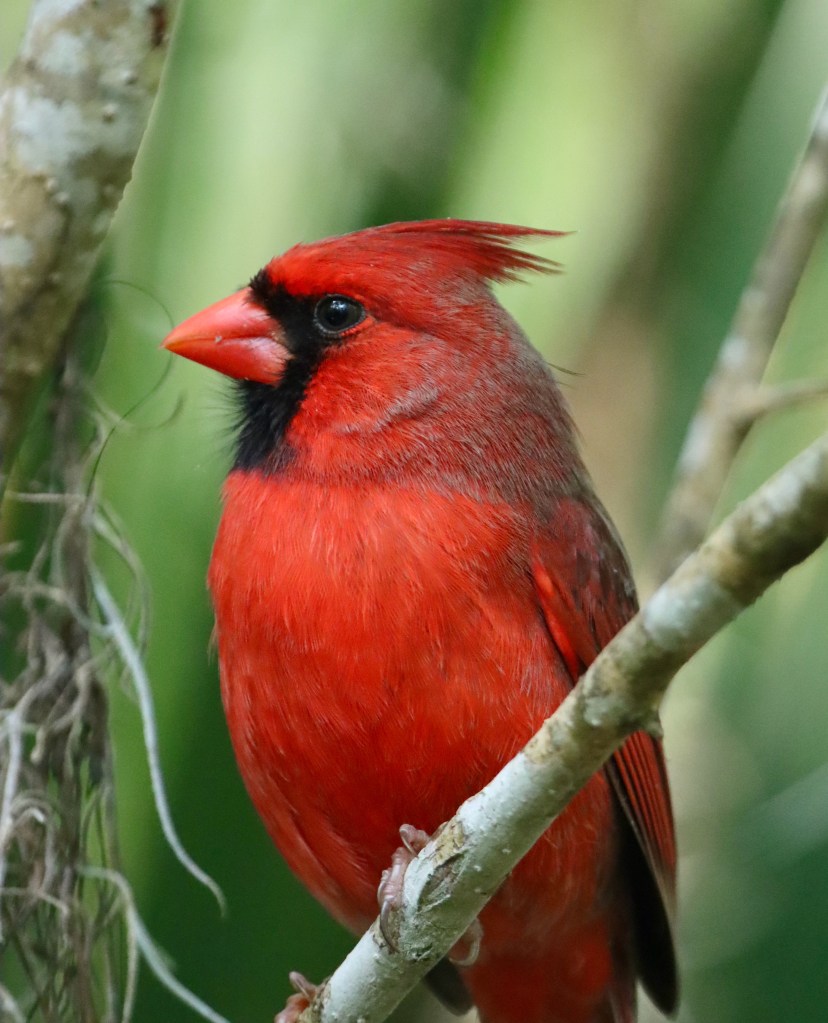
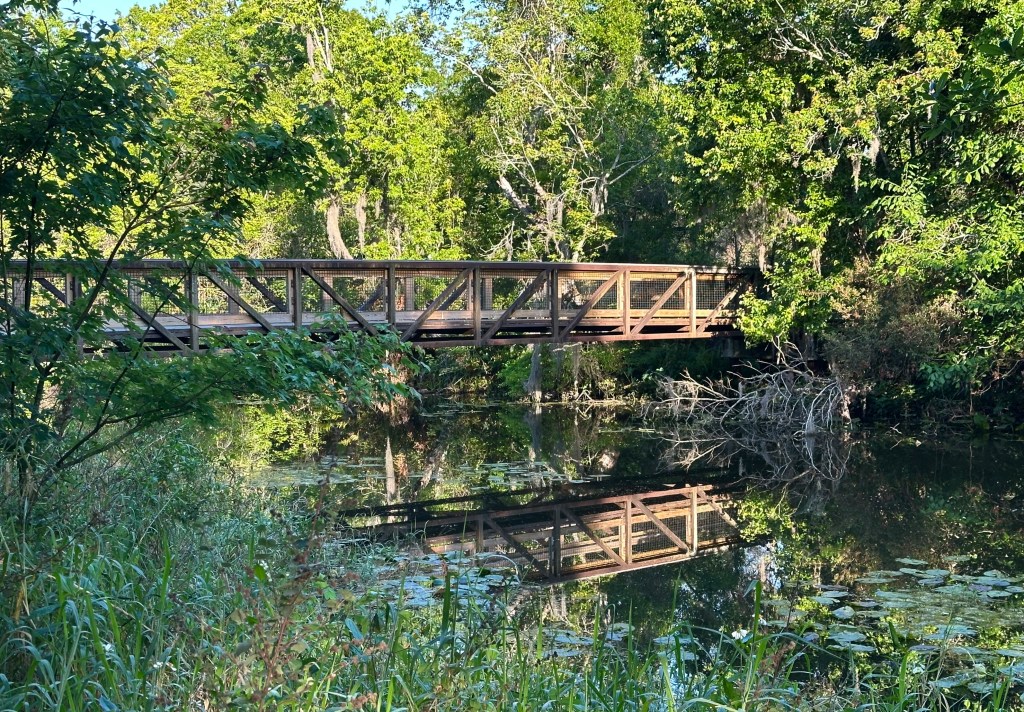
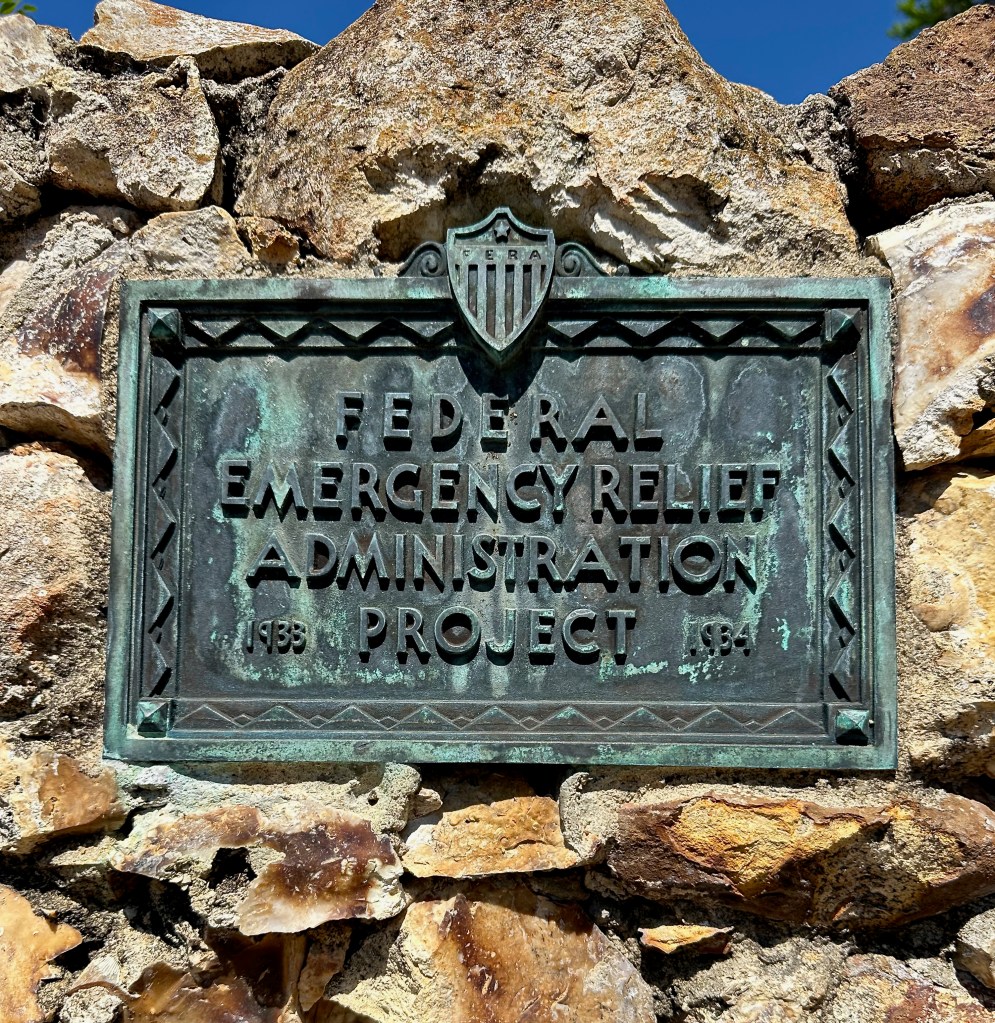
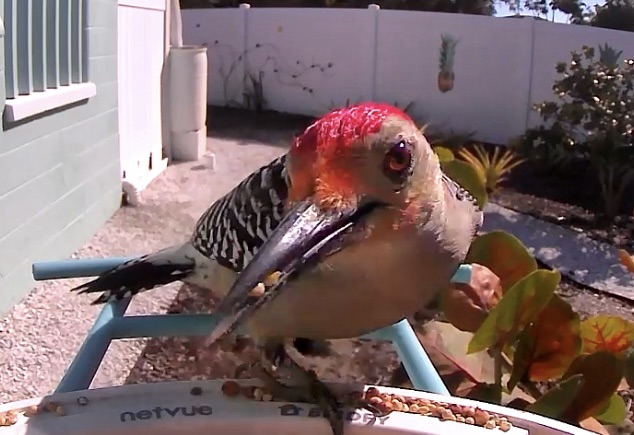
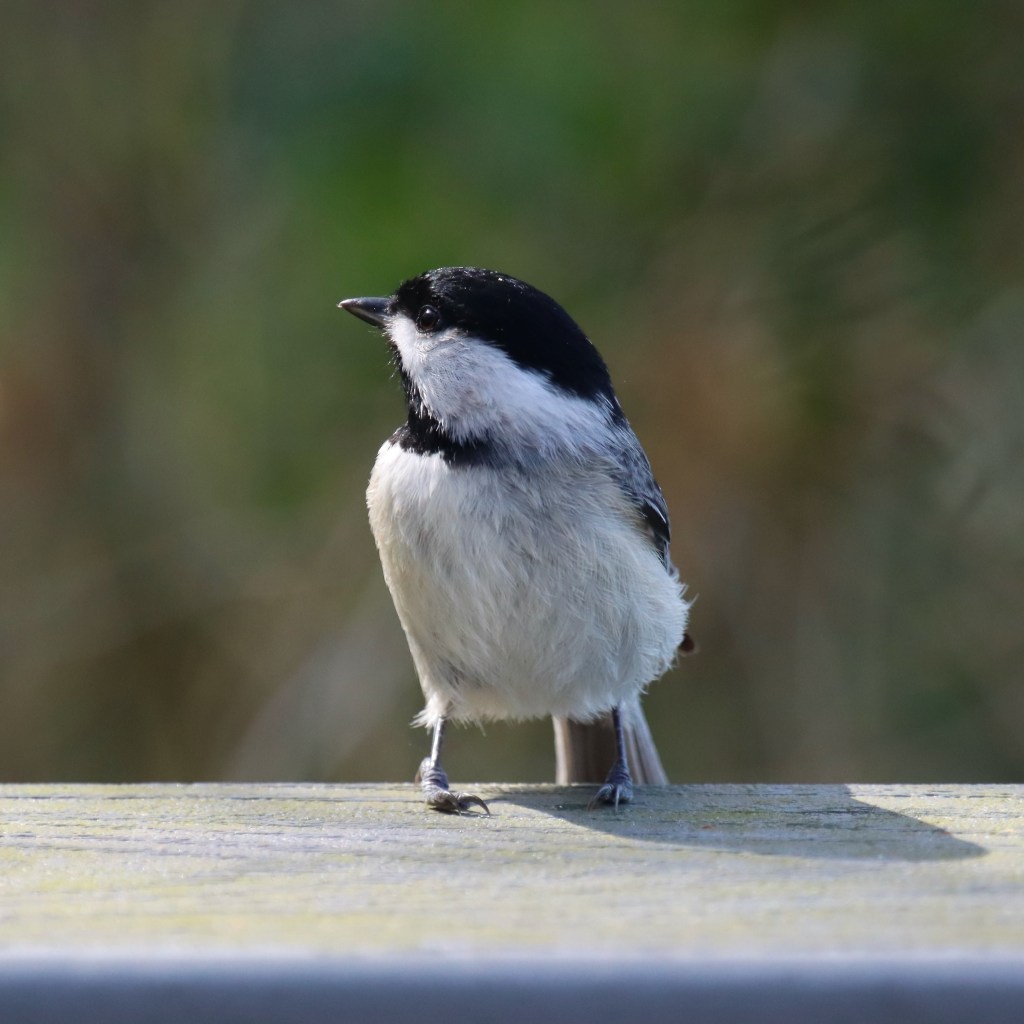
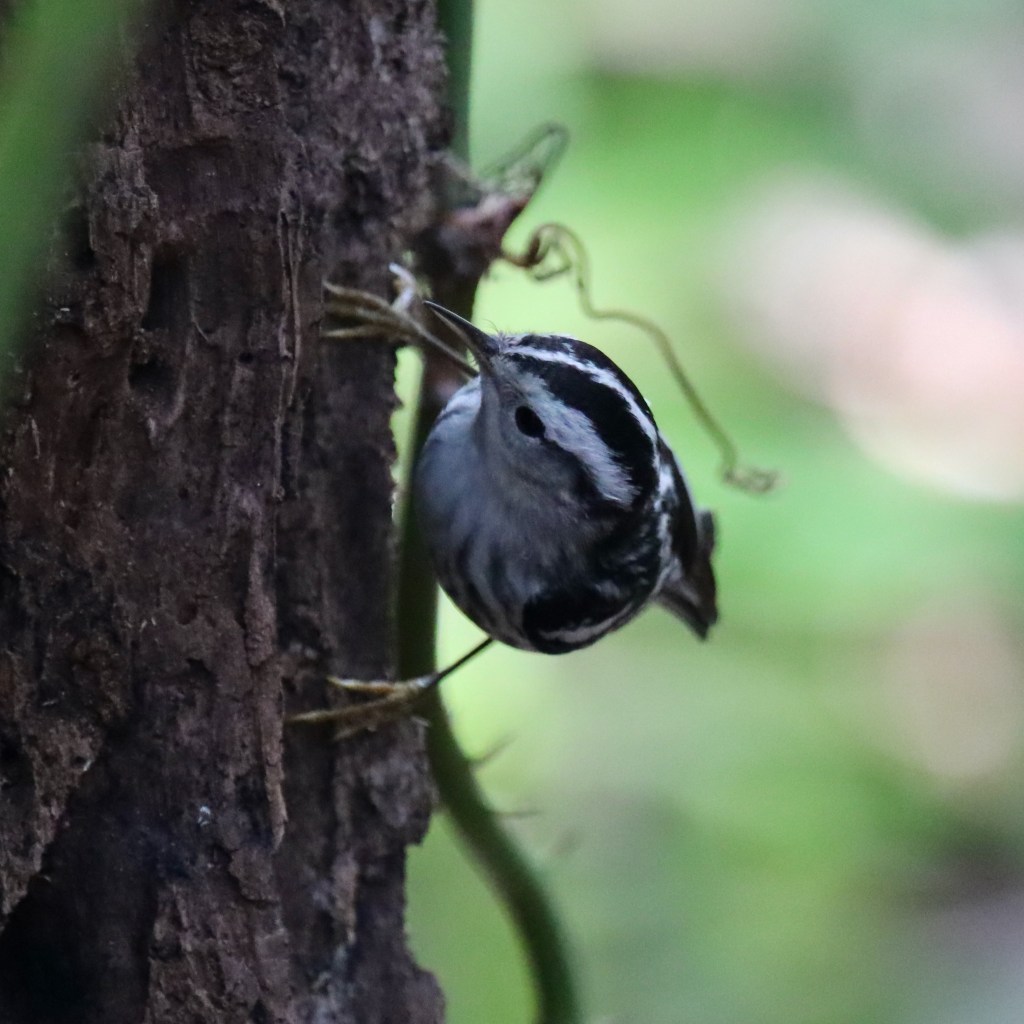
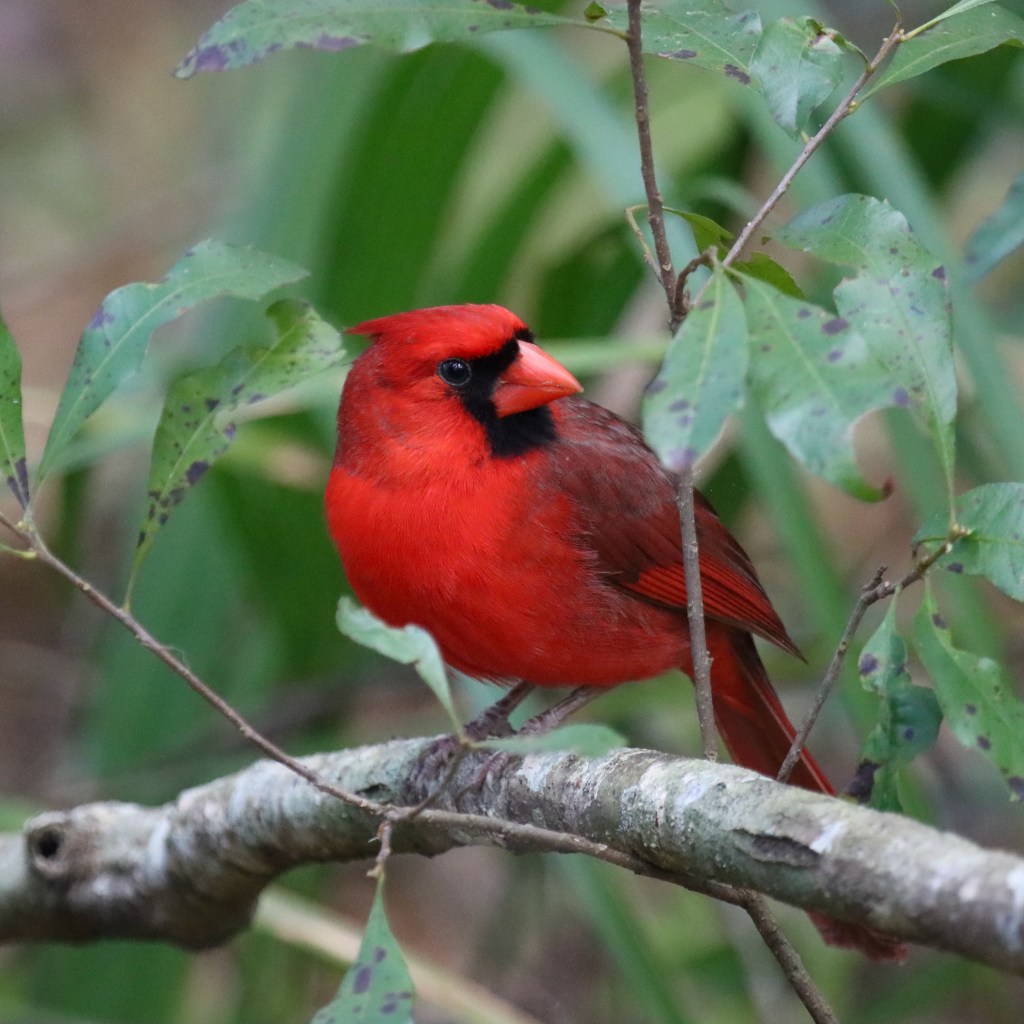
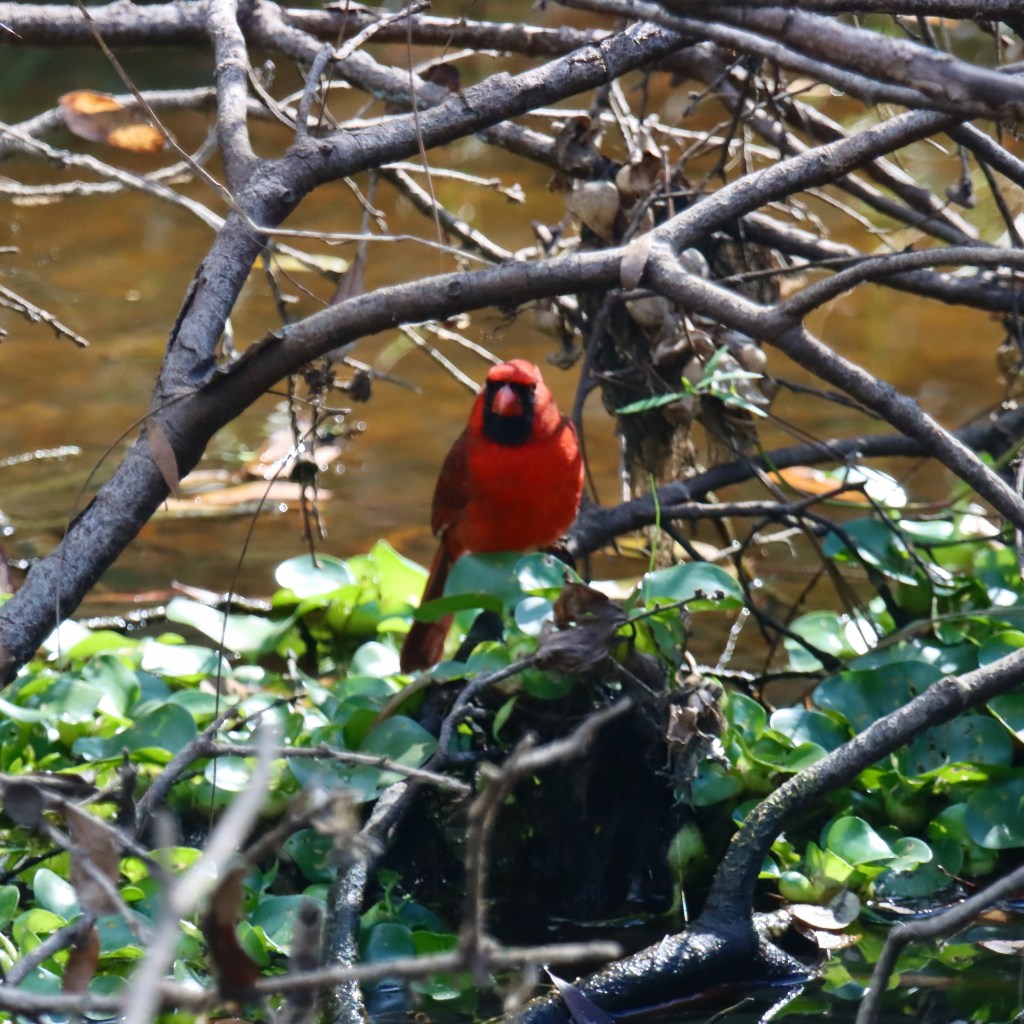
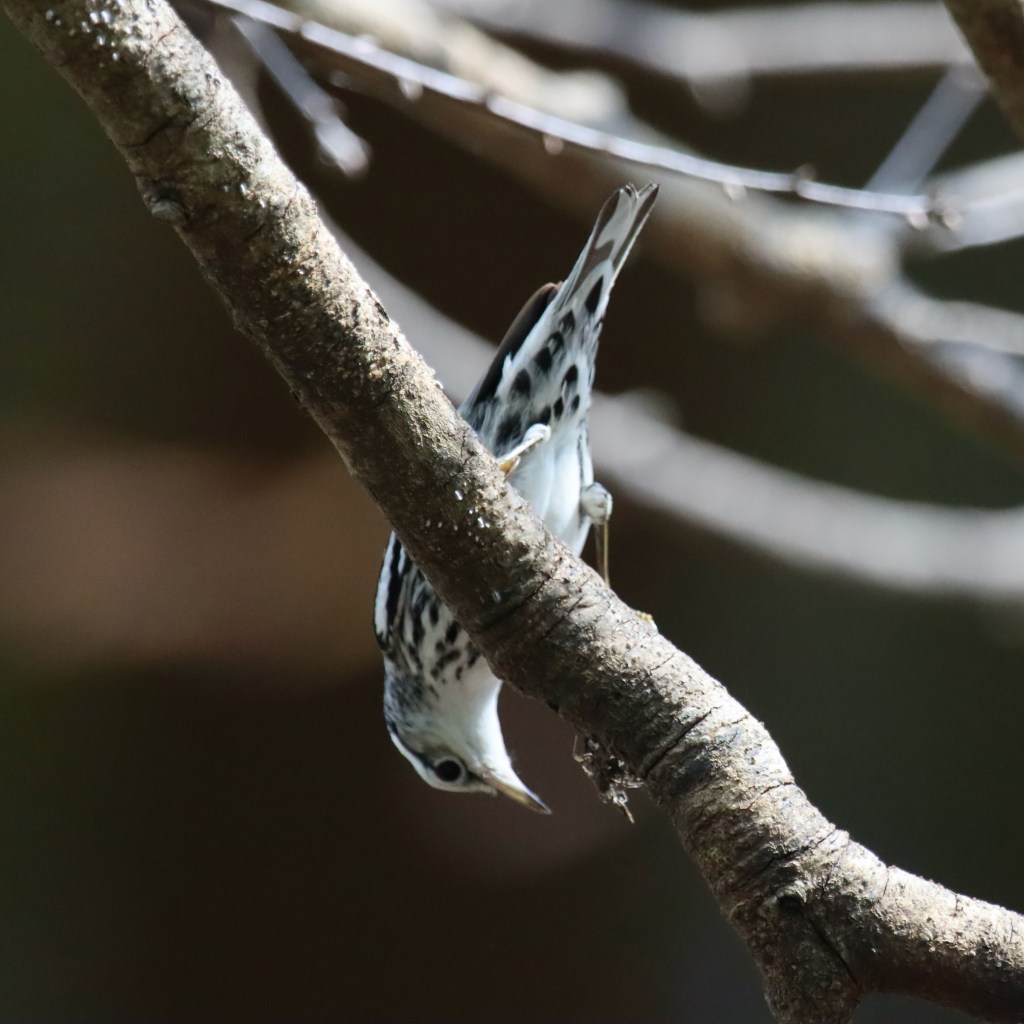
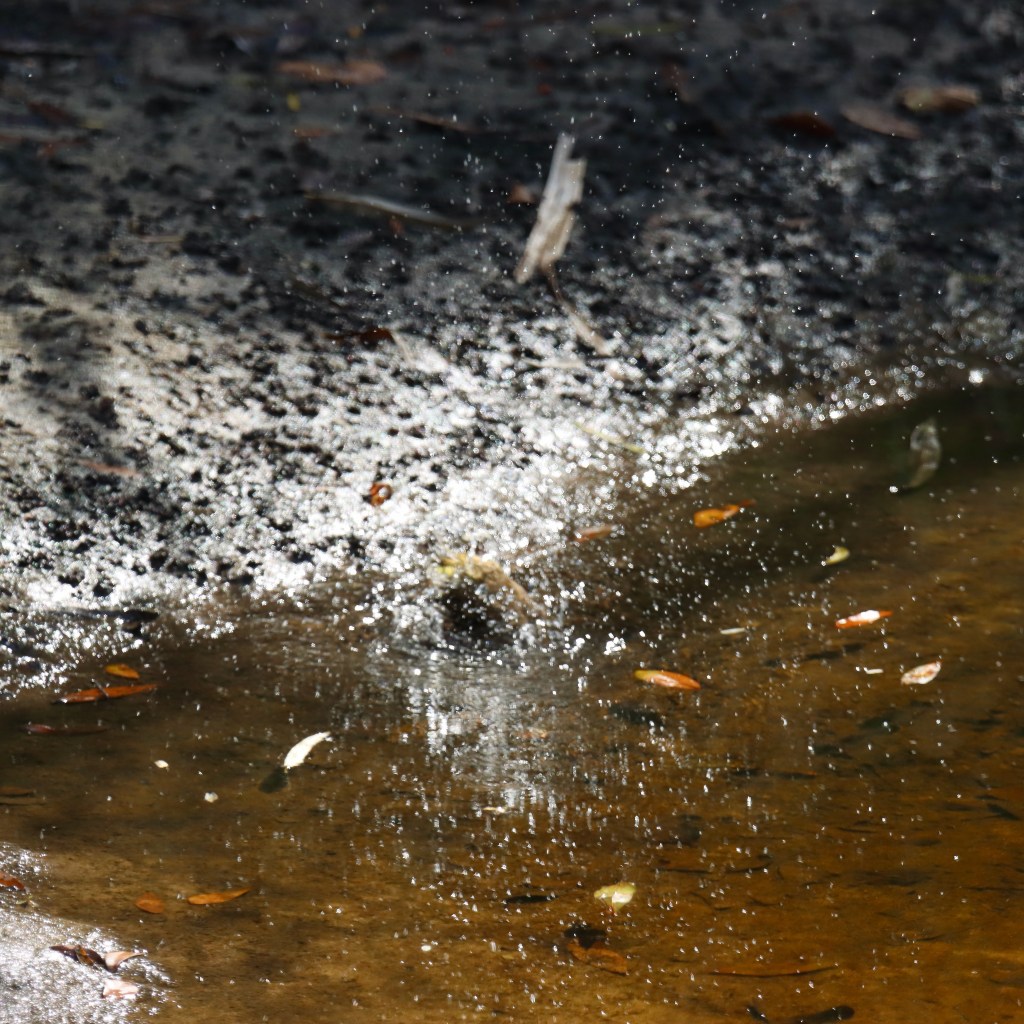
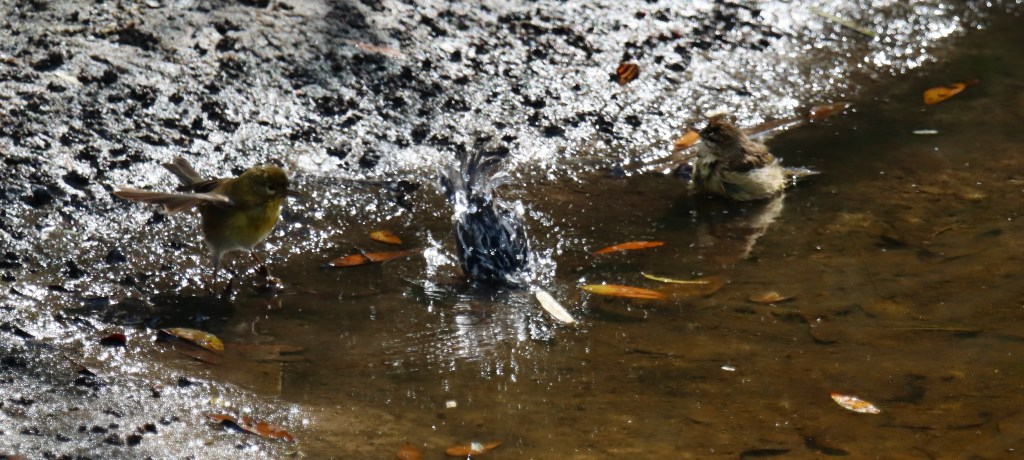
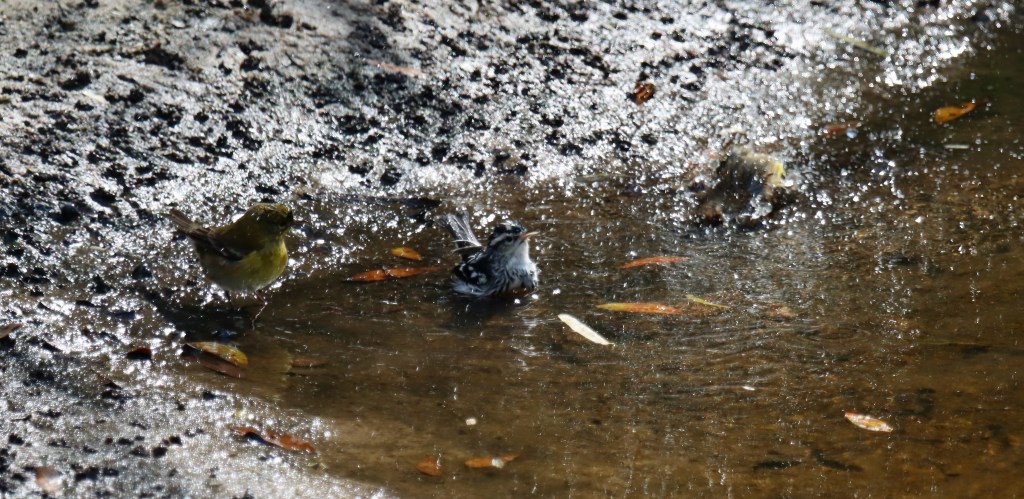
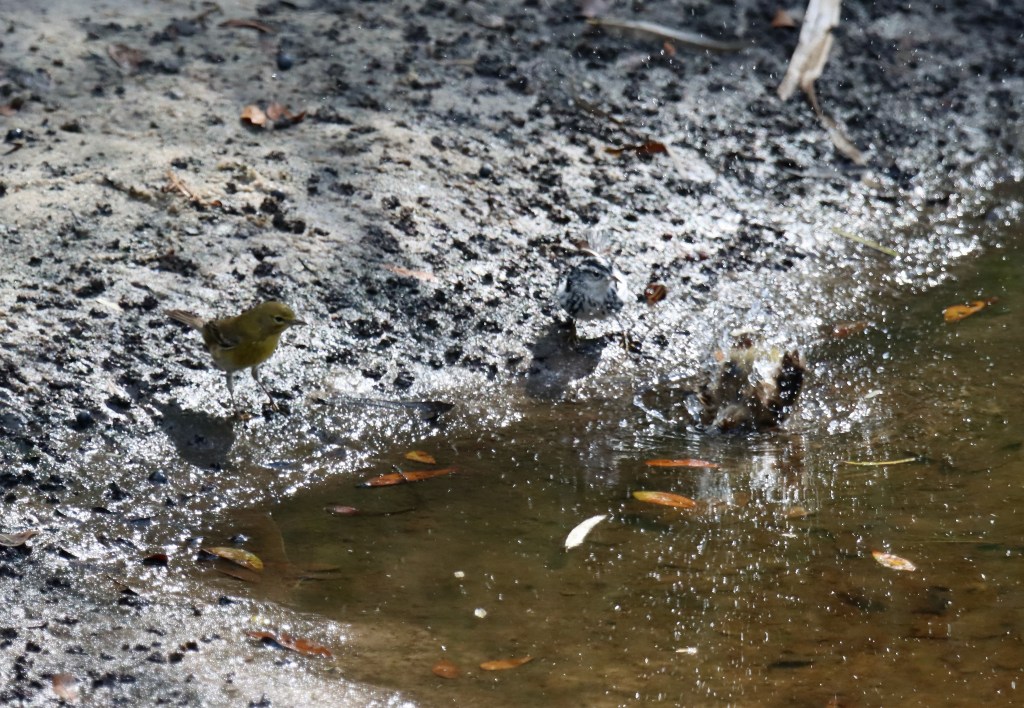
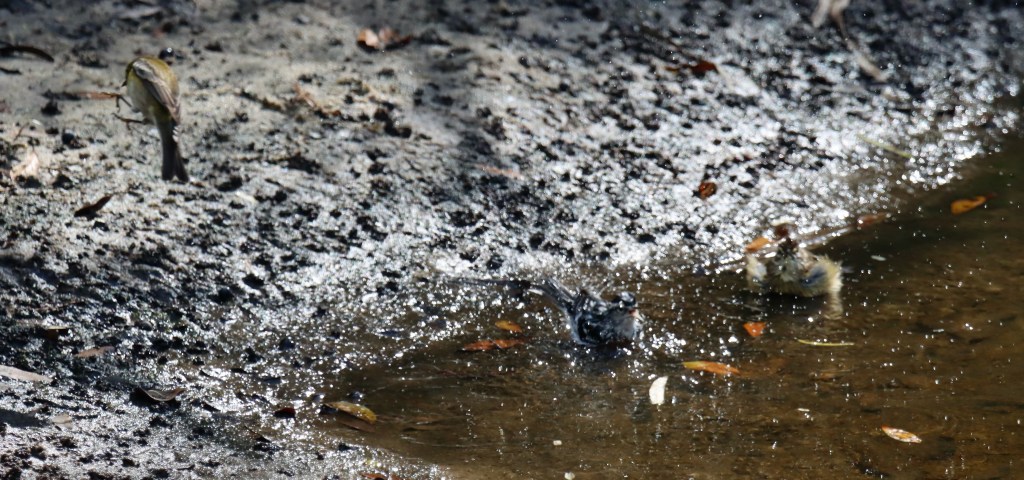
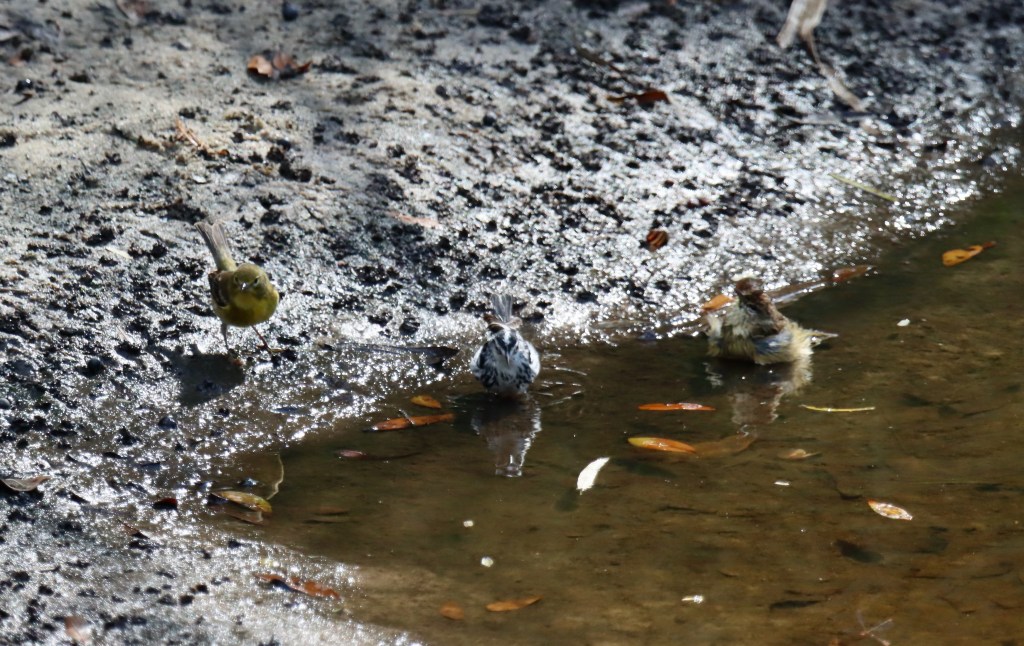
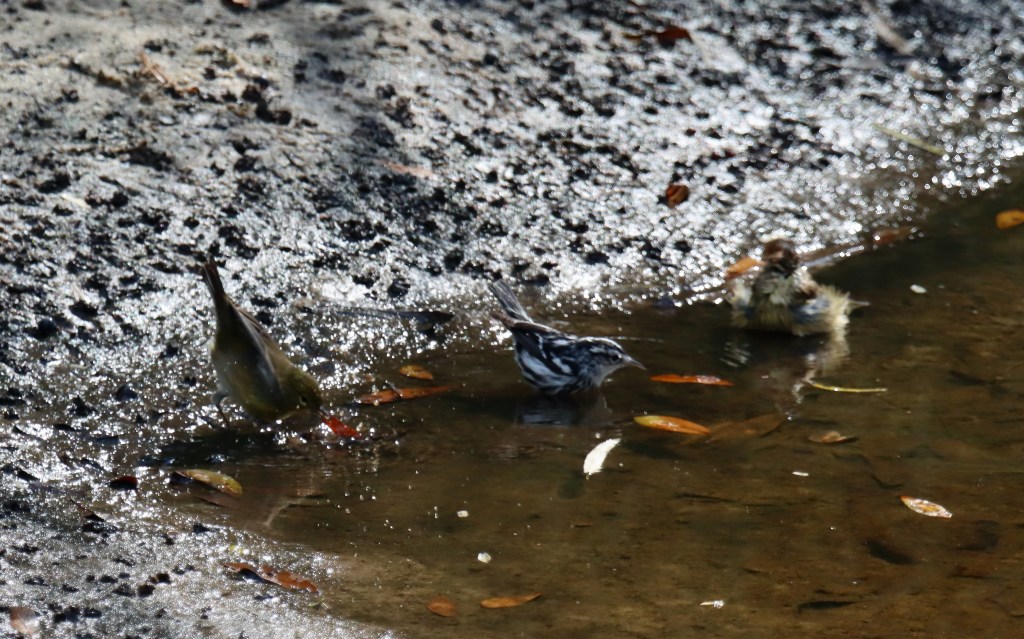
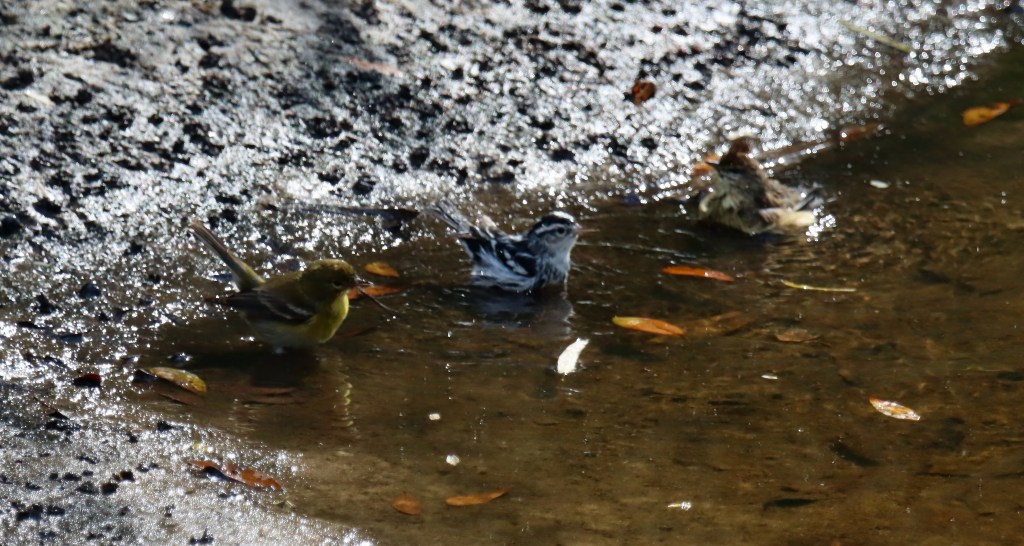
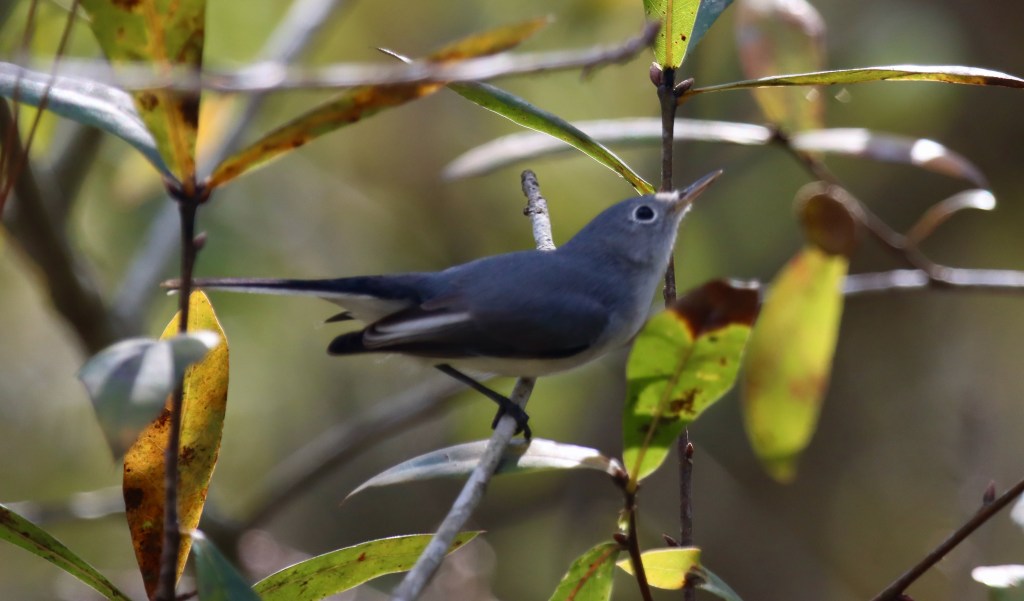
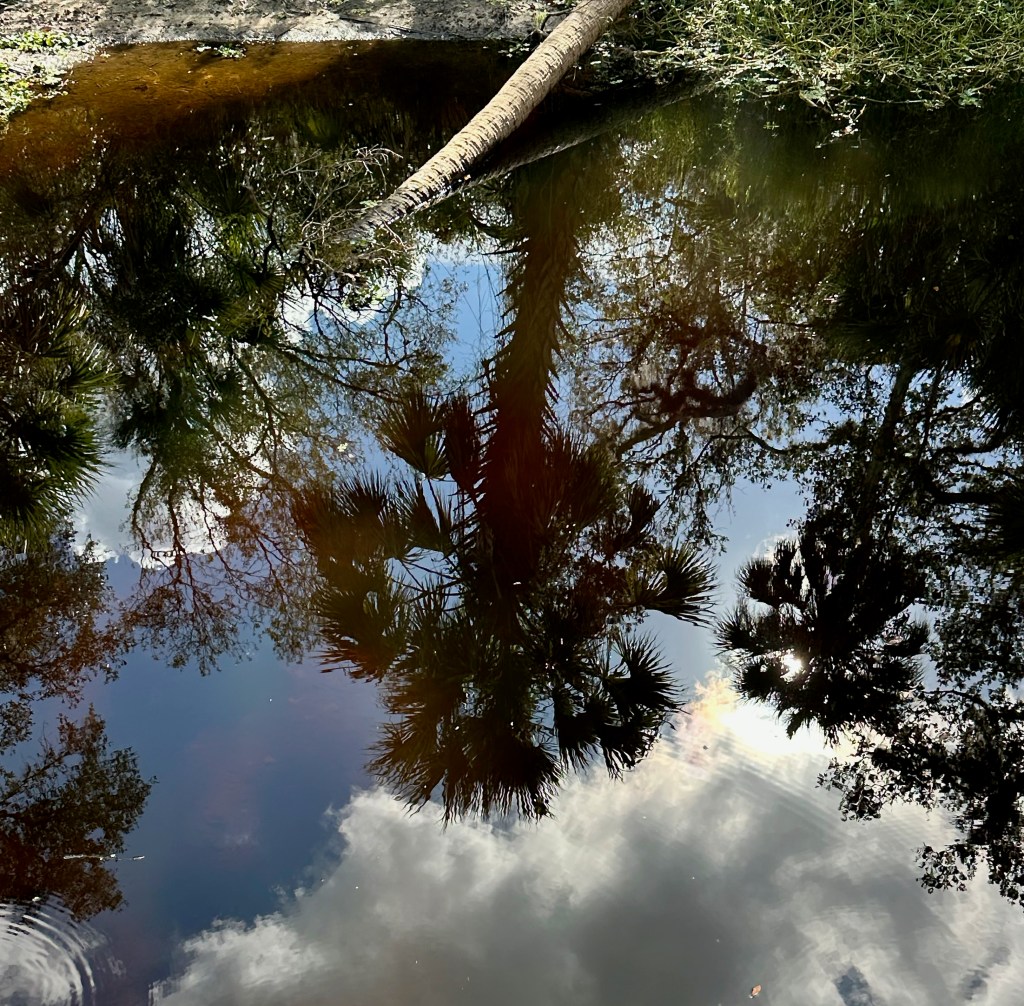
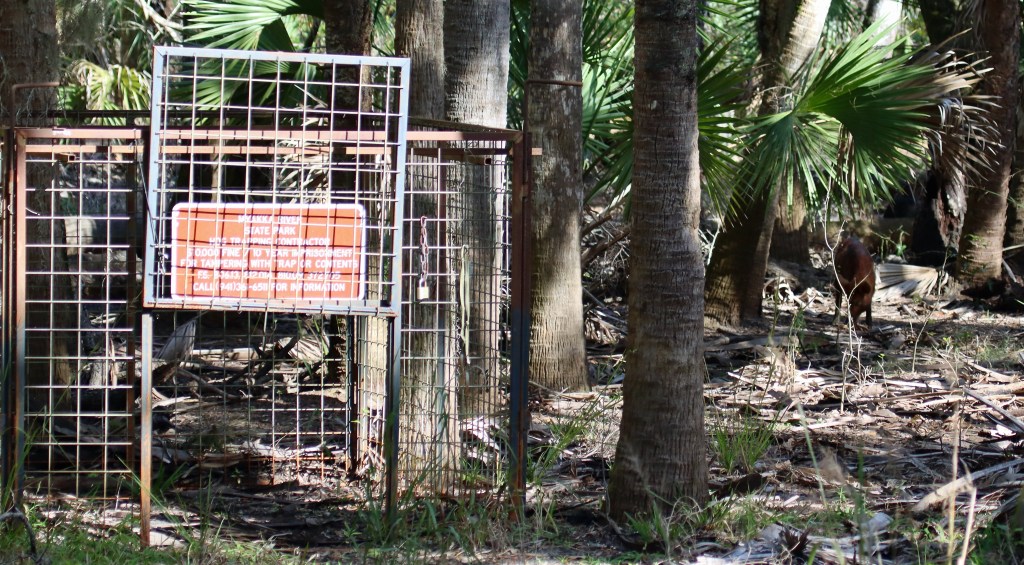
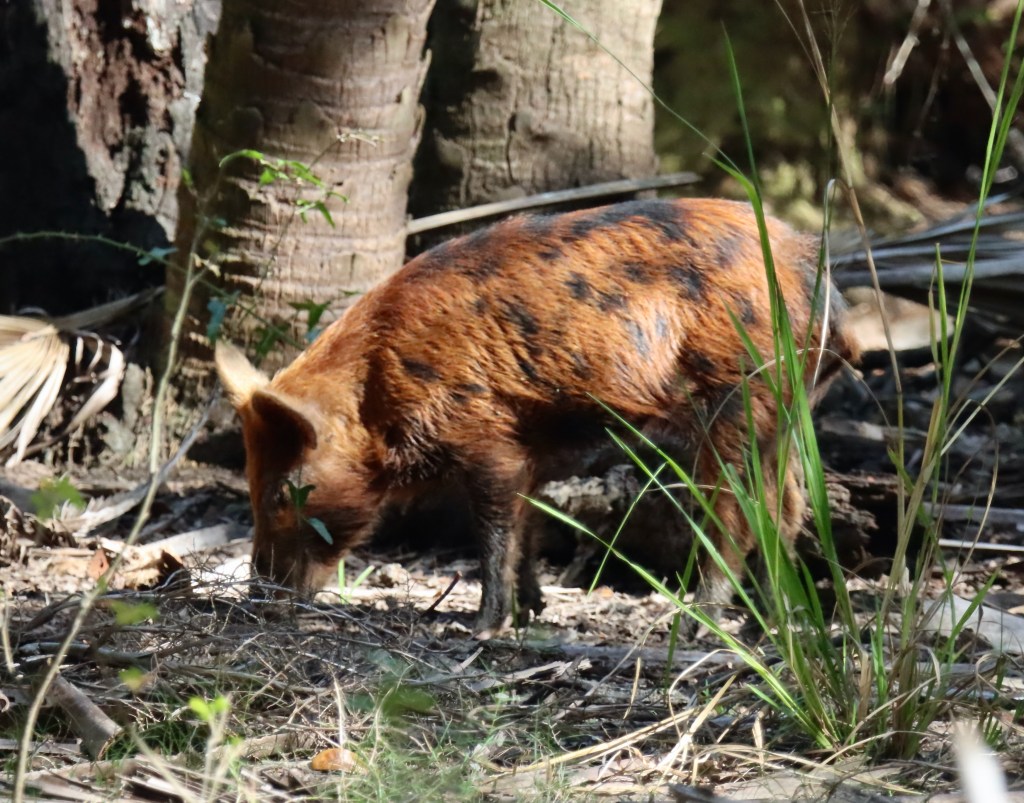
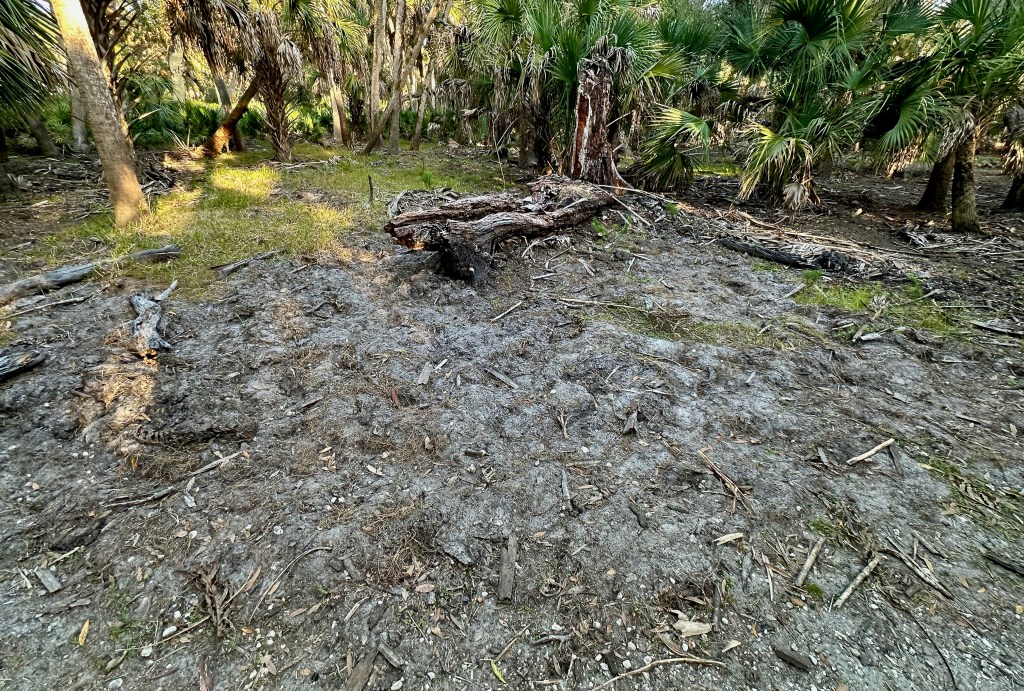
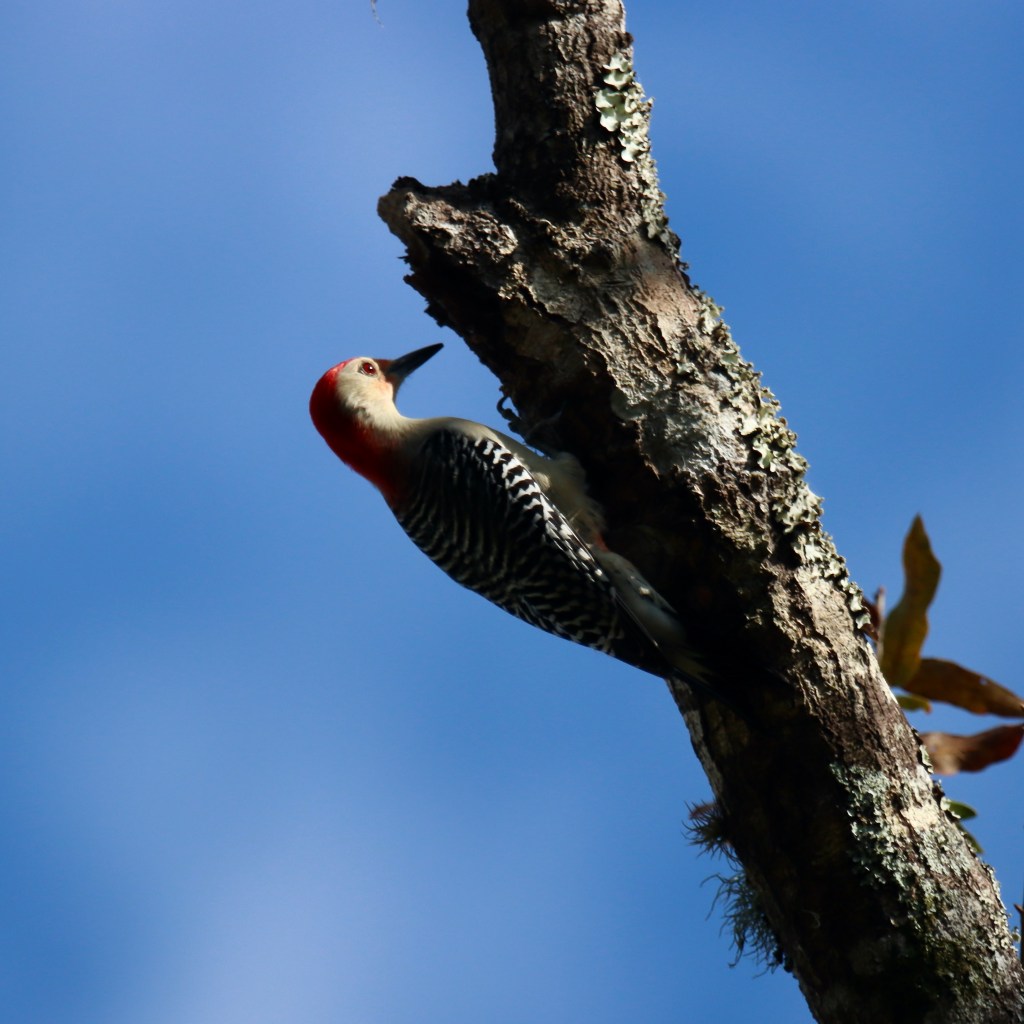
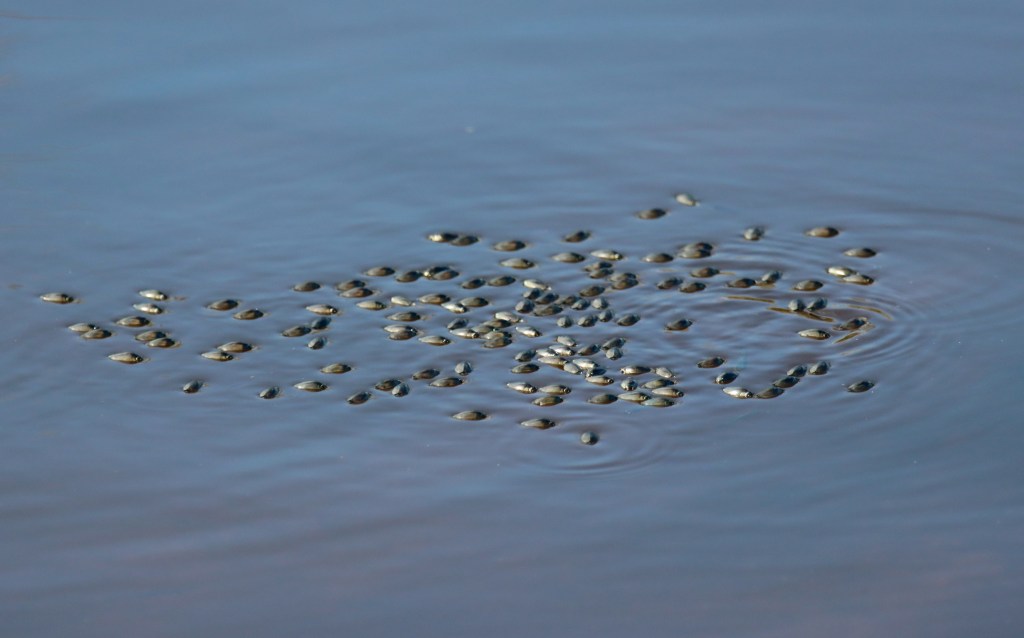
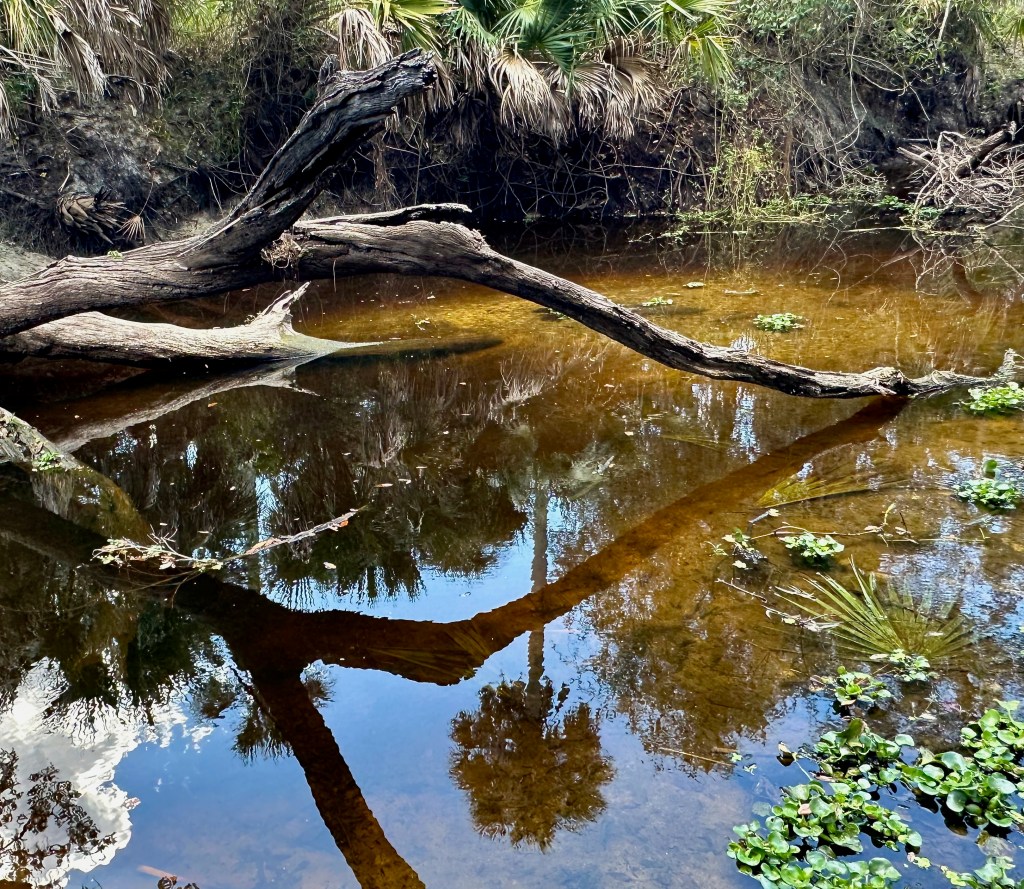
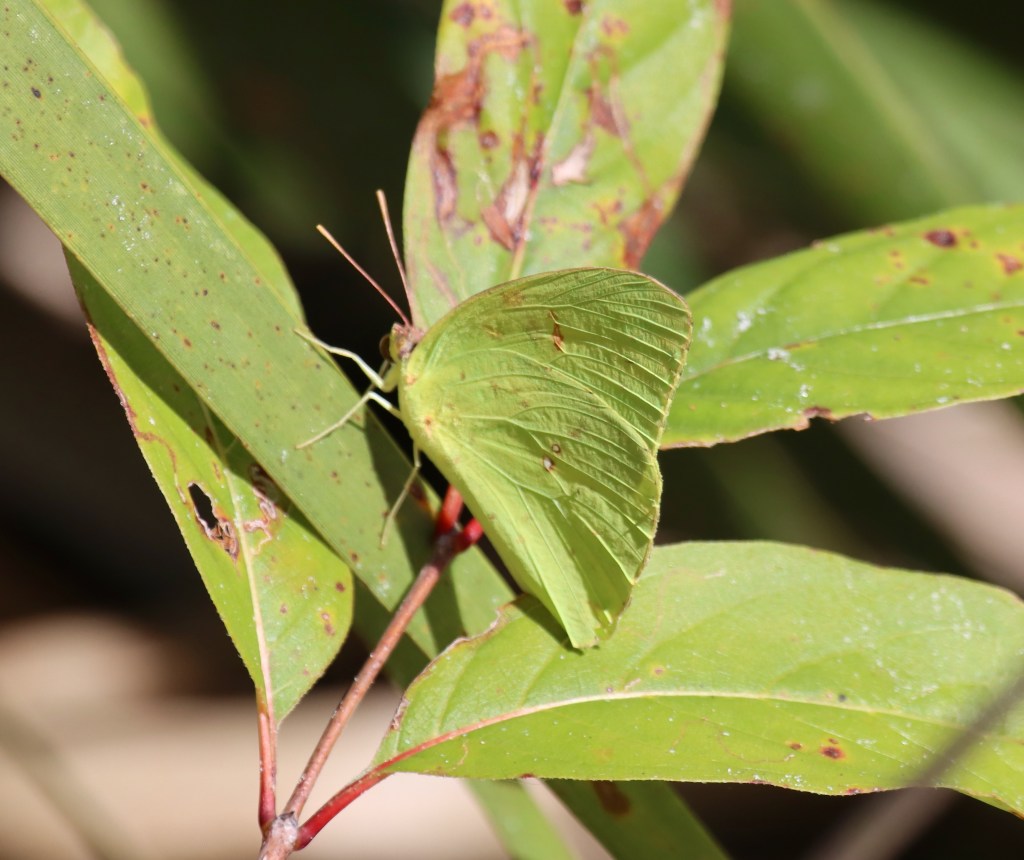
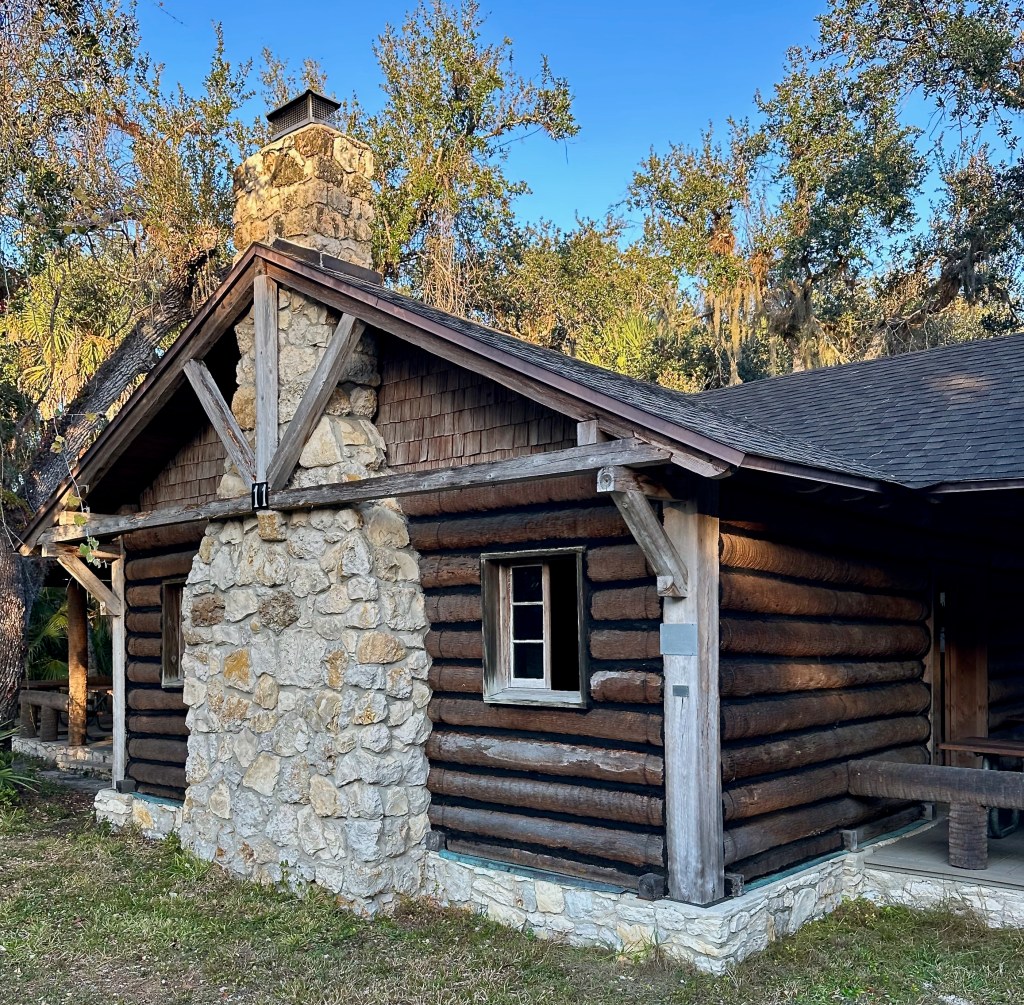
Northern Cardinal – Male (Cardinalis cardinalis)Black-and-White Warbler (Mniotilta varia)Bathing Chipping SparrowB&W Warbler Joins in Timid Pine Warbler WatchesEek! So Much SplashingPine LeavesPine ReturnsPine Tests the WaterPine Finally In!Blue-gray Gnatcatcher (Polioptila caerulea)Reflecting PalmHog Trap (Note Wild Hog in Background)Young Wild Hog (Sus scrofa)Hog Damage to Forest FloorOsceola Wild Turkey (Meleagris gallopavo osceola)Red-bellied Woodpecker (Melanerpes carolinus)Eastern Gray Squirrel (Sciurus carolinensis)Whirligig BeetlesCloudless Sulphur (Phoebis sennae)Built by the CCC, 1934-1941
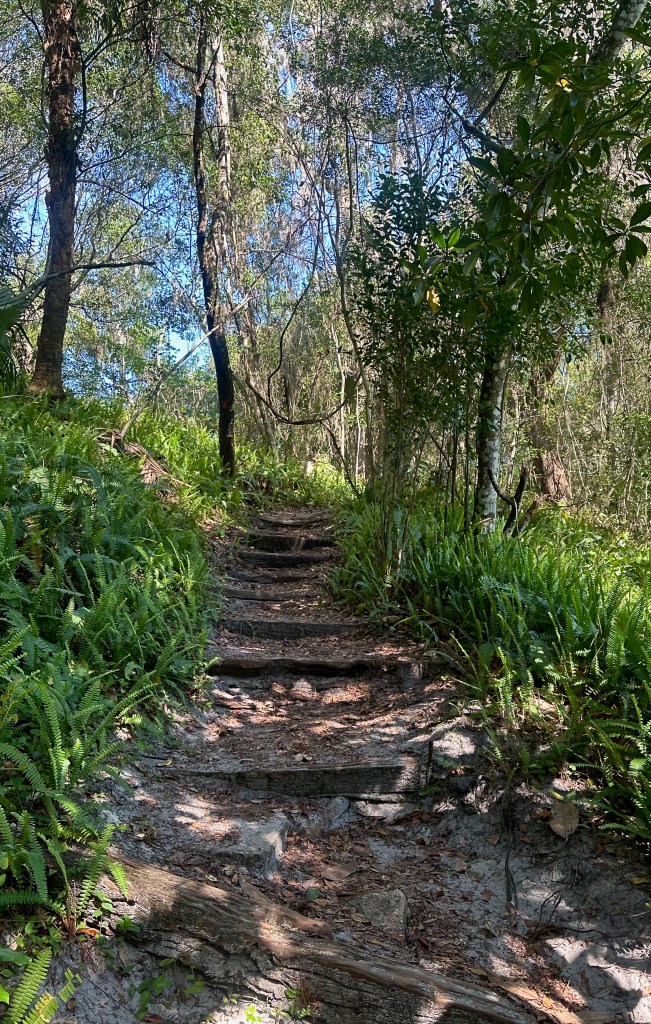
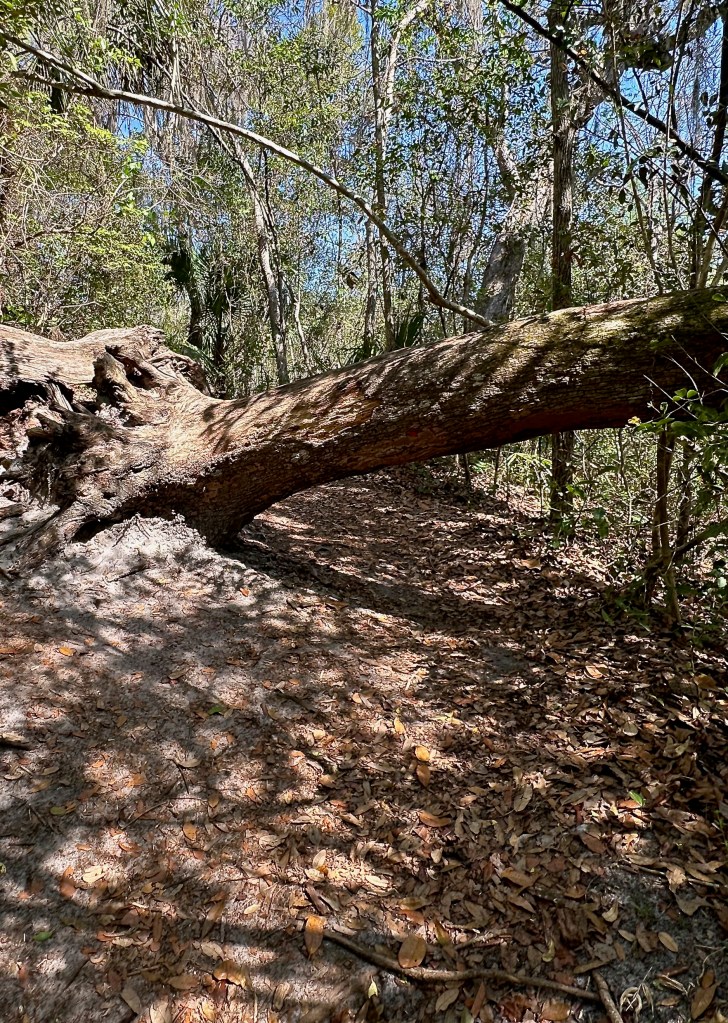
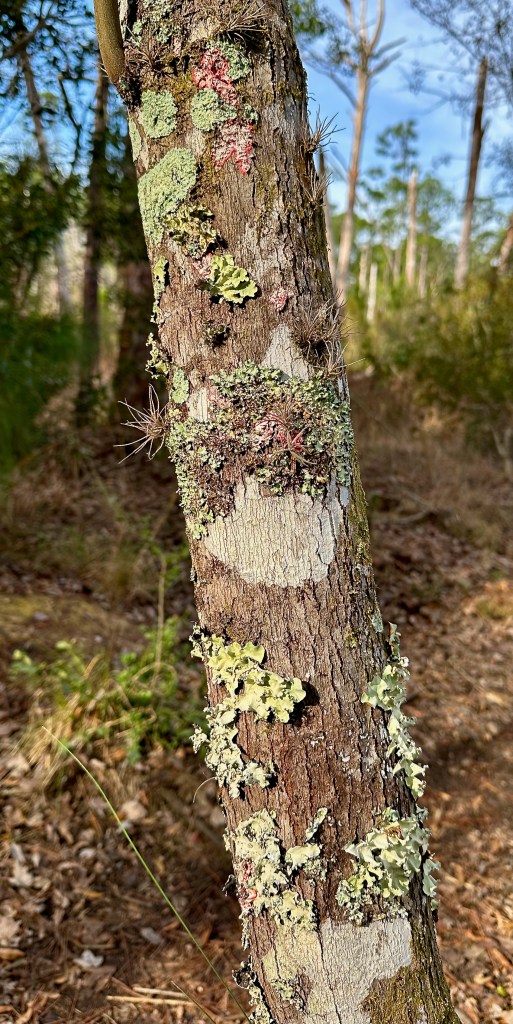
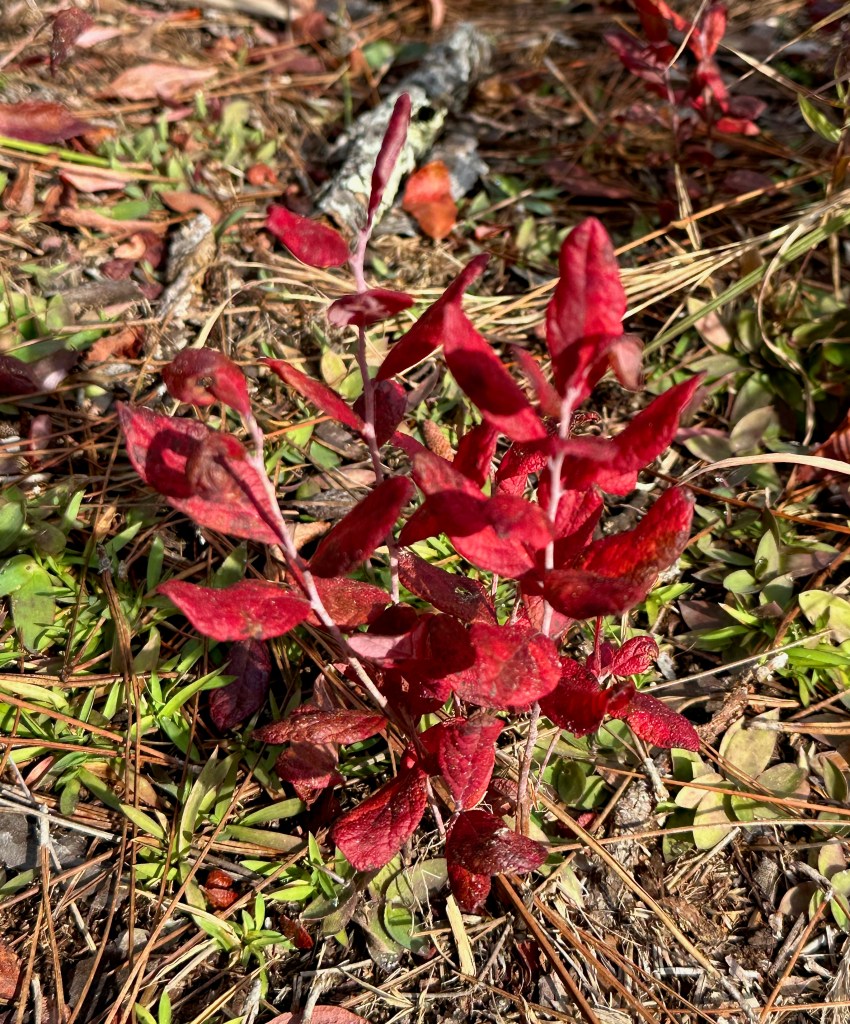
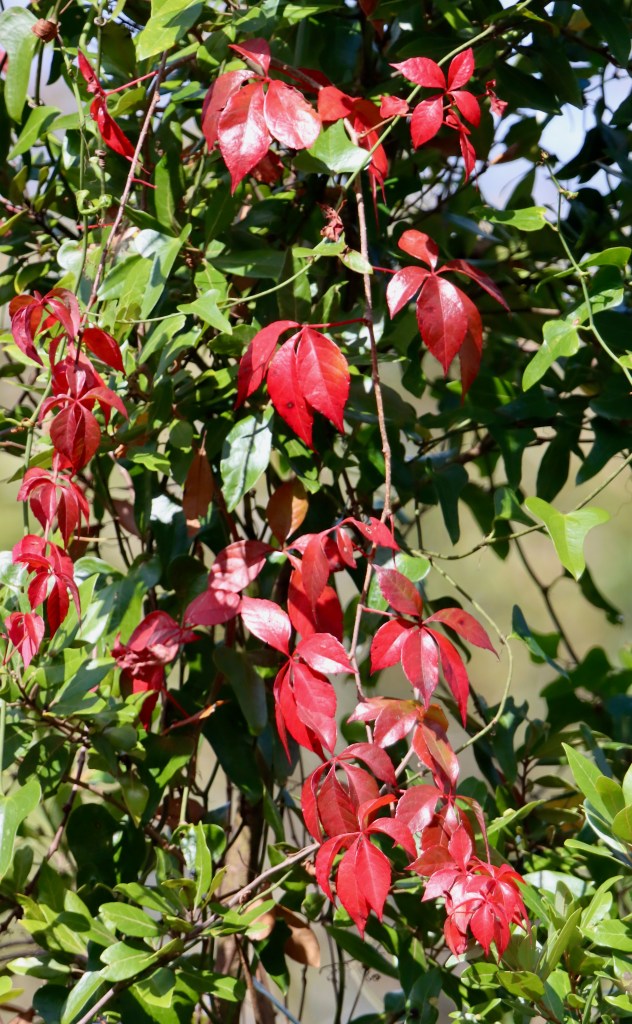
As the afternoon heated up, I headed into the forested hammock. The thing about winter in Florida, I go through a lot of clothes! When I left my house it was 59° so I wore jeans and a long-sleeve shirt. By the time I parked at the trailhead, it was mid-70s and sunny so I switched into shorts and a tshirt. I started the day on an open trail but by mid-afternoon, the sun chased me onto a much shadier trail. We may not get showy Fall colors down here but as you can see, the foliage was definitely festive!
For the last part of my day, I trekked south along the much-diminished Myakka River. Though our dry season has just started, most of Florida is already in a Stage 1 drought. As a result, I was able to reach sections of the river that would typically be completely under water.
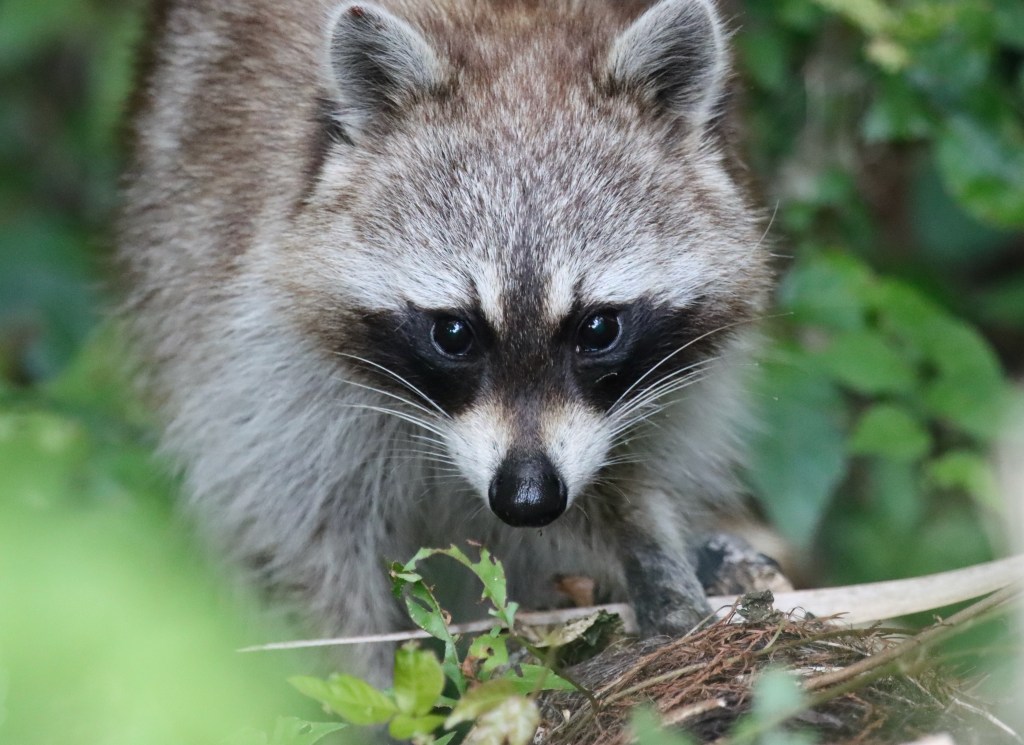
I perched on one of the trees downed by last year’s hurricanes and waited, knowing that low water levels elsewhere in the park would bring wildlife here. I didn’t have to wait long, as a steady stream of birds and even a raccoon soon stopped by.
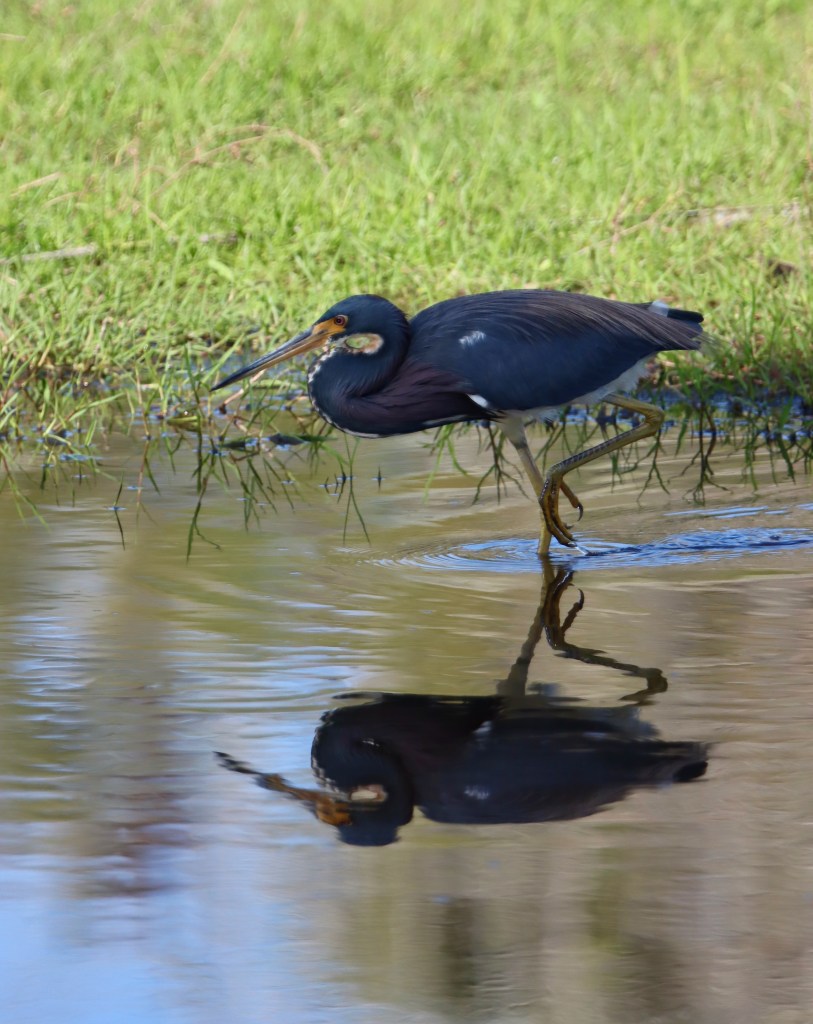
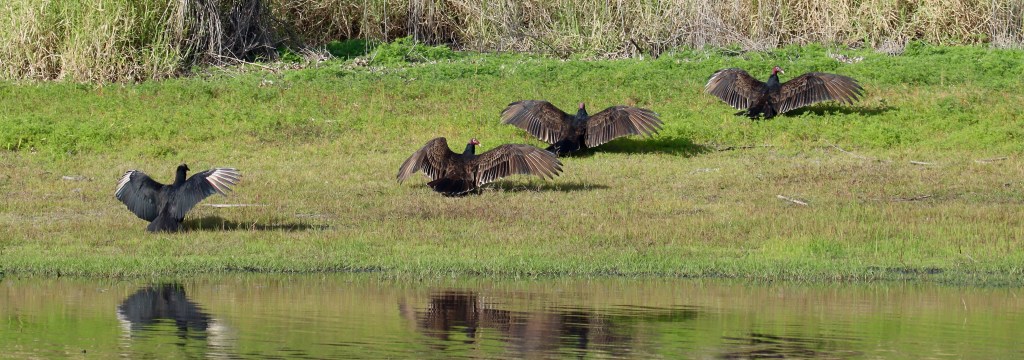
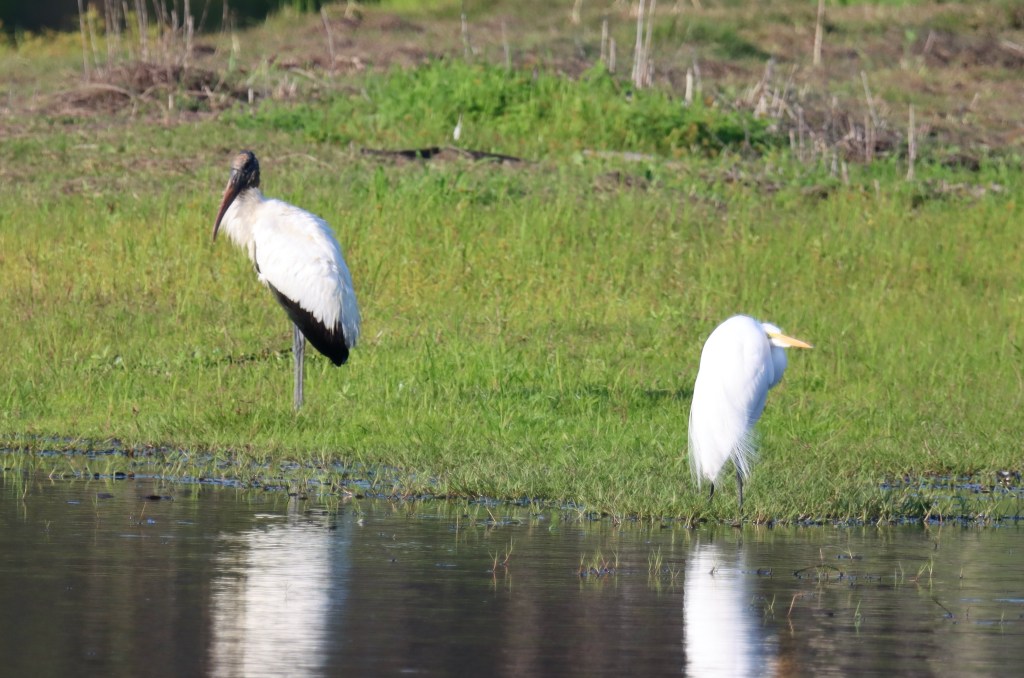
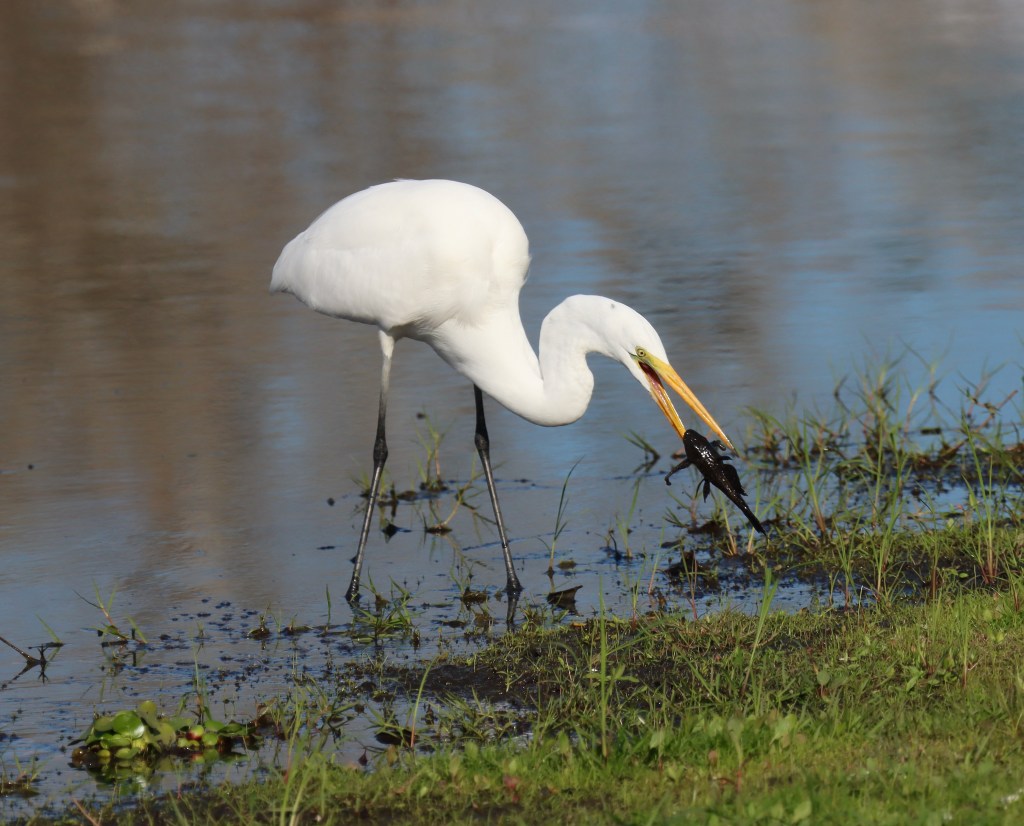
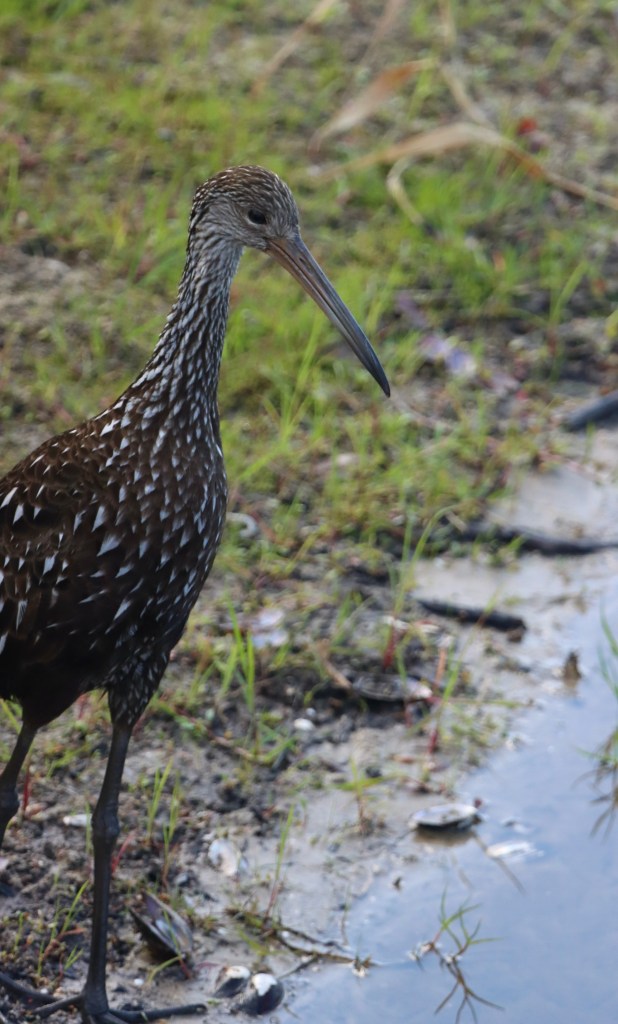
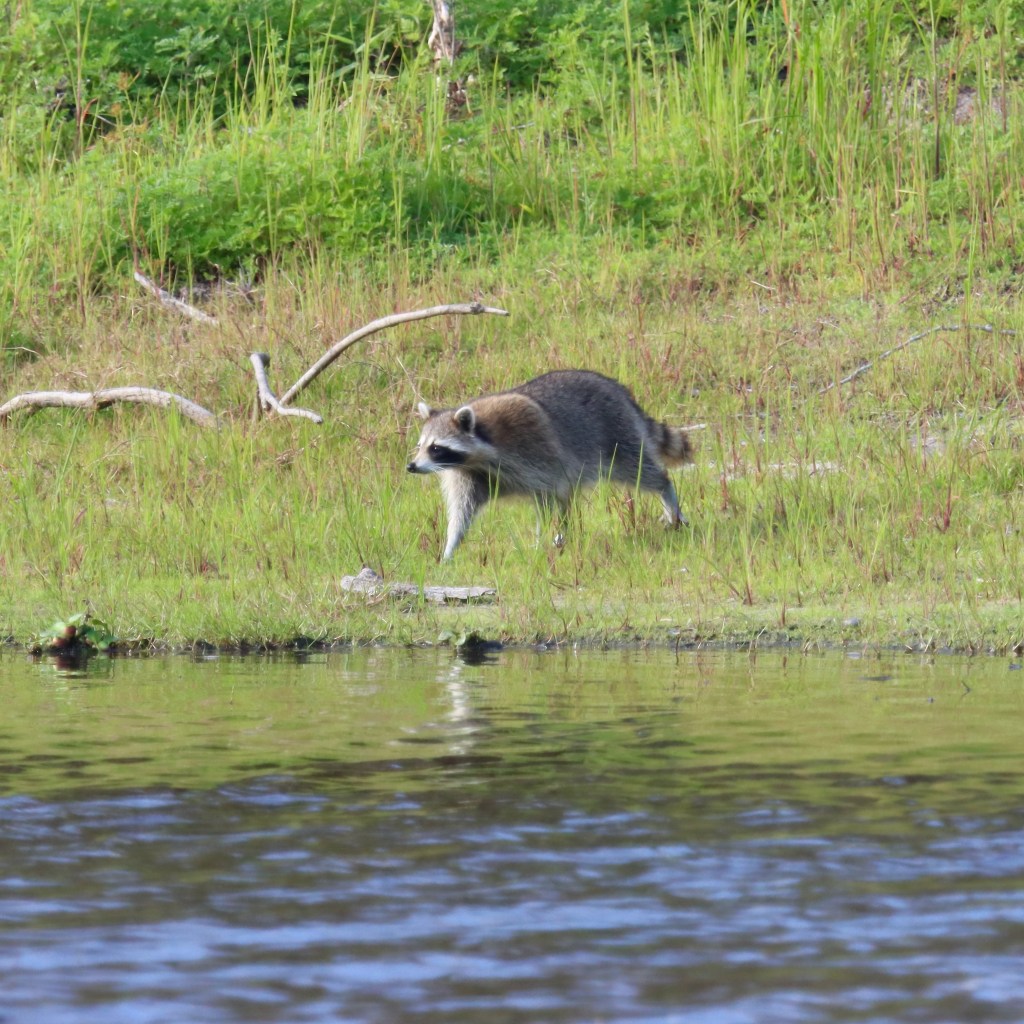
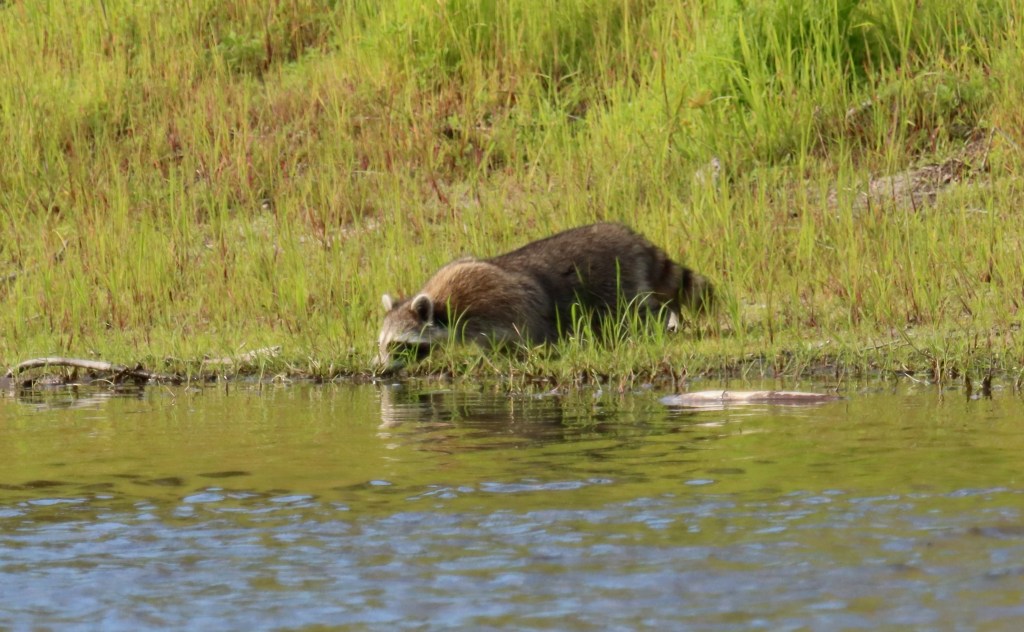
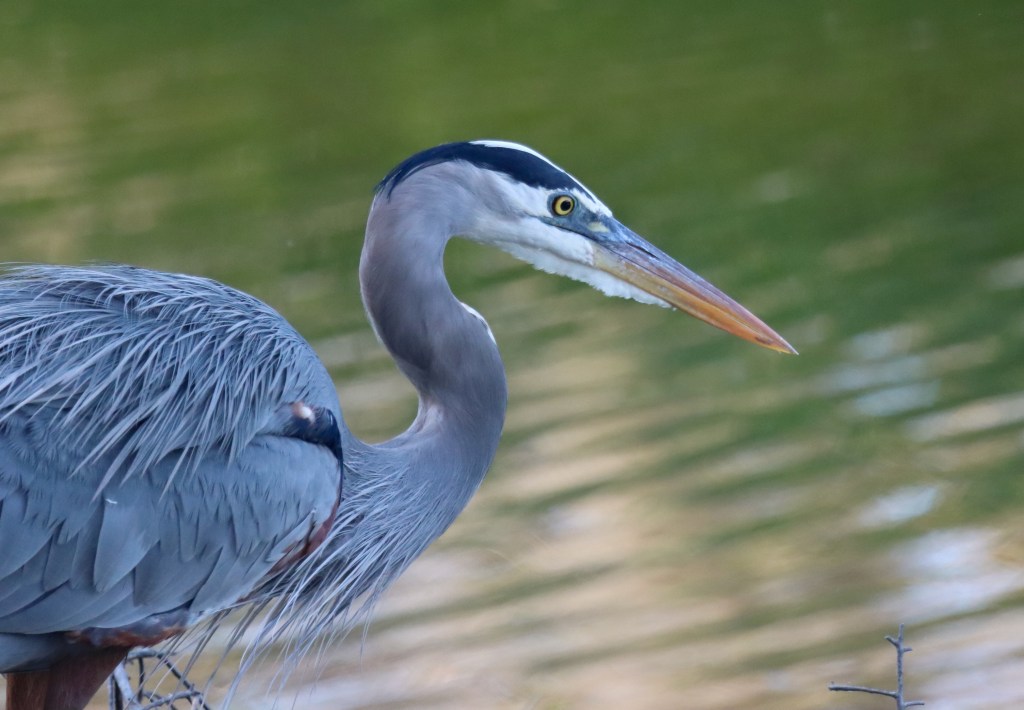
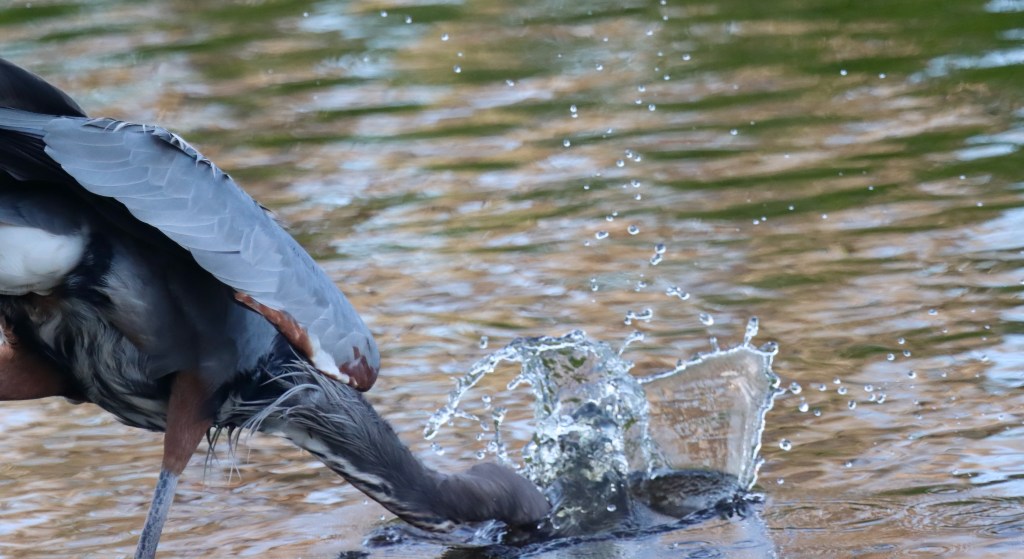
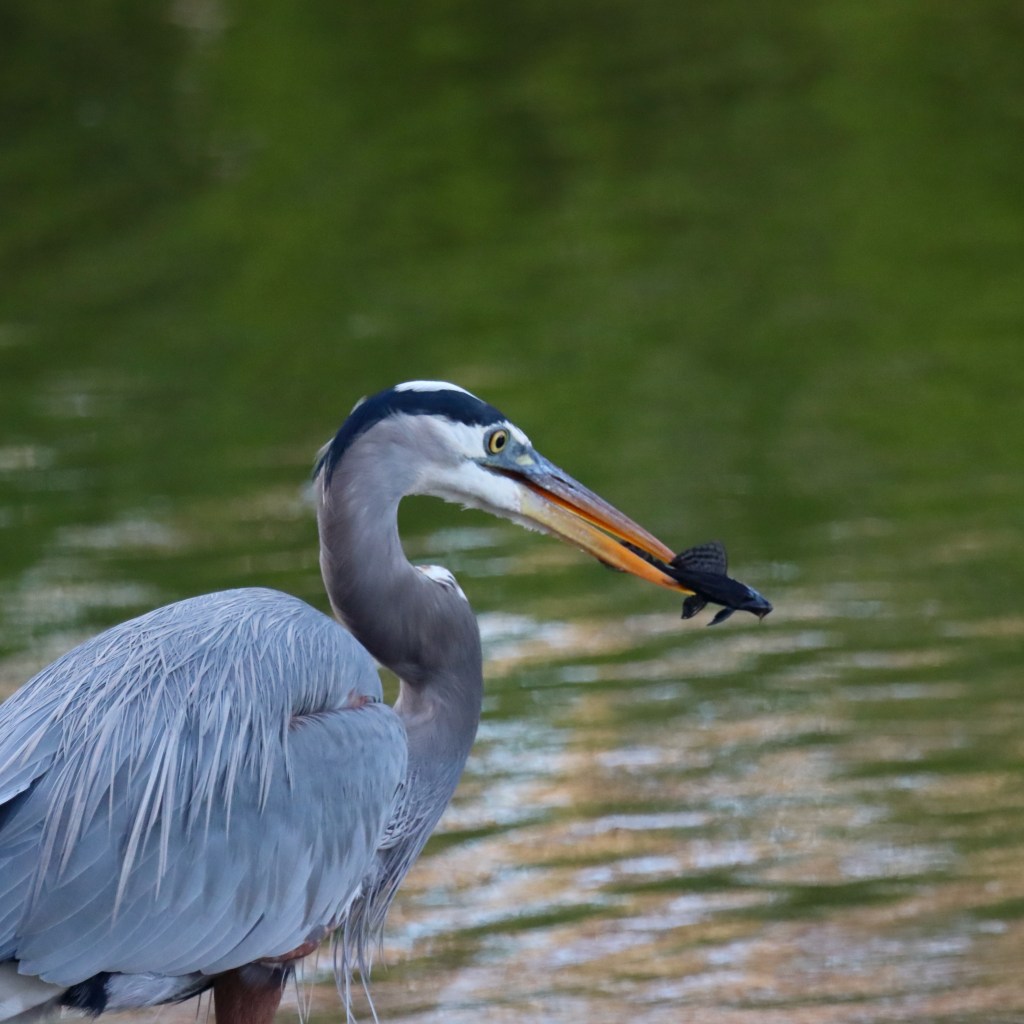
Black-necked Stilt (Himantopus mexicanus)Little Blue Heron (Egretta caerulea)Black Vulture (Coragyps atratus), Crested Caracara (Caracara plancus), Turkey Vulture (Cathartes aura)Compare Wing Color and SpanCompare Wood Stork and Great EgretGreat Egret (Ardea alba)Compare Limpkin, Great Egret, Greater YellowlegsLimpkin (Aramus guarauna)Very Healthy Raccoon (Procyon lotor)Thirsty!Great Blue Heron (Ardea herodias)Compare Little Blue Heron and Great Blue HeronPatiently HuntingStrike!SuccessAnhinga (Anhinga anhinga) and American Alligator
As for alligators, you know what they say, if there’s water in Florida it’s a safe bet that there’s gators! I admire them from a distance because although they mostly laze about, they are surprisingly quick and agile. The momma gator in the video below swam over to warn me to stay away from her not-so-little babies.
American Alligator (Alligator mississippiensis)Mom Bared Her Teeth at MeWatchful MomYearlingLake Myakka