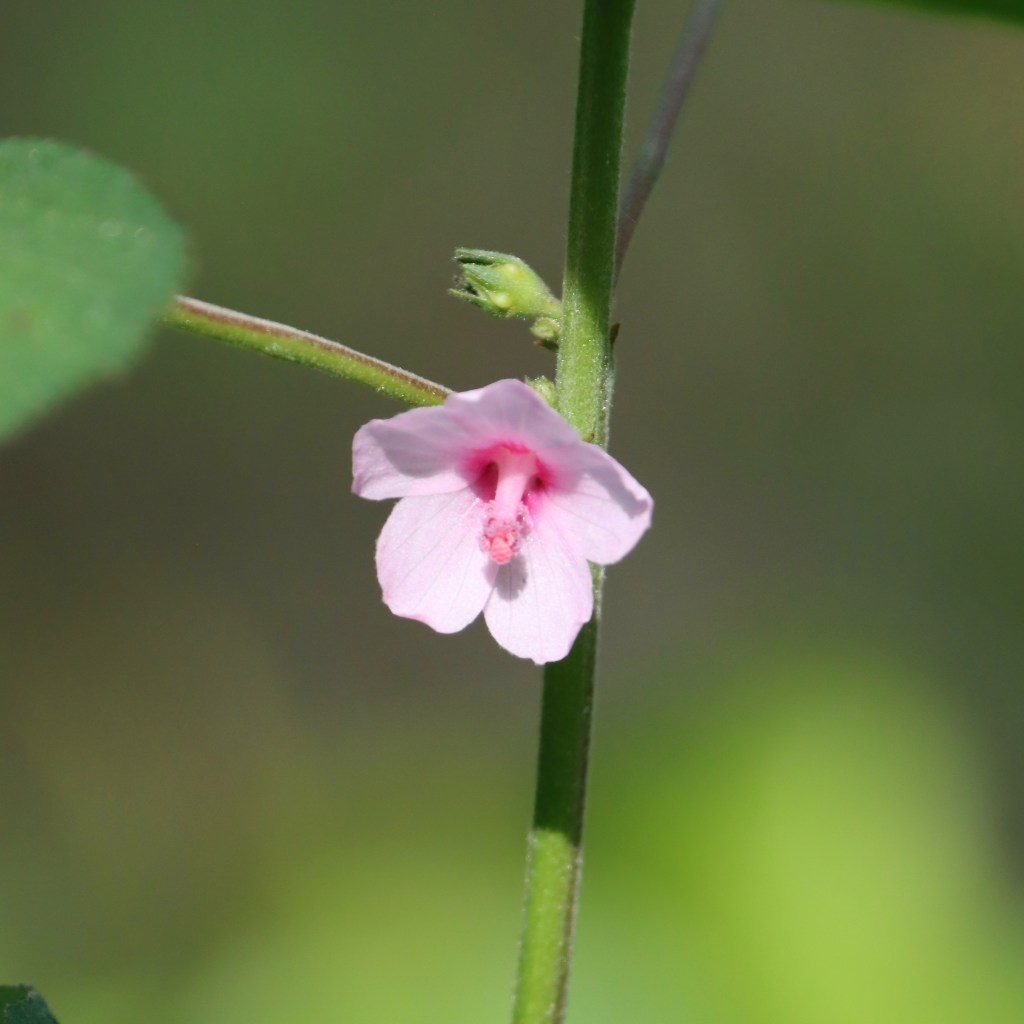









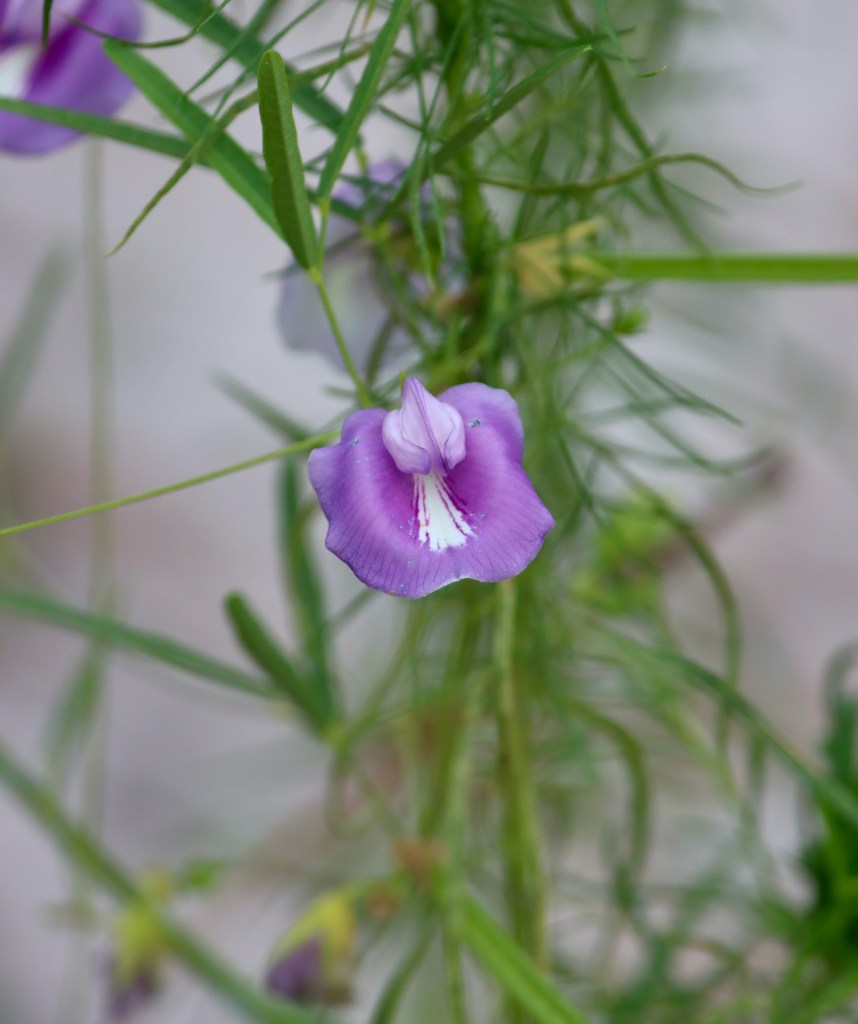
(Rhexia mariana)











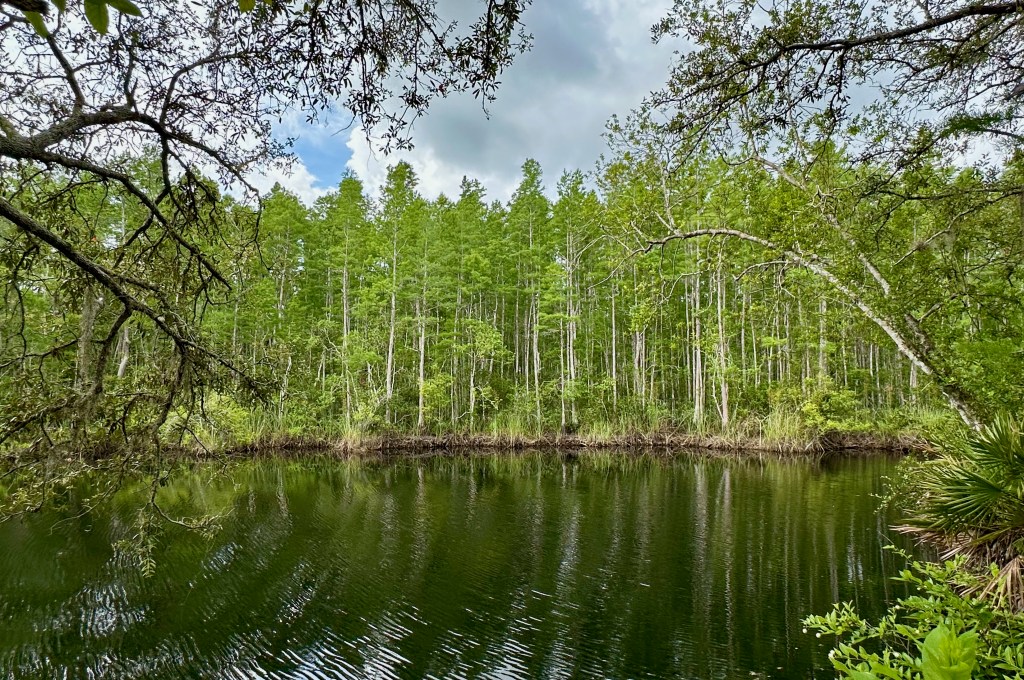
Last week I drove deep into neighboring Pasco County to the Upper Pithlachascotee River Preserve, a little spot that just recently came across my radar. The river’s long name is Creek for “Boat Building” (pithlo=canoe and chaskita=to chop out). The once abundant cypress trees along the river attracted Seminoles who would hollow out the large tree trunks into canoes.
Cypress lumber was also prized by later settlers, who clearcut so many areas that few of the giants remain in Florida. This preserve was partially set aside to protect the largest remaining cypress tree in Pasco County and I was looking forward to seeing it.
I took the narrowing of the roads and growth of potholes as signs that I was getting closer. When I finally pulled in, it didn’t surprise me in the least to be the only car in the parking lot.
Low visitation can make for a more peaceful outing though there are some downsides; wildlife can be more skittish since they are unaccustomed to humans and trails tend to be overgrown since they are less frequently traveled. But the worst part, is all the dang spiderwebs! I coped by picking up a stick and waving it in front of me like I was casting spells. A behavior that I’m certain would have bemused fellow hikers, had I encountered any.
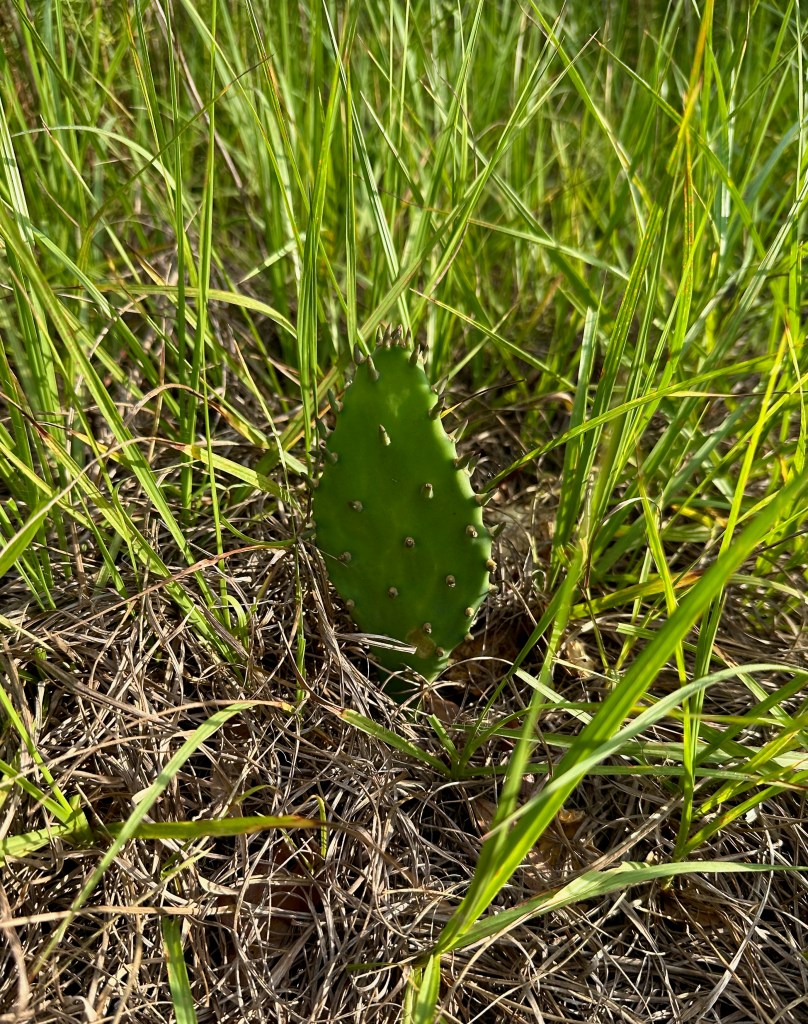
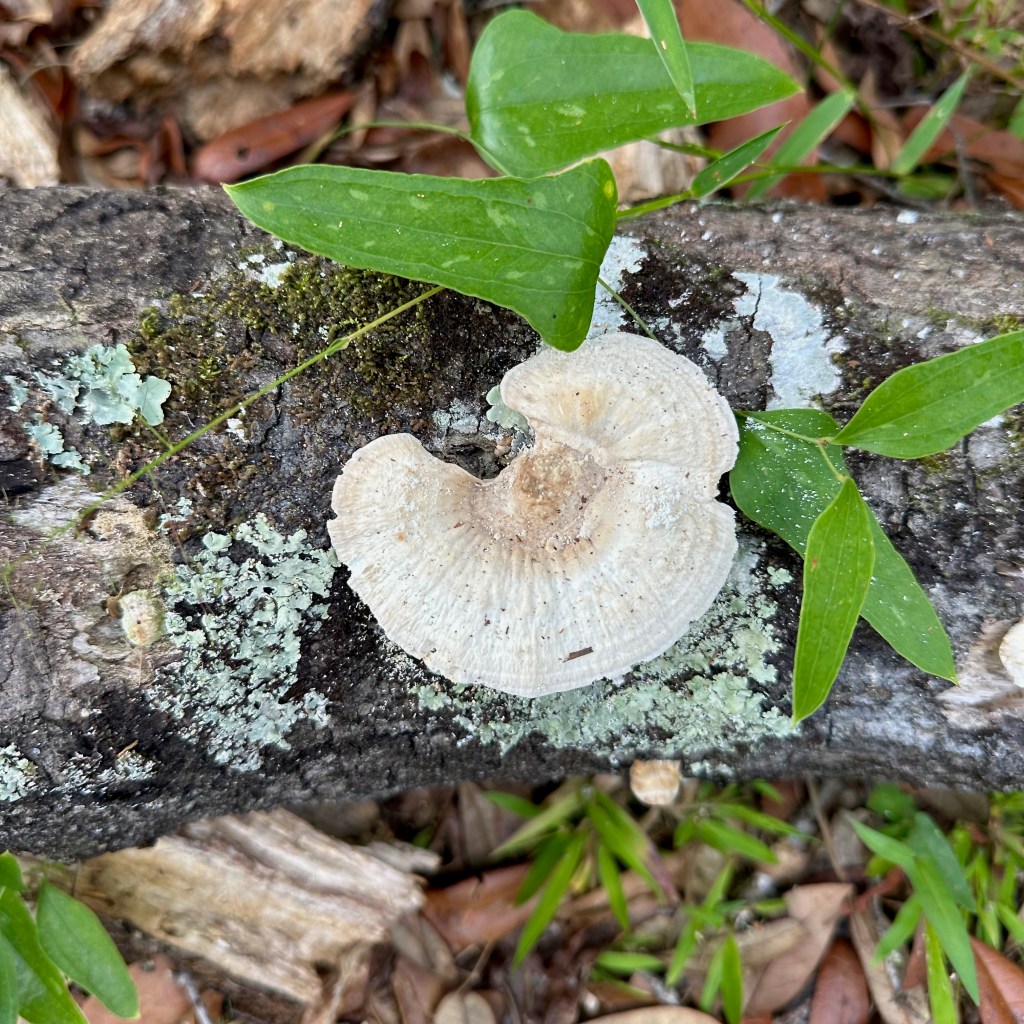
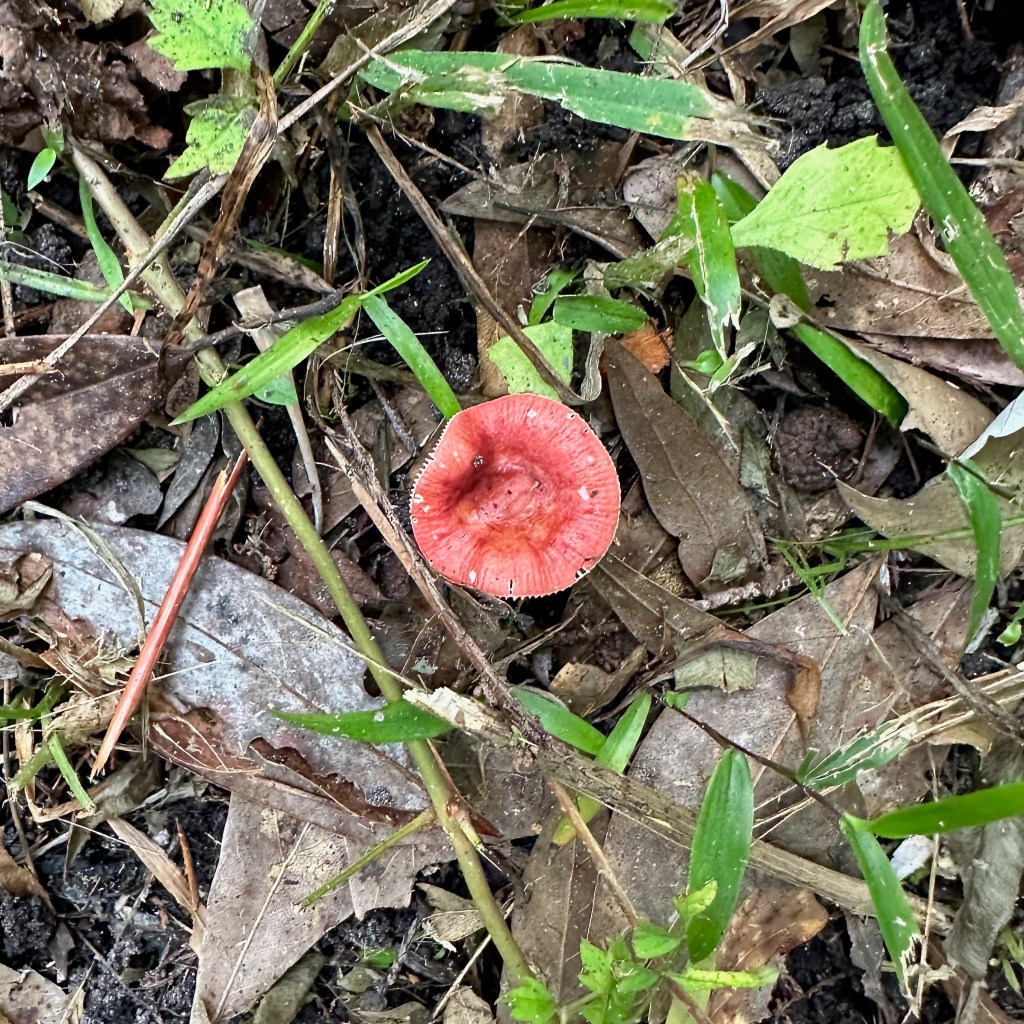
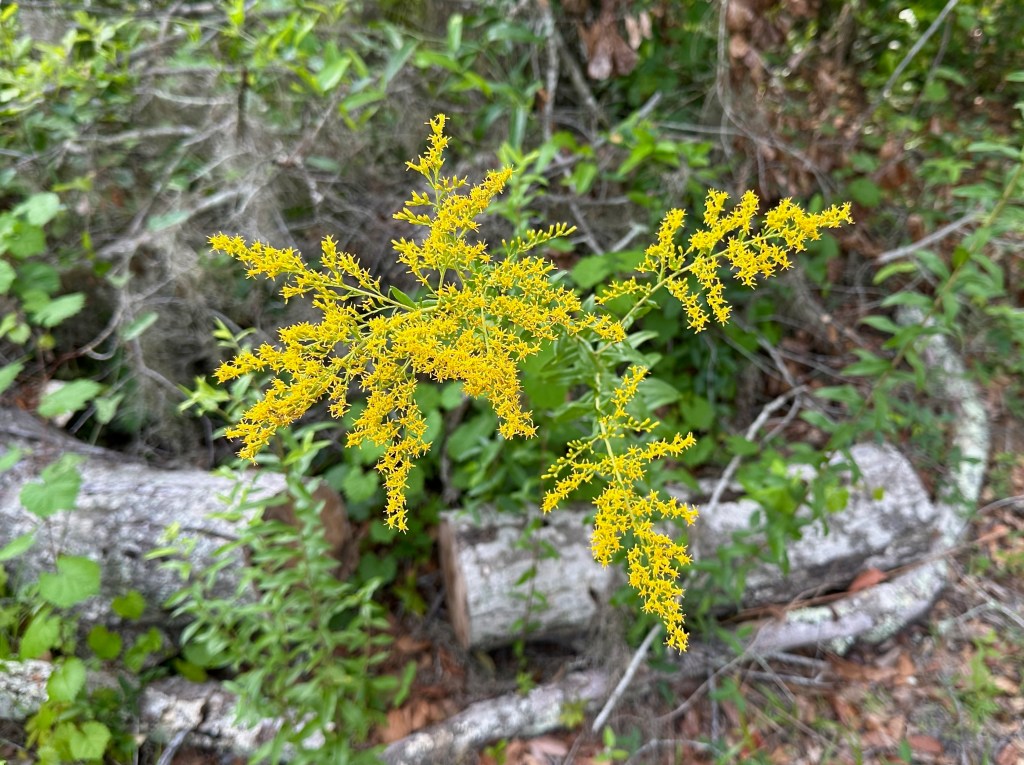
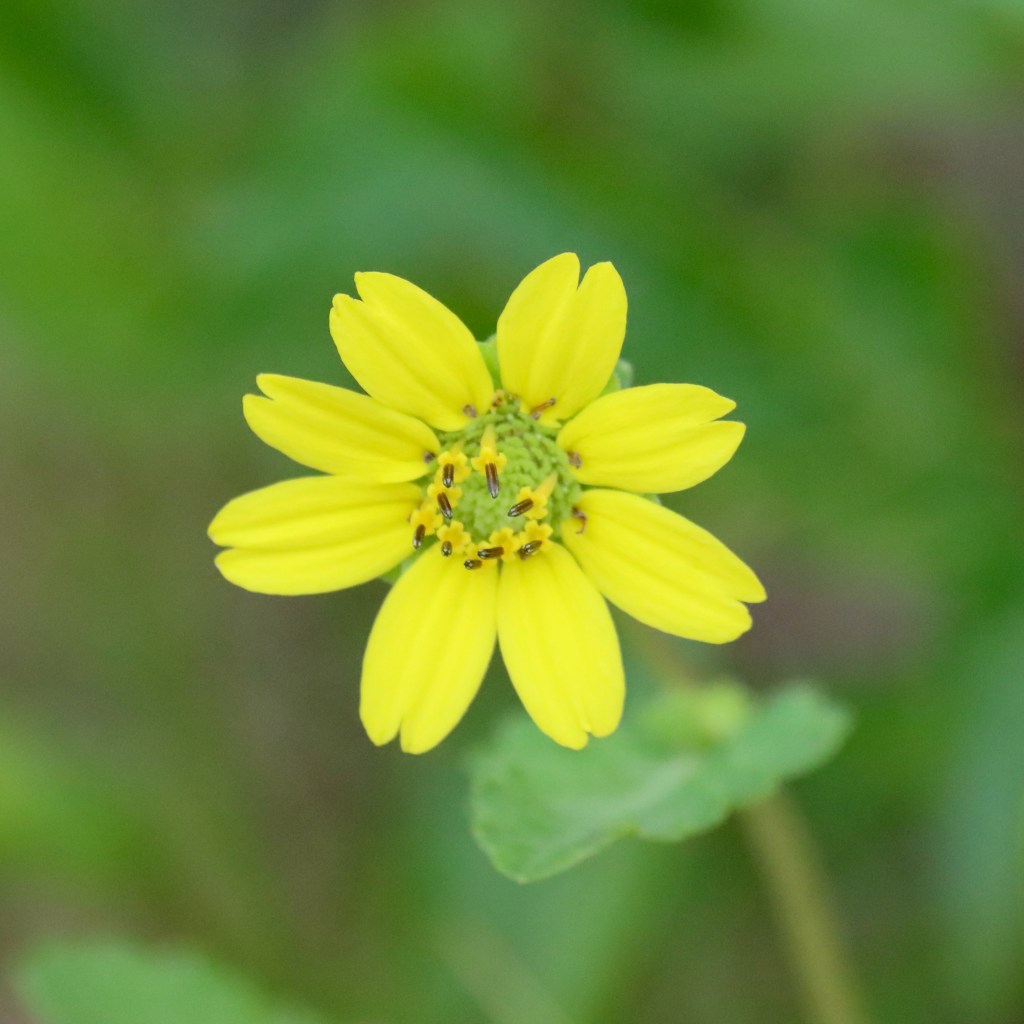
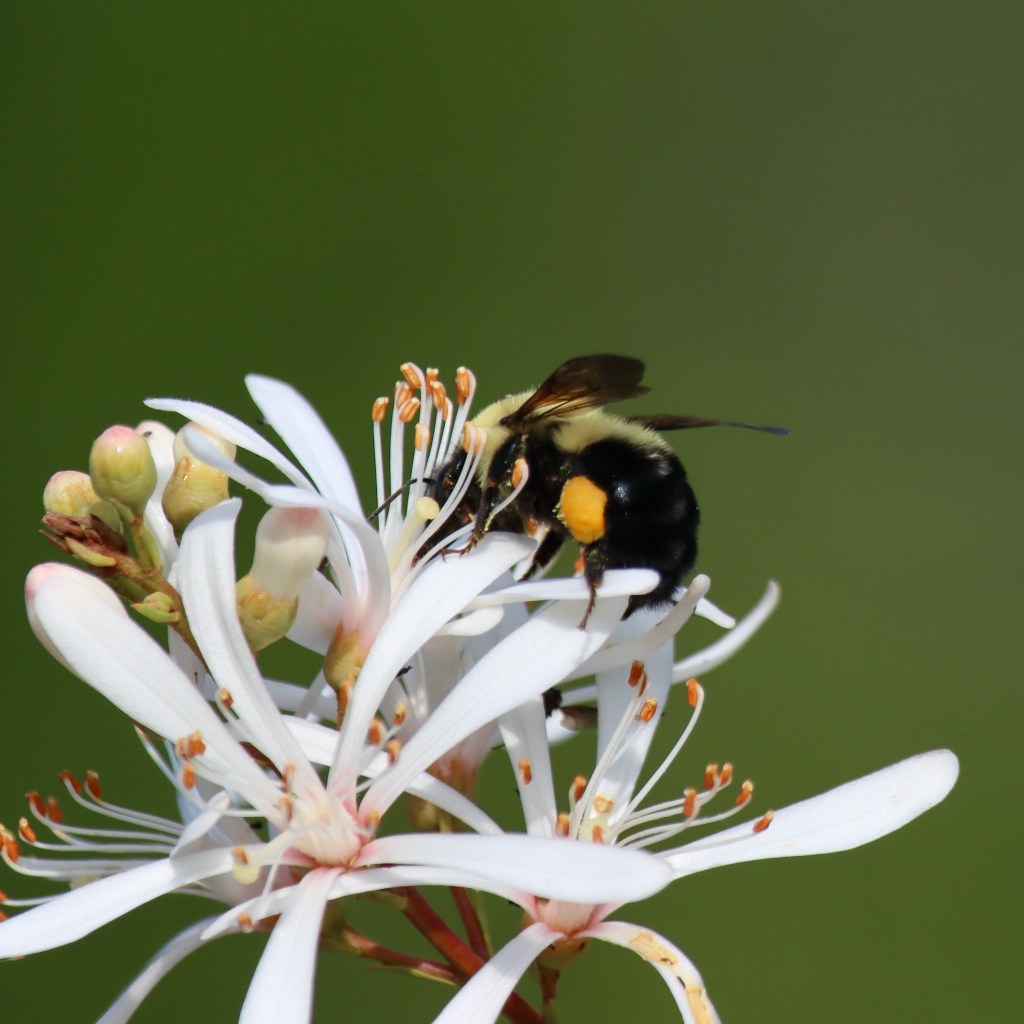
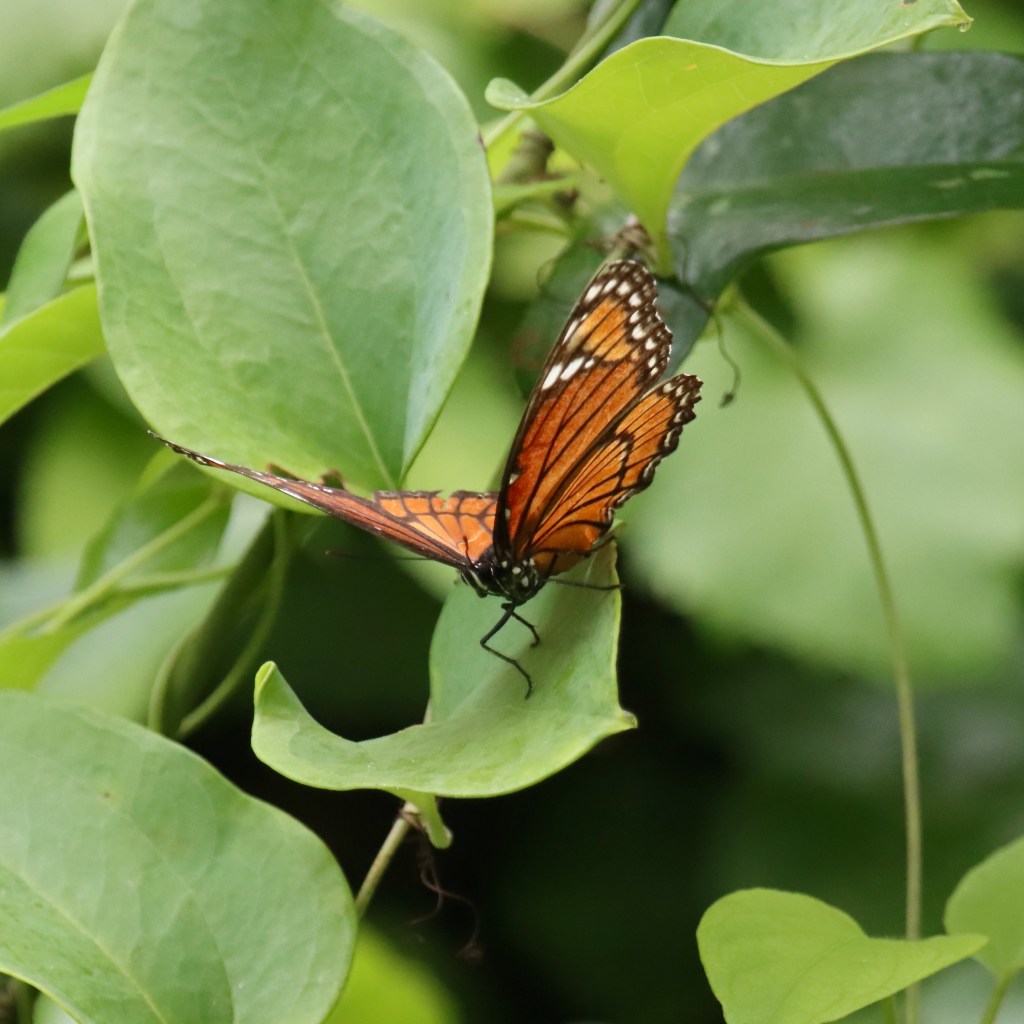
There were fewer than 5 miles of trails but there was still plenty for me to see along the way. A week earlier we had finally received some decent rainfall in the Tampa Bay area and plants had responded with showy displays. As a result, the place was buzzing with pollinators.
While I followed a bumblebee, a smaller version caught my eye because of its odd behavior. It wasn’t visiting flowers to fill the pollen baskets on its legs, instead it was clinging to a plant stem with something clenched in its grasp. It turned out to be a Bumblebee Robberfly, which as the name infers, is a mimic that preys on flying insects. The one I spotted was probably in the midst of injecting its catch with toxic saliva so it could then suck up the liquified innards. Yum!
I enjoyed a nice visit with a striking Eastern Rat Snake, a first for me. I admired the long, slender serpent as it slithered sinuously atop the duff. Since it lives in the forest, it didn’t surprise me to learn that it was also an agile climber.
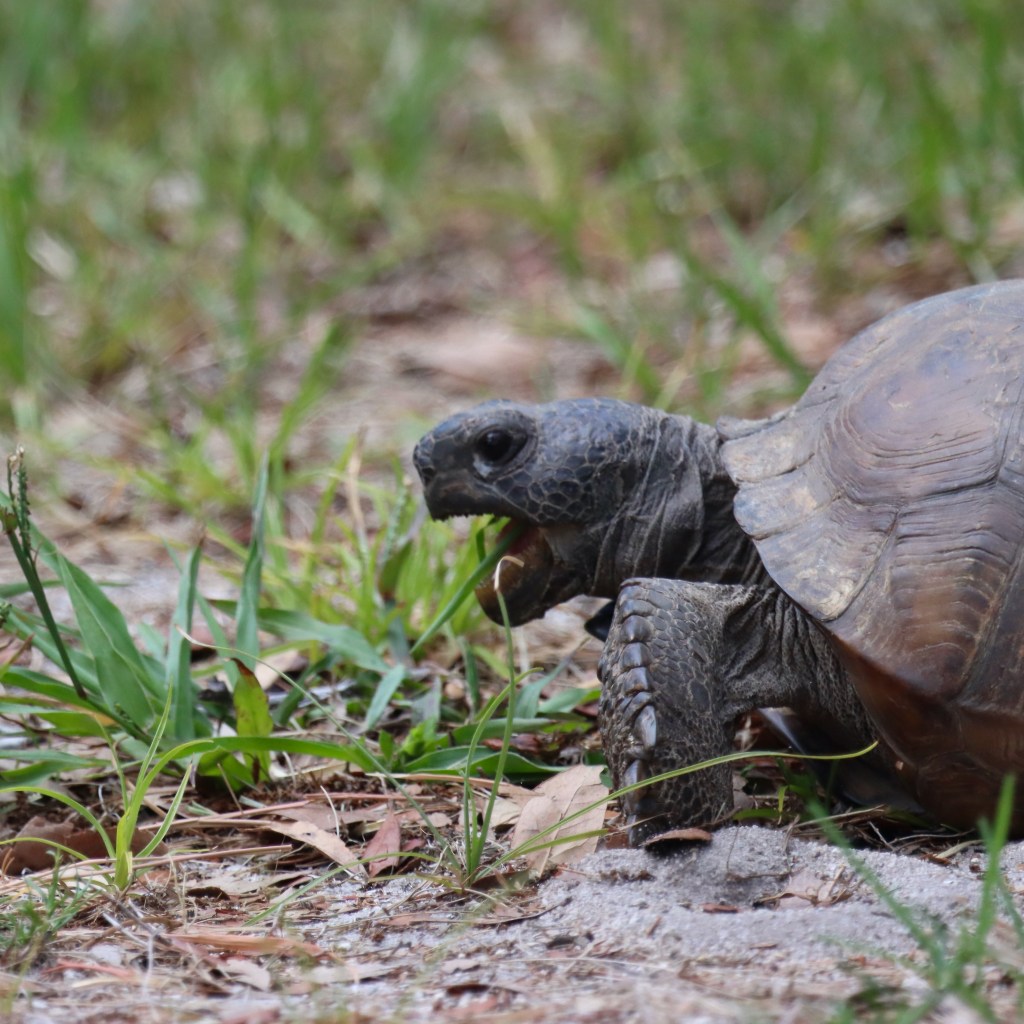
While a White-tailed Deer and an Eastern Cottontail chose not to pose for photos, an Eastern Grey Squirrel and a Gopher Tortoise didn’t seem to mind as they were both too busy chomping on their veggies.
I was pleased to discover some Reindeer Moss just off the trail. It is very sensitive to disturbance by humans, so there are precious few populations of it left in the state.
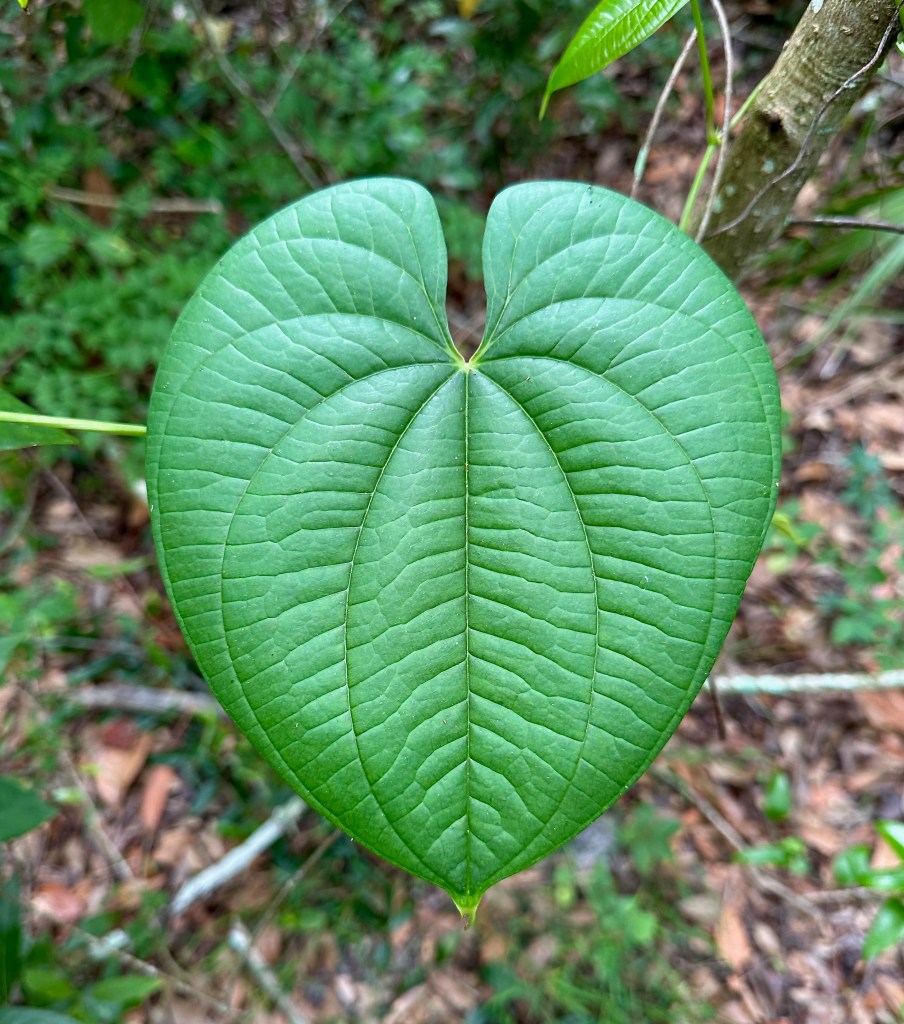
Unfortunately, I noted a couple invasive plant species had snuck into the preserve (looking at you Caeserweed and Air Potato Vine). Though happily, there weren’t very many specimens of either. I only spotted one invasive animal, a Wild Boar and it was deceased (which is my favorite kind of Wild Boar).
Sadly, last year’s hurricanes destroyed the section of boardwalk that leads to the large cypress so I didn’t get a chance to see it. I’m hopeful that it survived the storms. Even though I missed out on the giant cypress, it was still a lovely way to spend a warm, overcast day.



























 3rin's View...