Tag Archive for ‘florida’

Myakkahatchee Morning

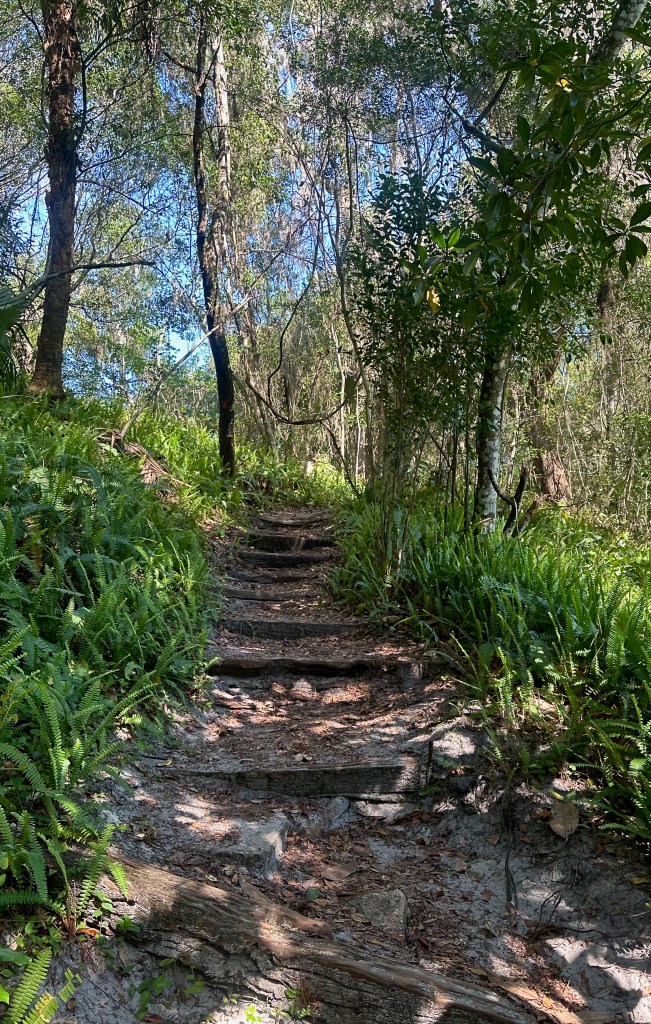
I took advantage of a relatively cool morning last week to explore a couple nature areas that have long been on my list. I started at the Myakkahatchee Creek Environmental Park.

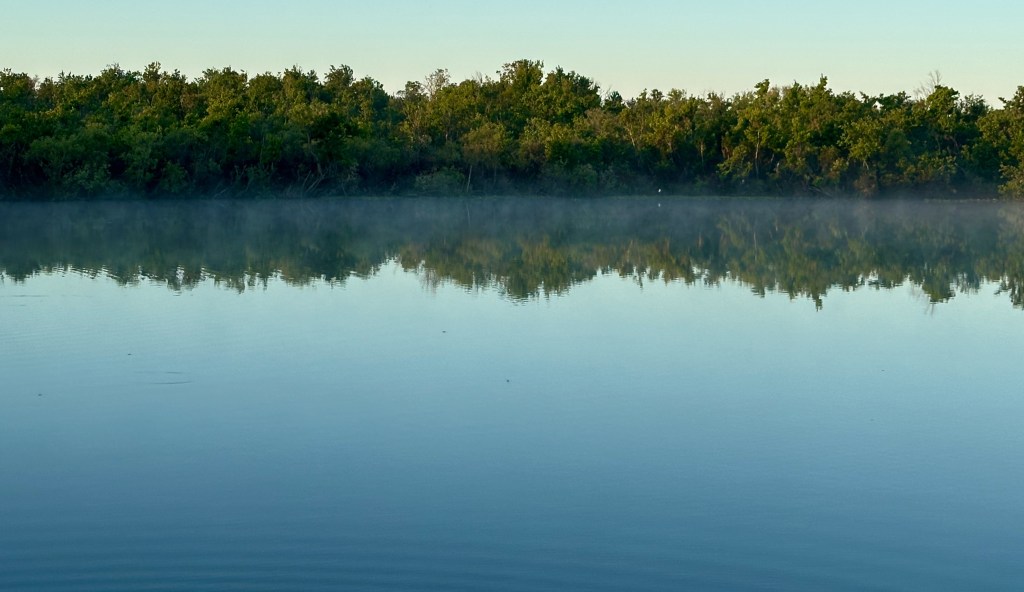
I arrived a bit later than planned thanks to Sarasota’s ever worsening traffic issues. The sun had already chased away most of the low lying fog by the time I hit the trail. Excepting some wildlife, I had the place to myself which was relaxing and yet, for reasons that I couldn’t explain, also a bit haunting.

I later learned that the land had been part of a large, planned housing development in the early 80s. That plan was scuttled after earth moving equipment uncovered ancient artifacts and human remains. Brief archaeological surveys of the land revealed it to be the site of a large Manasota village.

Though never fully excavated, thankfully someone realized the site was worth saving. It contains evidence of human occupation stretching back 10,000 years but most importantly, it is a rare inland village (all other major village sites were located along the coastlines of Florida). Though the creek looks small now, back then it was a major transportation route from the Gulf, some 20 miles west.

Now the 160 acres are protected. According to state records, with the exception of a mere handful, hundreds of archaeological sites have been “lost” (aka bulldozed and destroyed) in Sarasota county.

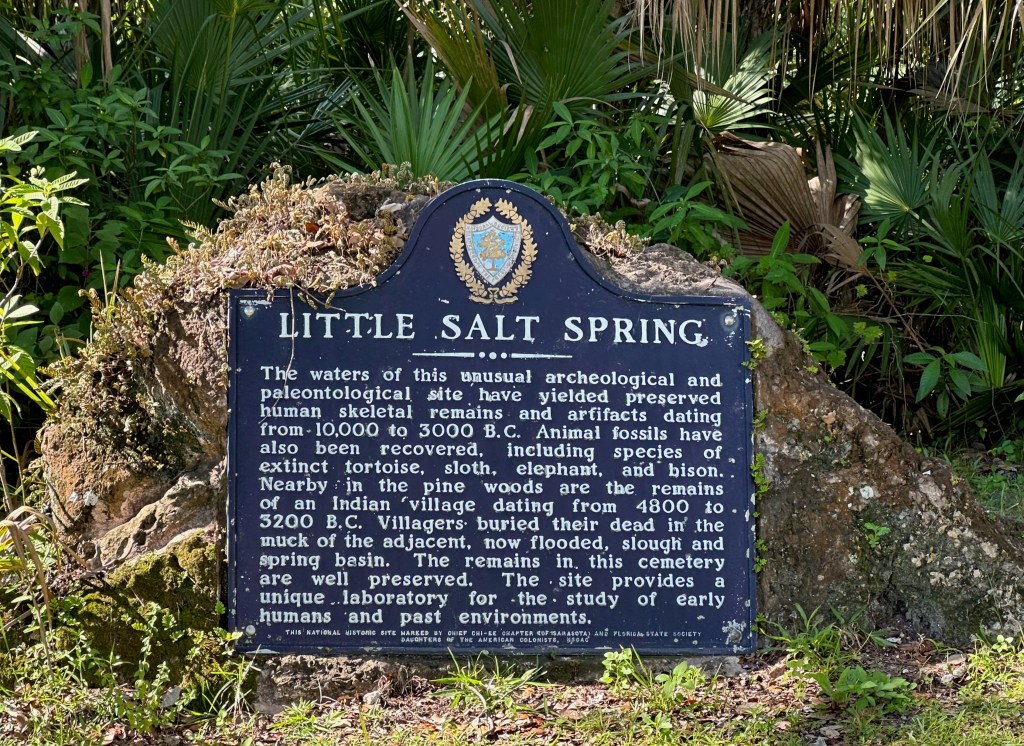
On my way to my next destination, I made a quick stop at the entrance to another important archaeological site. Little Salt Spring is a small, 250′ deep, anoxic cenote (sinkhole) which has preserved human and animal remains as well as other typically perishable detritus. The majority of the artifacts recovered from the depths date back 7,000 to 12,000 years.

The 112 acre site was gifted to the University of Miami in 1982 for ongoing research and protection. Beyond the insights that can be gleaned from this treasure trove of organic matter there is the question of how. How did all these people (at least 44 individuals thus far) and animals wind up in this sinkhole?

Did they just fall in? Possibly, in the case of the animals (think Pleistocene megafauna, like Giant Ground Sloths and Saber Tooth Tigers). Though not likely in the case of the human remains. The discovery of two greenstone pendants, which were not sourced locally, hint at ceremonial burials. For a quick look behind the scenes, check out this short video by one of the researchers, Steve Koski.

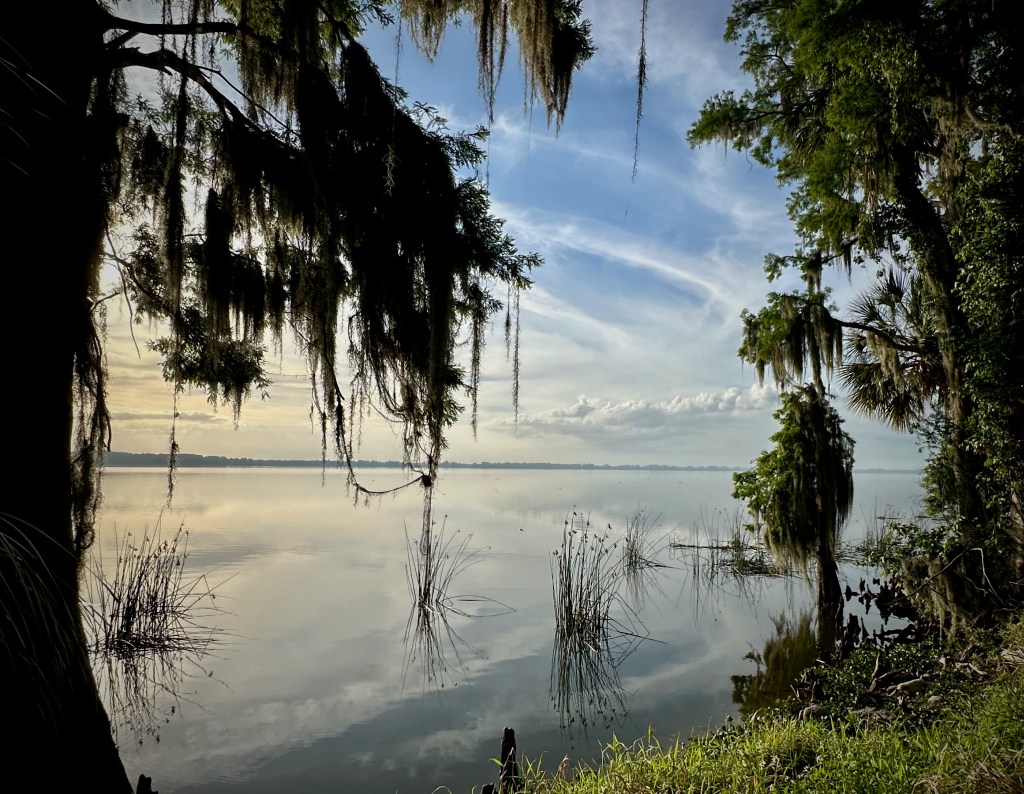
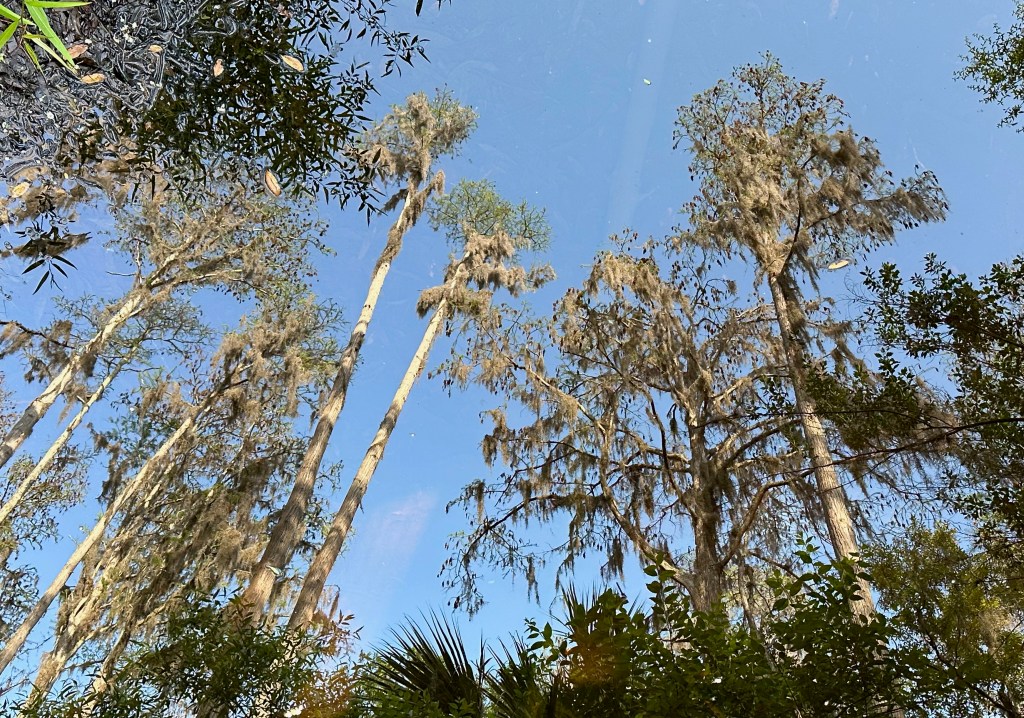
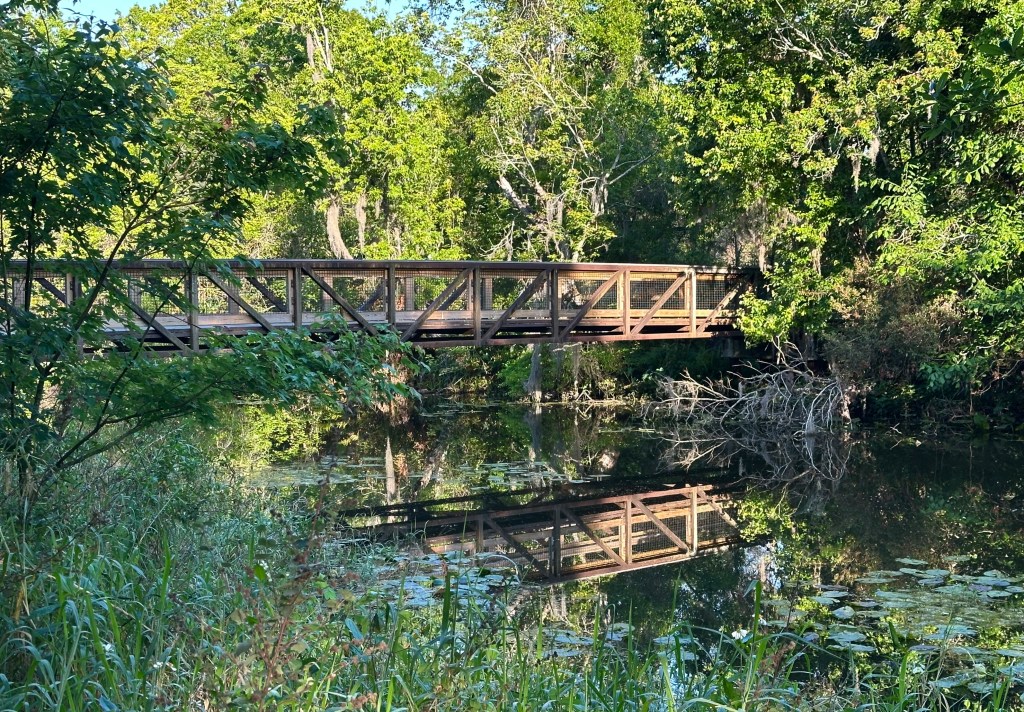
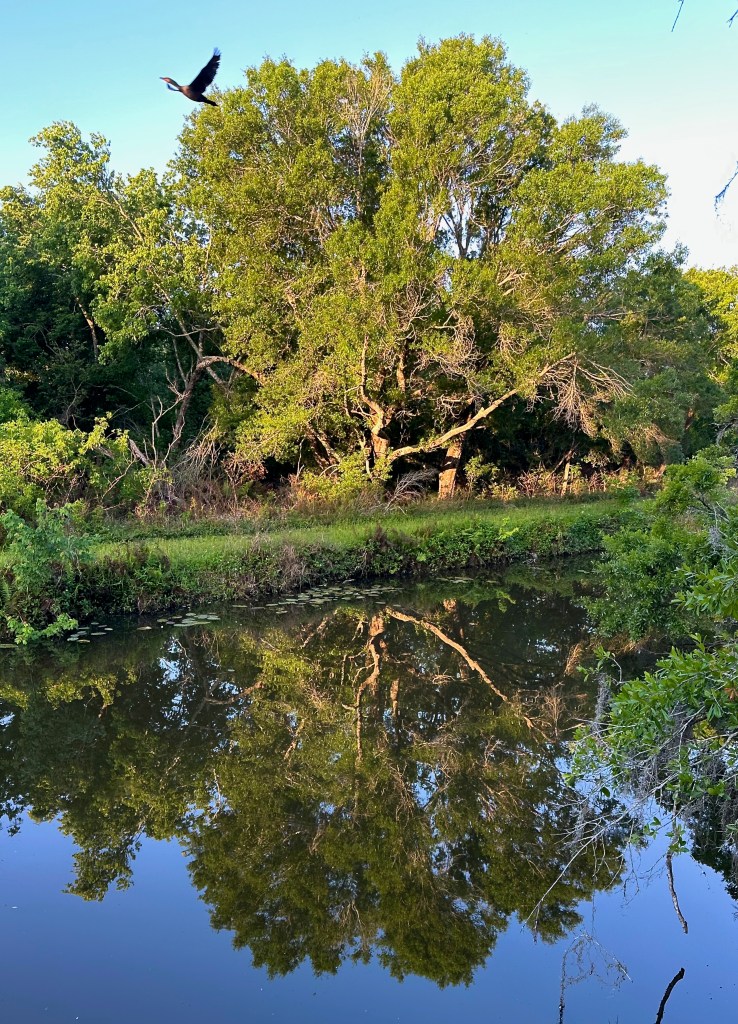
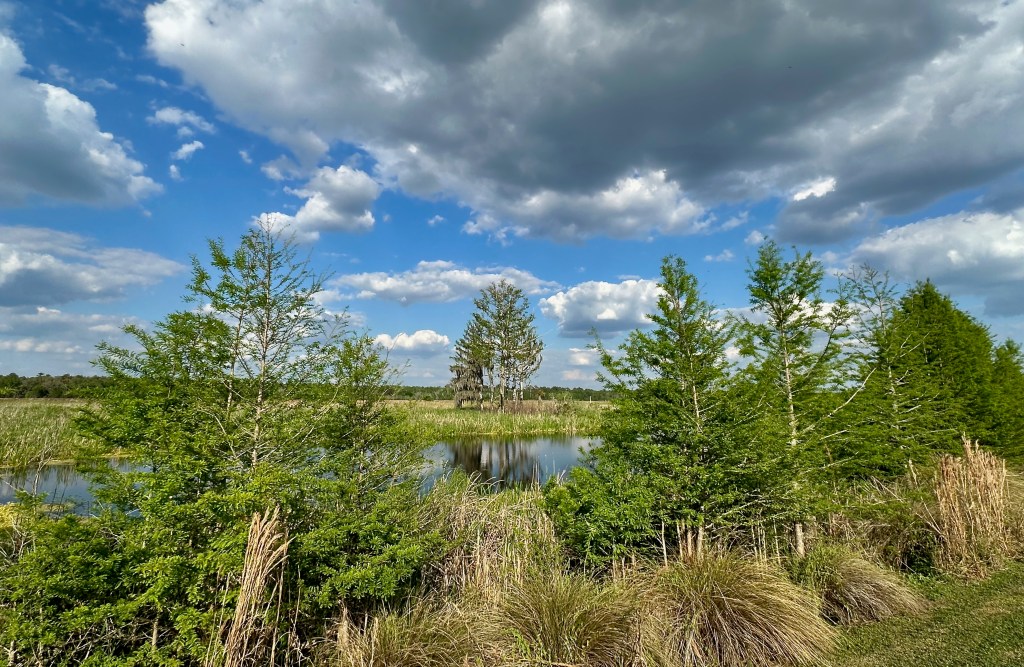
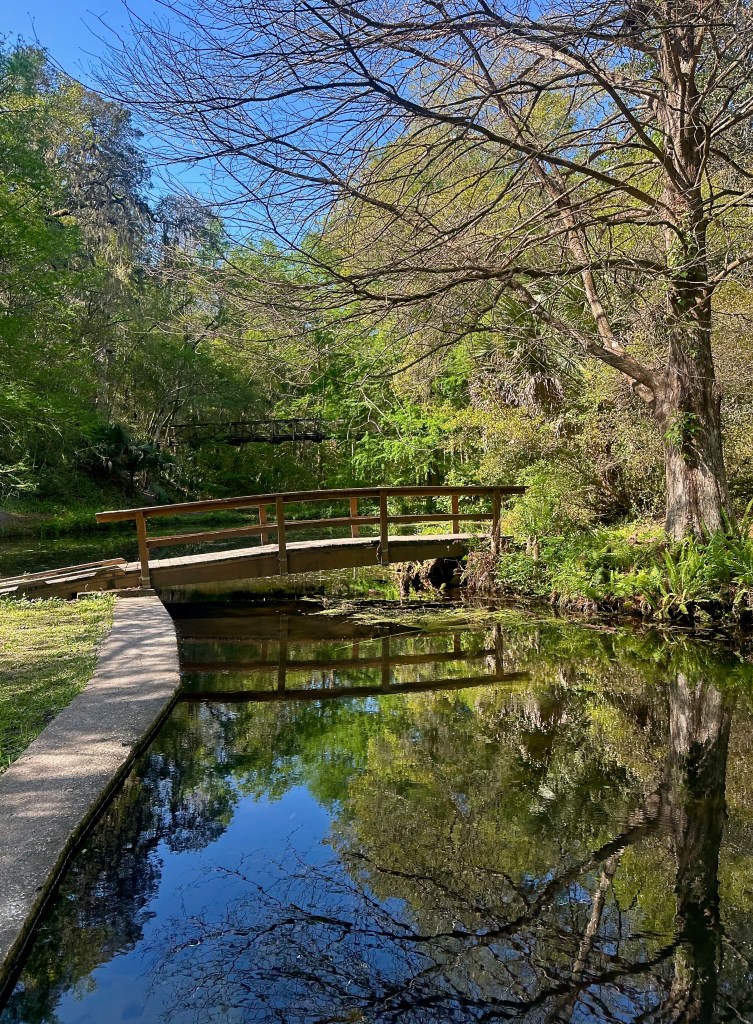
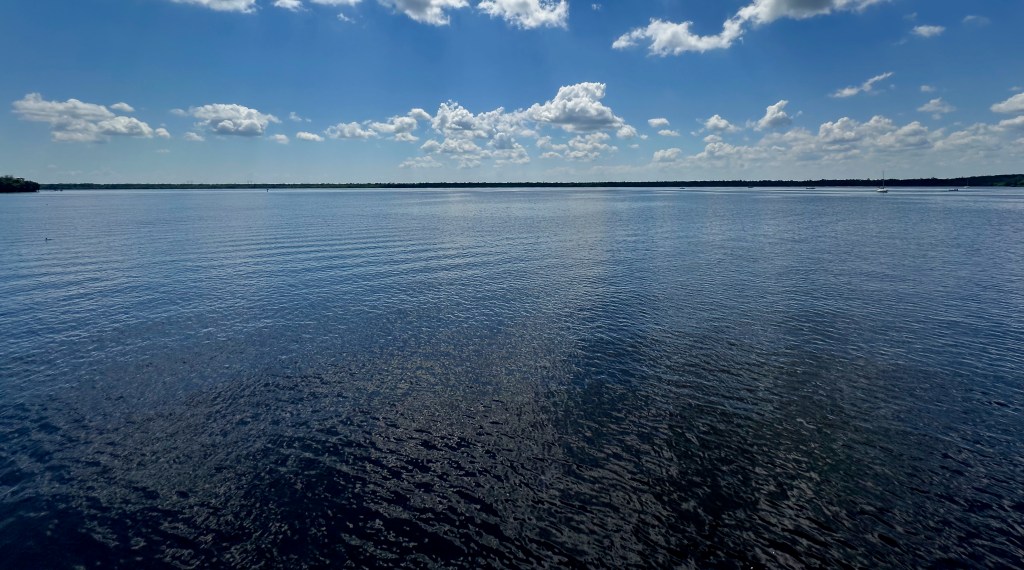
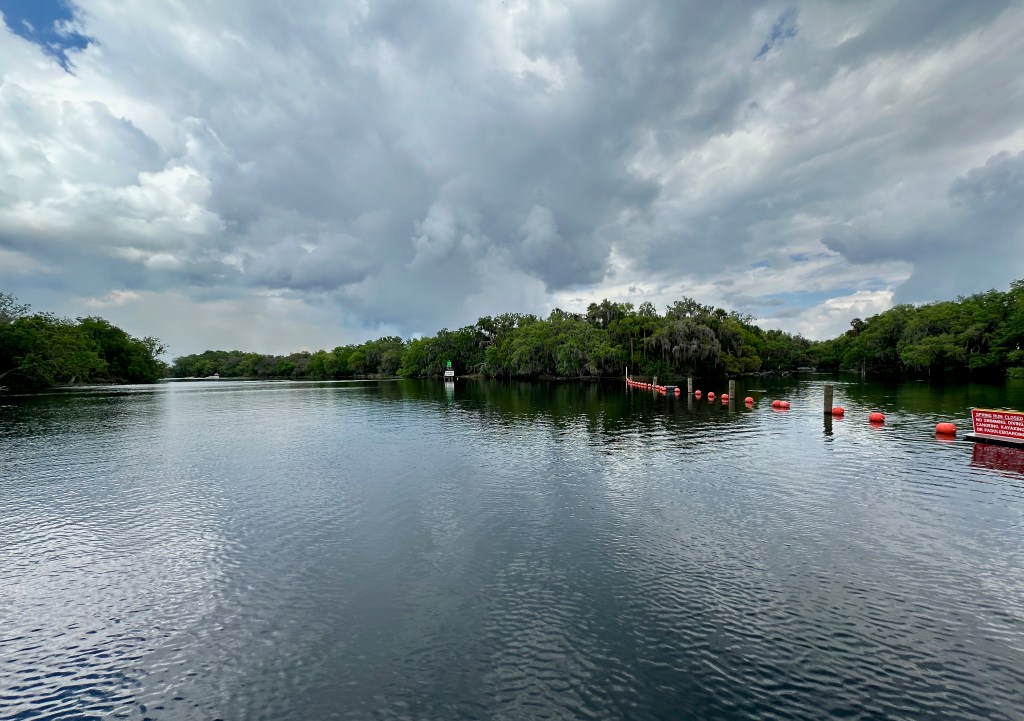
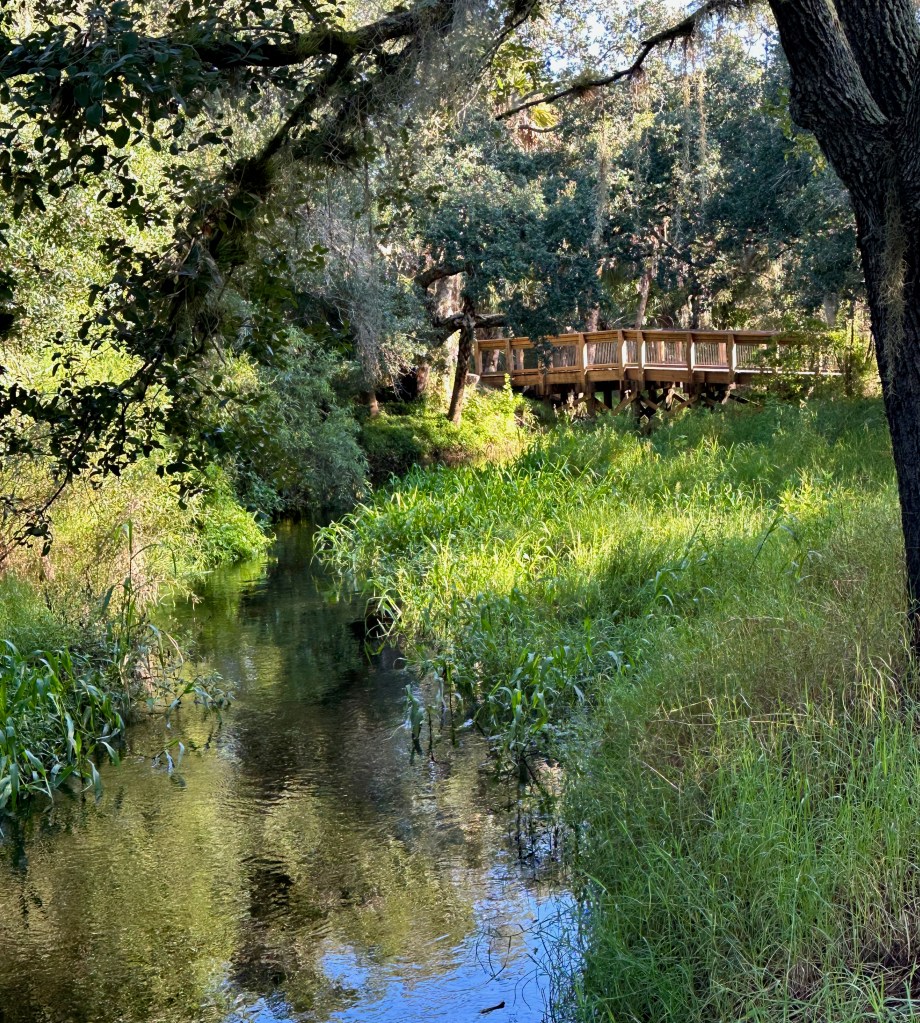
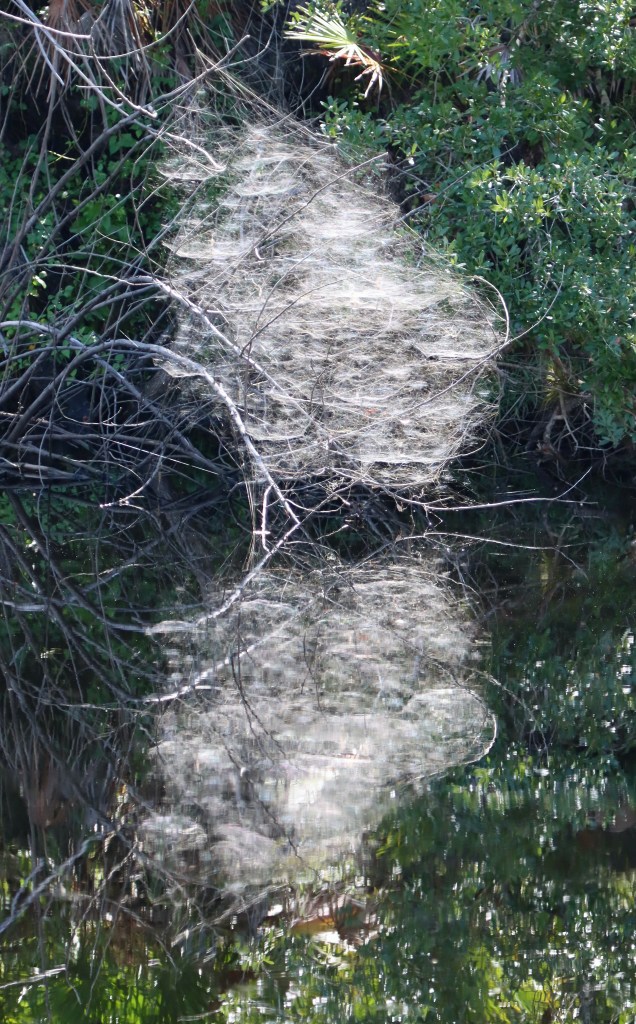
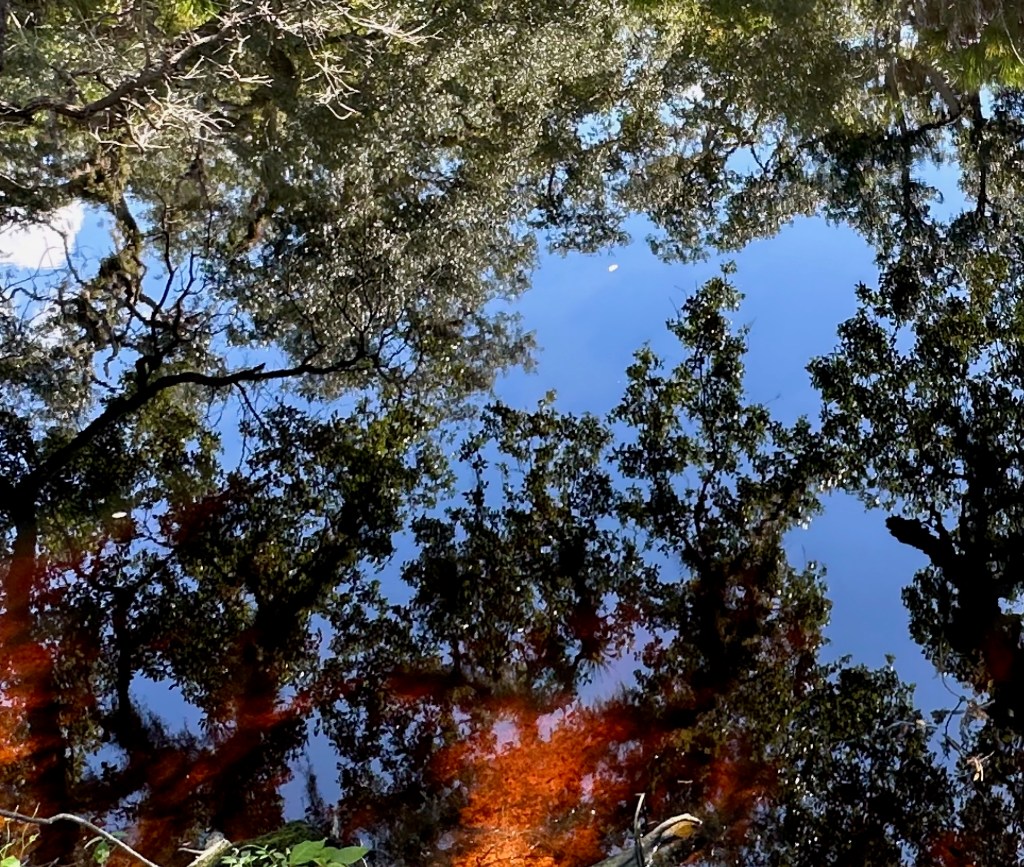
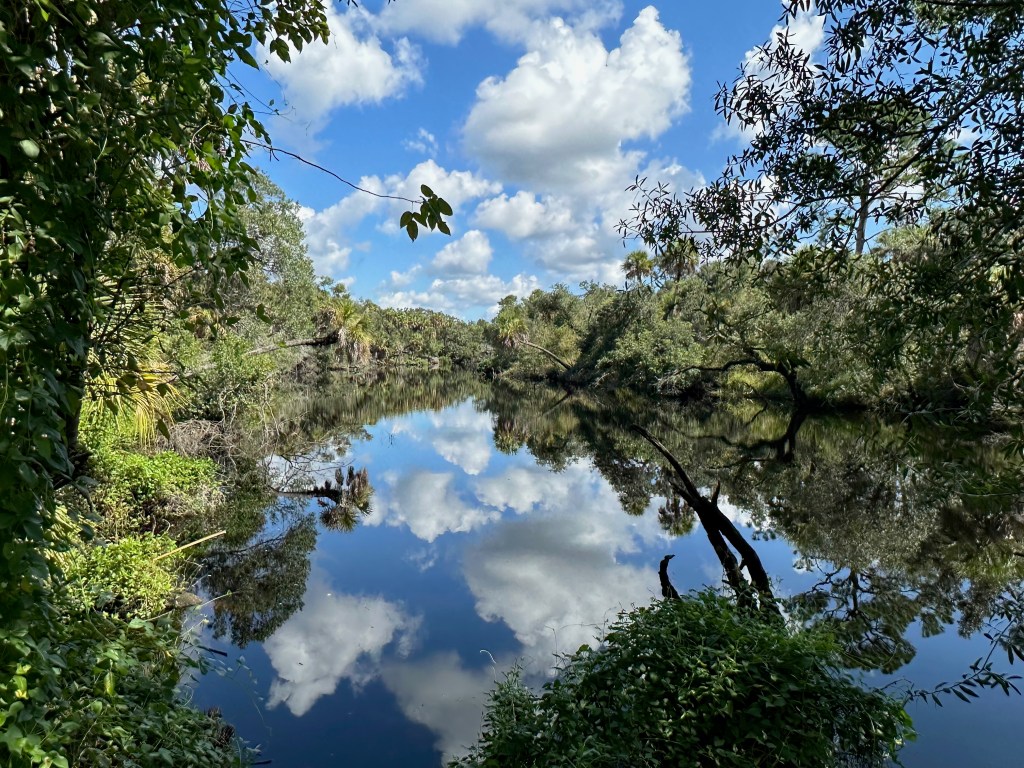
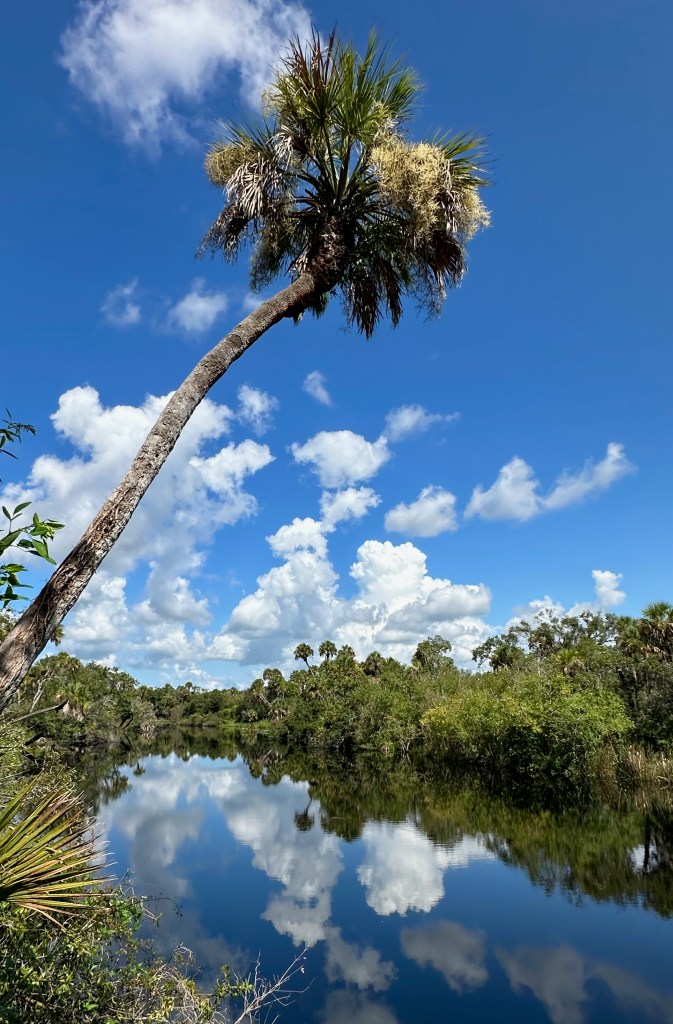
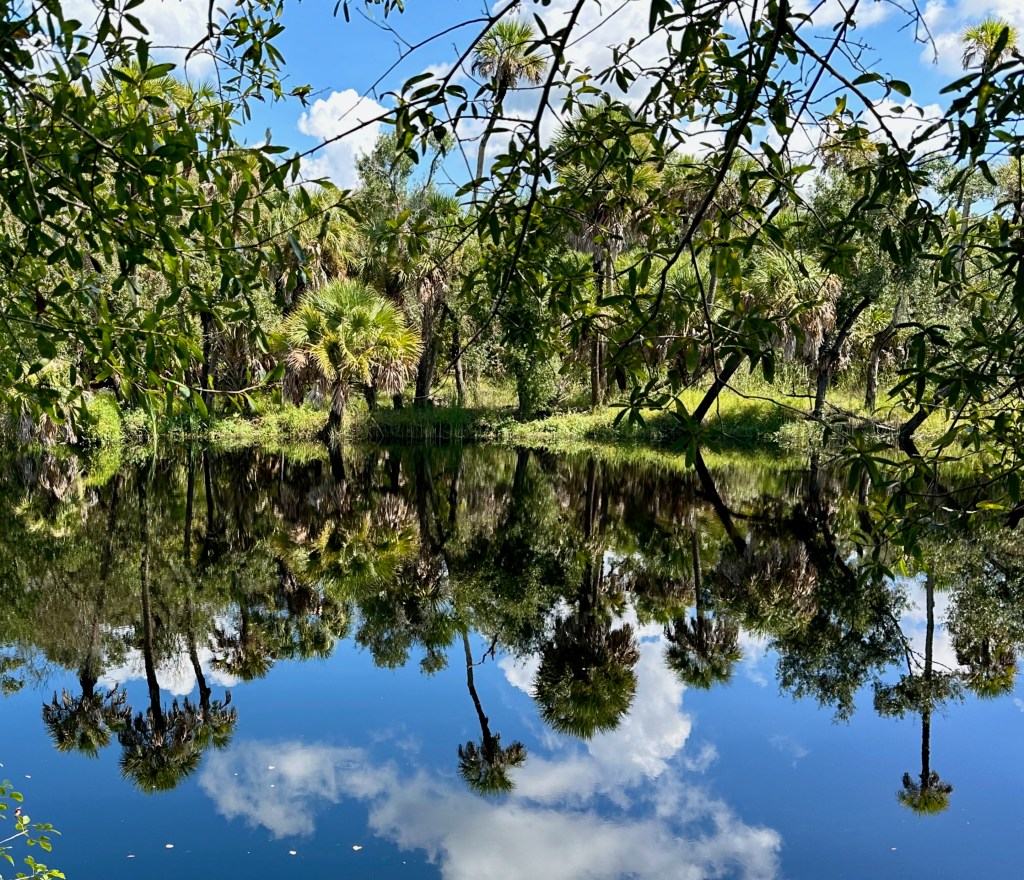
My last stop was Sleeping Turtles Preserve, a long, narrow strip of protected land that meanders along the western edge of the Myakka River. The slow moving water, darkened by tannins from overhanging vegetation, acted as a mirror and I spent some time capturing reflections.

As the sun burned off the clouds and the temperature rose I reluctantly returned to my car and headed home. There is so much more I want to explore in Florida (though maybe not in the middle of a hot and humid summer)…

Kept Getting Better

In a much appreciated respite from our usual sunny, hot, and humid weather, today was predominantly gray and rainy. A large, slow moving storm arrived with the typical noisy bluster but most importantly, it brought some much needed moisture.

Places north and south of me received over 4″ which caused some fleeting flooding, but in my area we tallied about half that. In addition, the rain fell low and slow which allowed it to soak in. Made my plants happy!

Since the calming of the storm this evening coincided with low tide and sunset, I headed downtown for a walk along the waterfront. I never know what I’m going to see but I do know that there will be something interesting along the way.

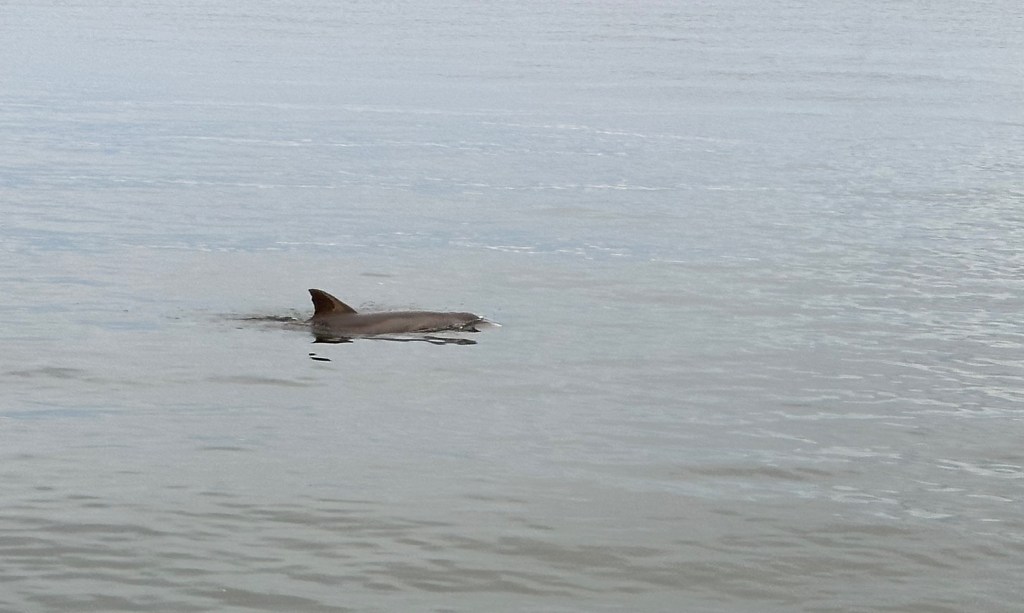
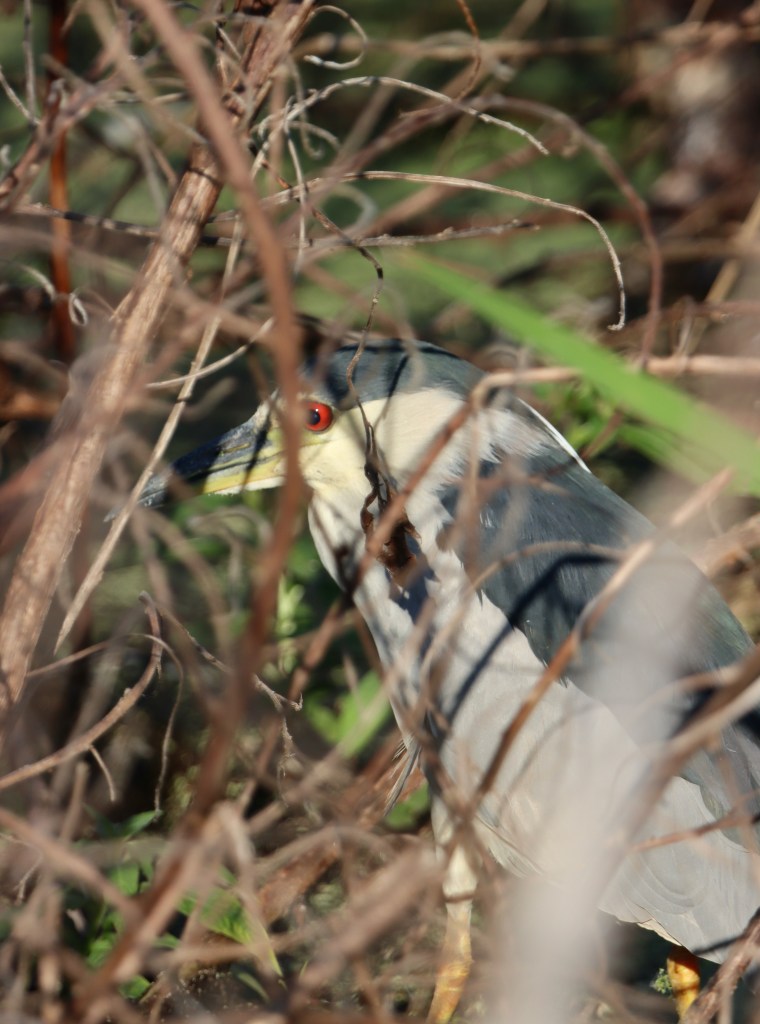
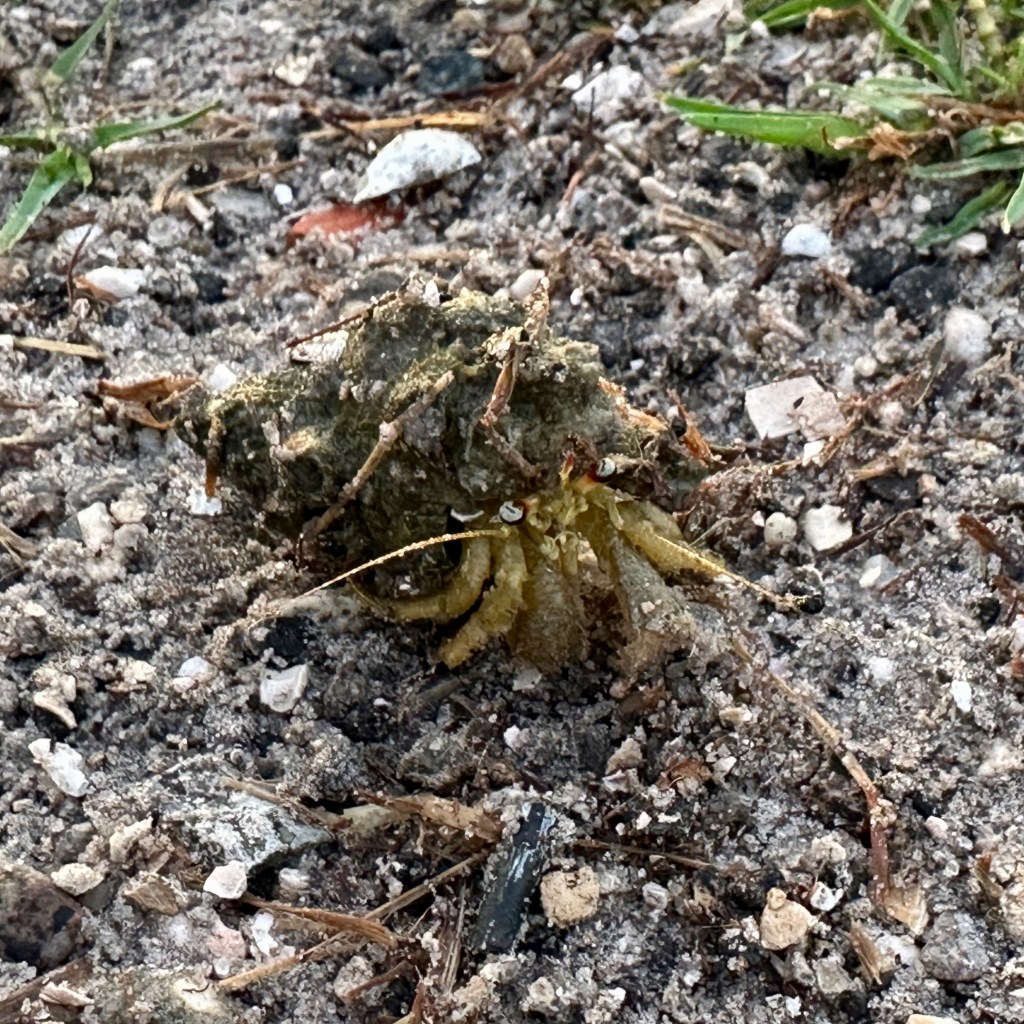
Good: A Black-crowned Night Heron was already out, searching for food and allowed me a few photos. Then I was distracted by movement in the grass, a hermit crab lugging his shell toward water. As I placed him (and some other shells*) back in the water, I spotted two manatees swimming nearby. Further out in the bay I spied a dolphin fin. Turning around I noted a faint rainbow. All lovely and I would’ve left satisfied with my stroll.

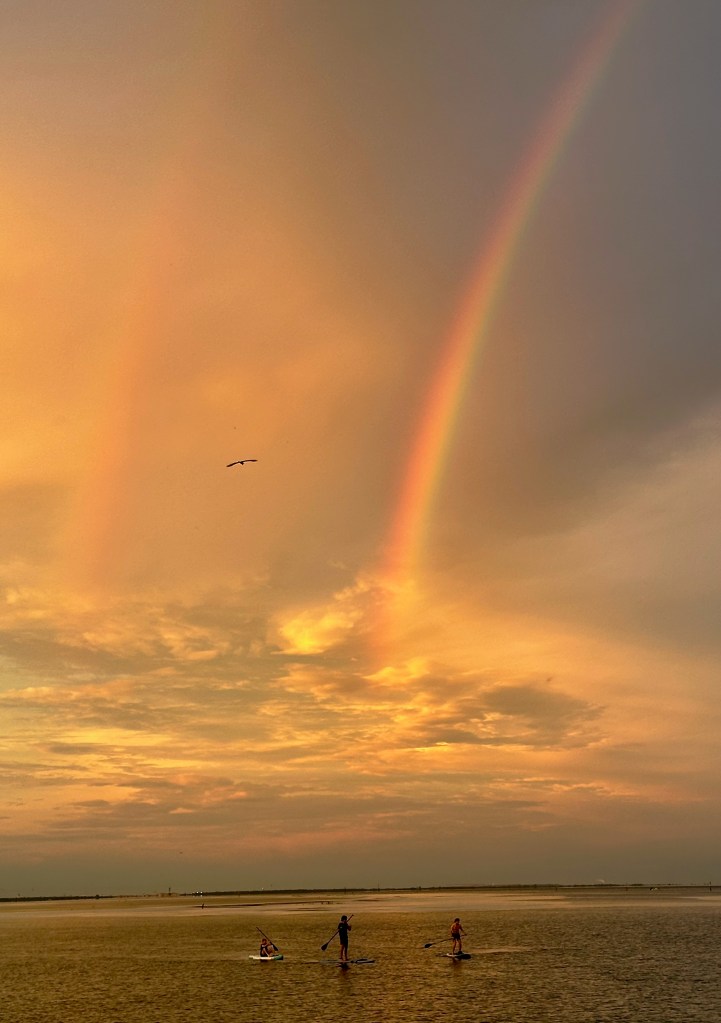
Better: A few minutes later, the sky provided another rainbow. Shortly, a couple paddlers came around the bend and were framed by the colorful arcs. Then, a gull flew over their heads to compete the scene. What a nice addition to the evening!

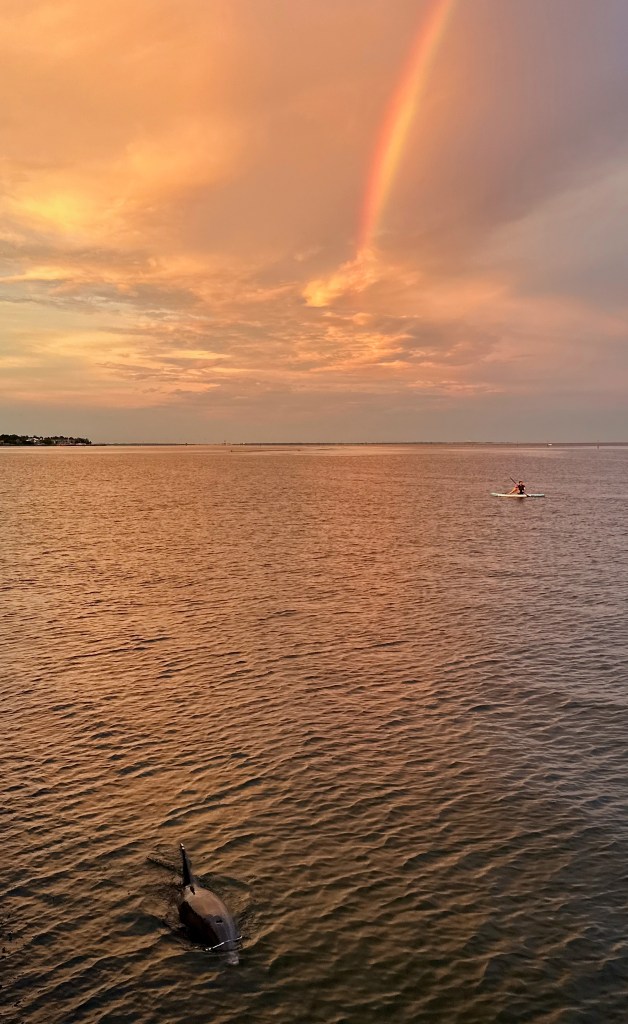
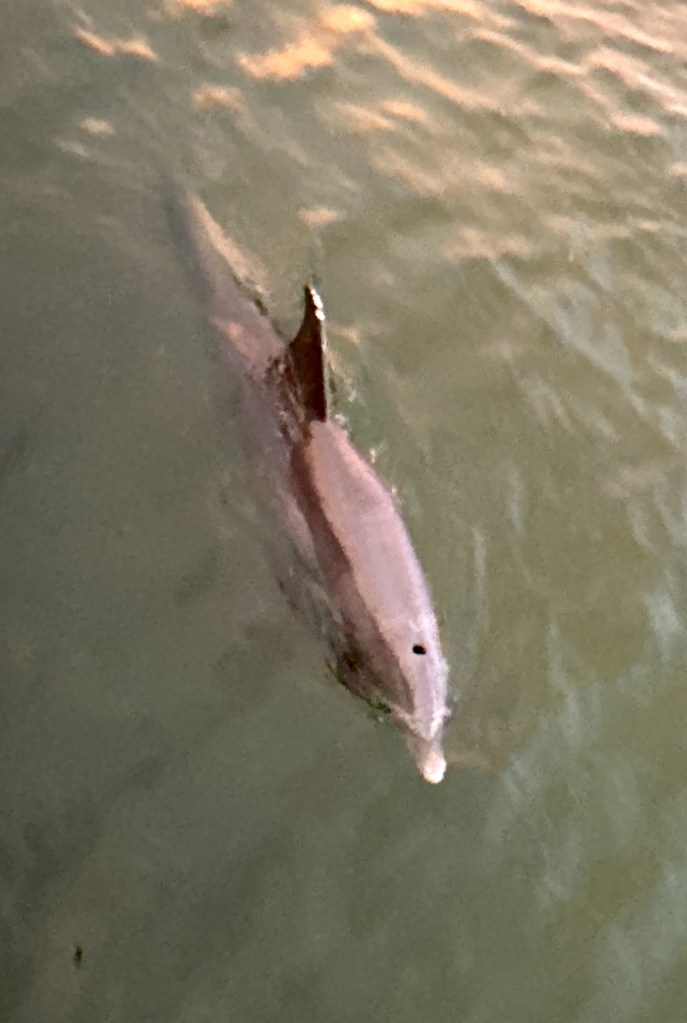
Best: As colors began to fade from the sky, nature had one more treat to share. A dolphin came in for his cameo and I was able to capture a photo of it, with a paddler, and a rainbow. This particular cetacean is a bit of a local celebrity. He’s known as Pete (a nod to the city name) and he’s recognizable by the scar on his dorsal fin as well as his tendency to frequent the shallows near the Vinoy Hotel. Lucky me, the bayfront put on a show this evening!

*Oh, and to the guy that pulled up those living Crown Conchs and Banded Tulips with his castnet and left them to die in the grass. I put them all back in the water for you, @sshole.

Along Alligator Alley

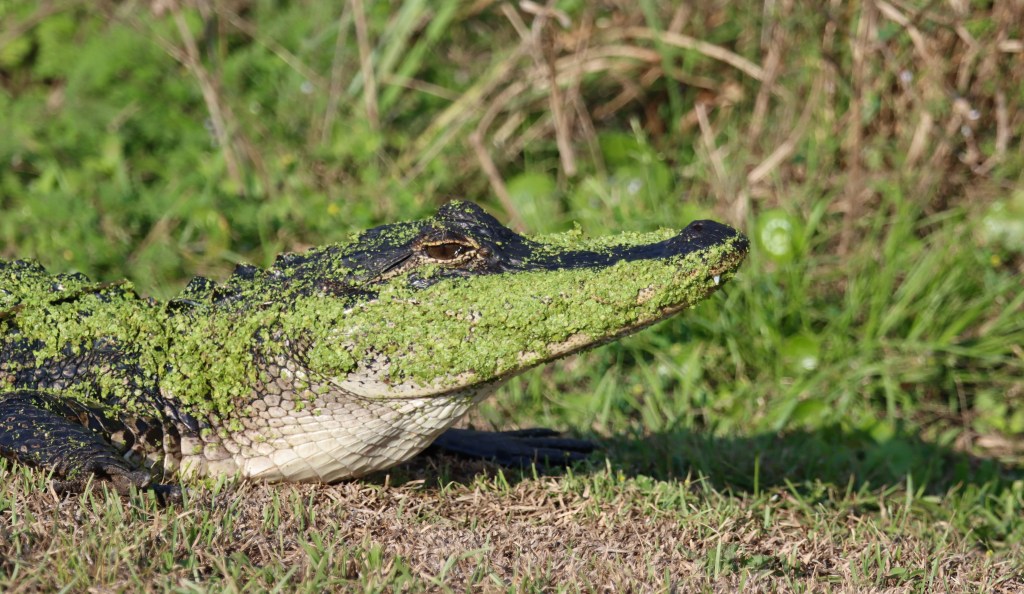
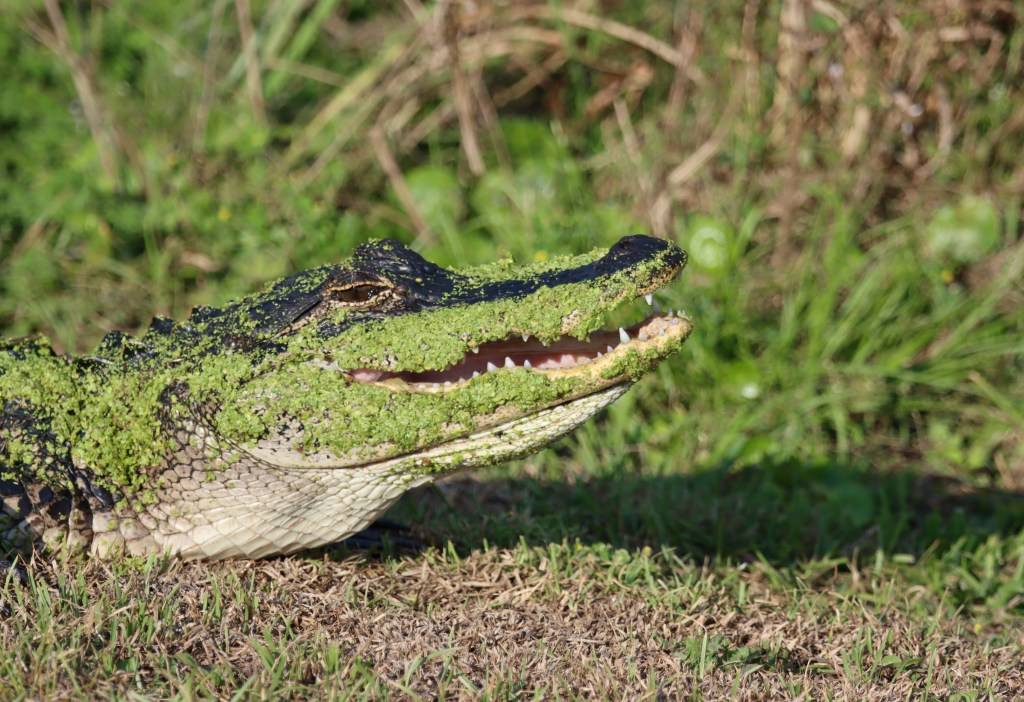
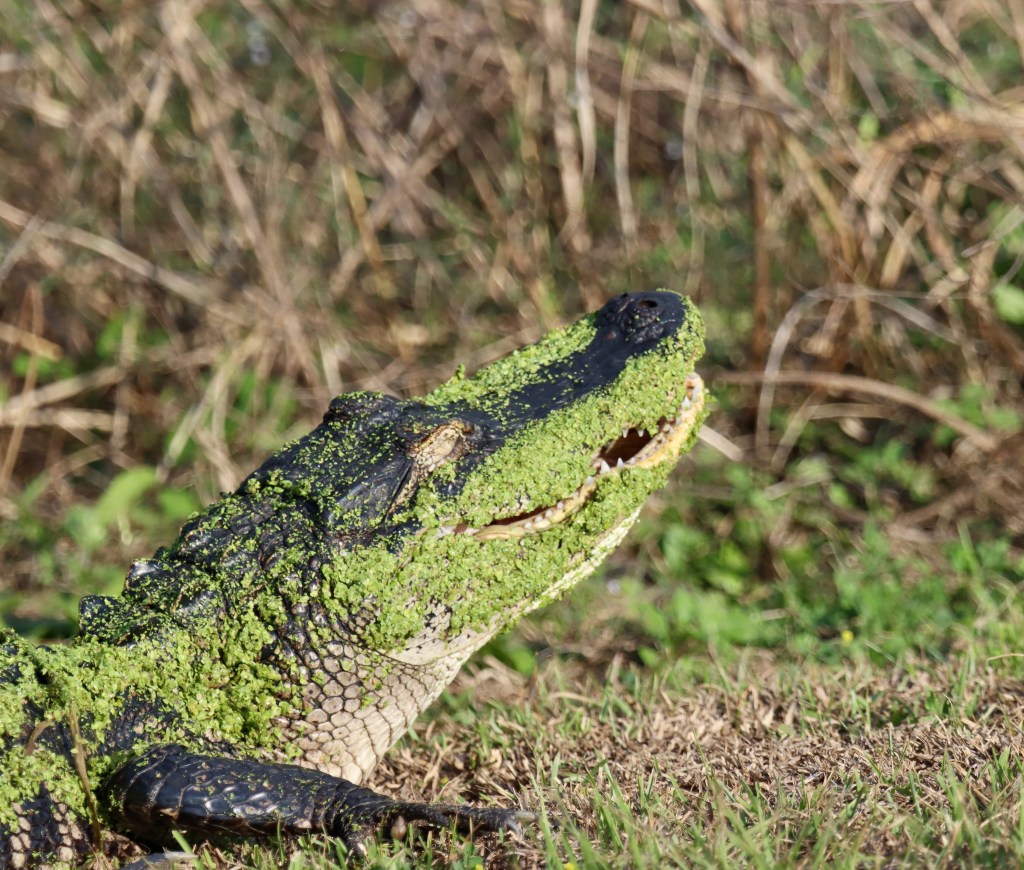
In Florida, if I say Alligator Alley most people think of the stretch of I-75 that cuts through the Everglades. However, I much prefer another Alligator Alley, a lakeside trail at Circle B Bar Reserve. Last week I was fortunate to attend a special tour of the roughly 1,300 acre former cattle ranch.

I left home before dawn for two reasons, I was hoping to avoid the worst of I-4 traffic and I wanted to walk the loop before joining the tour. Since my last visit two years ago, not much has changed (which is a rare thing here in Florida).

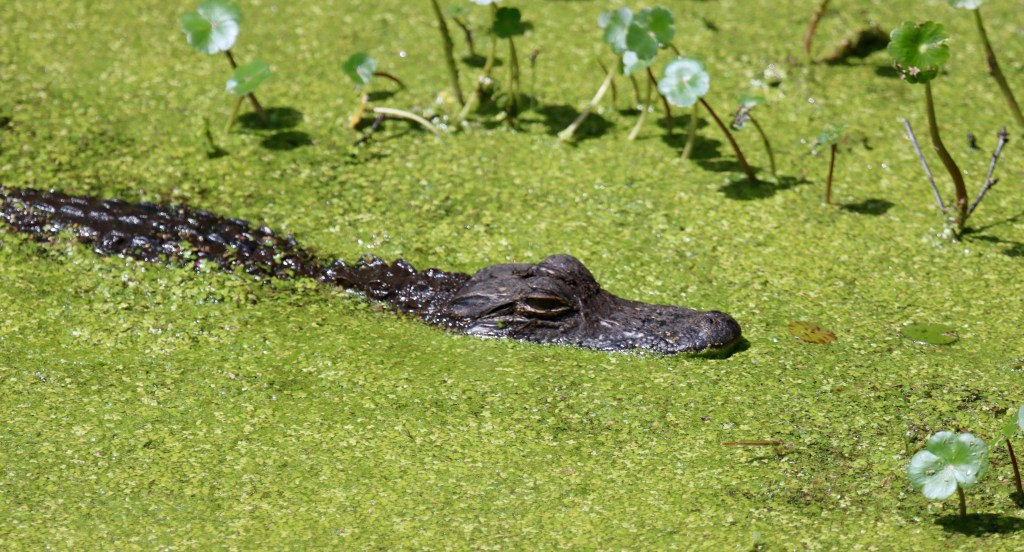
The trail was fairly busy, with quite a few photographers in the mix. As I passed by two young men pointing into the water, I overheard their excitement at seeing their first alligator. They certainly came to the right place, Circle B is loaded with them!

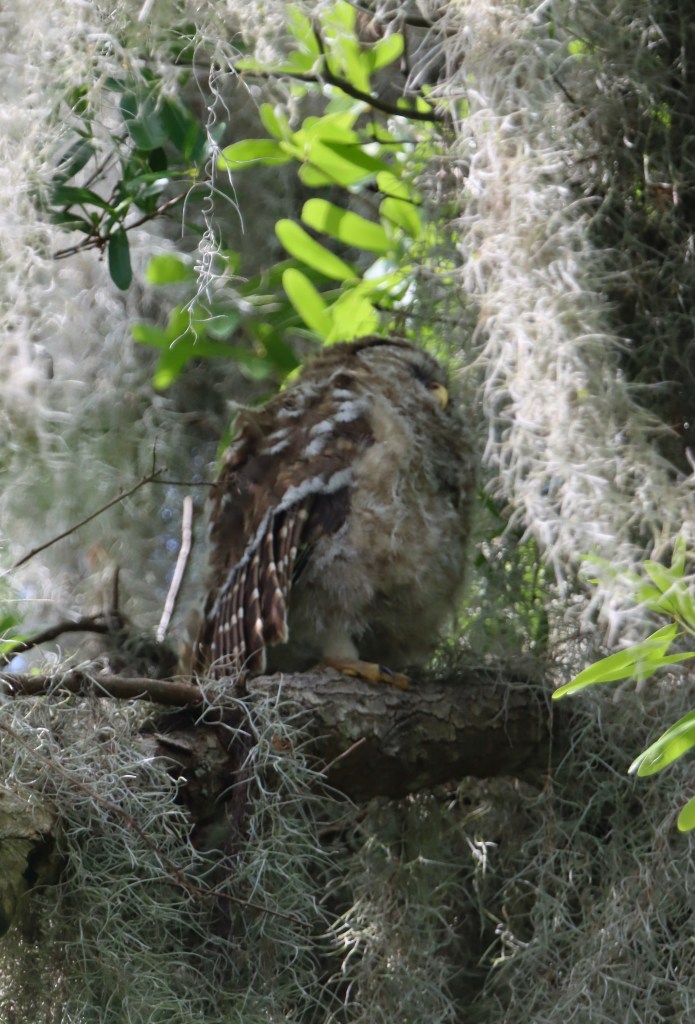
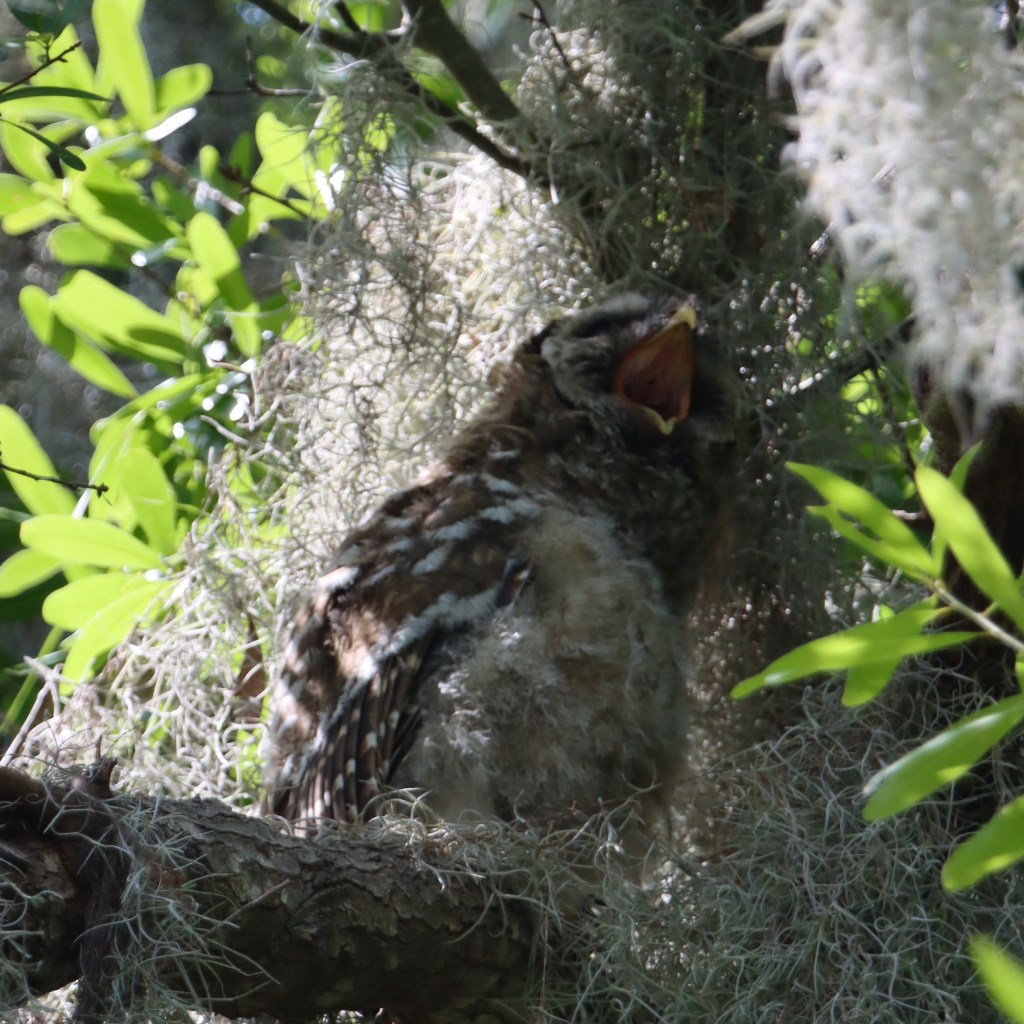
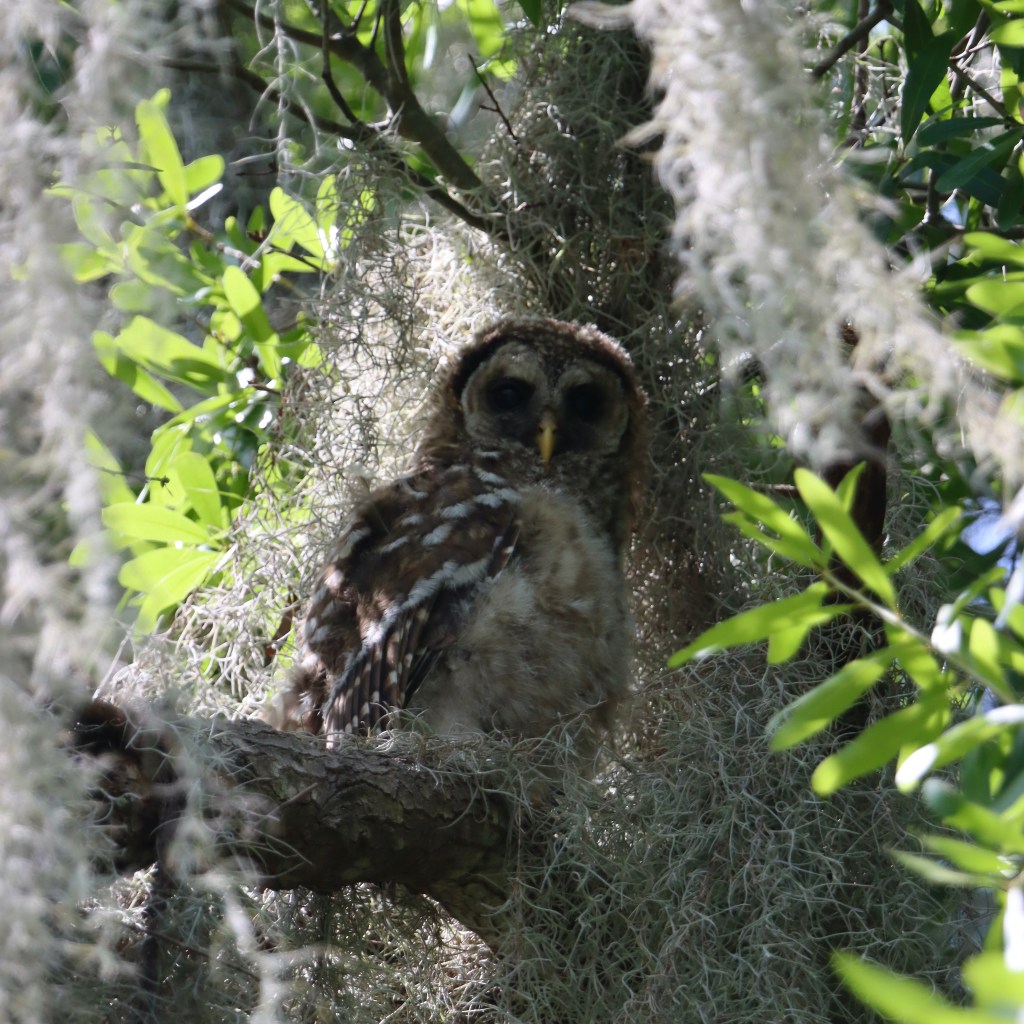
I enjoyed the tram tour, not only was it informative but it took me into an area I had not yet explored (plus we spotted a Barred Owlet).

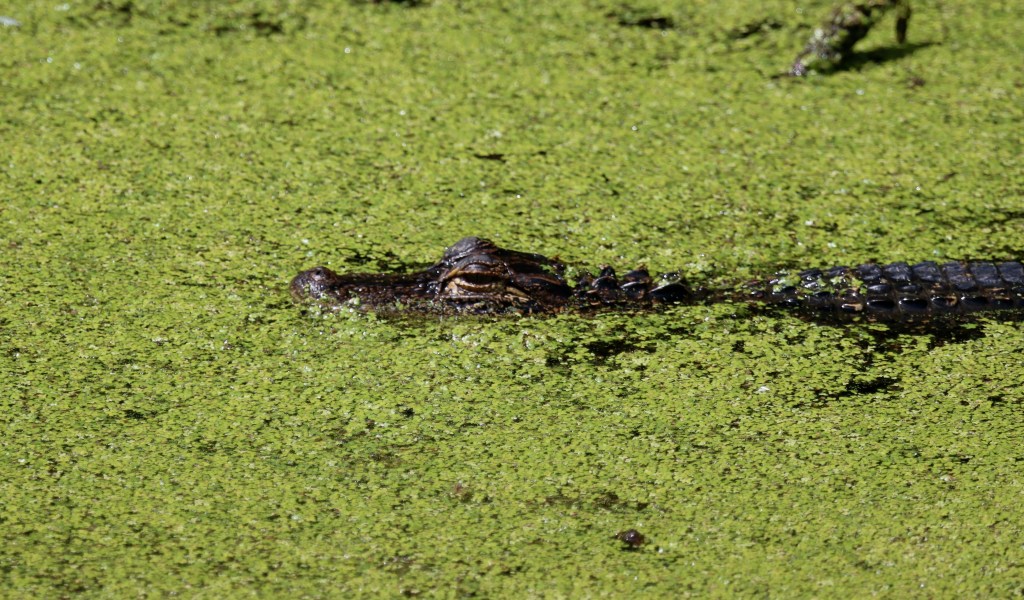
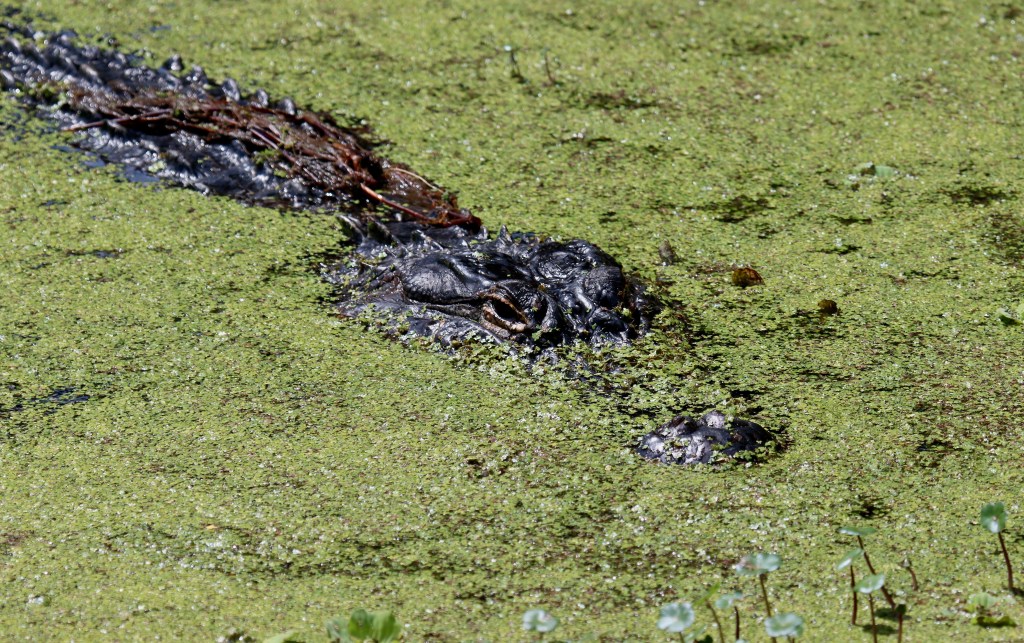
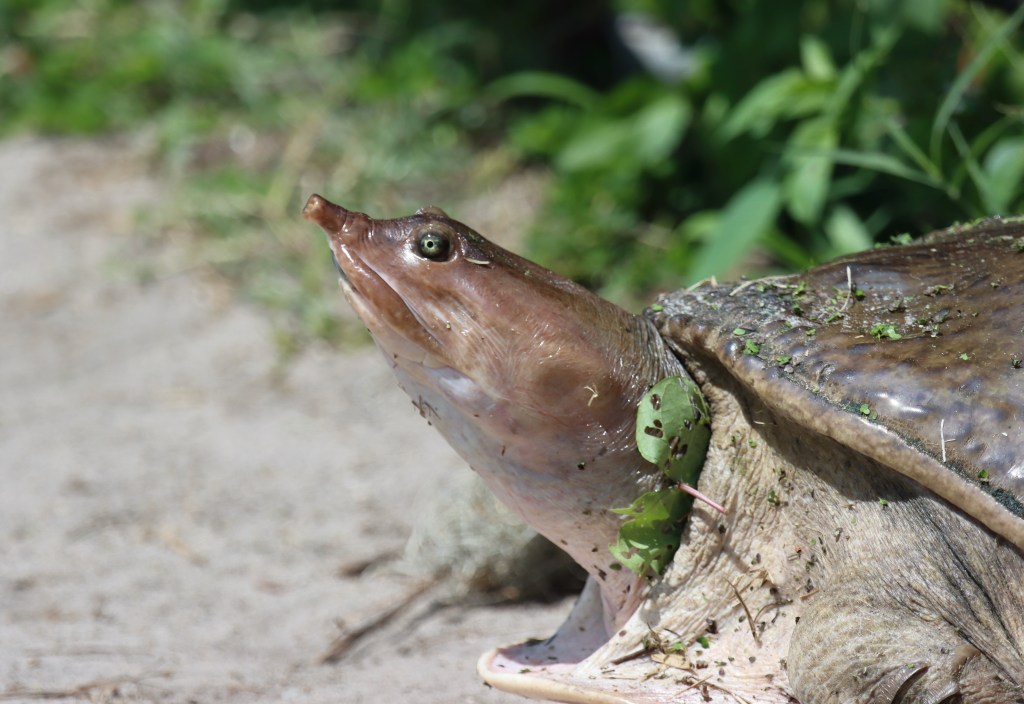
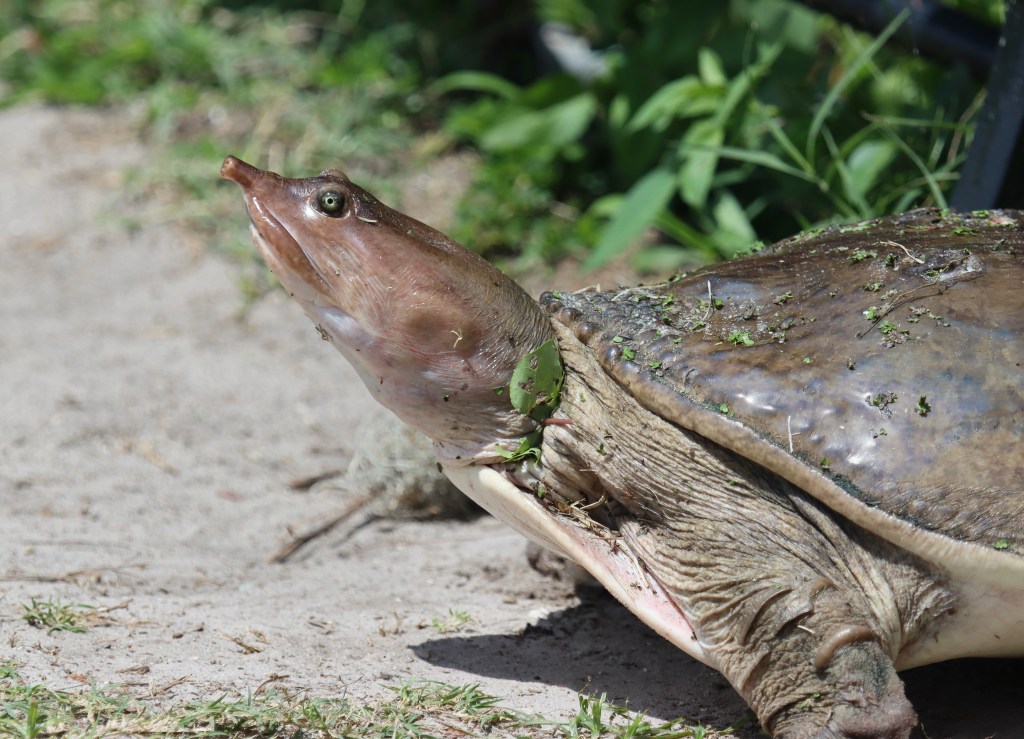
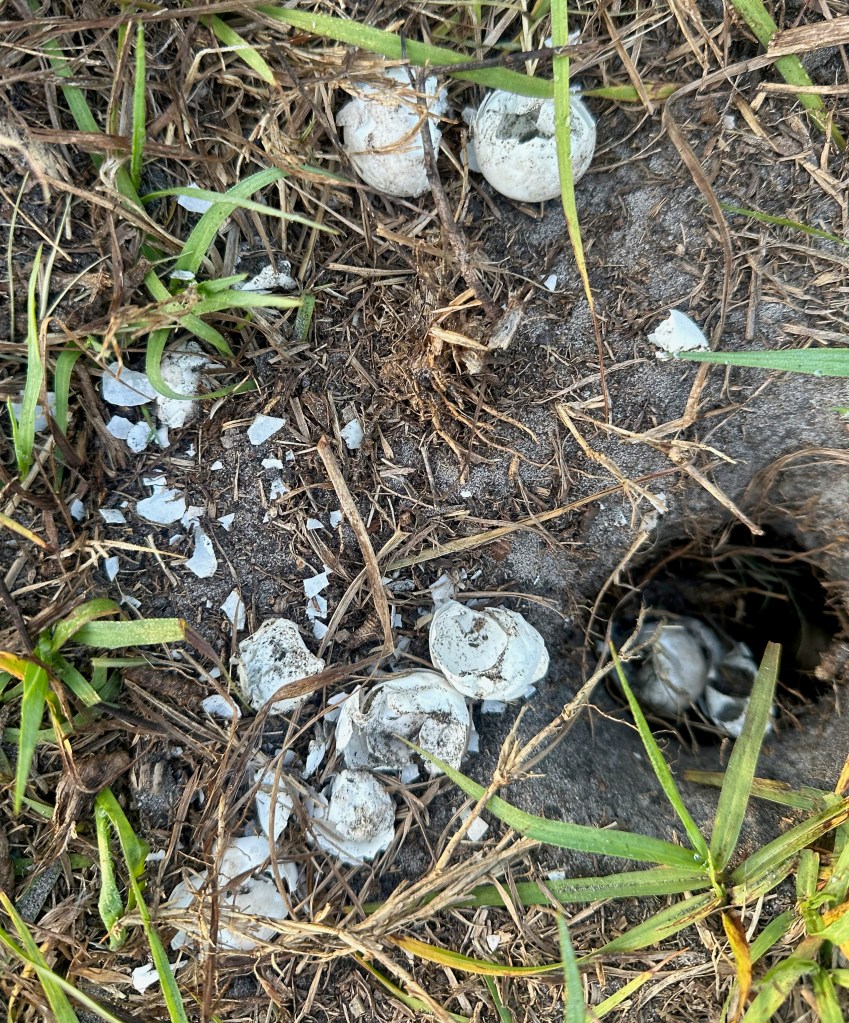
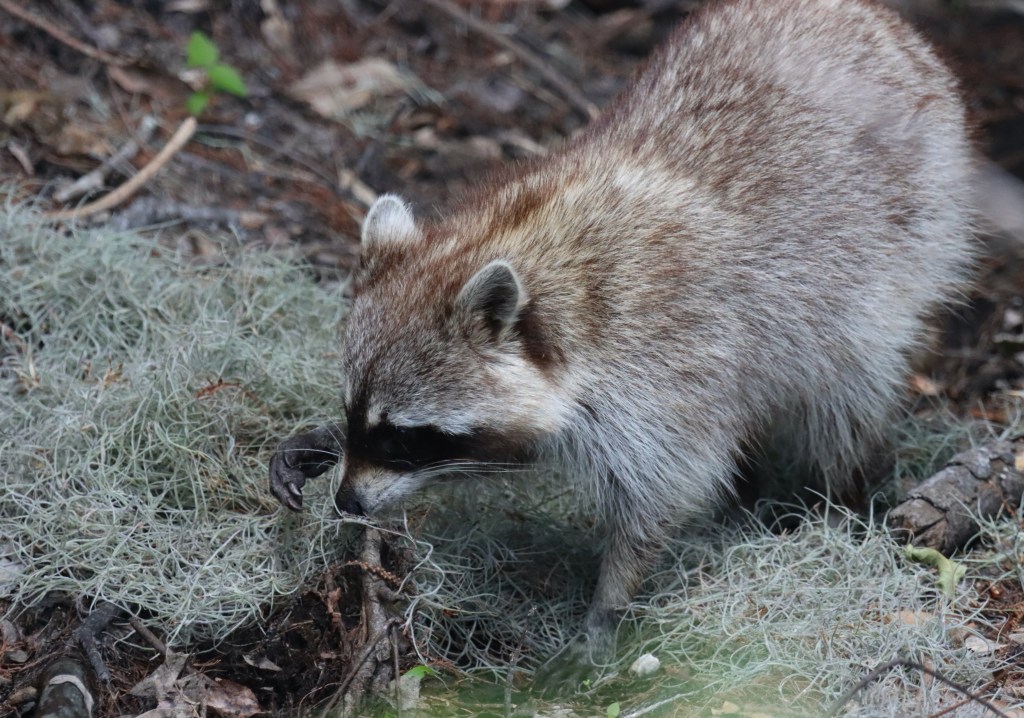
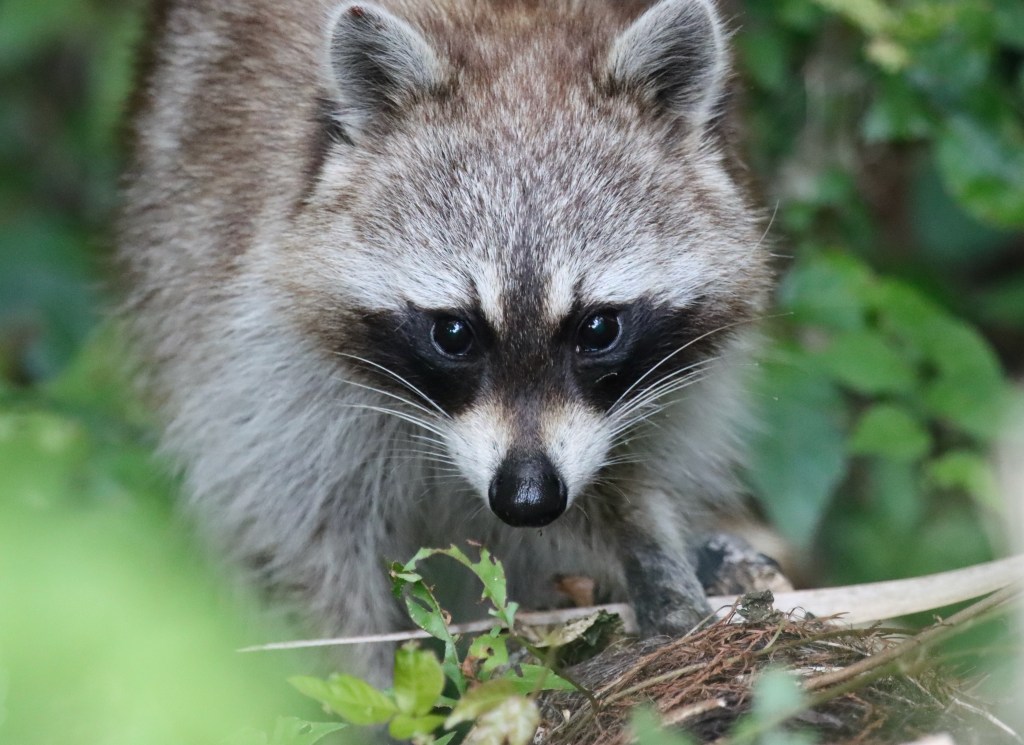
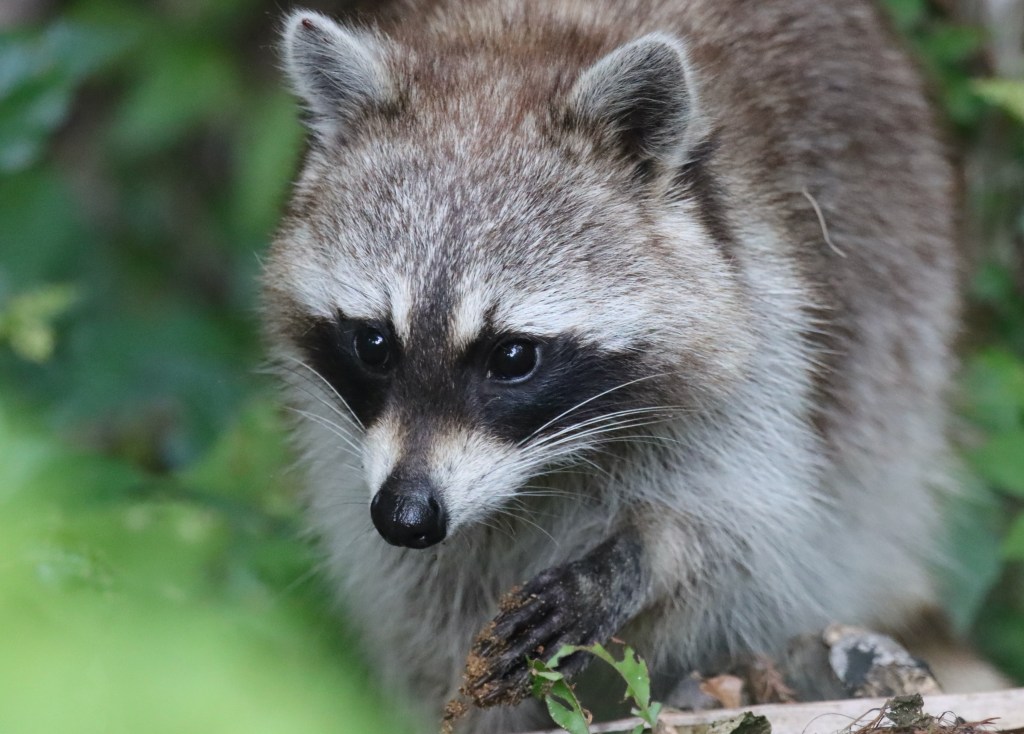
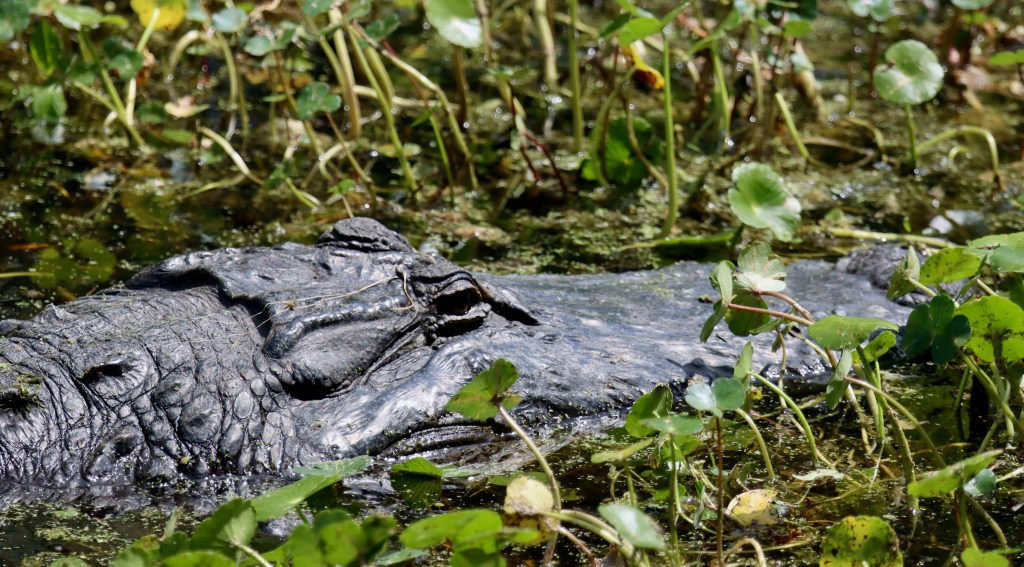
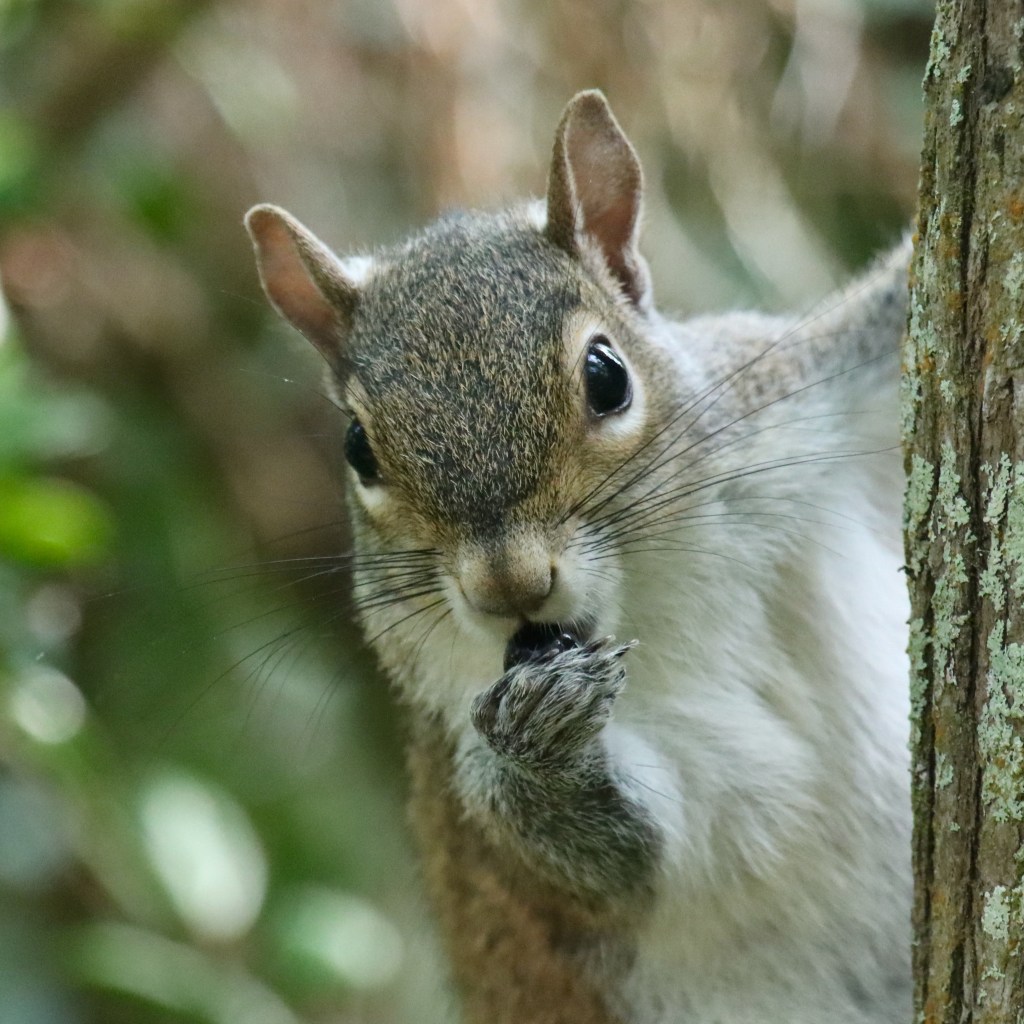
After the tour I decided to hit the loop one more time before heading home. And I’m so glad I did! Since it was closer to midday, there was hardly anyone else on the trail. I went the opposite way and was rewarded with wonderful wildlife moments: an absolutely massive gator (roughly 15′ long), a raccoon looking for food, a turtle laying eggs, and a squirrel feasting on vegetation.

So thankful that areas like this have been protected!

Florida Softshell, Laying Eggs
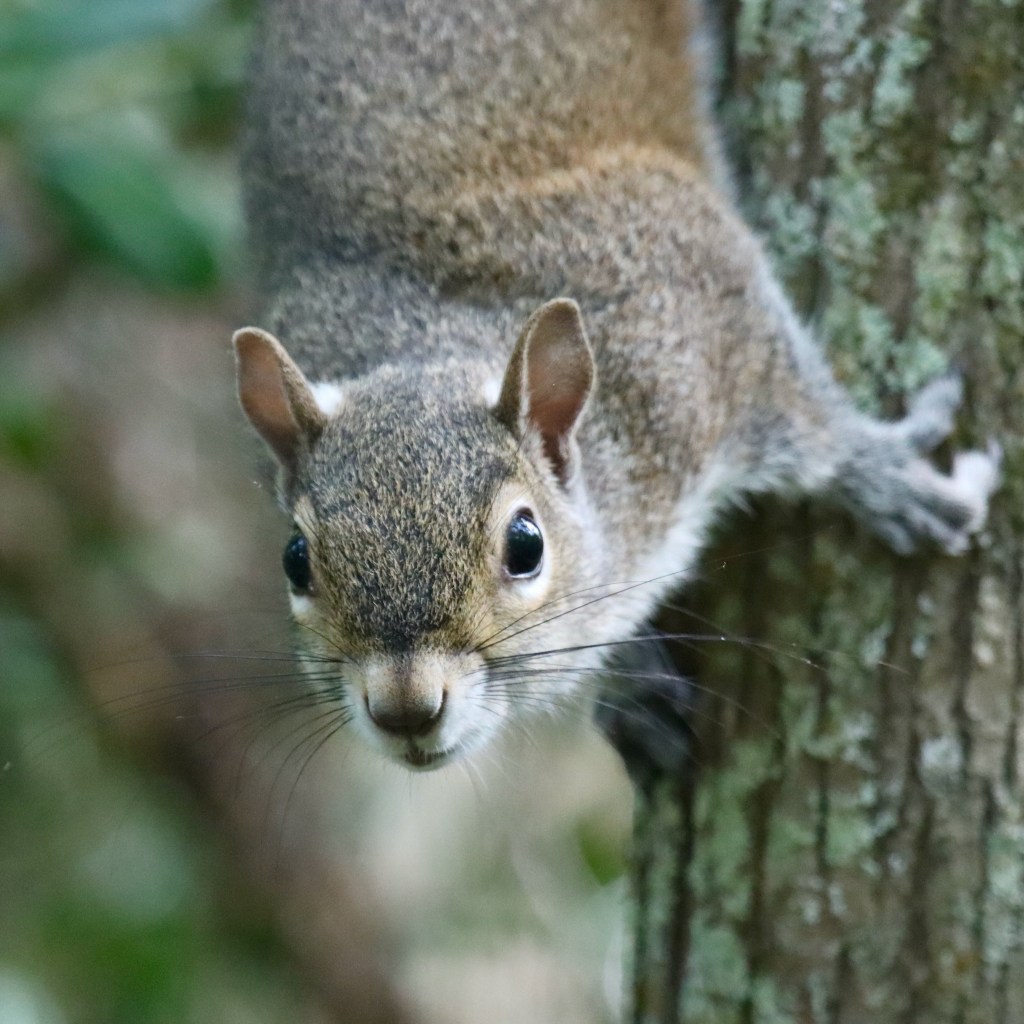
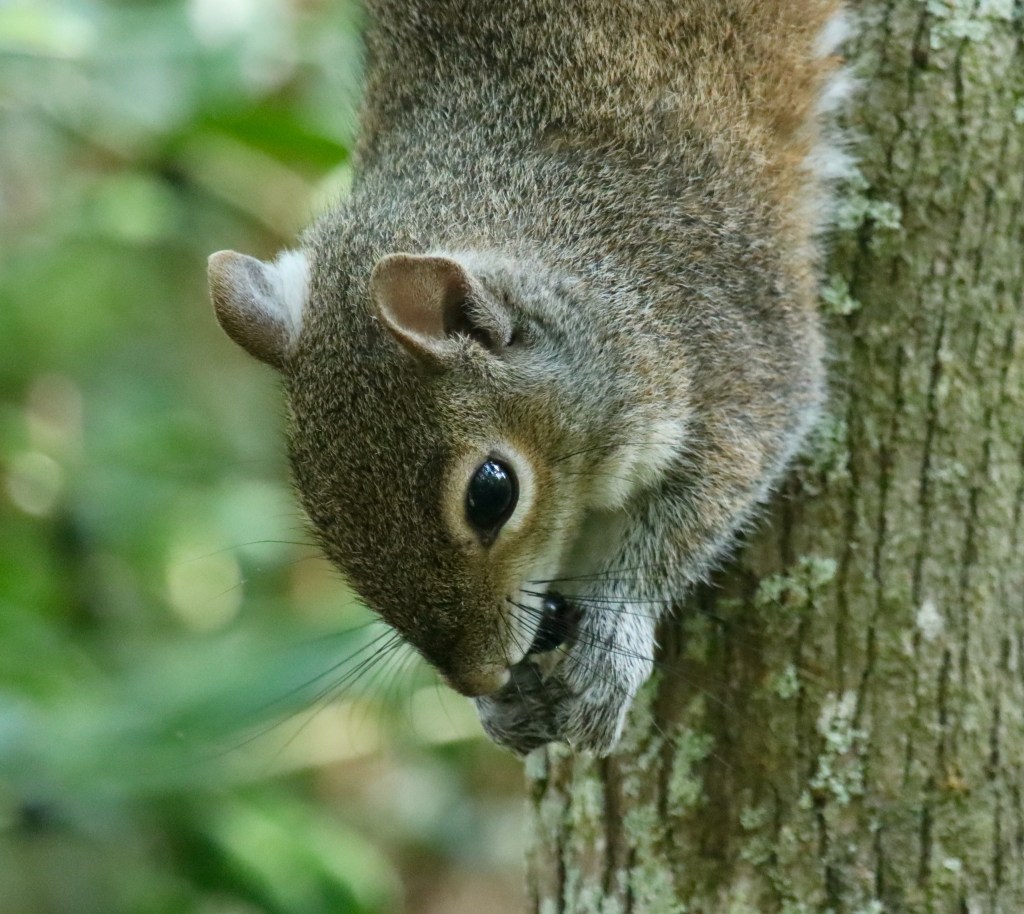
Squirrel, Eating Greenery

Wandering in Parks

On my days off I’ve been taking advantage of our mild Spring weather (knowing full well that heat and humidity are on the way) by toting my camera around various local parks. Our usual Spring blooms have been muted by the ongoing drought but there were still other signs of Spring.

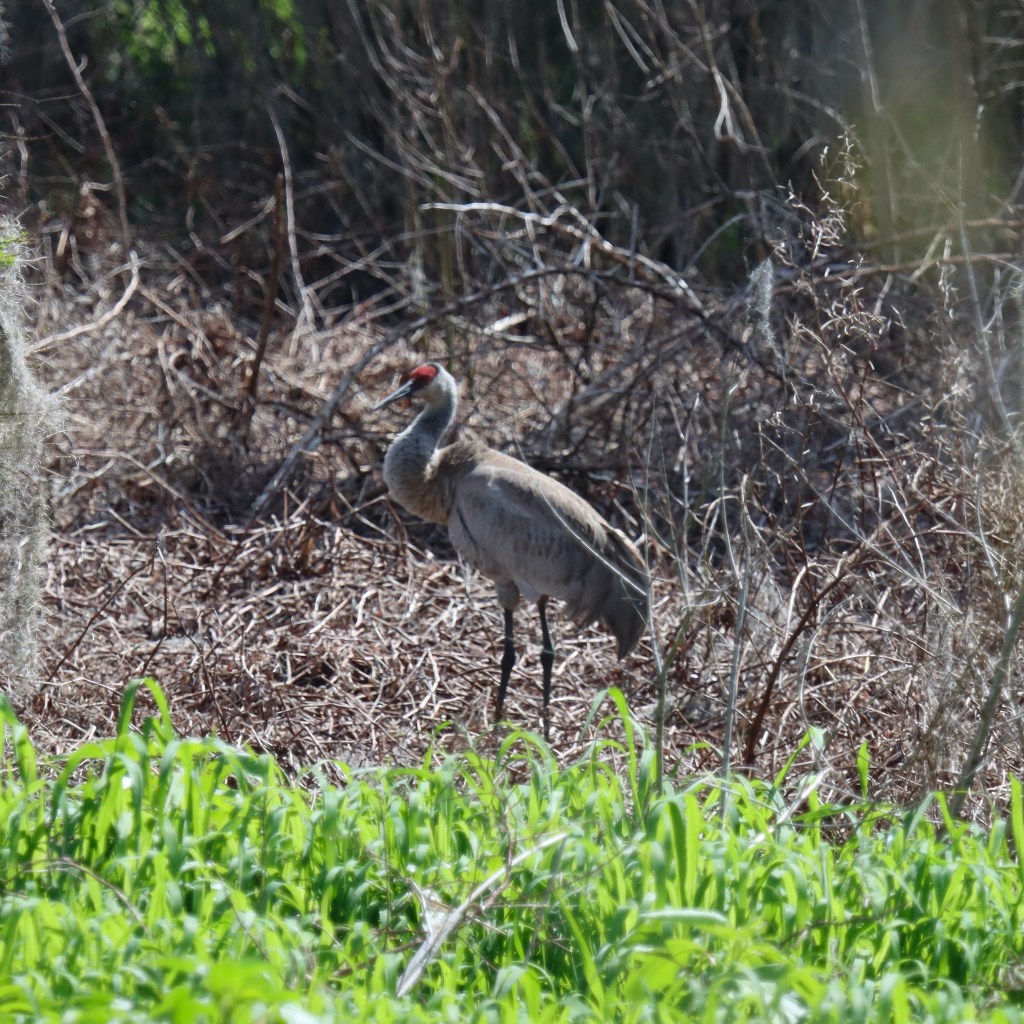
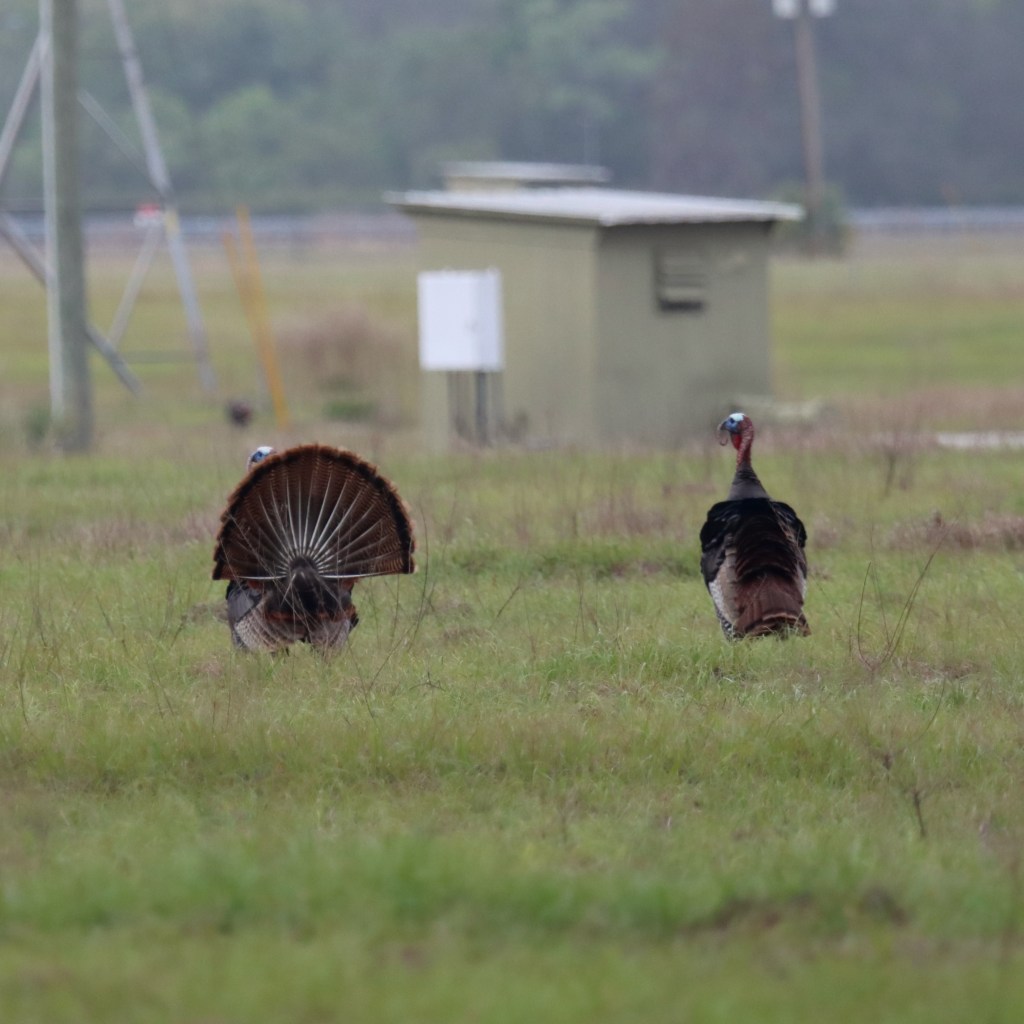
At Booker Creek Preserve, a Wild Turkey tom loudly strutted his stuff in a nearby fallow field. I was impressed, though it didn’t seem like any of lady friends were. In the distance a pair of Sandhill Cranes were feeding, they likely had colts with them but sadly they were too far away for me to see.

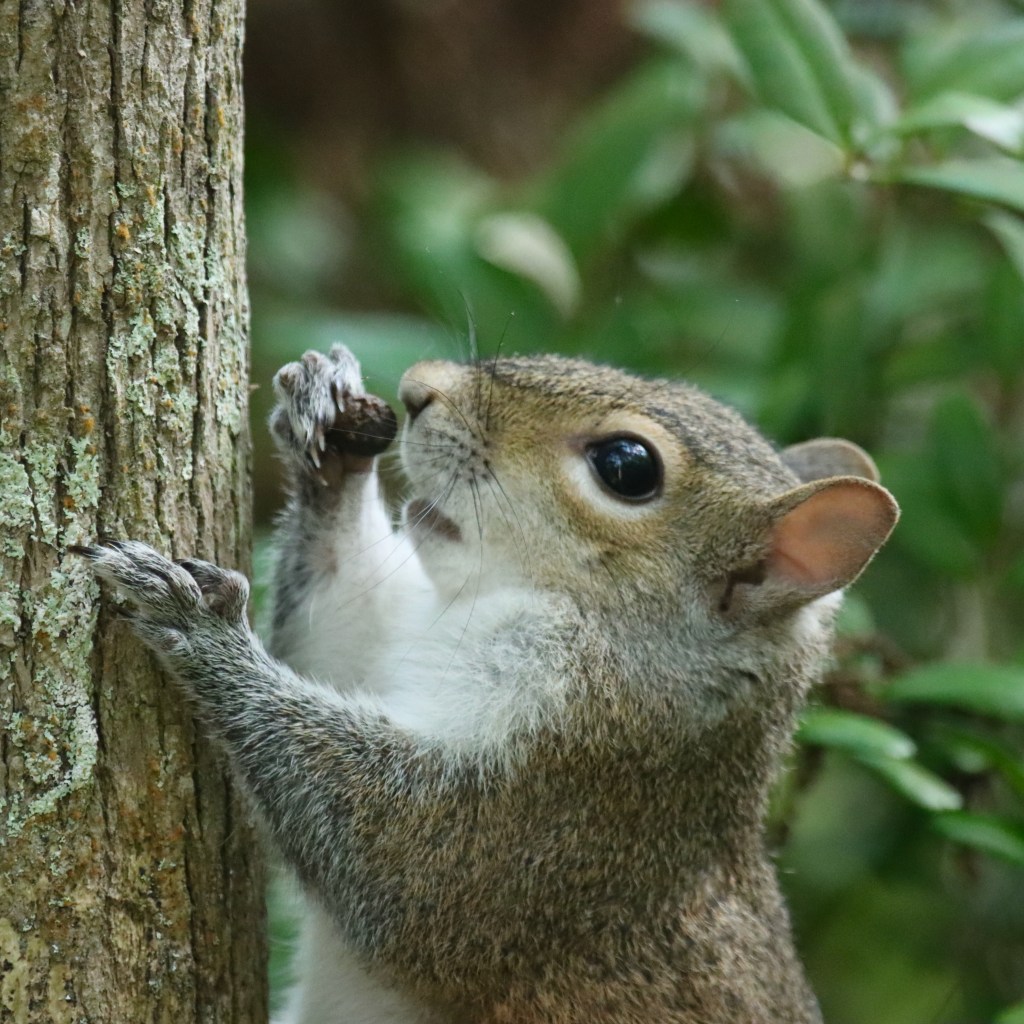
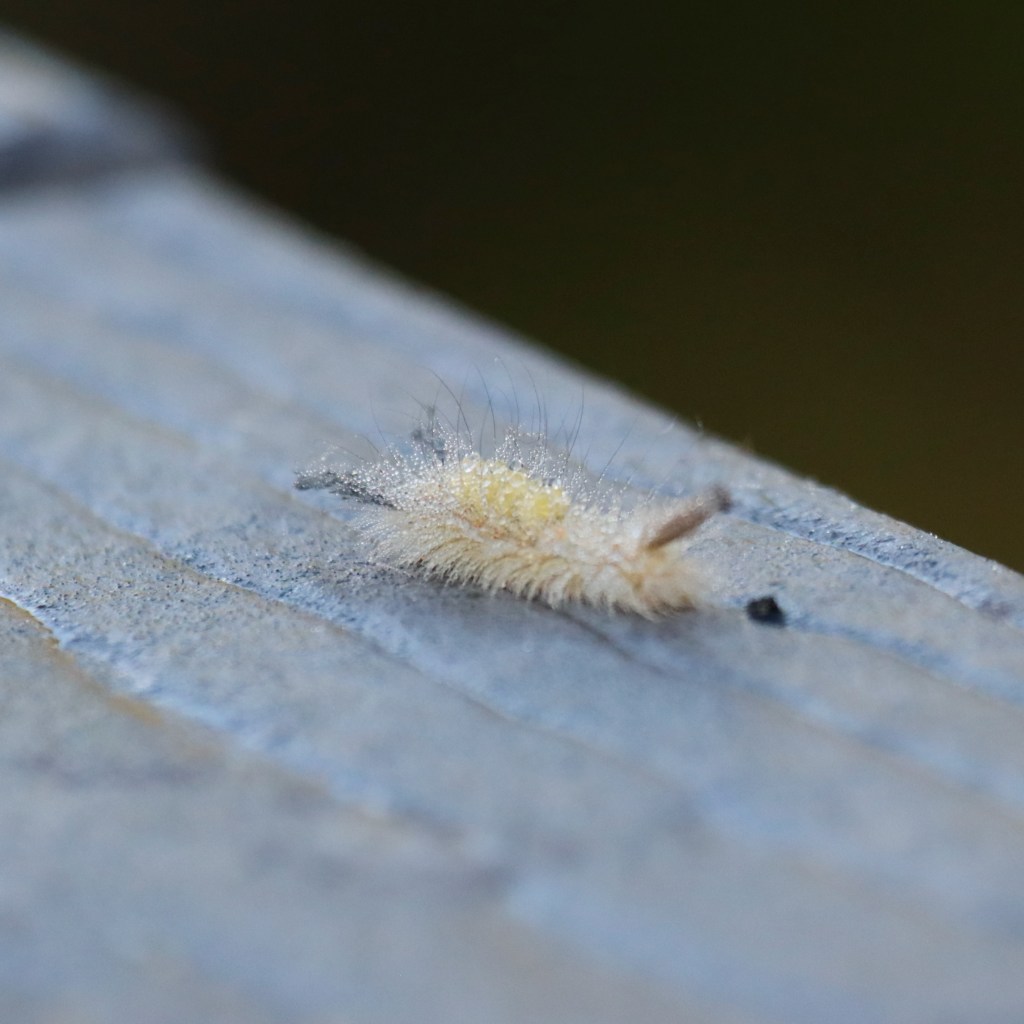
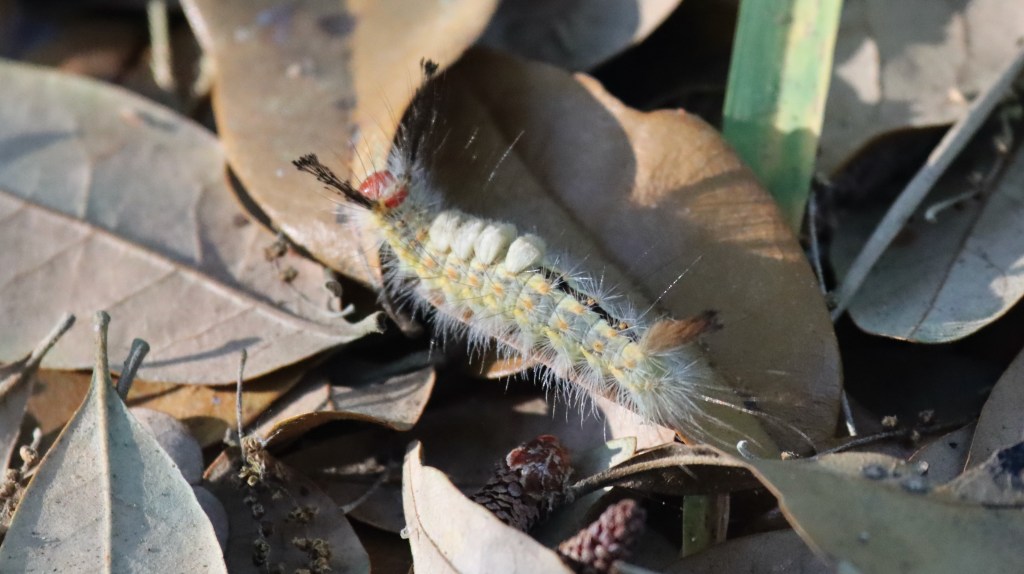
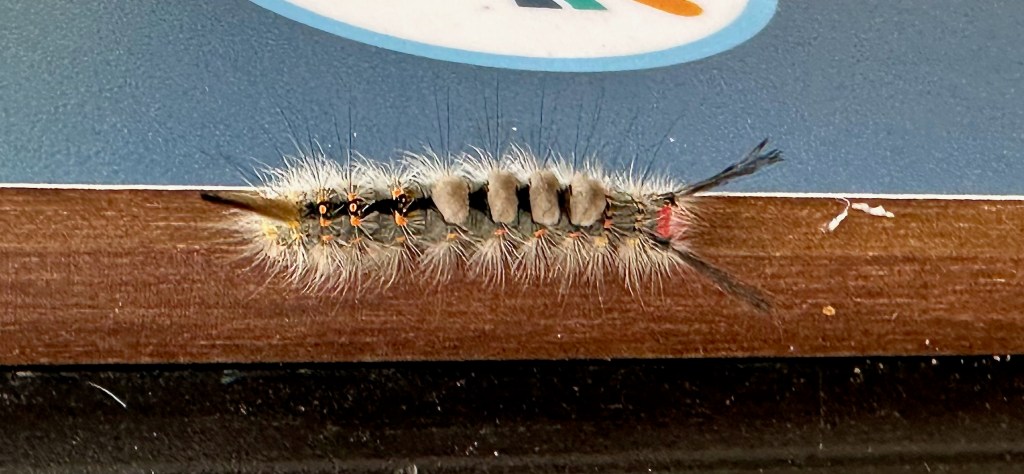
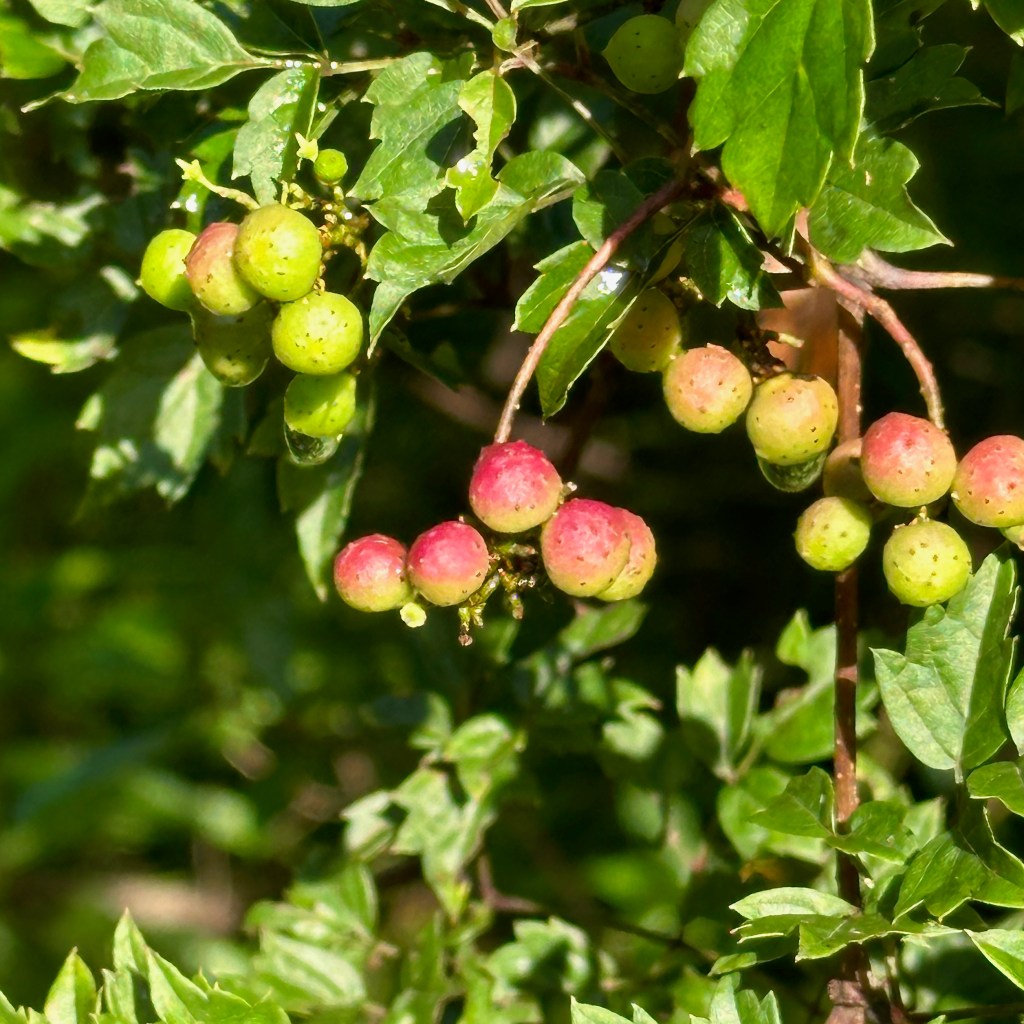
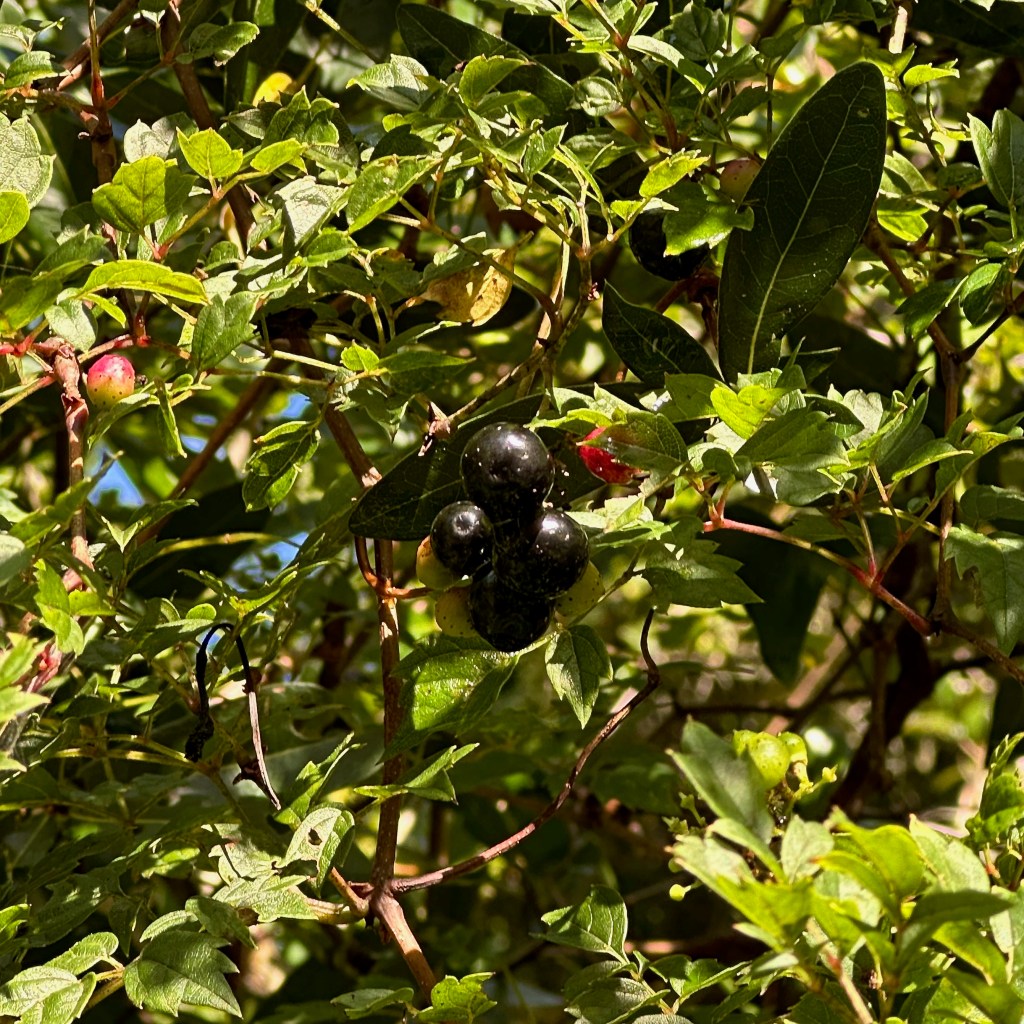
At John Chestnut Sr. Park I was captivated by a squirrel exerting great effort to harvest dried fruits from a bush. I still don’t know what kind of a bush it was but apparently, it produced delicious fruit. While strolling along the boardwalk I had to watch where I put my hands as the park was literally crawling with tussock moth caterpillars. They may look cute and fluffy but those fuzzy hairs are defensive. Reactions to touching them range from irritating to downright painful (and I was not interested in finding out).

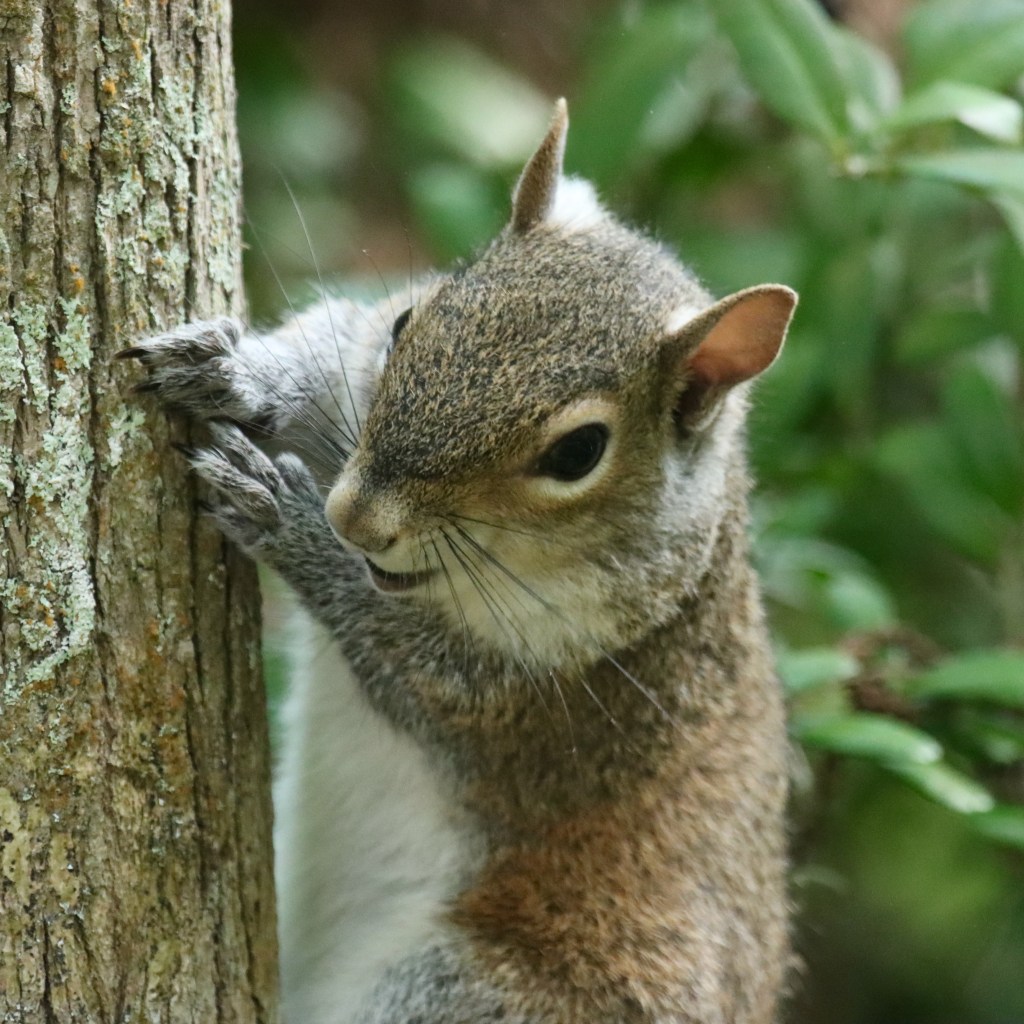
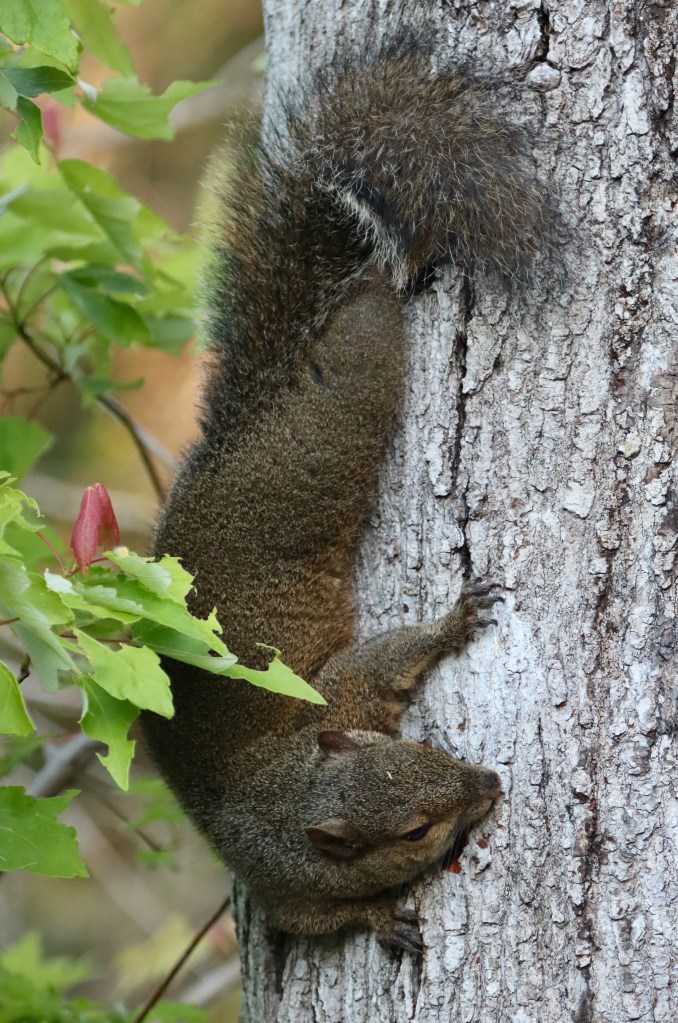
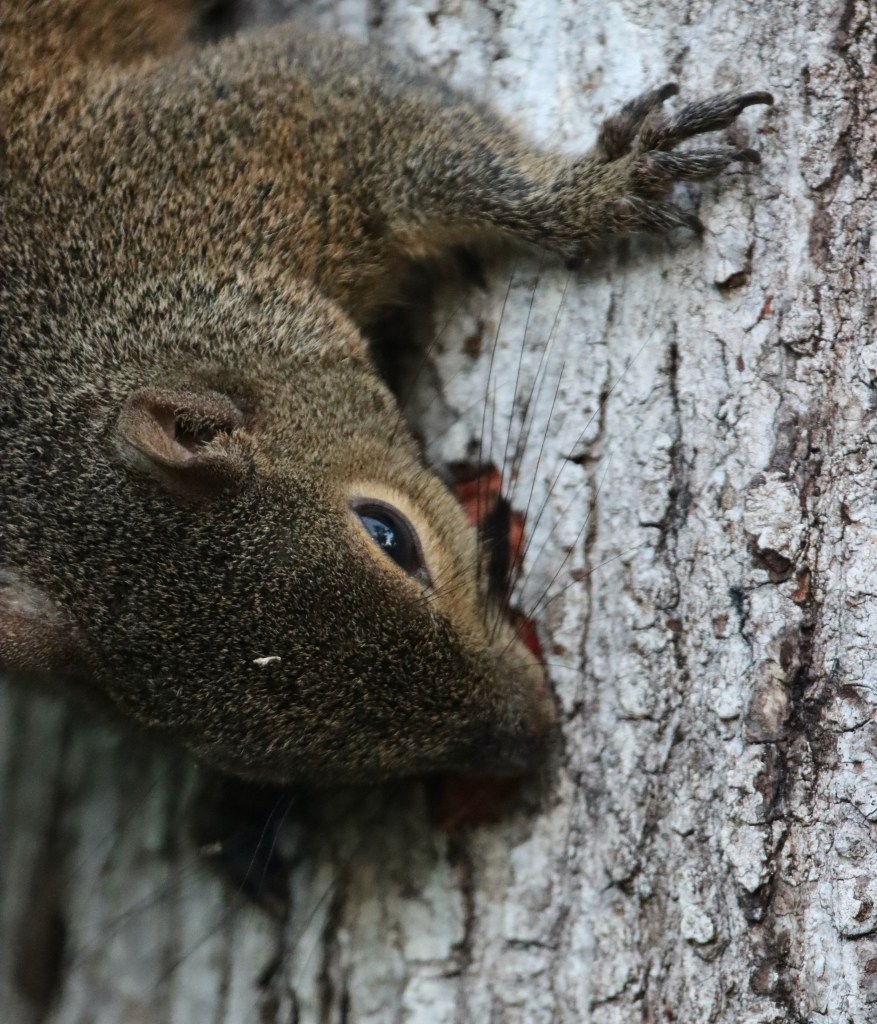
At Sawgrass Lake Park a noticeably large squirrel on a tree trunk caught my eye and its curious behavior drew me closer. The squirrel was intently gnawing the bark. After watching, I surmised that she was pregnant and was selectively chewing that section of bark for either the sap or insects inside, presumably needing extra nutrition for gestation.

I never know just what I might see in my local parks!

Alachua Savannah

After leaving Palatka I drove west toward the broad Alachua Savannah, south of Gainesville. I stopped and explored at two connected sites; Sweetwater Preserve and Sweetwater Wetlands. Both are roughly the same size at 125 acres but they are owned by different government entities, protect different kinds of habitats, and are therefore, managed differently.

The Preserve encompasses a stretch of Sweetwater Branch (a small creek) with narrow, dirt trails that wander through an upland forest. In contrast, the adjacent Wetlands are a series of highly engineered water retention basins that serve as a natural filtration system to improve water quality before it flows into Paynes Prairie and the Floridan Aquifer.

I weathered the hottest part of the afternoon next to the quiet creek in the shady Preserve before venturing over to the wide open Wetlands. As is usual with man-made waters- if you build it, wildlife will come. The tall berms between basins afforded not only great views of wildlife but of Paynes Prairie Preserve State Park to the south as well.

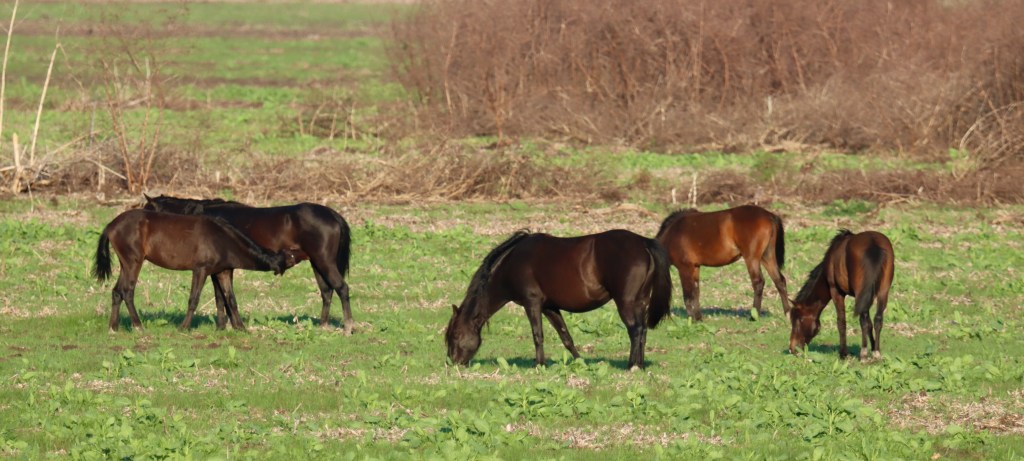
I spotted dozens of species of birds and quite a few alligators as I strolled the along. It was difficult to tear myself away but I still had a 2.5 hour drive. It turned out to be a good thing that I left when I did as my route home from the Wetlands paralleled Paynes Prairie State Park and there was enough light left to spot a herd of horses from the roadside lookout.

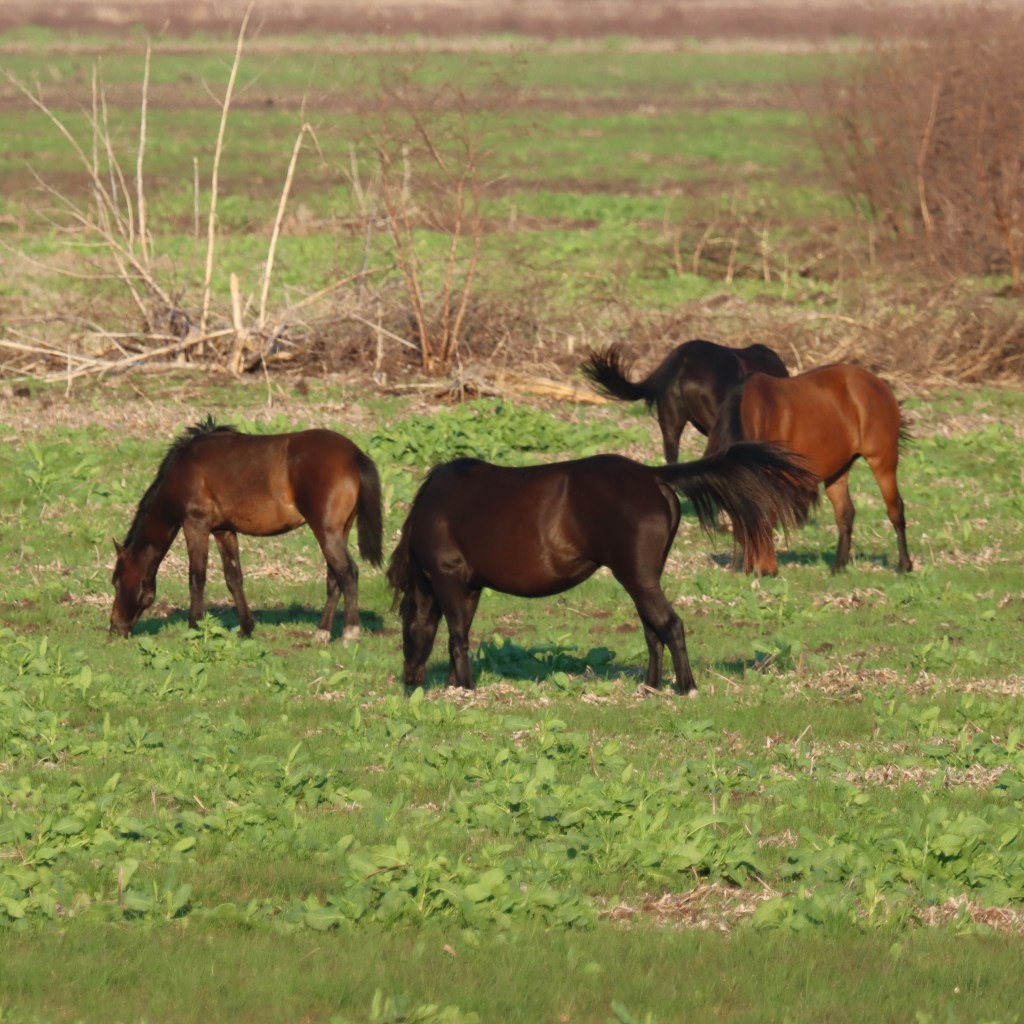
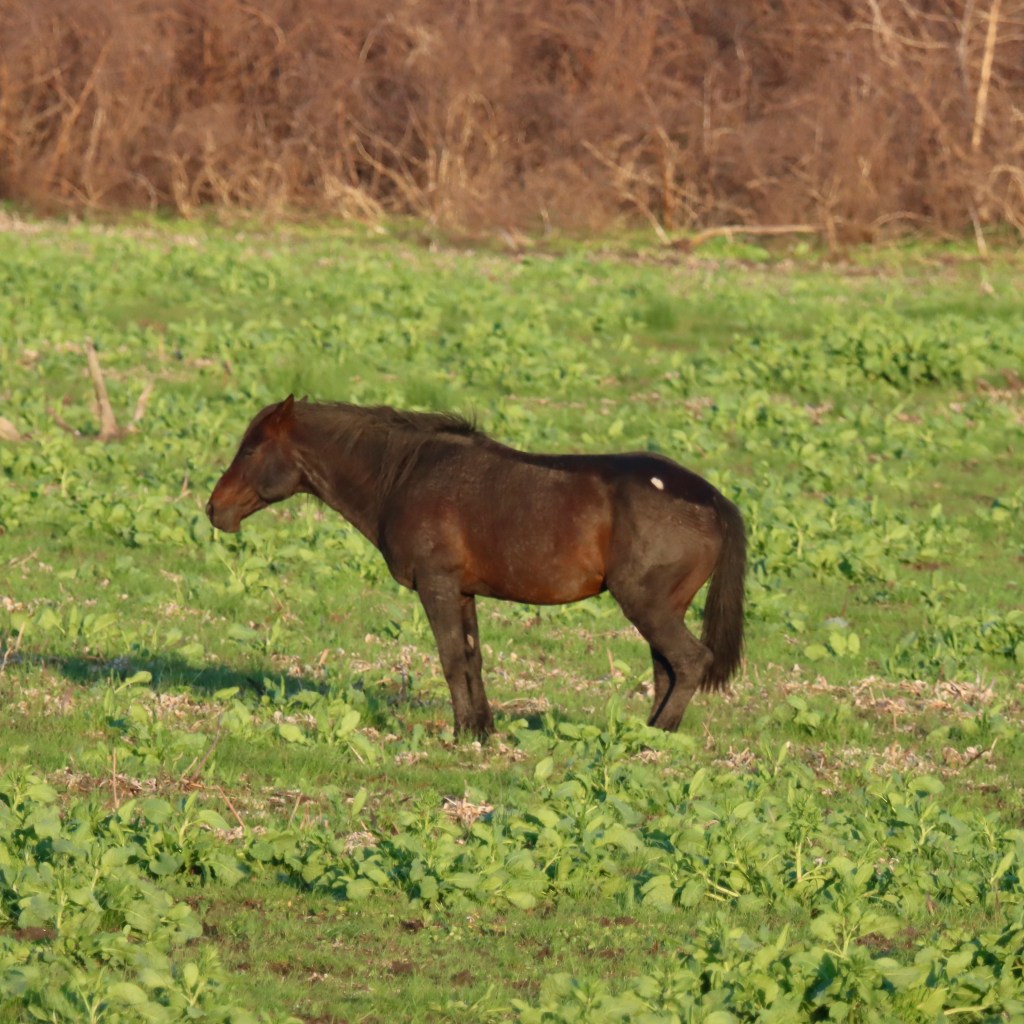
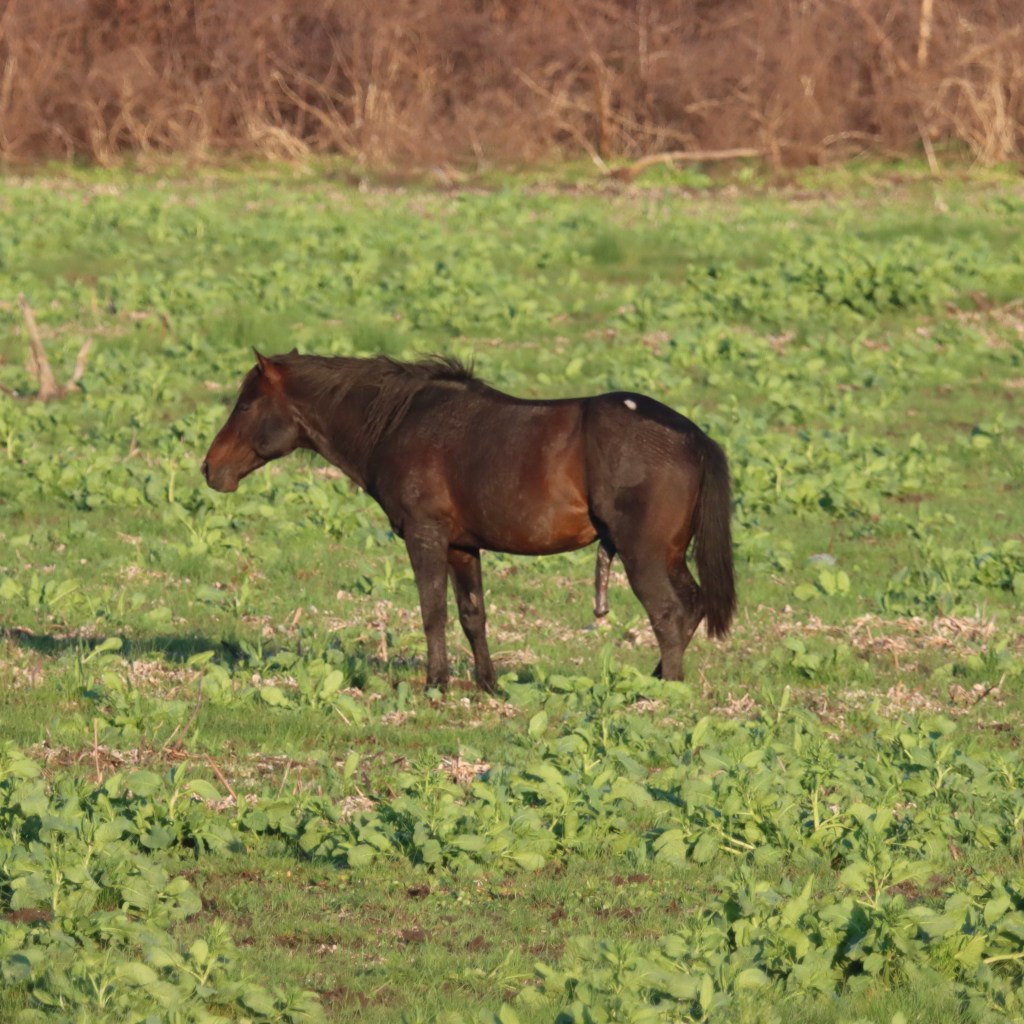
It was my first time seeing some of the wild-roaming Florida Cracker horses and I enjoyed watching the interaction of the band. The mares, and last year’s young (which was still trying to nurse), were carefully watched from the side by their stallion (there was another small band in the distance that he kept a wary eye on). I had surmised he was a stallion by his stance and thick neck but then he relieved himself, letting it all hang out which erased any doubt (see photo above).

Even though much has changed in the Alachua Savannah during the past 250 plus years, William Bartram’s description of the area from 1774 still holds true: it is a vast, fertile savanna surrounded by forests, teeming with cattle, horses, and wildlife.

Cow Crossing

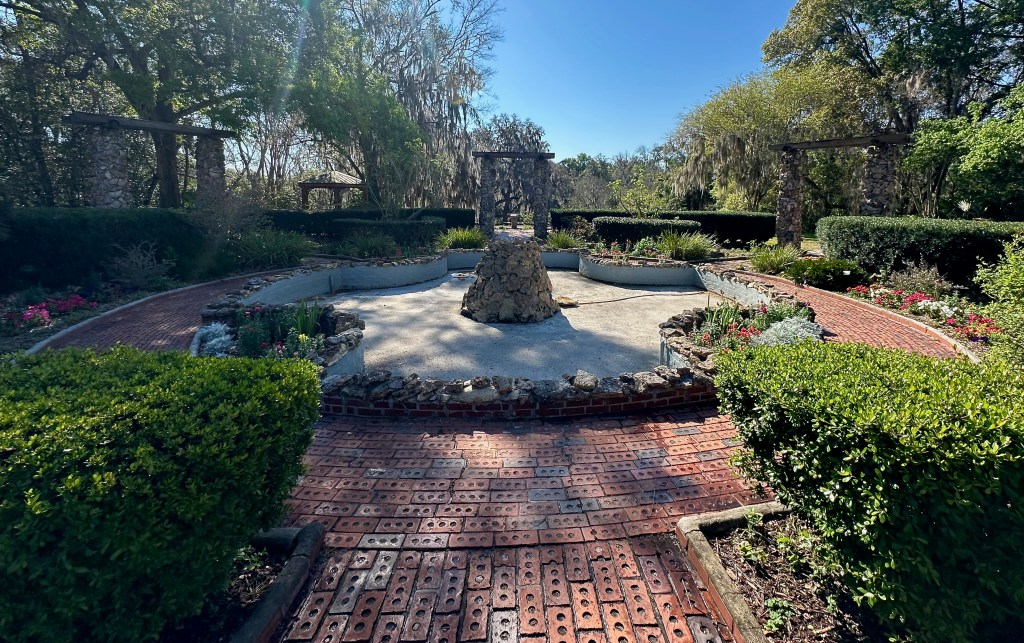
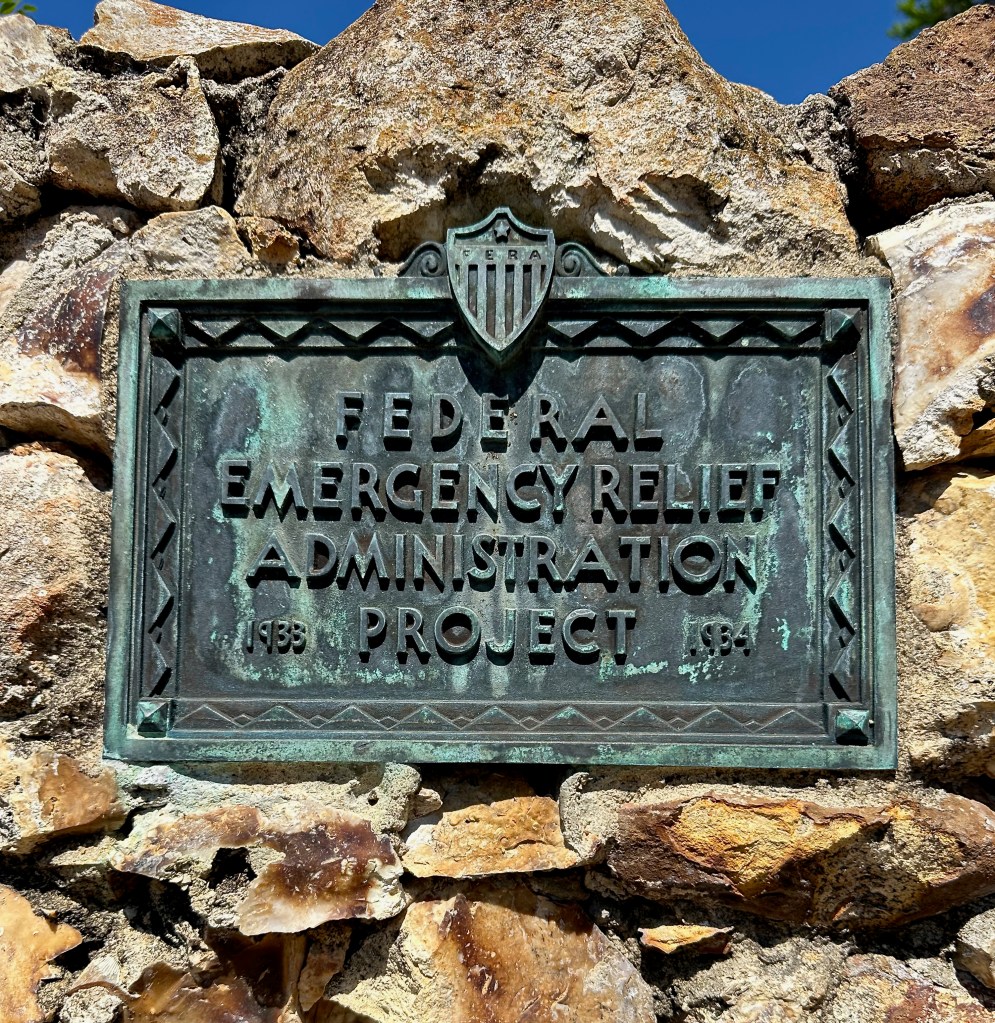
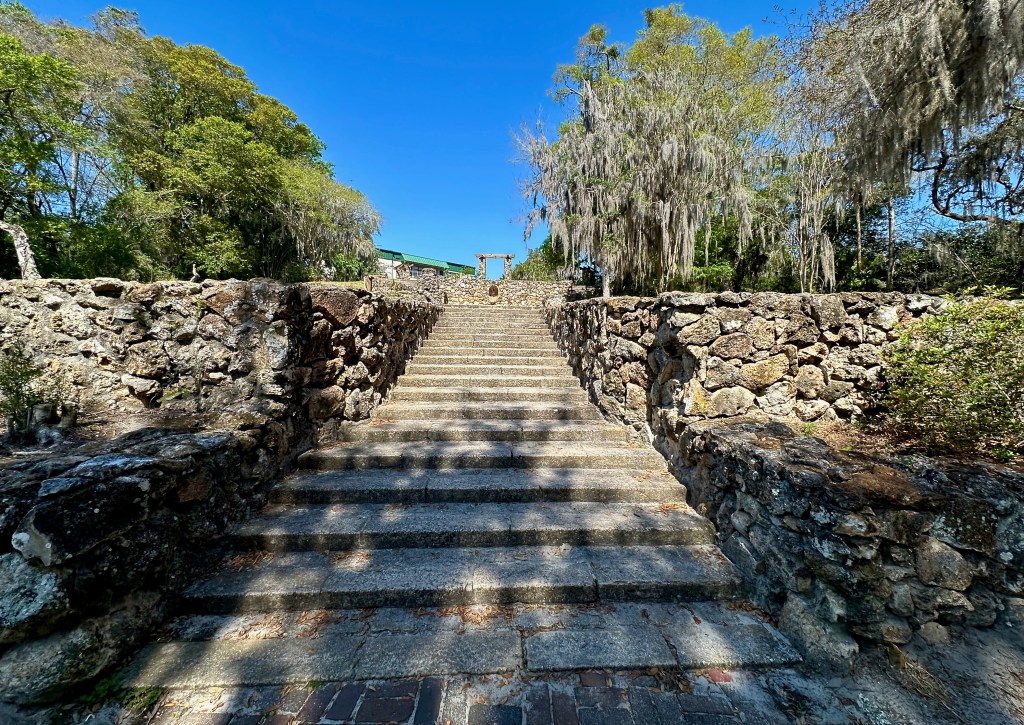
My destination the next morning was Ravine Gardens State Park near Palatka. The park was on my list of places to explore for two reasons; it was a New Deal era project (one of nine in the state), and it’s one of the few places in Florida that has some natural topography.

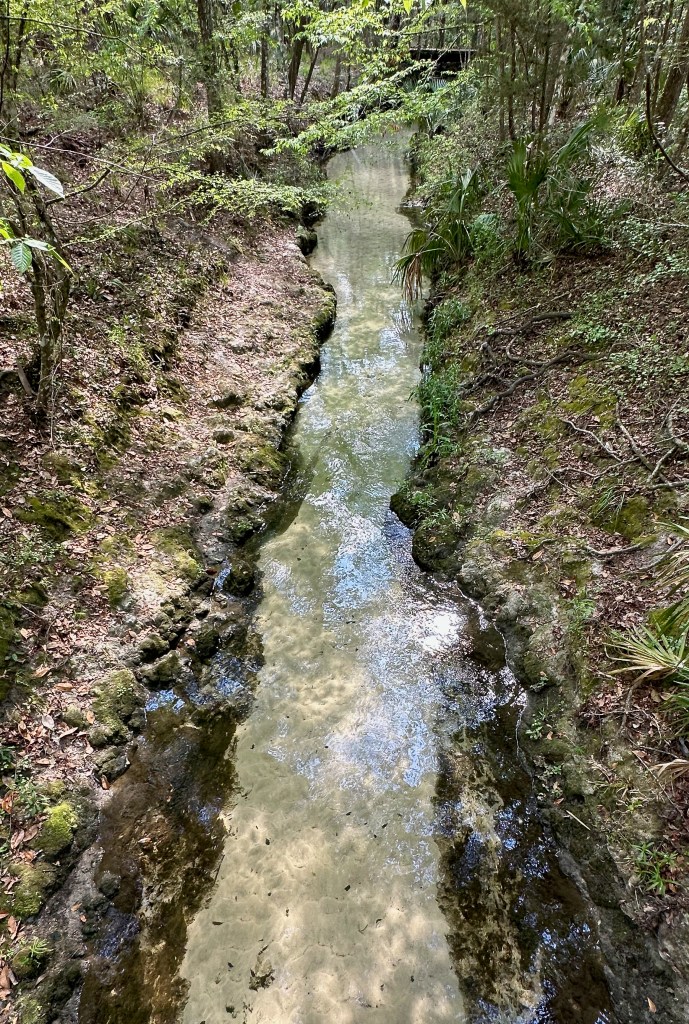
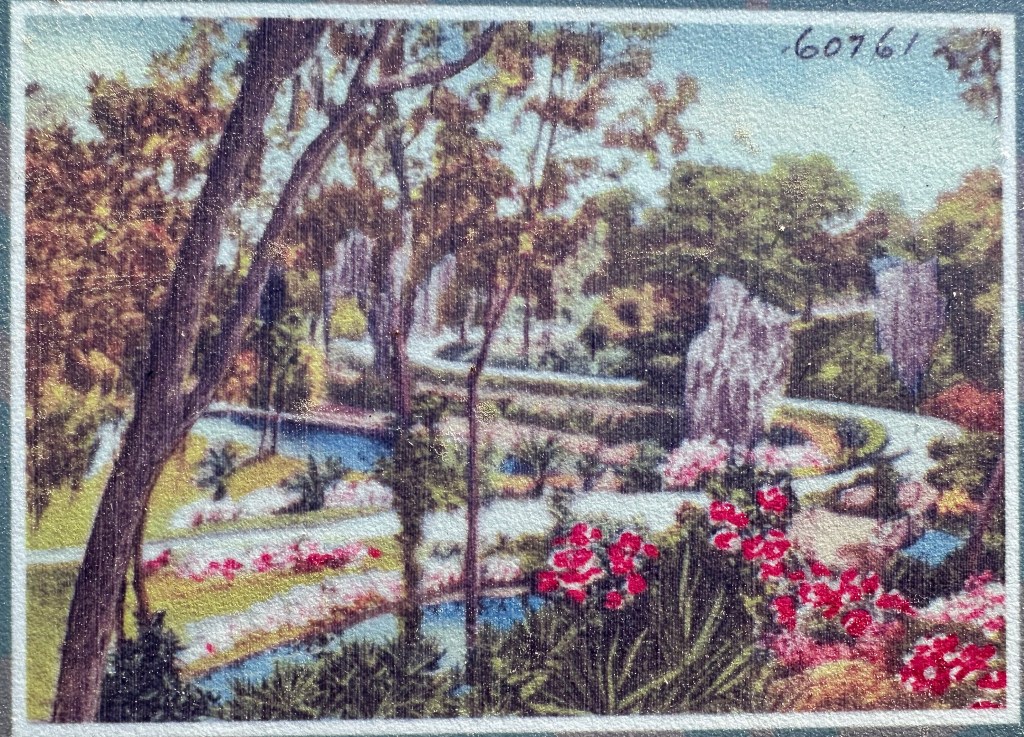
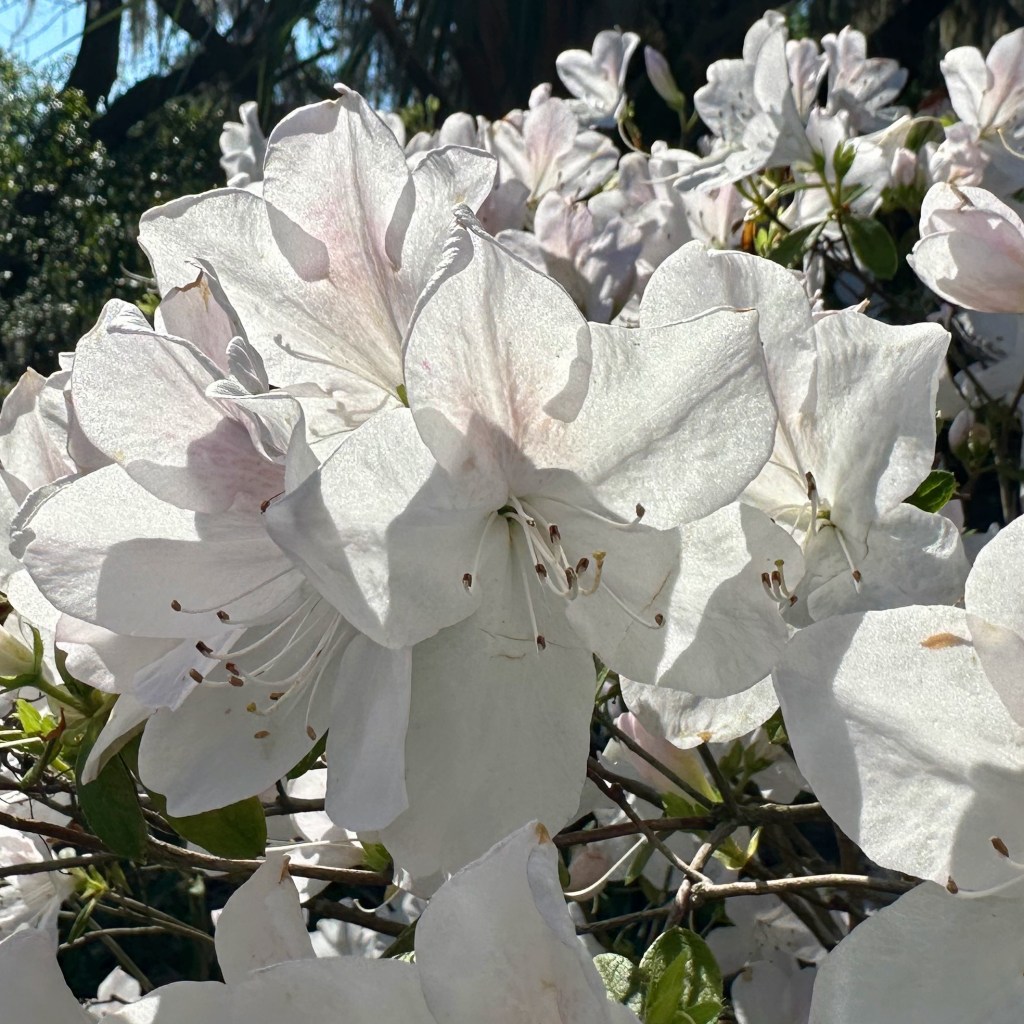
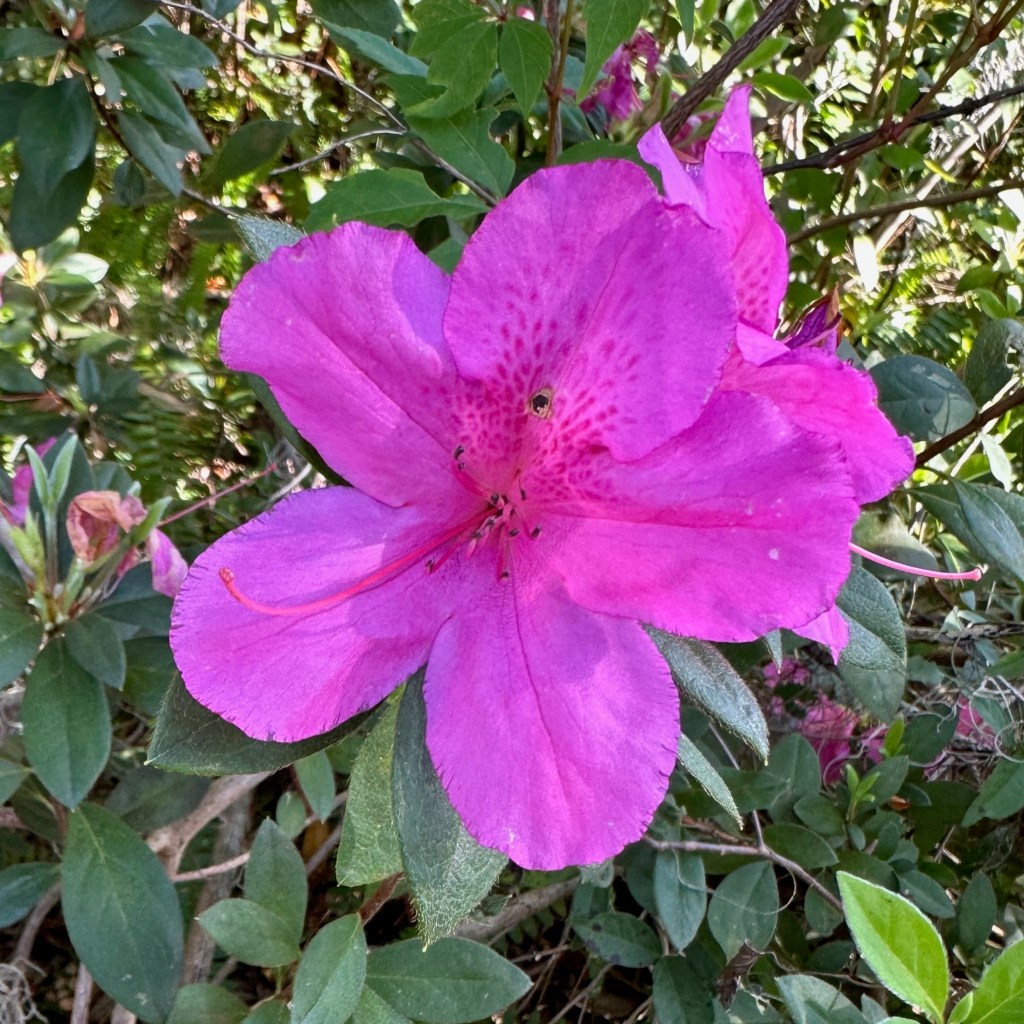
The 152-acre park encompasses two ravines that were carved through the soil by Whitewater Branch, a spring-fed creek. In 1933, at the urging of Palatka residents, the Civil Works Administration began a beautification project that turned the ravines into a terraced garden. A year later the Works Progress Administration took over and planted thousands of azaleas on the steep slopes.

In its heyday, the blooms would start in late February and continue through early May. It must’ve been just stunning (see copy of historic postcard above). Sadly, the gardens have fallen victim to the massive funding backlog of the Florida State Park system. The park put up a sign stating they are letting nature take its course, which I can see making sense along most of the steep slopes (though leaving large, downed trees across trails is a bit of stretch – that’s not nature, that’s a safety hazard). However, in the formal garden and picnic area there is no reason not to restore the lush, historic landscaping (especially since there’s plenty of fresh water onsite).

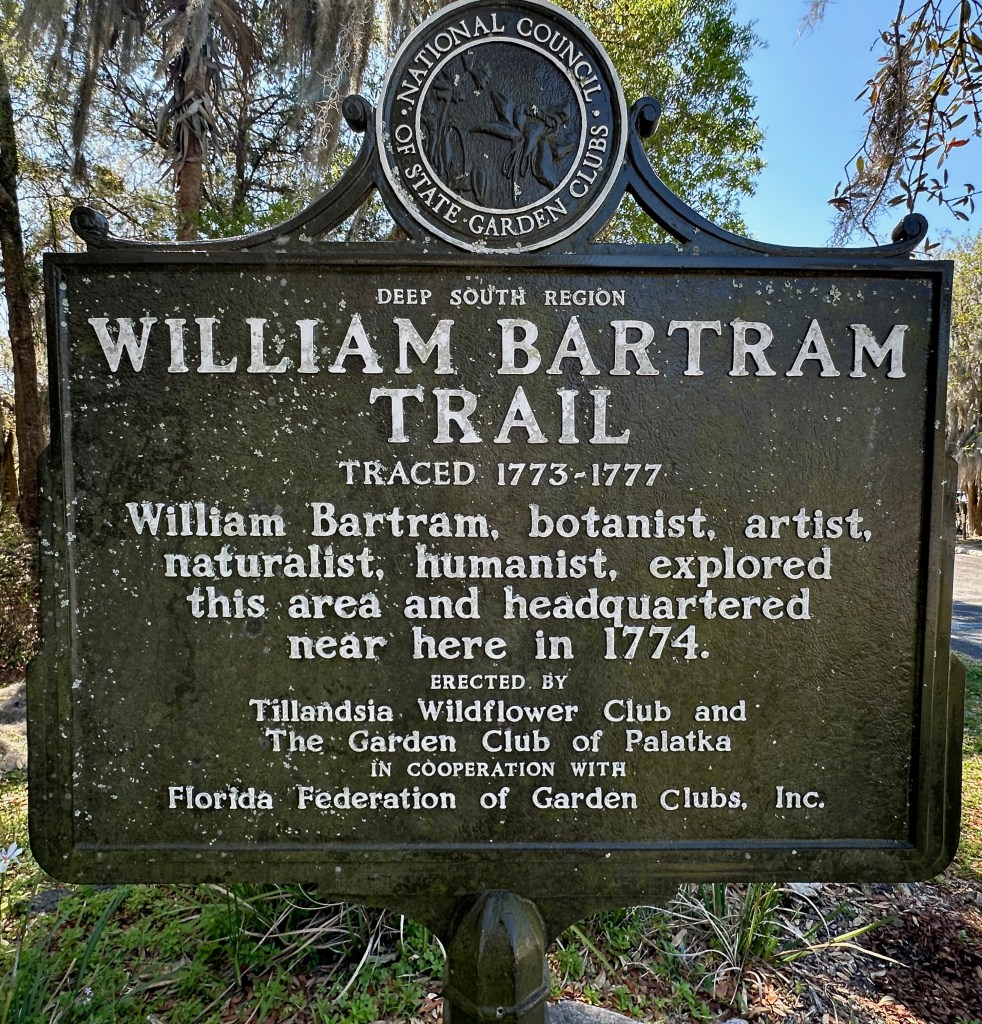
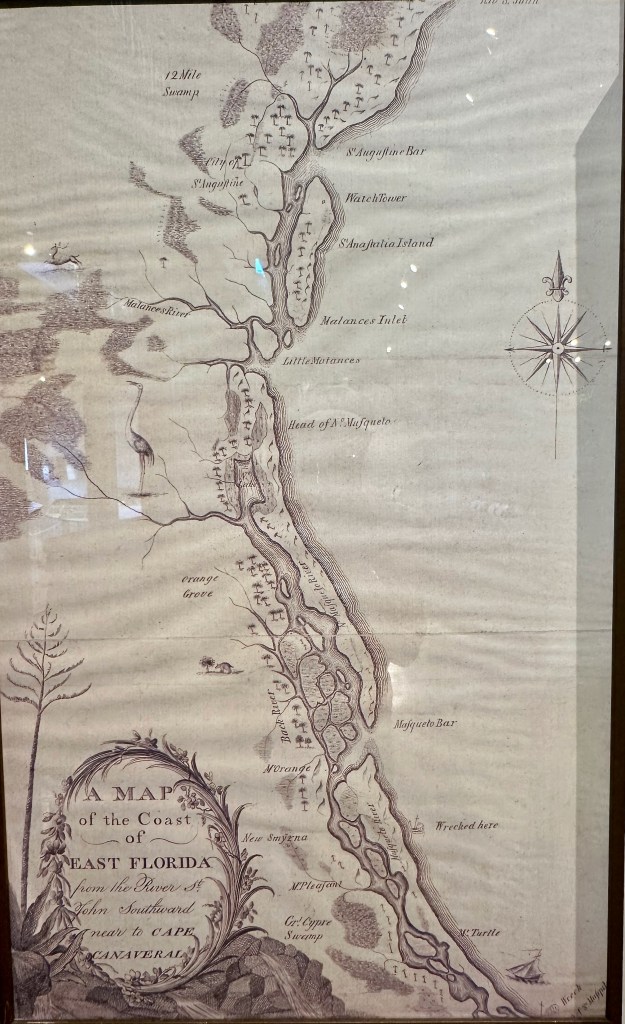
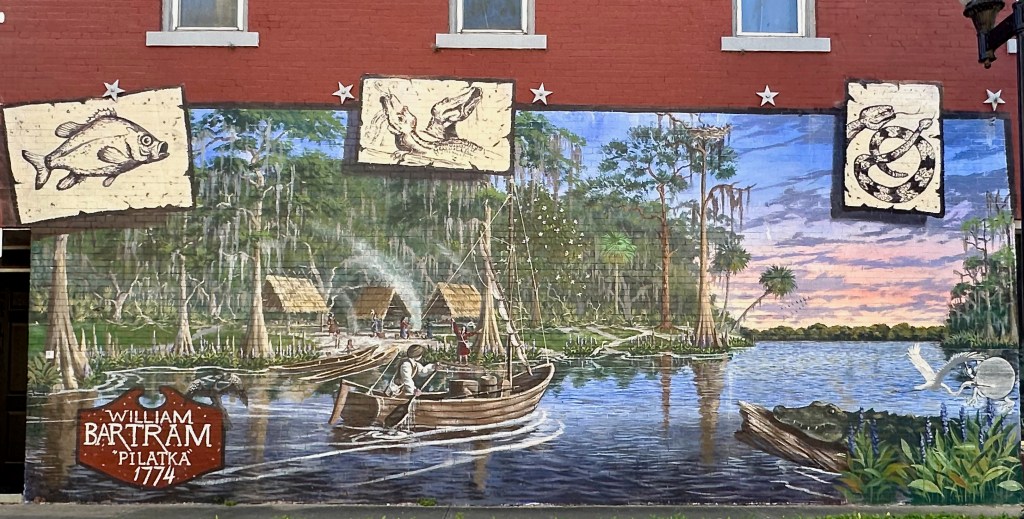
While I was disappointed in the overall state of the place, one item in particular piqued my interest, a sign about William Bartram. His spot in history was earned as the first naturalist to document Florida. In 1763 Great Britain acquired the land from Spain and in 1774 Bartram was hired to provide a detailed report on their purchase.

Since waterways were the easiest way to traverse the land’s dense vegetation, much of Spanish development centered on the St. Johns River and its tributaries. One of Bartram’s stops along the St. Johns was Palatka.

Wanting to learn more about Bartram’s adventures I headed to the town’s waterfront. Though the location was already occupied by a thriving Seminole village, the current town’s name derives from its import as a Spanish cattle ranching hub. Palatka was mangled from the original Seminole, meaning cow’s crossing.

When Bartram arrived in April 1775 he was impressed by the Seminole village’s acres of cultivated crops (including oranges, corn, beans, melons, and tobacco). He established a good relationship with the villagers, enlisting their help in finding new and interesting flora and fauna for his report. His odd requests earned him the Seminole name, Puc-Puggy (Flower Hunter).

From his nearby home base, Bartram ventured upriver to Blue Spring. It’s odd to call a southern location upriver but the St. Johns is distinctive in that it flows from south to north. Though the term flow is generous, over its entire 310 miles the river drops less than 30’. Battling the current is not the issue but wayfinding is, especially in the Upper Basin where the river fans out to include 13 lakes. One of the lakes, Lake Hell ‘n Blazes* the headwater of the river, earned its colorful name because it was so notoriously difficult to navigate.

Bartram wrote about his Blue Spring trip in his Book “Travels”, relating that a wolf stole fish from his campsite and large alligators almost capsized his little boat (the last is not surprising since his trip was during alligator mating season). He also ventured west, out to the Alachua Savannah, which funnily enough was where I was headed next…
*A popular curse from the early 1800s.

Blue, Orange, Flash

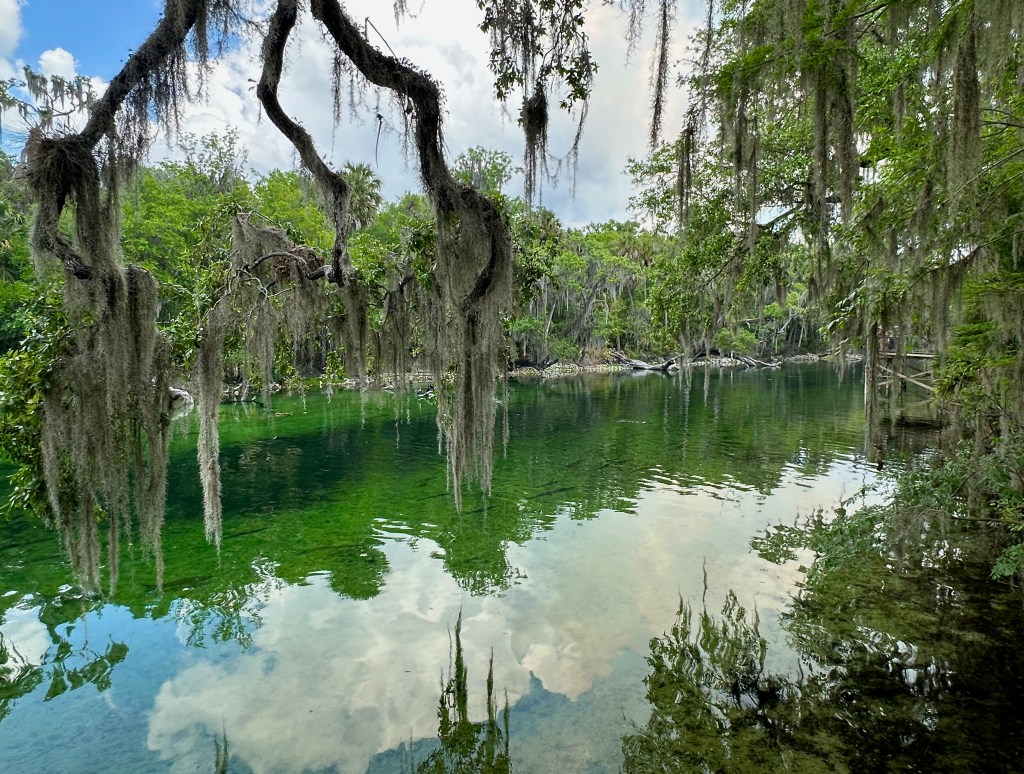
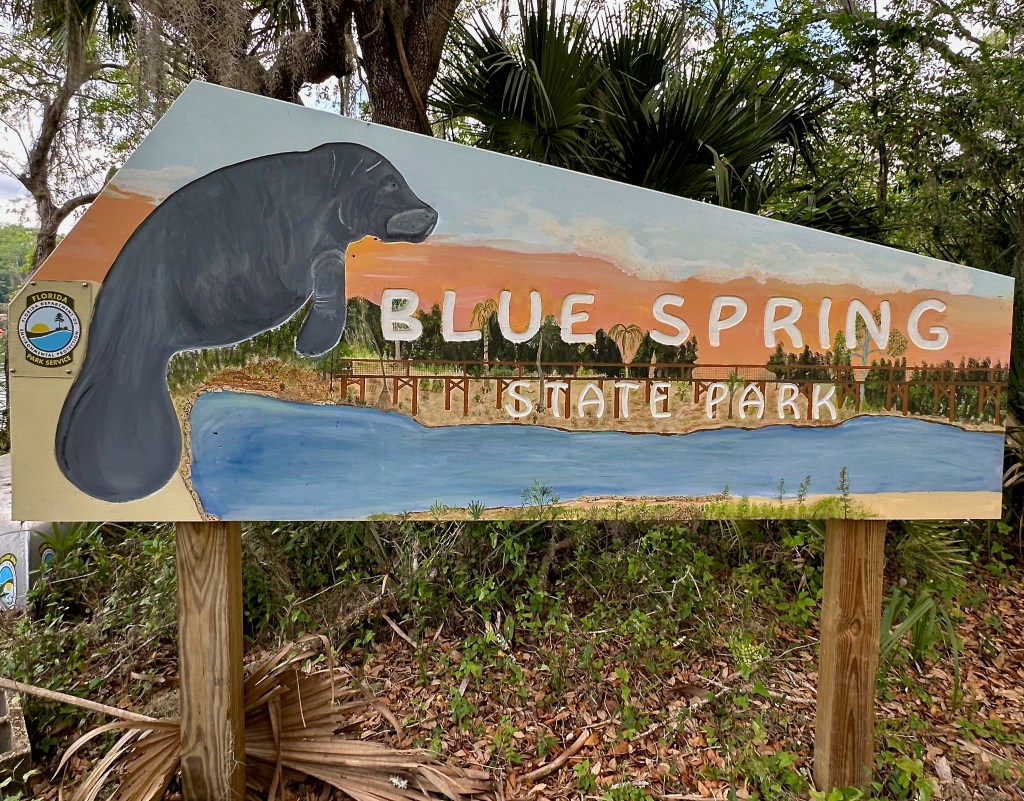
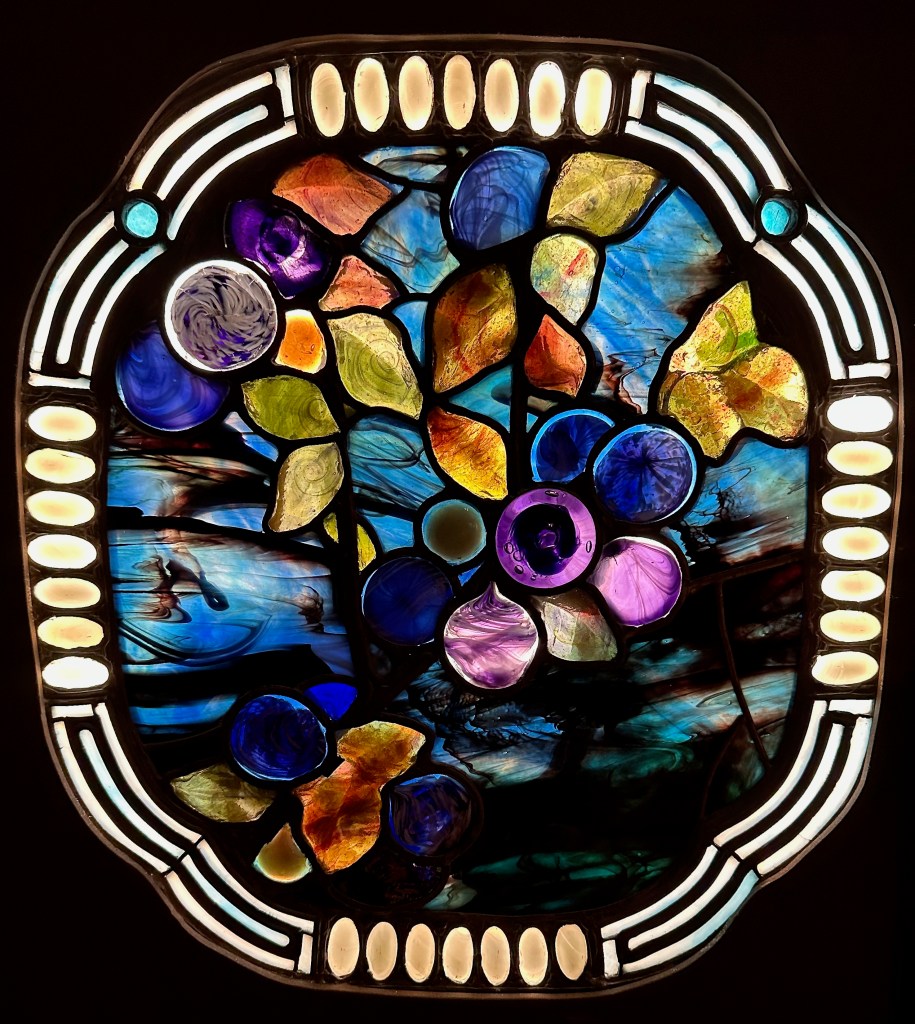
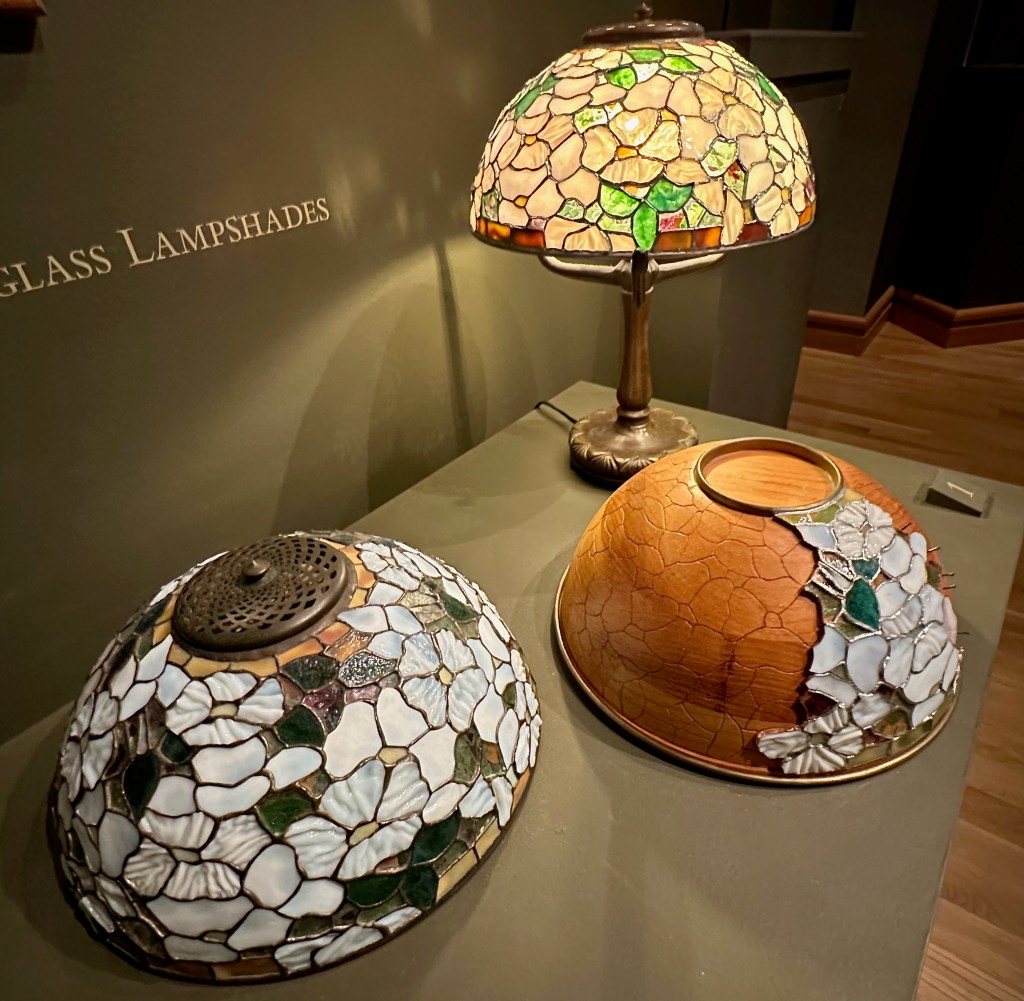
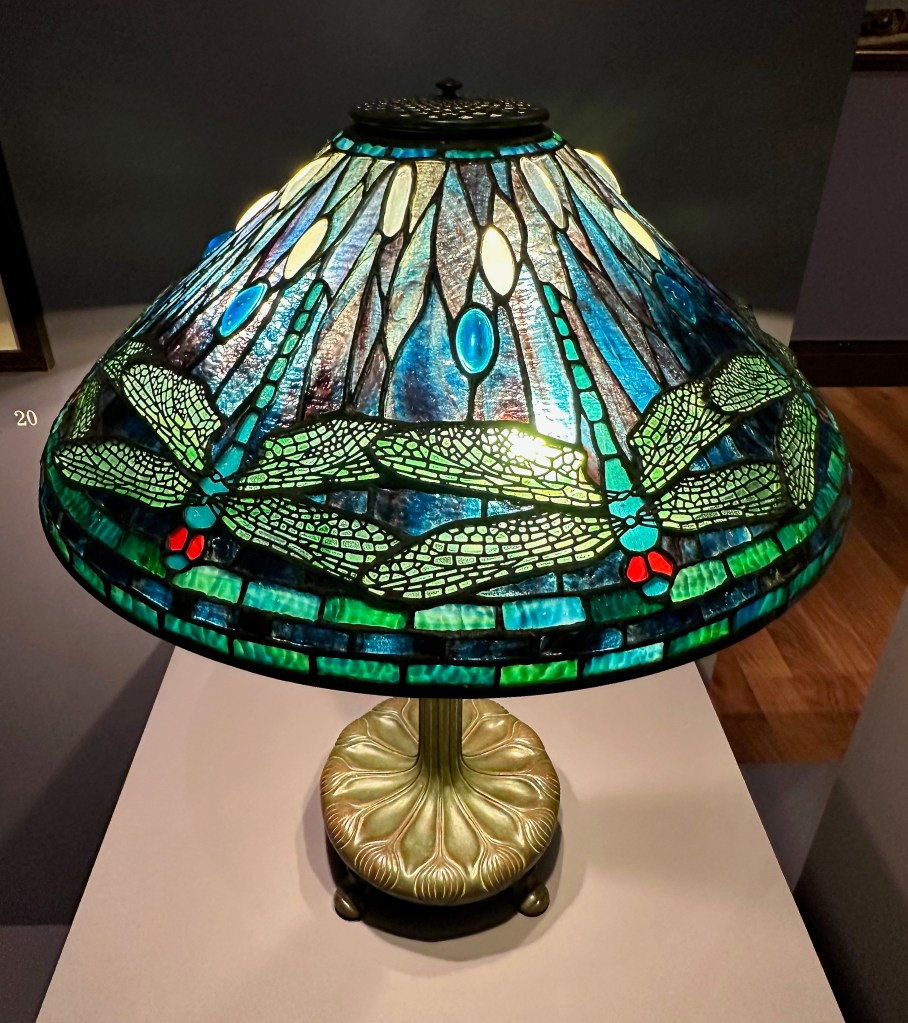
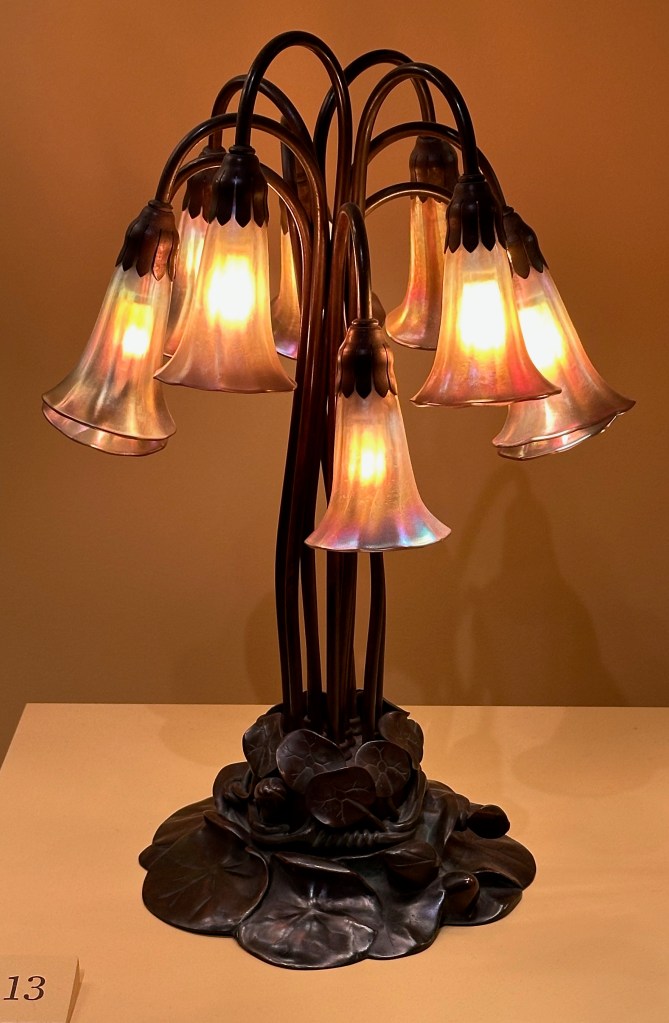
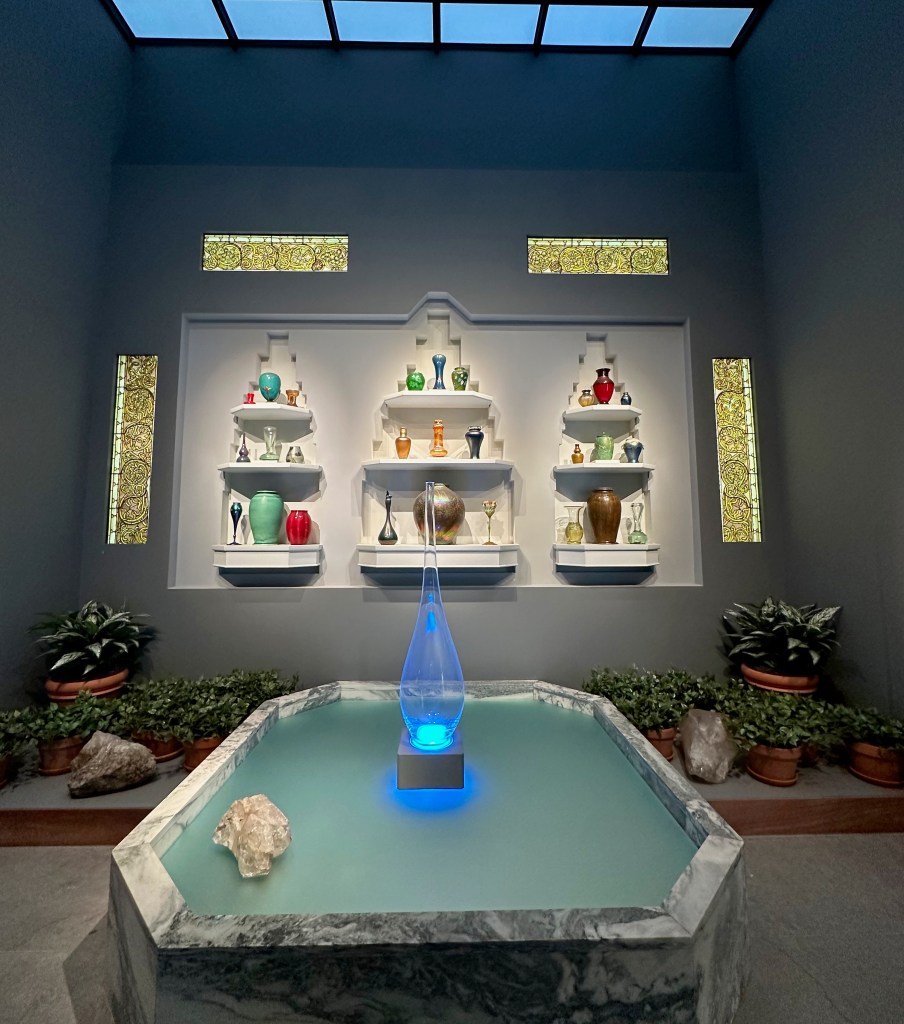
After spending the morning admiring Tiffany’s inspired-by-nature glass art, I was eager to get out into nature myself. Less than an hour later, I was exploring Blue Spring State Park.

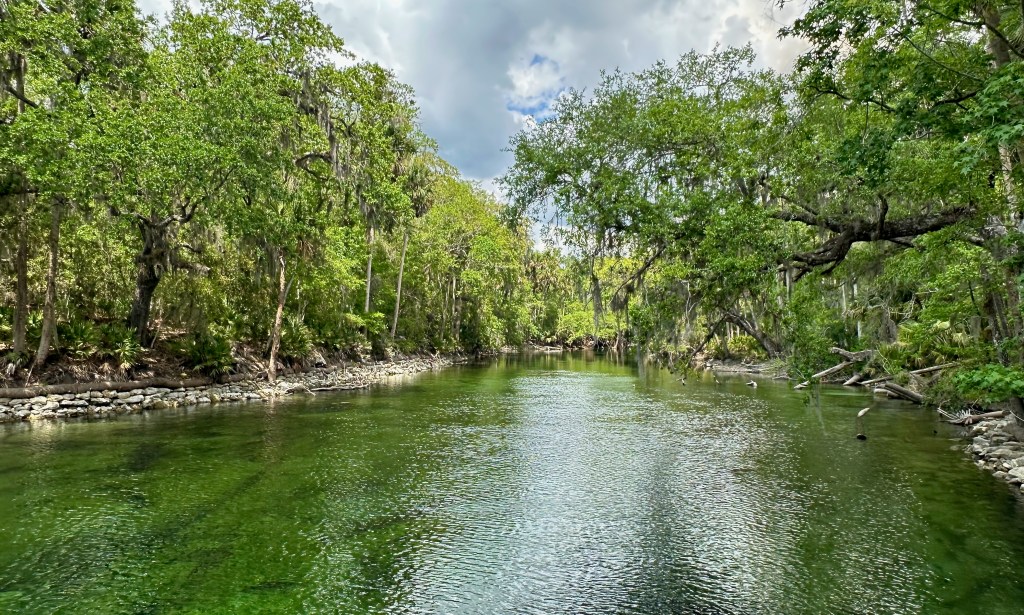
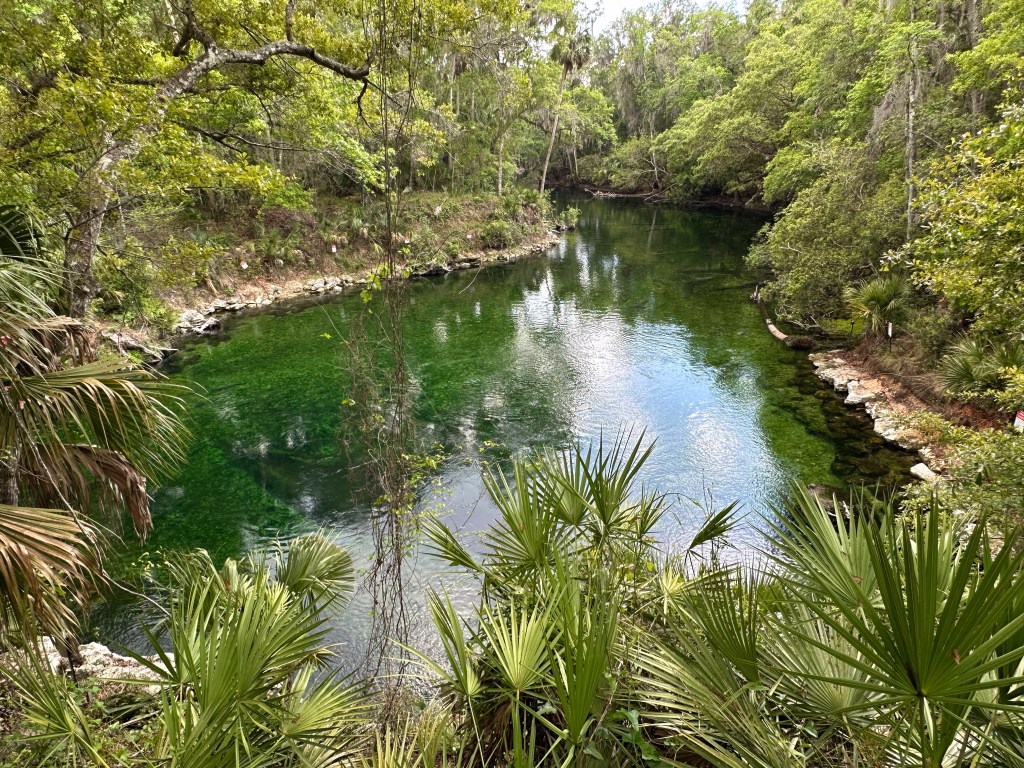
There were several reasons that I was drawn to that location: it’s the largest spring along the St. Johns River (over 100 million gallons of fresh water bubble up every day), it hosts the largest winter population of manatees in the state (on February 2 this year there were a record 834 manatees crammed into the spring run), and for a few weeks every Spring the park sparkles after dark from the mating dance of the Florida Single Snappy (Photuris congener).

The past month of warm weather increased the water temperature in the St. Johns River, so there weren’t any manatees hanging around. Since I knew that they just take advantage of the 72° water during cold spells, I wasn’t disappointed (though other visitors were). Manatees, despite their considerable girth, are unlike seals and whales in that they do not have blubber so they rely on warmer water during the winter.

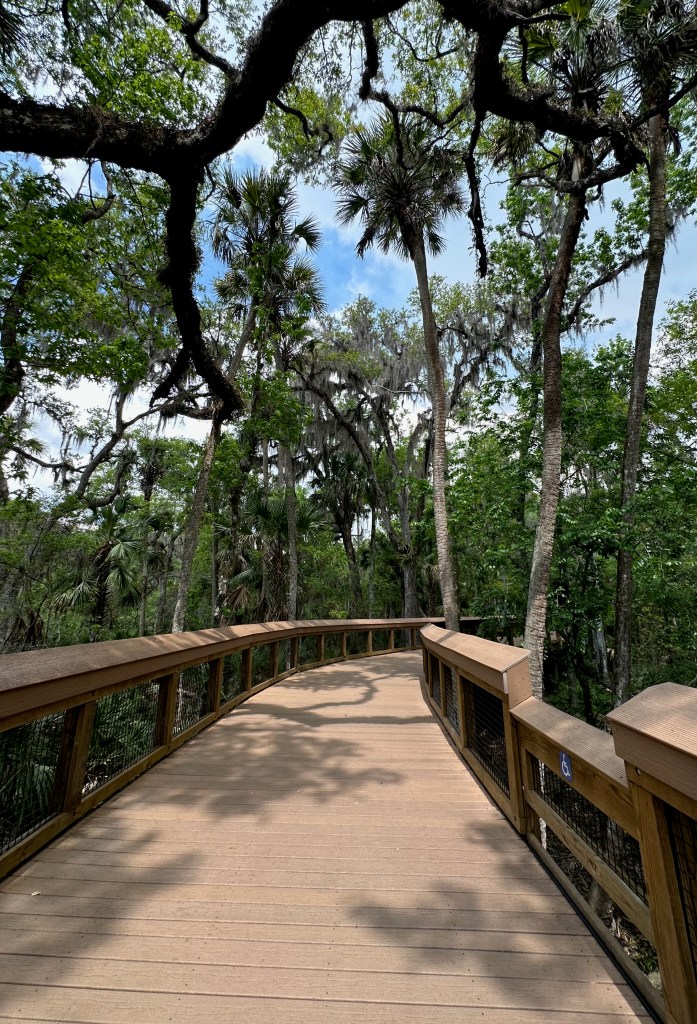
There was still plenty of wildlife to admire as I wandered the trails. And more interesting history than I anticipated. Long before the Spanish landed in Florida (and all the way up until roads and railroads), the St. Johns River was a watery thoroughfare. A large shell mound near the river is evidence that Native Americans used the site for generations.

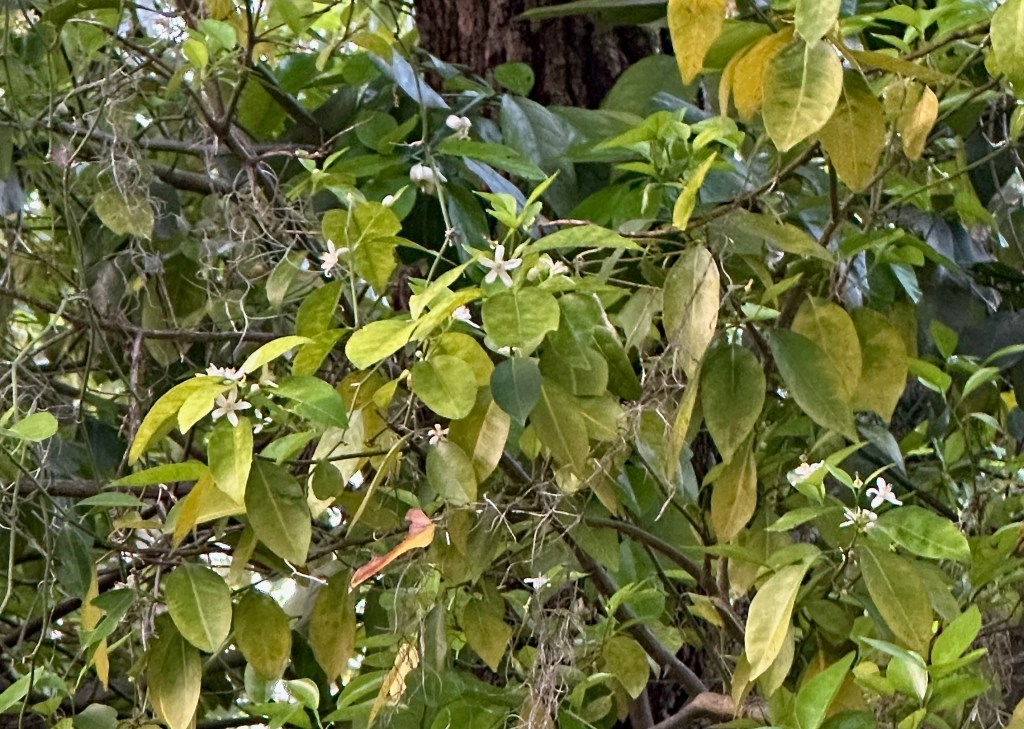
In 1856, Louis P. Thursby bought the land at the confluence and opened Blue Spring Landing, one of the first steamboat landings on the river. He and his family also planted one of the area’s first orange groves. I caught a whiff of orange blossoms while walking the boardwalk. Since it is my absolute favorite smell, I circled around looking for the tree. I finally spotted the scraggly tree, fighting through the shade of a massive oak. Amazing when one considers it’s a feral descendant of the Thursby’s orchard that was planted 170 years earlier!

After getting my bearings I left the park to check into my room in nearby Orange City. When founded, the town’s name rang true as it was located in Florida’s vast orange growing region. During the 1870s and 80s citrus and other commerce traveled along 400 miles of waterways, primarily the St. Johns. In its heyday, 1894, Florida exported 5 million boxes of oranges. Sadly, a brutal cold snap, known as the Great Freeze, killed roughly 99% of the orange trees in that area. As a result, Florida’s orange production shifted further south to milder climes.

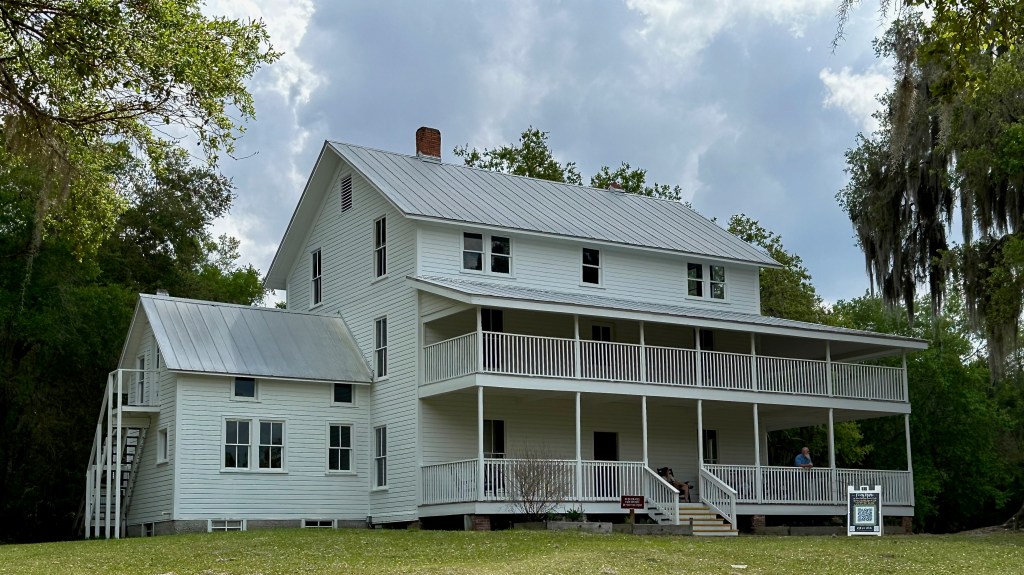
After a brief refresh, I returned to the Park for the feature event, Firefly Night. The park’s Friends group hosts these special evenings which celebrate fireflies and raise awareness of their dwindling populations. I listened to the ranger talk while sitting in a rocking chair on the wraparound porch of the historic Thursby House. The family home, which was built in 1872 atop the shell mound certainly has a commanding view of the river.

As for the fireflies, the Florida Single Snappy is one of the state’s 56 known species. As the name implies, this species uses one quick bright flash to attract a mate. I also learned that fireflies undergo complete metamorphosis (like butterflies) and have the ability to flash during any life stage. Each of the 4 stages last 1-3 weeks except the larval stage, which can last 1-2 years!

By then it was dark, and the first few bright flashes elicited excited murmurs from the crowd scattered along the boardwalk. It was a definitely magical way to spend the evening!

My Amateur Attempt to Capture Florida Single Snappies

Quest for Beauty

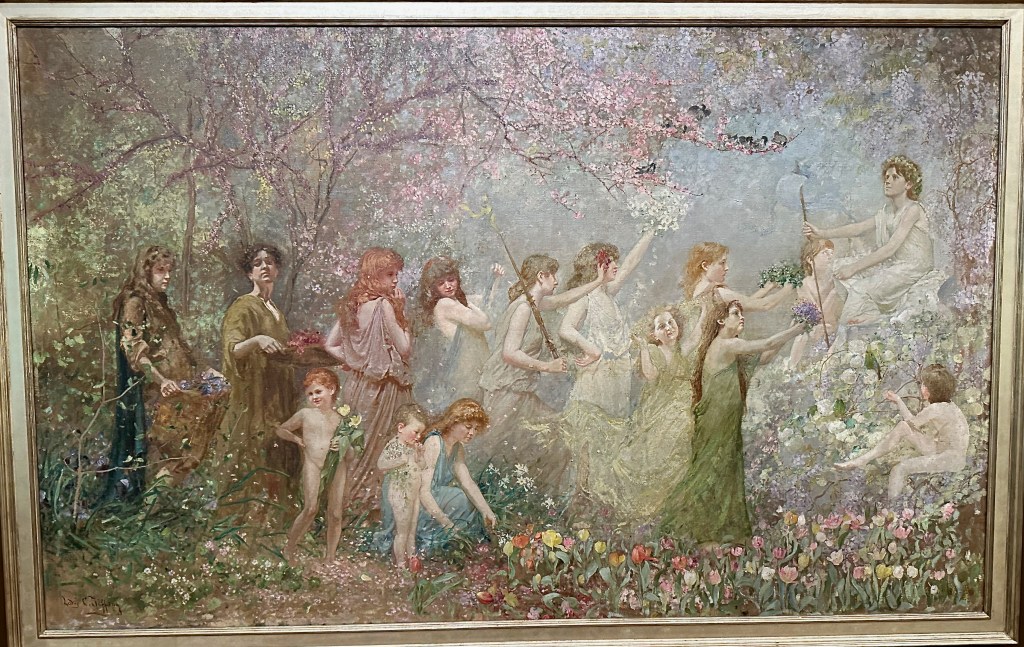
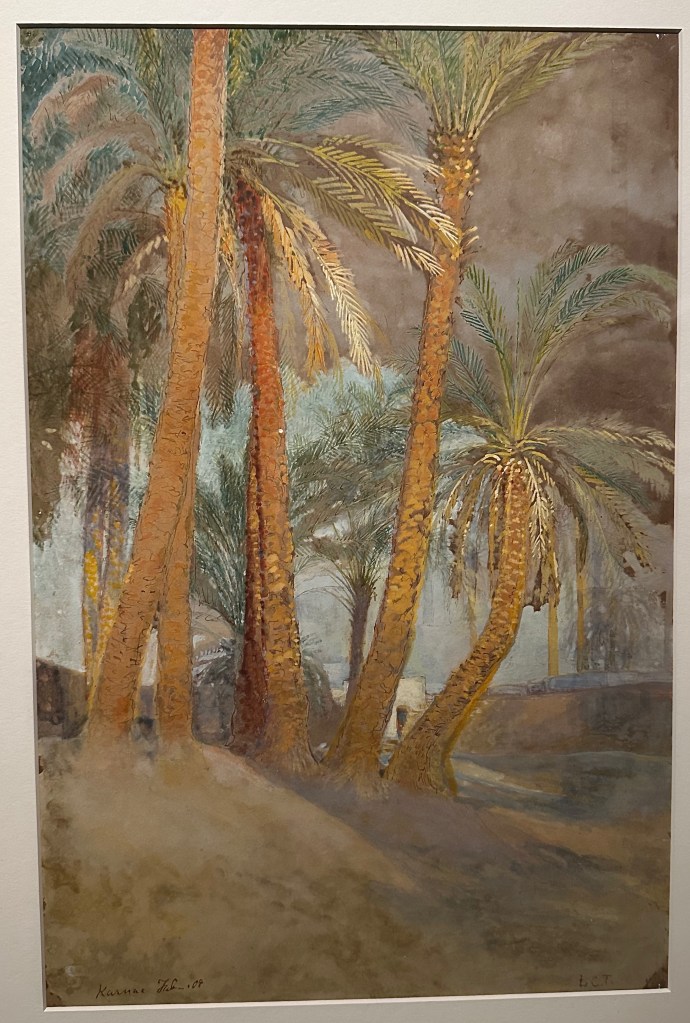
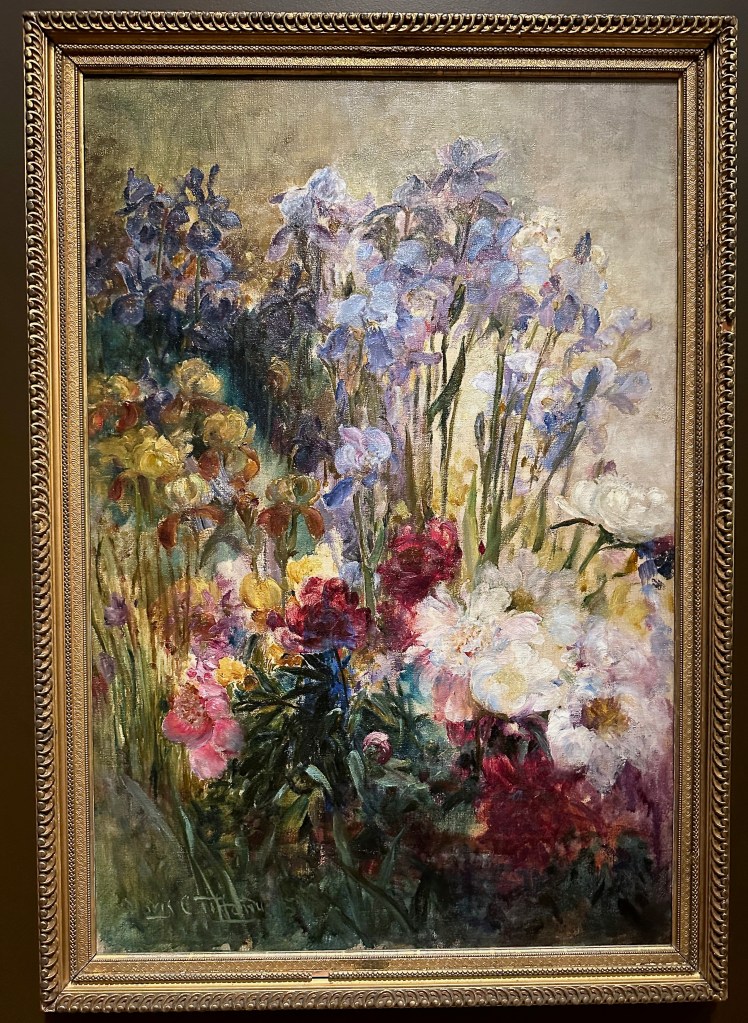
It might seem odd that the world’s largest collection of works by Louis Comfort Tiffany are displayed in a small city in Florida. After all, the incredibly talented Tiffany (painter, decorator, architect, photographer, furniture designer, potter, jeweler, and of course, glass artist) lived and worked most of his life in New York City.

Interestingly, the connection starts in Chicago where Tiffany broke onto the world stage at the 1893 World’s Columbian Exposition. His father had a large display area for his finely-crafted Tiffany & Co jewelry, part of which he willingly shared so that his son could display his massive leaded-glass chapel.

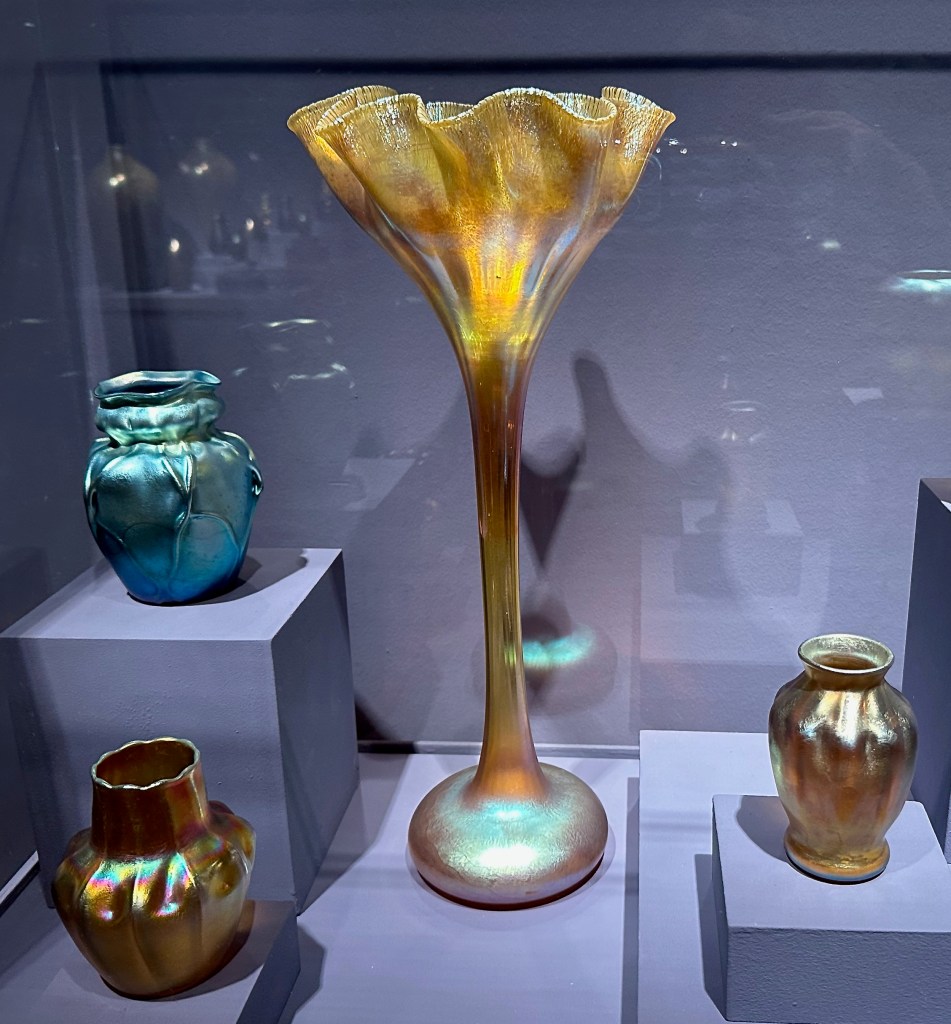
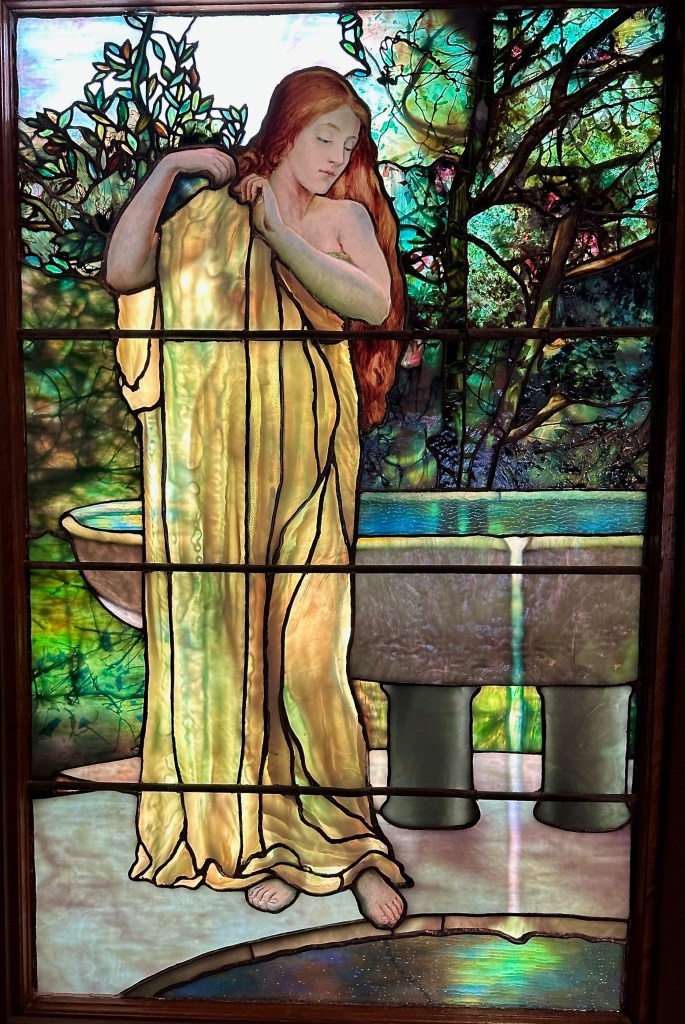
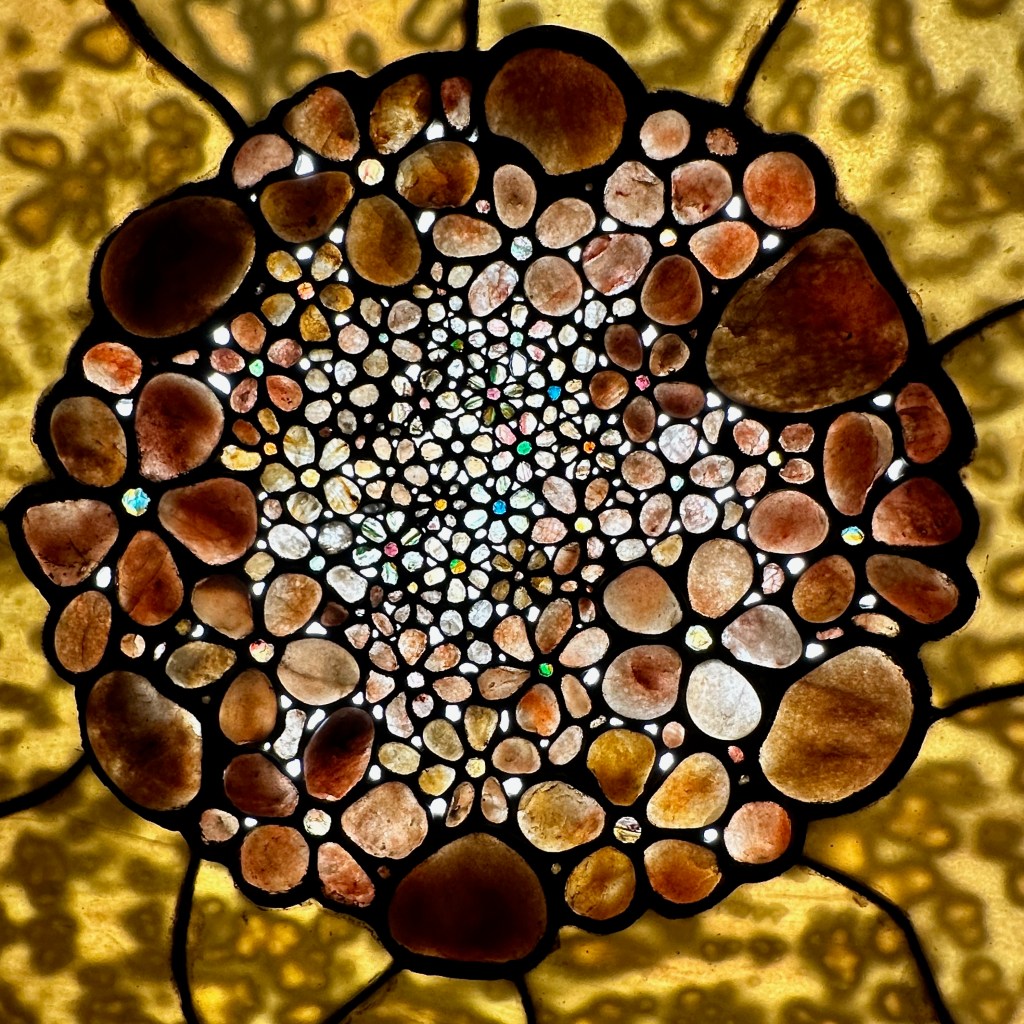
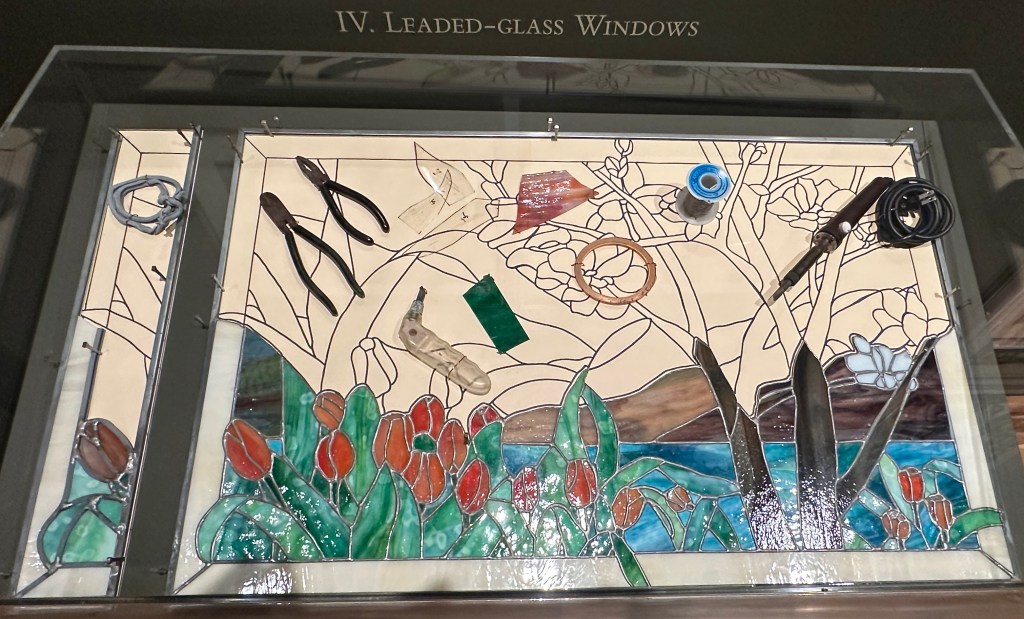
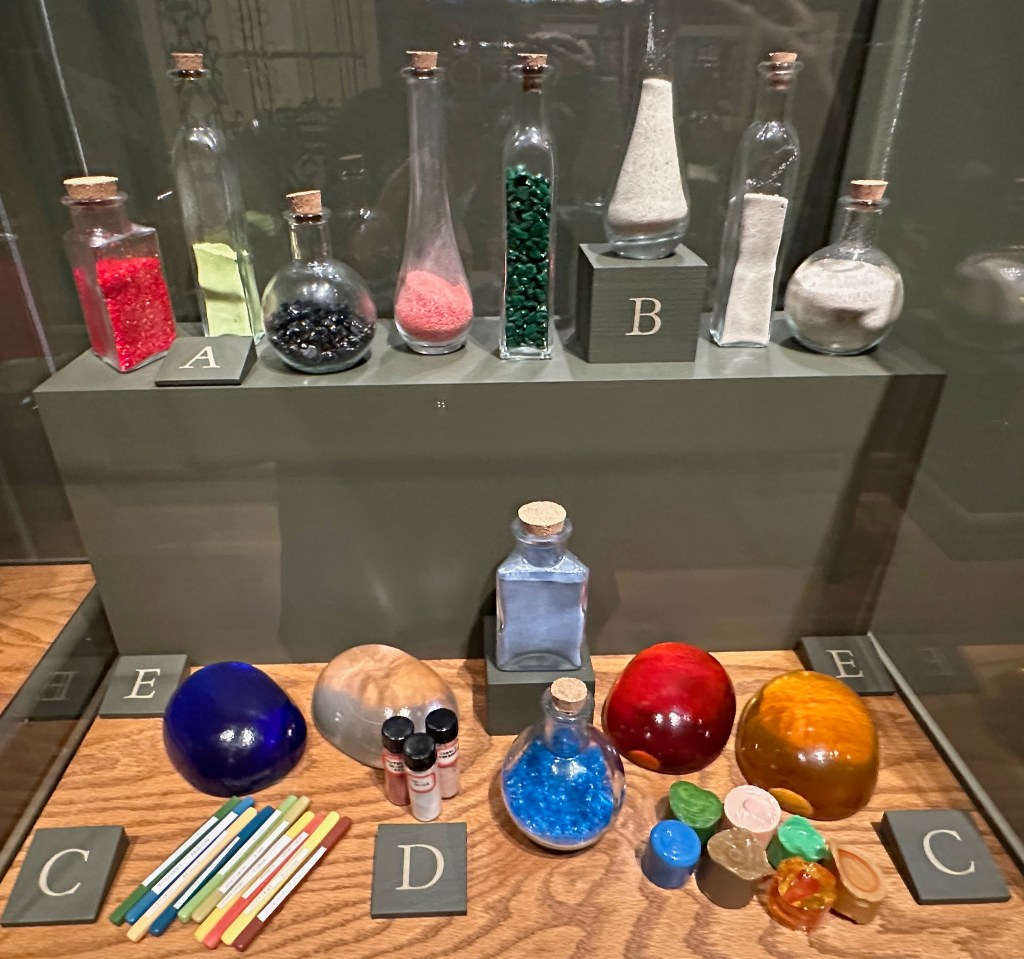
Besides its sheer size, the chapel astounded the world with its intricate and vivid glass scenes. Tiffany eschewed traditional stained glass (plain glass that was painted), instead using colorful glass of his own making. He called his patented technique for richly swirled panes of glass, opalescent. By layering different hues of opalescent glass with a leaded technique he could create shadows and add depth to achieve a more realistic scene.

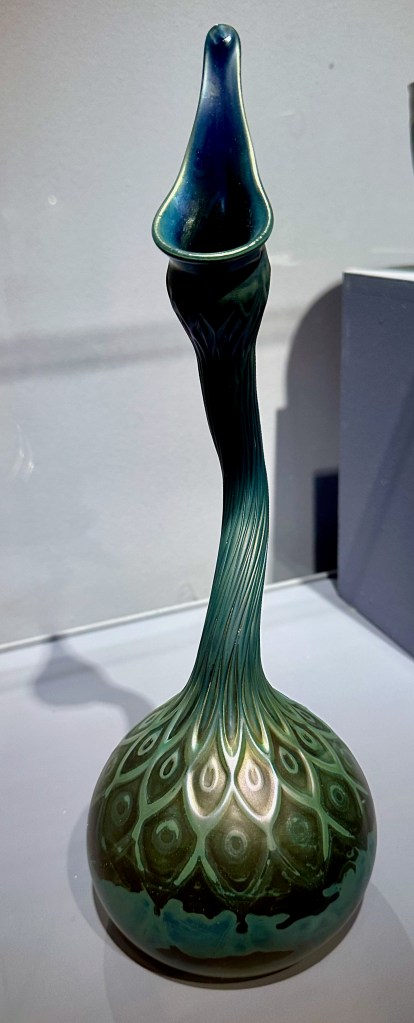
His new technique and nature-inspired artworks (like vases featuring peacock feathers) caused quite a stir in the art world. Undoubtedly, the work of the 45 year-old artist would have also caught the attention of Charles Hosmer Morse, a wealthy Chicago industrialist.

After the exhibition, the newly famous Tiffany returned to his various glass and furnishing business ventures in New York. 1902 was a momentous year for Tiffany, he changed his business name to Tiffany Studios and also took over Tiffany & Co after his father’s death. With his sizable inheritance he began construction of Laurelton Hall, his monumental 84-room mansion on Long Island. Tiffany not only designed the building but the furniture, windows, lamps, rugs, and other elements. He was nearing retirement and viewed the home as his masterpiece, a way to showcase art from his long and varied career. A life’s work he referred to as a “Quest for Beauty”.

About this time, Morse purchased a large parcel of land in Florida and worked with other founders to lay out a small town. Winter Park was established with strict architectural rules that emphasized the area’s natural beauty.

In 1918, after officially retiring, Tiffany created a foundation at Laurelton Hall, where young artists could reside and gain inspiration for their own works. One of those lucky fellows was Hugh McKean, who studied there while Tiffany was still alive.

Tiffany’s death in 1933, coincided with the depths of the Great Depression and major changes in artistic tastes. By 1943, the previously successful Tiffany Studios was bankrupt and everything from the estate was sold to cover debts. Unbelievably, Tiffany and his exquisite glass art were heading to obscurity.

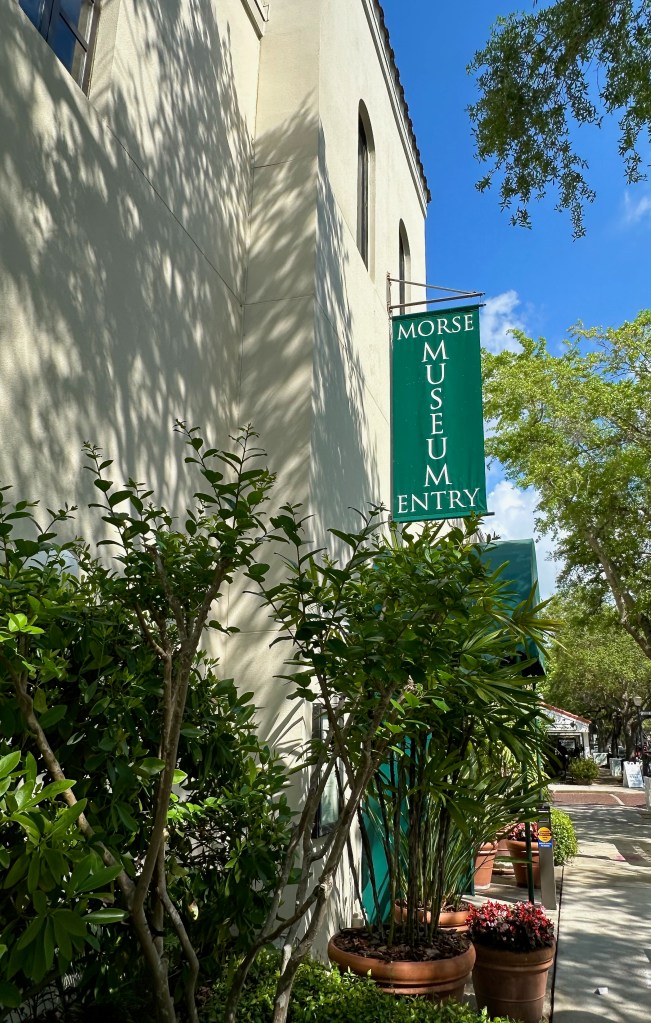
In 1945, Morse’s granddaughter Jeanette Genius McKean and her husband Hugh moved to Winter Park, bringing with them a flock of colorful peacocks. Hugh became the first director of the town’s art museum, which was dedicated to his wife’s influential grandfather. The museum featured works from the family’s collection, primarily focused on the Arts & Crafts movement (which included some early Tiffany pieces).

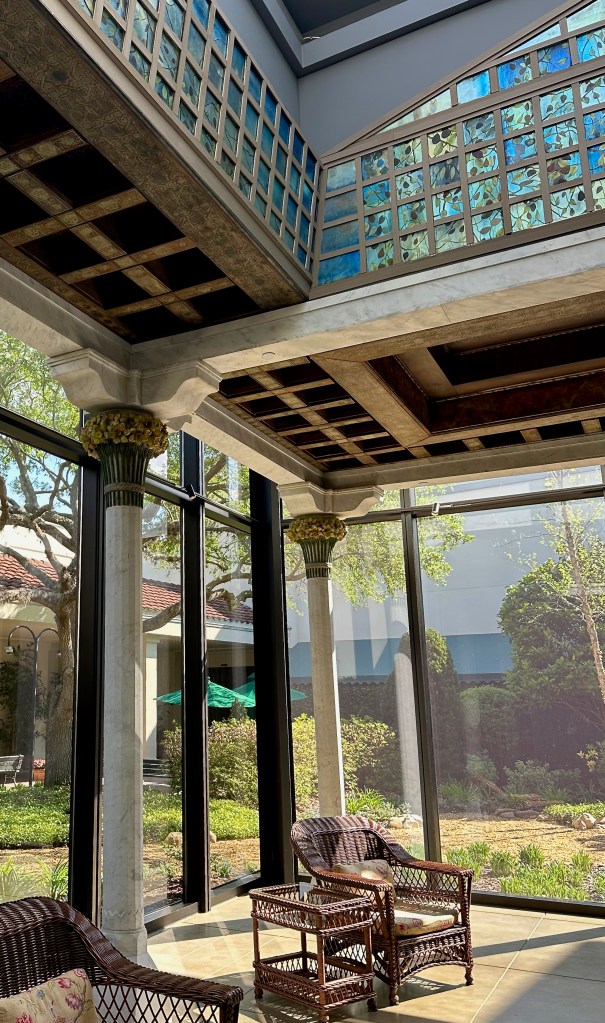
The impetus for the museum’s present focus was a letter written to Hugh by Tiffany’s daughter in 1957. A fire had gutted the vacant Laurelwood Hall, and she beseeched Hugh and Jeanette to salvage some of his once famous leaded glass windows before they were demolished. While walking through the devastation, the McKeans made the decision to save not just windows but other Tiffany-designed architectural elements, like patio columns and fireplace mantels.

That project spurred the artistically inlined team to acquire other Tiffany pieces from around the world to feature at the museum. Their efforts revived interest in Tiffany’s work, today his glasswork is once again highly prized. Roughly 100 years later, the museum is introducing Tiffany’s nature-inspired “Quest for Beauty” to new generations.

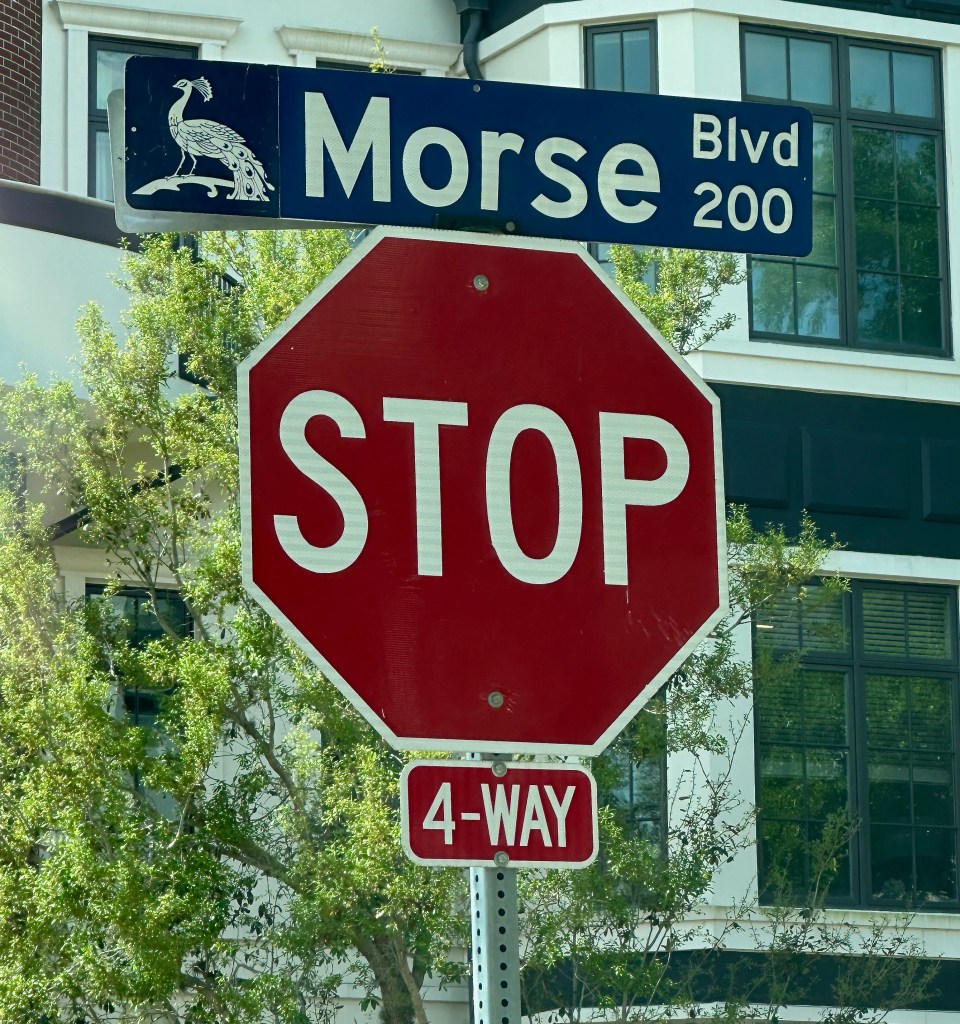
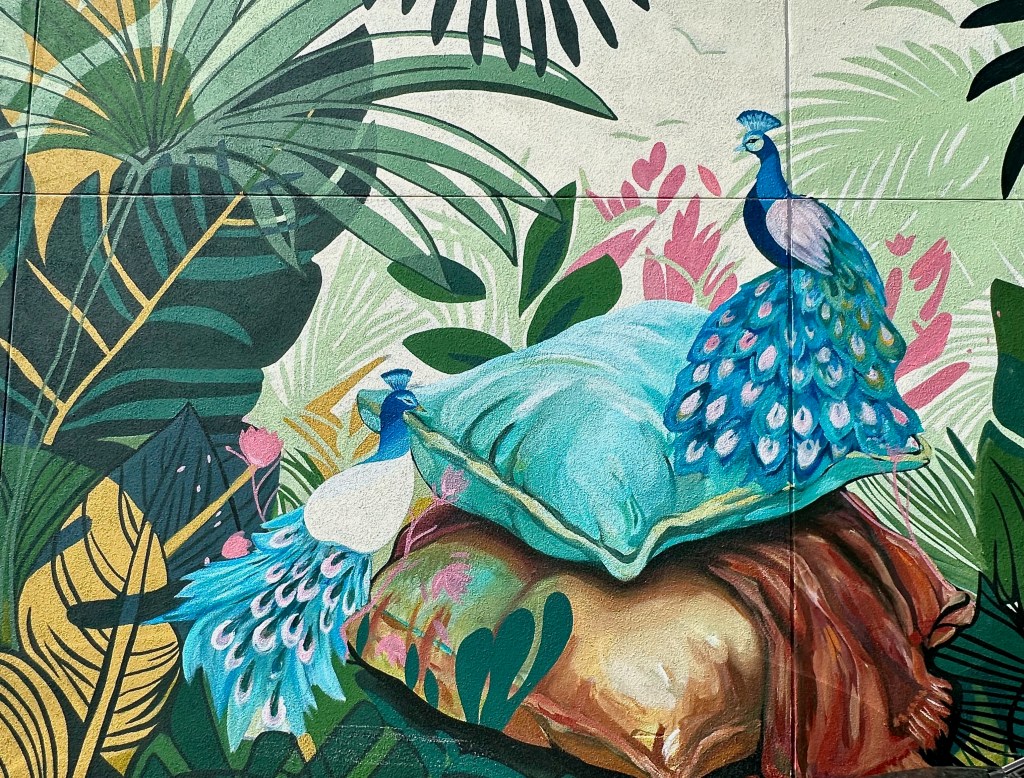
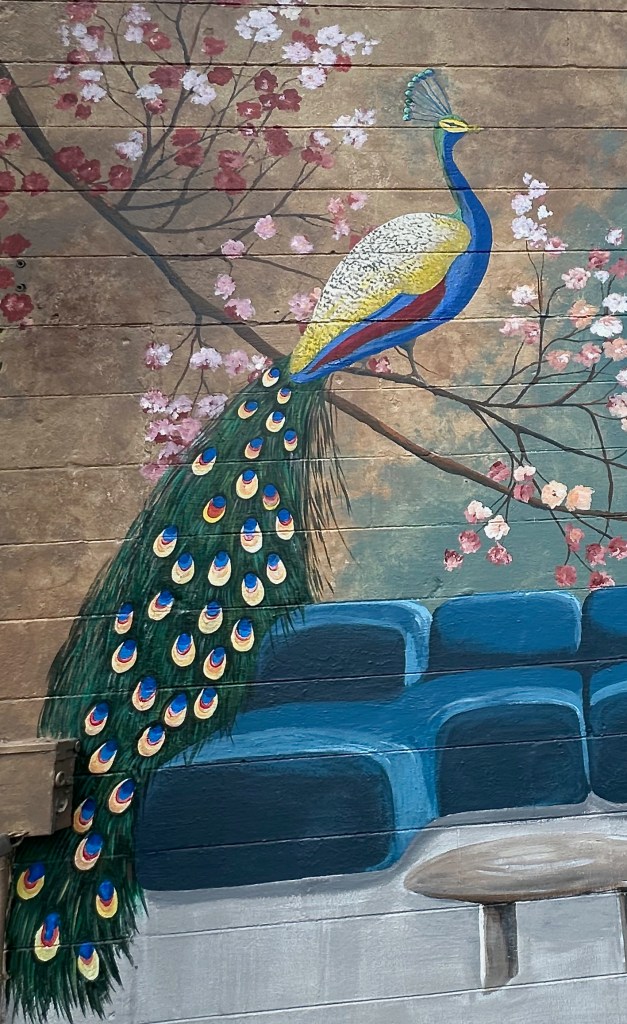
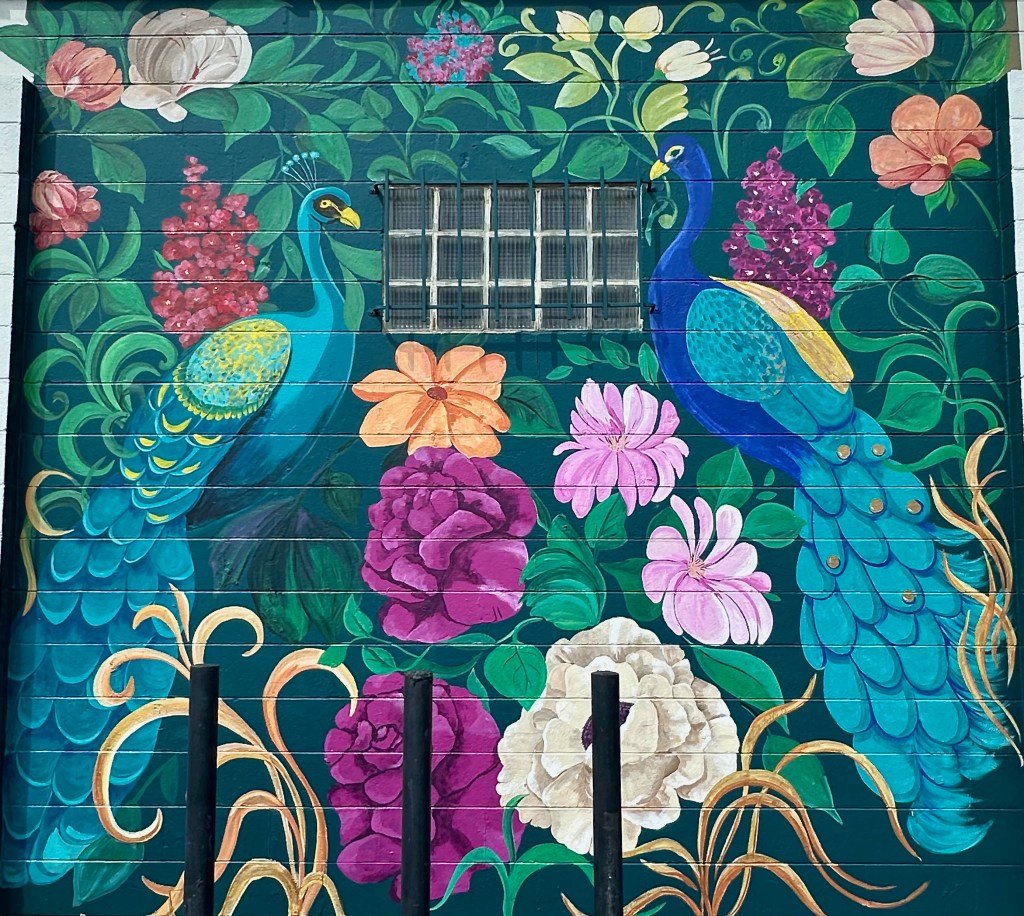
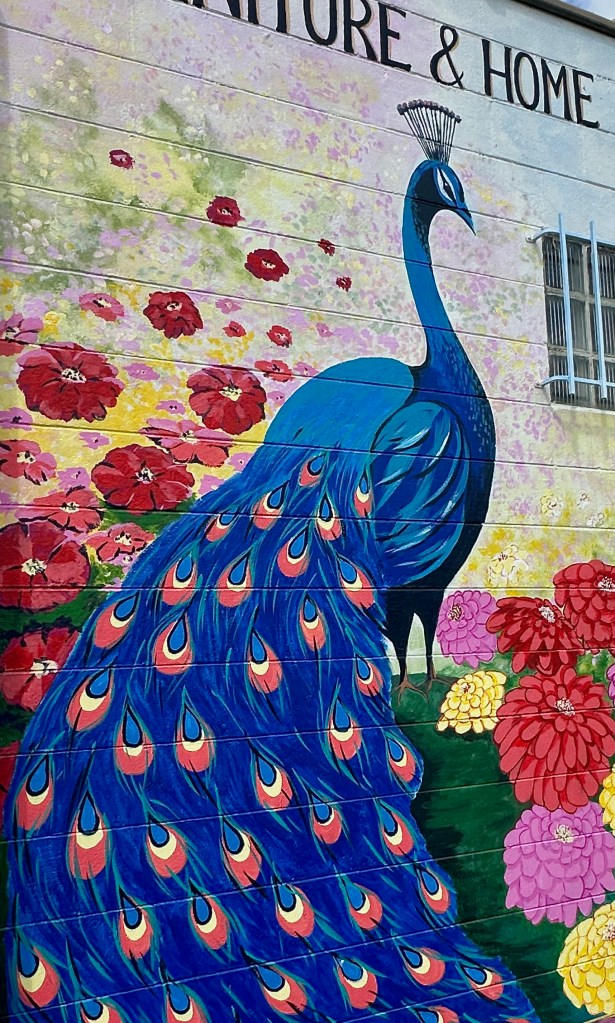
Meanwhile, those colorful peacocks became a staple of life in Winter Park. The peacock is officially the town’s mascot, prominently featured on street signs and in beautiful murals all over town.

Pecking Order

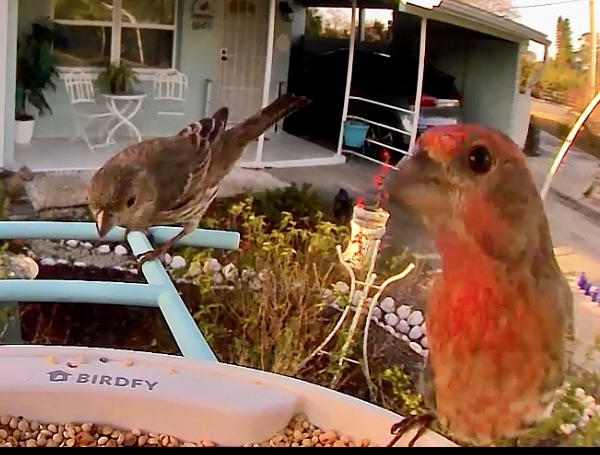
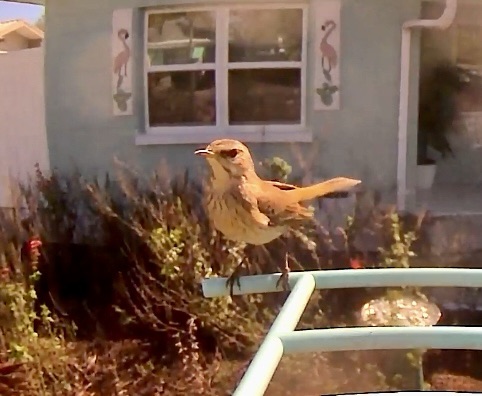
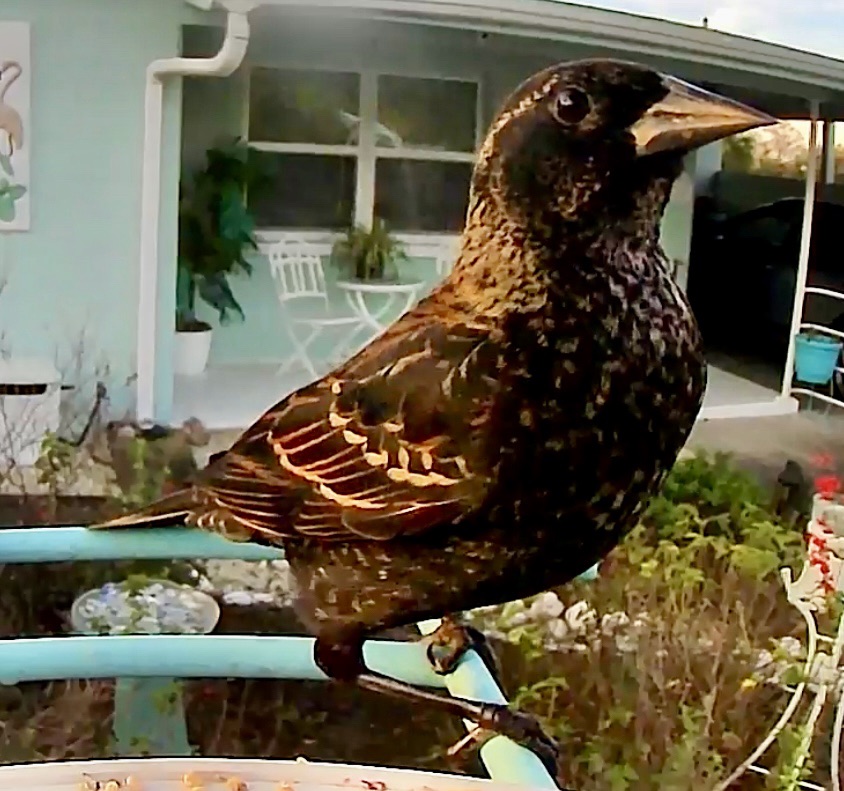
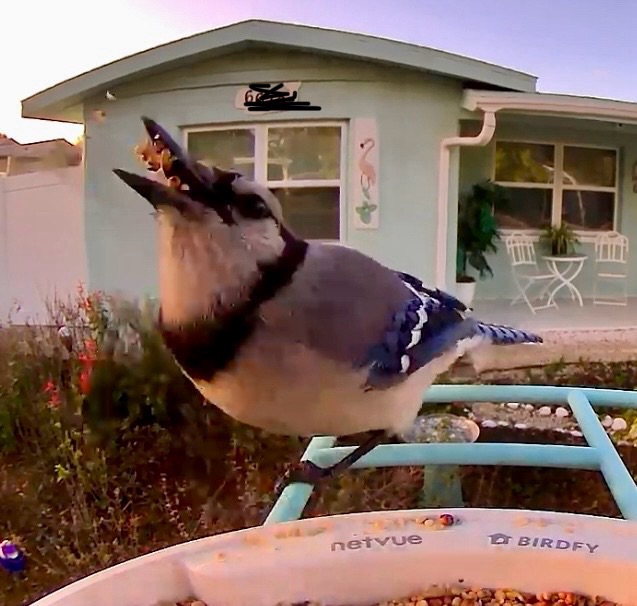
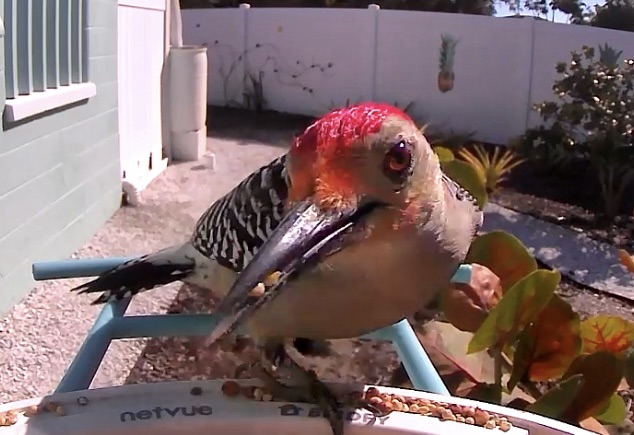
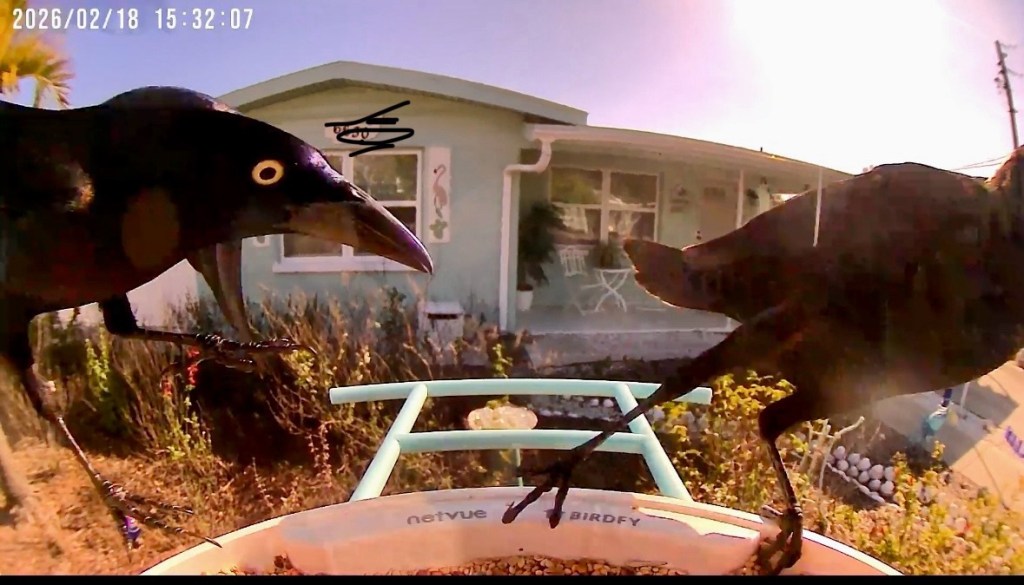
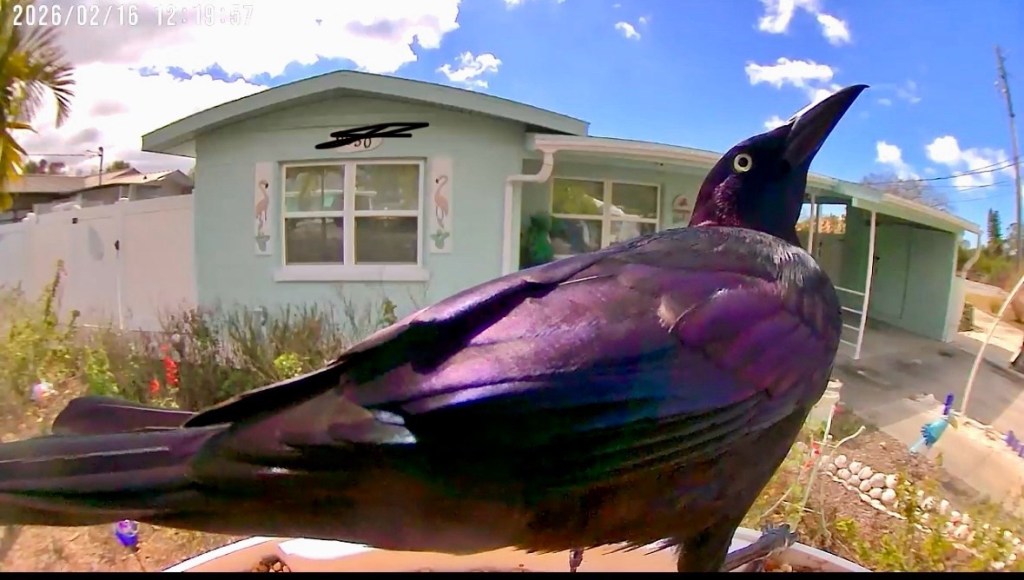
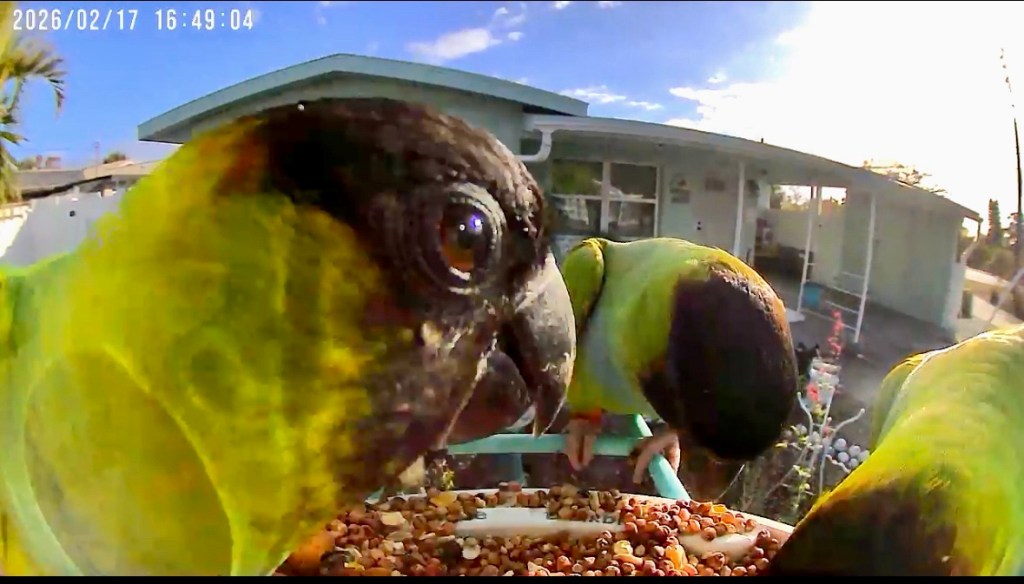
In honor of National Bird Feeding Month, I thought I’d update you on my bird feeder camera. Last week I relocated it to a sunnier spot in my front yard (and moved that feeder to the backyard- never fear, my birds still have options).

The camera caught two new species at the feeder, both of which, for different reasons, surprised me. Between working and relaxing, I spend a decent amount of time out in my yard and this is the first time House Finches have made an appearance. They aren’t an uncommon species, but they are a new yard species for me. As for the Palm Warbler, it is a winter visitor that I first noticed a few years ago and I’m always pleased when the little tail bobber returns. Since they typically dine on insects I didn’t expect it to show up at the feeder. Ever resourceful, they resort to seeds during colder weather.

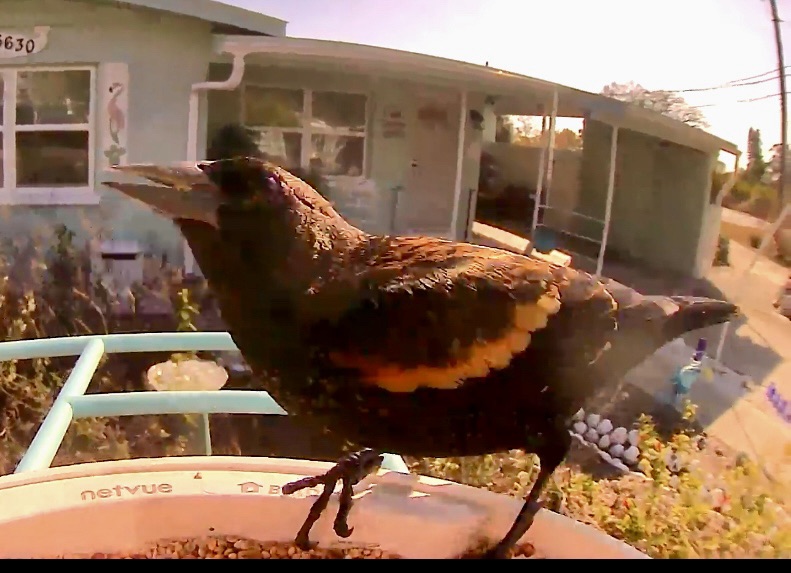
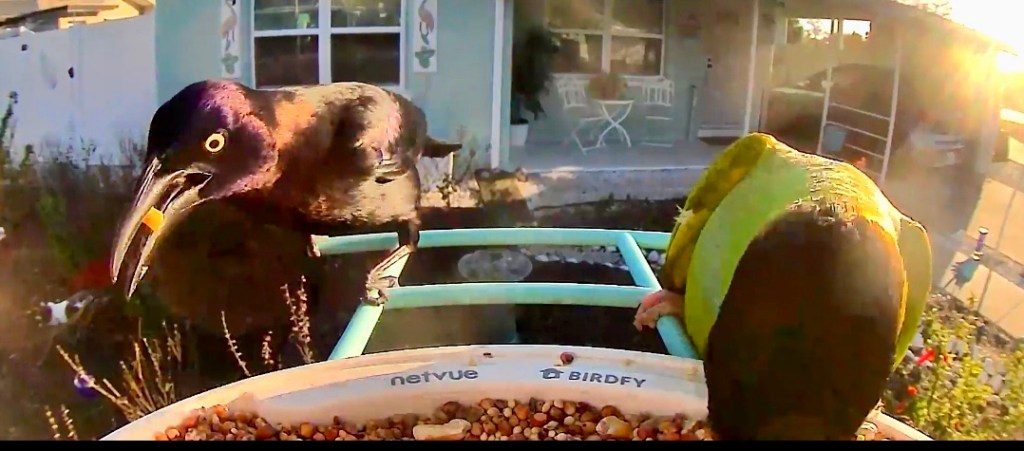
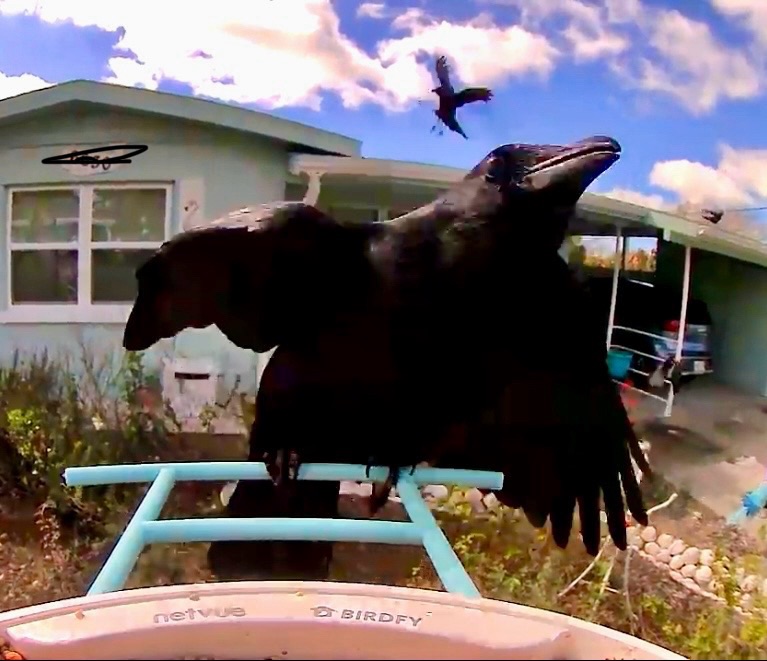
What’s most notable is the “ownership” of my new feeder. Apparently, it belongs to the grackles. Not only are they the first and last visitors every day, but they chase off all the other species (with two notable exceptions).

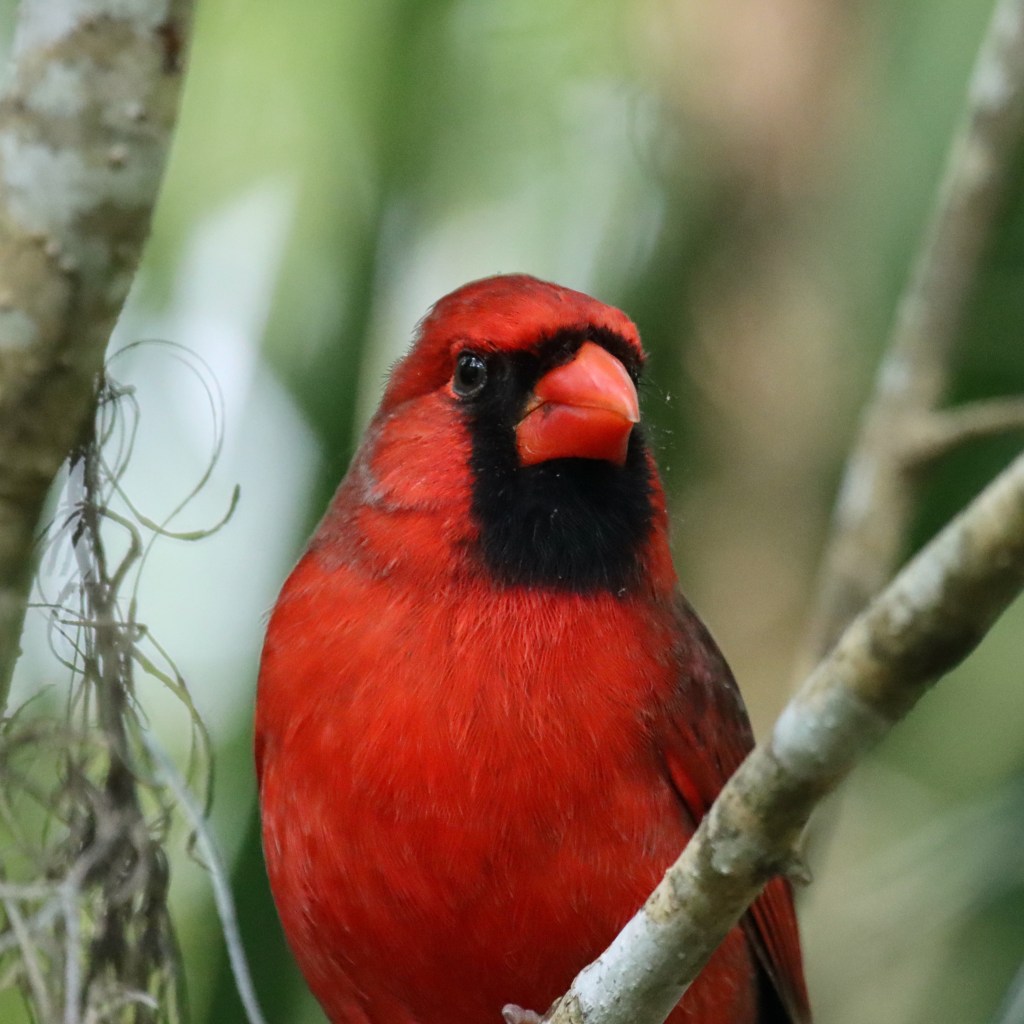
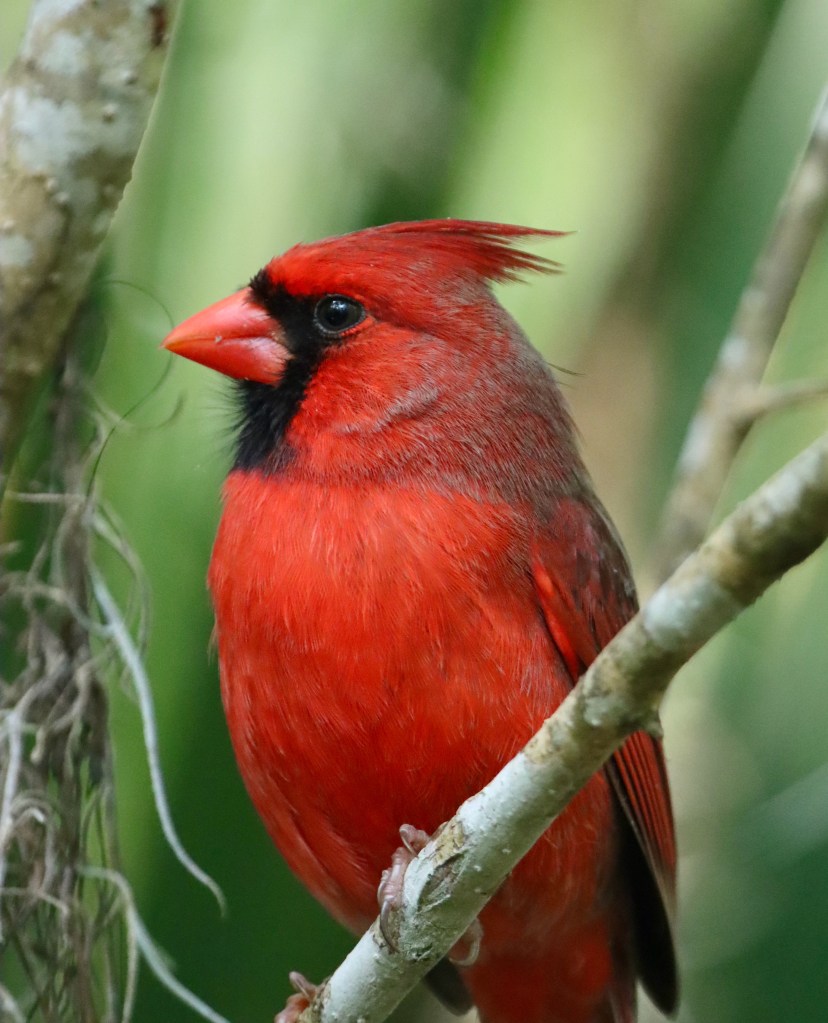
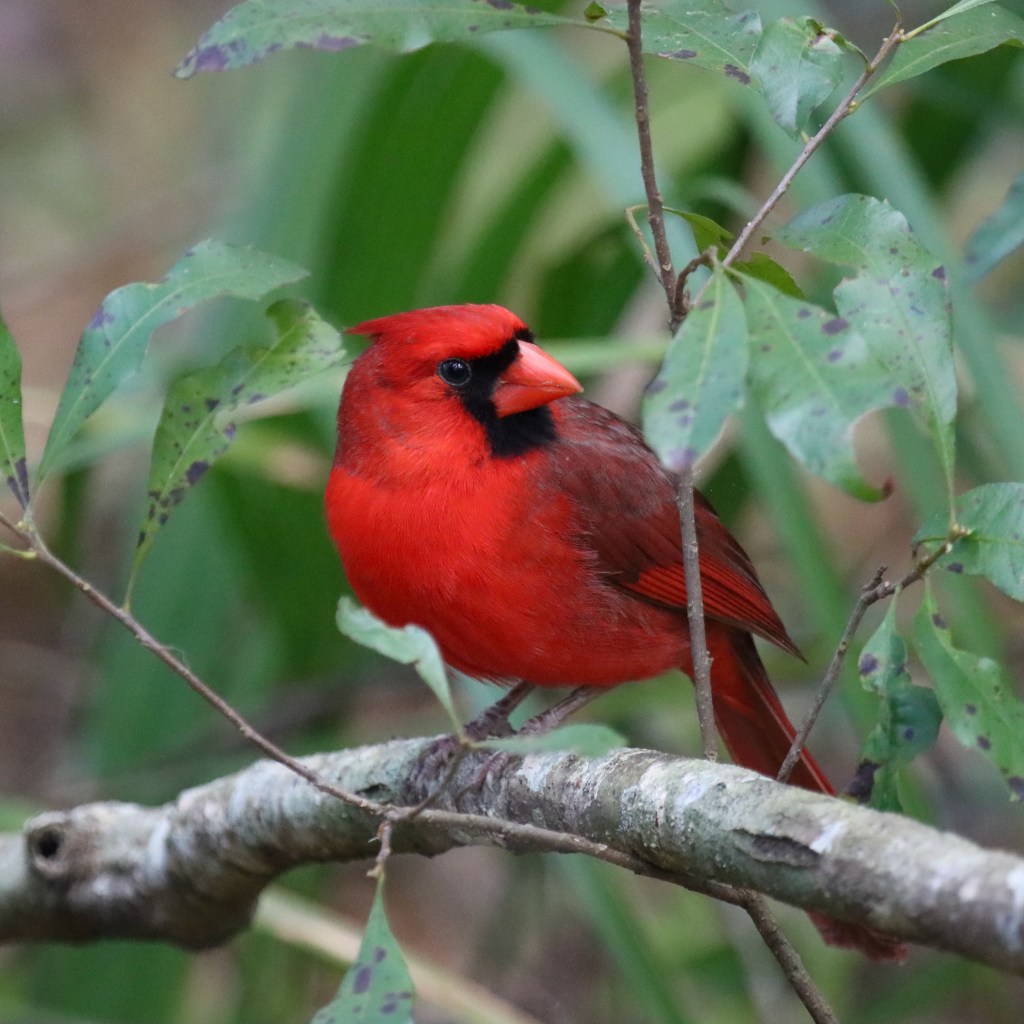
In between grackles other birds swoop in but there is a hierarchy among those species. The small birds and cardinals cede to the jays, which in turn defer to the woodpeckers. All of them will take flight when a grackle appears. Thus far, only a pandemonium* of parakeets or a crow outrank grackles.

*Don’t you just love the collective nouns of different animal species? Even when feeding, a group of parakeets is definitely a wild and noisy thing!

Wandering the Watershed

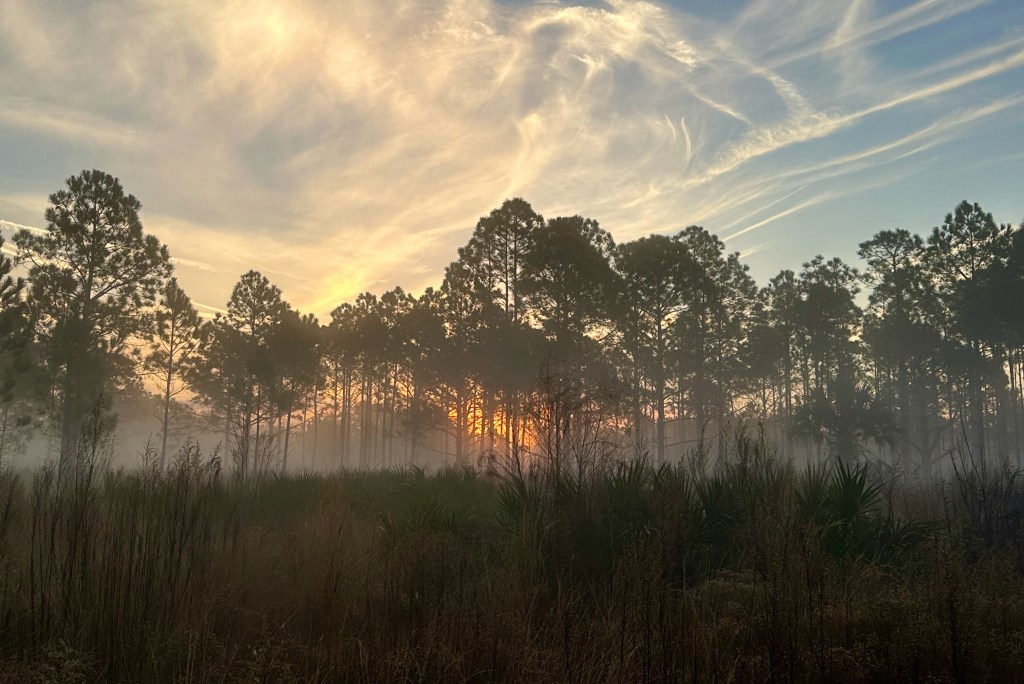
Yesterday I finally had a chance to explore Brooker Creek Preserve. Located near the northern border of Pinellas County, the preserve straddles Brooker Creek. It not only protects a large section of the watershed but it also encompasses the county’s largest remaining swath of undeveloped land (close to 9,000 acres). Considering that Pinellas is the most densely populated county in the state, this open space is a rare treat.

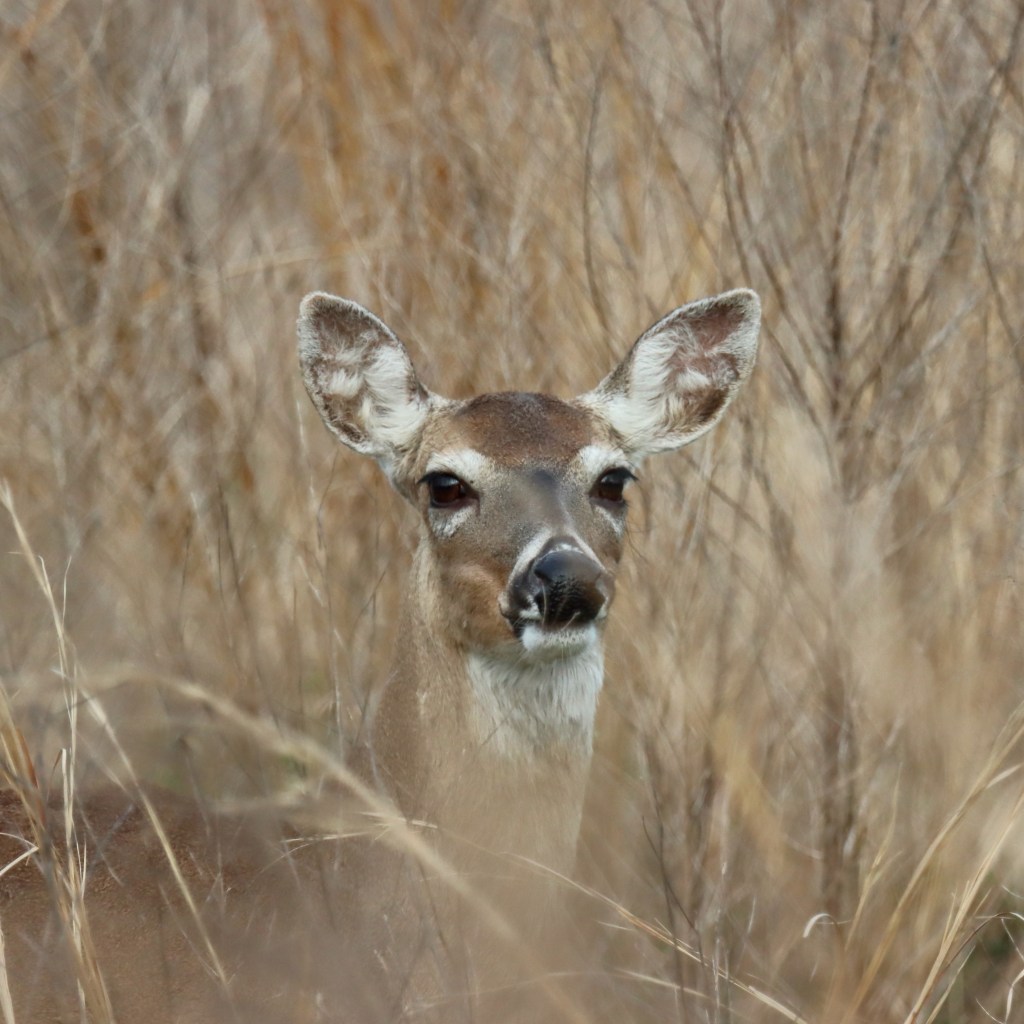
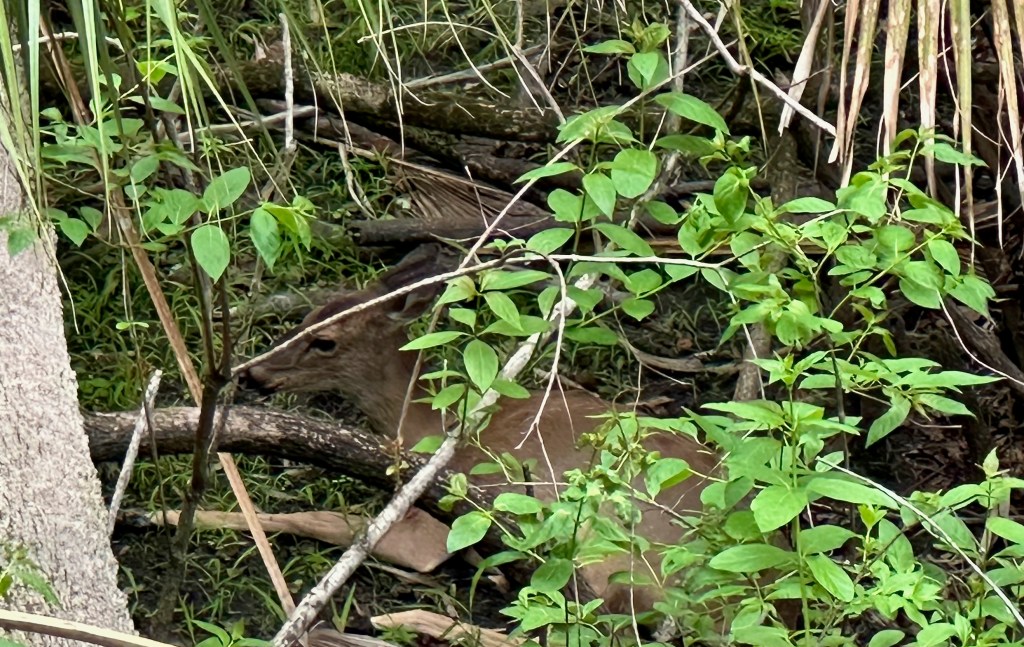
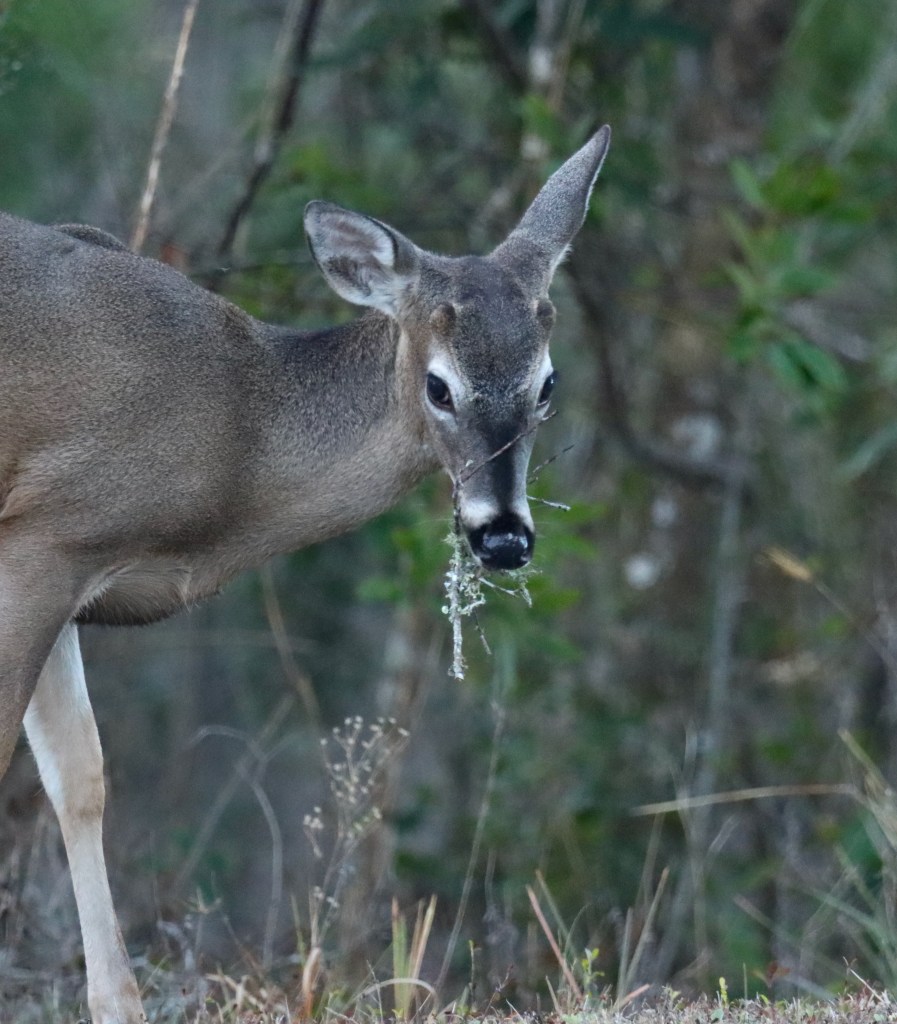
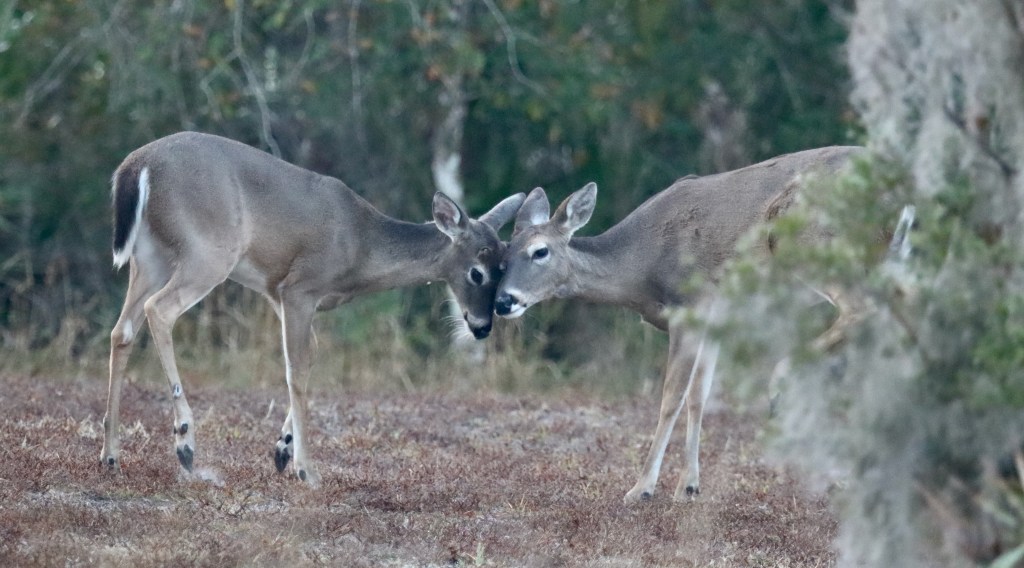
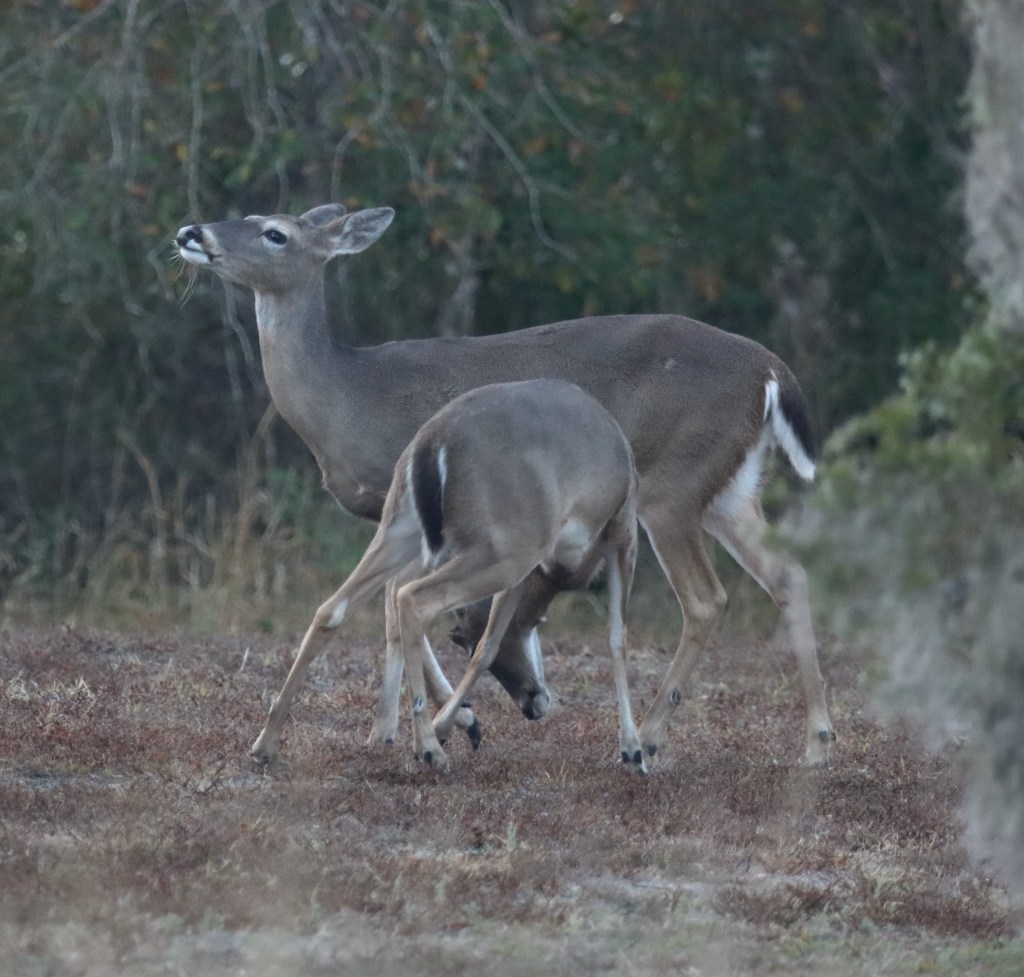
I was up before dawn so that I’d get to there when it opened. I timed it just right, the sun and I both arrived about 7am. I followed the park ranger in as he unlocked the gates but after that I was on my own. Well, except for a couple of White-tailed Deer that foraged and frolicked nearby, completely unconcerned with my presence.

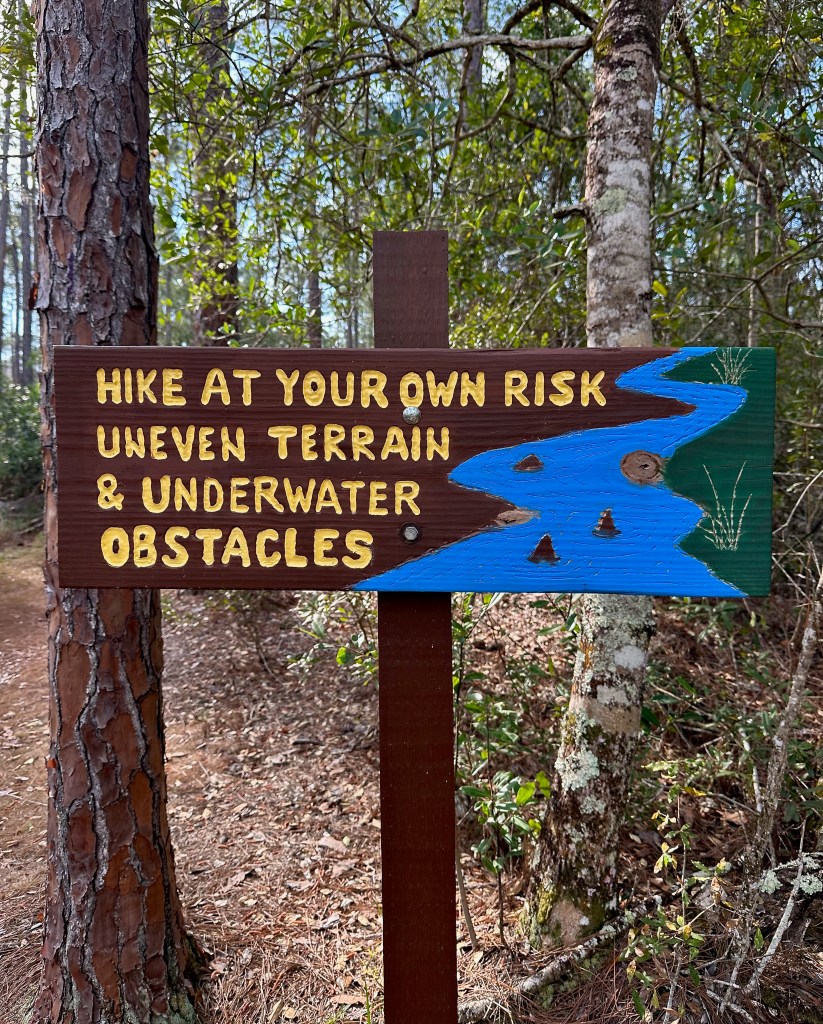
The main thing I noticed as I wandered the boardwalk and trails was the lack of water. If it wasn’t for the current drought, most of the dusty footpaths I wandered would normally be underwater (or at least very muddy, hence the trail sign).

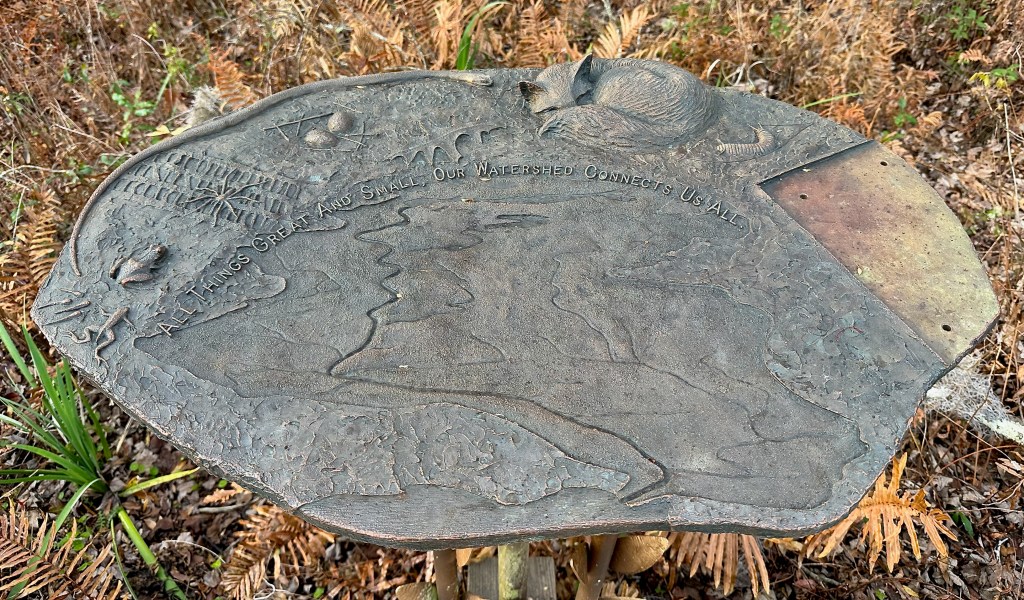
That’s the thing about Florida, it’s the flattest state in the country. Which means that historically, during the rainy season, the water in our largest watershed didn’t exactly gush, as much as it just spread across the landscape. Lacking elevation and the great pull of gravity, the water meandered, passing through marshes, swamps, and wetlands before eventually moseying into Tampa Bay (when left unaltered, but spoiler alert, it’s almost all been altered).

Overall, the dryness worked in my favor, as birds were drawn to the remaining ribbon of water (and my feet didn’t get wet). How fortunate for all of us that this land is protected!

Whispers in the Pines