While beautiful and fragile-looking, the Gulf Fritillary (Agraulis vanillae) is not to be trifled with. This species is unique in that it has glands on its abdomen that release a noxious odor when threatened, prompting birds to move on to other, less smelly prey. While the view from above is striking, I find the silvery spots on the underside equally alluring.
Archive for ‘Nature Notes’
Lively Gray

The White-eyed Vireo (Vireo griseus) is one aptly named bird! Compared to any of the other vireos that pale eye is incredibly distinctive. Though, to be finicky, I would call that color light gray or ash. A technicality supported by its scientific name as griseus is Latin for gray. It is a handsome little bird that I was very fortunate to get a good look at (they spend most of their time flitting busily through the shrubbery, took me fifteen minutes to even locate this one). Which is where the first part of their binomial comes into play, vireo means lively or full of vigor.
Proper Pollination

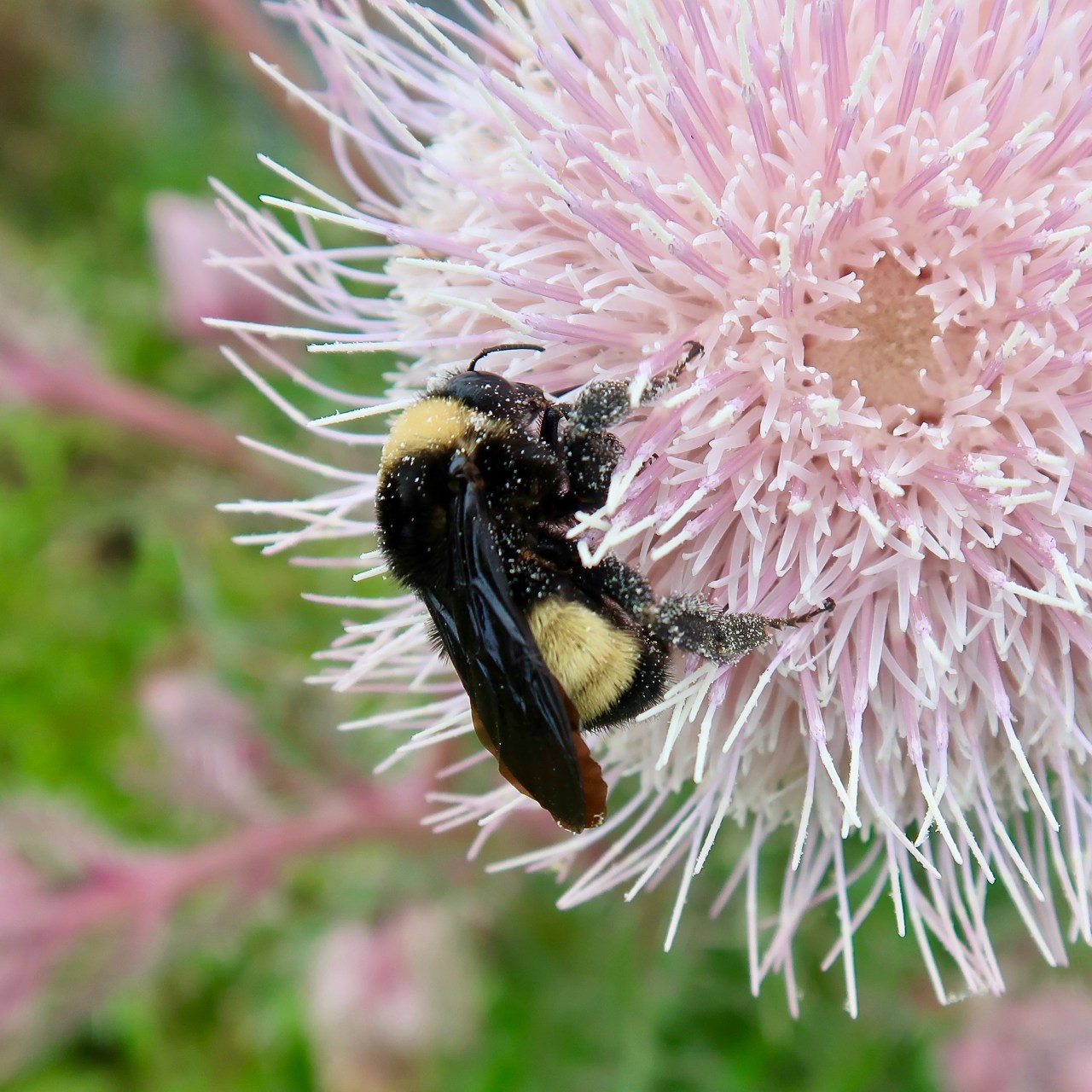
This American Bumblebee is demonstrating the correct entomophily (insect pollination) technique. As it wiggles into the flower to slurp some sweet nectar, pollen grains attach to the bee’s body. At the next flower, some of the pollen (aka plant sperm) will brush off, helping to fertilize that flower’s egg cells. Practicing safe plant sex leaves all parties satisfied!
Nectar Robber

This American Bumblebee (Bombus pensylvanicus) is stealing from this little flower. Instead of the usual plant-pollinator interaction, where the pollinator earns a sweet treat in exchange for carrying off pollen and sharing it with other flowers, this bumblebee has cut to the chase.
Dollarweed

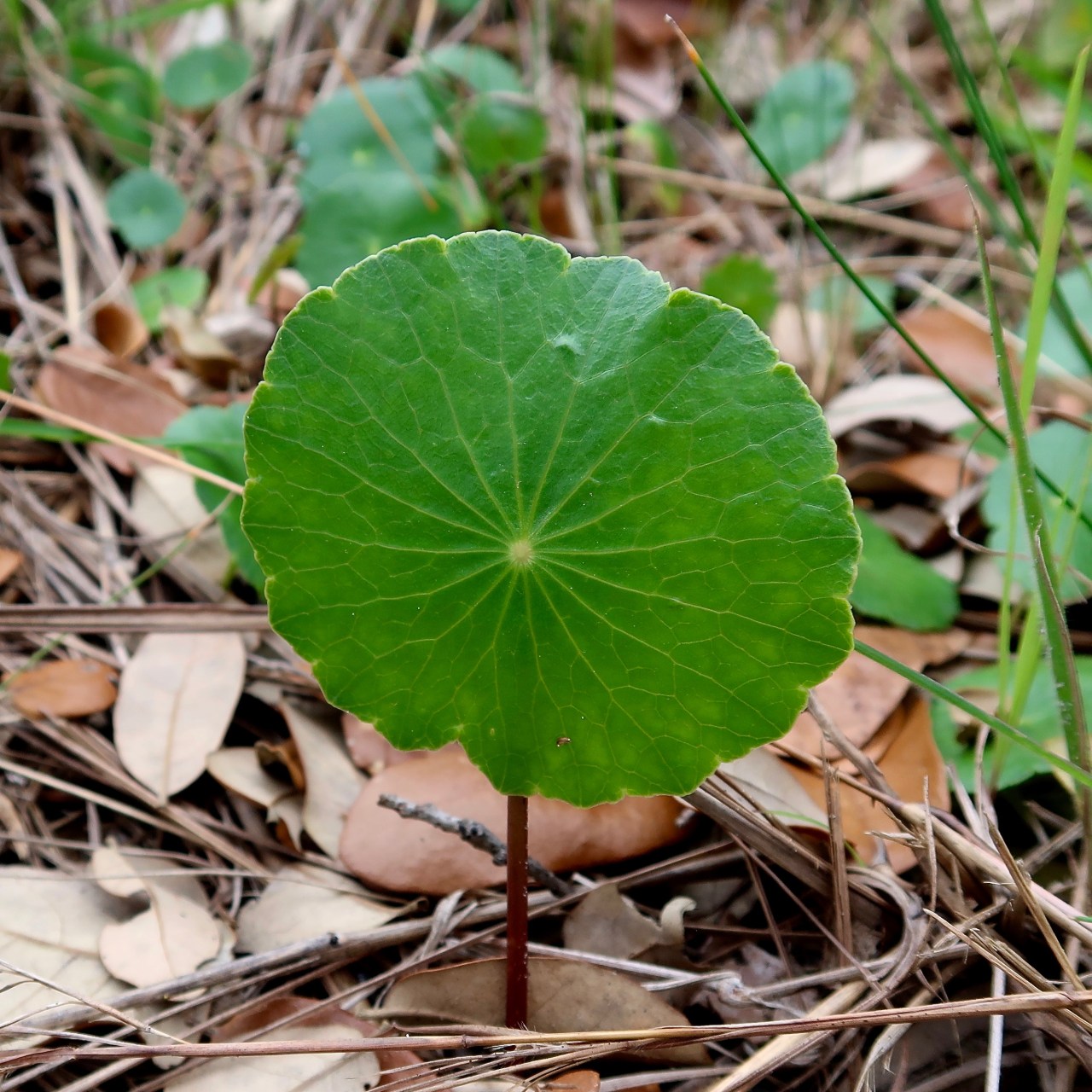
This tough, water-loving little plant is the bane of anyone who desires a perfect lawn down here along the Texas Coastal Bend. There are roughly 100 species of Hydrocotyles around the world, two of which are found in this area. At least the common name here is a bit of an inflation, elsewhere, they are known as pennywort.
Common Buckeye

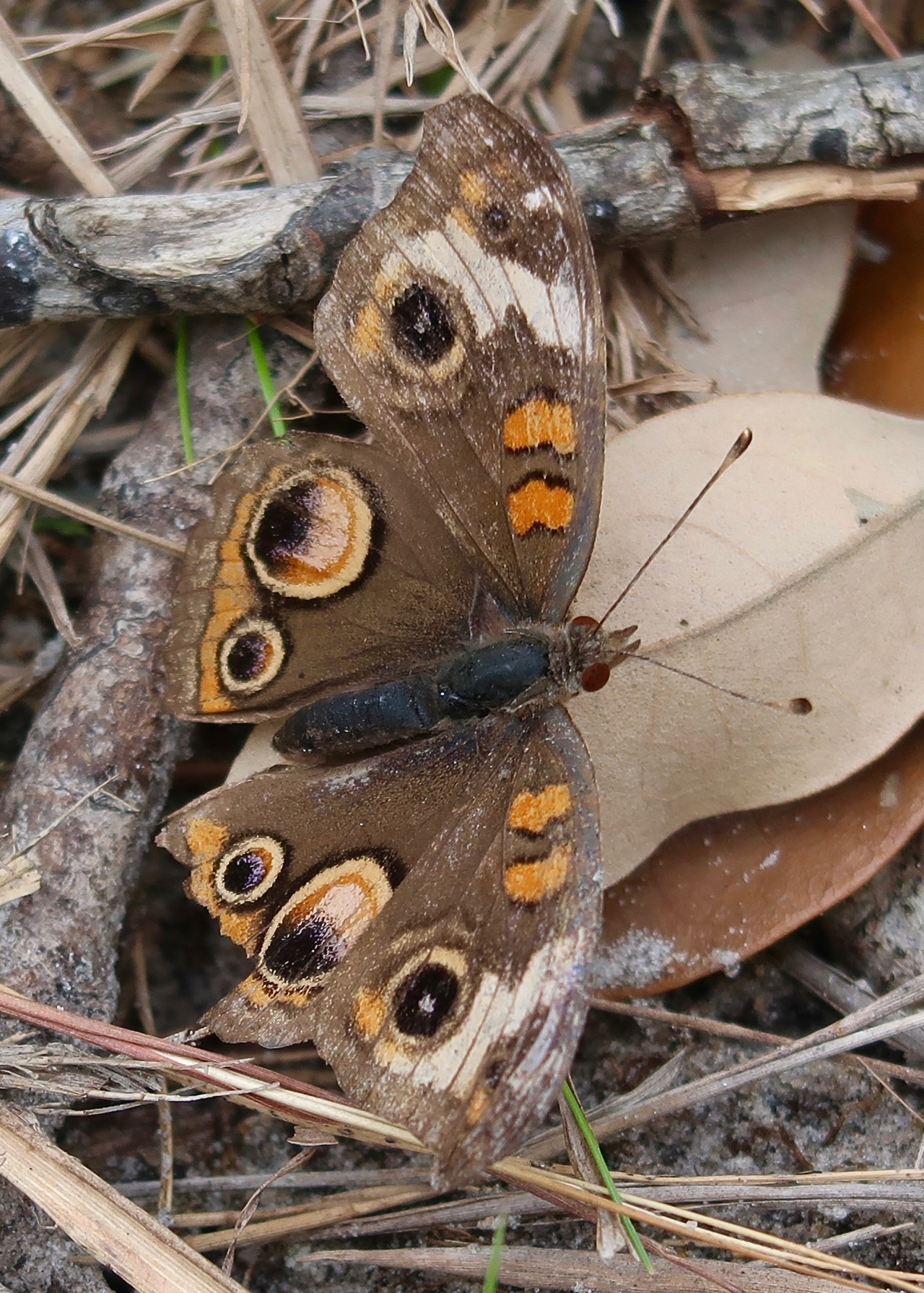
The Common Buckeye Butterfly (Junonia coenia) is aptly named. Not only do the large eyespots look like deer eyes but it is very a common resident in the southeastern U.S. They are regularly found in urban areas, thriving in parks and weedy lots. As spring warms, some of the young butterflies will make their way north, spreading as far as Canada. Like many retirees, at the first hint of winter weather they will head south. The worn adult above could have been a local butterfly or a migrant. Or, to use the local term for a snowbird, a Winter Texan.
Lovely Leafwings

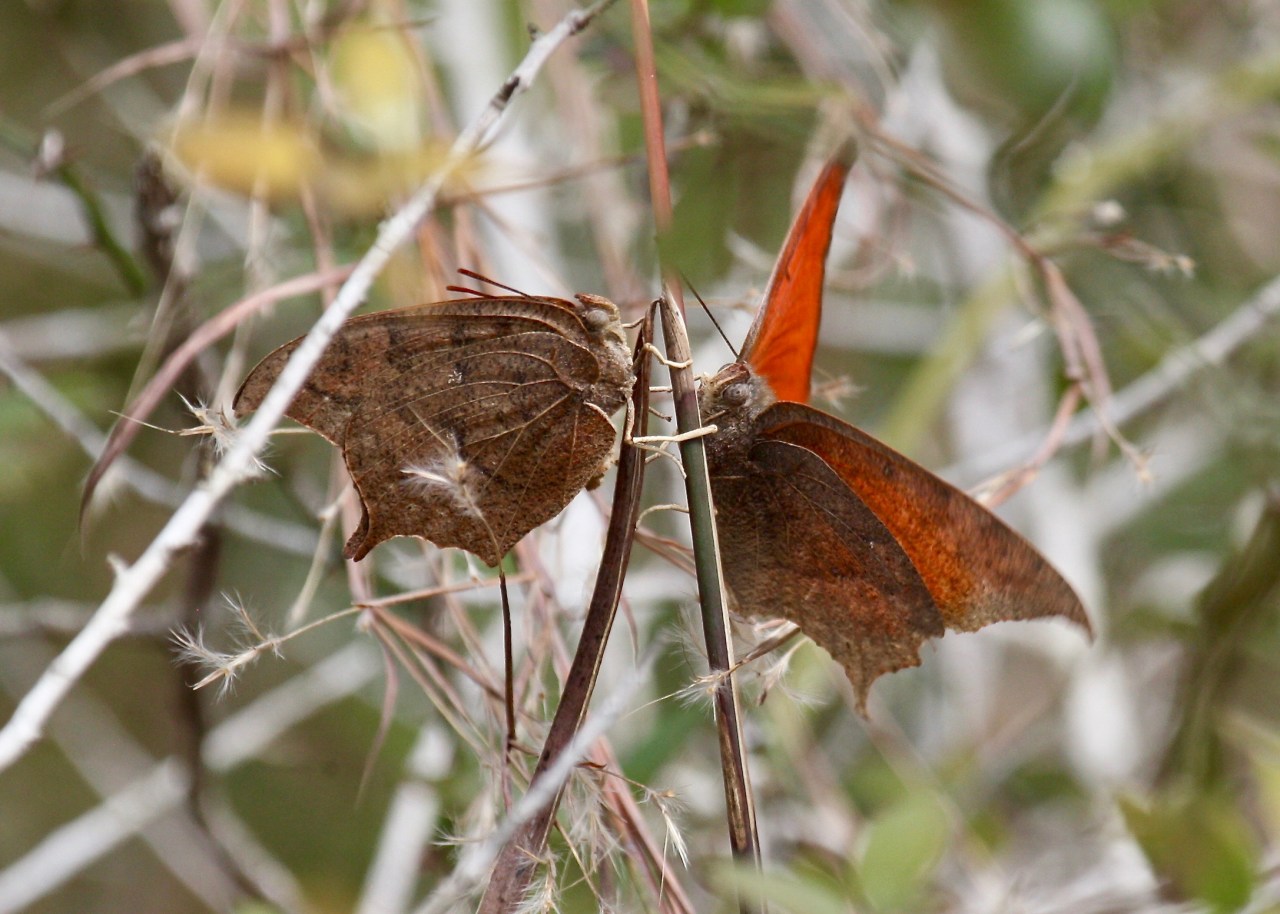
I was fooled by these two aptly named Tropical Leafwings (Anaea aidea). If they hadn’t opened their wings I never would’ve noticed them, their camouflage is that good. I wish I had been able to get a better look at their vibrantly red open wings. However, this pair was too busy flirting to accommodate me.
Anole

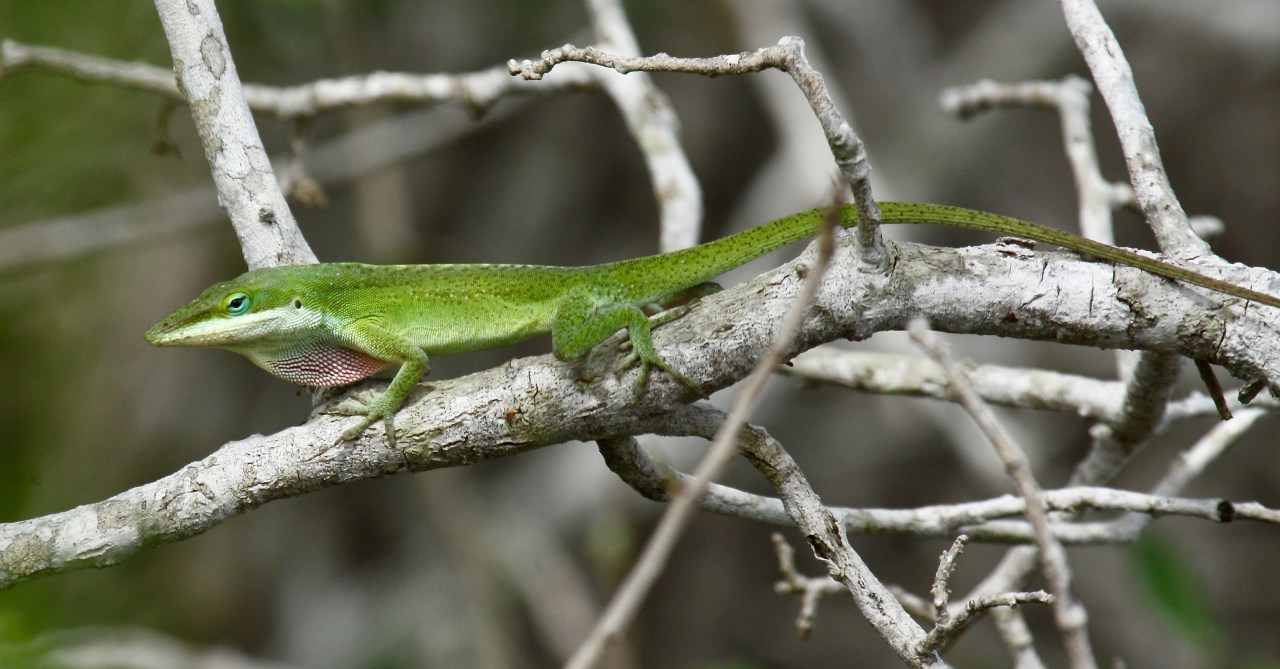
A male Green Anole (Anolis carolinensis) showing off his reddish dewlap. Though not true chameleons, anoles can change colors. The change from green to brown is not used for camouflage but in response to stress or other environmental factors. This one appeared pretty relaxed as he regarded me.
Bluebonnet

Spring is here, according to the flowers that are popping up. The Texas Bluebonnet (Lupinus texensis) is, quite fittingly, the state flower. I remember reading about bluebonnets as a child and yearning to see them. I think the name added a certain allure.
I was rather disappointed when I later discovered that they were just lupines (which we have several species of in my childhood state of Arizona). Not to detract from their appeal, they are still lovely splashes of color.
Dashing

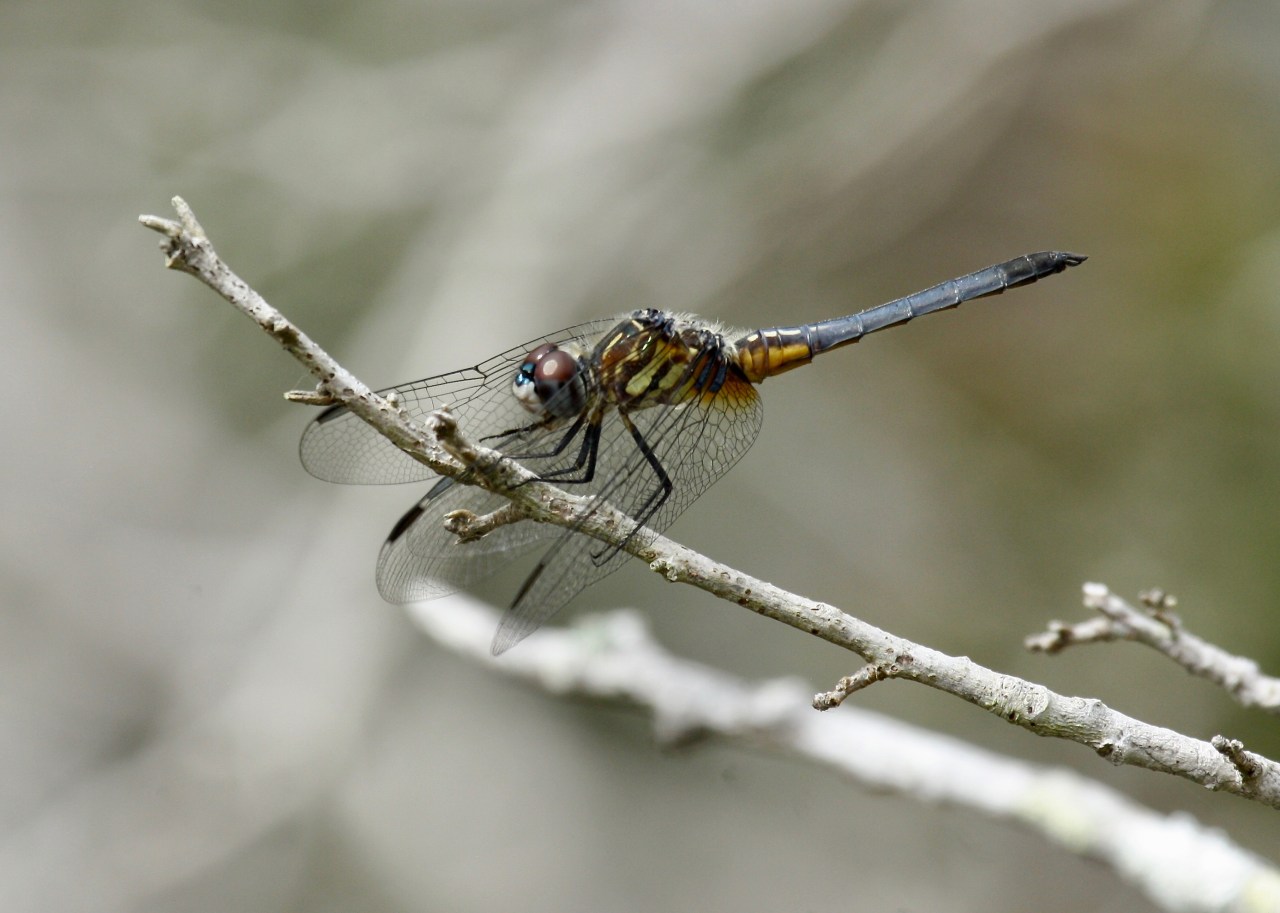
This female Blue Dasher (Pachydiplax longipennis) isn’t nearly as colorful as the males of her species yet she is still quite striking. One of the most common dragonflies in North America, they are another predator of mosquitoes (either larval or on the wing). Which endears them to me!