A magazine for each end of the spectrum! Santa Fe, New Mexico 2010

A magazine for each end of the spectrum! Santa Fe, New Mexico 2010
Dog Cat lives are too short. Their only fault, really.
~ Agnes Sligh Turnbull

Bailey, 12-2017
Heart-wrenching day. Earlier, I said goodbye to my sweet, wise, and loving cat, Bailey. After 18 years together, his little body just gave out on him. He was such a character! Even though physically small, he ruled the household (keeping three successive cats in line). He behaved more like a dog; would fetch, play in water, alert me to dangers such as scorpions or snakes, loved to cuddle, and had an uncanny ability to sense my mood. Every night I was home he slept curled up by my right shoulder; kneading my hair, his purr a calming lullaby. I miss you, little dude…
Do not look back and grieve over the past, for it is gone. Do not be troubled by the future, for it has yet to come. Instead, live in the present, and make it so beautiful that it will be worth remembering.
~ Ida Scott Taylor

Hibiscus, Alicante, Spain 05-2006
You can’t step into the same river twice.
~ Heraclitus of Ephesus

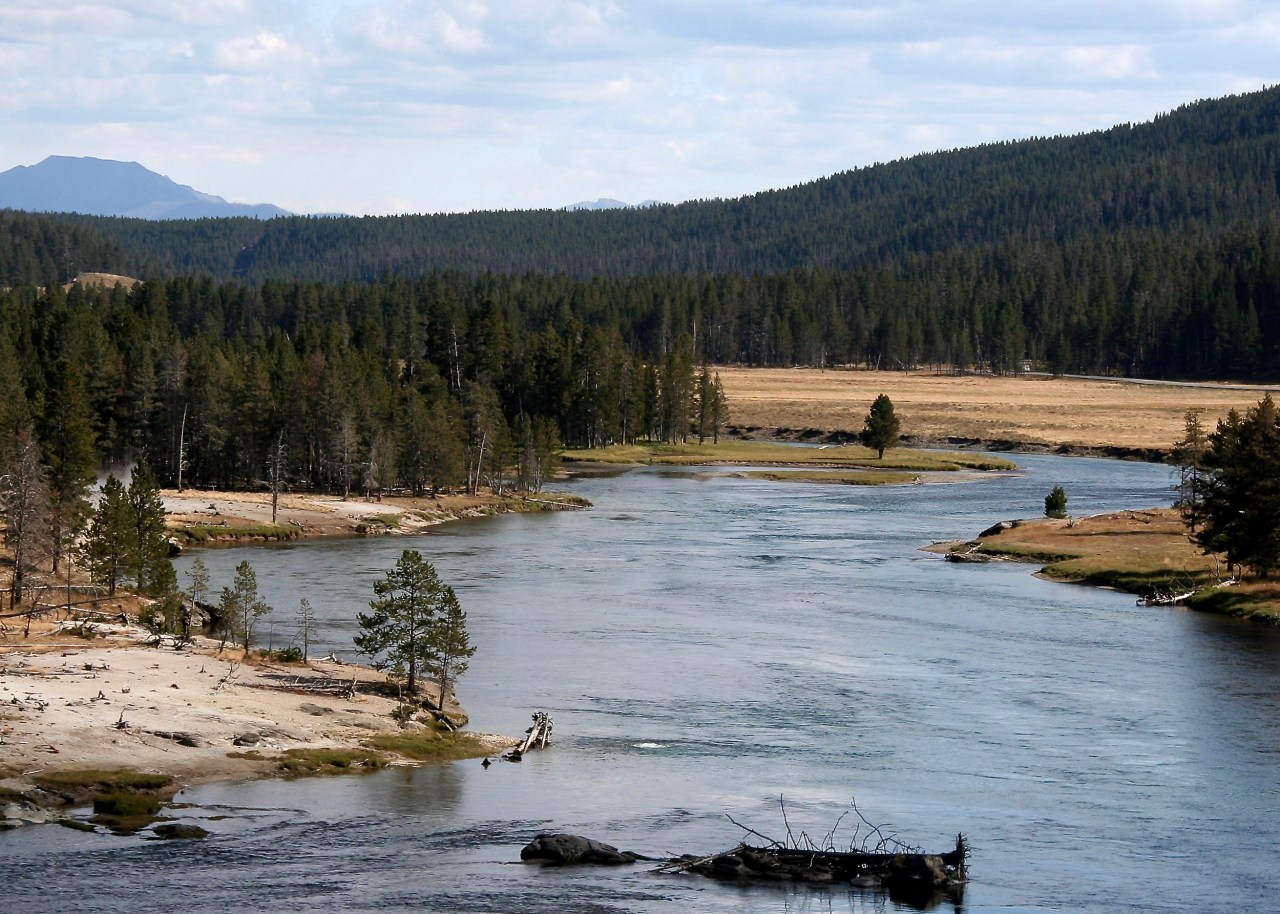
Snake River, Massacre Rocks State Park, Idaho 2008
Good health and good sense are two of life’s greatest blessings.
~ Publilius Syrus

Stork Nest with Fledgling, Villablino, Spain 05-2006
It is better to ask some of the questions than to know all of the answers.
~ James Thurber

Beetle Making Tracks, Monahans Sandhills State Park, Texas 2007
There is no duty we so much underrate as the duty of being happy. By being happy we sow anonymous benefits upon the world.
~ Robert Louis Stevenson

Dad and Baby Bighorn Sheep, Arizona-Sonora Desert Museum, Tucson 2014
The population of sea stars along the west coast of North America has dropped precipitously in the last five years. The die-off was first noted in the late summer of 2013 near Vancouver, B.C. By the end of the year multiple species of sea stars were also dying in large numbers in Washington, Oregon, and California. Researchers dubbed it Sea Star Wasting Syndrome and though the underlying cause is still poorly understood, one clear link is warmer water temperatures.
Sea stars may not be very charismatic but they are considered a keystone species for the tidepool/intertidal zone. Ochre Sea Stars (Pisaster ochraceus) control the California Mussel population, while Sunflower Sea Stars (Pycnopodia helianthoides) feed on sea urchins – without them, mussels and sea urchins would quickly take over to the detriment of other species. Having had the “pleasure” of stepping on a sea urchin, you can guess why I love Sunflower Sea Stars!
In my (admittedly limited) recent tidepool surveys I felt fortunate to see one or two Ochre Seas Stars. But earlier this week, low tide was especially low, finally allowing access to some large rocks. These rocks were absolutely covered in lifeforms: California Mussels, Acorn and Gooseneck Barnacles, anemones, turban snails, chitons, Sea Lettuce, Coralline Algae, Rockweed, and yes, even Ochre Sea Stars!
I was immediately drawn to the large orange ones but as I got closer the mauve ones started to reveal themselves. When I really leaned in, I discovered the dark areas that looked like sections of bare rock were actually covered in tiny Sea Stars! What a wonderful surprise!