If your success is not on your own terms, if it looks good to the world but does not feel good in your heart, it is not success at all.
~ Anna Quindlen
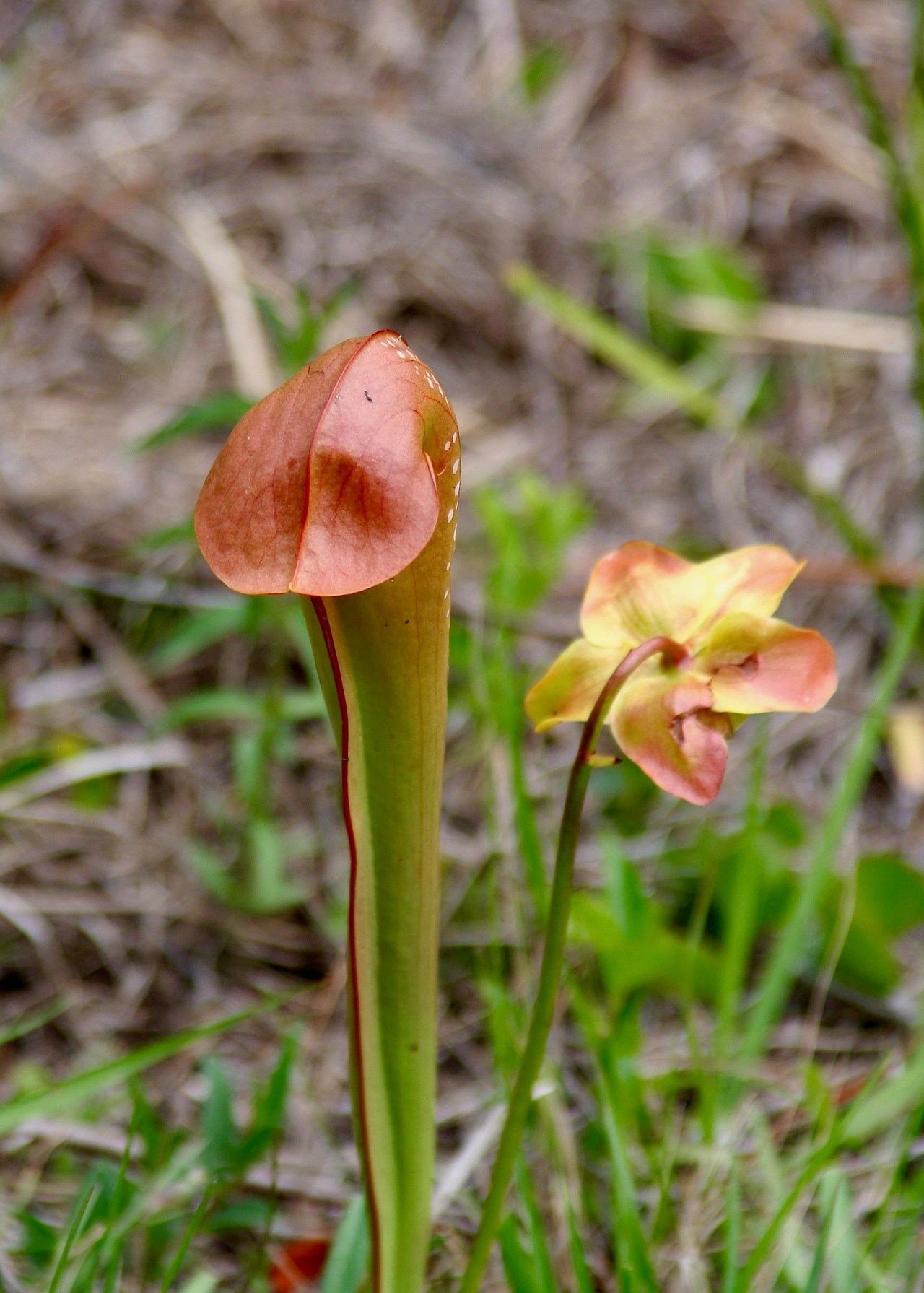
Venus Flytrap, Okefenokee National Wildlife Refuge, Folkston, Georgia 2007

If your success is not on your own terms, if it looks good to the world but does not feel good in your heart, it is not success at all.
~ Anna Quindlen
Venus Flytrap, Okefenokee National Wildlife Refuge, Folkston, Georgia 2007
It was a treat to watch this Western Gull (Larus occidentalis) foot paddling – a foraging behavior used in shallow water to kick up small prey, like Sand Shrimp. It seemed to be a very productive technique!
Cats seem to go on the principle that it never does any harm to ask for what you want.
~ Joseph Ward Kruth
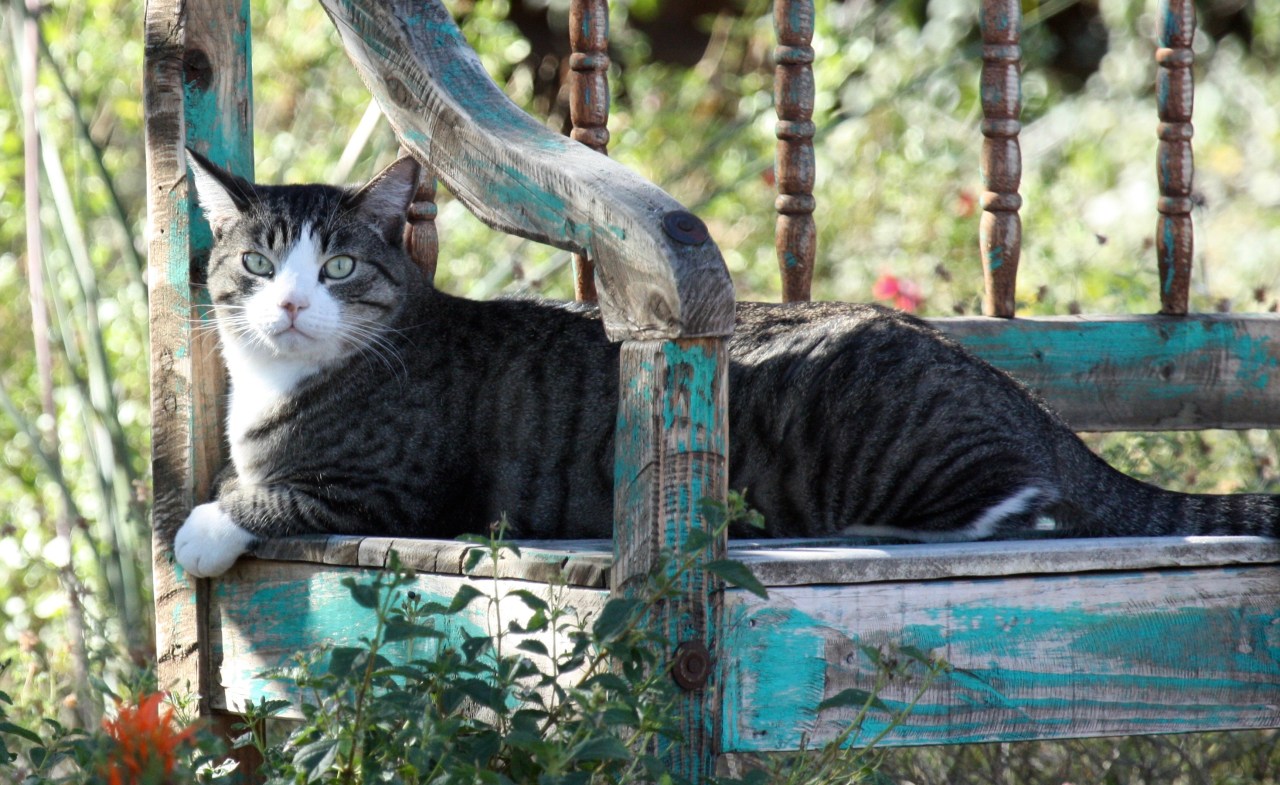
Wylie, Tucson, Arizona 2016
You may be disappointed if you fail, but you are doomed if you don’t try.
~ Beverly Sills

Toad, Lake Bob Sandlin State Park, Pittsburg, Texas 2007
Low tide served me several tiny sand dollar tests recently. My newest acquisitions:
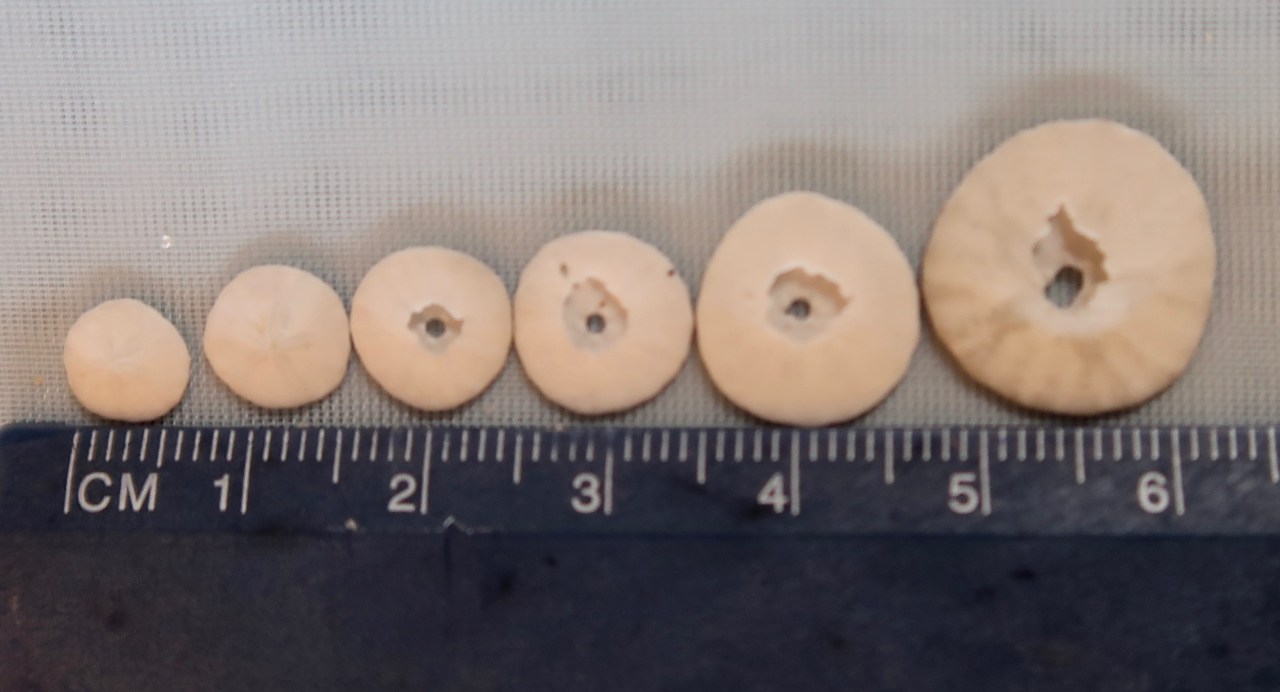
My growing collection:
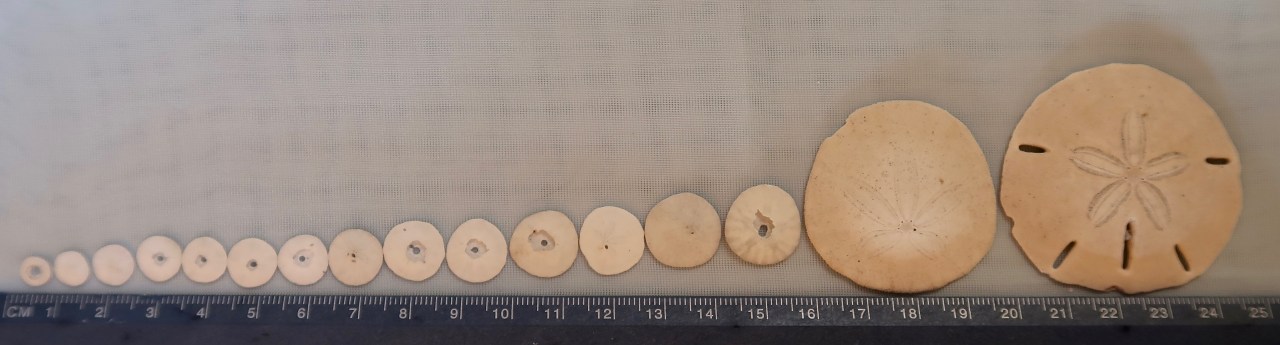
Thankfully they are so tiny, they don’t take up much room!
The stupid neither forgive nor forget; the naïve forgive and forget; the wise forgive but do not forget.
~ Thomas Szasz

Queen Butterfly, Tucson, Arizona 2012
What matters most is how well you walk through the fire.
~ Charles Bukowski
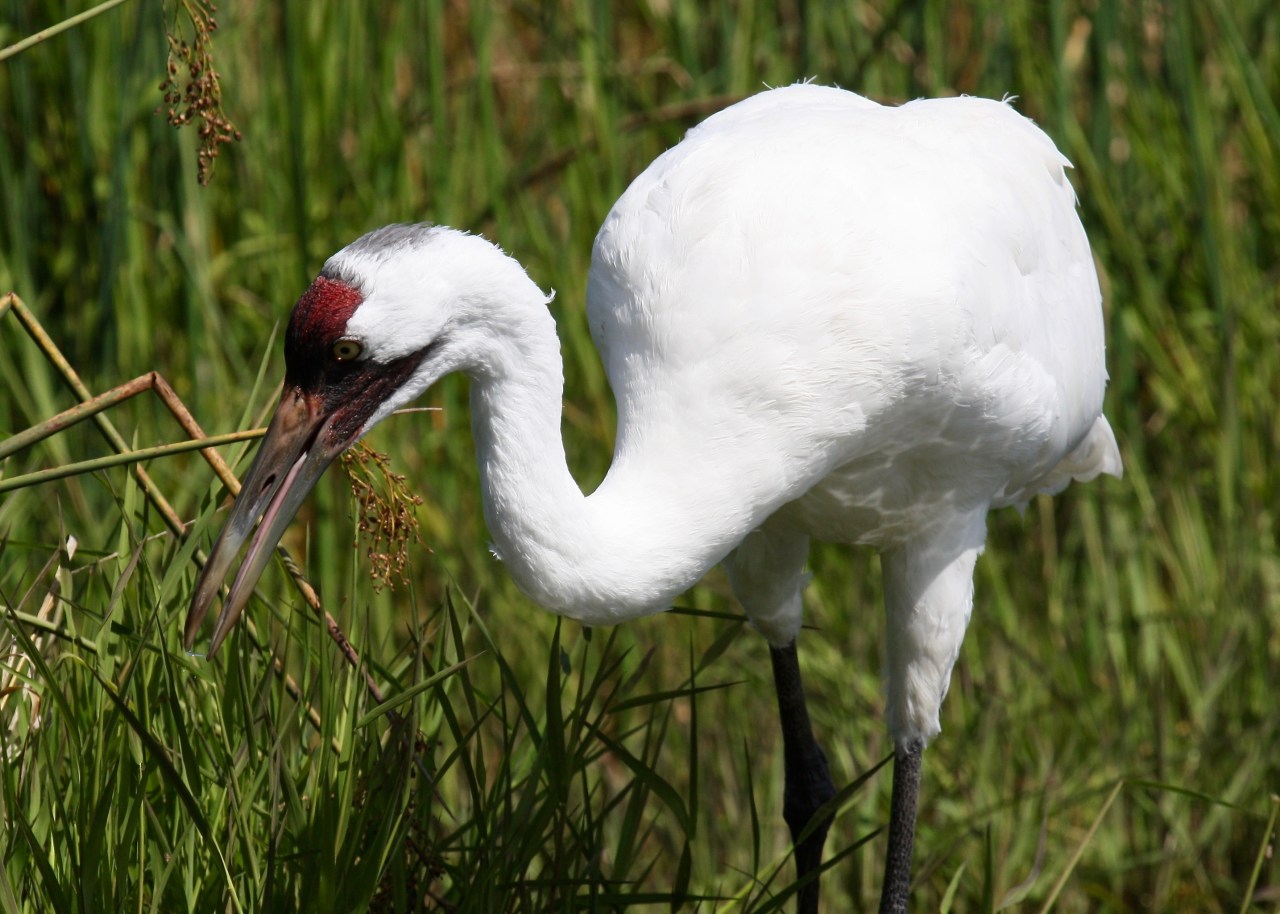
Whooping Crane, International Crane Foundation, Baraboo, Wisconsin 2009
The simple things are also the most extraordinary things, and only the wise can see them.
~ Paulo Coelho
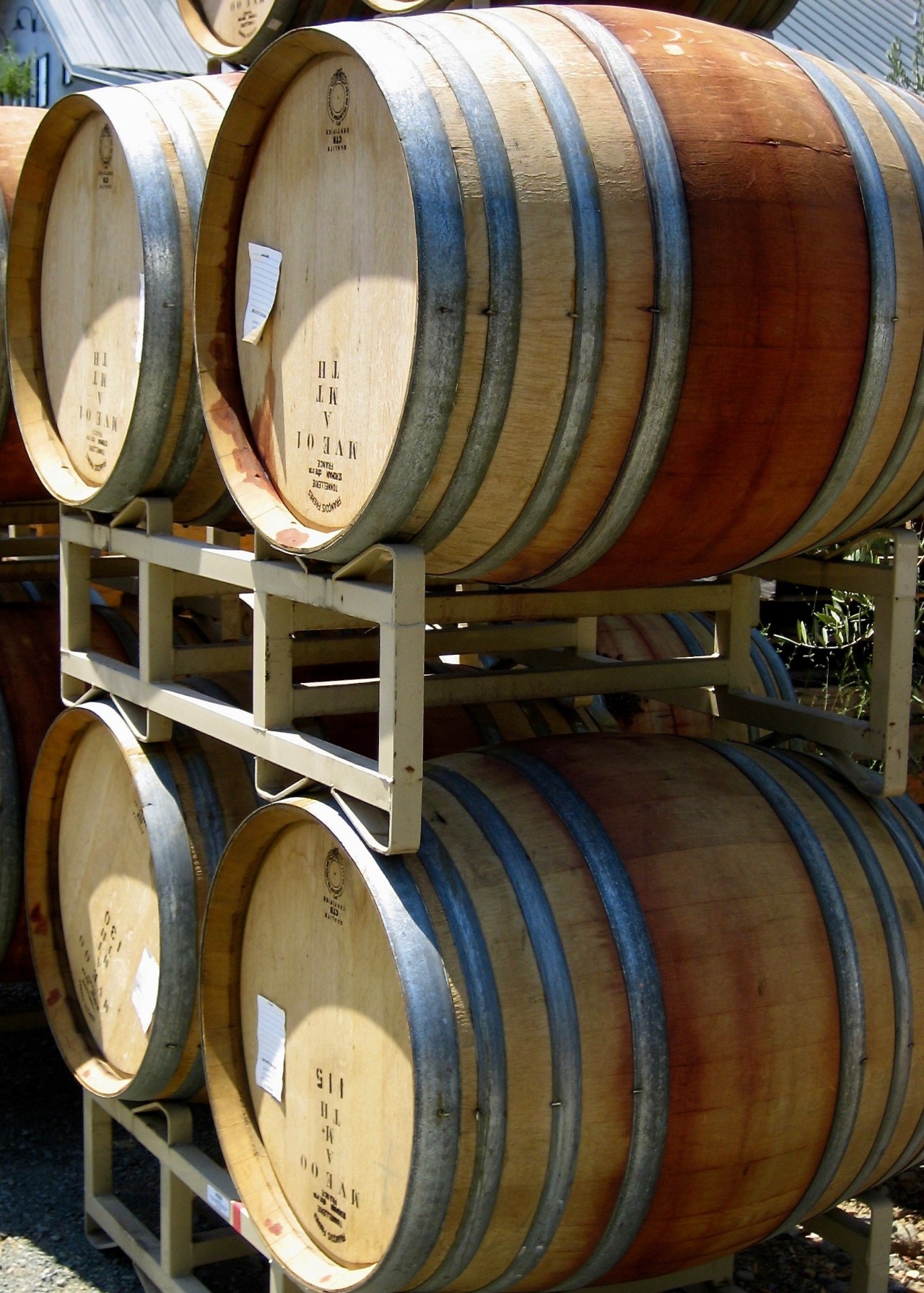
Wine Barrels, Healdsburg, California 2006
We either make ourselves miserable, or we make ourselves strong. The amount of work is the same.
~ Carlos Castaneda

Lotus Blossom, Grand Rapids, Michigan 2006
Walking on a different beach recently, just a few miles south of where I live, I became mesmerized by the Bullwhip Kelp (Nereocystis luetkeana) that had washed ashore. The smoothness and the golden-brown coloration of the floats (pneumatocysts) made them quite photogenic. I am clearly not the first person to be fascinated by the floats of this kelp since the name Nereocytstis is Greek for Mermaid’s Bladder.
As you know by now, once something catches my eye I am driven to dive into the subject and this was no exception. The rapid growth rate of Bullwhip Kelp is astounding enough: morphing from a single spore to 120′ long in one growing season (that’s over 5” a day). But the real story is the interconnection between this kelp, sea urchins, sea stars, and Sea Otters.
Back in March I shared information about the Sea Star Wasting Syndrome (SSWS) that caused a massive die-off of sea stars along our Pacific coast. First noted the summer of 2013, the disease has affected over 19 species of sea stars, severely depleting the population. Turns out we have more to mourn than the loss of sea stars, as entire ecosystems have been negatively impacted.
Ochre Sea Stars (Pisaster ochraceus), control California Mussel (Mytilus californianus) abundance on intertidal rocks which allows for a greater diversity of species on those valuable territories. A bit further offshore in the subtidal zone, Sunflower Sea Stars (Pycnopodia helianthoides) prey predominately on sea urchins. Since 2015 the sea urchin population has exploded, according to one researcher, “…densities have increased from less than one urchin per square meter to anywhere from a dozen to three dozen…”
Sea urchins voraciously devour algae, which includes kelp. Even Bullwhip Kelp (the fastest growing kelp in the world) can not withstand the onslaught of unrestrained masses of sea urchins. Urchin barrens now cover vast sections off the west coast where great kelp forests once thrived.
This is devastating since kelp forests not only minimize wave action but they provide sheltering habitat for a number of species, including Sea Otters. Sea Otters are inextricably linked to these kelp forests as they hunt and sleep amongst the stems and ribbons. The decline of Sea Otter populations is at least partially linked to SSWS.
There is a bright spot in this sad tale, sea star surveys conducted in the past few months have noted a huge increase in juveniles. There is even a high likelihood that these youngest sea stars are immune to SSWS. Hopefully, these nearshore ecosystems are on the road to recovery.


 3rin's View...