You are the truth from foot to brow. Now, what else would you like to know?
~ Rumi

Juvenile Red-tailed Hawk, Sweetwater Wetlands, Tucson, Arizona 2012

You are the truth from foot to brow. Now, what else would you like to know?
~ Rumi
Juvenile Red-tailed Hawk, Sweetwater Wetlands, Tucson, Arizona 2012
Seek not, my soul, immortal life, but make the most of the resources that are within your reach.
~ Pindar

Dune, Monahans Sandhills State Park, Monahans, Texas 2007
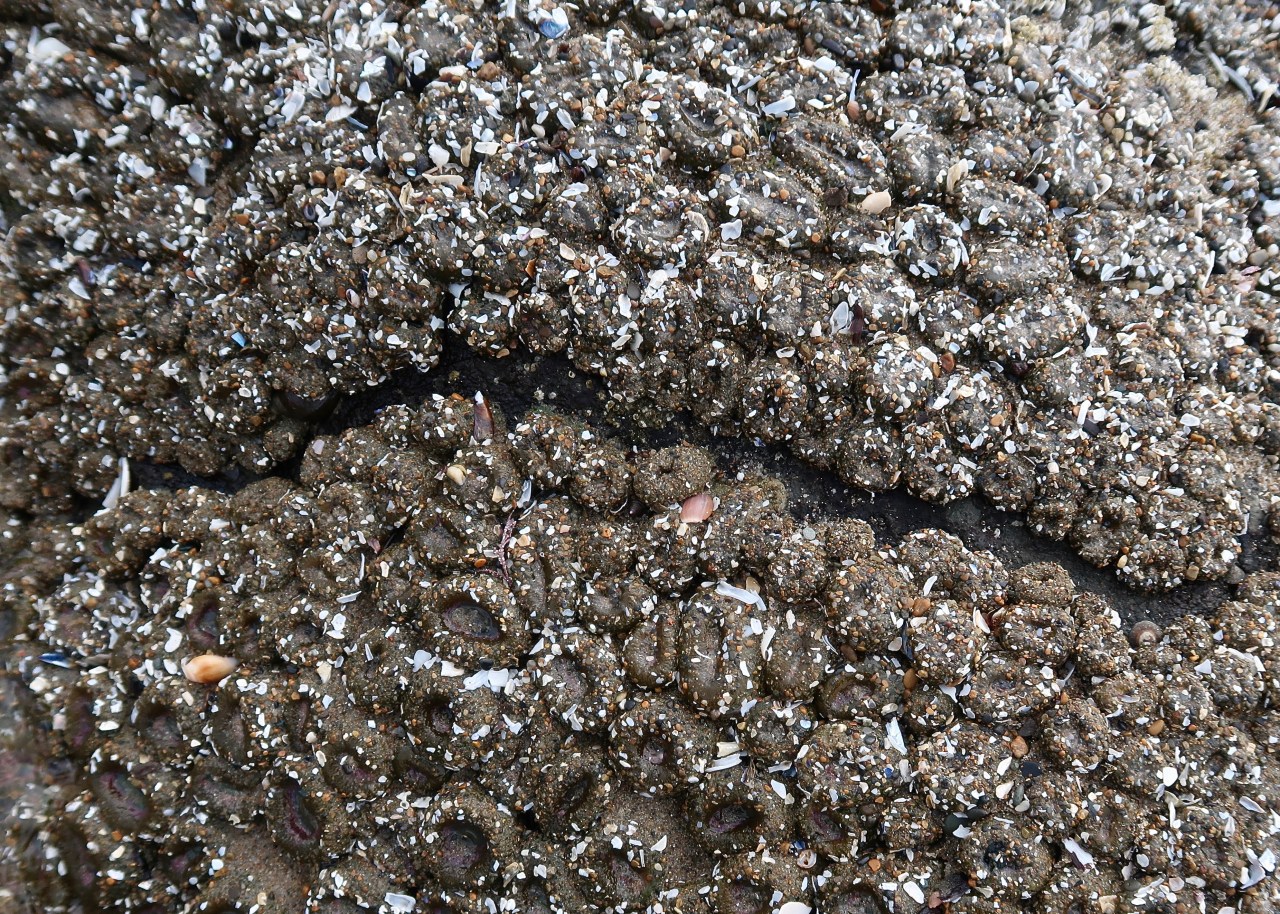
Aggregating Anemones (Anthopleura elegantissima) are amazing! (Forgive me, I couldn’t help myself, the alliteration was too tempting!) Not only do they thrive in the harsh swash zone subjected to: pounding waves, daily cycles of drying, and stomping on by unaware beachgoers. But they can also survive being covered by shifting sand for weeks at a time. Tough little globs of goo!
As if that wasn’t enough to prove their toughness, they replicate by cloning. Which means that they literally tear themselves apart to create two anemones. Each new anemone follows suit and as the name implies, the expanding clonal colony forms a dense mat of anemones across any hard substrate. Sounds like Aggregating Anemones would take over the world since they have few predators (namely one species of sea star, a nudibranch, and a sculpin).
There is one other controlling factor; war. Clonal colonies don’t tolerate different clones (not fans of genetic variation, apparently). The clones at the outer edges of a colony use their acrorhagi (specialized tentacles) to sting the “non-matching” anemone; injuring or even killing it. The visible line between the colonies is proof of the length of their acrorhagi and serves as a demilitarized zone.
So much for being simple lifeforms…
I do not know everything, still many things I understand.
~ Goethe
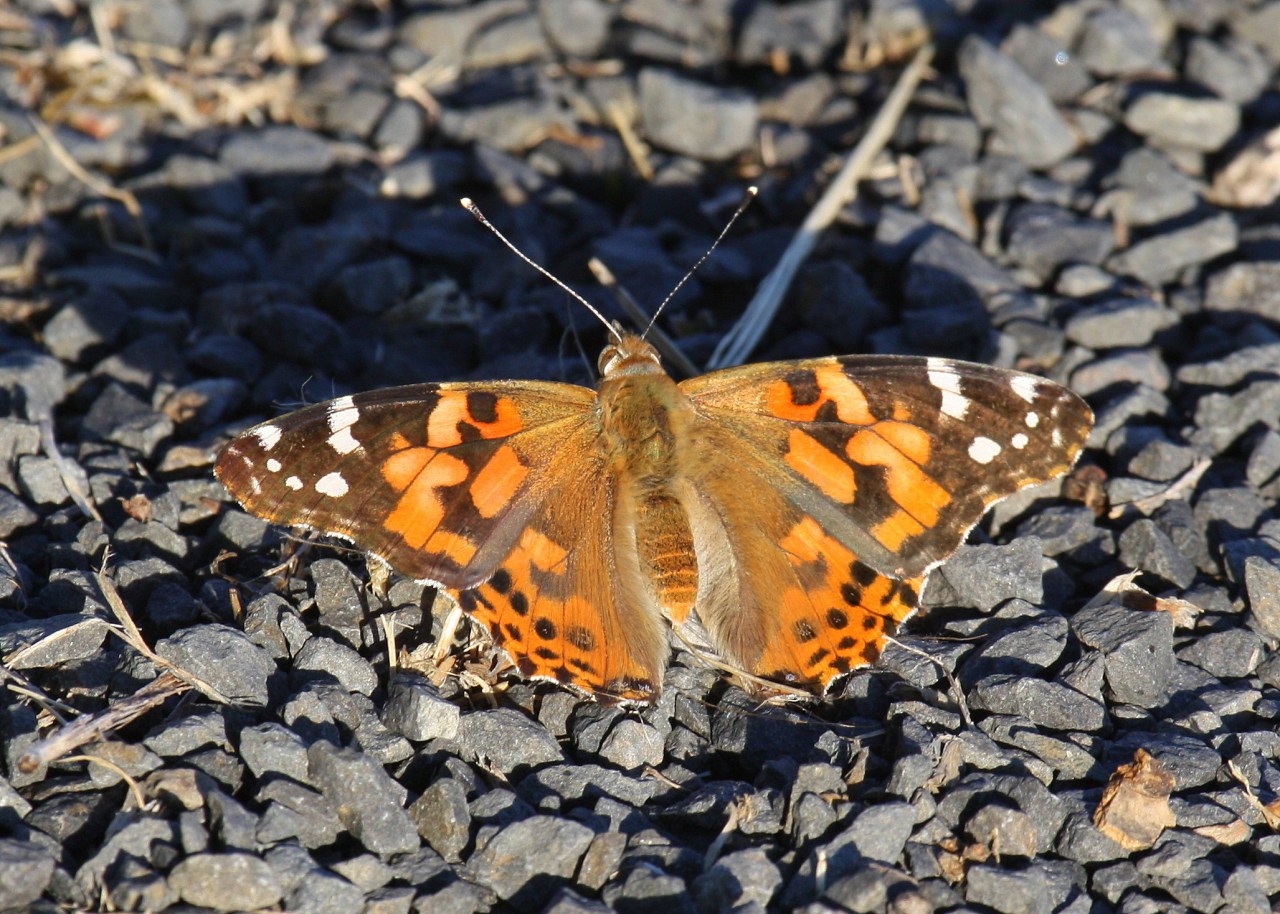
Painted Lady Butterfly, Portland, Oregon 2012
The happiest people are not the people without problems, but the people who know how to solve them.
~ Robert Seashore
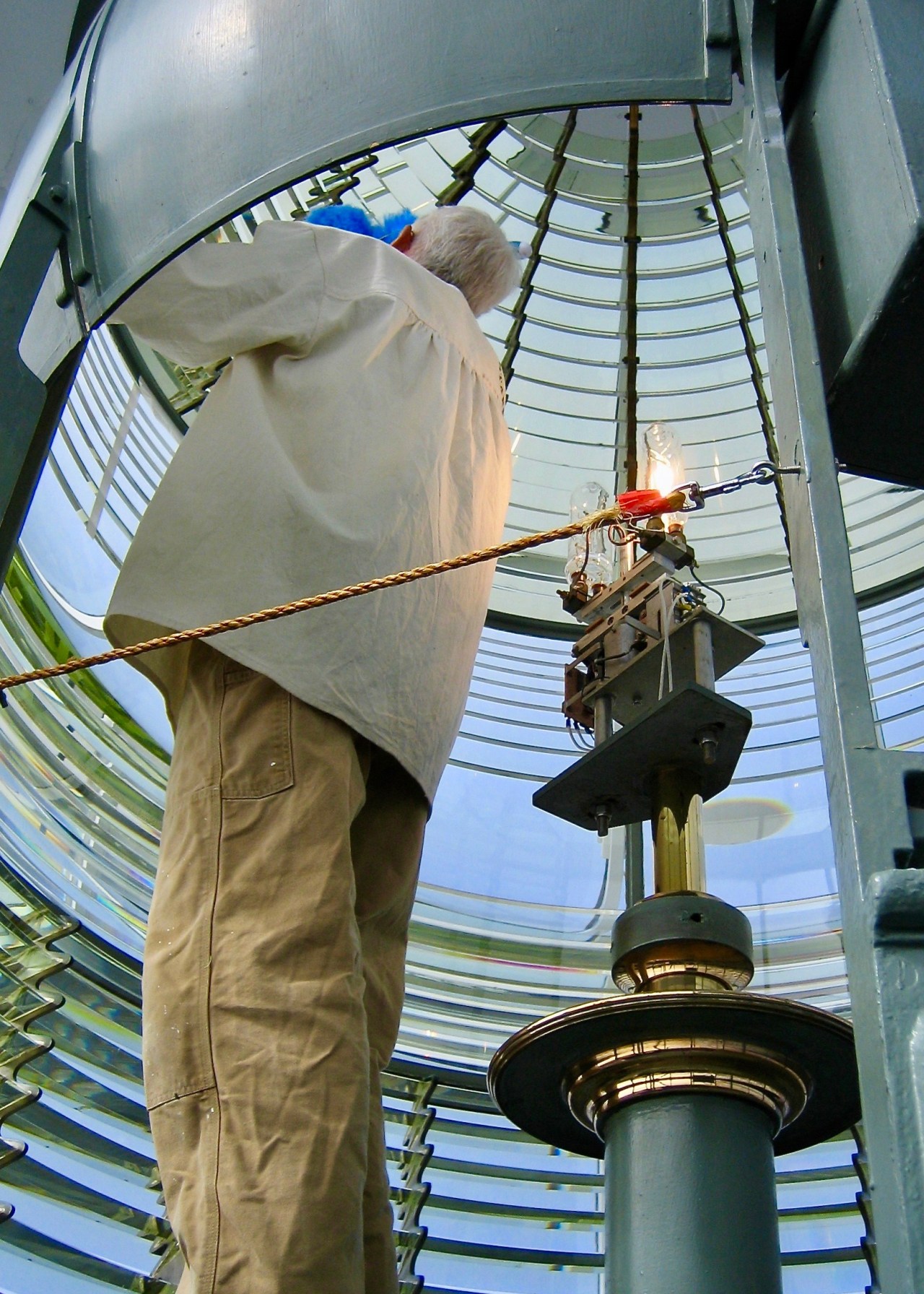
Cleaning the Fresnel Lens, Yaquina Head Lighthouse, Newport, Oregon 2006
Most of the crab exuvia I stumble across during my beach strolls are from Dungeness Crabs, which are commonly a dull buff color. Which is why this bright red shell attracted my attention. Fittingly, the Red Rock Crab (Cancer productus) is named for it’s bright shell. I’m glad I flipped it over to peek inside the shell, that purple is gorgeous!
What purpose does that inner splash of color serve? I can’t think of any biological reason for it. It certainly doesn’t seem necessary for the crab’s survival. Then again, I wonder, maybe all beauty is like that? Not one of the basic necessities of life but something that makes life worth living…


Life should not be a journey to the grave with the intention of arriving safely in a pretty and well preserved body, but rather to skid in broadside in a cloud of smoke, thoroughly used up, totally worn out, and loudly proclaiming, “Wow! What a ride!”
~ Hunter S. Thompson

End of the Day, Rodeo, New Mexico 2009
Shine like the whole universe is yours.
~ Rumi

Rosehip, Pemaquid Point Lighthouse Park, Bristol, Maine 2007
Real difficulties can be overcome; it is only the imaginary ones that are unconquerable.
~ Theodore N. Vail

Green Anole, Okefenokee National Wildlife Refuge, Georgia 2007
The greatest pleasure in life is doing what people say you cannot do.
~ Walter Bagehot
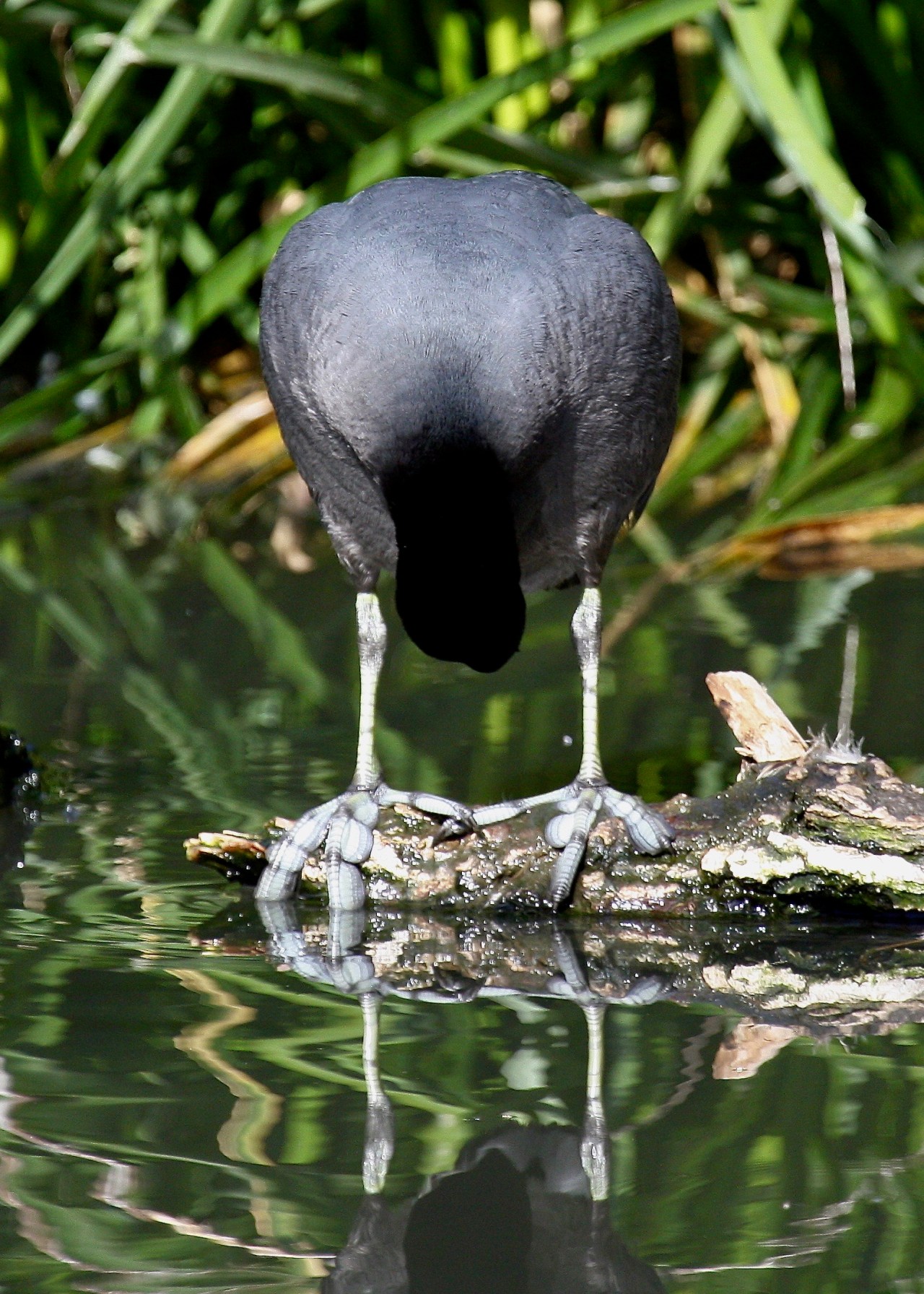
American Coot, Sweetwater Wetlands, Tucson, Arizona 2012

