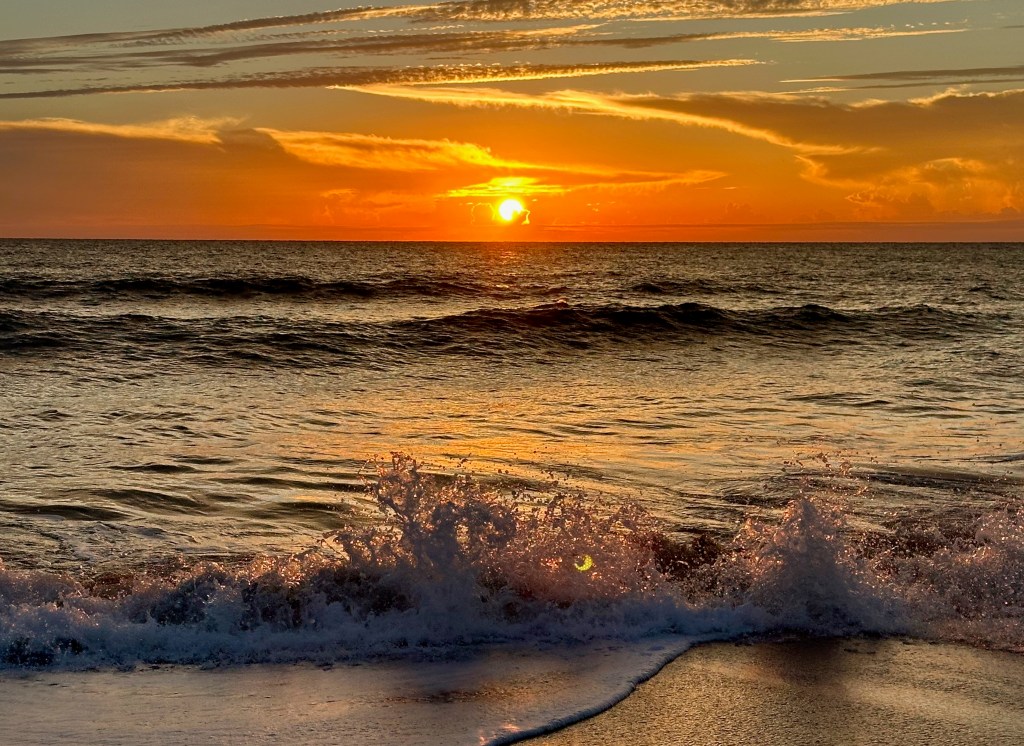
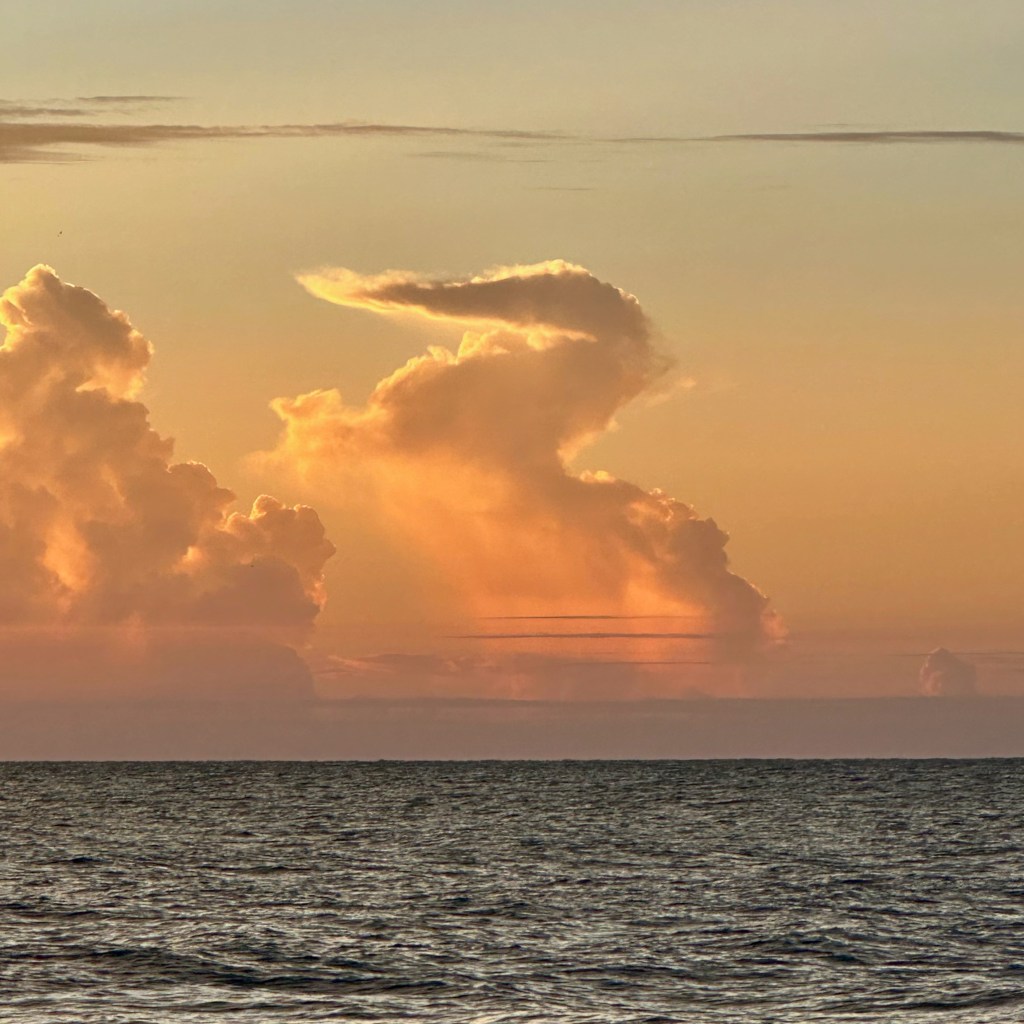
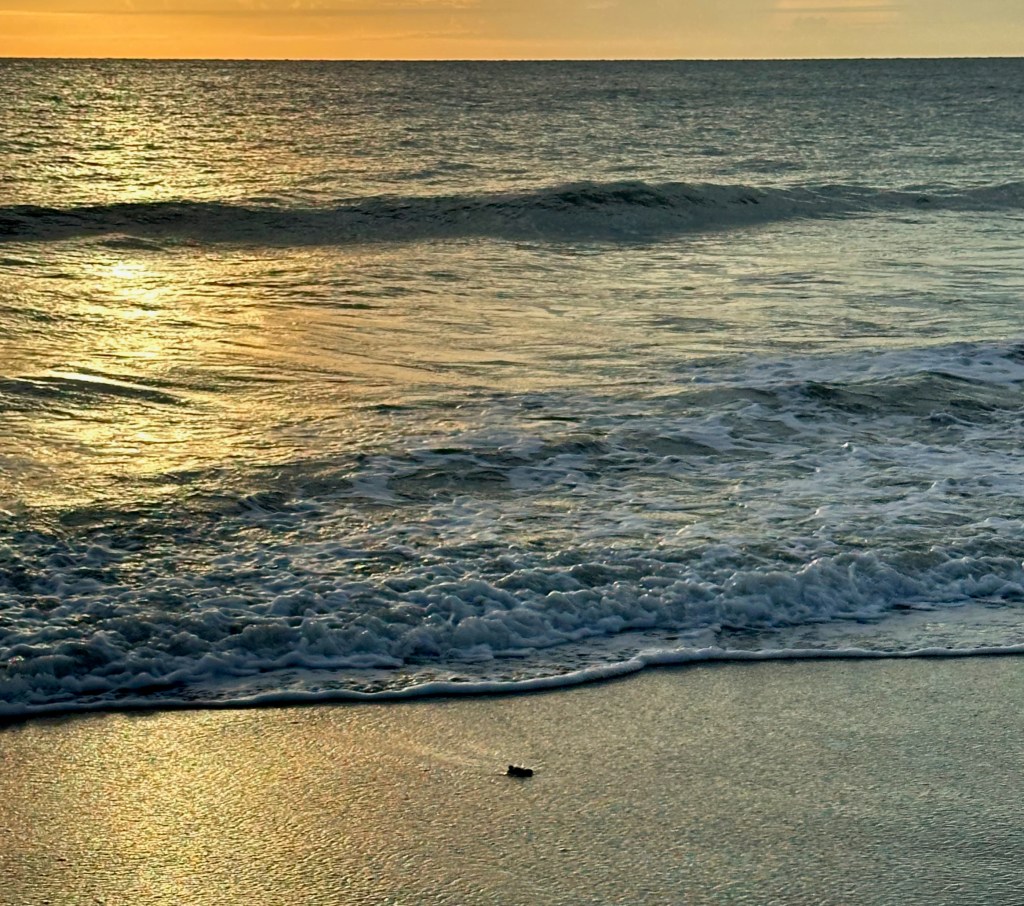
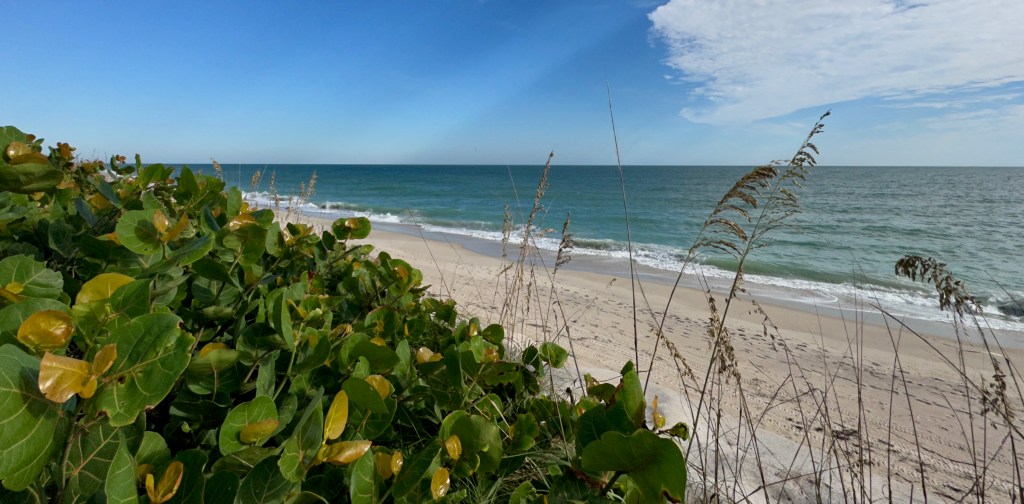
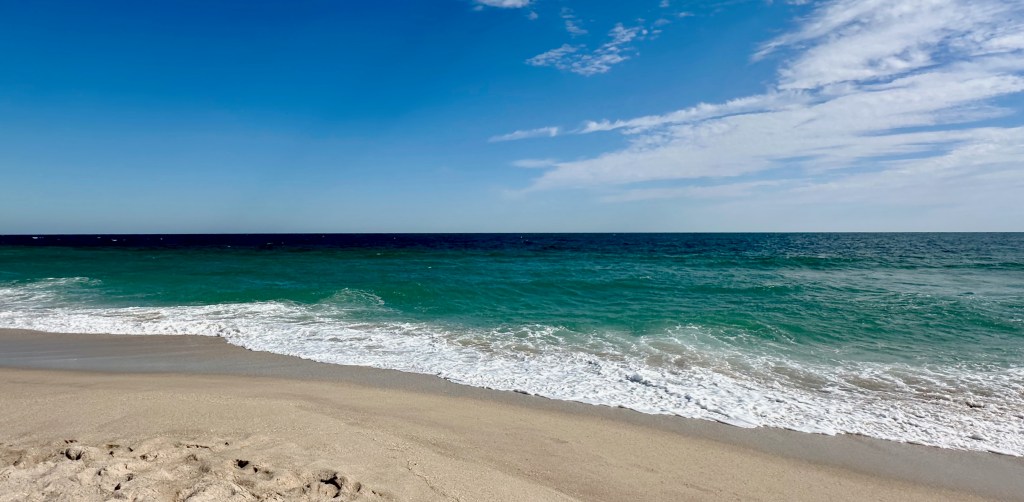
Since I was visiting the east coast of Florida I figured I’d best get out to the beach for sunrise, and boy, am I glad I did!
I hit the sand around 7am and found a few other folks out there waiting, coffee cups in hand. After the sun made the day official, I continued my beach walk.
Within a short while I came upon a small group clustered near a sand dune. Ever curious, I wandered closer…
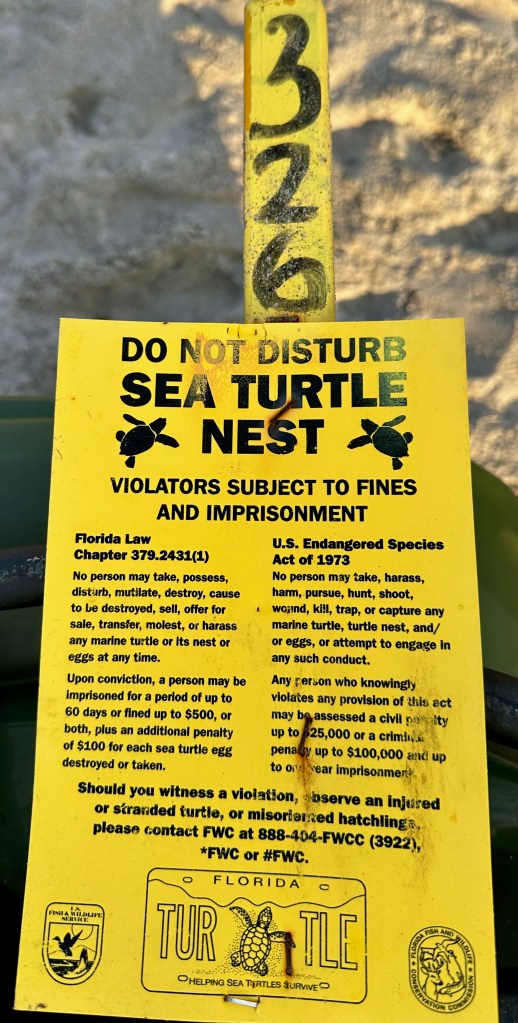
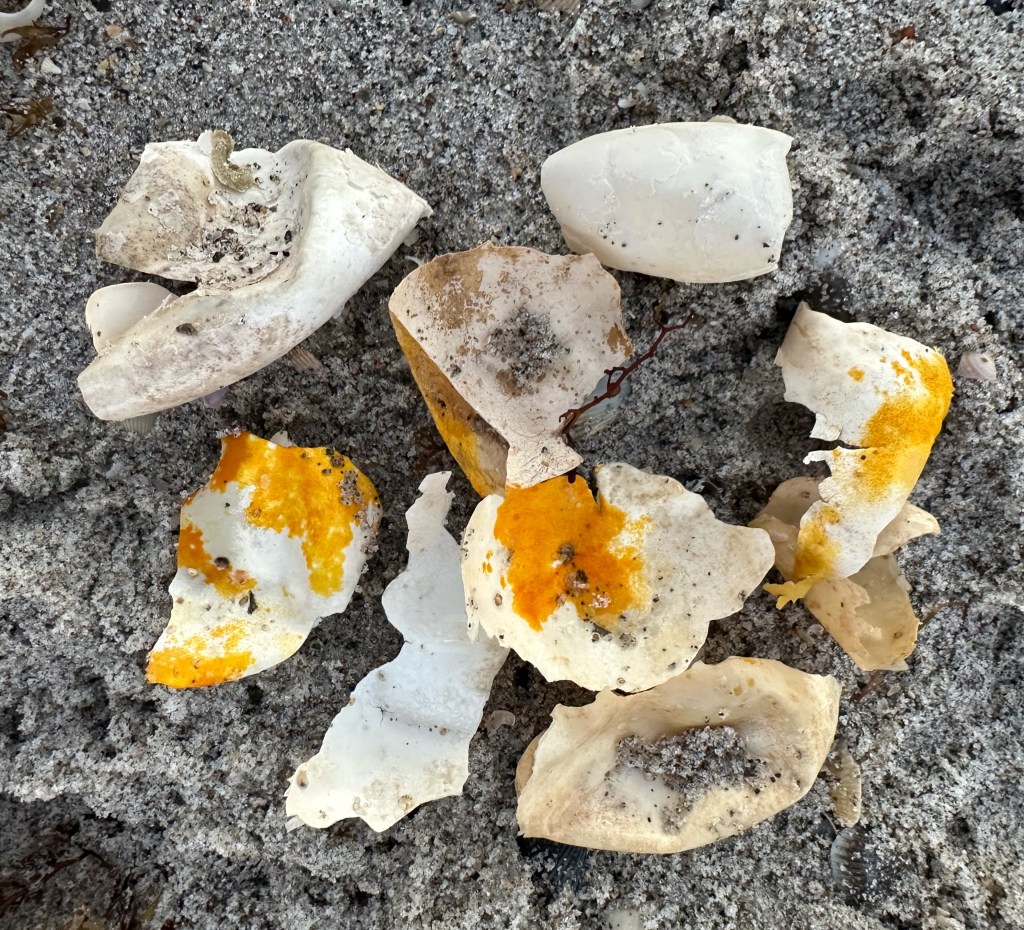
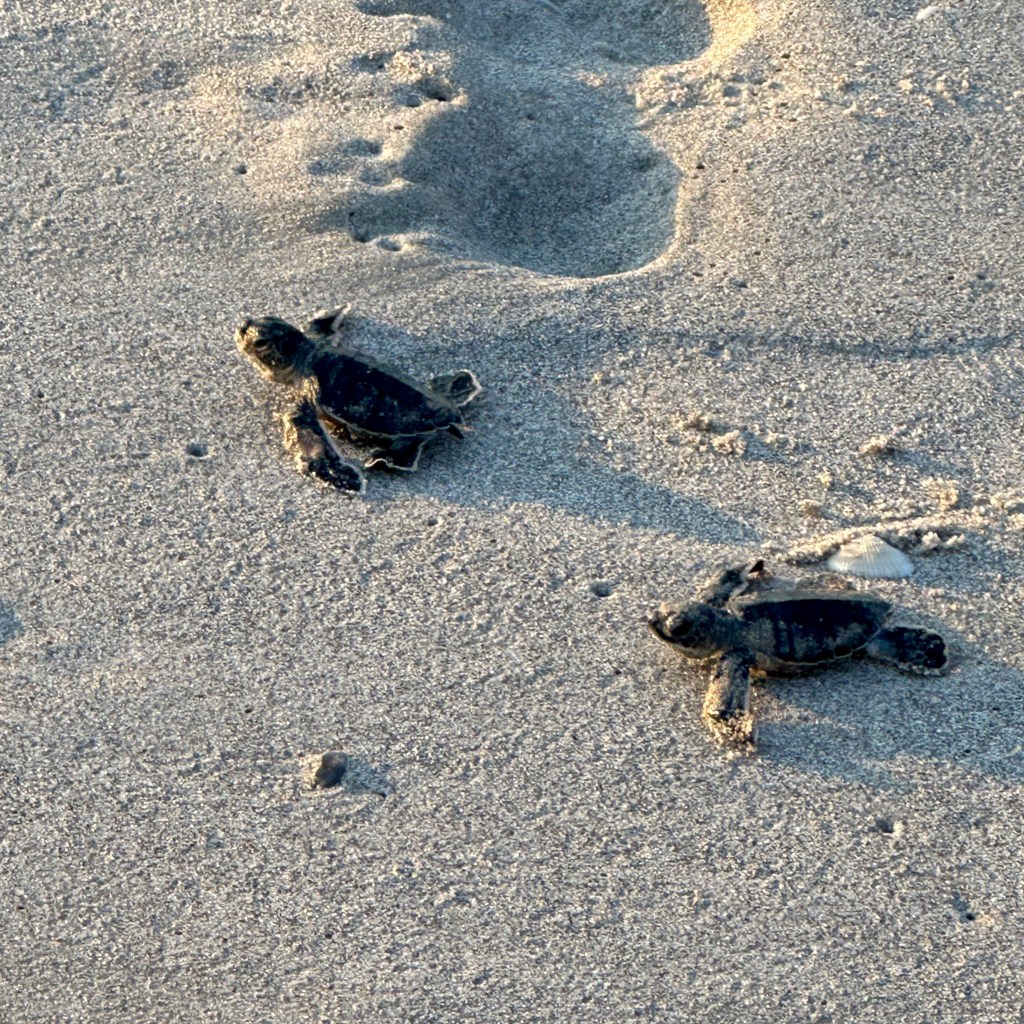
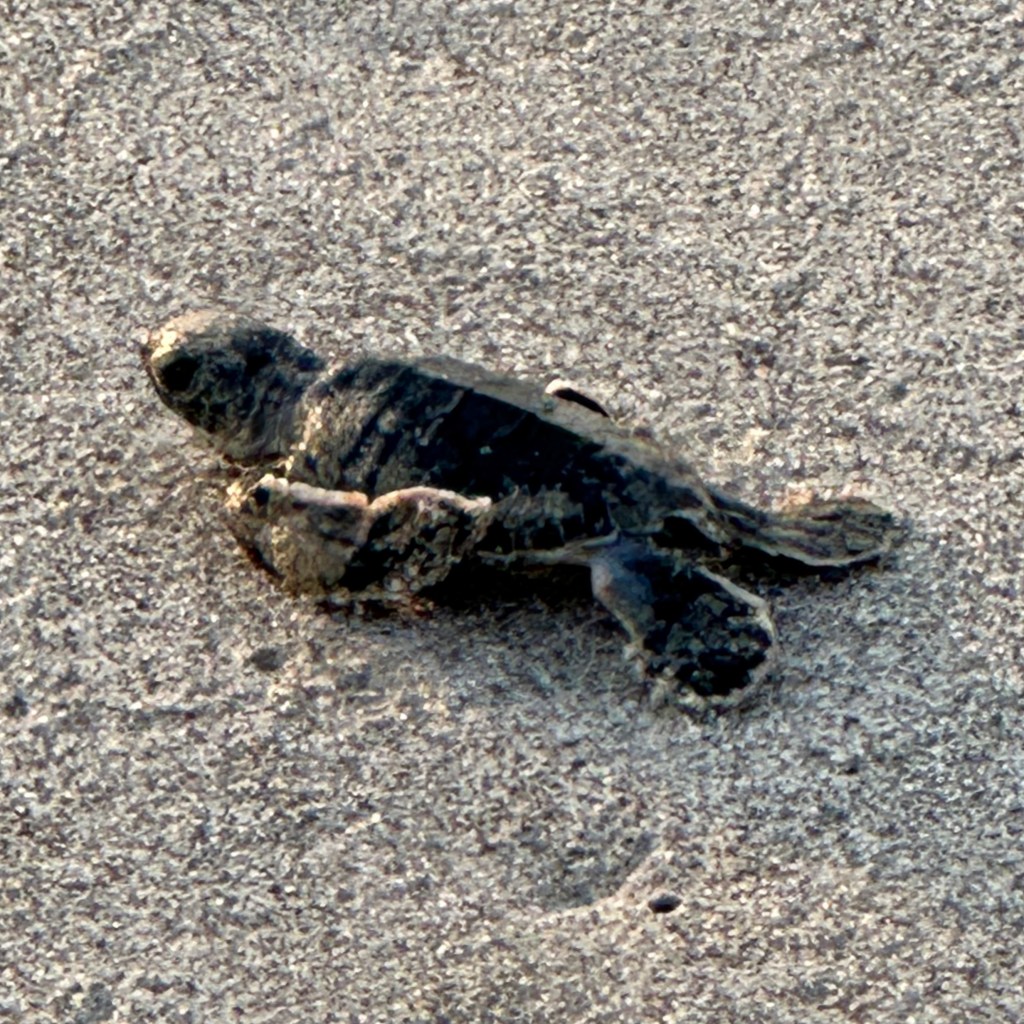
It was a sea turtle nest and the last two hatchlings were slowly making their way toward the water. We were enthralled and stayed until the waves picked them both up. The odds are long but hopefully they’ll make it. What an amazing sunrise surprise!
After the group dispersed, the sea turtle ranger who had been monitoring the nest, was kind enough to stick around and answer some of my questions. He also shared some of his favorite places in the area and even gave me details on a rocket launch the following morning.
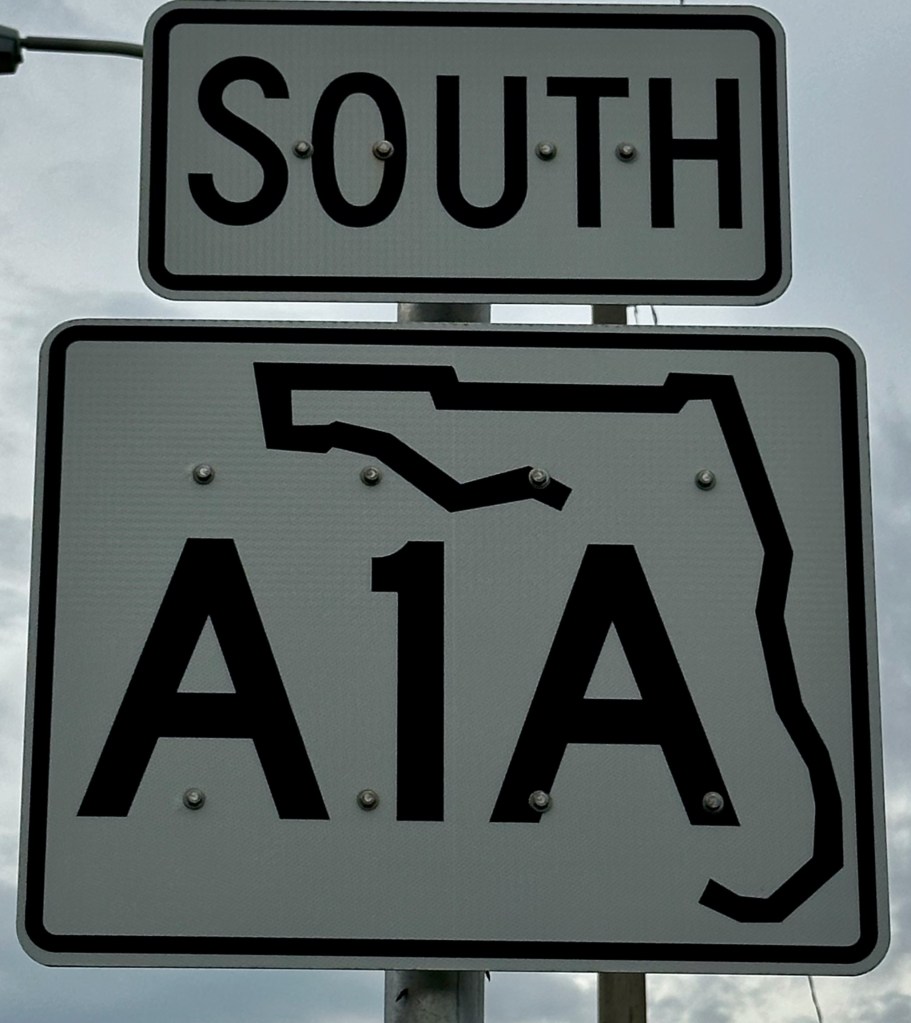
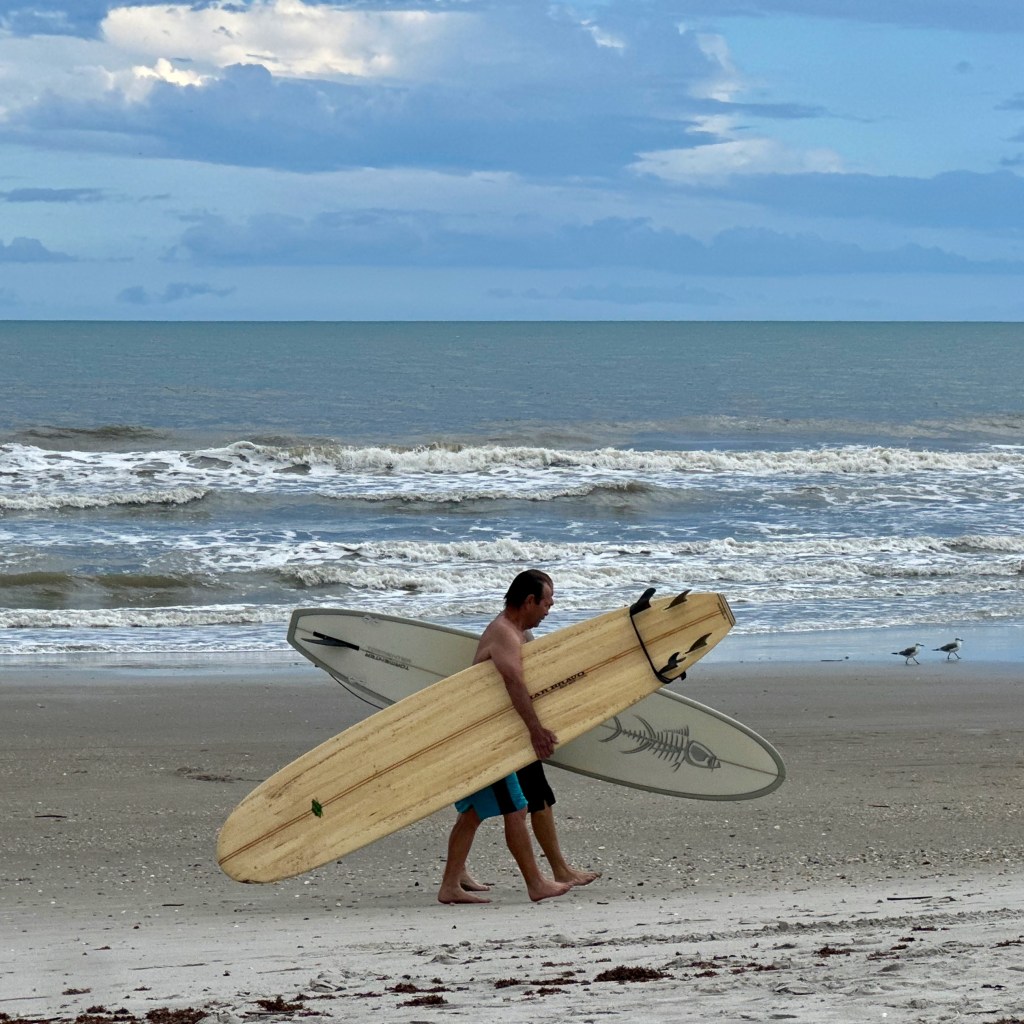
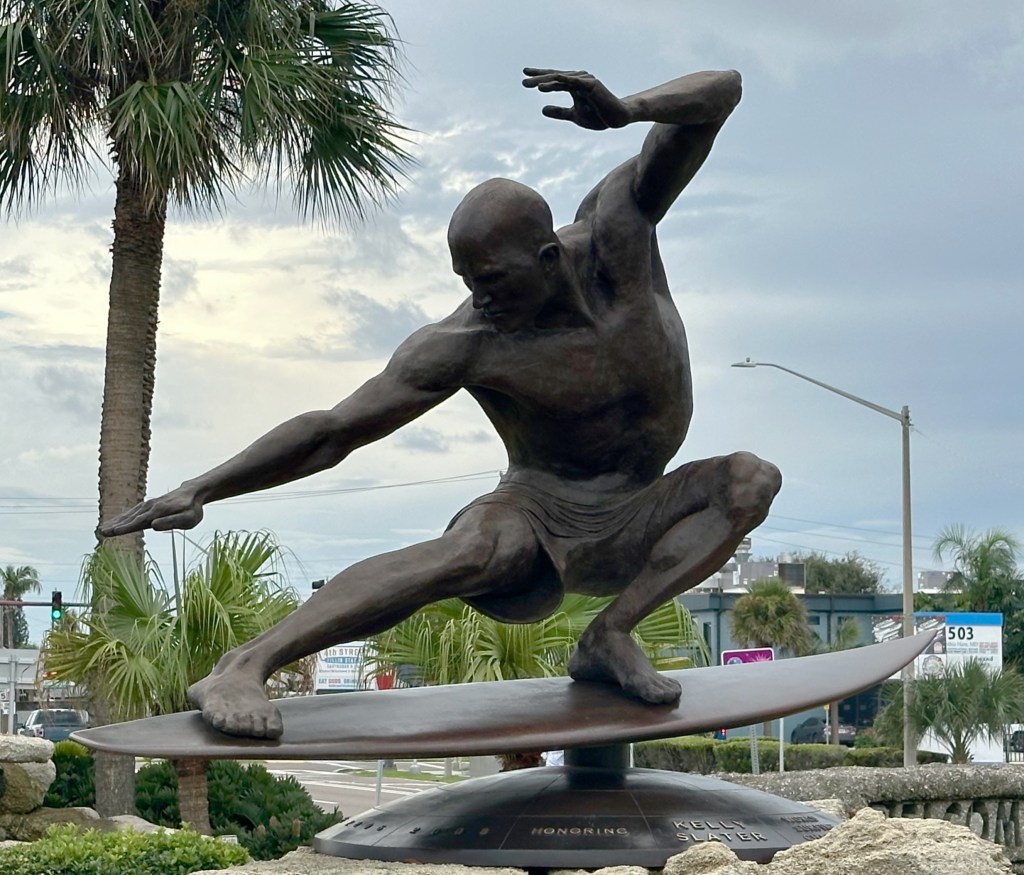
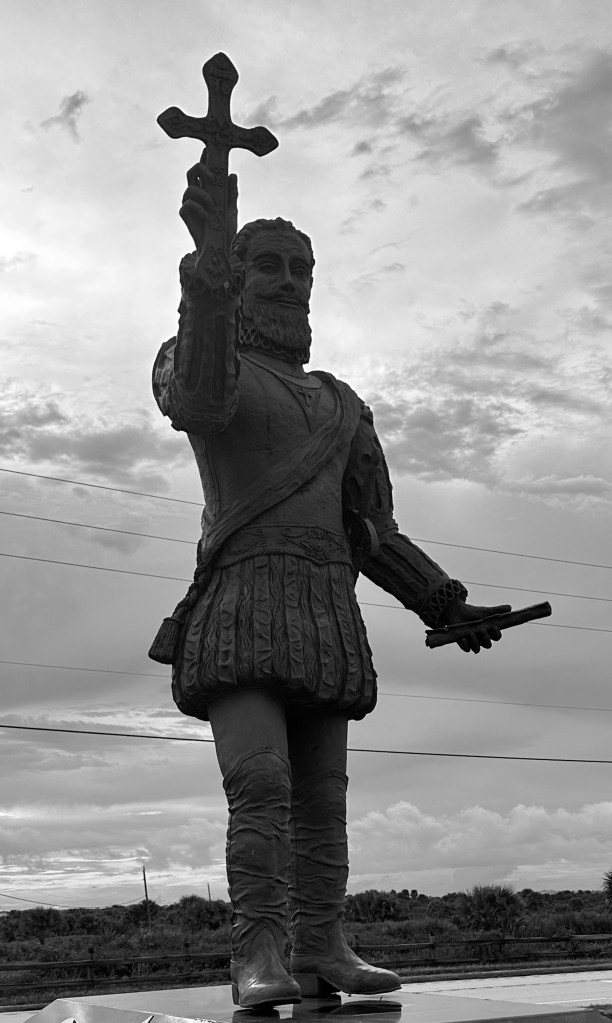
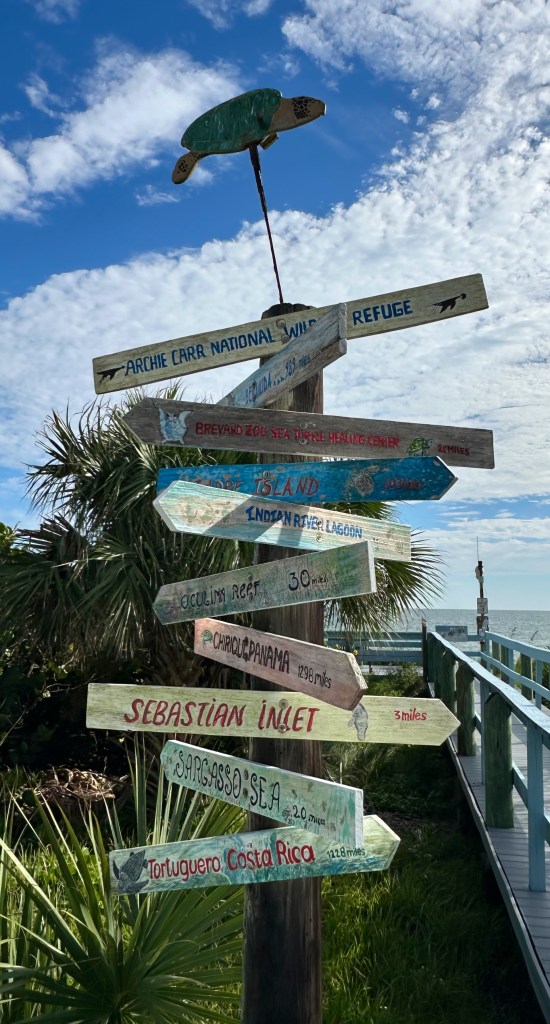
I spent the rest of the day driving south on A1A, stopping at various points of interest, learning about the area’s surfing history, a potential Ponce de Leon landing site, and the formation of the Archie Carr NWR that protects critical sea turtle nesting beaches.
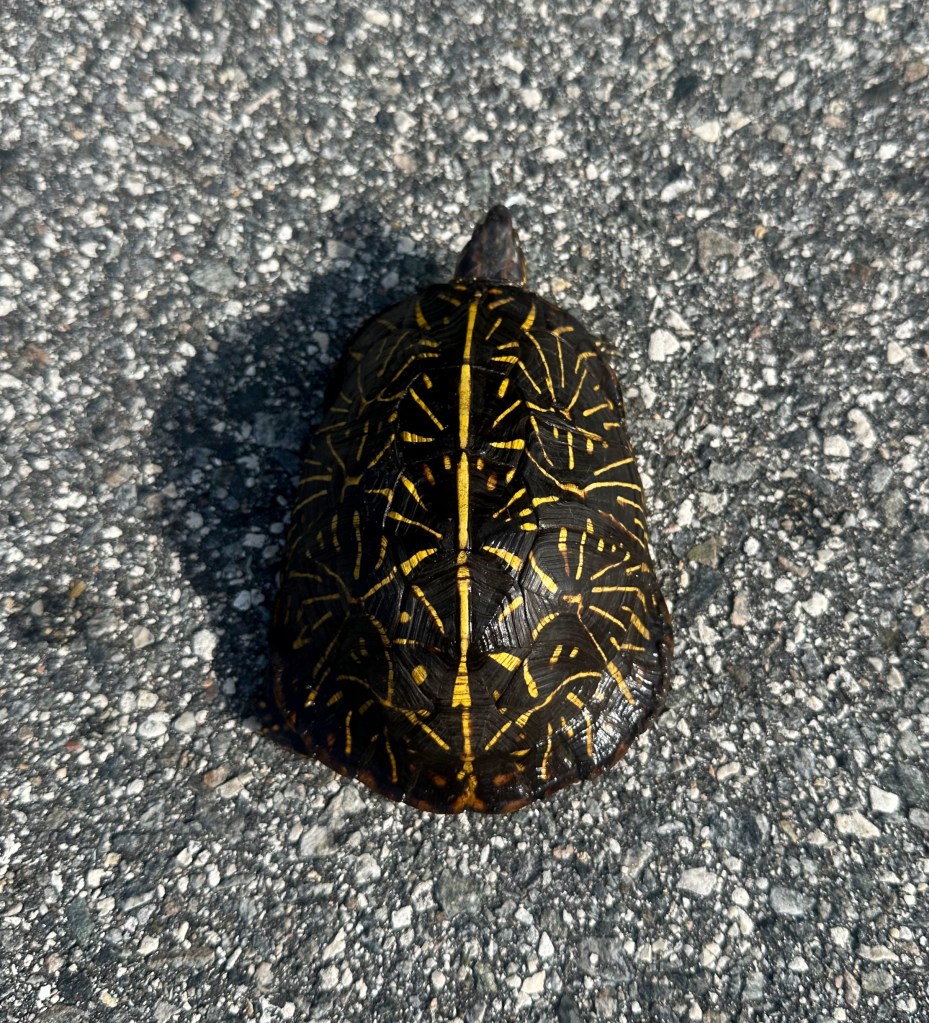
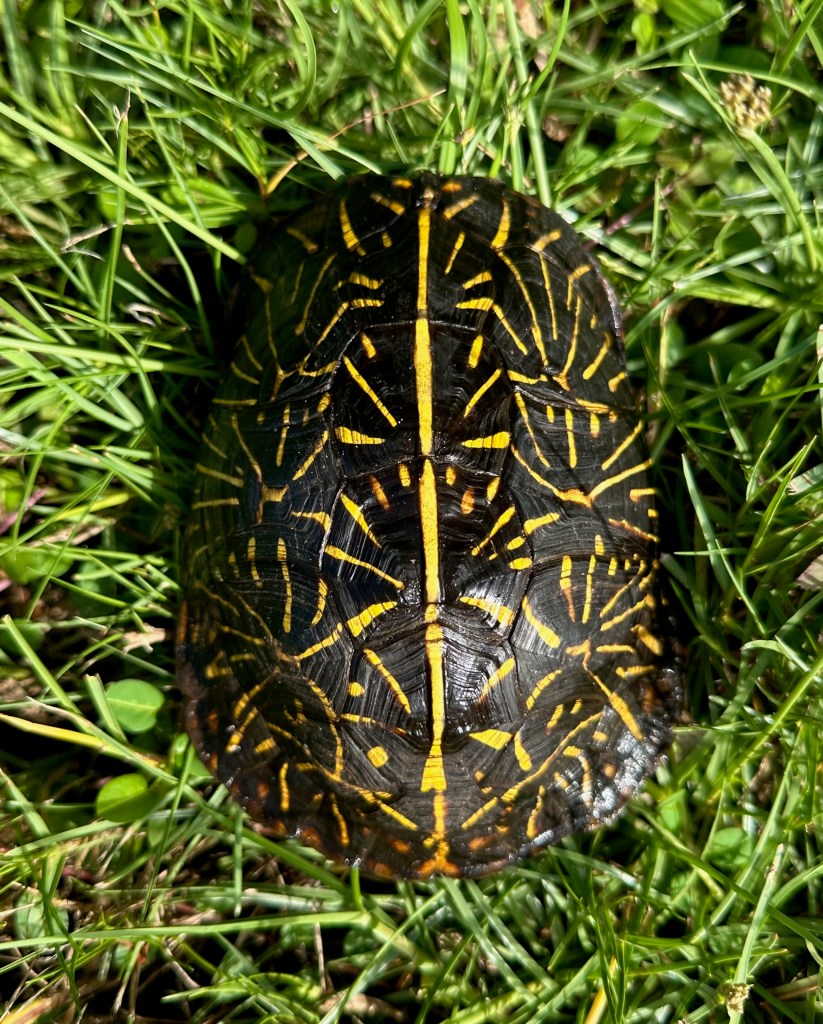
After pulling off the highway to explore Sebastian Inlet State Park I had to assist a freshwater turtle. It was in the middle of the road and I didn’t want it squished so I carefully moved it in the direction it was headed (though it didn’t seem too thrilled about my help).
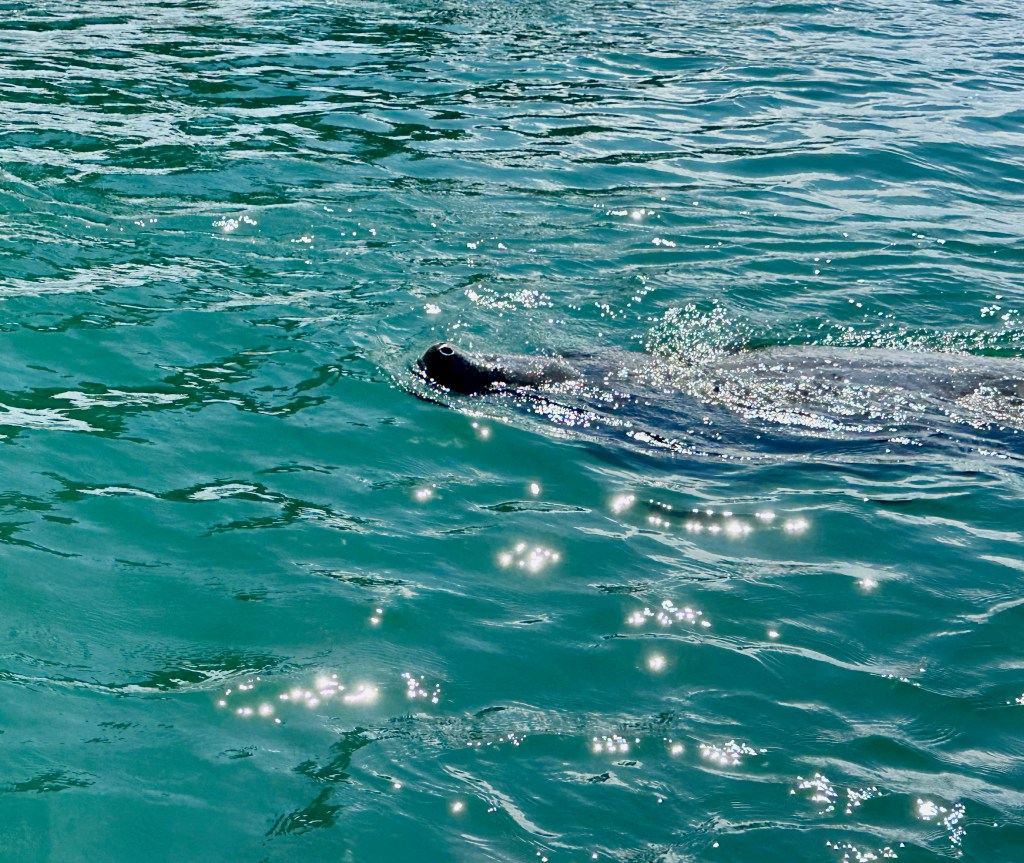
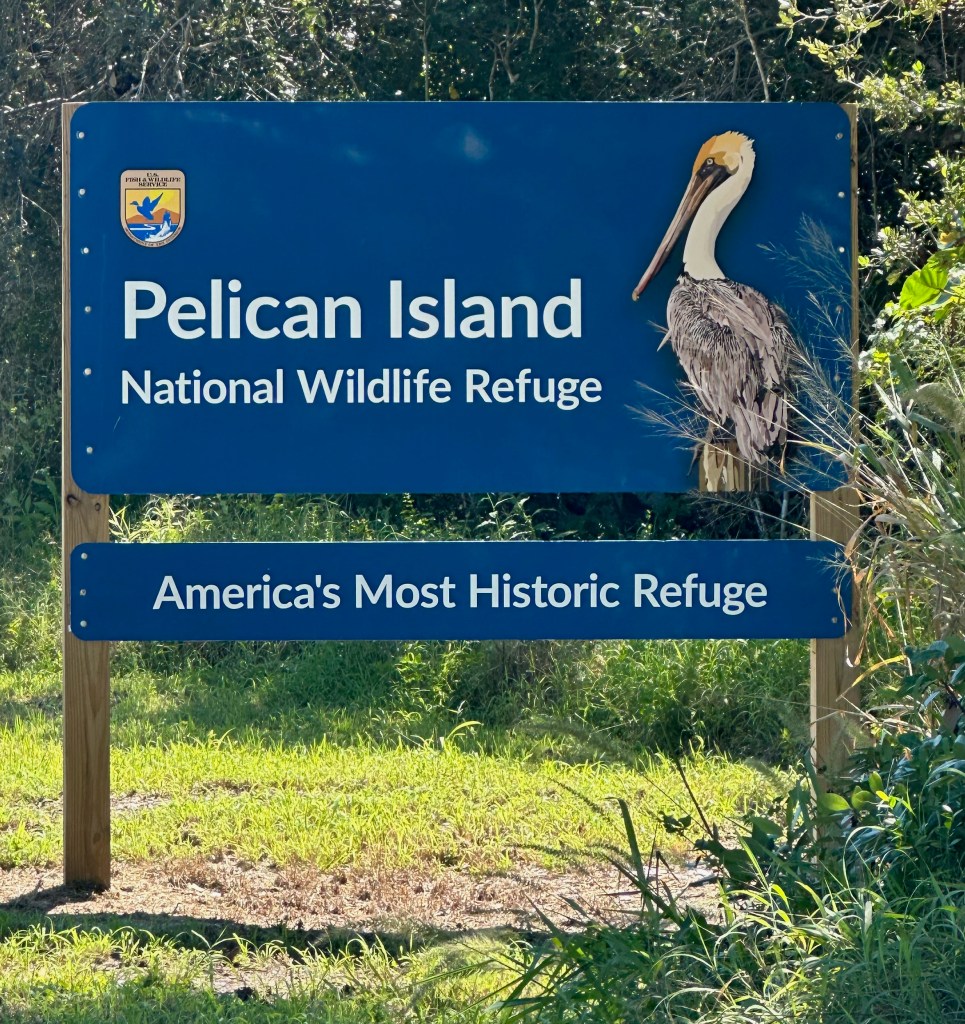
The swimming cove at the park was teeming with marine life; pelicans diving for mullet, dolphins cruising the shallows, manatees floating by, and even a little bonnethead shark. It was hard to tear myself away but south of the bridge was Pelican Island NWR, essentially the holy grail for anyone who appreciates our national park and wildlife refuge system.
The bird rookery on Pelican Island was the impetus for the wild idea of preserving land for wildlife. Local residents were horrified as thousands of nesting birds were slaughtered for their feathers for the millinery industry, headquartered, then as now, in New York City. Entire populations of multiple avian species just wiped out in the name of fashion.
Their outrage led to an effort by the Audubon Society in New York to lobby President Theodore Roosevelt (an avid outdoor enthusiast) for some protections. In 1903, resident Paul Kroegel became the first ranger of the newly designated preserve, his $1 month salary was paid by the Audubon Society since there wasn’t a government agency yet established.
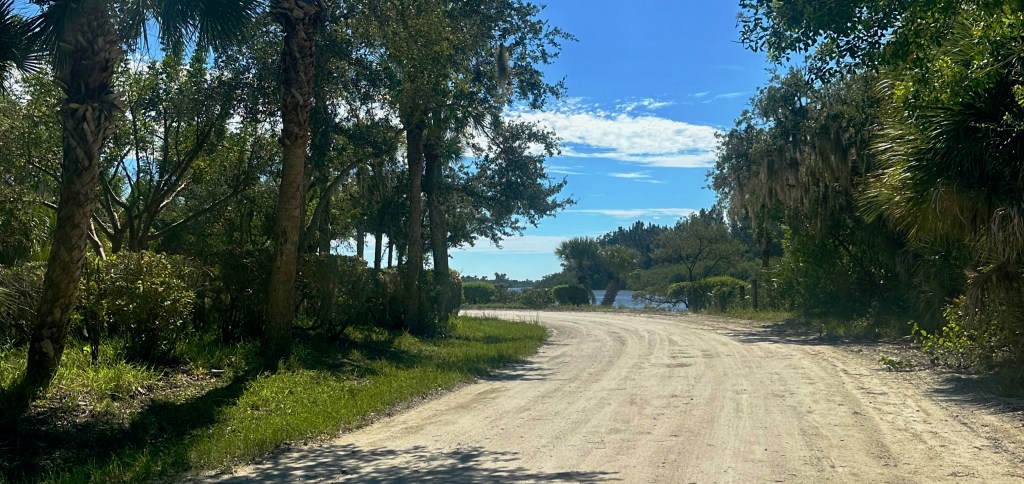
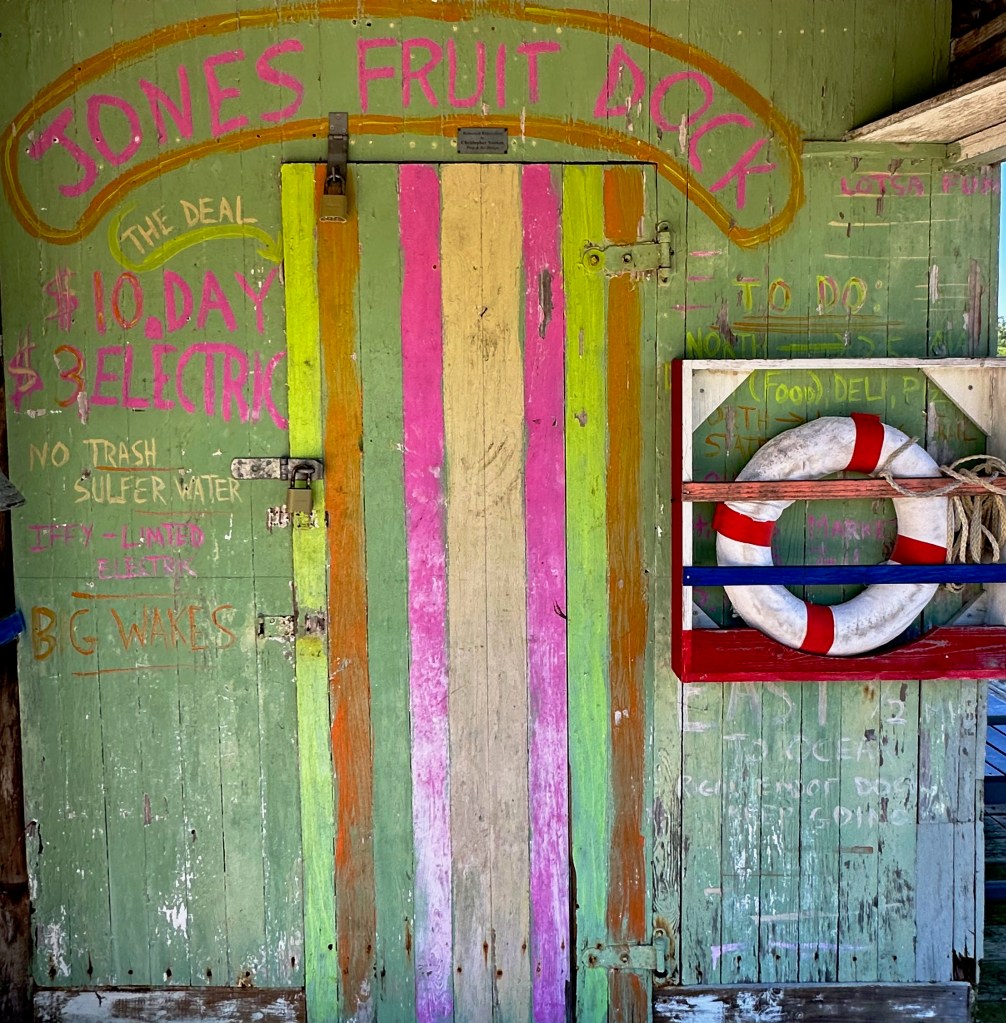
From the refuge I found an inviting sandy road and followed it instead of the highway. The historic Jungle Road was created on the bayside of the island by the first settlers in the 1880s. Thankfully, residents preserved a seven mile section of it, as well as some other historic points of interest. A quiet and relaxing drive through the country, as it were. Then it was time to my way back north for my evening adventure. I’ll tell you about that next time…


Leave a Reply