Tag Archive for ‘william-bartram’

Alachua Savannah

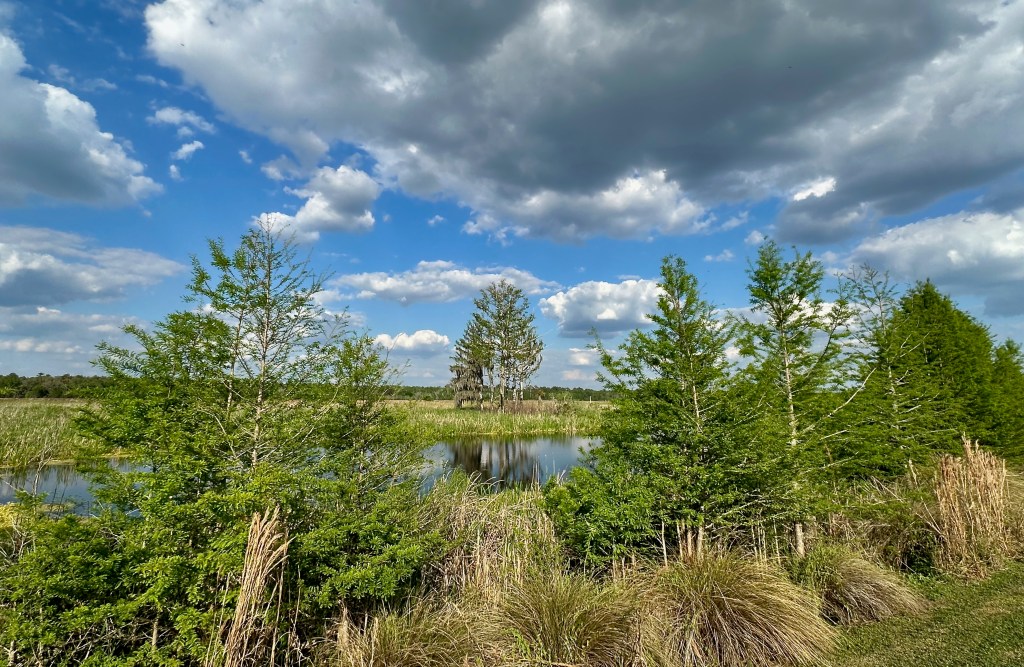
After leaving Palatka I drove west toward the broad Alachua Savannah, south of Gainesville. I stopped and explored at two connected sites; Sweetwater Preserve and Sweetwater Wetlands. Both are roughly the same size at 125 acres but they are owned by different government entities, protect different kinds of habitats, and are therefore, managed differently.

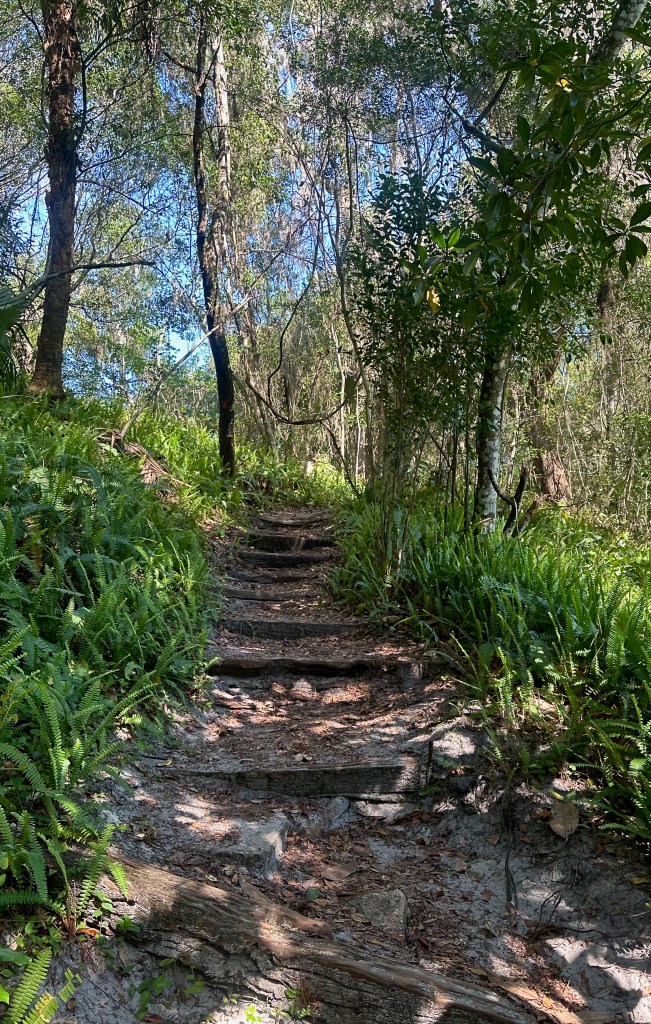
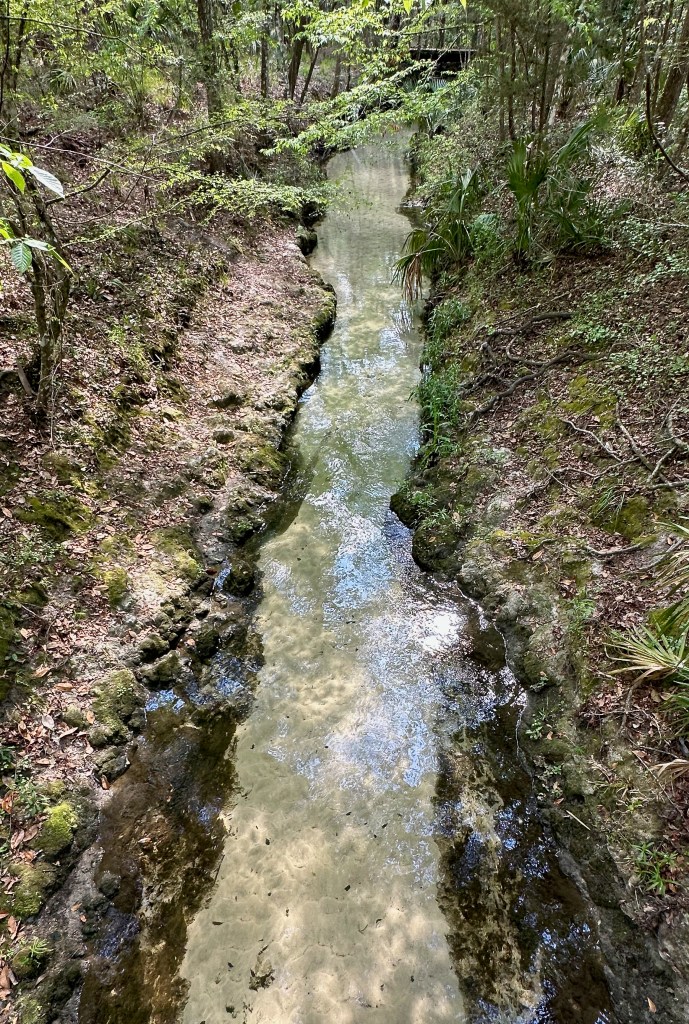
The Preserve encompasses a stretch of Sweetwater Branch (a small creek) with narrow, dirt trails that wander through an upland forest. In contrast, the adjacent Wetlands are a series of highly engineered water retention basins that serve as a natural filtration system to improve water quality before it flows into Paynes Prairie and the Floridan Aquifer.

I weathered the hottest part of the afternoon next to the quiet creek in the shady Preserve before venturing over to the wide open Wetlands. As is usual with man-made waters- if you build it, wildlife will come. The tall berms between basins afforded not only great views of wildlife but of Paynes Prairie Preserve State Park to the south as well.

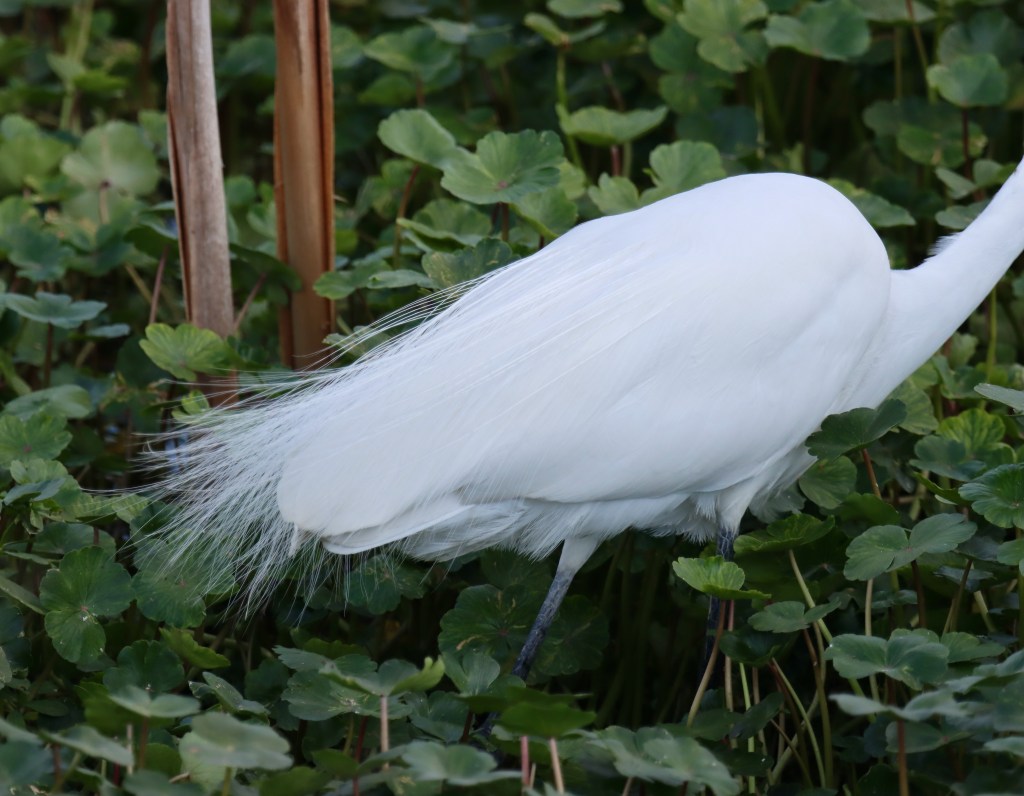
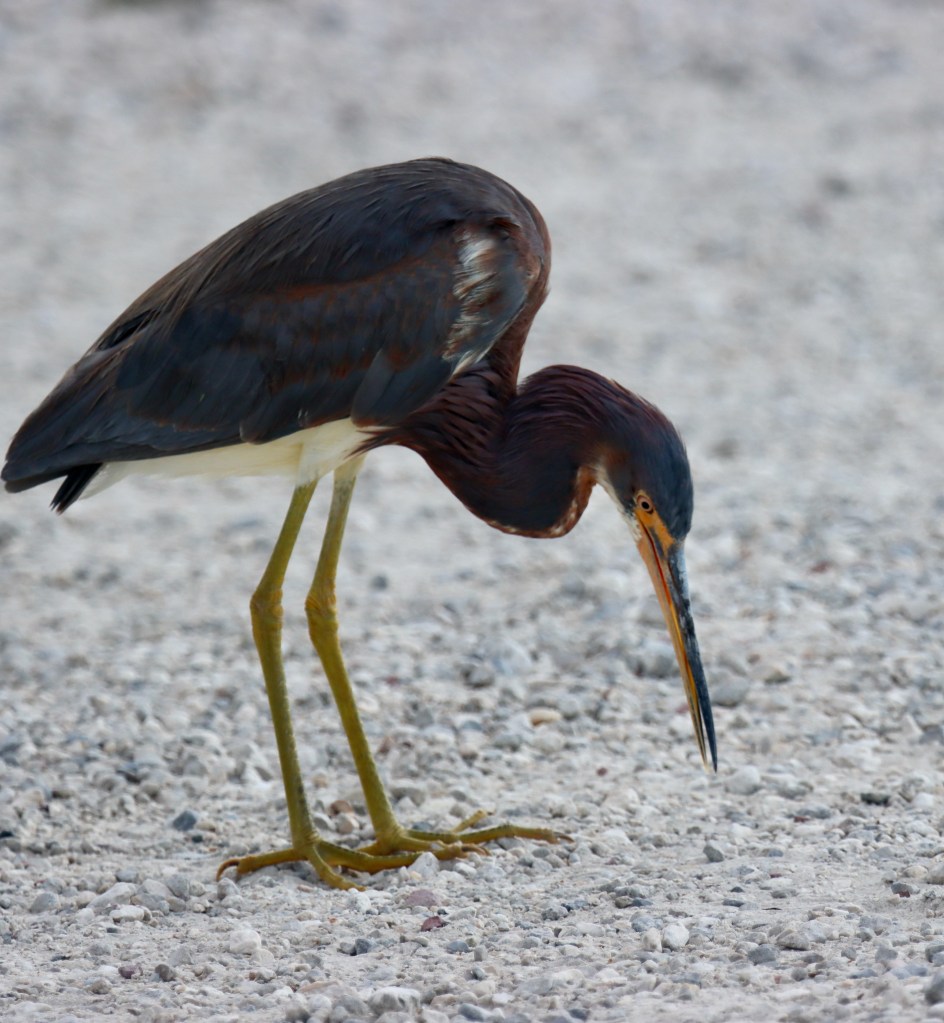
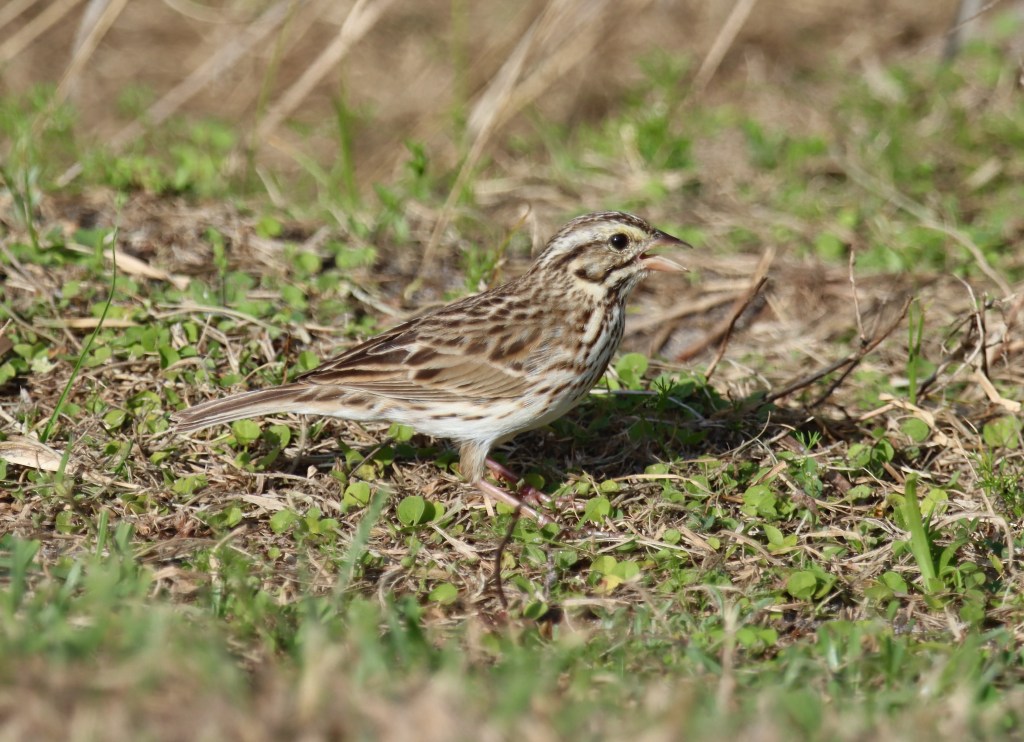
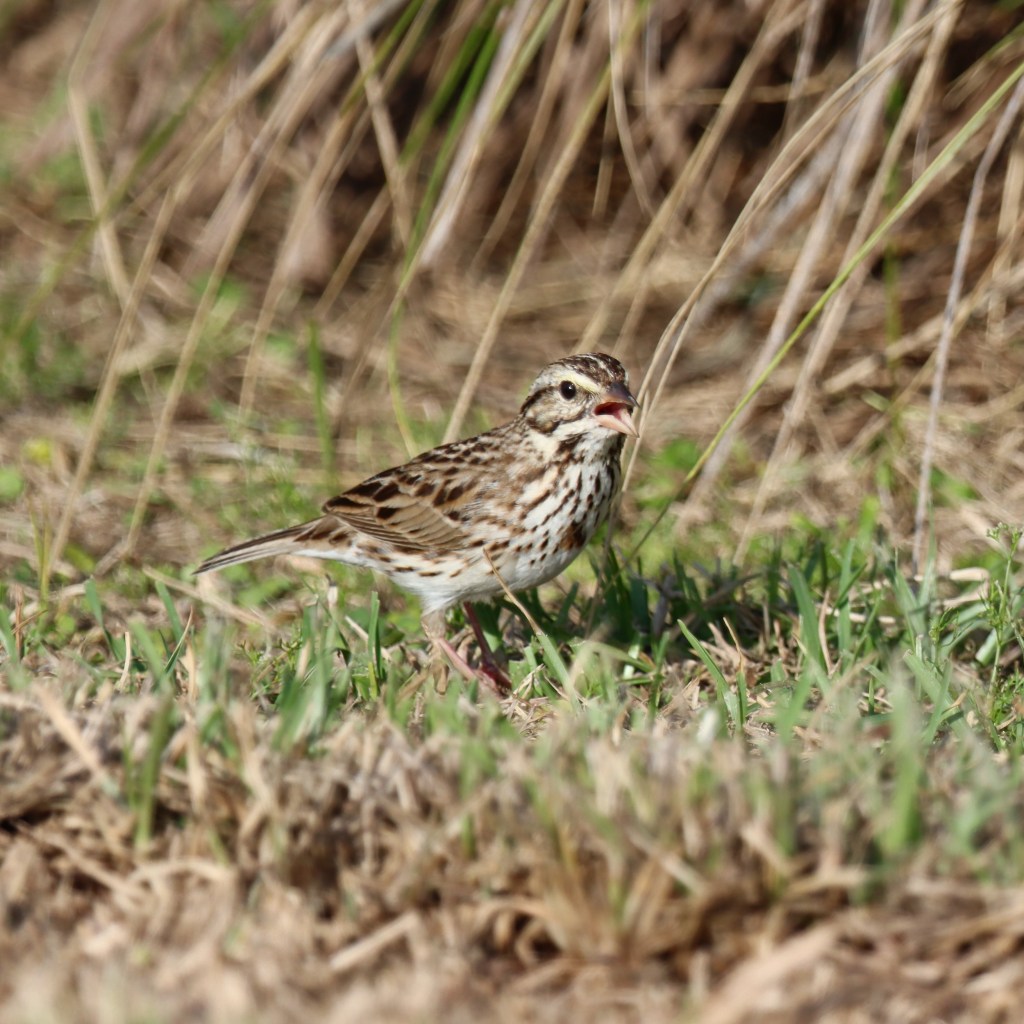
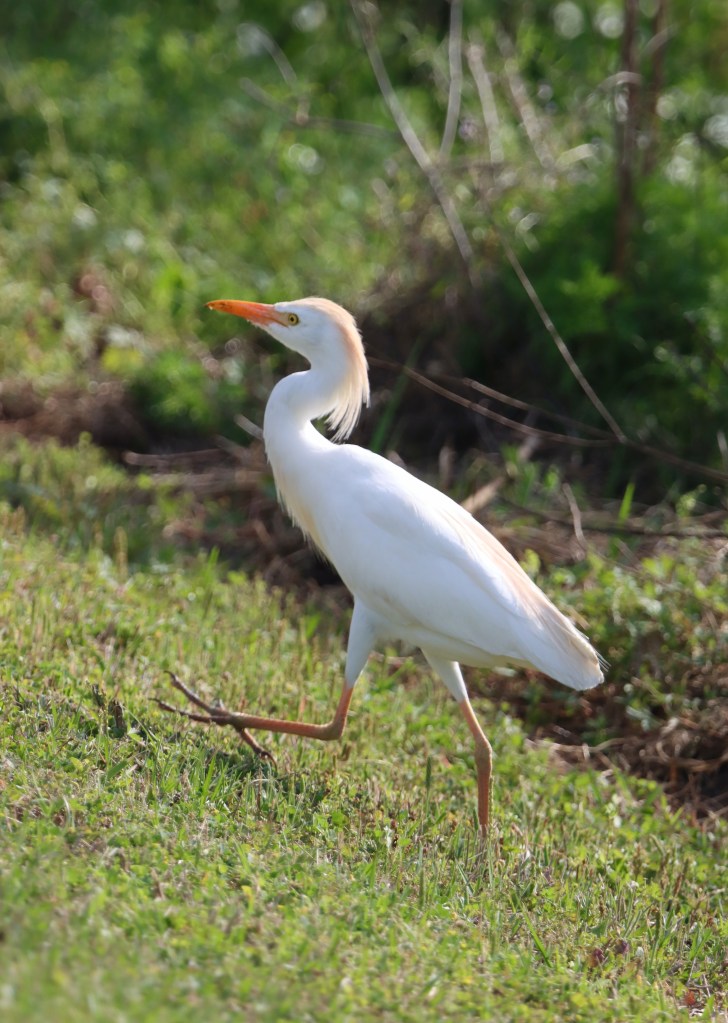
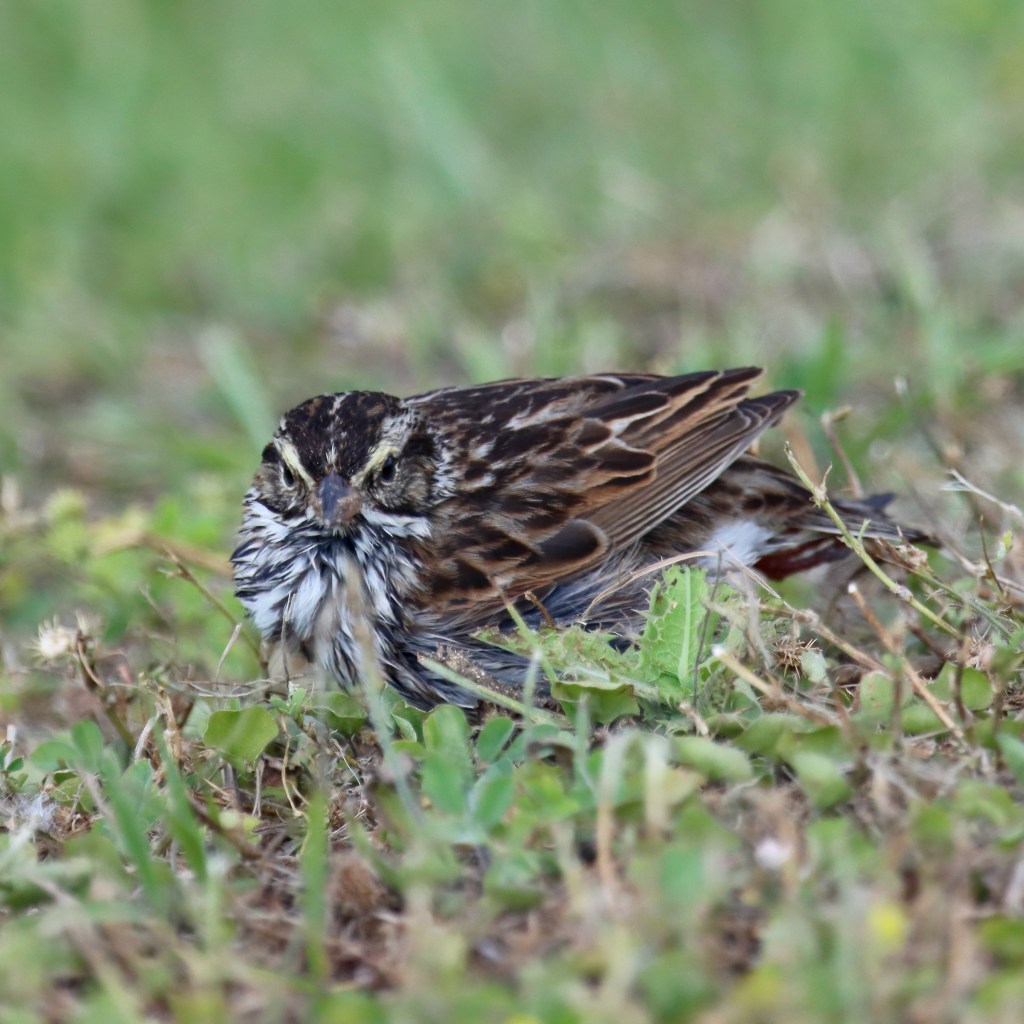
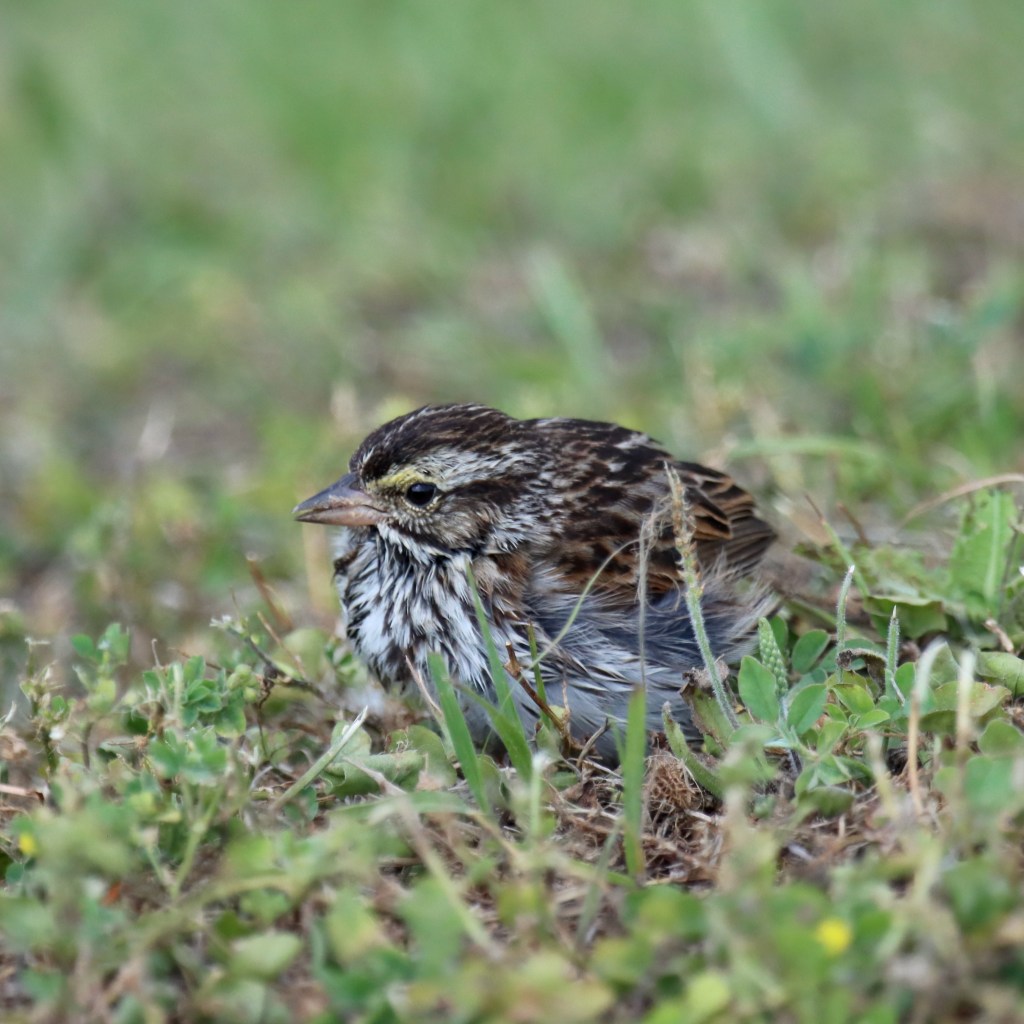
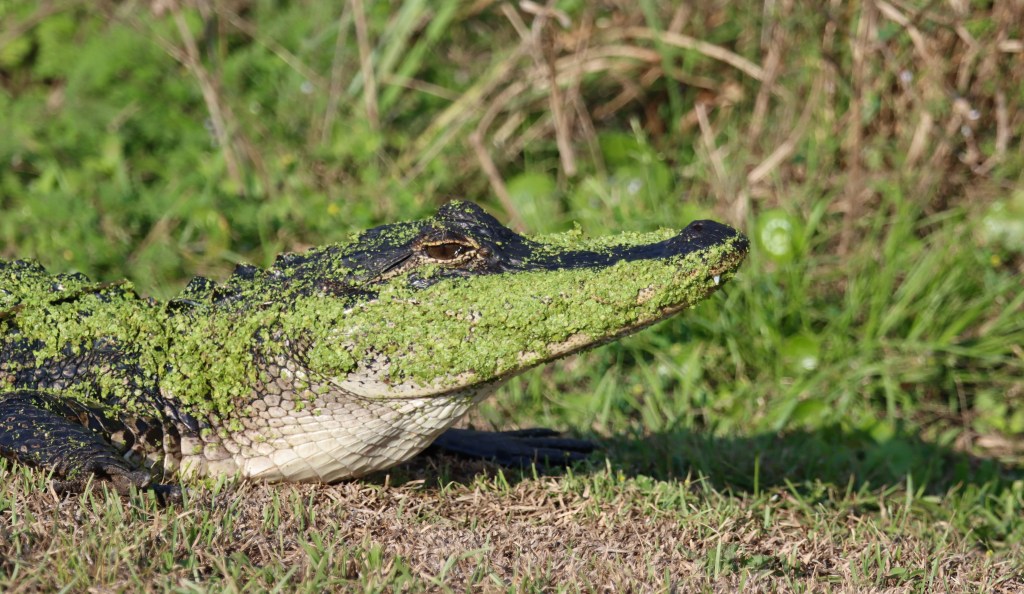
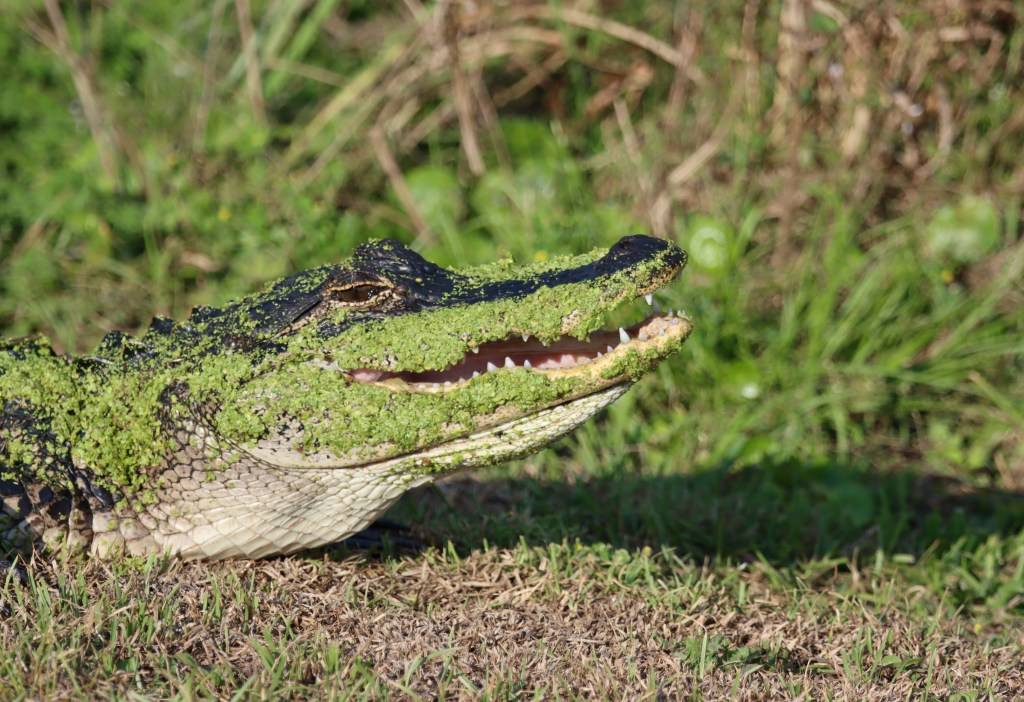
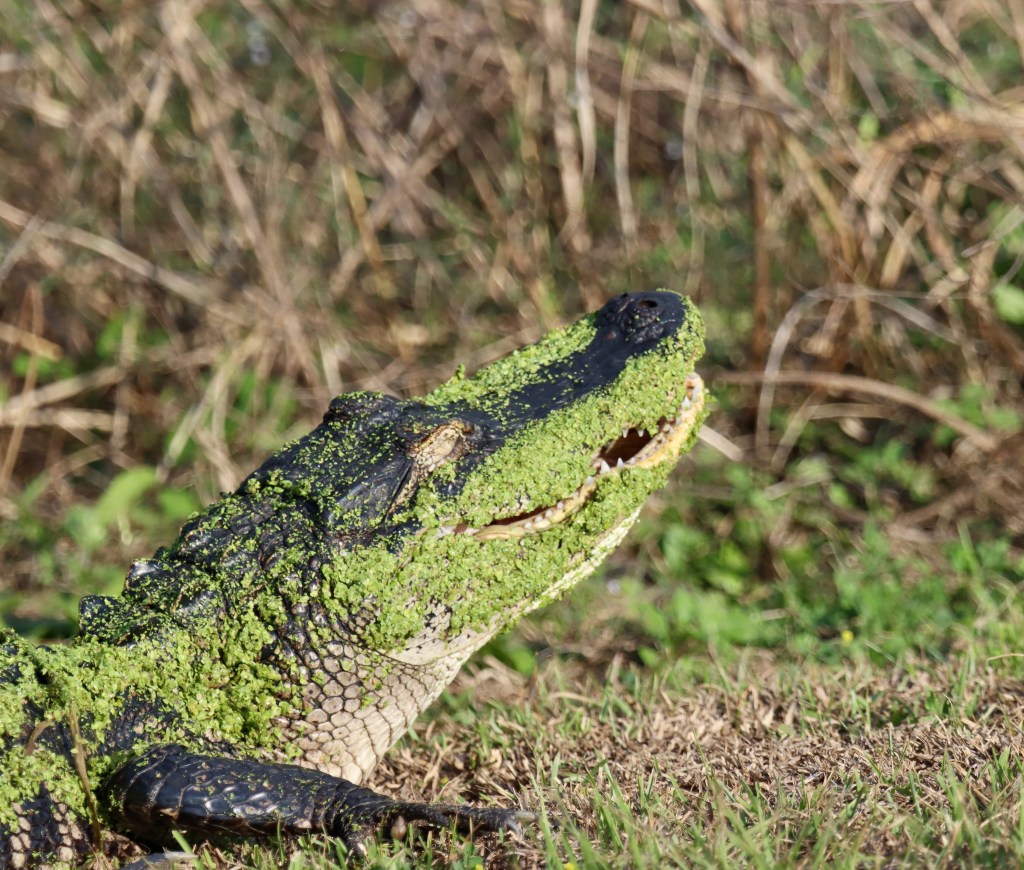
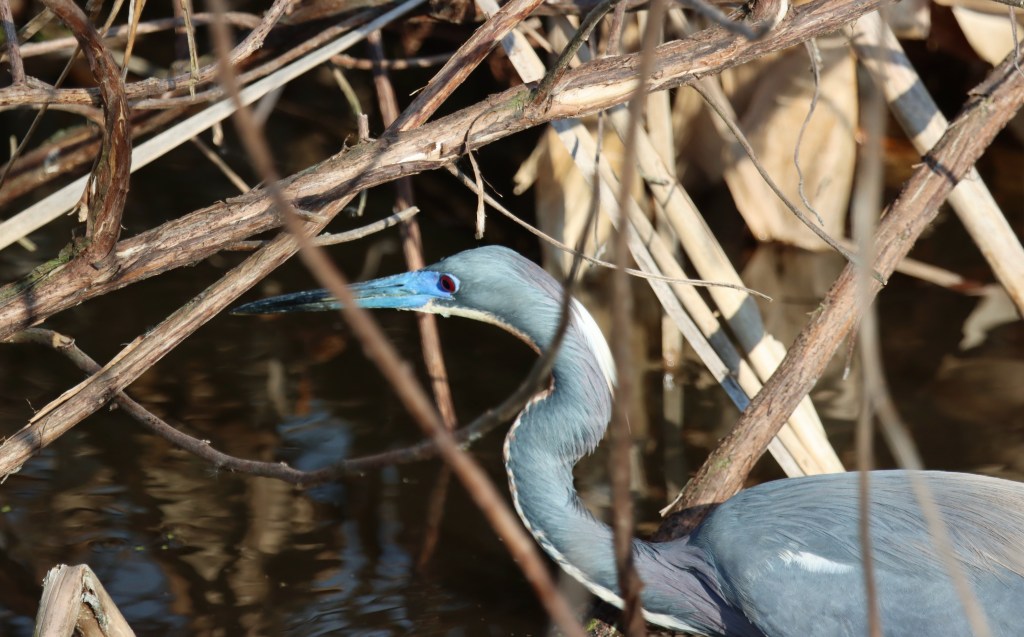
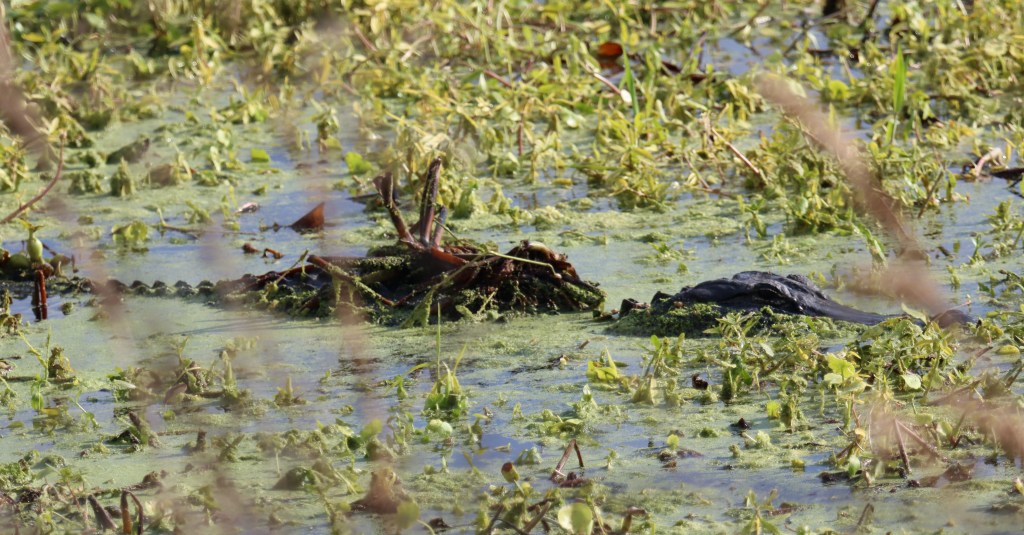
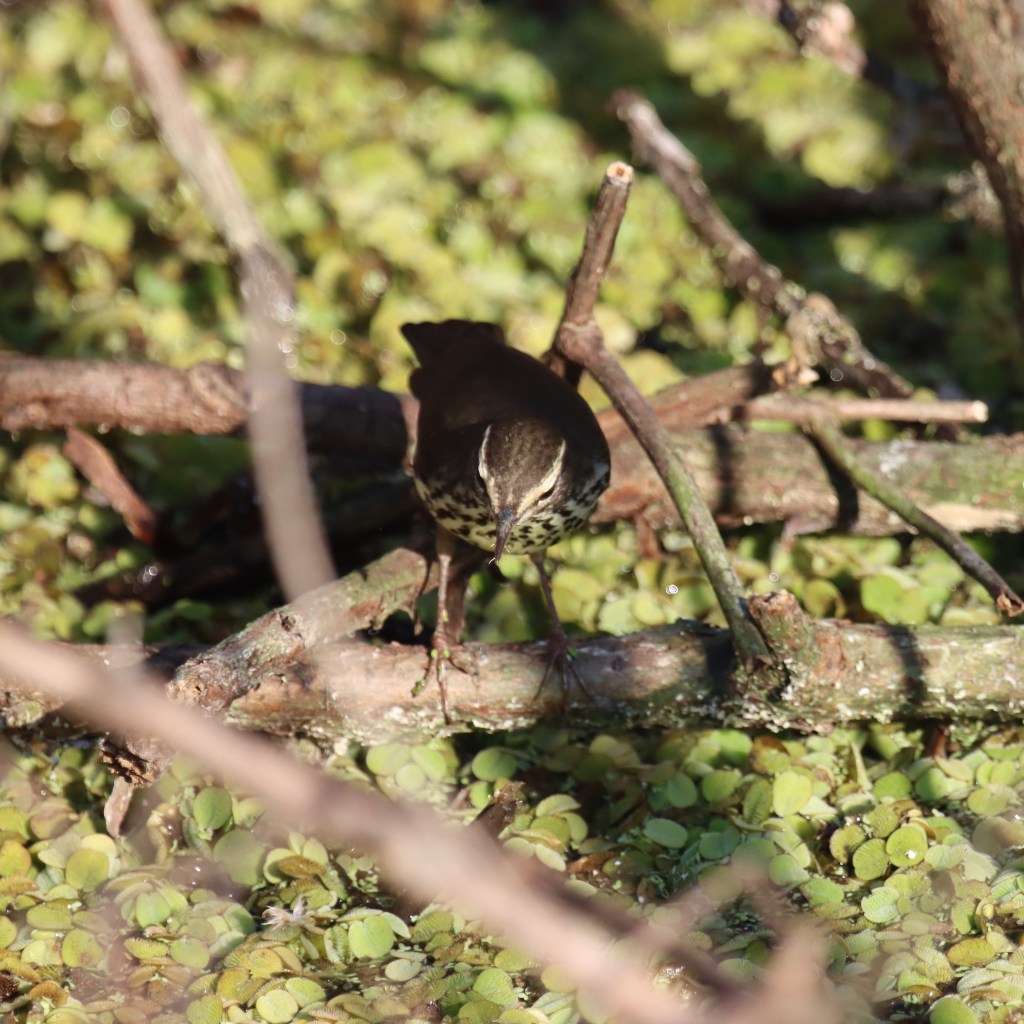
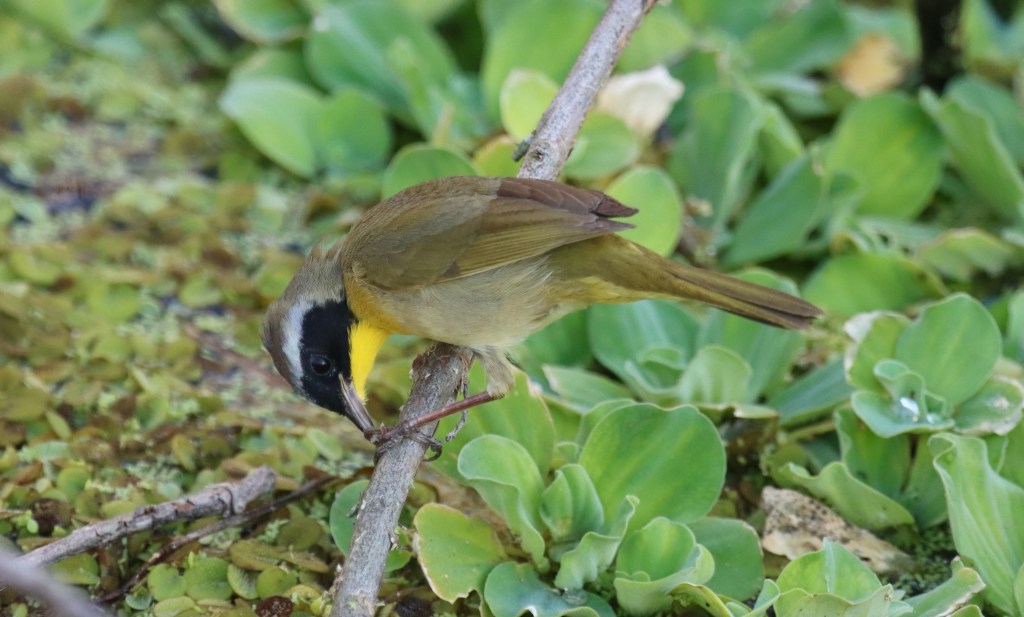
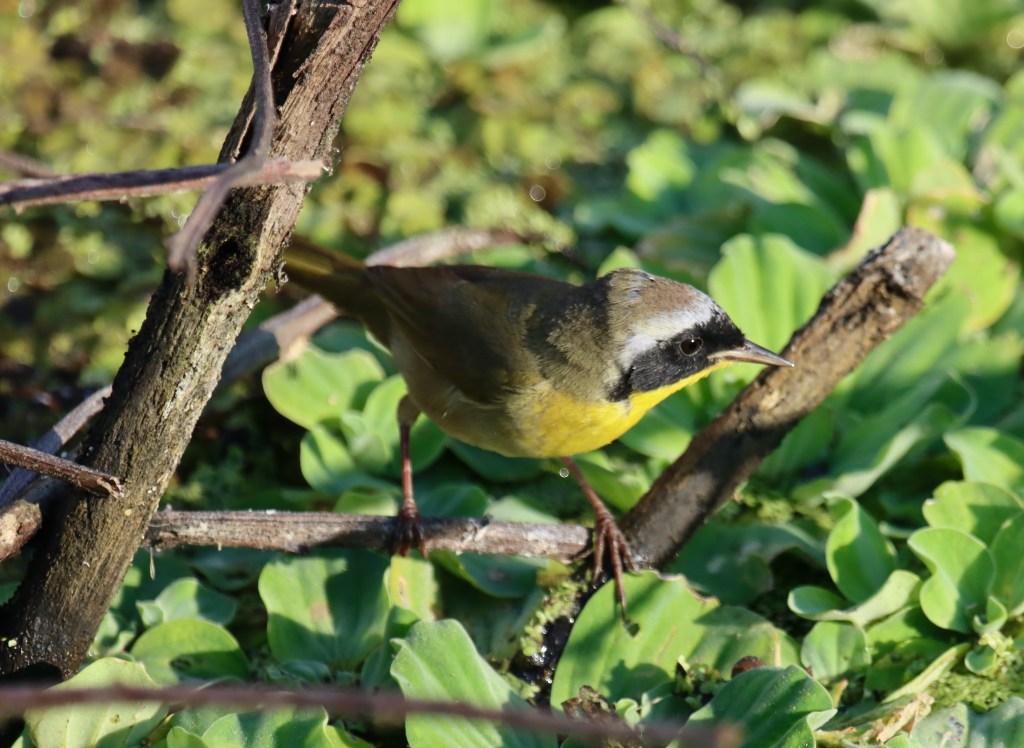
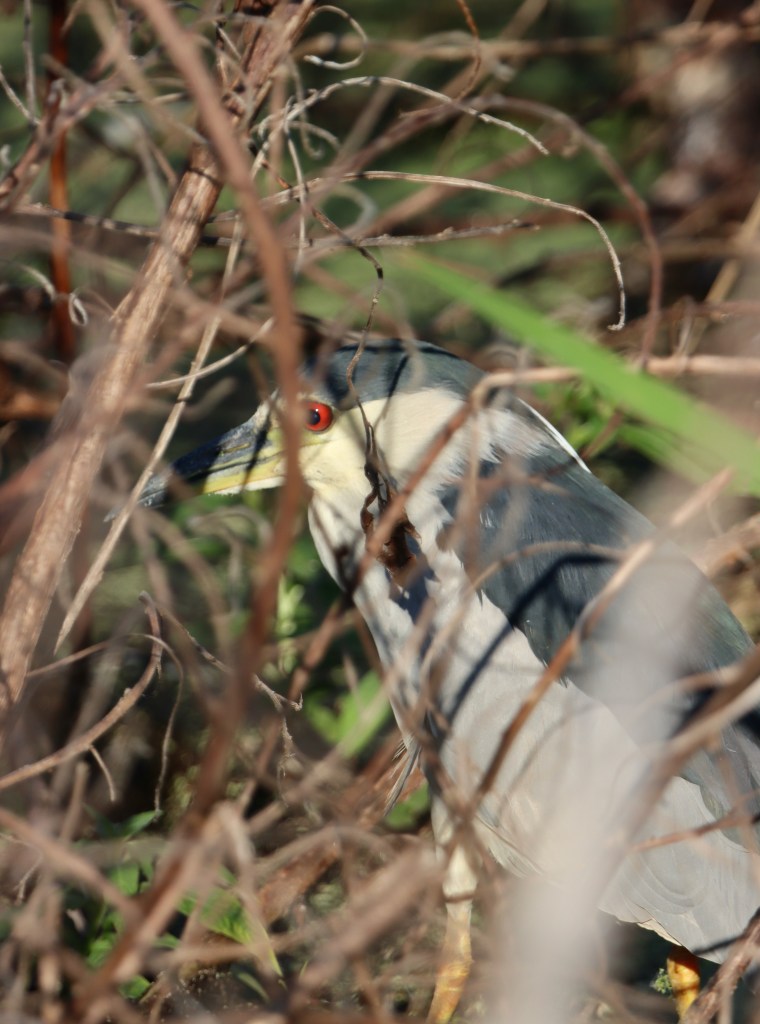
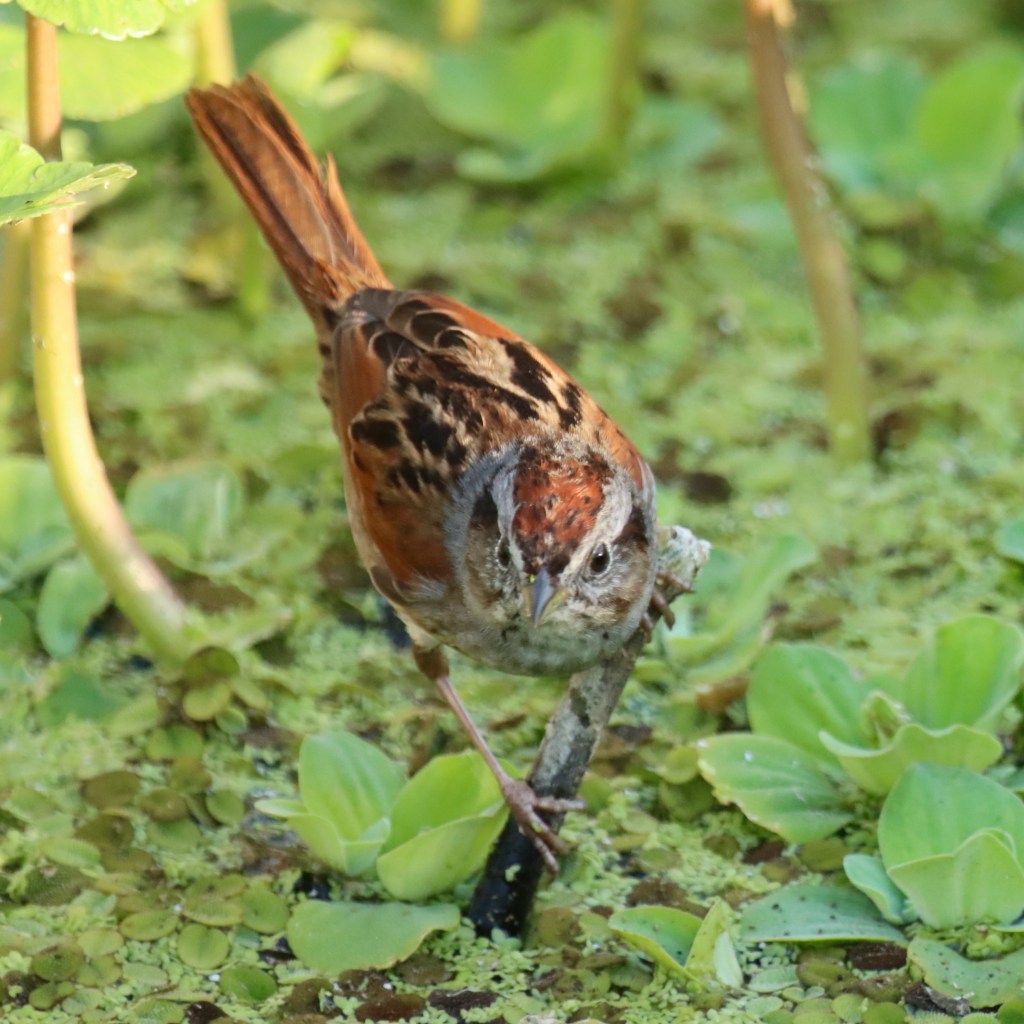
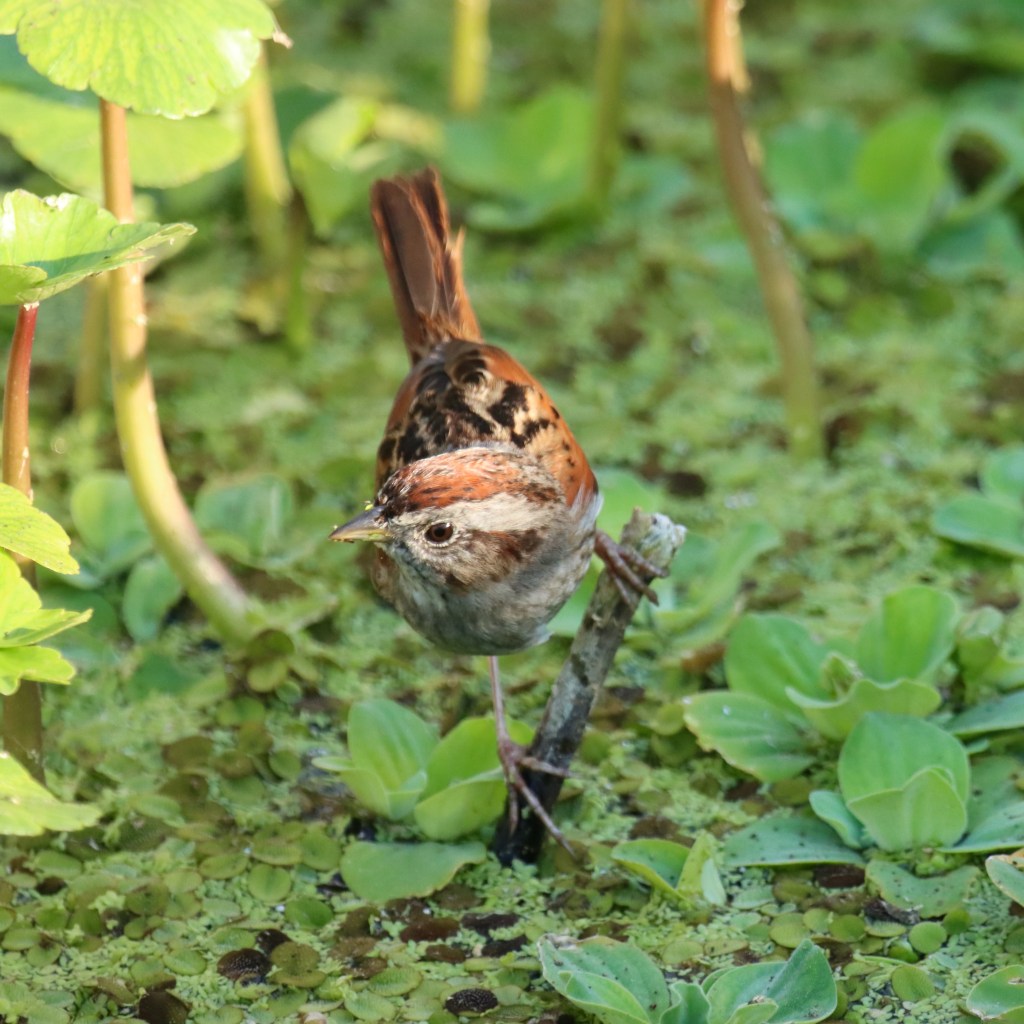
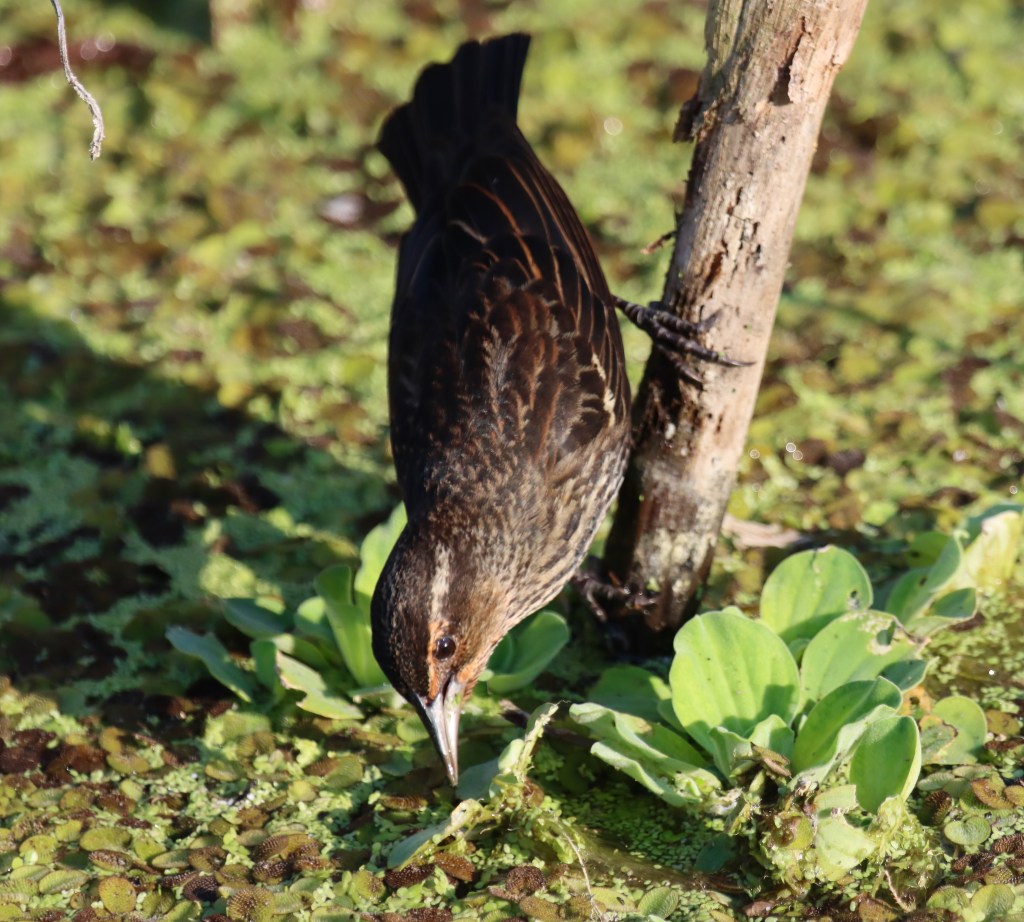
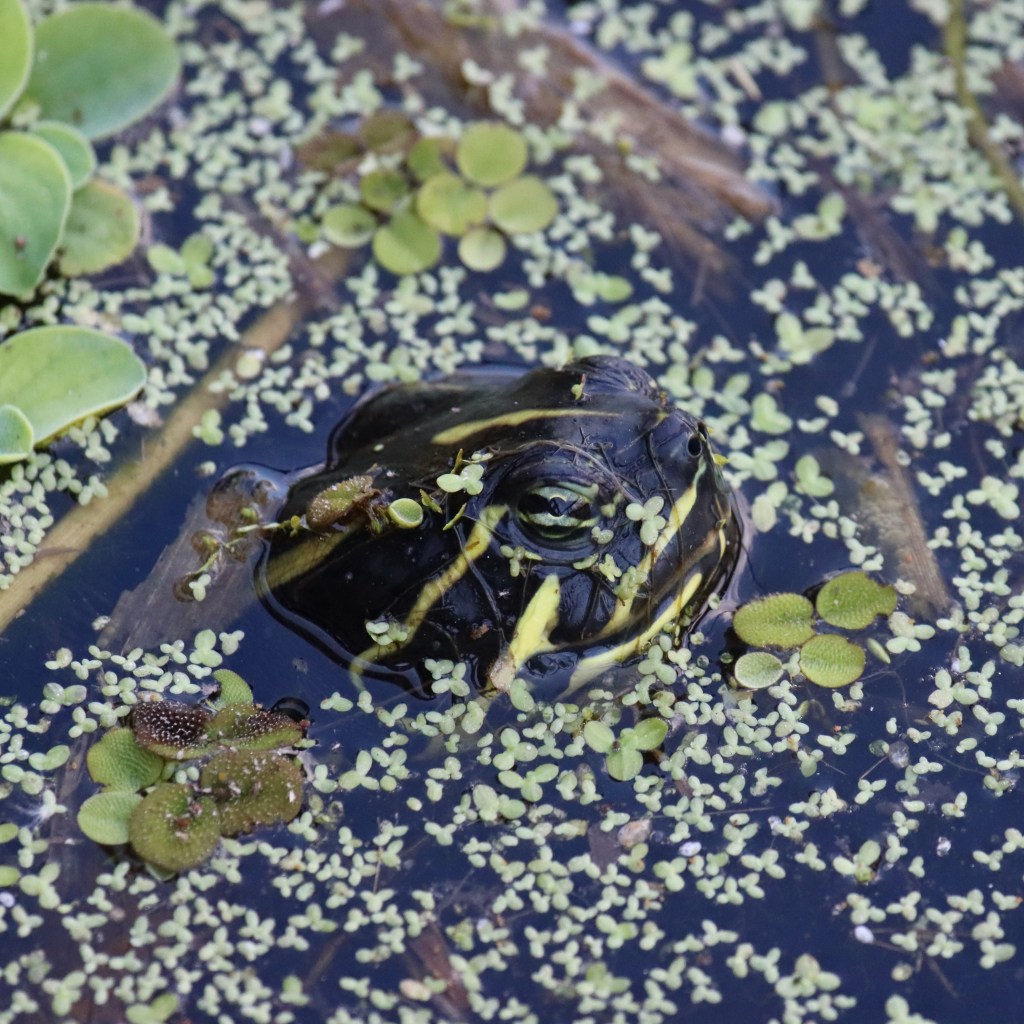
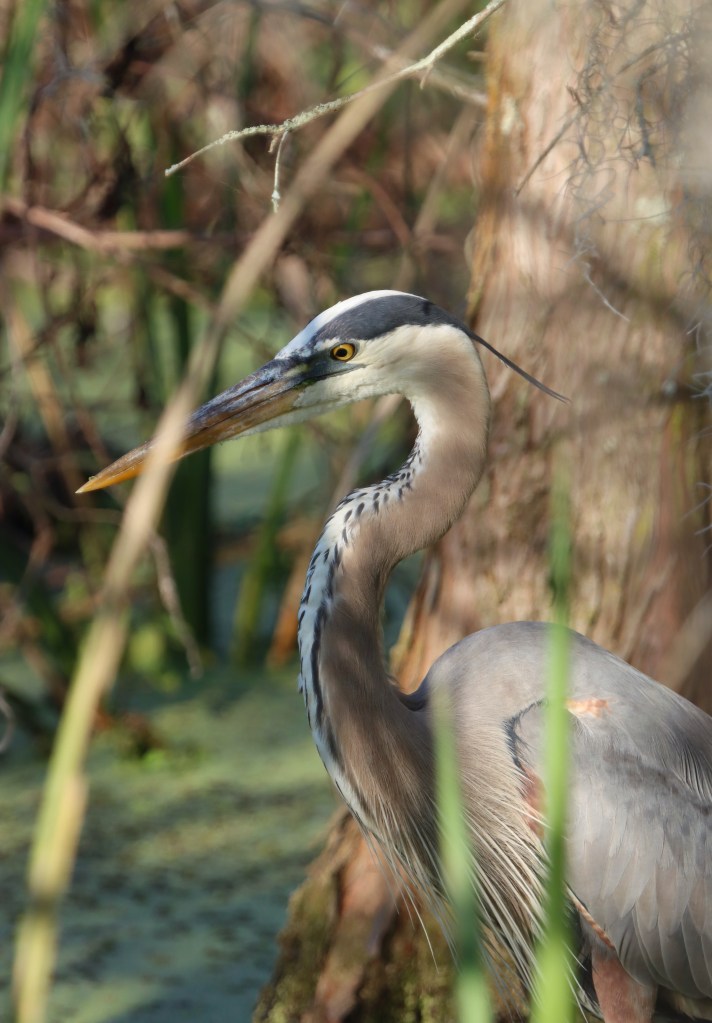
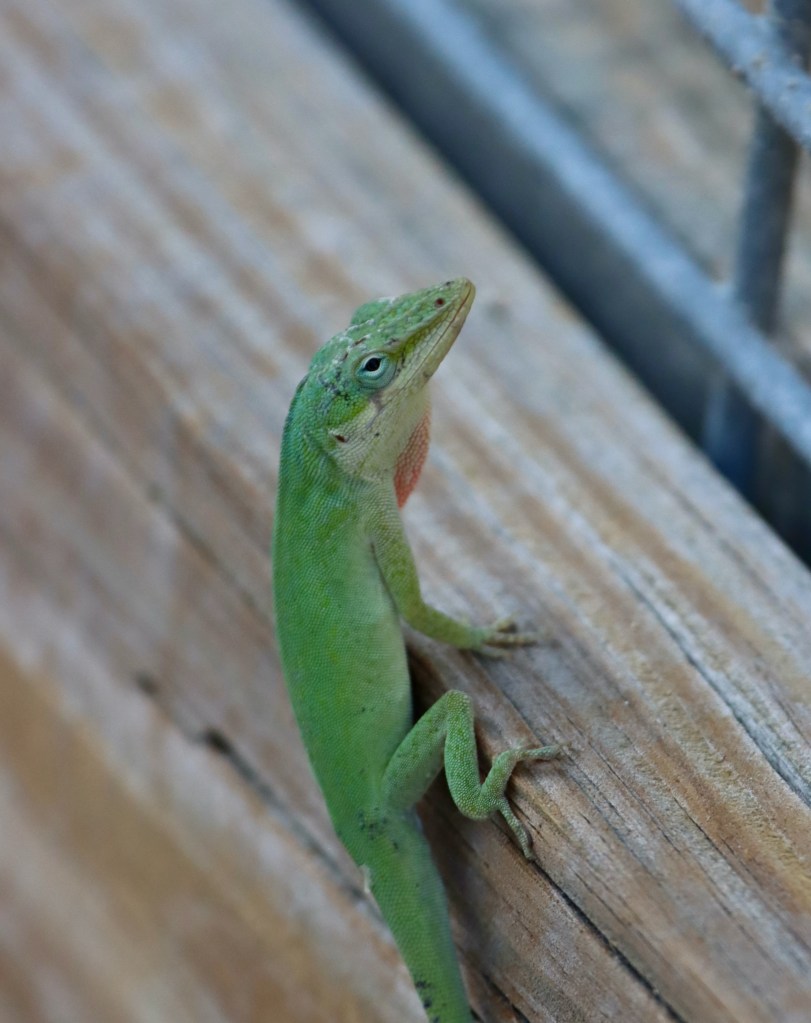
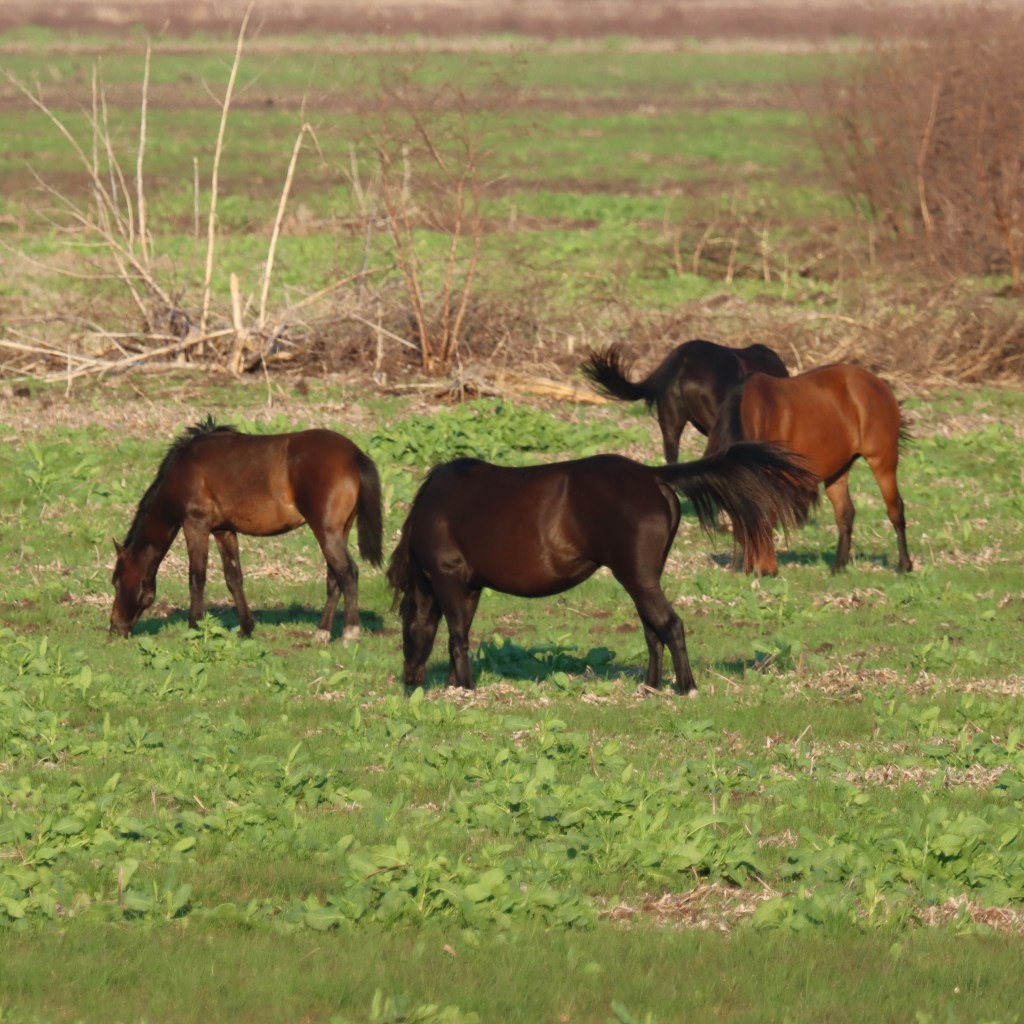
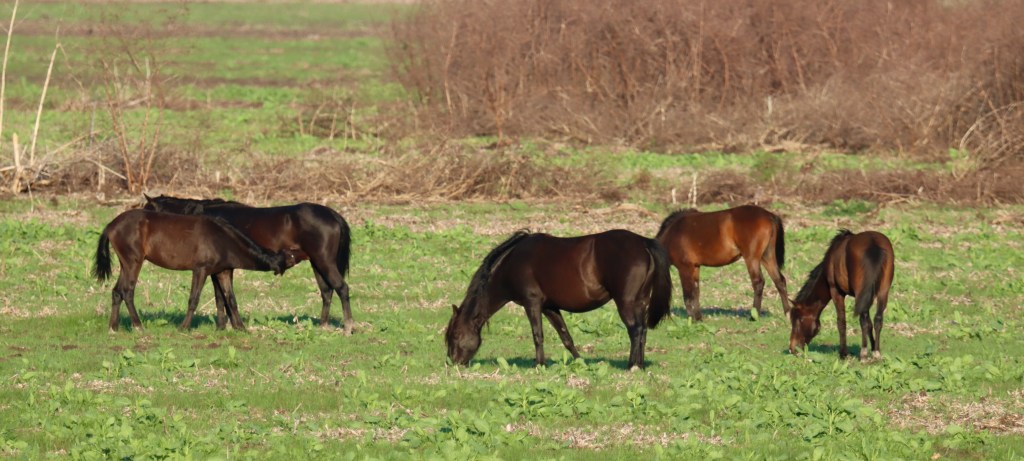
I spotted dozens of species of birds and quite a few alligators as I strolled the along. It was difficult to tear myself away but I still had a 2.5 hour drive. It turned out to be a good thing that I left when I did as my route home from the Wetlands paralleled Paynes Prairie State Park and there was enough light left to spot a herd of horses from the roadside lookout.

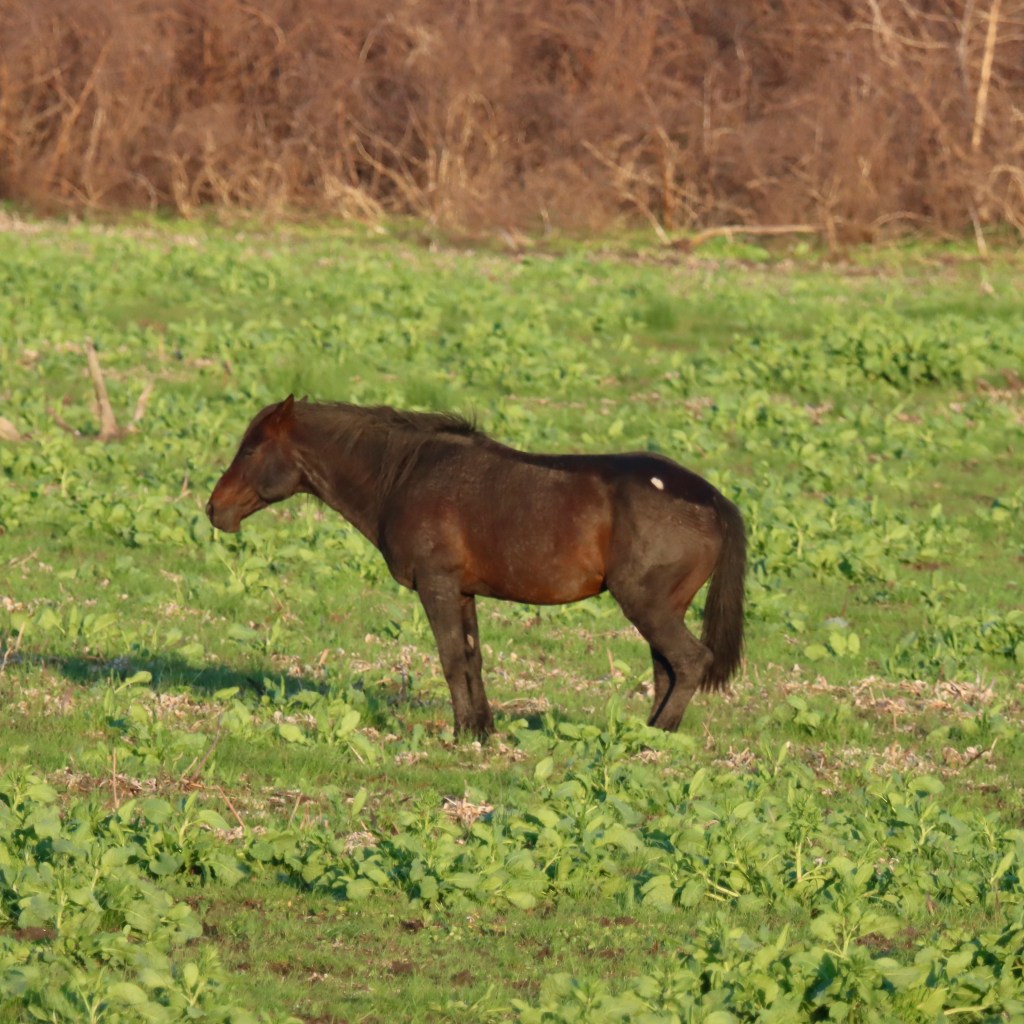
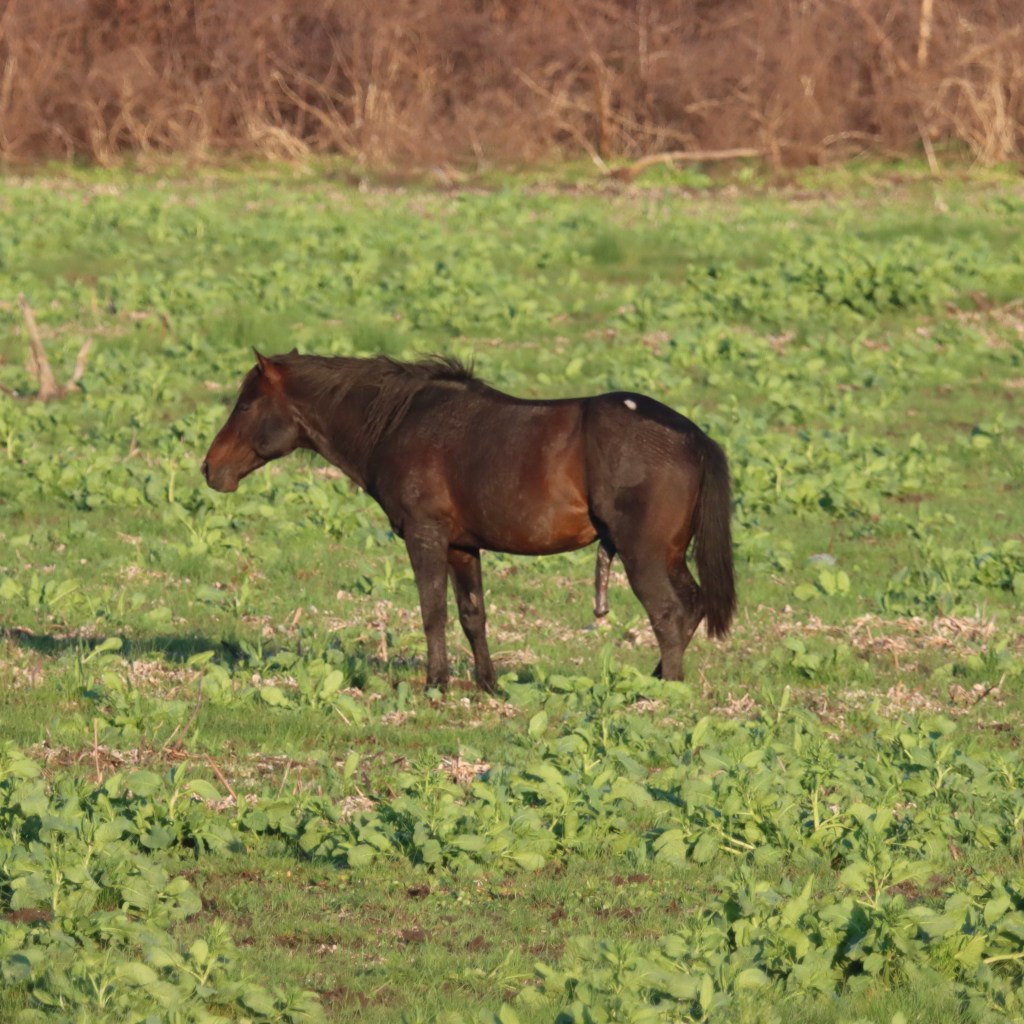
It was my first time seeing some of the wild-roaming Florida Cracker horses and I enjoyed watching the interaction of the band. The mares, and last year’s young (which was still trying to nurse), were carefully watched from the side by their stallion (there was another small band in the distance that he kept a wary eye on). I had surmised he was a stallion by his stance and thick neck but then he relieved himself, letting it all hang out which erased any doubt (see photo above).

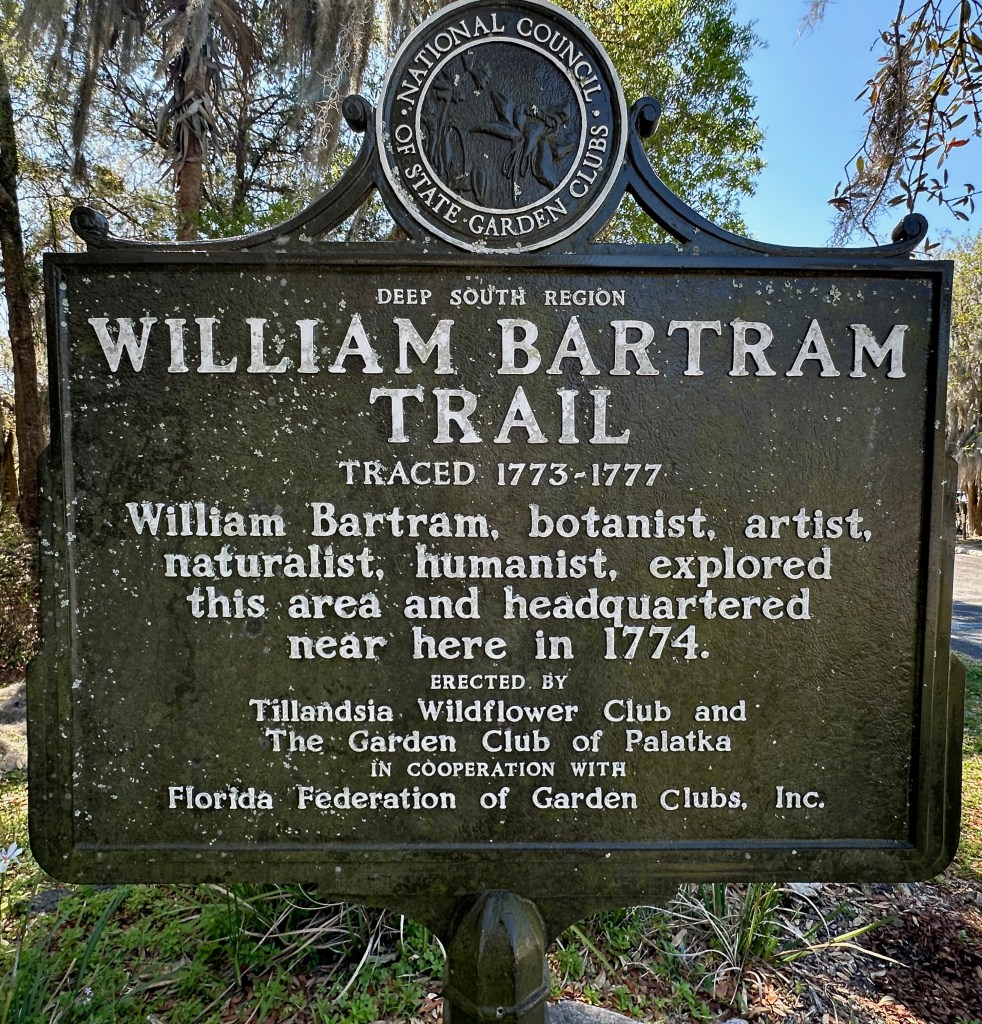
Even though much has changed in the Alachua Savannah during the past 250 plus years, William Bartram’s description of the area from 1774 still holds true: it is a vast, fertile savanna surrounded by forests, teeming with cattle, horses, and wildlife.
Cow Crossing

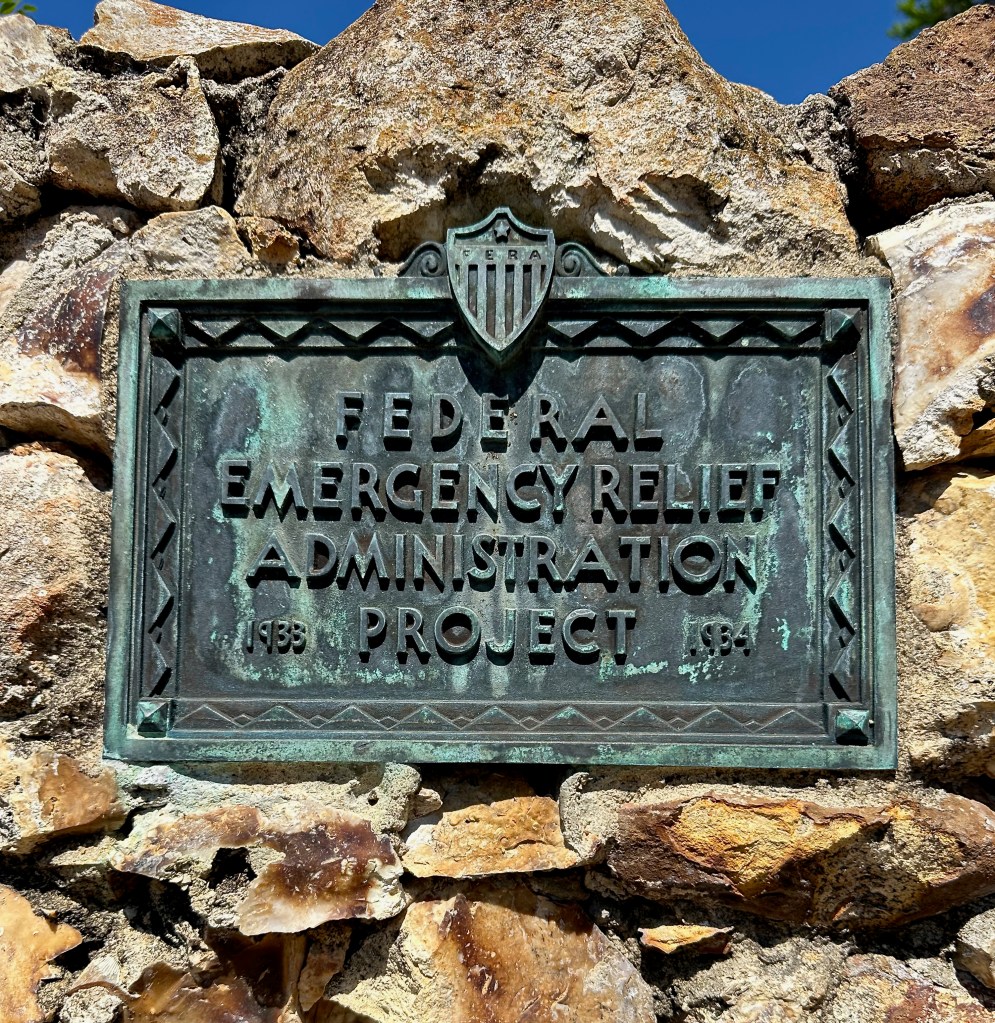
My destination the next morning was Ravine Gardens State Park near Palatka. The park was on my list of places to explore for two reasons; it was a New Deal era project (one of nine in the state), and it’s one of the few places in Florida that has some natural topography.

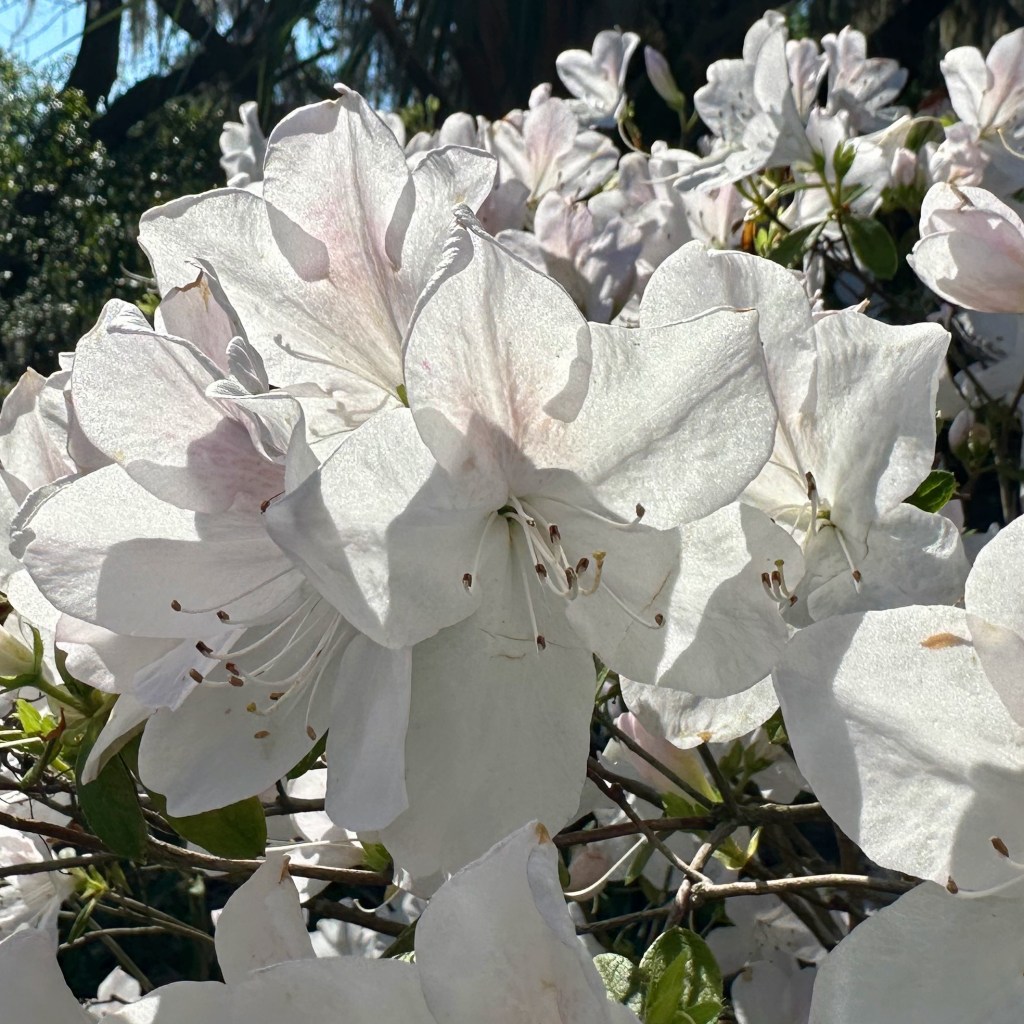
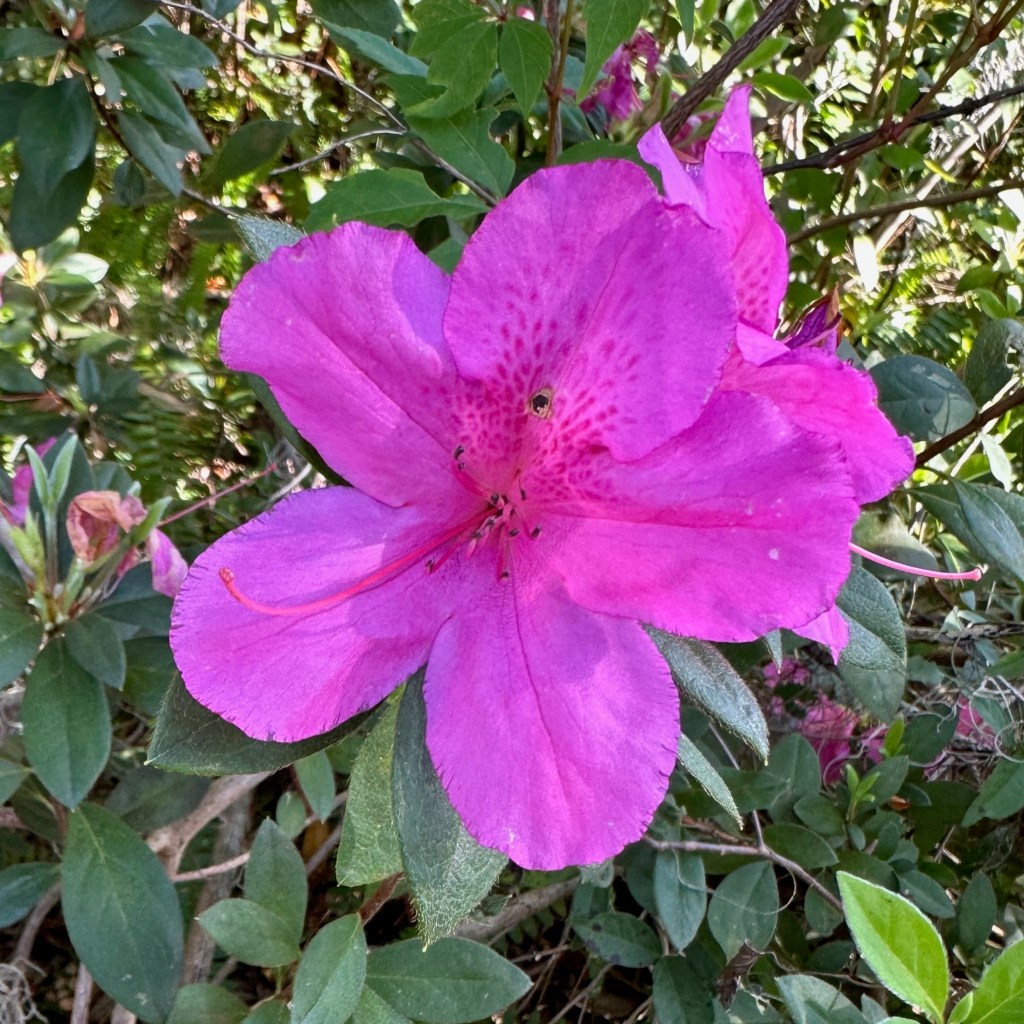
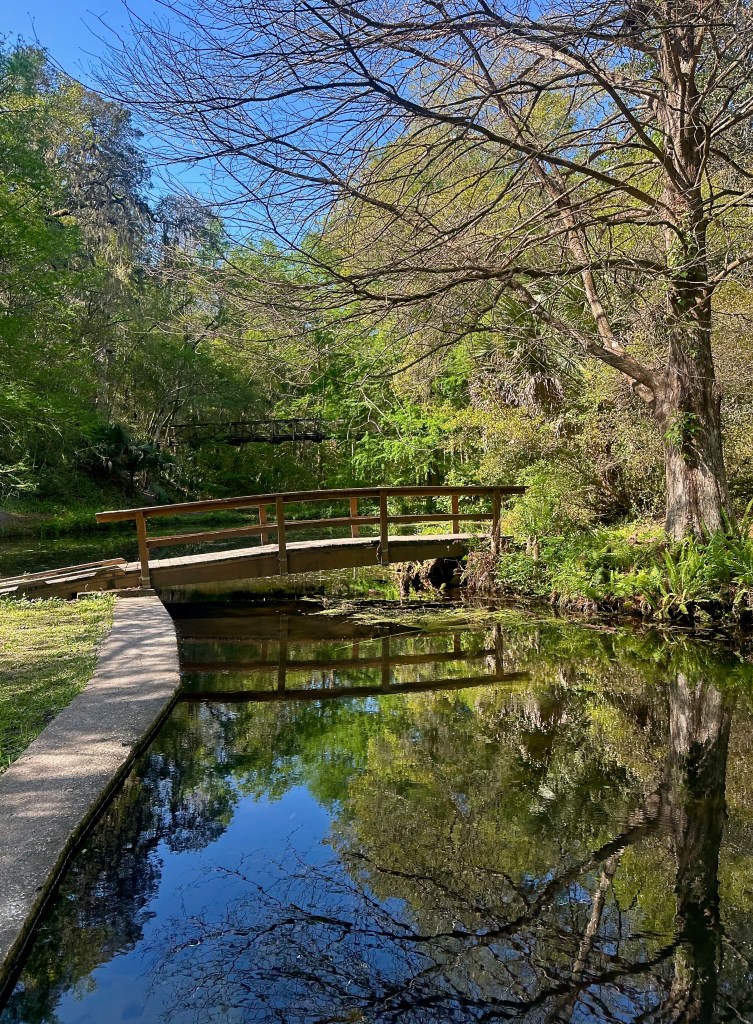
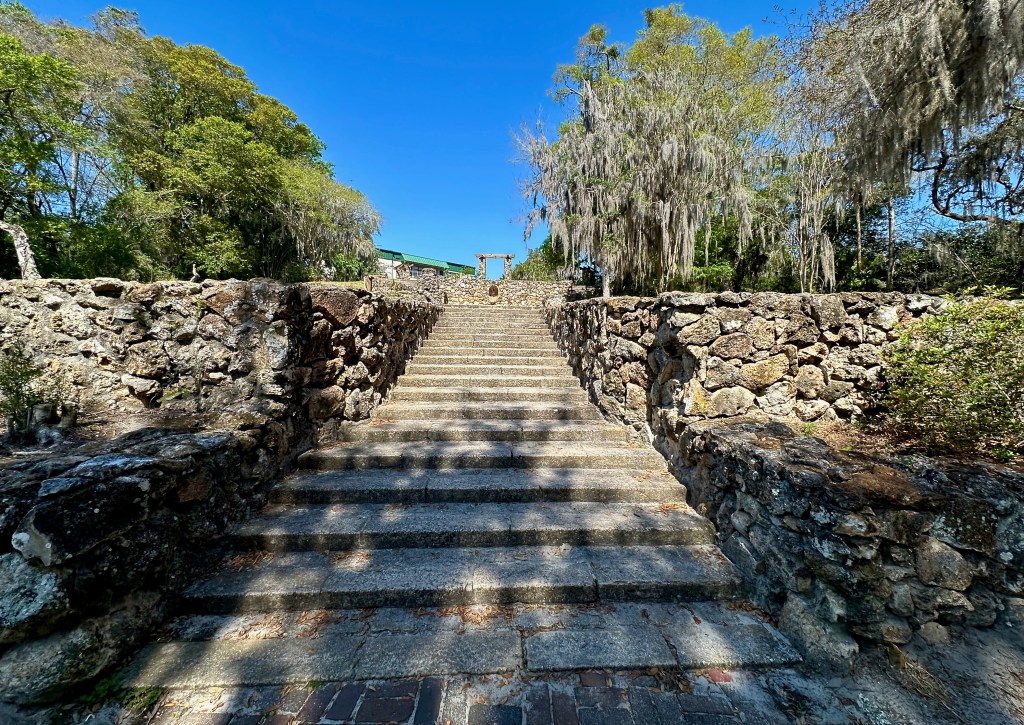
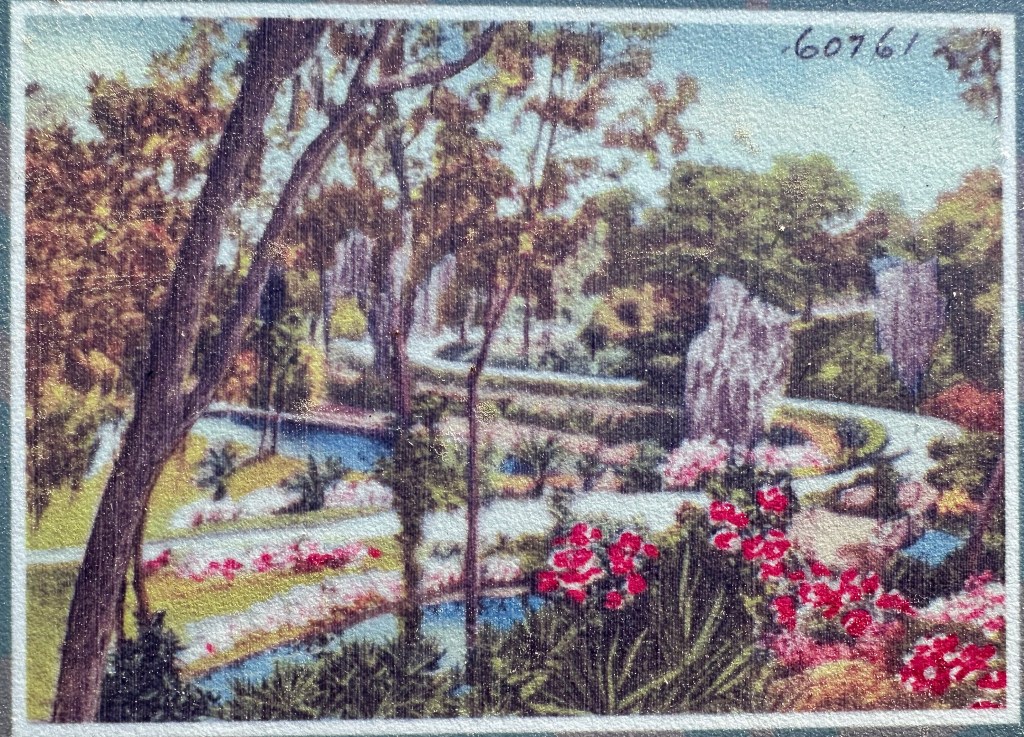
The 152-acre park encompasses two ravines that were carved through the soil by Whitewater Branch, a spring-fed creek. In 1933, at the urging of Palatka residents, the Civil Works Administration began a beautification project that turned the ravines into a terraced garden. A year later the Works Progress Administration took over and planted thousands of azaleas on the steep slopes.

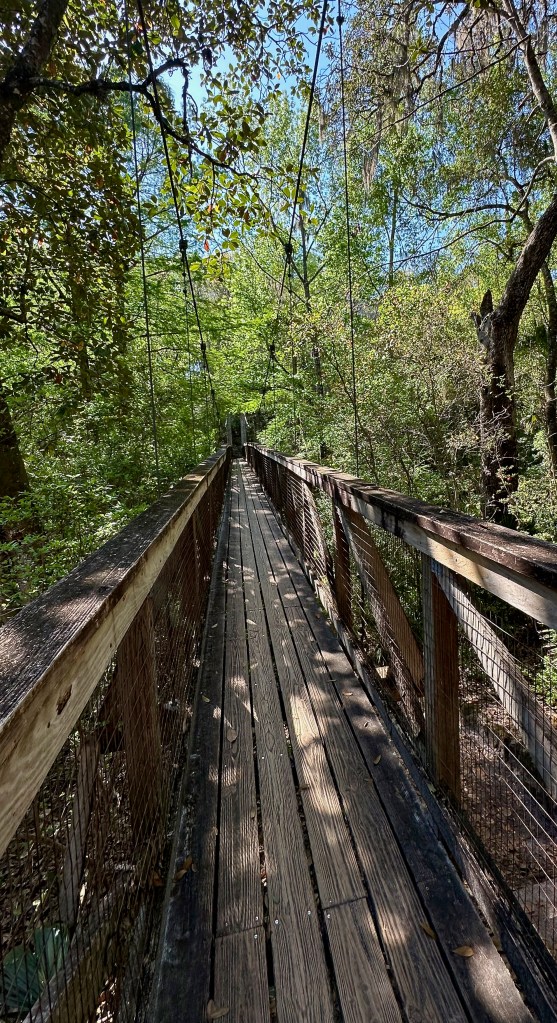
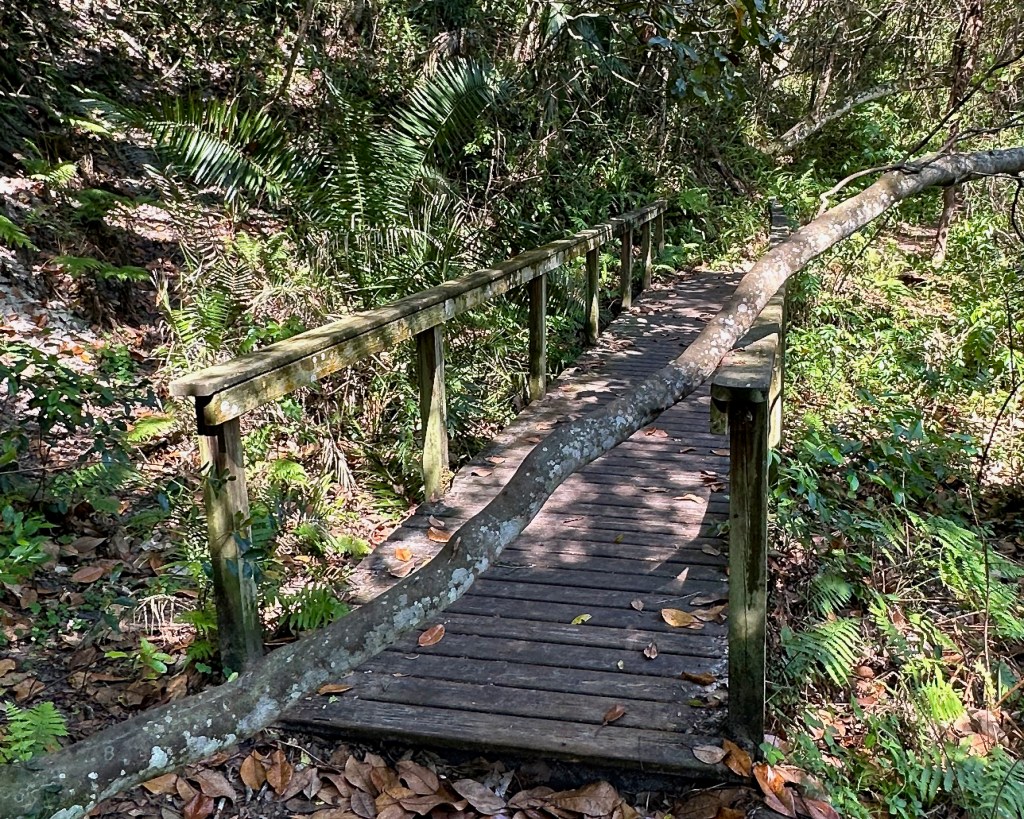
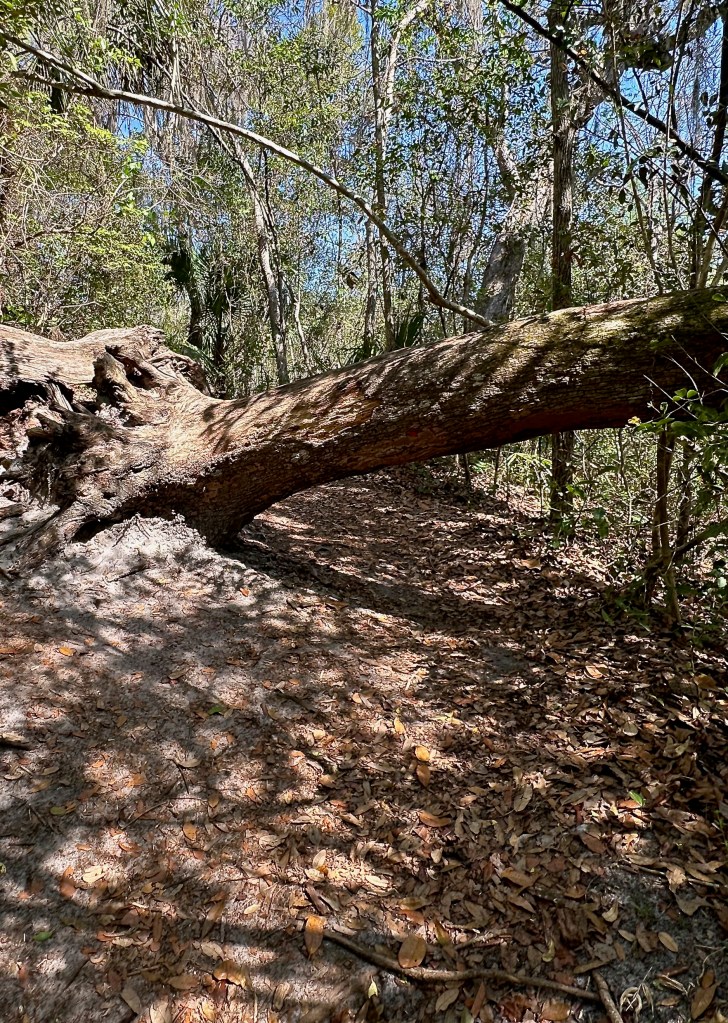
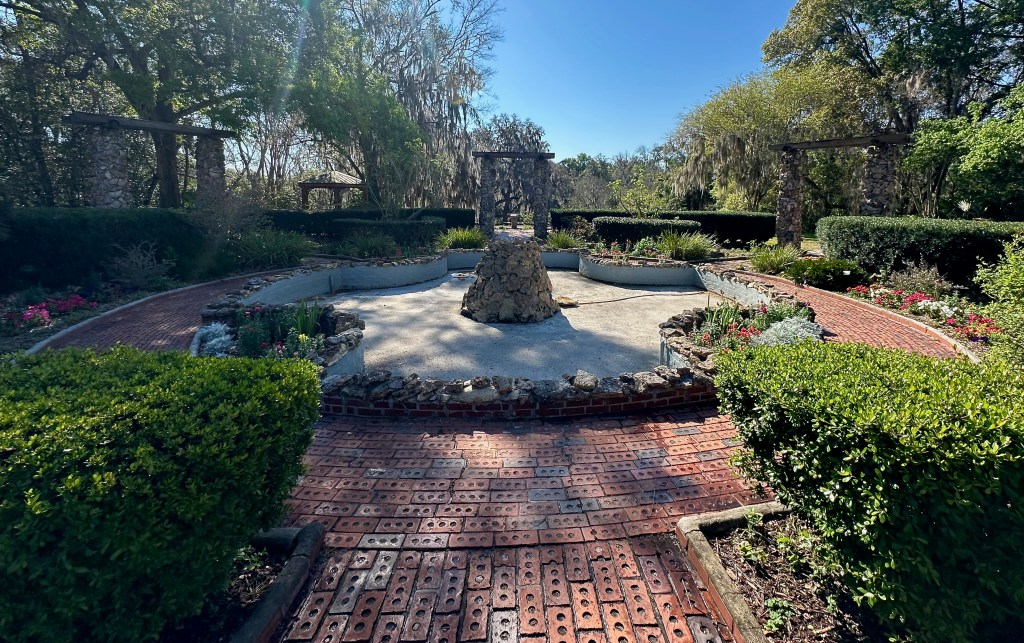
In its heyday, the blooms would start in late February and continue through early May. It must’ve been just stunning (see copy of historic postcard above). Sadly, the gardens have fallen victim to the massive funding backlog of the Florida State Park system. The park put up a sign stating they are letting nature take its course, which I can see making sense along most of the steep slopes (though leaving large, downed trees across trails is a bit of stretch – that’s not nature, that’s a safety hazard). However, in the formal garden and picnic area there is no reason not to restore the lush, historic landscaping (especially since there’s plenty of fresh water onsite).

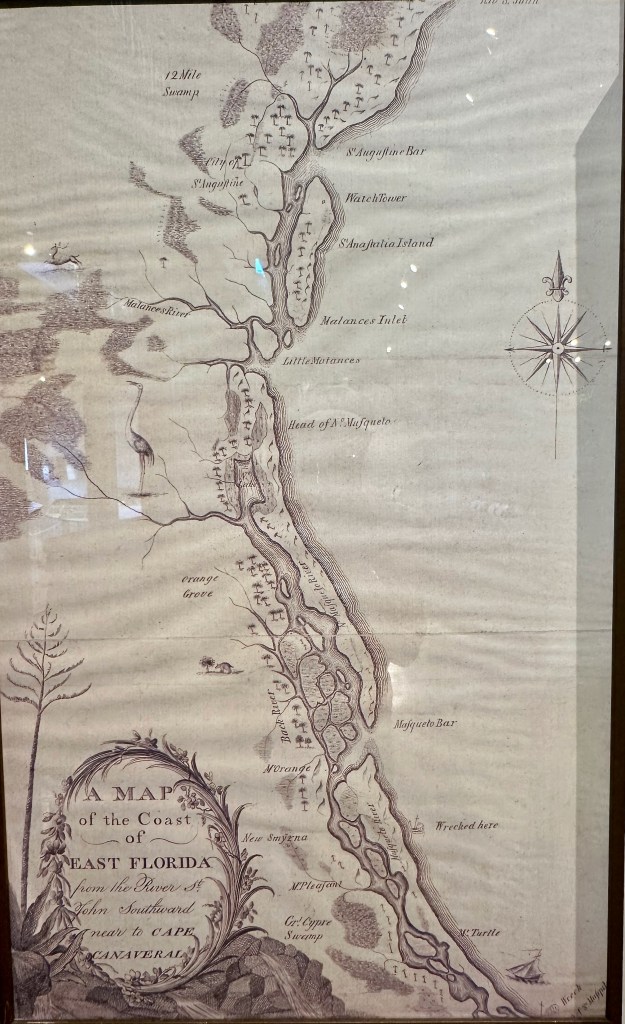
While I was disappointed in the overall state of the place, one item in particular piqued my interest, a sign about William Bartram. His spot in history was earned as the first naturalist to document Florida. In 1763 Great Britain acquired the land from Spain and in 1774 Bartram was hired to provide a detailed report on their purchase.

Since waterways were the easiest way to traverse the land’s dense vegetation, much of Spanish development centered on the St. Johns River and its tributaries. One of Bartram’s stops along the St. Johns was Palatka.

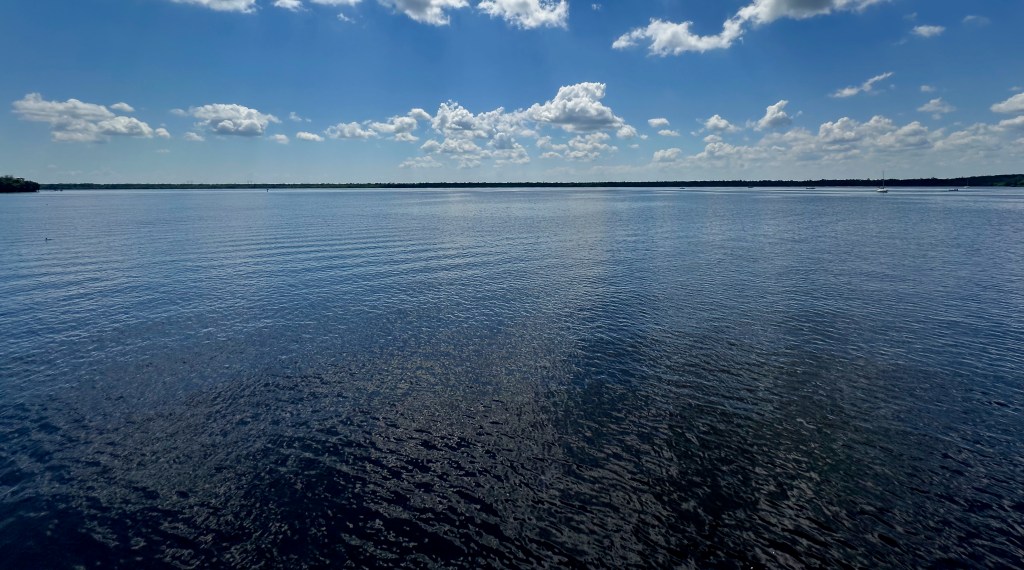
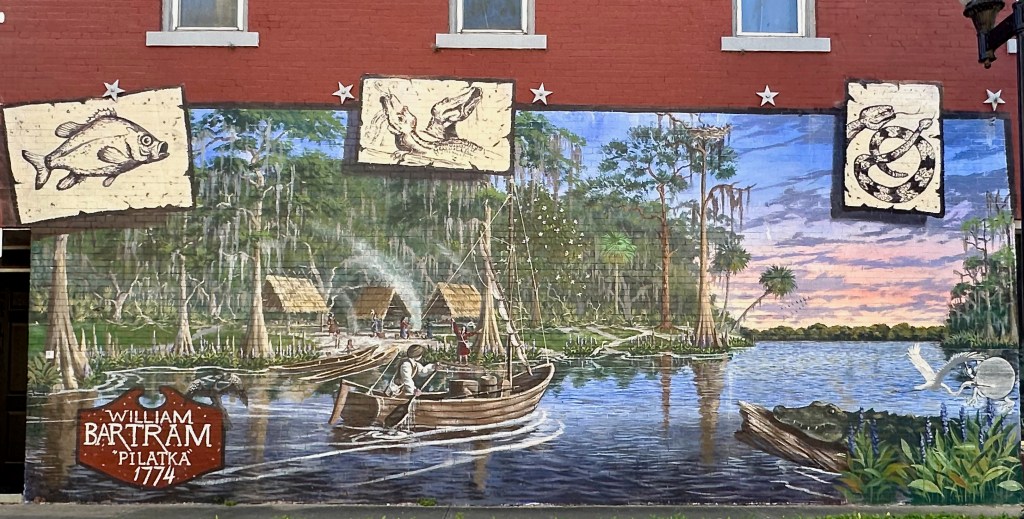
Wanting to learn more about Bartram’s adventures I headed to the town’s waterfront. Though the location was already occupied by a thriving Seminole village, the current town’s name derives from its import as a Spanish cattle ranching hub. Palatka was mangled from the original Seminole, meaning cow’s crossing.

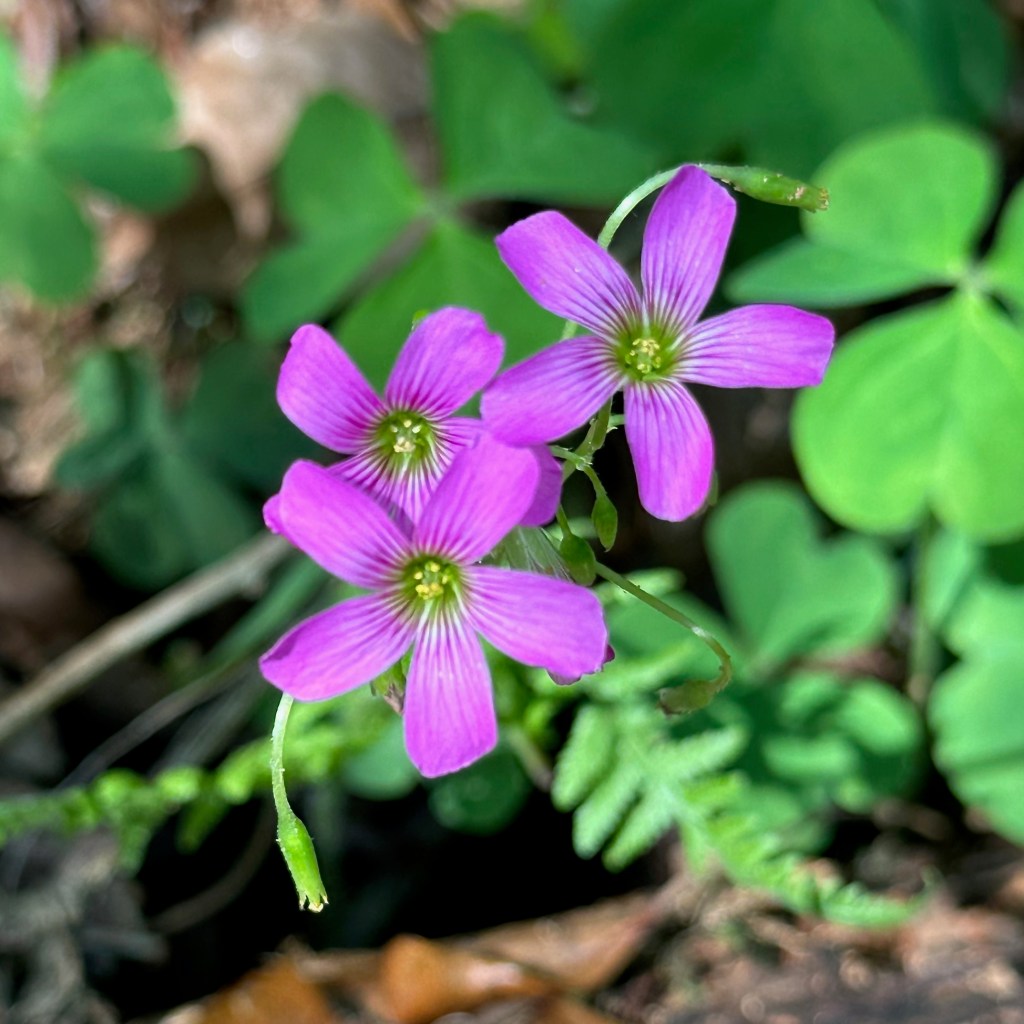
When Bartram arrived in April 1775 he was impressed by the Seminole village’s acres of cultivated crops (including oranges, corn, beans, melons, and tobacco). He established a good relationship with the villagers, enlisting their help in finding new and interesting flora and fauna for his report. His odd requests earned him the Seminole name, Puc-Puggy (Flower Hunter).

From his nearby home base, Bartram ventured upriver to Blue Spring. It’s odd to call a southern location upriver but the St. Johns is distinctive in that it flows from south to north. Though the term flow is generous, over its entire 310 miles the river drops less than 30’. Battling the current is not the issue but wayfinding is, especially in the Upper Basin where the river fans out to include 13 lakes. One of the lakes, Lake Hell ‘n Blazes* the headwater of the river, earned its colorful name because it was so notoriously difficult to navigate.

Bartram wrote about his Blue Spring trip in his Book “Travels”, relating that a wolf stole fish from his campsite and large alligators almost capsized his little boat (the last is not surprising since his trip was during alligator mating season). He also ventured west, out to the Alachua Savannah, which funnily enough was where I was headed next…

*A popular curse from the early 1800s.