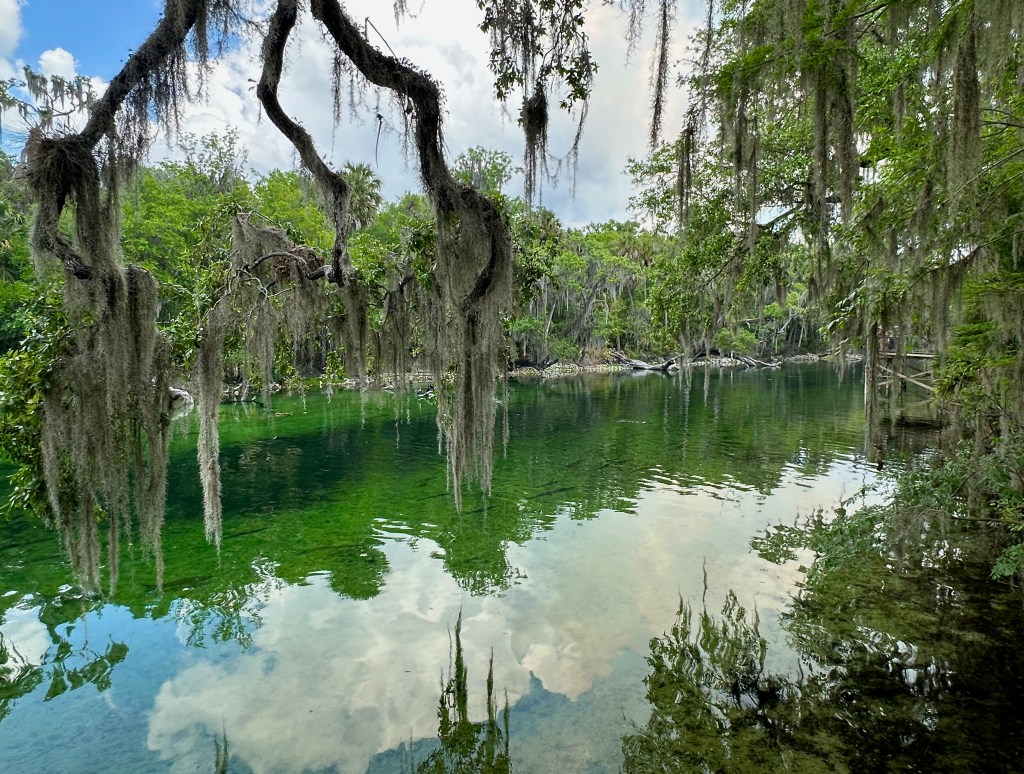
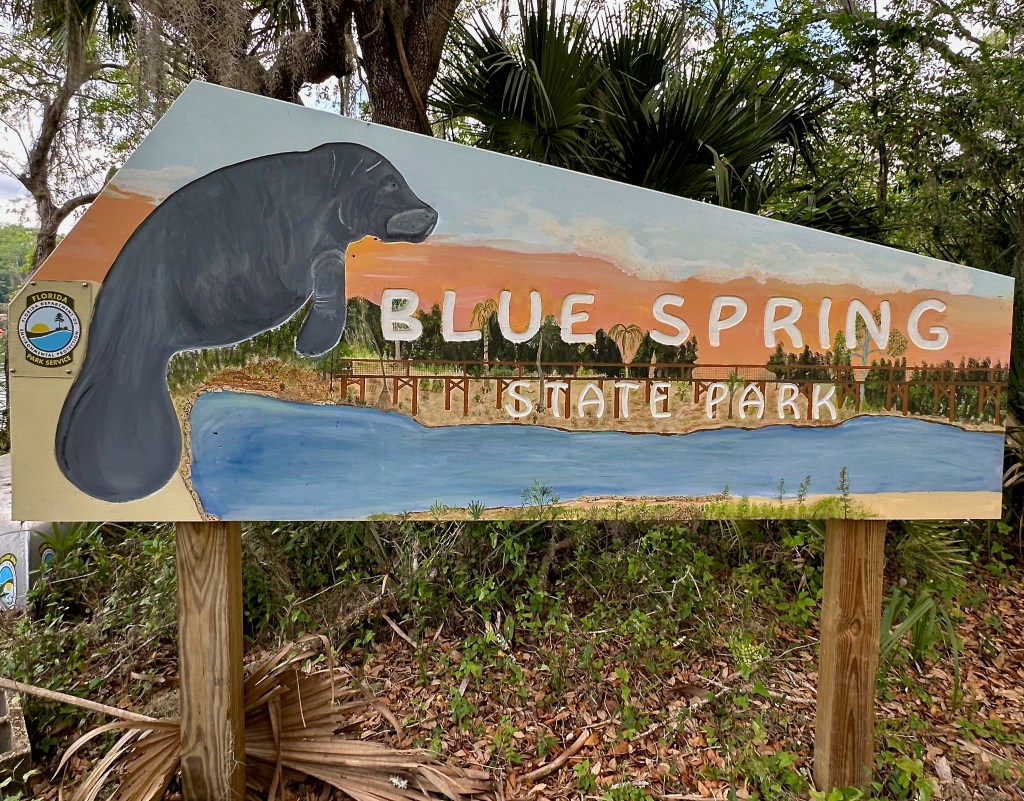
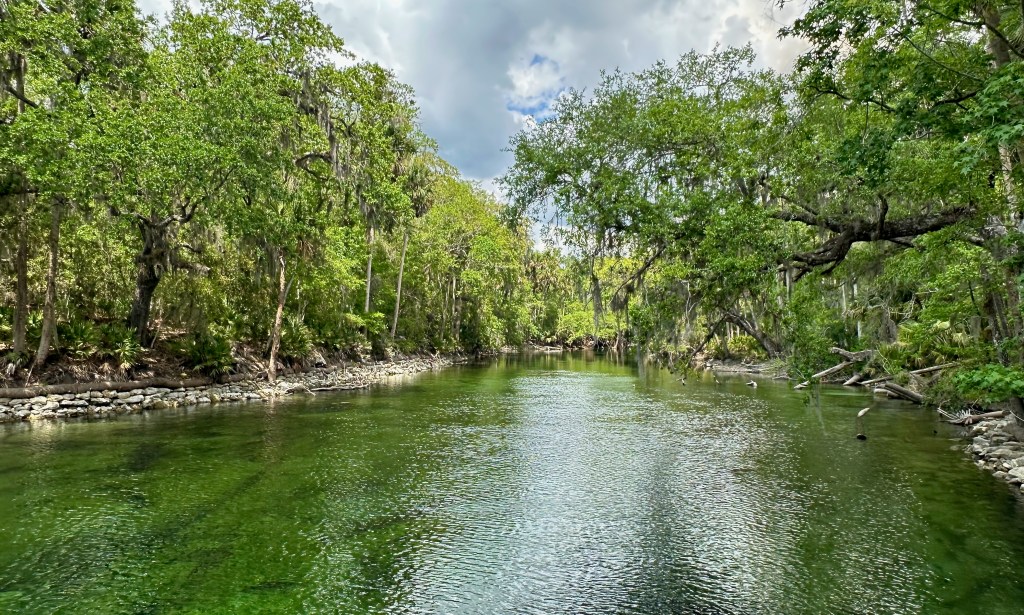
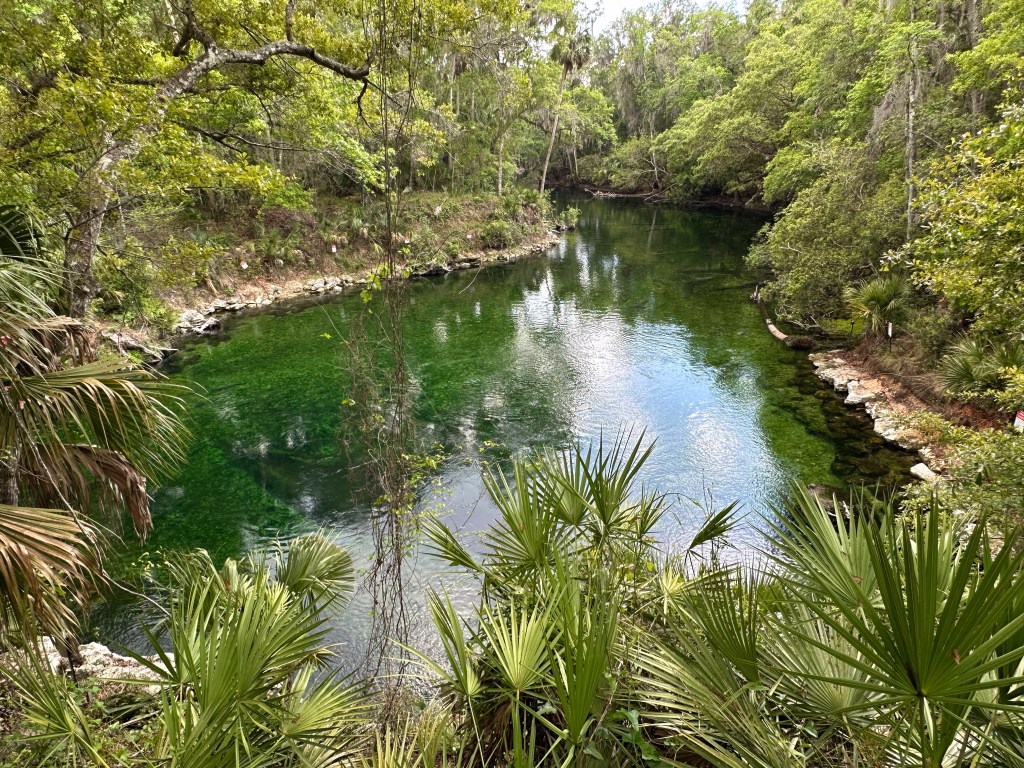
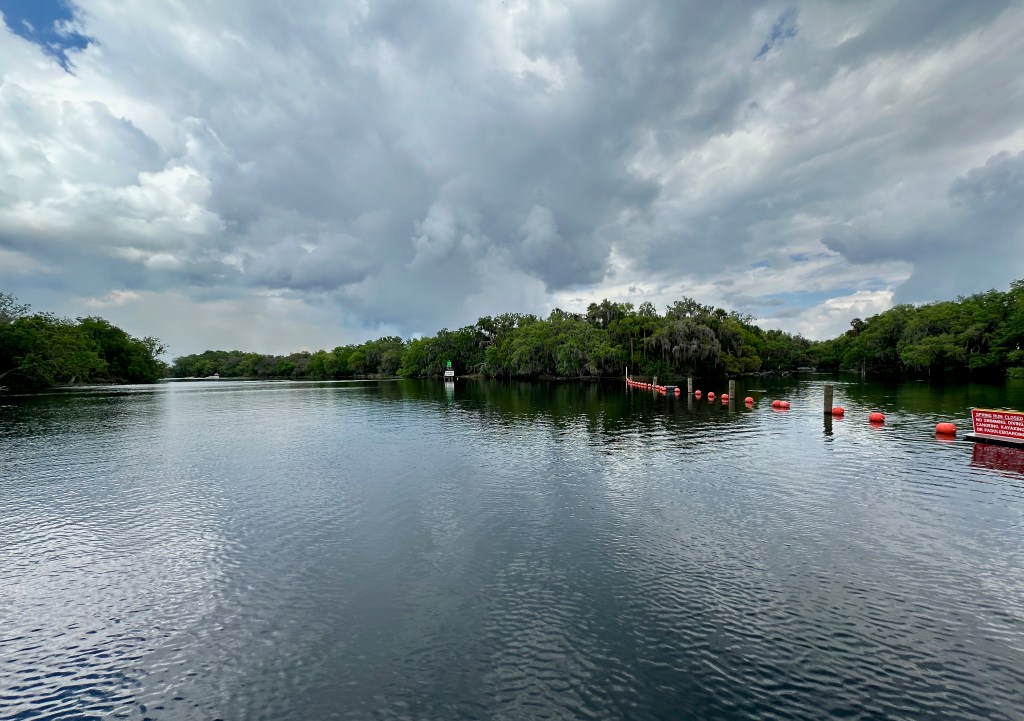
After spending the morning admiring Tiffany’s inspired-by-nature glass art, I was eager to get out into nature myself. Less than an hour later, I was exploring Blue Spring State Park.
There were several reasons that I was drawn to that location: it’s the largest spring along the St. Johns River (over 100 million gallons of fresh water bubble up every day), it hosts the largest winter population of manatees in the state (on February 2 this year there were a record 834 manatees crammed into the spring run), and for a few weeks every Spring the park sparkles after dark from the mating dance of the Florida Single Snappy (Photuris congener).
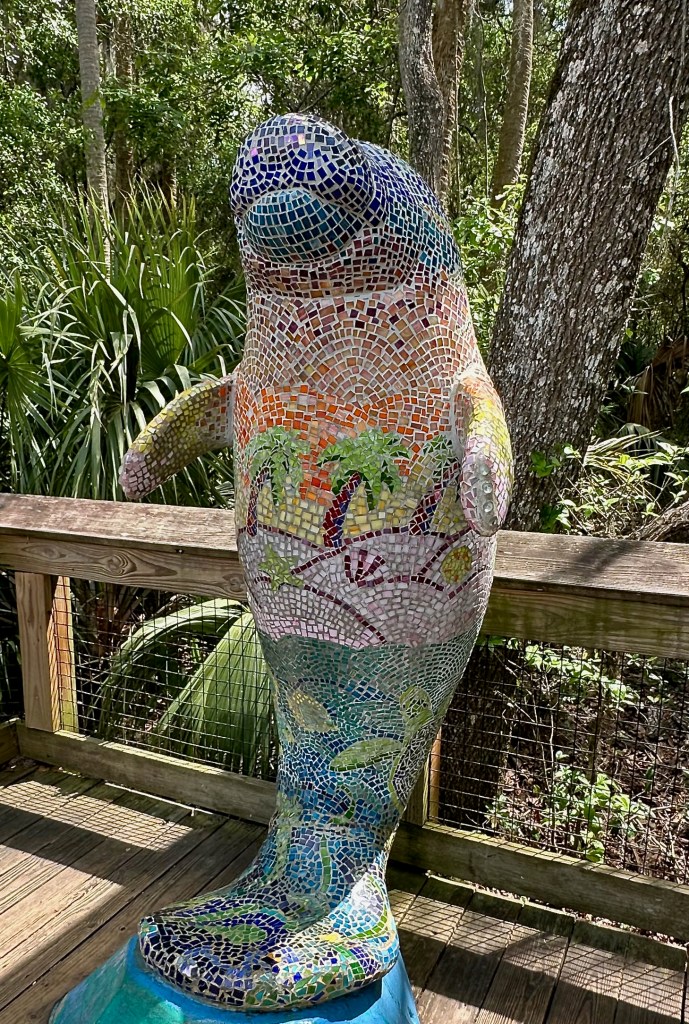
The past month of warm weather increased the water temperature in the St. Johns River, so there weren’t any manatees hanging around. Since I knew that they just take advantage of the 72° water during cold spells, I wasn’t disappointed (though other visitors were). Manatees, despite their considerable girth, are unlike seals and whales in that they do not have blubber so they rely on warmer water during the winter.
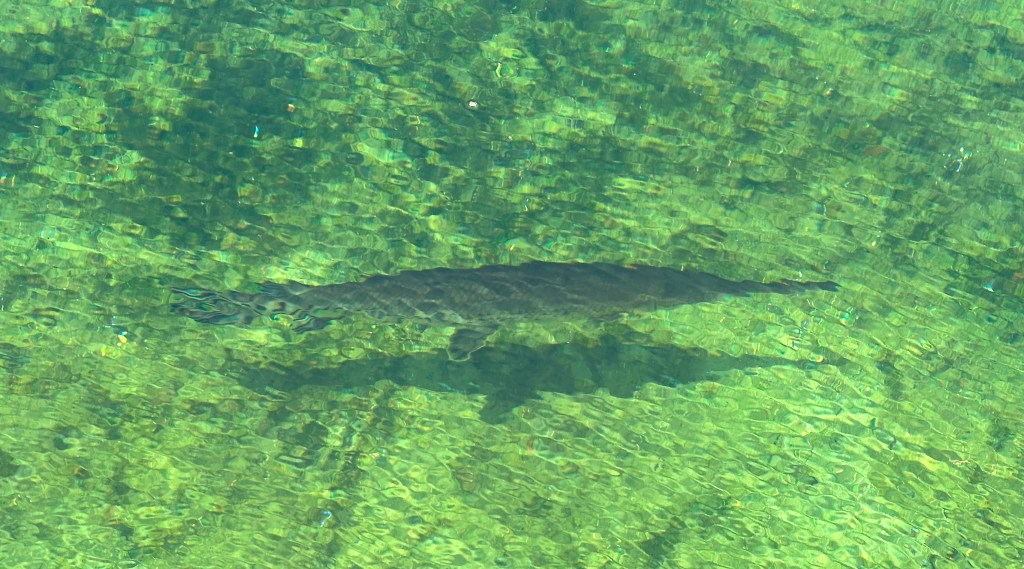
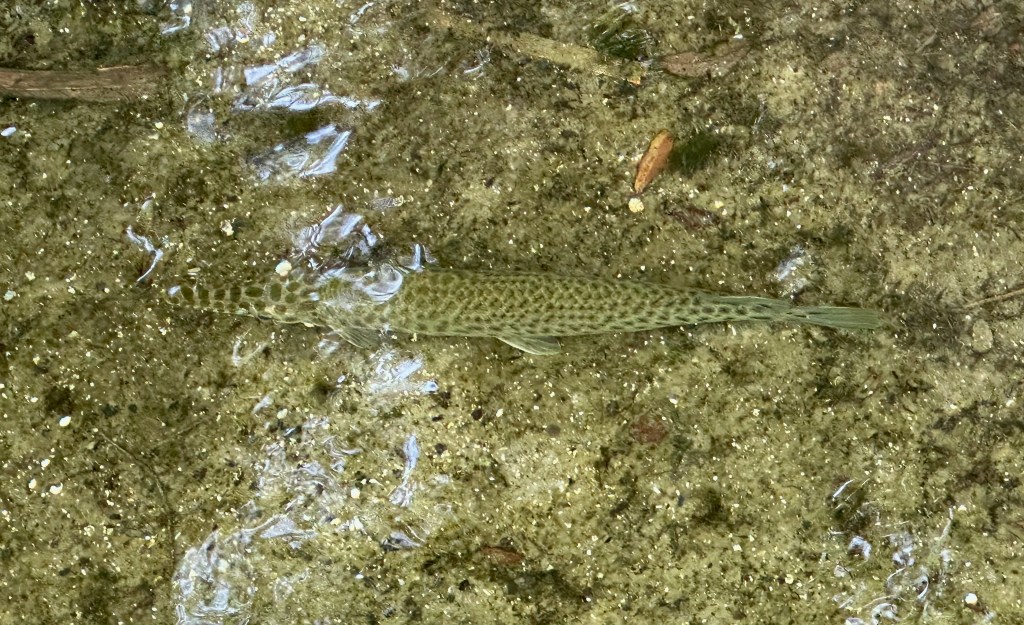
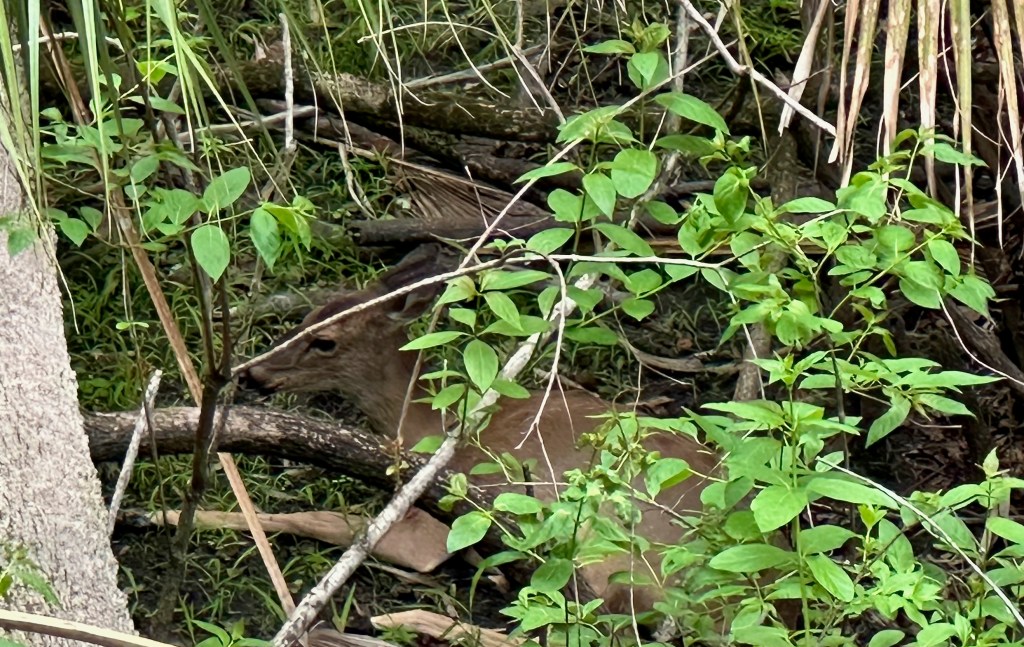
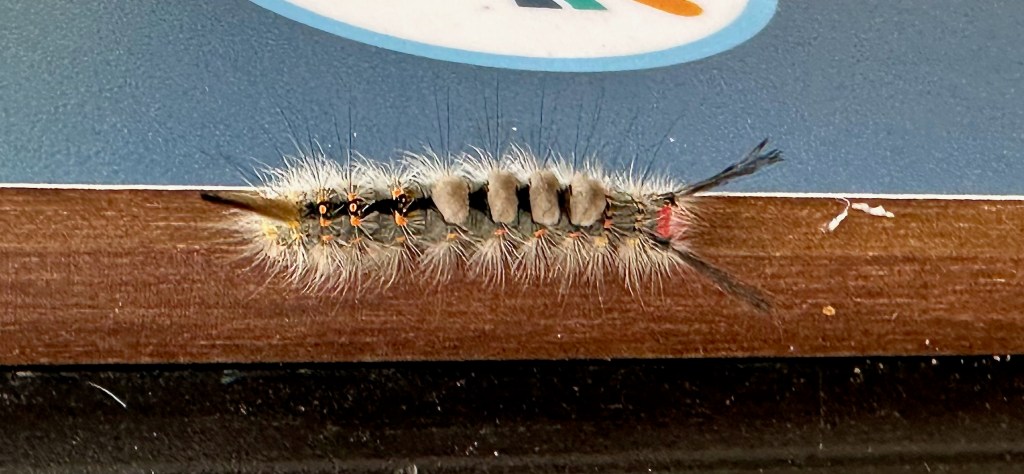
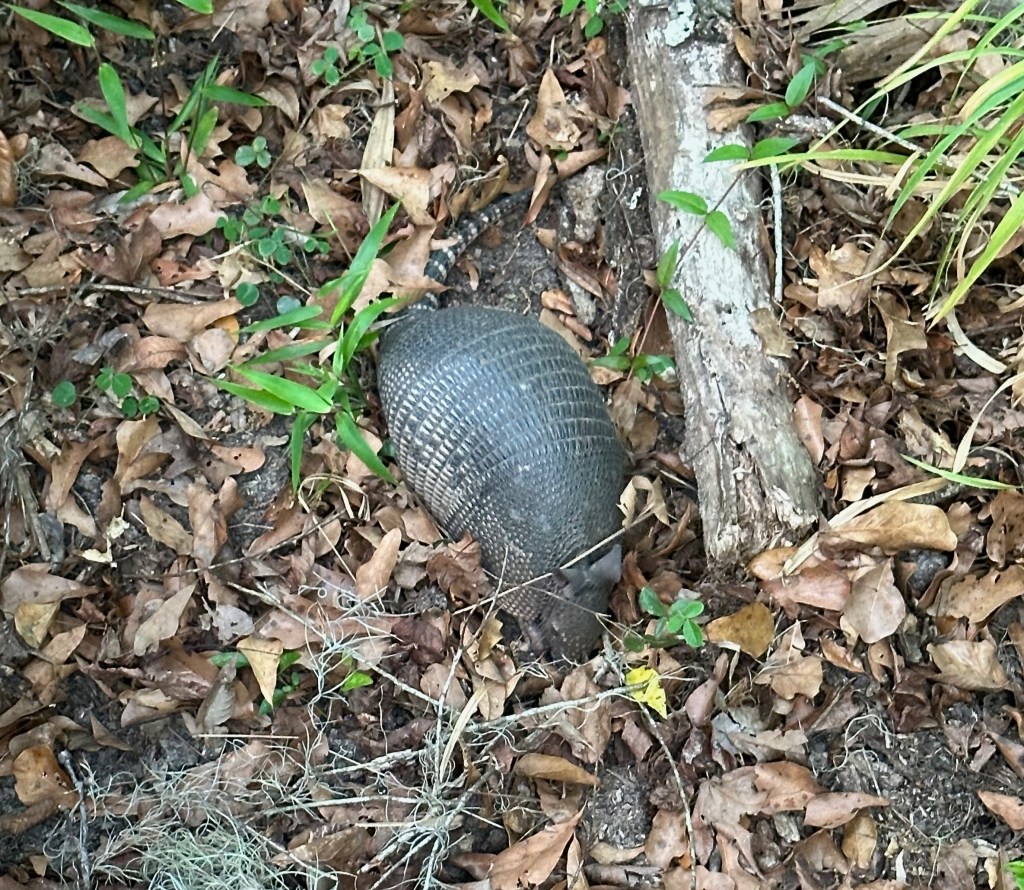
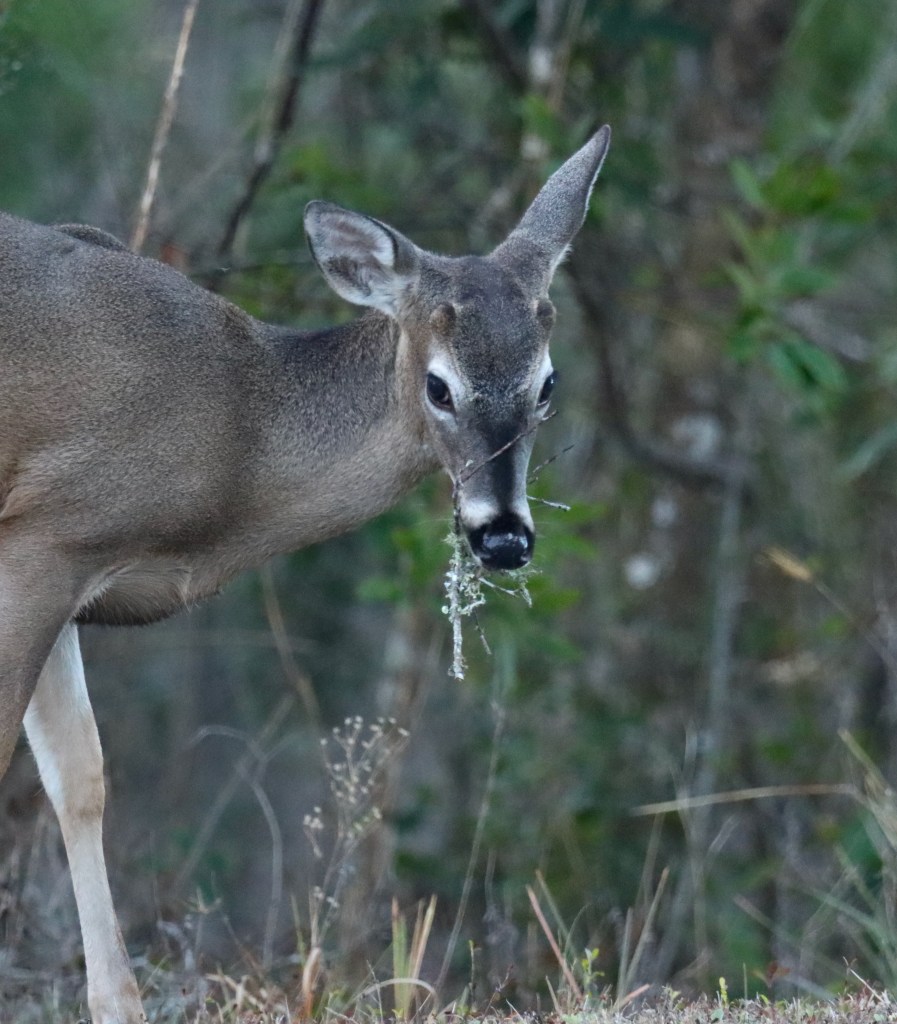
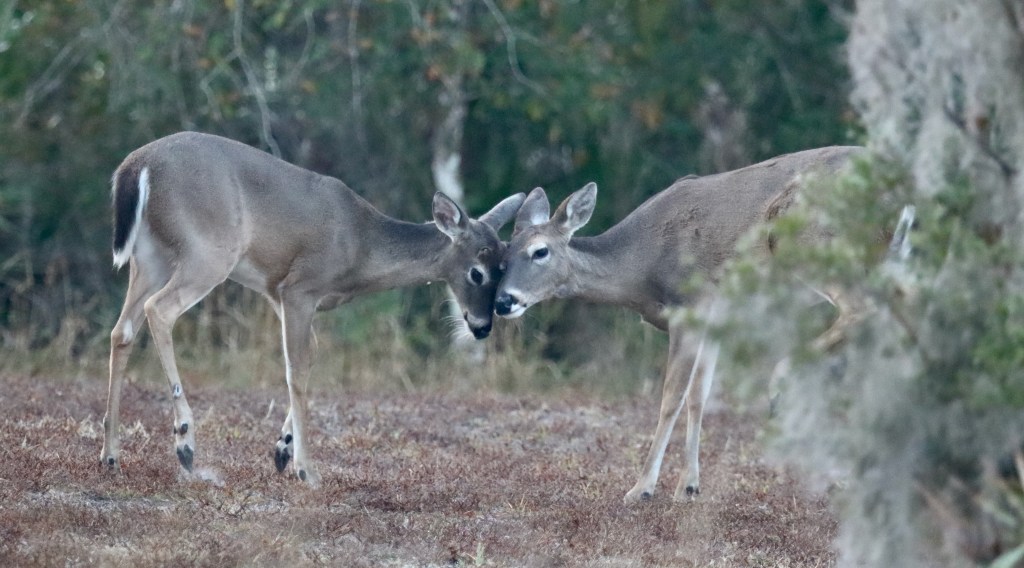
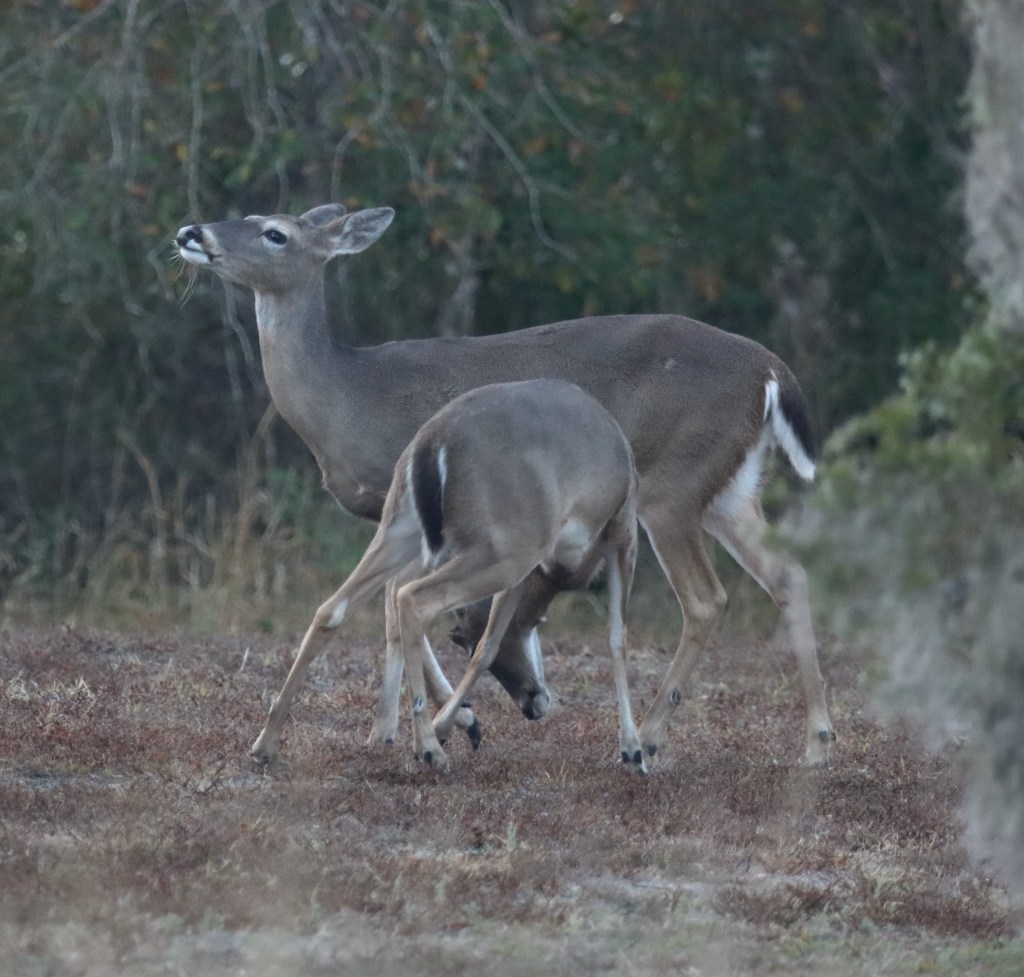
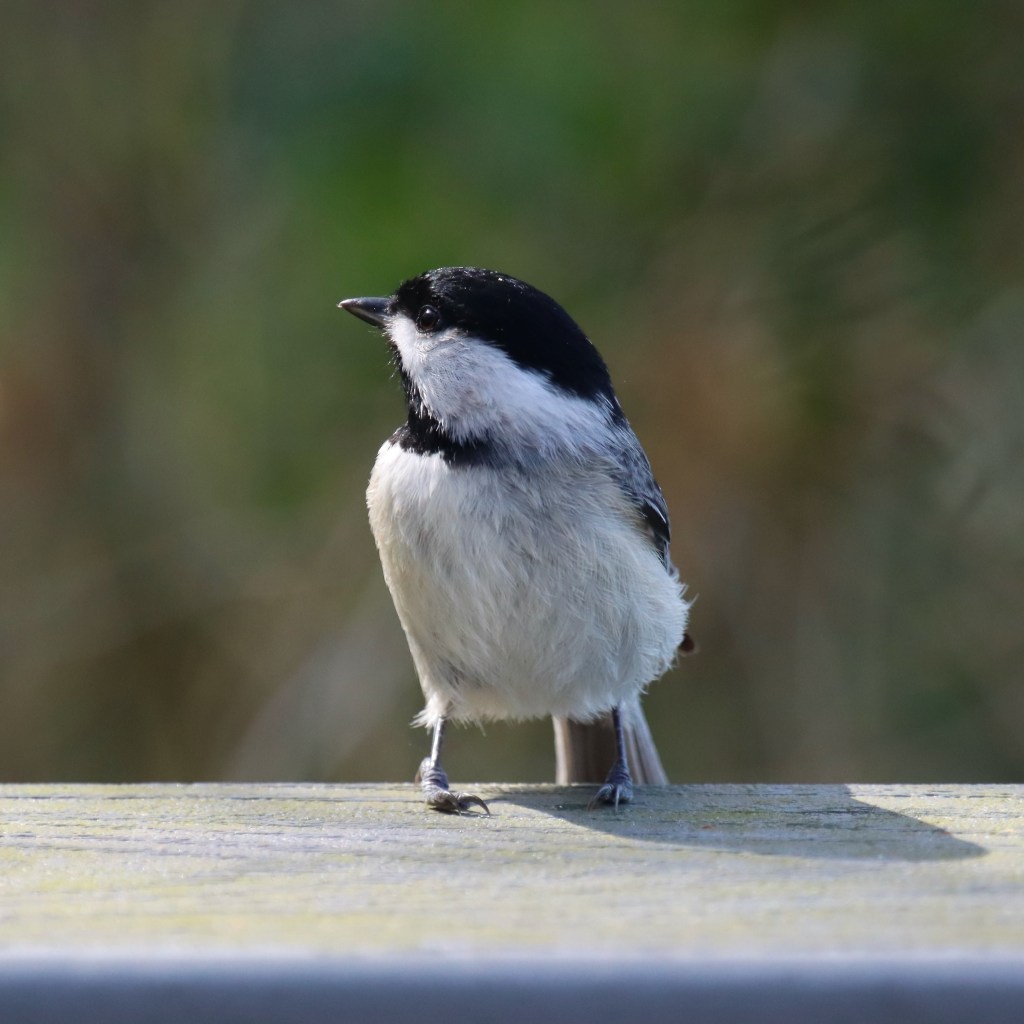
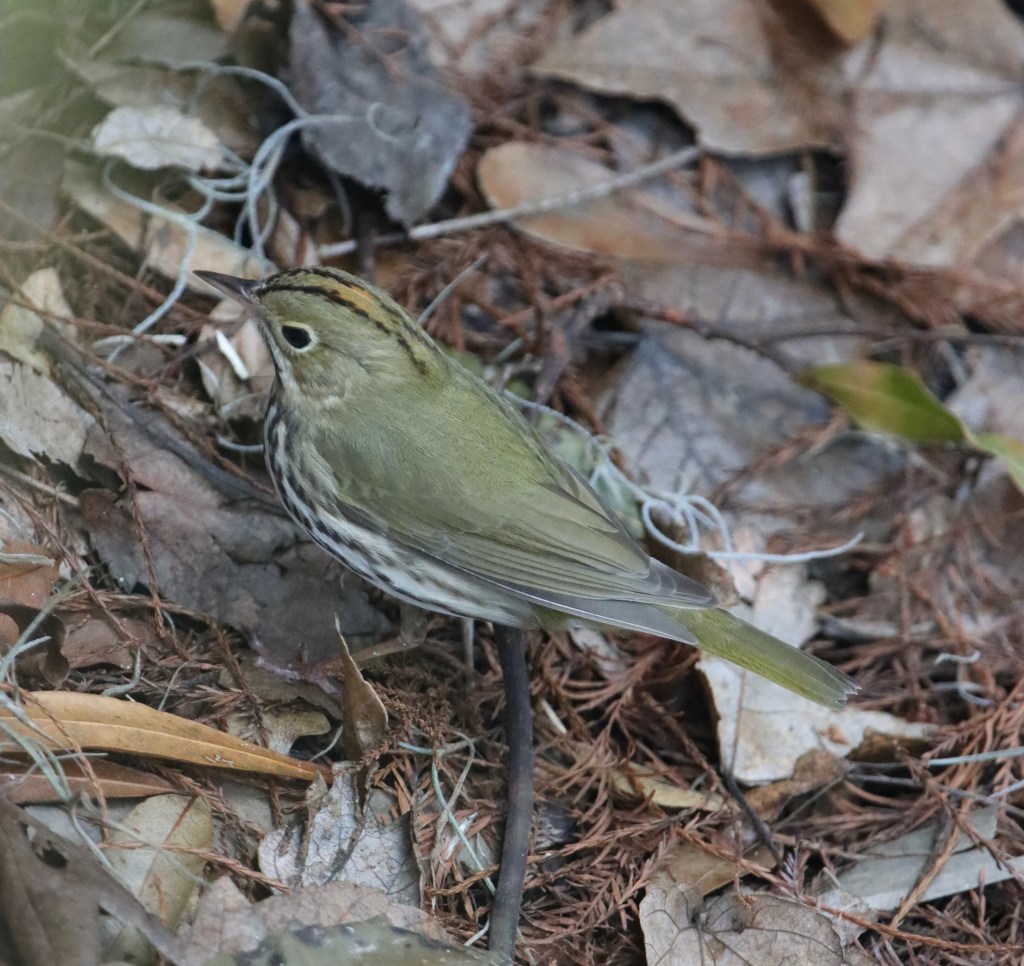
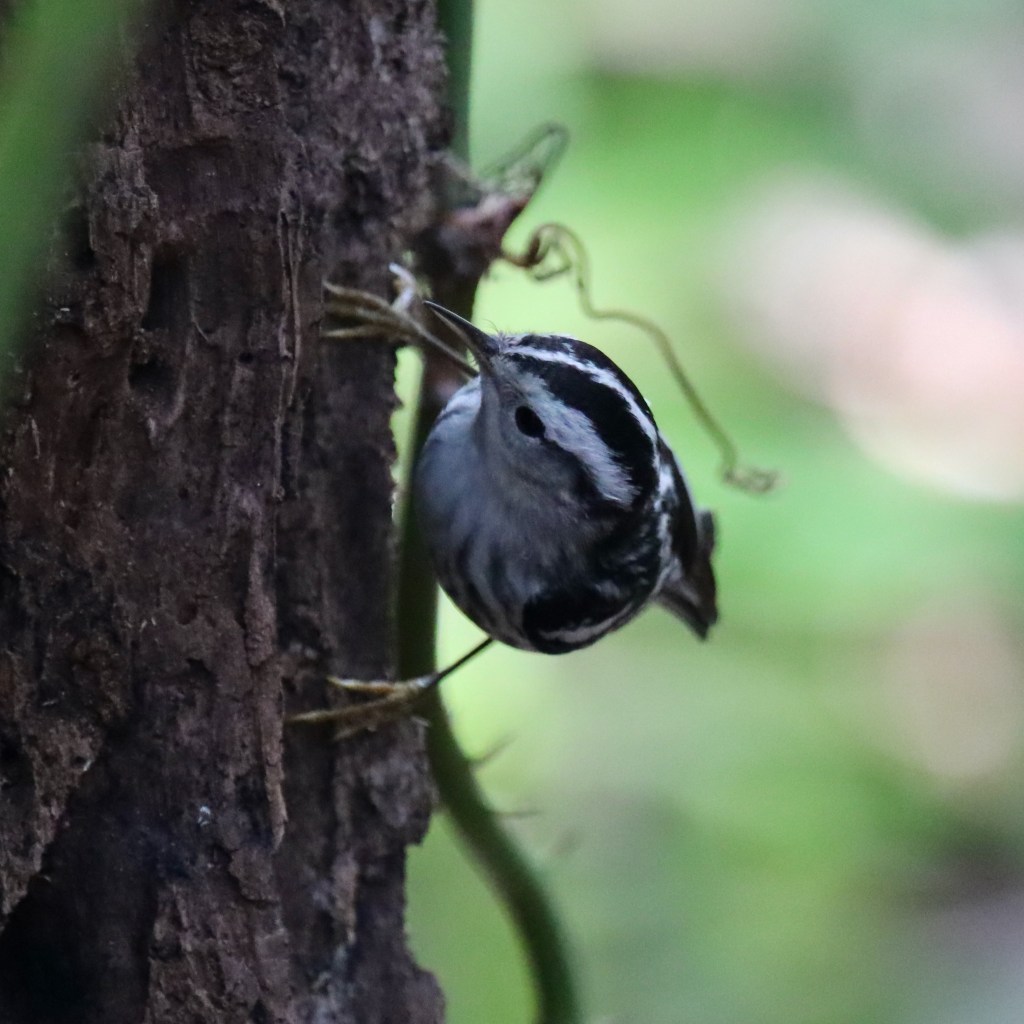
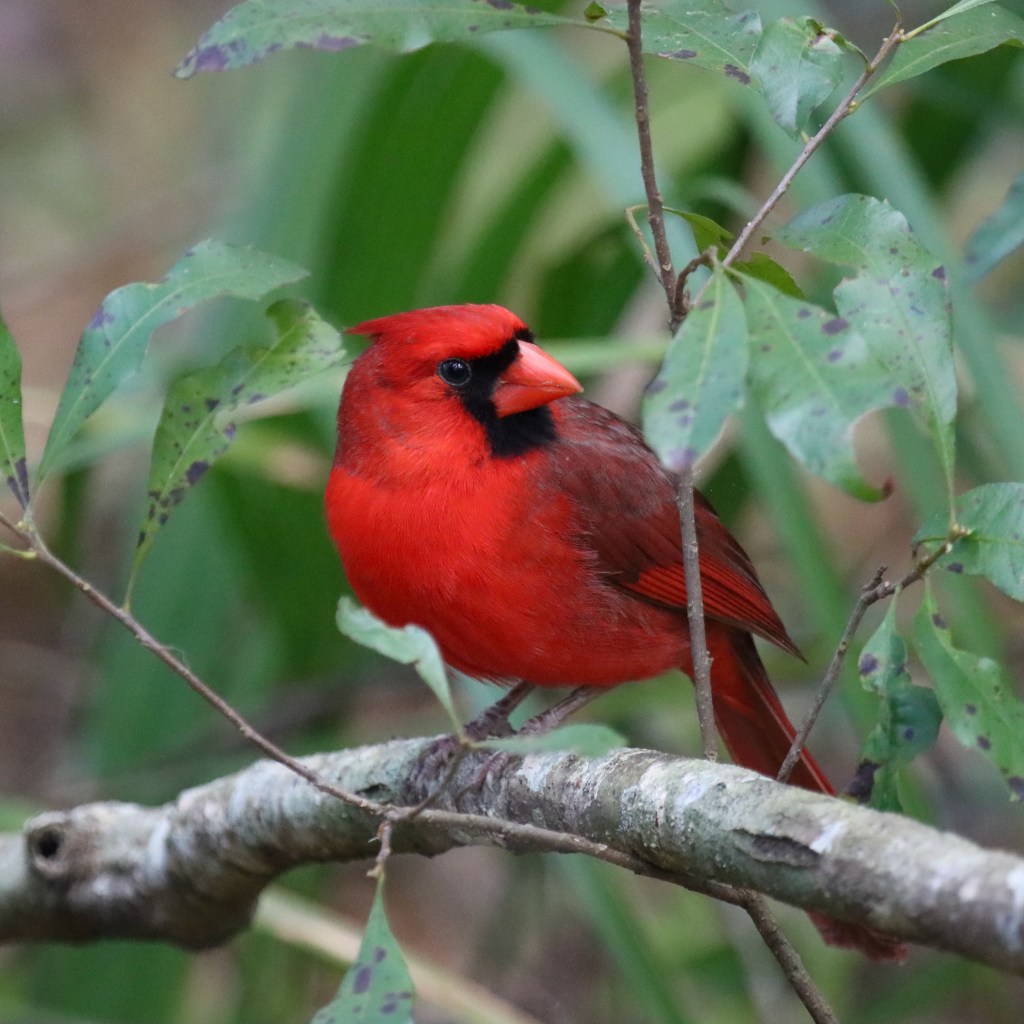
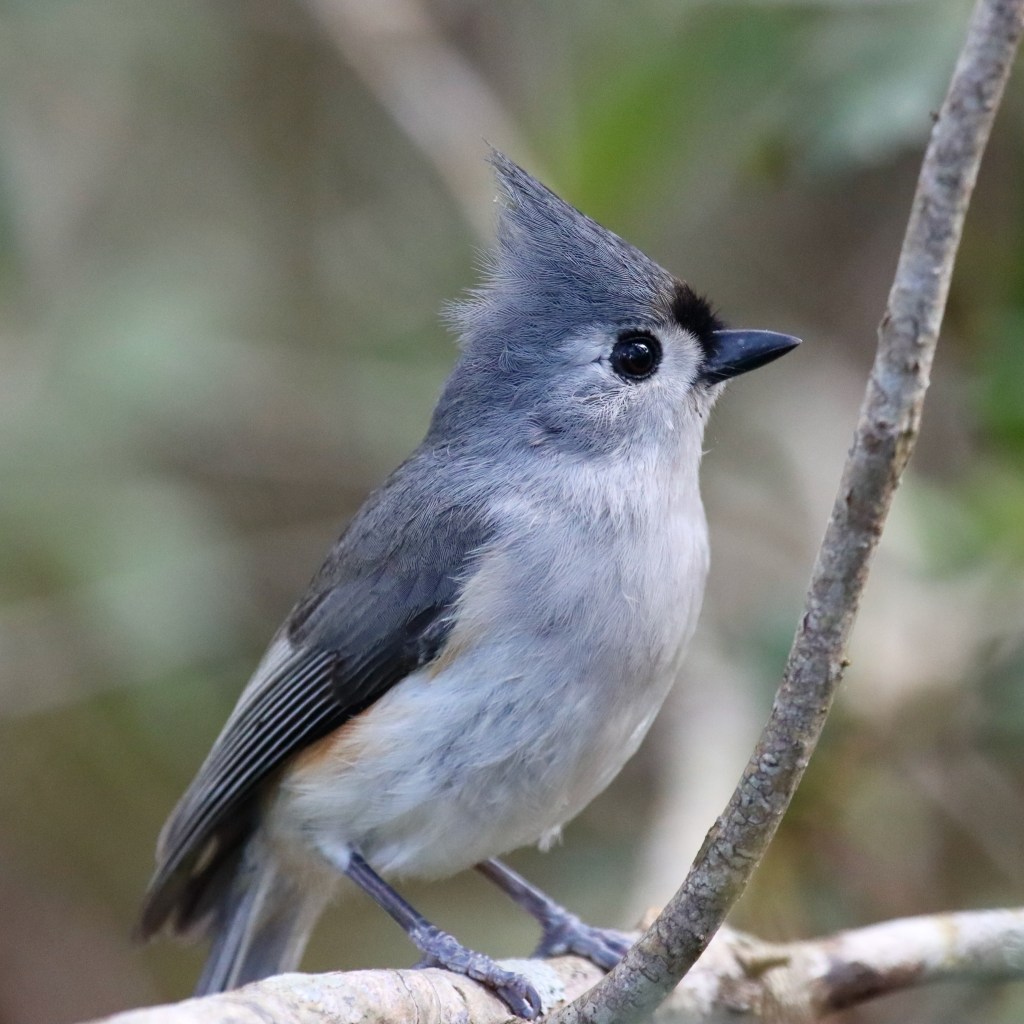
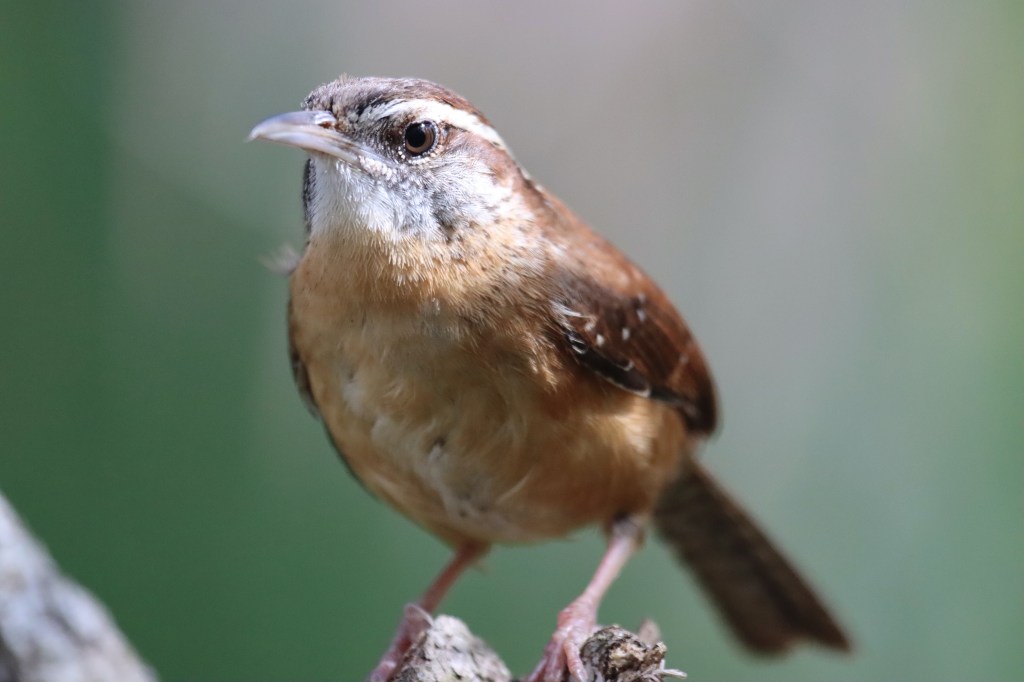
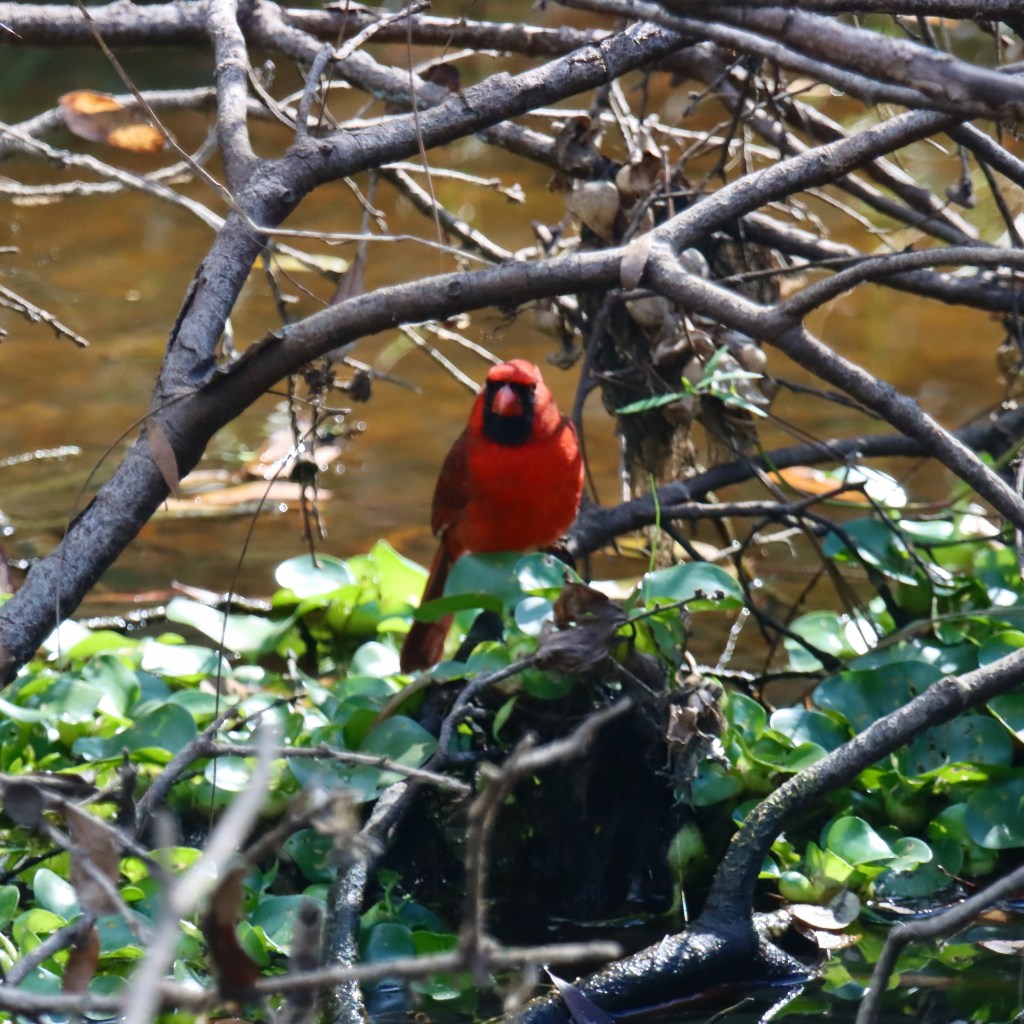
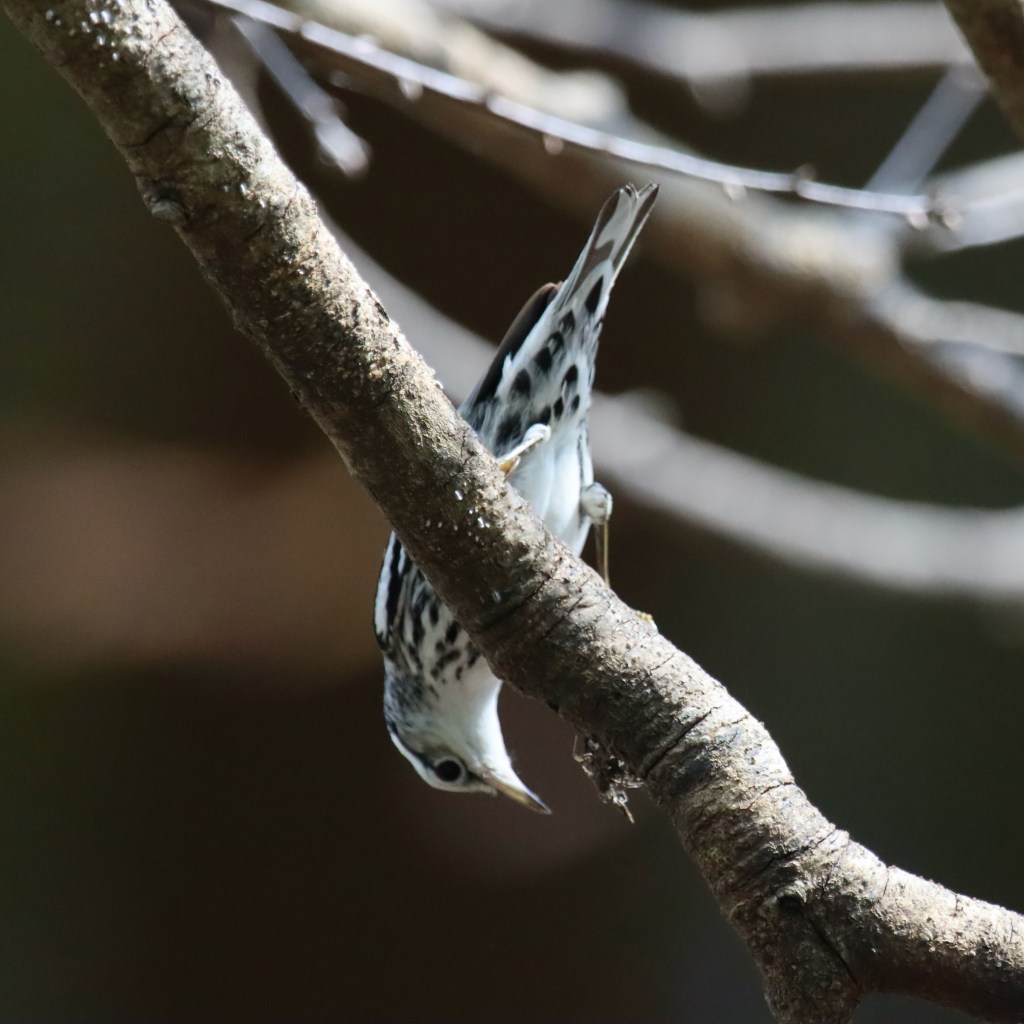
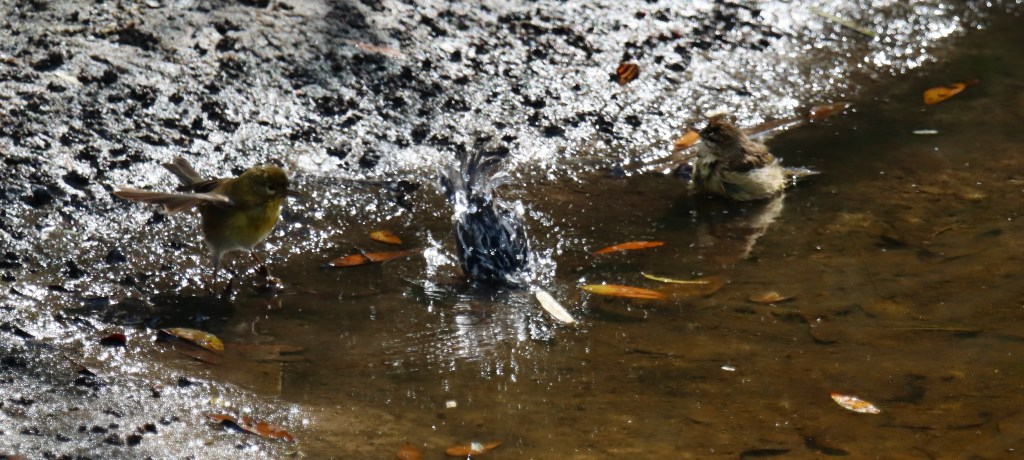
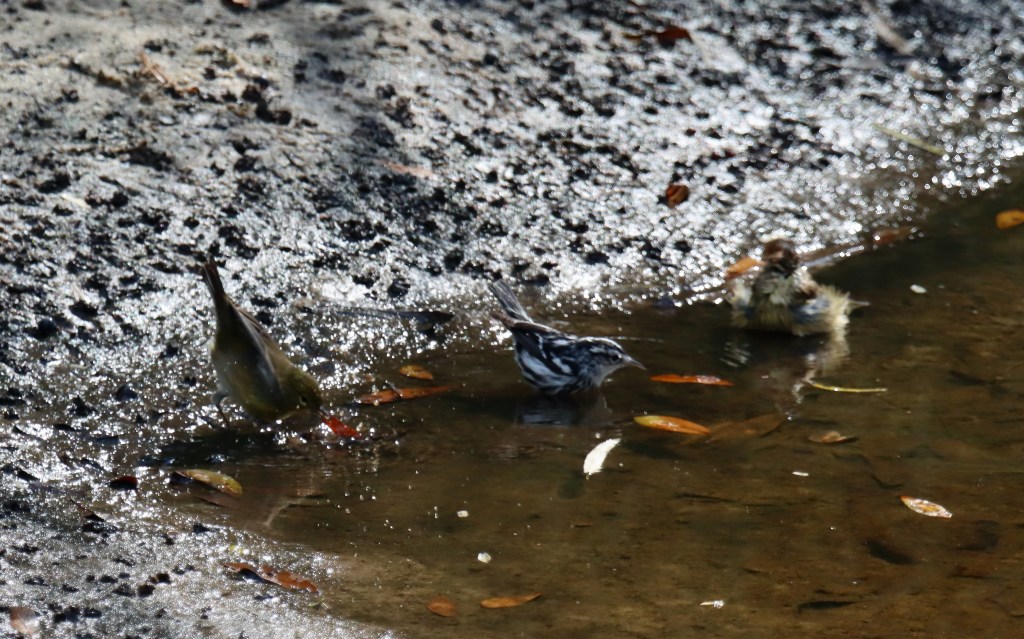
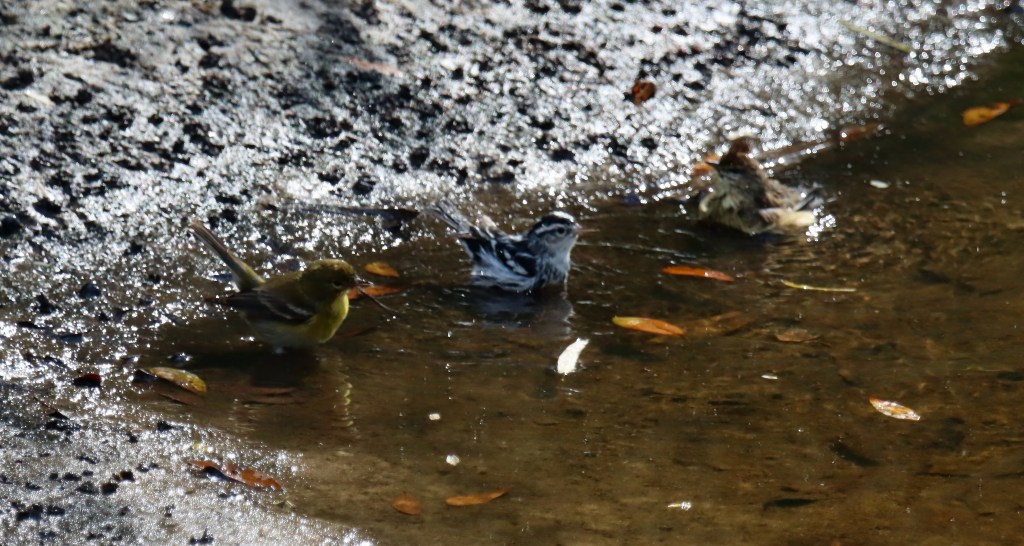
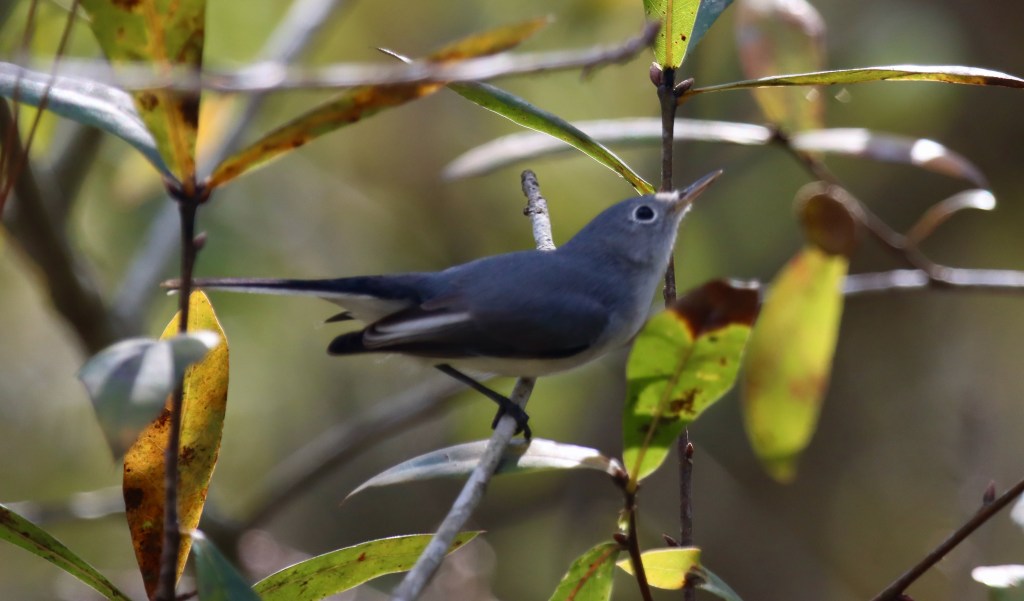
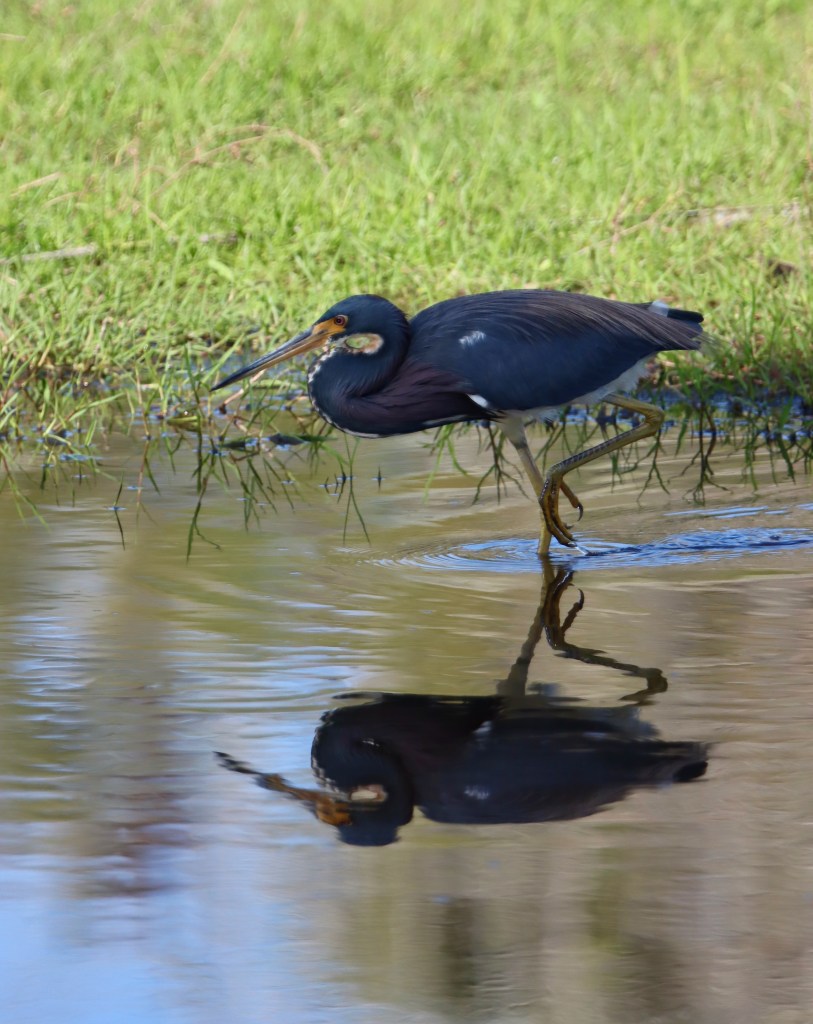
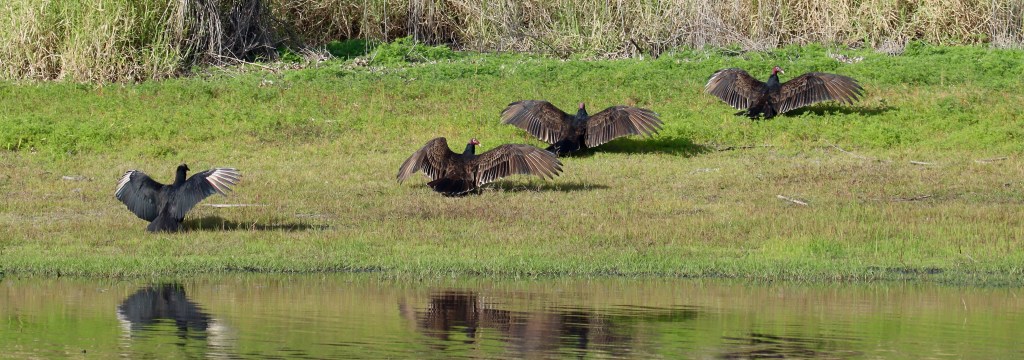
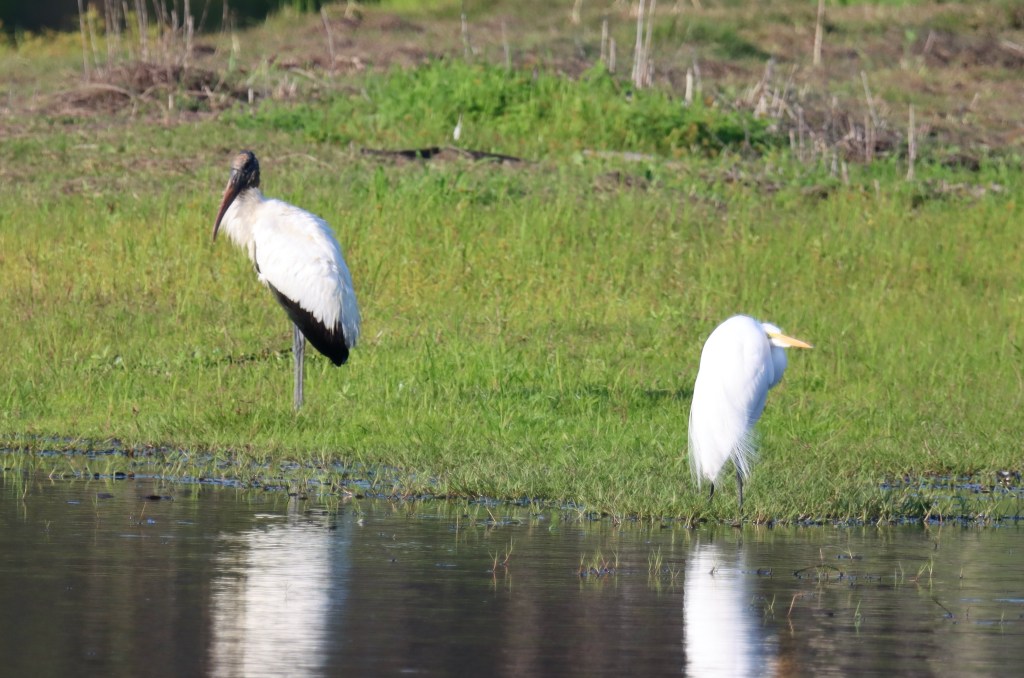
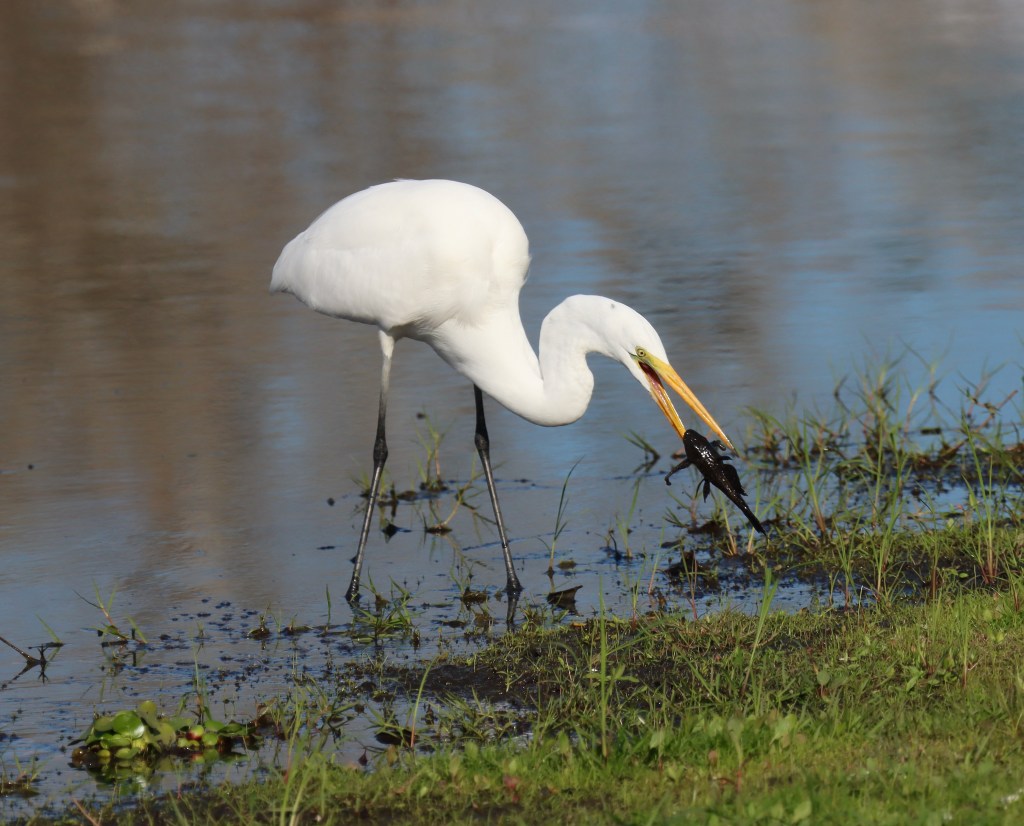
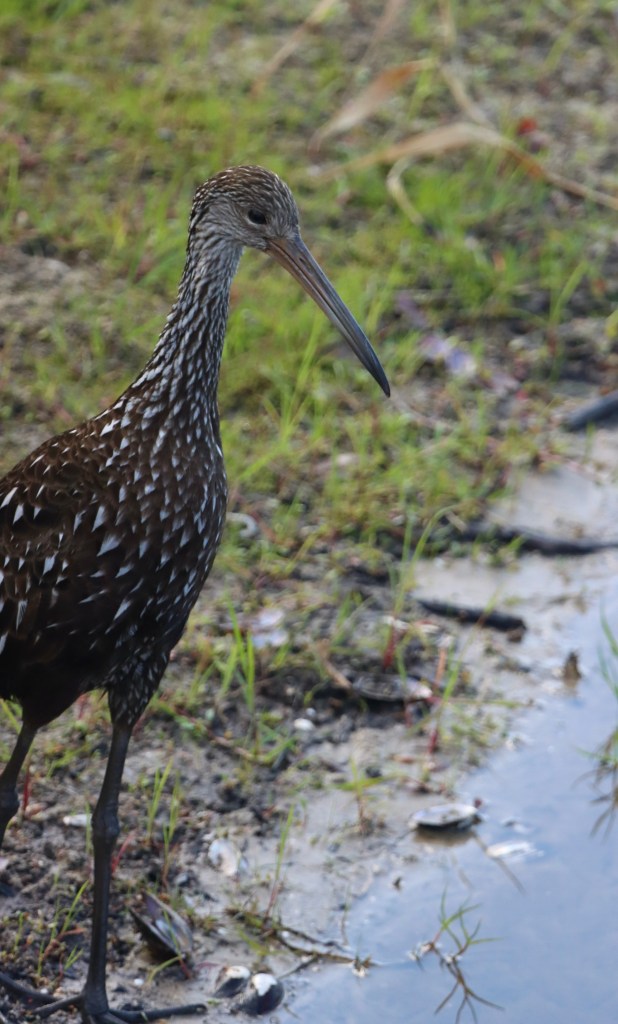
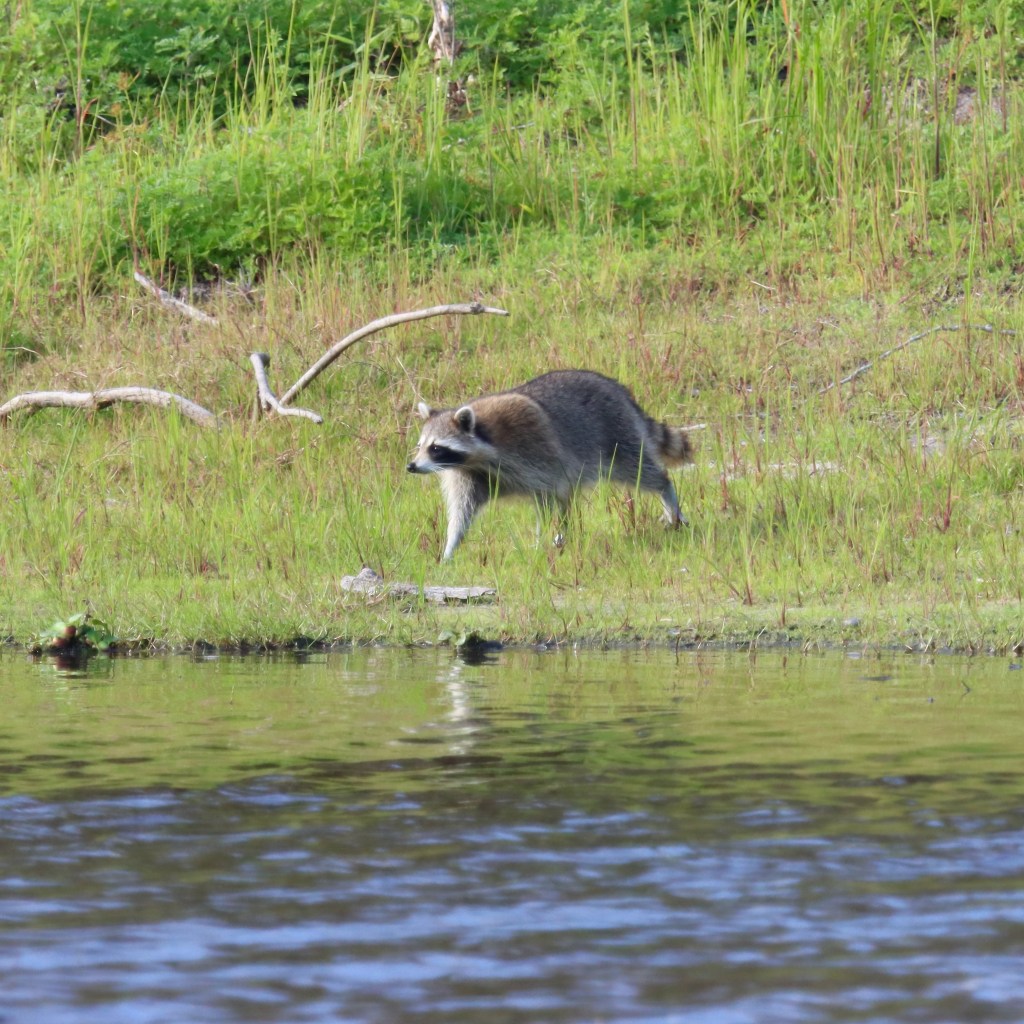
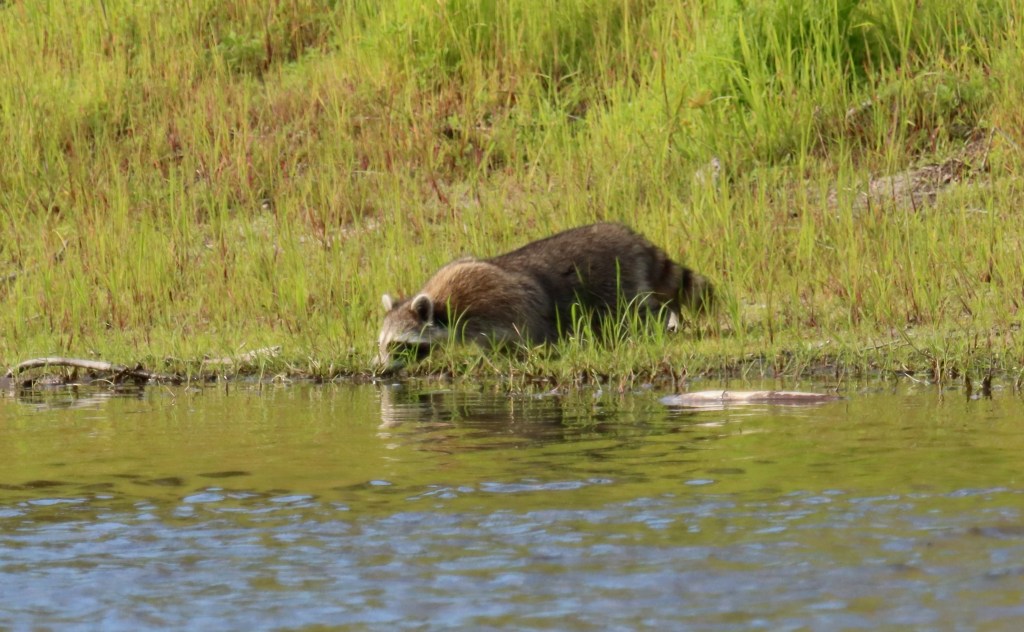
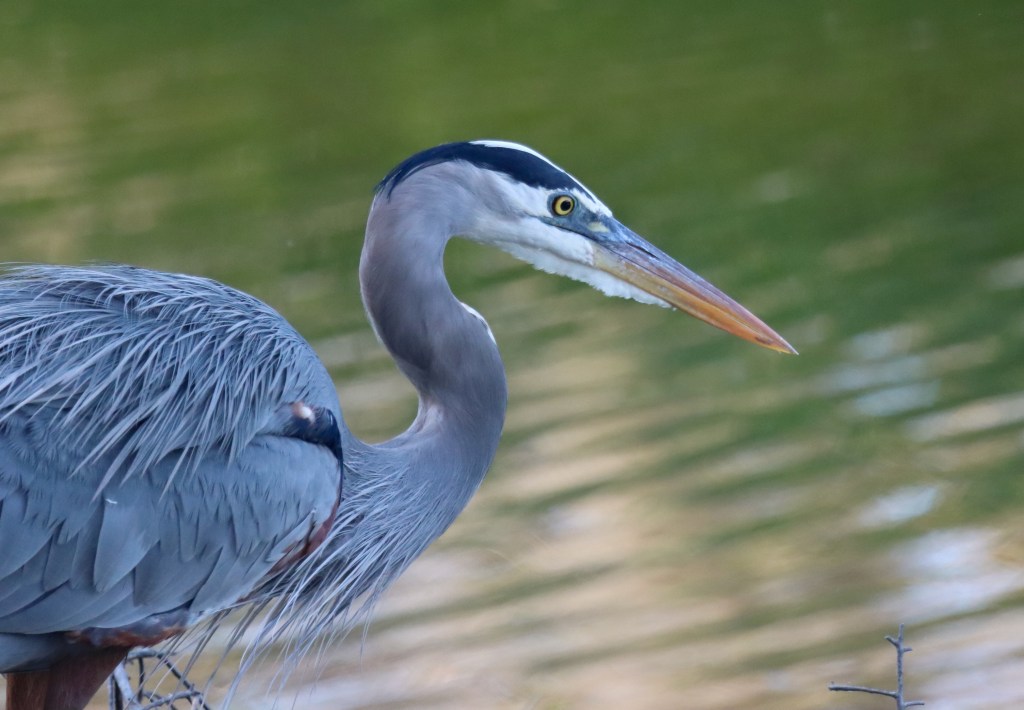
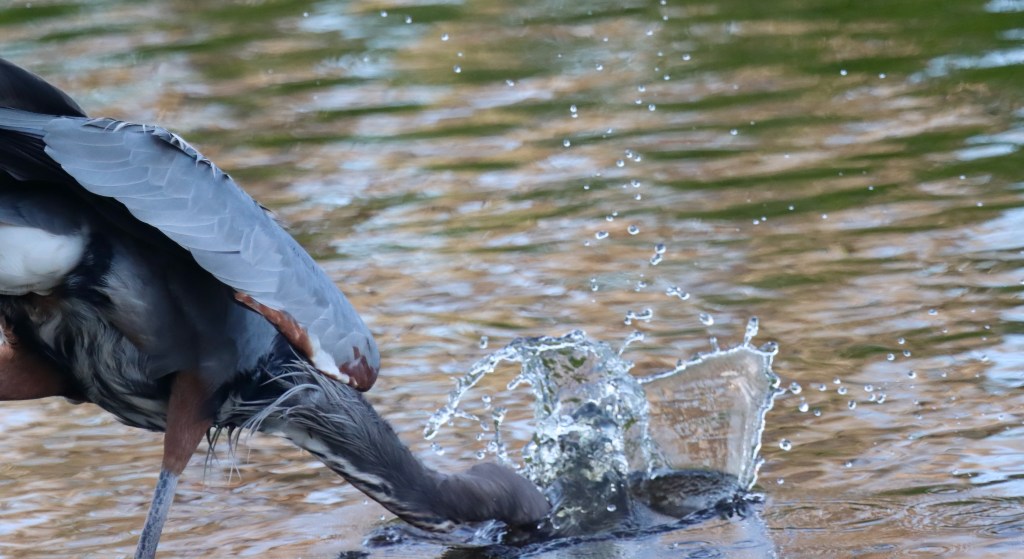
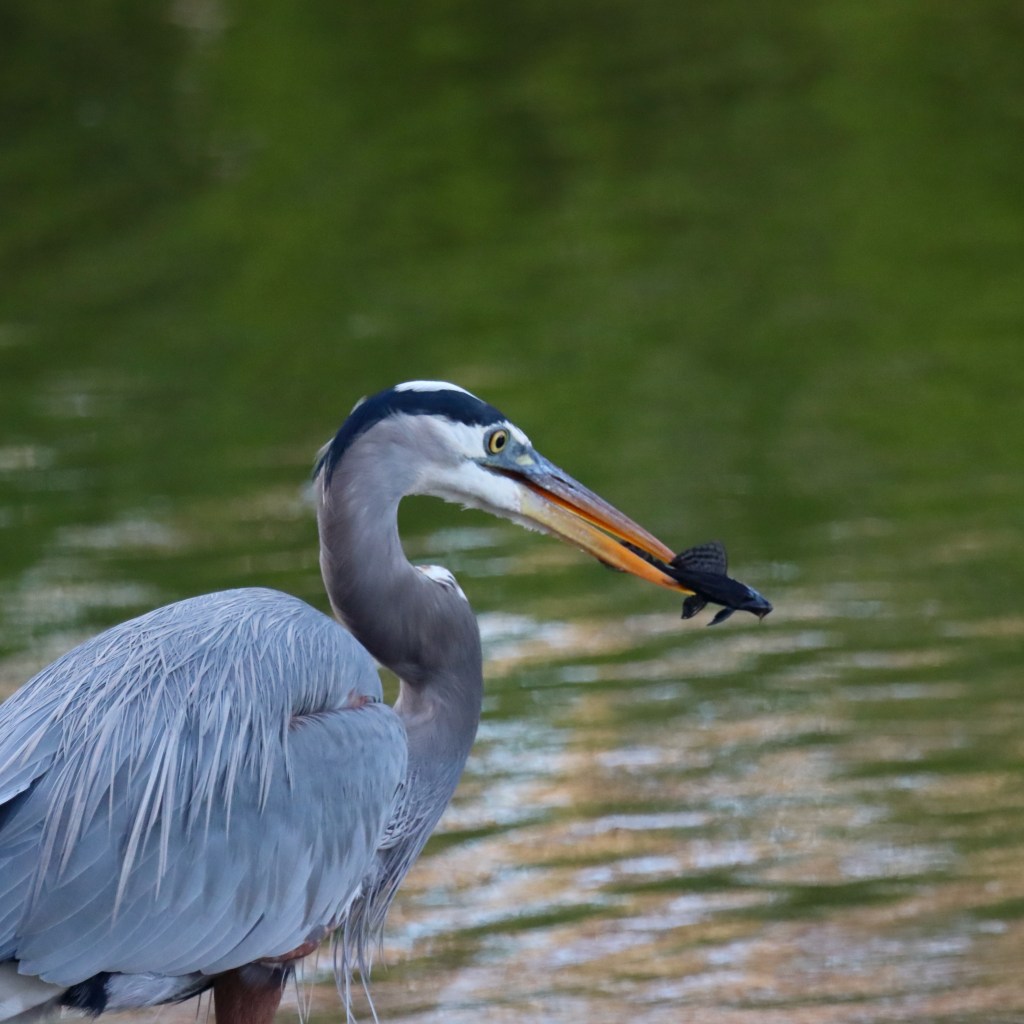
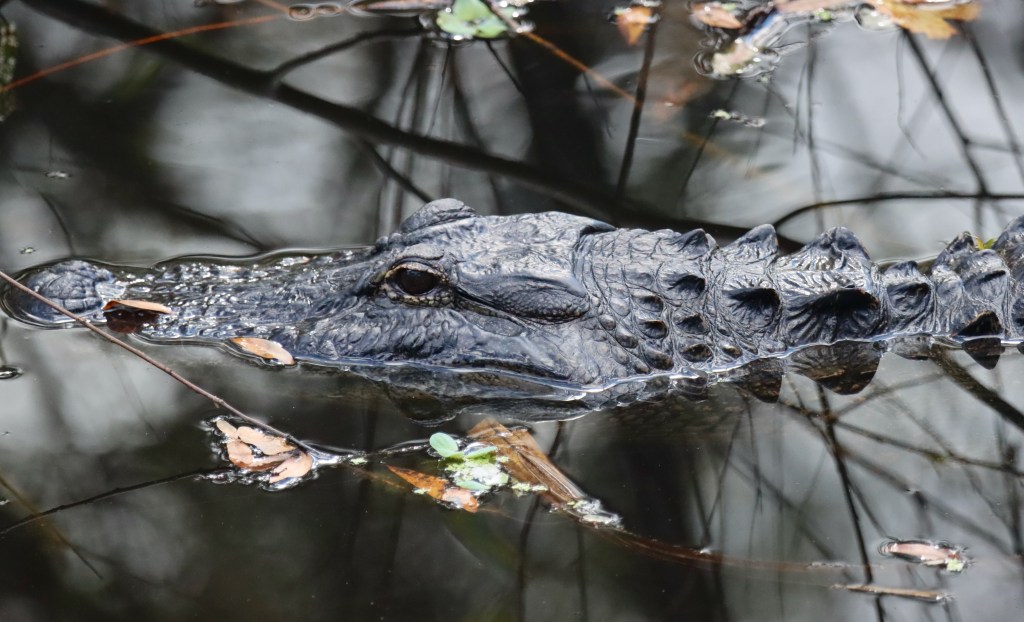
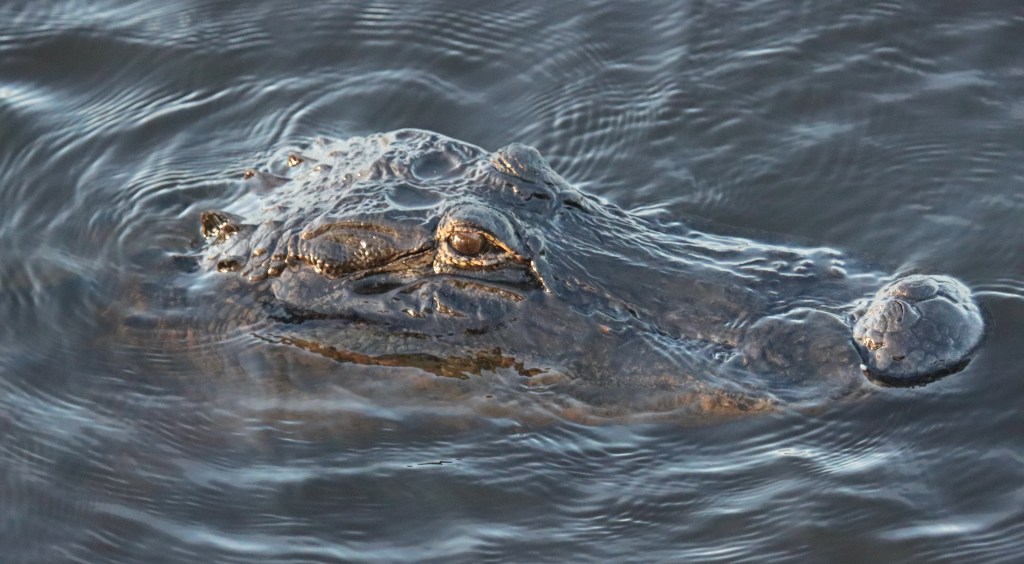
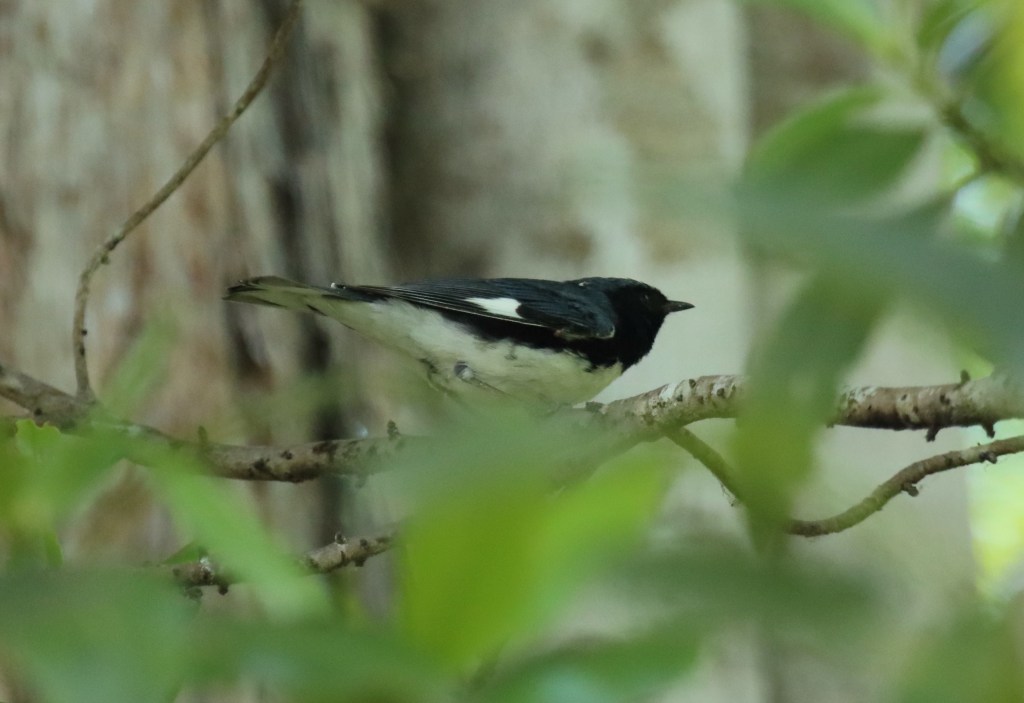
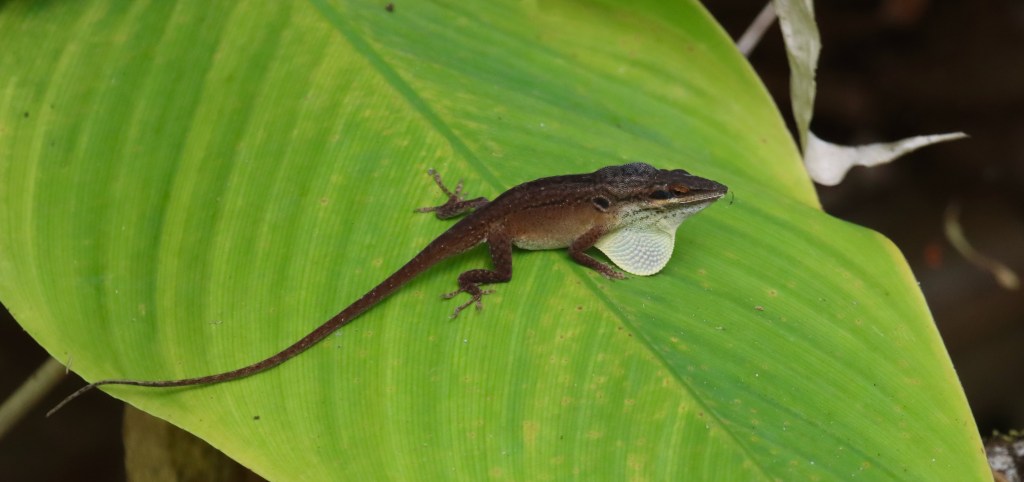
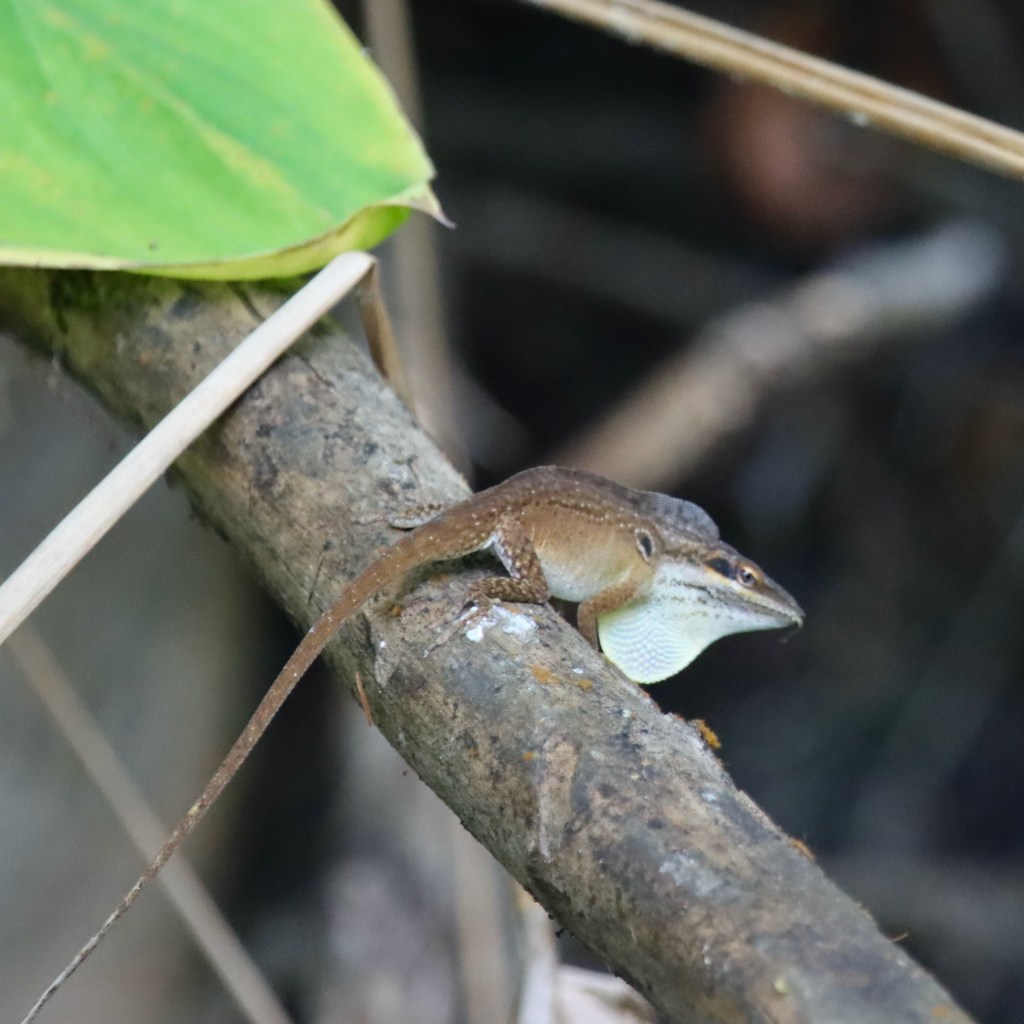
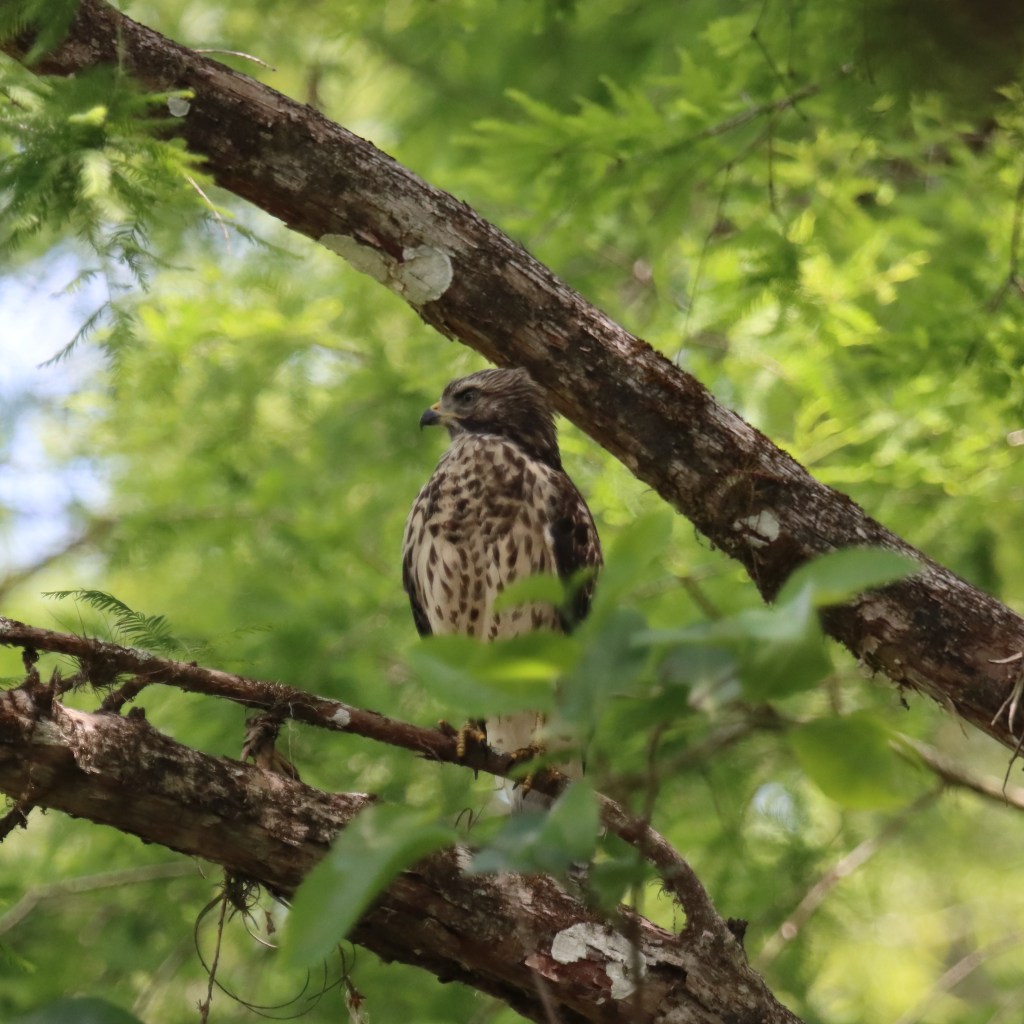
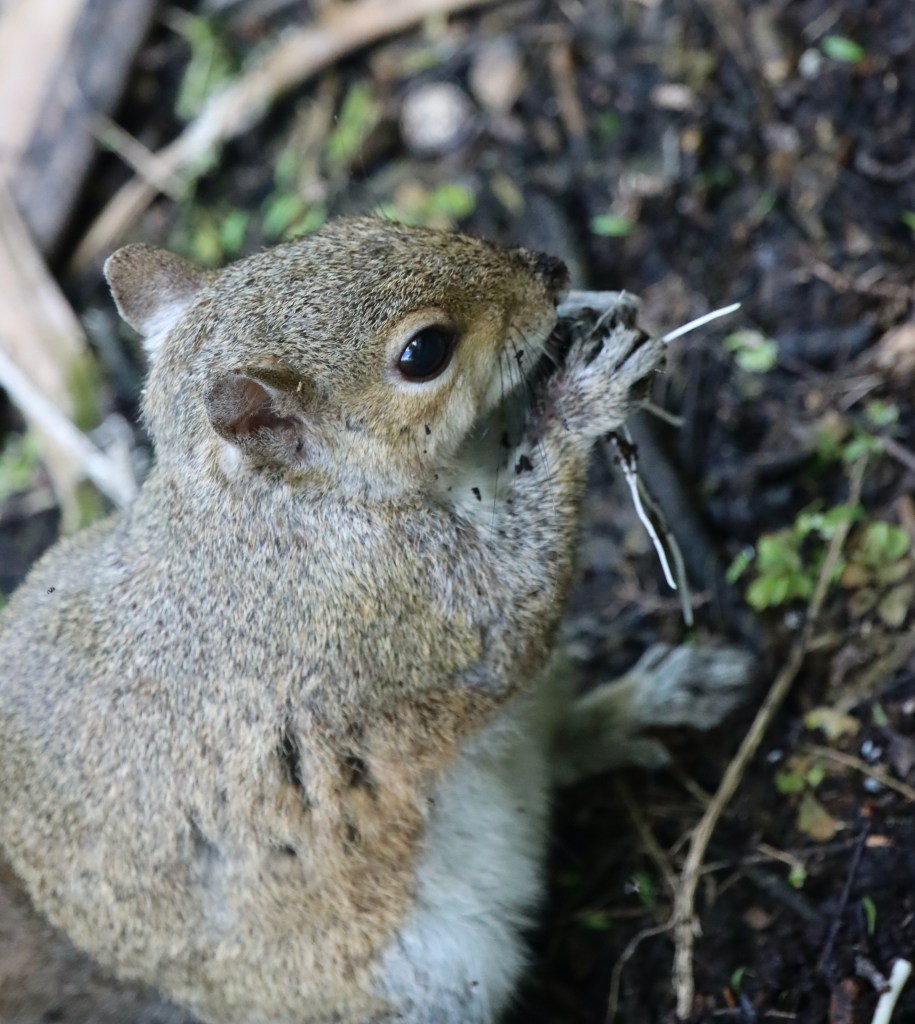
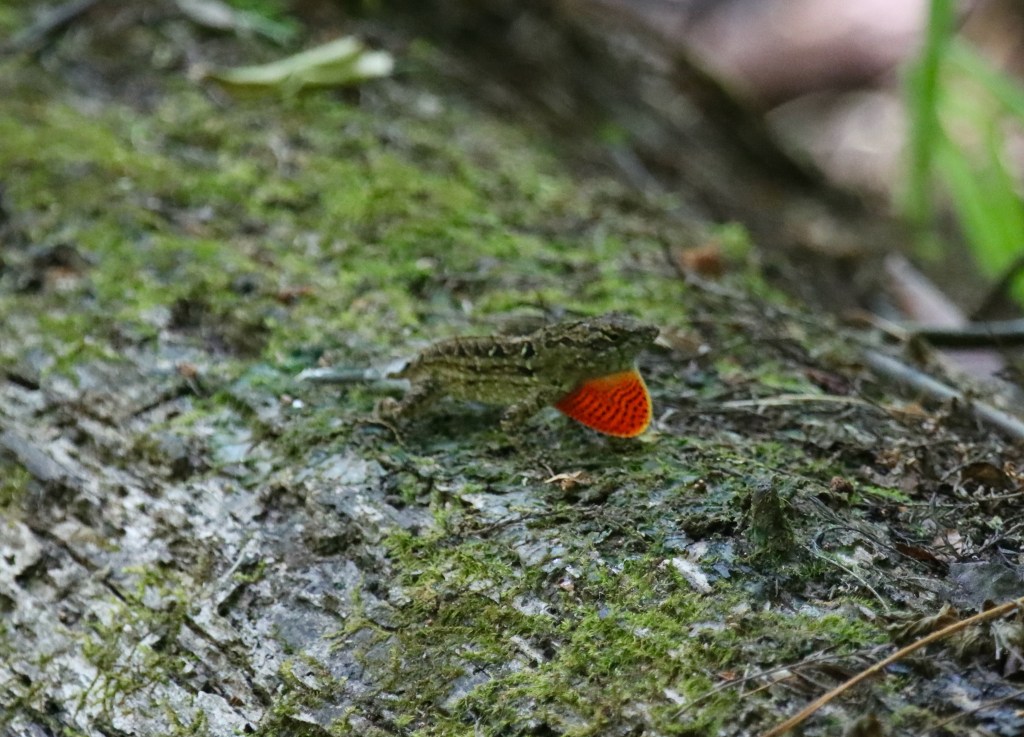
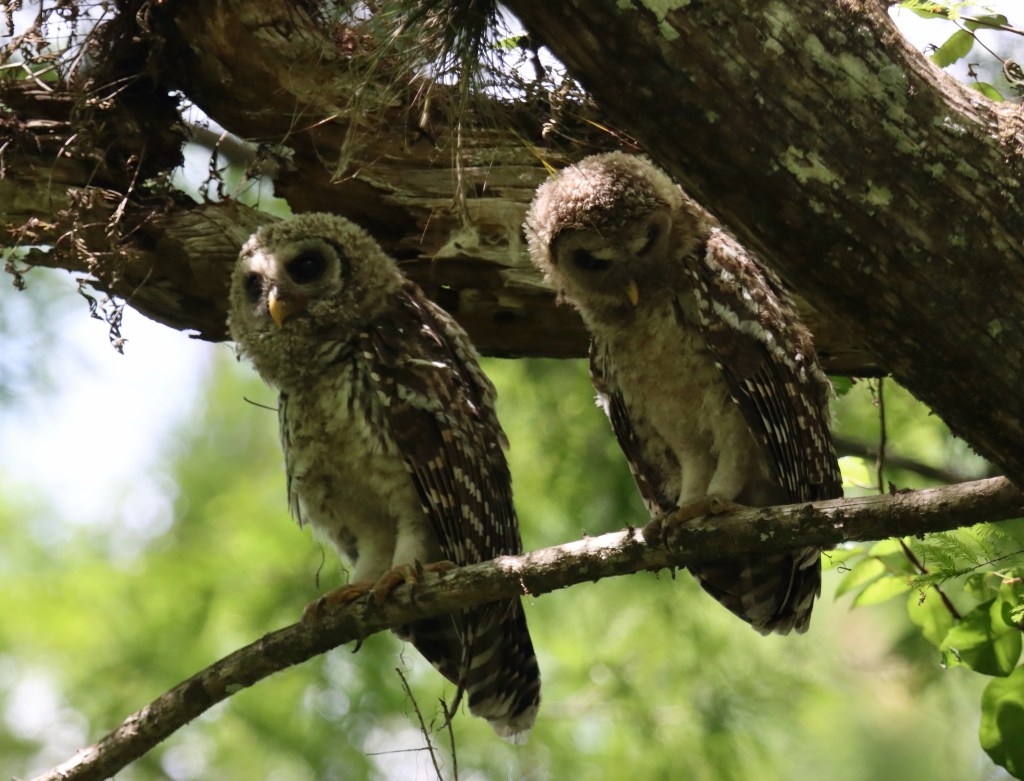
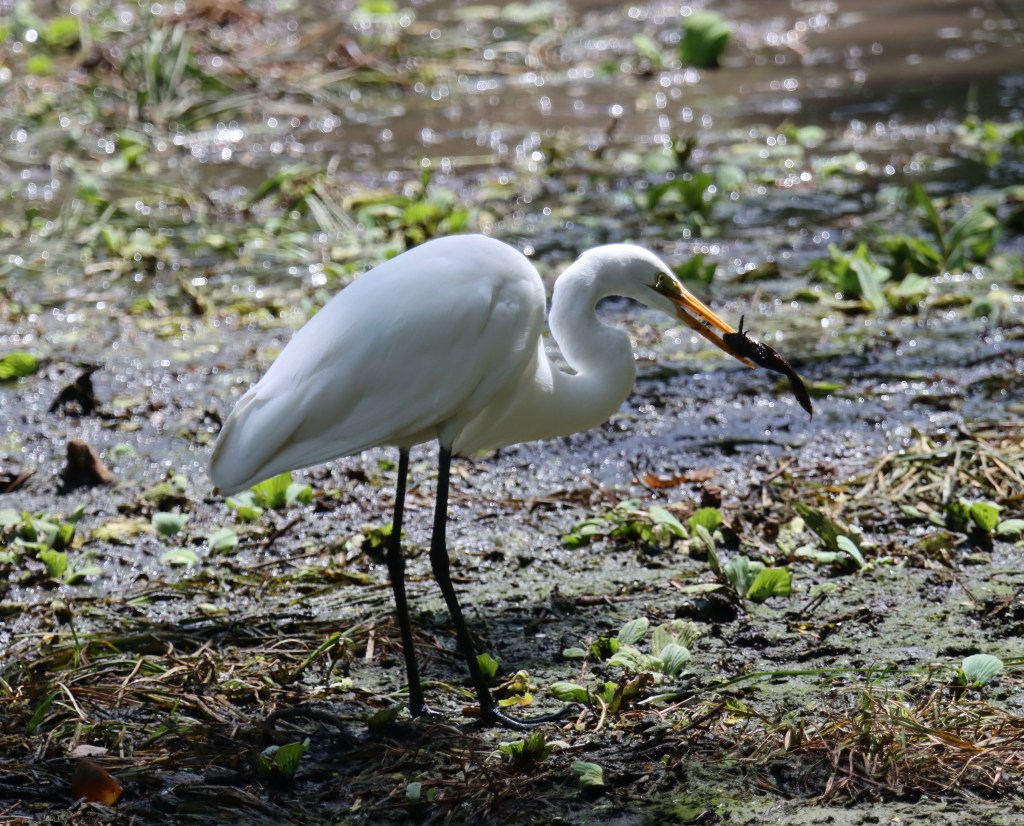
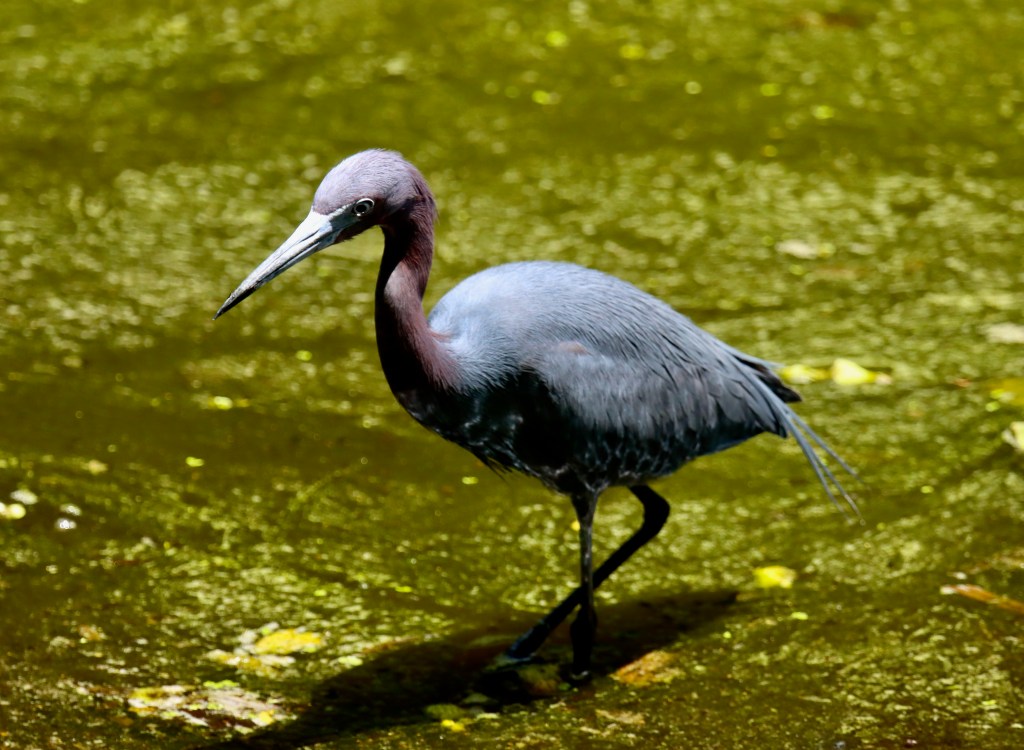
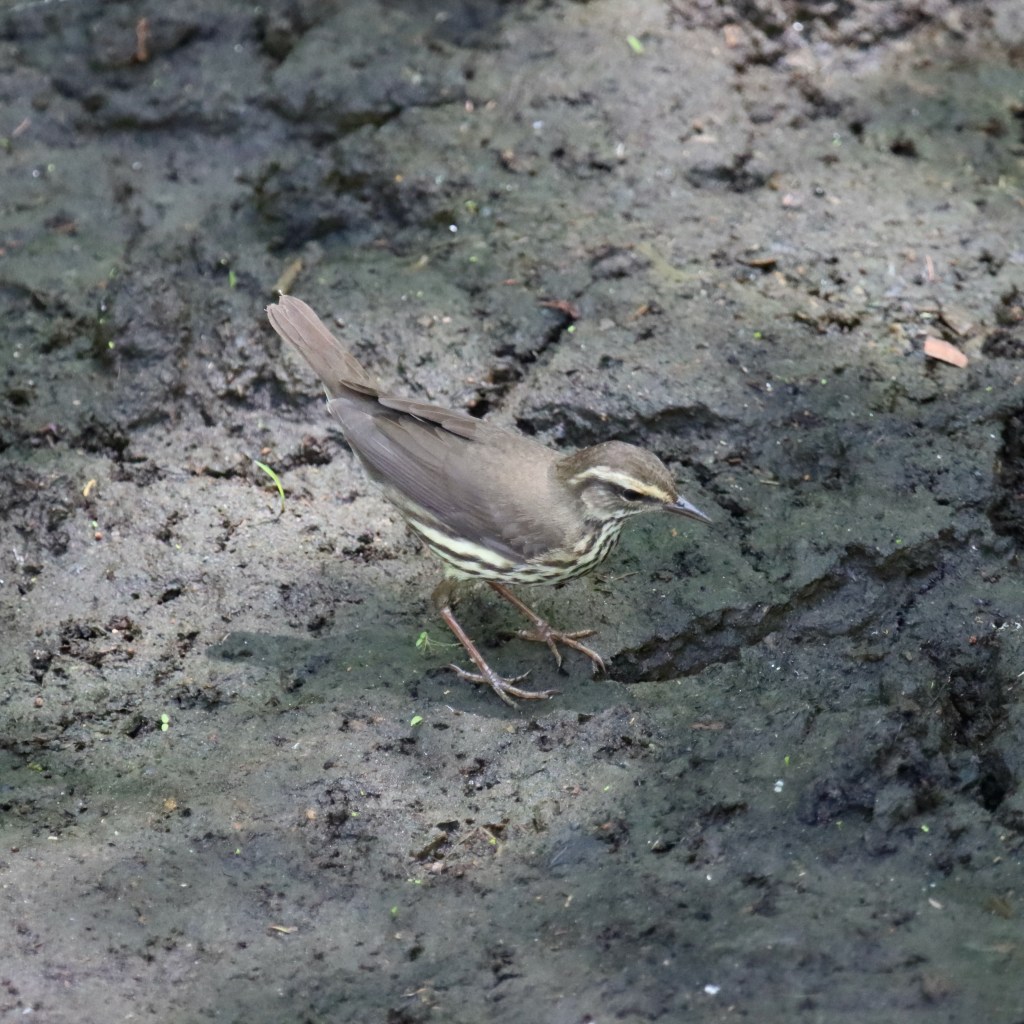
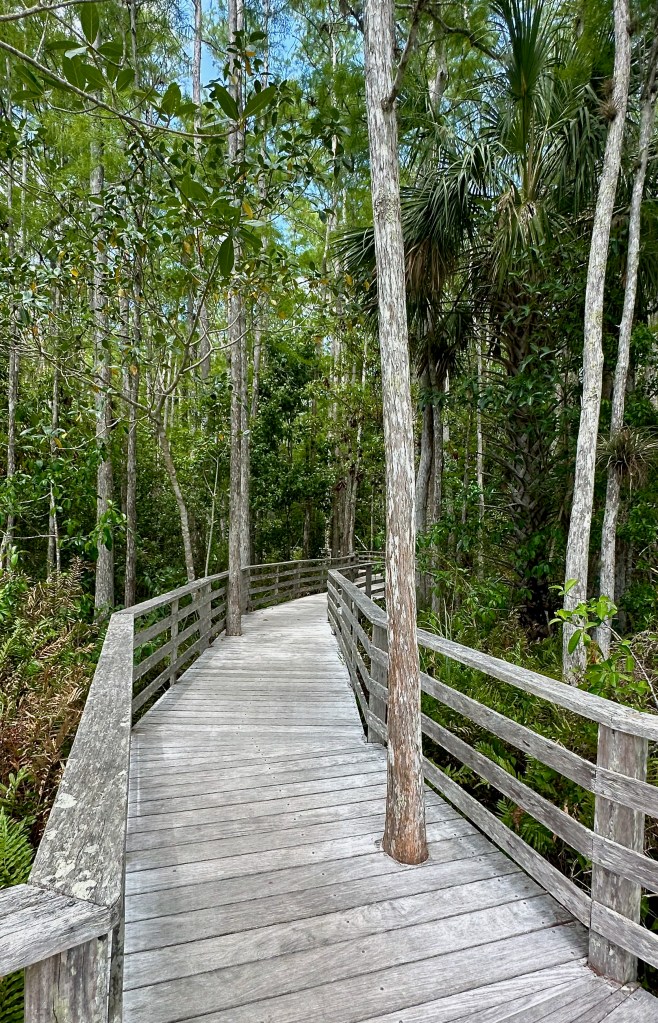
There was still plenty of wildlife to admire as I wandered the trails. And more interesting history than I anticipated. Long before the Spanish landed in Florida (and all the way up until roads and railroads), the St. Johns River was a watery thoroughfare. A large shell mound near the river is evidence that Native Americans used the site for generations.
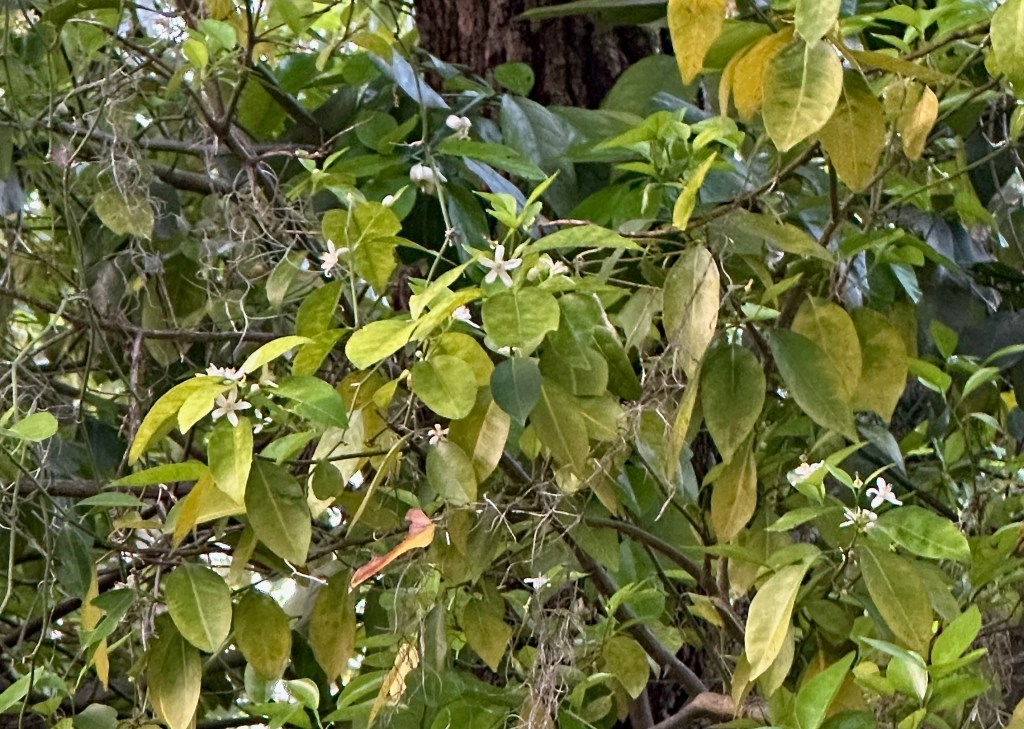
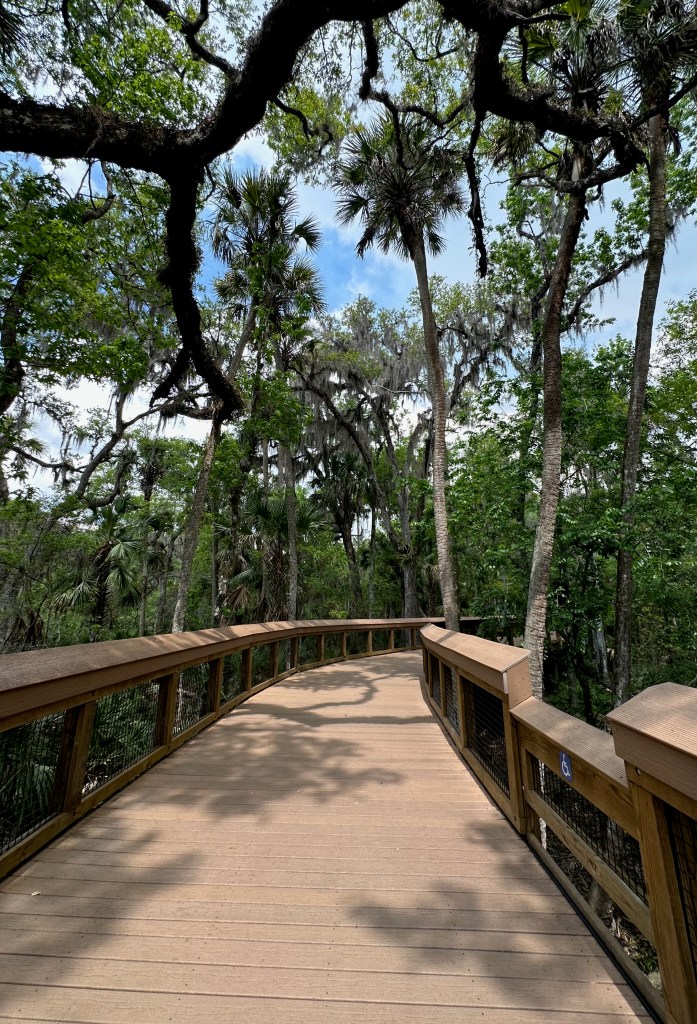
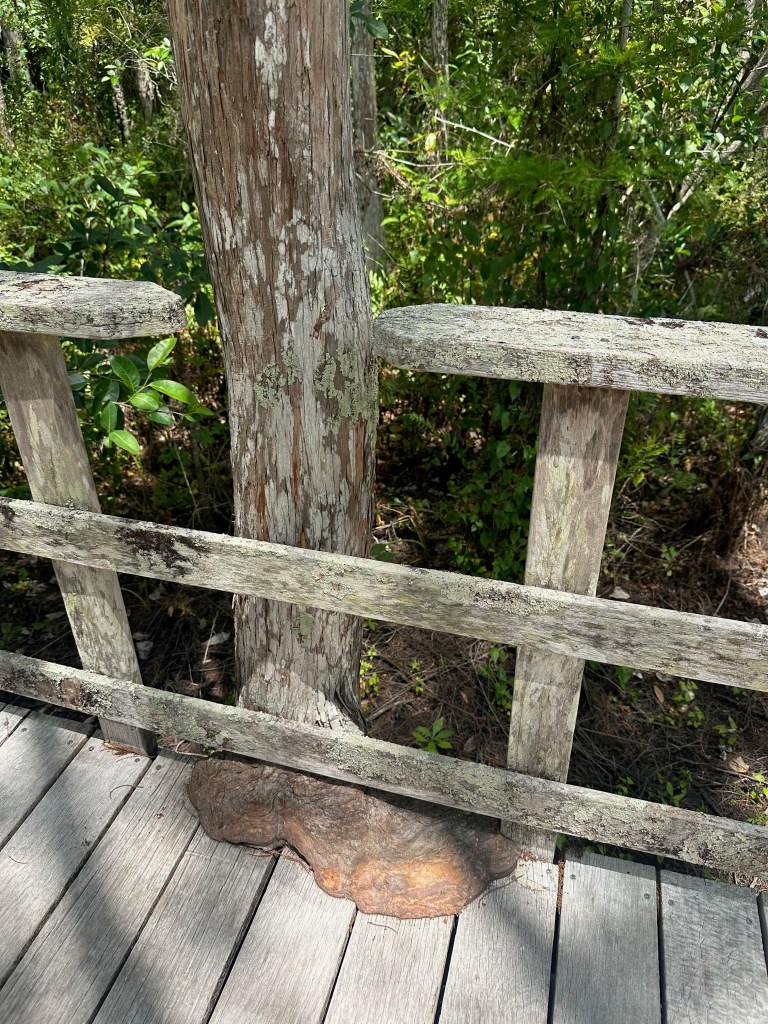
In 1856, Louis P. Thursby bought the land at the confluence and opened Blue Spring Landing, one of the first steamboat landings on the river. He and his family also planted one of the area’s first orange groves. I caught a whiff of orange blossoms while walking the boardwalk. Since it is my absolute favorite smell, I circled around looking for the tree. I finally spotted the scraggly tree, fighting through the shade of a massive oak. Amazing when one considers it’s a feral descendant of the Thursby’s orchard that was planted 170 years earlier!
After getting my bearings I left the park to check into my room in nearby Orange City. When founded, the town’s name rang true as it was located in Florida’s vast orange growing region. During the 1870s and 80s citrus and other commerce traveled along 400 miles of waterways, primarily the St. Johns. In its heyday, 1894, Florida exported 5 million boxes of oranges. Sadly, a brutal cold snap, known as the Great Freeze, killed roughly 99% of the orange trees in that area. As a result, Florida’s orange production shifted further south to milder climes.
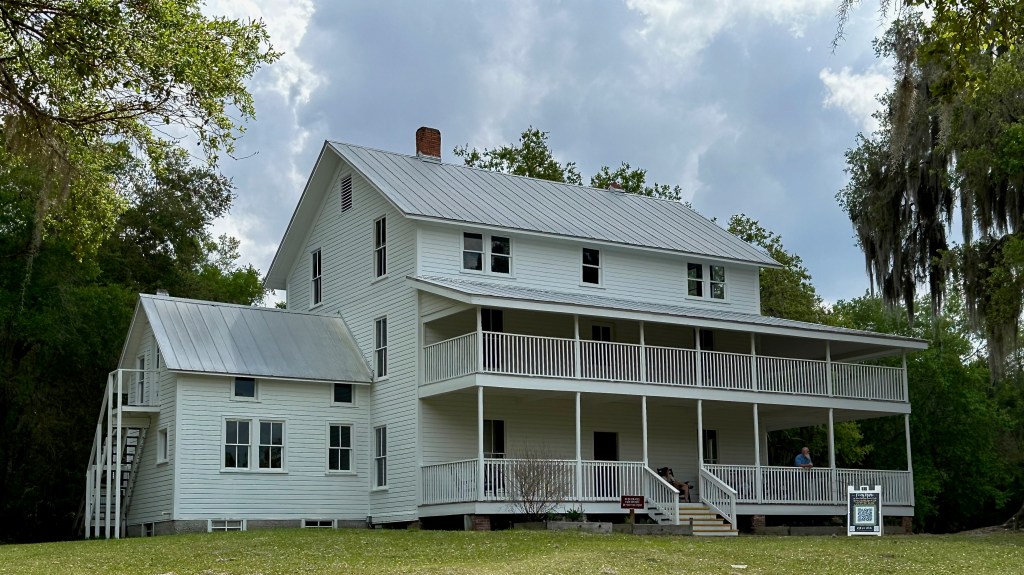
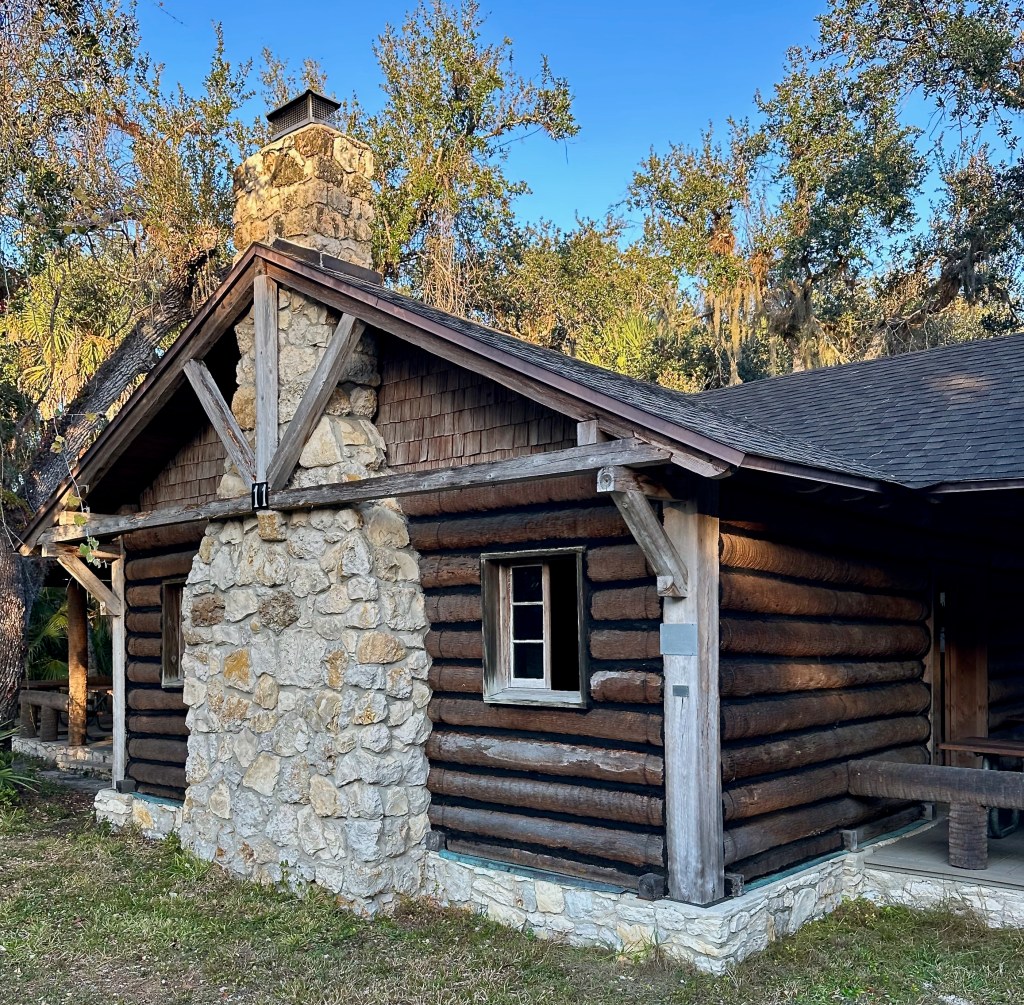
After a brief refresh, I returned to the Park for the feature event, Firefly Night. The park’s Friends group hosts these special evenings which celebrate fireflies and raise awareness of their dwindling populations. I listened to the ranger talk while sitting in a rocking chair on the wraparound porch of the historic Thursby House. The family home, which was built in 1872 atop the shell mound certainly has a commanding view of the river.
As for the fireflies, the Florida Single Snappy is one of the state’s 56 known species. As the name implies, this species uses one quick bright flash to attract a mate. I also learned that fireflies undergo complete metamorphosis (like butterflies) and have the ability to flash during any life stage. Each of the 4 stages last 1-3 weeks except the larval stage, which can last 1-2 years!
By then it was dark, and the first few bright flashes elicited excited murmurs from the crowd scattered along the boardwalk. It was a definitely magical way to spend the evening!






























 3rin's View...