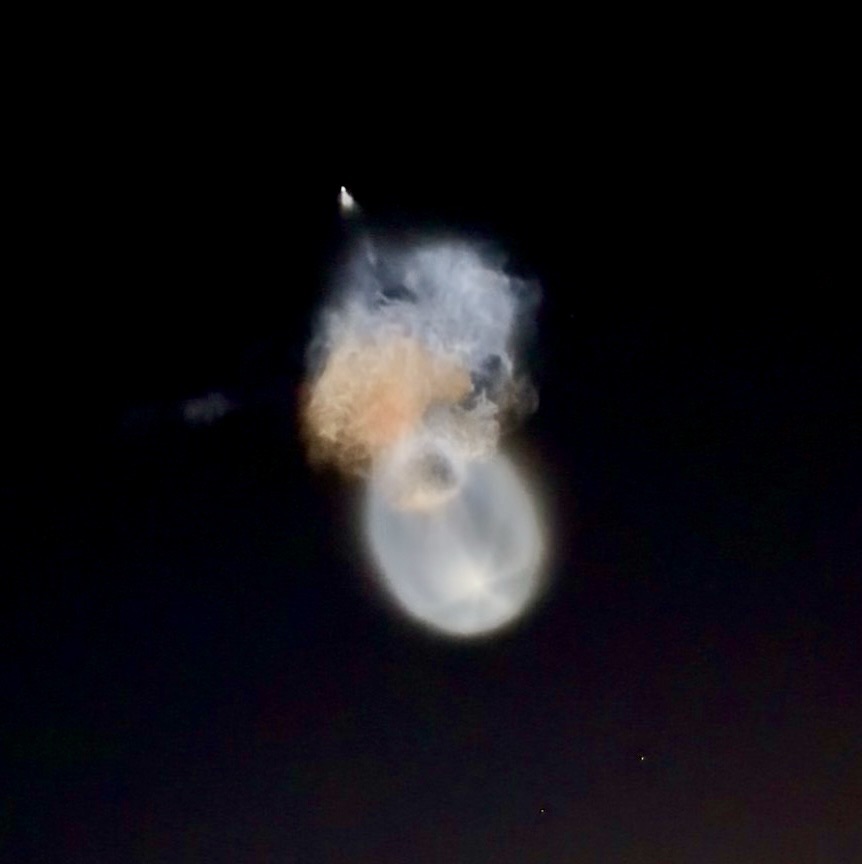
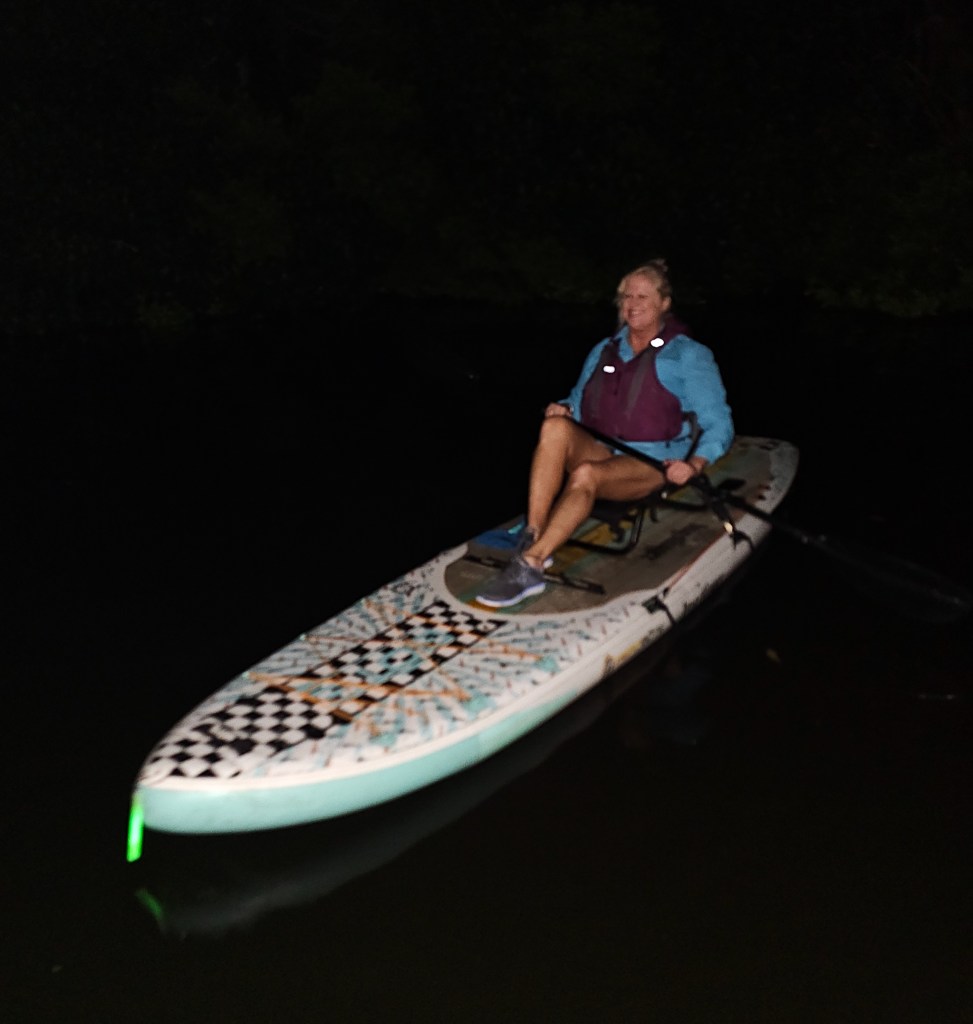
For best viewing there are a number of factors that need to align; the water needs to be warm, the skies clear, the moon in its early stages, and for the comb jellies late Summer/early Fall. As luck would have it, last week all of that aligned with my work schedule, so it was a bit of a last minute decision but I didn’t want to miss my chance.
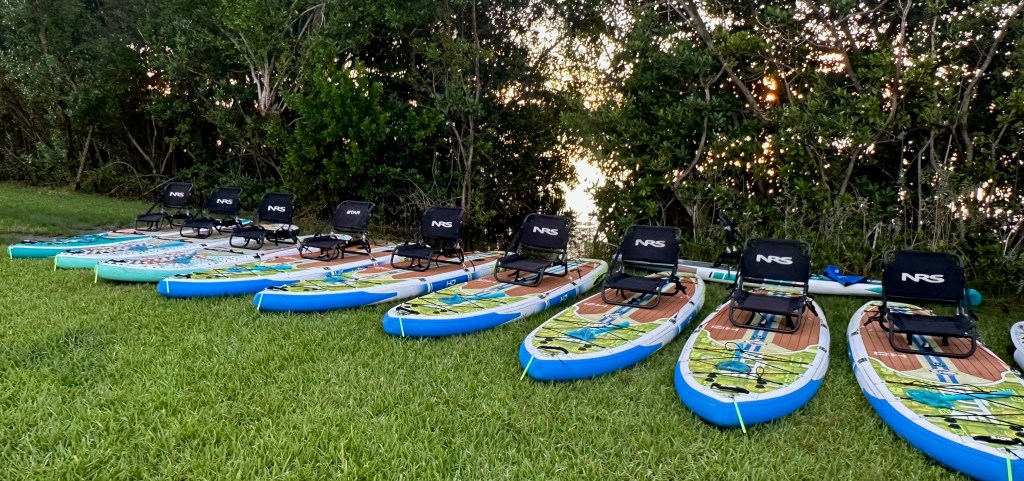
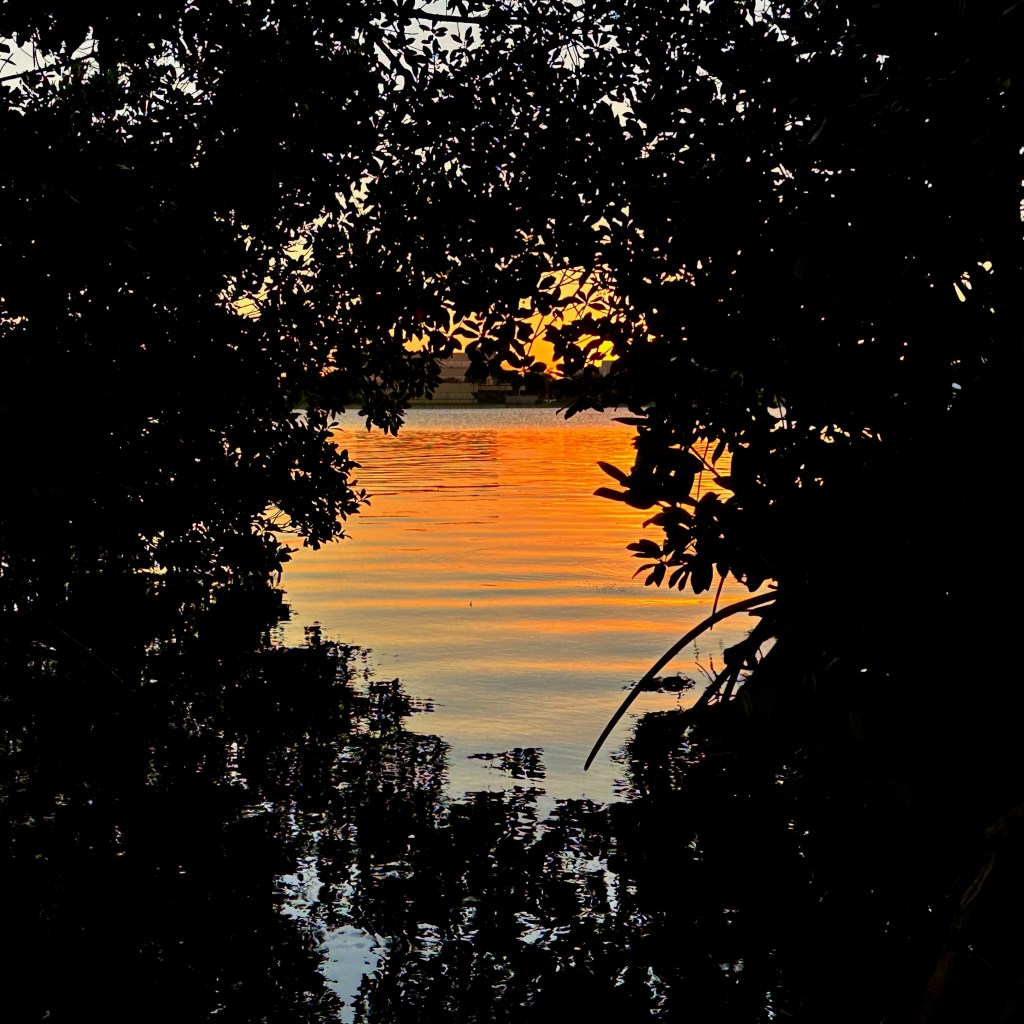
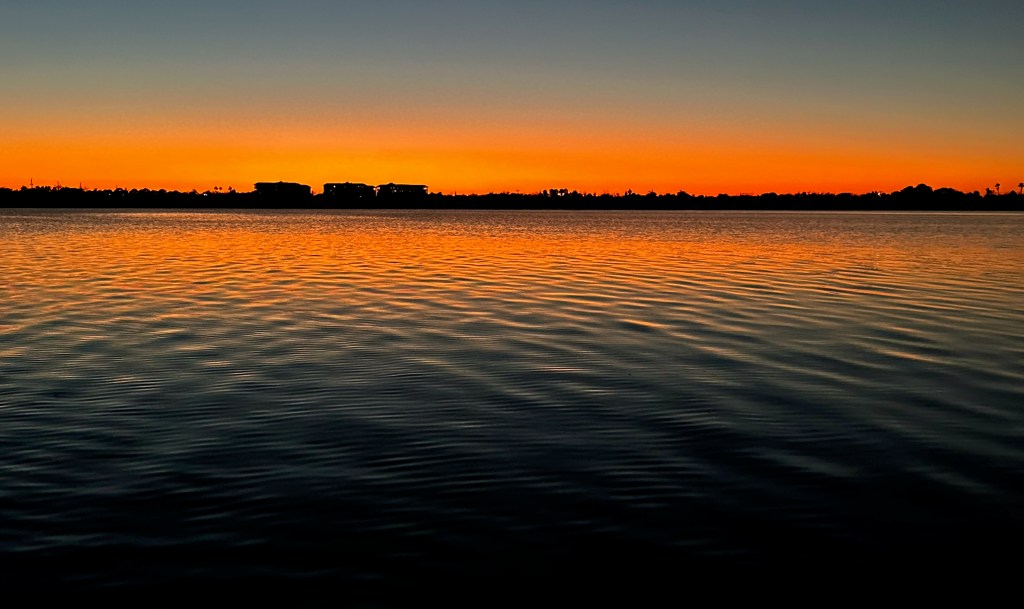
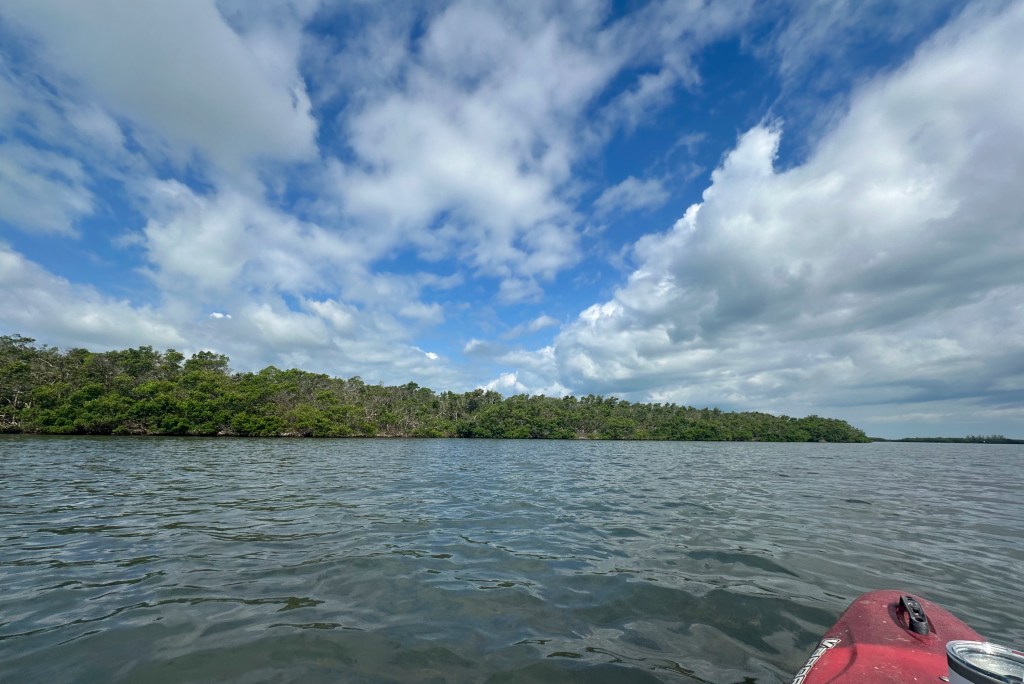
Setting off at 7pm we had time to get acquainted with our hybrid paddle boards while the sun set. That part of the lagoon is part of a wildlife refuge so light pollution from humans was limited, which was important.
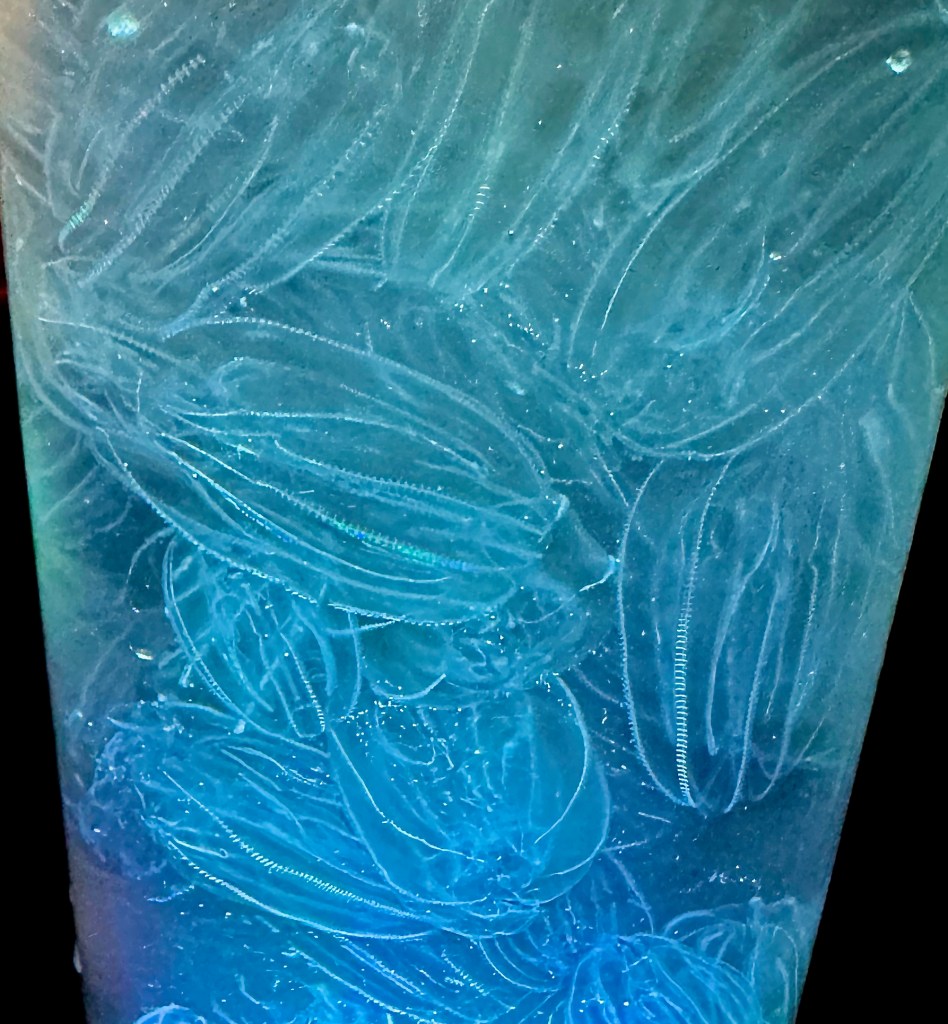
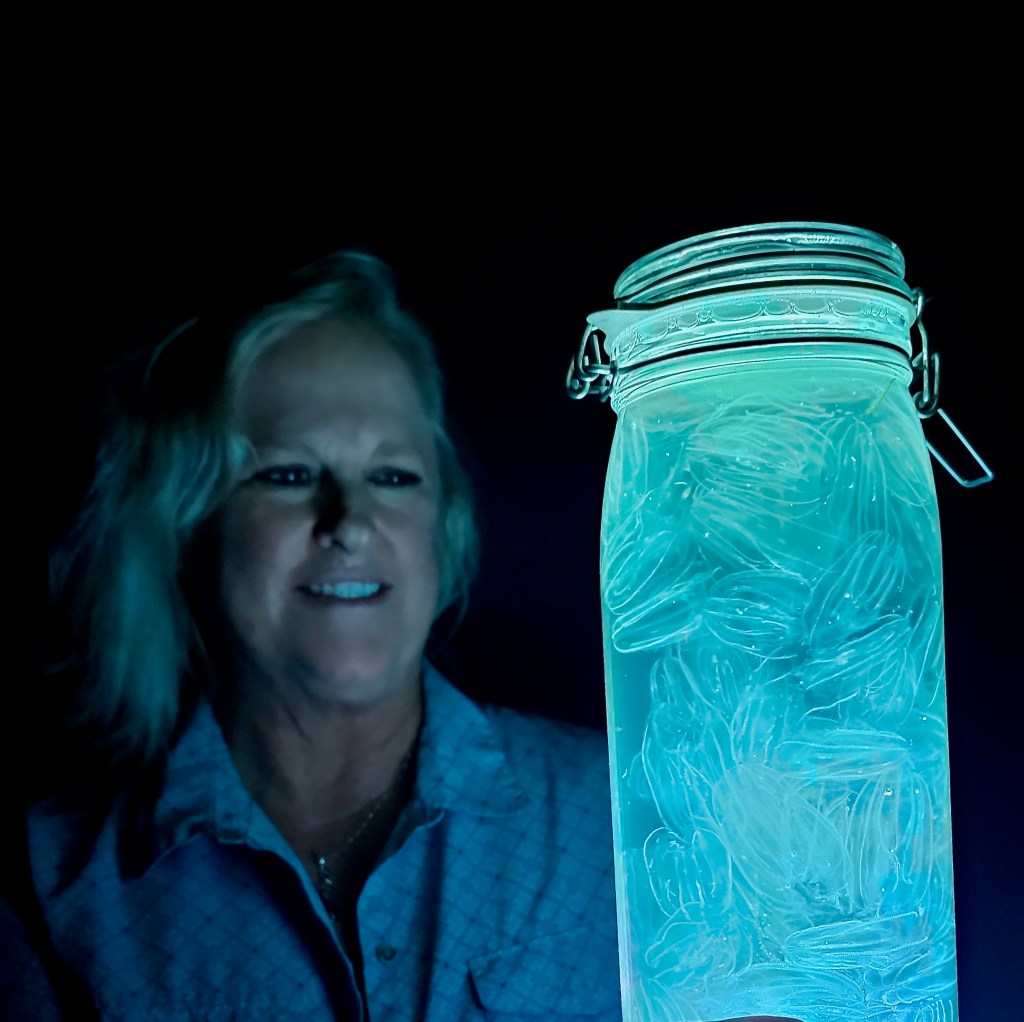
The bio we paddled through was fairly faint with a few intermittent bright spots but I wasn’t disappointed because the Sea Walnut (Mnemiopsis leidyi) comb jellies made up for it by far! Jess, our tour guide gave us each a net to swish in the water to stir up the jellies and catch the glowing, pulsating little orbs.
At the end of our paddle she placed them all in a glass jar so we could get an up close look at the brainless little marvels. Afterward, she gently released them back into the brackish water. What a cool experience!
Forgive the video quality, it was a bit of a challenge to paddle and film at the same time. At least you’ll get the general idea.
Leaving Little Lady Liberty I purposely stayed off the interstate, opting to follow blue highways* instead. I had all day to reach my destination so I decided I would stop at random points of interest along the way.
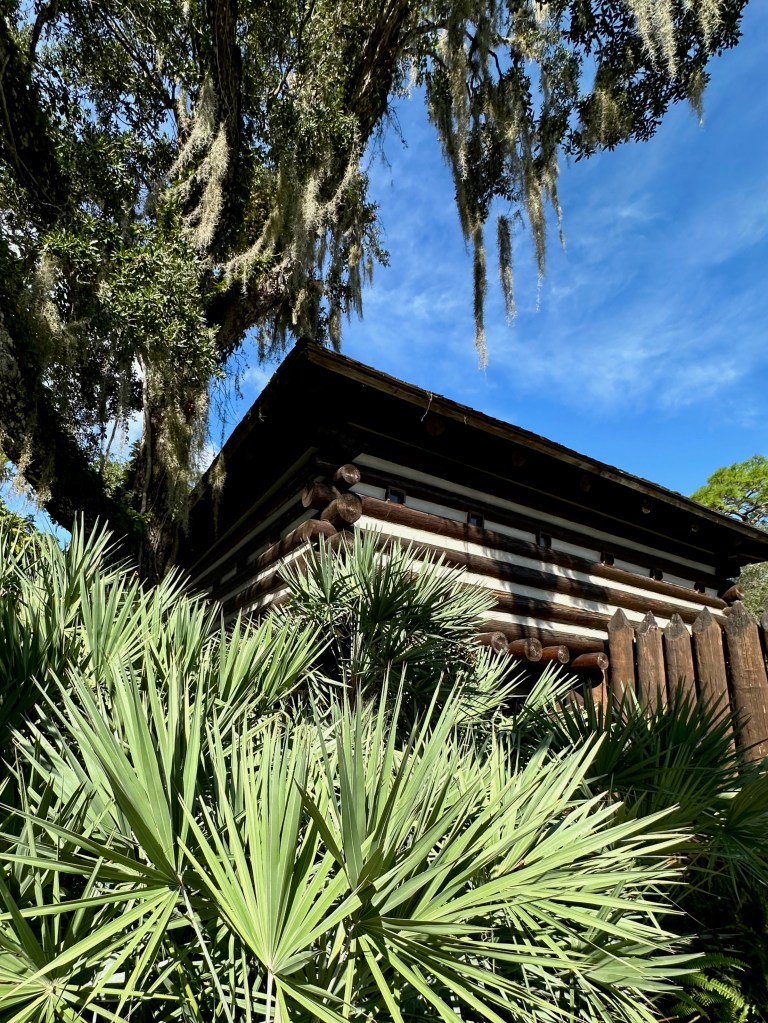
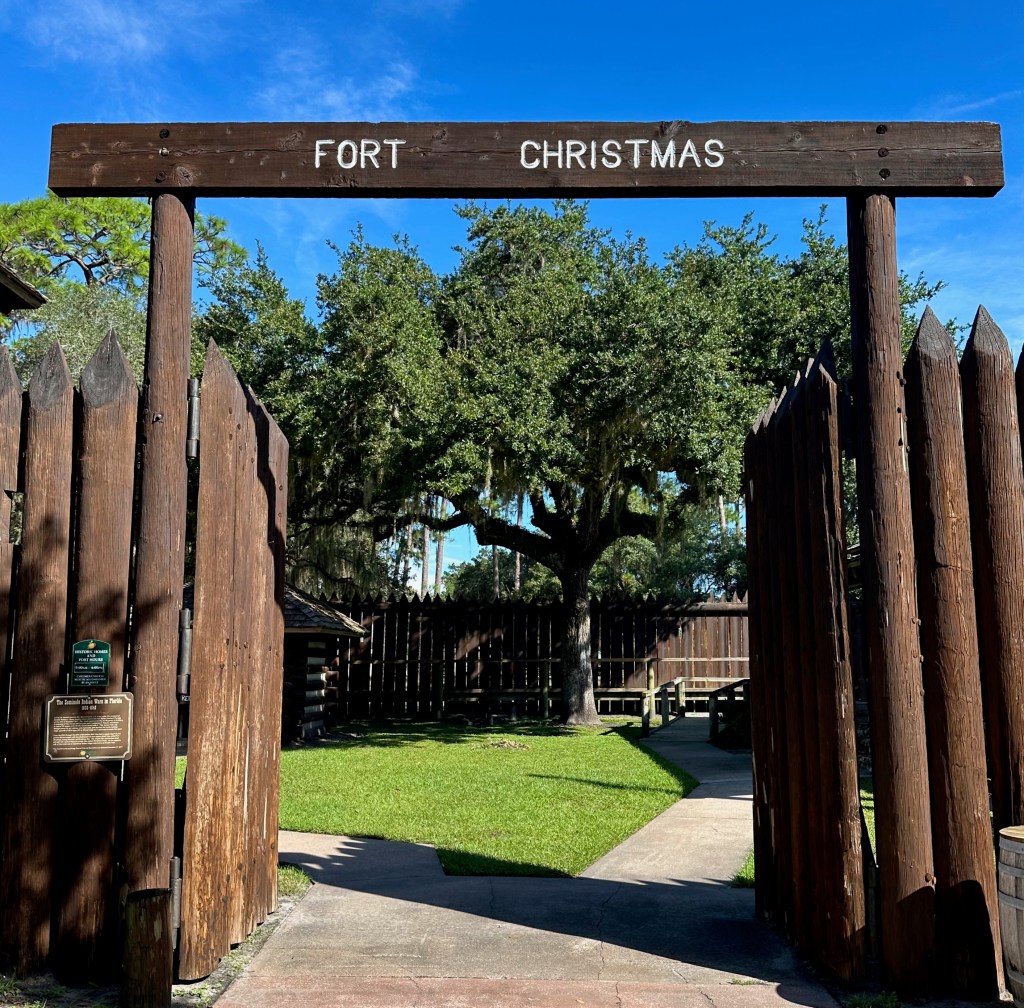
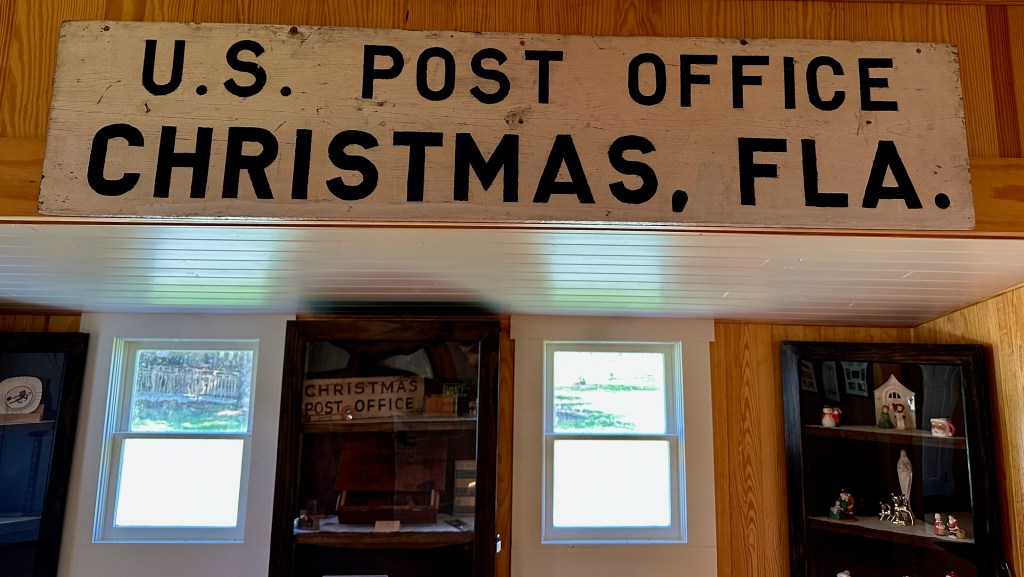
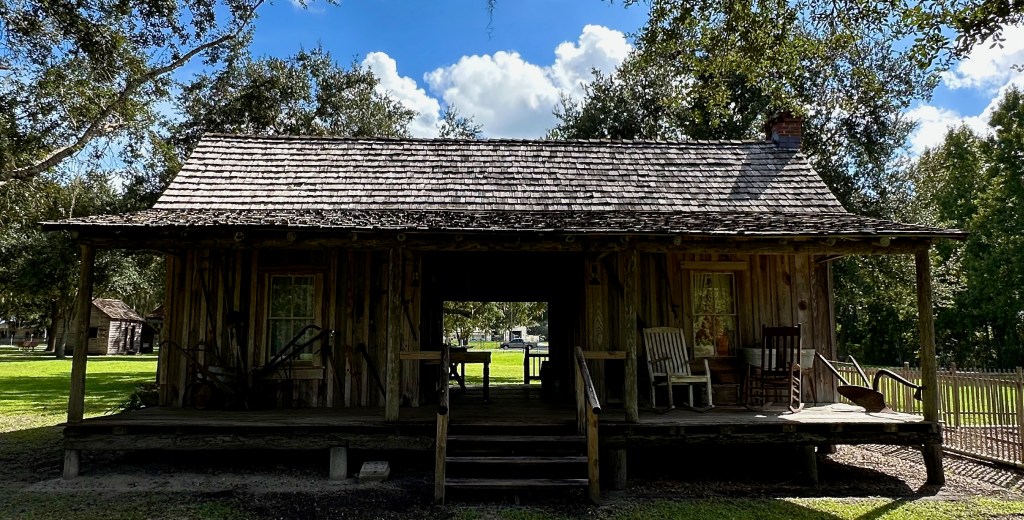
First up was the replica of Fort Christmas. This short-lived US Army outpost was one of a dozen constructed during the Seminole Wars. Built in 1837, the fort’s name came from the day they broke ground. As was customary at the time, the small town that sprang up nearby adopted the fort’s name (ie, Fort Lauderdale, Fort Myers). Though in this case, the US Postal Service removed “fort” from the official town name since there were already too many fort somethings in the state.
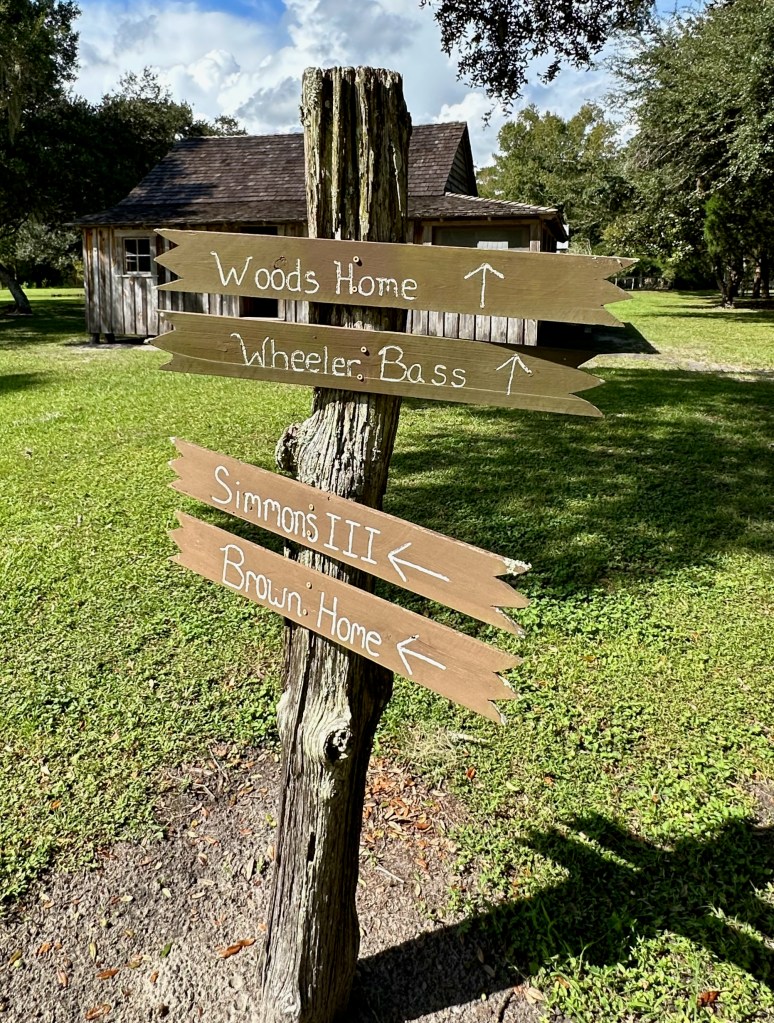
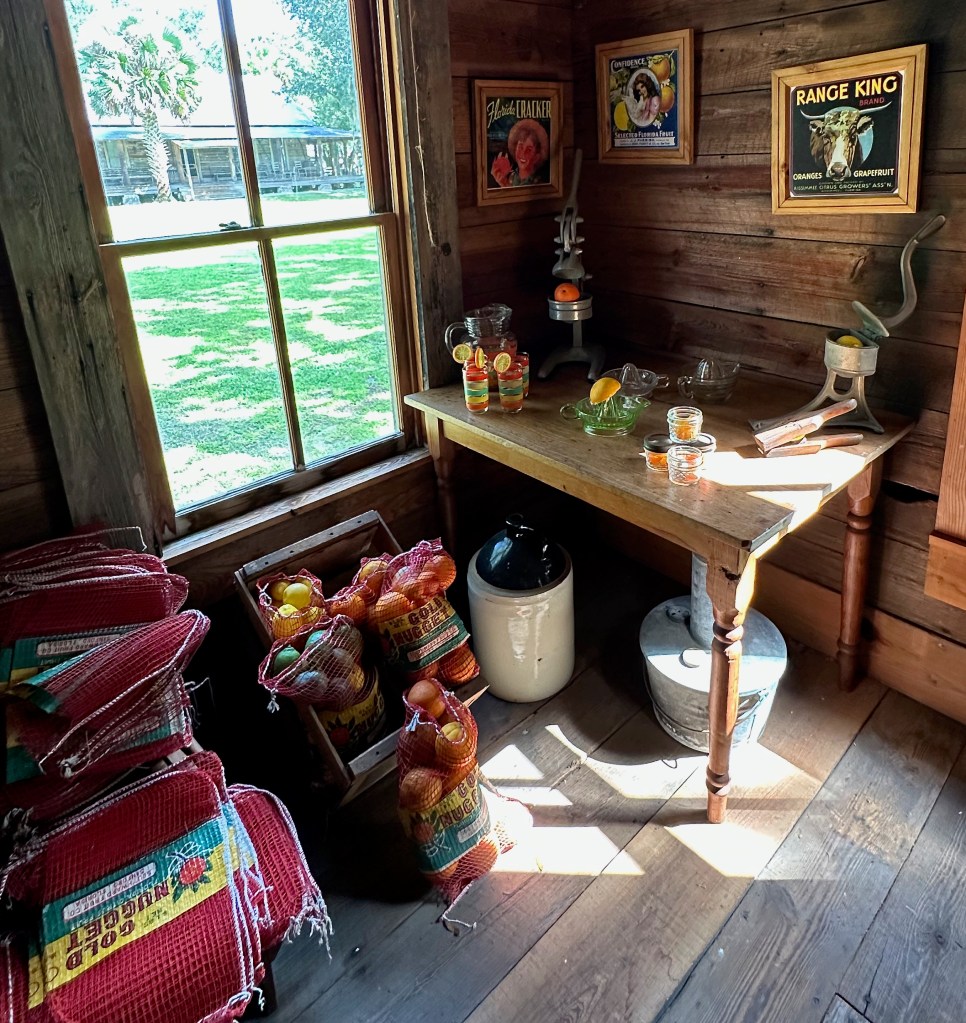
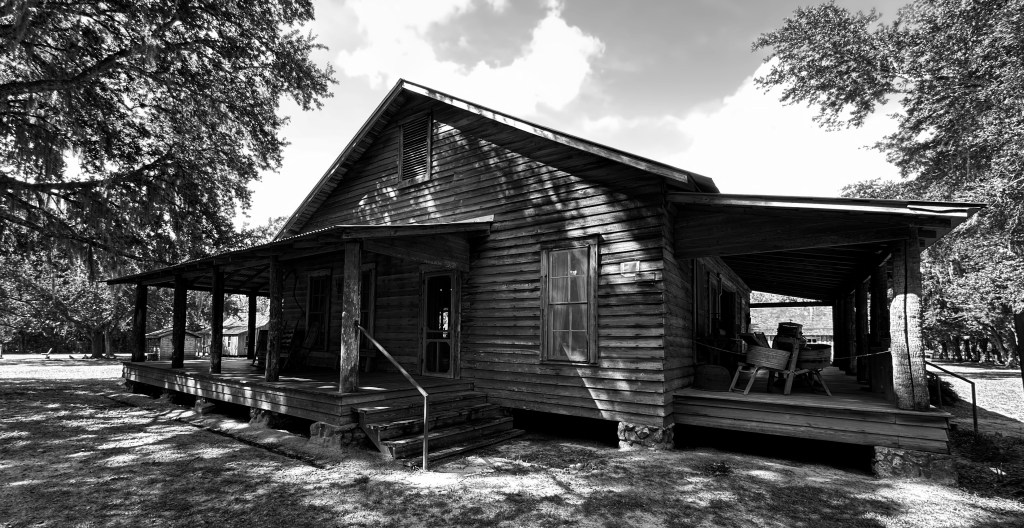
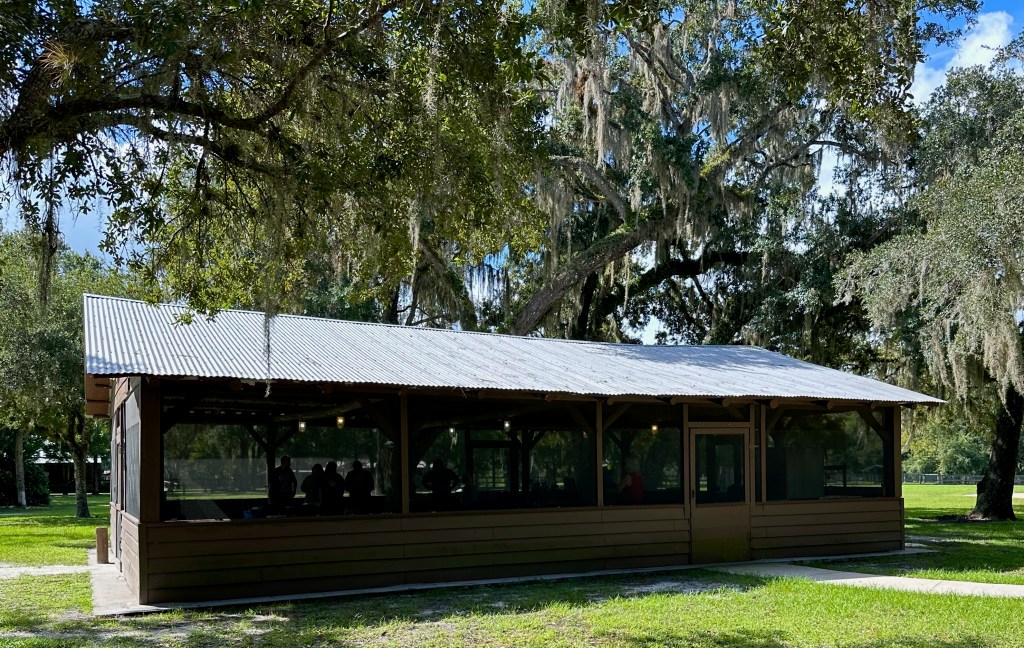
The property also protects other historic buildings from the area’s past, including a picnic pavilion built by the WPA in the 1930s. I was impressed not only by the number of structures but by how well-appointed and maintained they all were. No mean feat considering Florida’s often temperamental weather and the amount of nature that wants to move in.
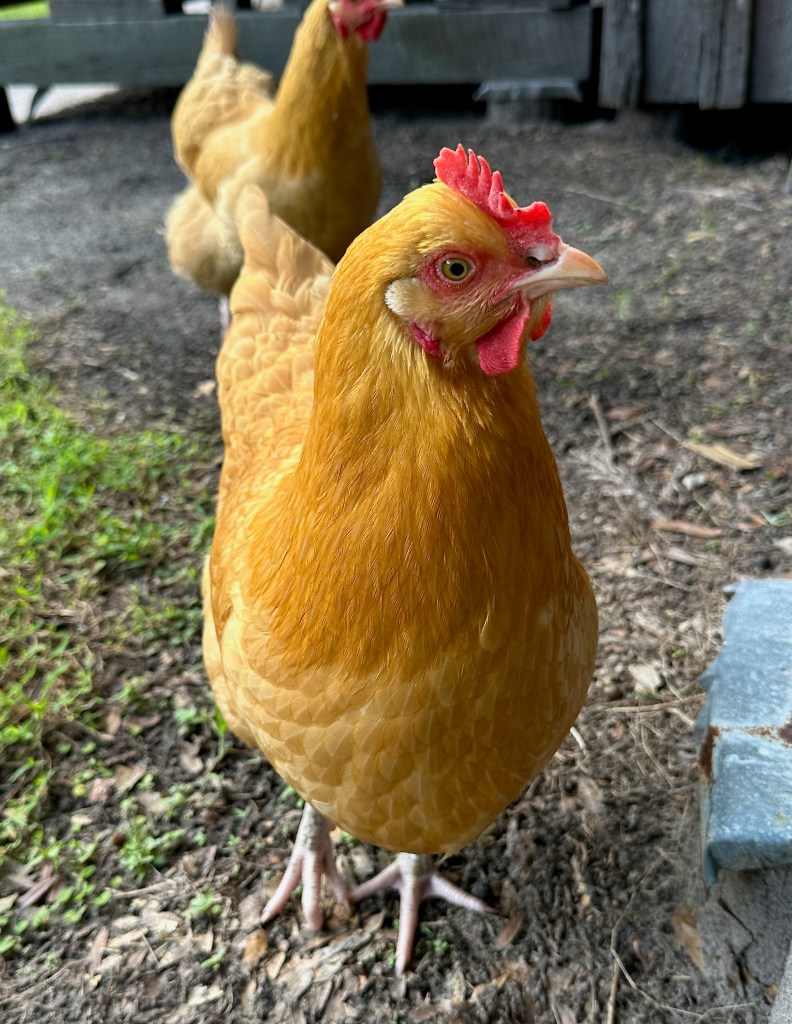
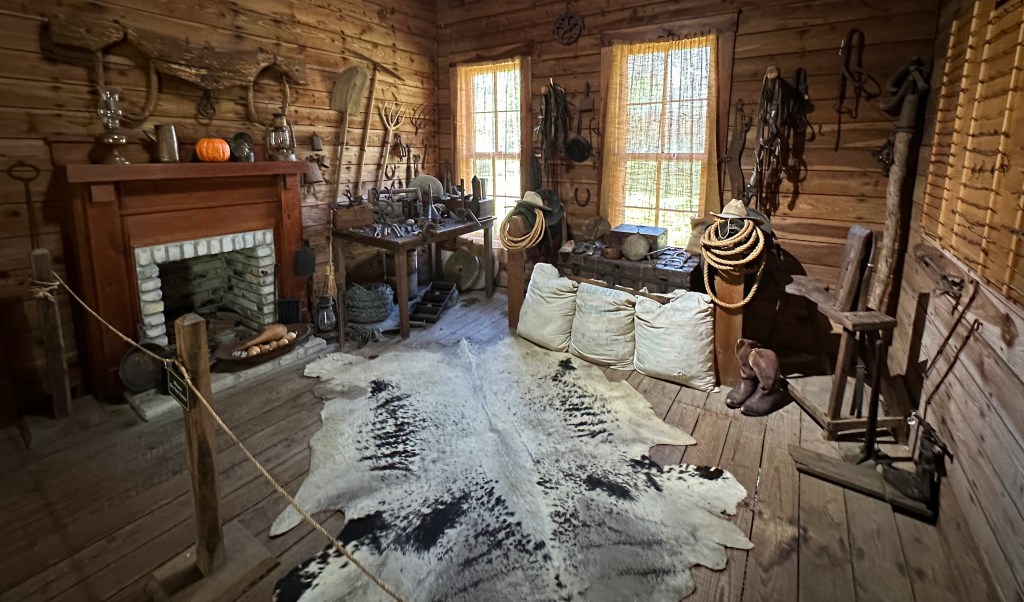
Fort Replica, Built in 1973Brown House c. 1900Orange GrowersBossy ChickenWoods House c. 1927Cattle FamilyWPA Picnic Pavilion c.1930s
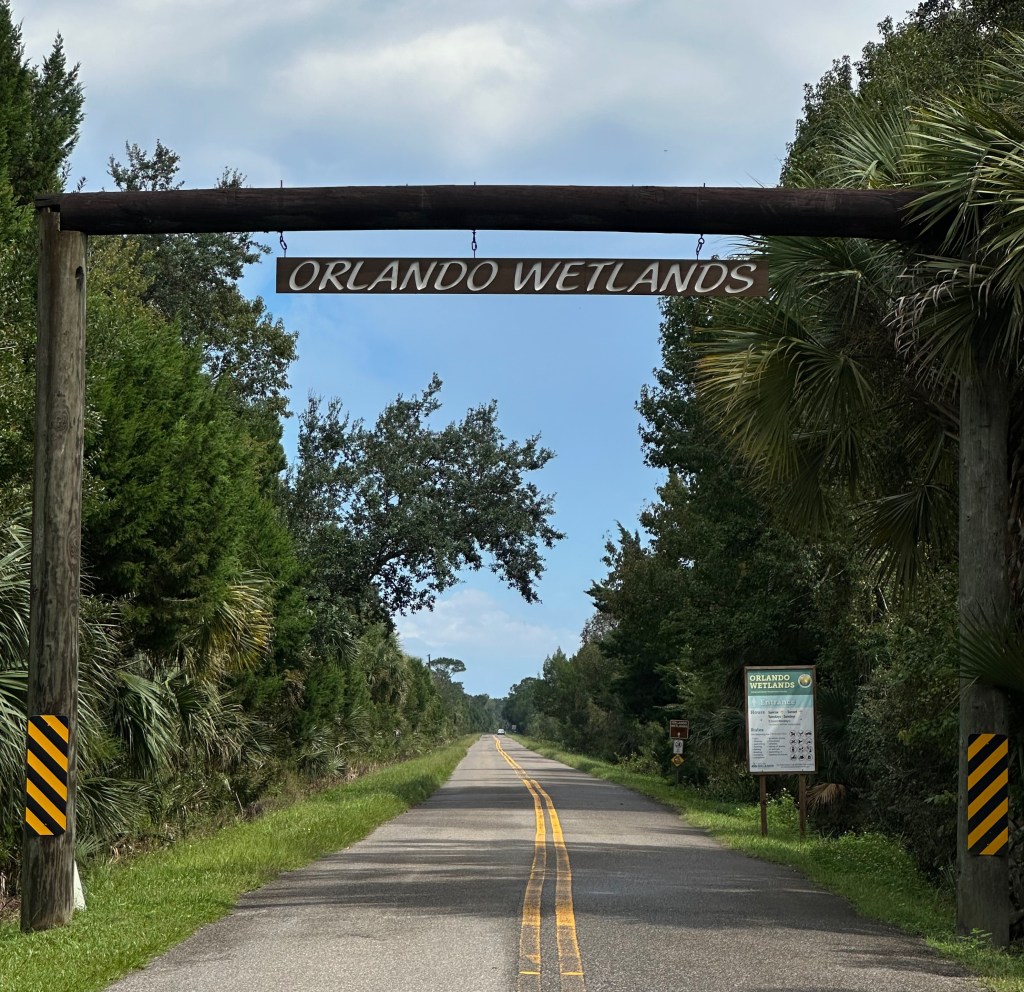
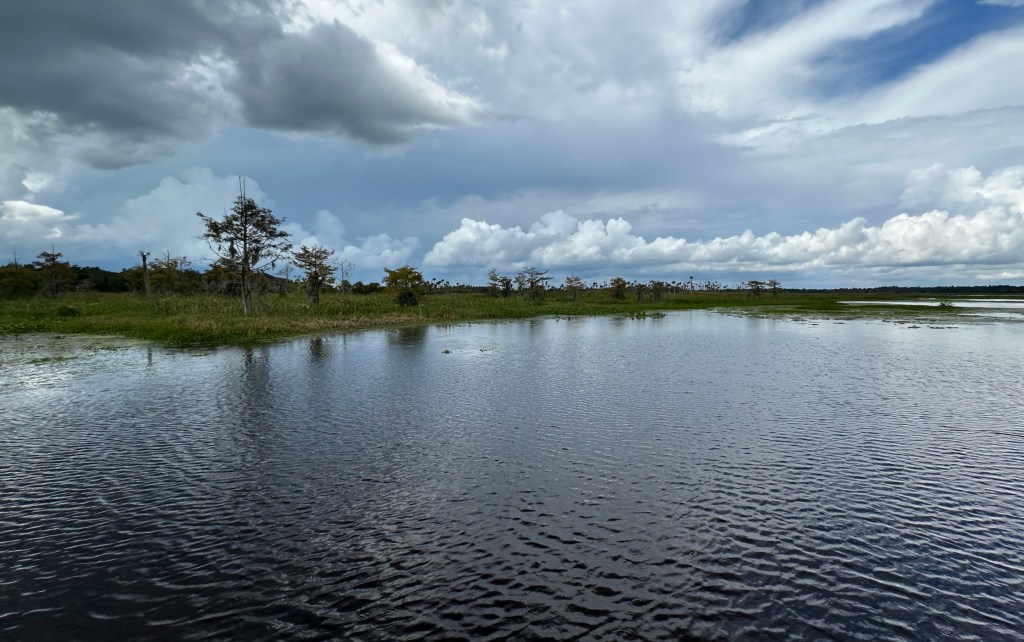
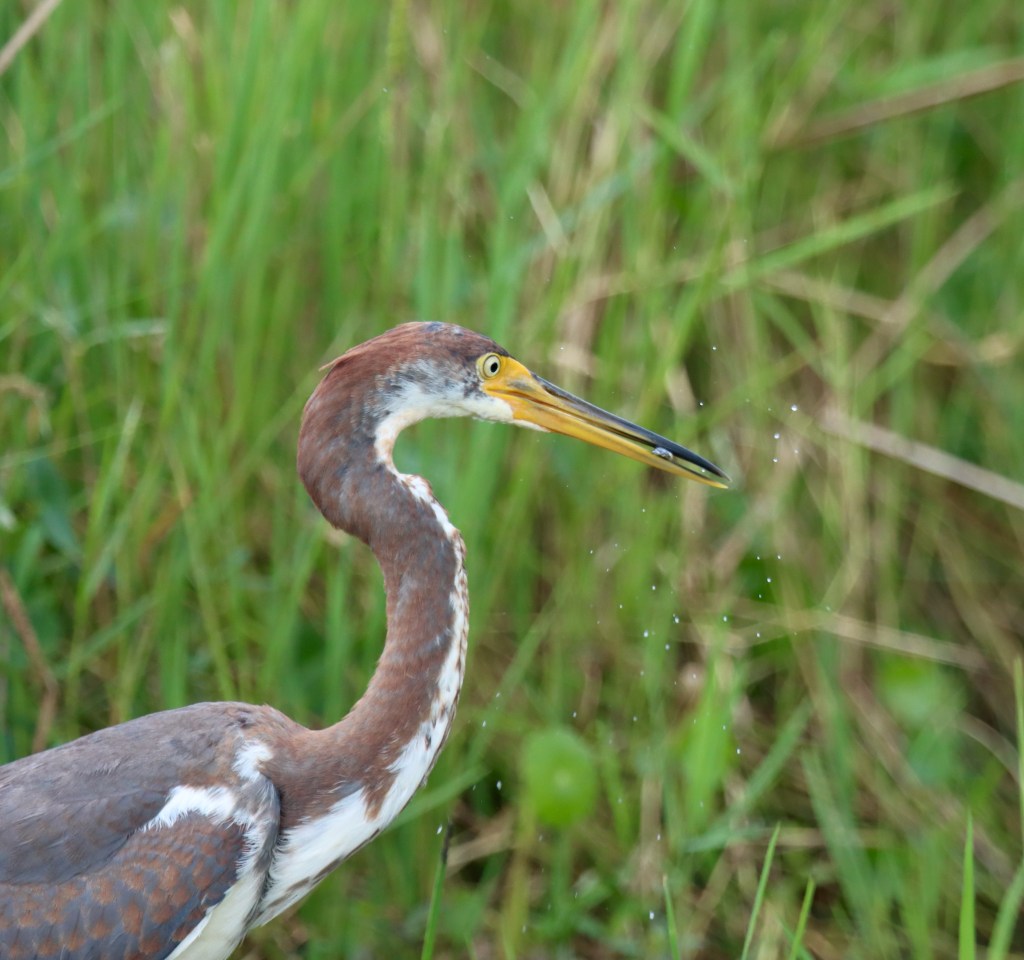
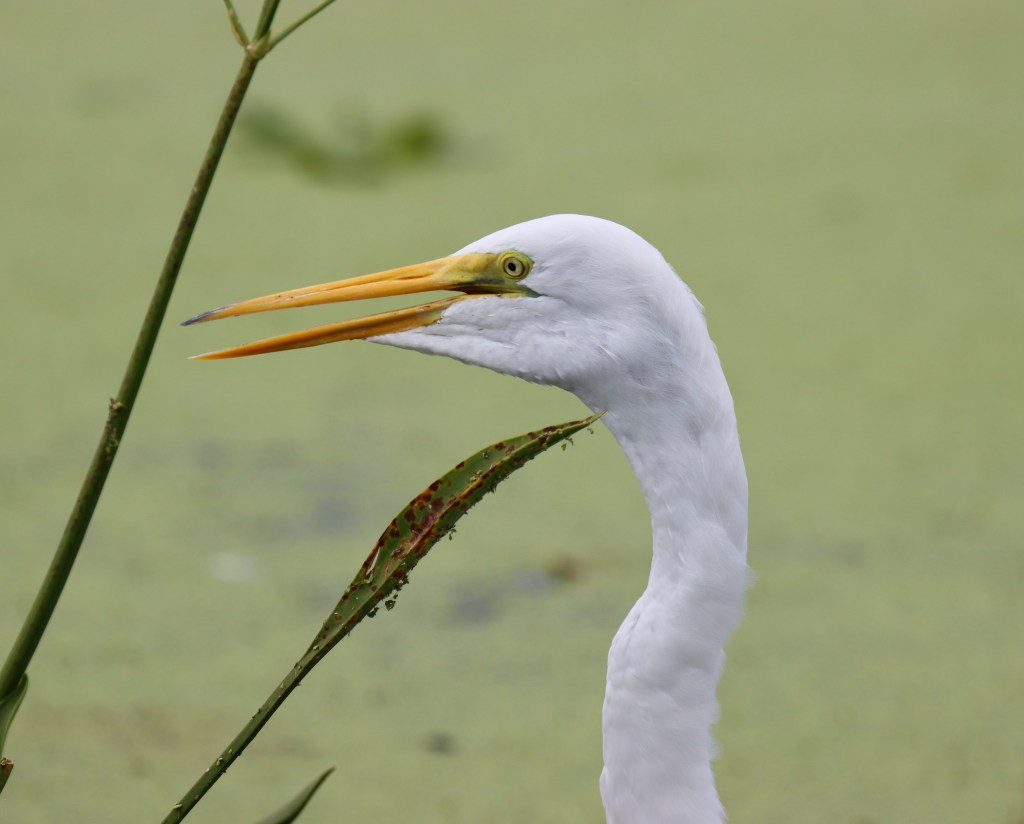
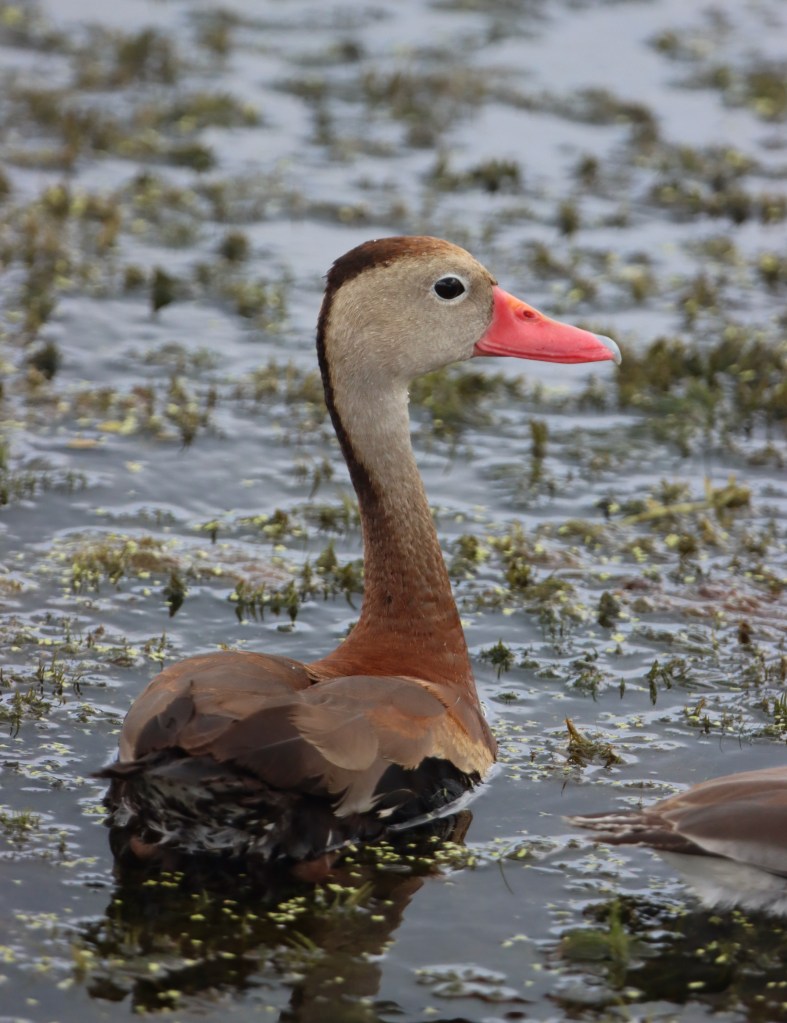
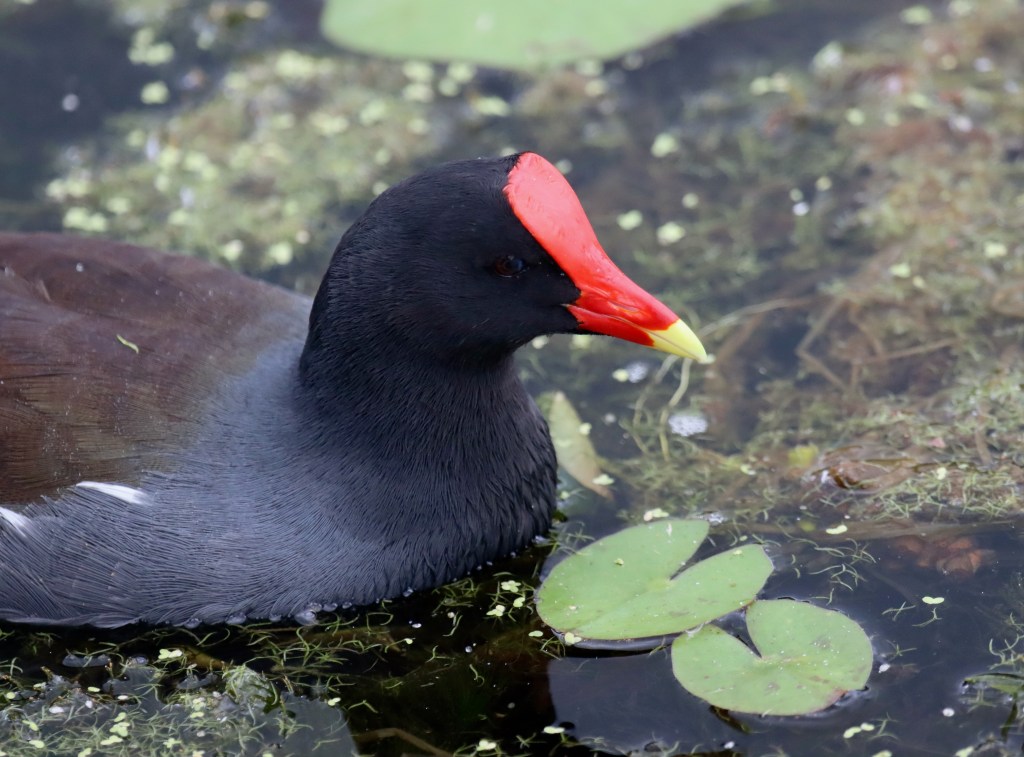
Speaking of nature, my next stop, Orlando Wetlands Preserve, was literally just around the corner. Originally constructed as part of the metropolitan water management system, it didn’t take long for nature to take advantage of it. Fortunately, people are allowed to wander property to watch all the wildlife.
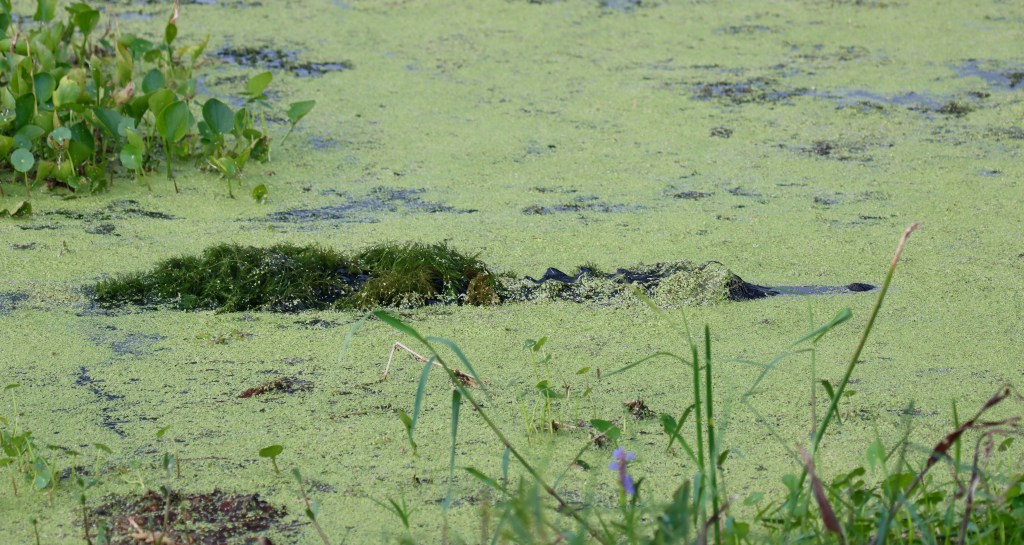
After parking, I noted the heavy-looking gray clouds and grabbed my rain jacket before heading out on the boardwalk. I was about halfway through my walk when the skies opened up. Furthest point from my car – who says Mother Nature doesn’t have a sense of humor? From this drenching experience, I learned two things, alligators all head for the water during a downpour and, I need a new raincoat. Sigh…
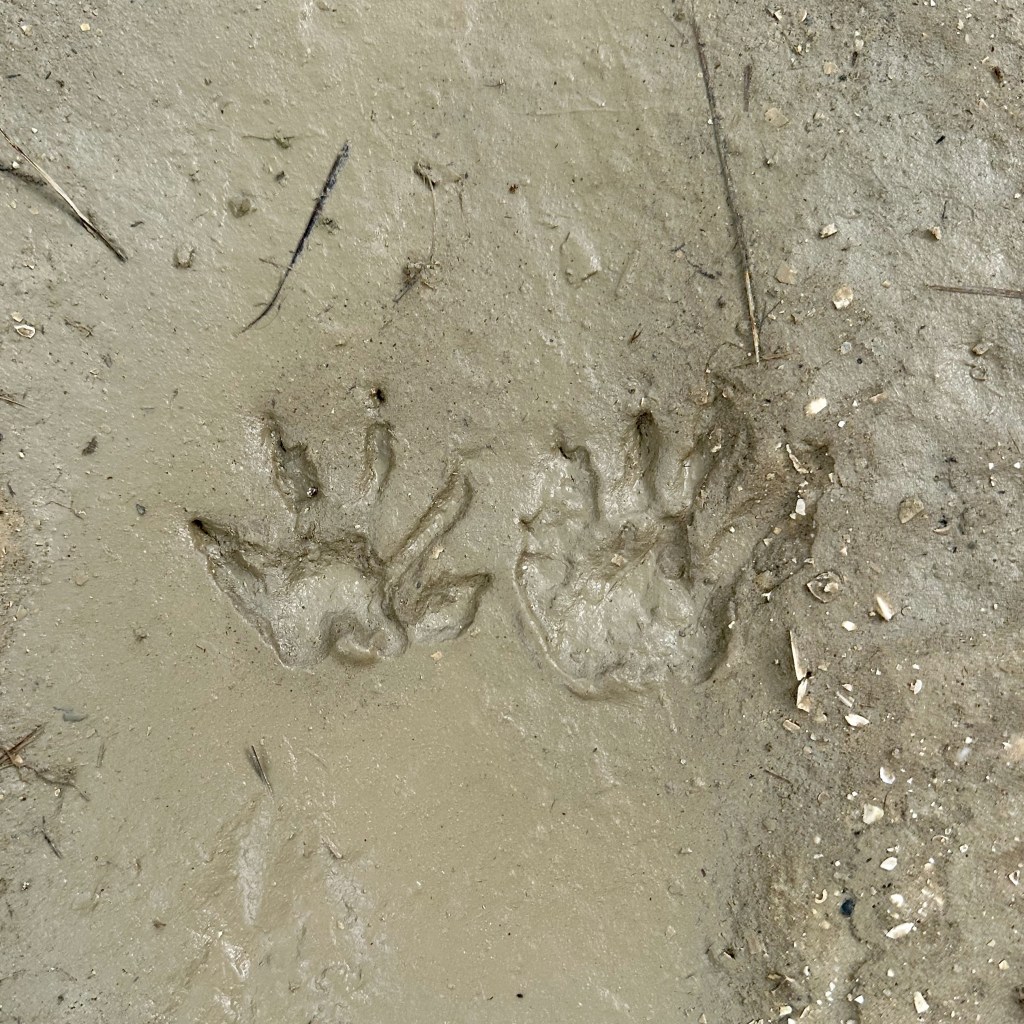
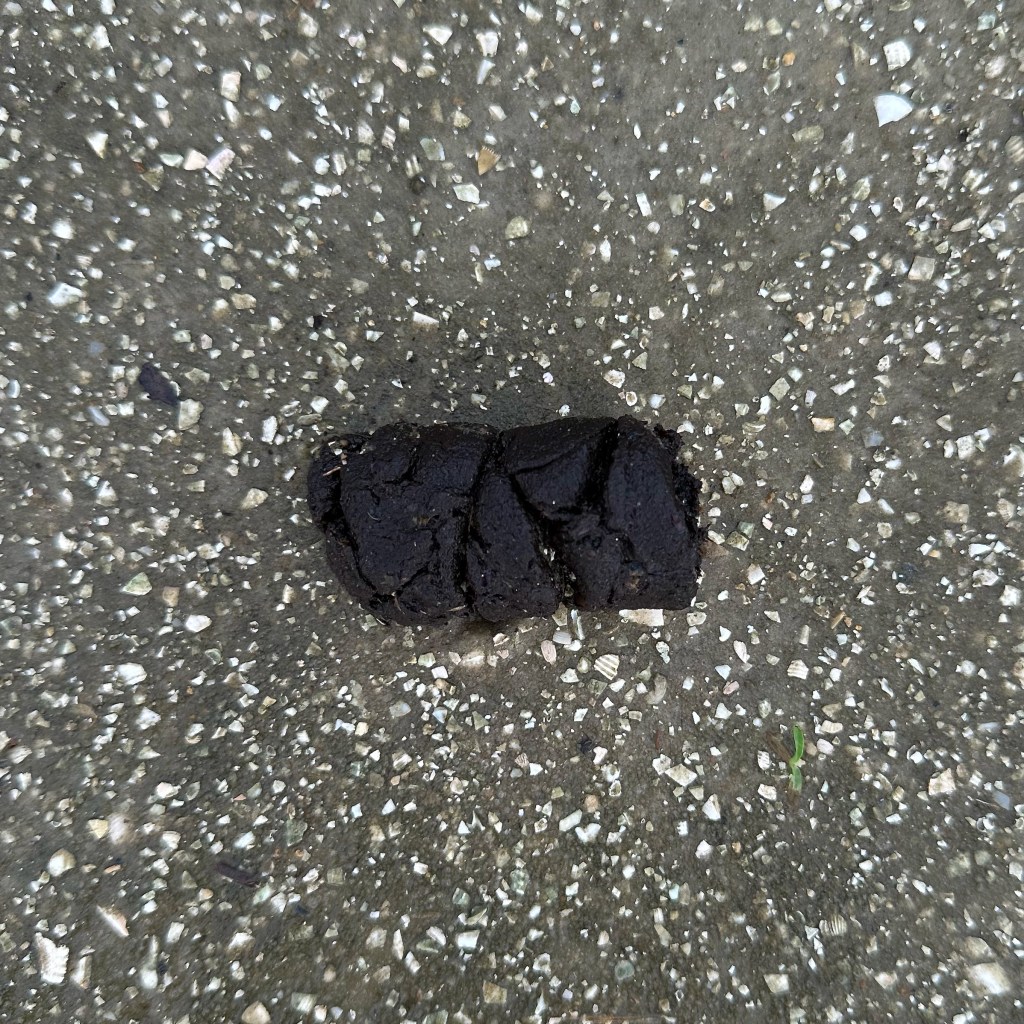
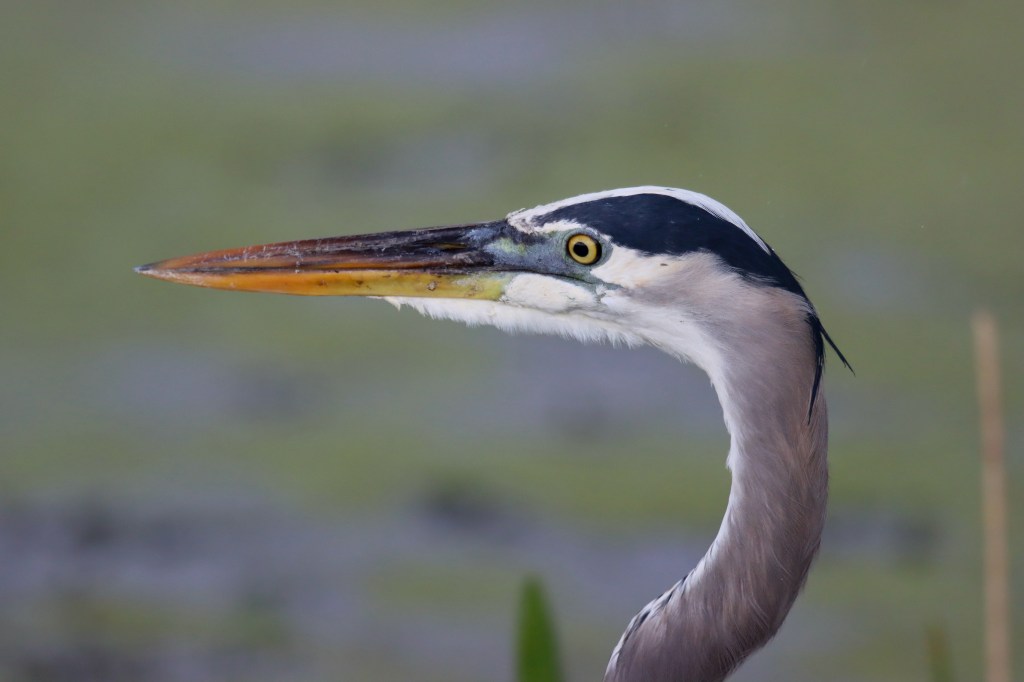
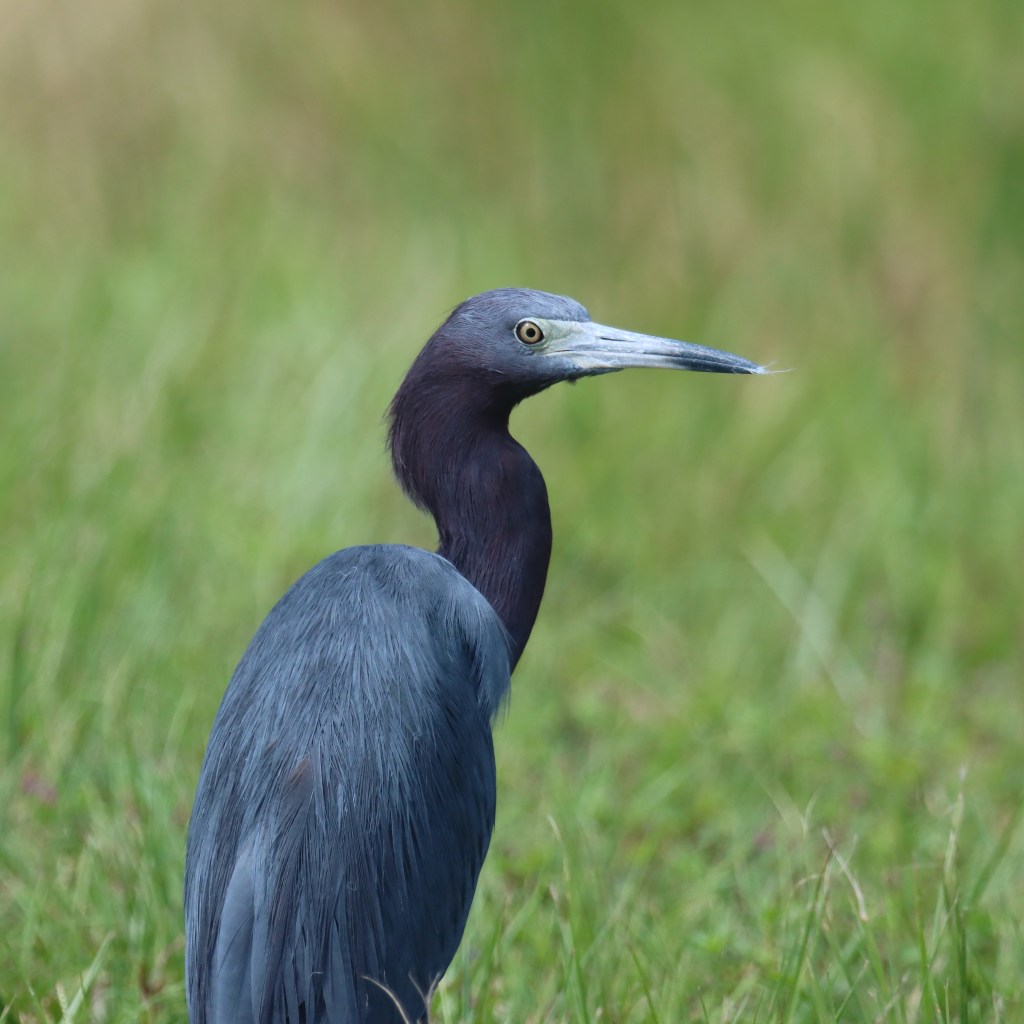
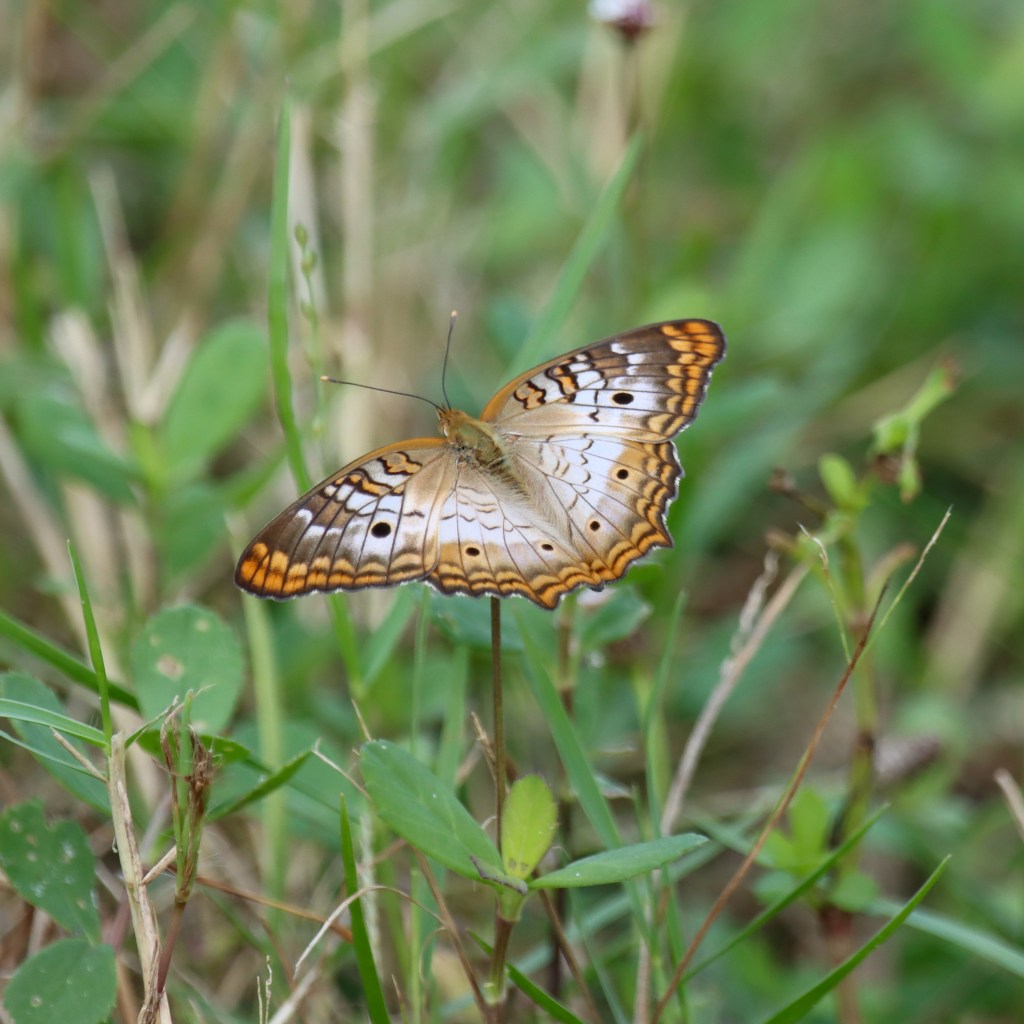
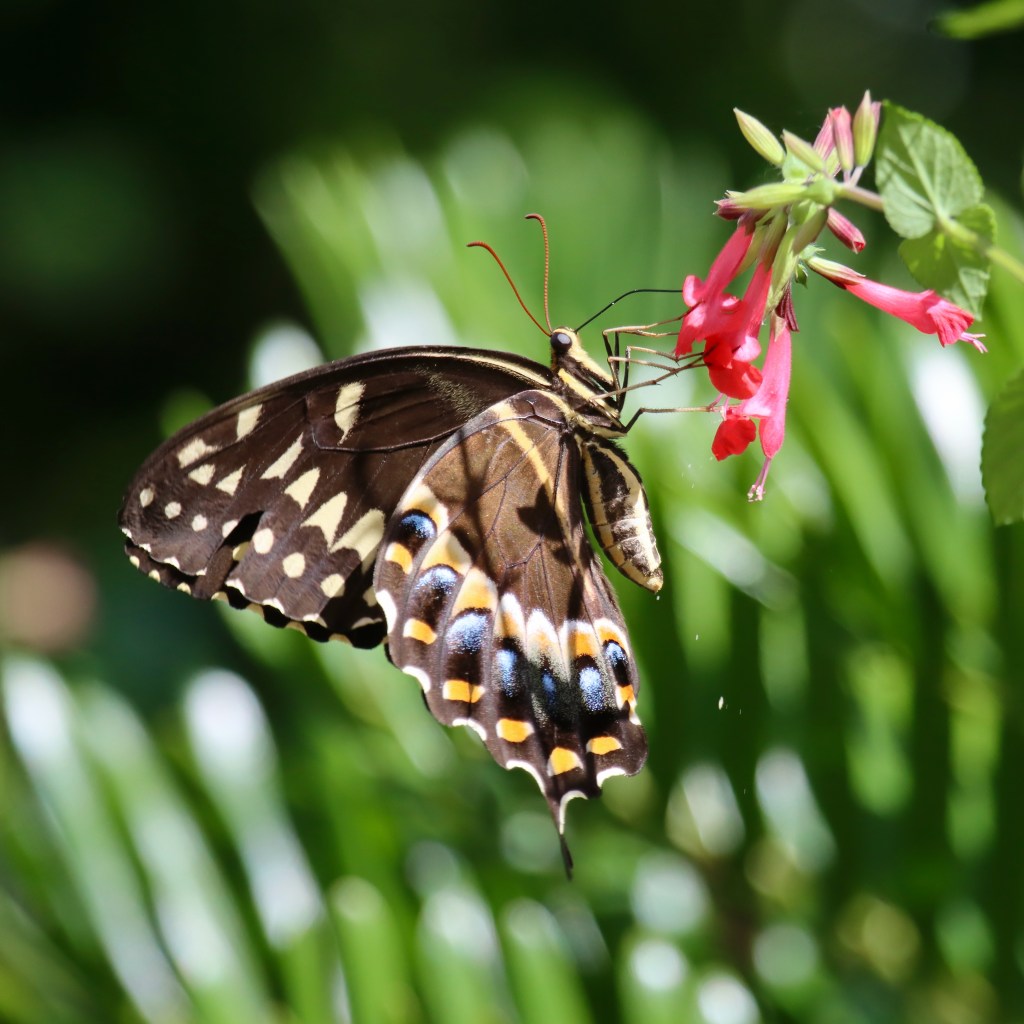
Raccoon PrintsAlligator ScatGreat Blue HeronLittle Blue HeronTricolored HeronGreat EgretBlack-bellied Whistling DuckCommon GallinuleWhite Peacock ButterflyPalamedes Swallowtail Alligator Wins Best Costume Contest
Thankfully the storm was short-lived and by the time I finished the trails I was no longer dripping wet (though not dry by any means, yay humidity). Good thing I always have a beach towel in the car!
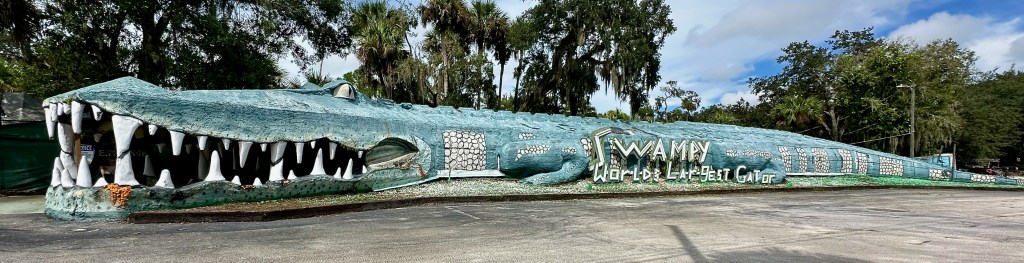
My next stop required driving a few miles extra to find a turnaround spot. But when you whiz past a sign for the World’s Largest Alligator, you do what you have to do. Measuring one inch over 200′, Swampy was built in 1989 as the entrance to Jungle Adventure. A bit rundown, this roadside attraction is still open, but you can no longer walk through the gator’s mouth to enter – thanks to a lawsuit from nearby Gatorland (the Mouse isn’t the only one fighting over tourist dollars).
Before getting back on the road, I scanned the map for any other interesting locations and found that the Windover Archaeological Site was on my route. There isn’t much to see, only a small sign that does little to convey the magnitude of the discoveries made there.
In 1982, a planned development came to a halt when bodies were found in a pond. After law enforcement determined that they were ancient remains, archaeologists spent the next several years unearthing over 168 carefully interred bodies. They were so well-preserved in the anaerobic water that there was still brain matter in over half of the skulls!
Though the site is now on private property in the middle of a housing development, the unearthed artifacts are still being researched, providing astonishing insight into the people that lived there roughly 8,000 years ago. I encourage you to look it up on the internet (this video provides a decent overview).
Florida is far more than just beaches and a big Mouse, the interior of the state has a so many fascinating stories to tell!
*For those not familiar with paper maps, interstates and state highways were once denoted by different colors. The latter, on some maps were blue, hence the term blue highways. It’s also the title of a great roadtrip book by William Least Heat-Moon (reminiscent of Steinbeck’s Travels with Charley). If you haven’t read either of them, I highly recommend you do.
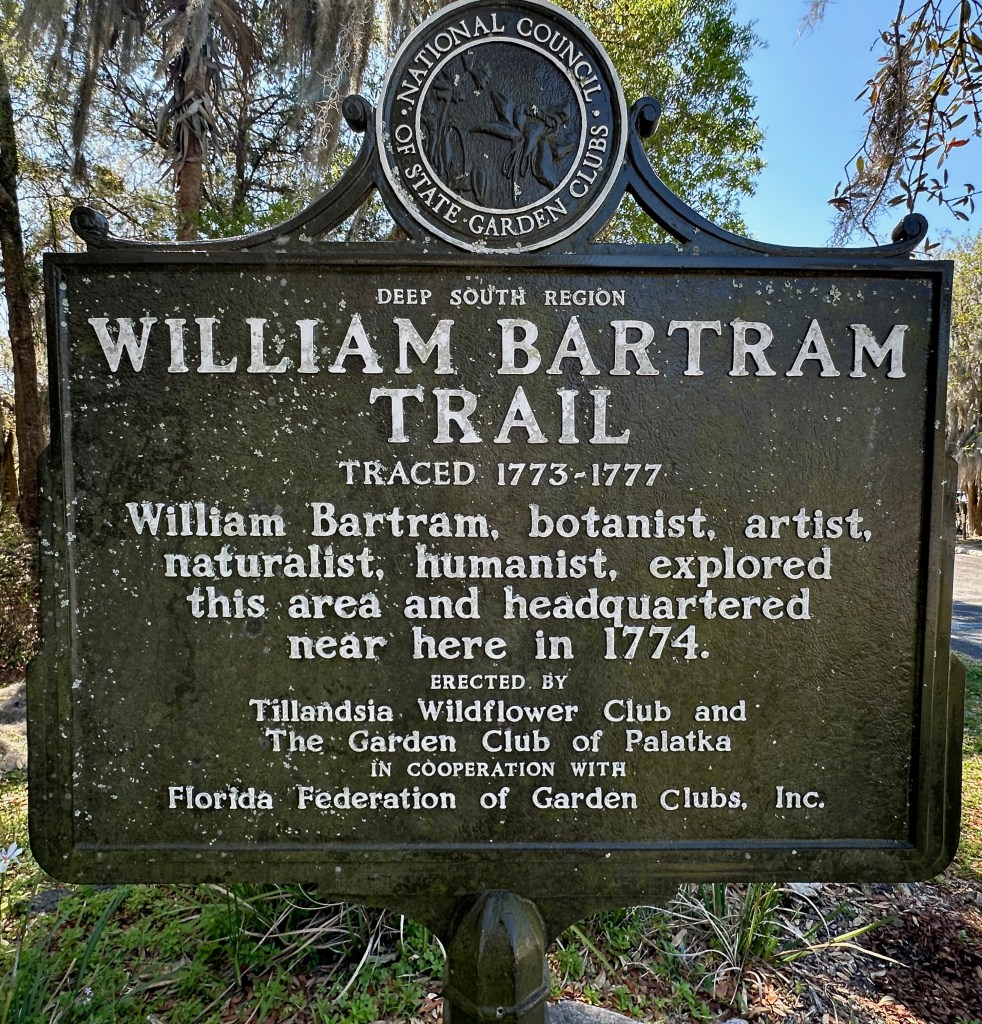
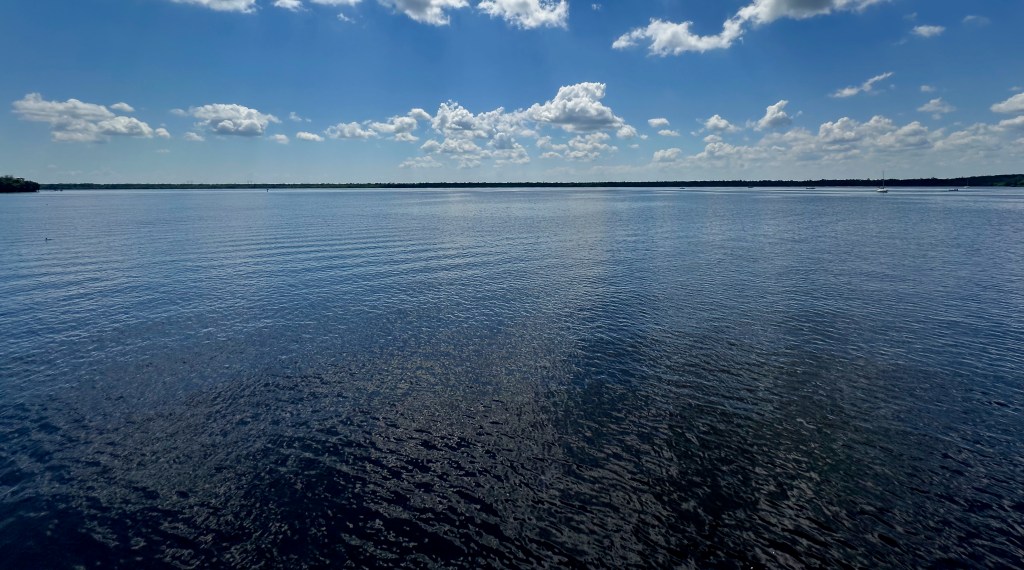
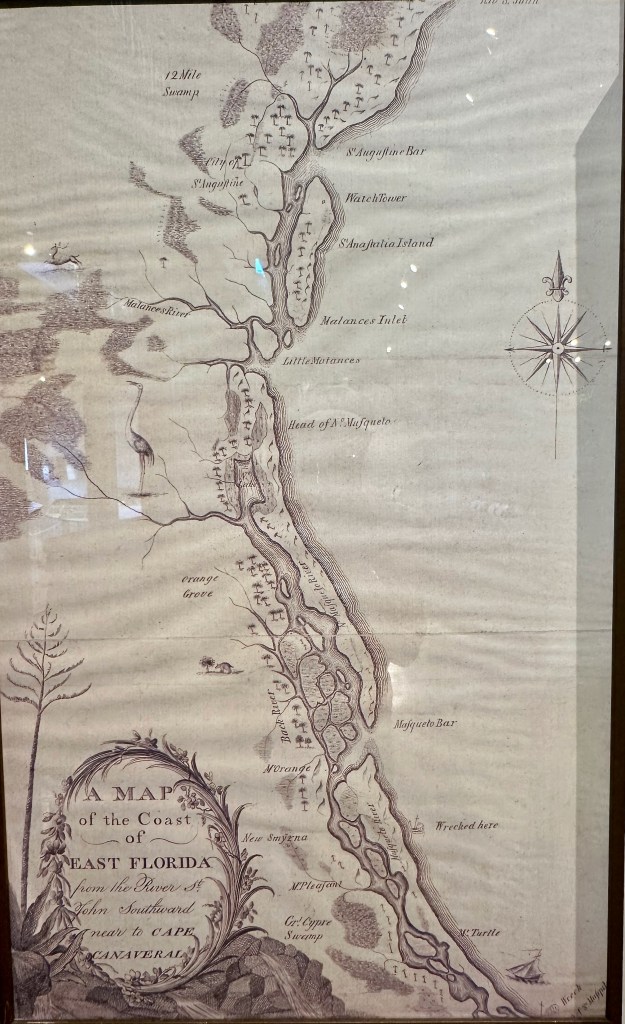
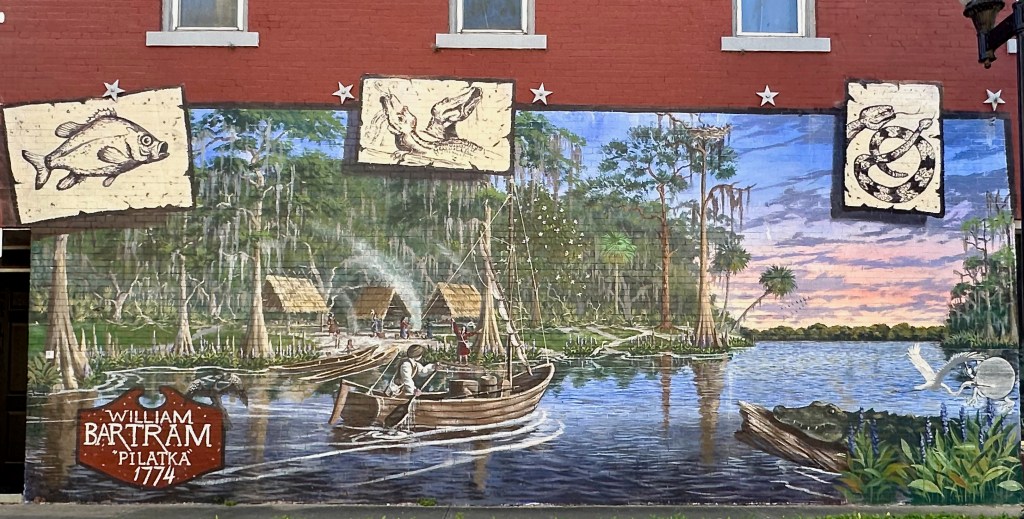
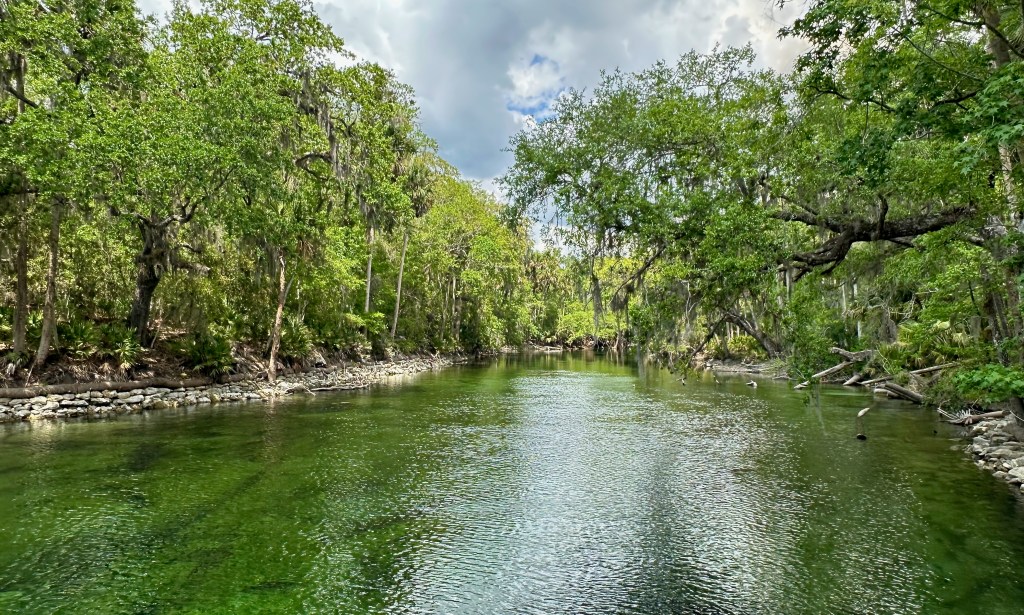
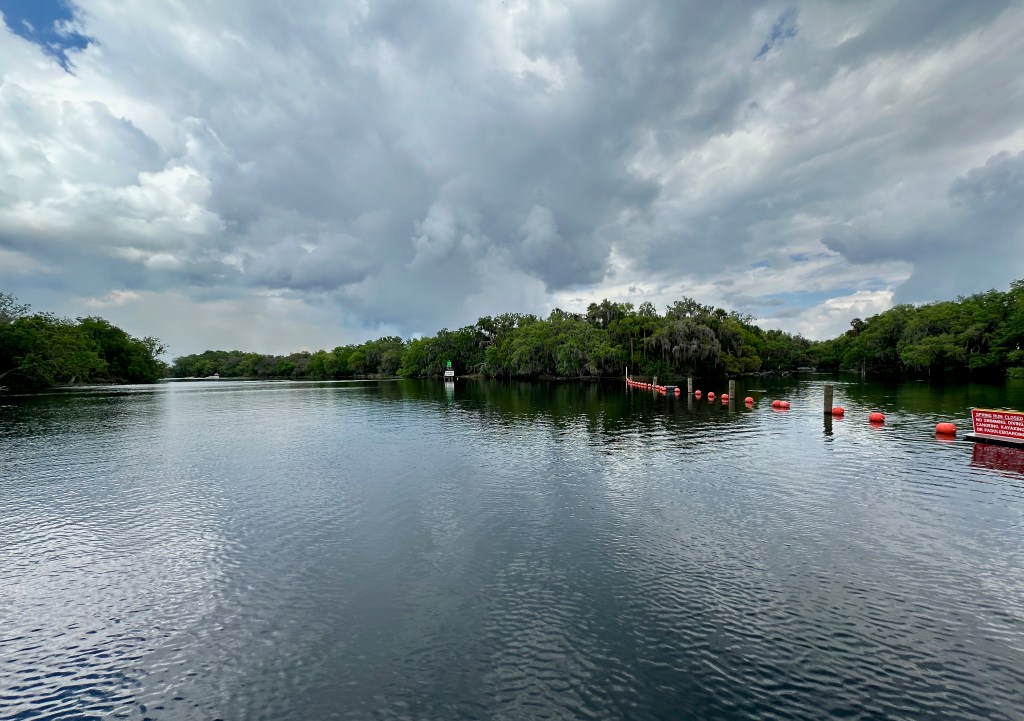
From his nearby home base, Bartram ventured upriver to Blue Spring. It’s odd to call a southern location upriver but the St. Johns is distinctive in that it flows from south to north. Though the term flow is generous, over its entire 310 miles the river drops less than 30’. Battling the current is not the issue but wayfinding is, especially in the Upper Basin where the river fans out to include 13 lakes. One of the lakes, Lake Hell ‘n Blazes* the headwater of the river, earned its colorful name because it was so notoriously difficult to navigate.
Bartram wrote about his Blue Spring trip in his Book “Travels”, relating that a wolf stole fish from his campsite and large alligators almost capsized his little boat (the last is not surprising since his trip was during alligator mating season). He also ventured west, out to the Alachua Savannah, which funnily enough was where I was headed next…
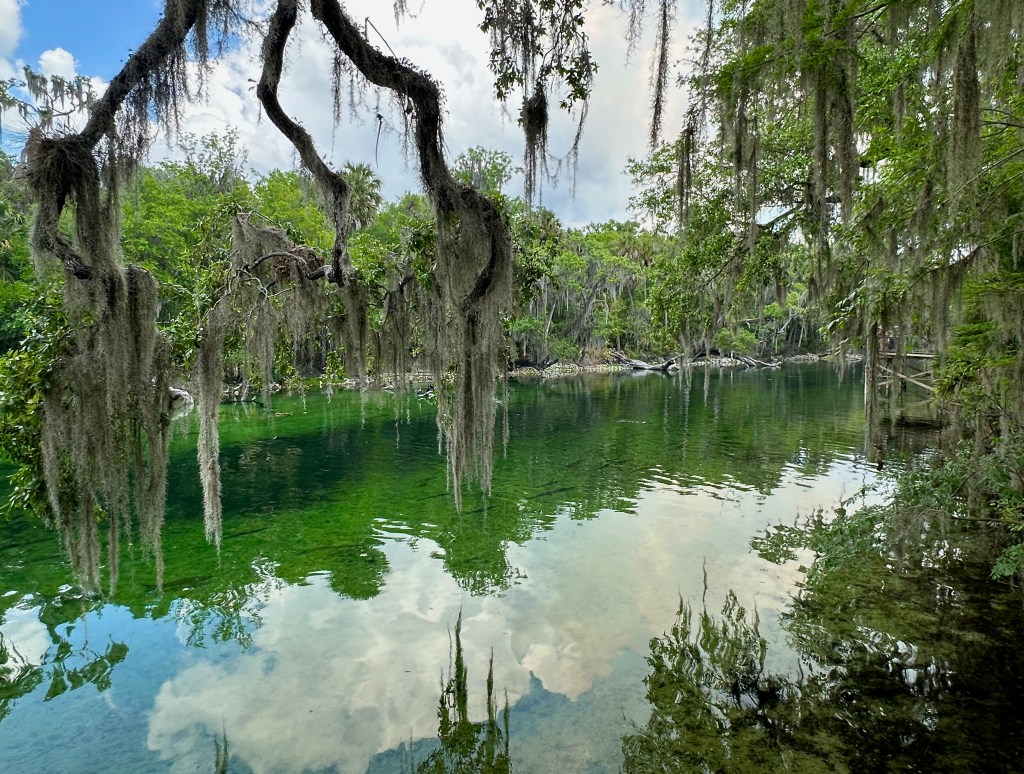
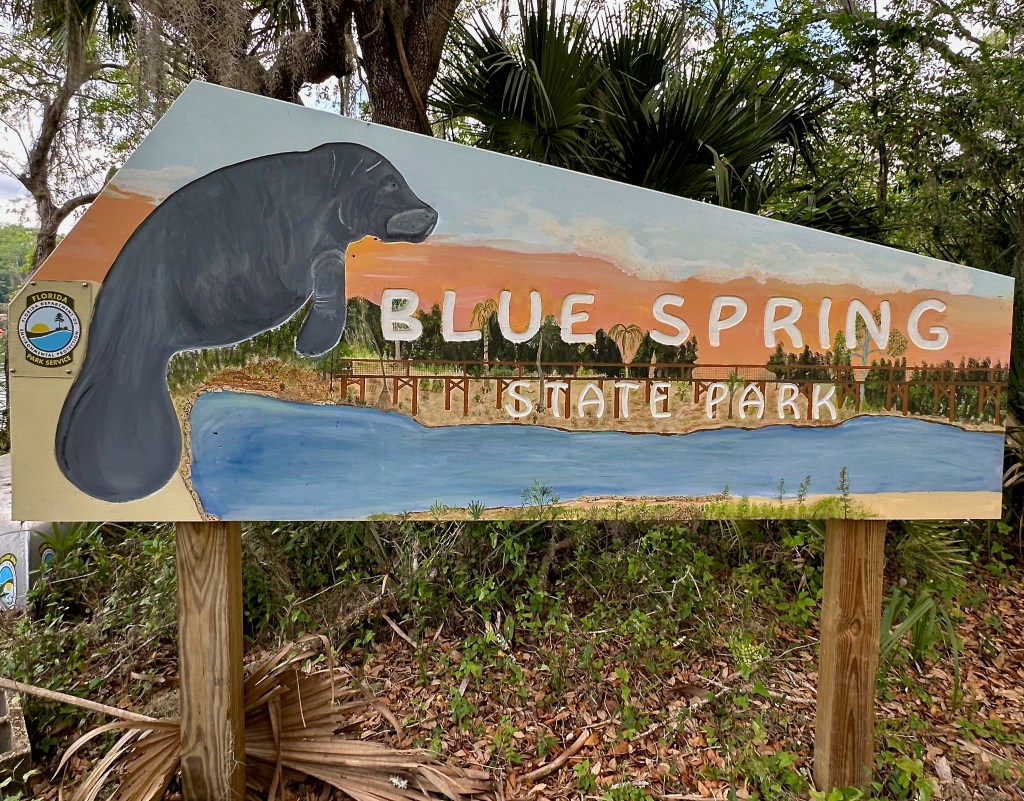
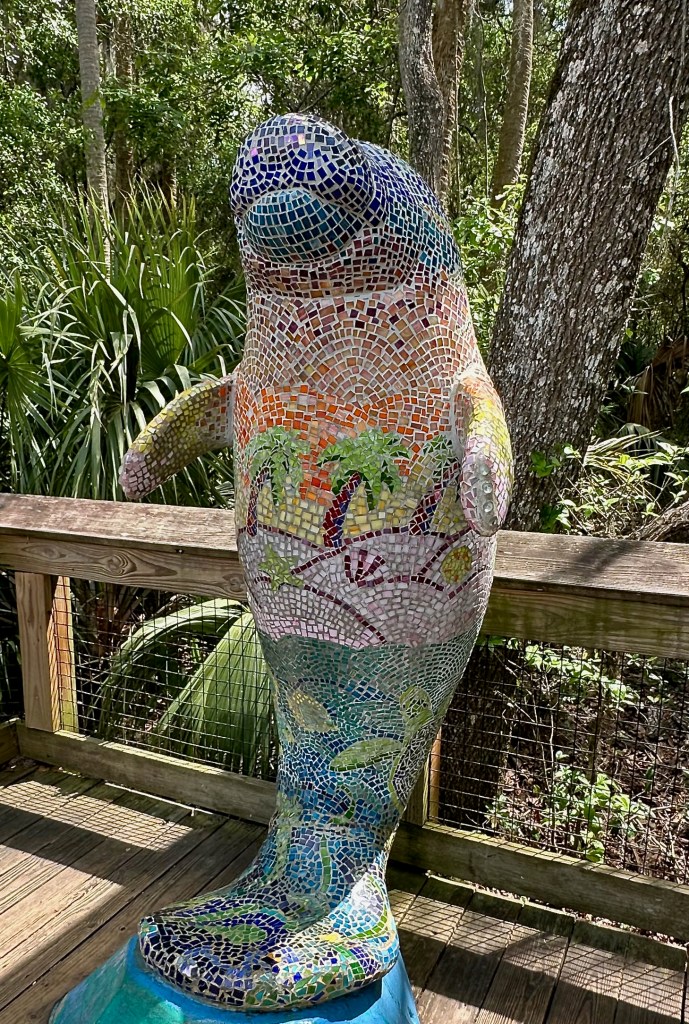
There were several reasons that I was drawn to that location: it’s the largest spring along the St. Johns River (over 100 million gallons of fresh water bubble up every day), it hosts the largest winter population of manatees in the state (on February 2 this year there were a record 834 manatees crammed into the spring run), and for a few weeks every Spring the park sparkles after dark from the mating dance of the Florida Single Snappy (Photuris congener).
The past month of warm weather increased the water temperature in the St. Johns River, so there weren’t any manatees hanging around. Since I knew that they just take advantage of the 72° water during cold spells, I wasn’t disappointed (though other visitors were). Manatees, despite their considerable girth, are unlike seals and whales in that they do not have blubber so they rely on warmer water during the winter.
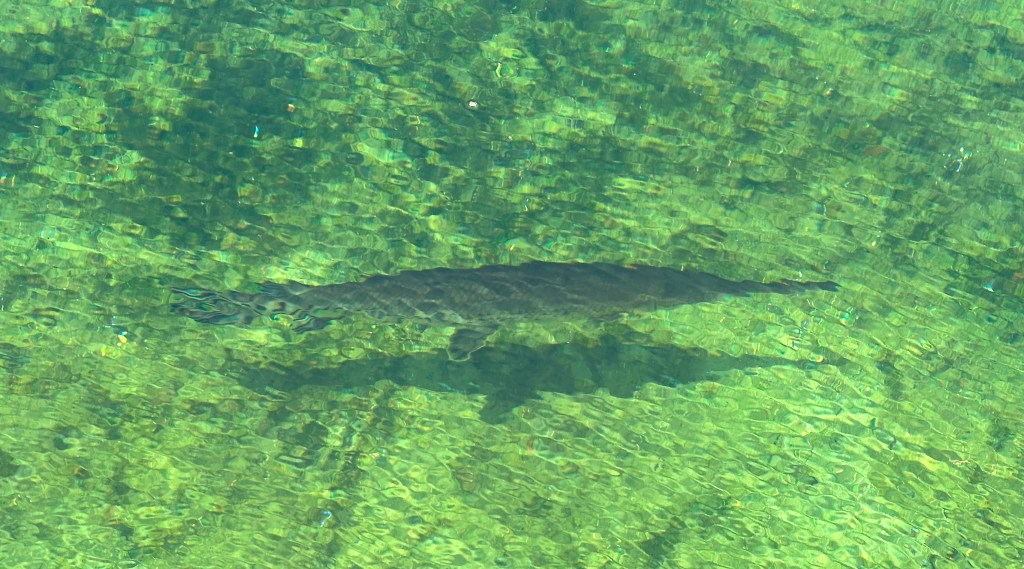
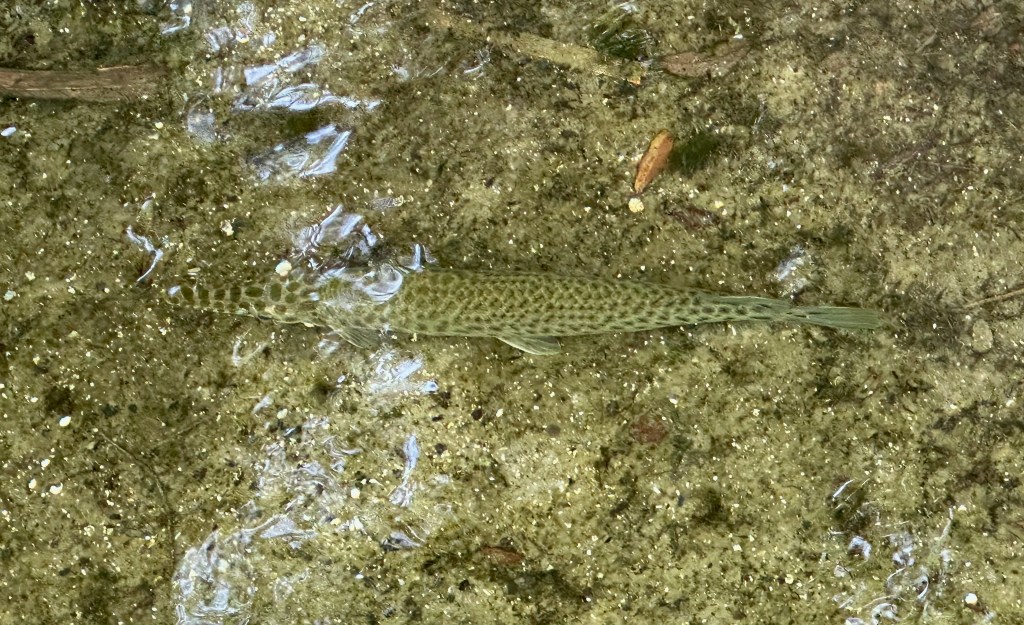
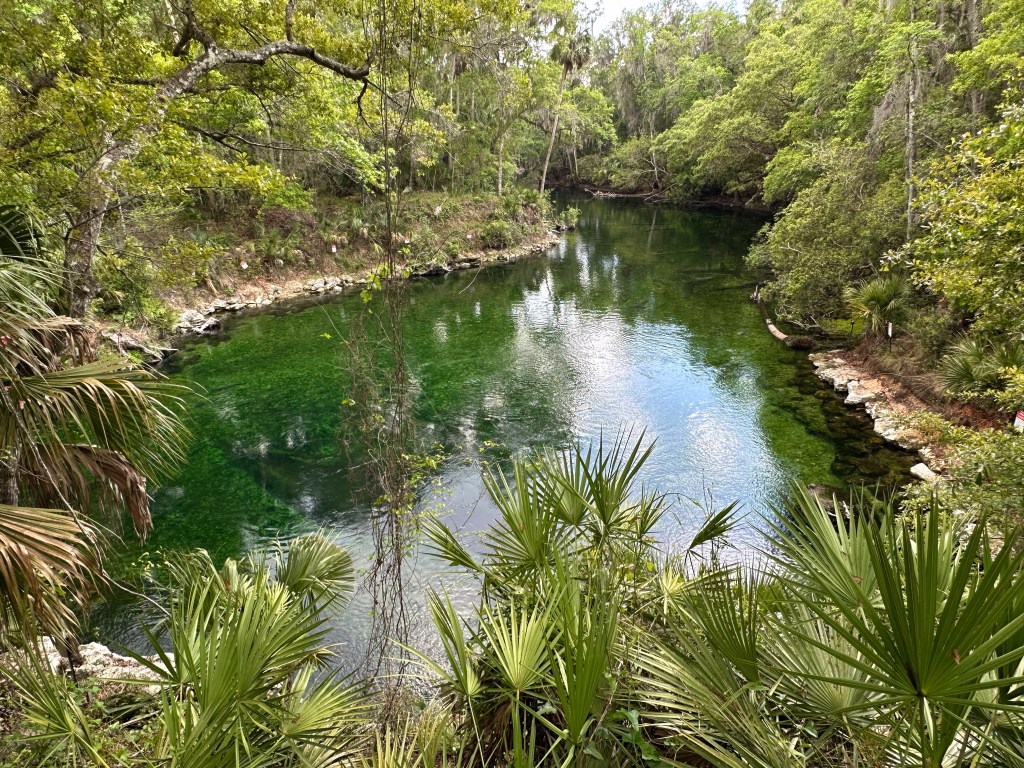
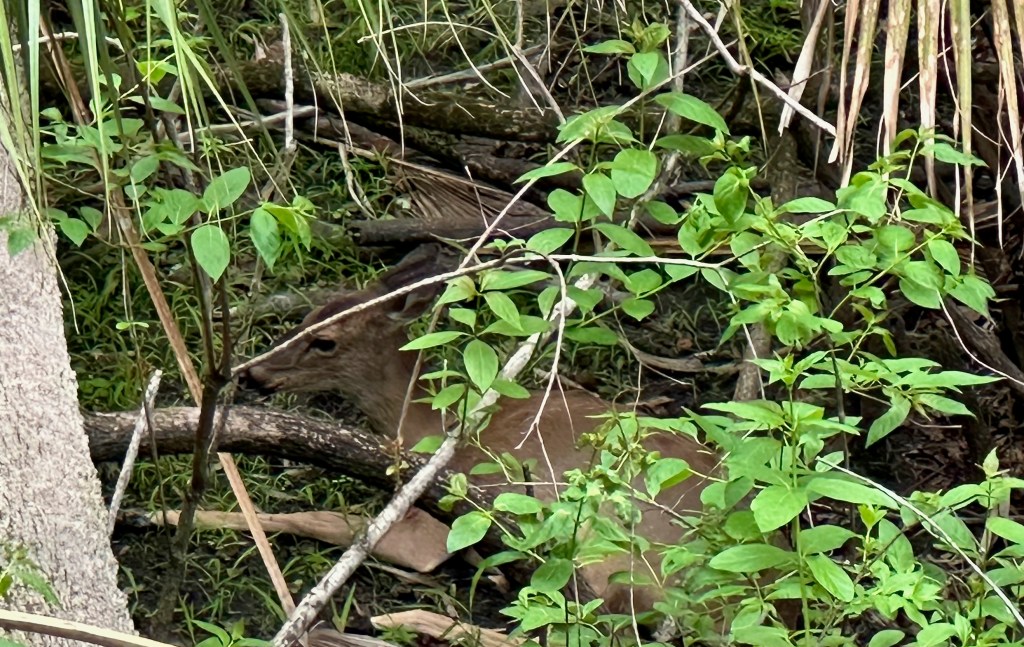
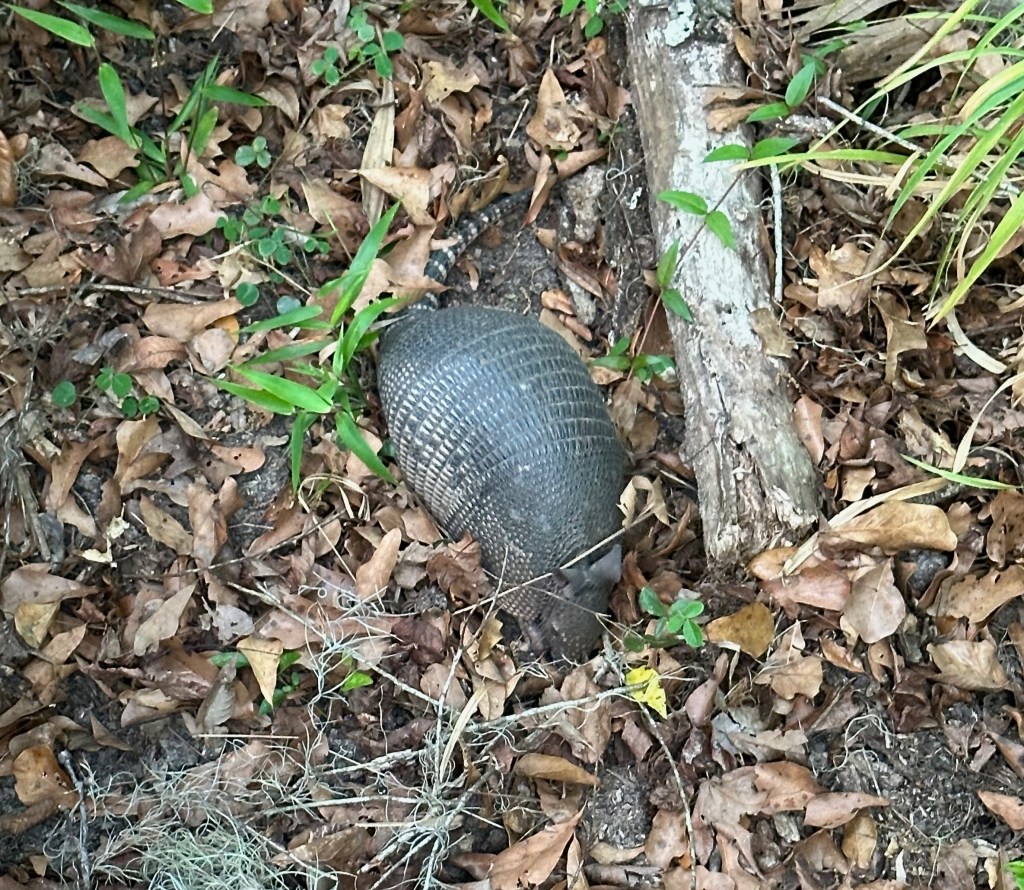
There was still plenty of wildlife to admire as I wandered the trails. And more interesting history than I anticipated. Long before the Spanish landed in Florida (and all the way up until roads and railroads), the St. Johns River was a watery thoroughfare. A large shell mound near the river is evidence that Native Americans used the site for generations.
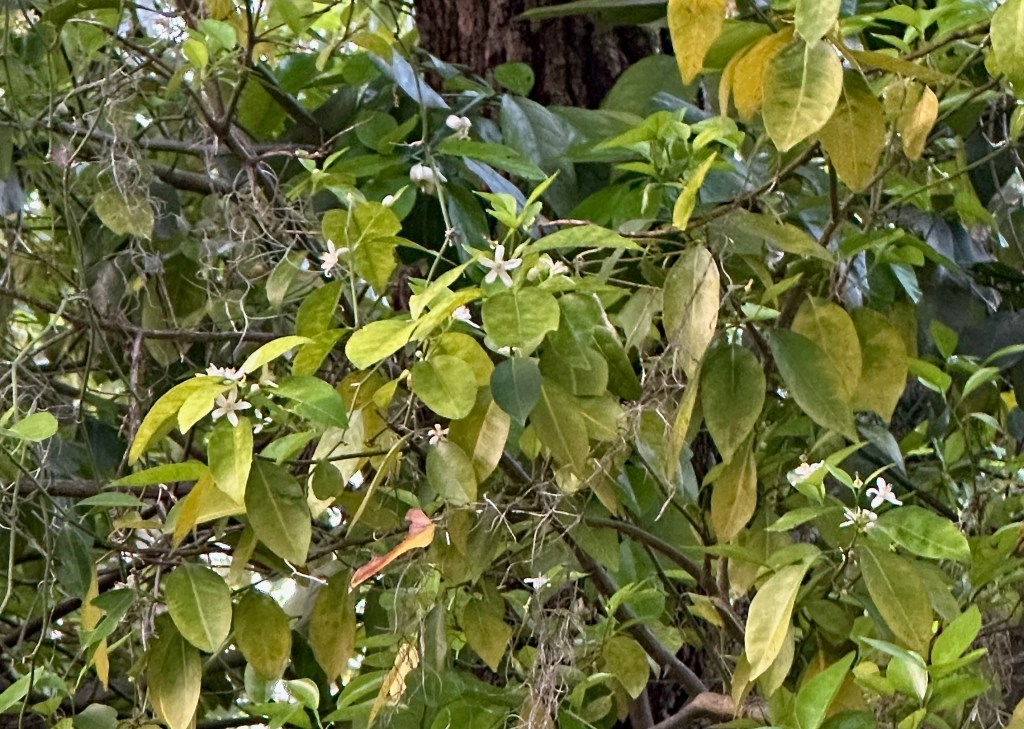
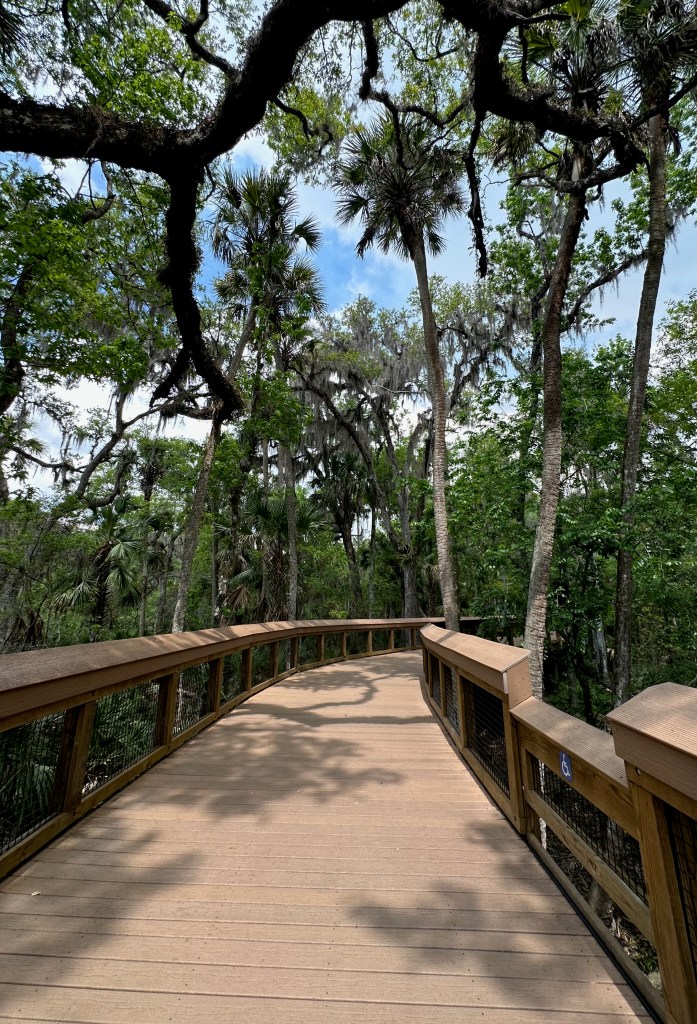
In 1856, Louis P. Thursby bought the land at the confluence and opened Blue Spring Landing, one of the first steamboat landings on the river. He and his family also planted one of the area’s first orange groves. I caught a whiff of orange blossoms while walking the boardwalk. Since it is my absolute favorite smell, I circled around looking for the tree. I finally spotted the scraggly tree, fighting through the shade of a massive oak. Amazing when one considers it’s a feral descendant of the Thursby’s orchard that was planted 170 years earlier!
After getting my bearings I left the park to check into my room in nearby Orange City. When founded, the town’s name rang true as it was located in Florida’s vast orange growing region. During the 1870s and 80s citrus and other commerce traveled along 400 miles of waterways, primarily the St. Johns. In its heyday, 1894, Florida exported 5 million boxes of oranges. Sadly, a brutal cold snap, known as the Great Freeze, killed roughly 99% of the orange trees in that area. As a result, Florida’s orange production shifted further south to milder climes.
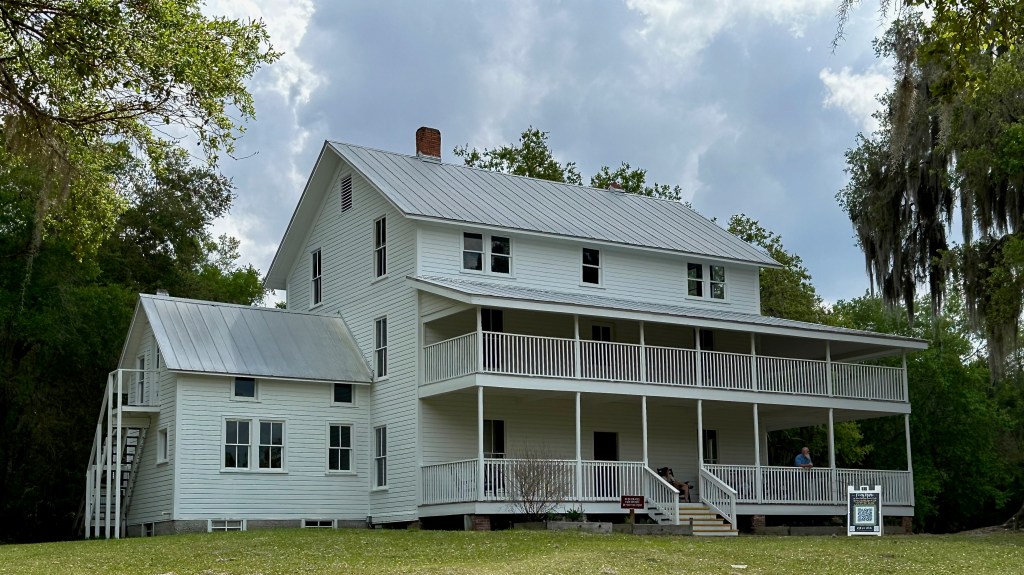
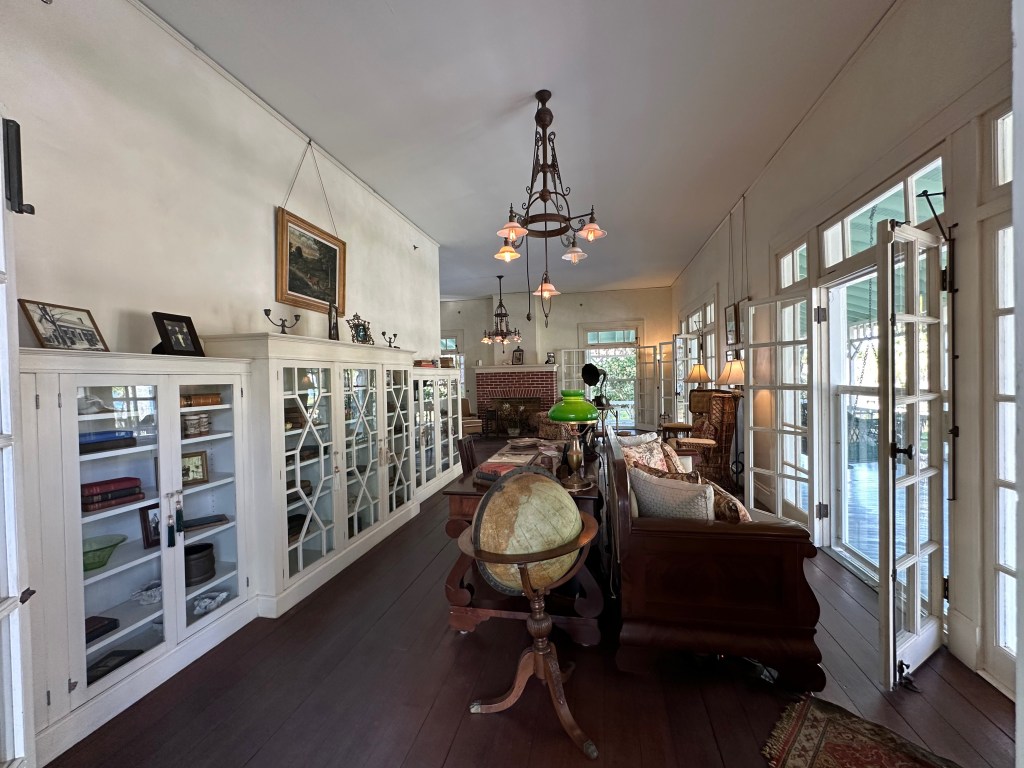
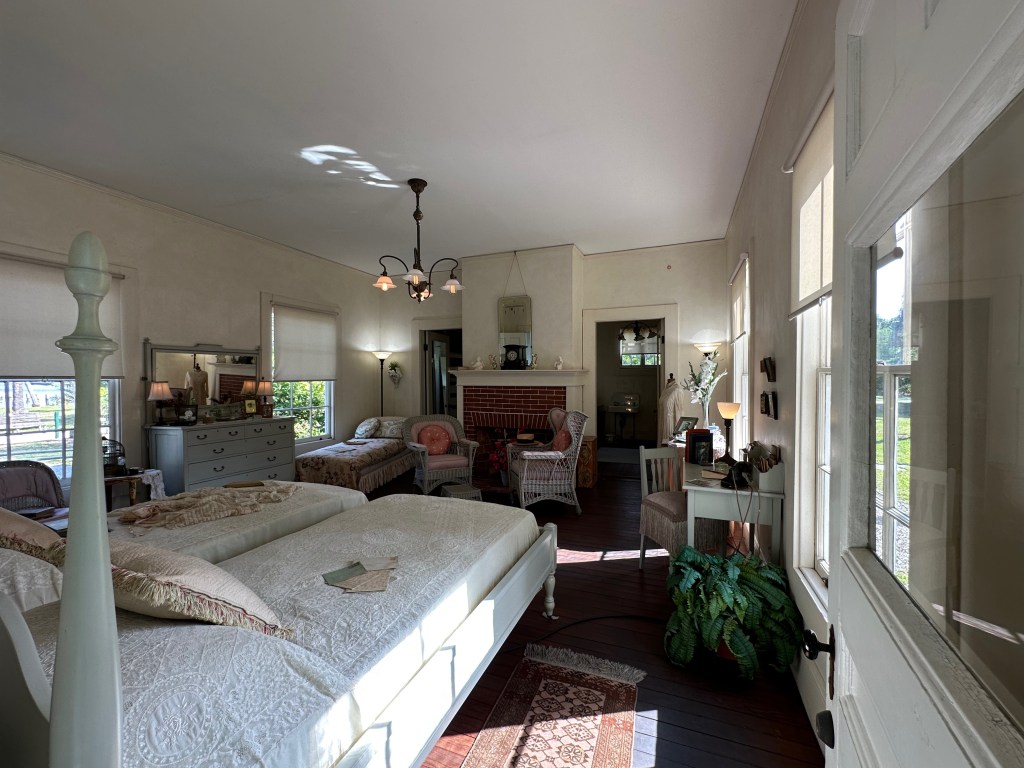
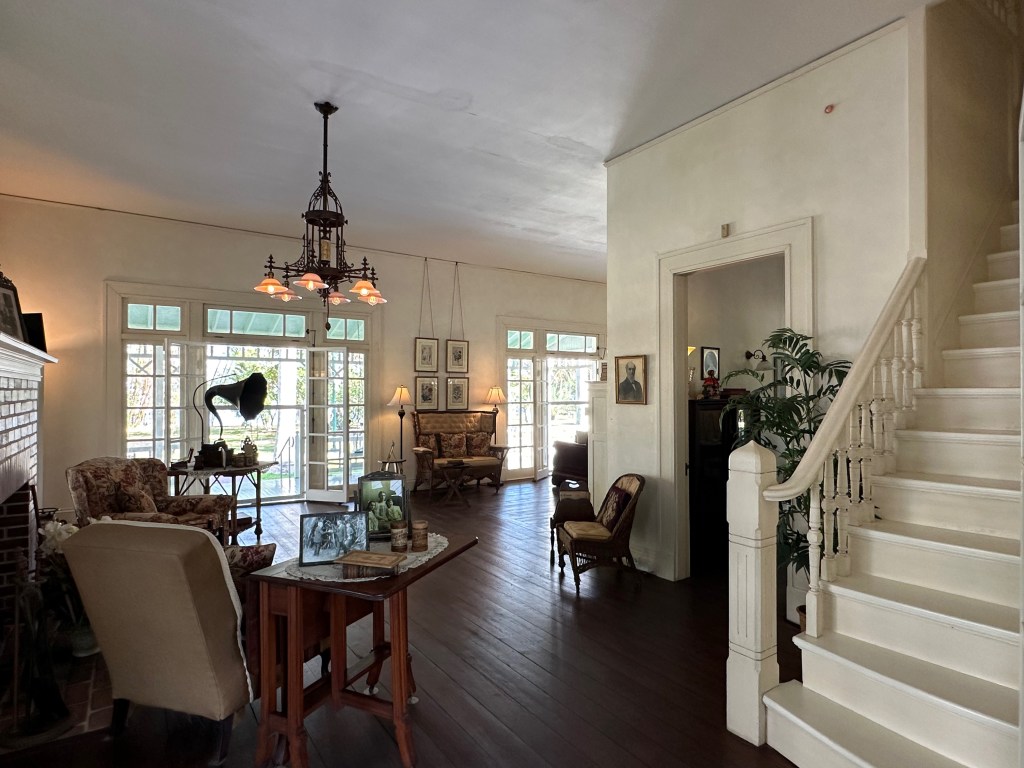
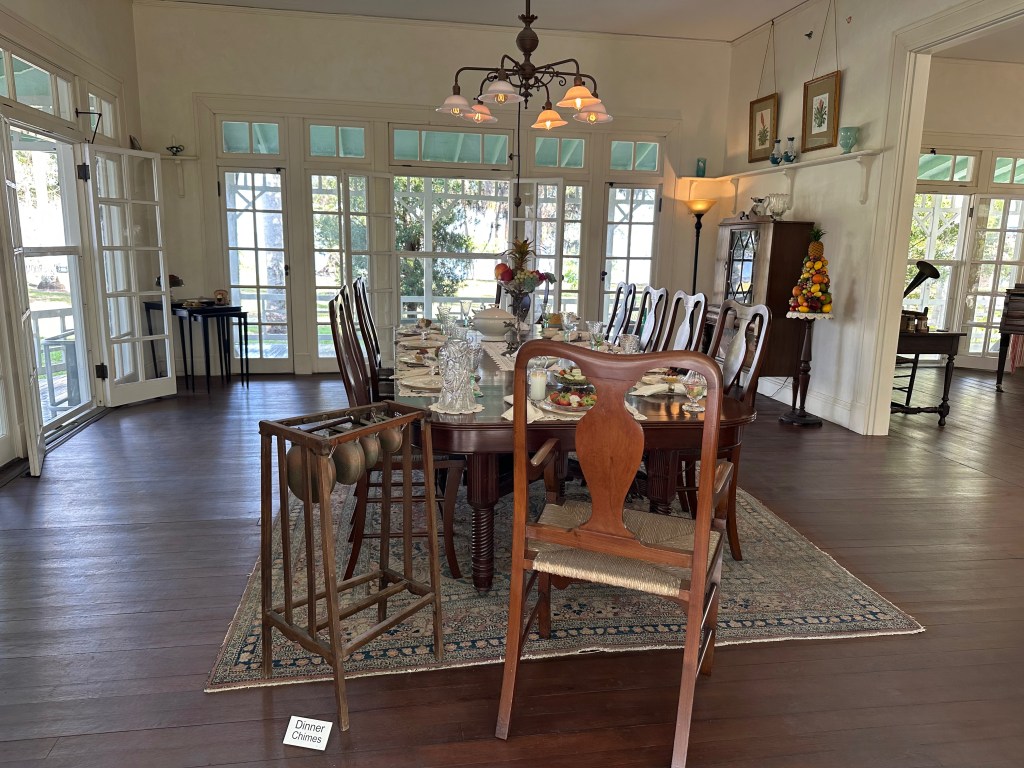
After a brief refresh, I returned to the Park for the feature event, Firefly Night. The park’s Friends group hosts these special evenings which celebrate fireflies and raise awareness of their dwindling populations. I listened to the ranger talk while sitting in a rocking chair on the wraparound porch of the historic Thursby House. The family home, which was built in 1872 atop the shell mound certainly has a commanding view of the river.
As for the fireflies, the Florida Single Snappy is one of the state’s 56 known species. As the name implies, this species uses one quick bright flash to attract a mate. I also learned that fireflies undergo complete metamorphosis (like butterflies) and have the ability to flash during any life stage. Each of the 4 stages last 1-3 weeks except the larval stage, which can last 1-2 years!
By then it was dark, and the first few bright flashes elicited excited murmurs from the crowd scattered along the boardwalk. It was a definitely magical way to spend the evening!
My Amateur Attempt to Capture Florida Single Snappies3
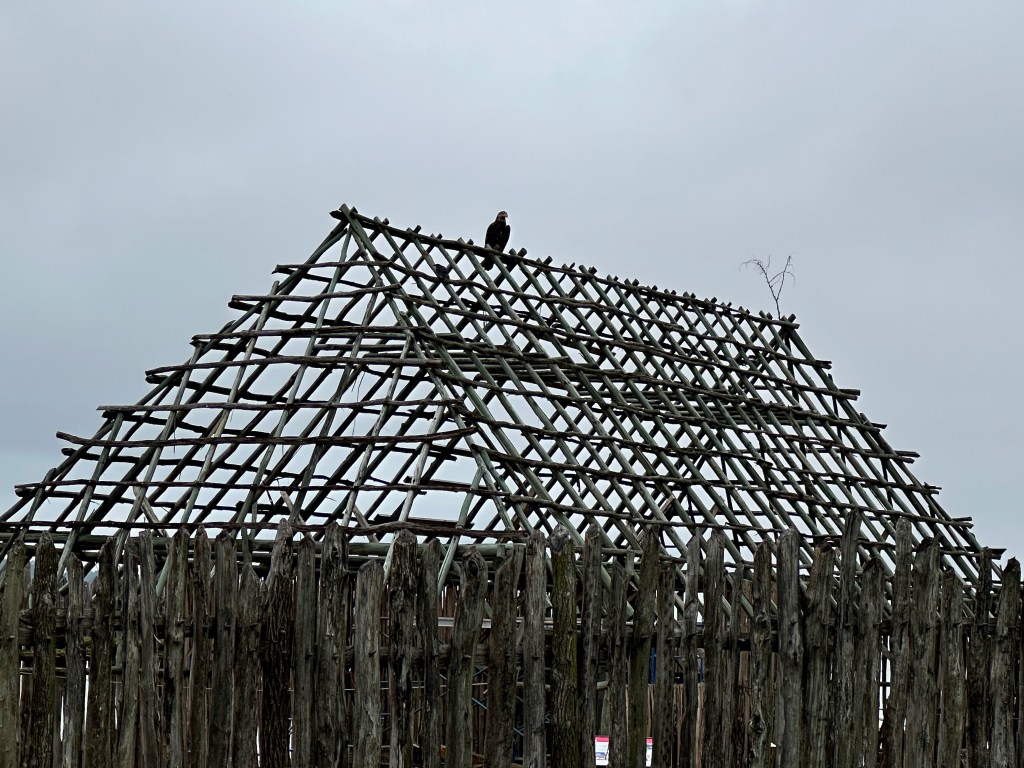
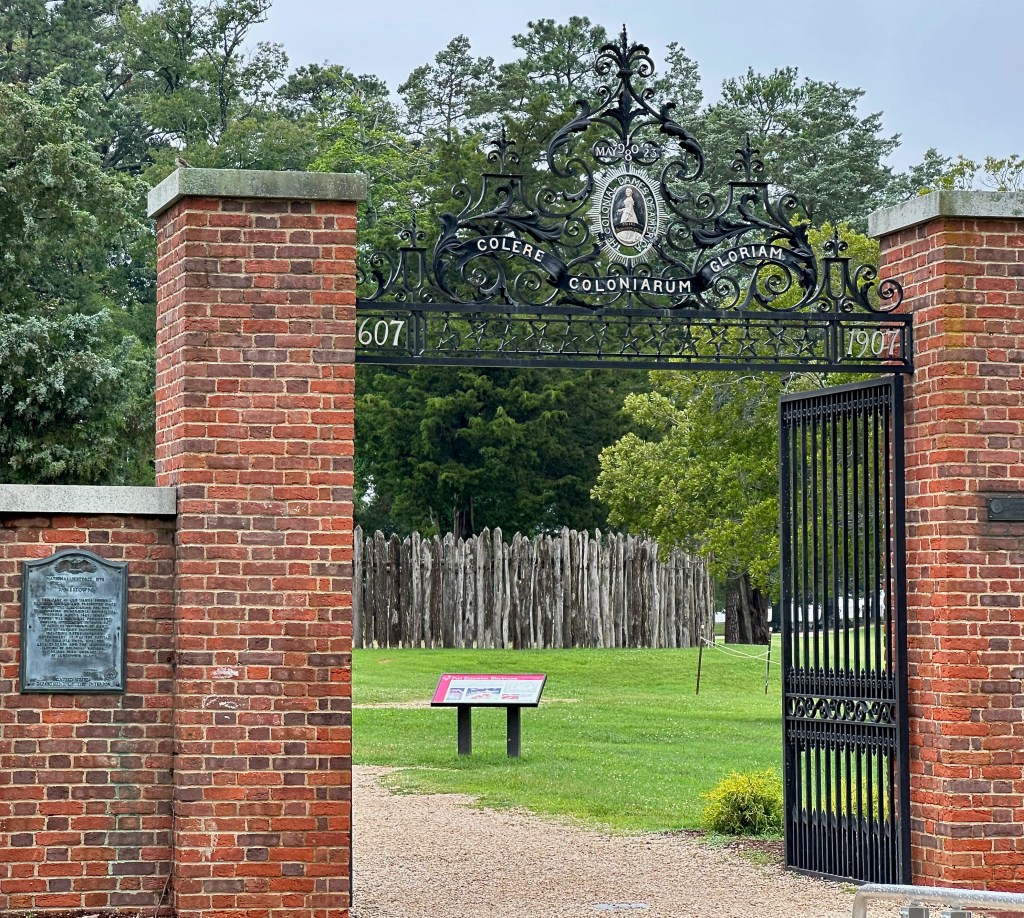
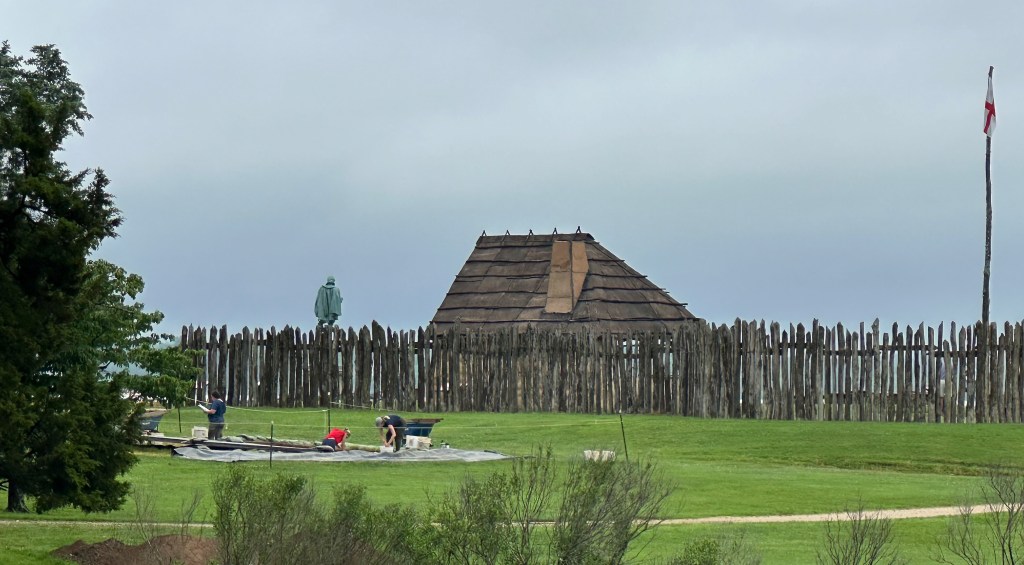
After the dismal rainy weather the day before I was greeted with a cloudy and mild morning, perfect for wandering the remains of the first permanent English settlement in North America. Speaking of firsts, I was the first visitor at the Jamestown National Historic Site that day.
In December 1606 three ships loaded with 144 men, boys, and provisions left London headed for the New World. The goal was to establish a colony to give England a foothold in between the Spanish and French land claims.
On May 14, 1607, after exploring the Chesapeake Bay a suitable location was finally selected, roughly 40 miles up a river (which they named after their king, James). As the three ships and their sailors returned to England, construction of a fort commenced.
The main prerequisites were that the land be defensible and unoccupied. The fort’s location on a bend in the river provided good sightlines. However, the land was in use by native people, though only seasonally. The Powhatan tribe did not have a permanent village there because, as the newcomers soon discovered, the swampy land wasn’t arable, there was a dearth of fresh drinking water, and the surrounding slack water bred hordes of mosquitoes.
Despite those hazards, and mainly through the largesse of the Powhatans, the colonists survived (unlike the earlier settlers at Roanoke which all mysteriously disappeared in the late 1580s). But survival wasn’t the only goal, the colony needed to find and cultivate materials for export.
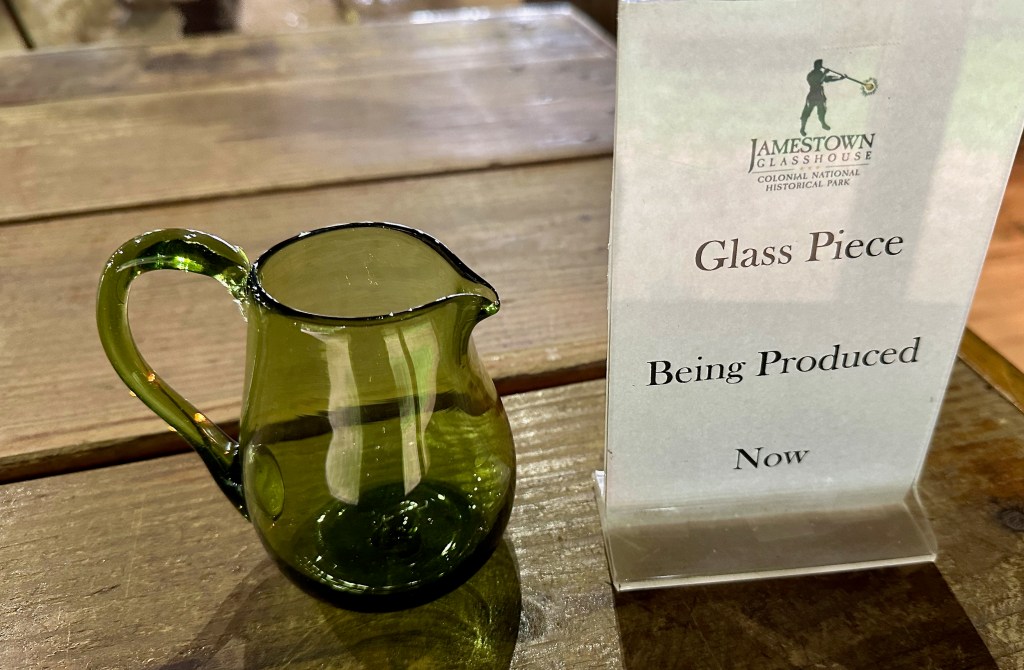
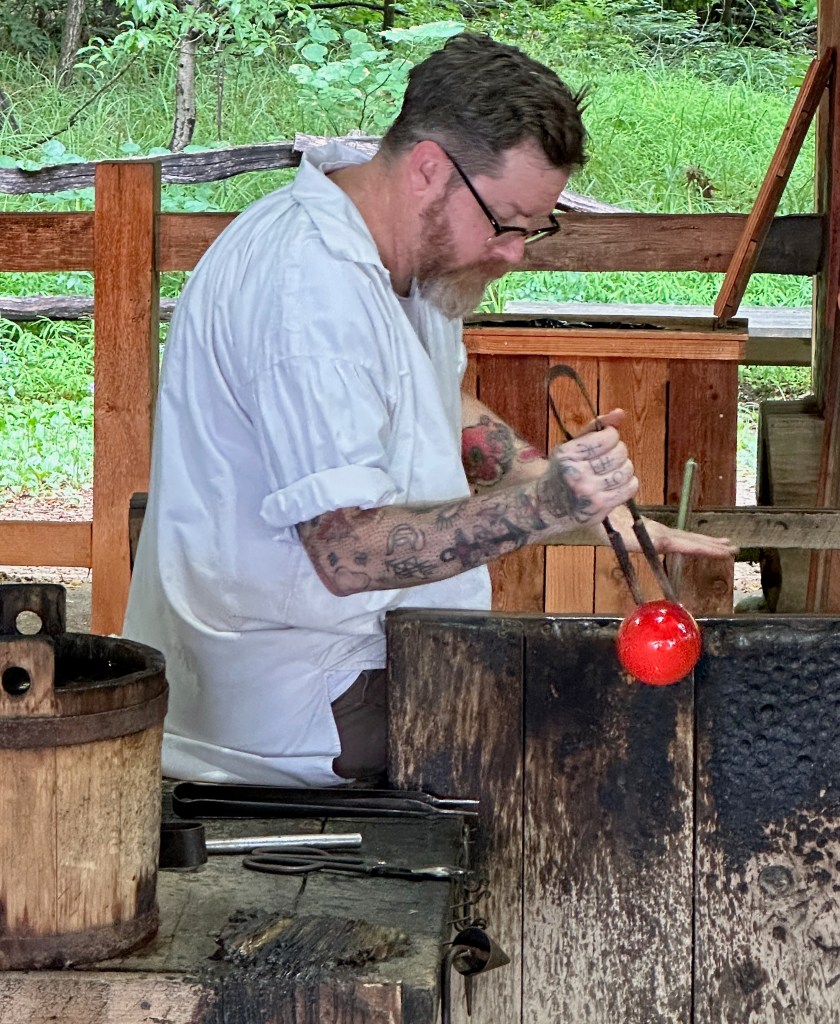
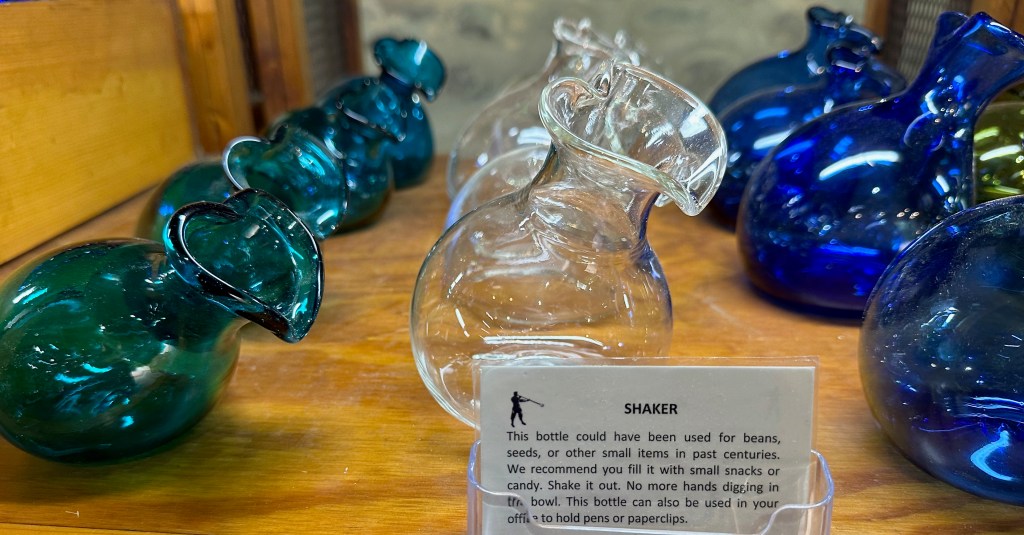
Timber and forest products were in high demand in England, though cumbersome to transport. The settlers planted grapes for wine and mulberry trees for silkworms. They even tried glassblowing, mining, and shipbuilding. Of all their attempts, tobacco quickly became their most valuable commodity.
The downside of that cash crop? It was labor intensive. The economic woes in England provided a handy solution. Indentured servants were sent over by the boatload to work off their debts (or crimes, such as murder or even merely stealing a loaf of bread). Sadly, over 55% of them did not survive the harsh working conditions.
While ultimately a success story, I appreciated that the exhibits in the museum and on the grounds attempted to provide a balanced view. This first permanent colony produced a lot of firsts, not all of them good, such as the first plantations and the first slaves (with the arrival of stolen and enslaved Africans in 1619).
We are all fortunate that places such as this have been preserved and are still being studied. As Winston Churchill said in a 1948 speech to the British House of Commons, “Those that fail to learn from history are doomed to repeat it.”