Tag Archive for ‘travel’

Washed Up

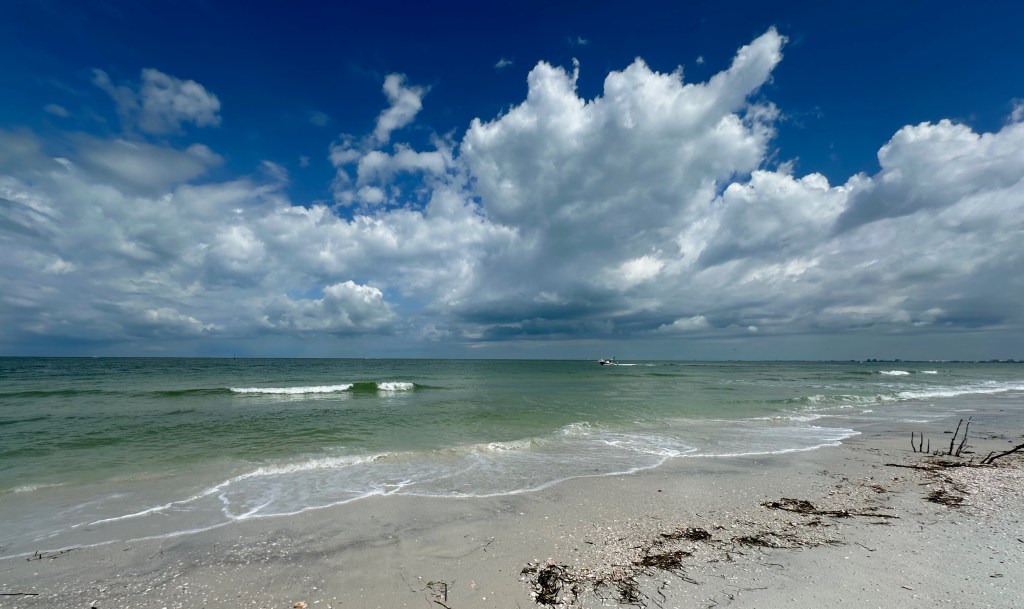
Last week I took advantage of a slightly overcast morning to wander the beach at nearby Fort De Soto Park. I hit the sand shortly after the park opened, so it was just me and the literal early birds out there.

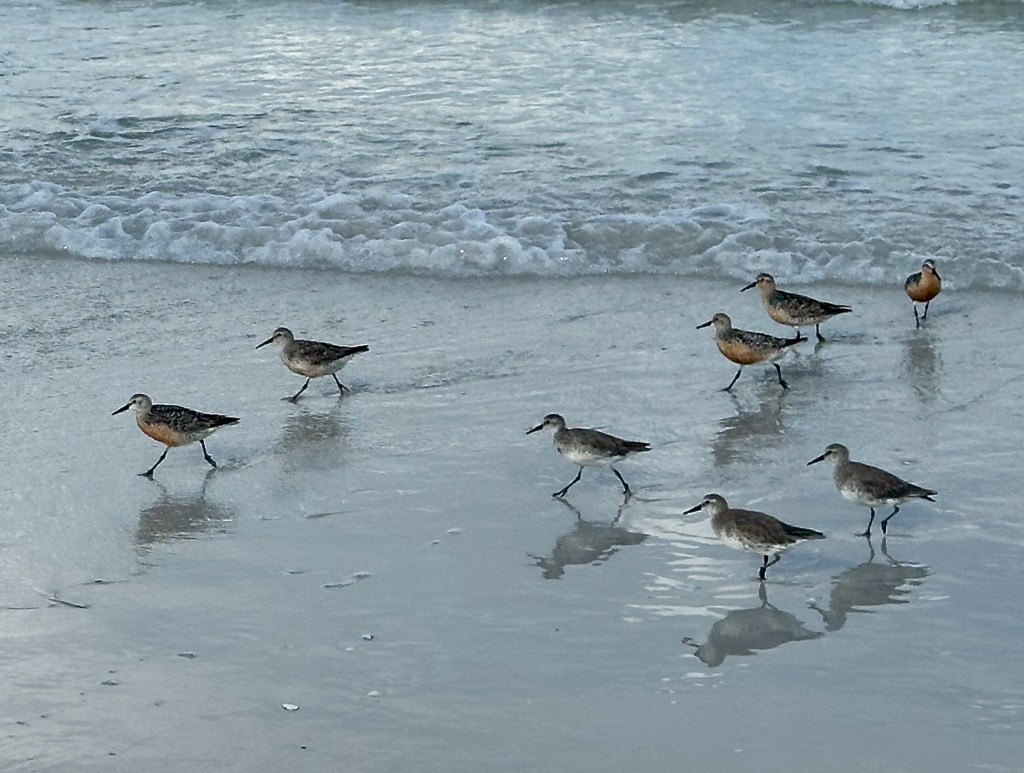
My avian friends mainly consisted of Willets (Tringa semipalmata) and Red Knots (Calidris canutus rufa). The former hang out here year-round while the latter are just stopping over on their migration from the circumpolar region to the southern tip of South America. That’s an epic 9,000 mile journey for a bird that’s only slightly larger than a robin with just a 22″ wingspan!

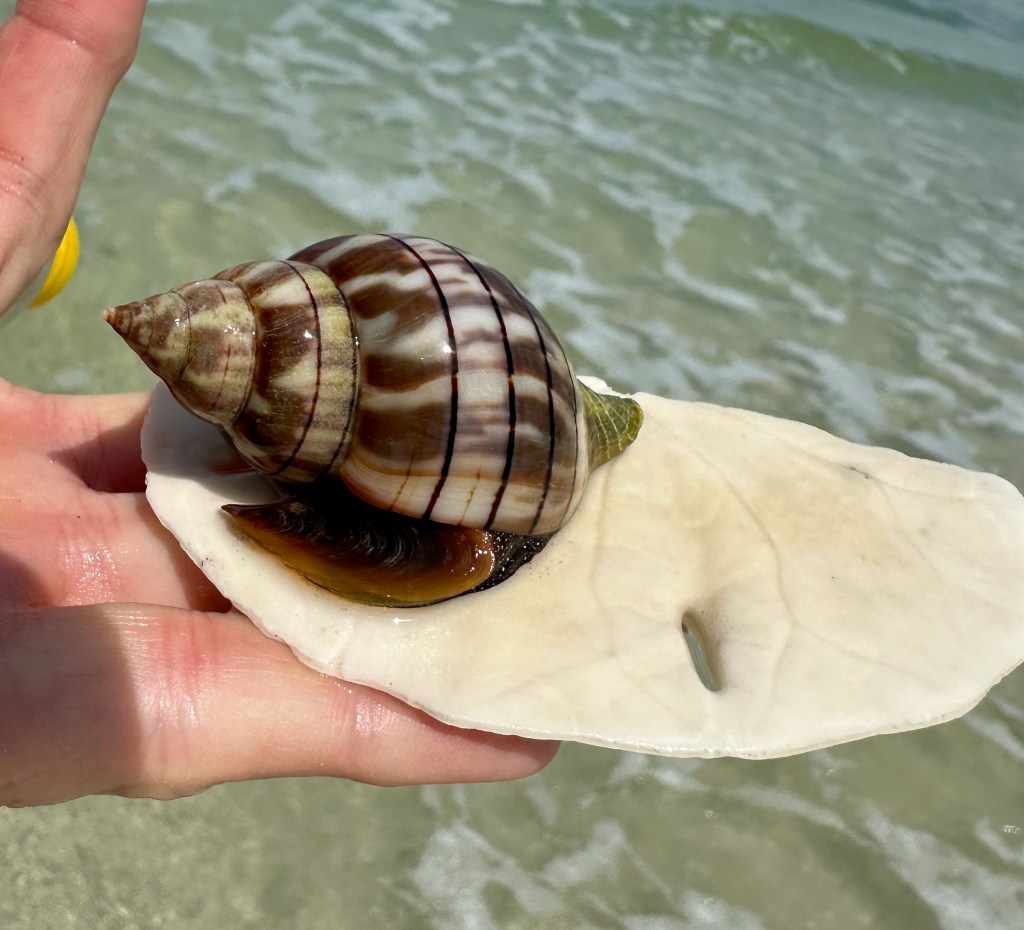
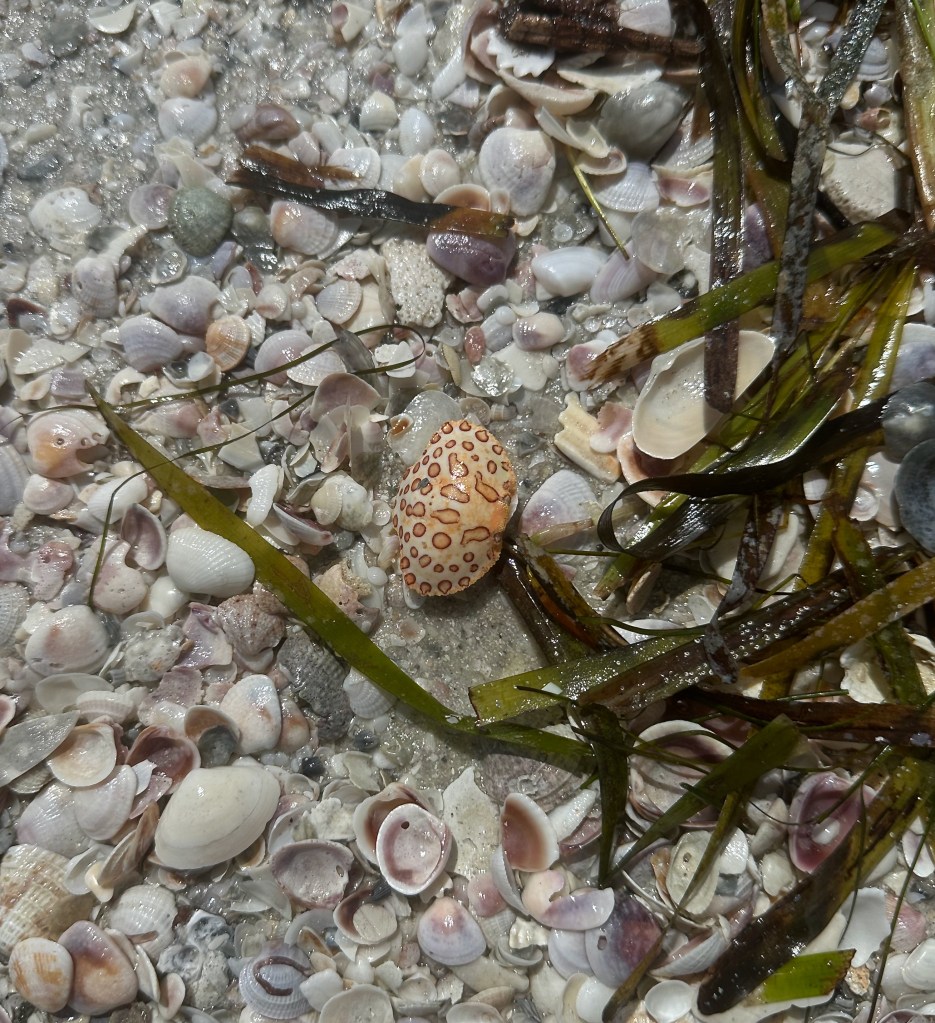
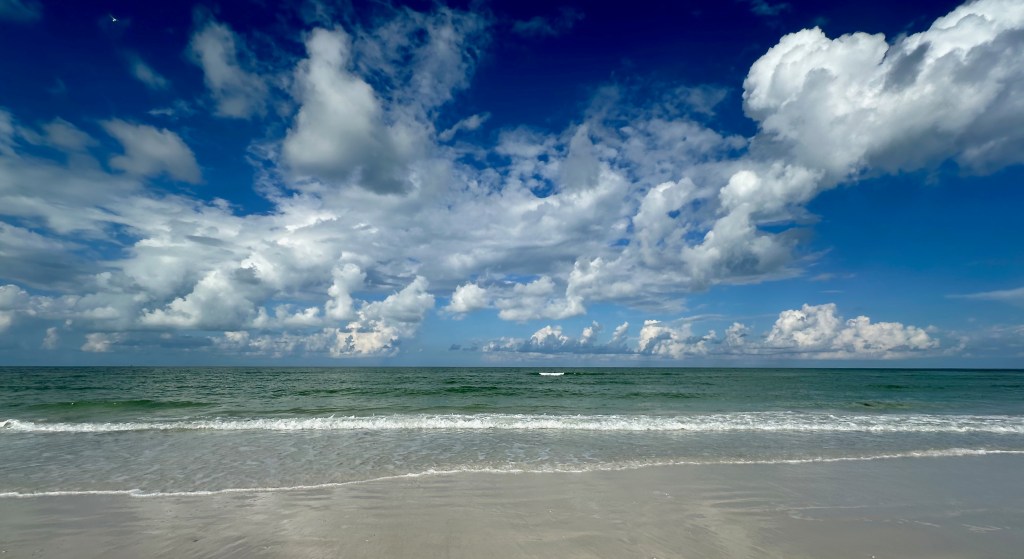
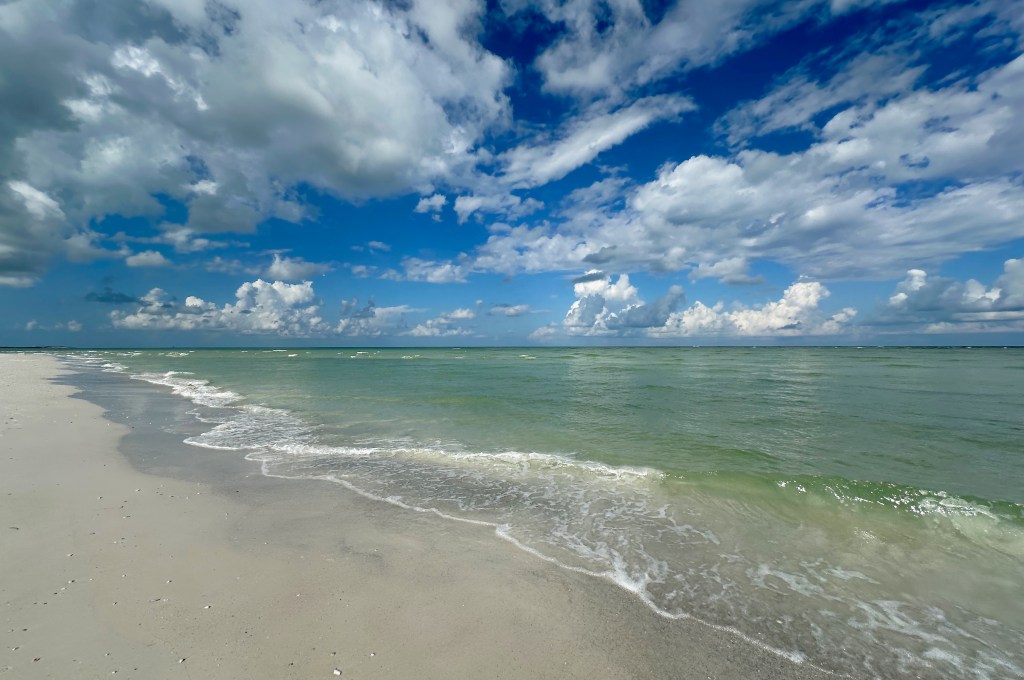
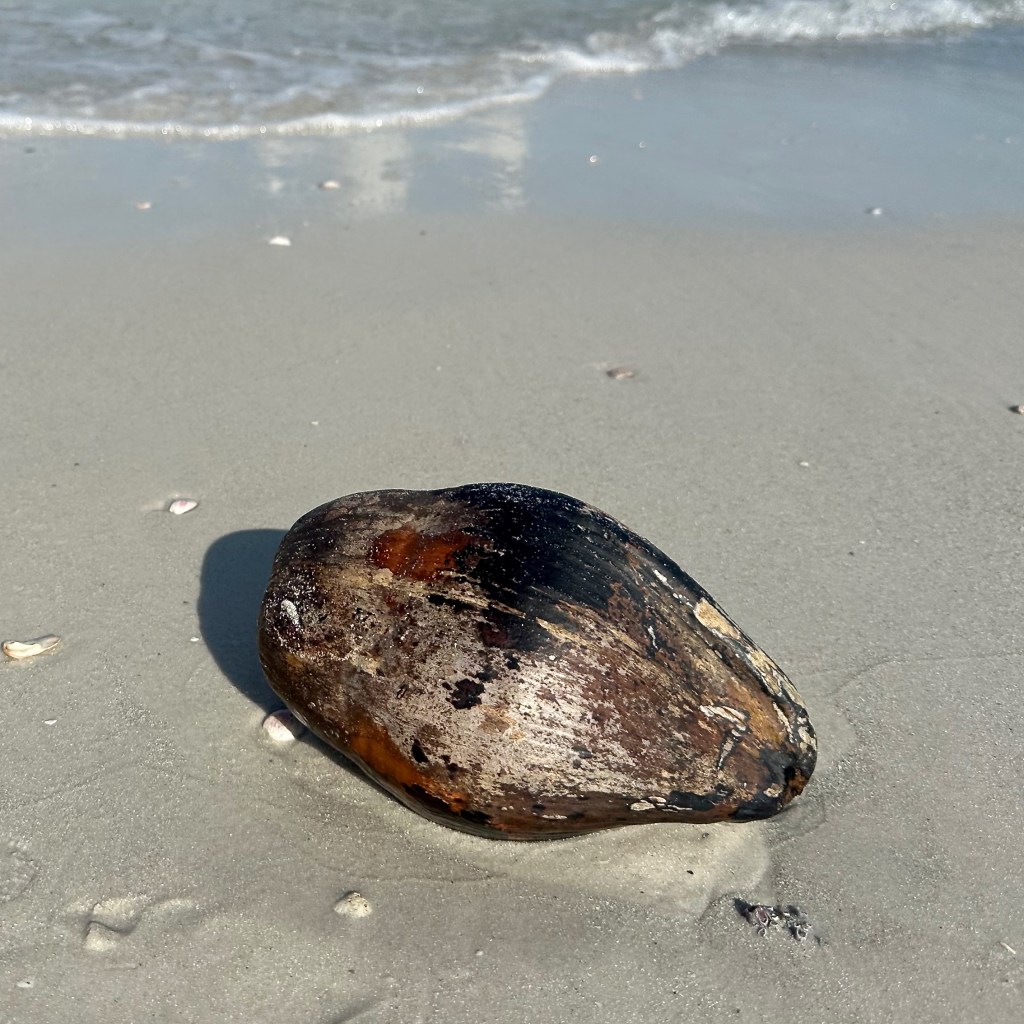
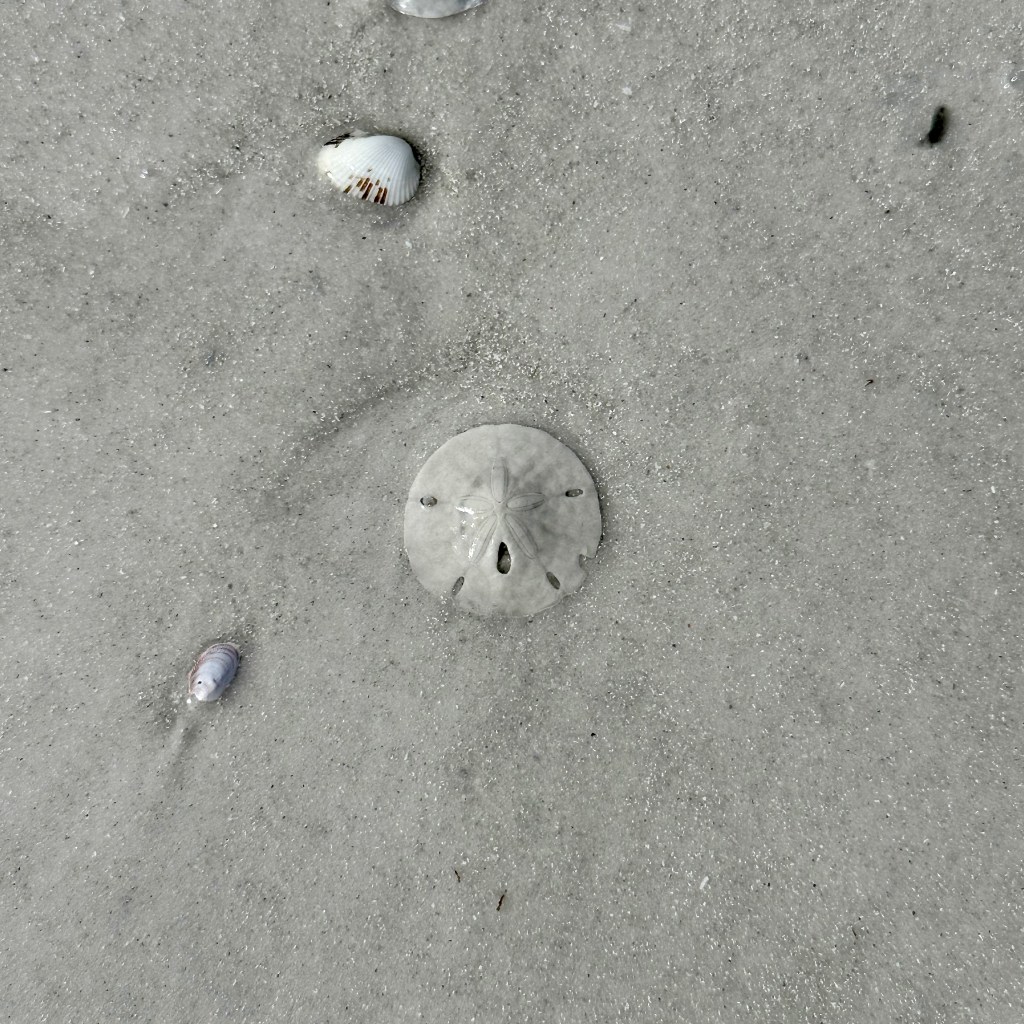
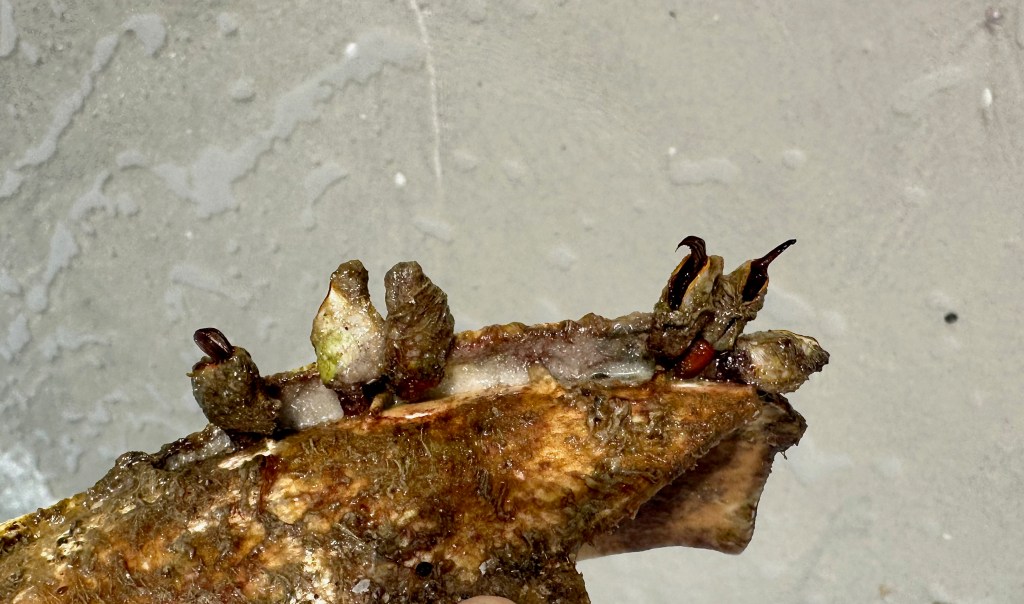
The scattered clouds put on quite a show up in the sky while the gulf left random treasures on the beach for me. In order of appearance: non-edible Sea Liver (Eudistoma hepaticum), edible Sea Lettuce (Ulva lactuca), coconut, sand dollar, piece of broken plastic hosting Stalked Sea Squirts (Styela clava) invasive stowaways, and a Tootsie Roll-shaped chunk of manatee scat (definitely not edible).

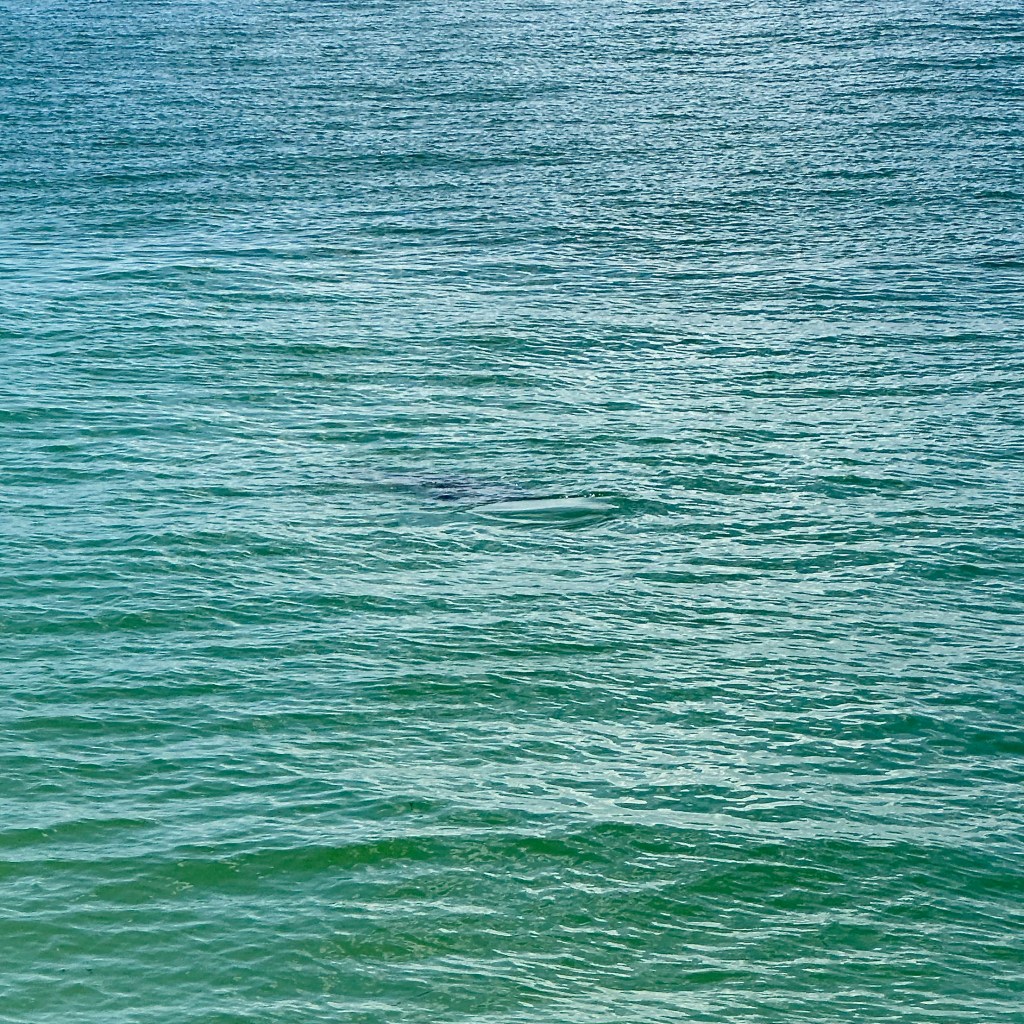
The scat looked fairly fresh so I scanned the water and was fortunate to spot a chubby mermaid just offshore. Unless they are part of a mating mob, manatees typically aren’t that active, preferring to just bob along feeding and farting (that’s how they control their buoyancy).

After they surface for a breather the natural oils on their skin leave behind just enough of residue to change the surface tension of the water which creates a tell-tale circular “footprint”. I may not get a good visual of the manatee but I know where it is. No matter what its always a treat to see them.

What a great way to start the day!
Firsts

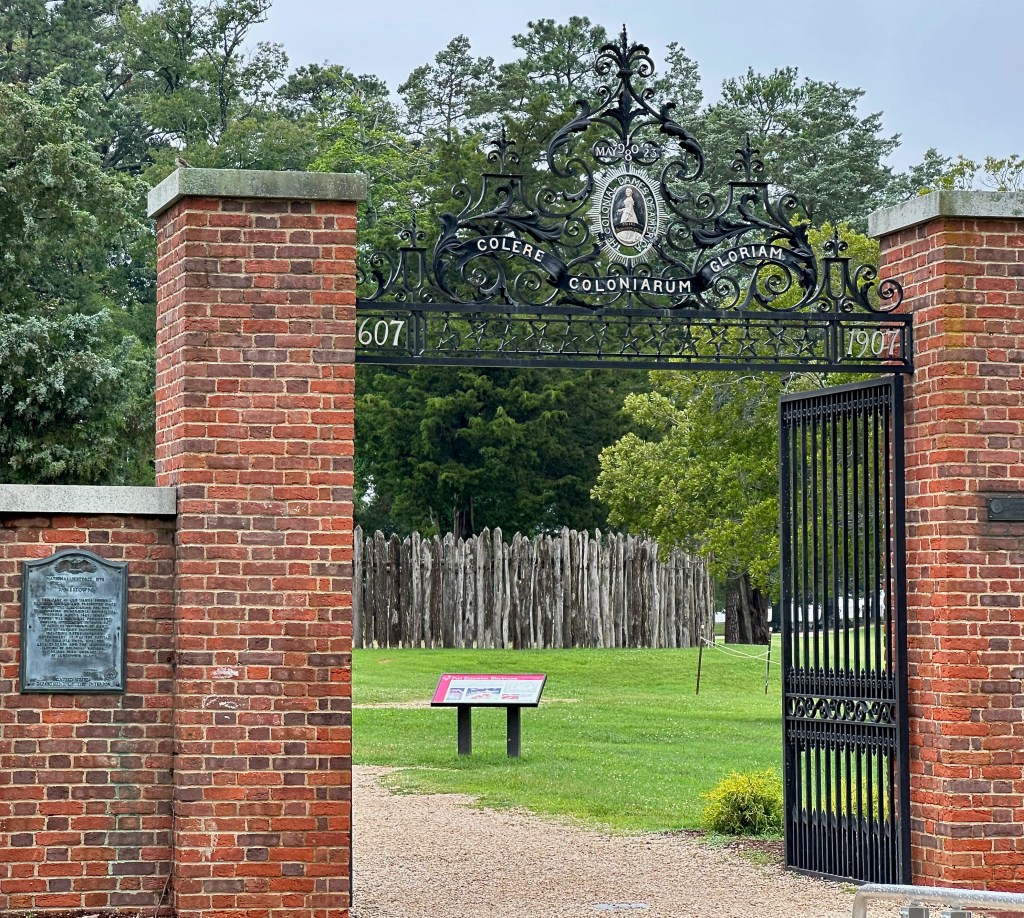
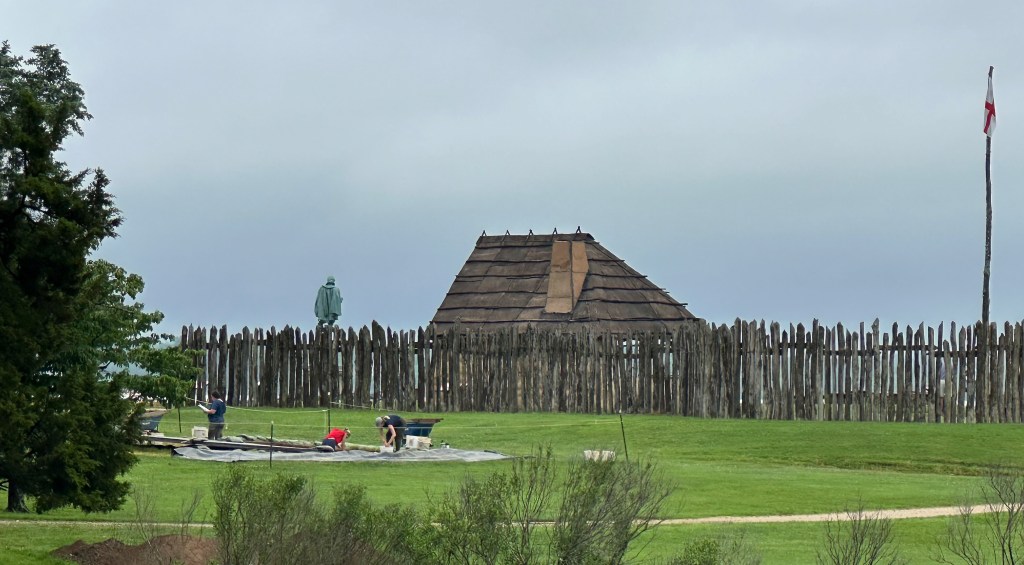
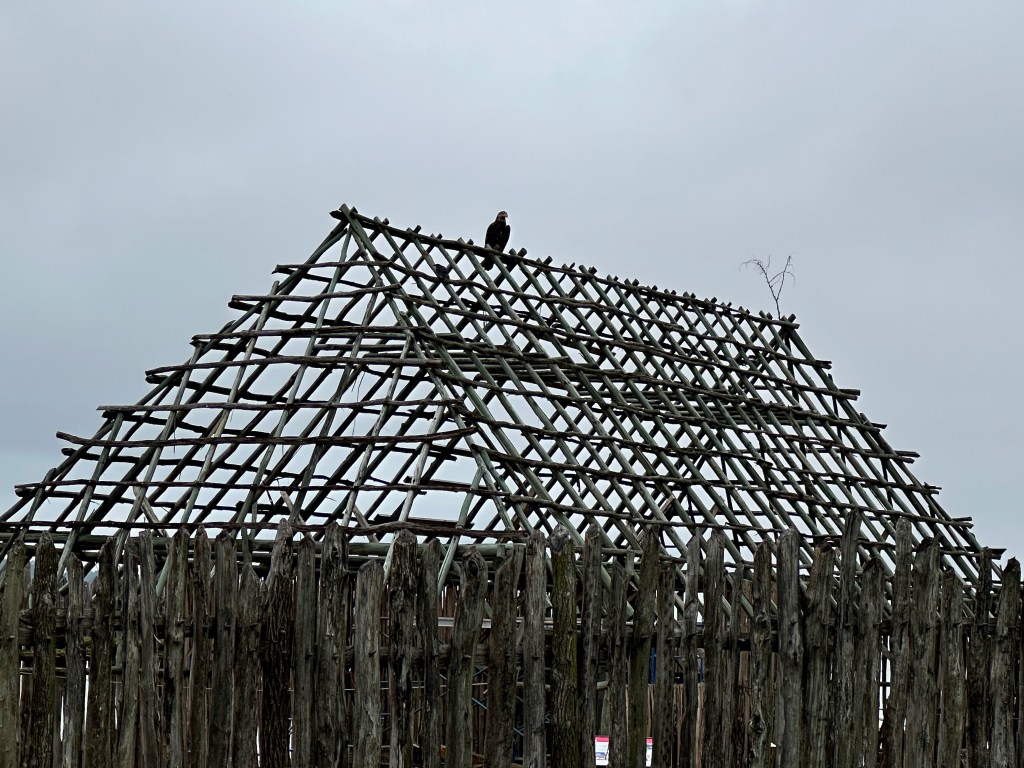
After the dismal rainy weather the day before I was greeted with a cloudy and mild morning, perfect for wandering the remains of the first permanent English settlement in North America. Speaking of firsts, I was the first visitor at the Jamestown National Historic Site that day.

In December 1606 three ships loaded with 144 men, boys, and provisions left London headed for the New World. The goal was to establish a colony to give England a foothold in between the Spanish and French land claims.

On May 14, 1607, after exploring the Chesapeake Bay a suitable location was finally selected, roughly 40 miles up a river (which they named after their king, James). As the three ships and their sailors returned to England, construction of a fort commenced.

The main prerequisites were that the land be defensible and unoccupied. The fort’s location on a bend in the river provided good sightlines. However, the land was in use by native people, though only seasonally. The Powhatan tribe did not have a permanent village there because, as the newcomers soon discovered, the swampy land wasn’t arable, there was a dearth of fresh drinking water, and the surrounding slack water bred hordes of mosquitoes.

Despite those hazards, and mainly through the largesse of the Powhatans, the colonists survived (unlike the earlier settlers at Roanoke which all mysteriously disappeared in the late 1580s). But survival wasn’t the only goal, the colony needed to find and cultivate materials for export.

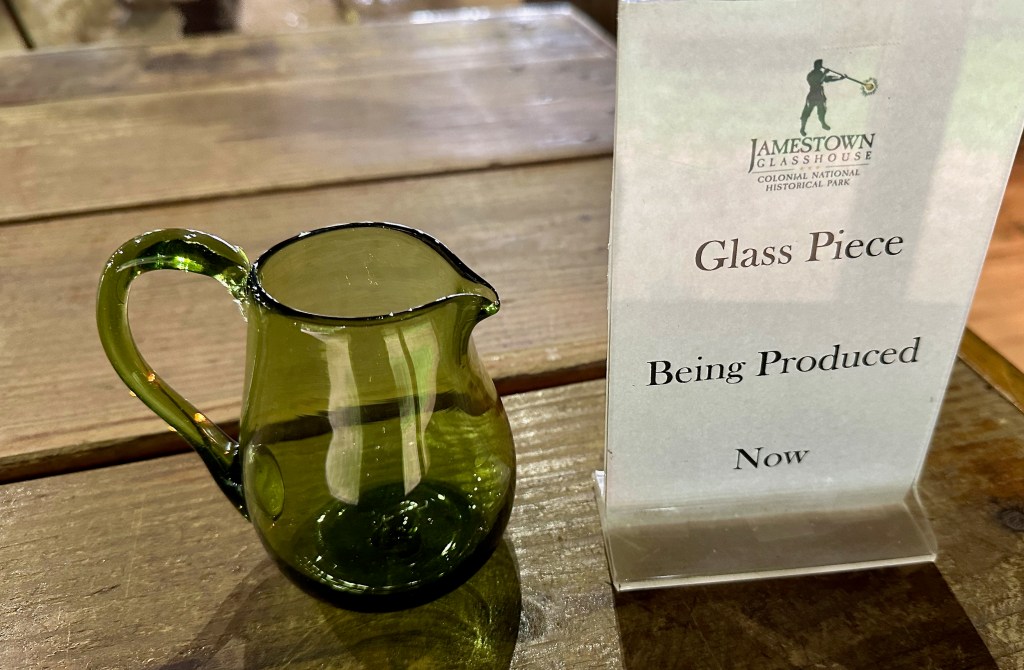
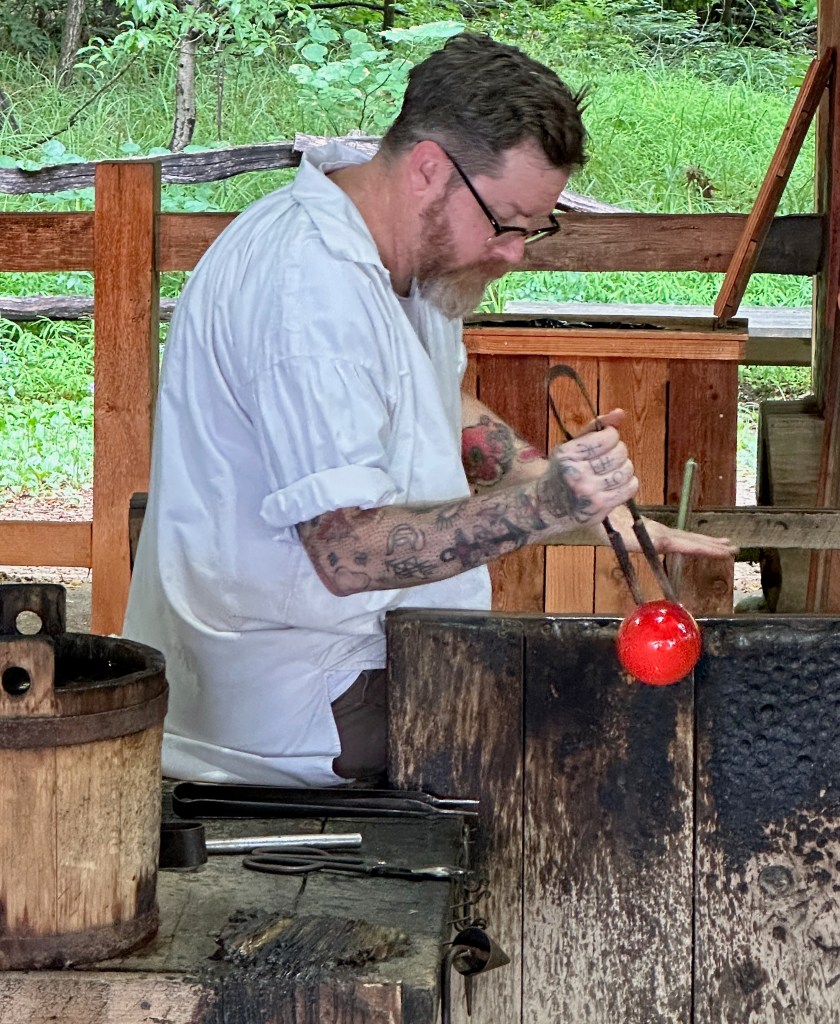
Timber and forest products were in high demand in England, though cumbersome to transport. The settlers planted grapes for wine and mulberry trees for silkworms. They even tried glassblowing, mining, and shipbuilding. Of all their attempts, tobacco quickly became their most valuable commodity.

The downside of that cash crop? It was labor intensive. The economic woes in England provided a handy solution. Indentured servants were sent over by the boatload to work off their debts (or crimes, such as murder or even merely stealing a loaf of bread). Sadly, over 55% of them did not survive the harsh working conditions.

While ultimately a success story, I appreciated that the exhibits in the museum and on the grounds attempted to provide a balanced view. This first permanent colony produced a lot of firsts, not all of them good, such as the first plantations and the first slaves (with the arrival of stolen and enslaved Africans in 1619).

We are all fortunate that places such as this have been preserved and are still being studied. As Winston Churchill said in a 1948 speech to the British House of Commons, “Those that fail to learn from history are doomed to repeat it.”

Dismal, Indeed!
When mapping out my route from Raleigh to Chesapeake, Virginia I noticed the Great Dismal Swamp on the map. I didn’t know much about it but with a name like that who could resist checking it out? 

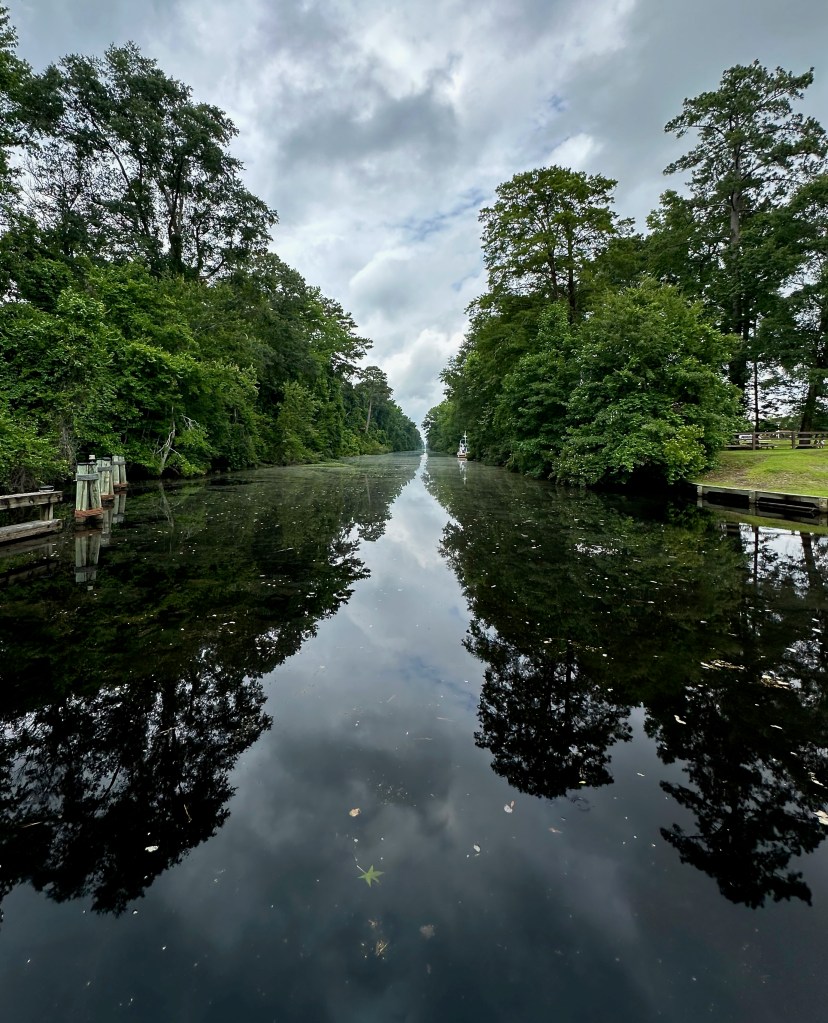
Midafternoon I pulled into the Dismal Swamp State Park in northern North Carolina. A relatively small park, it provides access to a narrow swath of land alongside the historic Dismal Swamp Canal. My first stop was the visitor center where I was pleasantly surprised by both the history and nature exhibits.  

Less than half of the original million acres of swampland remain, much of it drained for settlement and logging. The majority of the bald cypress trees that once towered over the murky water were cut down for building materials for the early colonists. As you might imagine, transporting the logs out of that morass was incredibly difficult.

During a visit in 1763, a 31-year-old gentleman farmer by the name of George Washington proposed building a canal in the landlocked area. Twenty years later work commenced. When it finally opened in 1805, the 22-mile long watery highway was a boon to commerce between North Carolina and Virginia.

Taking a hint from the name, I used up the last of my can of bug repellant before hitting the trails. Unfortunately, I was the only person on the boardwalk which meant I was the best food source around. The constant whine of mosquitoes I expected, but the fierce chomps of biting flies caught me off guard. Either I’m delicious or they were starving because they were relentless.

My curiosity wouldn’t be thwarted so I continued on to the path along the canal. In between swatting insects I pondered the struggle of the slaves who dug out the waterway over 12 long years. A testament to their hard work, it remains the oldest operating canal in the country, though these days it mostly just carries recreational boat traffic.

A fast-moving thunderstorm abruptly ended my explorations. A bit of a mixed blessing, I ended up soaking wet but at least the rain chased the insects away. The term dismal was given by early settlers to any swampy area, but its easy to see how this place earned the moniker Great Dismal Swamp. Dismal, indeed!
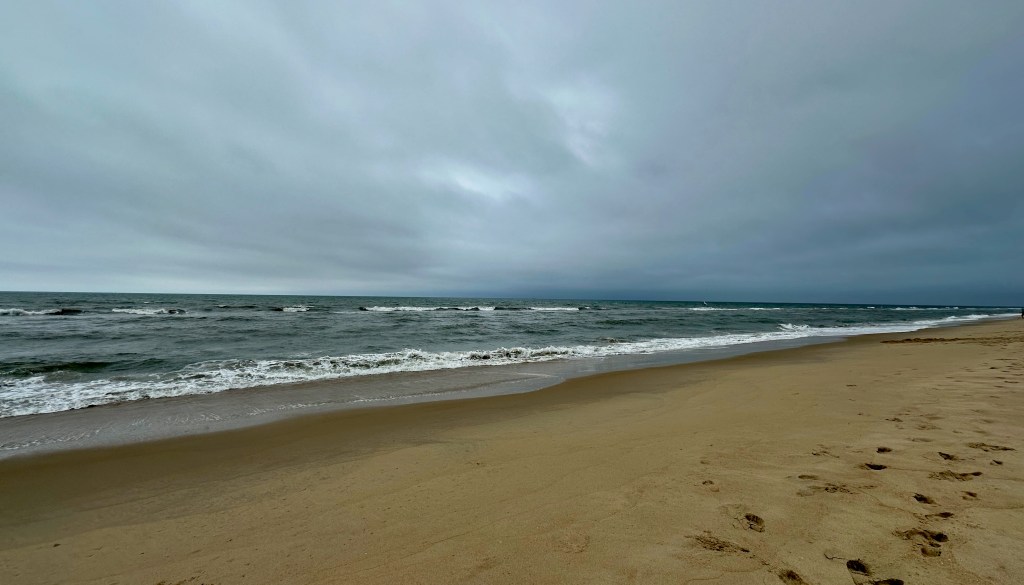
I ended my day with a brief trip to Virginia Beach, which I didn’t have much time to enjoy it as another big storm chased me off the sand. Some days are just like that…

Virginia Beach with Incoming Storm

Feeling Fortunate

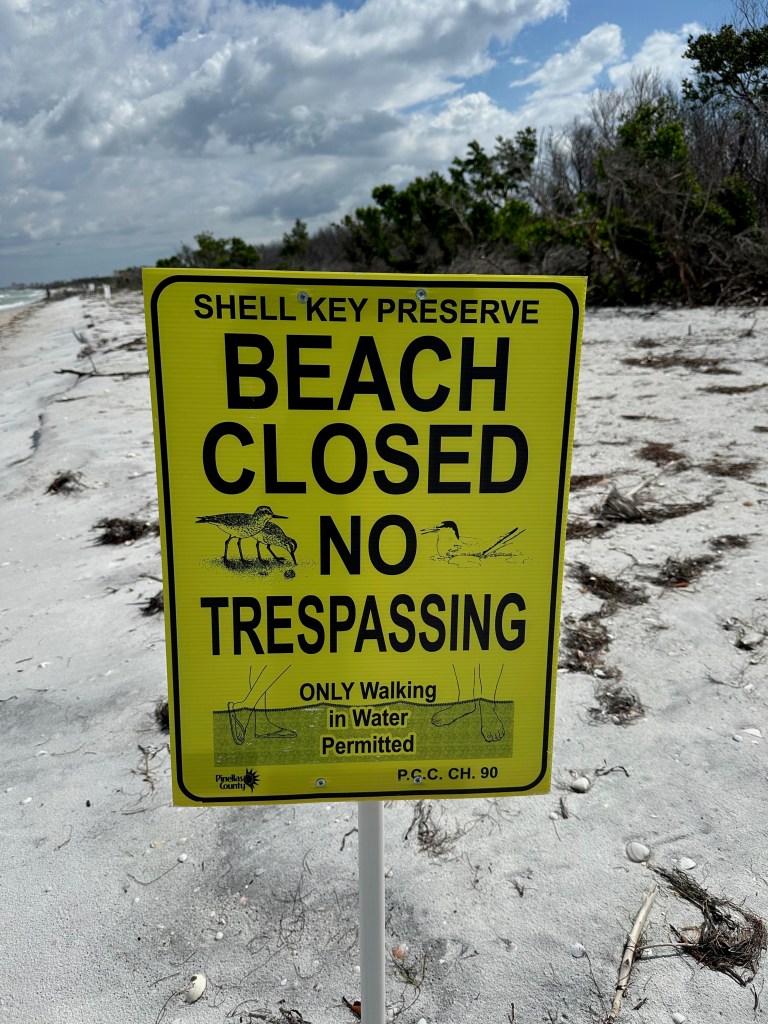
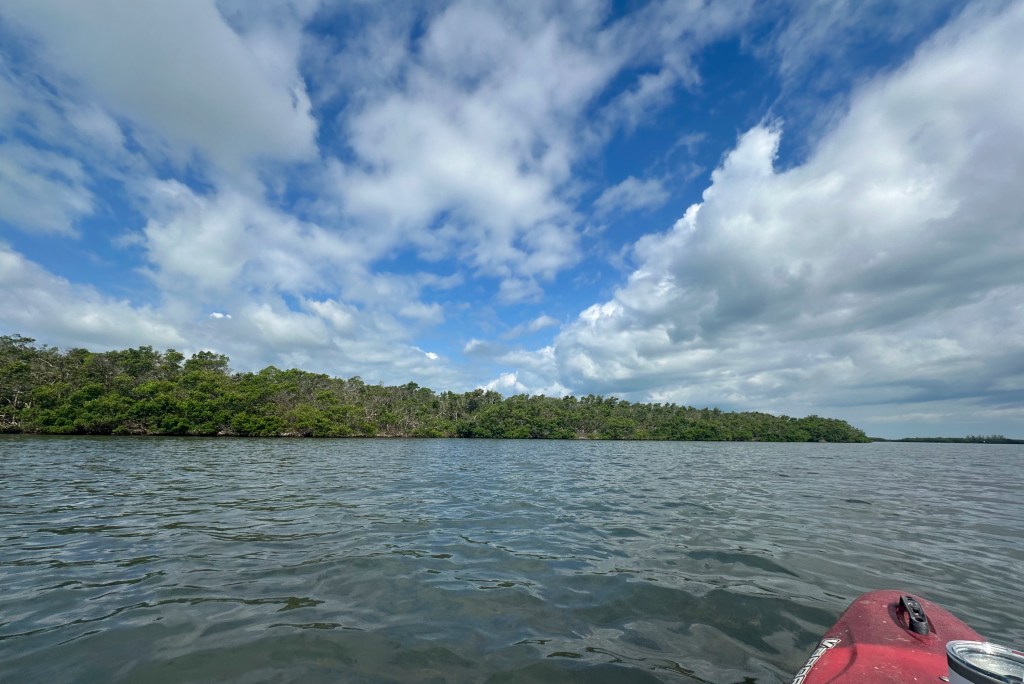
I took advantage of an overcast sky and paddled out to Shell Key this morning. While I was unloading my gear I started chatting with a couple that had driven all the way from Orlando to kayak here today. A good reminder of how fortunate I am to live so close to this treasure – it’s only a 20 minute drive from my house!

I took a slightly different route to the island, exploring several mangrove tunnels before landing in a new little bay just south of Irma’s Pass. Last year’s back-to-back hurricanes moved around an awful lot of trees and sand, creating a landing area just big enough for a few kayaks. I was out early so I had the place to myself.

I wandered the shore, looking for treasures and picking up trash. Thankfully, there wasn’t much of the latter. I didn’t linger too long once the breeze started to pick (as that can make for a less than enjoyable return trip).

Weaving between mangrove islands I came across a trio of dolphins fishing in the shallows. They were so intent on their prey that they allowed me to follow. I filmed them as I bobbed along and caught a snippet of “fish kicking”. It is a rather unusual technique where a dolphin circles a fish and spins quickly, whacking the fish out of the water with its tail. When the fish smacks down it is stunned which makes it an easy meal for the dolphin.

Researchers have only seen dolphins using this technique in two places, here in Tampa Bay as well as in the waters off New Zealand. A fun way to wrap up my morning on the water.

Dolphins, Fish Kicking (note the fish flying at the 7 second mark)

Dynamic Duo

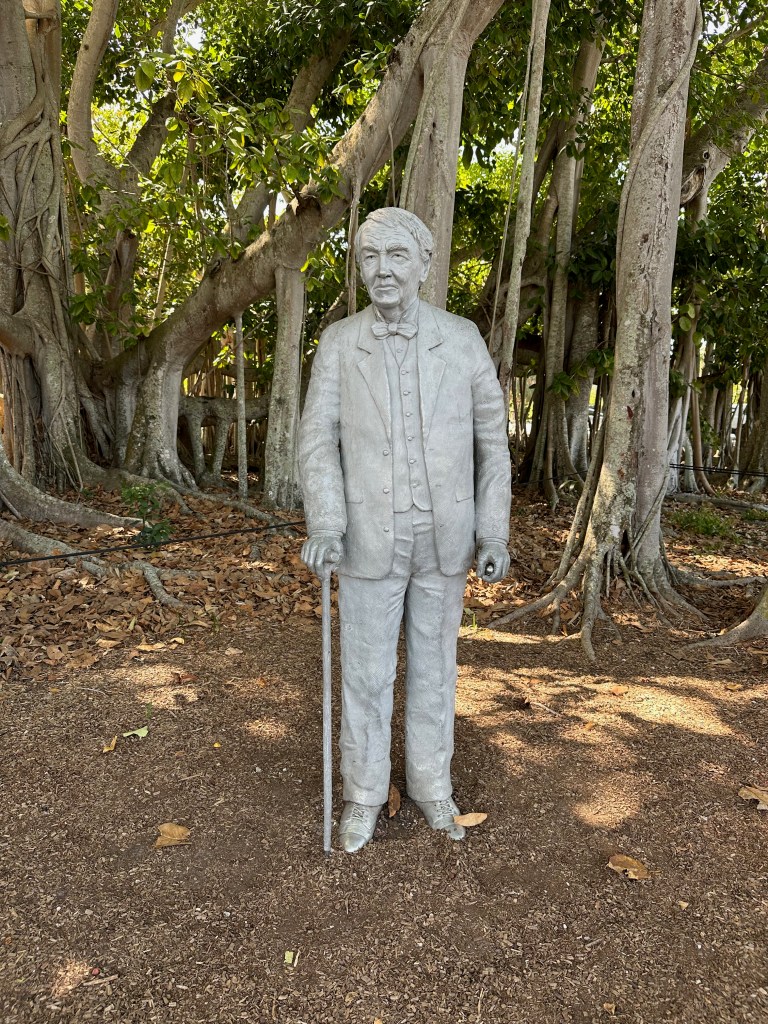
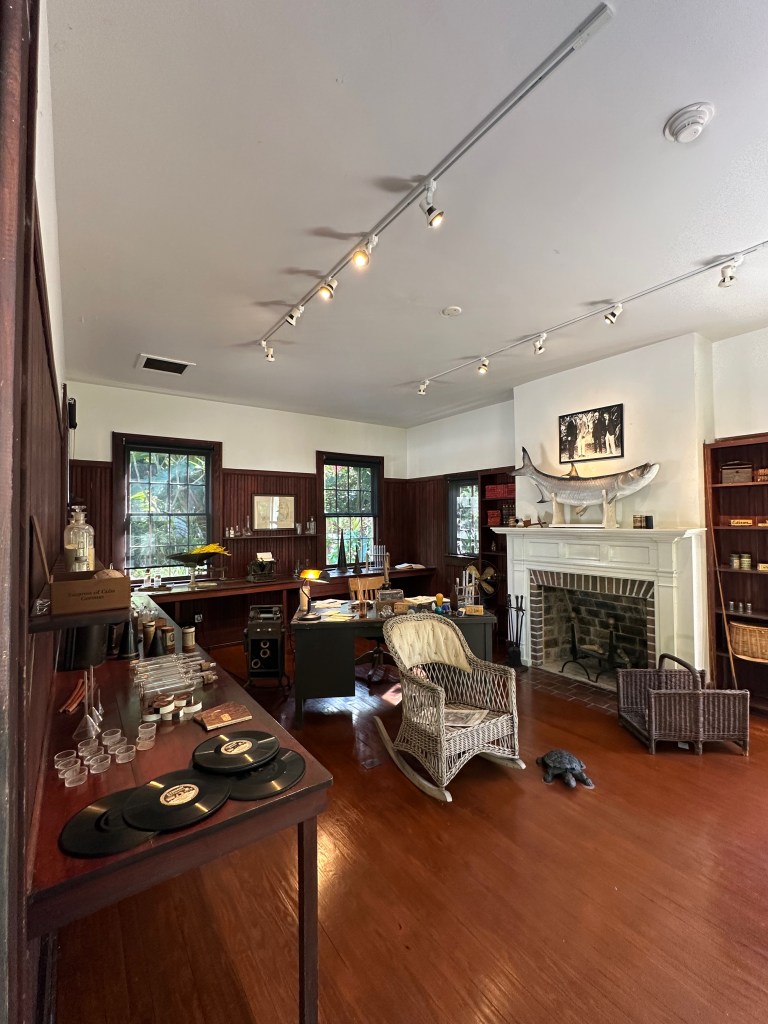
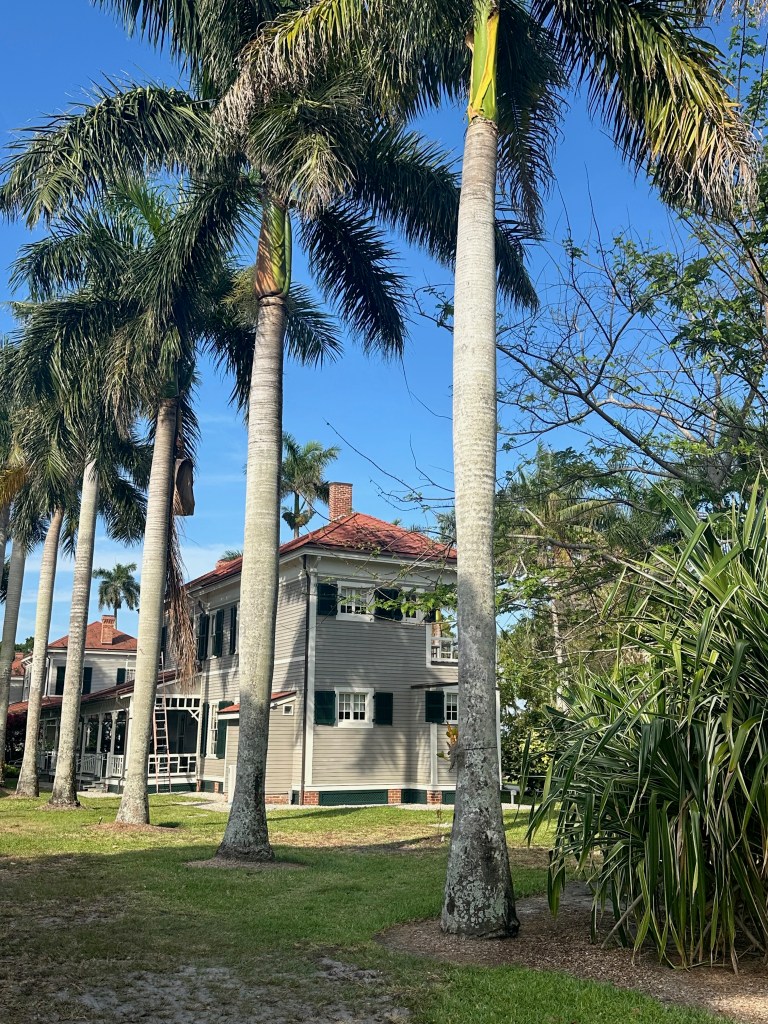
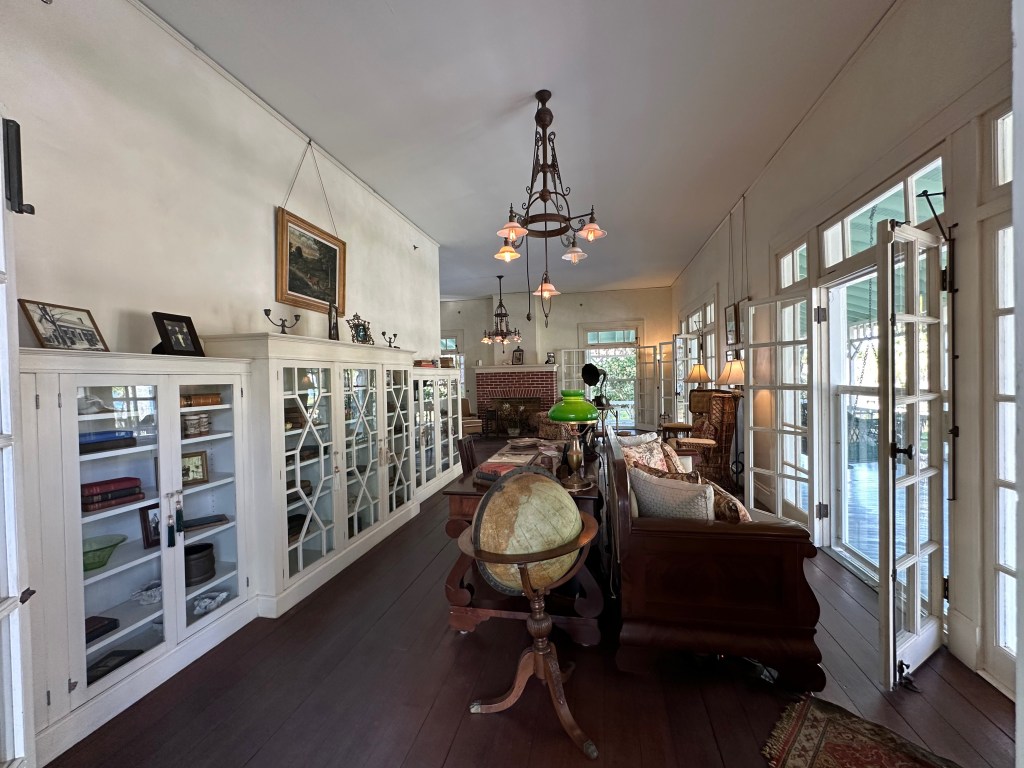
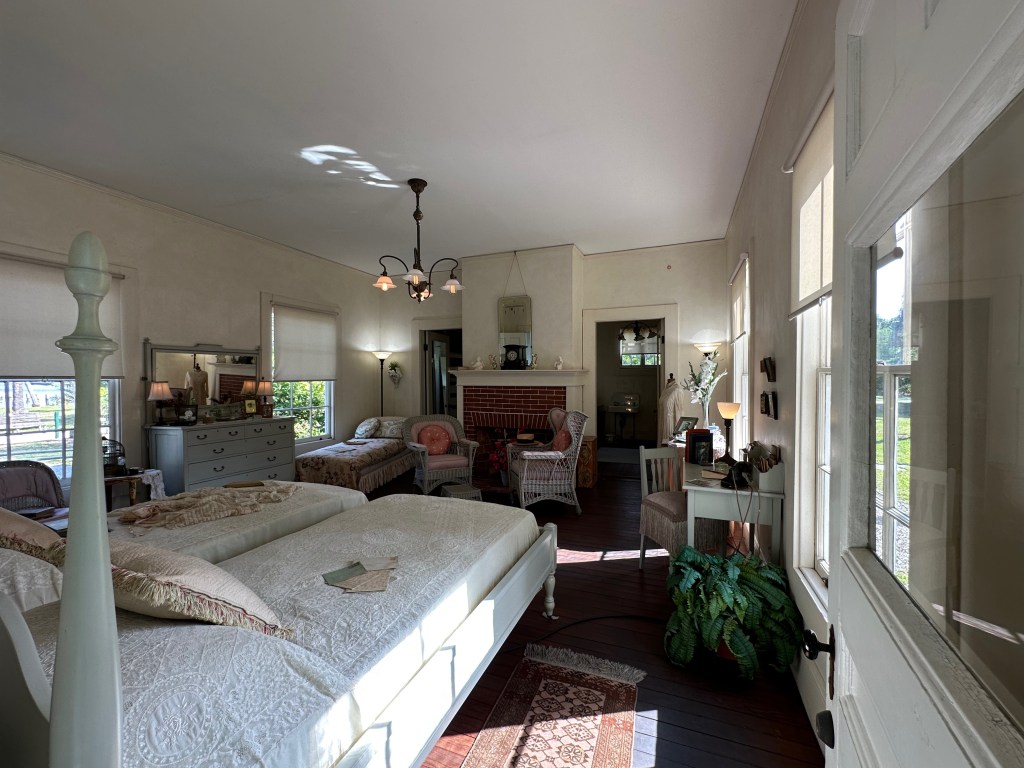
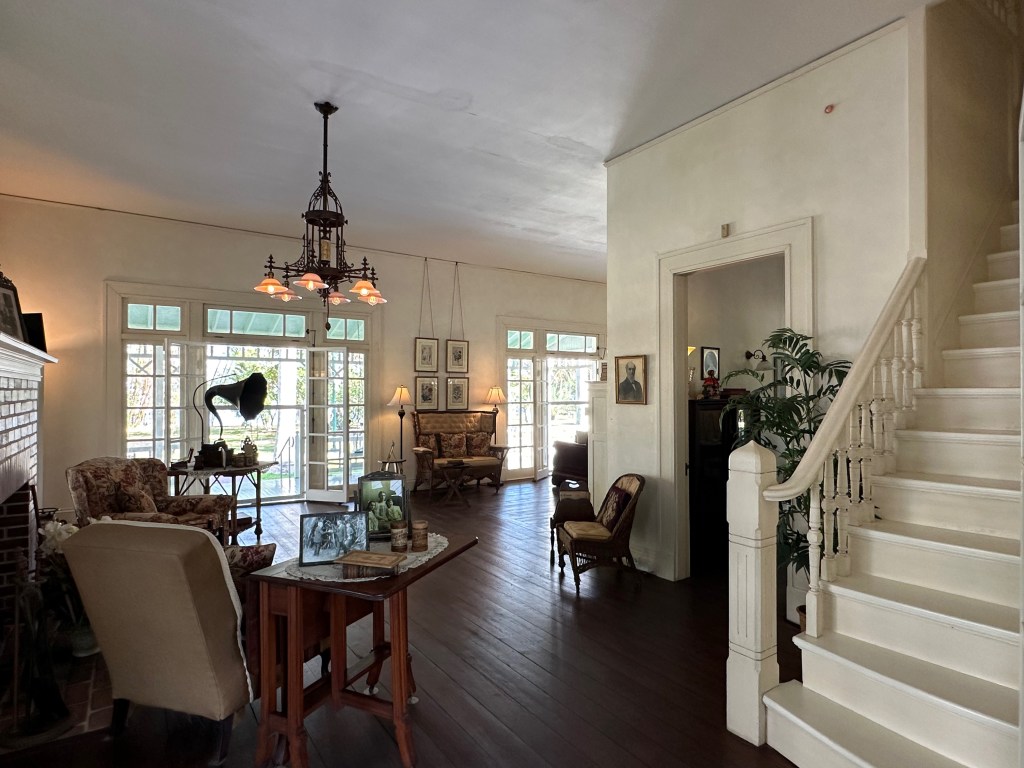
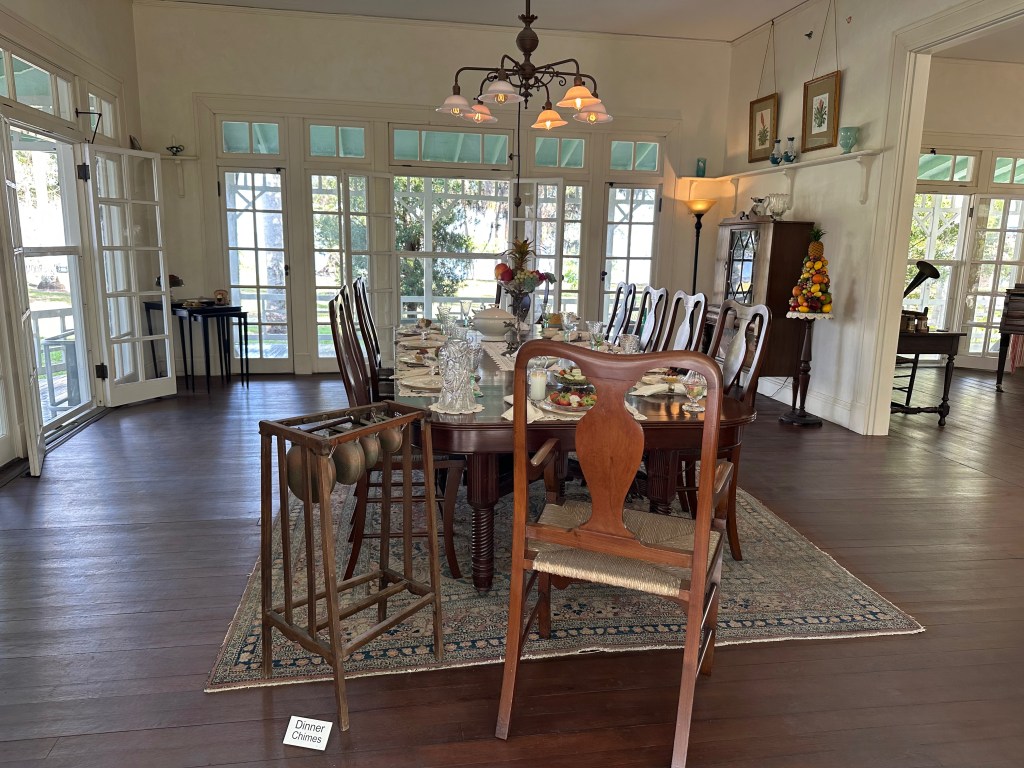
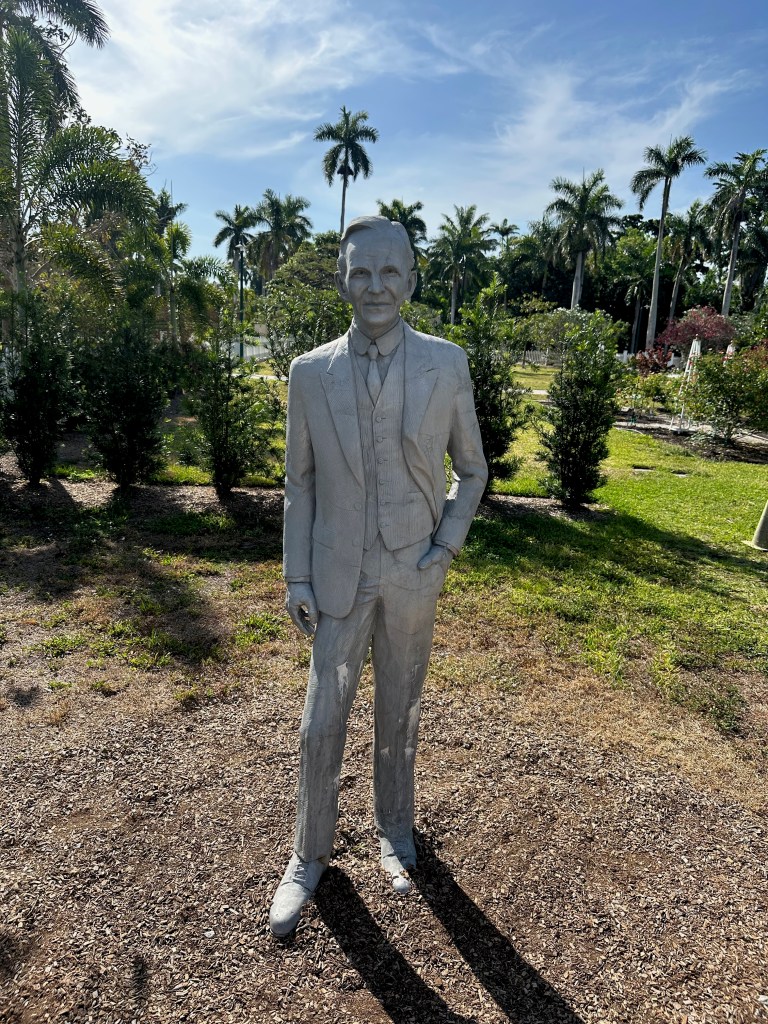
While I was down south a few weeks ago I spent an edifying morning touring the historic Edison and Ford Winter Estates in Fort Myers. Intent on beating the heat (and the crowds), I visited on a weekday and arrived just before it opened. Other than staff dusting furniture and tending gardens, I was the only person on the grounds for the first hour.

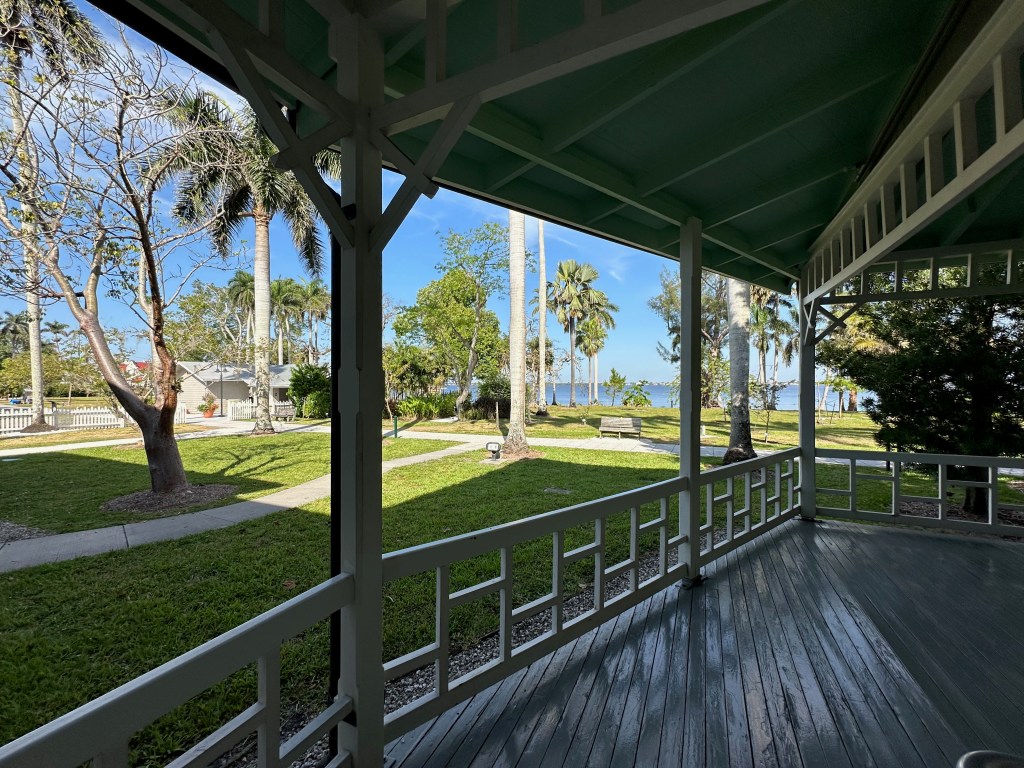
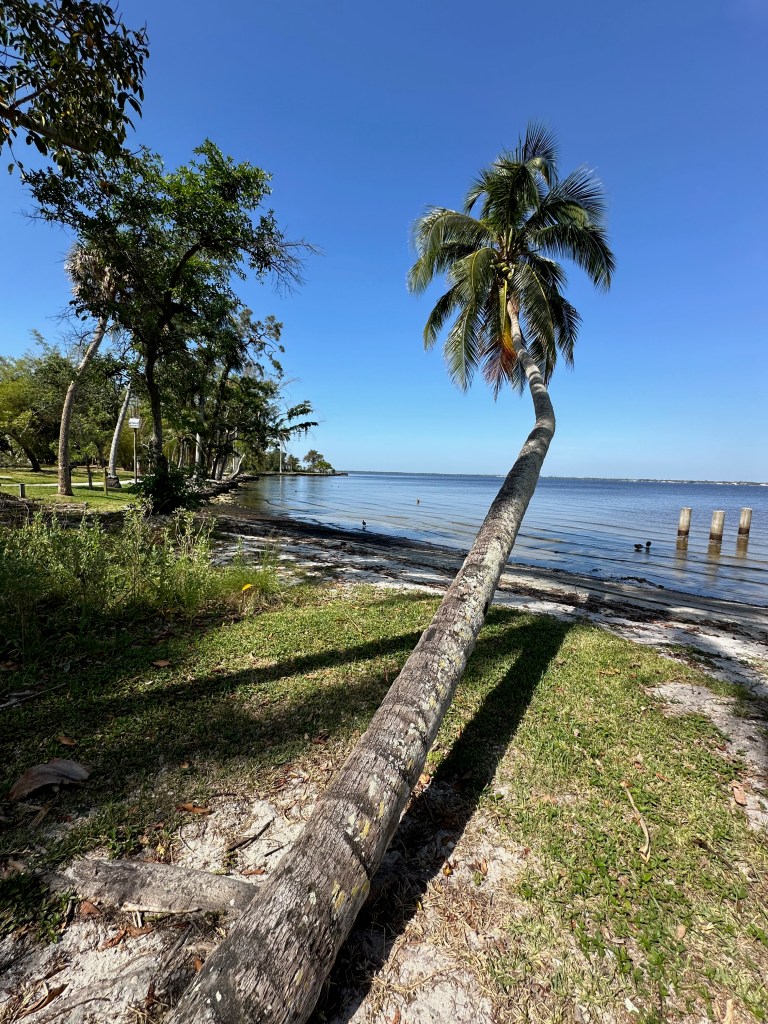
It was so peaceful that it was easy to understand how the spot quickly captivated Edison. In March of 1885, when Thomas Alva Edison was 38 years old, he visited tiny Fort Myers. A quick thinking man, within 24 hours he had purchased thirteen acres of waterfront along the Caloosahatchee River with the intent of building a home as a respite from the frigid New Jersey winters.

As the railway had not yet reached Fort Myers, all the materials for the three main buildings (Edison’s house, one for his friend and business partner Ezra T. Gilliland, and Edison’s laboratory) had to be brought in by boat. Unlike many of his peers with their ostentatious, massive winter “cottages”, Edison’s plans were modest enough that construction was completed the following year.

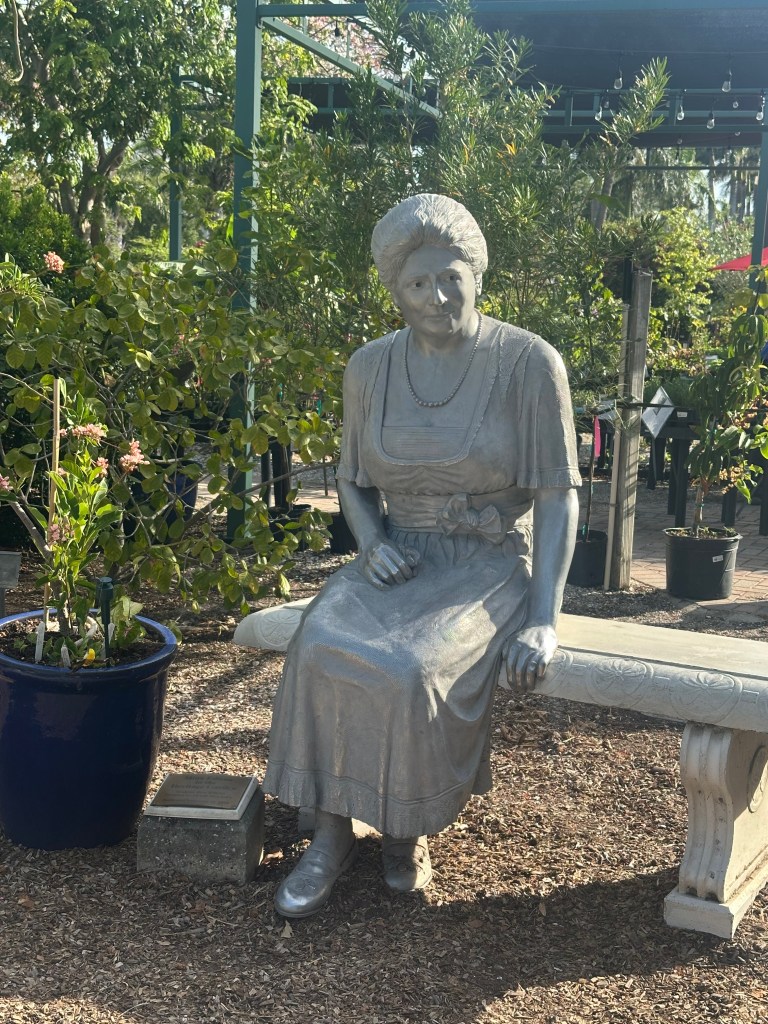
1886 was quite a year for Edison as he also married his second wife, 20 year old Mina (his first wife had passed in 1884). Though she was young, Mina could hold her own with him (Mina’s father was a fellow inventor who also founded the Chautauqua Association). Choosing the term “home executive” instead of housewife to describe her role, Mina handily managed both households (New Jersey and Florida) and led several charities while raising Edison’s three children from his prior marriage as well as bearing three of her own.

While the Edisons took full advantage of their time in Florida, fishing in the Gulf and admiring the local wildlife (even amassing quite a menagerie on the grounds, including an alligator), these were not vacations as Edison worked constantly. Apparently, he often worked through the night – during the day he was known to stop and take a catnap wherever he was, sometimes even just sleeping on the ground.

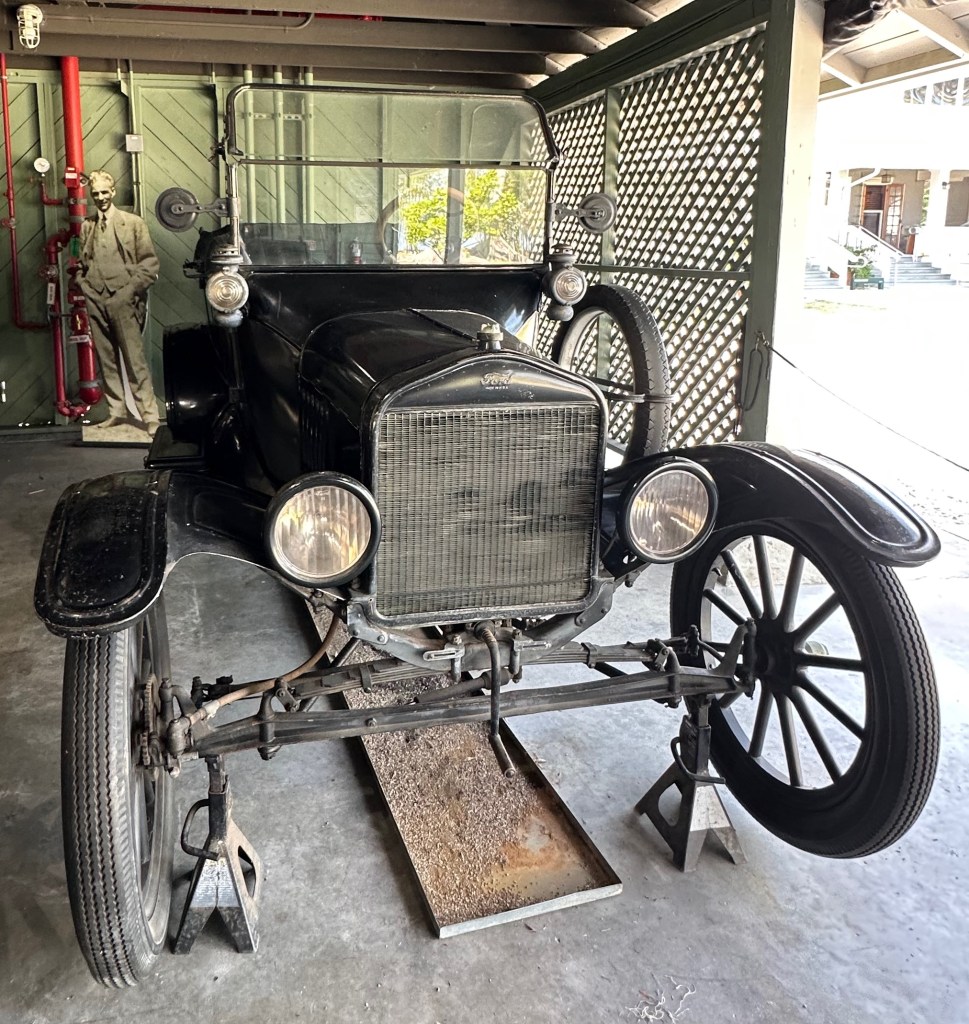
Edison was endlessly curious. To that end, he was a voracious reader that surrounded himself with fellow innovators. When Gilliland decided to sell his portion of the property after the two men had a business dispute, Edison was pleased that Henry Ford eventually bought the house. Even though Ford was almost 40 years his junior, the men were acquainted since Ford had worked at the Edison Illuminating Company as a young man.

One winter, the men decided to explore the Everglades so they invited naturalist John Burroughs to join them on a camping trip. Though the terrain was rough and the swamps were buggy, the men enjoyed their strenuous adventure. They continued their “roughing it” trips for over a decade, in differing locations with a slew of guests over the years (including notables such as Harvey Firestone, Luther Burbank as well as Presidents Warren G. Harding and Calvin Coolidge).

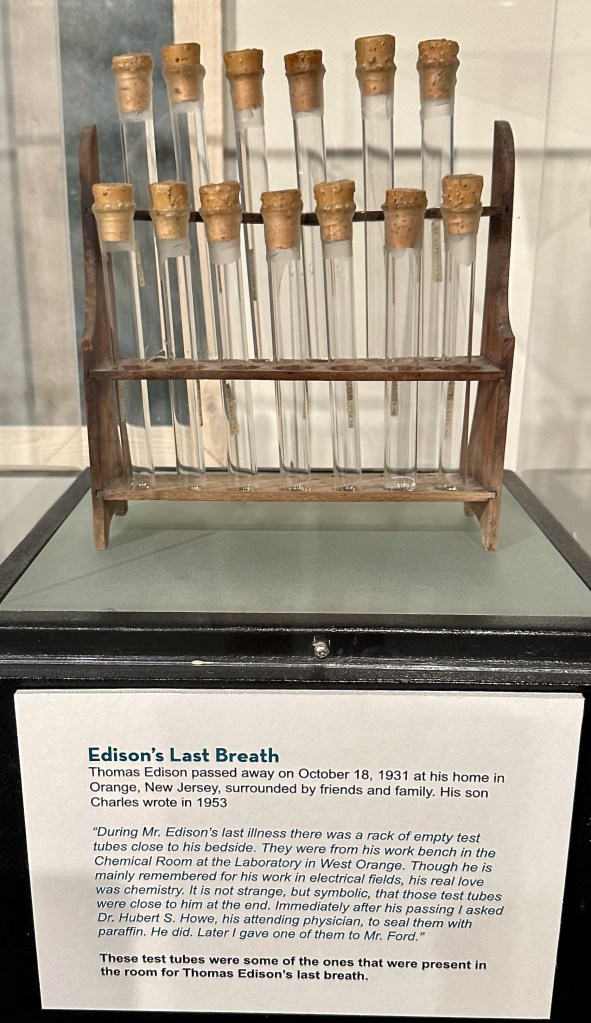
I knew of Edison as a prolific inventor (with 1,093 patents) but I was pleasantly surprised to learn of his reverence for nature. In 1930, about a year before his death, Edison wrote, “Florida is about as near to Heaven as any man can get.” I’m not going to argue with that! Fort Myers is quite fortunate that Mina had the foresight to deed the property to the city in 1947.

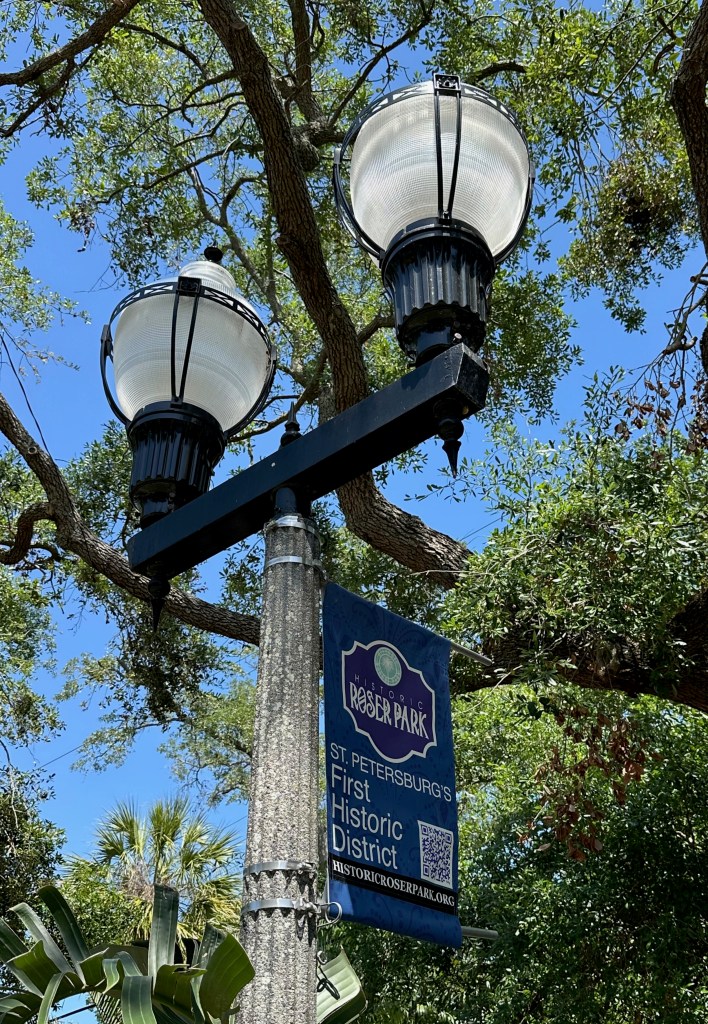
St. Pete’s First Historic Neighborhood

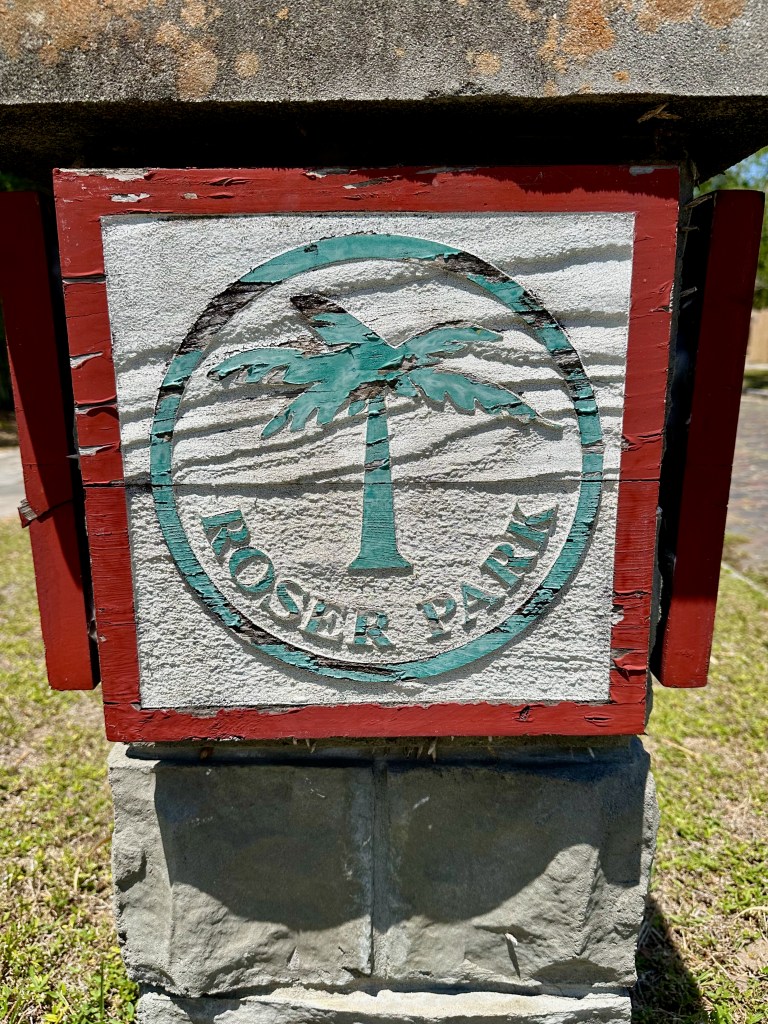
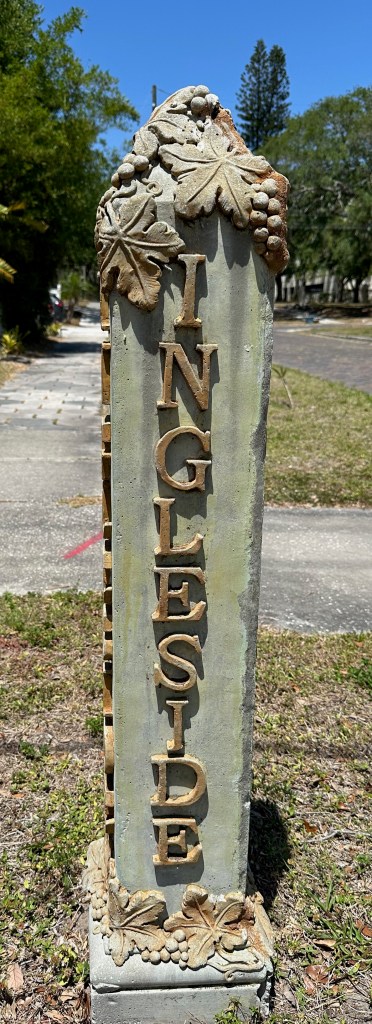
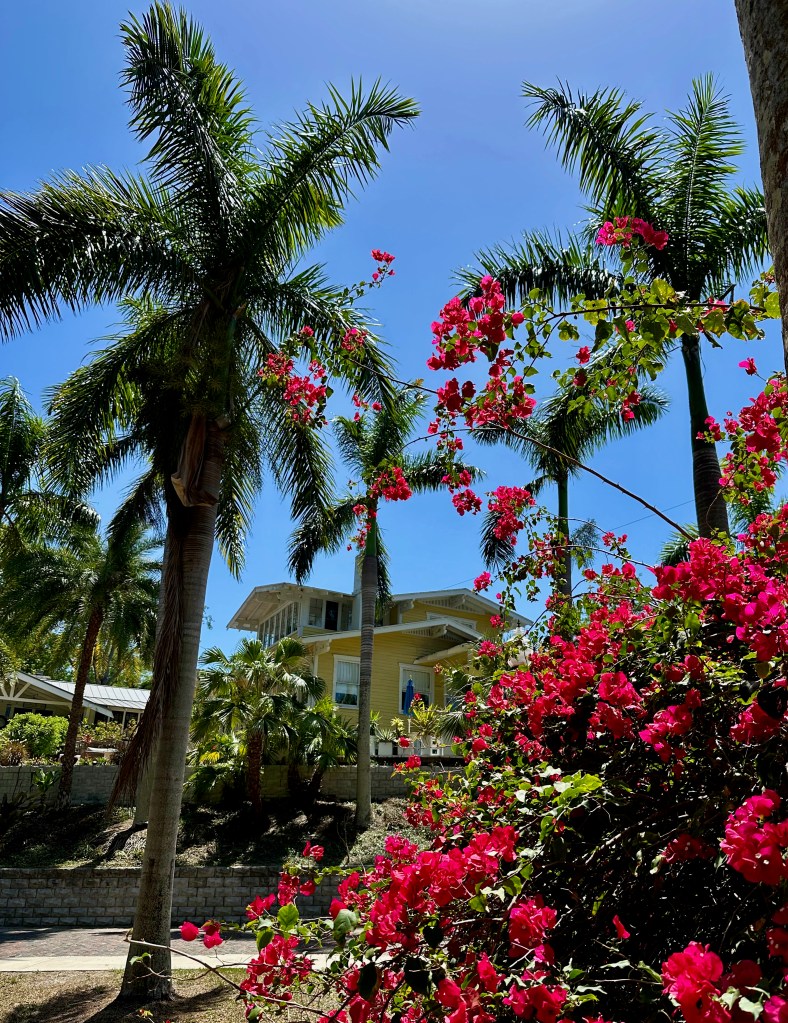
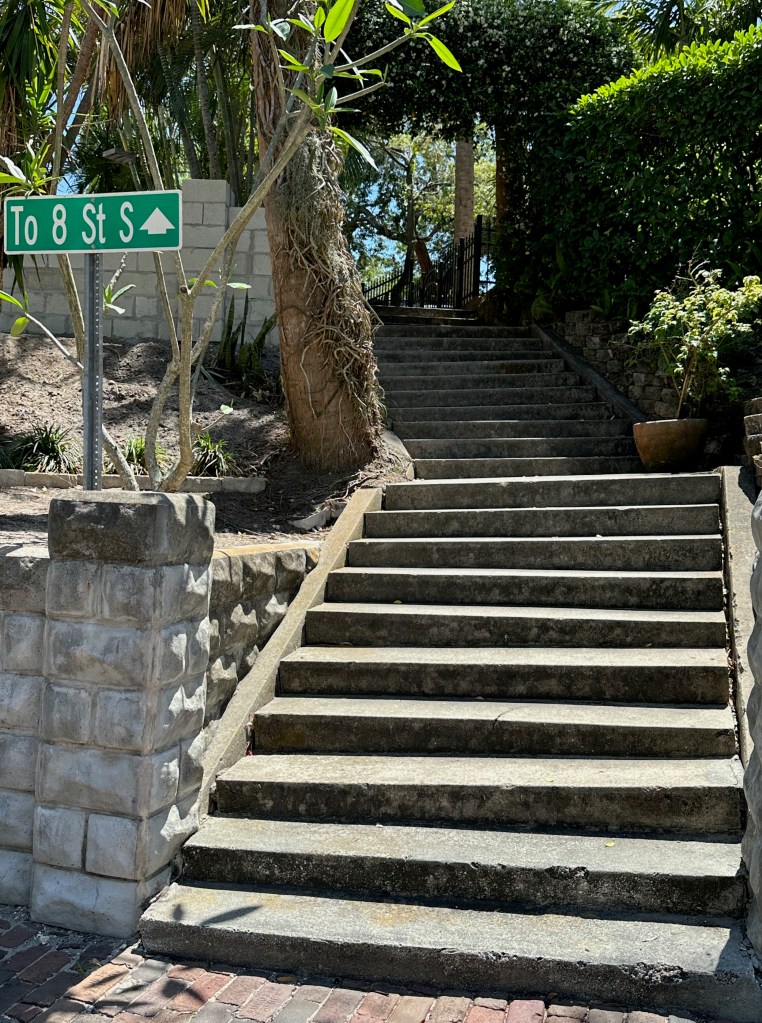
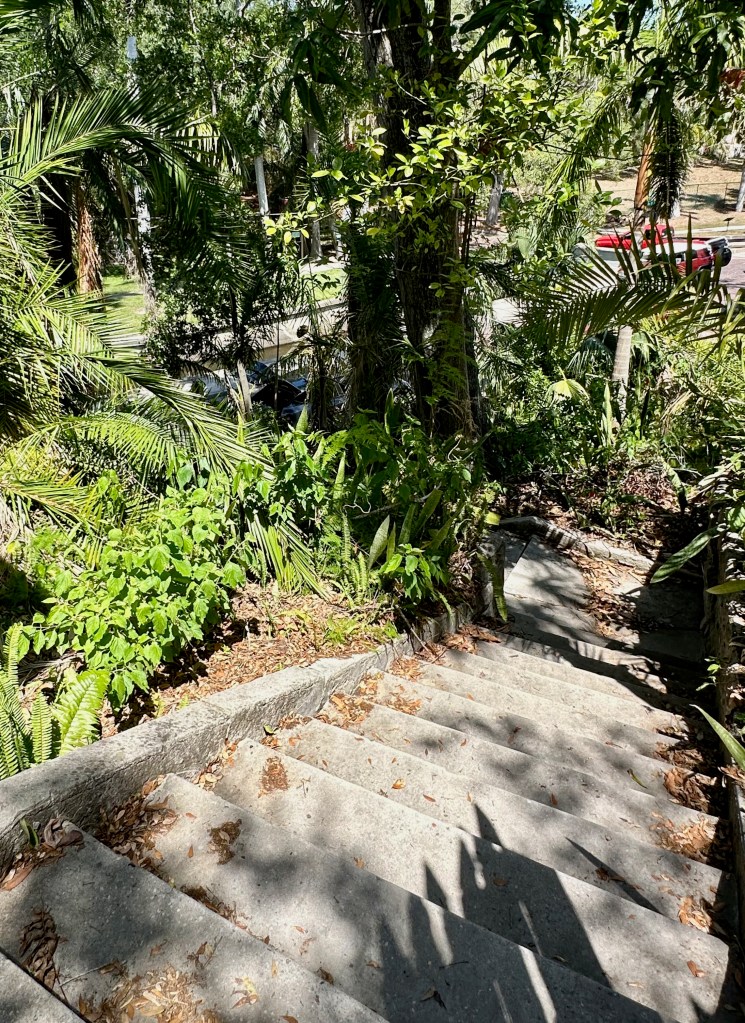
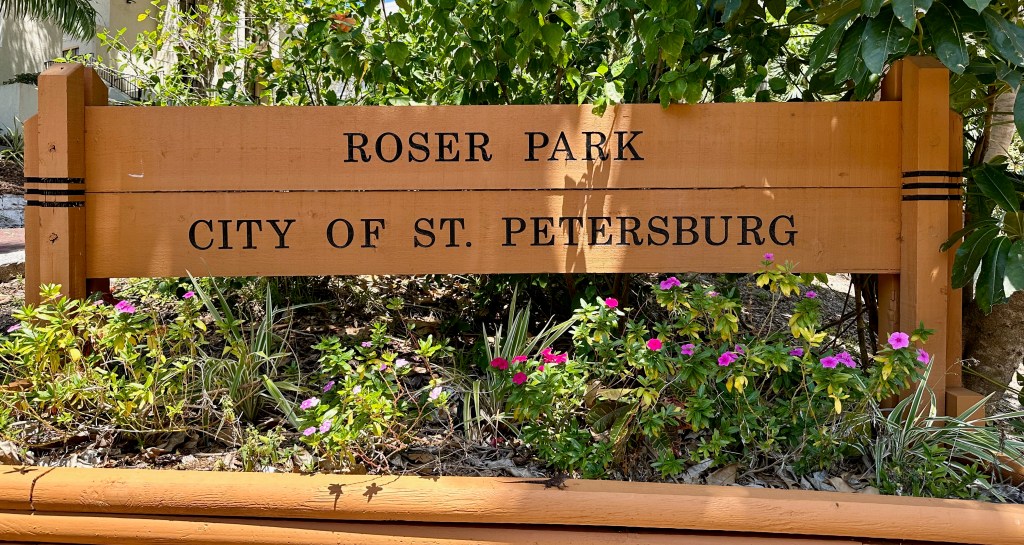
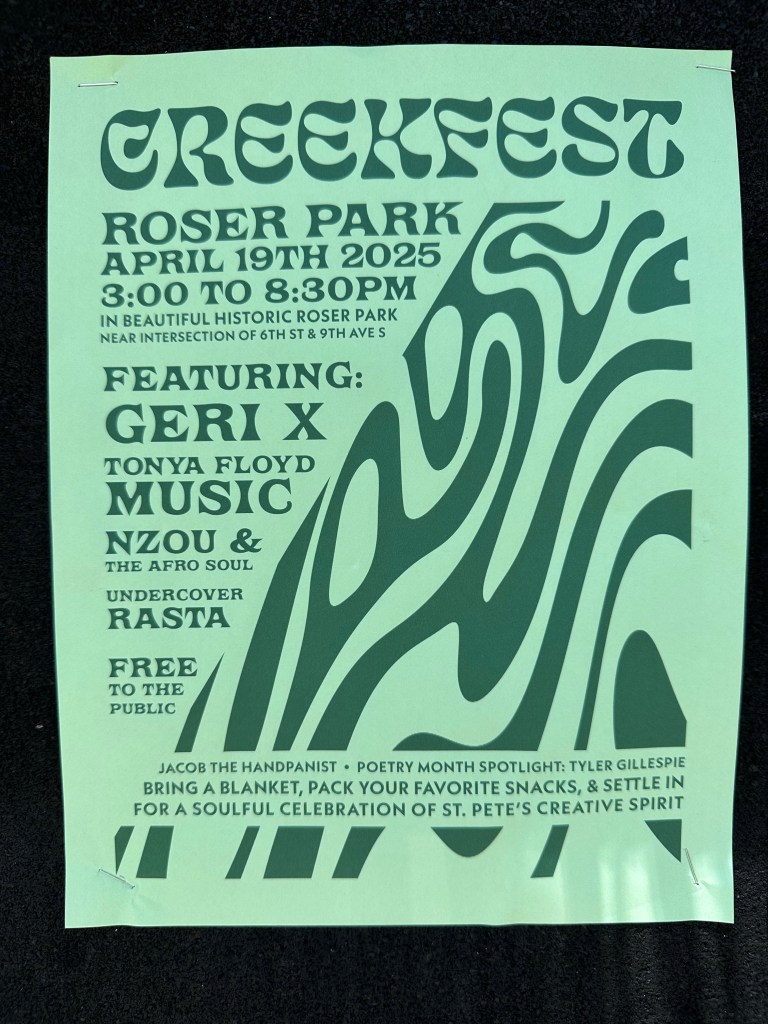
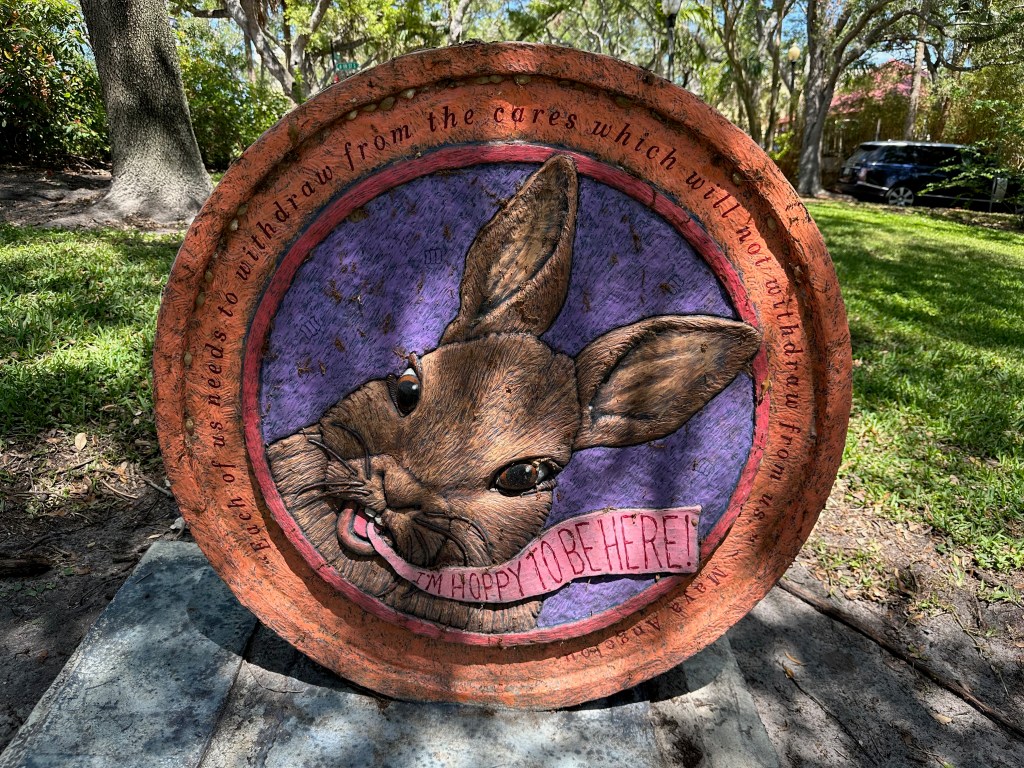
This past Saturday afternoon, I was drawn to Creek Fest, an afternoon of live music in the Roser Park neighborhood. Since I arrived early, I went for a stroll along the narrow, shady streets of the historic district.

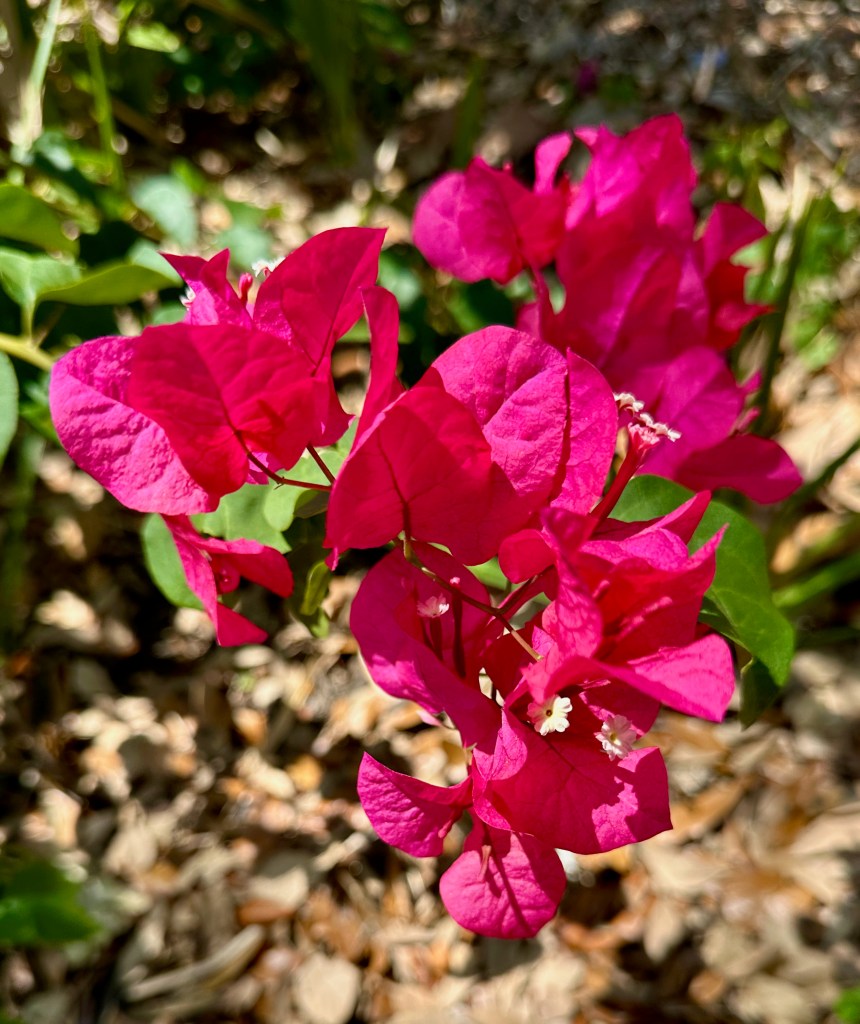
This area south of downtown was transformed by Charles M. Roser, who fell in love with the jungle-like gully of Booker Creek shortly after moving to St Pete in 1911. The vision for his development was quite impressive; each house was required to be unique and of high quality, lush tropical foliage was enhanced by planned plantings with a focus on colorful blooms, brick paved streets followed the natural, winding path of Booker Creek, and finally, for the good of the community, he set aside land for a park, a school, and a hospital (all of which still exist in some form).

Mr. Roser was not alone in his appreciation of the location, the Tocobago people had lived along the fertile banks of Booker Creek for hundreds of years, as evidenced by the artifacts and large shell mounds they left behind.

My favorite stop of my informal tour was the Bradshaw House, a large classic, colonial revival home named for one of St. Pete’s early mayors. Not only has it been lovingly restored but it has a fun history. It was once known as the Zilch House. The name bestowed by a group of bachelors who rented the house starting in 1925. They creatively called it that, so they could say they were the last listing in the phone book (remember those huge tomes?).

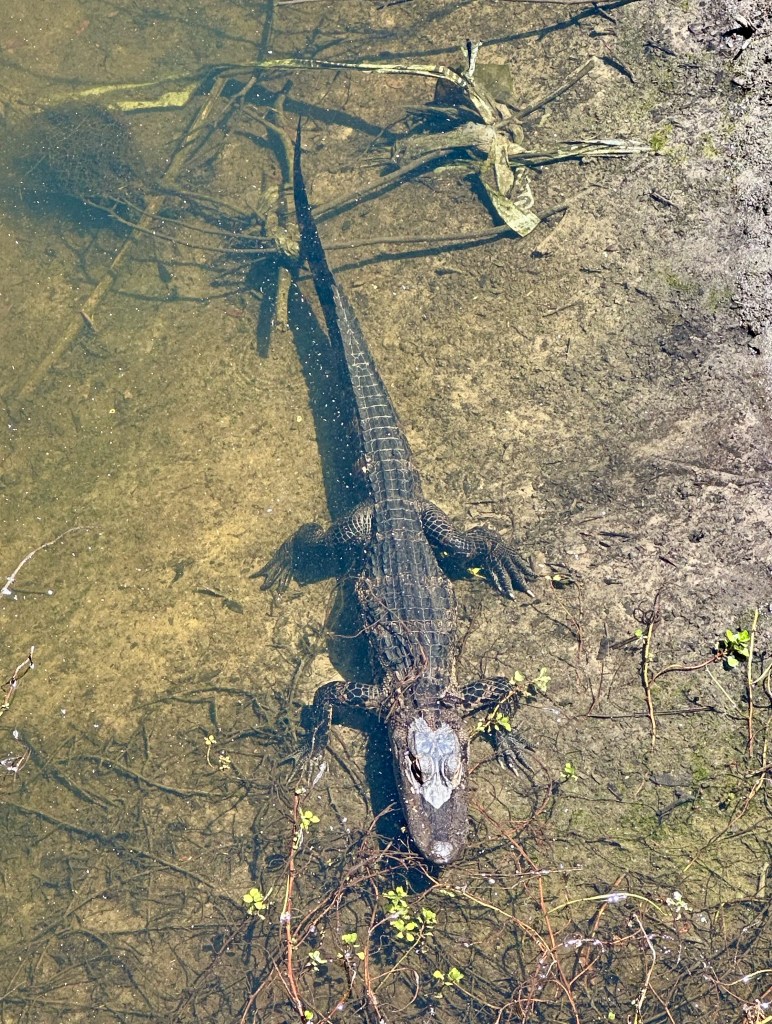
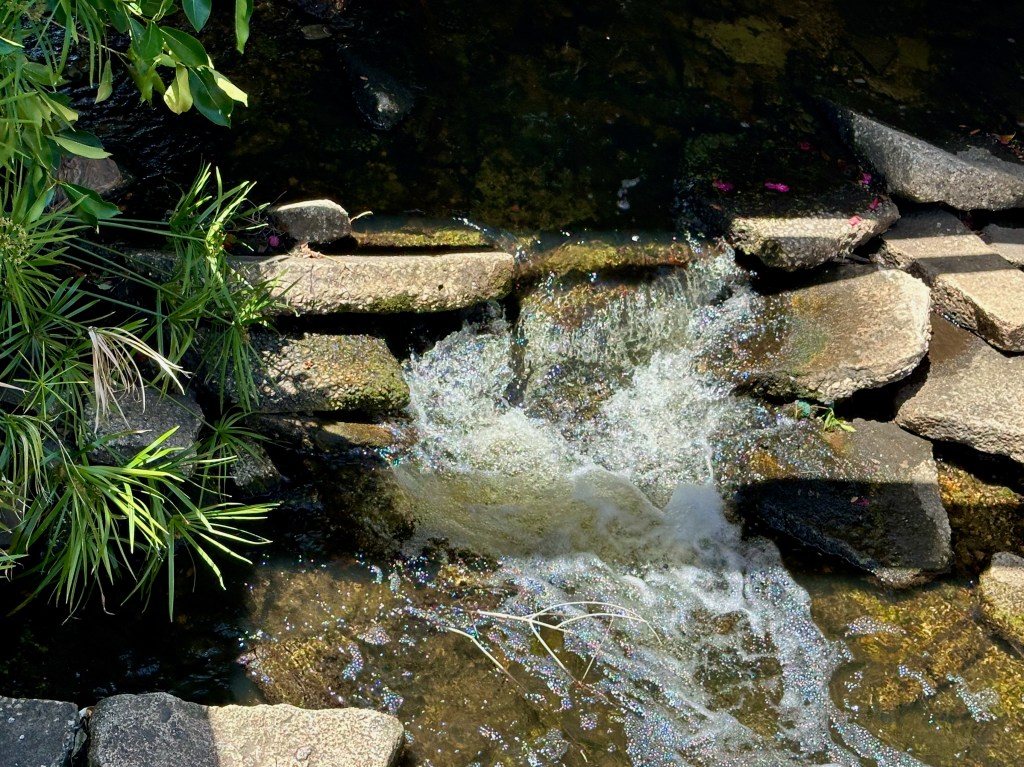
While the area’s history and lush foliage were charming, I most enjoyed watching the trickling of the creek. I was not alone in my appreciation of the water, I noticed several turtles, ducks, and even a young alligator. The rest of my afternoon I spent relaxing on the lawn, listening to live music while the delicate, tropical scent of plumeria wafted in the air. Over a century later, I think Mr. Roser would be pleased with how things turned out.

Adventuring Home

I decided to do a bit more exploring before leaving the Panhandle last weekend. I was lured to Ochlockonee River State Park by the possibility of sighting an endangered Red-cockaded Woodpecker, or their piebald squirrels, or even river otters.

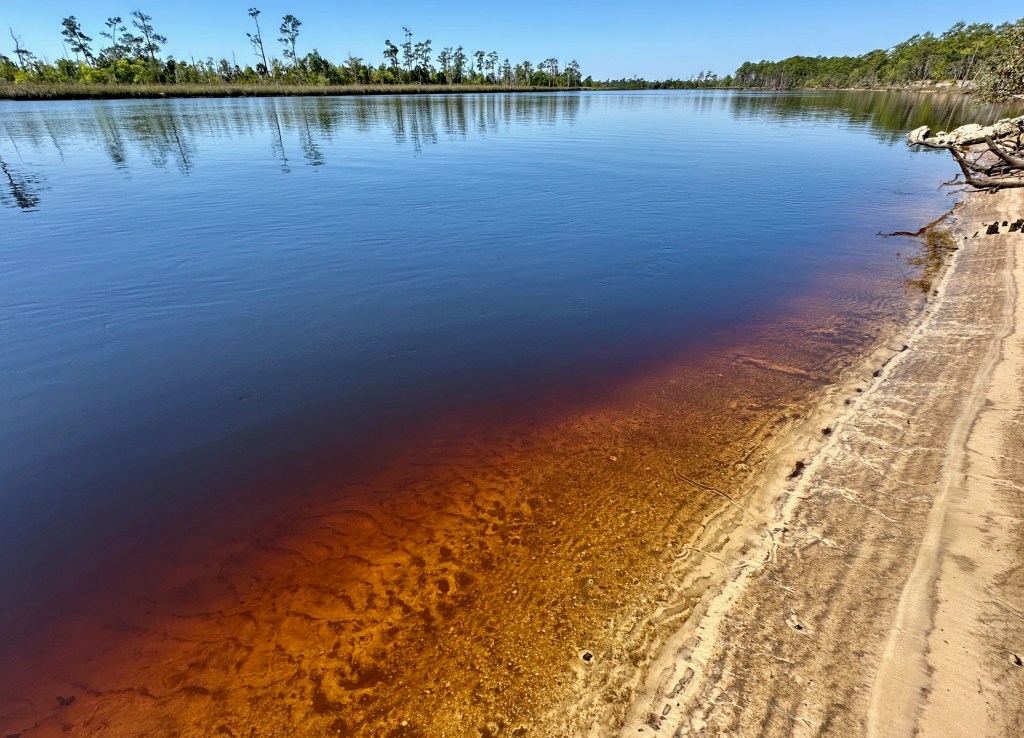
No luck with any of those but I still had a great time in this section of the Apalachicola National Forest. The park’s main waterway (and namesake) is a unique blackwater river, the water isn’t murky but it is a dark, burnt orange from all the tannins. No surprise that Ochlockonee in native Hitchiti means yellow river.

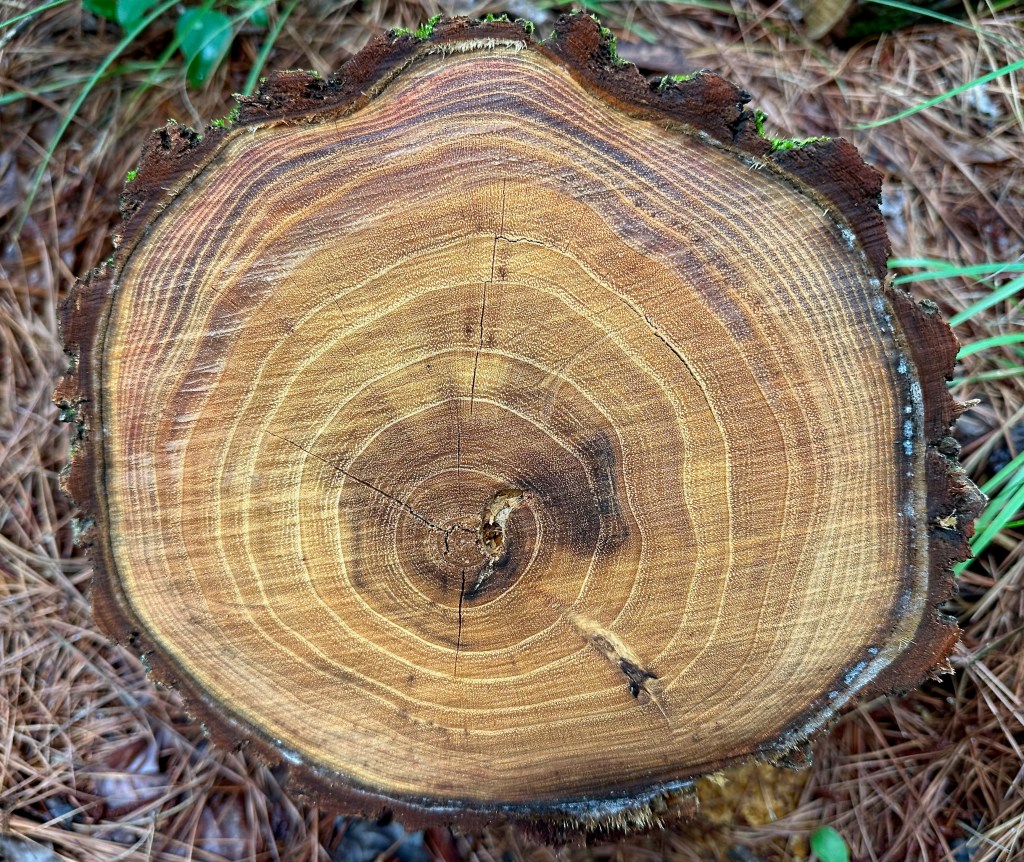
The park protects a small remnant of a Longleaf Pine (Pinus palustris) forest. Pre-European settlement there was an estimated 90,000,000 acres of these trees in the South. Longleaf Pines were prized by early settlers not only for their wood but for their resin. Collected by hatching the bark, resin was processed into turpentine used to waterproof boats, an important part of the naval stores industry.

Much of the state park land was purchased from the Phillips Turpentine Company in the early 1930s, as demand for turpentine waned. Sadly, because of deforestation and overharvesting only about 3% of the original Longleaf Pine forest remains in the US.

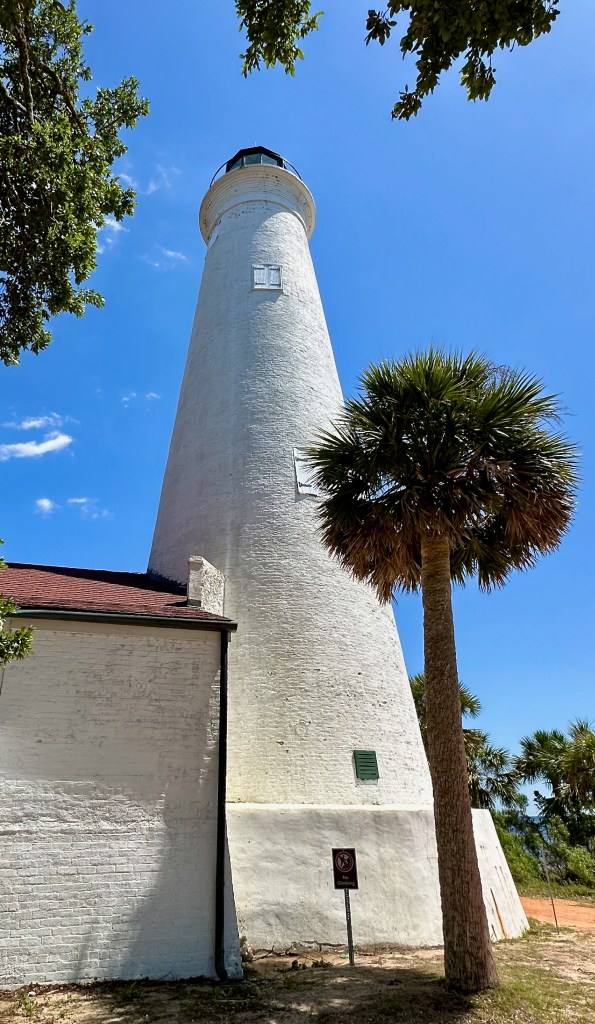
A short drive later I entered St. Marks National Wildlife Refuge. For me, the main draw of the refuge’s 83,000 acres was the St. Marks Lighthouse, the second-oldest one in the state. First lit in 1831, the tower weathered many hurricanes and even withstood a Confederate attack in 1865 before finally being deactivated in 2016.

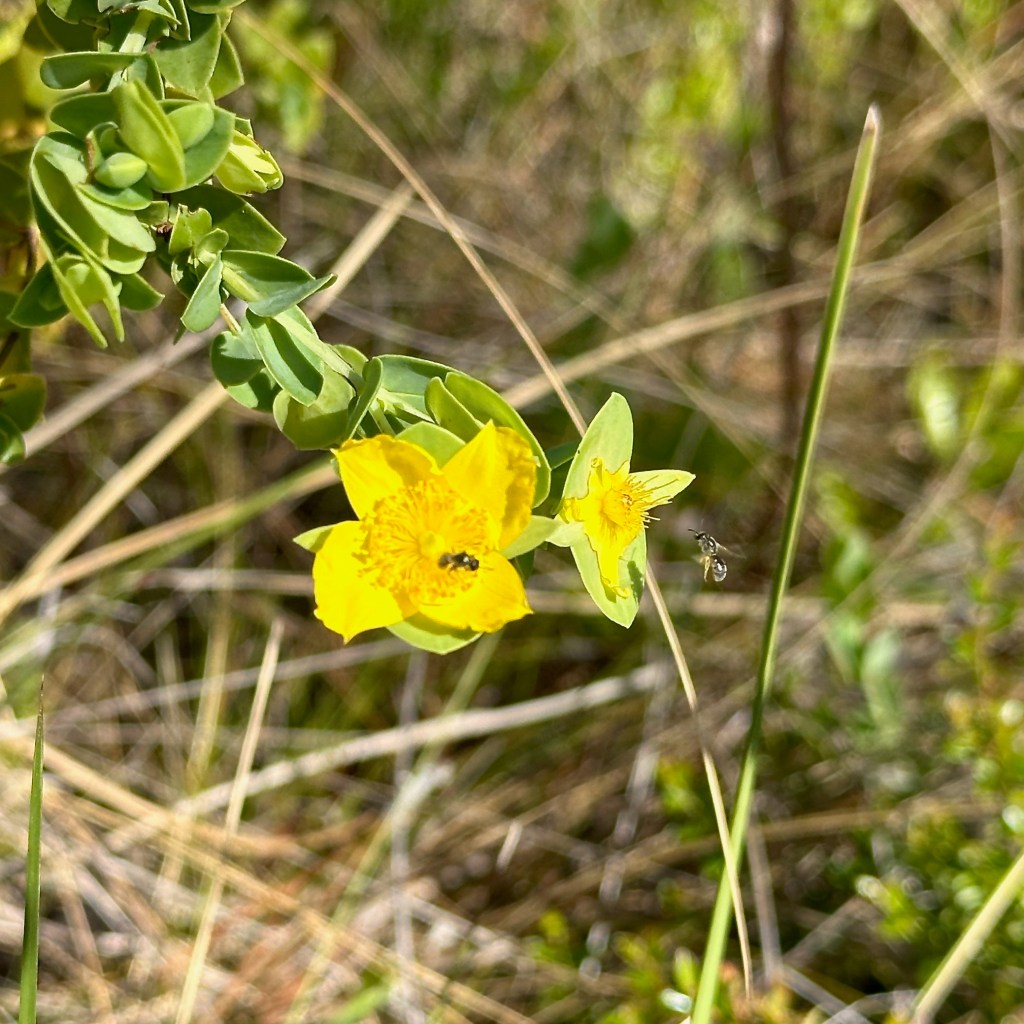
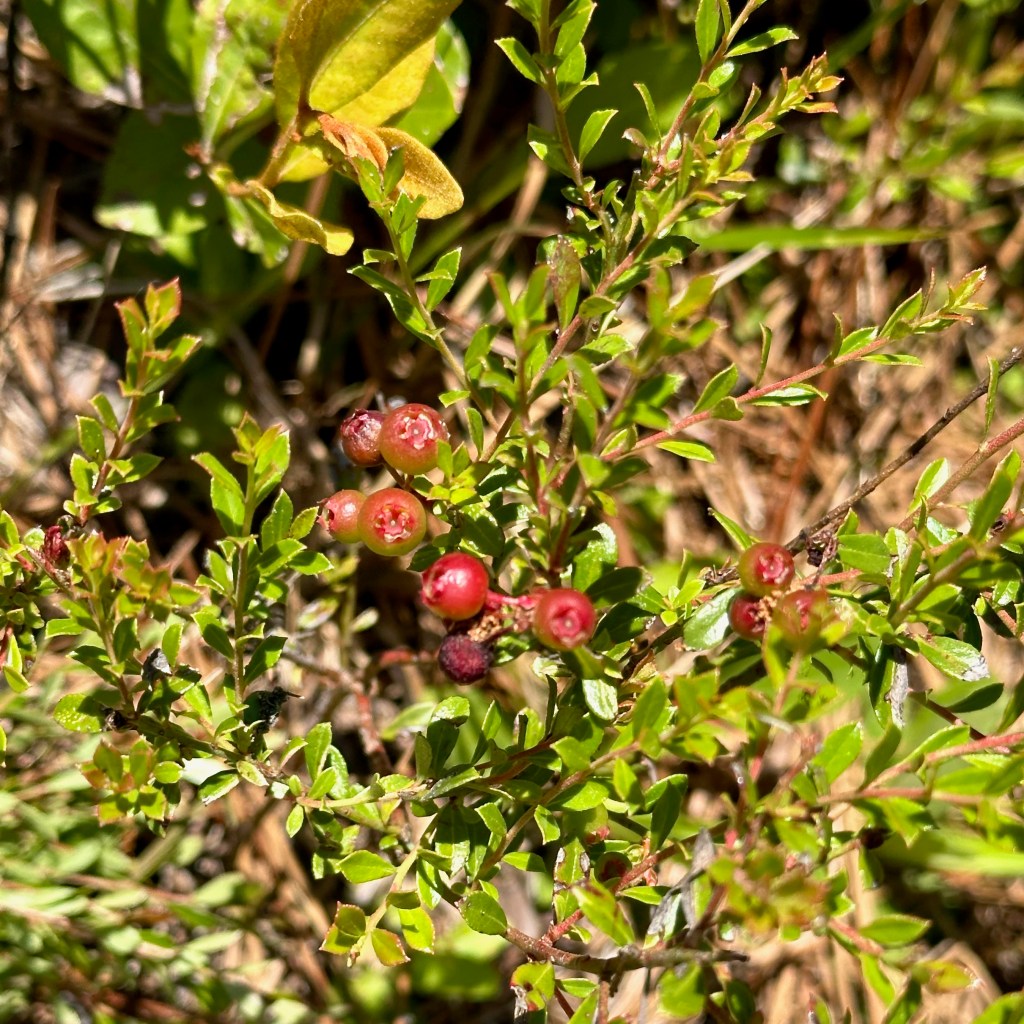
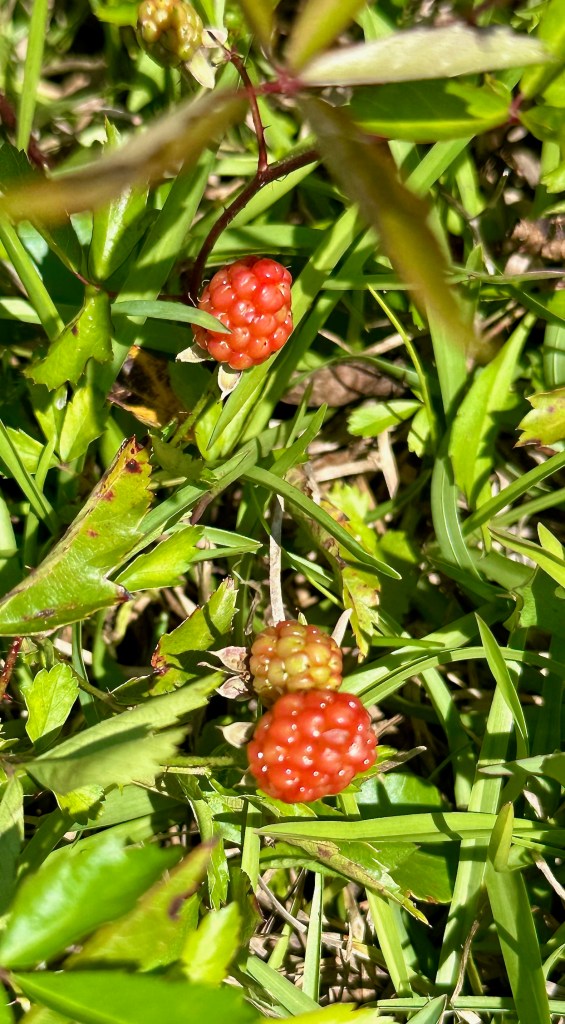
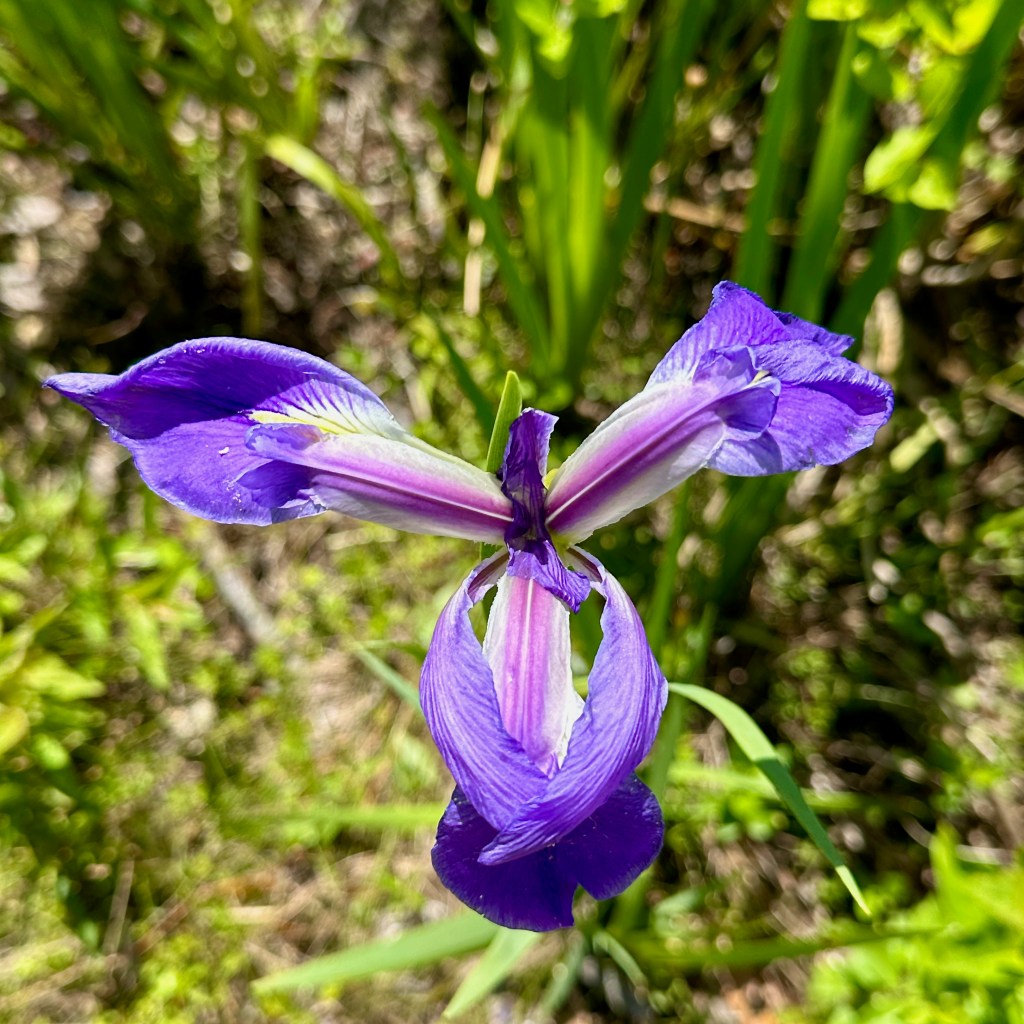
The refuge is best accessed from the water but I enjoyed wandering the few trails, pleasantly surprised by the Spring flowers I encountered. All the leg-stretching came in handy on my long drive home that evening.

It was a quick visit but I’m glad I made the trip up to the Panhandle, it’s been on my list of places to see for a few years now. There’s always so much to see and discover!