Tag Archive for ‘st-johns-river’

Cow Crossing

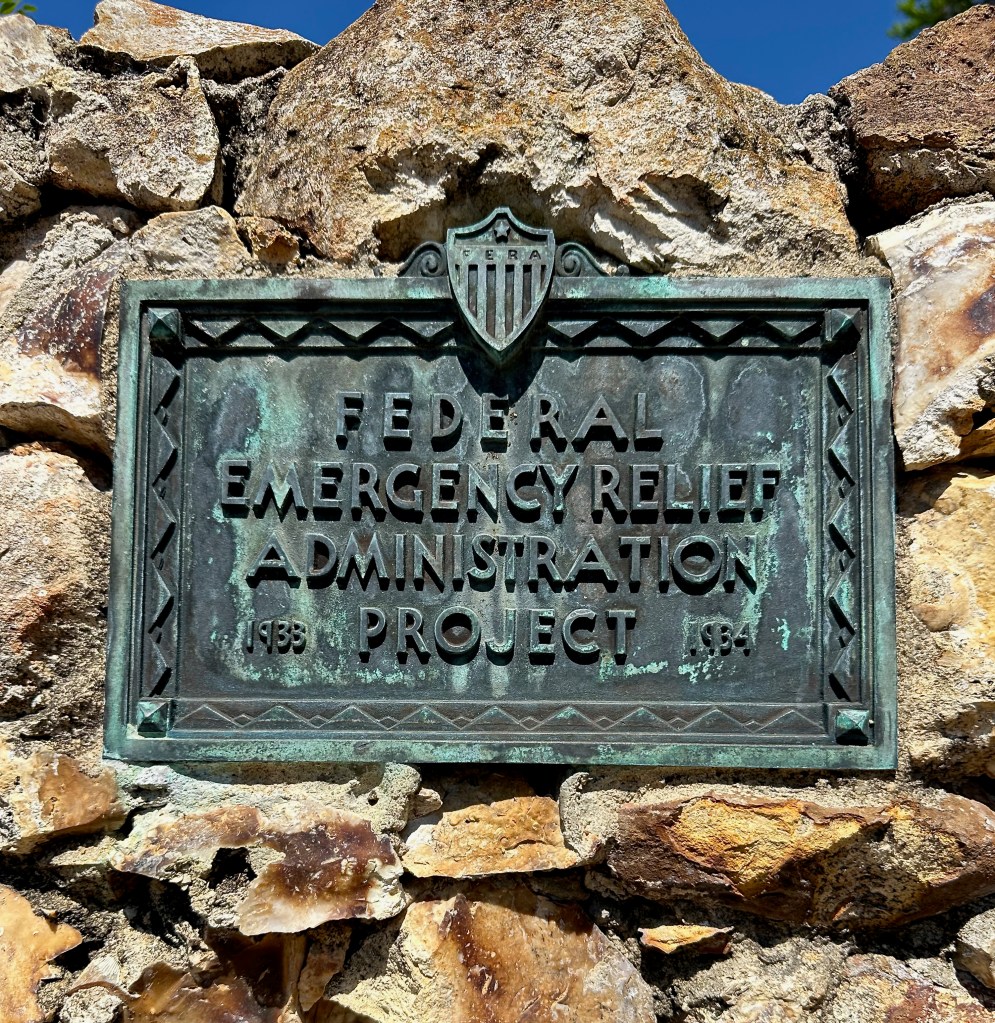
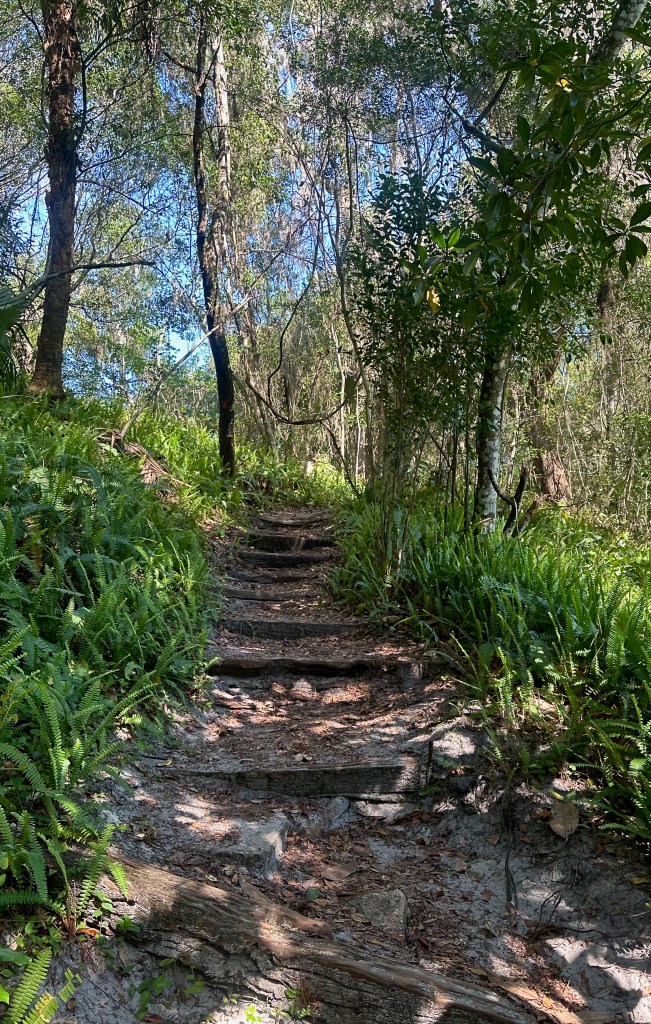
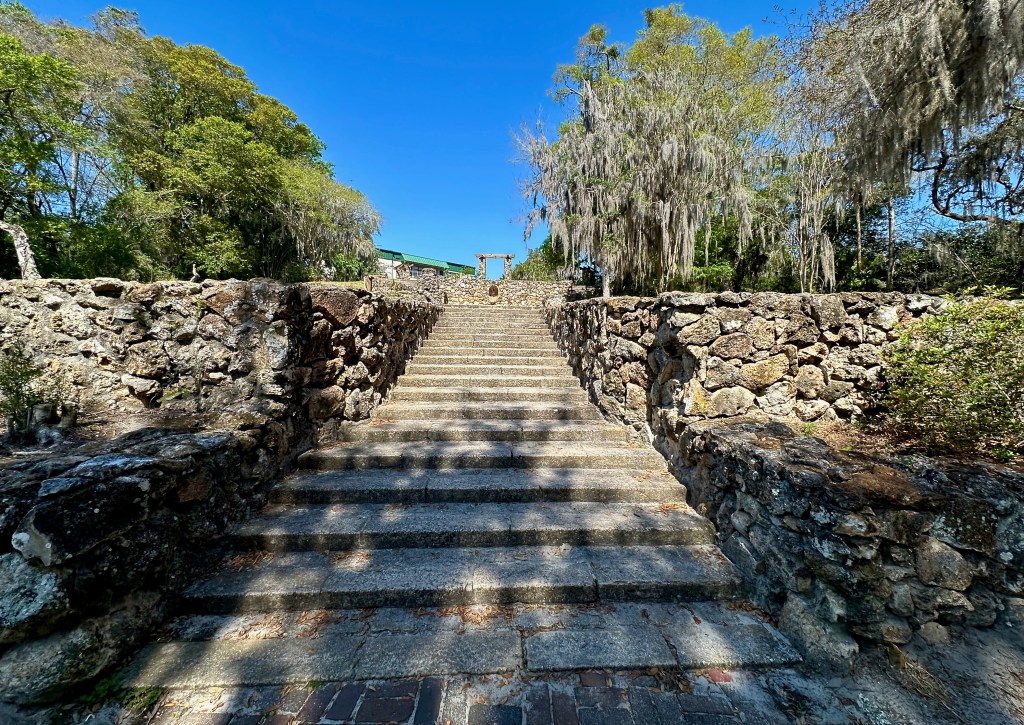
My destination the next morning was Ravine Gardens State Park near Palatka. The park was on my list of places to explore for two reasons; it was a New Deal era project (one of nine in the state), and it’s one of the few places in Florida that has some natural topography.

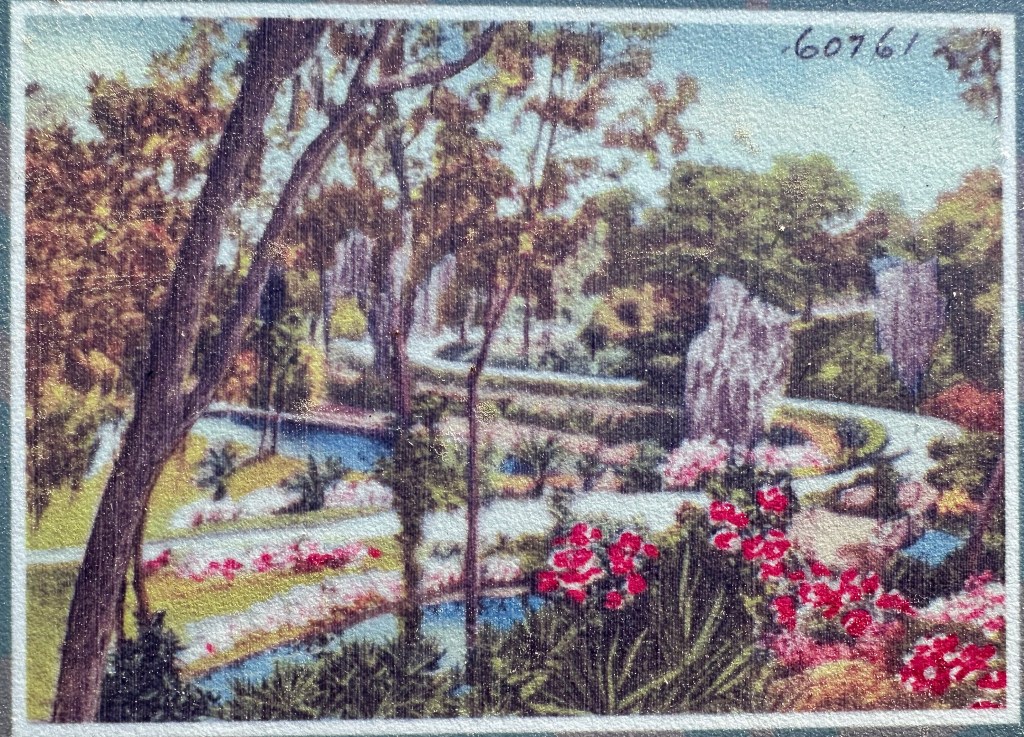
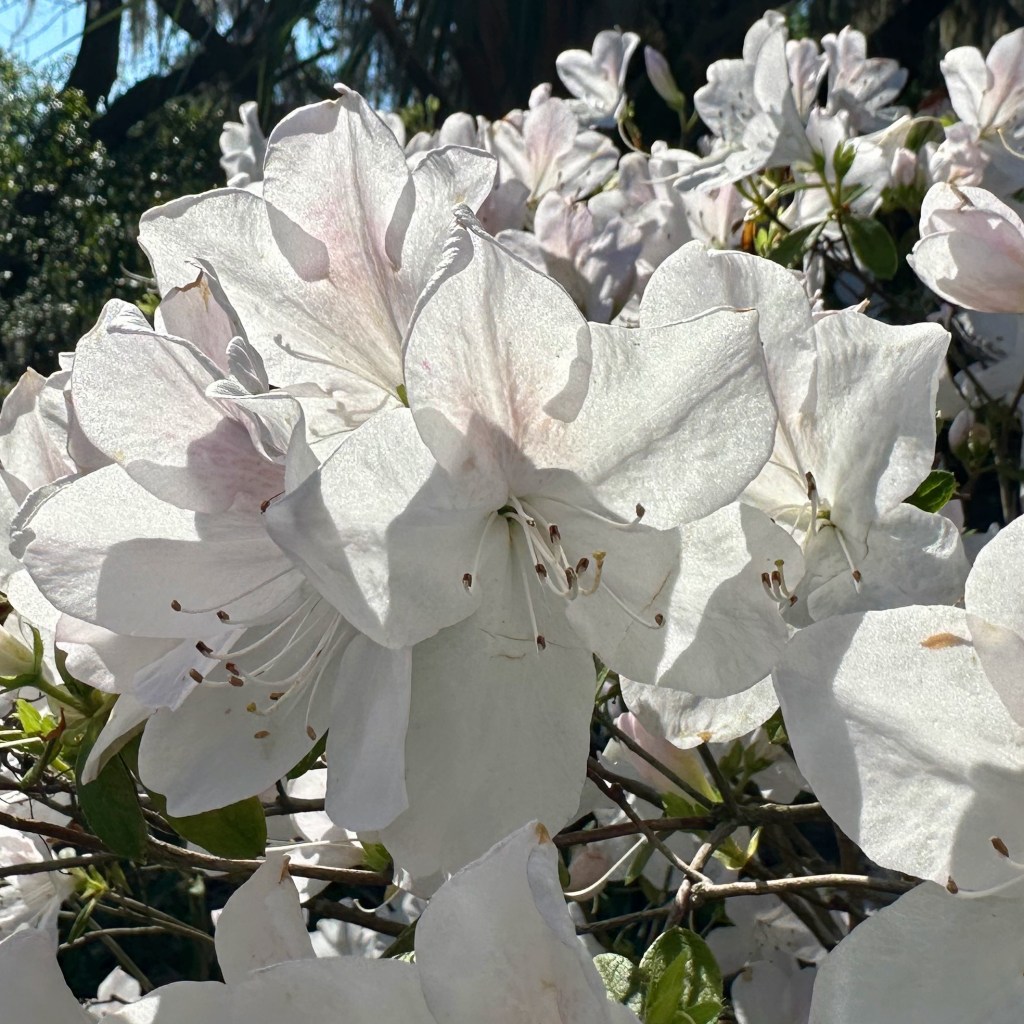
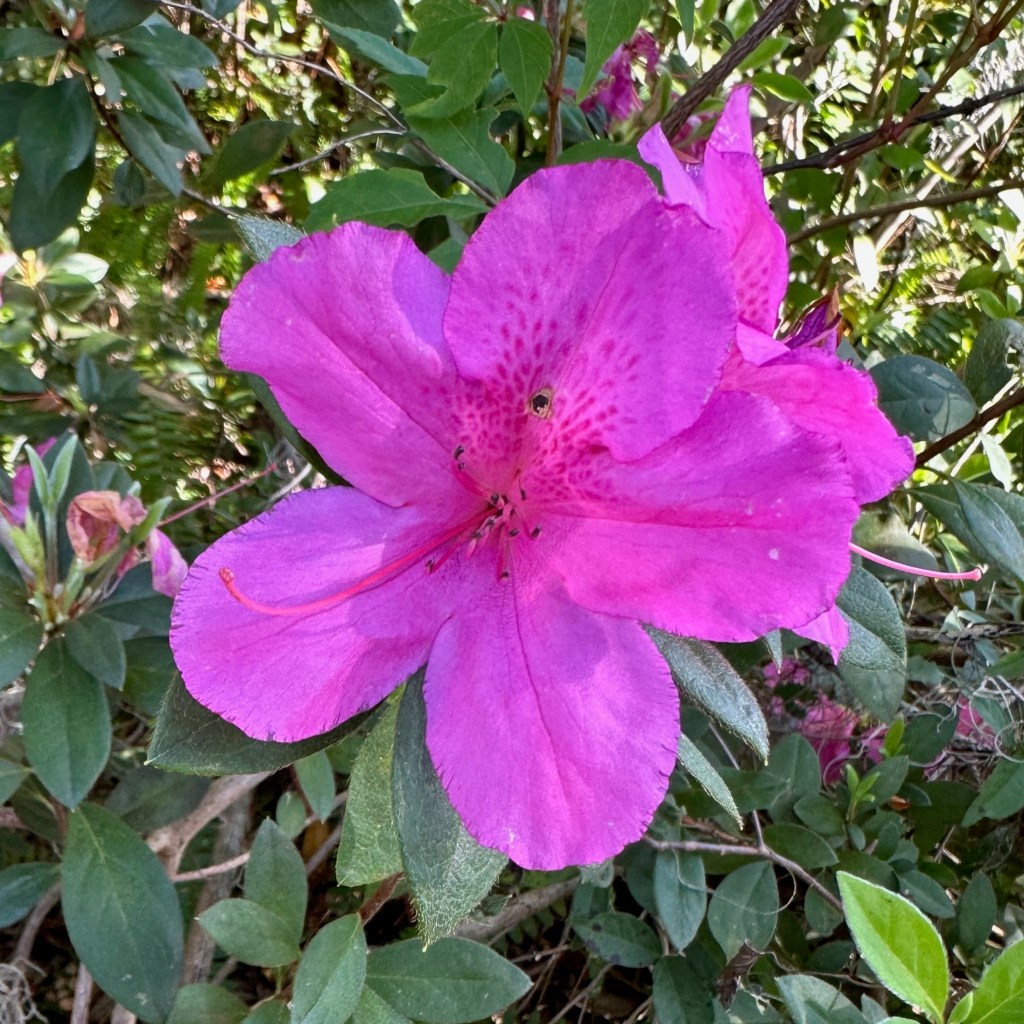
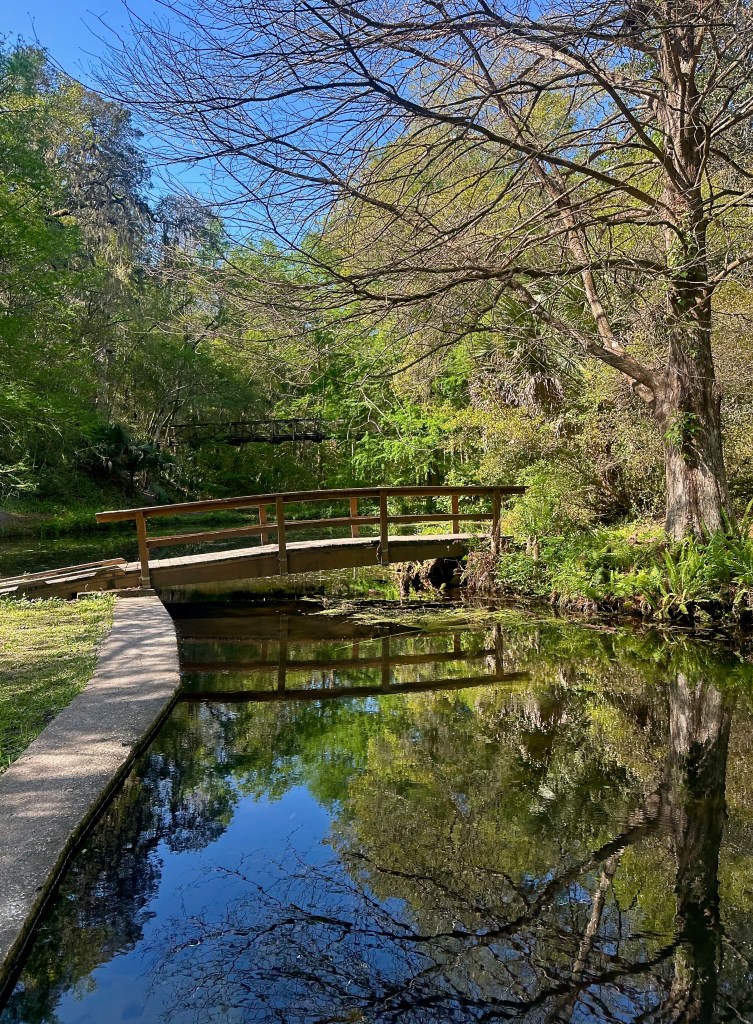
The 152-acre park encompasses two ravines that were carved through the soil by Whitewater Branch, a spring-fed creek. In 1933, at the urging of Palatka residents, the Civil Works Administration began a beautification project that turned the ravines into a terraced garden. A year later the Works Progress Administration took over and planted thousands of azaleas on the steep slopes.

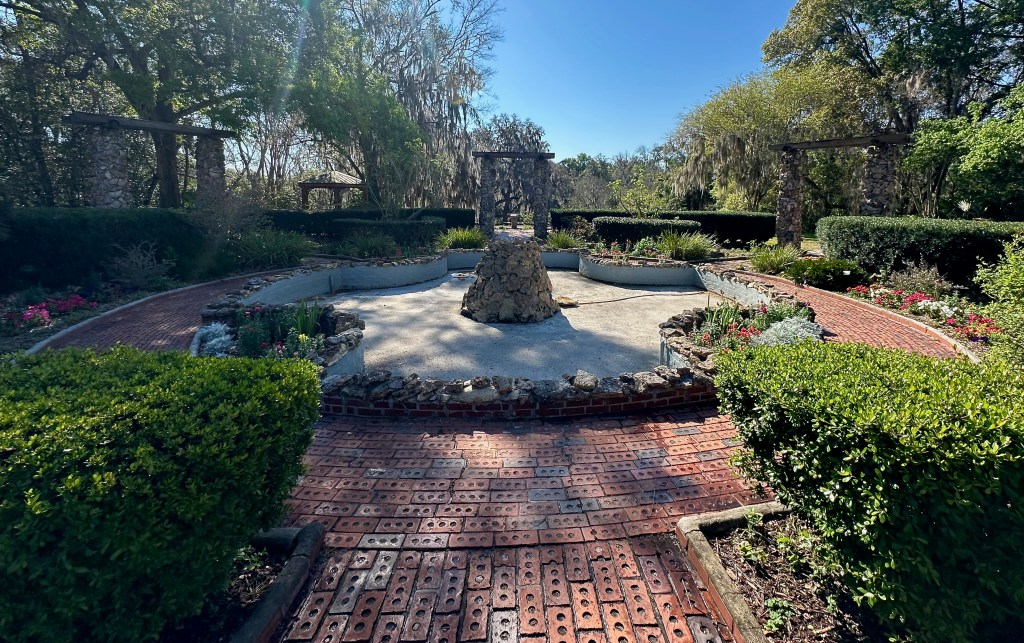
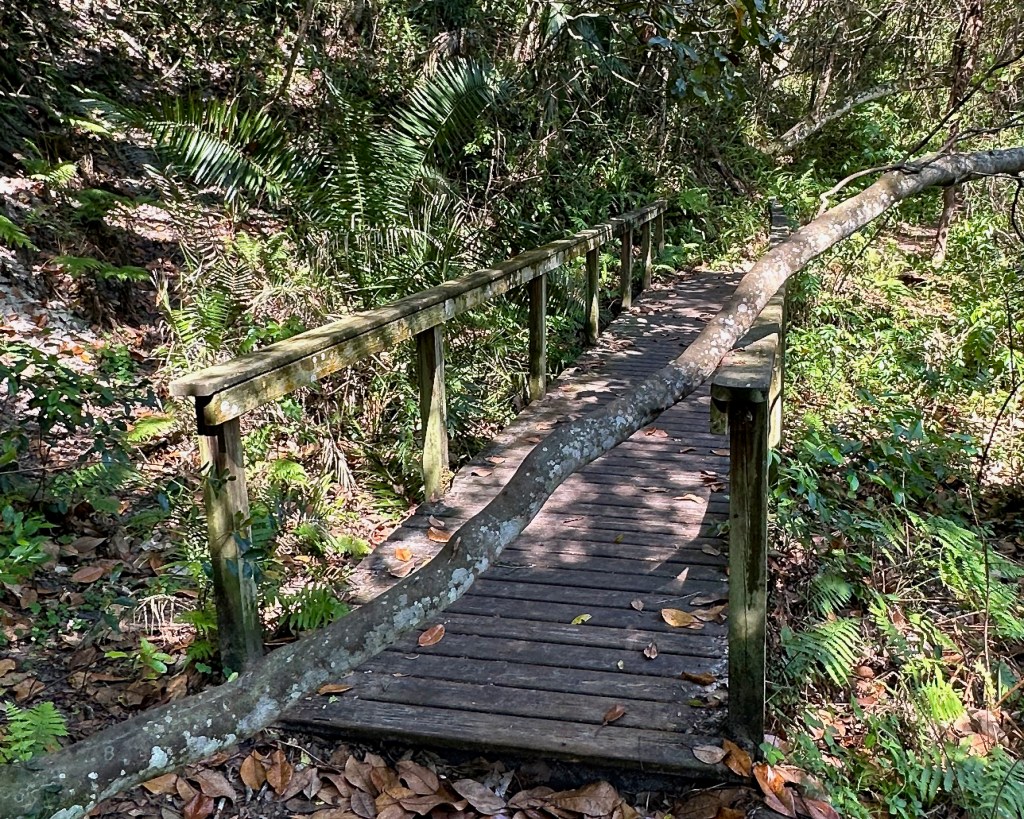
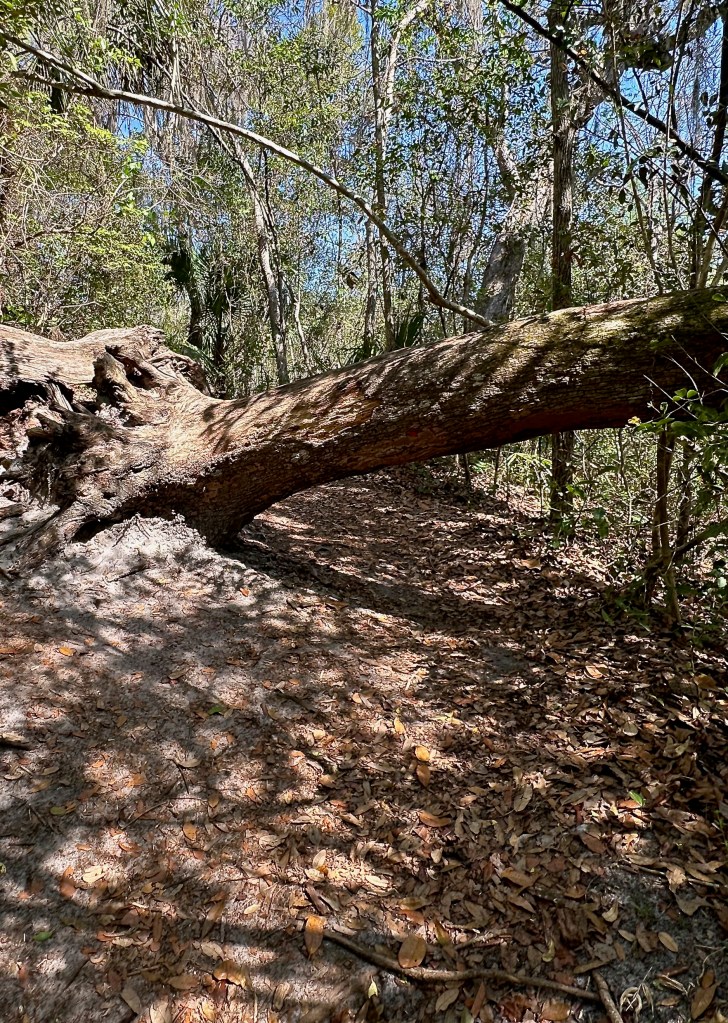
In its heyday, the blooms would start in late February and continue through early May. It must’ve been just stunning (see copy of historic postcard above). Sadly, the gardens have fallen victim to the massive funding backlog of the Florida State Park system. The park put up a sign stating they are letting nature take its course, which I can see making sense along most of the steep slopes (though leaving large, downed trees across trails is a bit of stretch – that’s not nature, that’s a safety hazard). However, in the formal garden and picnic area there is no reason not to restore the lush, historic landscaping (especially since there’s plenty of fresh water onsite).

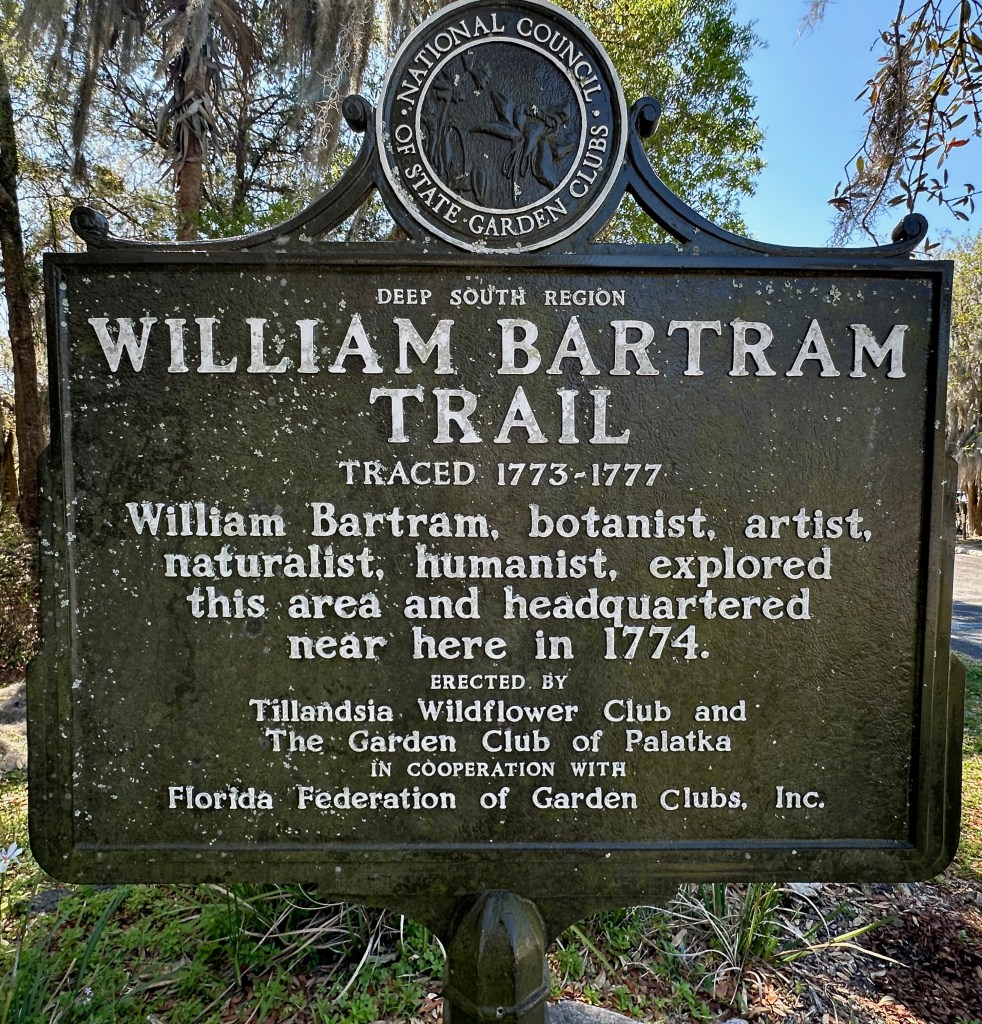
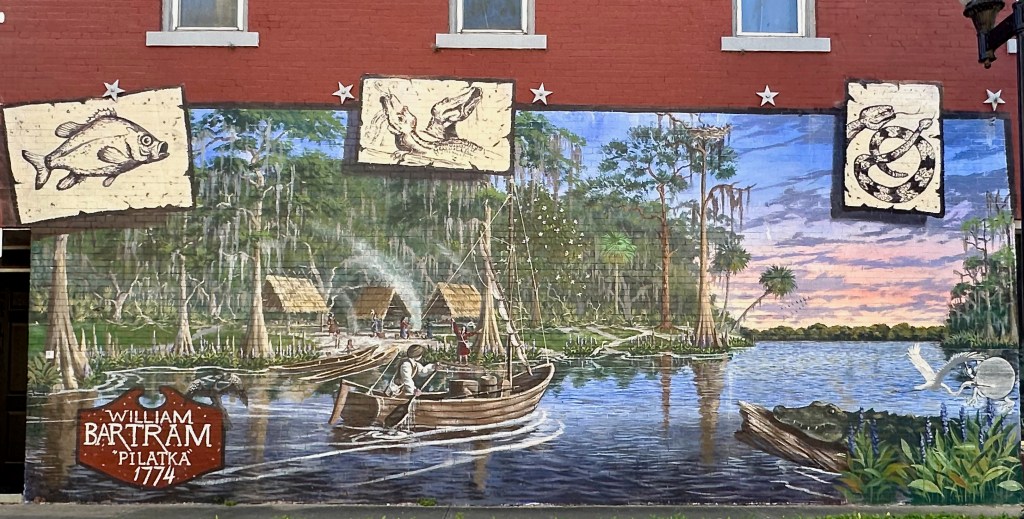
While I was disappointed in the overall state of the place, one item in particular piqued my interest, a sign about William Bartram. His spot in history was earned as the first naturalist to document Florida. In 1763 Great Britain acquired the land from Spain and in 1774 Bartram was hired to provide a detailed report on their purchase.

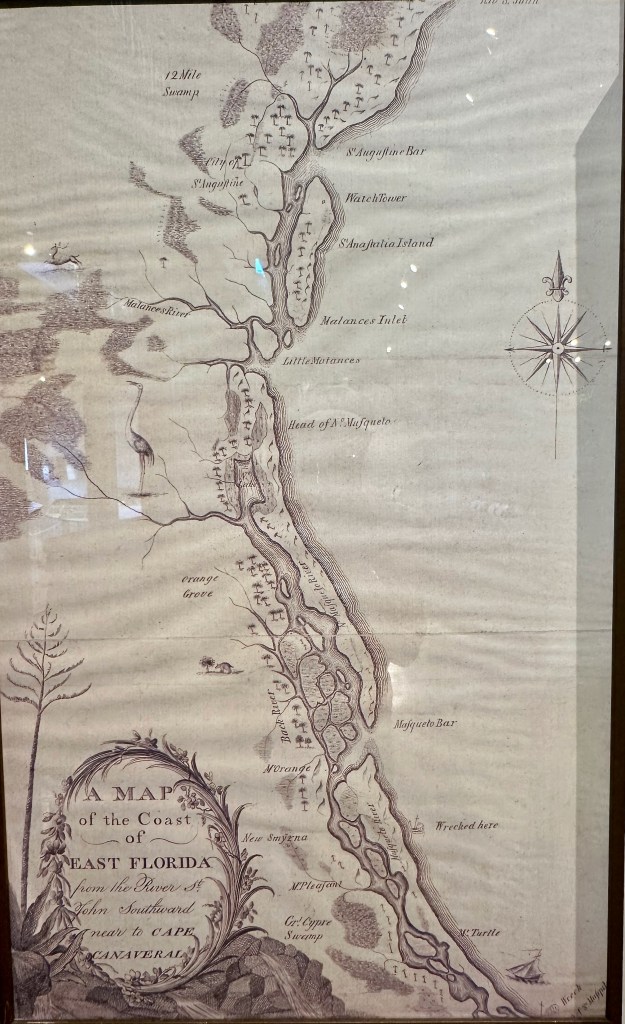
Since waterways were the easiest way to traverse the land’s dense vegetation, much of Spanish development centered on the St. Johns River and its tributaries. One of Bartram’s stops along the St. Johns was Palatka.

Wanting to learn more about Bartram’s adventures I headed to the town’s waterfront. Though the location was already occupied by a thriving Seminole village, the current town’s name derives from its import as a Spanish cattle ranching hub. Palatka was mangled from the original Seminole, meaning cow’s crossing.

When Bartram arrived in April 1775 he was impressed by the Seminole village’s acres of cultivated crops (including oranges, corn, beans, melons, and tobacco). He established a good relationship with the villagers, enlisting their help in finding new and interesting flora and fauna for his report. His odd requests earned him the Seminole name, Puc-Puggy (Flower Hunter).

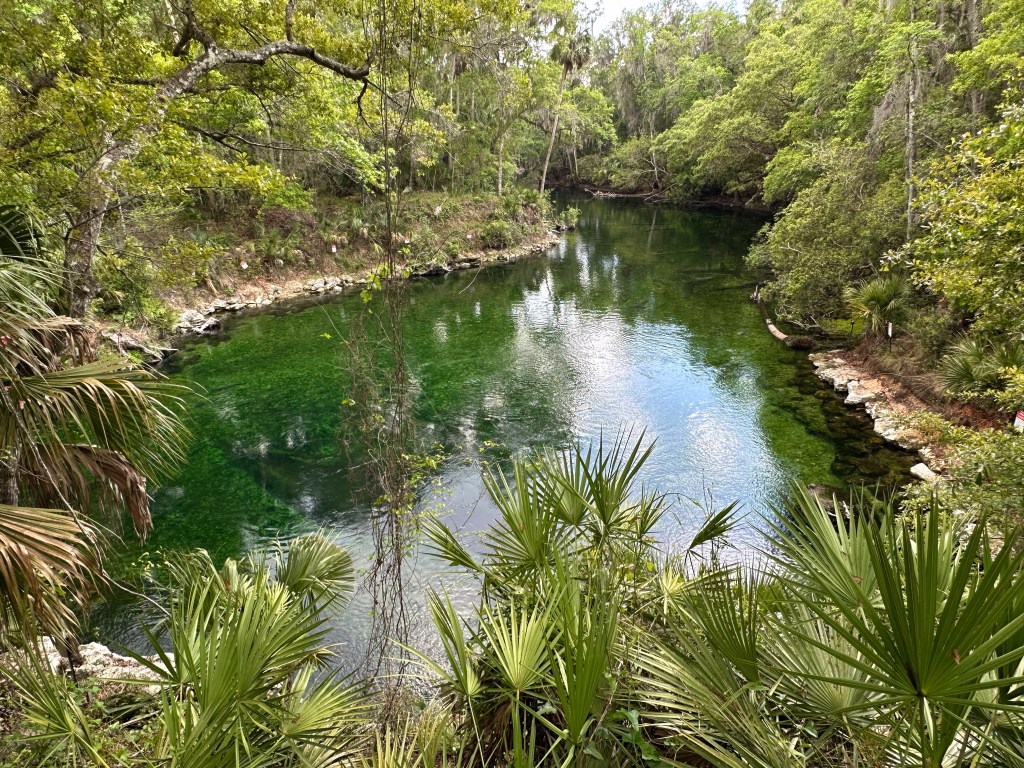
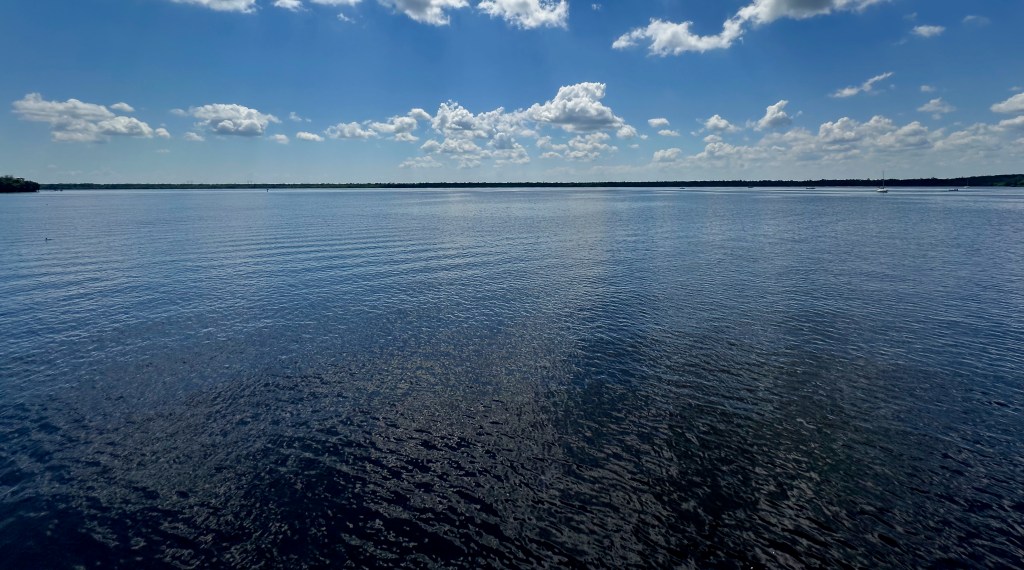
From his nearby home base, Bartram ventured upriver to Blue Spring. It’s odd to call a southern location upriver but the St. Johns is distinctive in that it flows from south to north. Though the term flow is generous, over its entire 310 miles the river drops less than 30’. Battling the current is not the issue but wayfinding is, especially in the Upper Basin where the river fans out to include 13 lakes. One of the lakes, Lake Hell ‘n Blazes* the headwater of the river, earned its colorful name because it was so notoriously difficult to navigate.

Bartram wrote about his Blue Spring trip in his Book “Travels”, relating that a wolf stole fish from his campsite and large alligators almost capsized his little boat (the last is not surprising since his trip was during alligator mating season). He also ventured west, out to the Alachua Savannah, which funnily enough was where I was headed next…

*A popular curse from the early 1800s.
Blue, Orange, Flash

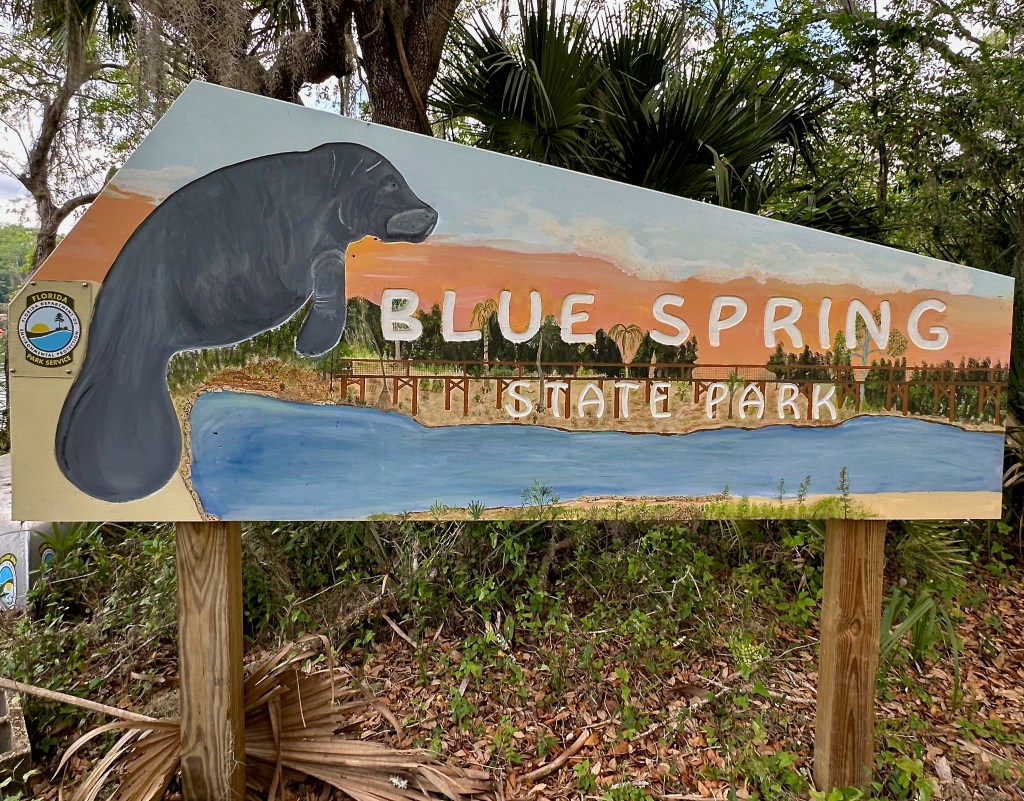
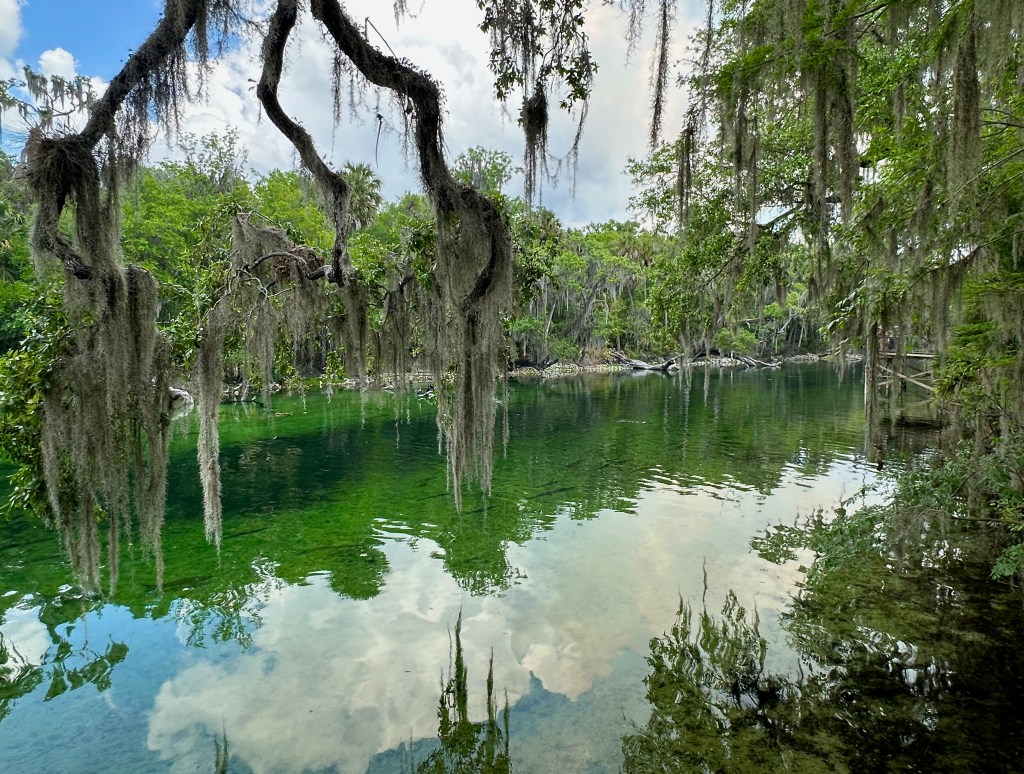
After spending the morning admiring Tiffany’s inspired-by-nature glass art, I was eager to get out into nature myself. Less than an hour later, I was exploring Blue Spring State Park.

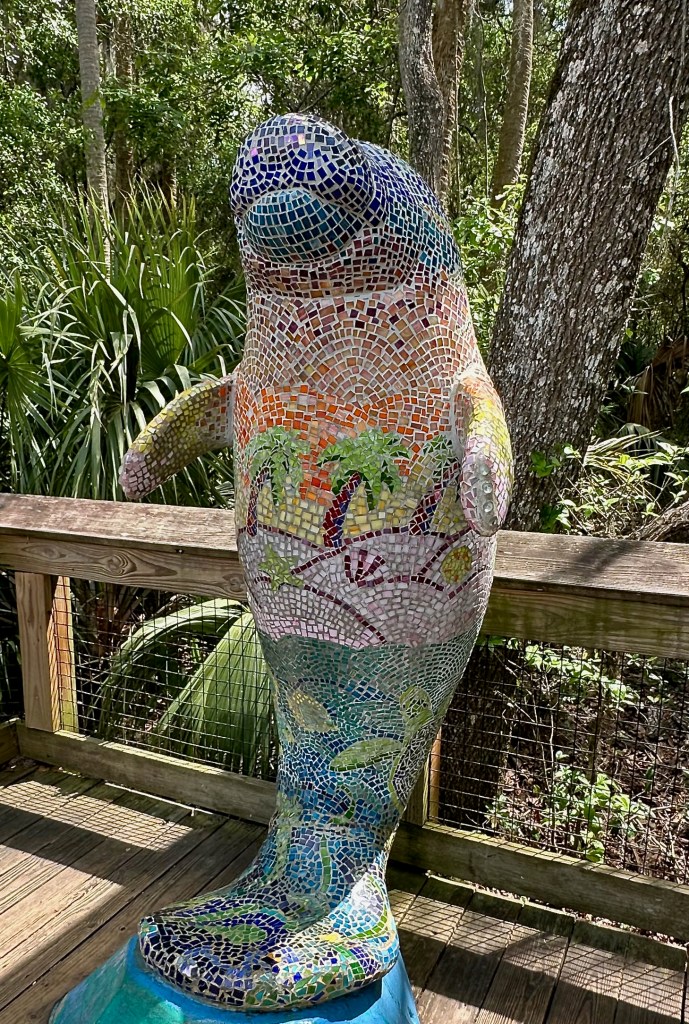
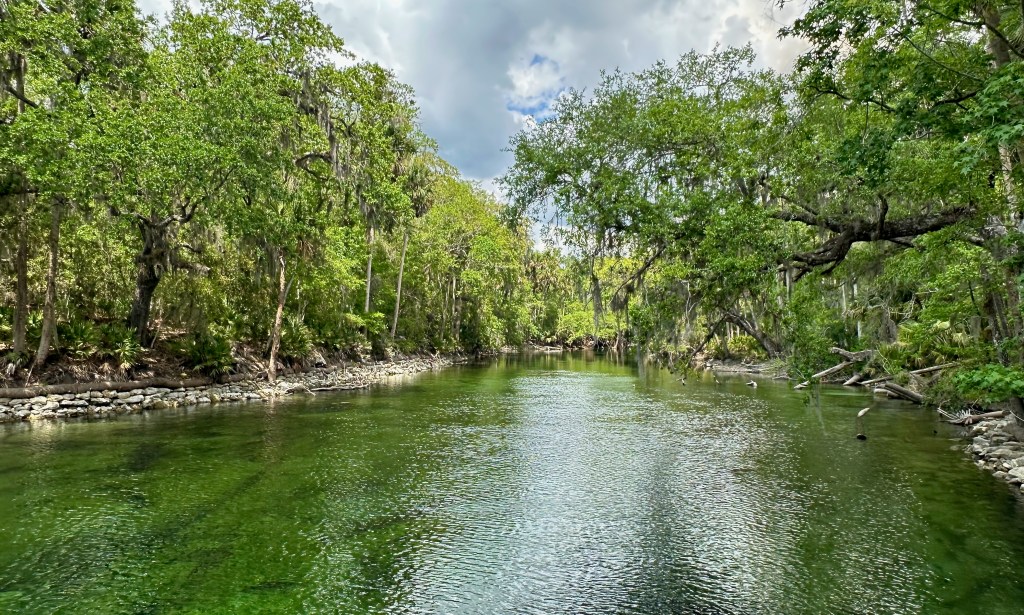
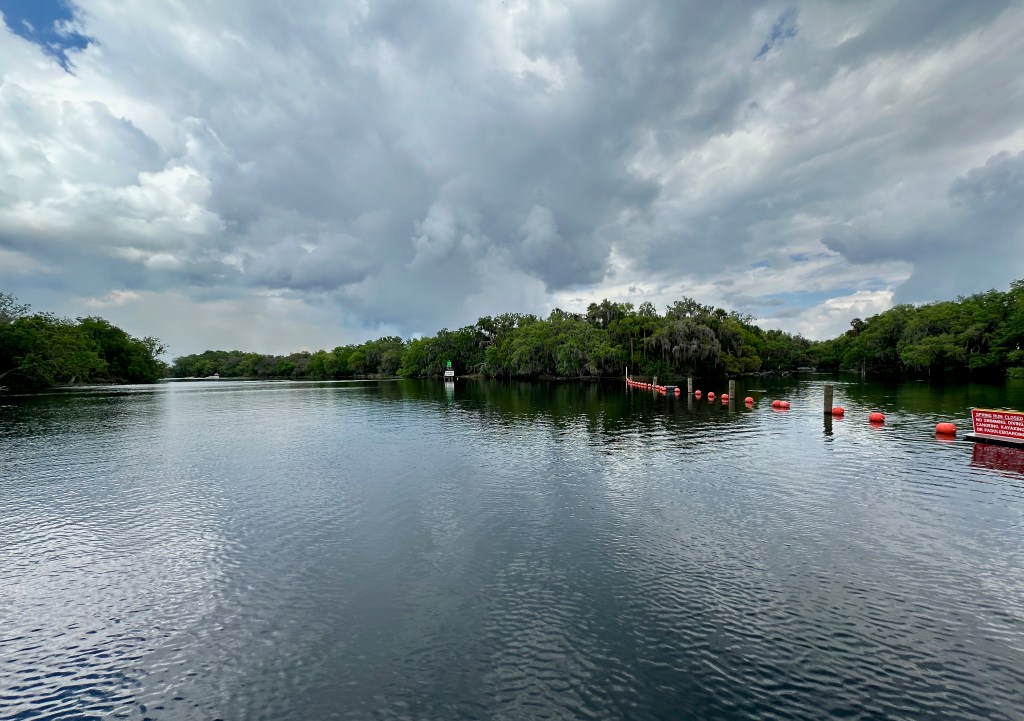
There were several reasons that I was drawn to that location: it’s the largest spring along the St. Johns River (over 100 million gallons of fresh water bubble up every day), it hosts the largest winter population of manatees in the state (on February 2 this year there were a record 834 manatees crammed into the spring run), and for a few weeks every Spring the park sparkles after dark from the mating dance of the Florida Single Snappy (Photuris congener).

The past month of warm weather increased the water temperature in the St. Johns River, so there weren’t any manatees hanging around. Since I knew that they just take advantage of the 72° water during cold spells, I wasn’t disappointed (though other visitors were). Manatees, despite their considerable girth, are unlike seals and whales in that they do not have blubber so they rely on warmer water during the winter.

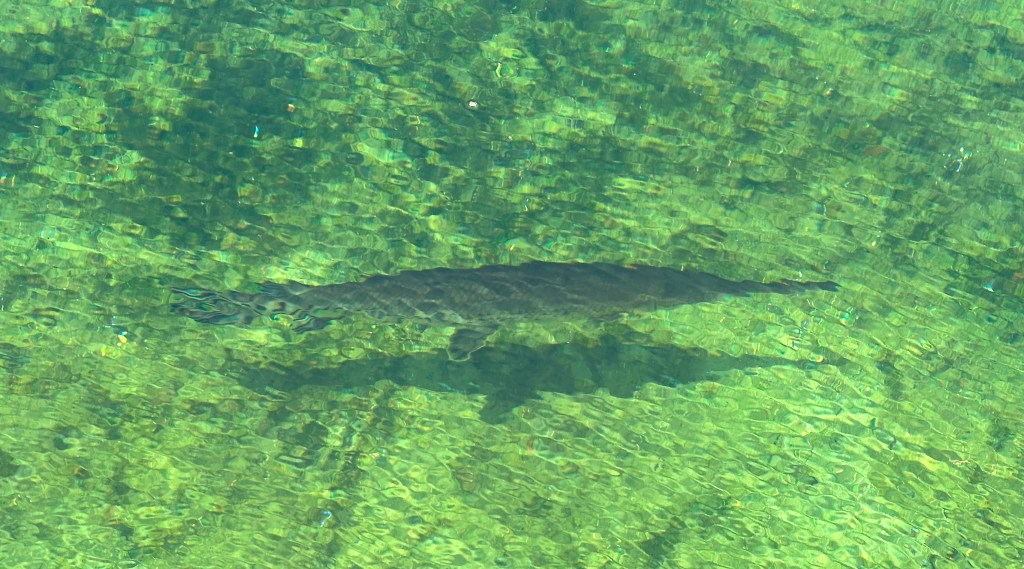
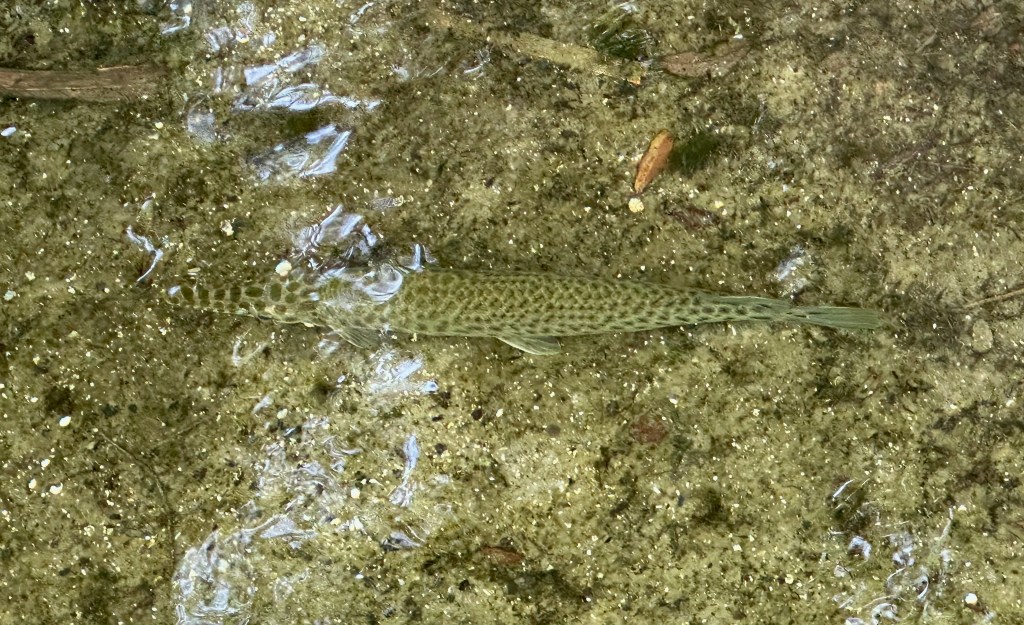
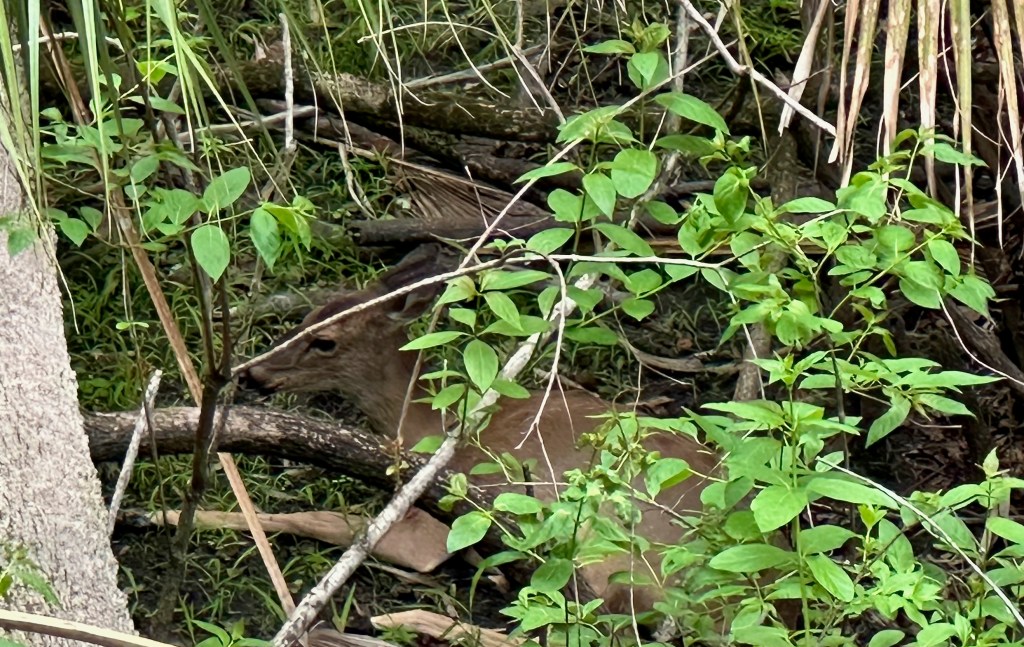
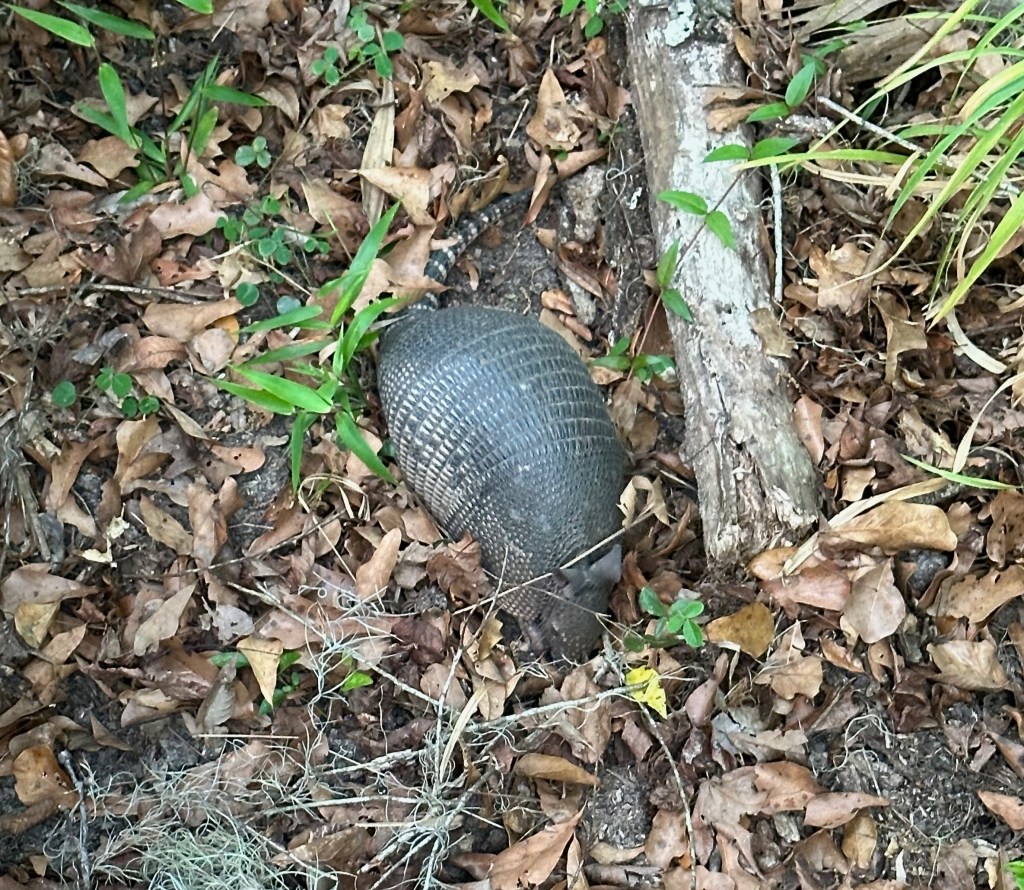
There was still plenty of wildlife to admire as I wandered the trails. And more interesting history than I anticipated. Long before the Spanish landed in Florida (and all the way up until roads and railroads), the St. Johns River was a watery thoroughfare. A large shell mound near the river is evidence that Native Americans used the site for generations.

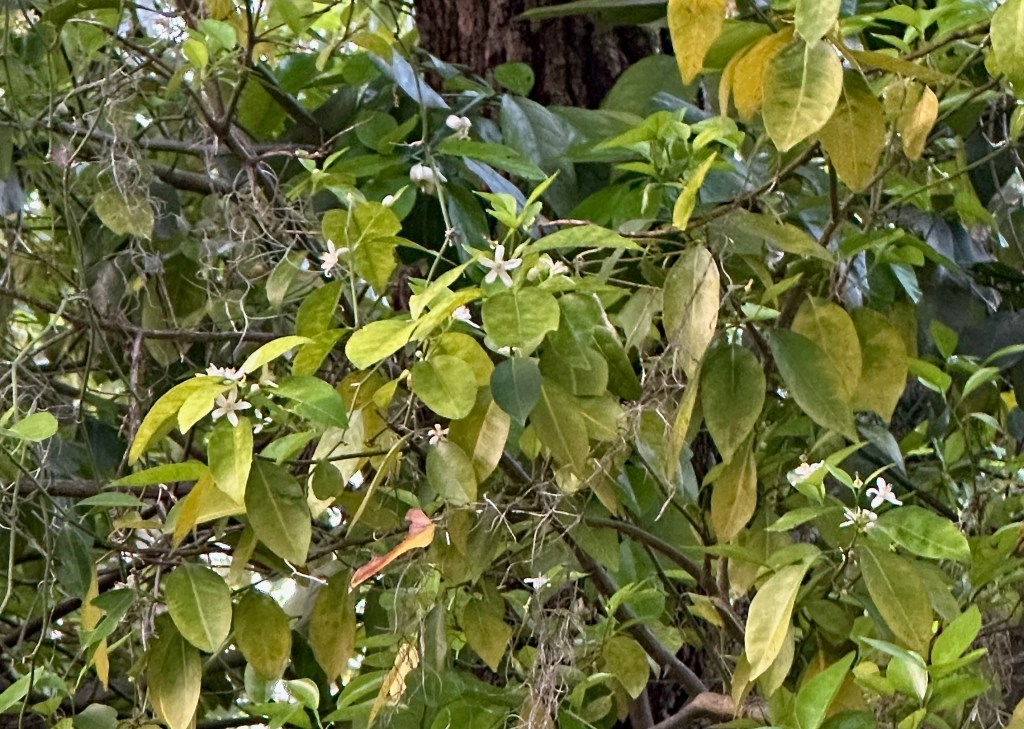
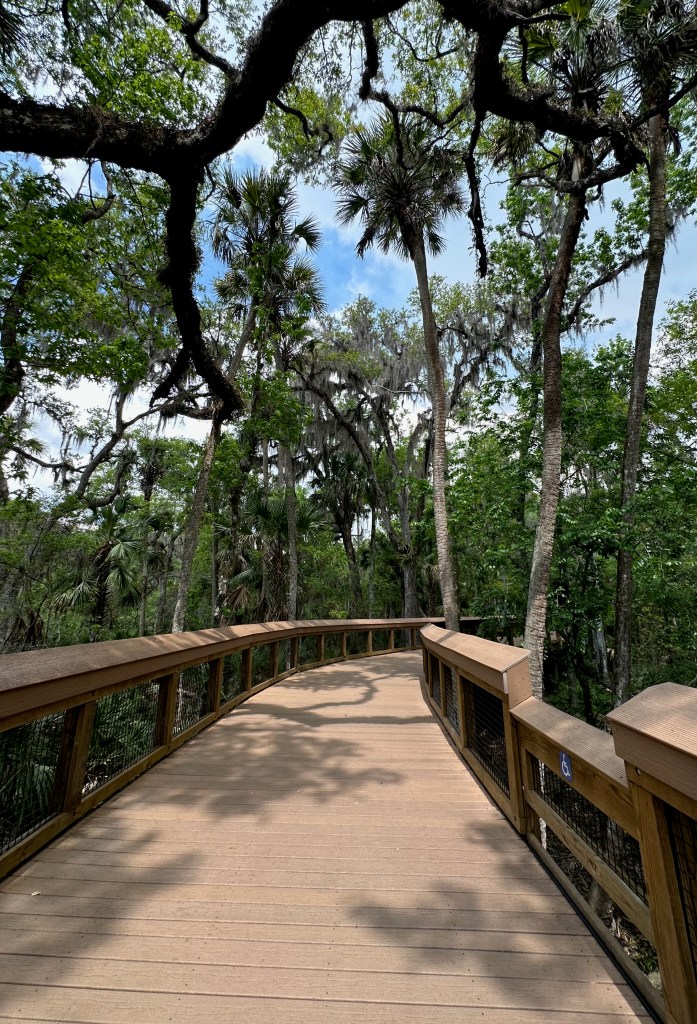
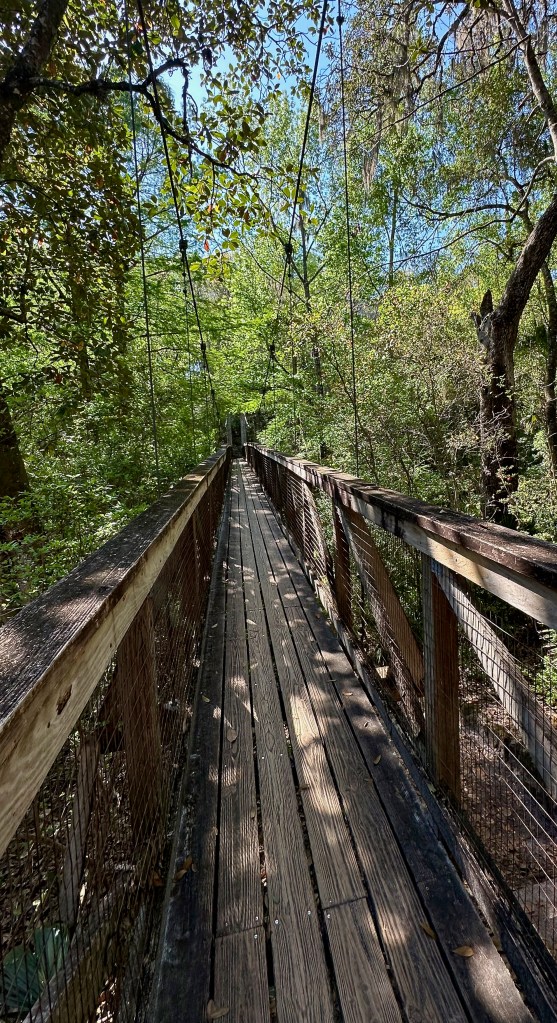
In 1856, Louis P. Thursby bought the land at the confluence and opened Blue Spring Landing, one of the first steamboat landings on the river. He and his family also planted one of the area’s first orange groves. I caught a whiff of orange blossoms while walking the boardwalk. Since it is my absolute favorite smell, I circled around looking for the tree. I finally spotted the scraggly tree, fighting through the shade of a massive oak. Amazing when one considers it’s a feral descendant of the Thursby’s orchard that was planted 170 years earlier!

After getting my bearings I left the park to check into my room in nearby Orange City. When founded, the town’s name rang true as it was located in Florida’s vast orange growing region. During the 1870s and 80s citrus and other commerce traveled along 400 miles of waterways, primarily the St. Johns. In its heyday, 1894, Florida exported 5 million boxes of oranges. Sadly, a brutal cold snap, known as the Great Freeze, killed roughly 99% of the orange trees in that area. As a result, Florida’s orange production shifted further south to milder climes.

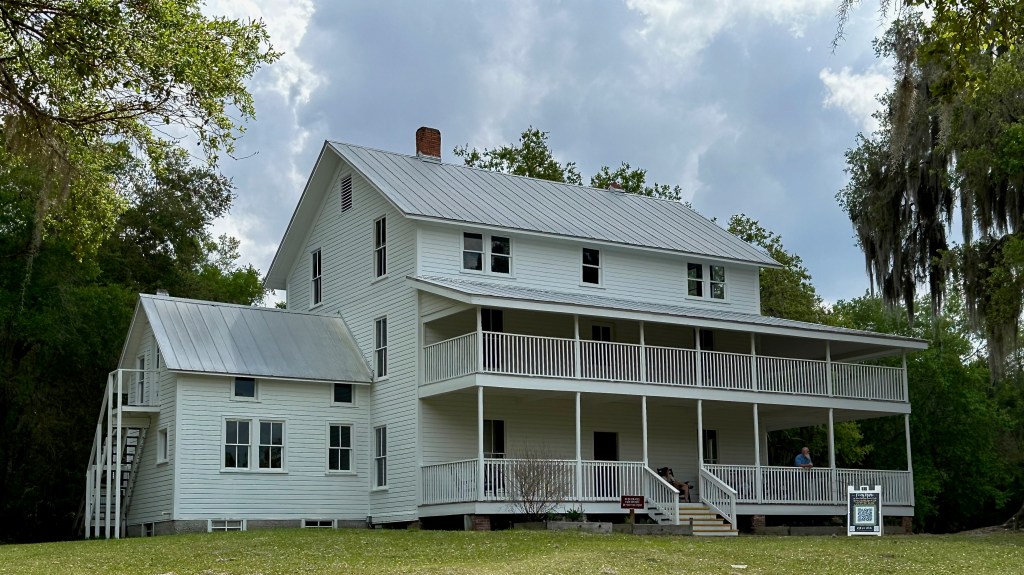
After a brief refresh, I returned to the Park for the feature event, Firefly Night. The park’s Friends group hosts these special evenings which celebrate fireflies and raise awareness of their dwindling populations. I listened to the ranger talk while sitting in a rocking chair on the wraparound porch of the historic Thursby House. The family home, which was built in 1872 atop the shell mound certainly has a commanding view of the river.

As for the fireflies, the Florida Single Snappy is one of the state’s 56 known species. As the name implies, this species uses one quick bright flash to attract a mate. I also learned that fireflies undergo complete metamorphosis (like butterflies) and have the ability to flash during any life stage. Each of the 4 stages last 1-3 weeks except the larval stage, which can last 1-2 years!

By then it was dark, and the first few bright flashes elicited excited murmurs from the crowd scattered along the boardwalk. It was a definitely magical way to spend the evening!

My Amateur Attempt to Capture Florida Single Snappies