Tag Archive for ‘photography’

Early Birds Get the Shells

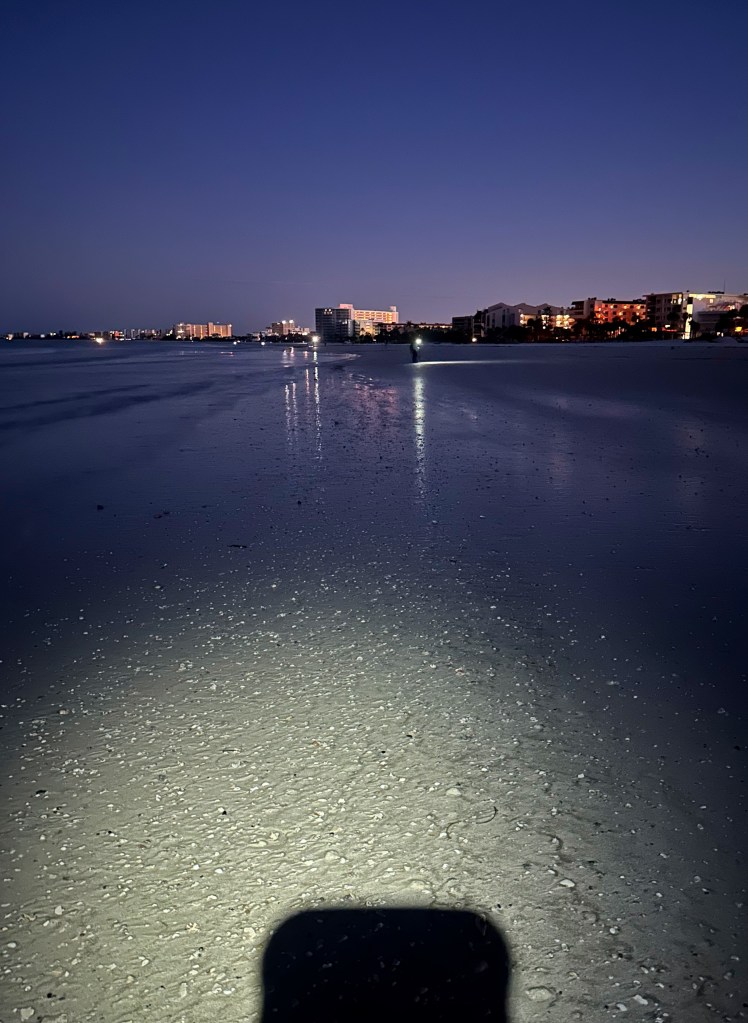
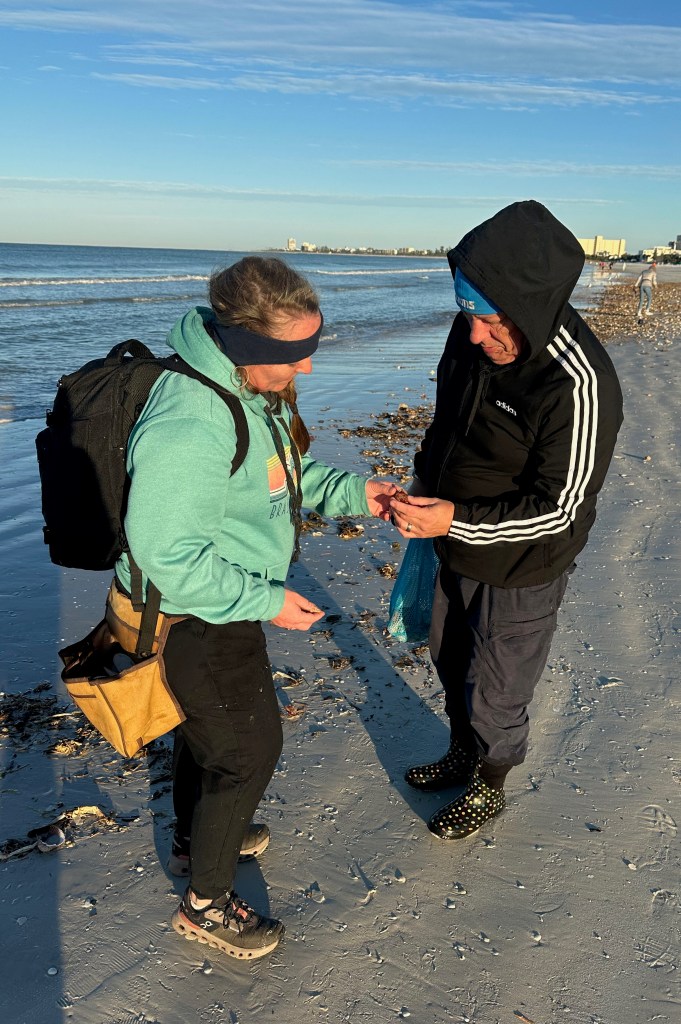
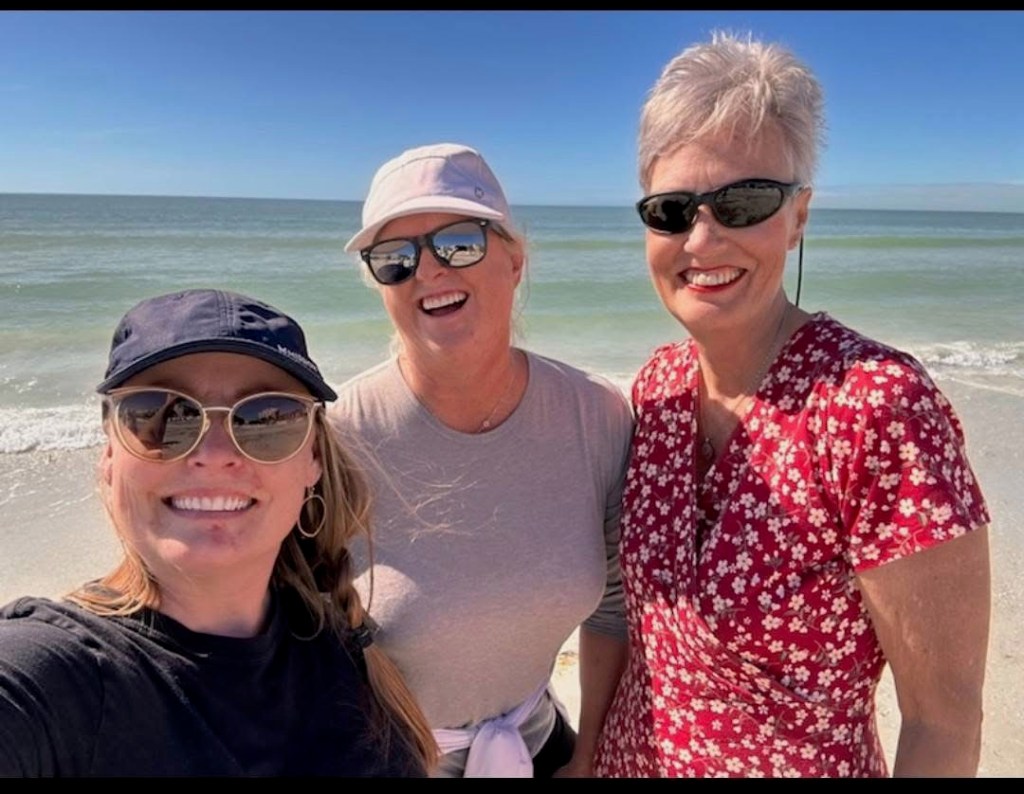
Winter storms tend to churn up the bottom of the Gulf which leads to new and interesting items on the beach. When the aftermath of one of those storms coincides with a minus tide, the beachcombing is not to be missed. So, yesterday I drove down early to Siesta Key and met Alyssa, her dad Tom, and step mom Suzanne for a morning of shelling.

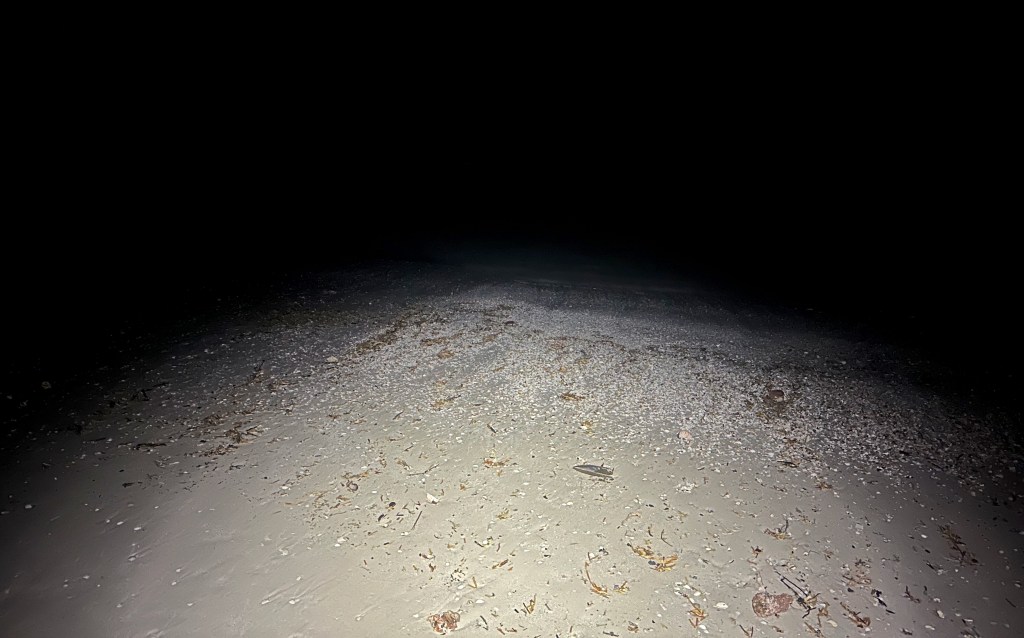
It was still dark and a breezy 47° but we didn’t let that stop us! We had our headlamps and wore multiple layers. Since I’m a complete cold weather wimp I even had on ear muffs and gloves. Believe it or not, we weren’t the only ones braving the elements, we could see other little dots of light up and down the beach.
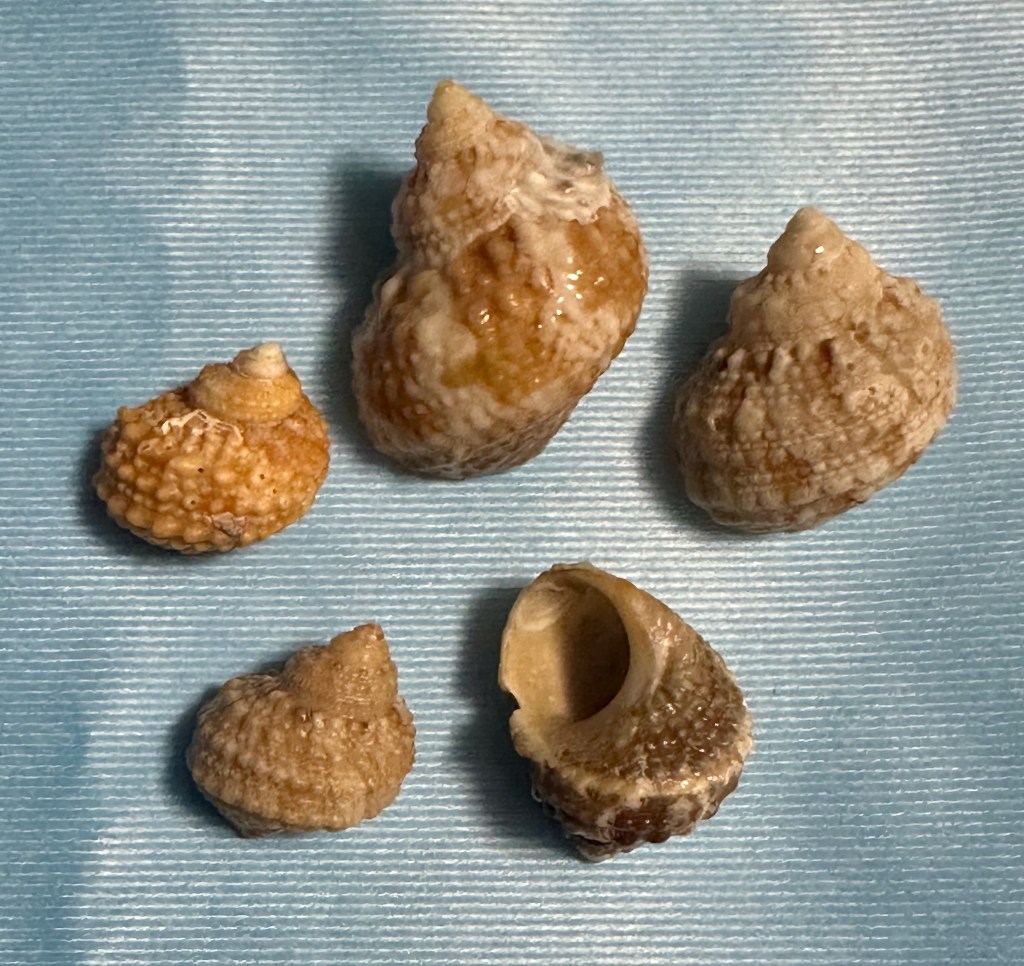
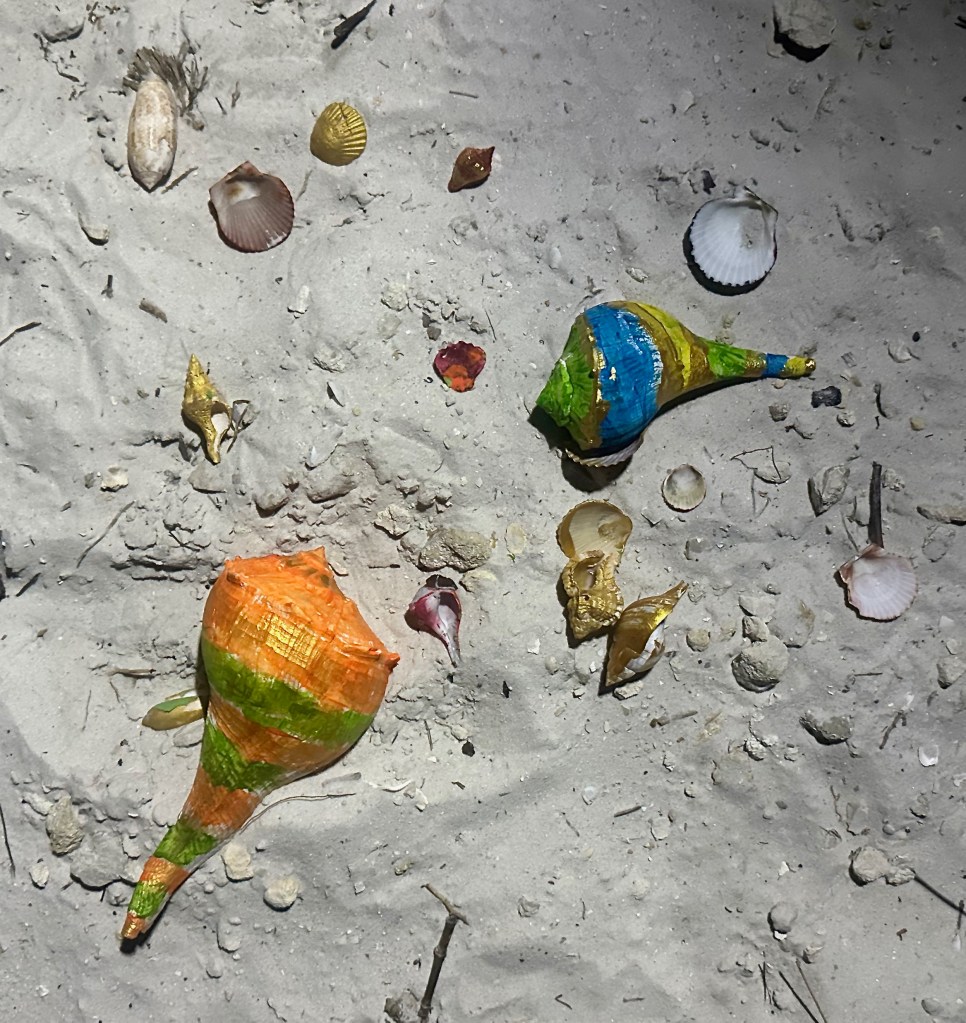
There were plenty of shells for everyone and it seemed every couple feet there was something that caught my interest. After a few hours we left to grab breakfast and rest our necks. By the time we returned to the sand, the sun had done it’s job and it was much warmer!

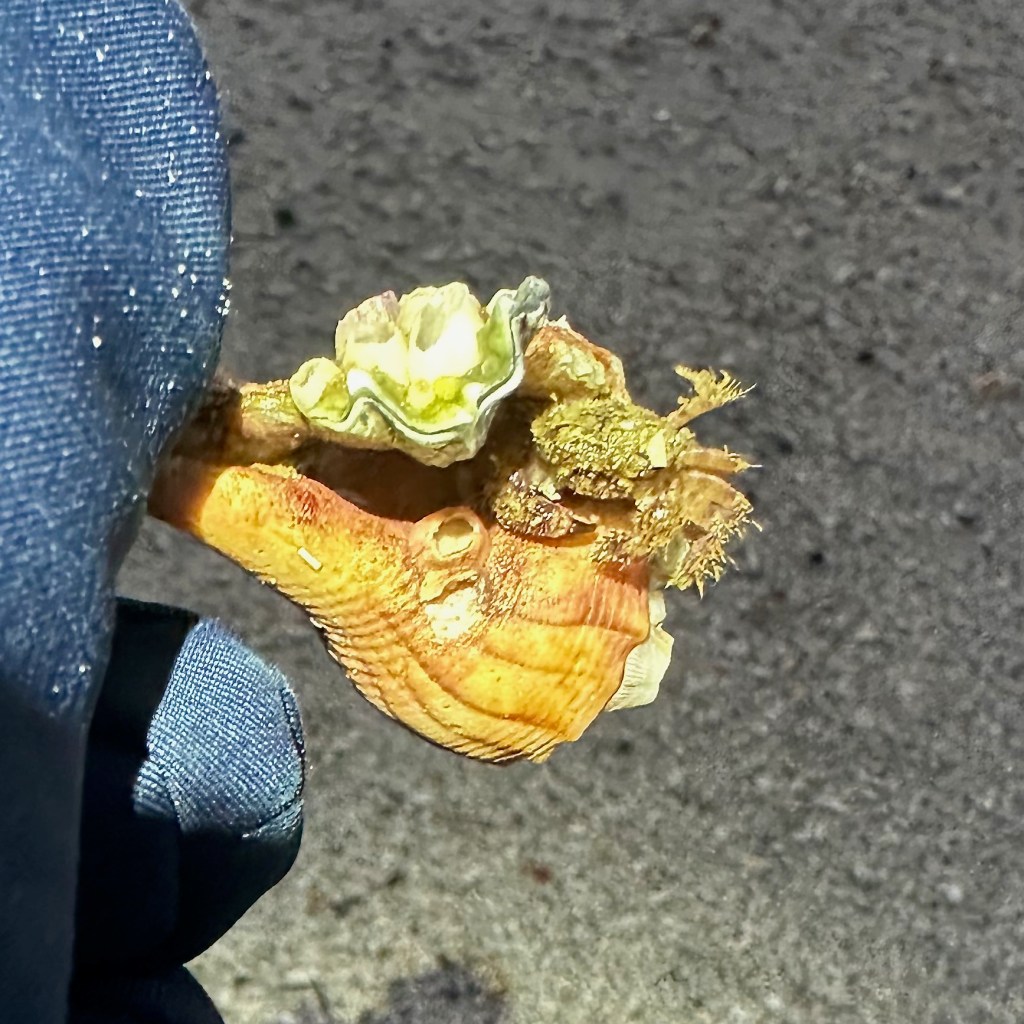
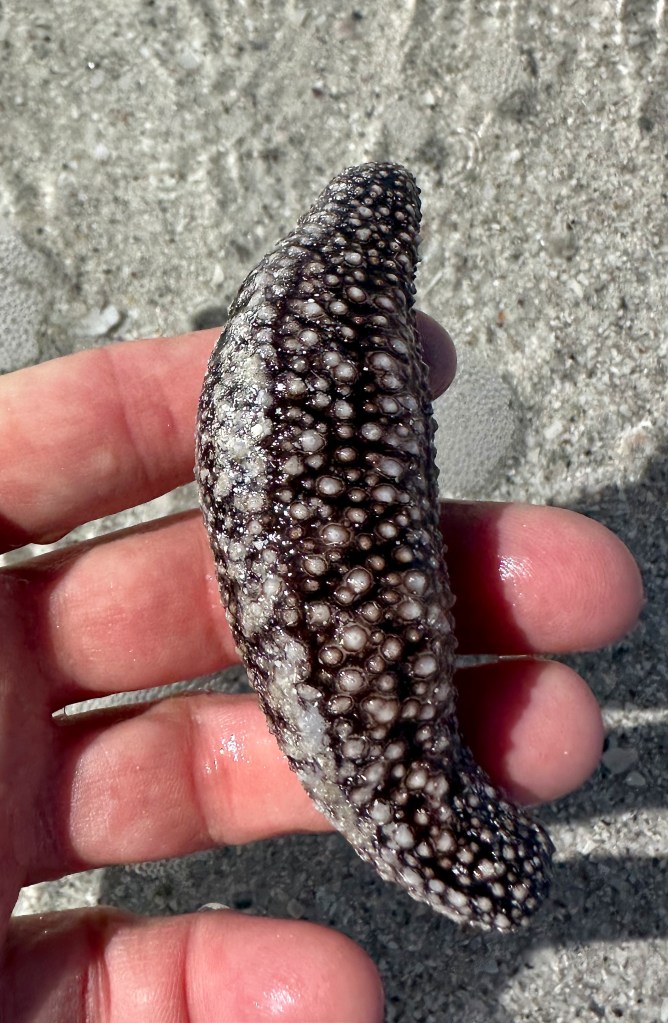
While the crowd had grown there was still so much to see. Interestingly, there were a lot of occupied shells, either by the original creator or by hermit crabs. We returned all the live ones we found to the gulf. Even had the chance to carefully untangle a Sea Cucumber from the wrack and slide it back into the water.

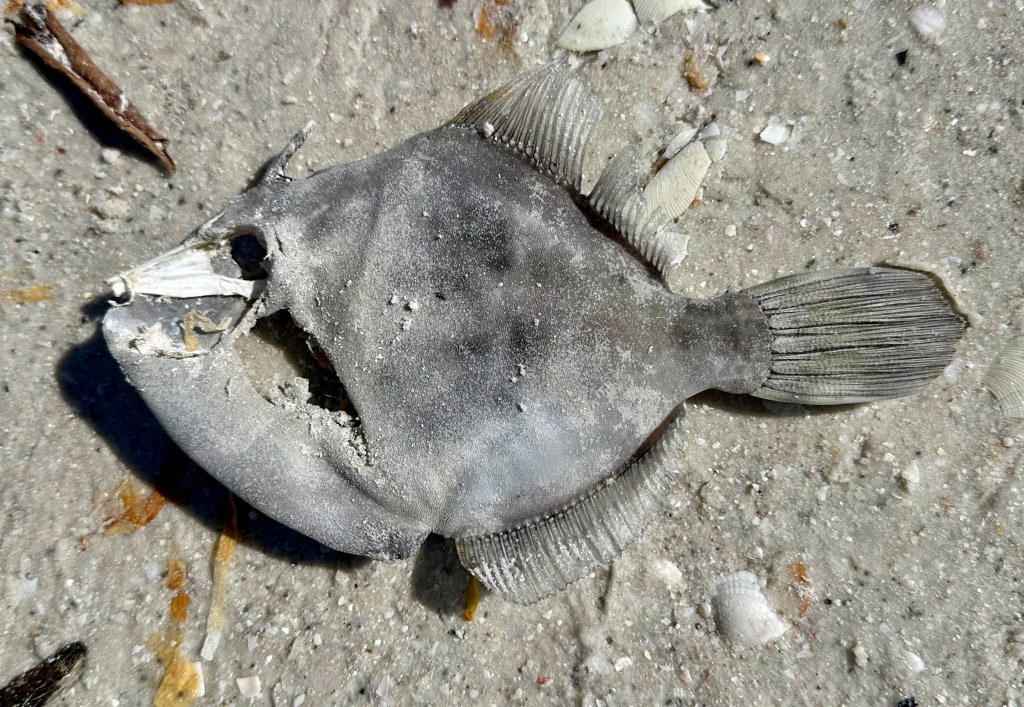
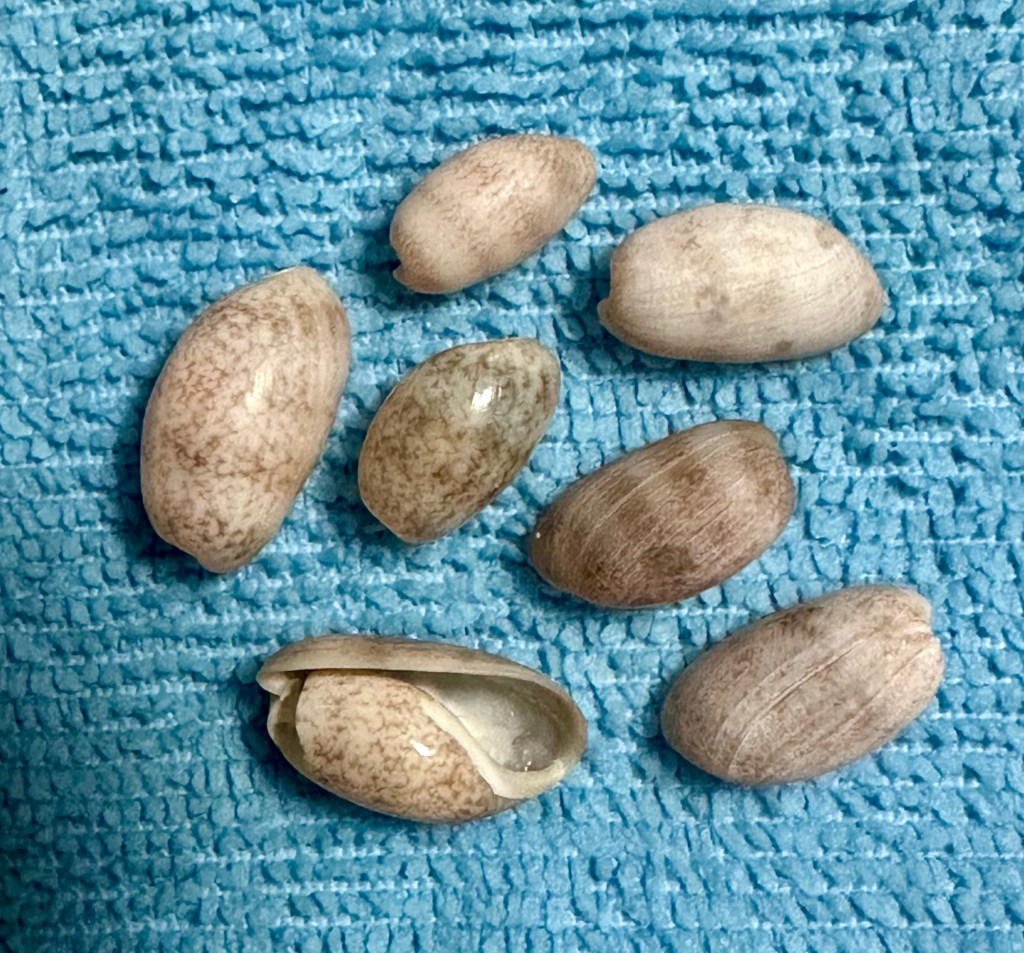
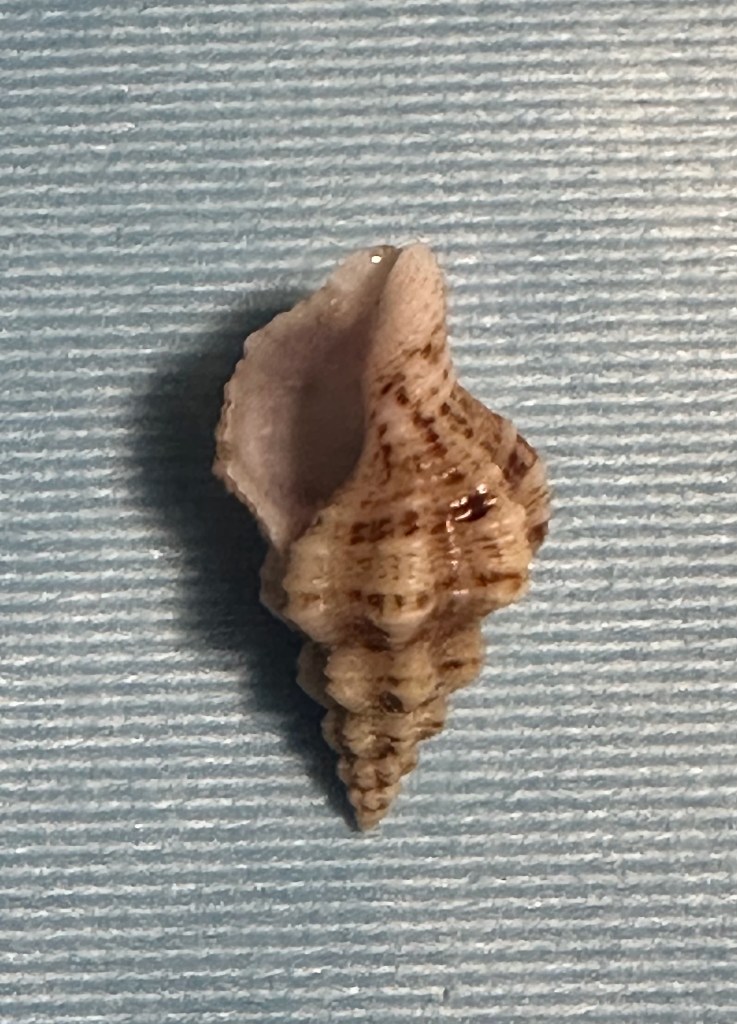
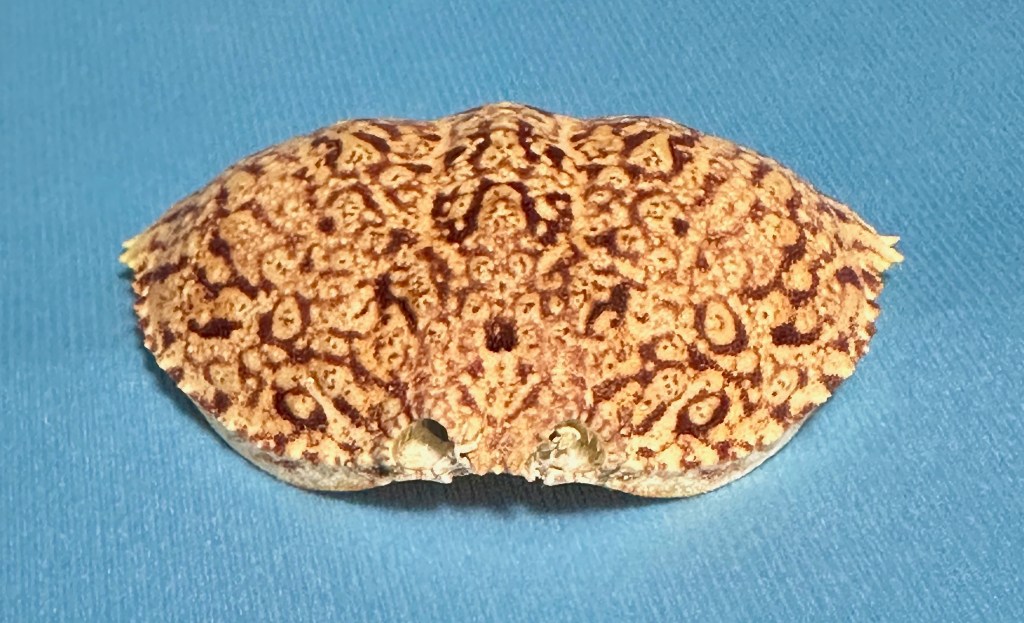
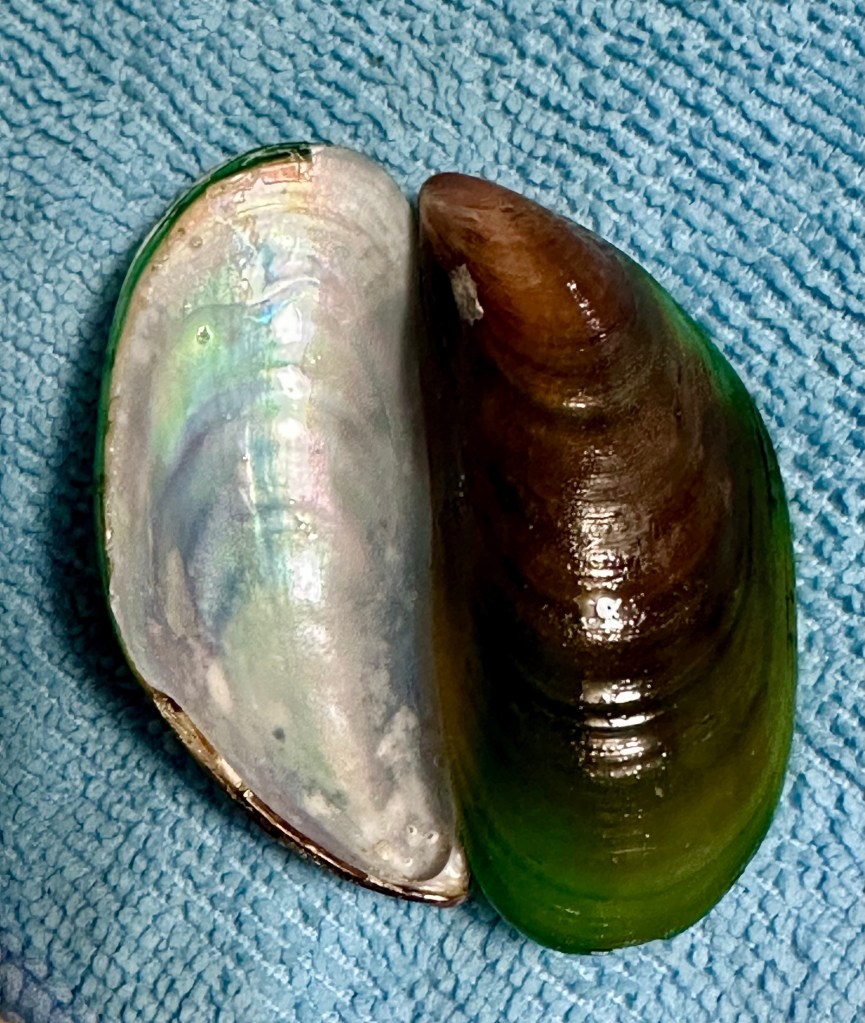
A quick internet search identified the flat, gray, and very dehydrated fish I found as a Planehead Filefish. I collected a few more Chestnut Turbans, Bubbles, and an Oyster Drill as they are rare on my beach. Came across the molt of a Flame Streak Box Crab, a new species for me. Since I had recently read about them, I knew that the green mussel shell, while colorful, was from an invasive species (at least it was dead).

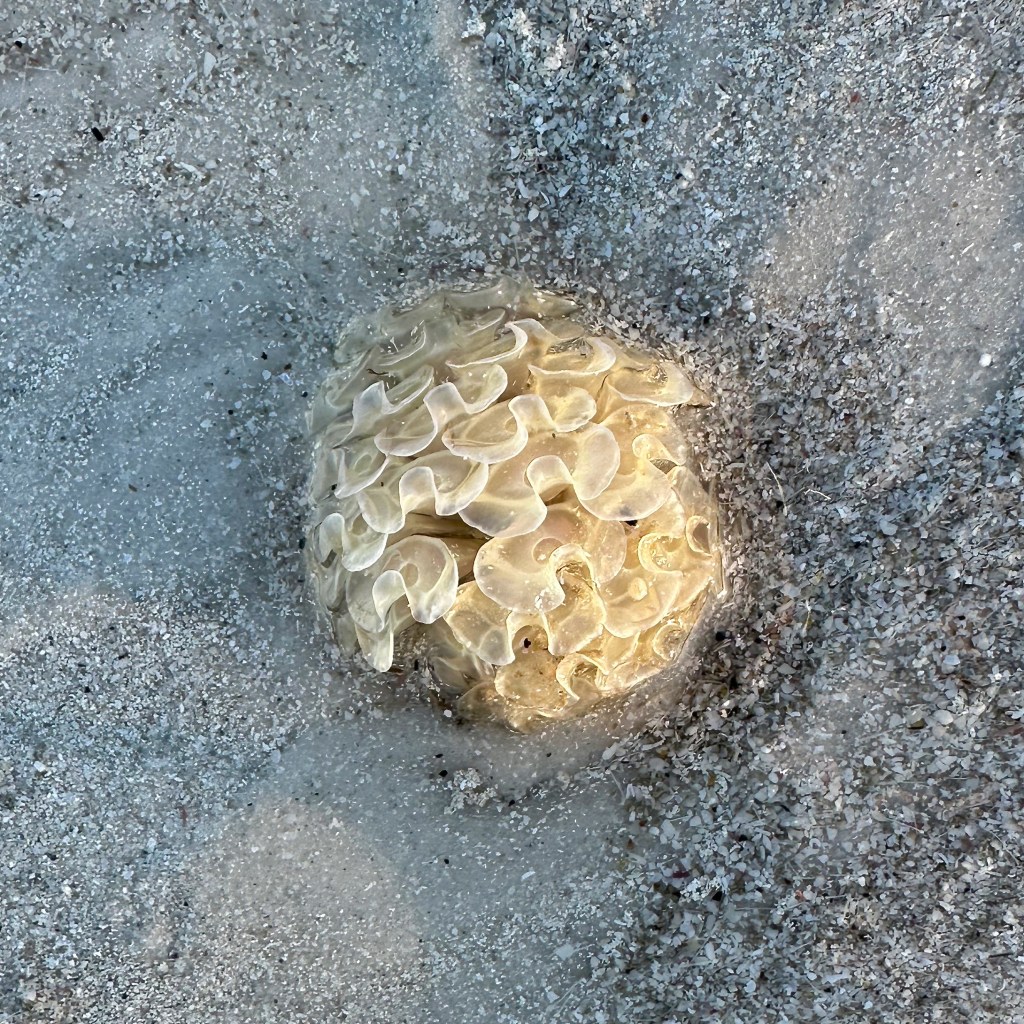
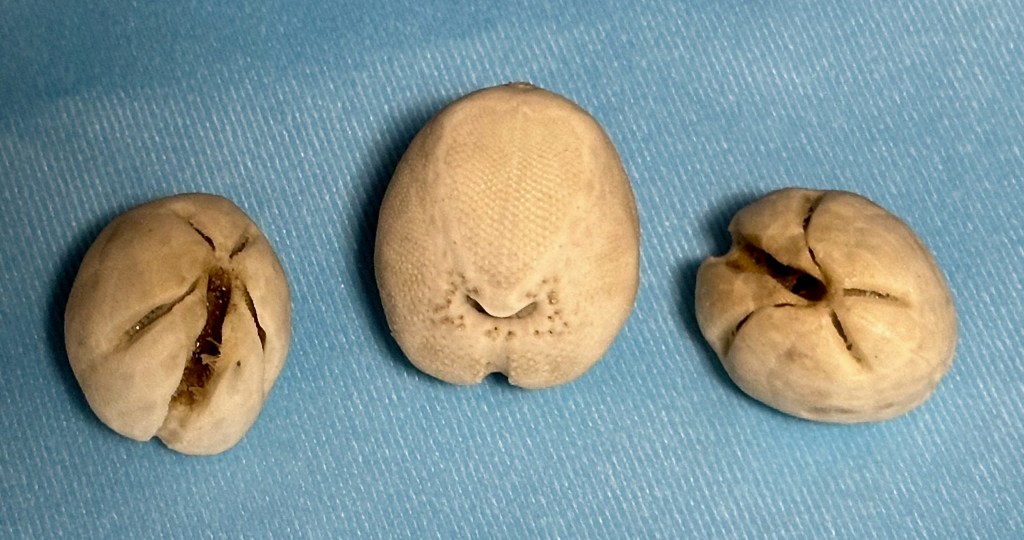
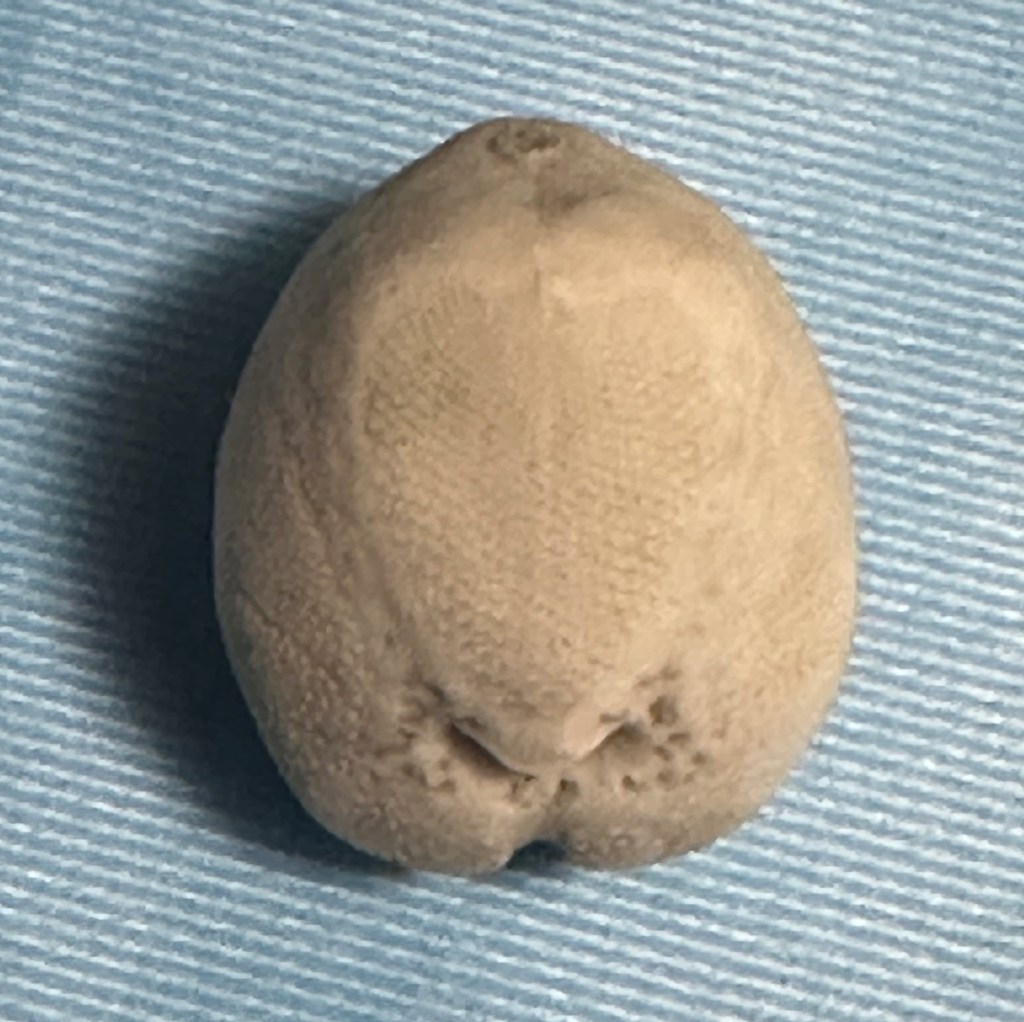
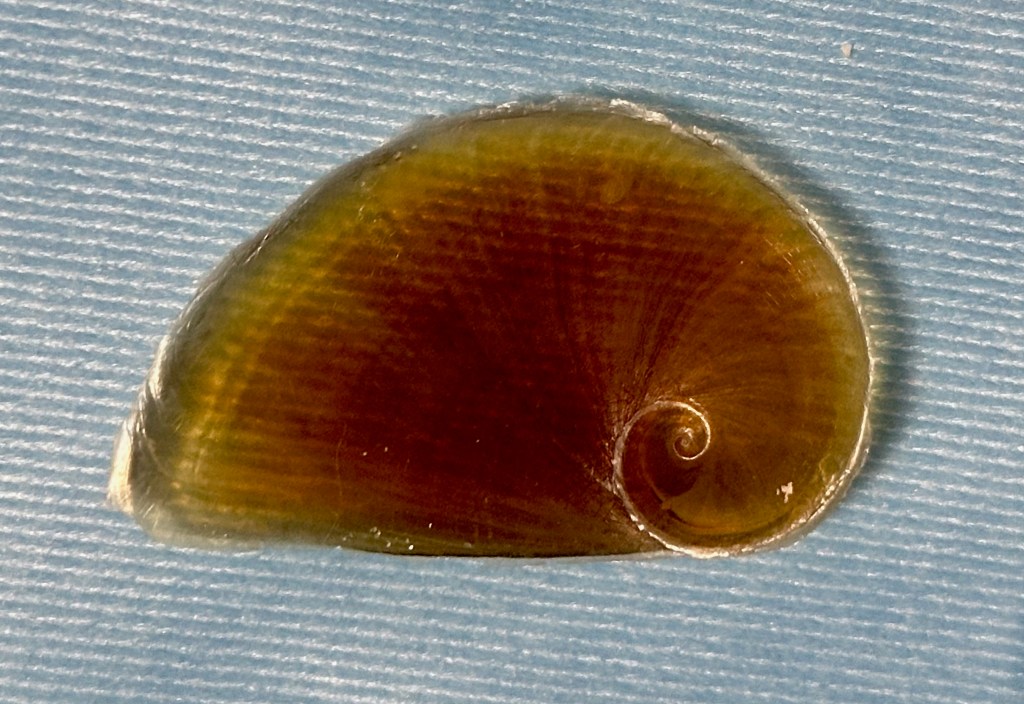
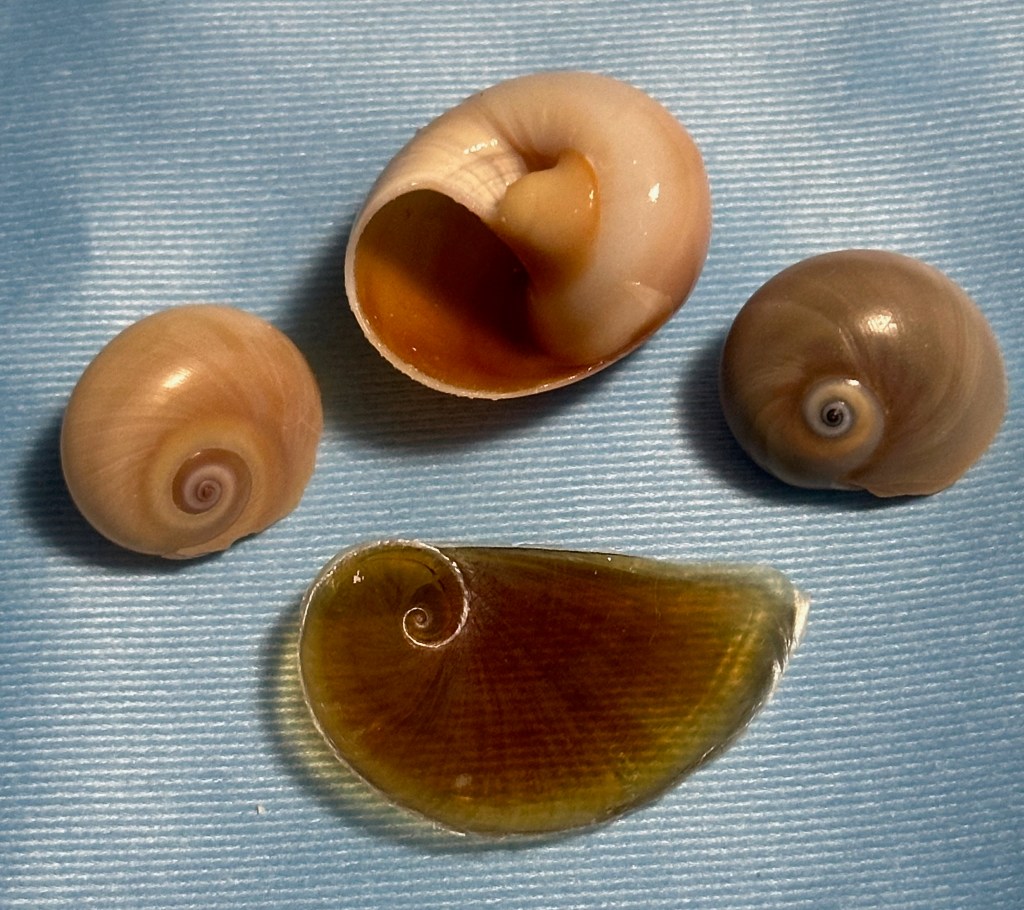
As for the highlight of the day, I have two favorites and both were firsts for me. I was thrilled to find a Sea Potato, the test of a Heart Urchin (somewhat rare as they are very fragile). While the slightly curved, amber half moon that caught my eye, turned out to be a Shark Eye Moon Snail operculum (the door to their shell).

Definitely worth getting up early for!

A Walk in the Park

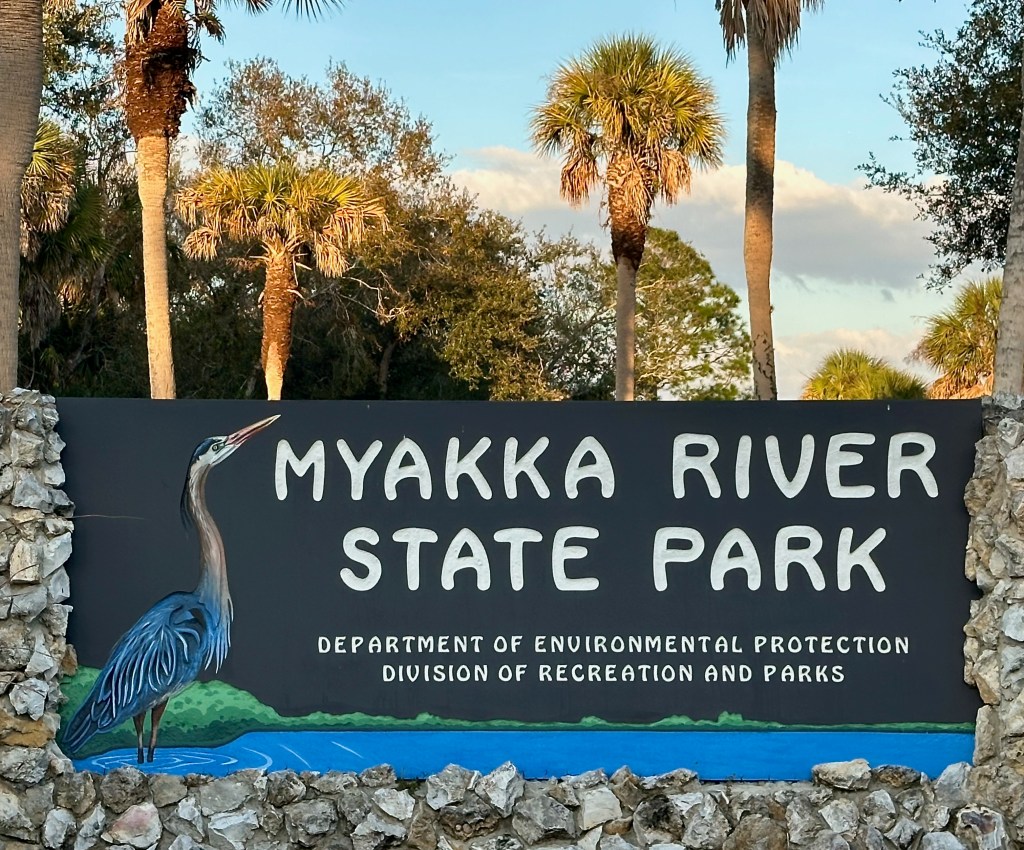
The weather down here has been incredible lately, with daytime temperatures in the upper 70s and plenty of sunshine. On Sunday I drove down to Myakka River State Park. It was the first state park I visited in Florida when I moved here back in 2019, right about this time of year. While I’ve returned to wander a few times since, I don’t think I’ve had quite such an amazing experience before.

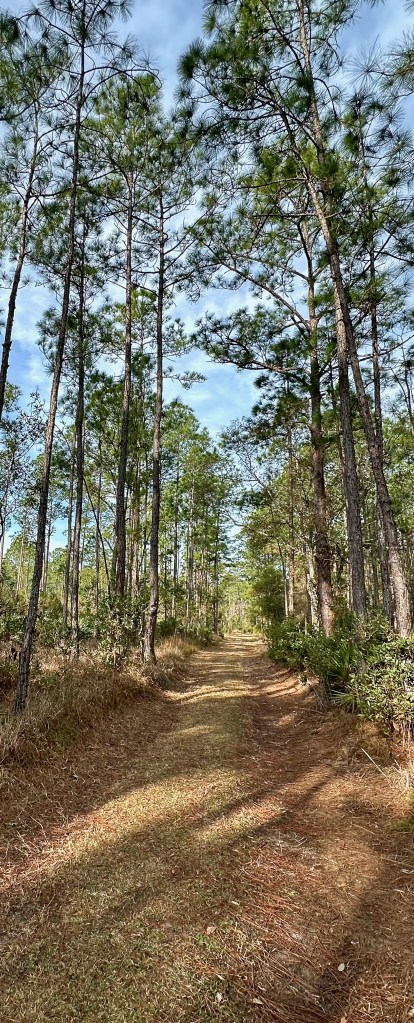
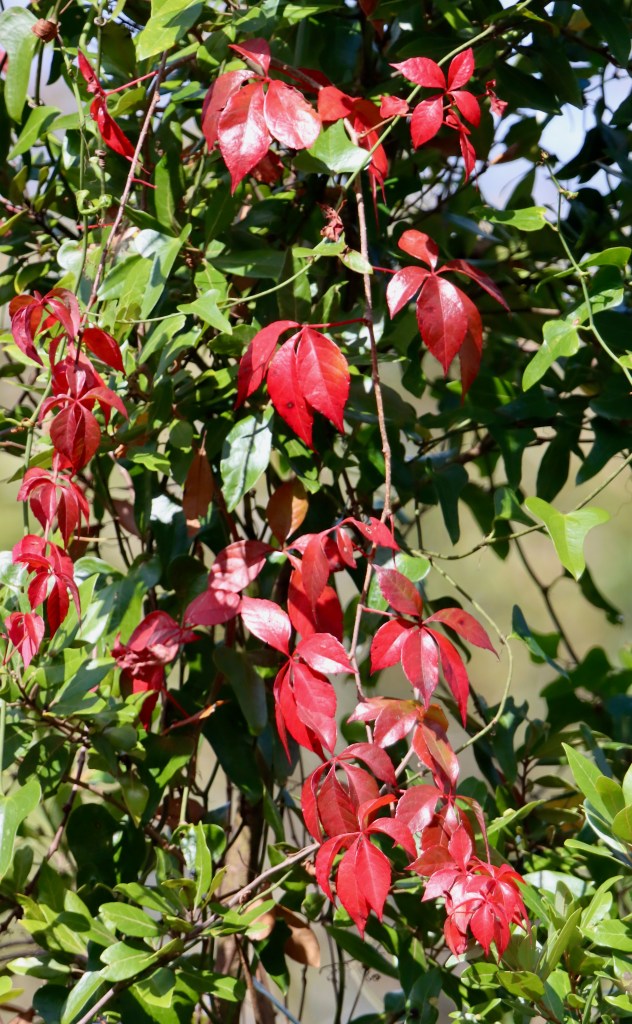
As the afternoon heated up, I headed into the forested hammock. The thing about winter in Florida, I go through a lot of clothes! When I left my house it was 59° so I wore jeans and a long-sleeve shirt. By the time I parked at the trailhead, it was mid-70s and sunny so I switched into shorts and a tshirt. I started the day on an open trail but by mid-afternoon, the sun chased me onto a much shadier trail. We may not get showy Fall colors down here but as you can see, the foliage was definitely festive!

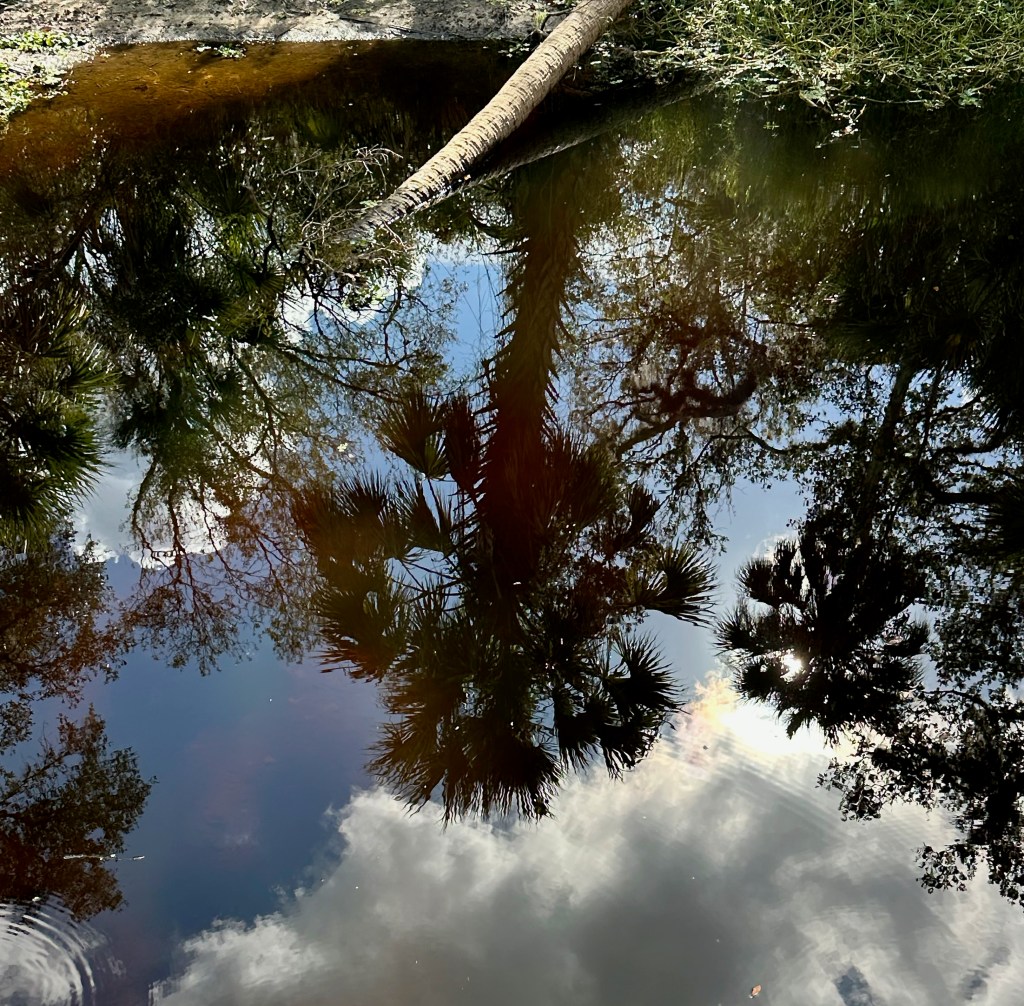
For the last part of my day, I trekked south along the much-diminished Myakka River. Though our dry season has just started, most of Florida is already in a Stage 1 drought. As a result, I was able to reach sections of the river that would typically be completely under water.

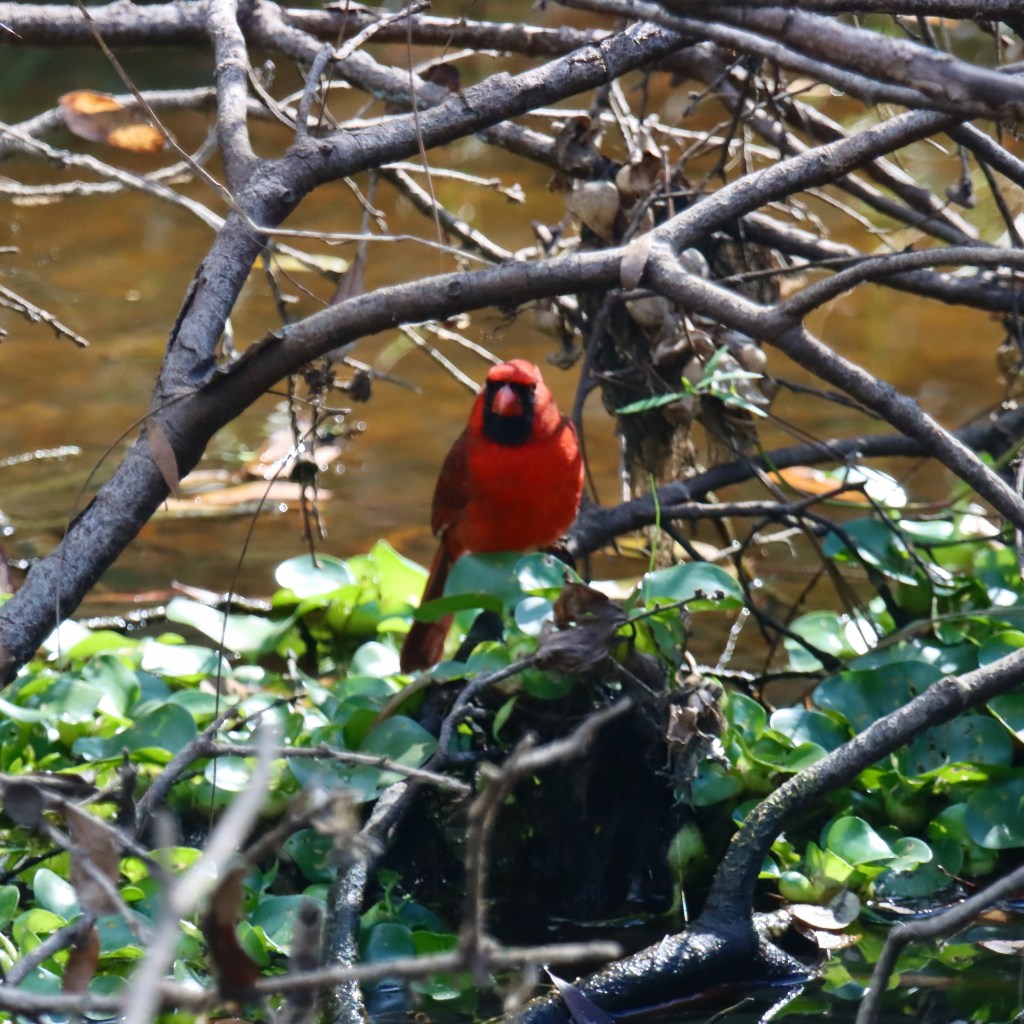
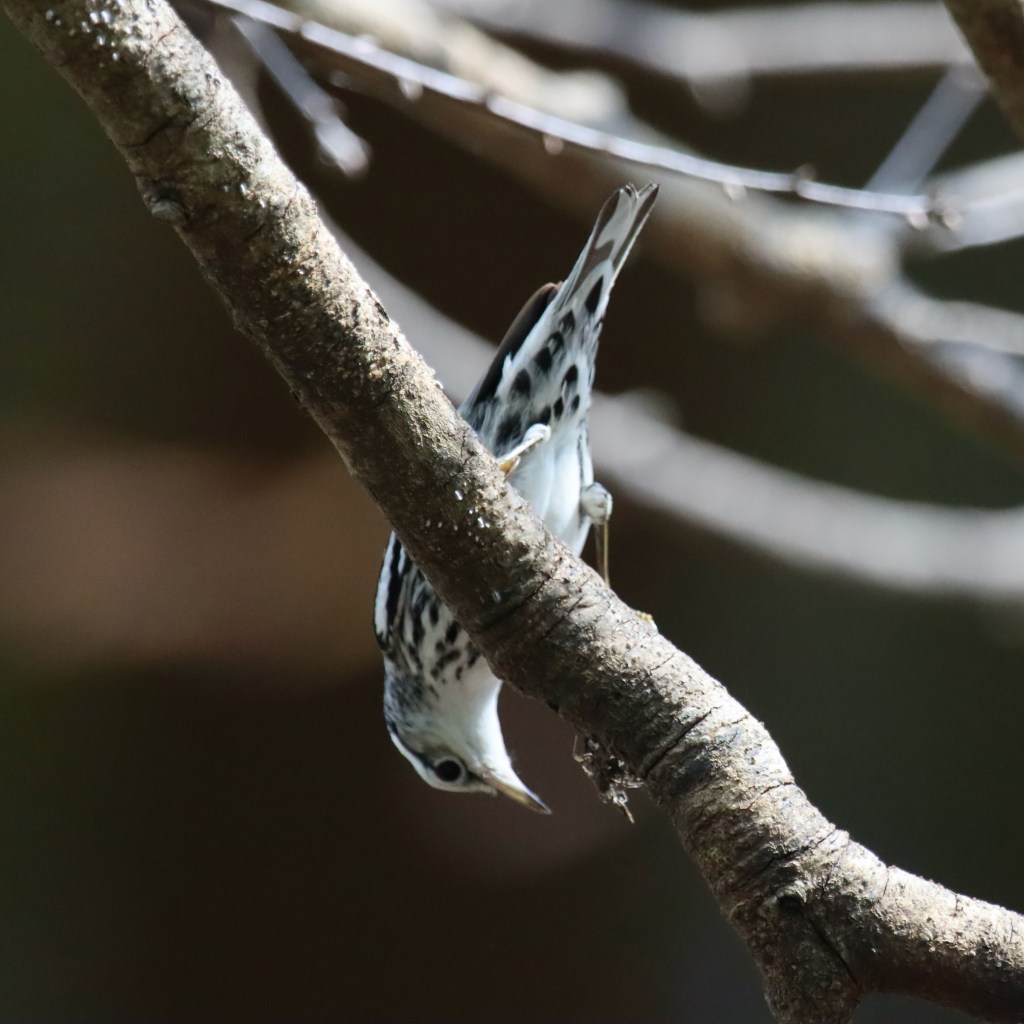
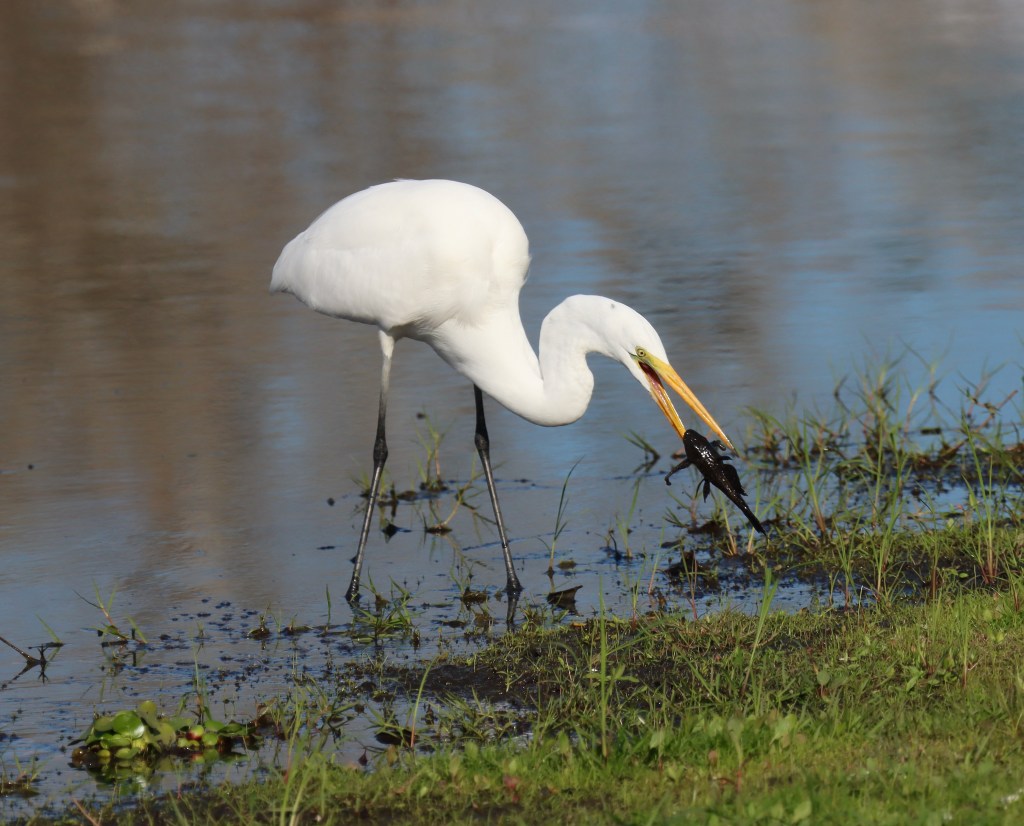
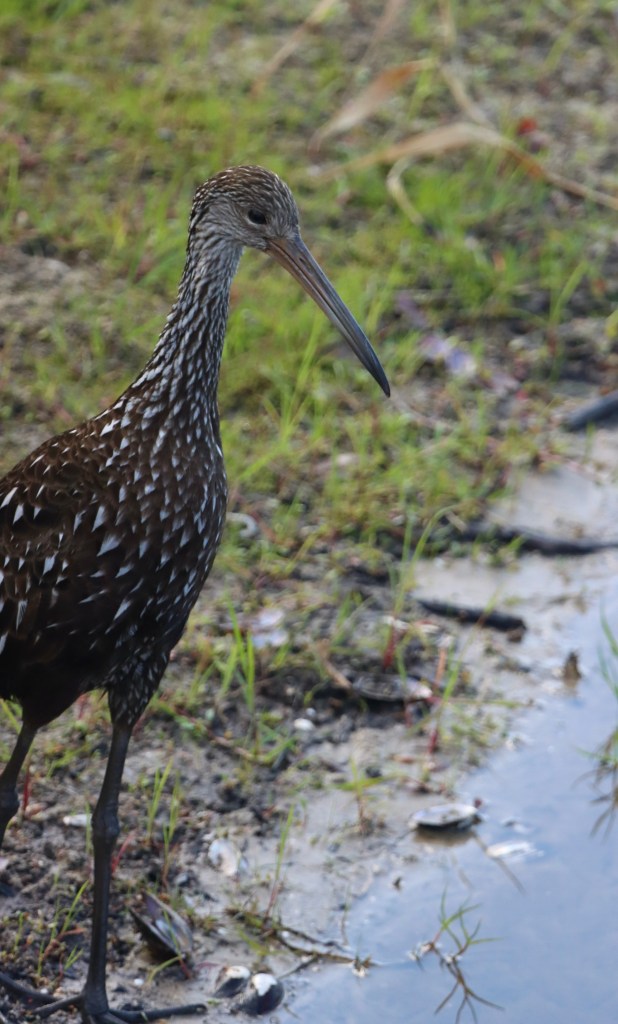
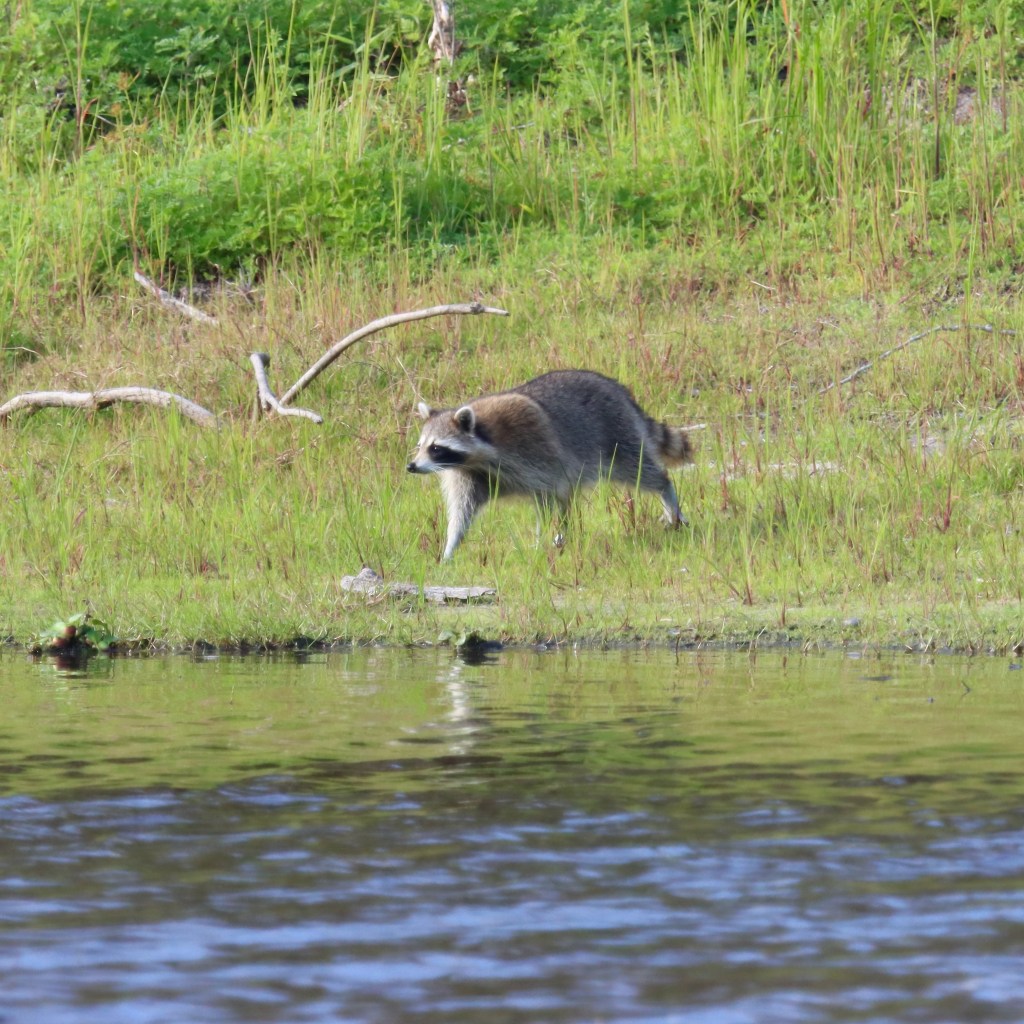
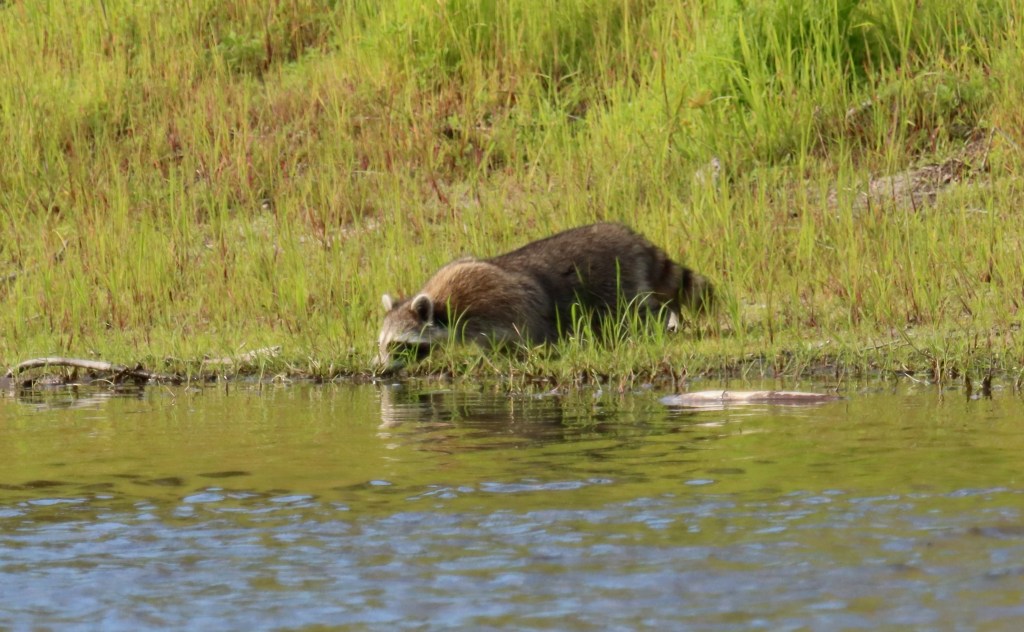
I perched on one of the trees downed by last year’s hurricanes and waited, knowing that low water levels elsewhere in the park would bring wildlife here. I didn’t have to wait long, as a steady stream of birds and even a raccoon soon stopped by.

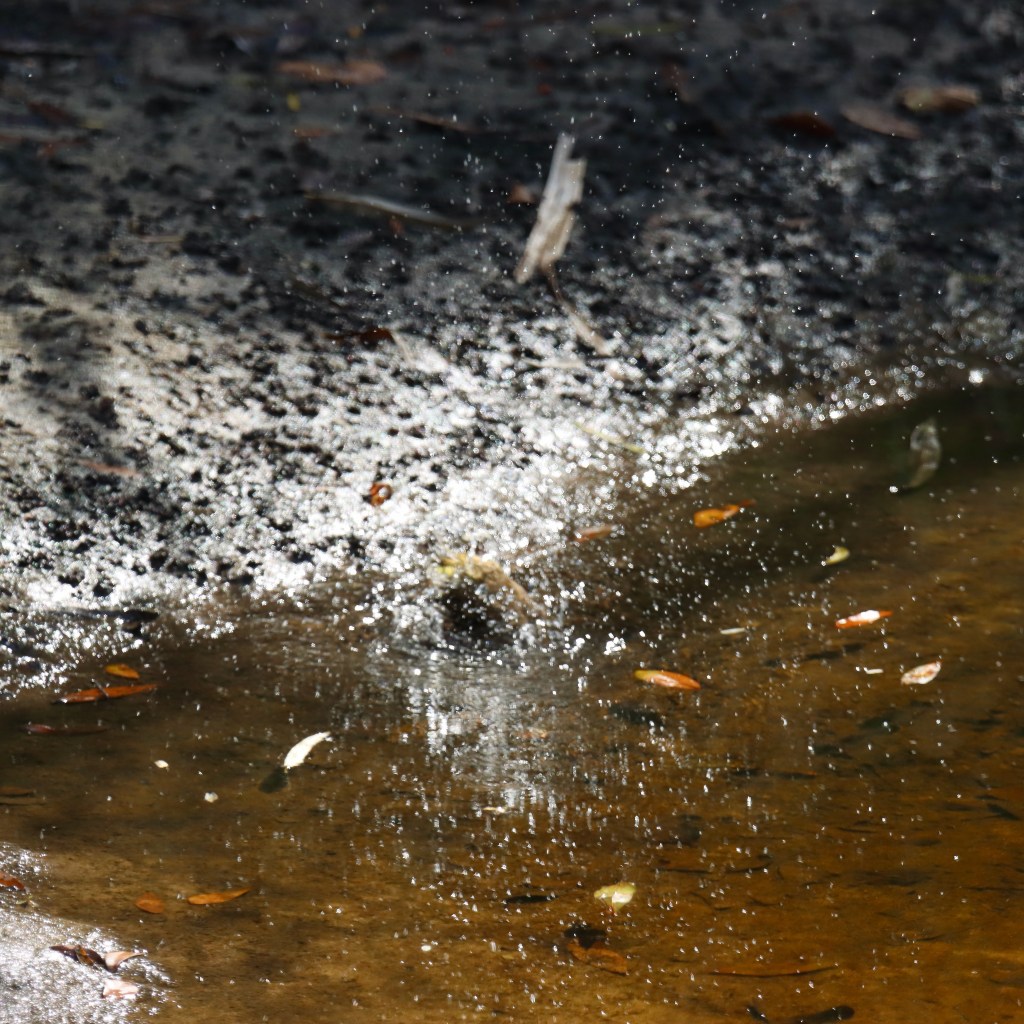
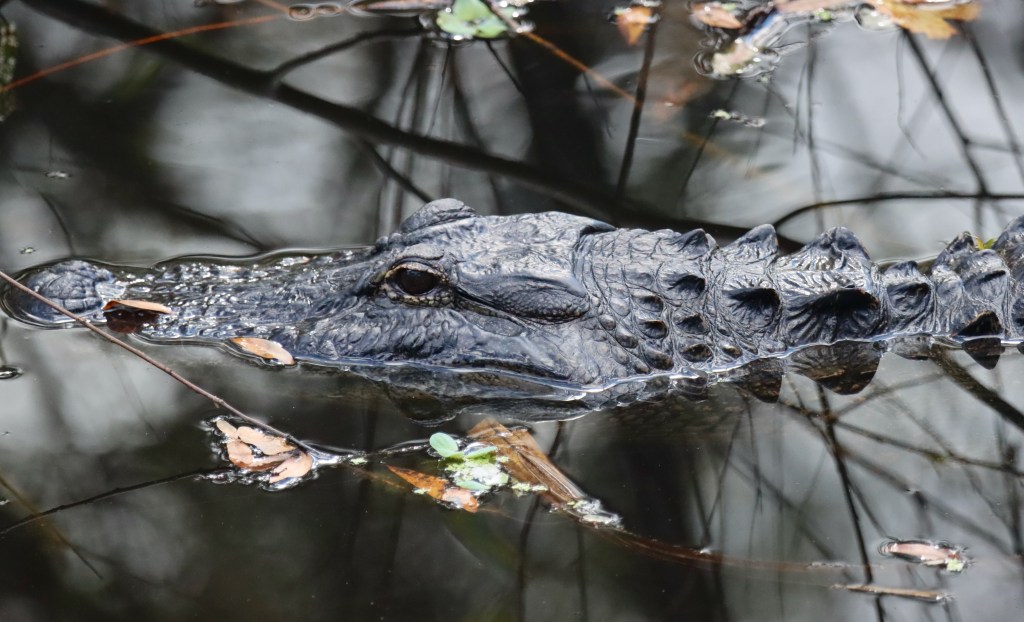
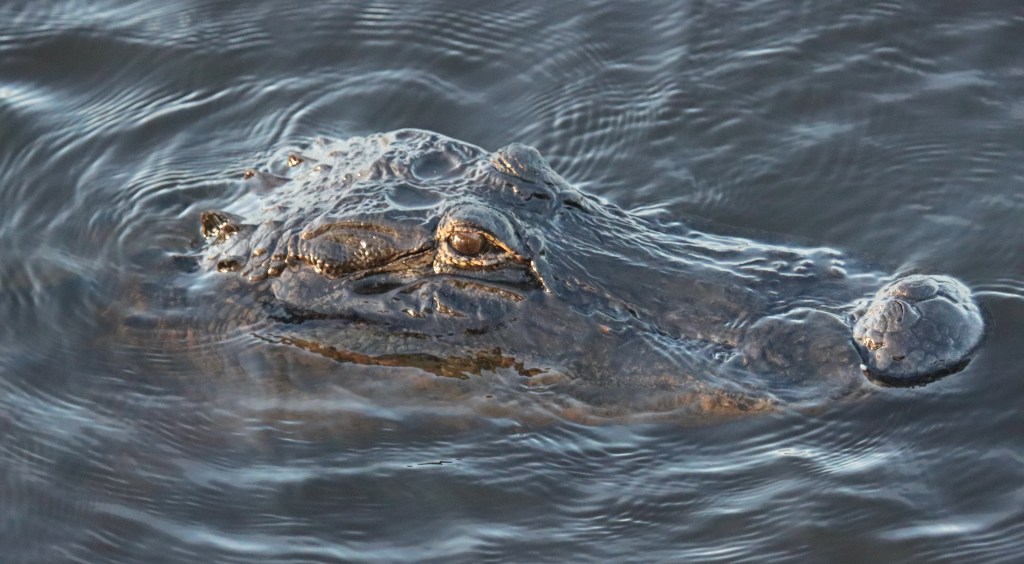
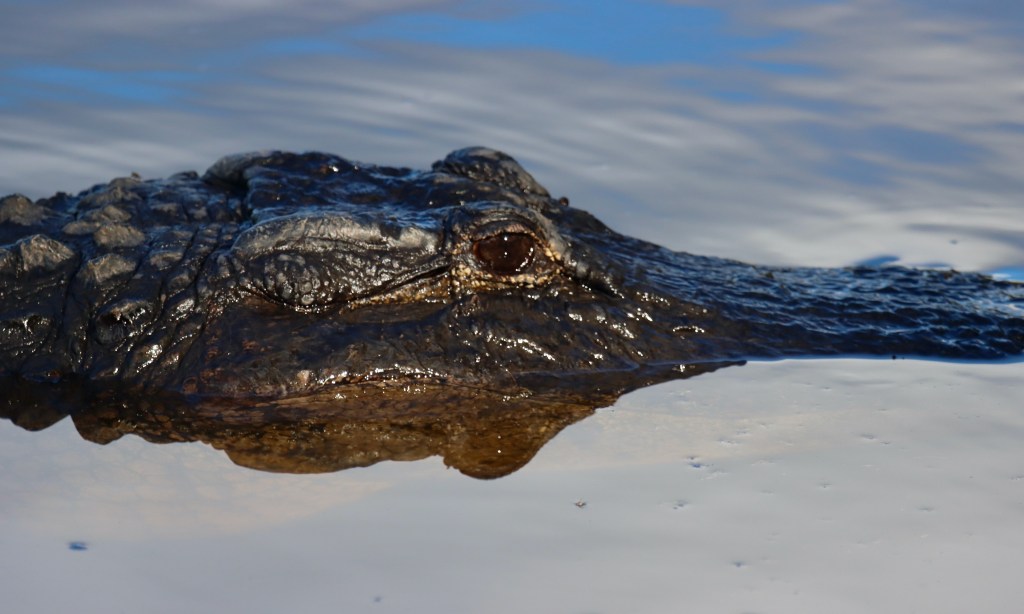
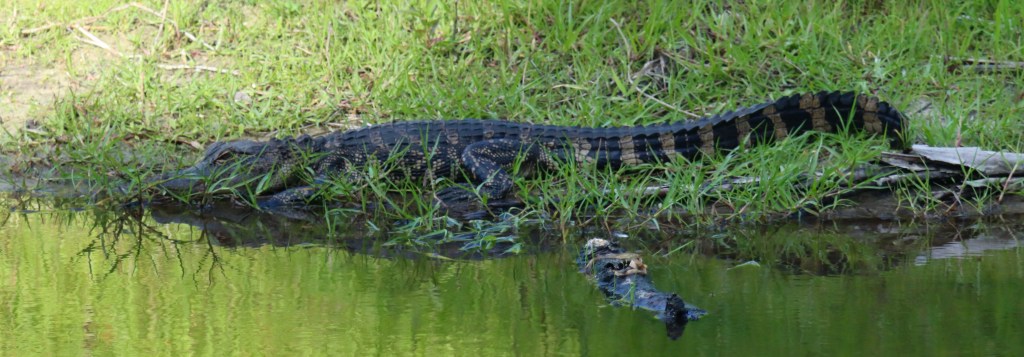
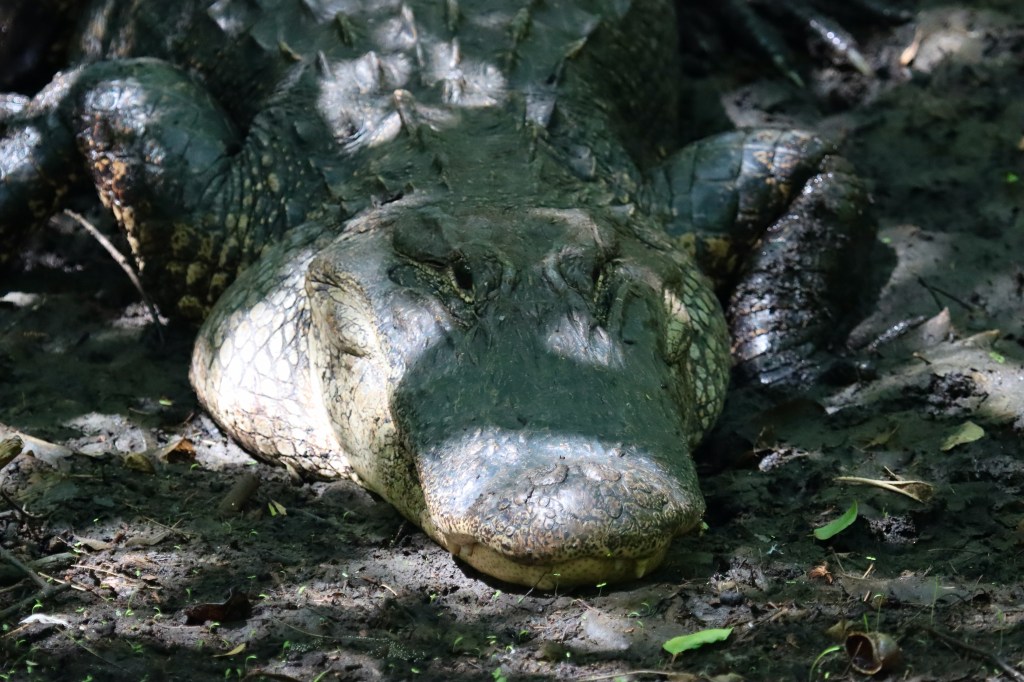
As for alligators, you know what they say, if there’s water in Florida it’s a safe bet that there’s gators! I admire them from a distance because although they mostly laze about, they are surprisingly quick and agile. The momma gator in the video below swam over to warn me to stay away from her not-so-little babies.

Mrs. Hernbrode

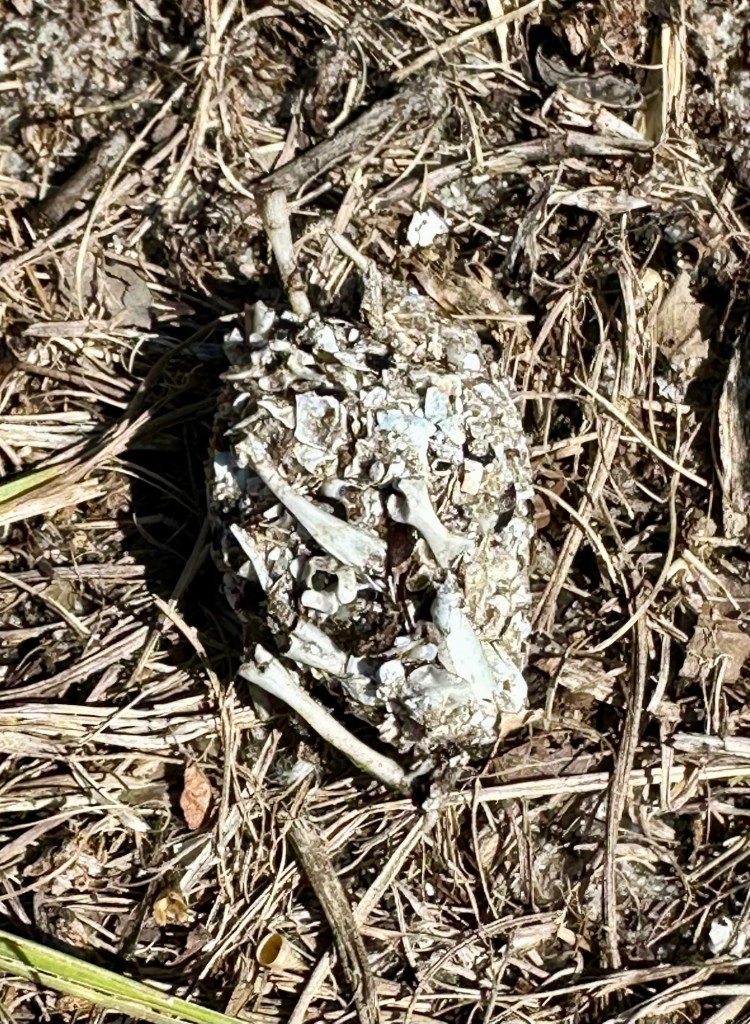
While pulling weeds in my front yard yesterday I was pleased to discover this odd little lump. The roughly 2” long bundle of fur and bones immediately transported me back to 3rd grade…

We were learning about Great Horned Owls as part of our science and biology curriculum. Unlike raptors that tear their meals apart, big owls tend to swallow their food whole.

In order to learn about their place in the ecosystem, my teacher, Mrs. Hernbrode, brought in owl pellets for us to dissect (cast pellets are little balls of non-digestible parts that the owls cough up after eating).

Our task was to gently extricate all the bones and carefully reassemble the skeleton so we could identify the prey animal. Most of the girls in my class were grossed out, but the guys and I dug right in (newsflash, I was a bit of a tomboy – riding horses, climbing trees, and playing in the dirt were my main hobbies). In other words, I was an eager pellet detective!

I had always been fascinated by nature and wildlife, but I credit Mrs. H for encouraging my curiosity. That curiosity guided me through college and has led me to some incredible places over the years. For that, and other reasons, Mrs. H remains my absolute favorite elementary school teacher.

So imagine my excitement when we crossed paths again, some 30 years later. She had moved to Portal, a small town nestled in the heart of the Chiricahua Mountains of Southern Arizona (where my parents had moved decades earlier). I recognized her immediately and was touched when she remembered me (out of all those students over the years).

Finding this pellet pleases me because it’s a sign that my yard is welcoming to wildlife. In her honor, I’m naming the pair of Great Horned Owls in my neighborhood the Hernbrodes. As for the pellet, I’m still debating whether or not to dissect it…

Washed Up

Last week I took advantage of a slightly overcast morning to wander the beach at nearby Fort De Soto Park. I hit the sand shortly after the park opened, so it was just me and the literal early birds out there.

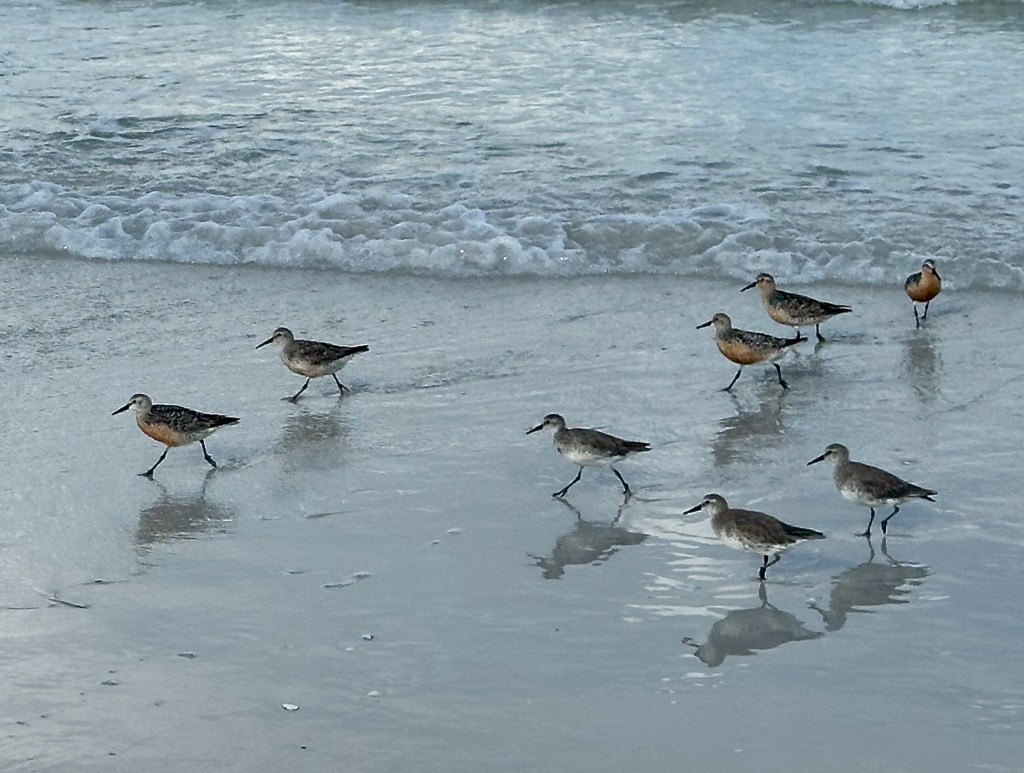
My avian friends mainly consisted of Willets (Tringa semipalmata) and Red Knots (Calidris canutus rufa). The former hang out here year-round while the latter are just stopping over on their migration from the circumpolar region to the southern tip of South America. That’s an epic 9,000 mile journey for a bird that’s only slightly larger than a robin with just a 22″ wingspan!

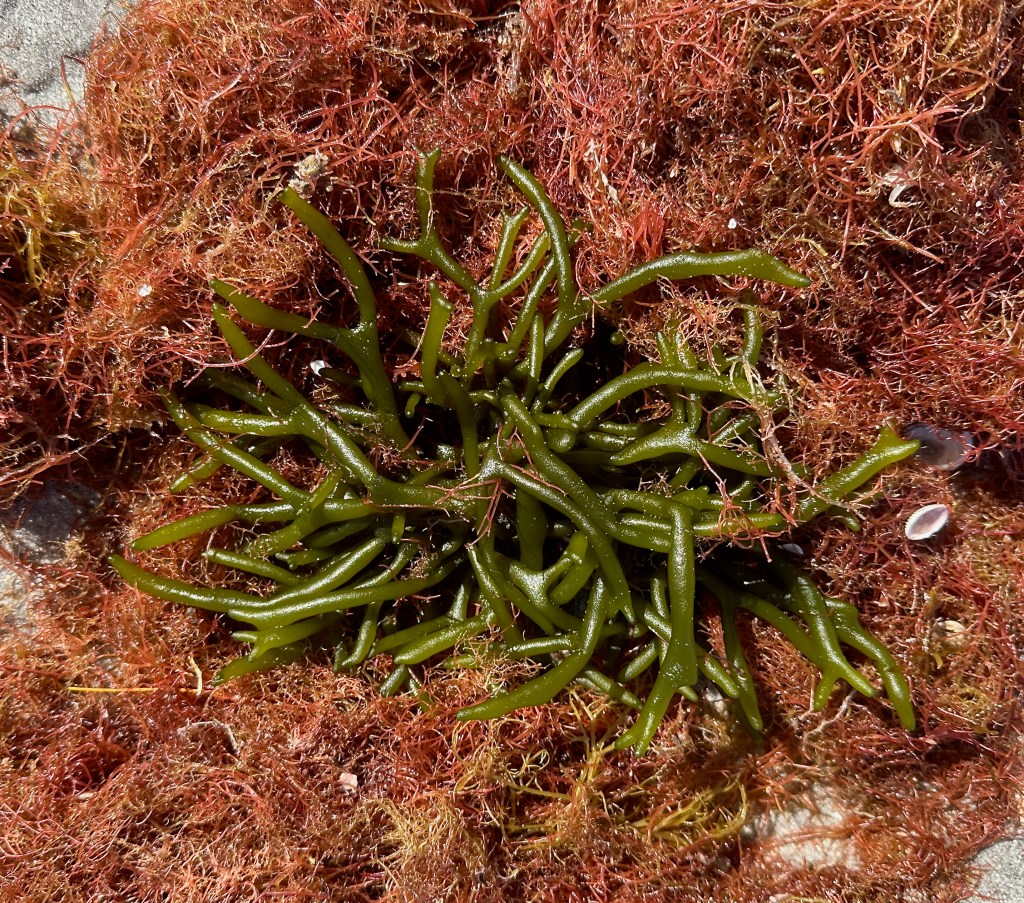
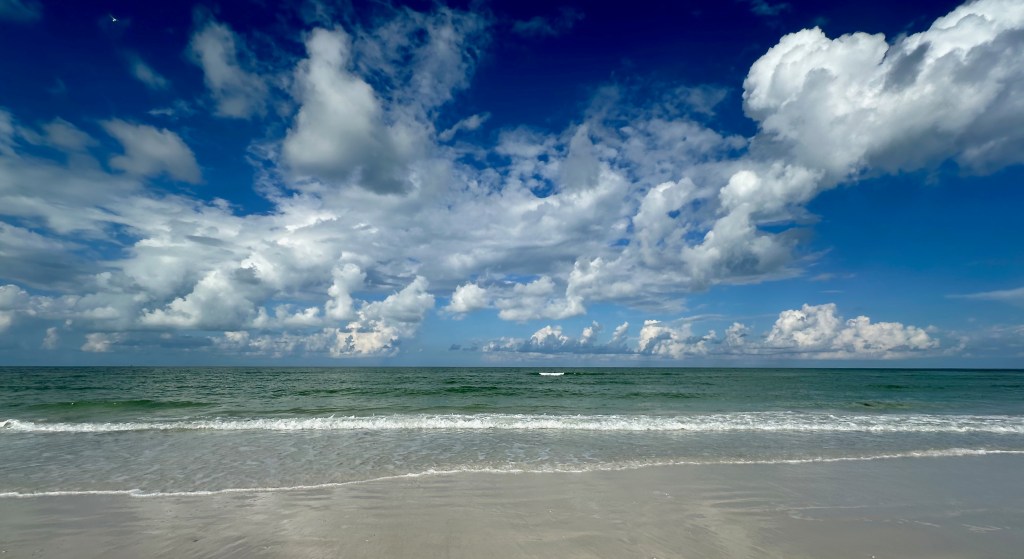
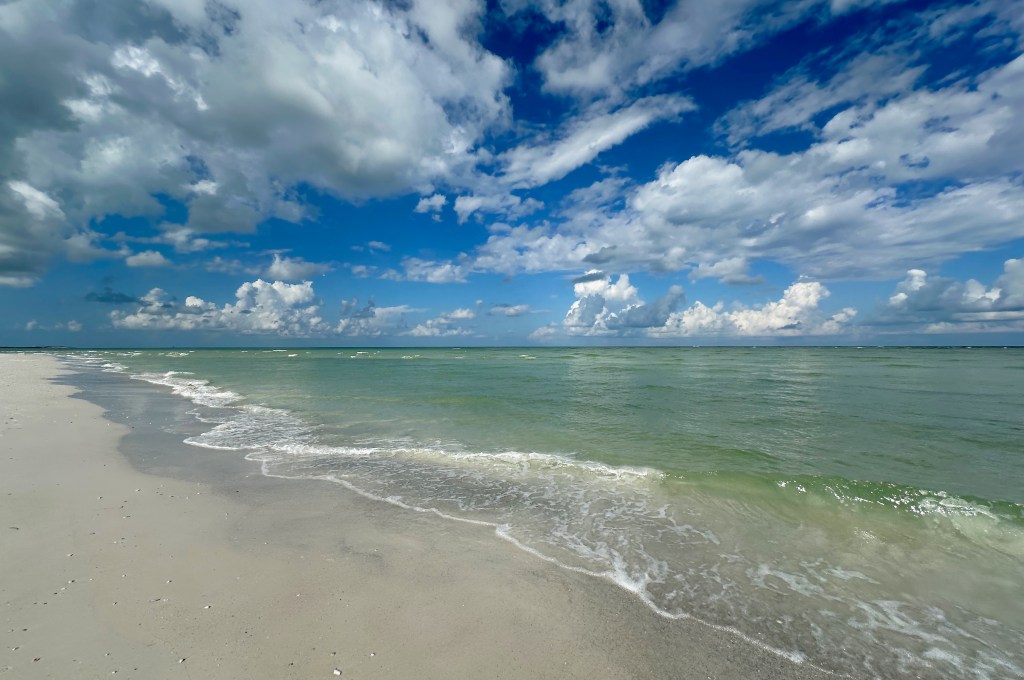
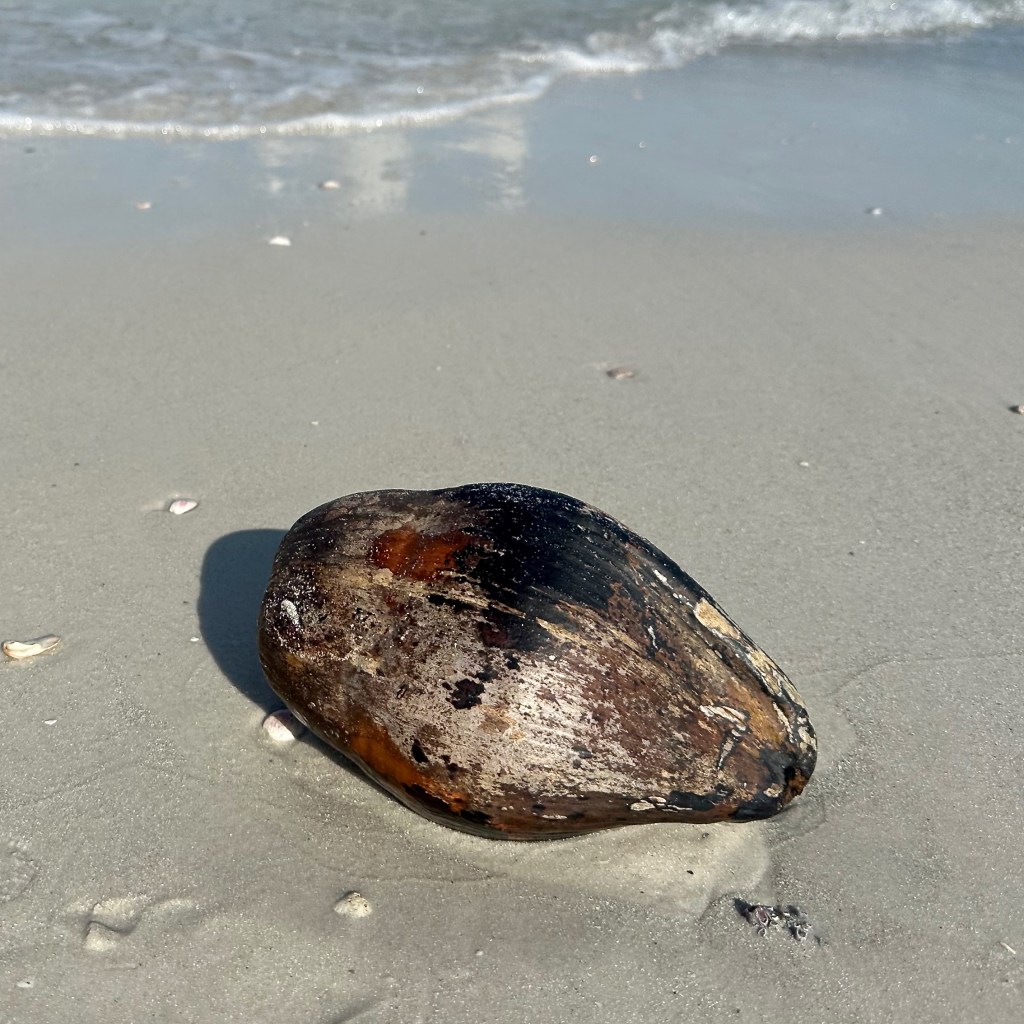
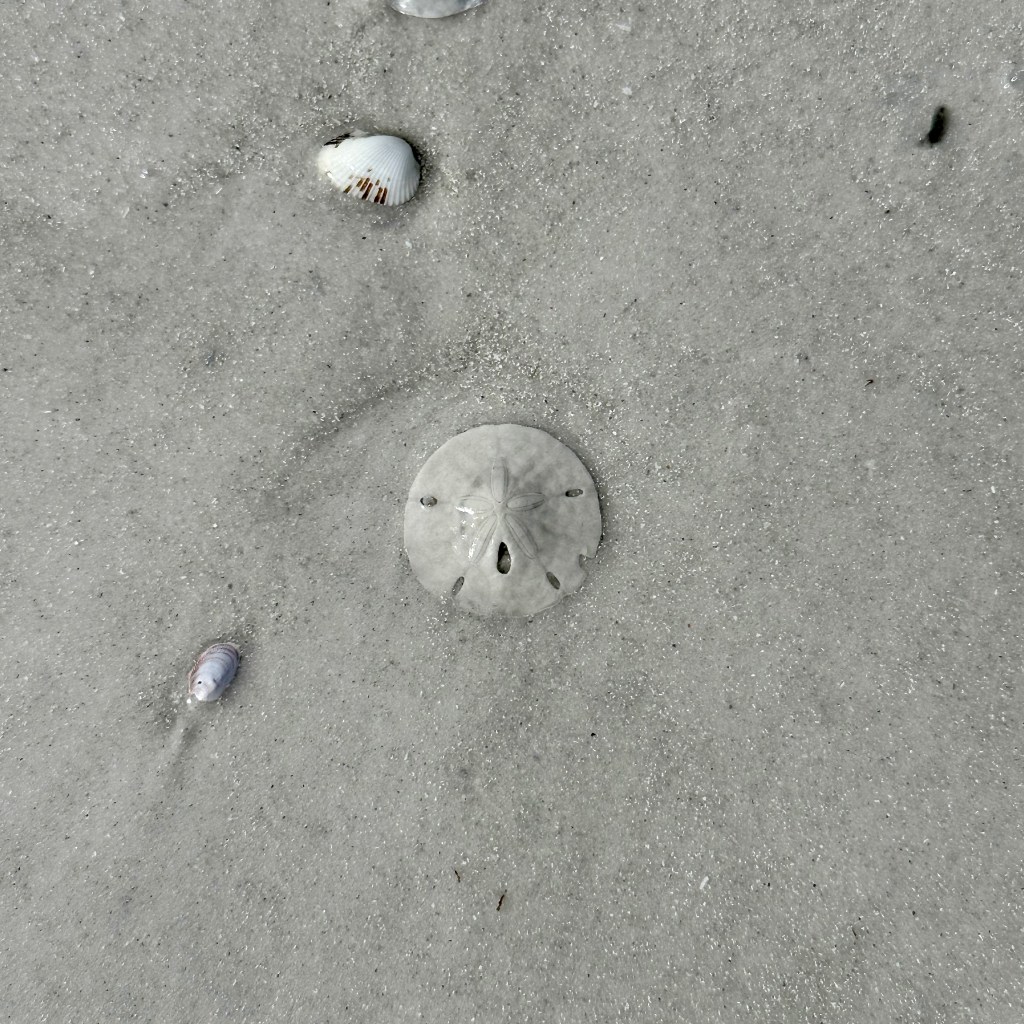
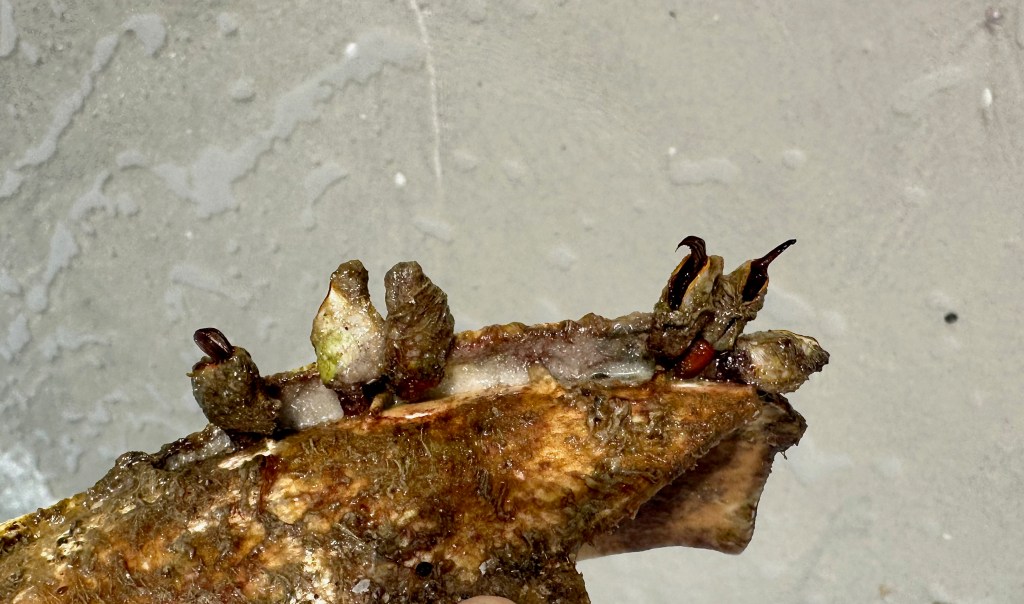
The scattered clouds put on quite a show up in the sky while the gulf left random treasures on the beach for me. In order of appearance: non-edible Sea Liver (Eudistoma hepaticum), edible Sea Lettuce (Ulva lactuca), coconut, sand dollar, piece of broken plastic hosting Stalked Sea Squirts (Styela clava) invasive stowaways, and a Tootsie Roll-shaped chunk of manatee scat (definitely not edible).

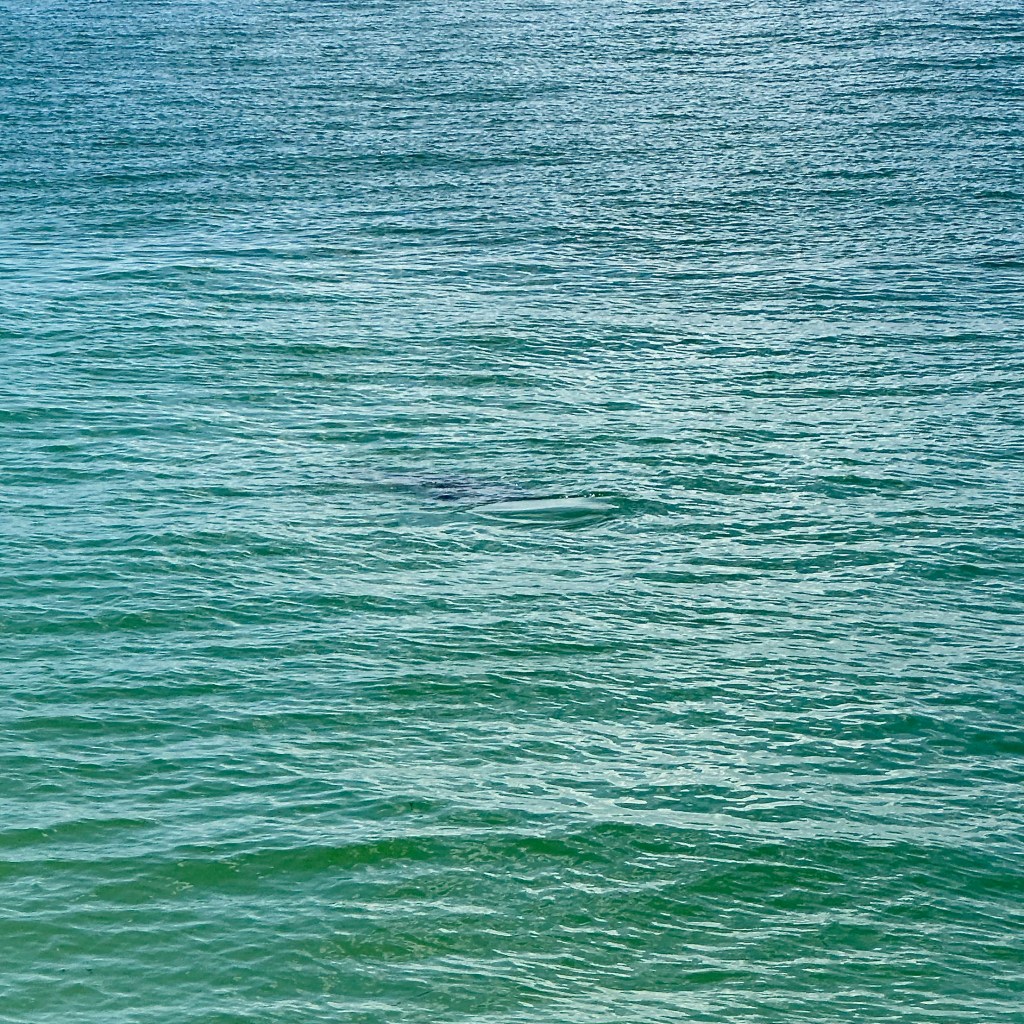
The scat looked fairly fresh so I scanned the water and was fortunate to spot a chubby mermaid just offshore. Unless they are part of a mating mob, manatees typically aren’t that active, preferring to just bob along feeding and farting (that’s how they control their buoyancy).

After they surface for a breather the natural oils on their skin leave behind just enough of residue to change the surface tension of the water which creates a tell-tale circular “footprint”. I may not get a good visual of the manatee but I know where it is. No matter what its always a treat to see them.

What a great way to start the day!

Corkscrew Swamp Sanctuary

I wanted to take advantage of the last of our Spring weather (before it really heats up down here in Florida) so I headed over to explore Audubon’s Corkscrew Swamp Sanctuary. The refuge’s name came from an early epithet for a nearby winding waterway, now known as the Imperial River.

The wetland sanctuary at the western edge of the Everglades, spans over 13,000 acres. Much of it first set aside in 1954, though protections for the heart of the property began much earlier. In a way, we can thank the fashion industry for that.

Ladies’ hats in the late 1800s were elaborate displays, featuring fancy feathers and floral elements. The feathers were sourced from wild birds, usually during breeding and nesting season when they were at their showiest.

Milliners were paying $32 an ounce for the feathers, which was more than the price of gold at the time. As a result, plume hunters around the world were killing over 5 million birds a year. By 1900, they had wiped out an estimated 95% of Florida’s shorebirds (primarily herons, egrets, Roseate Spoonbills, and Flamingoes).

Near the center of what is now the sanctuary was a massive rookery, which locals took upon themselves to hire protection for in 1900. Some fifty years later, the area again needed protection, this time from logging. Again, local residents fought to save the area. In 1954 the first section of land was set aside to protect a stand of ancient bald cypress trees.

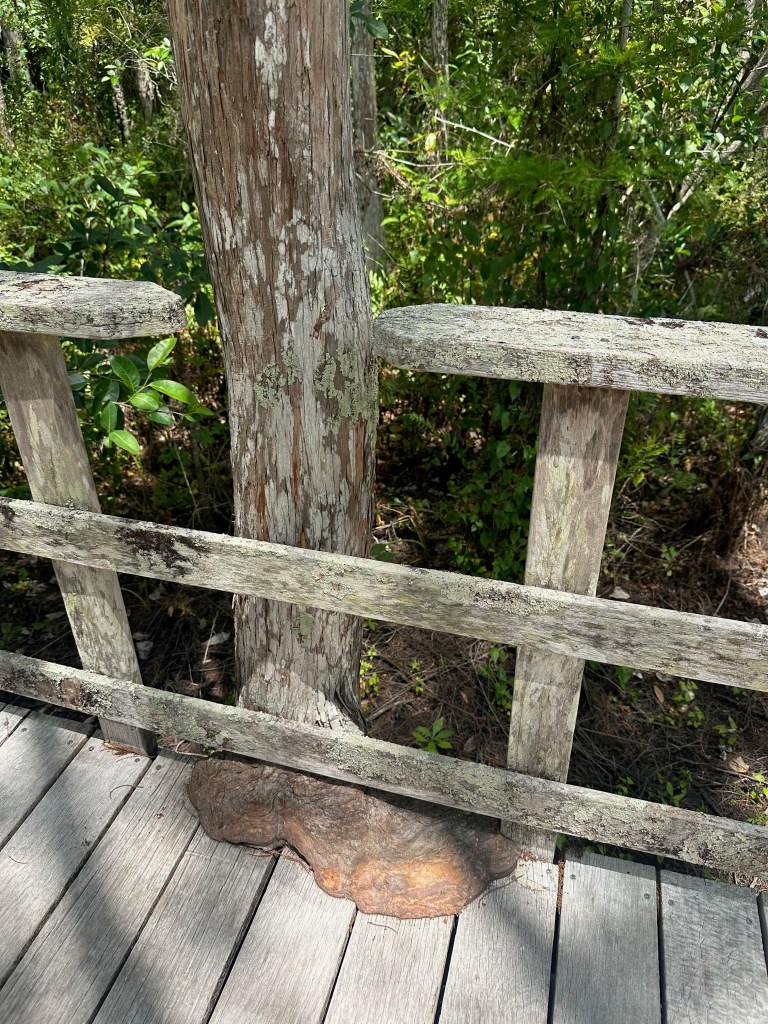
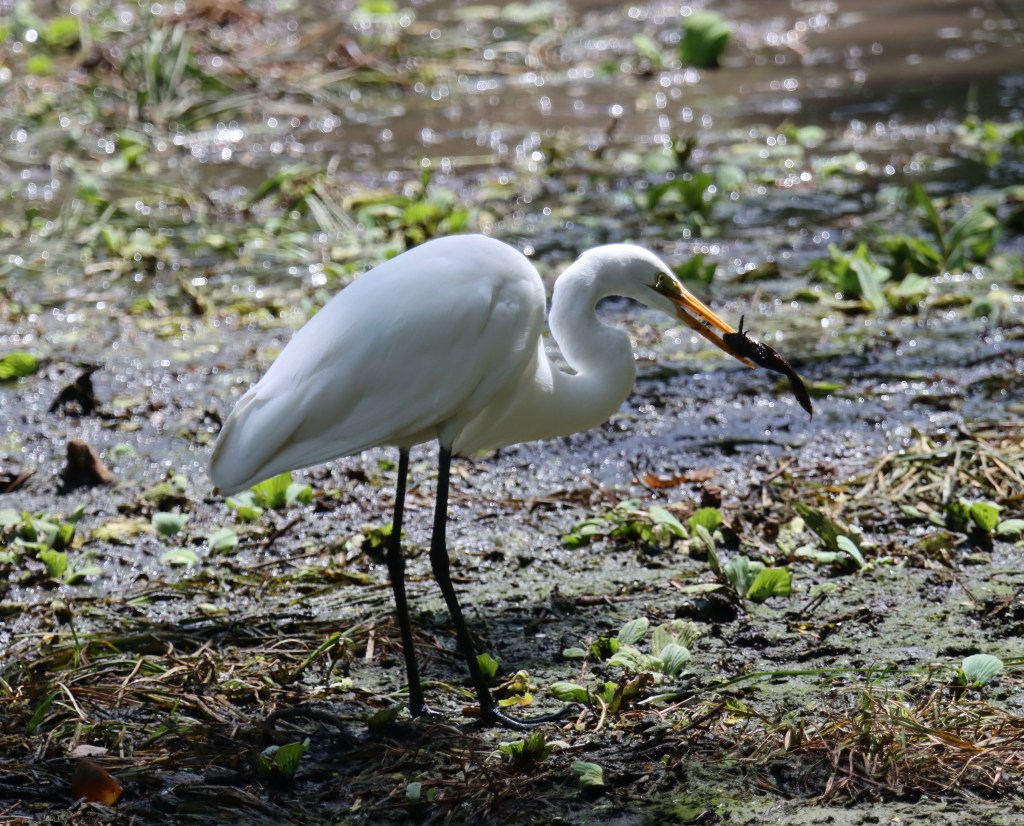
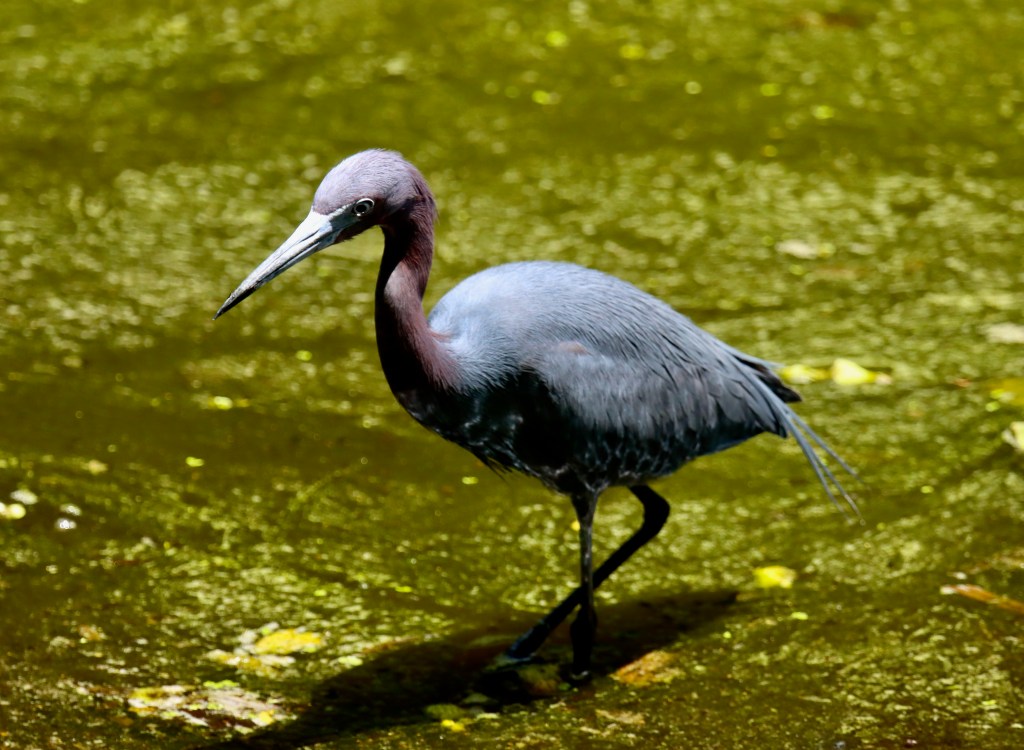
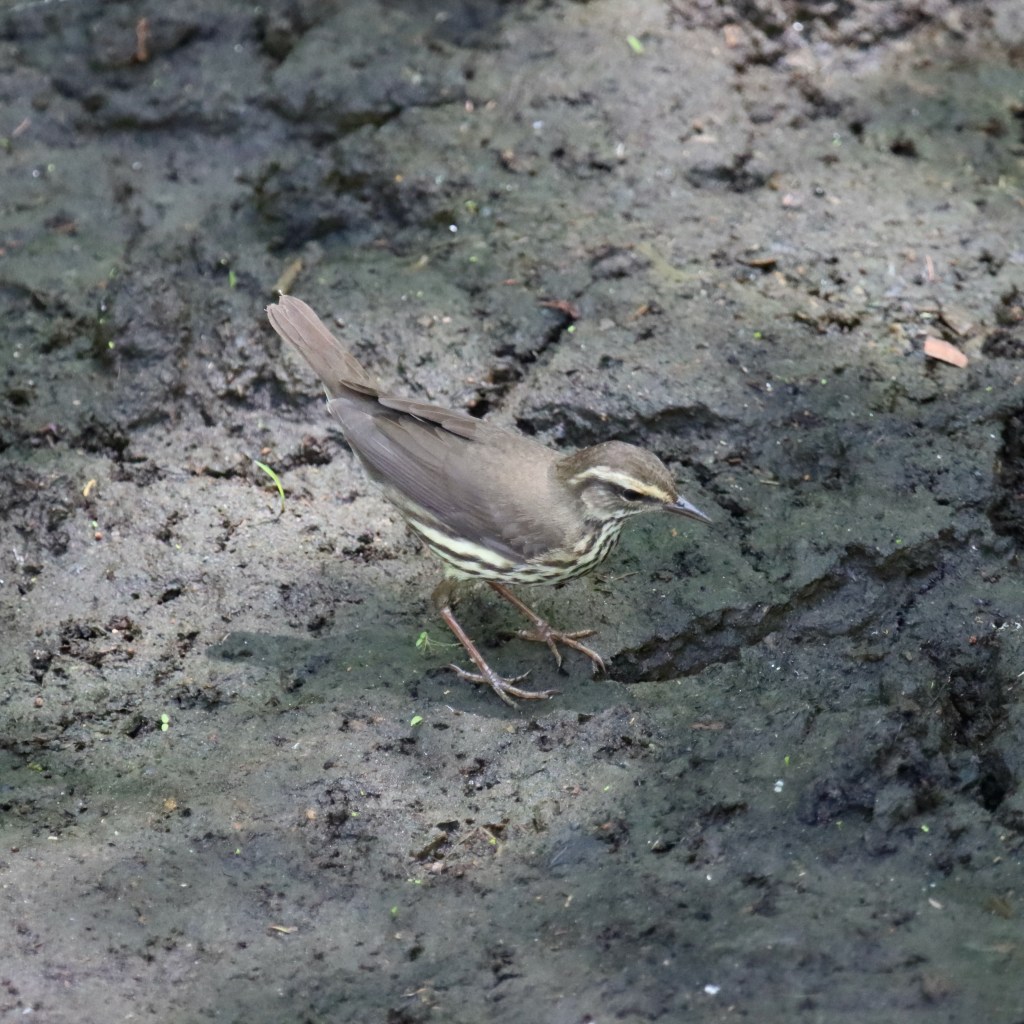
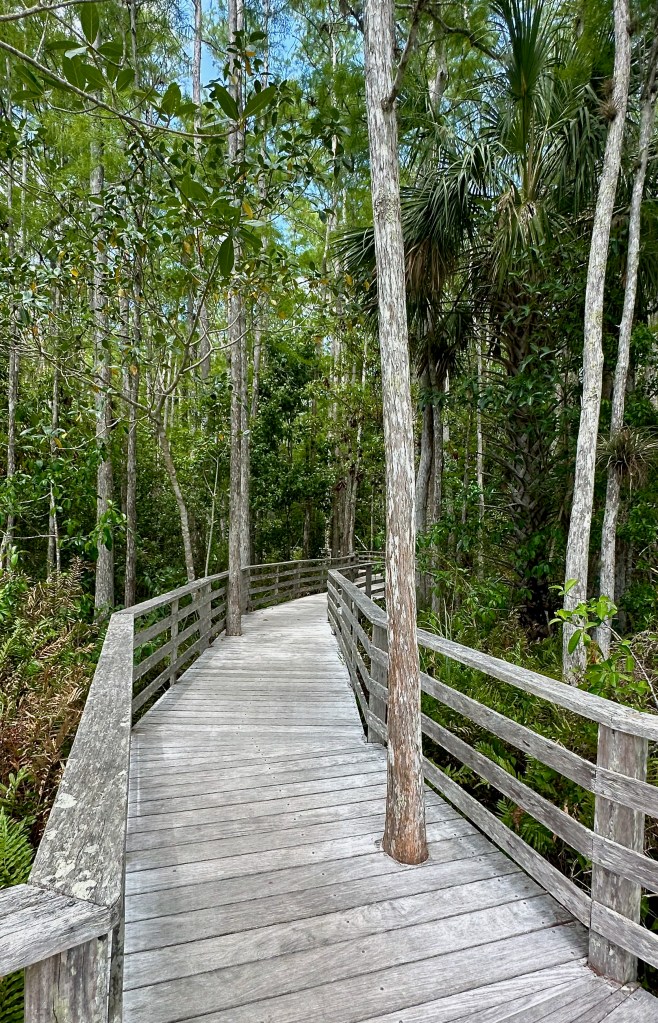
During my stroll along the two mile boardwalk, I found the area to be absolutely teeming with wildlife. Sanctuary indeed!