Tag Archive for ‘nature’

Feather and Fur

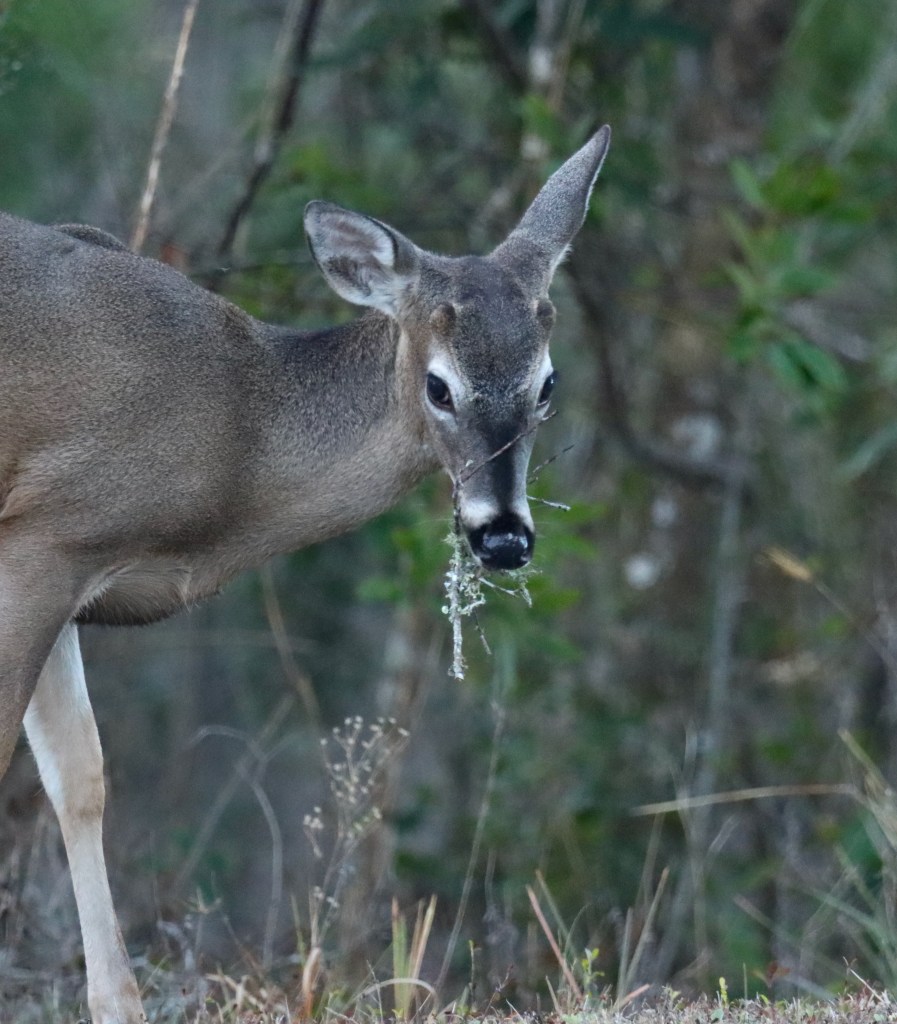
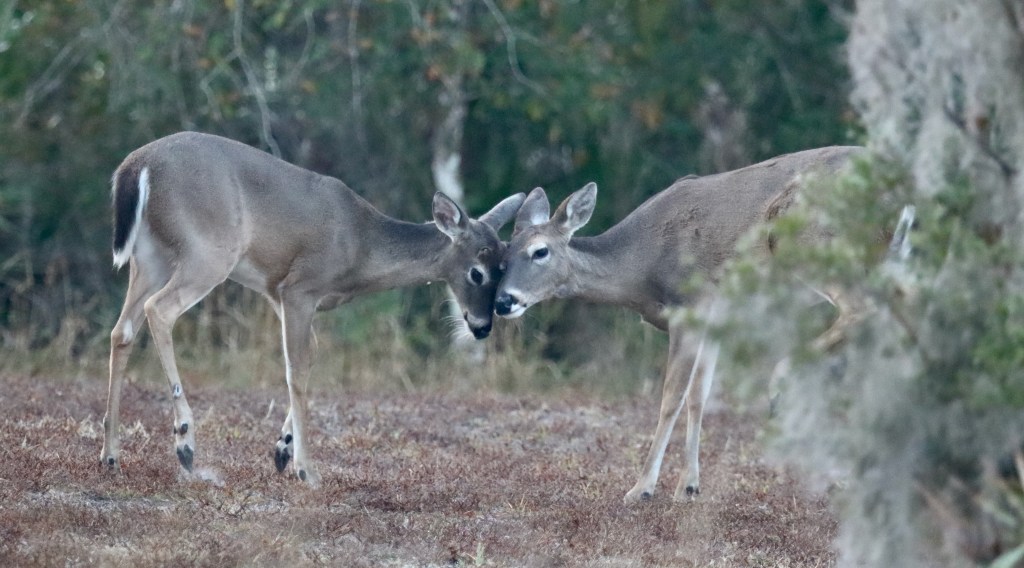
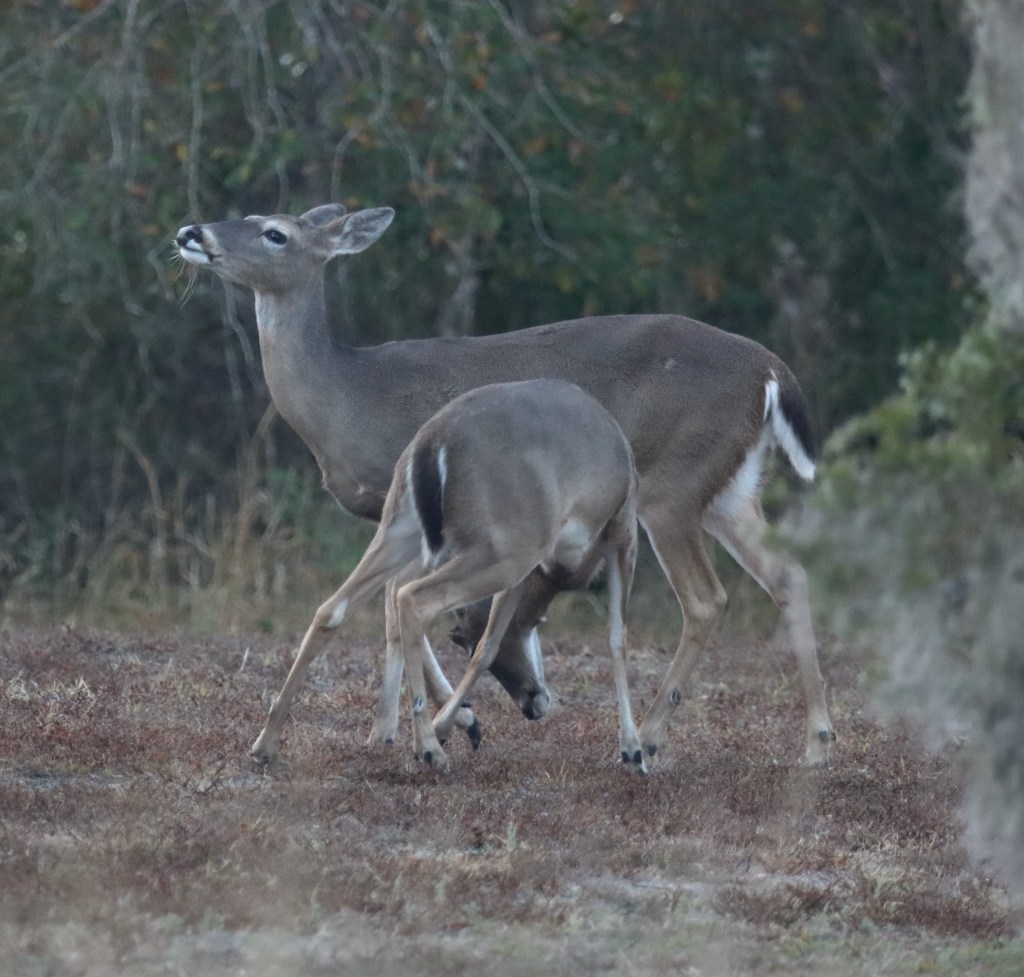
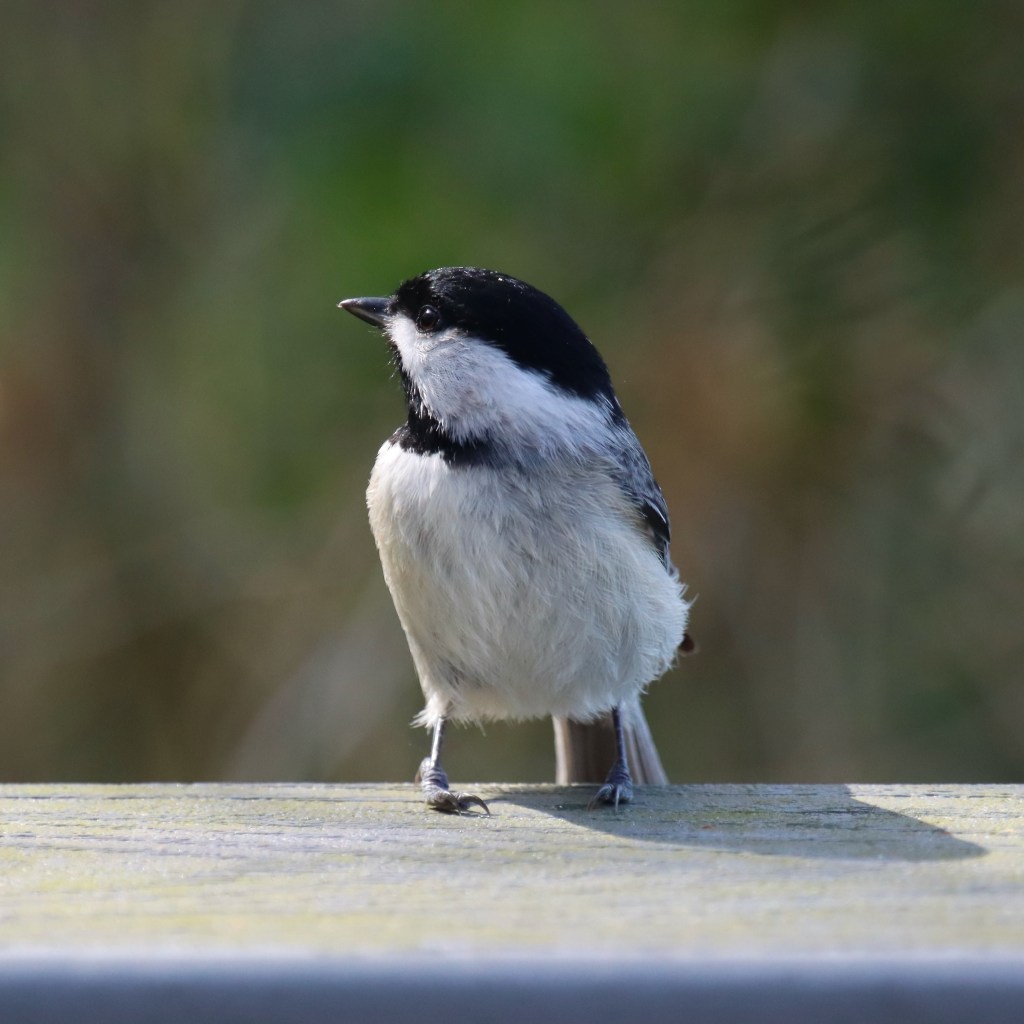
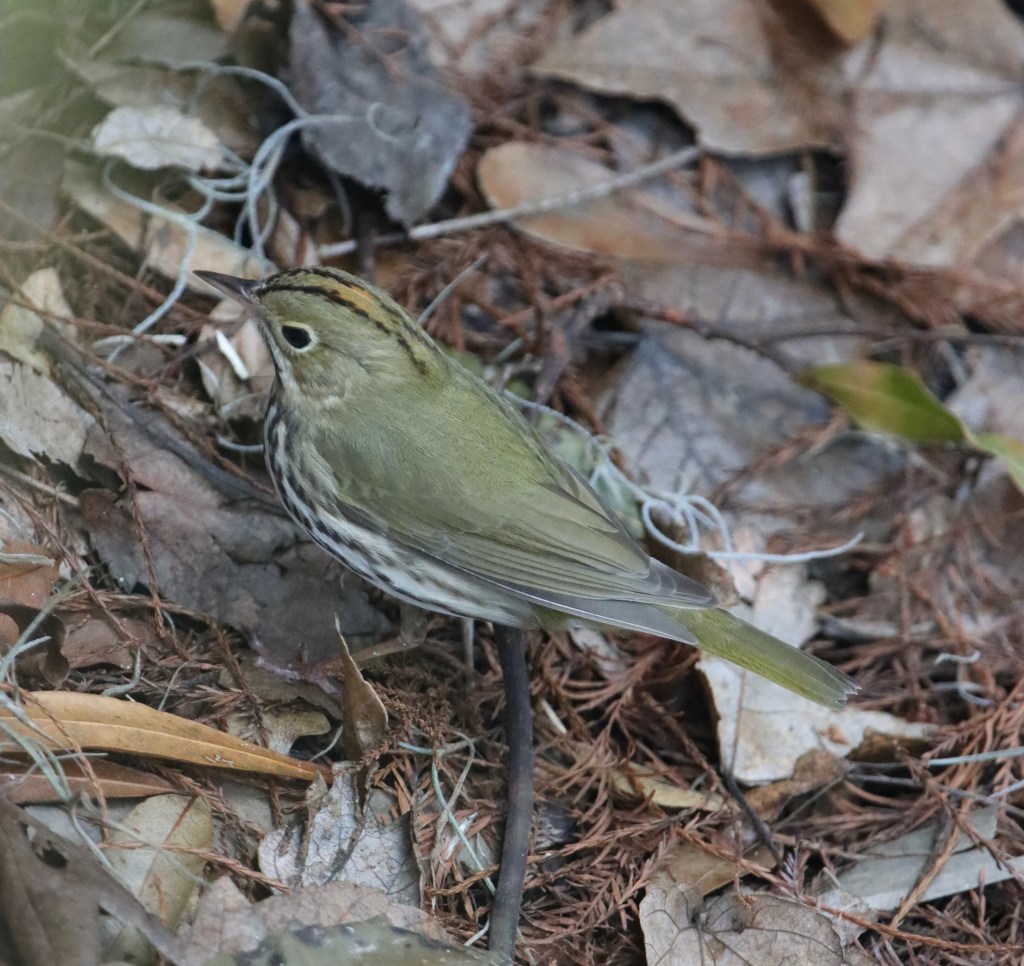
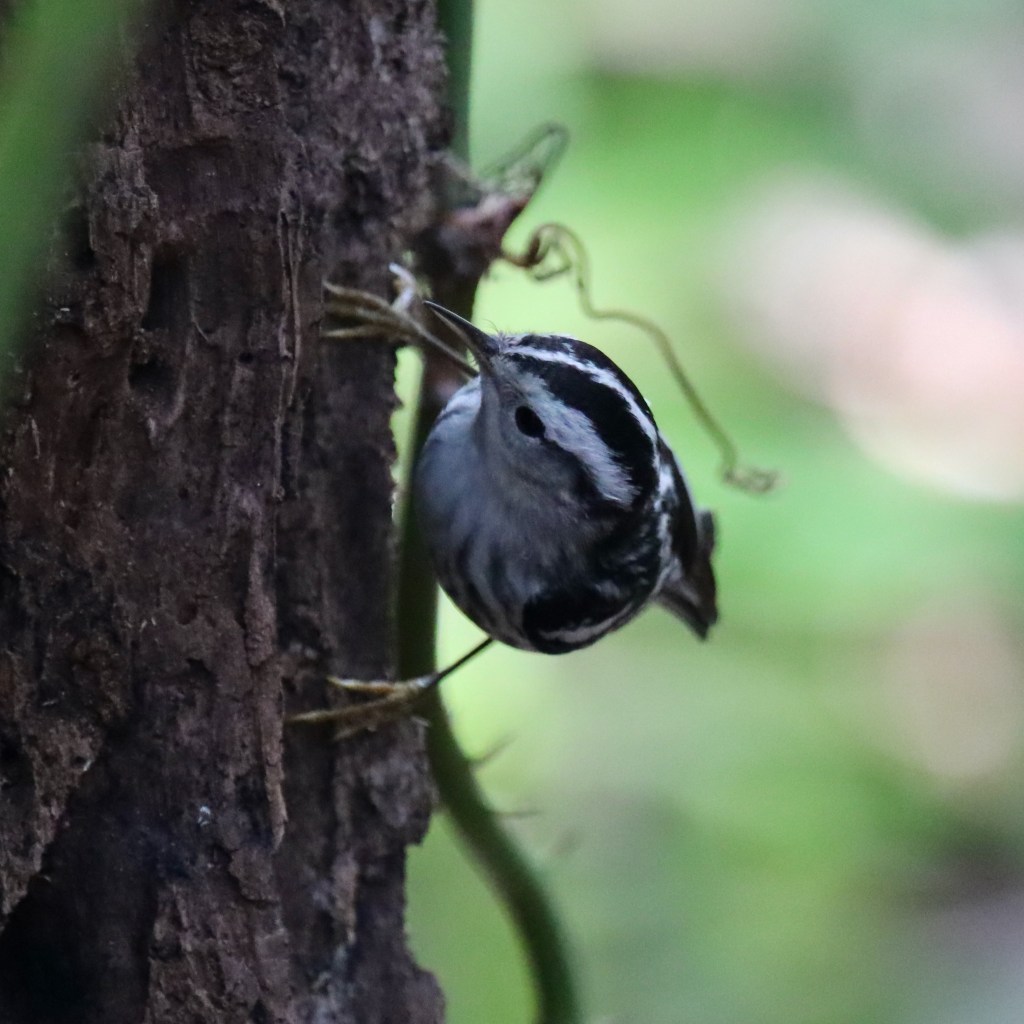
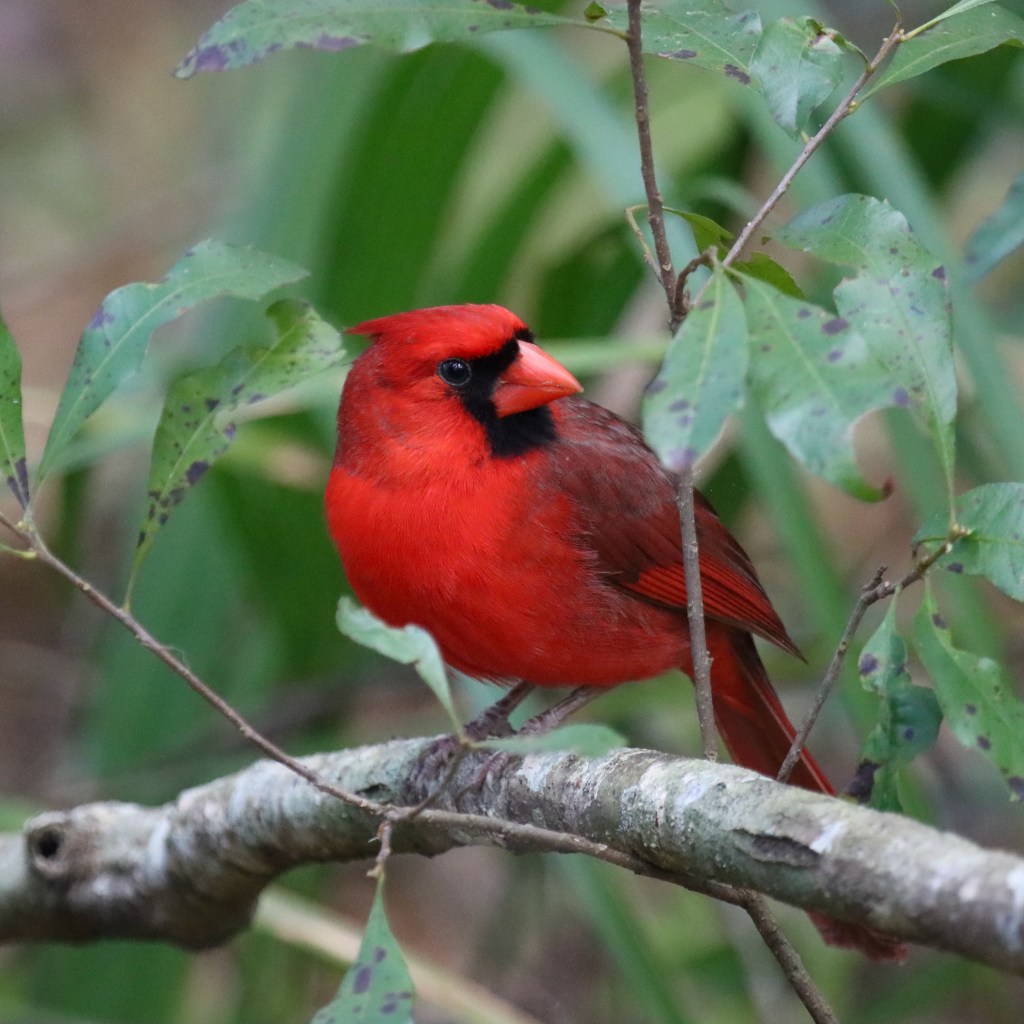
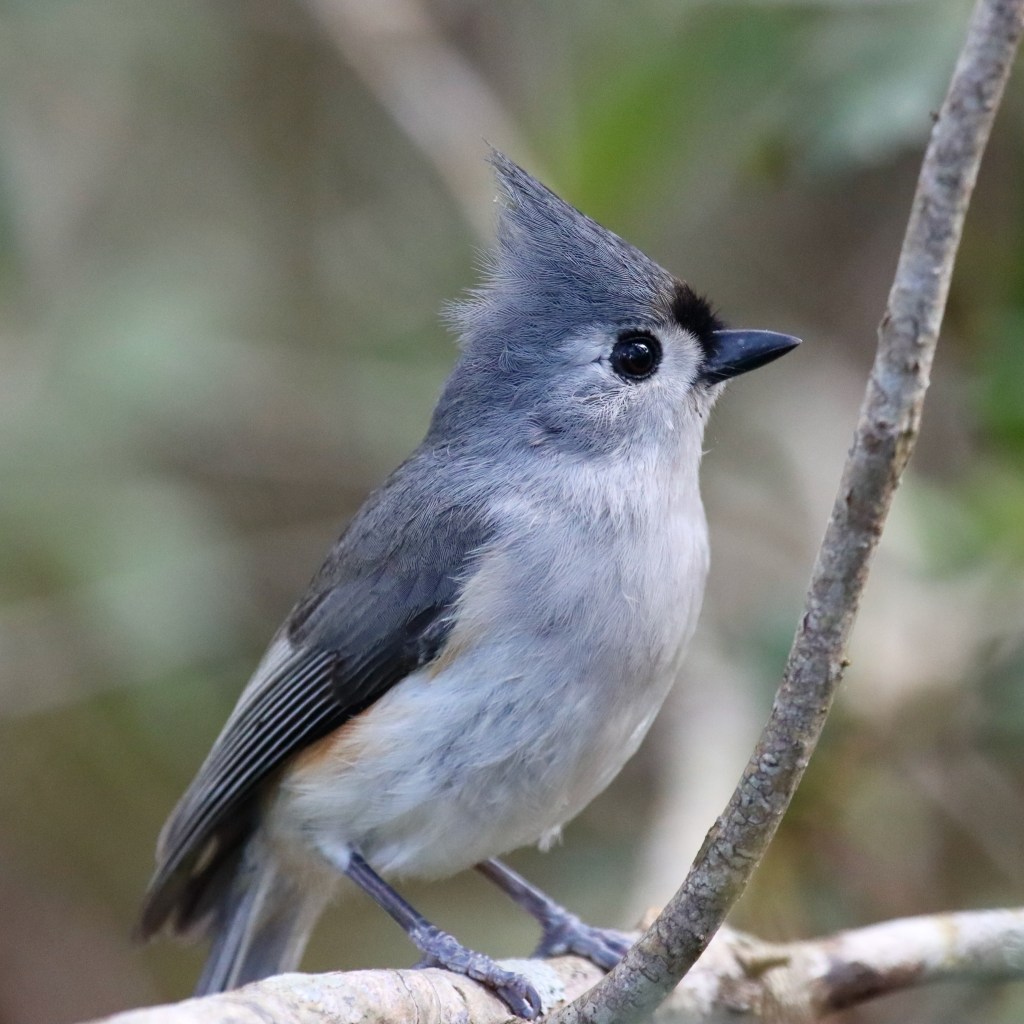
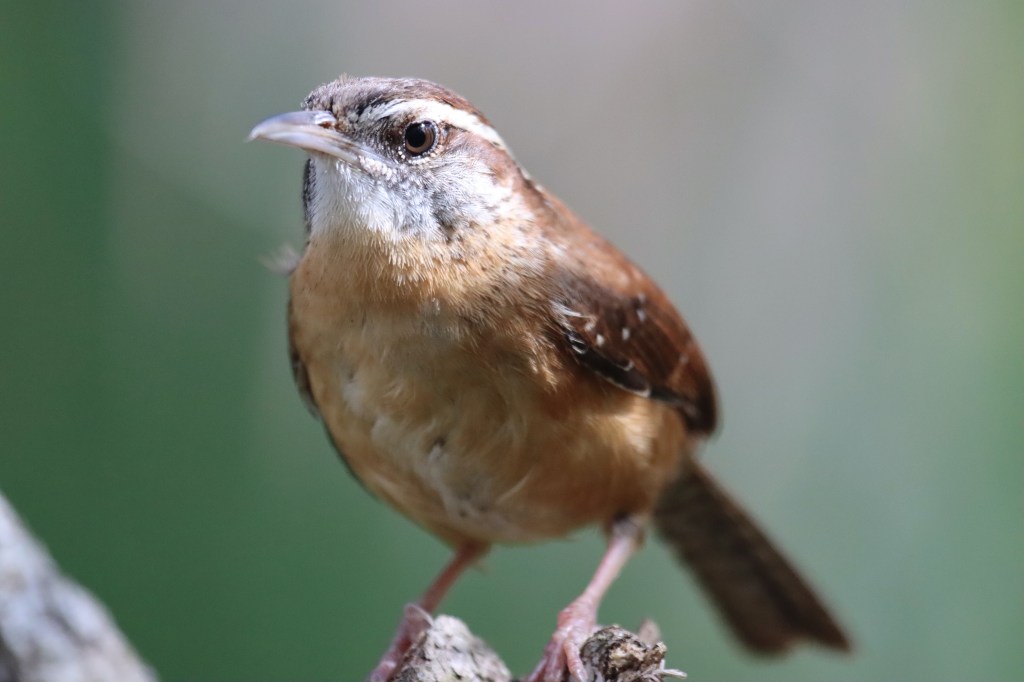
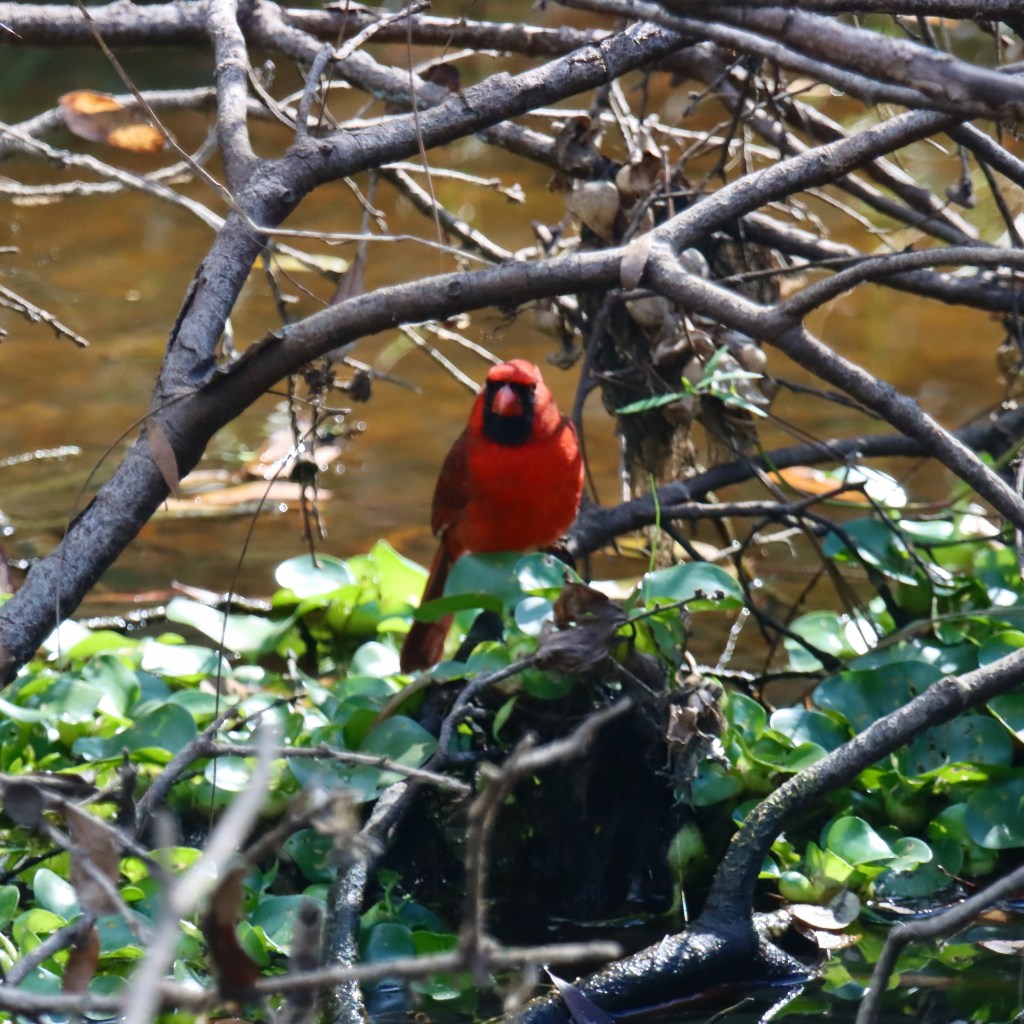
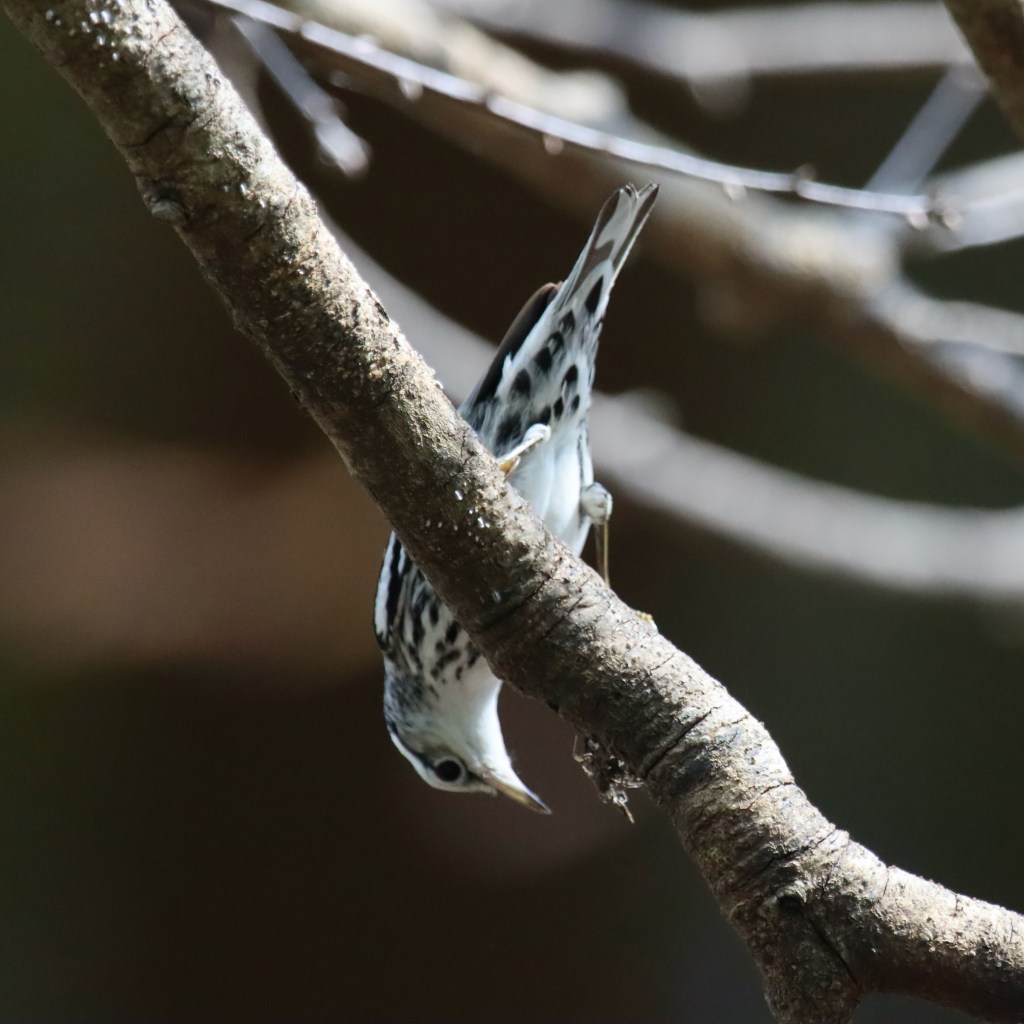
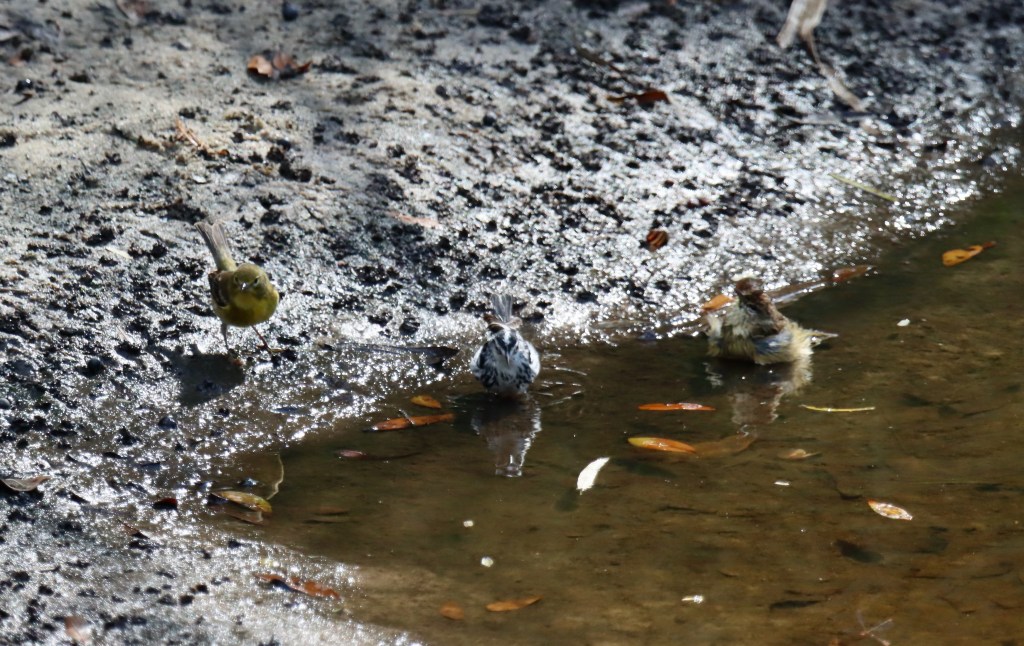
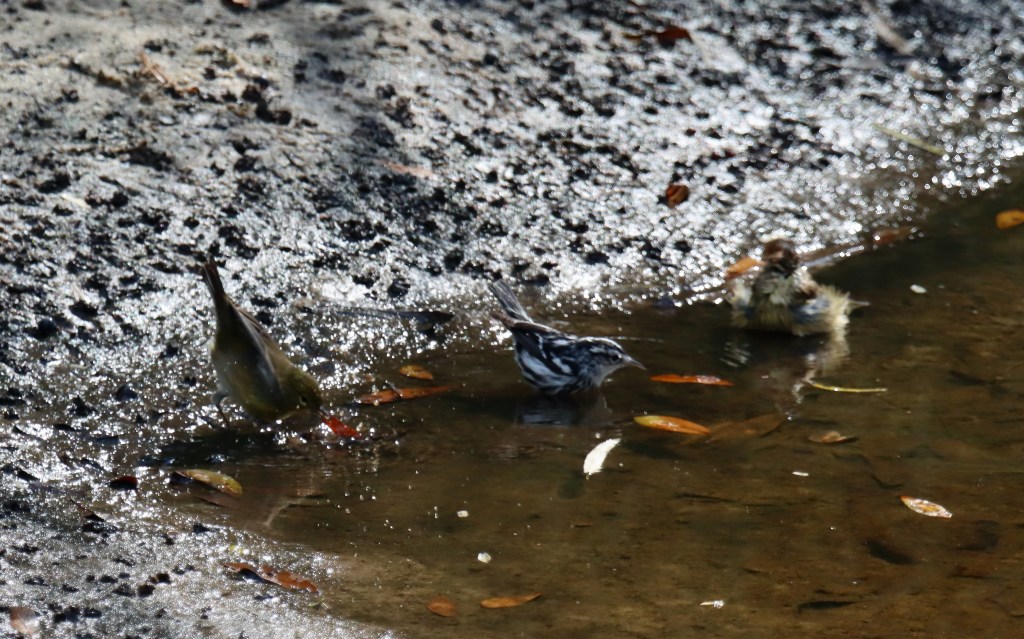
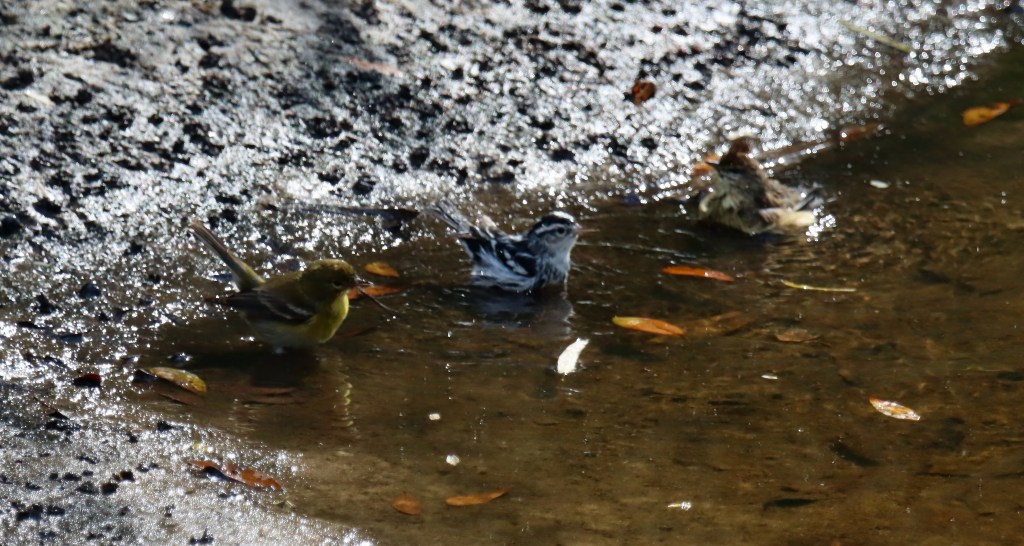
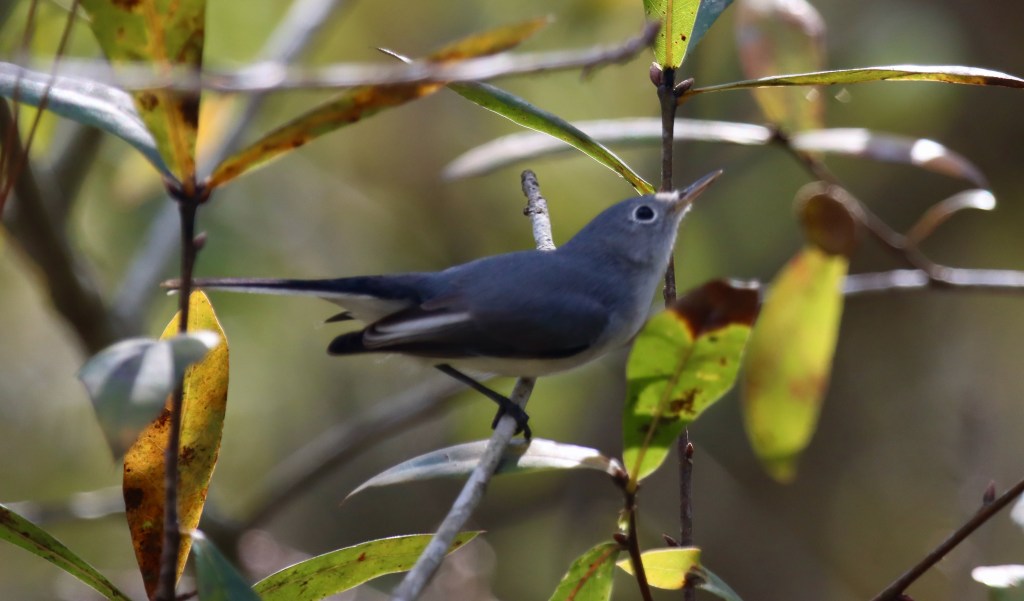
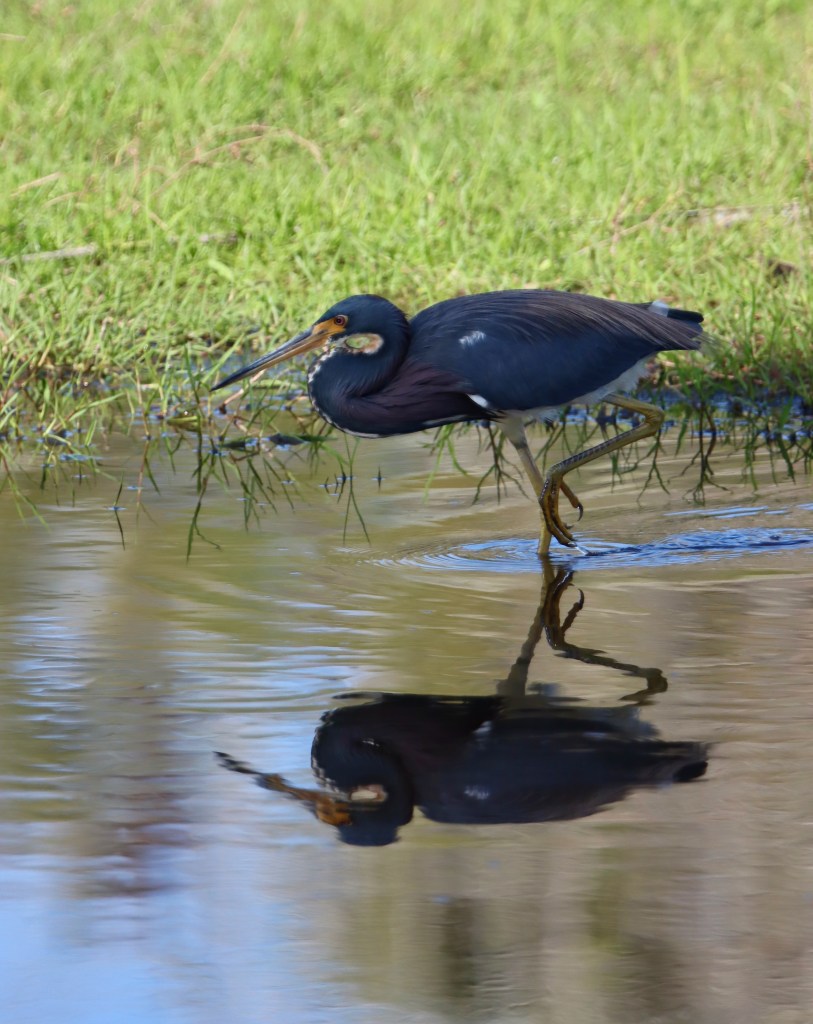
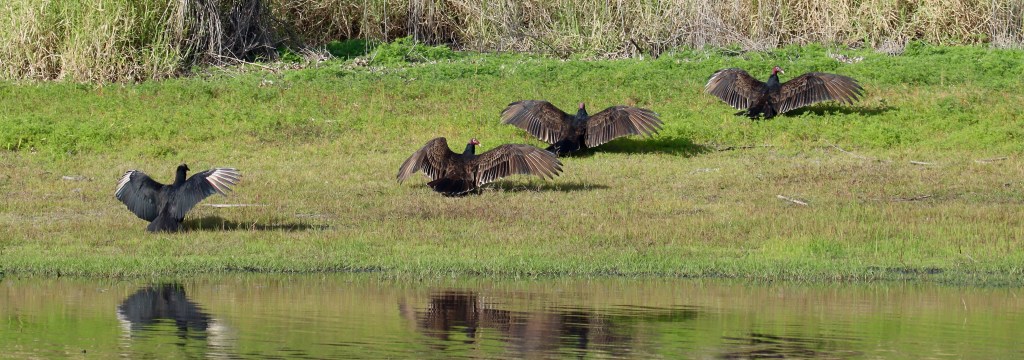
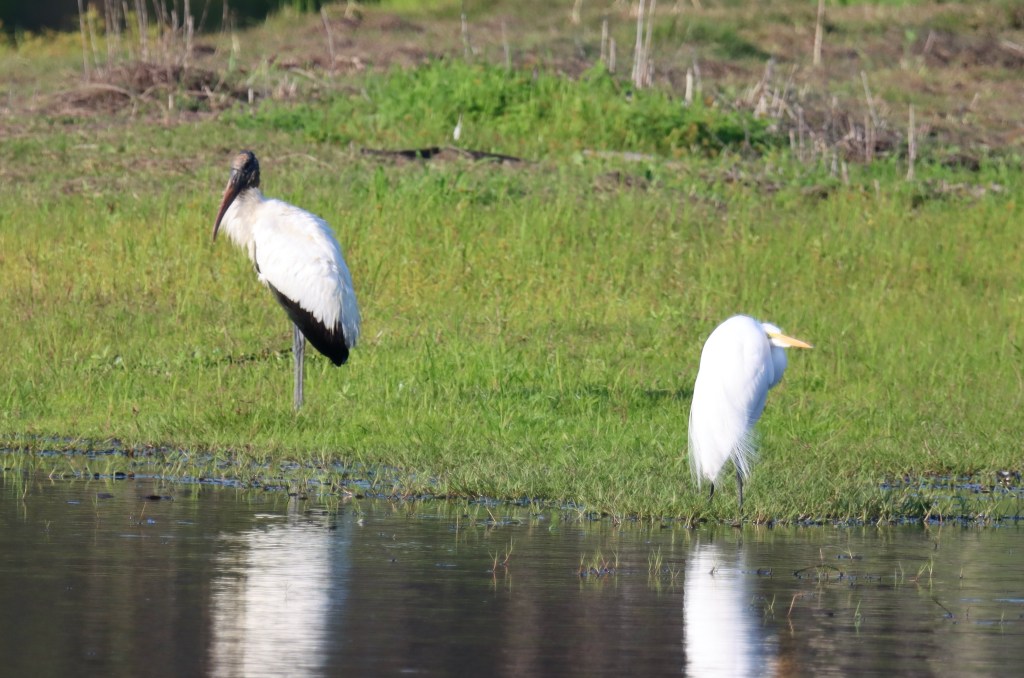
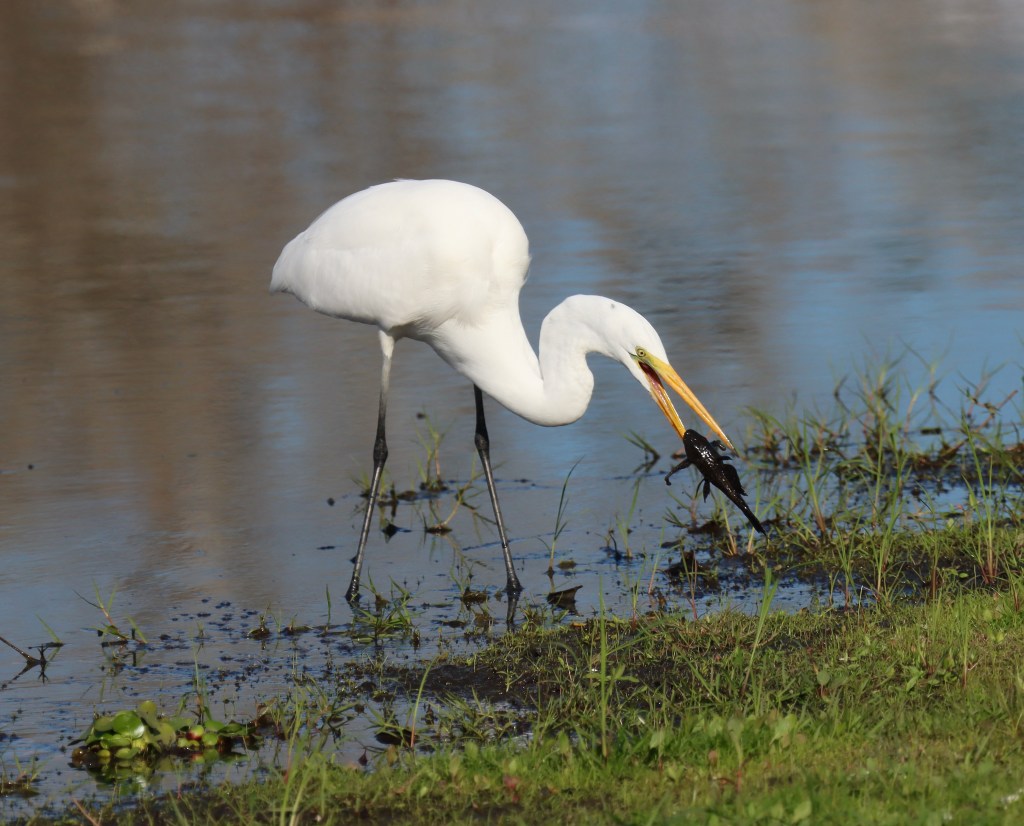
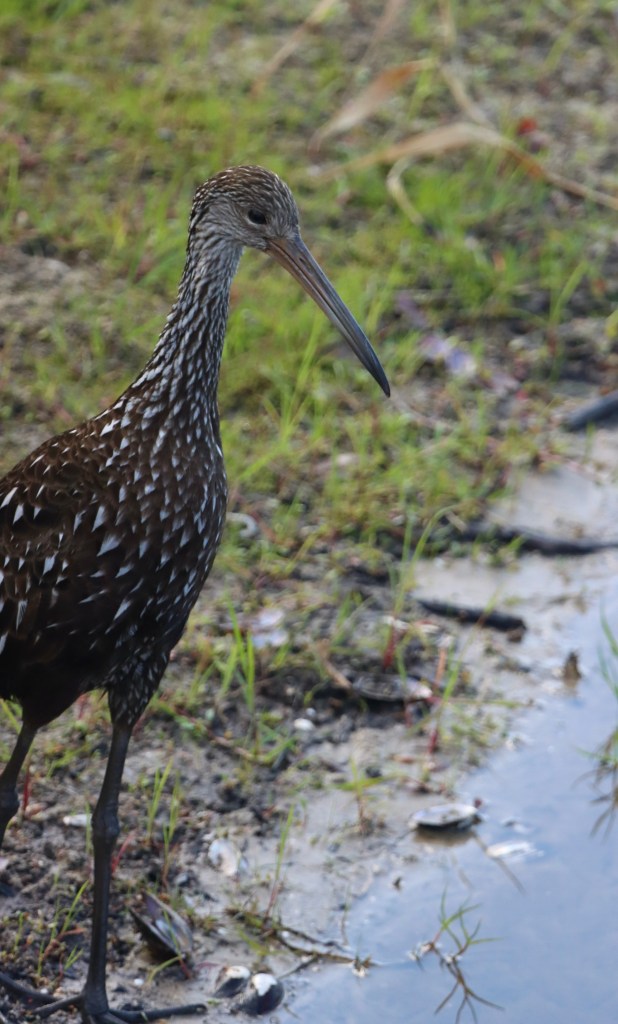
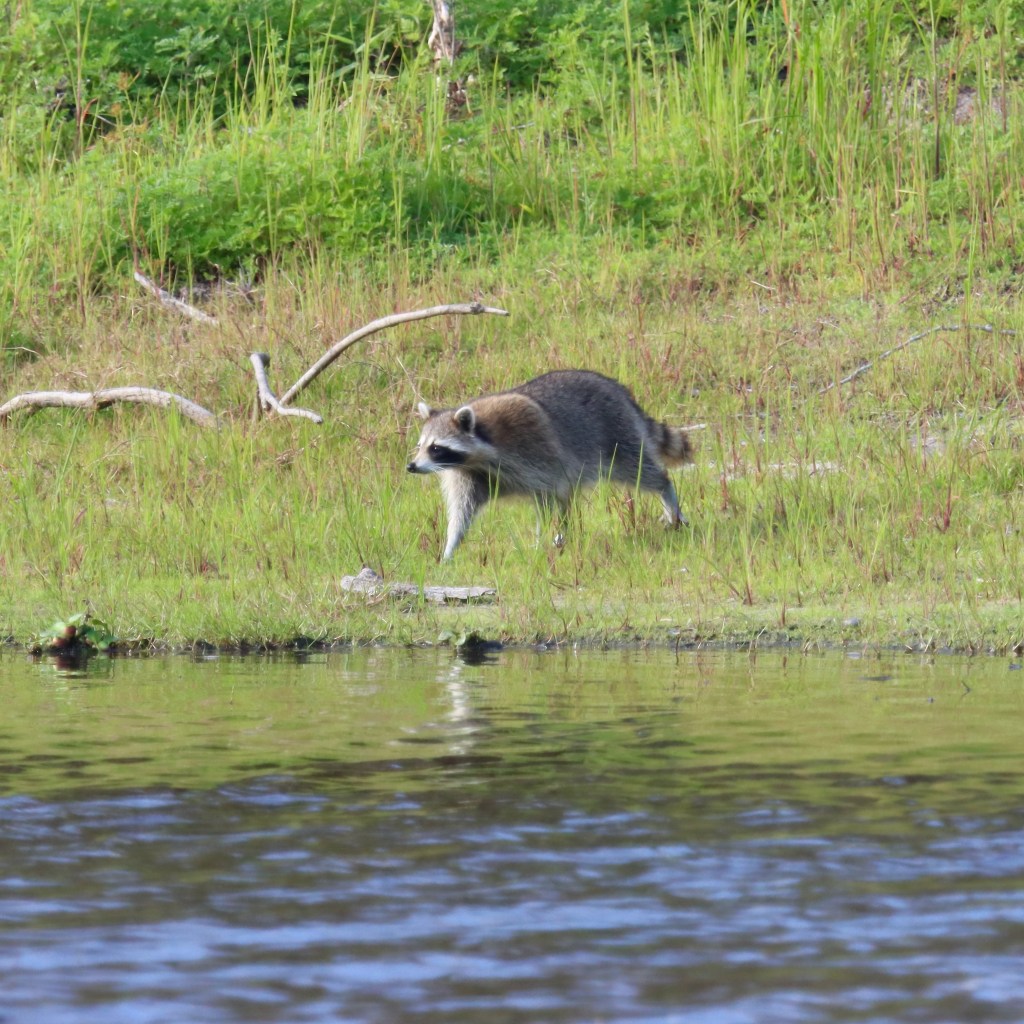
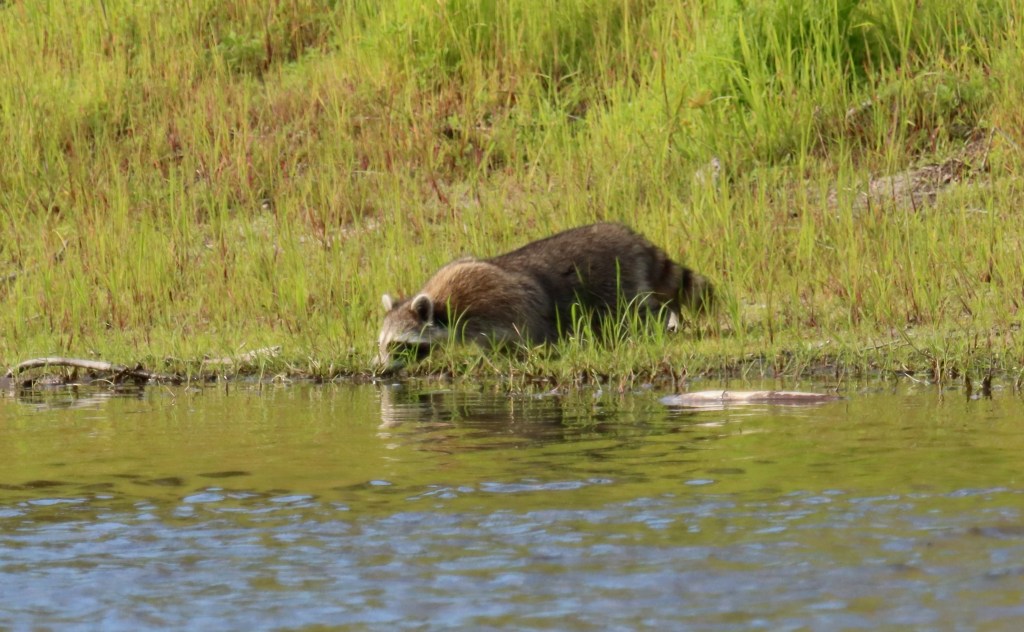
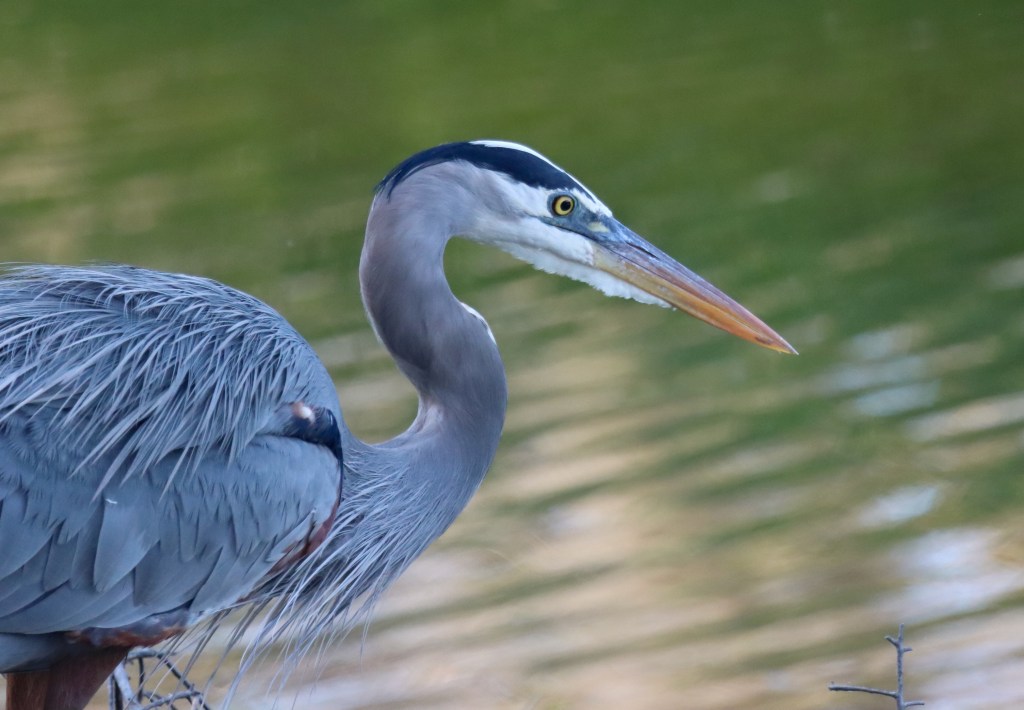
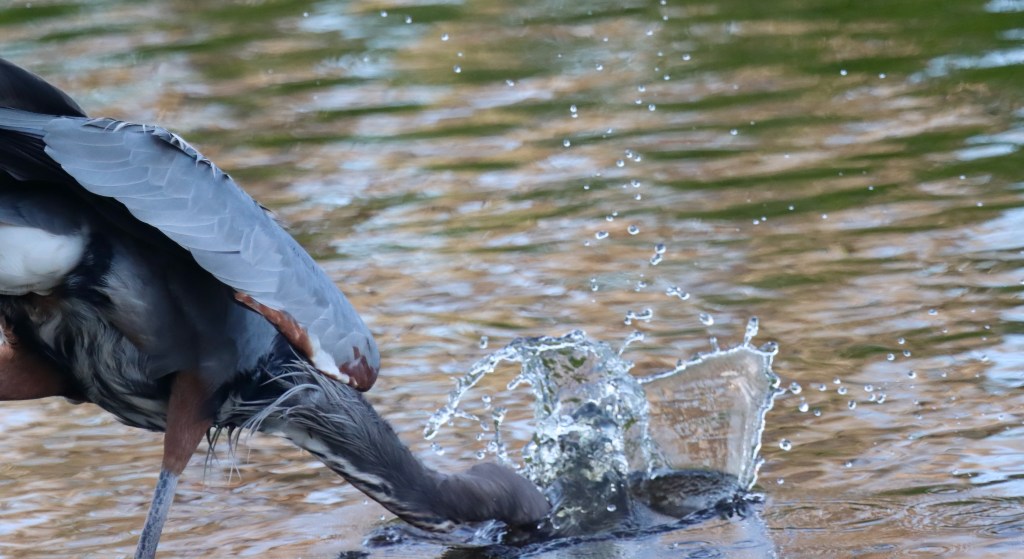
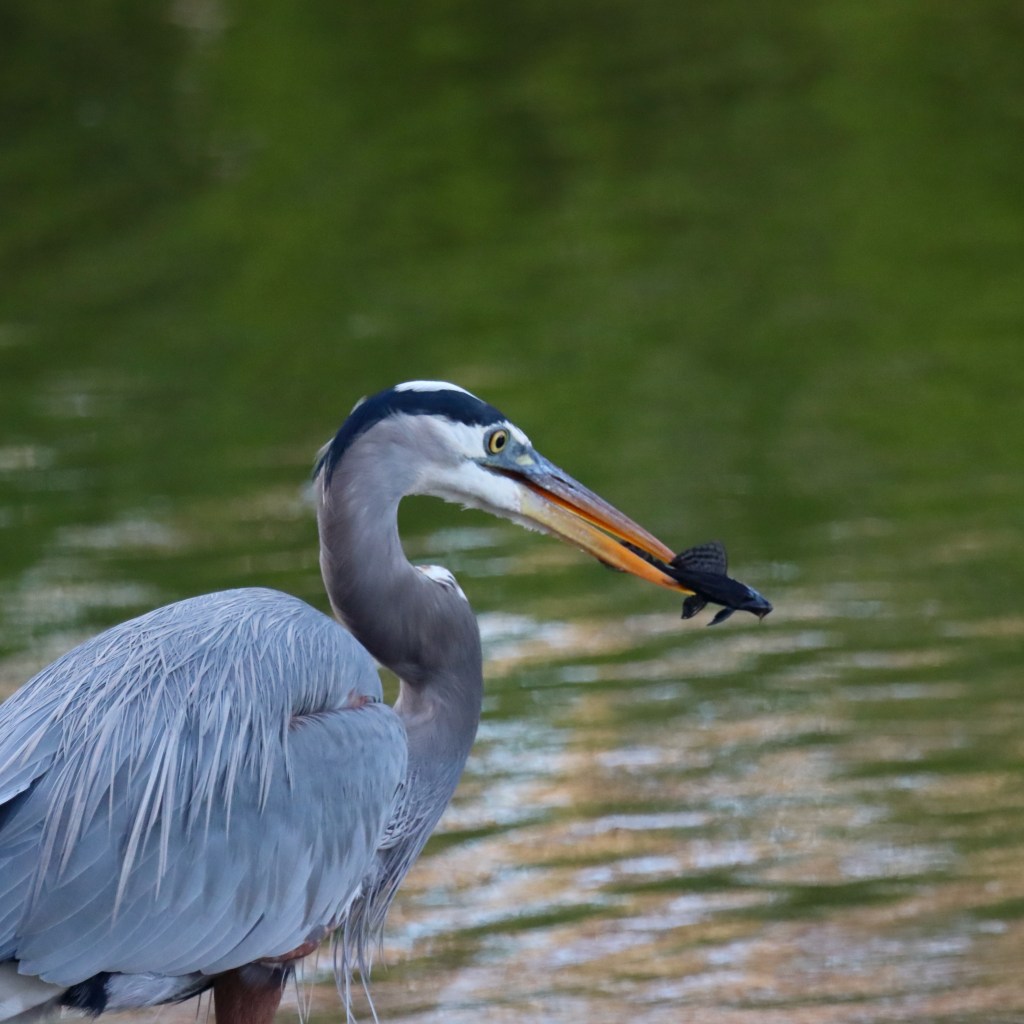
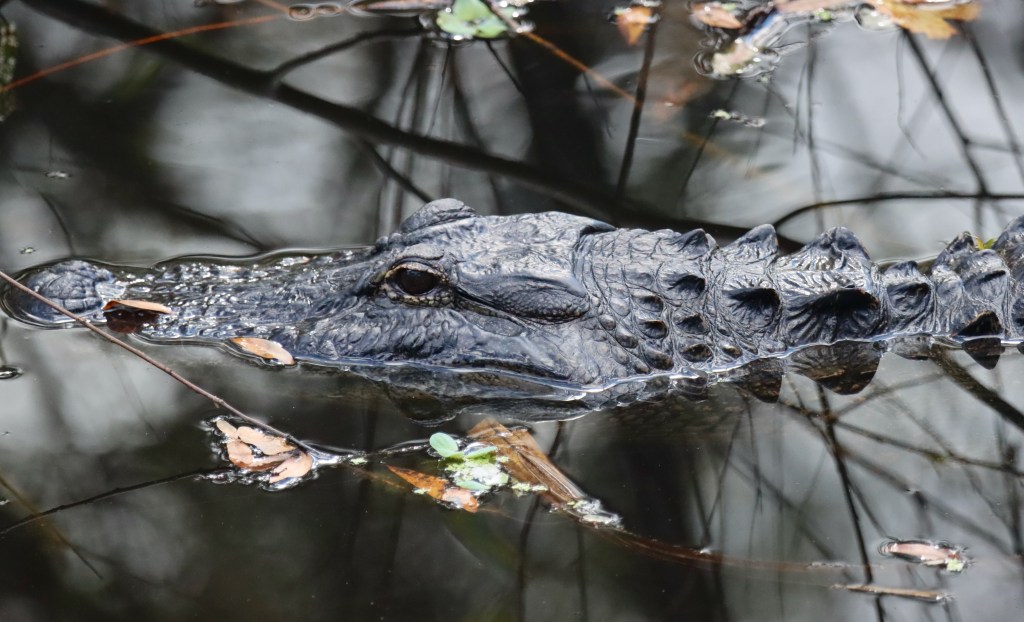
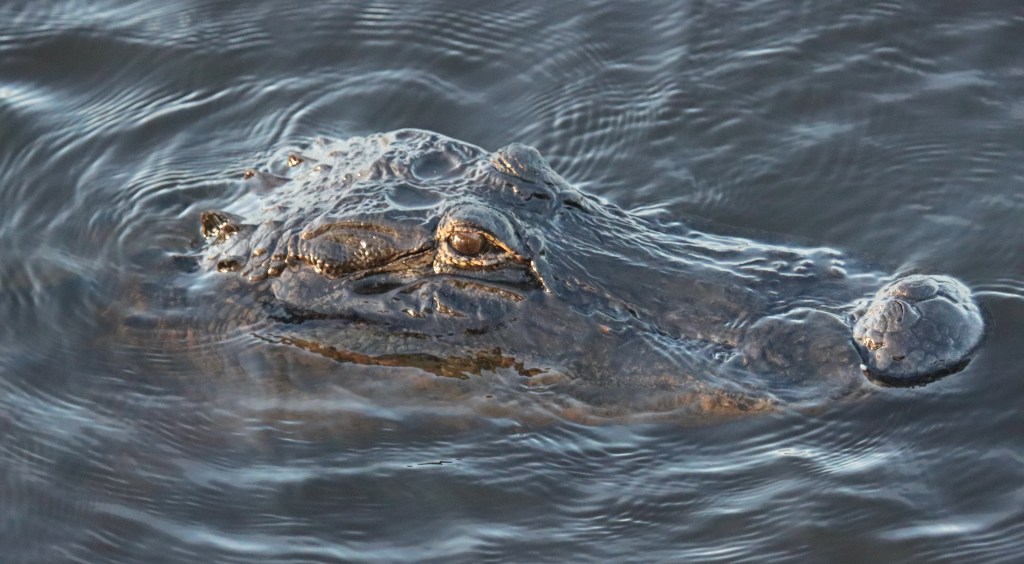
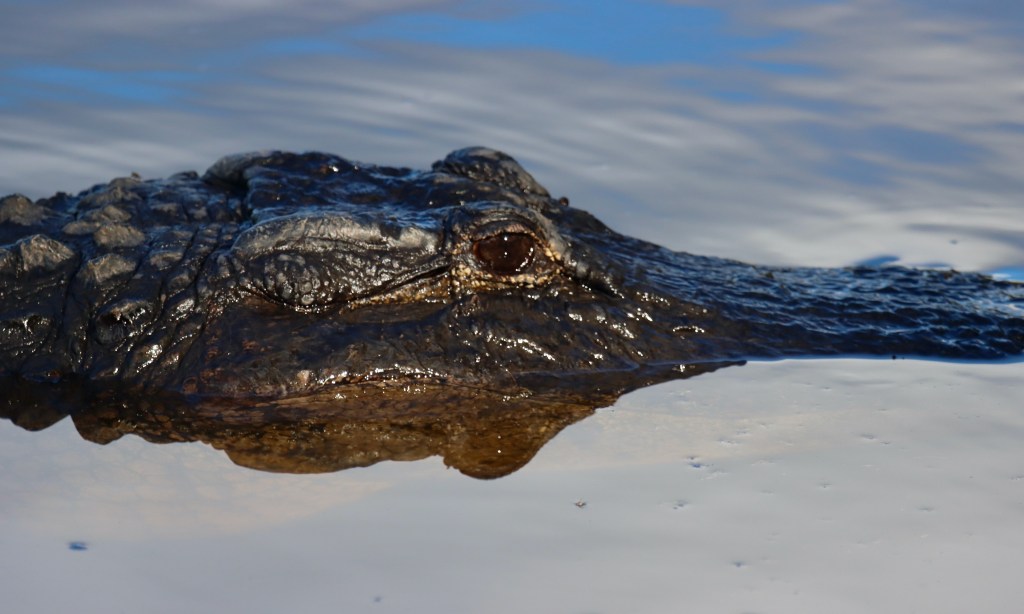
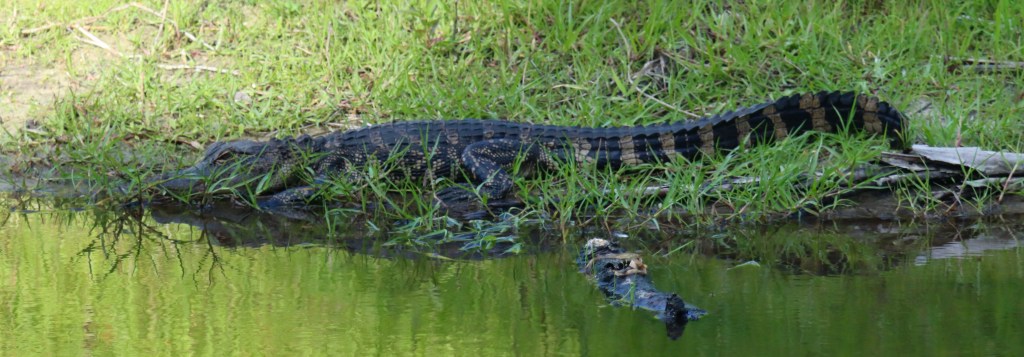
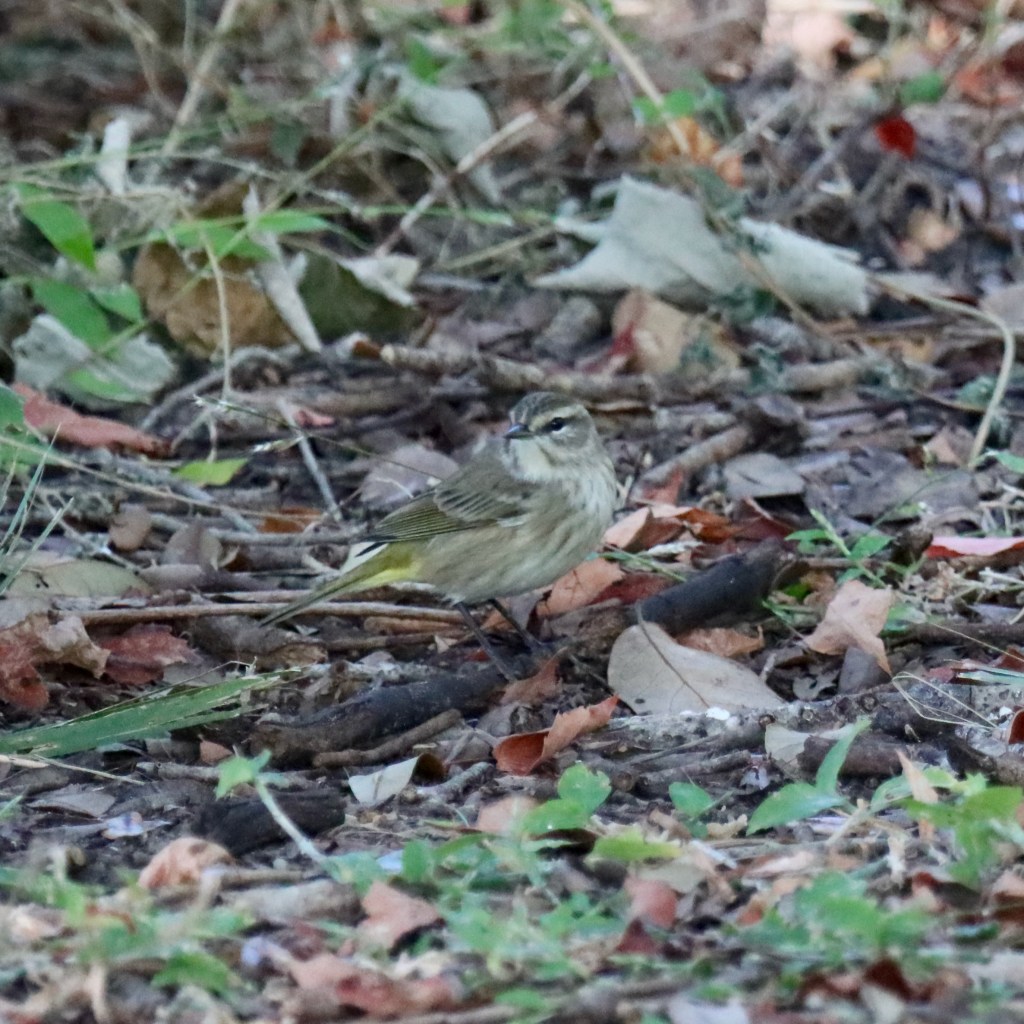
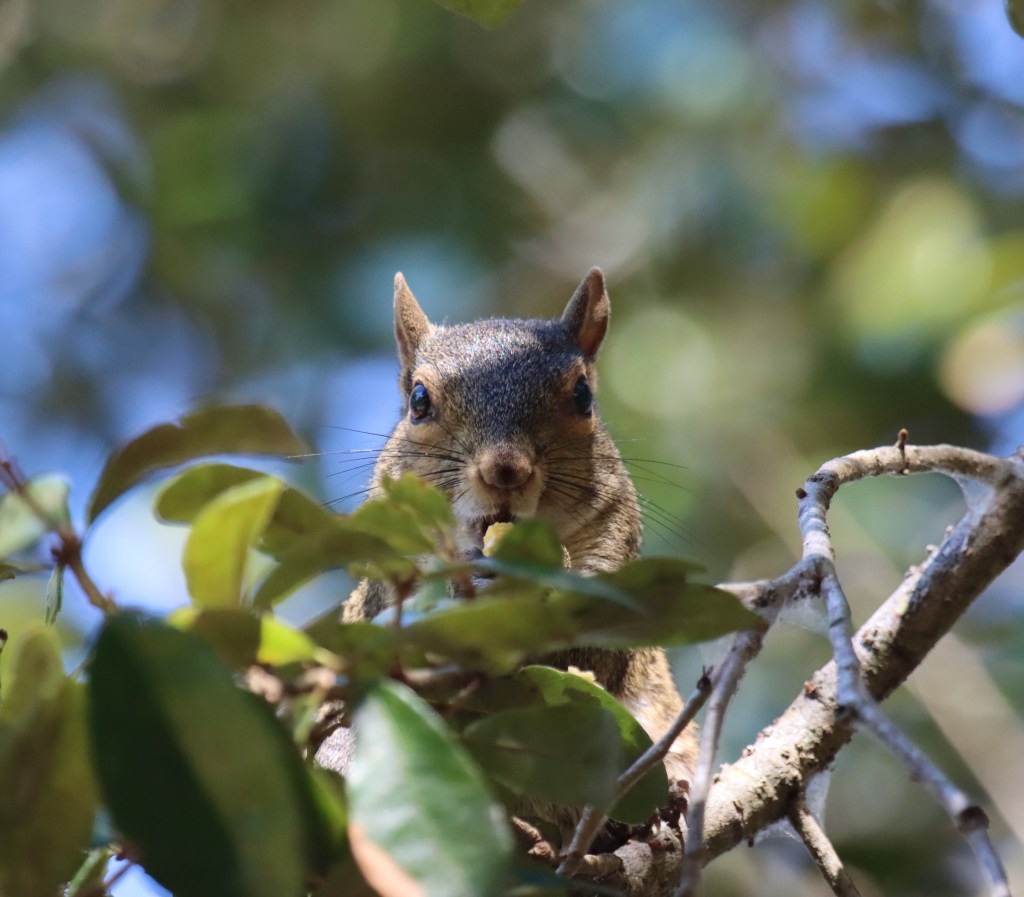
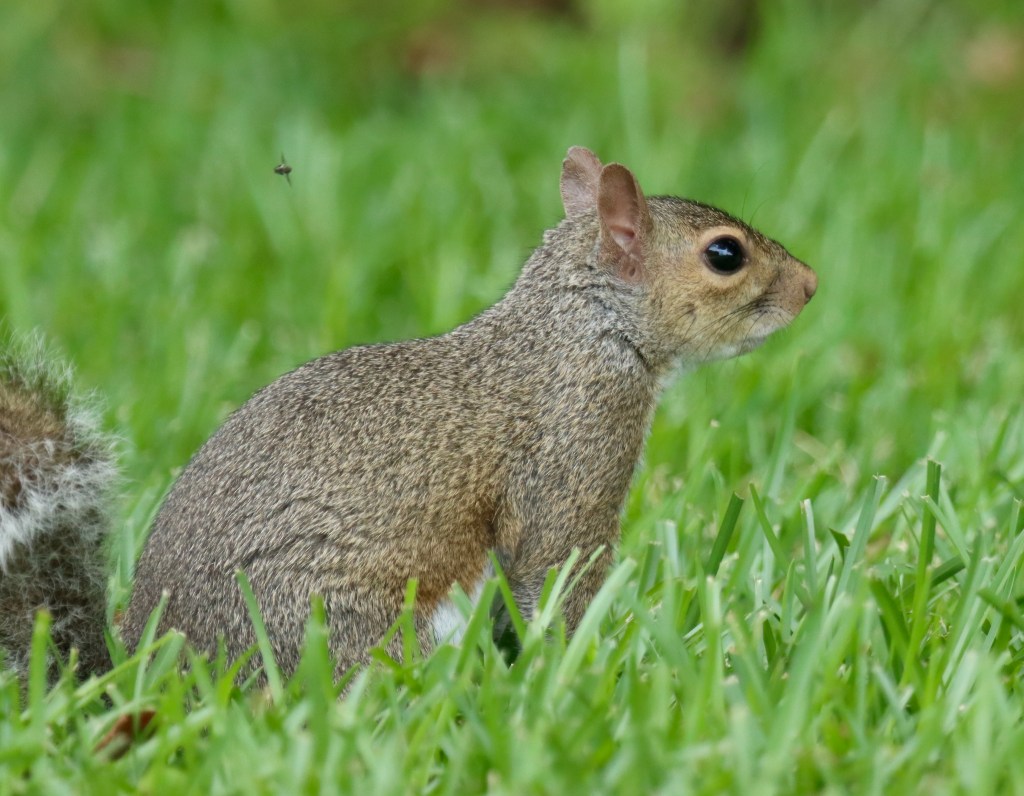
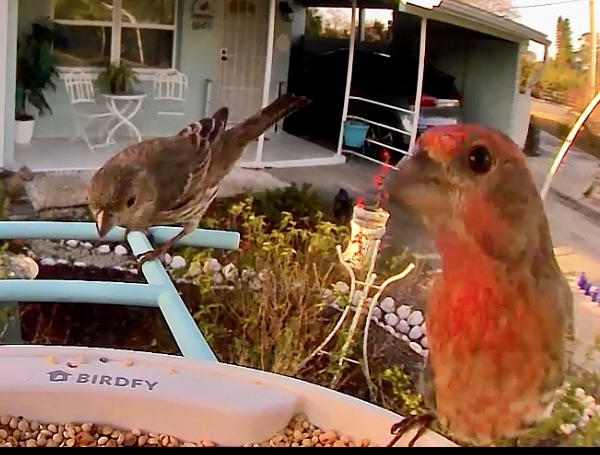
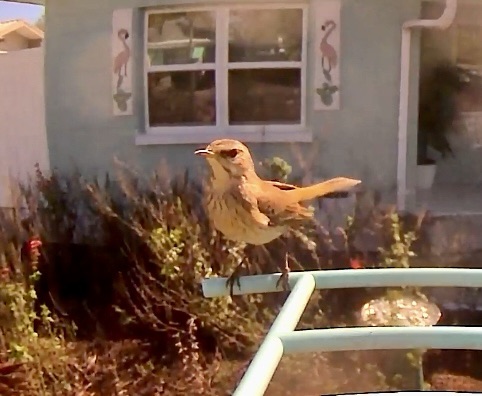
As they say down here, “it’s been a minute” since I’ve had a chance to hit the trail. I took advantage of a recent mild morning to explore a new one at Lake Seminole Park. There were a good number of folks using the path along with me so it wasn’t as peaceful as I wished but I still managed to share a few quiet moments with some locals.

It seemed humans weren’t the only ones enjoying the cooler weather!
Mrs. Hernbrode

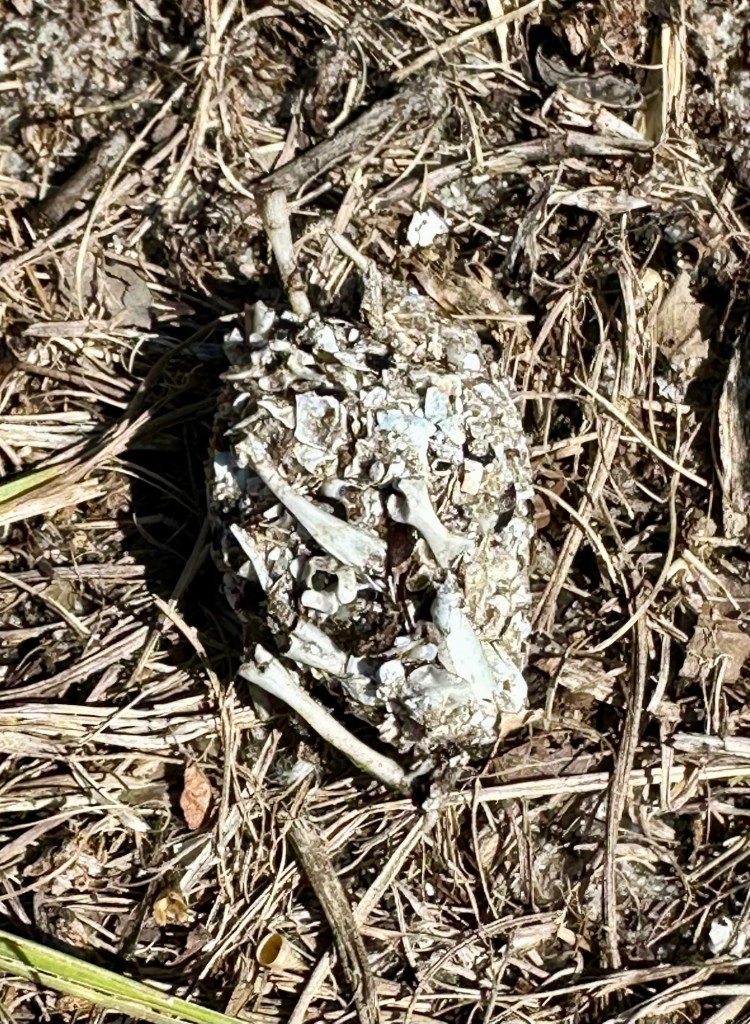
While pulling weeds in my front yard yesterday I was pleased to discover this odd little lump. The roughly 2” long bundle of fur and bones immediately transported me back to 3rd grade…

We were learning about Great Horned Owls as part of our science and biology curriculum. Unlike raptors that tear their meals apart, big owls tend to swallow their food whole.

In order to learn about their place in the ecosystem, my teacher, Mrs. Hernbrode, brought in owl pellets for us to dissect (cast pellets are little balls of non-digestible parts that the owls cough up after eating).

Our task was to gently extricate all the bones and carefully reassemble the skeleton so we could identify the prey animal. Most of the girls in my class were grossed out, but the guys and I dug right in (newsflash, I was a bit of a tomboy – riding horses, climbing trees, and playing in the dirt were my main hobbies). In other words, I was an eager pellet detective!

I had always been fascinated by nature and wildlife, but I credit Mrs. H for encouraging my curiosity. That curiosity guided me through college and has led me to some incredible places over the years. For that, and other reasons, Mrs. H remains my absolute favorite elementary school teacher.

So imagine my excitement when we crossed paths again, some 30 years later. She had moved to Portal, a small town nestled in the heart of the Chiricahua Mountains of Southern Arizona (where my parents had moved decades earlier). I recognized her immediately and was touched when she remembered me (out of all those students over the years).

Finding this pellet pleases me because it’s a sign that my yard is welcoming to wildlife. In her honor, I’m naming the pair of Great Horned Owls in my neighborhood the Hernbrodes. As for the pellet, I’m still debating whether or not to dissect it…

Fresh Isn’t Always Best

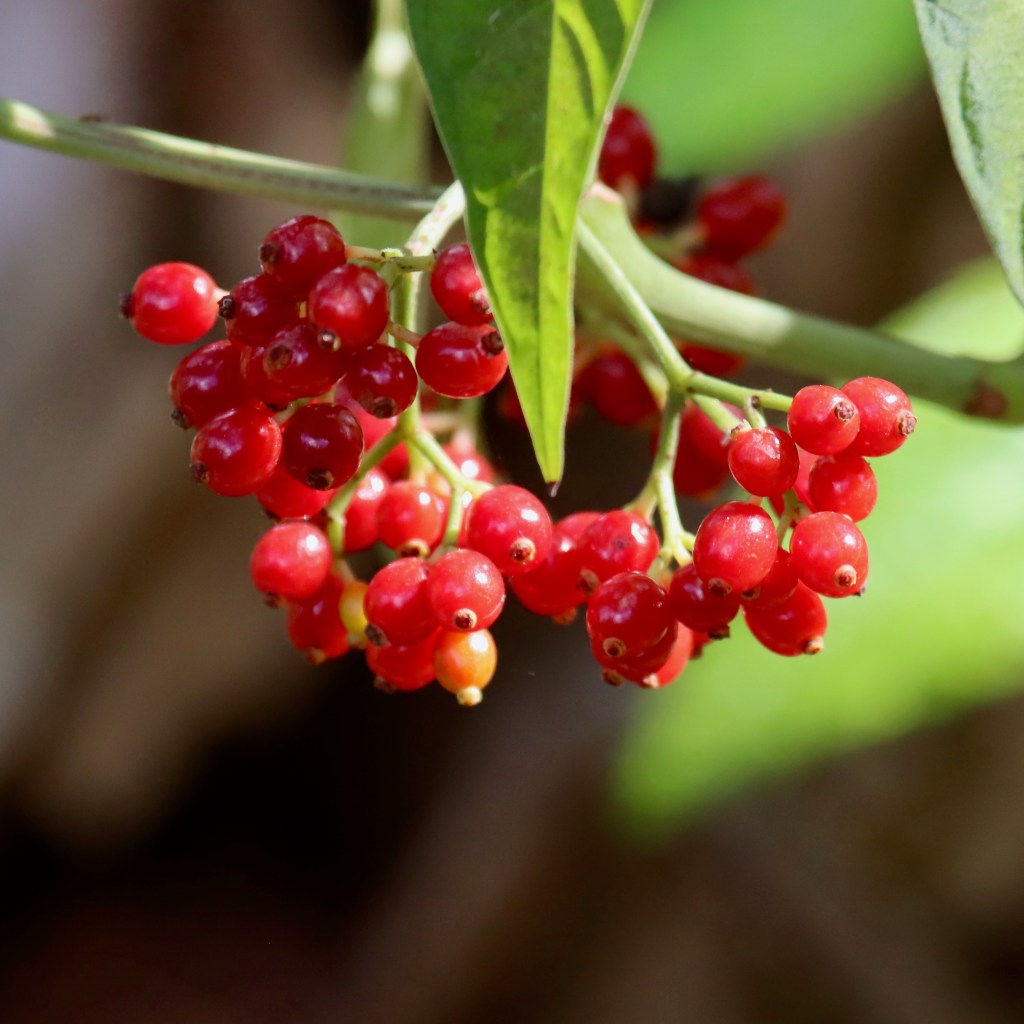
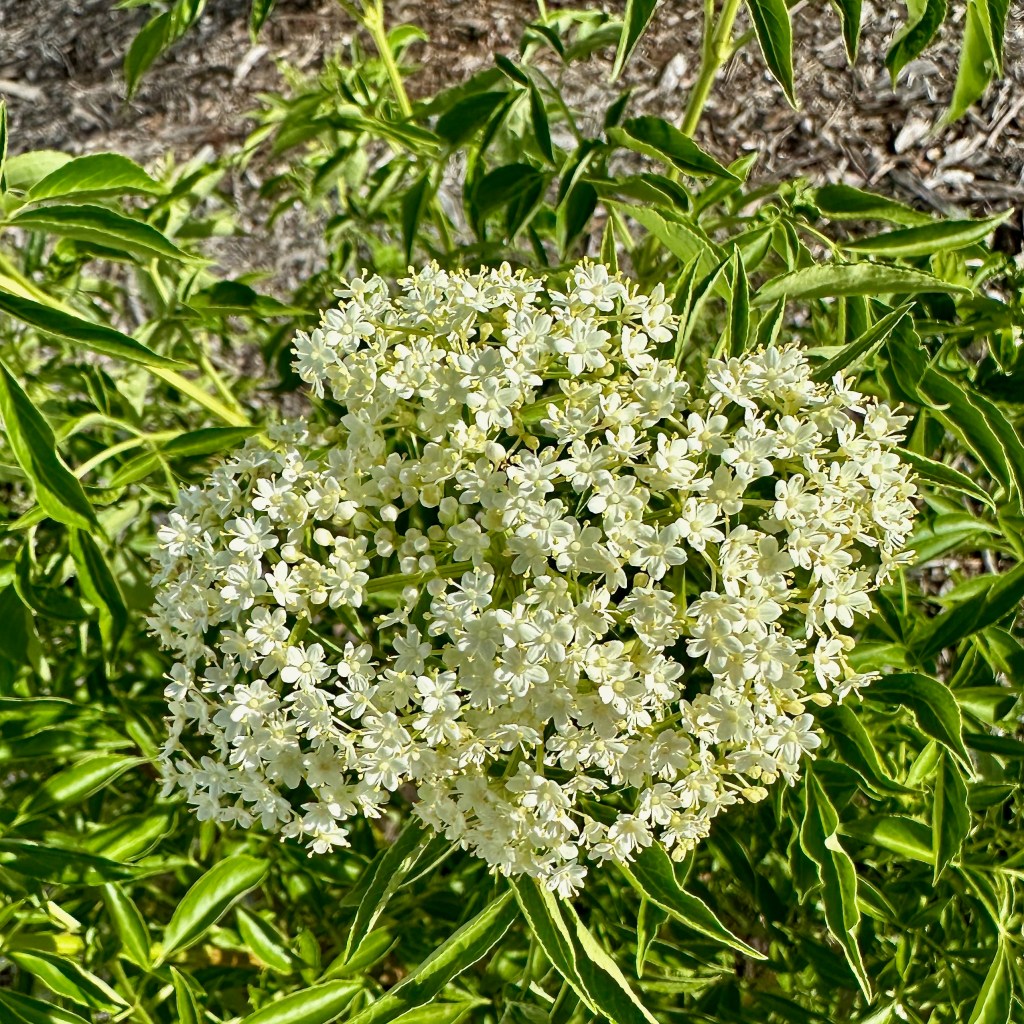
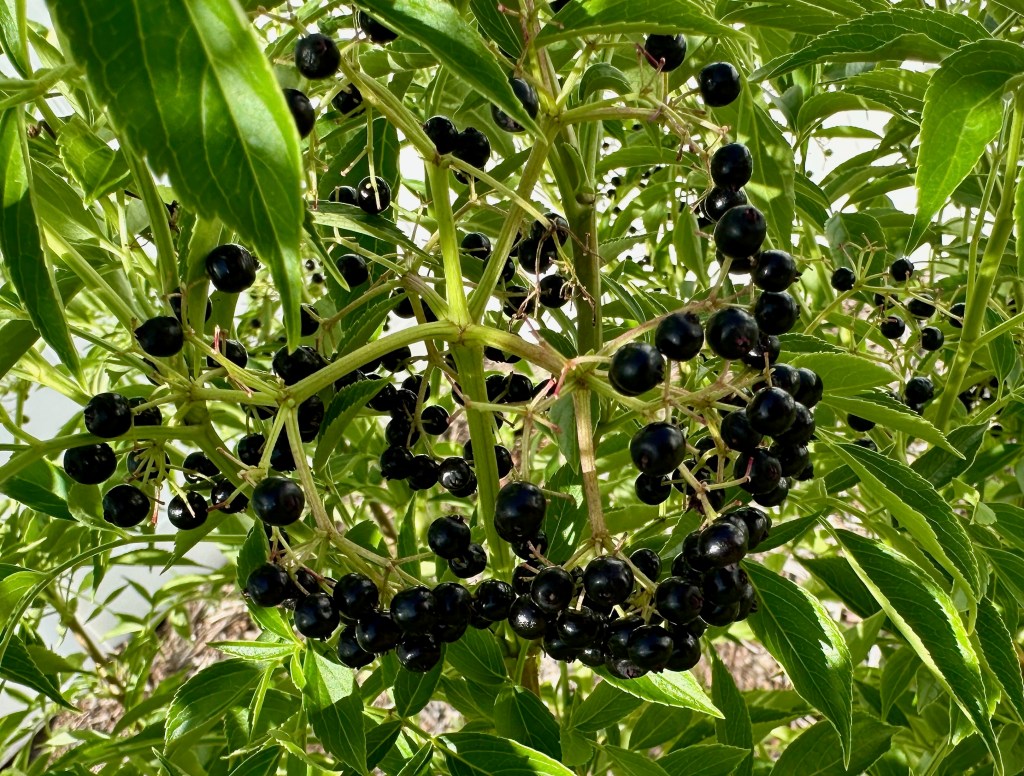
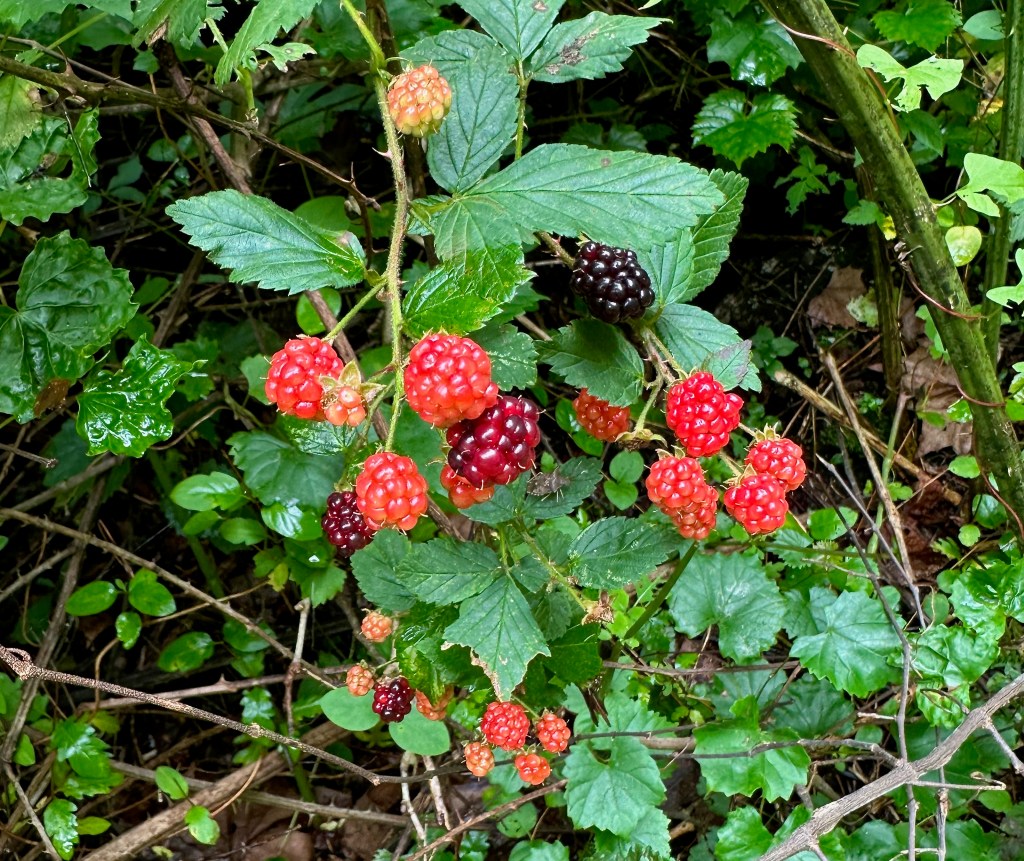
After being a water demanding prima donna all summer, the American Elderberry (Sambucus nigra) I planted this past Spring has bloomed and set on fruit. I’m growing elderberries for their renowned healing properties as the fruits are high in antioxidants and vitamin C.

Though paradoxically, the fresh fruits also contain cyanogenic glycosides which can break down into cyanide. So, proper preparation will be key to harnessing their power. I found a recipe for Elderberry Syrup that sounds tasty, looking forward to making some soon!

Elderberry Syrup Recipe:

  • 2 cups fresh or frozen elderberries
  • 4 cups of water
  • 1 cinnamon stick
  • 1/4 teaspoon dried ground clove
  • 2 teaspoons fresh ginger, peeled and finely chopped
  • 1/2 cup agave nectar (or more to taste)

In a medium saucepan, combine fresh fruit (wash fruit well and pick out any leaves or stems) with water. Bring to a boil, then reduce the heat and simmer until the liquid is reduced by about half. While the syrup reduces, sterilize a glass pint or quart jar by boiling the jar, fully submerged in water, for 10 minutes. Strain the mixture through a fine-mesh sieve into the sterilized glass jar. Cool to room temperature and sweeten. Stir to combine. Apply lid and store in the refrigerator for 2 weeks or freeze for up to 8 months for best quality. Makes about 2 cups. (Adapted from Maine Cooperative Extension recipe.)

Washed Up

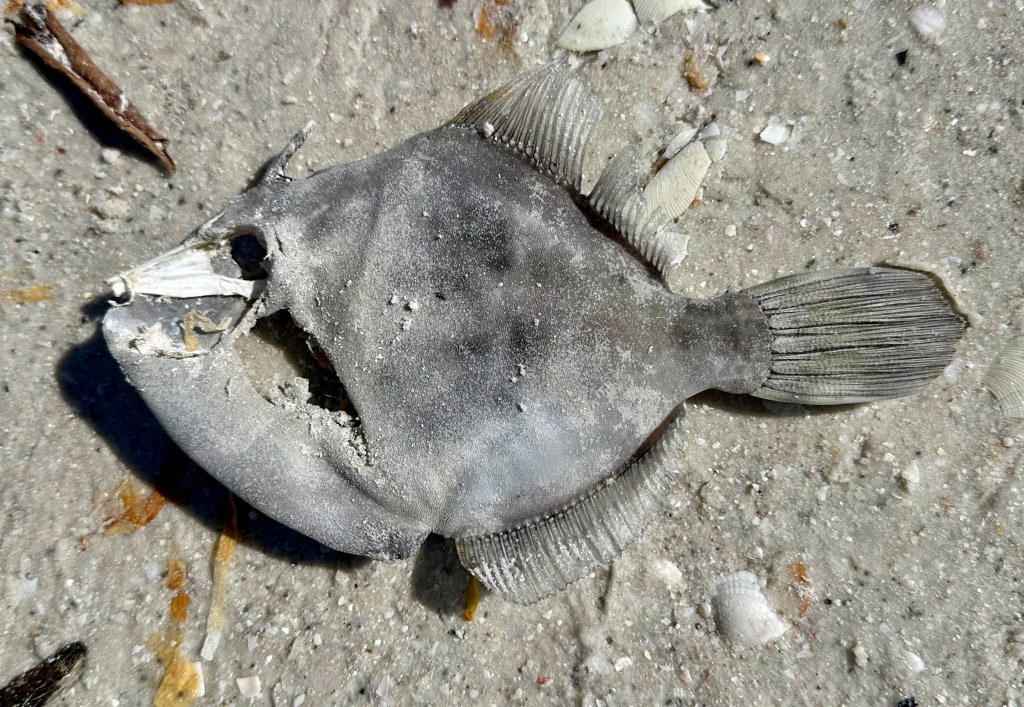
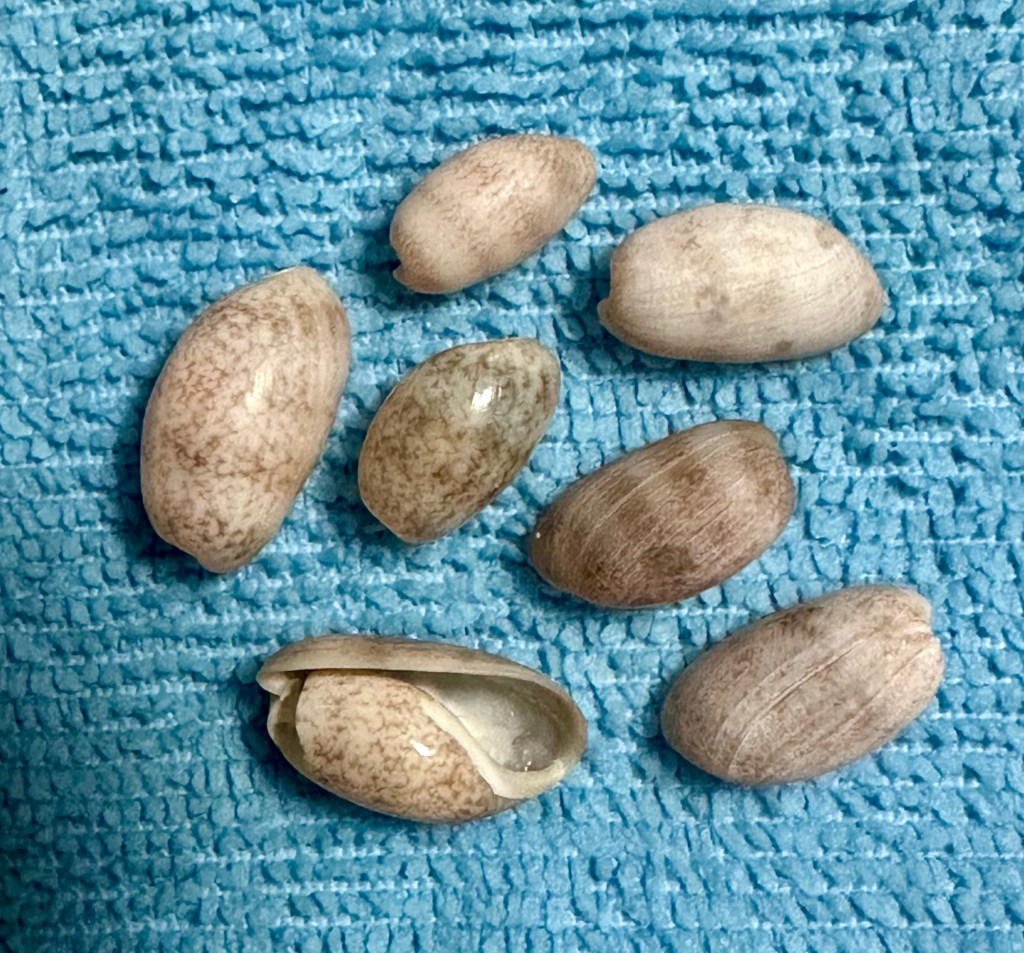
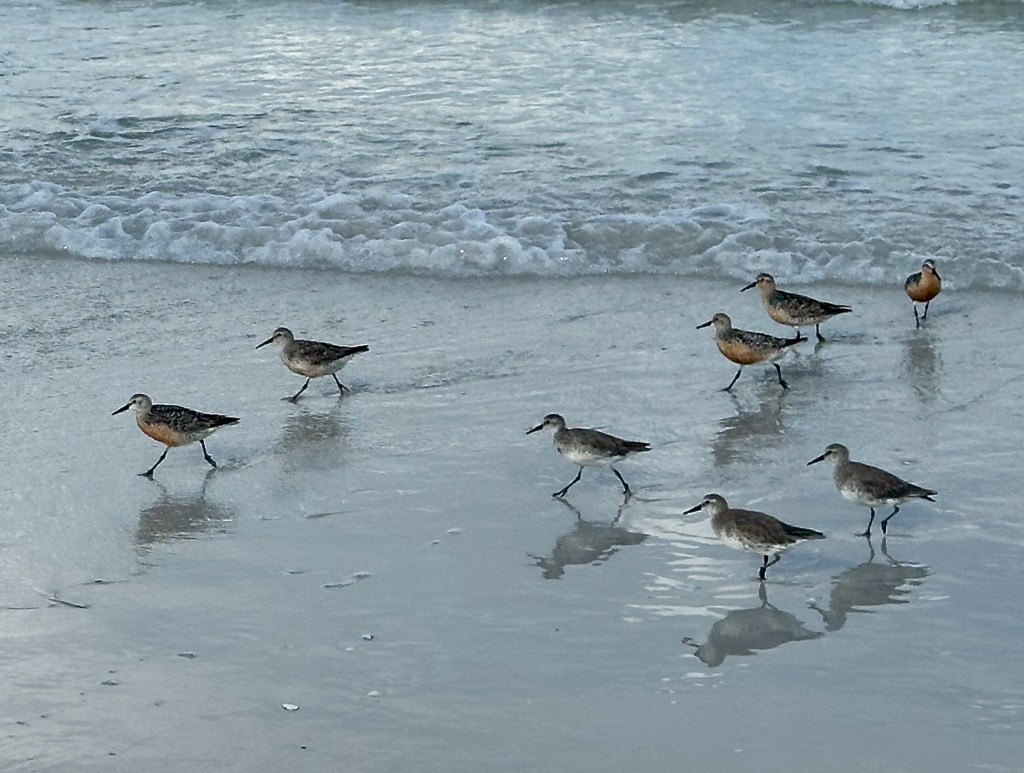
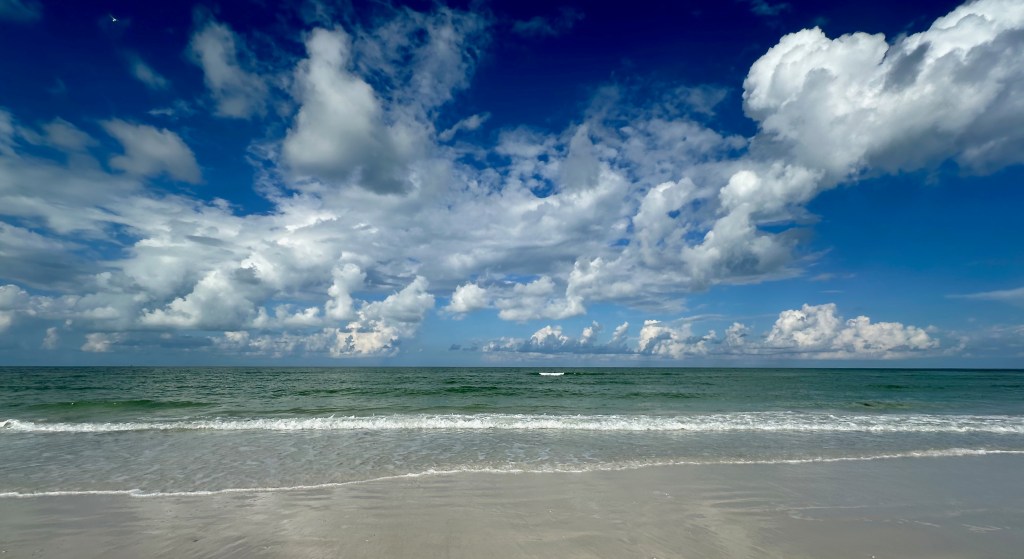
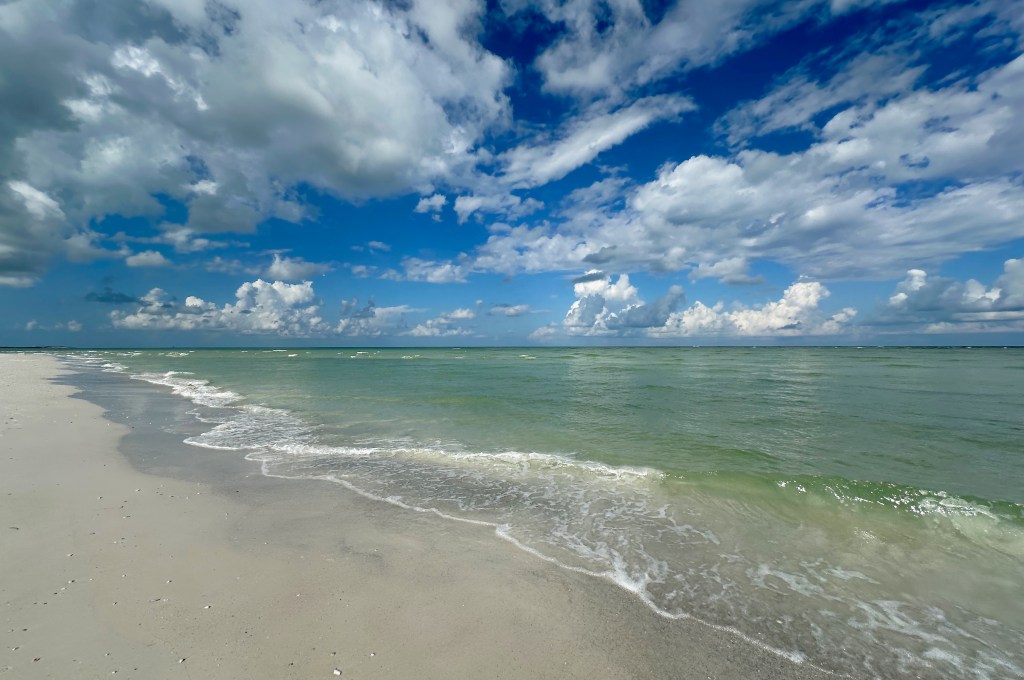
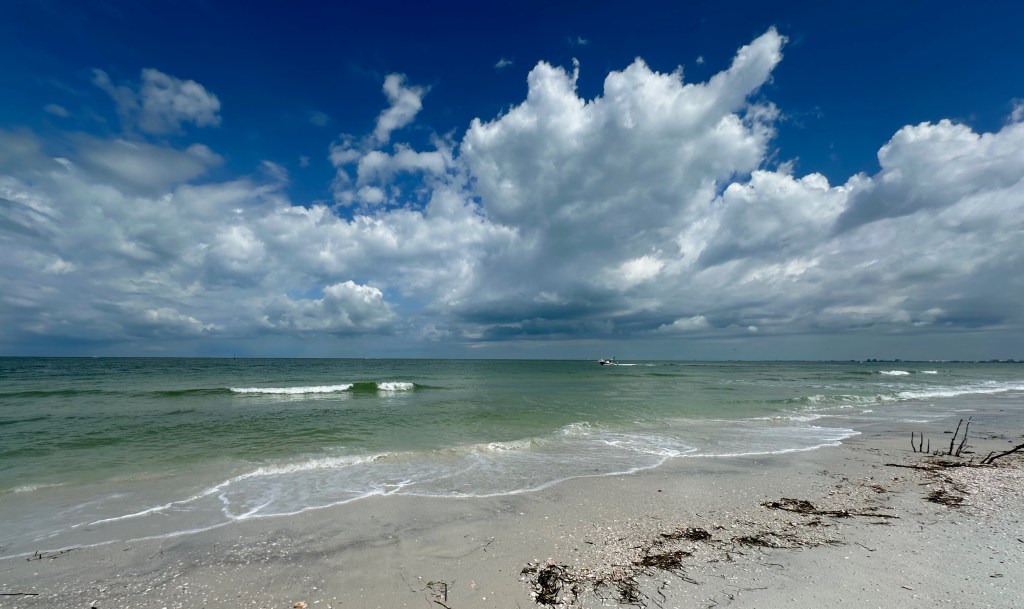
Last week I took advantage of a slightly overcast morning to wander the beach at nearby Fort De Soto Park. I hit the sand shortly after the park opened, so it was just me and the literal early birds out there.

My avian friends mainly consisted of Willets (Tringa semipalmata) and Red Knots (Calidris canutus rufa). The former hang out here year-round while the latter are just stopping over on their migration from the circumpolar region to the southern tip of South America. That’s an epic 9,000 mile journey for a bird that’s only slightly larger than a robin with just a 22″ wingspan!

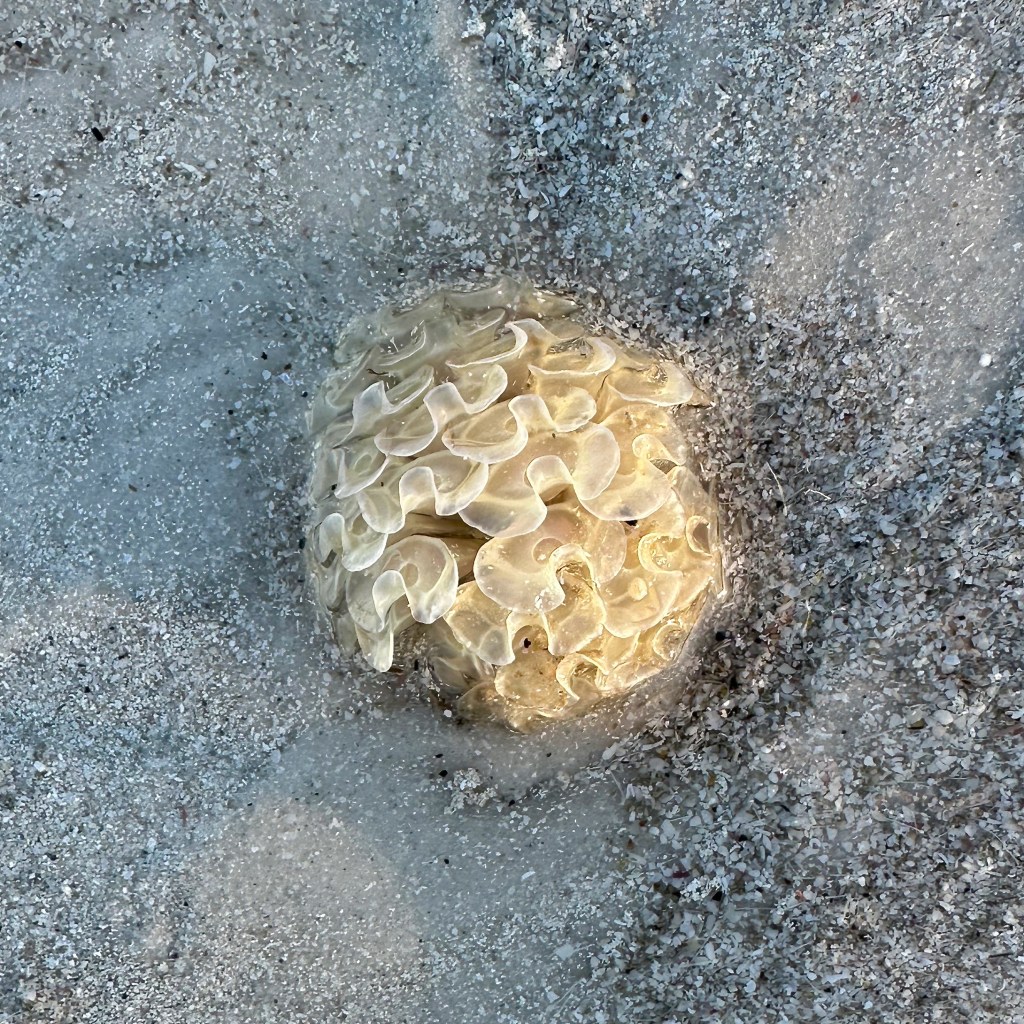
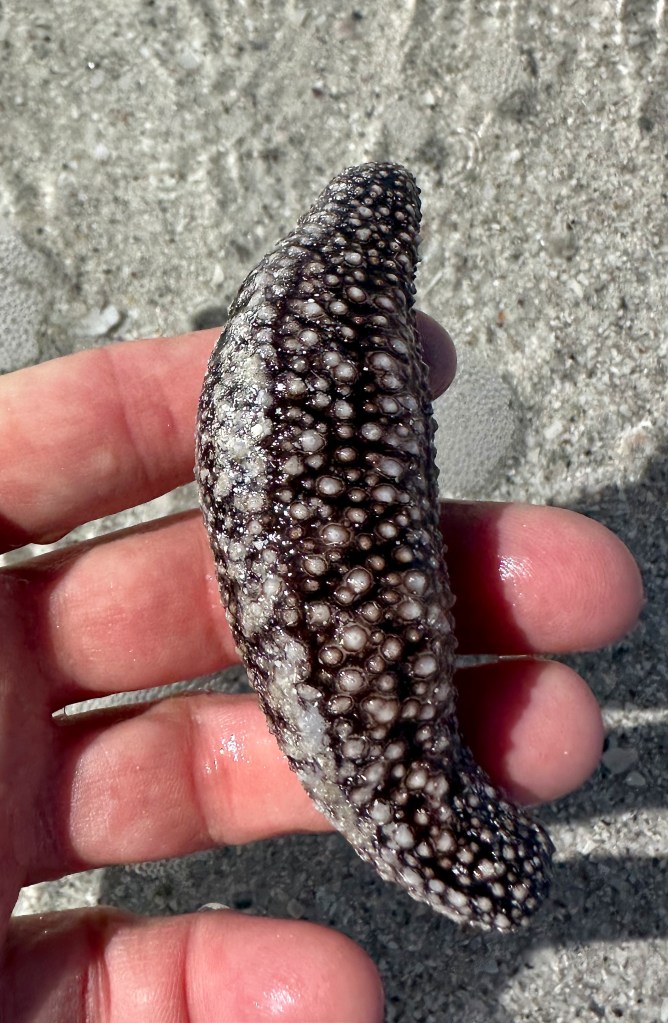
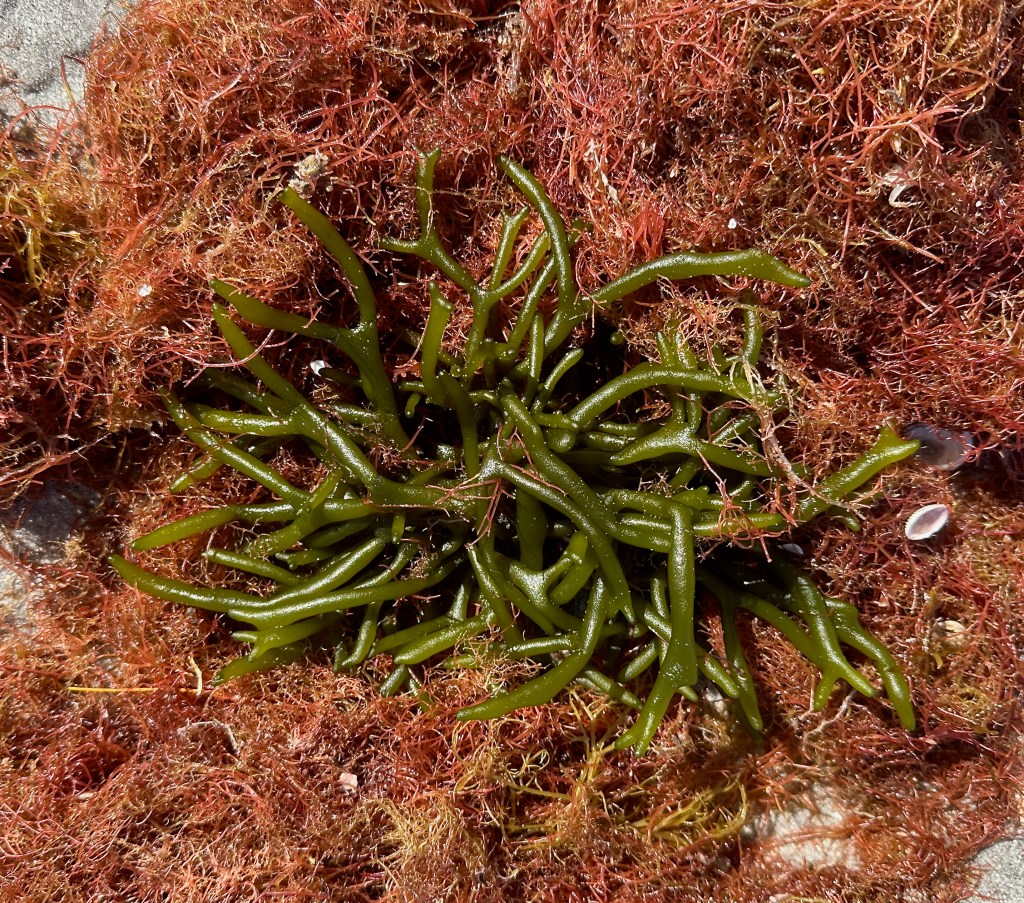
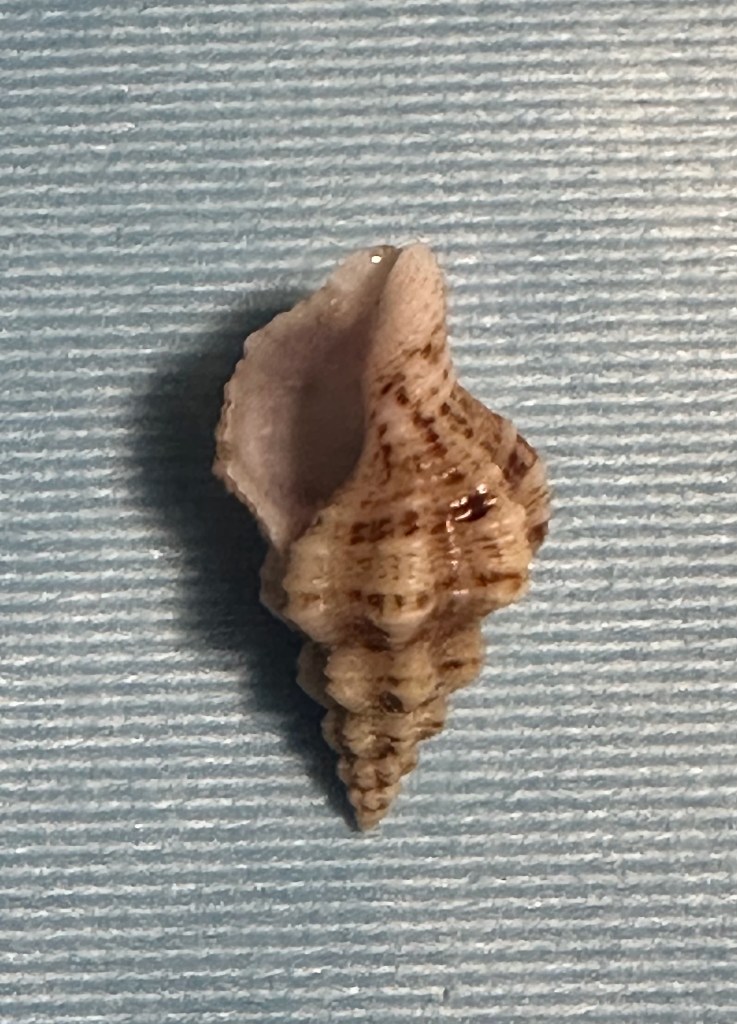
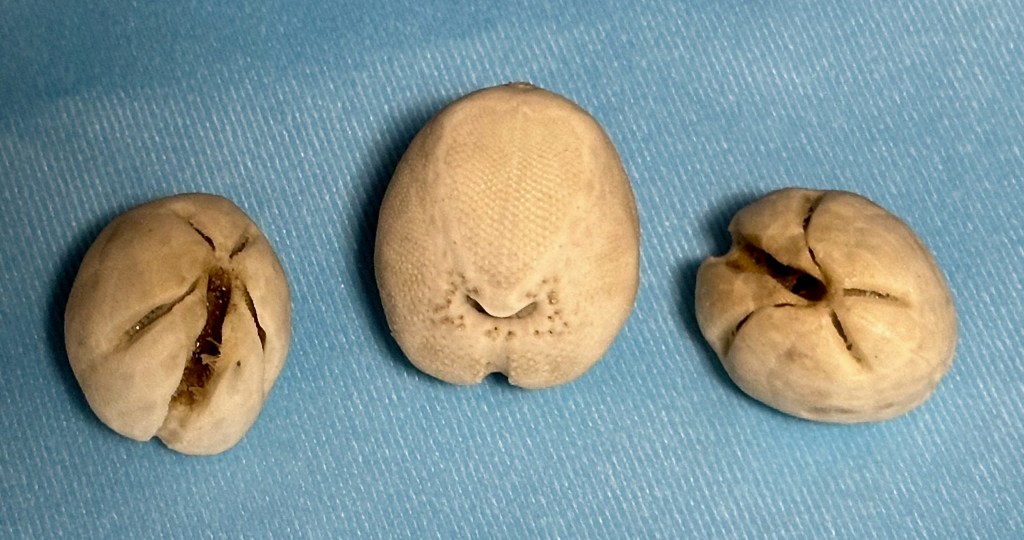
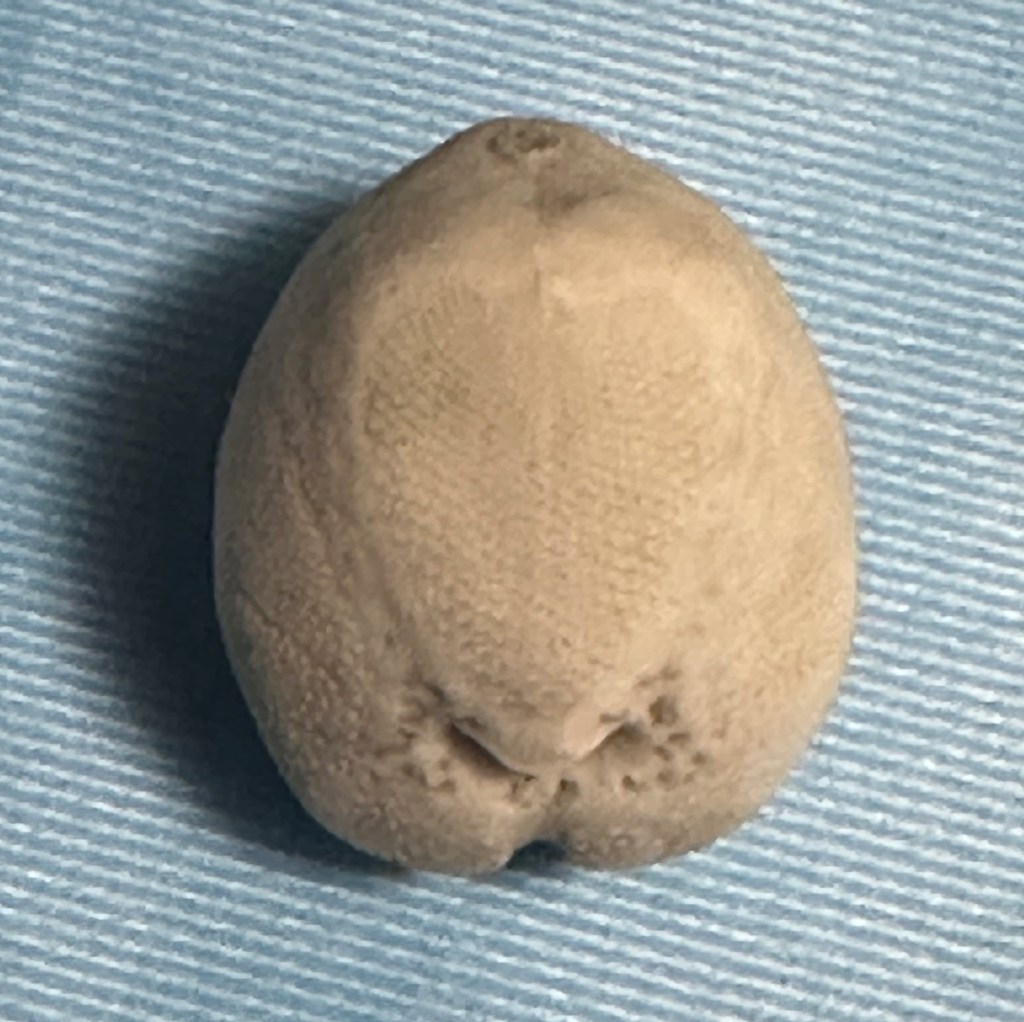
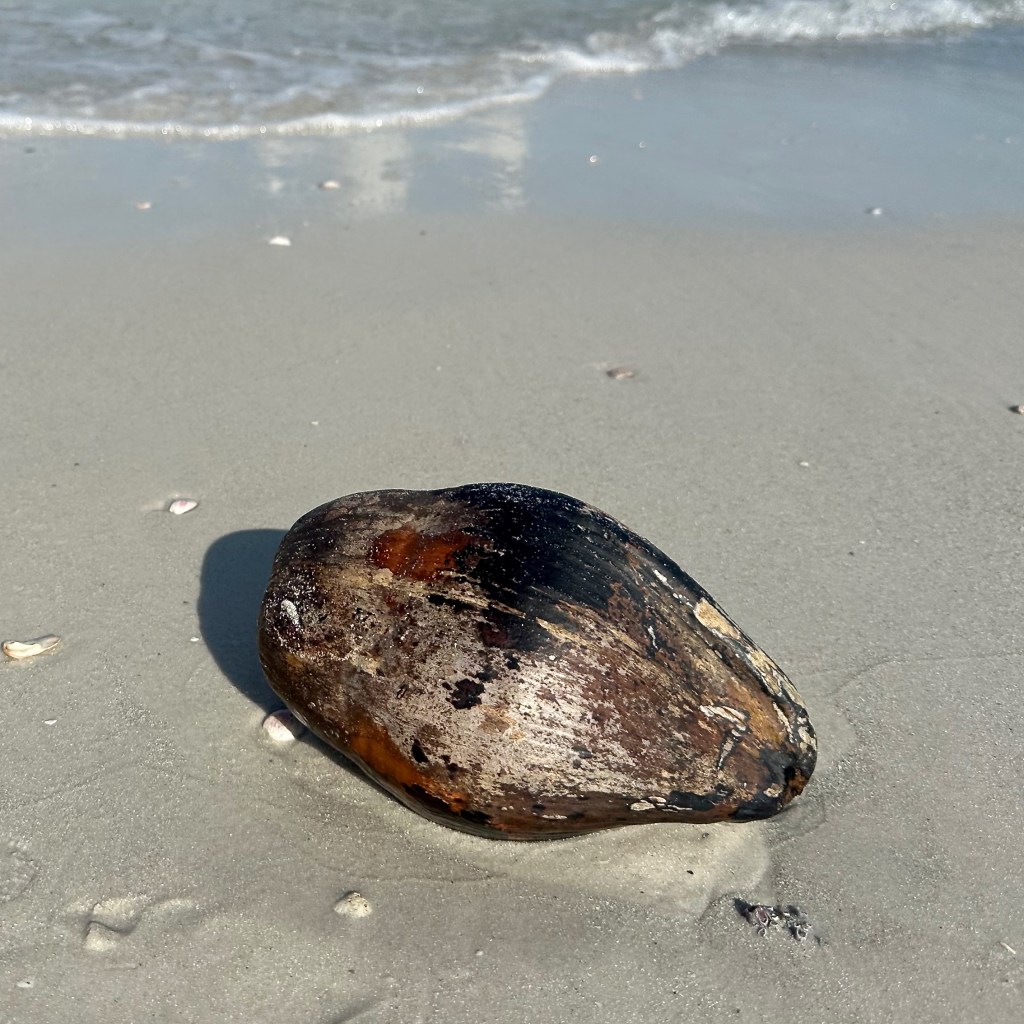
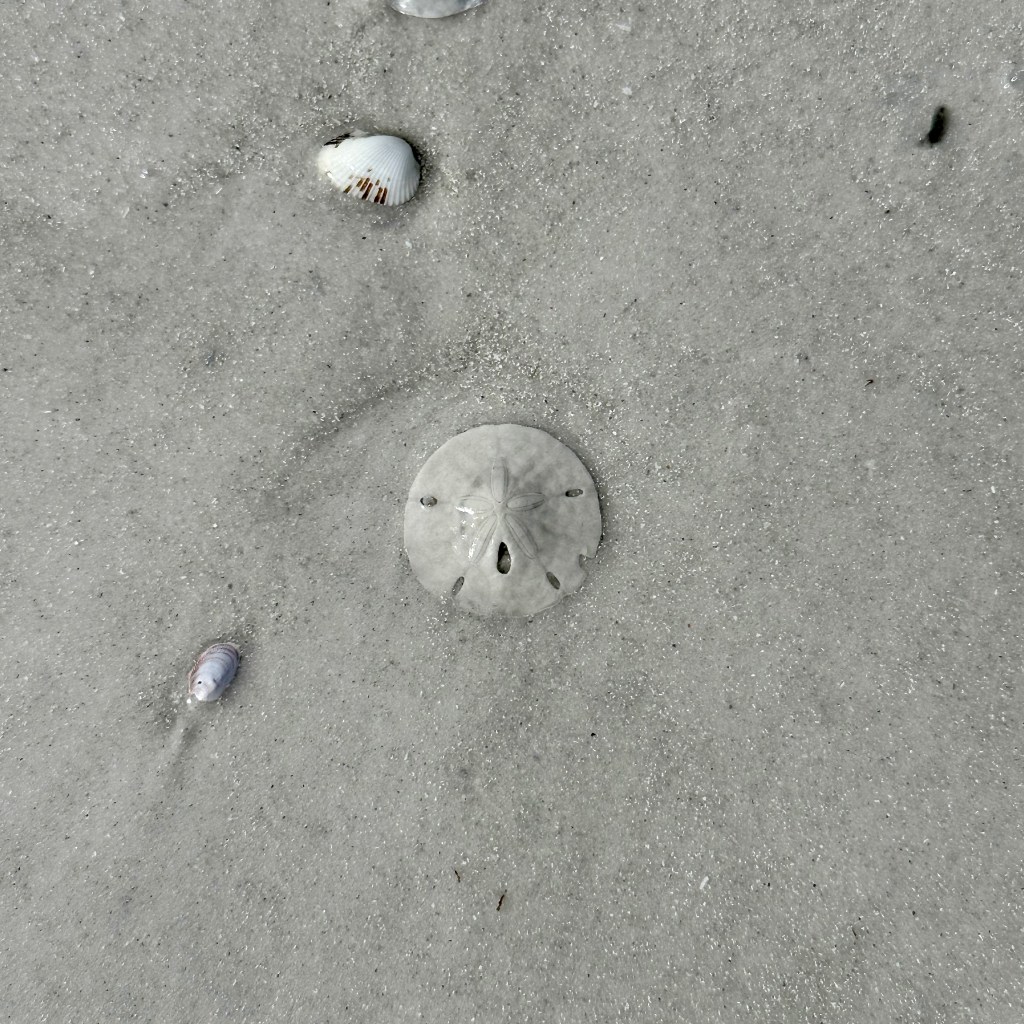
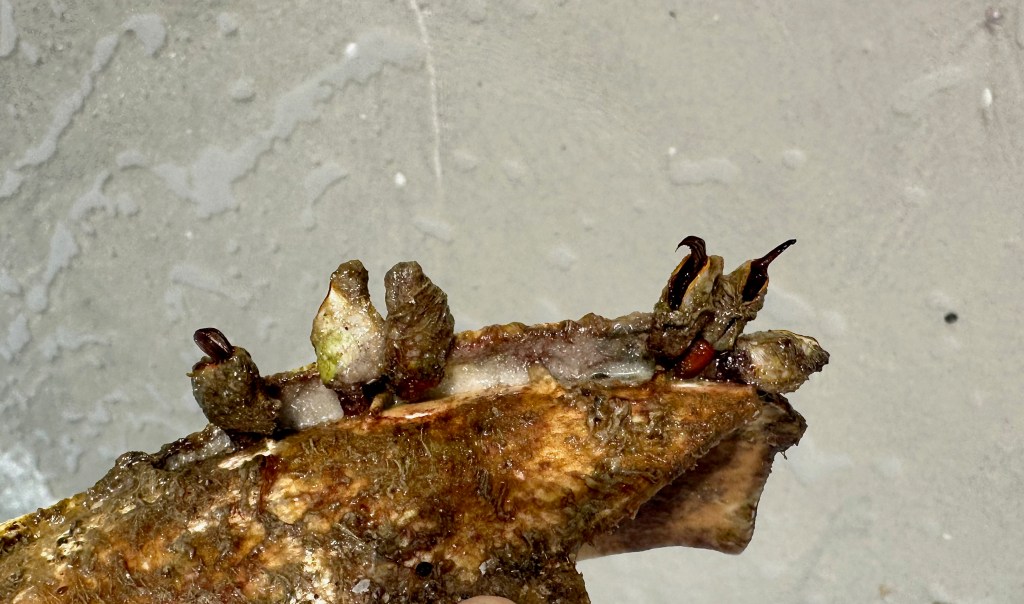
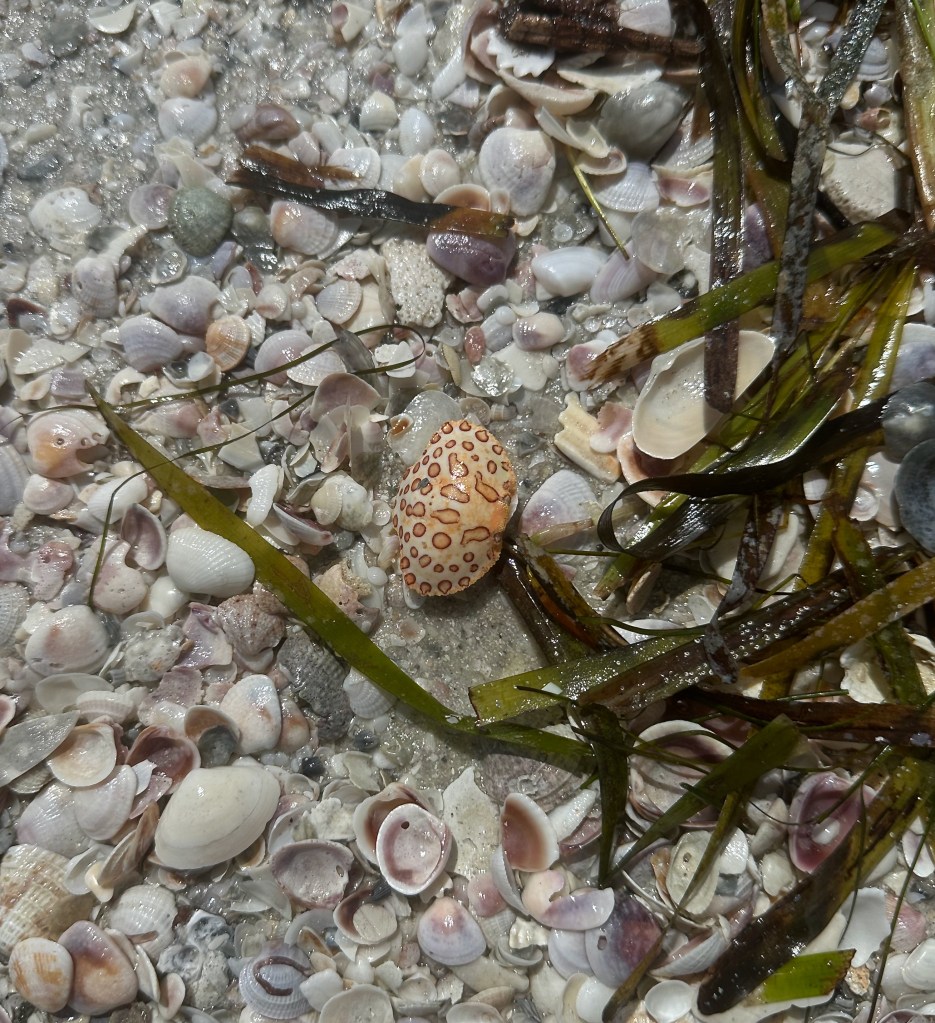
The scattered clouds put on quite a show up in the sky while the gulf left random treasures on the beach for me. In order of appearance: non-edible Sea Liver (Eudistoma hepaticum), edible Sea Lettuce (Ulva lactuca), coconut, sand dollar, piece of broken plastic hosting Stalked Sea Squirts (Styela clava) invasive stowaways, and a Tootsie Roll-shaped chunk of manatee scat (definitely not edible).

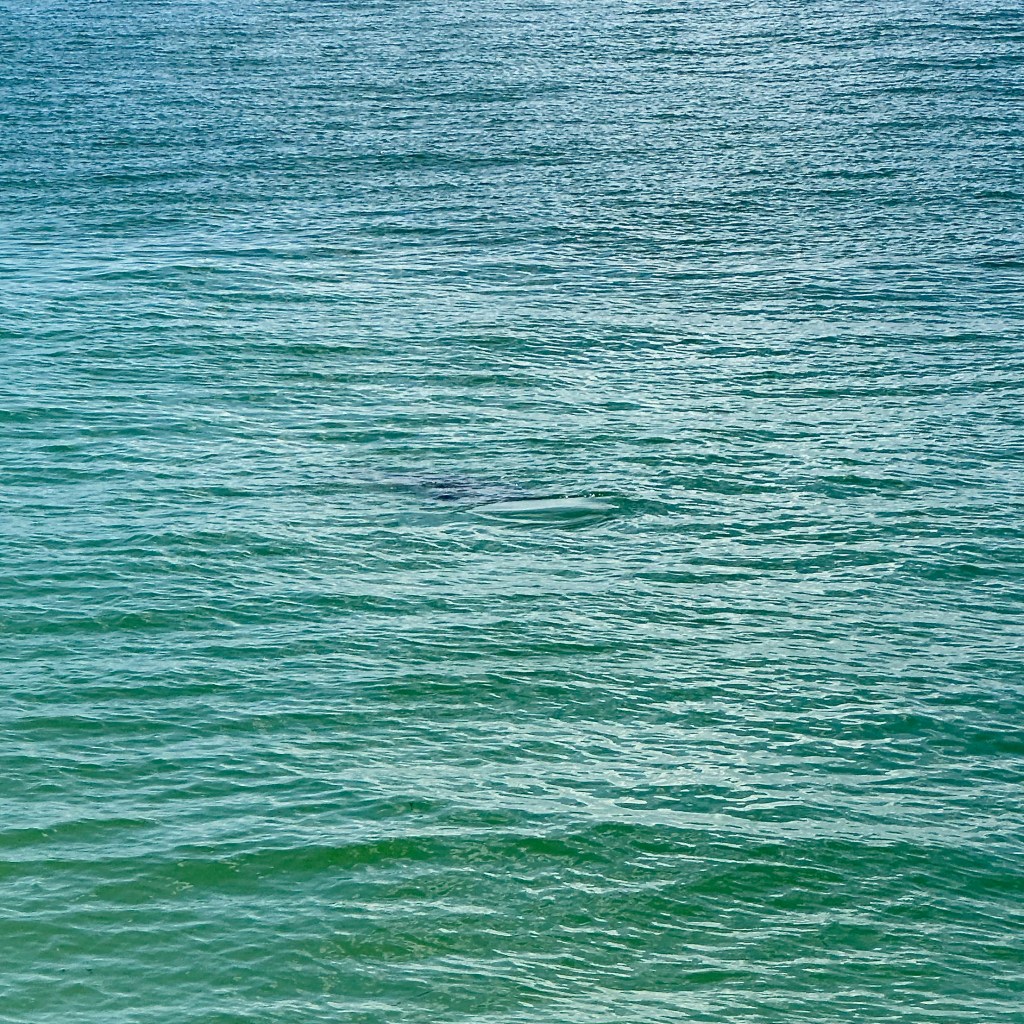
The scat looked fairly fresh so I scanned the water and was fortunate to spot a chubby mermaid just offshore. Unless they are part of a mating mob, manatees typically aren’t that active, preferring to just bob along feeding and farting (that’s how they control their buoyancy).

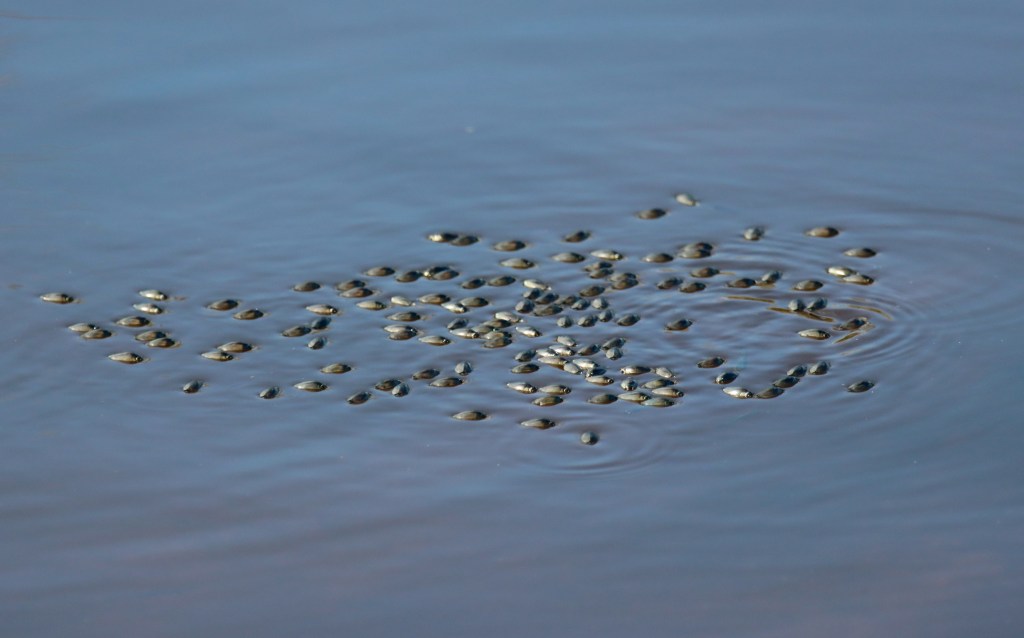
After they surface for a breather the natural oils on their skin leave behind just enough of residue to change the surface tension of the water which creates a tell-tale circular “footprint”. I may not get a good visual of the manatee but I know where it is. No matter what its always a treat to see them.

What a great way to start the day!

Dismal, Indeed!

When mapping out my route from Raleigh to Chesapeake, Virginia I noticed the Great Dismal Swamp on the map. I didn’t know much about it but with a name like that who could resist checking it out? 

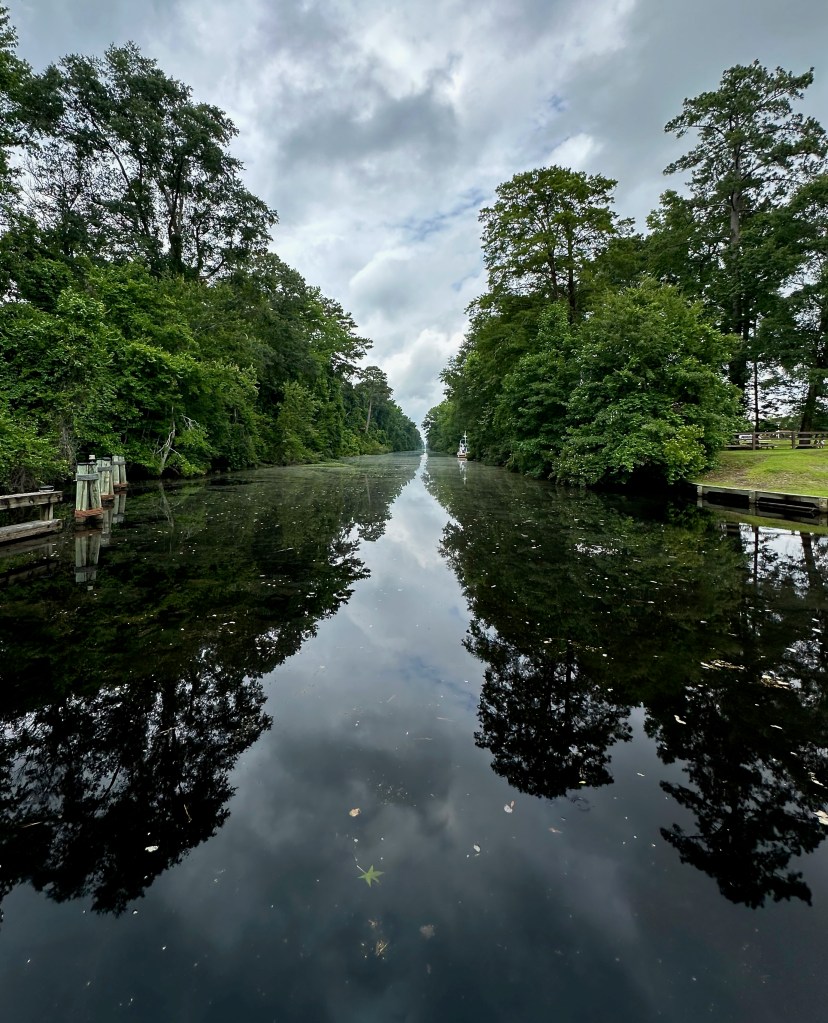
Midafternoon I pulled into the Dismal Swamp State Park in northern North Carolina. A relatively small park, it provides access to a narrow swath of land alongside the historic Dismal Swamp Canal. My first stop was the visitor center where I was pleasantly surprised by both the history and nature exhibits.  

Less than half of the original million acres of swampland remain, much of it drained for settlement and logging. The majority of the bald cypress trees that once towered over the murky water were cut down for building materials for the early colonists. As you might imagine, transporting the logs out of that morass was incredibly difficult.

During a visit in 1763, a 31-year-old gentleman farmer by the name of George Washington proposed building a canal in the landlocked area. Twenty years later work commenced. When it finally opened in 1805, the 22-mile long watery highway was a boon to commerce between North Carolina and Virginia.

Taking a hint from the name, I used up the last of my can of bug repellant before hitting the trails. Unfortunately, I was the only person on the boardwalk which meant I was the best food source around. The constant whine of mosquitoes I expected, but the fierce chomps of biting flies caught me off guard. Either I’m delicious or they were starving because they were relentless.

My curiosity wouldn’t be thwarted so I continued on to the path along the canal. In between swatting insects I pondered the struggle of the slaves who dug out the waterway over 12 long years. A testament to their hard work, it remains the oldest operating canal in the country, though these days it mostly just carries recreational boat traffic.

A fast-moving thunderstorm abruptly ended my explorations. A bit of a mixed blessing, I ended up soaking wet but at least the rain chased the insects away. The term dismal was given by early settlers to any swampy area, but its easy to see how this place earned the moniker Great Dismal Swamp. Dismal, indeed!

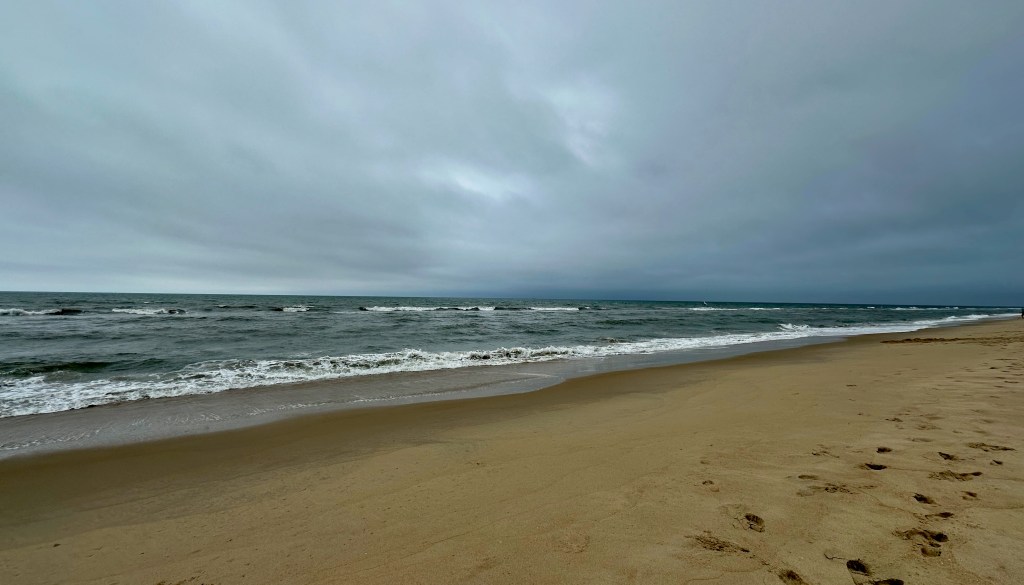
I ended my day with a brief trip to Virginia Beach, which I didn’t have much time to enjoy it as another big storm chased me off the sand. Some days are just like that…

Virginia Beach with Incoming Storm

Feeling Fortunate

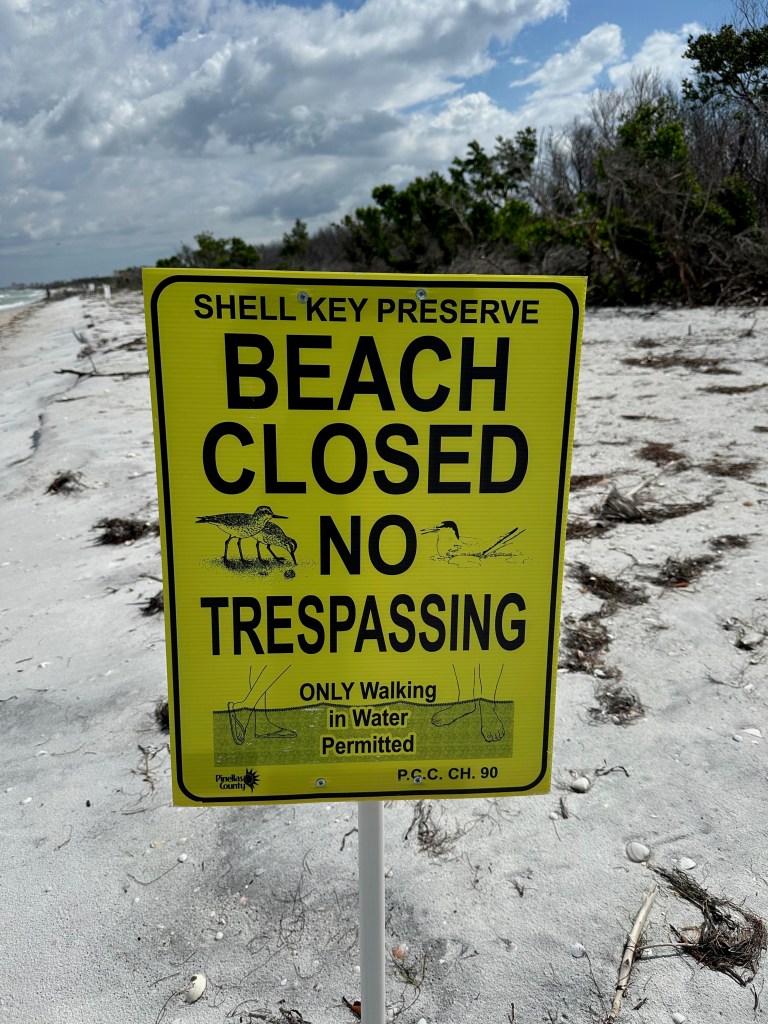
I took advantage of an overcast sky and paddled out to Shell Key this morning. While I was unloading my gear I started chatting with a couple that had driven all the way from Orlando to kayak here today. A good reminder of how fortunate I am to live so close to this treasure – it’s only a 20 minute drive from my house!

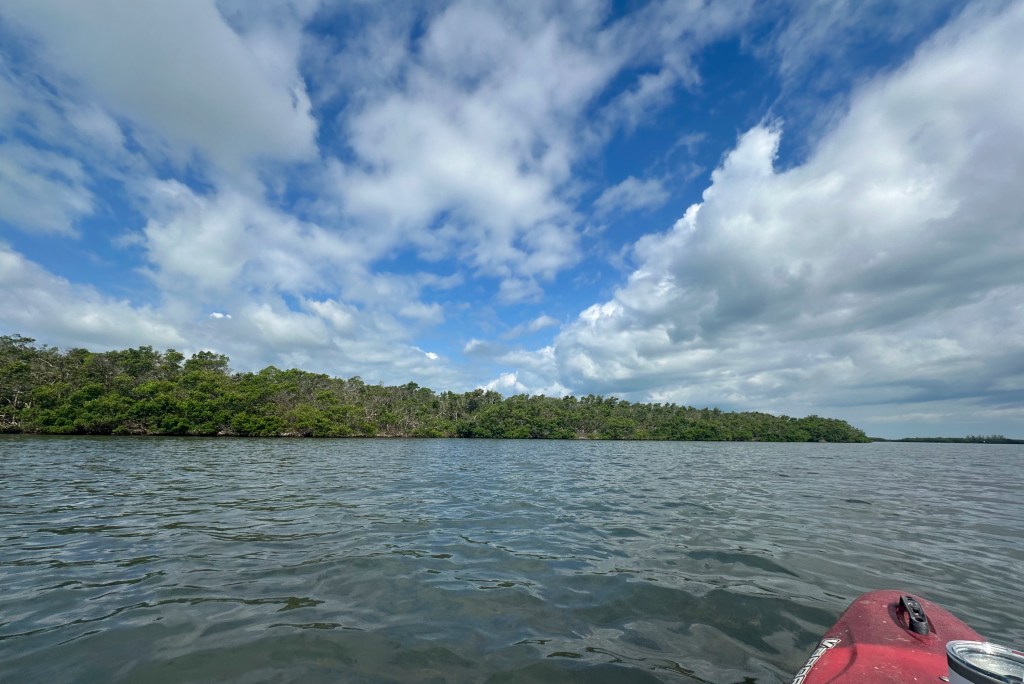
I took a slightly different route to the island, exploring several mangrove tunnels before landing in a new little bay just south of Irma’s Pass. Last year’s back-to-back hurricanes moved around an awful lot of trees and sand, creating a landing area just big enough for a few kayaks. I was out early so I had the place to myself.

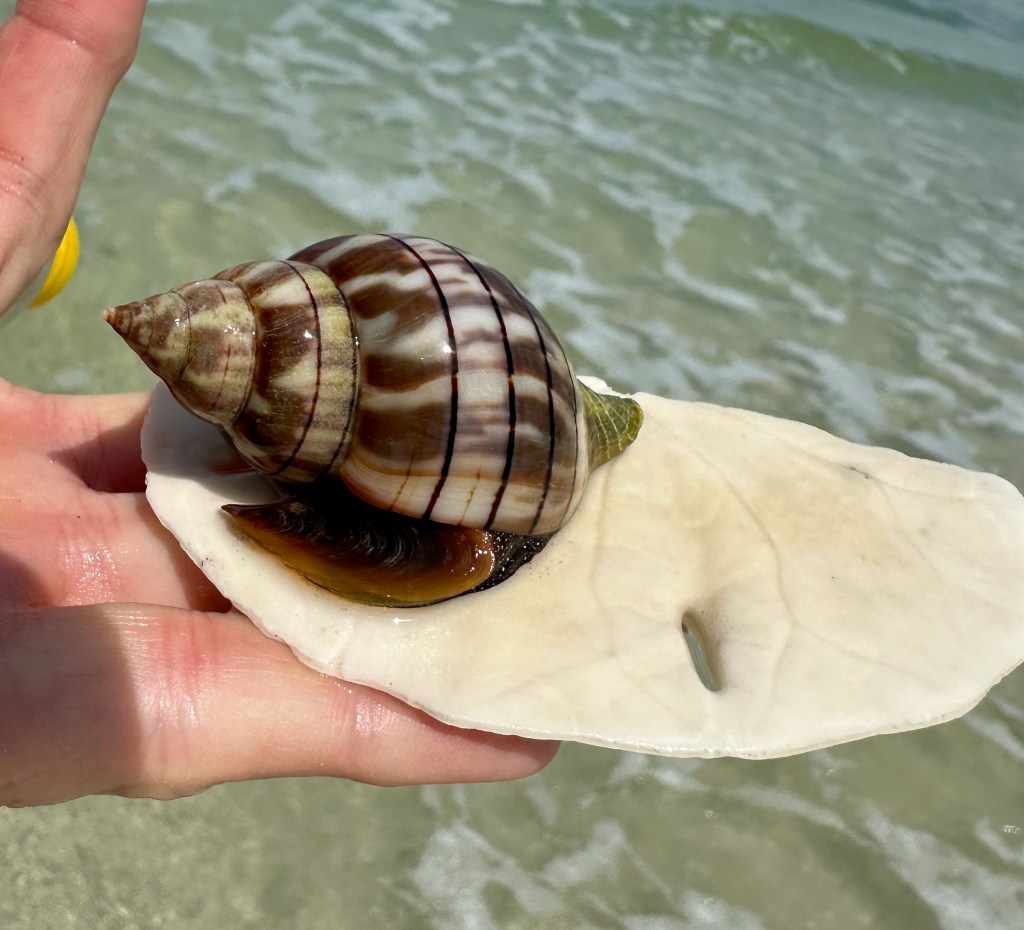
I wandered the shore, looking for treasures and picking up trash. Thankfully, there wasn’t much of the latter. I didn’t linger too long once the breeze started to pick (as that can make for a less than enjoyable return trip).

Weaving between mangrove islands I came across a trio of dolphins fishing in the shallows. They were so intent on their prey that they allowed me to follow. I filmed them as I bobbed along and caught a snippet of “fish kicking”. It is a rather unusual technique where a dolphin circles a fish and spins quickly, whacking the fish out of the water with its tail. When the fish smacks down it is stunned which makes it an easy meal for the dolphin.

Researchers have only seen dolphins using this technique in two places, here in Tampa Bay as well as in the waters off New Zealand. A fun way to wrap up my morning on the water.

Dolphins, Fish Kicking (note the fish flying at the 7 second mark)

Corkscrew Swamp Sanctuary

I wanted to take advantage of the last of our Spring weather (before it really heats up down here in Florida) so I headed over to explore Audubon’s Corkscrew Swamp Sanctuary. The refuge’s name came from an early epithet for a nearby winding waterway, now known as the Imperial River.

The wetland sanctuary at the western edge of the Everglades, spans over 13,000 acres. Much of it first set aside in 1954, though protections for the heart of the property began much earlier. In a way, we can thank the fashion industry for that.

Ladies’ hats in the late 1800s were elaborate displays, featuring fancy feathers and floral elements. The feathers were sourced from wild birds, usually during breeding and nesting season when they were at their showiest.

Milliners were paying $32 an ounce for the feathers, which was more than the price of gold at the time. As a result, plume hunters around the world were killing over 5 million birds a year. By 1900, they had wiped out an estimated 95% of Florida’s shorebirds (primarily herons, egrets, Roseate Spoonbills, and Flamingoes).

Near the center of what is now the sanctuary was a massive rookery, which locals took upon themselves to hire protection for in 1900. Some fifty years later, the area again needed protection, this time from logging. Again, local residents fought to save the area. In 1954 the first section of land was set aside to protect a stand of ancient bald cypress trees.

During my stroll along the two mile boardwalk, I found the area to be absolutely teeming with wildlife. Sanctuary indeed!

Adventuring Home

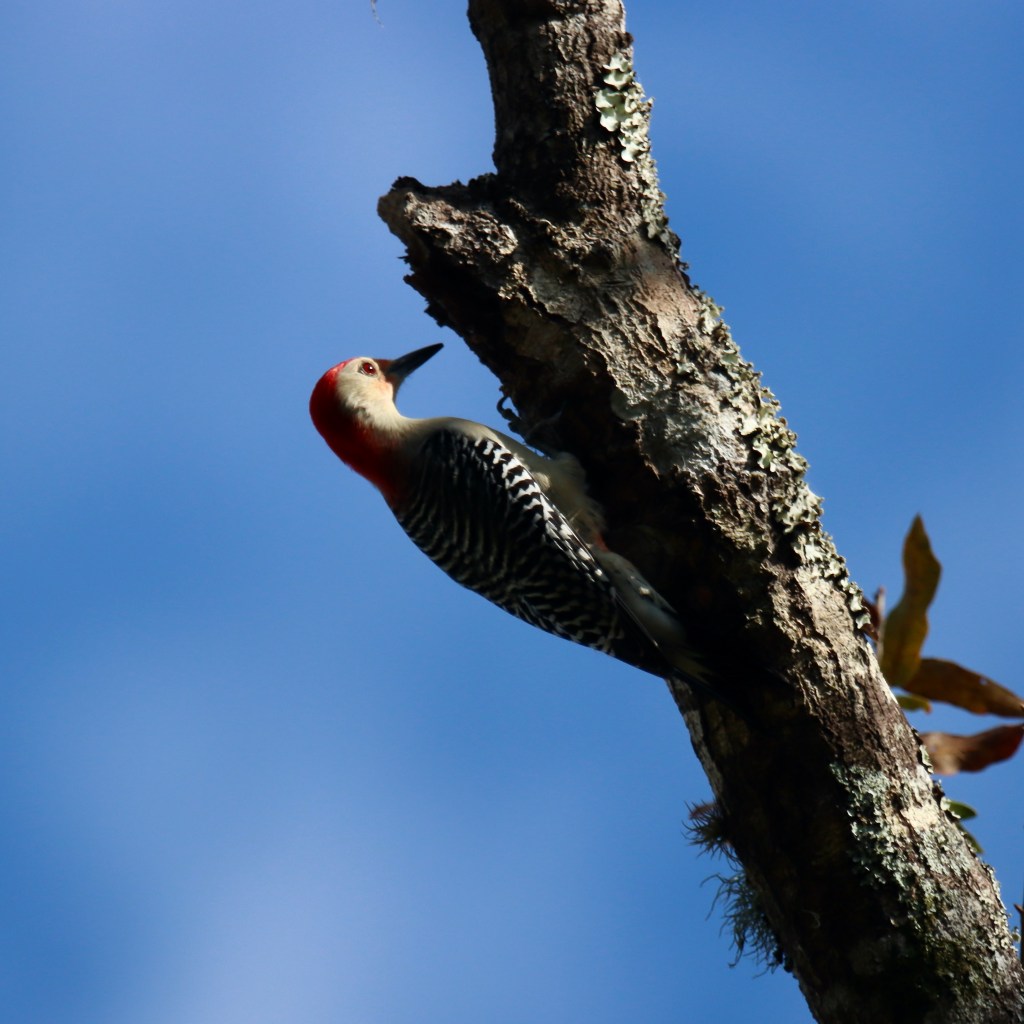
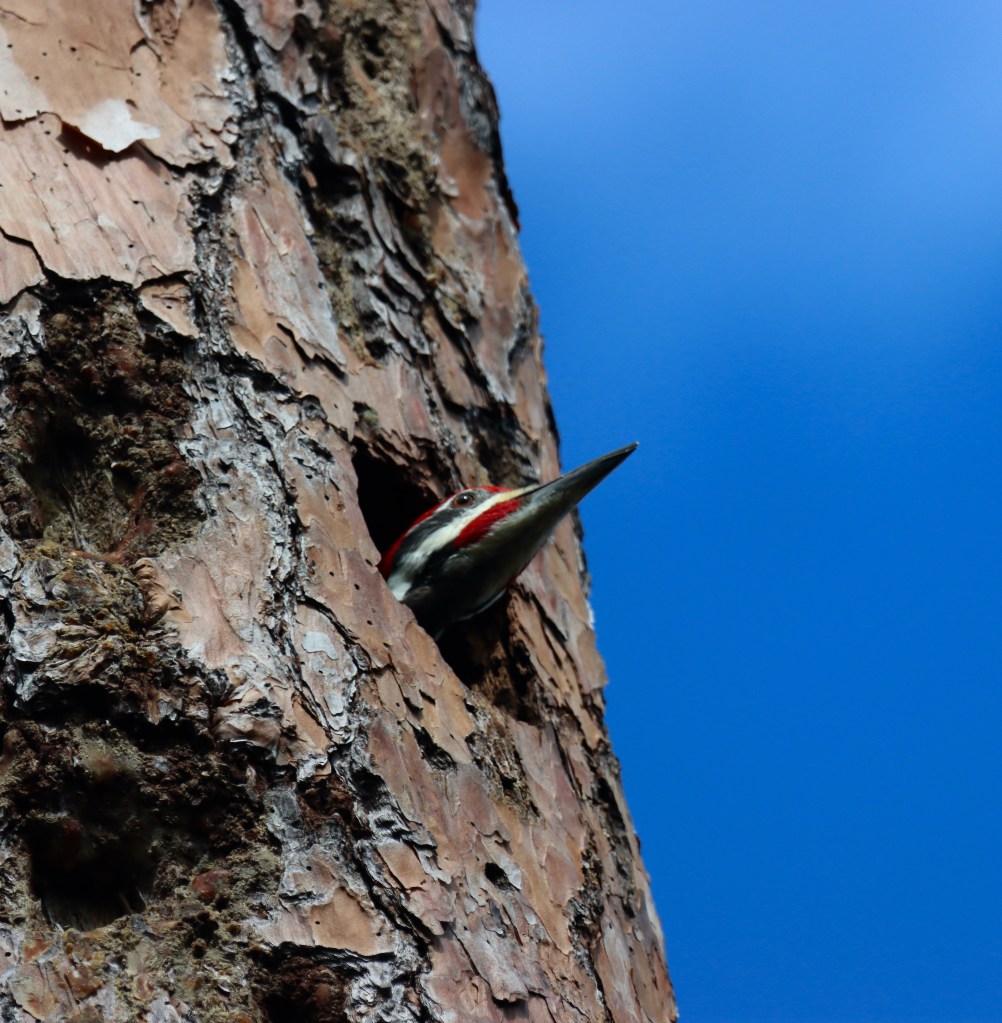
I decided to do a bit more exploring before leaving the Panhandle last weekend. I was lured to Ochlockonee River State Park by the possibility of sighting an endangered Red-cockaded Woodpecker, or their piebald squirrels, or even river otters.

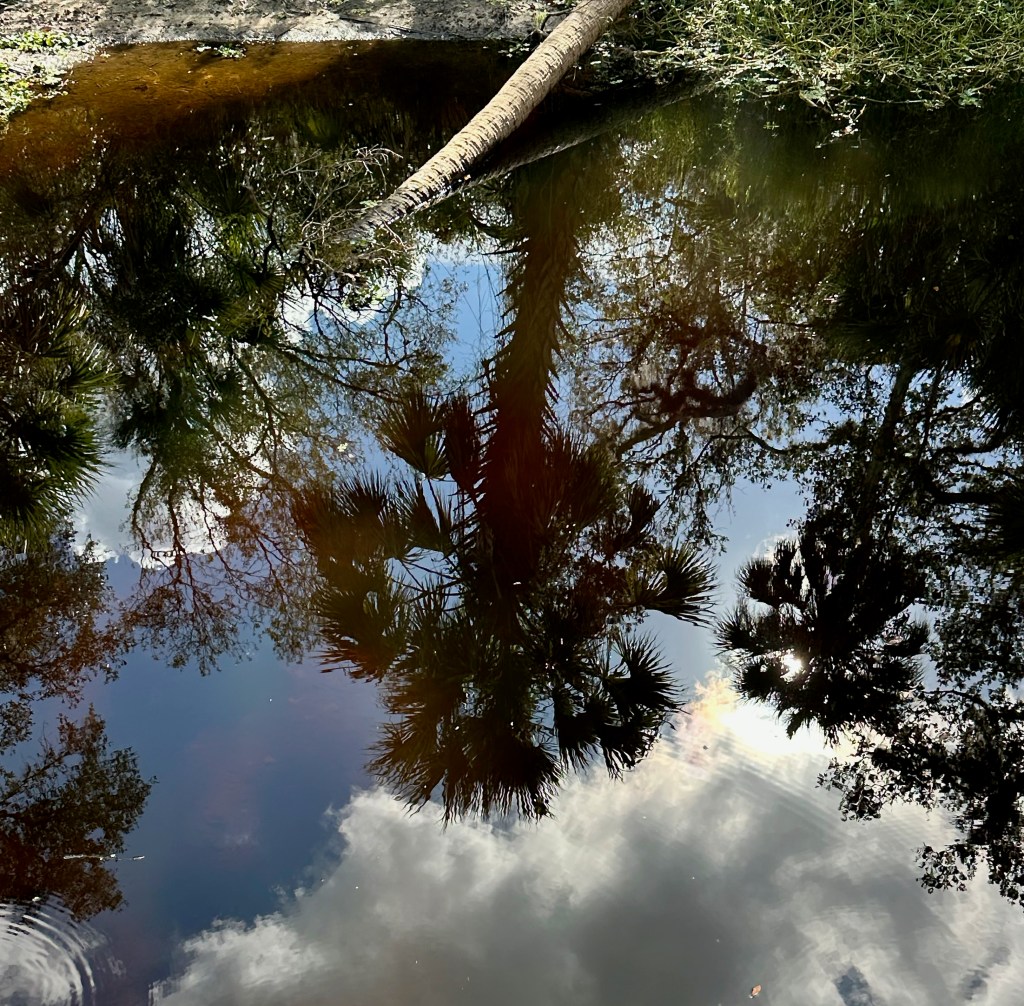
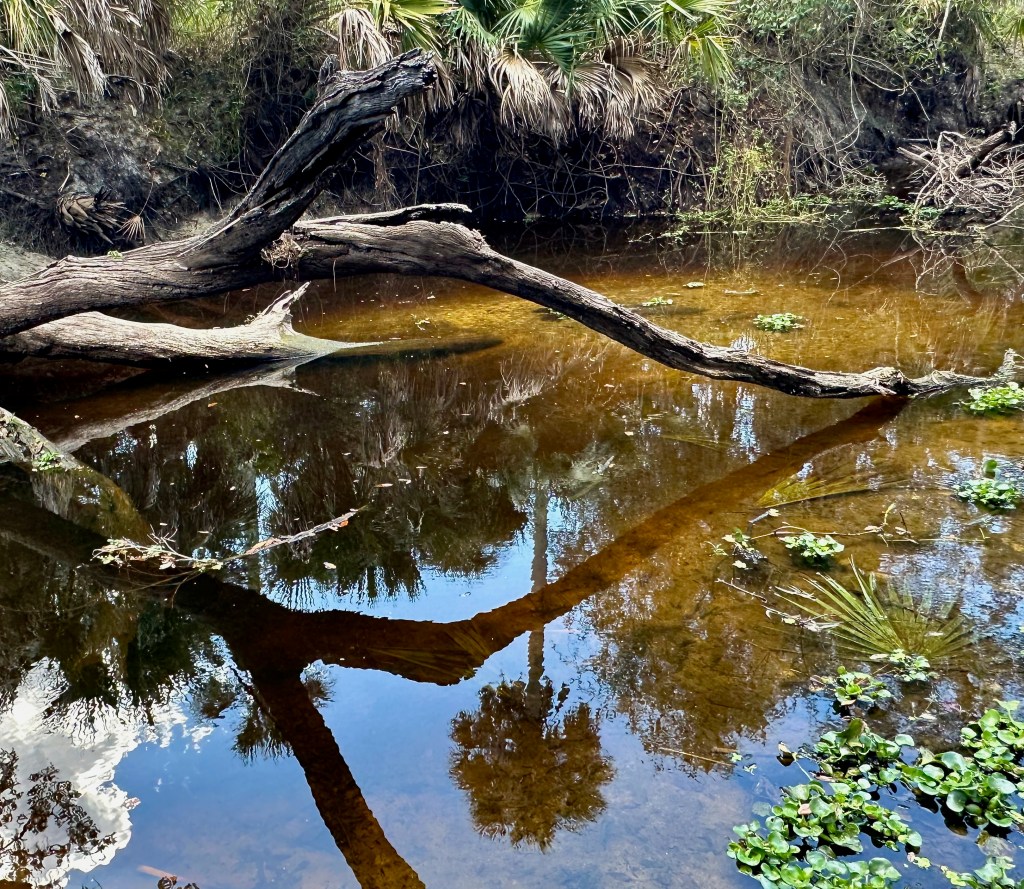
No luck with any of those but I still had a great time in this section of the Apalachicola National Forest. The park’s main waterway (and namesake) is a unique blackwater river, the water isn’t murky but it is a dark, burnt orange from all the tannins. No surprise that Ochlockonee in native Hitchiti means yellow river.

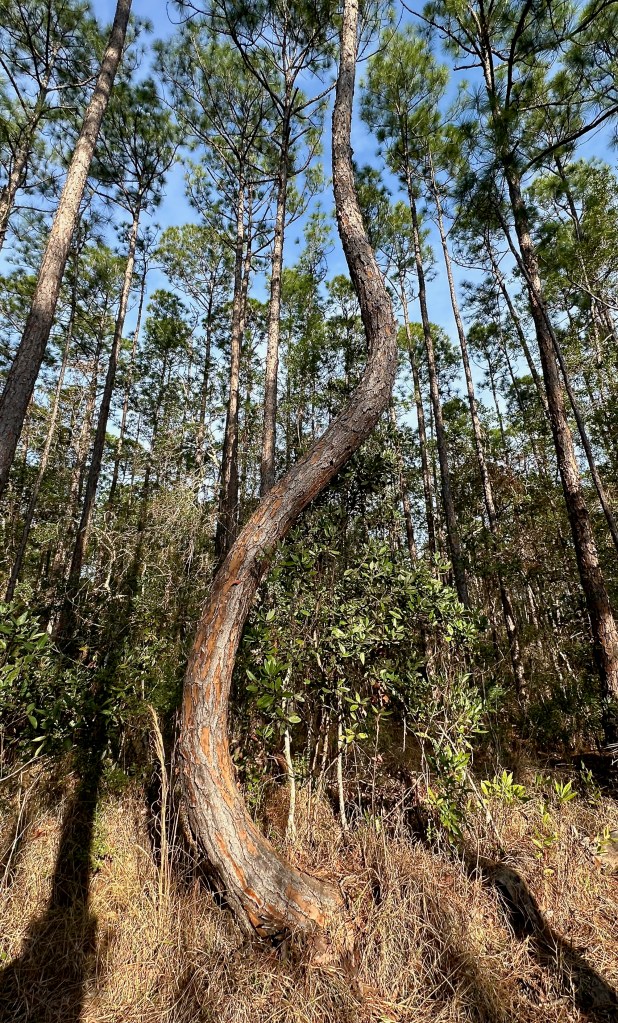
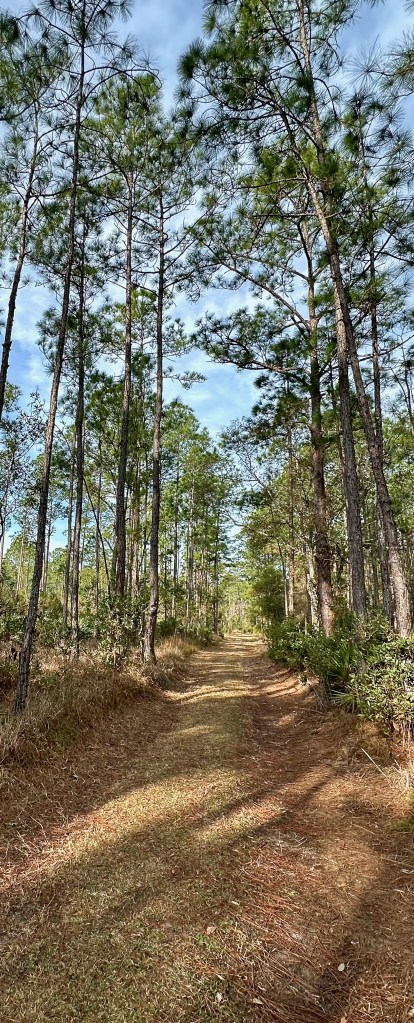
The park protects a small remnant of a Longleaf Pine (Pinus palustris) forest. Pre-European settlement there was an estimated 90,000,000 acres of these trees in the South. Longleaf Pines were prized by early settlers not only for their wood but for their resin. Collected by hatching the bark, resin was processed into turpentine used to waterproof boats, an important part of the naval stores industry.

Much of the state park land was purchased from the Phillips Turpentine Company in the early 1930s, as demand for turpentine waned. Sadly, because of deforestation and overharvesting only about 3% of the original Longleaf Pine forest remains in the US.

A short drive later I entered St. Marks National Wildlife Refuge. For me, the main draw of the refuge’s 83,000 acres was the St. Marks Lighthouse, the second-oldest one in the state. First lit in 1831, the tower weathered many hurricanes and even withstood a Confederate attack in 1865 before finally being deactivated in 2016.

The refuge is best accessed from the water but I enjoyed wandering the few trails, pleasantly surprised by the Spring flowers I encountered. All the leg-stretching came in handy on my long drive home that evening.

It was a quick visit but I’m glad I made the trip up to the Panhandle, it’s been on my list of places to see for a few years now. There’s always so much to see and discover!