


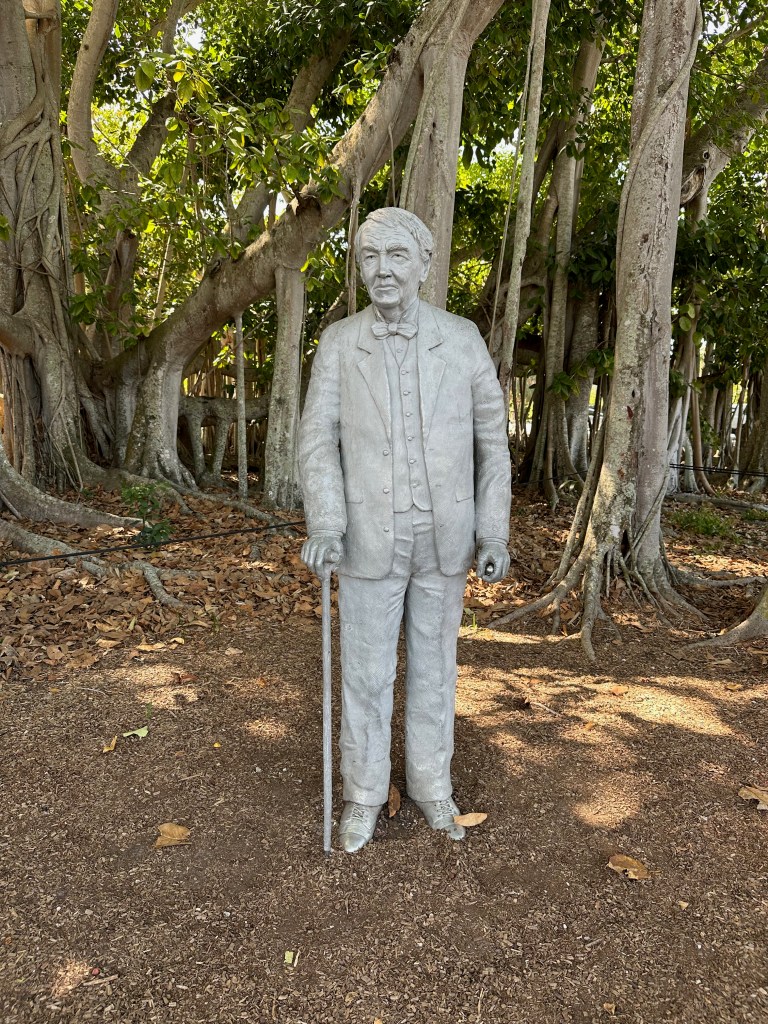
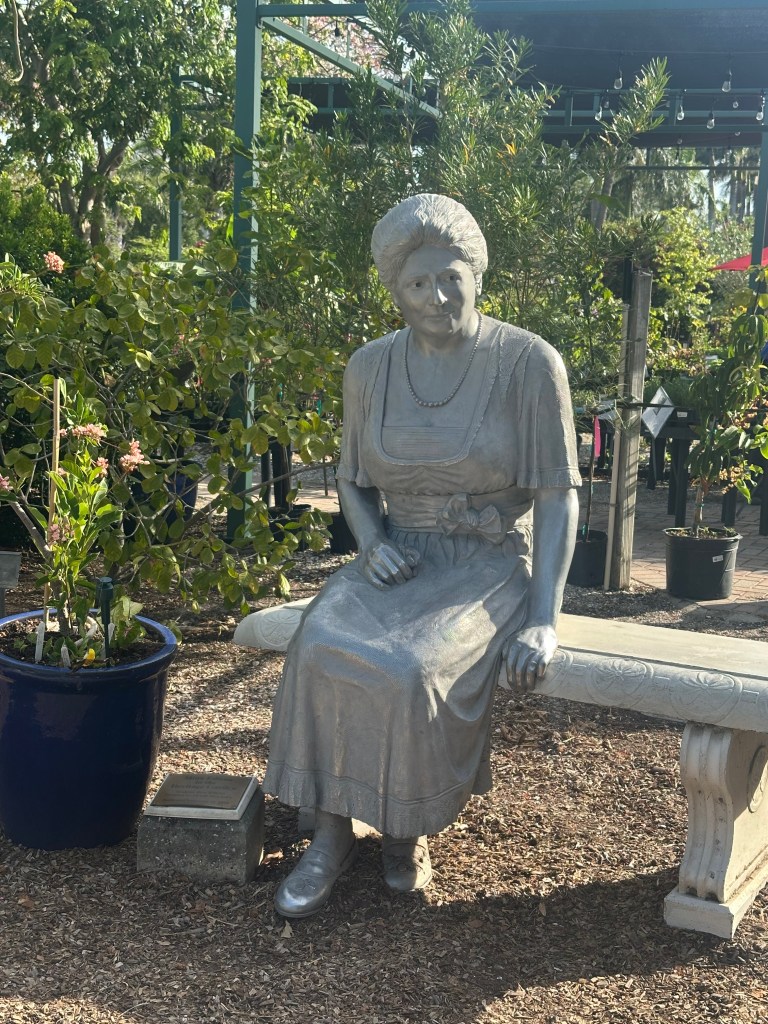
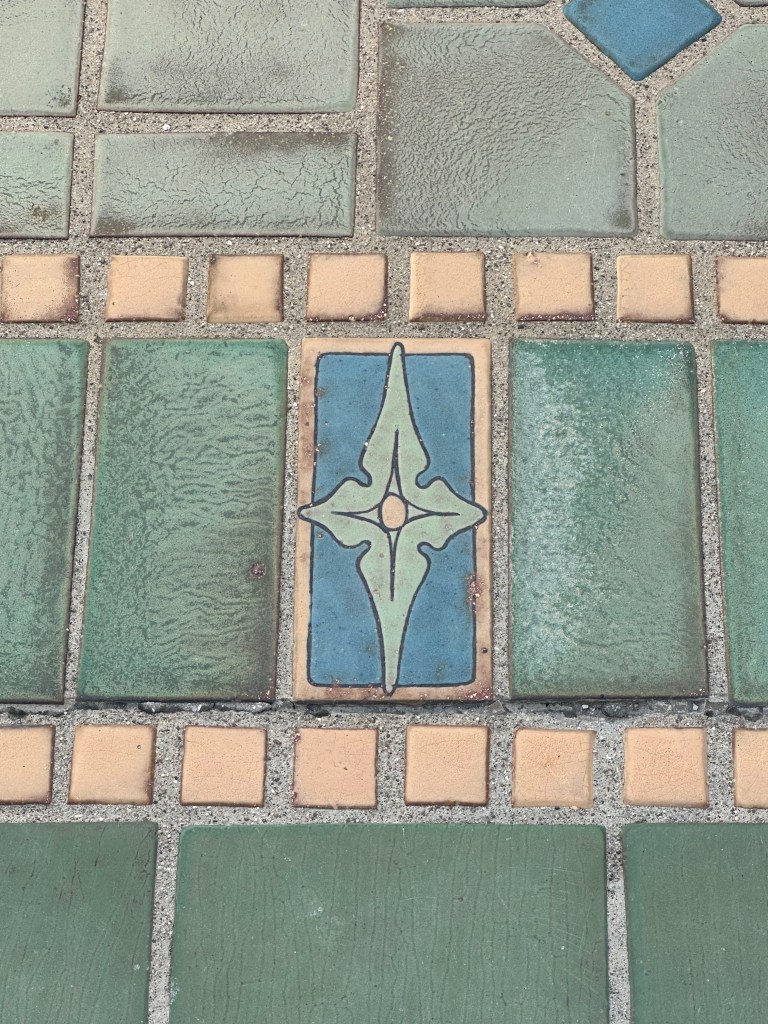

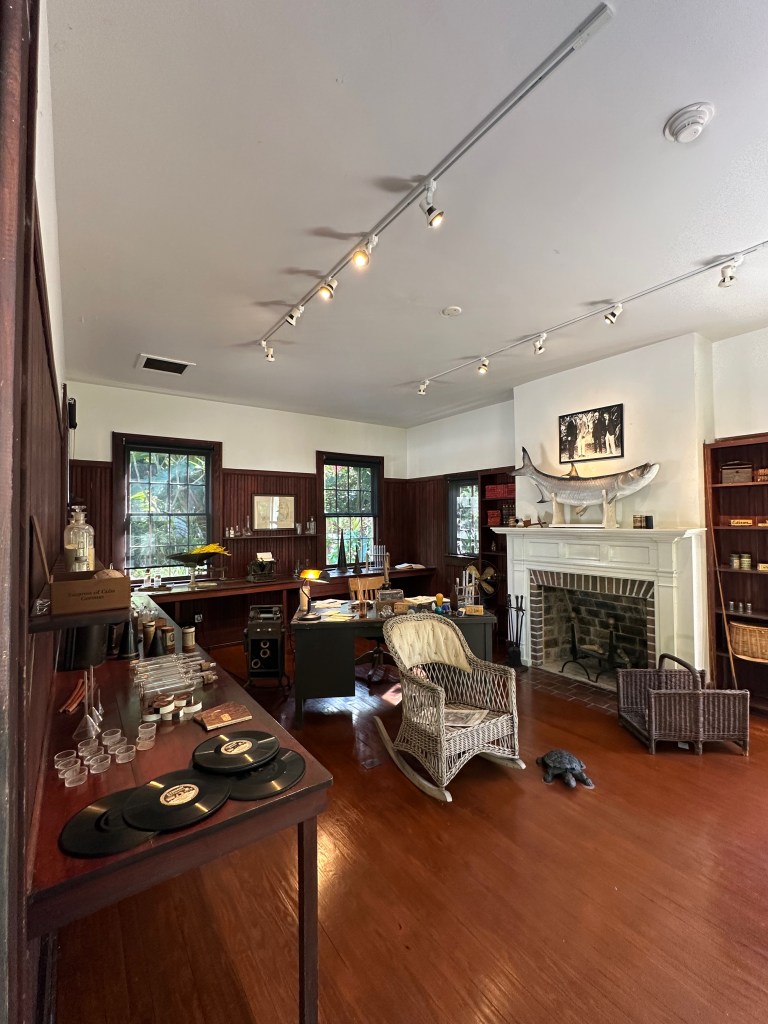
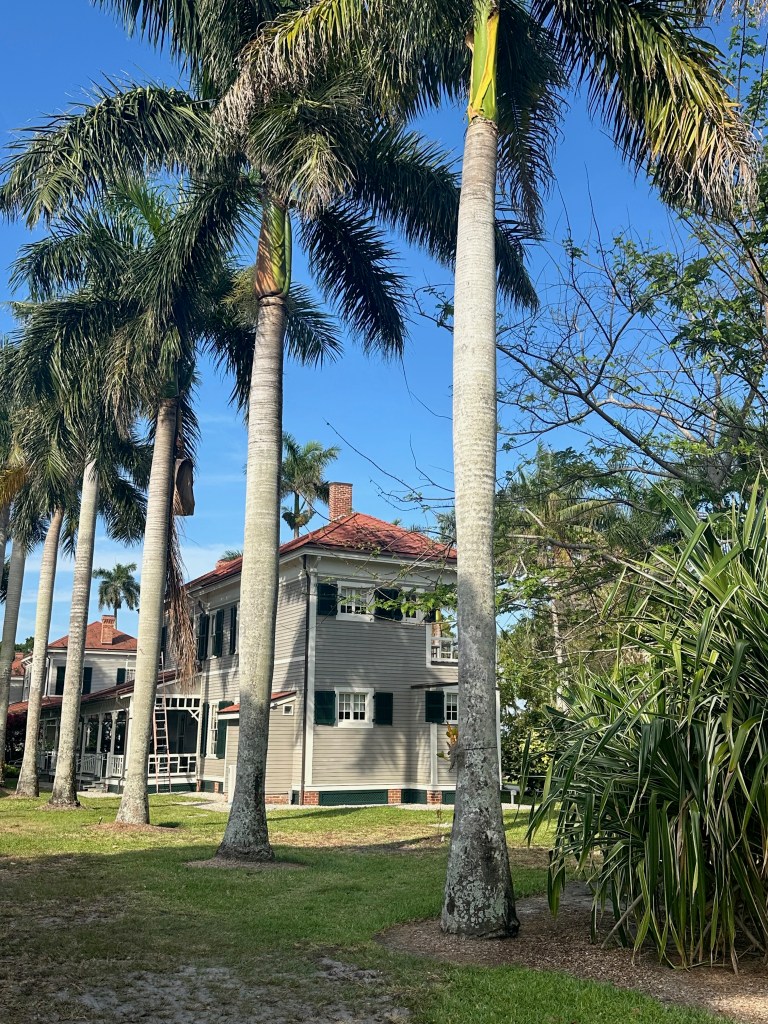
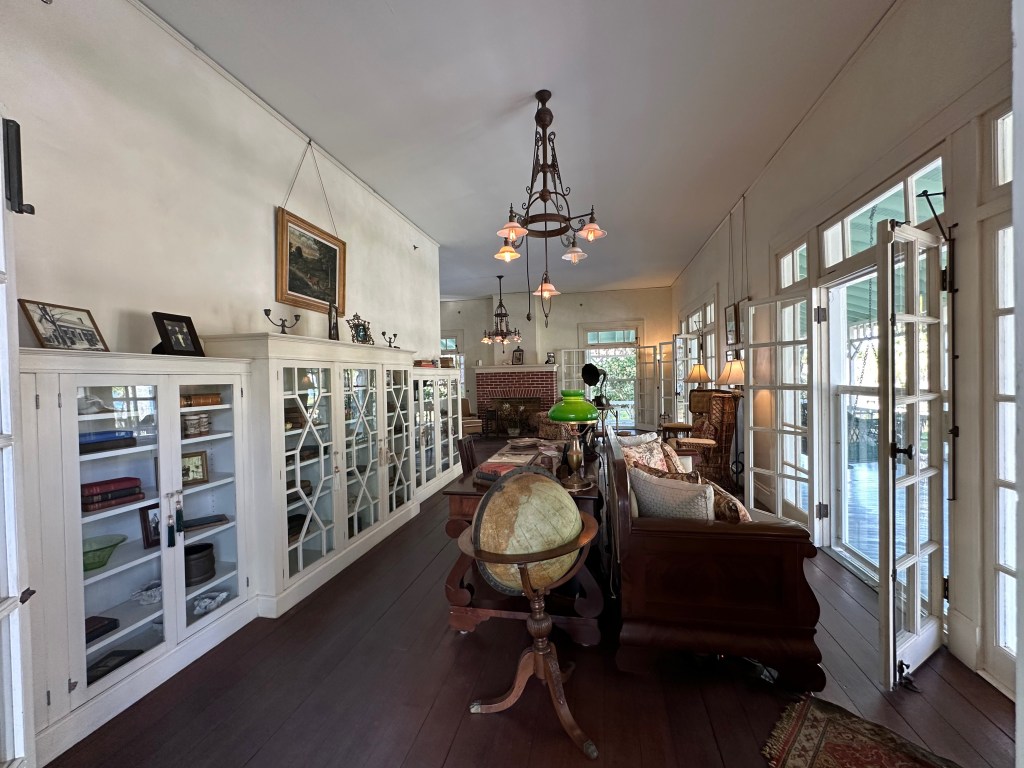
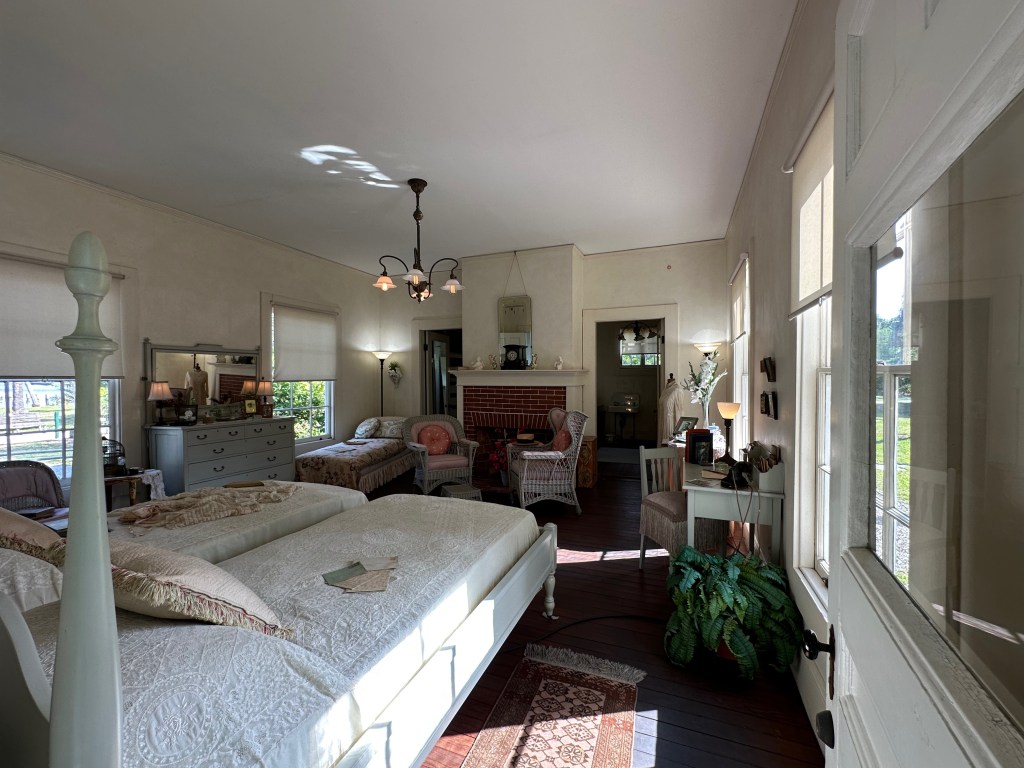

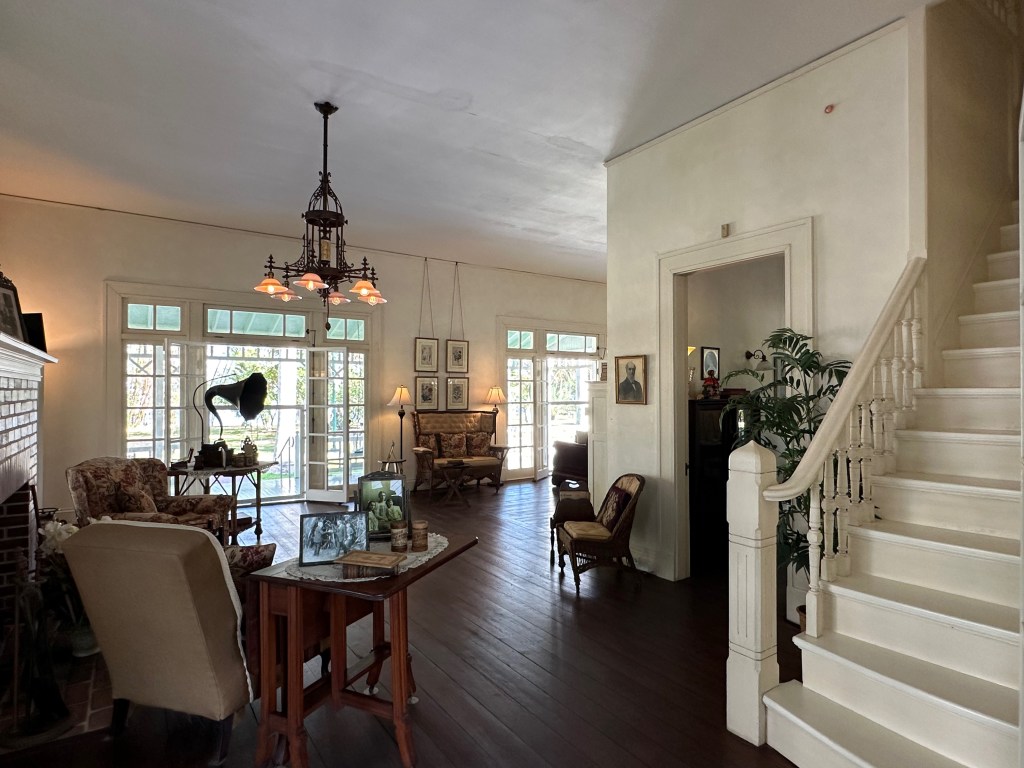

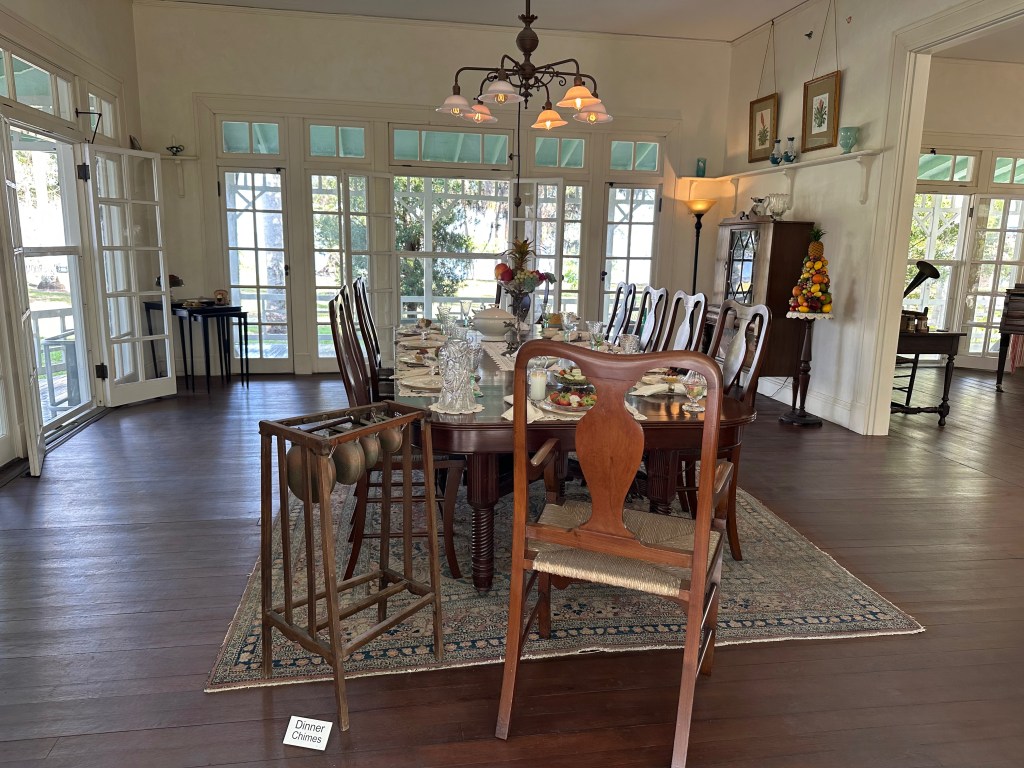
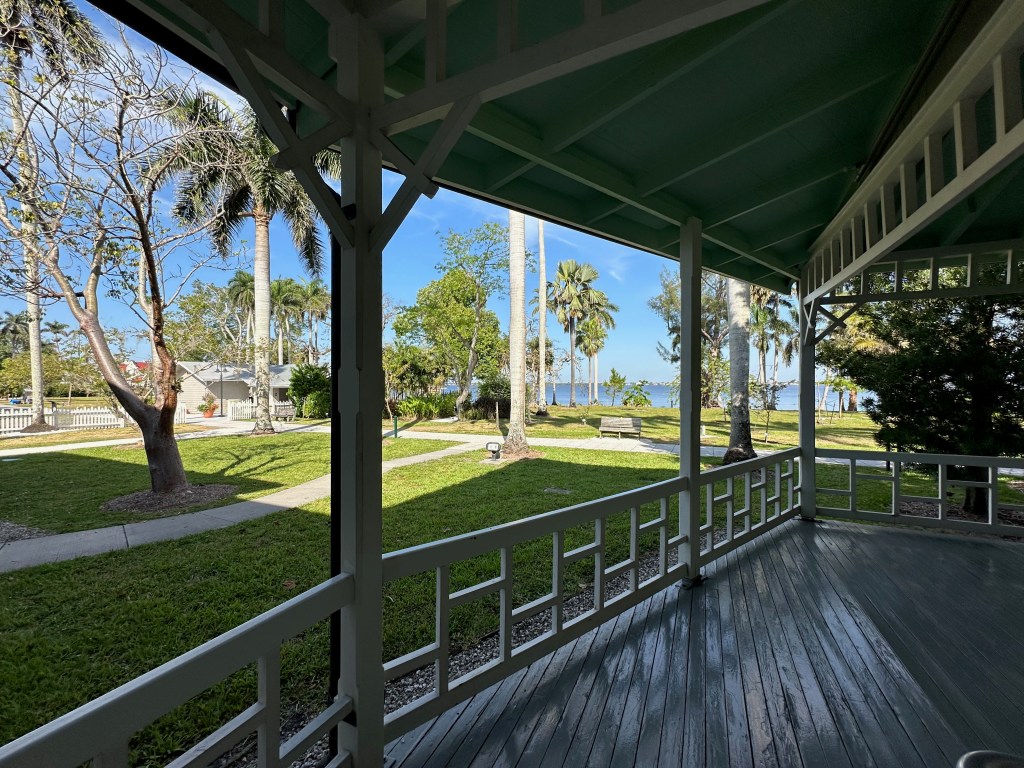

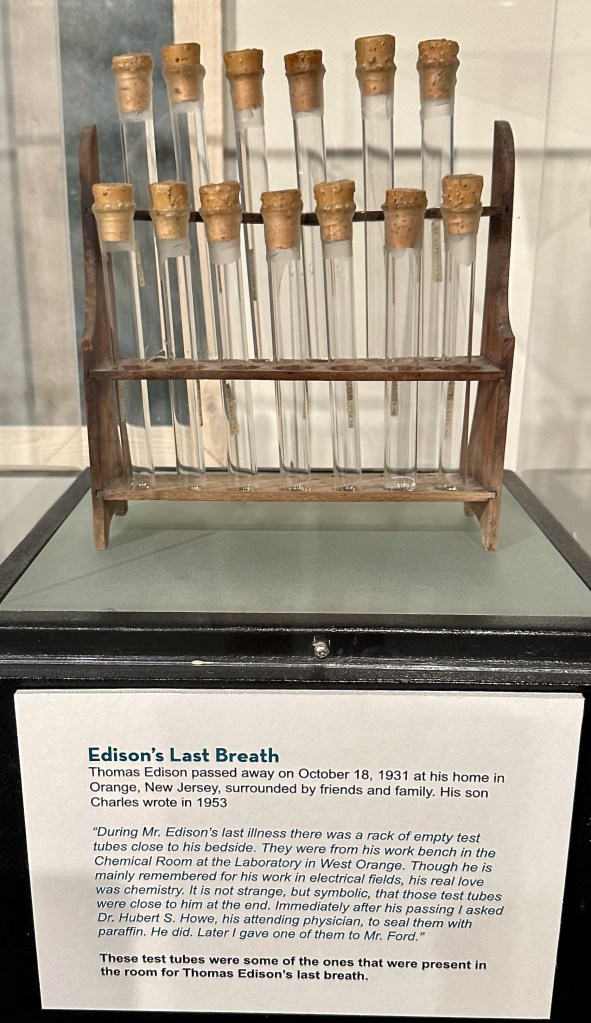
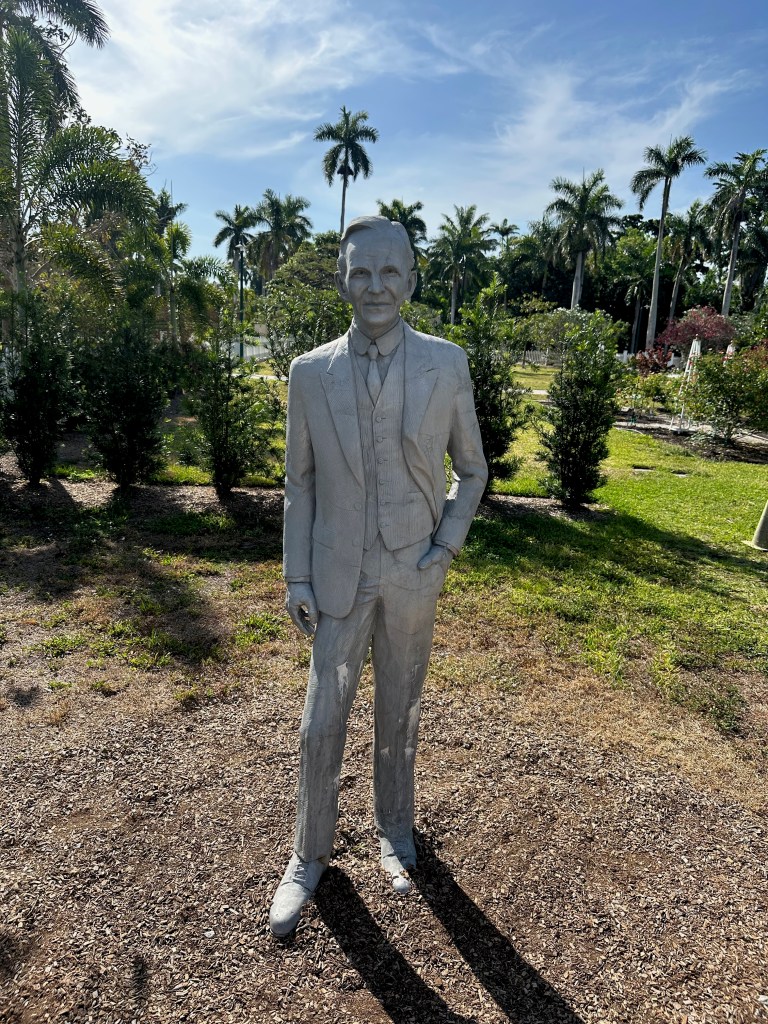
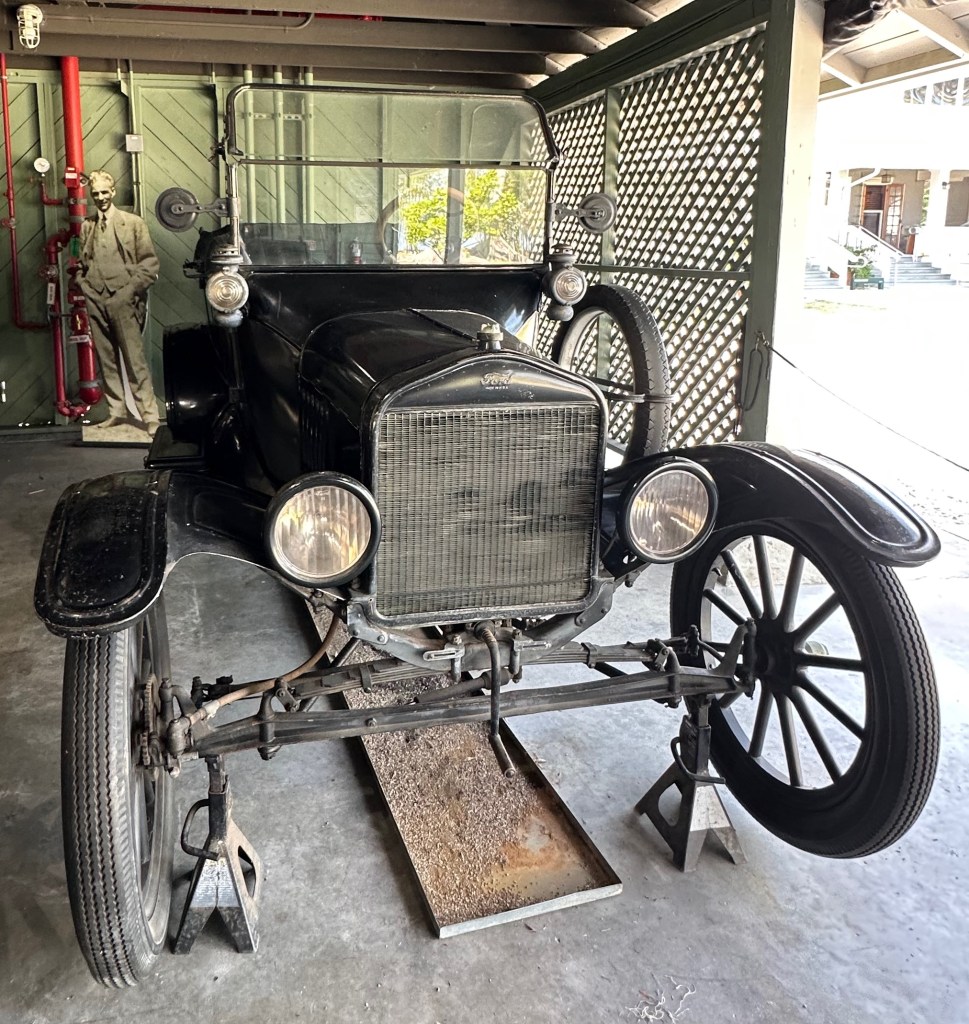


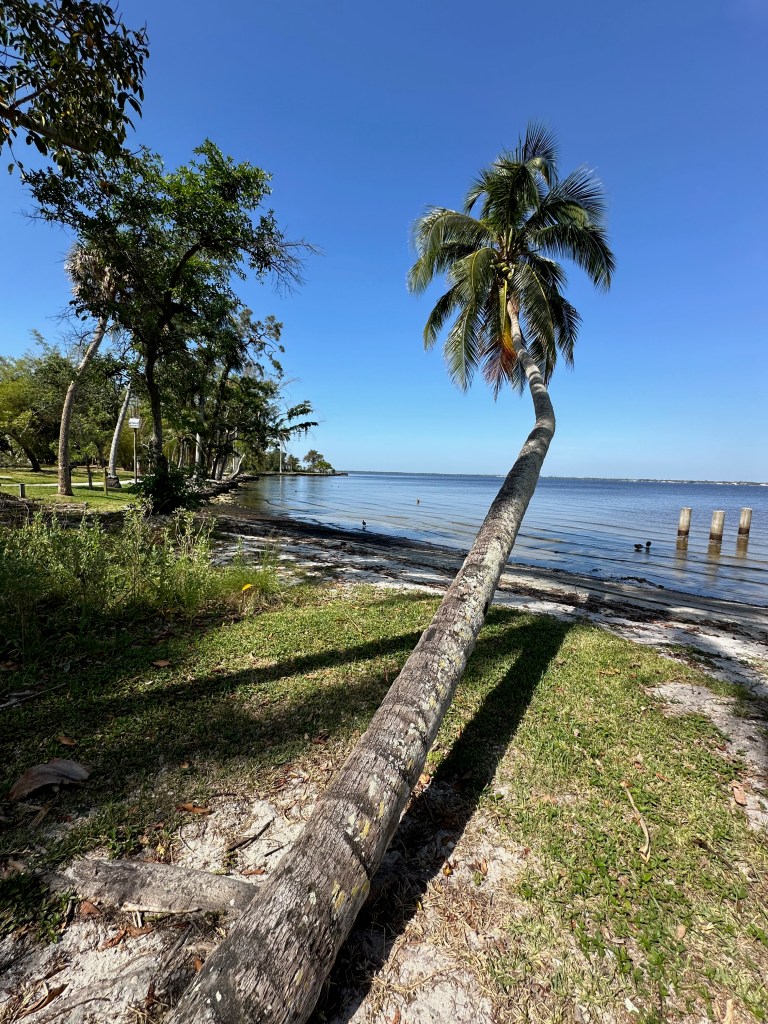
While I was down south a few weeks ago I spent an edifying morning touring the historic Edison and Ford Winter Estates in Fort Myers. Intent on beating the heat (and the crowds), I visited on a weekday and arrived just before it opened. Other than staff dusting furniture and tending gardens, I was the only person on the grounds for the first hour.
It was so peaceful that it was easy to understand how the spot quickly captivated Edison. In March of 1885, when Thomas Alva Edison was 38 years old, he visited tiny Fort Myers. A quick thinking man, within 24 hours he had purchased thirteen acres of waterfront along the Caloosahatchee River with the intent of building a home as a respite from the frigid New Jersey winters.
As the railway had not yet reached Fort Myers, all the materials for the three main buildings (Edison’s house, one for his friend and business partner Ezra T. Gilliland, and Edison’s laboratory) had to be brought in by boat. Unlike many of his peers with their ostentatious, massive winter “cottages”, Edison’s plans were modest enough that construction was completed the following year.
1886 was quite a year for Edison as he also married his second wife, 20 year old Mina (his first wife had passed in 1884). Though she was young, Mina could hold her own with him (Mina’s father was a fellow inventor who also founded the Chautauqua Association). Choosing the term “home executive” instead of housewife to describe her role, Mina handily managed both households (New Jersey and Florida) and led several charities while raising Edison’s three children from his prior marriage as well as bearing three of her own.
While the Edisons took full advantage of their time in Florida, fishing in the Gulf and admiring the local wildlife (even amassing quite a menagerie on the grounds, including an alligator), these were not vacations as Edison worked constantly. Apparently, he often worked through the night – during the day he was known to stop and take a catnap wherever he was, sometimes even just sleeping on the ground.
Edison was endlessly curious. To that end, he was a voracious reader that surrounded himself with fellow innovators. When Gilliland decided to sell his portion of the property after the two men had a business dispute, Edison was pleased that Henry Ford eventually bought the house. Even though Ford was almost 40 years his junior, the men were acquainted since Ford had worked at the Edison Illuminating Company as a young man.
One winter, the men decided to explore the Everglades so they invited naturalist John Burroughs to join them on a camping trip. Though the terrain was rough and the swamps were buggy, the men enjoyed their strenuous adventure. They continued their “roughing it” trips for over a decade, in differing locations with a slew of guests over the years (including notables such as Harvey Firestone, Luther Burbank as well as Presidents Warren G. Harding and Calvin Coolidge).
I knew of Edison as a prolific inventor (with 1,093 patents) but I was pleasantly surprised to learn of his reverence for nature. In 1930, about a year before his death, Edison wrote, “Florida is about as near to Heaven as any man can get.” I’m not going to argue with that! Fort Myers is quite fortunate that Mina had the foresight to deed the property to the city in 1947.
 3rin's View...