Tag Archive for ‘birds’

Roadside Attractions

Leaving Little Lady Liberty I purposely stayed off the interstate, opting to follow blue highways* instead. I had all day to reach my destination so I decided I would stop at random points of interest along the way.

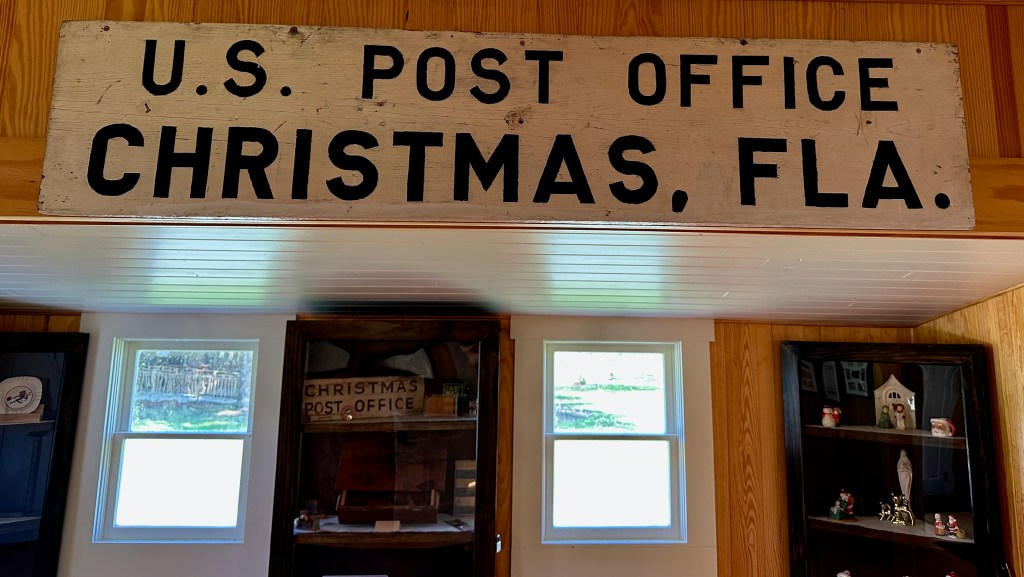
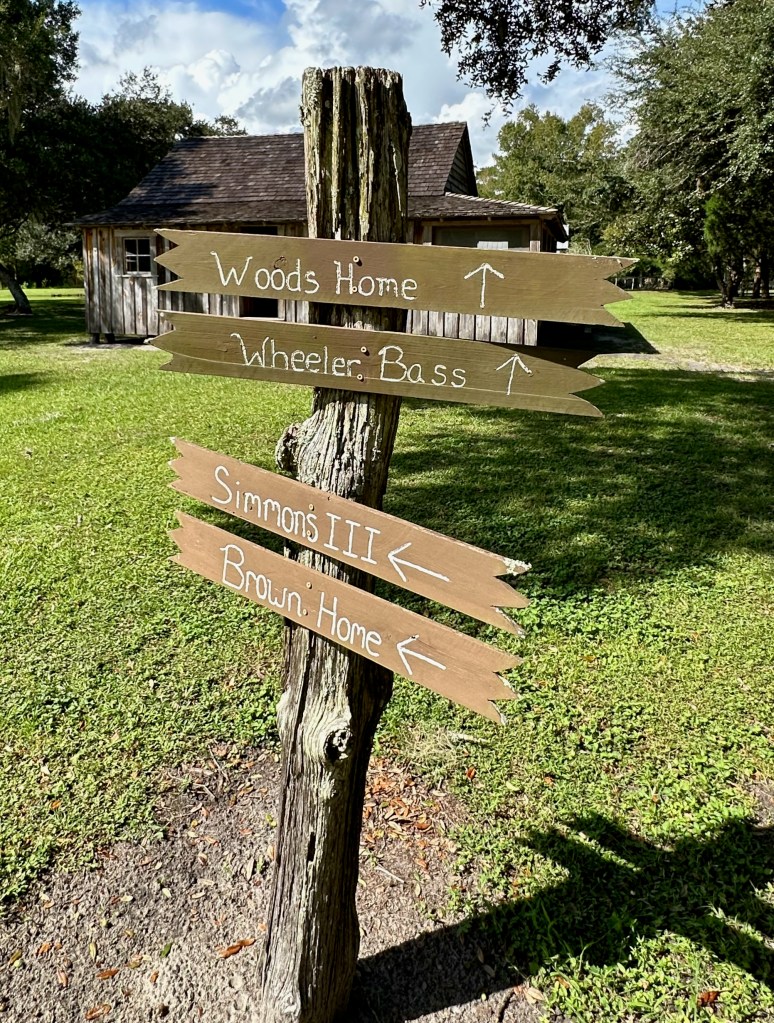
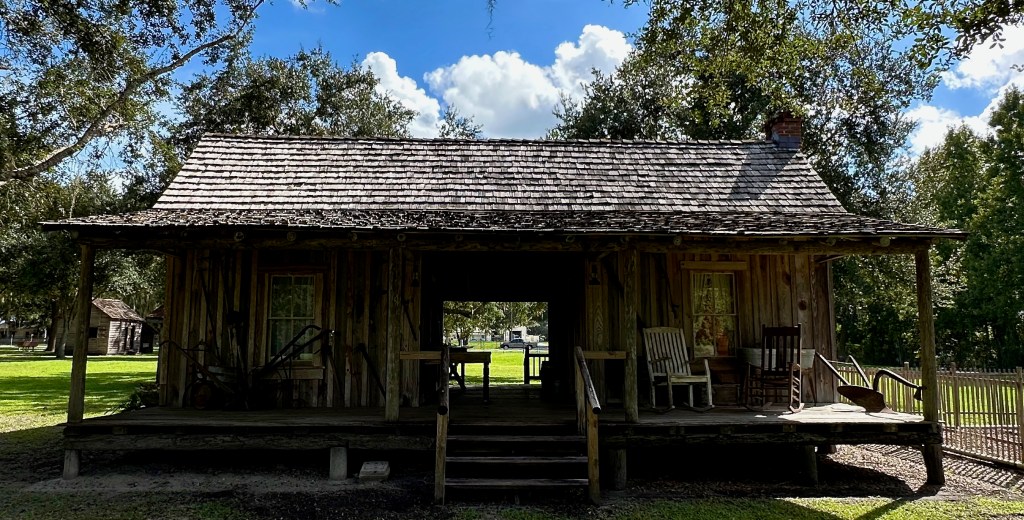
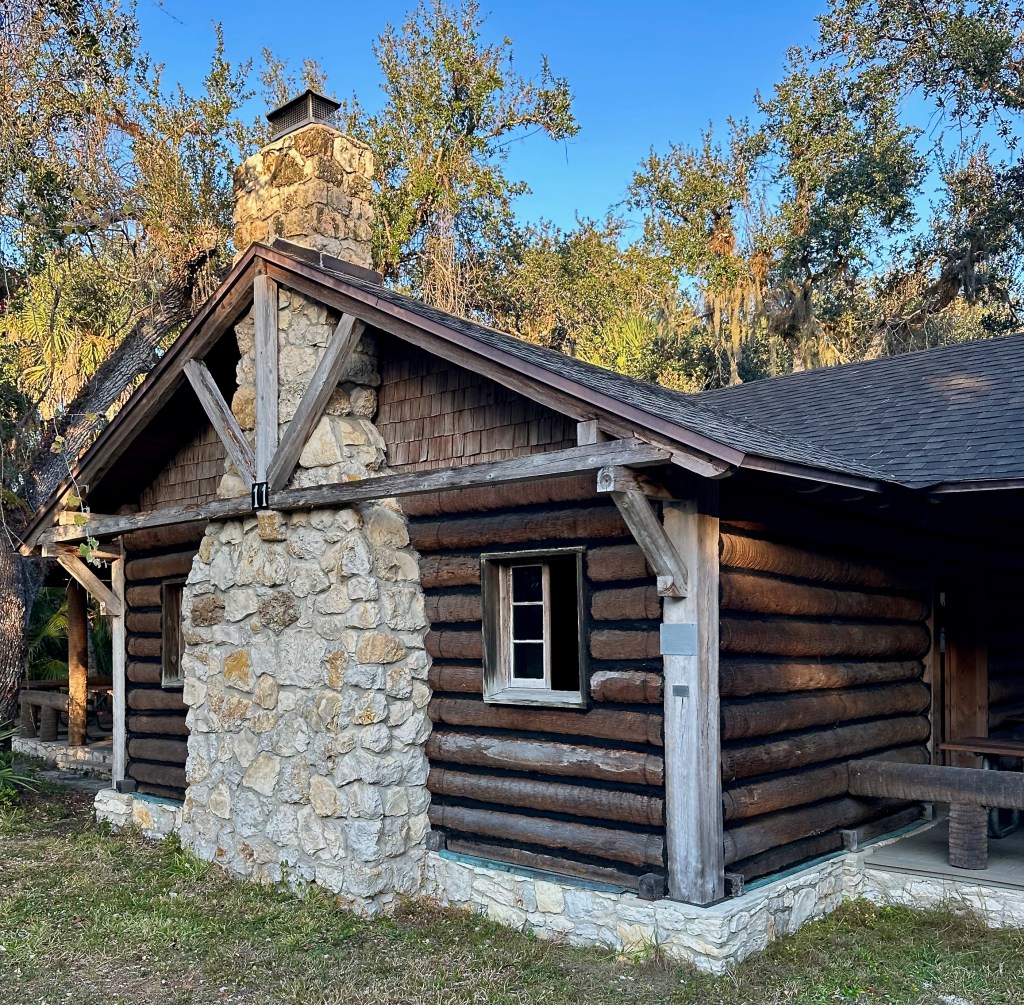
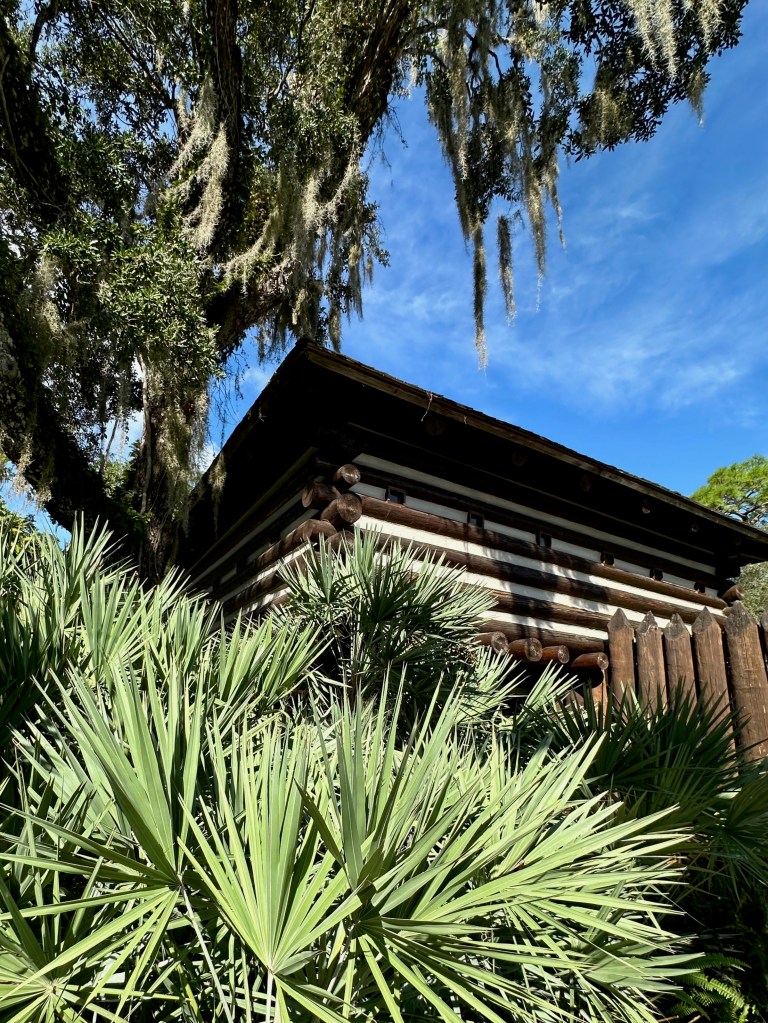
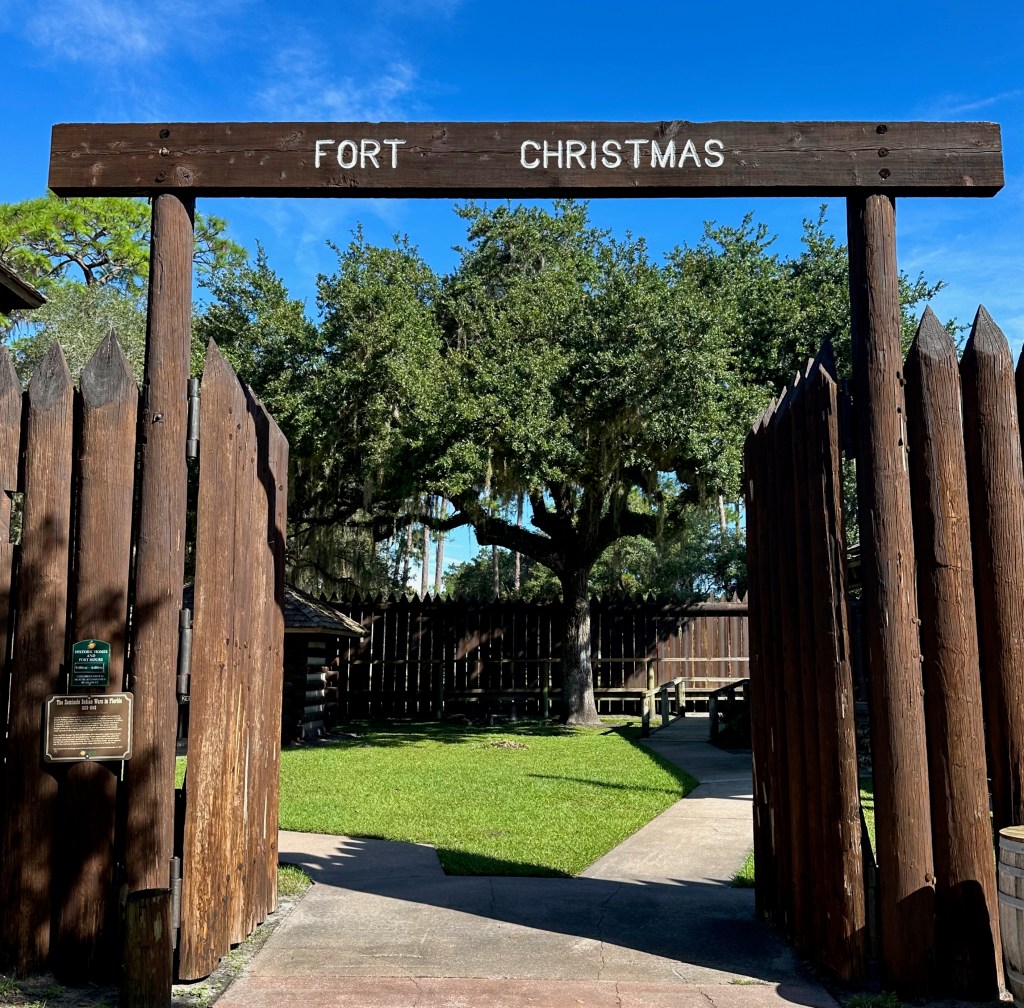
First up was the replica of Fort Christmas. This short-lived US Army outpost was one of a dozen constructed during the Seminole Wars. Built in 1837, the fort’s name came from the day they broke ground. As was customary at the time, the small town that sprang up nearby adopted the fort’s name (ie, Fort Lauderdale, Fort Myers). Though in this case, the US Postal Service removed “fort” from the official town name since there were already too many fort somethings in the state.

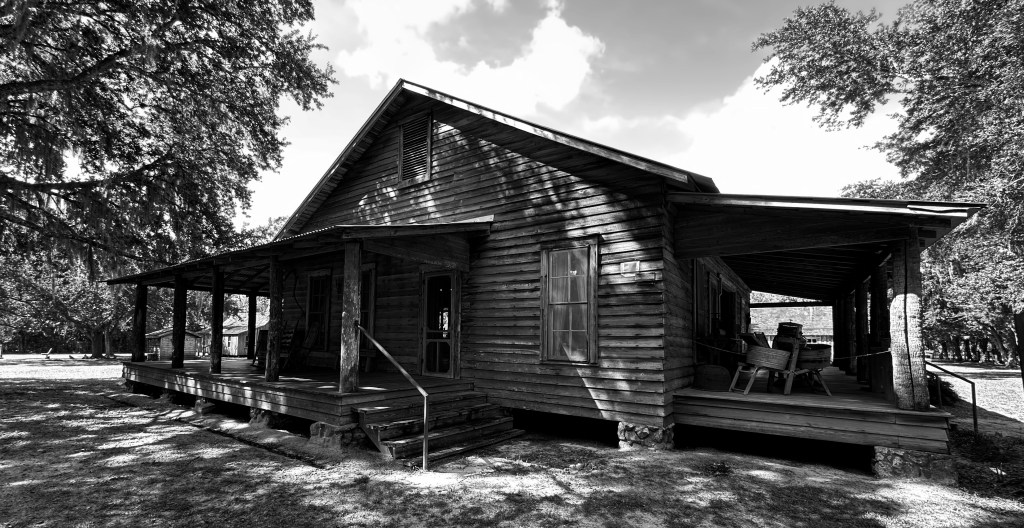
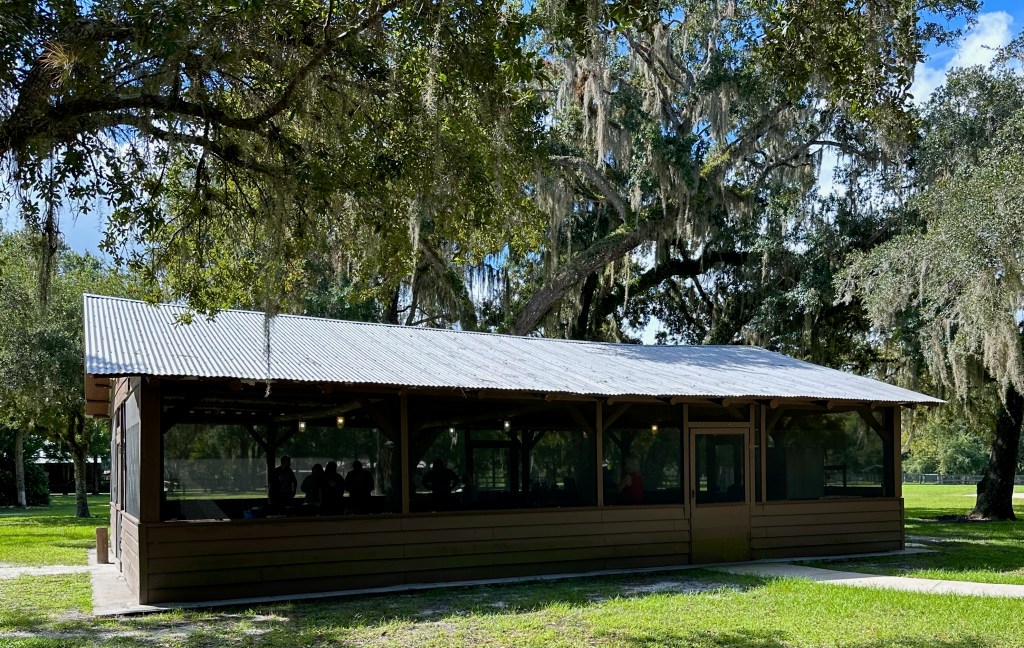
The property also protects other historic buildings from the area’s past, including a picnic pavilion built by the WPA in the 1930s. I was impressed not only by the number of structures but by how well-appointed and maintained they all were. No mean feat considering Florida’s often temperamental weather and the amount of nature that wants to move in.
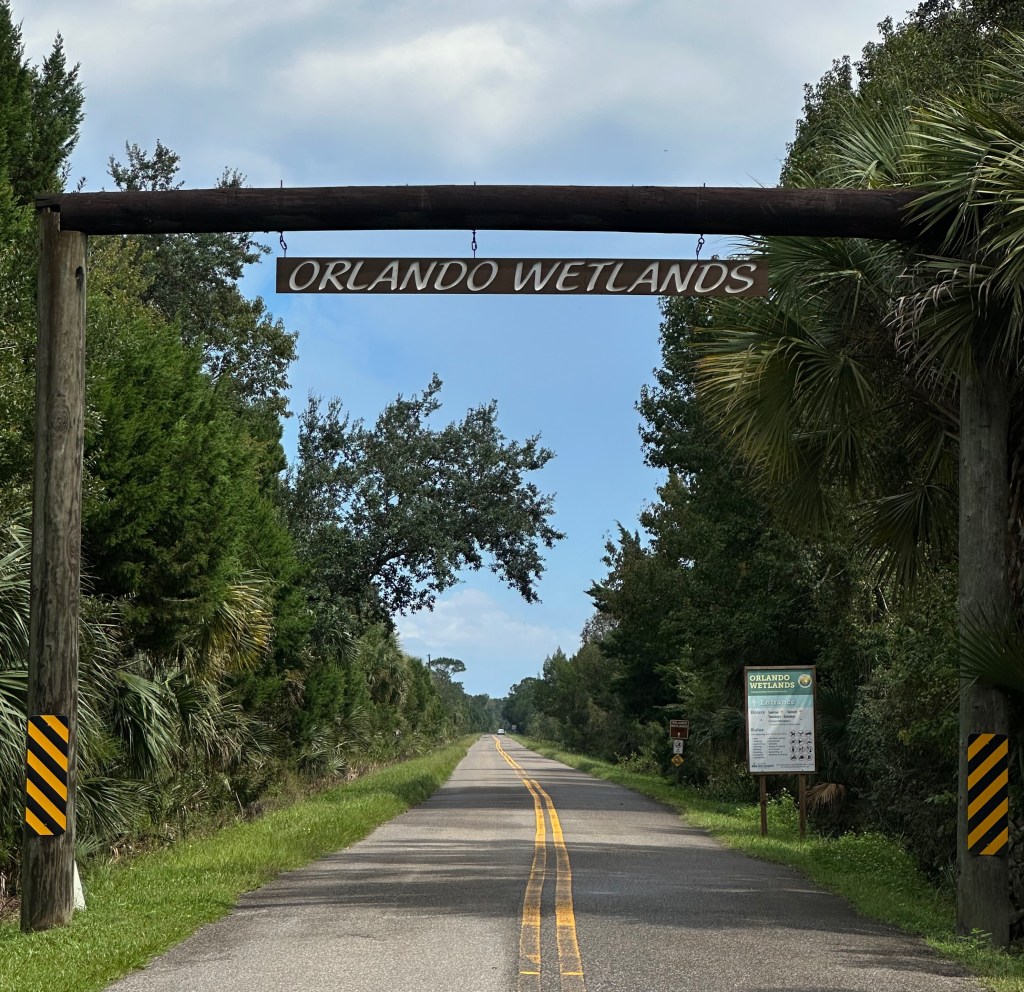
Speaking of nature, my next stop, Orlando Wetlands Preserve, was literally just around the corner. Originally constructed as part of the metropolitan water management system, it didn’t take long for nature to take advantage of it. Fortunately, people are allowed to wander property to watch all the wildlife.

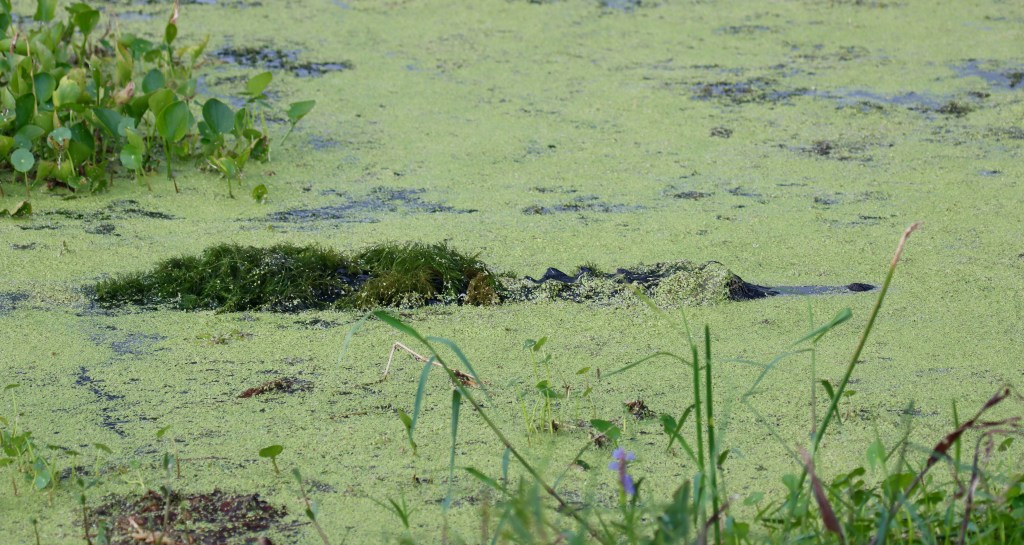
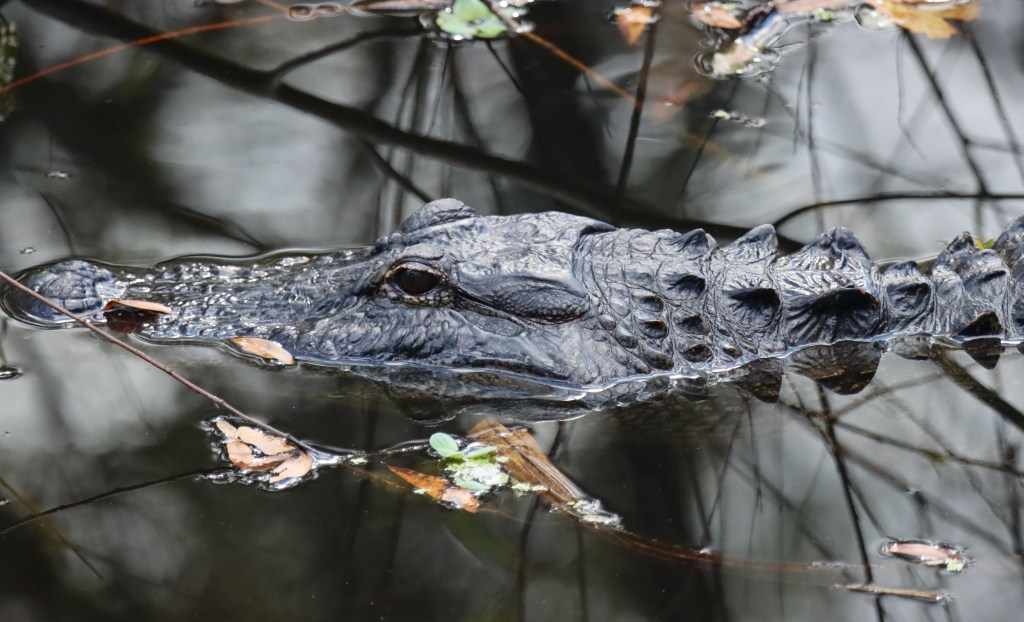
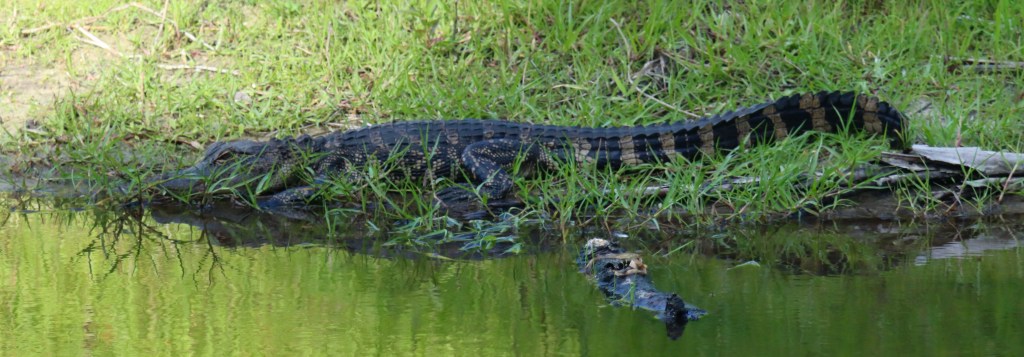
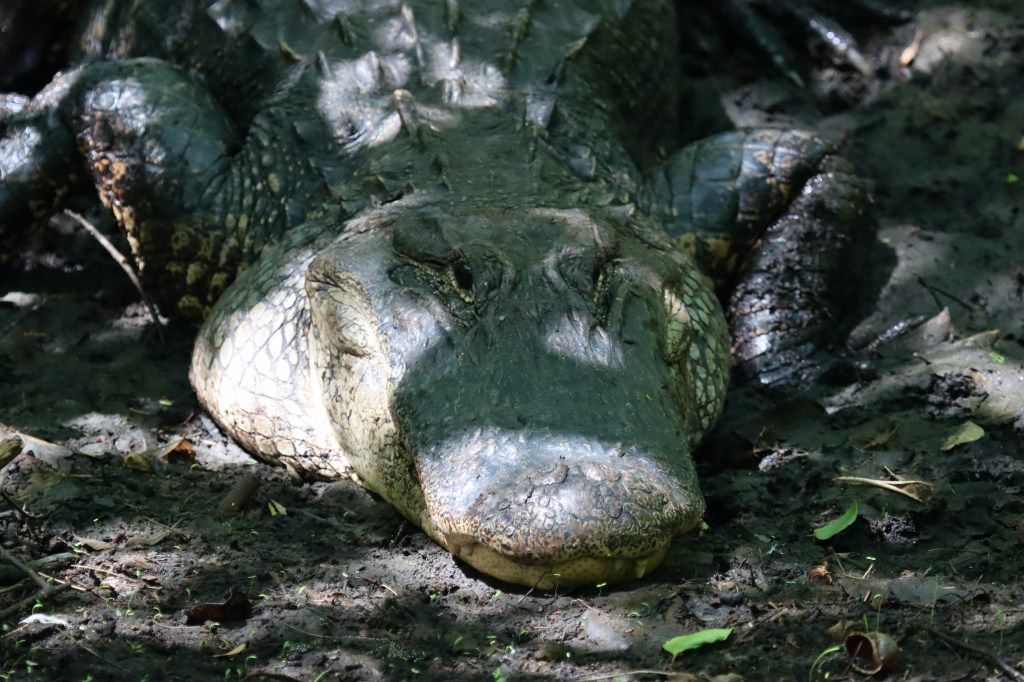
After parking, I noted the heavy-looking gray clouds and grabbed my rain jacket before heading out on the boardwalk. I was about halfway through my walk when the skies opened up. Furthest point from my car – who says Mother Nature doesn’t have a sense of humor? From this drenching experience, I learned two things, alligators all head for the water during a downpour and, I need a new raincoat. Sigh…
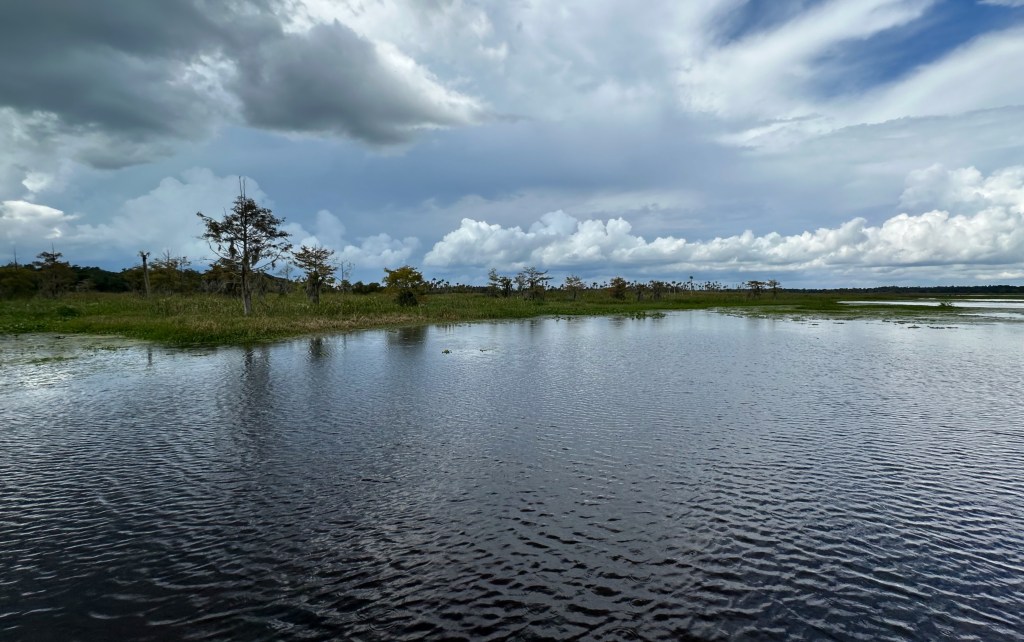
Thankfully the storm was short-lived and by the time I finished the trails I was no longer dripping wet (though not dry by any means, yay humidity). Good thing I always have a beach towel in the car!

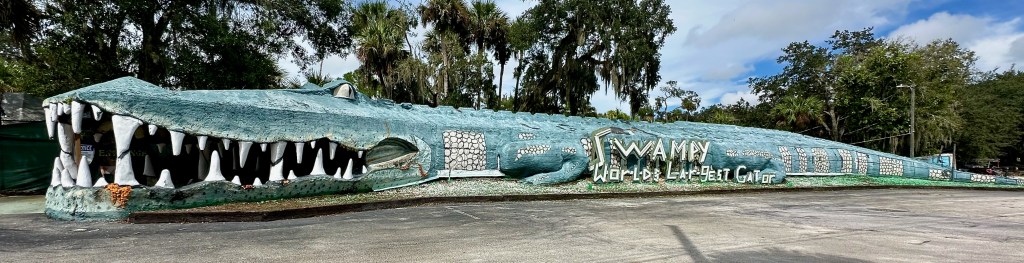
My next stop required driving a few miles extra to find a turnaround spot. But when you whiz past a sign for the World’s Largest Alligator, you do what you have to do. Measuring one inch over 200′, Swampy was built in 1989 as the entrance to Jungle Adventure. A bit rundown, this roadside attraction is still open, but you can no longer walk through the gator’s mouth to enter – thanks to a lawsuit from nearby Gatorland (the Mouse isn’t the only one fighting over tourist dollars).
Before getting back on the road, I scanned the map for any other interesting locations and found that the Windover Archaeological Site was on my route. There isn’t much to see, only a small sign that does little to convey the magnitude of the discoveries made there.

In 1982, a planned development came to a halt when bodies were found in a pond. After law enforcement determined that they were ancient remains, archaeologists spent the next several years unearthing over 168 carefully interred bodies. They were so well-preserved in the anaerobic water that there was still brain matter in over half of the skulls!

Though the site is now on private property in the middle of a housing development, the unearthed artifacts are still being researched, providing astonishing insight into the people that lived there roughly 8,000 years ago. I encourage you to look it up on the internet (this video provides a decent overview).

Florida is far more than just beaches and a big Mouse, the interior of the state has a so many fascinating stories to tell!

*For those not familiar with paper maps, interstates and state highways were once denoted by different colors. The latter, on some maps were blue, hence the term blue highways. It’s also the title of a great roadtrip book by William Least Heat-Moon (reminiscent of Steinbeck’s Travels with Charley). If you haven’t read either of them, I highly recommend you do.
Pecking Order

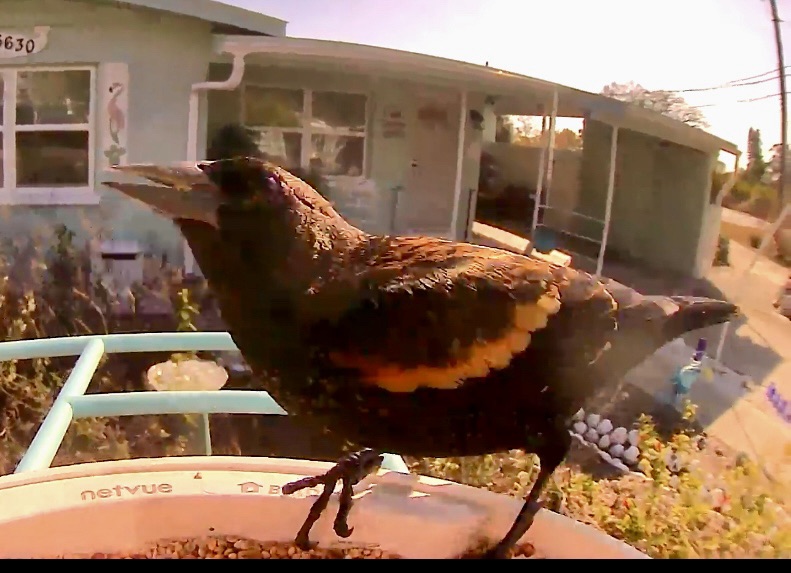
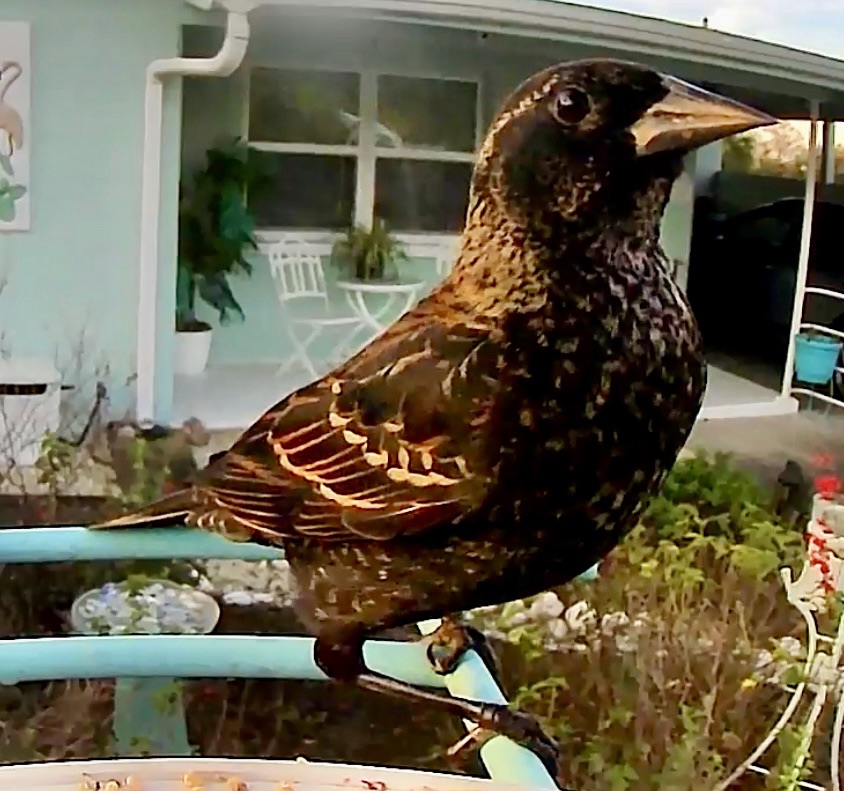
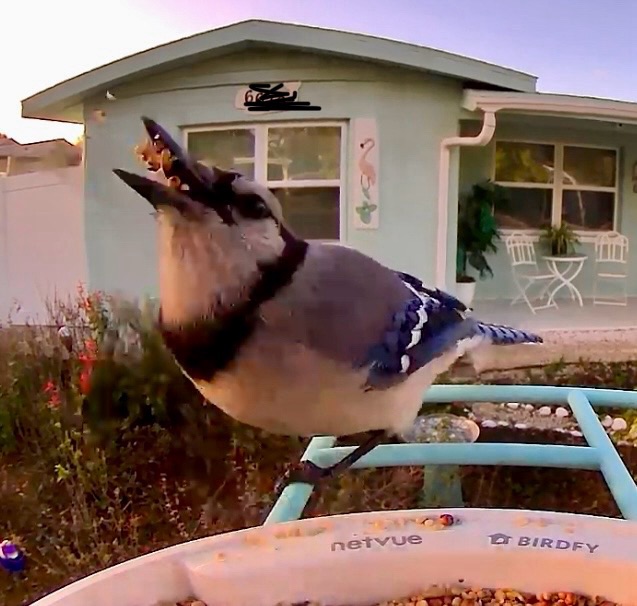
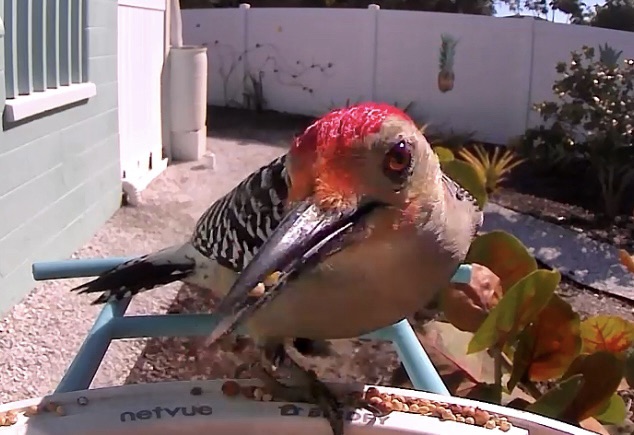
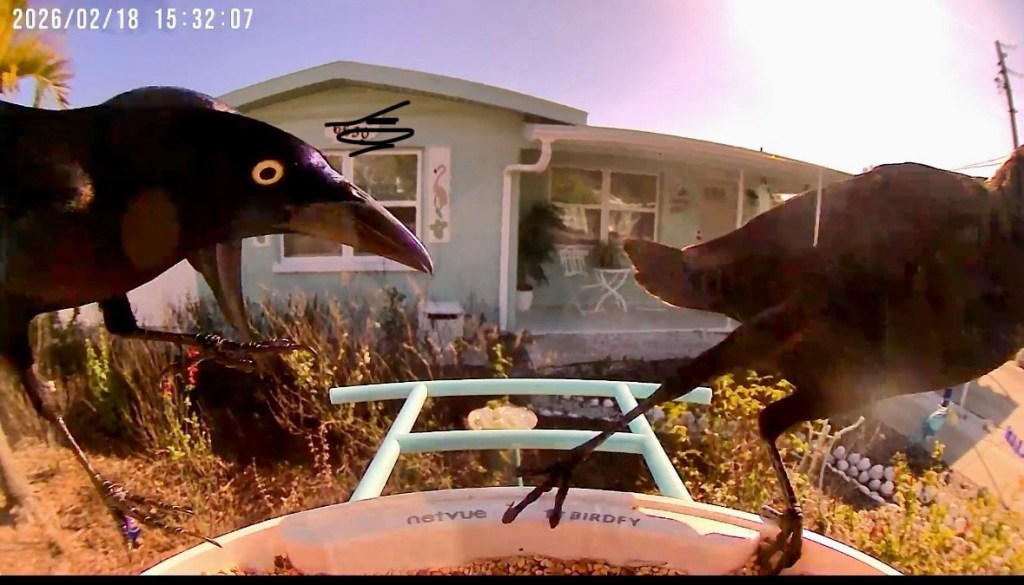
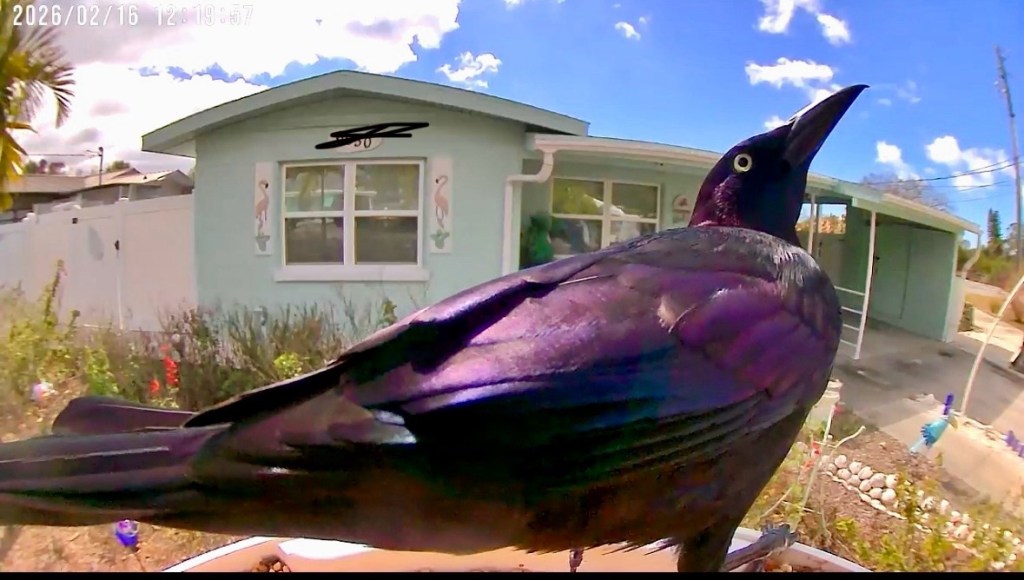
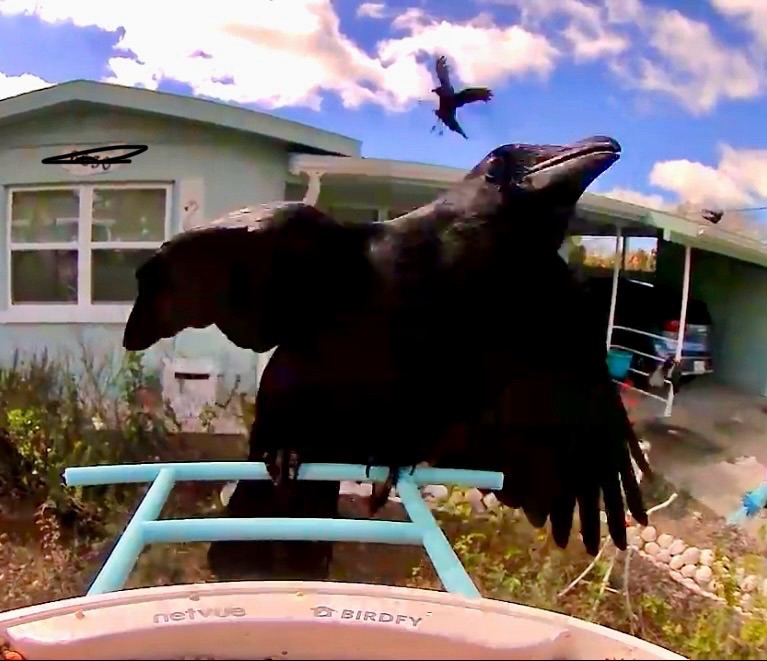
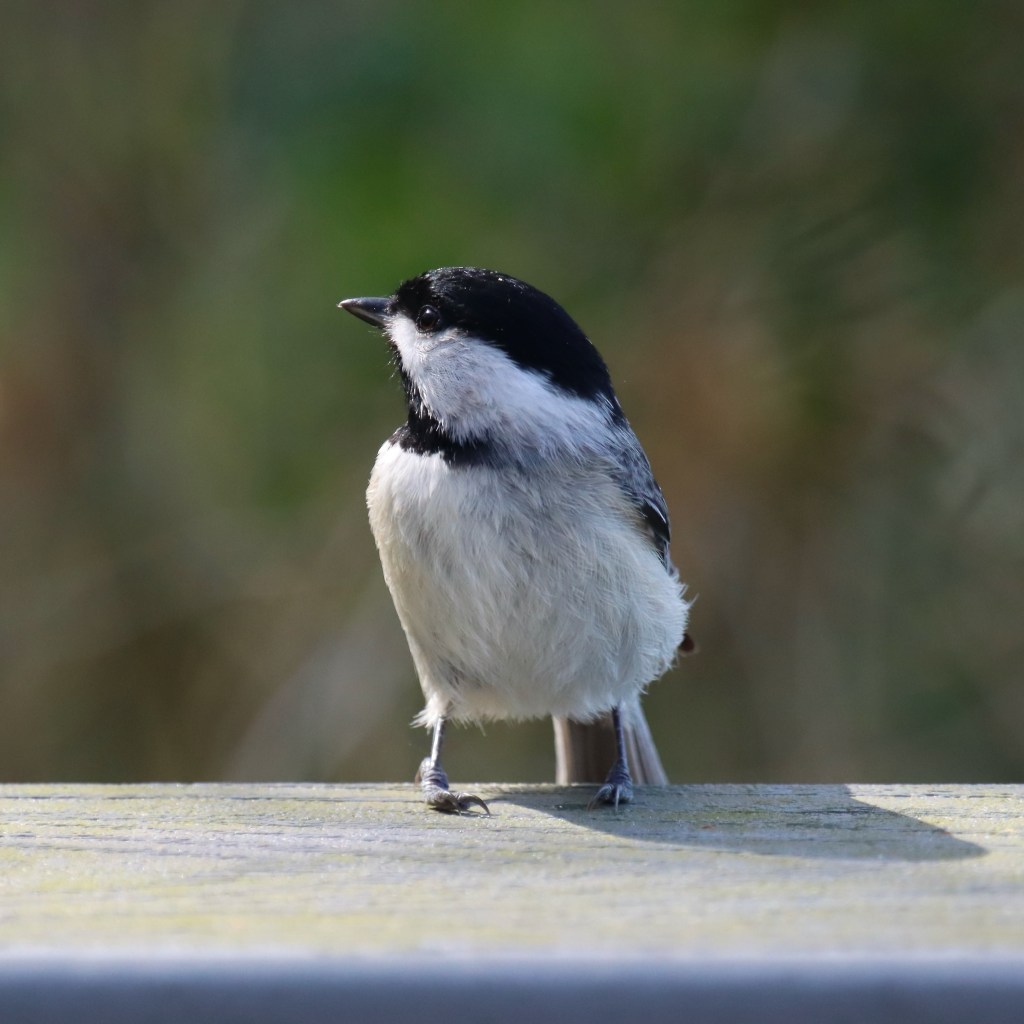
In honor of National Bird Feeding Month, I thought I’d update you on my bird feeder camera. Last week I relocated it to a sunnier spot in my front yard (and moved that feeder to the backyard- never fear, my birds still have options).
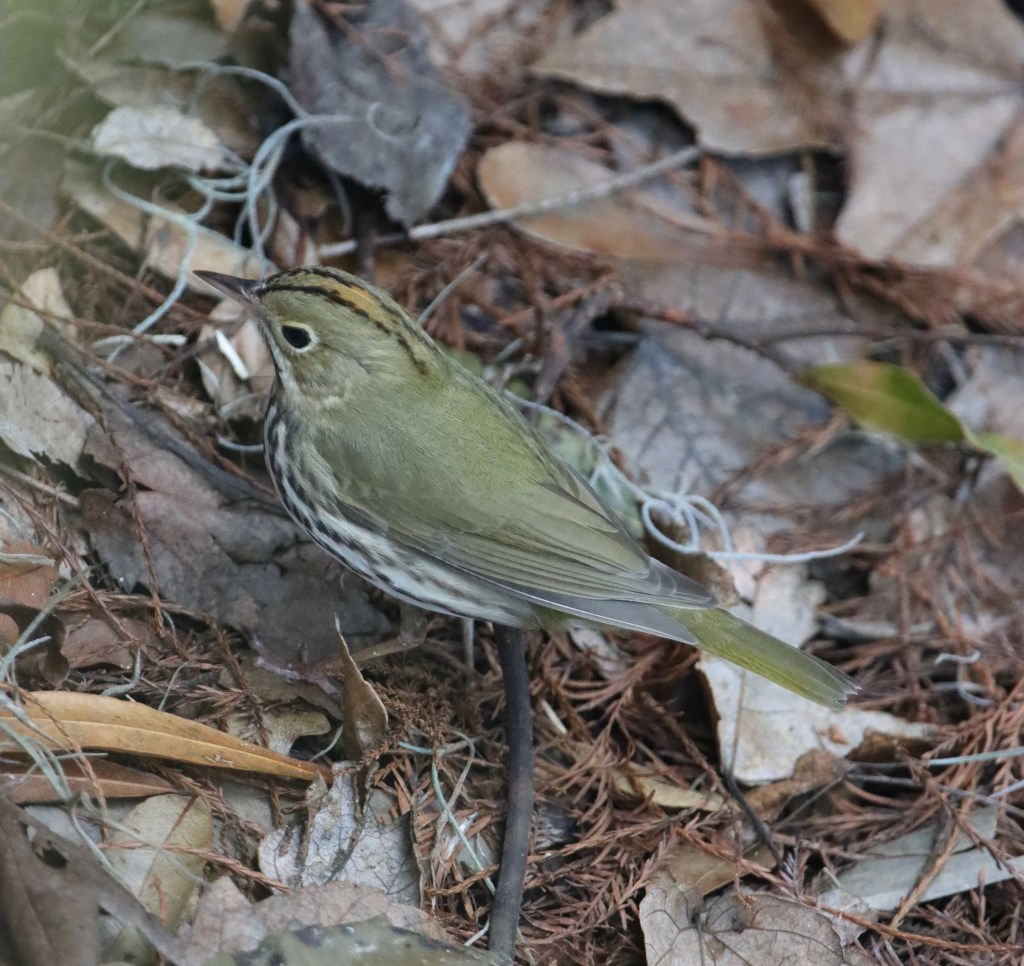
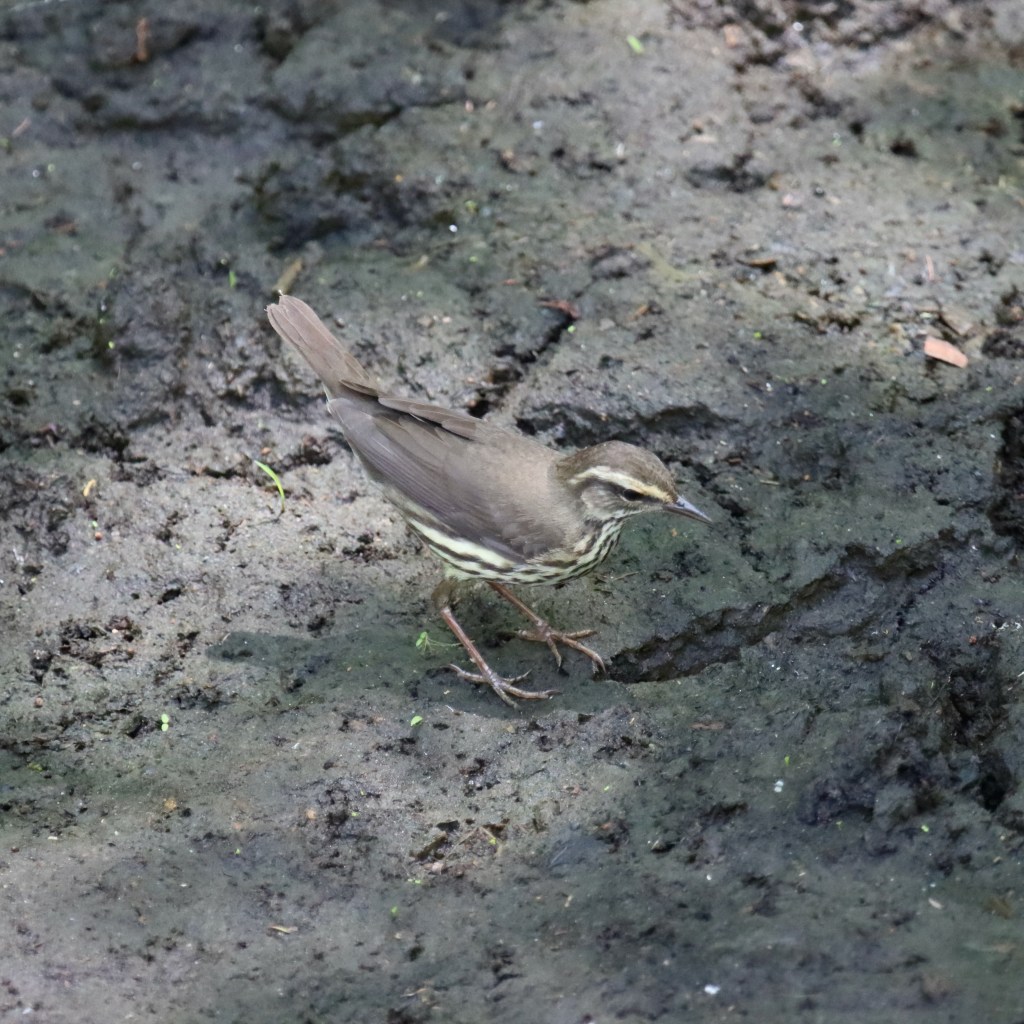
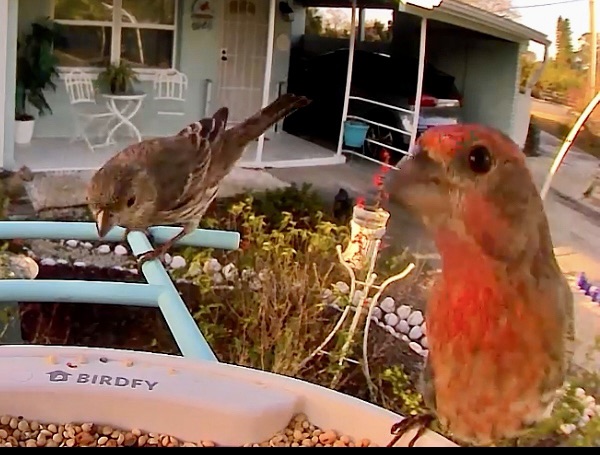
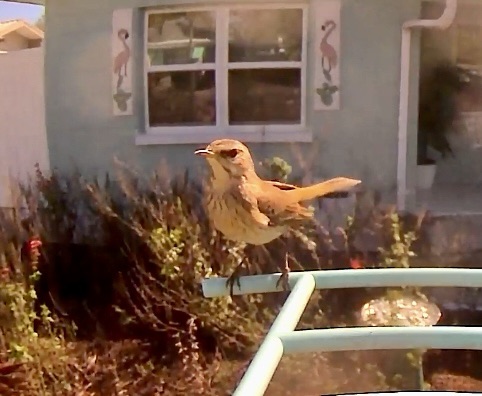
The camera caught two new species at the feeder, both of which, for different reasons, surprised me. Between working and relaxing, I spend a decent amount of time out in my yard and this is the first time House Finches have made an appearance. They aren’t an uncommon species, but they are a new yard species for me. As for the Palm Warbler, it is a winter visitor that I first noticed a few years ago and I’m always pleased when the little tail bobber returns. Since they typically dine on insects I didn’t expect it to show up at the feeder. Ever resourceful, they resort to seeds during colder weather.

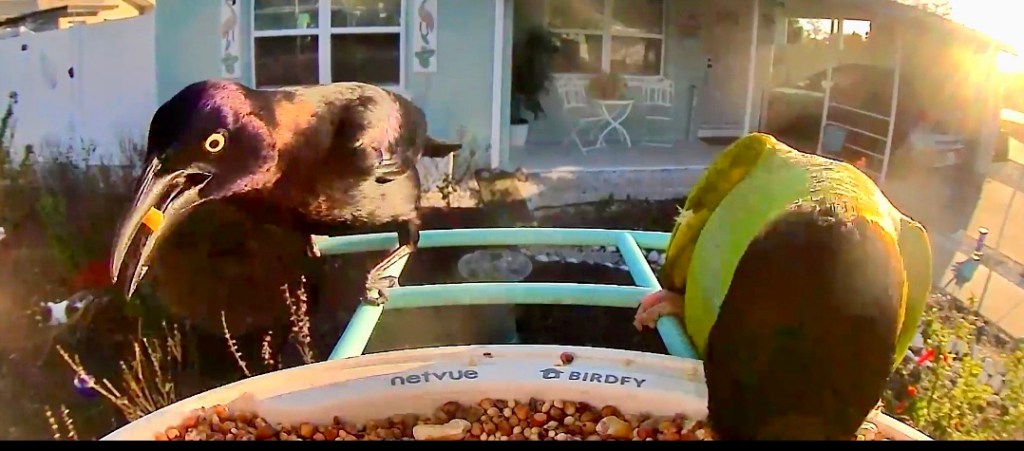
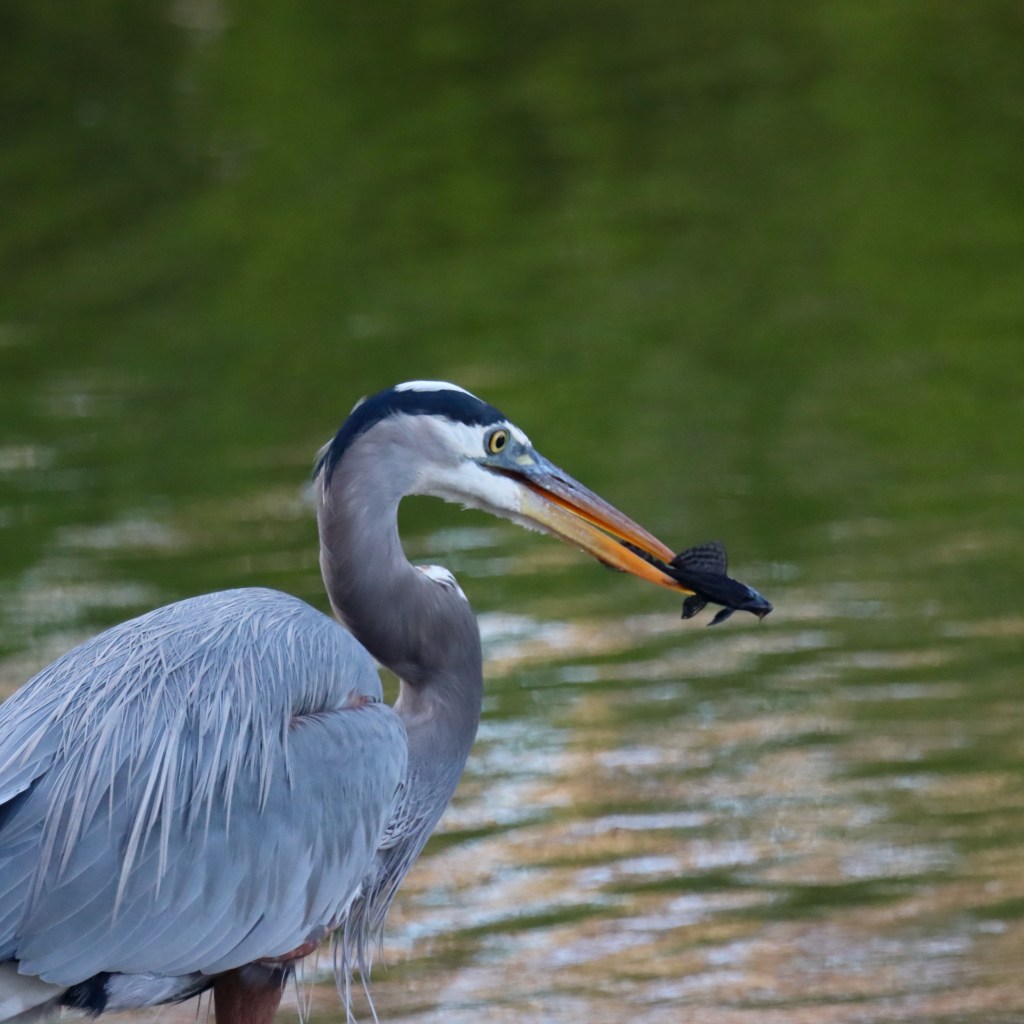
What’s most notable is the “ownership” of my new feeder. Apparently, it belongs to the grackles. Not only are they the first and last visitors every day, but they chase off all the other species (with two notable exceptions).

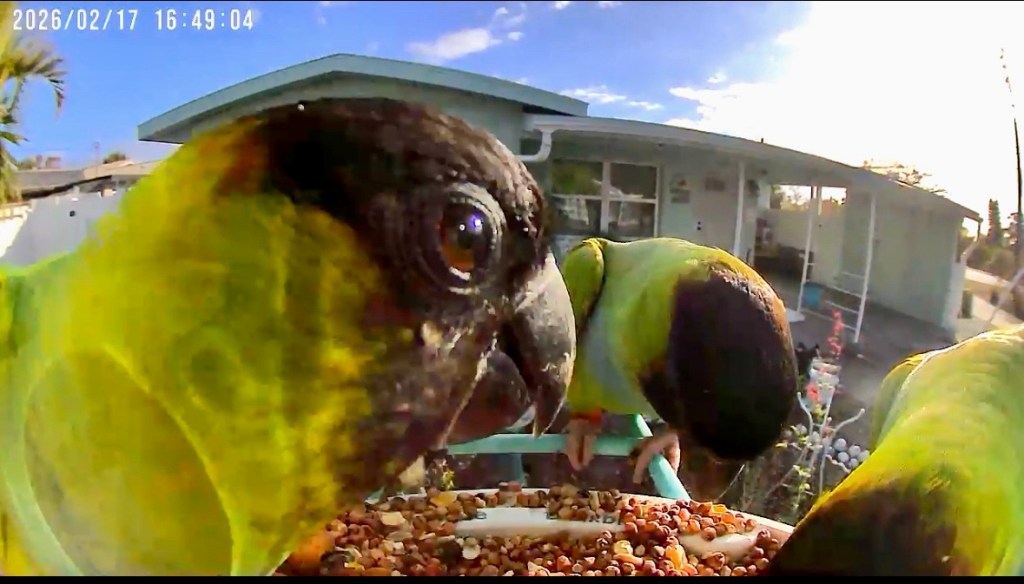
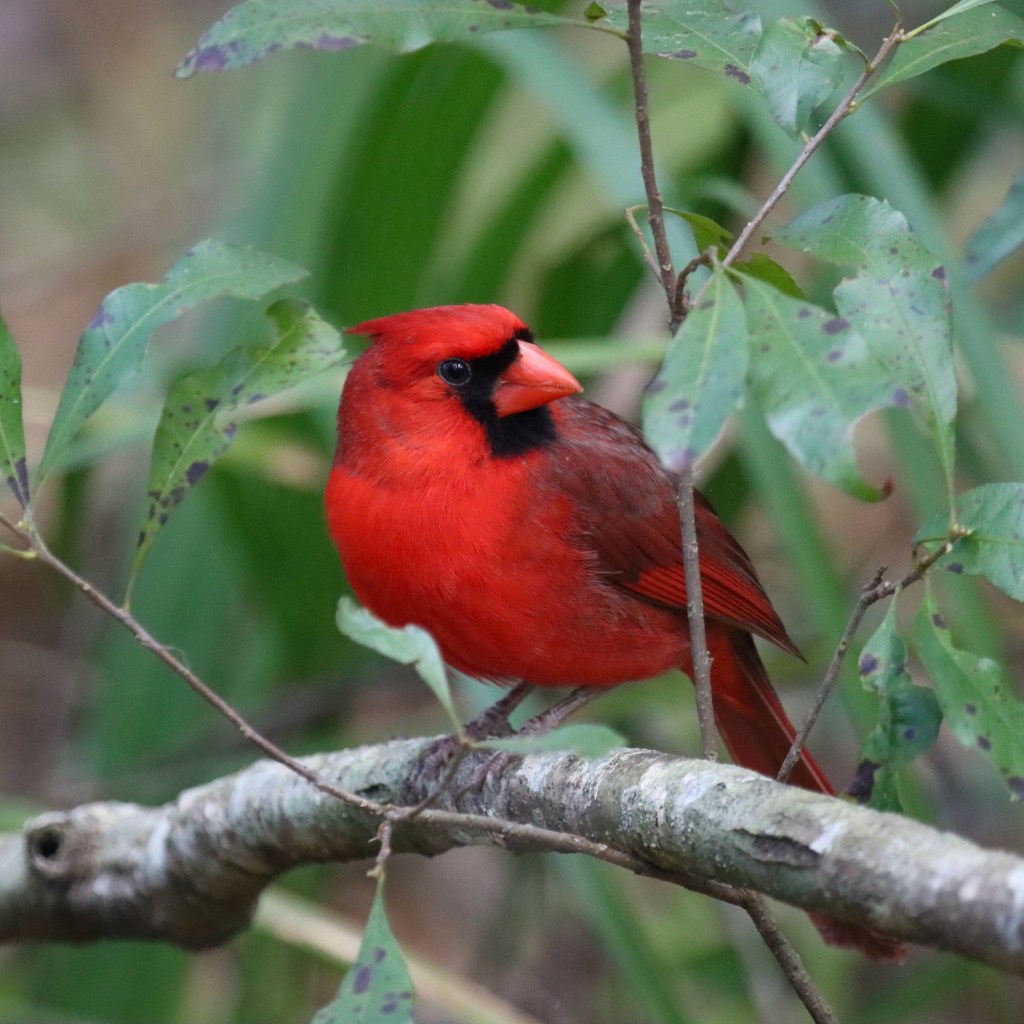
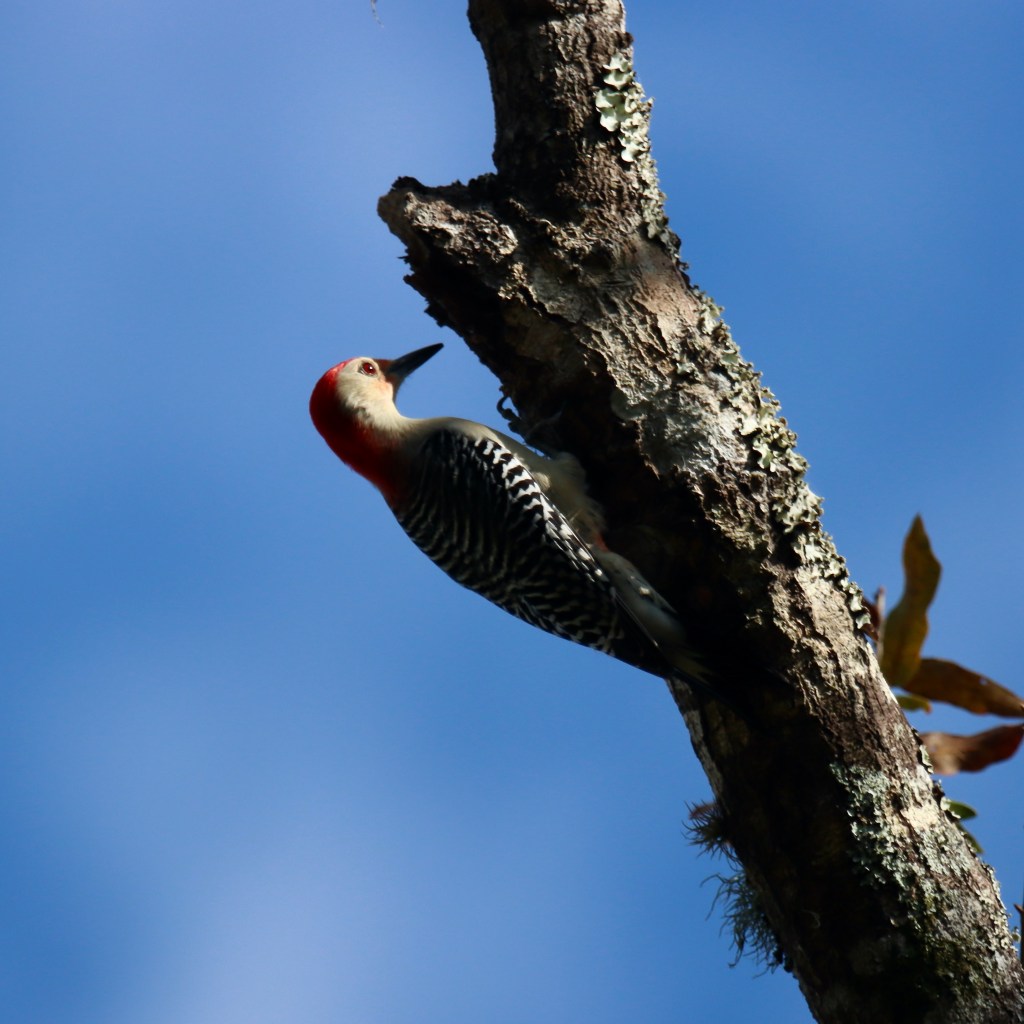
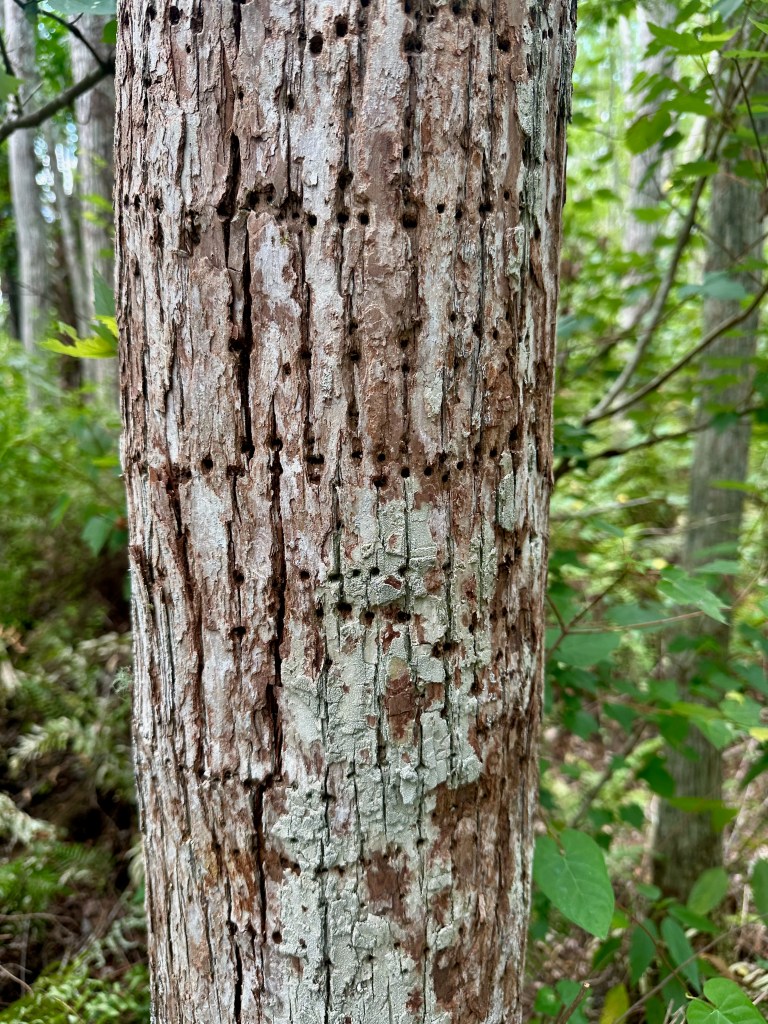
In between grackles other birds swoop in but there is a hierarchy among those species. The small birds and cardinals cede to the jays, which in turn defer to the woodpeckers. All of them will take flight when a grackle appears. Thus far, only a pandemonium* of parakeets or a crow outrank grackles.

*Don’t you just love the collective nouns of different animal species? Even when feeding, a group of parakeets is definitely a wild and noisy thing!

Wandering the Watershed

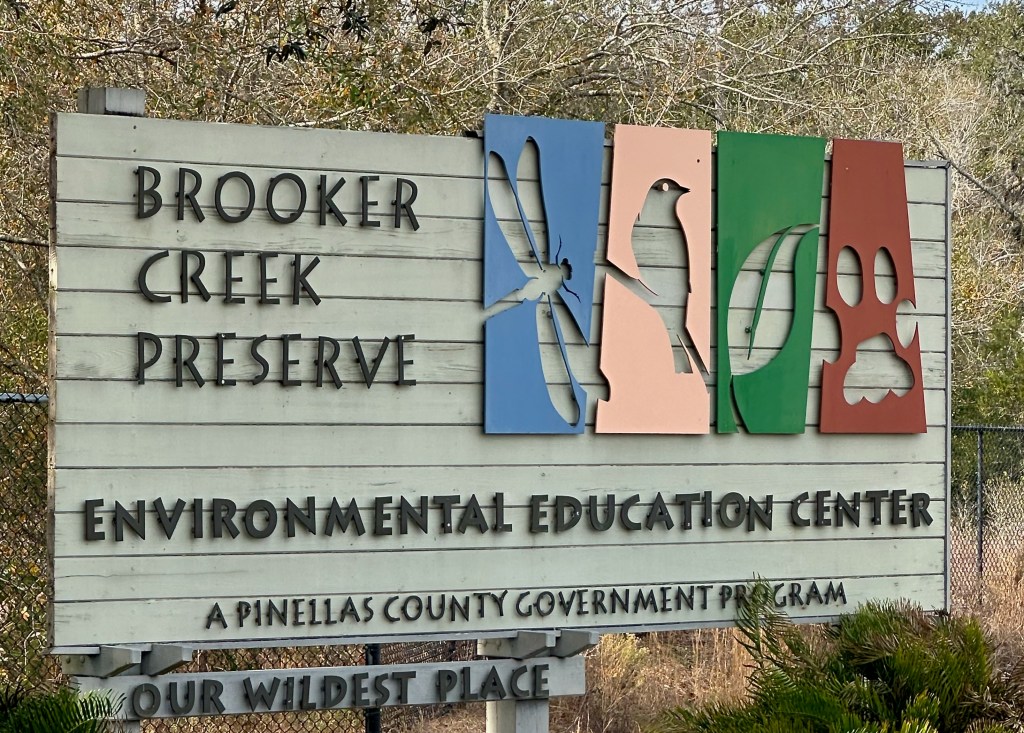
Yesterday I finally had a chance to explore Brooker Creek Preserve. Located near the northern border of Pinellas County, the preserve straddles Brooker Creek. It not only protects a large section of the watershed but it also encompasses the county’s largest remaining swath of undeveloped land (close to 9,000 acres). Considering that Pinellas is the most densely populated county in the state, this open space is a rare treat.

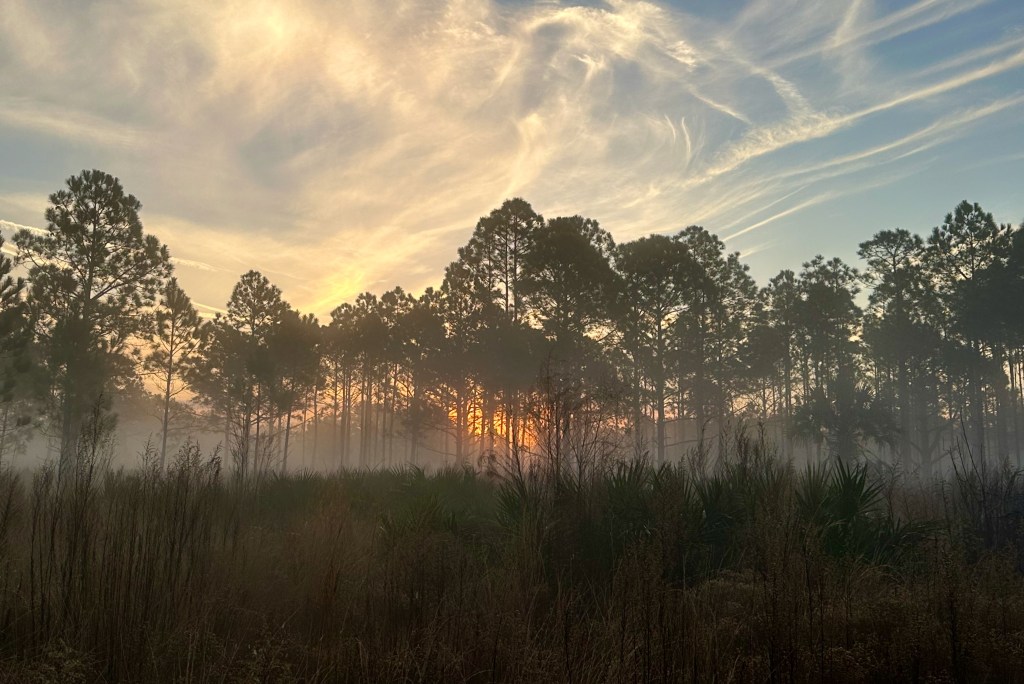
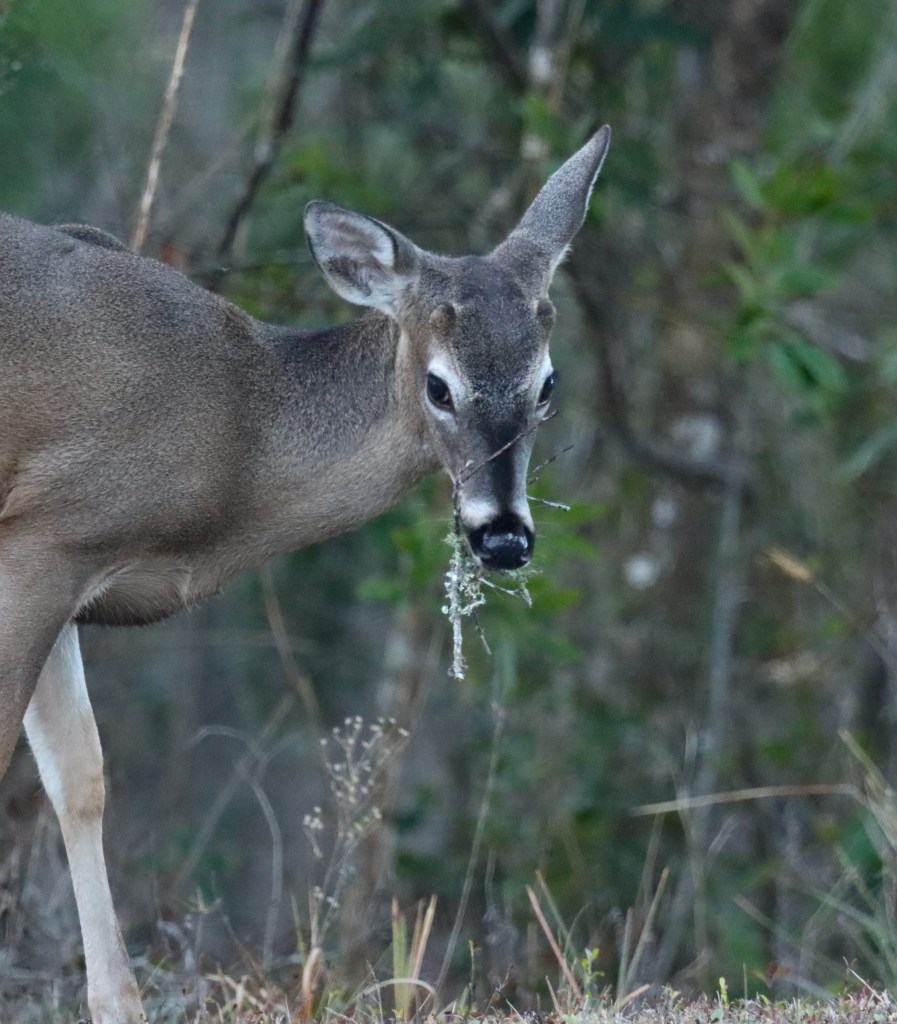
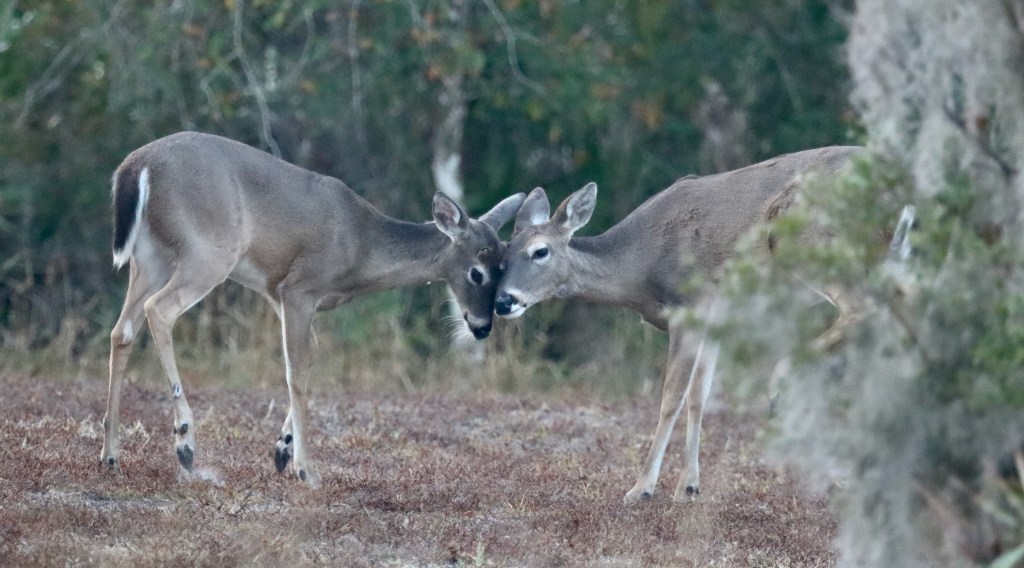
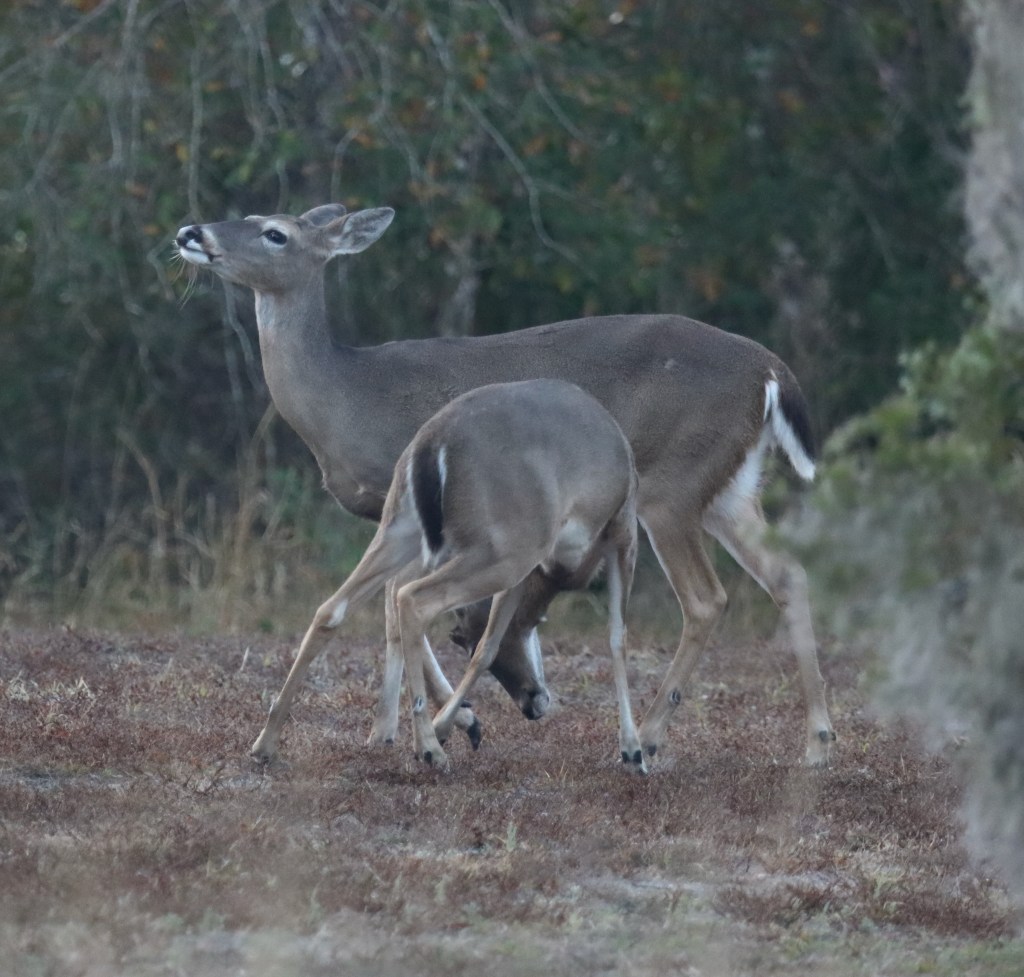
I was up before dawn so that I’d get to there when it opened. I timed it just right, the sun and I both arrived about 7am. I followed the park ranger in as he unlocked the gates but after that I was on my own. Well, except for a couple of White-tailed Deer that foraged and frolicked nearby, completely unconcerned with my presence.

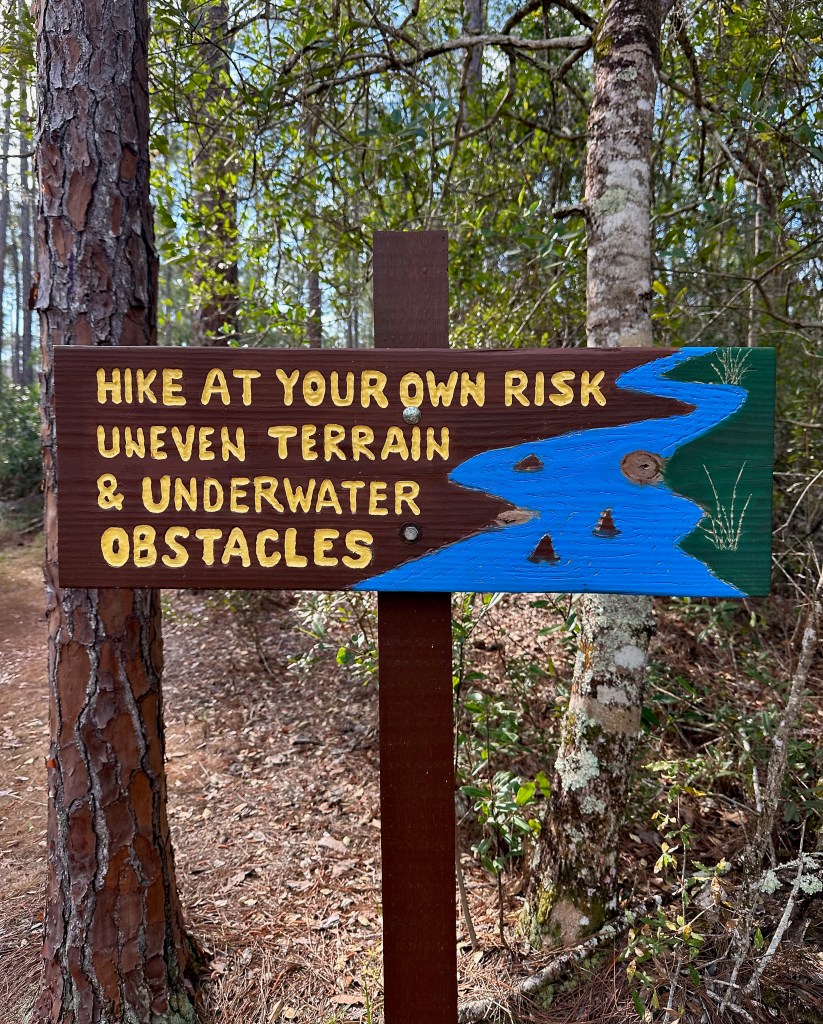
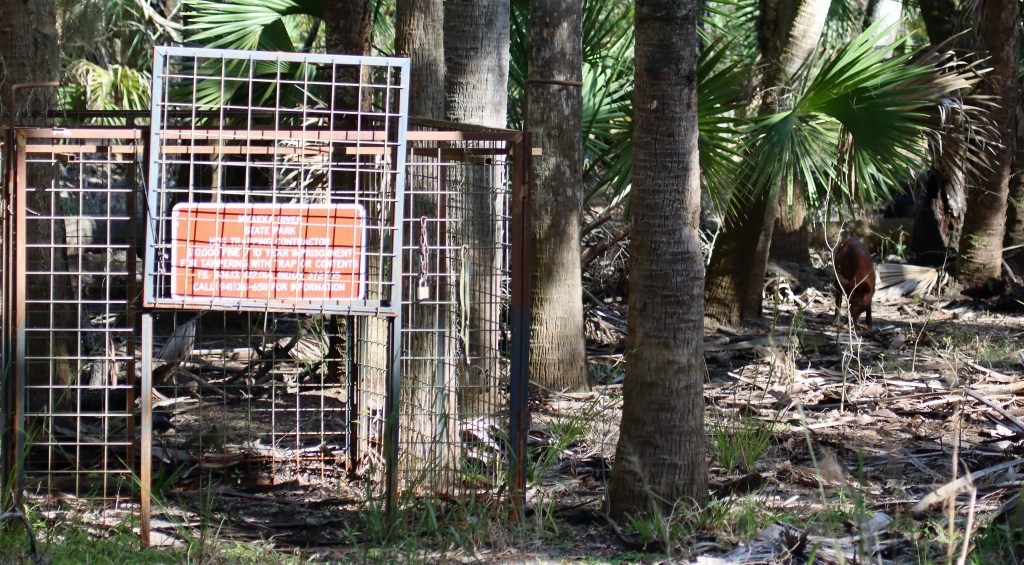
The main thing I noticed as I wandered the boardwalk and trails was the lack of water. If it wasn’t for the current drought, most of the dusty footpaths I wandered would normally be underwater (or at least very muddy, hence the trail sign).

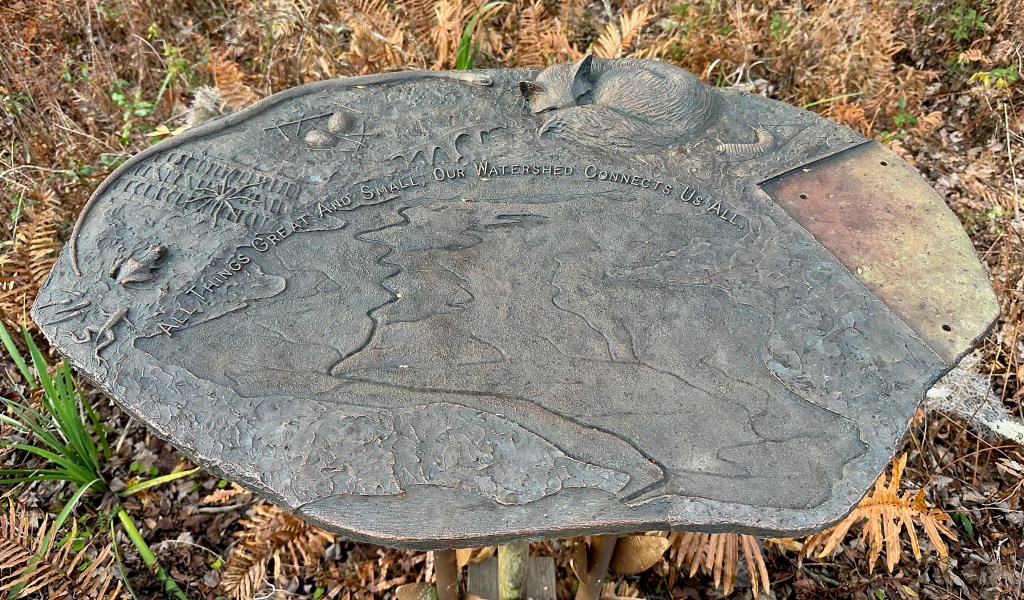
That’s the thing about Florida, it’s the flattest state in the country. Which means that historically, during the rainy season, the water in our largest watershed didn’t exactly gush, as much as it just spread across the landscape. Lacking elevation and the great pull of gravity, the water meandered, passing through marshes, swamps, and wetlands before eventually moseying into Tampa Bay (when left unaltered, but spoiler alert, it’s almost all been altered).

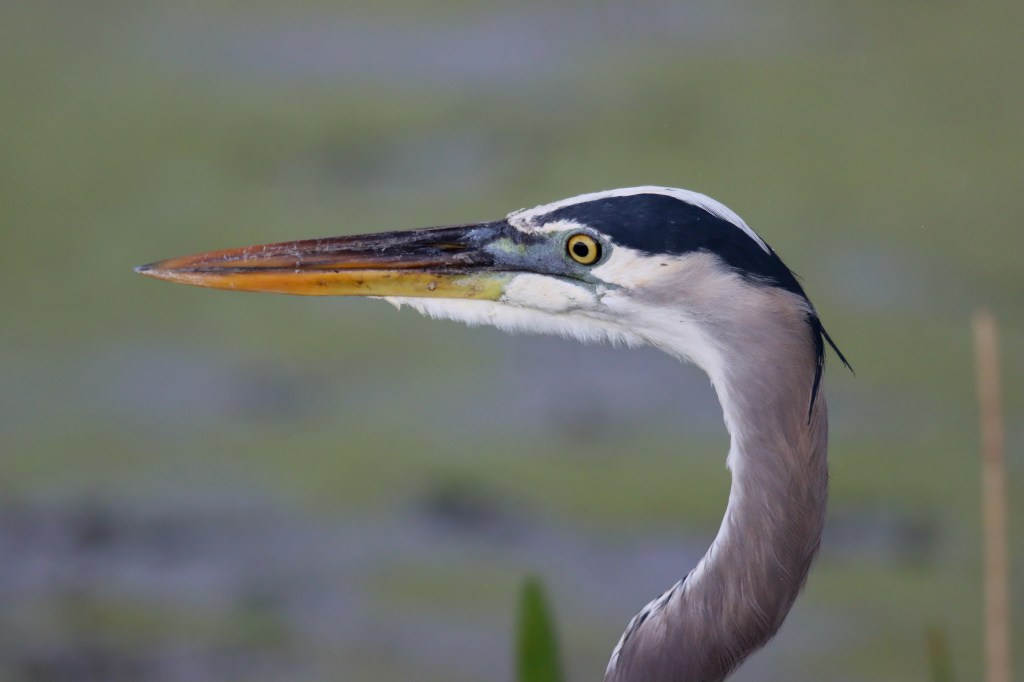
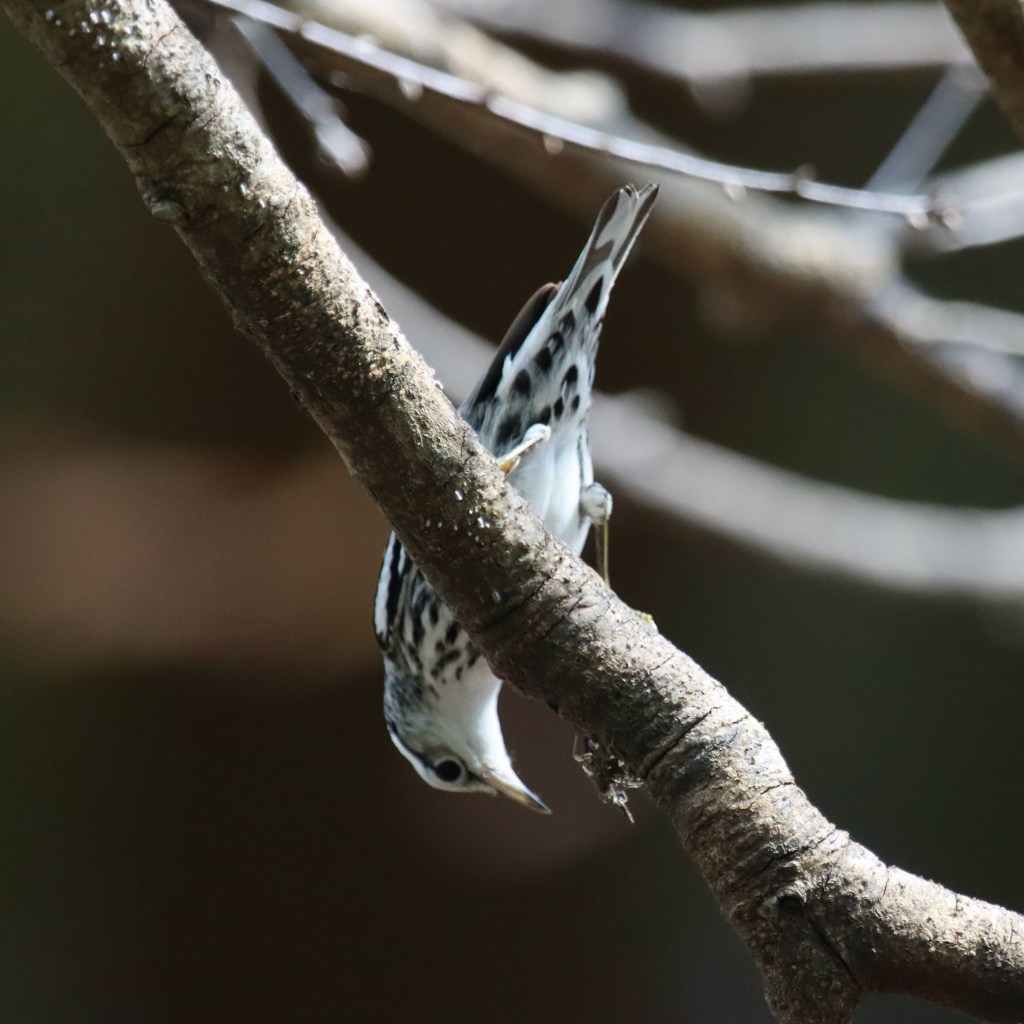
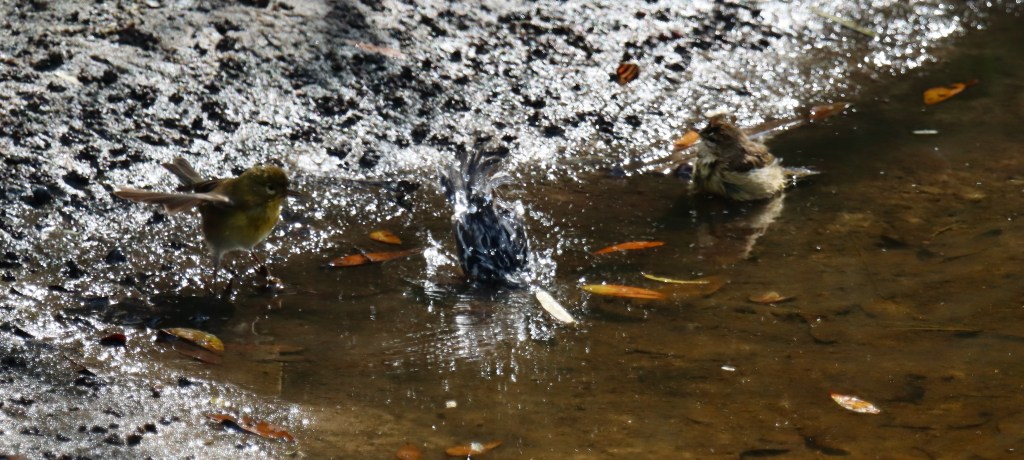
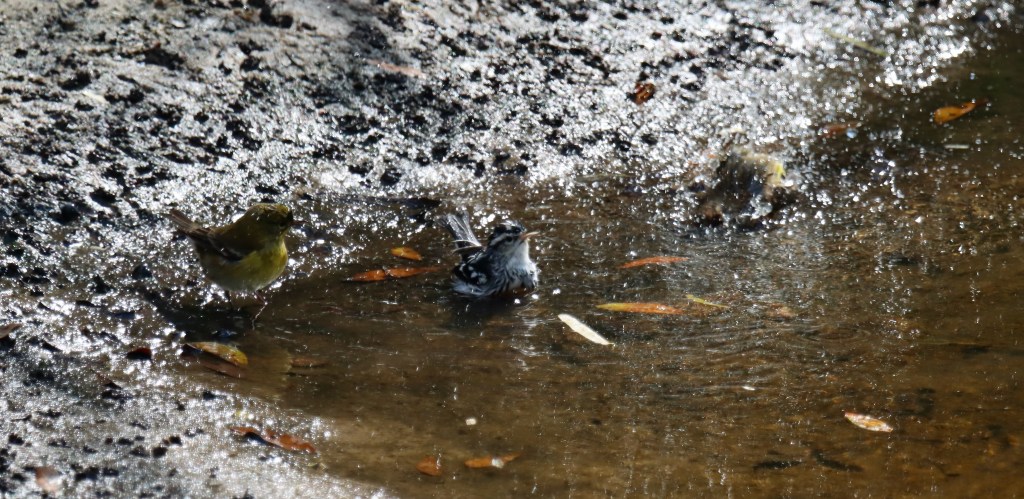
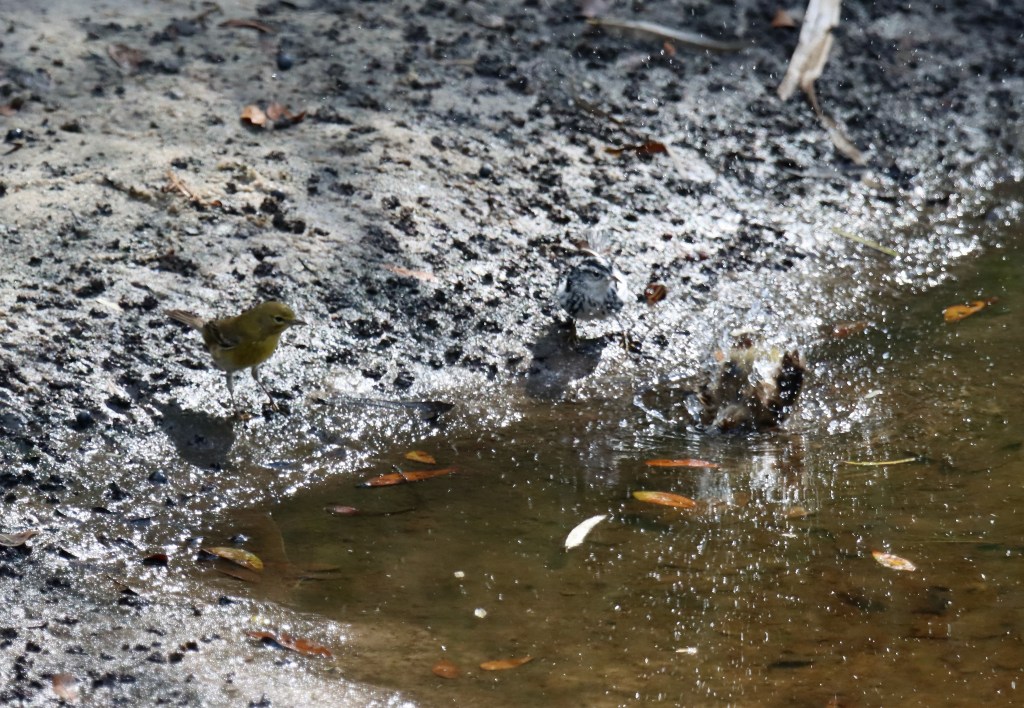
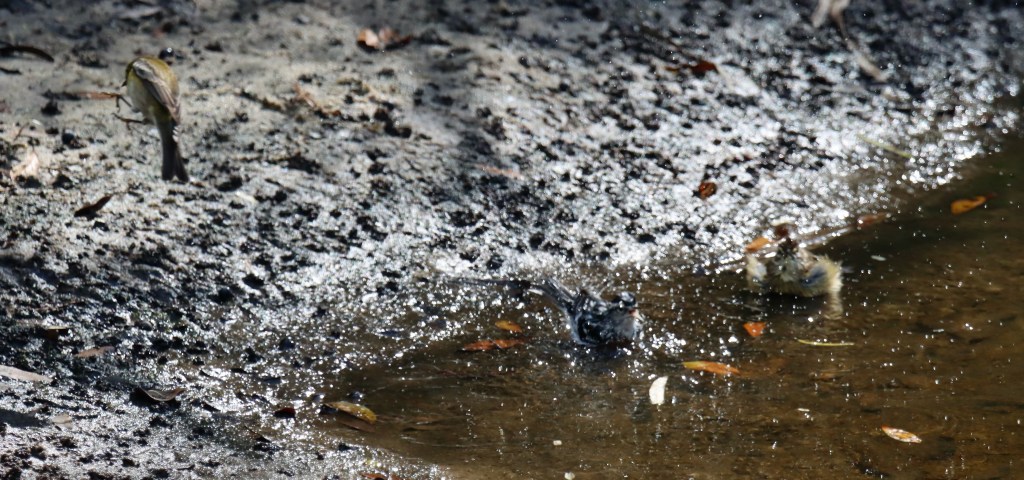
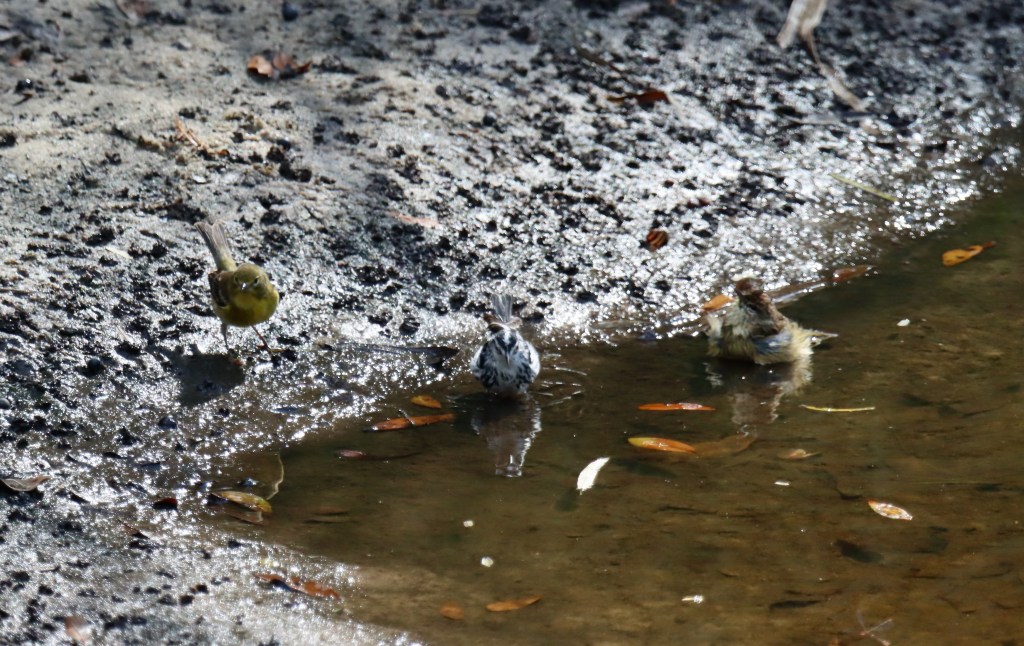
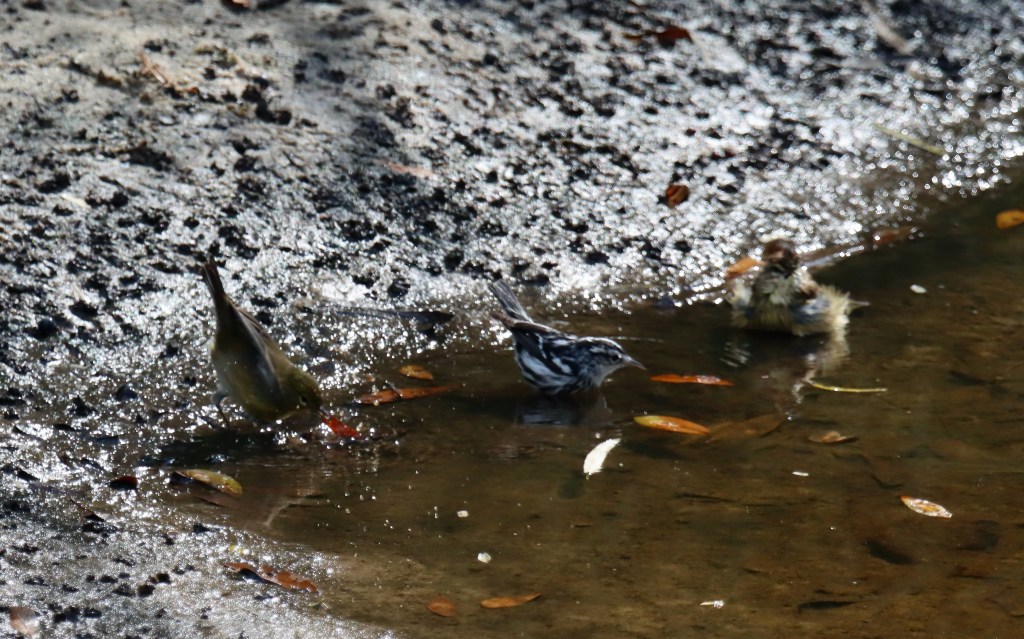
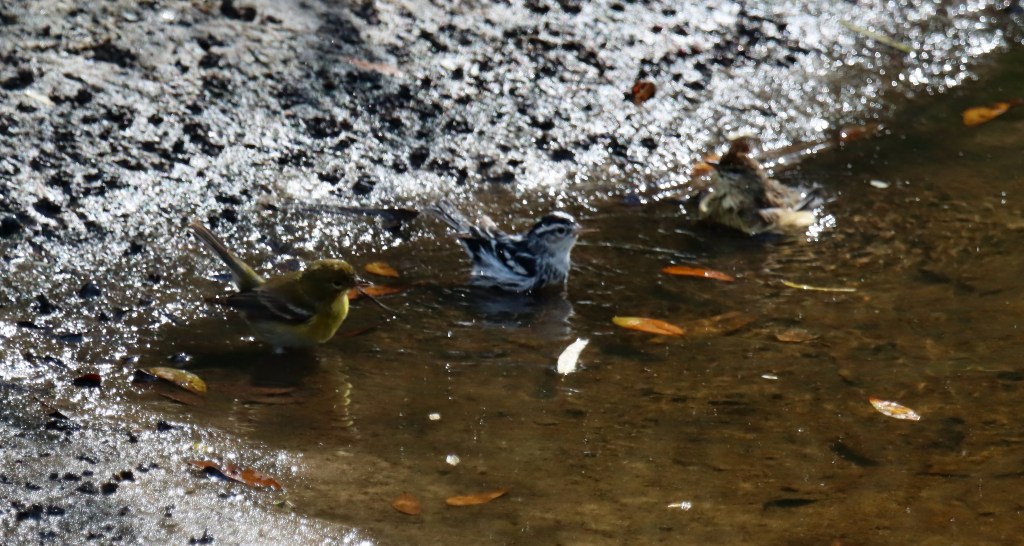
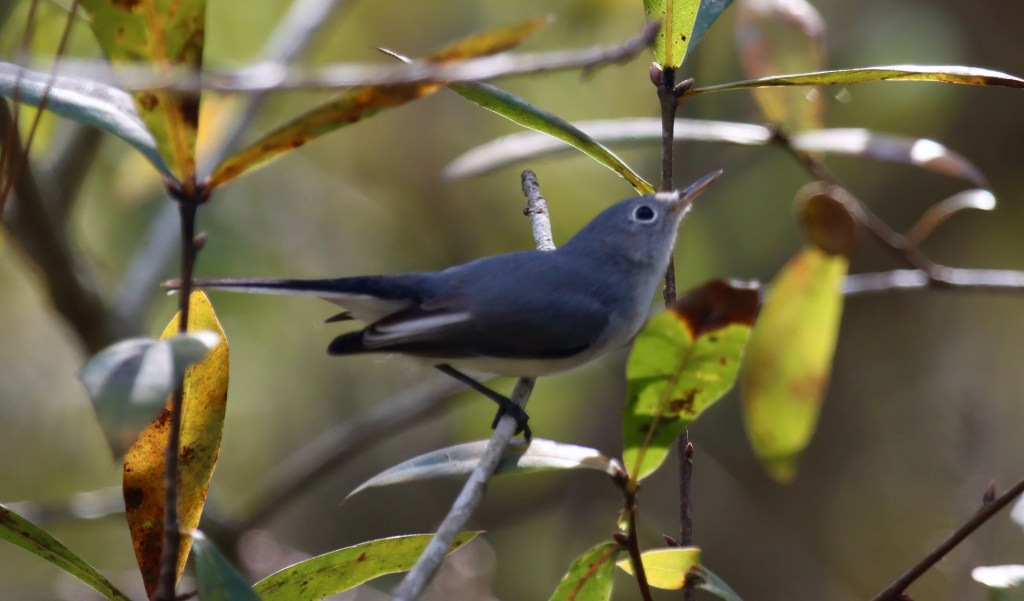
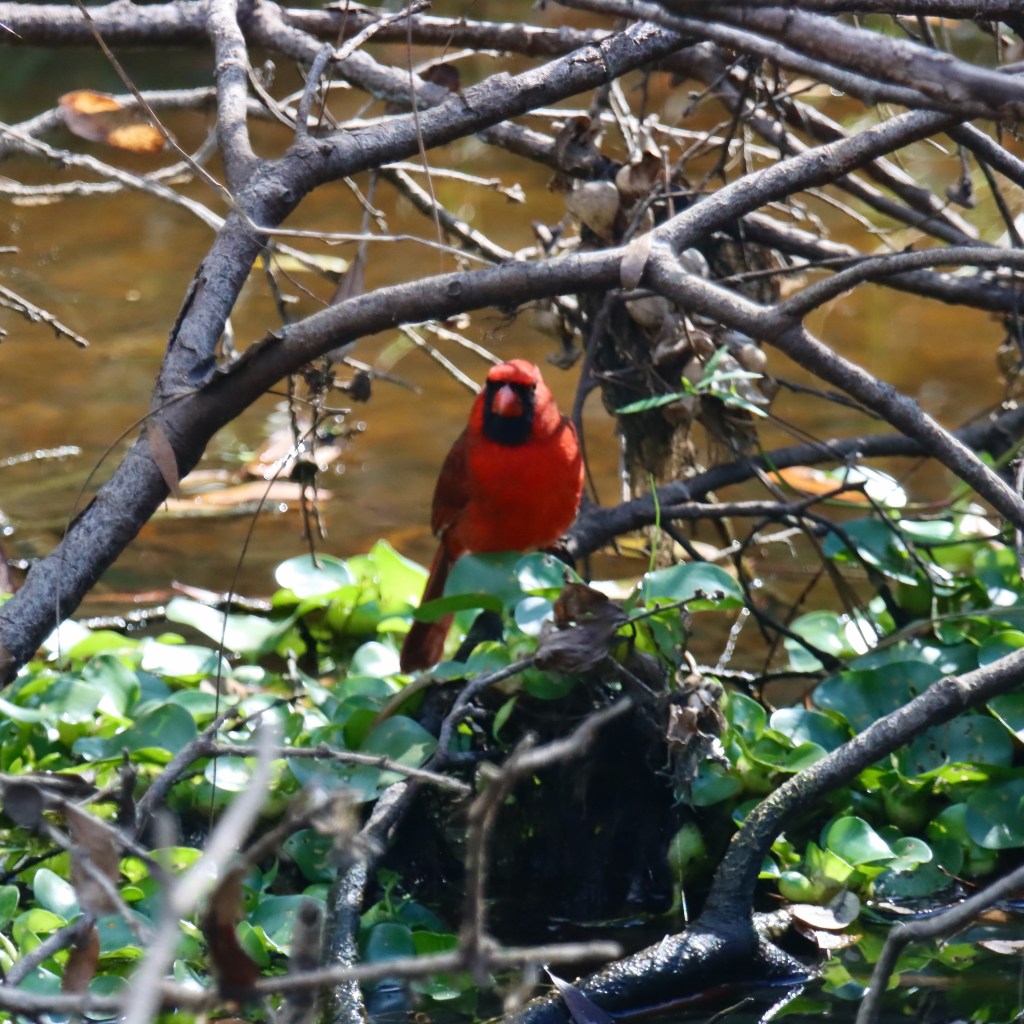
Overall, the dryness worked in my favor, as birds were drawn to the remaining ribbon of water (and my feet didn’t get wet). How fortunate for all of us that this land is protected!

Whispers in the Pines

A Walk in the Park

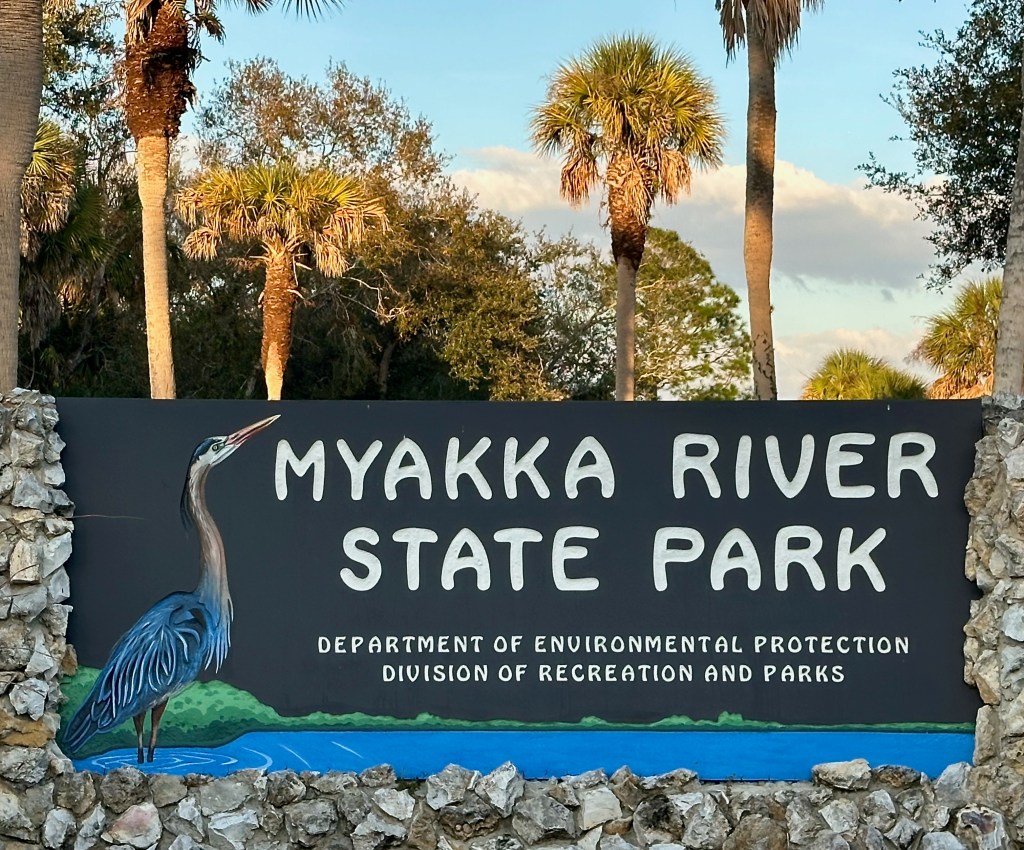
The weather down here has been incredible lately, with daytime temperatures in the upper 70s and plenty of sunshine. On Sunday I drove down to Myakka River State Park. It was the first state park I visited in Florida when I moved here back in 2019, right about this time of year. While I’ve returned to wander a few times since, I don’t think I’ve had quite such an amazing experience before.

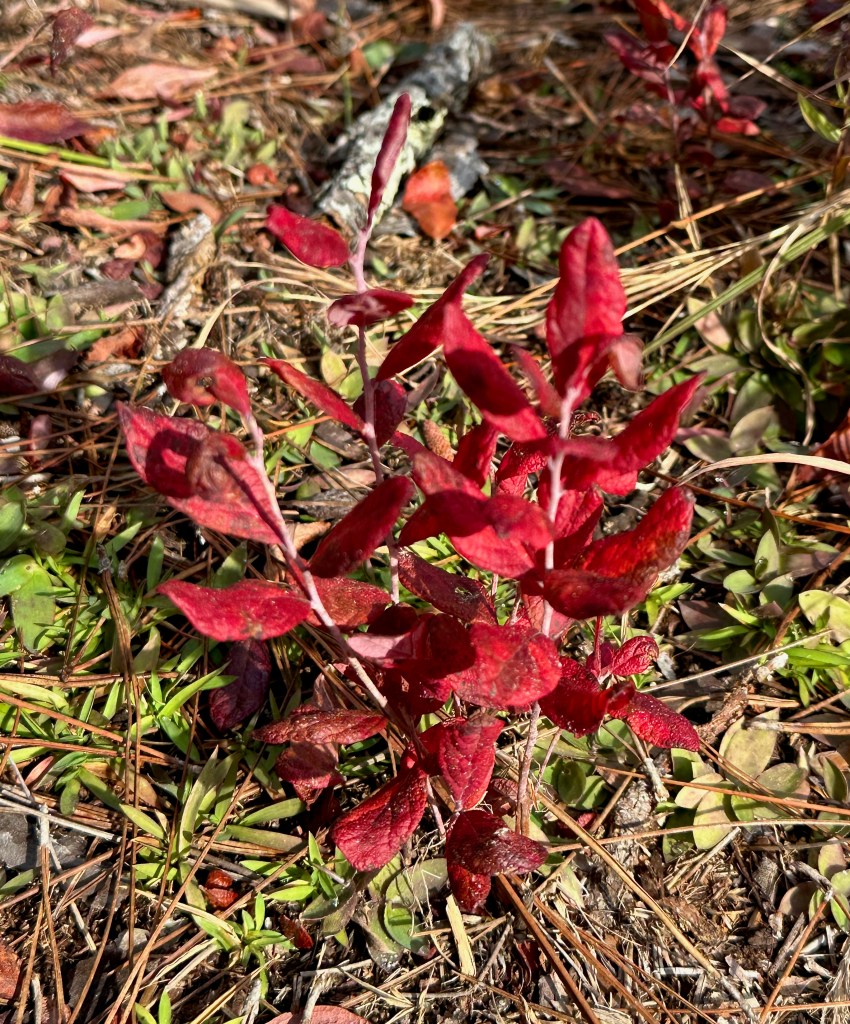
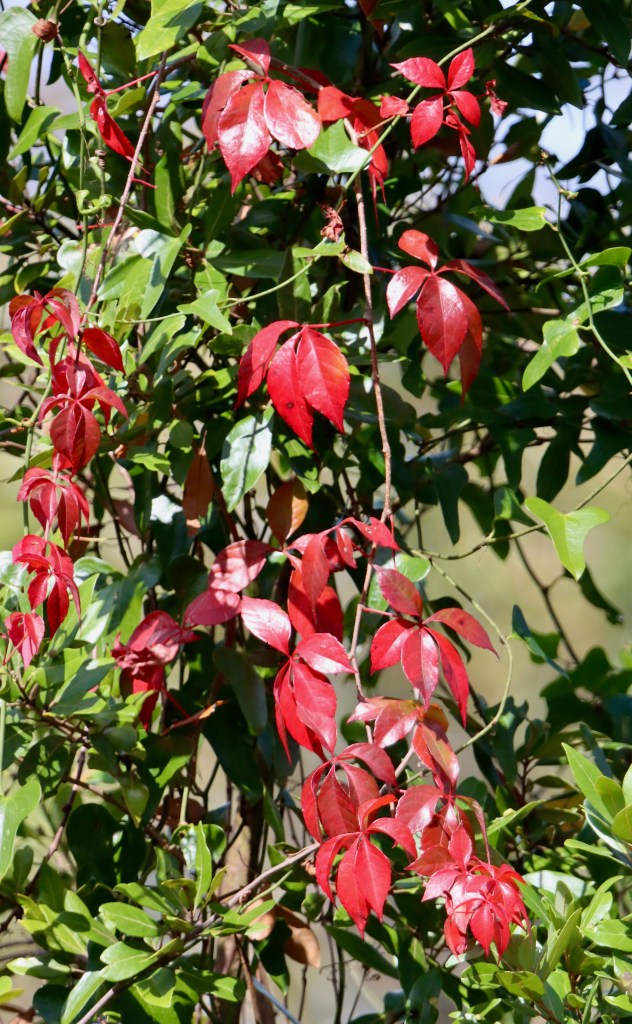
As the afternoon heated up, I headed into the forested hammock. The thing about winter in Florida, I go through a lot of clothes! When I left my house it was 59° so I wore jeans and a long-sleeve shirt. By the time I parked at the trailhead, it was mid-70s and sunny so I switched into shorts and a tshirt. I started the day on an open trail but by mid-afternoon, the sun chased me onto a much shadier trail. We may not get showy Fall colors down here but as you can see, the foliage was definitely festive!

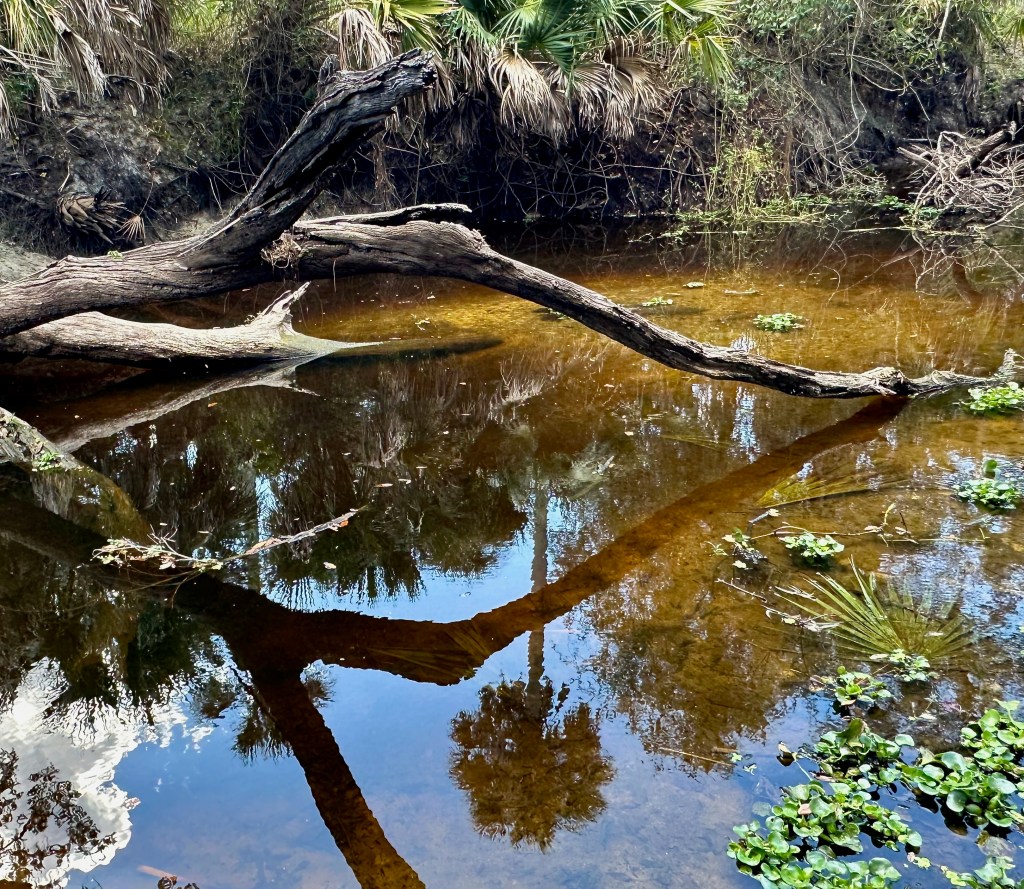
For the last part of my day, I trekked south along the much-diminished Myakka River. Though our dry season has just started, most of Florida is already in a Stage 1 drought. As a result, I was able to reach sections of the river that would typically be completely under water.

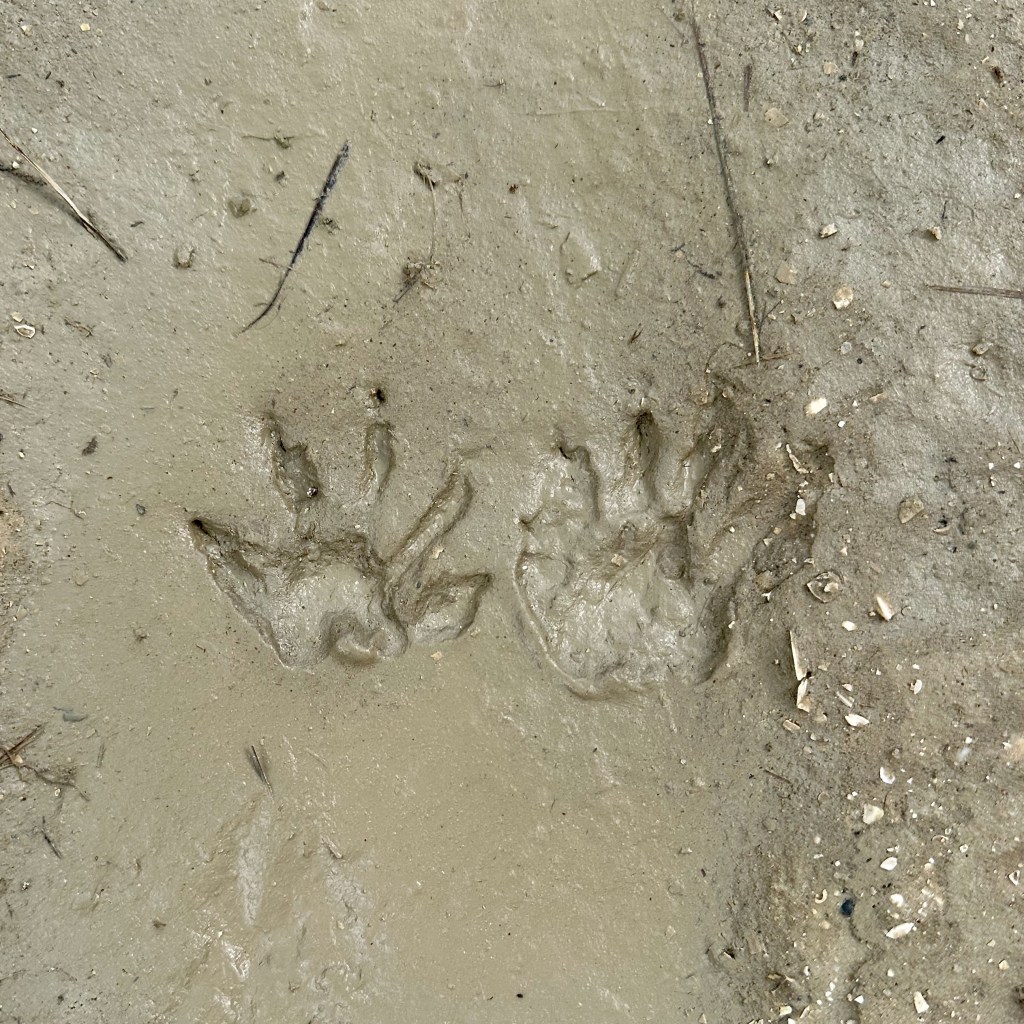
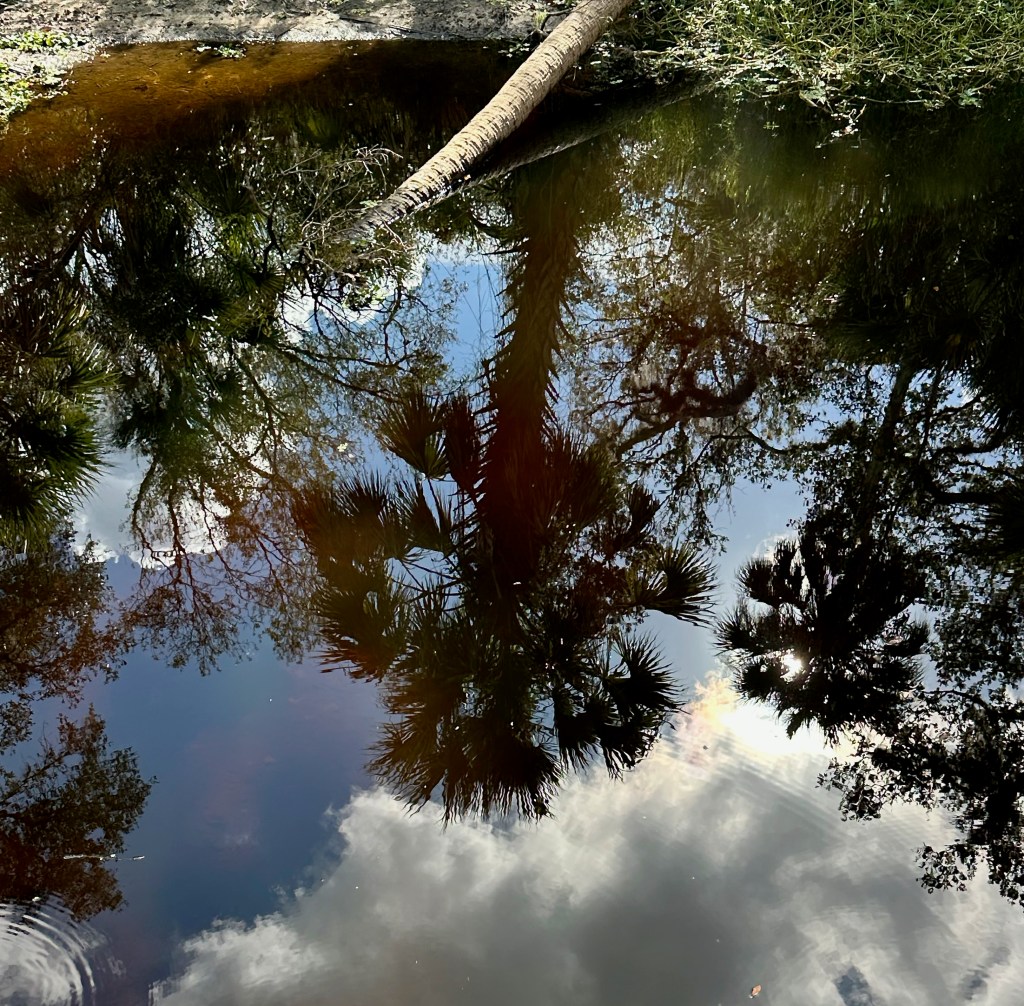
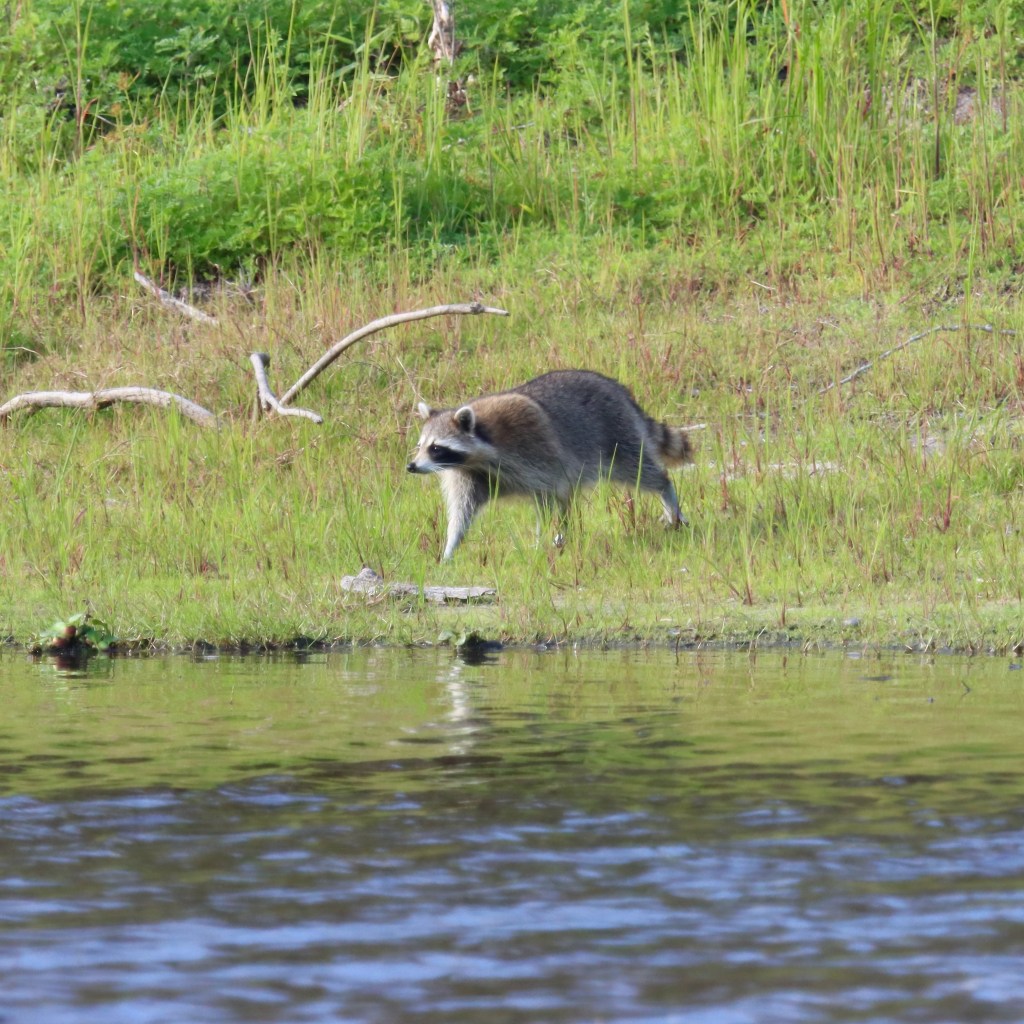
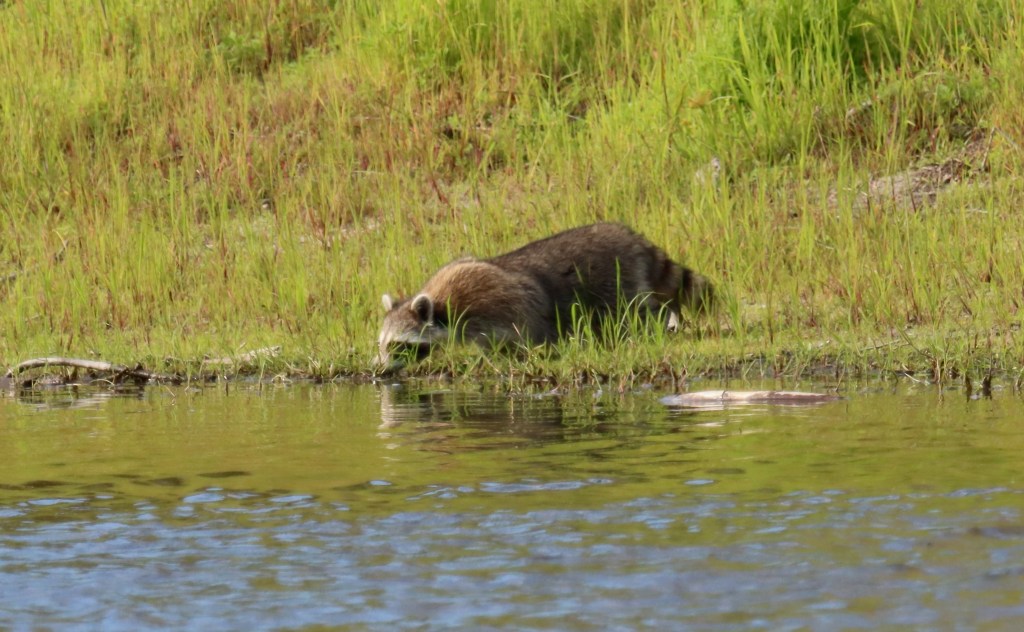
I perched on one of the trees downed by last year’s hurricanes and waited, knowing that low water levels elsewhere in the park would bring wildlife here. I didn’t have to wait long, as a steady stream of birds and even a raccoon soon stopped by.

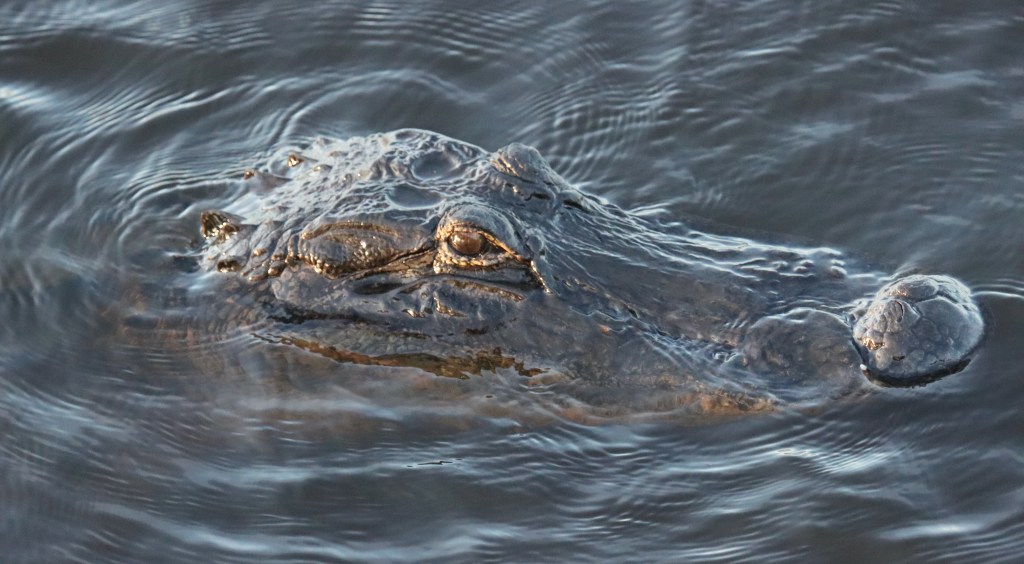
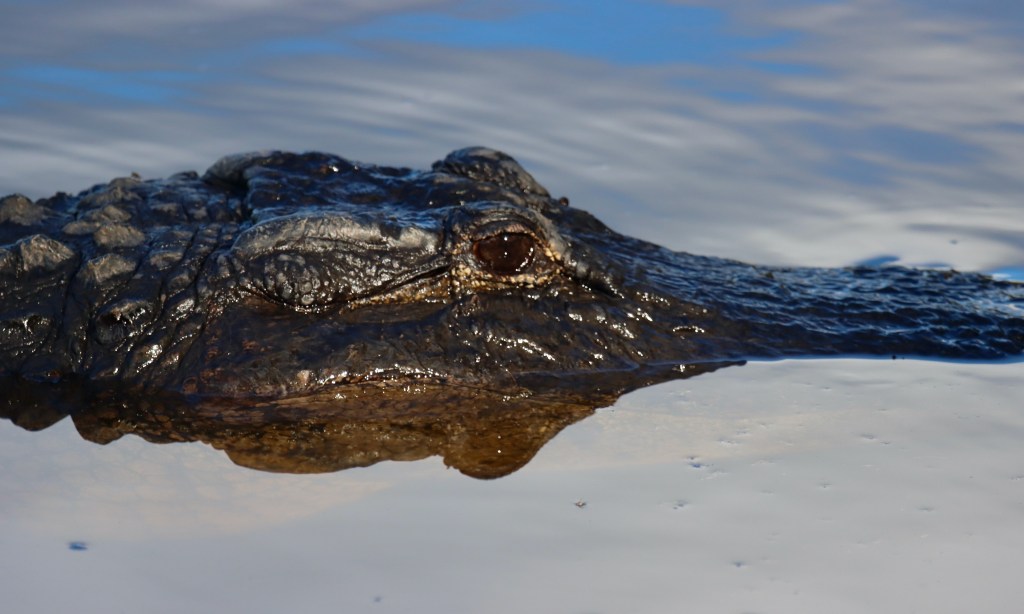
As for alligators, you know what they say, if there’s water in Florida it’s a safe bet that there’s gators! I admire them from a distance because although they mostly laze about, they are surprisingly quick and agile. The momma gator in the video below swam over to warn me to stay away from her not-so-little babies.

Mrs. Hernbrode

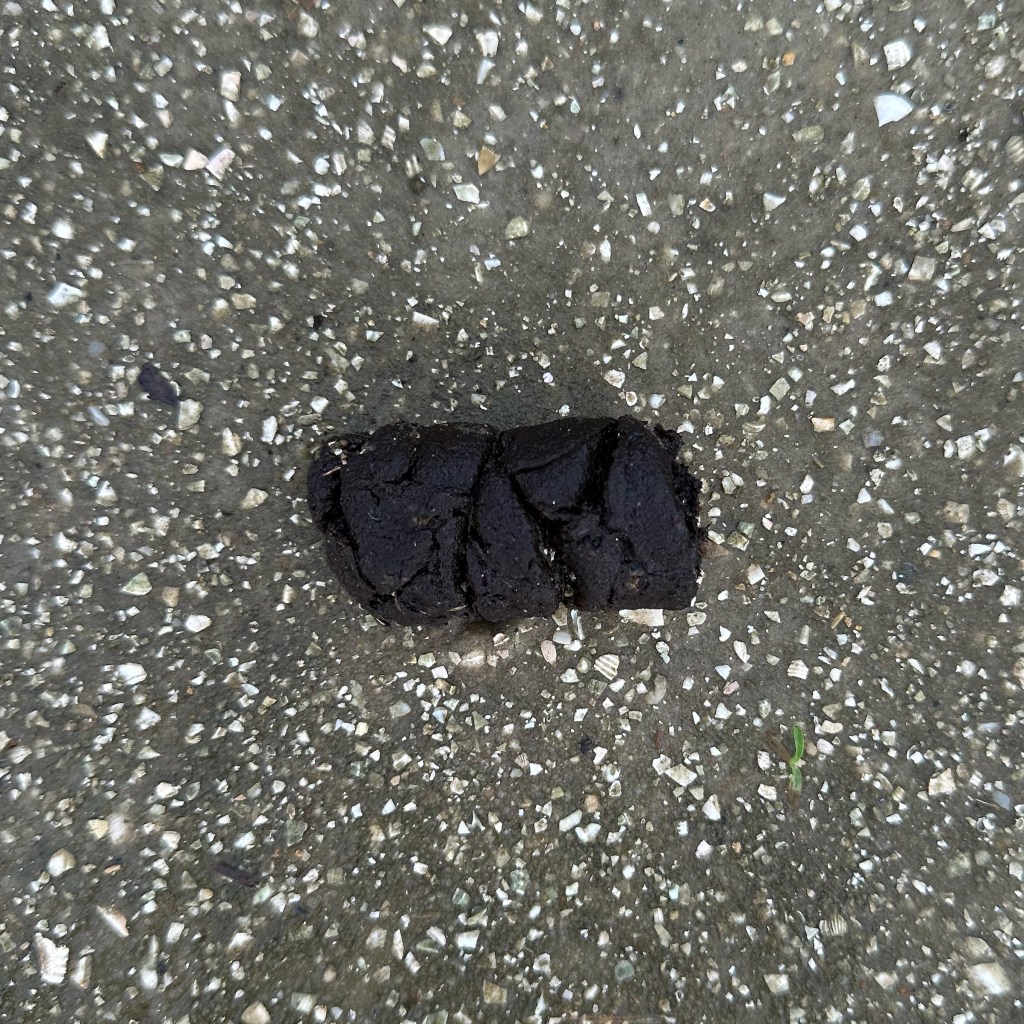
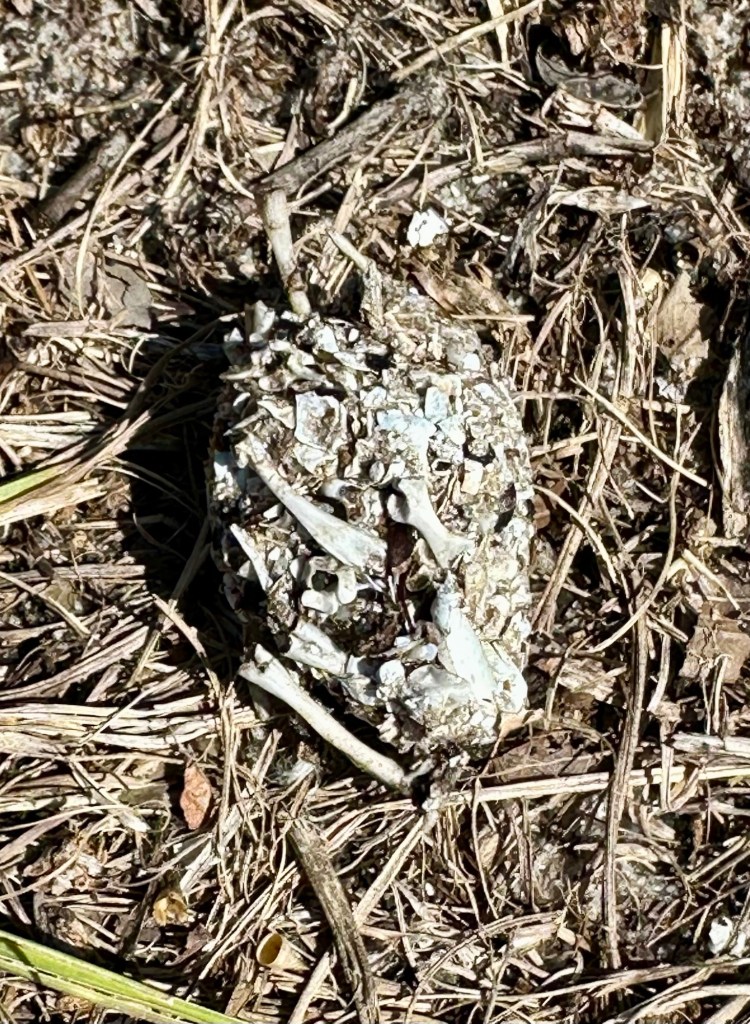
While pulling weeds in my front yard yesterday I was pleased to discover this odd little lump. The roughly 2” long bundle of fur and bones immediately transported me back to 3rd grade…

We were learning about Great Horned Owls as part of our science and biology curriculum. Unlike raptors that tear their meals apart, big owls tend to swallow their food whole.

In order to learn about their place in the ecosystem, my teacher, Mrs. Hernbrode, brought in owl pellets for us to dissect (cast pellets are little balls of non-digestible parts that the owls cough up after eating).

Our task was to gently extricate all the bones and carefully reassemble the skeleton so we could identify the prey animal. Most of the girls in my class were grossed out, but the guys and I dug right in (newsflash, I was a bit of a tomboy – riding horses, climbing trees, and playing in the dirt were my main hobbies). In other words, I was an eager pellet detective!

I had always been fascinated by nature and wildlife, but I credit Mrs. H for encouraging my curiosity. That curiosity guided me through college and has led me to some incredible places over the years. For that, and other reasons, Mrs. H remains my absolute favorite elementary school teacher.

So imagine my excitement when we crossed paths again, some 30 years later. She had moved to Portal, a small town nestled in the heart of the Chiricahua Mountains of Southern Arizona (where my parents had moved decades earlier). I recognized her immediately and was touched when she remembered me (out of all those students over the years).

Finding this pellet pleases me because it’s a sign that my yard is welcoming to wildlife. In her honor, I’m naming the pair of Great Horned Owls in my neighborhood the Hernbrodes. As for the pellet, I’m still debating whether or not to dissect it…

Corkscrew Swamp Sanctuary

I wanted to take advantage of the last of our Spring weather (before it really heats up down here in Florida) so I headed over to explore Audubon’s Corkscrew Swamp Sanctuary. The refuge’s name came from an early epithet for a nearby winding waterway, now known as the Imperial River.

The wetland sanctuary at the western edge of the Everglades, spans over 13,000 acres. Much of it first set aside in 1954, though protections for the heart of the property began much earlier. In a way, we can thank the fashion industry for that.

Ladies’ hats in the late 1800s were elaborate displays, featuring fancy feathers and floral elements. The feathers were sourced from wild birds, usually during breeding and nesting season when they were at their showiest.

Milliners were paying $32 an ounce for the feathers, which was more than the price of gold at the time. As a result, plume hunters around the world were killing over 5 million birds a year. By 1900, they had wiped out an estimated 95% of Florida’s shorebirds (primarily herons, egrets, Roseate Spoonbills, and Flamingoes).

Near the center of what is now the sanctuary was a massive rookery, which locals took upon themselves to hire protection for in 1900. Some fifty years later, the area again needed protection, this time from logging. Again, local residents fought to save the area. In 1954 the first section of land was set aside to protect a stand of ancient bald cypress trees.

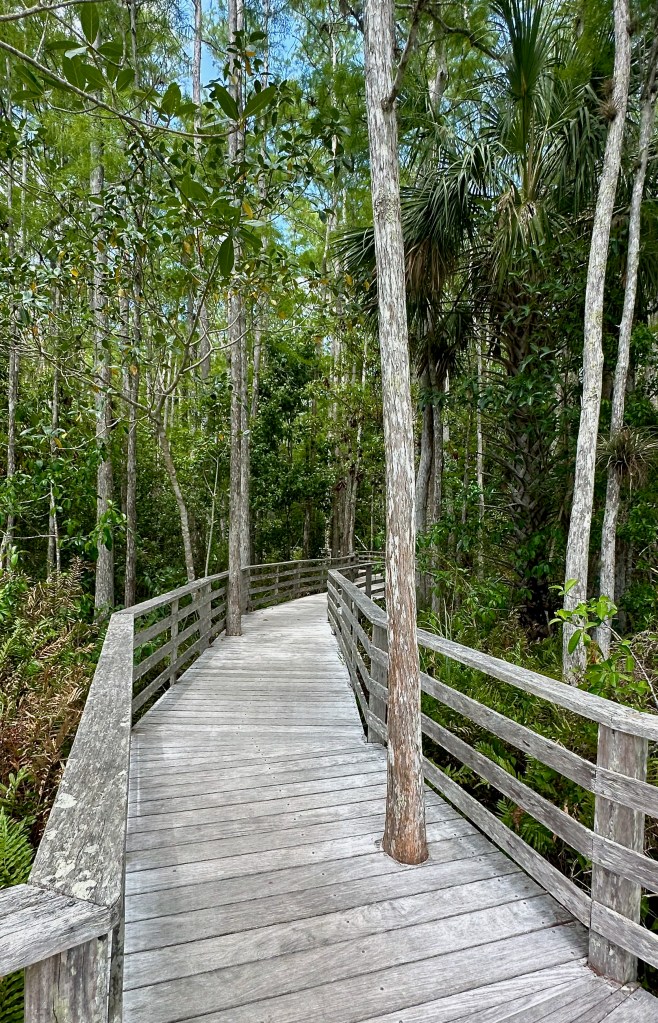
During my stroll along the two mile boardwalk, I found the area to be absolutely teeming with wildlife. Sanctuary indeed!