Tag Archive for ‘birding’

Pecking Order

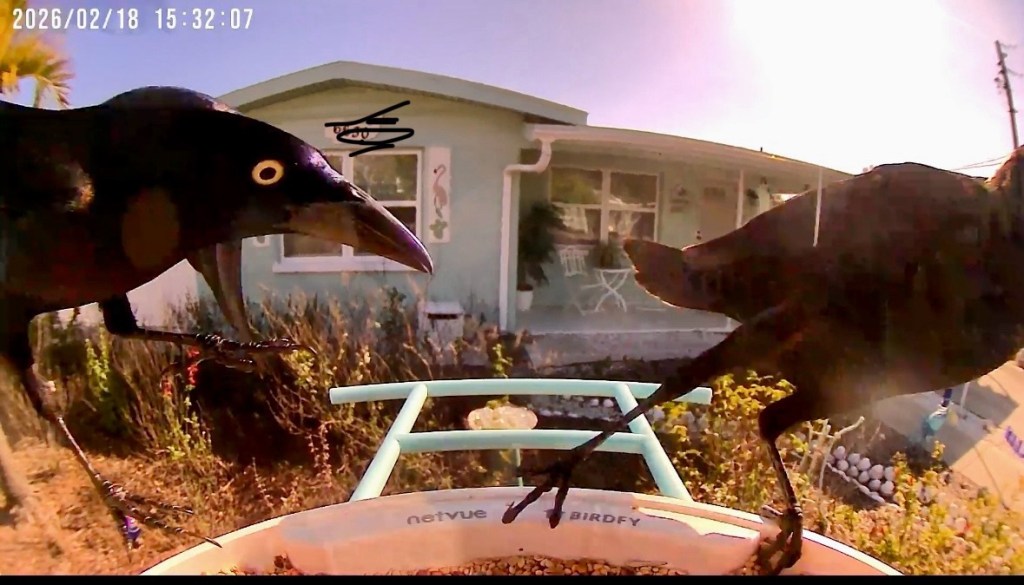
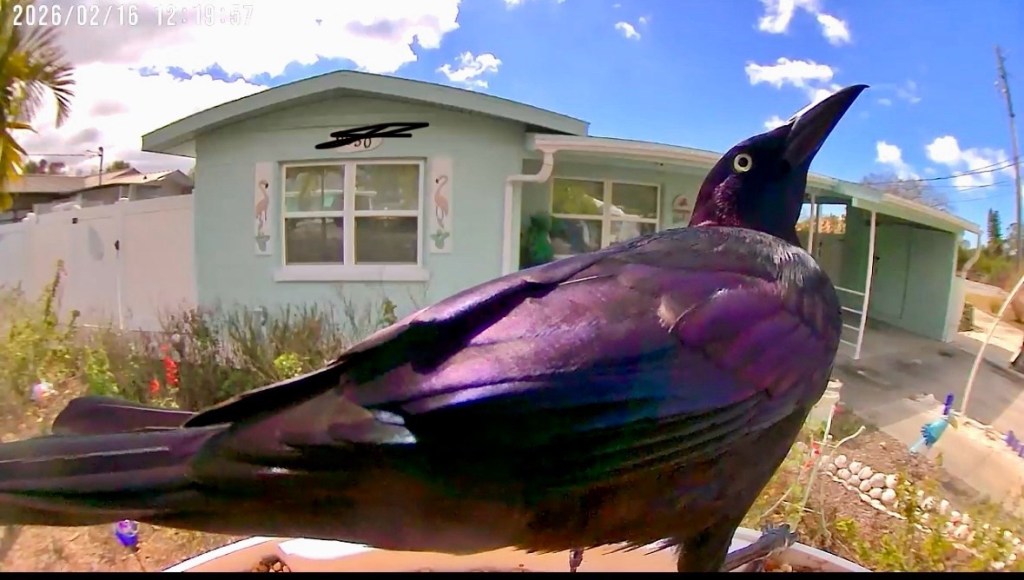
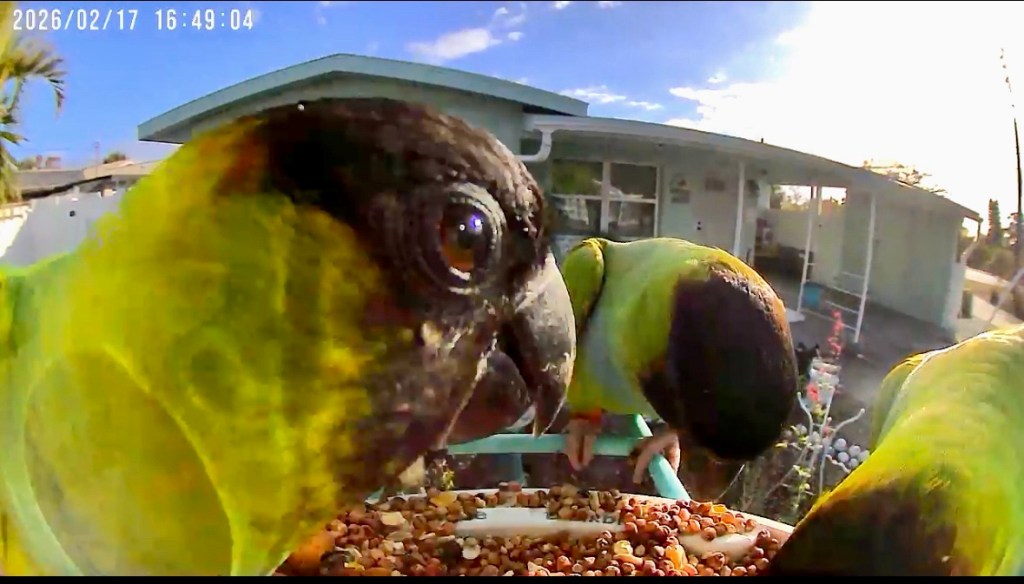
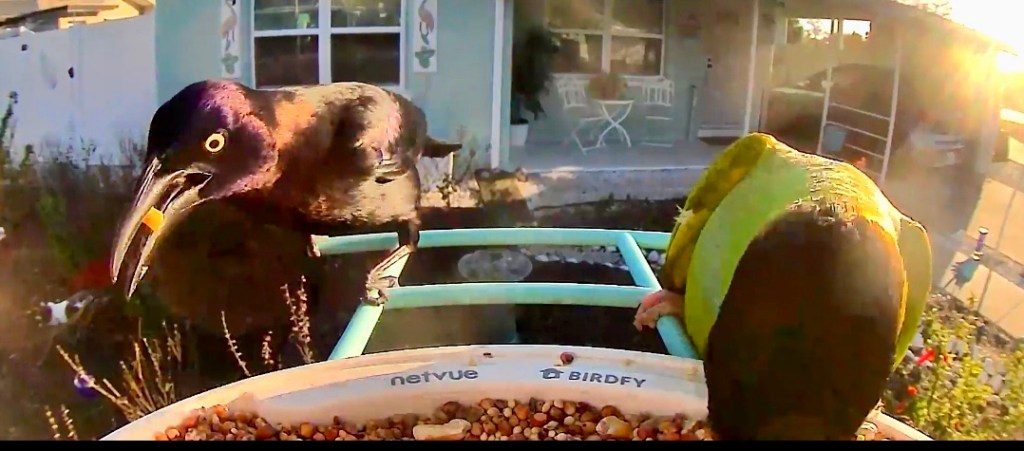
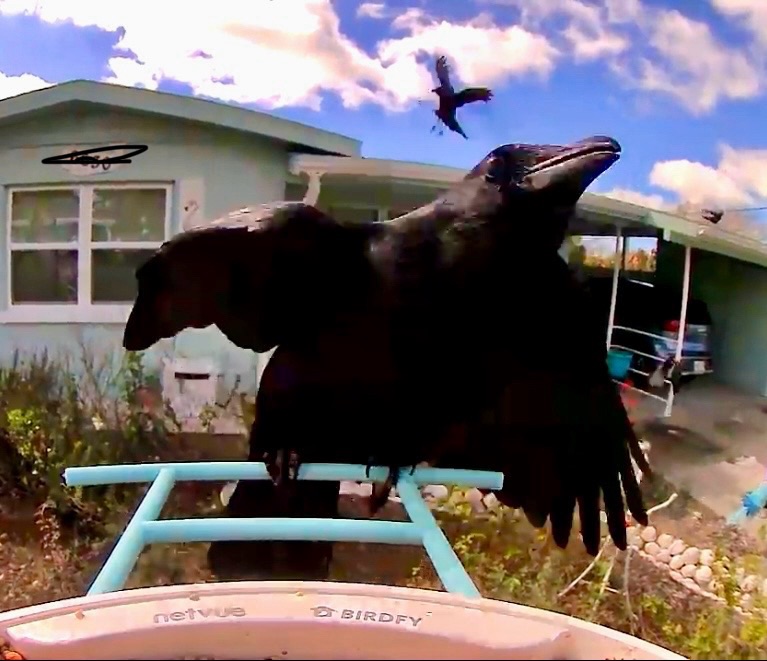
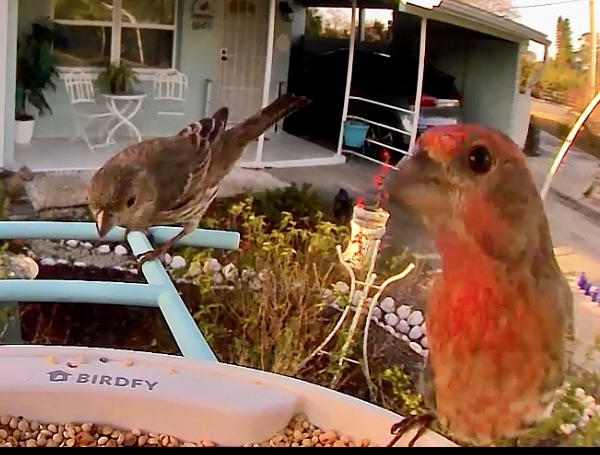
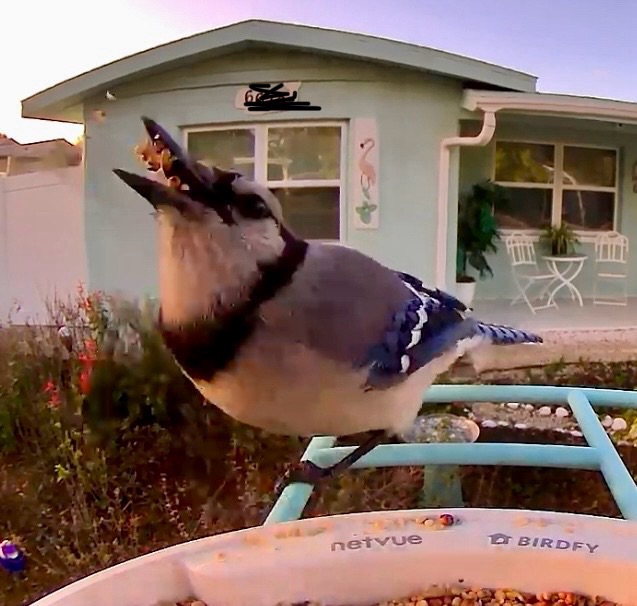
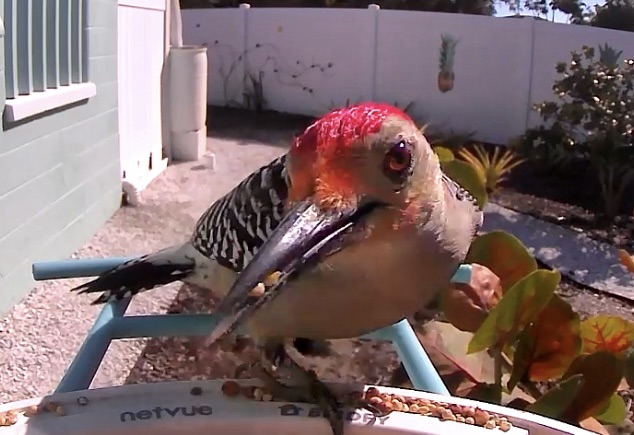
In honor of National Bird Feeding Month, I thought I’d update you on my bird feeder camera. Last week I relocated it to a sunnier spot in my front yard (and moved that feeder to the backyard- never fear, my birds still have options).

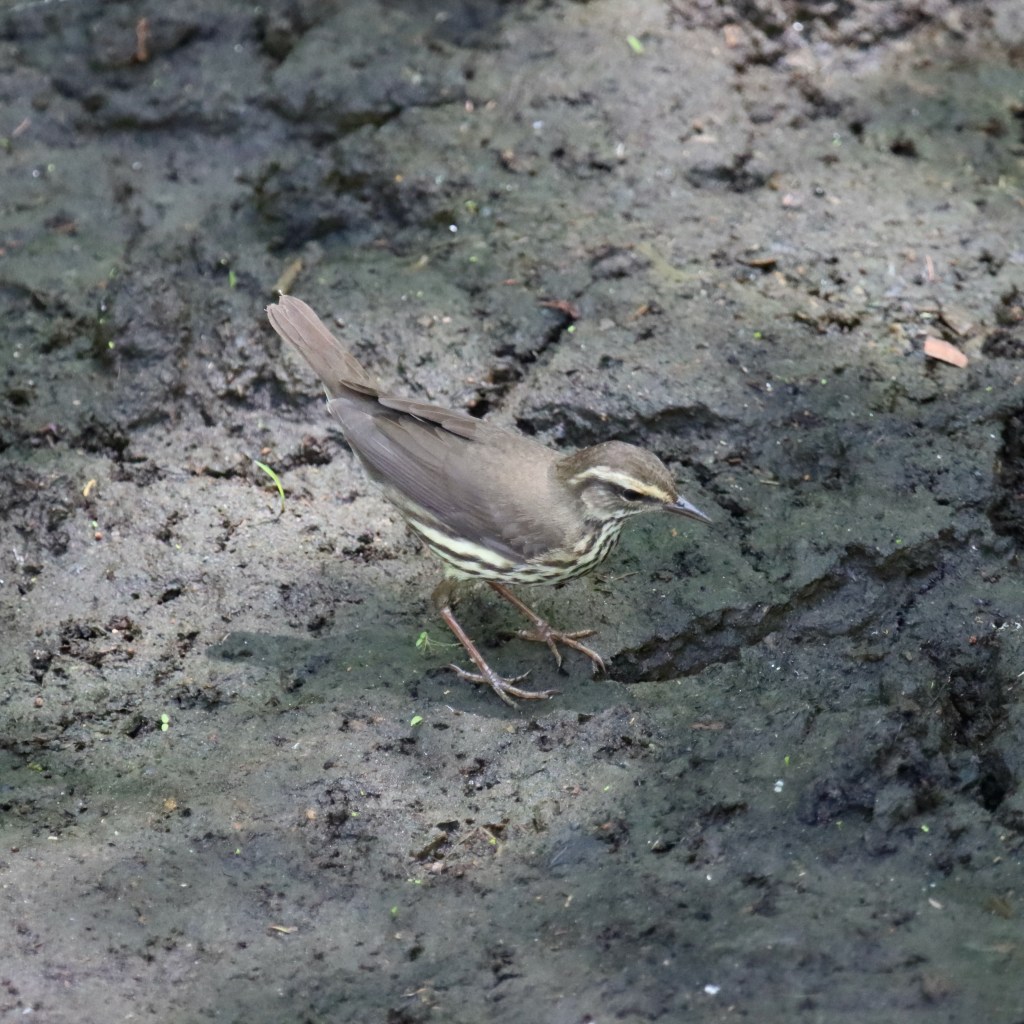
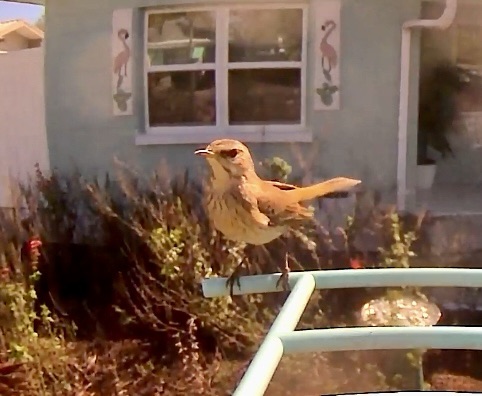
The camera caught two new species at the feeder, both of which, for different reasons, surprised me. Between working and relaxing, I spend a decent amount of time out in my yard and this is the first time House Finches have made an appearance. They aren’t an uncommon species, but they are a new yard species for me. As for the Palm Warbler, it is a winter visitor that I first noticed a few years ago and I’m always pleased when the little tail bobber returns. Since they typically dine on insects I didn’t expect it to show up at the feeder. Ever resourceful, they resort to seeds during colder weather.

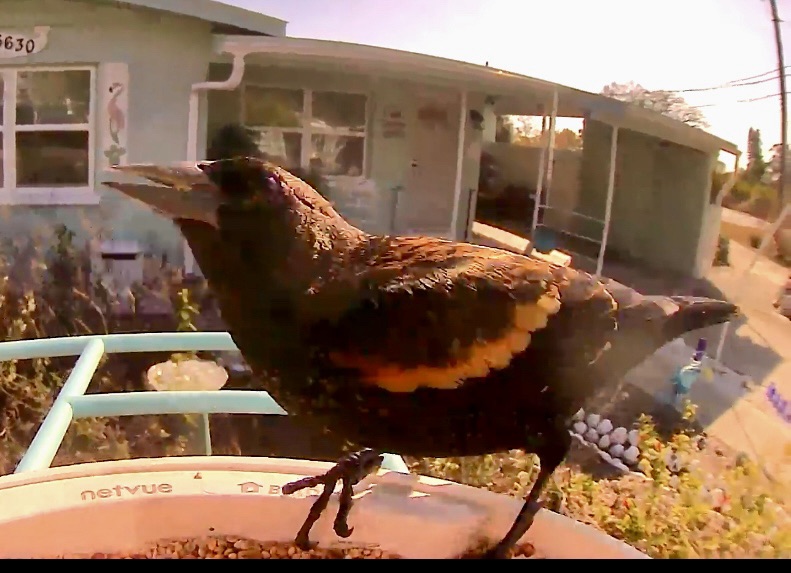
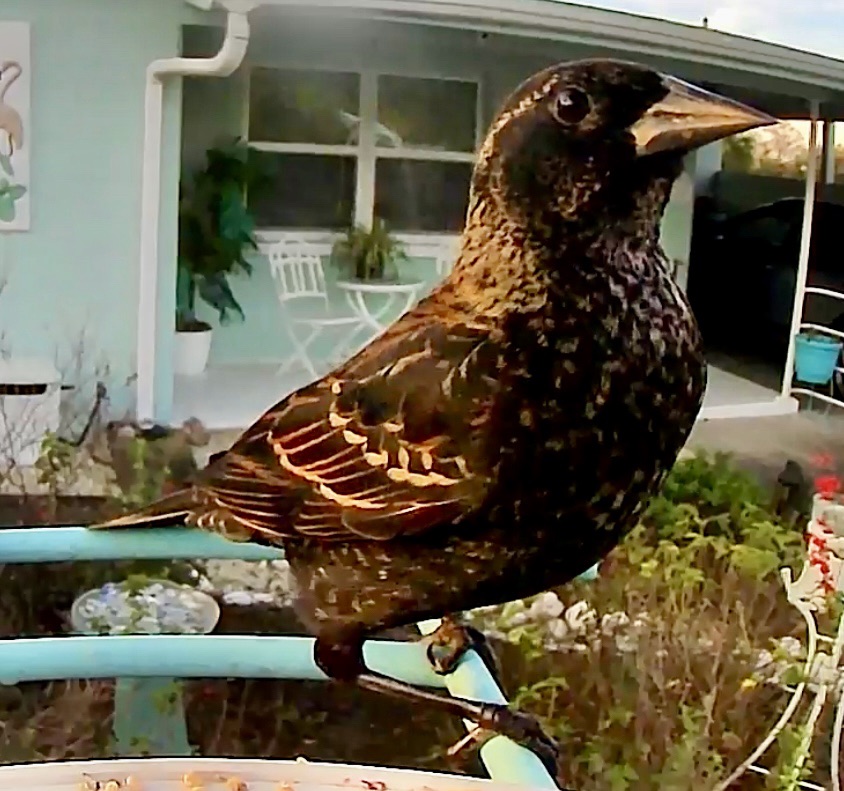
What’s most notable is the “ownership” of my new feeder. Apparently, it belongs to the grackles. Not only are they the first and last visitors every day, but they chase off all the other species (with two notable exceptions).

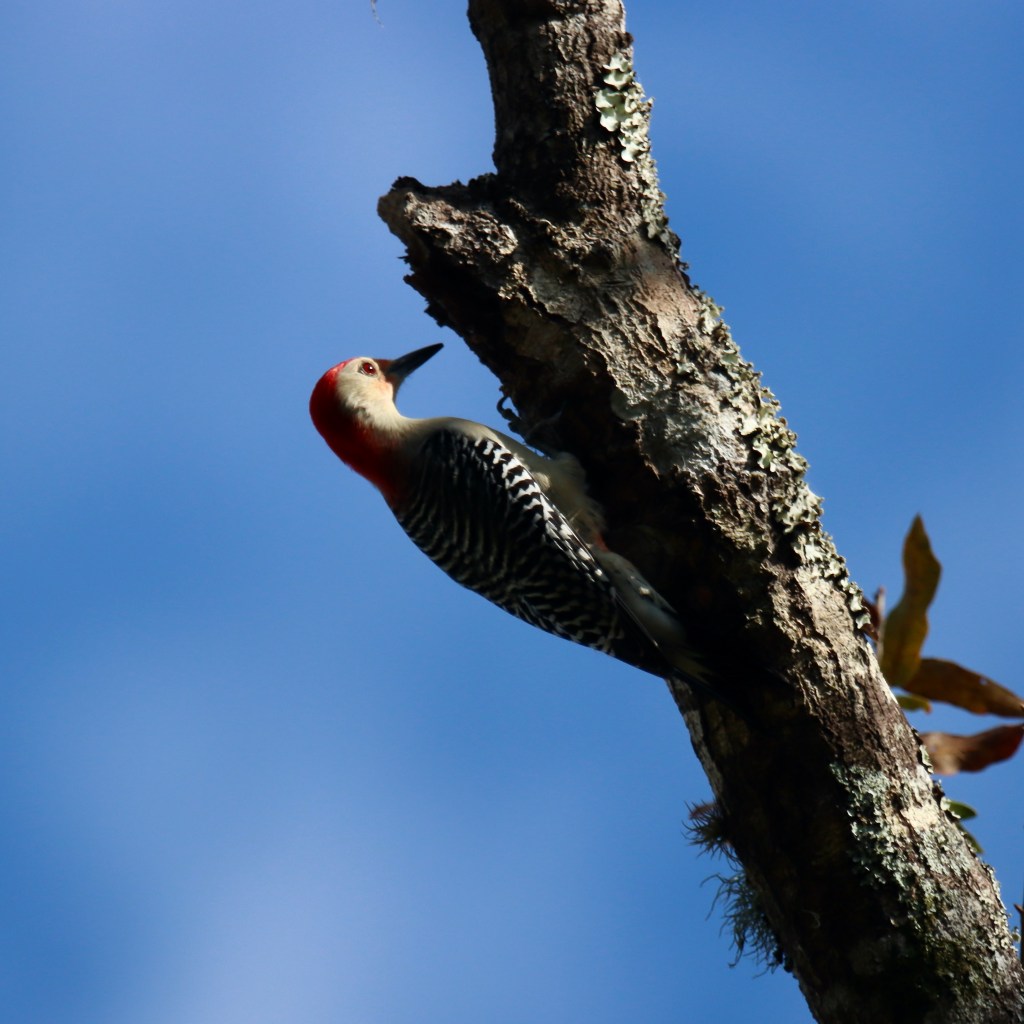
In between grackles other birds swoop in but there is a hierarchy among those species. The small birds and cardinals cede to the jays, which in turn defer to the woodpeckers. All of them will take flight when a grackle appears. Thus far, only a pandemonium* of parakeets or a crow outrank grackles.

*Don’t you just love the collective nouns of different animal species? Even when feeding, a group of parakeets is definitely a wild and noisy thing!
A Walk in the Park

The weather down here has been incredible lately, with daytime temperatures in the upper 70s and plenty of sunshine. On Sunday I drove down to Myakka River State Park. It was the first state park I visited in Florida when I moved here back in 2019, right about this time of year. While I’ve returned to wander a few times since, I don’t think I’ve had quite such an amazing experience before.

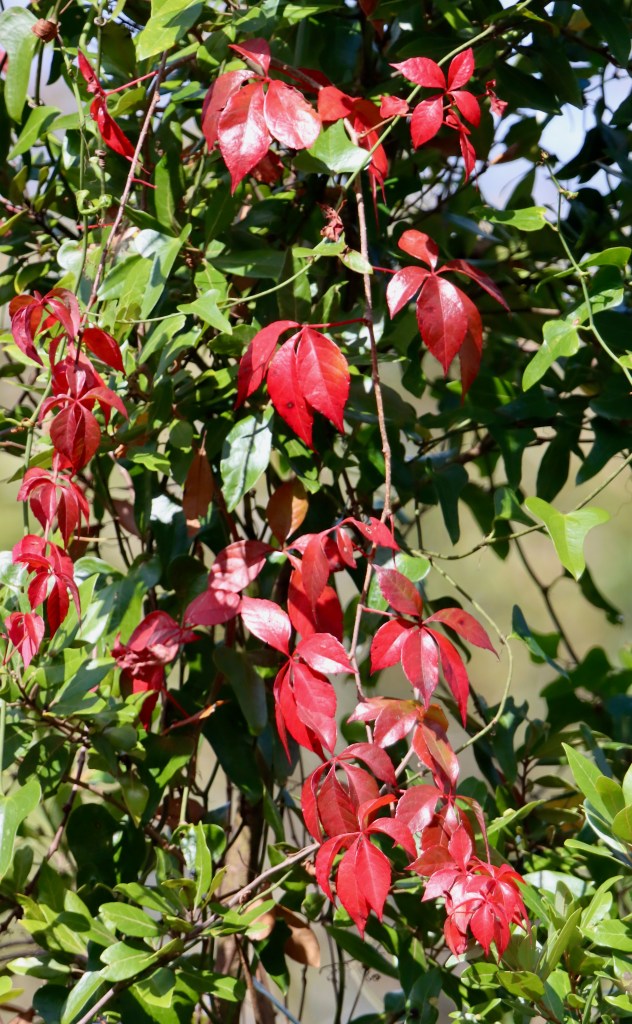
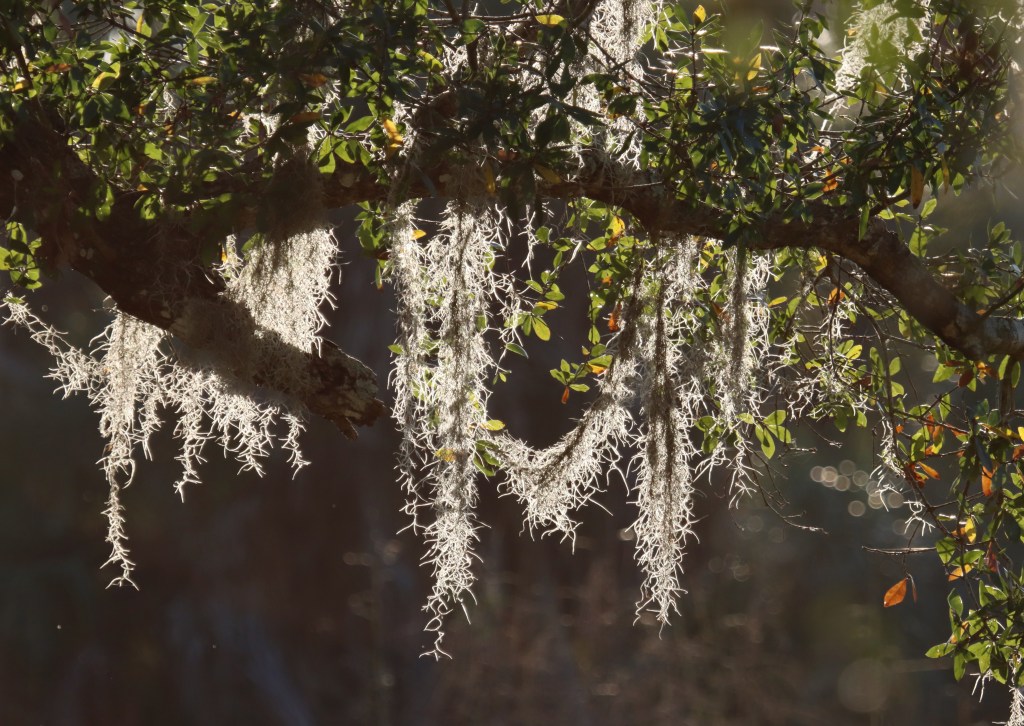
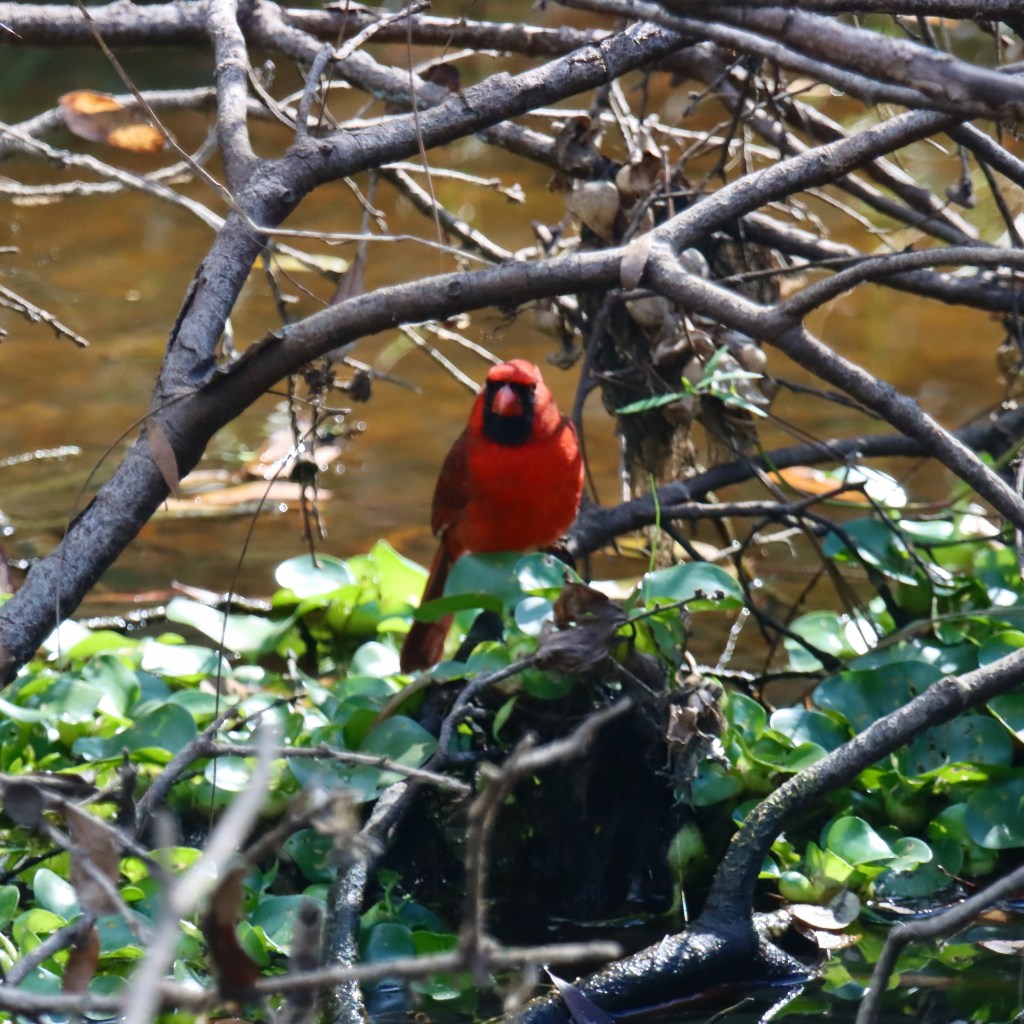
As the afternoon heated up, I headed into the forested hammock. The thing about winter in Florida, I go through a lot of clothes! When I left my house it was 59° so I wore jeans and a long-sleeve shirt. By the time I parked at the trailhead, it was mid-70s and sunny so I switched into shorts and a tshirt. I started the day on an open trail but by mid-afternoon, the sun chased me onto a much shadier trail. We may not get showy Fall colors down here but as you can see, the foliage was definitely festive!
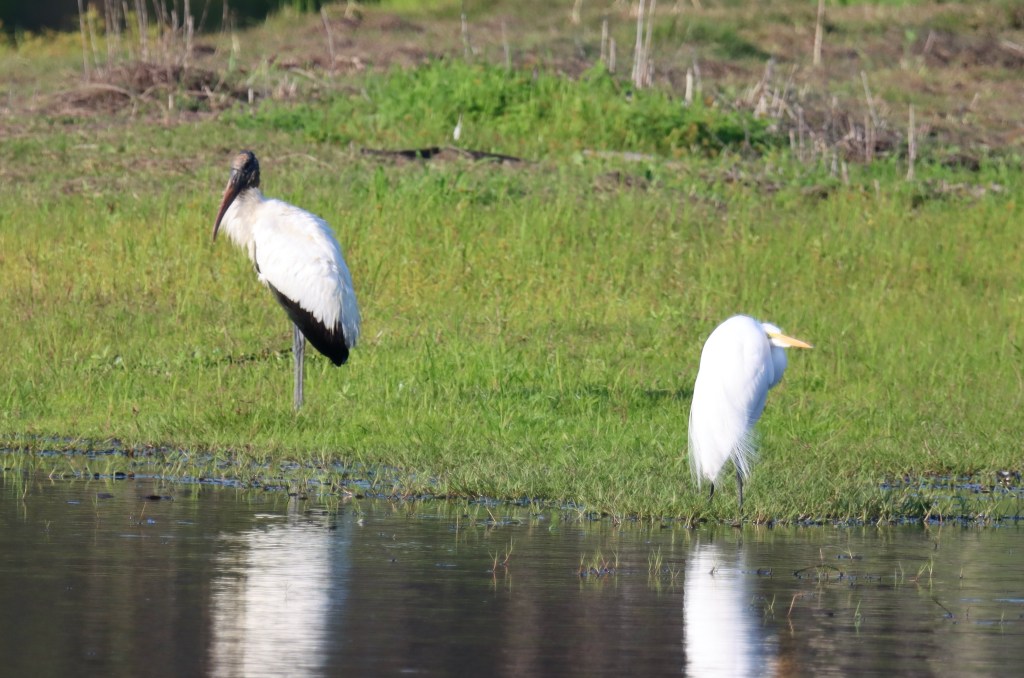
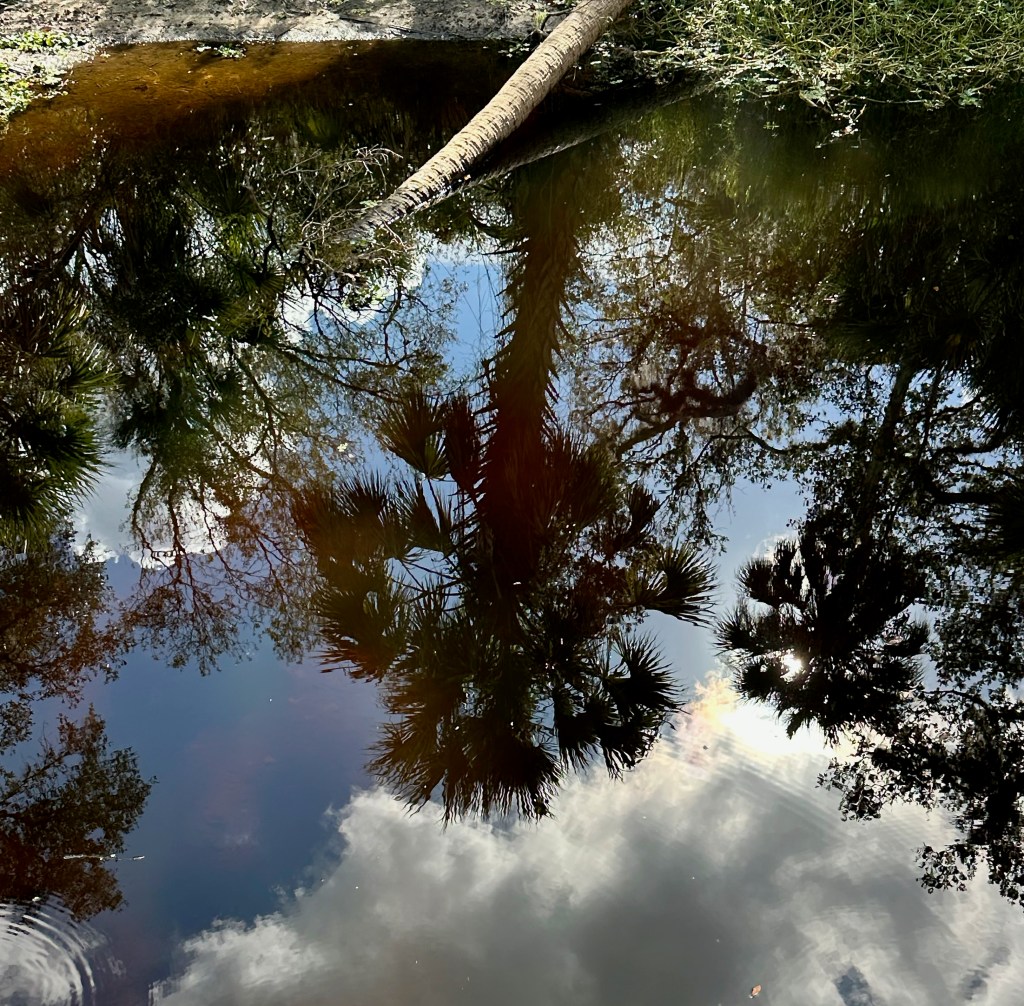
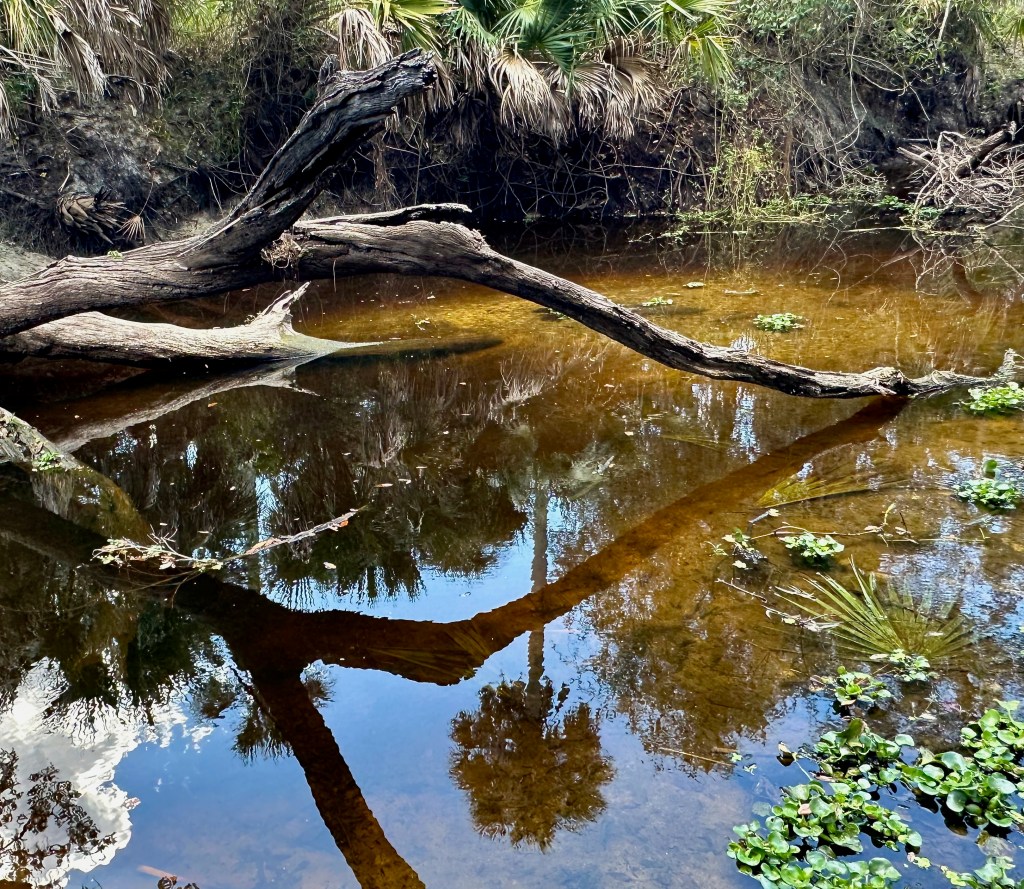
For the last part of my day, I trekked south along the much-diminished Myakka River. Though our dry season has just started, most of Florida is already in a Stage 1 drought. As a result, I was able to reach sections of the river that would typically be completely under water.

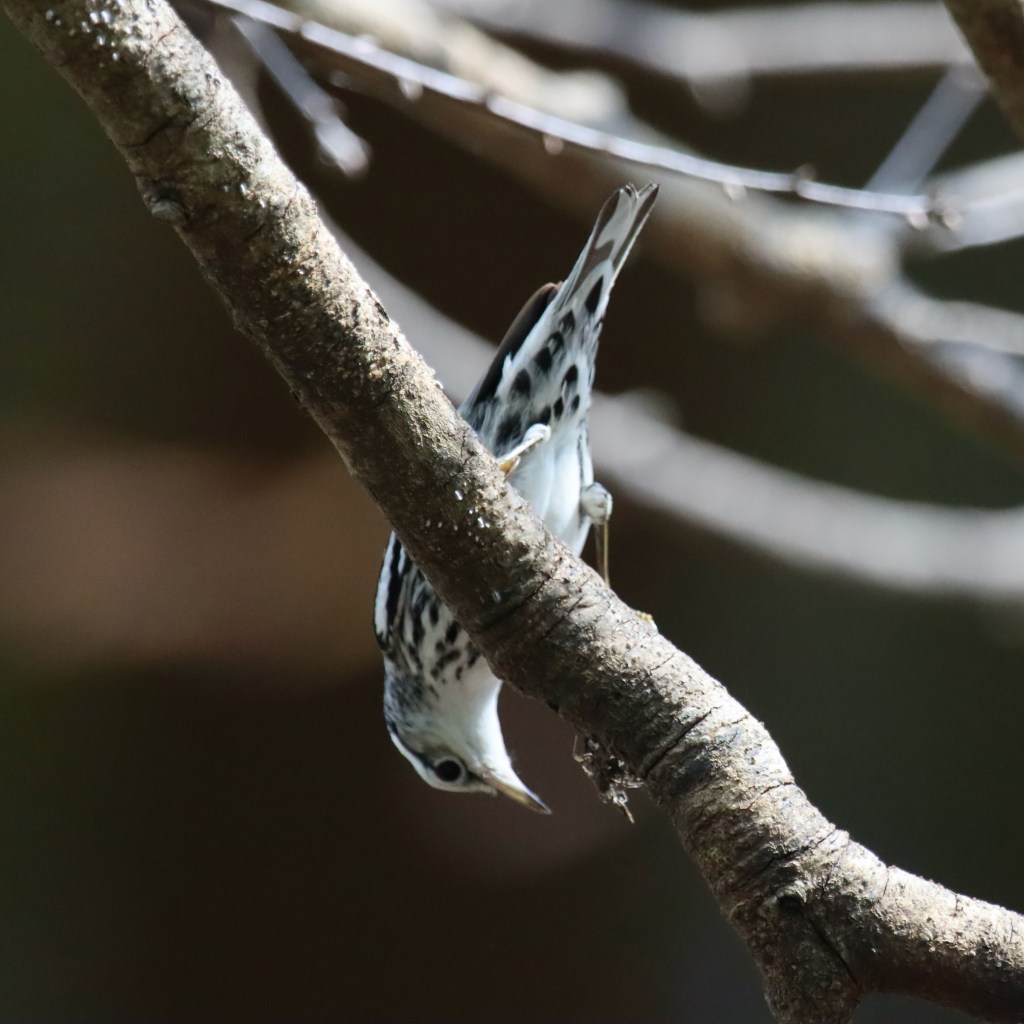
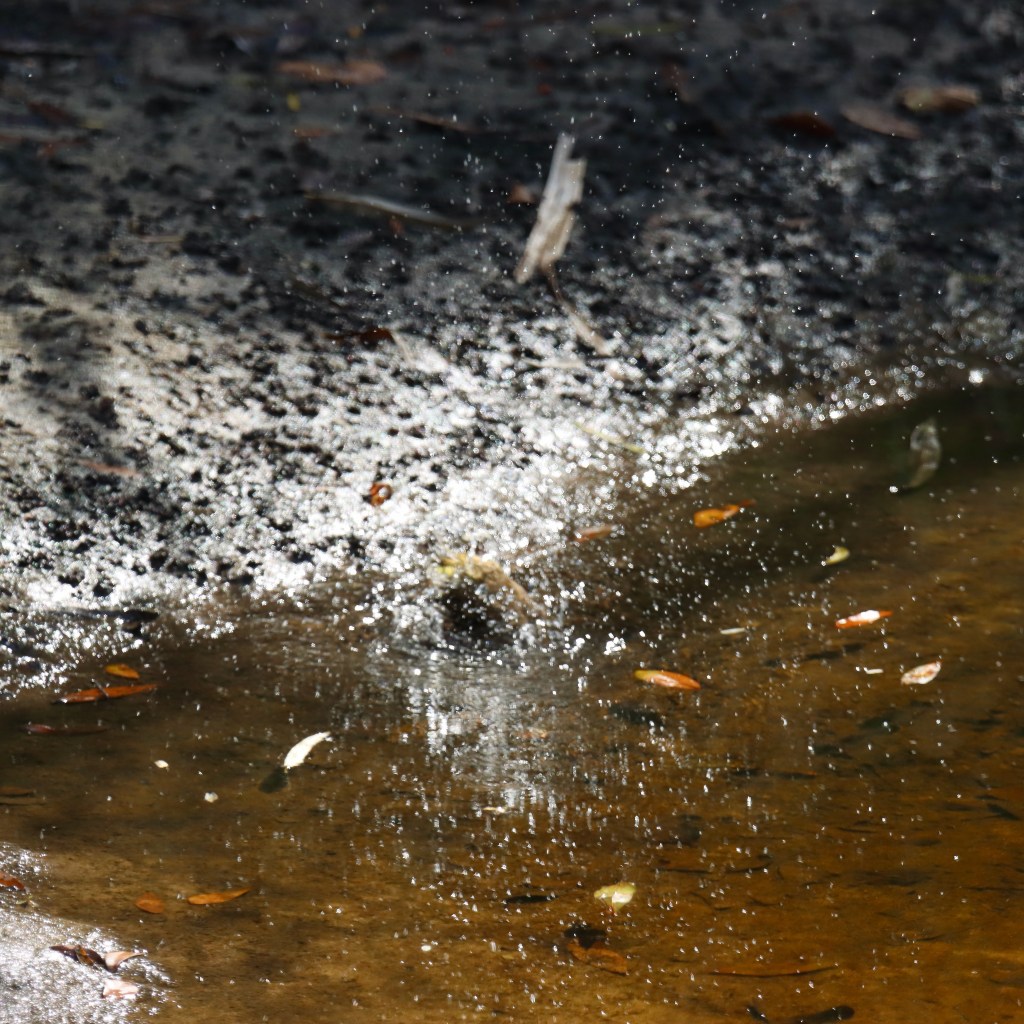
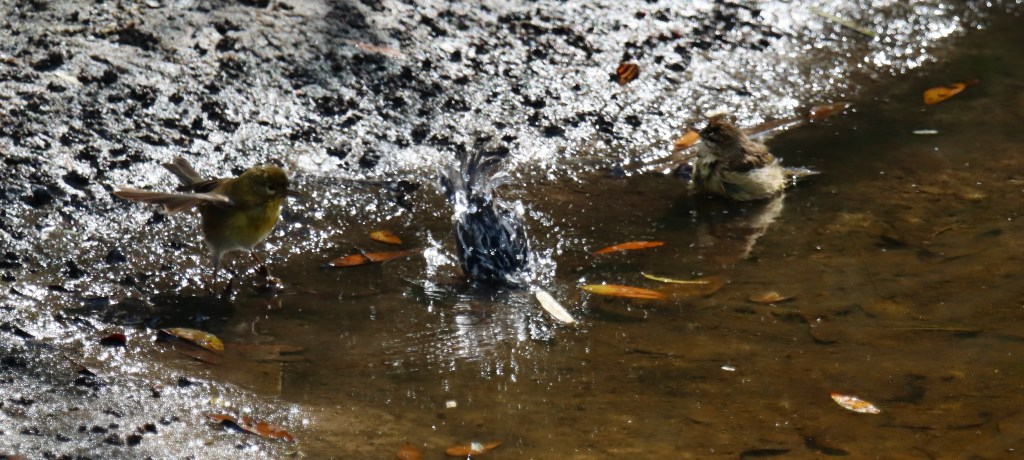
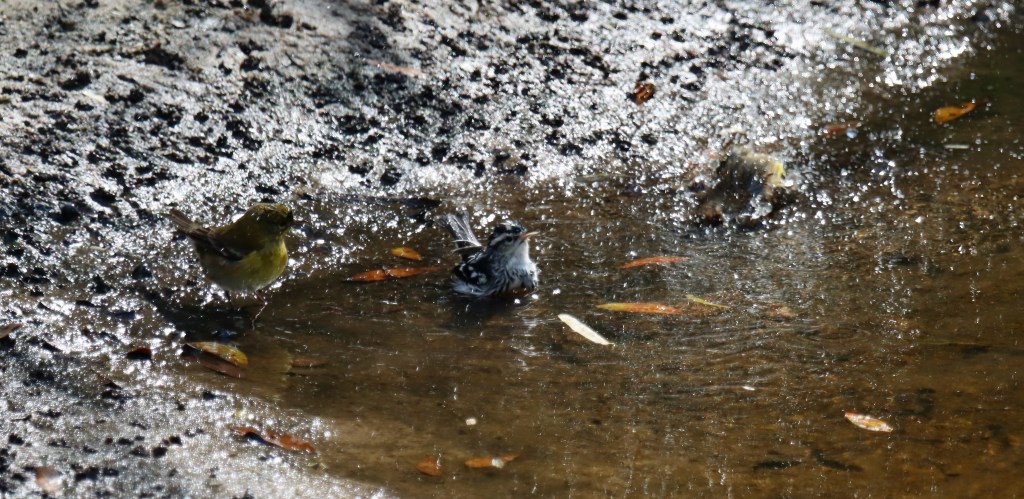
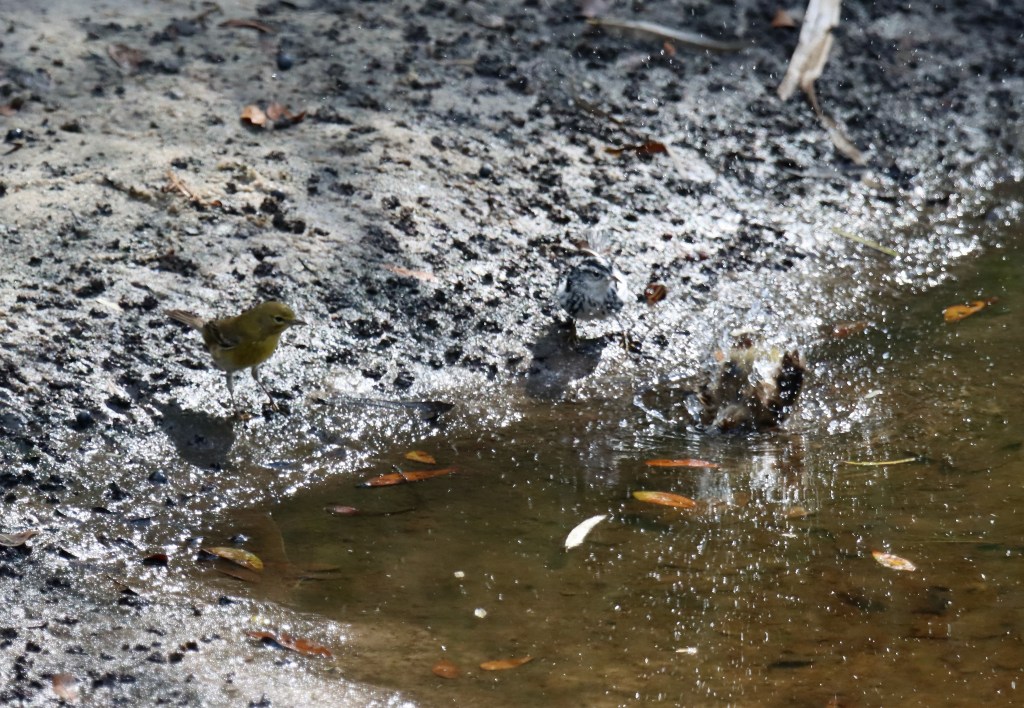
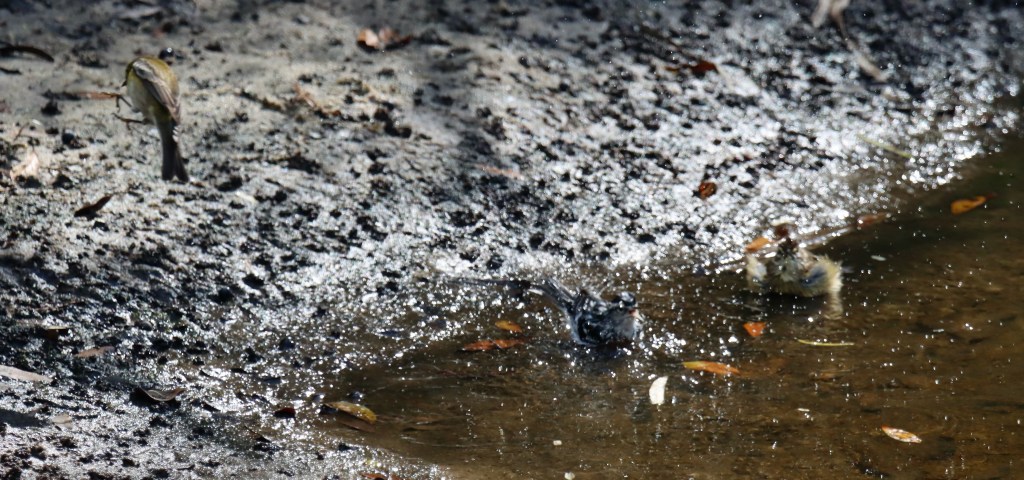
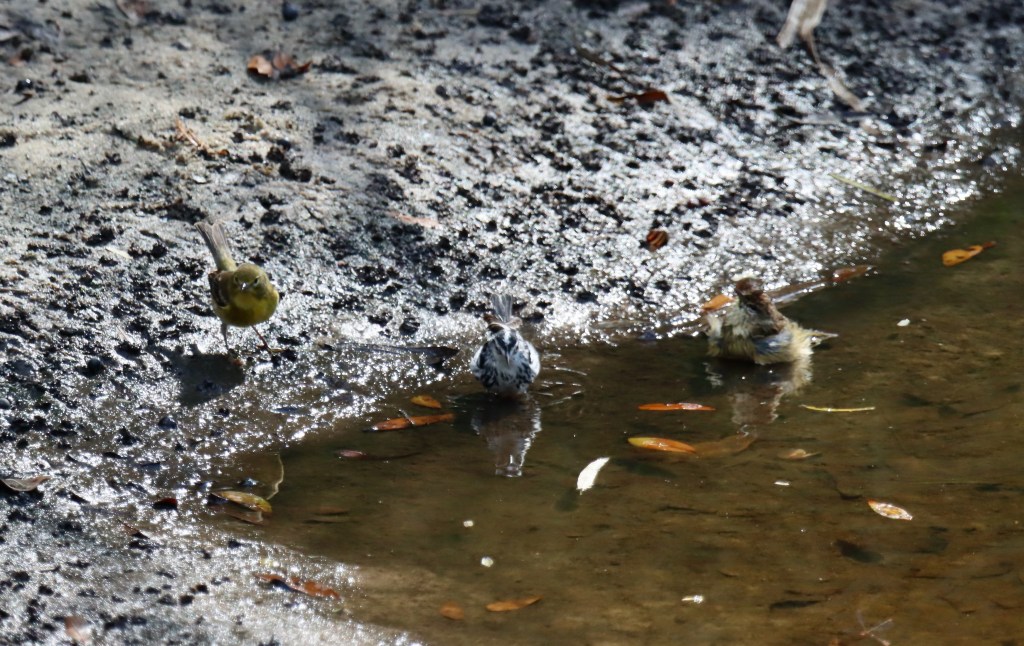
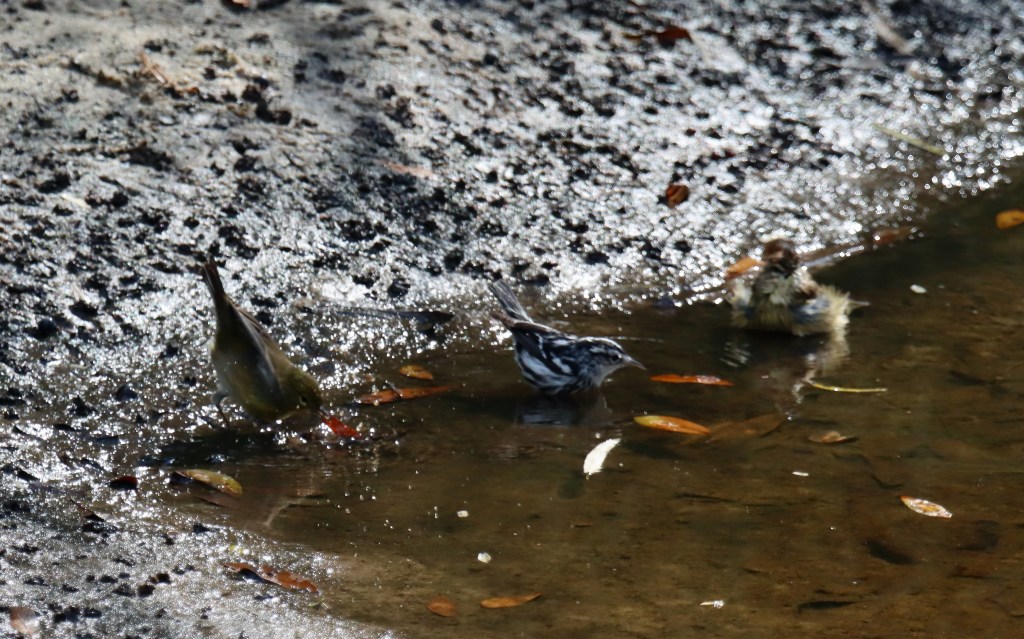
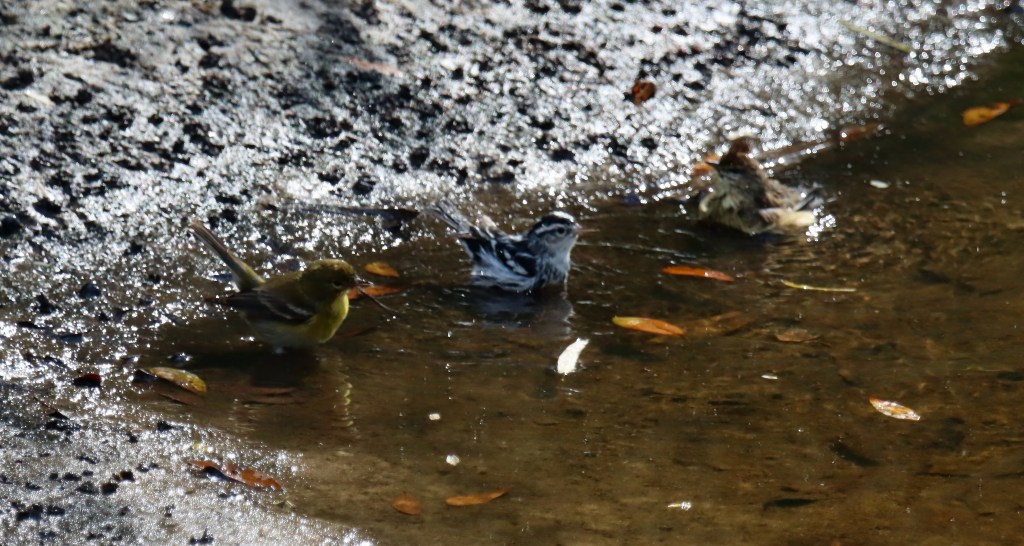
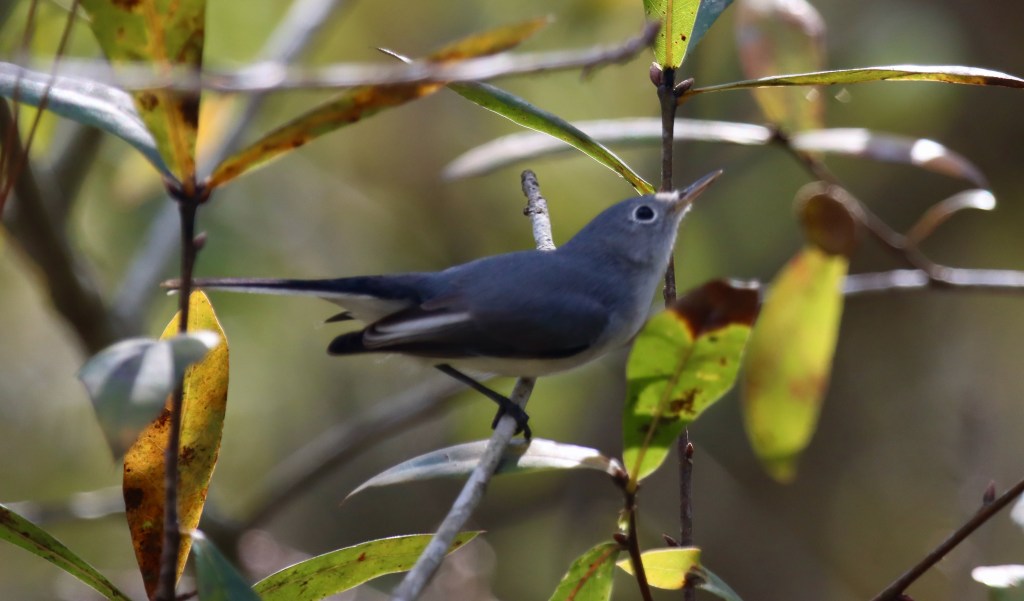
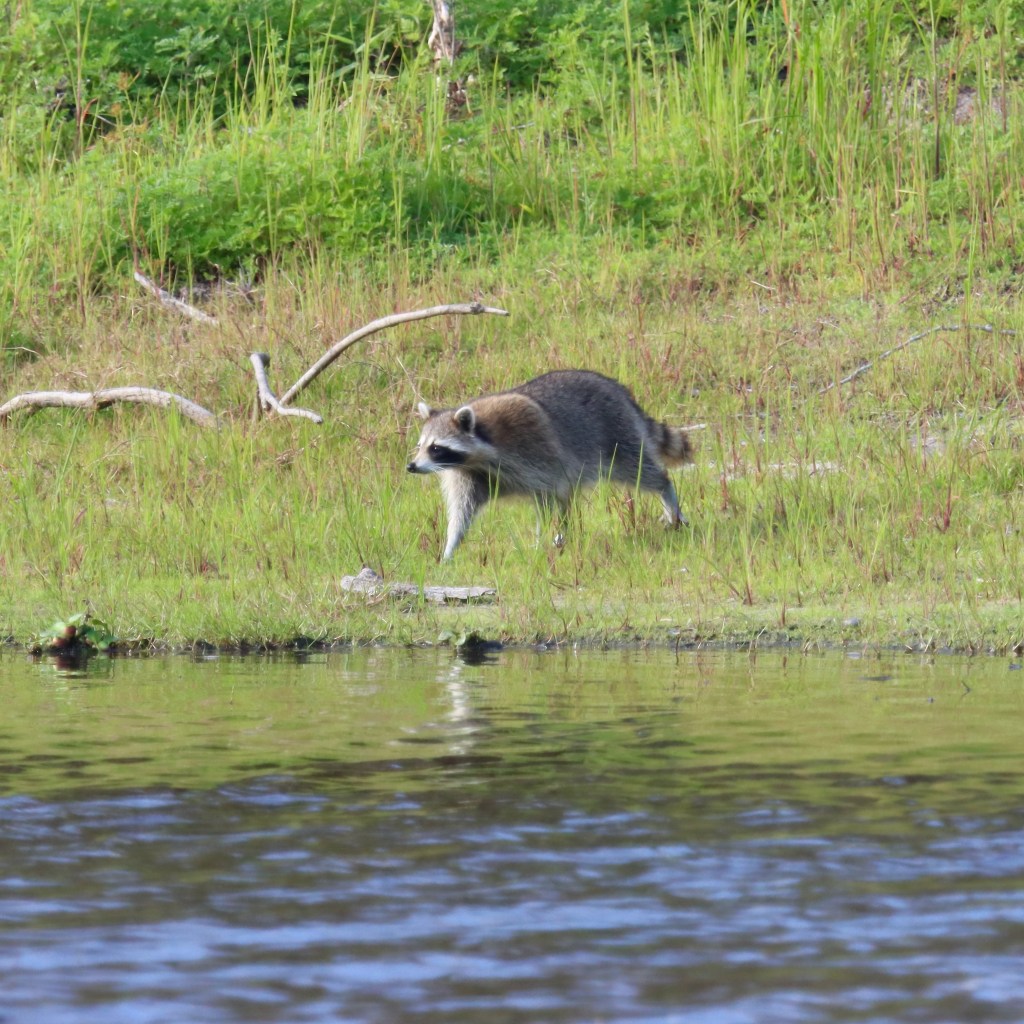
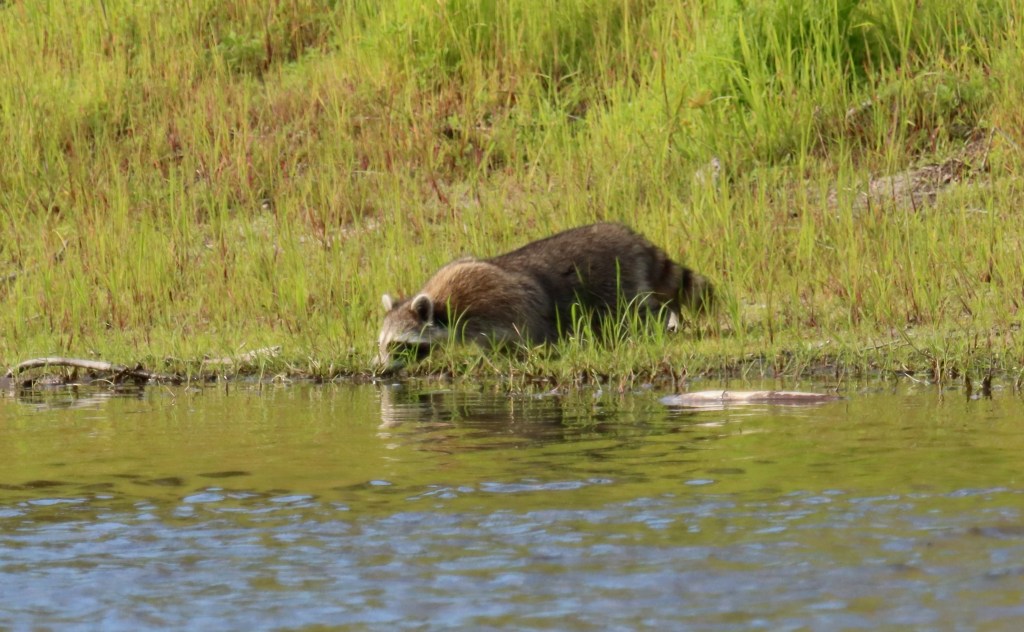
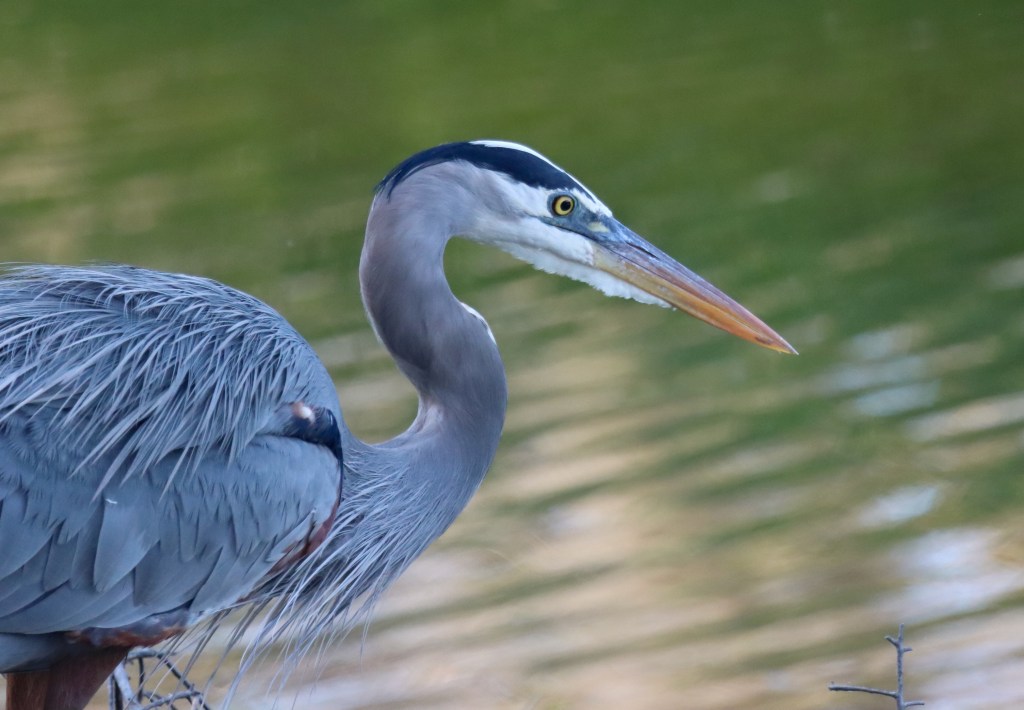
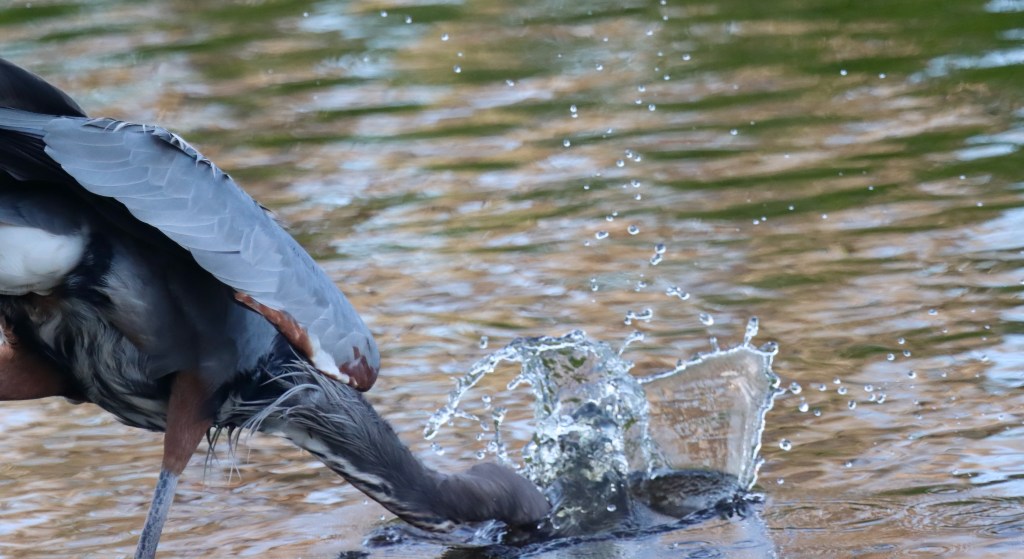
I perched on one of the trees downed by last year’s hurricanes and waited, knowing that low water levels elsewhere in the park would bring wildlife here. I didn’t have to wait long, as a steady stream of birds and even a raccoon soon stopped by.

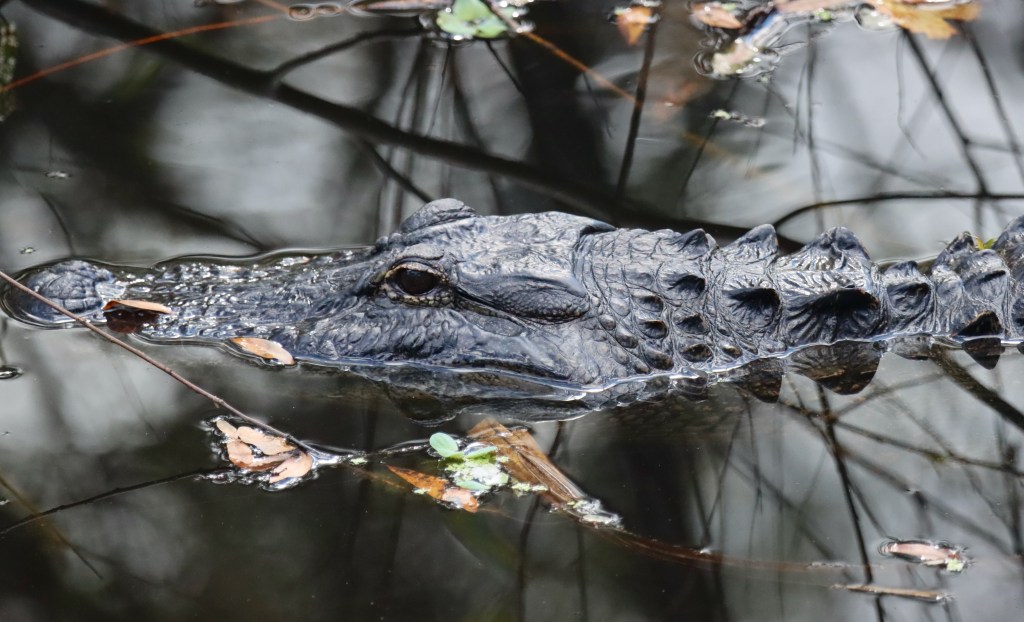
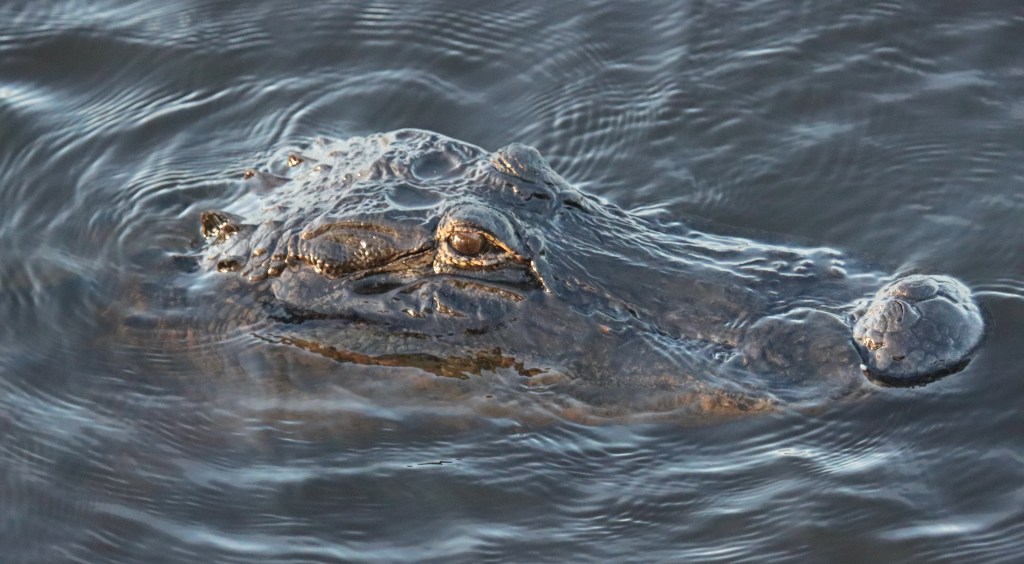
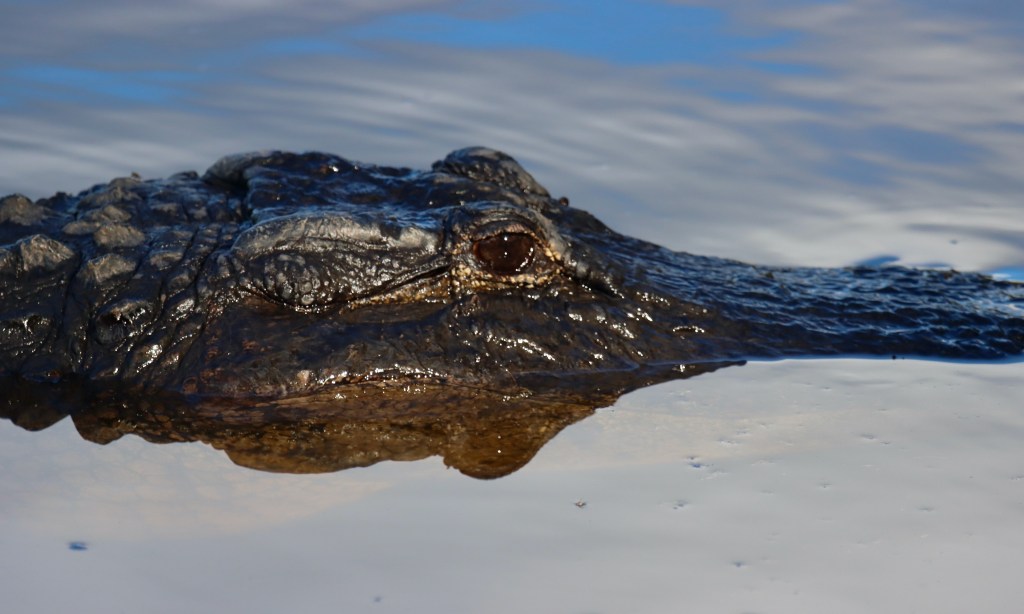
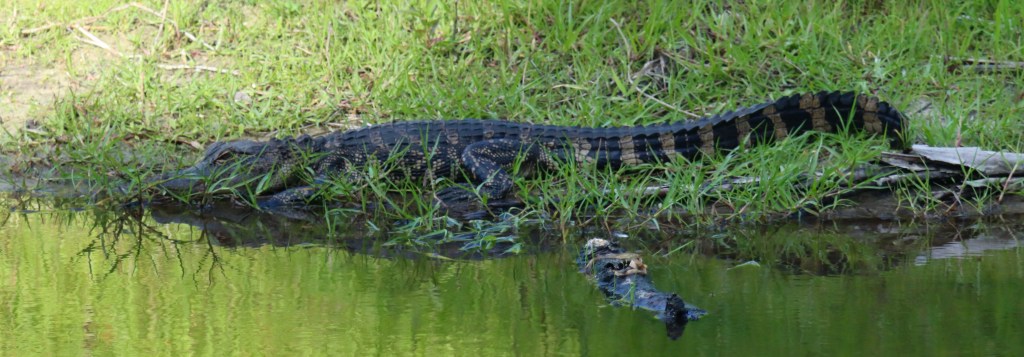
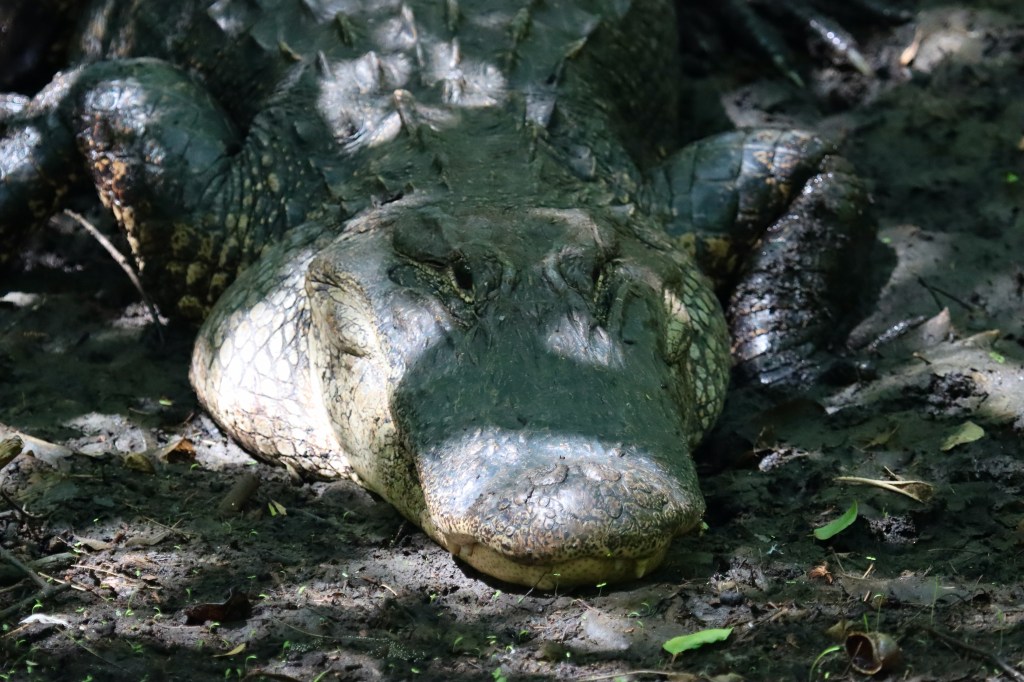
As for alligators, you know what they say, if there’s water in Florida it’s a safe bet that there’s gators! I admire them from a distance because although they mostly laze about, they are surprisingly quick and agile. The momma gator in the video below swam over to warn me to stay away from her not-so-little babies.

Corkscrew Swamp Sanctuary

I wanted to take advantage of the last of our Spring weather (before it really heats up down here in Florida) so I headed over to explore Audubon’s Corkscrew Swamp Sanctuary. The refuge’s name came from an early epithet for a nearby winding waterway, now known as the Imperial River.

The wetland sanctuary at the western edge of the Everglades, spans over 13,000 acres. Much of it first set aside in 1954, though protections for the heart of the property began much earlier. In a way, we can thank the fashion industry for that.

Ladies’ hats in the late 1800s were elaborate displays, featuring fancy feathers and floral elements. The feathers were sourced from wild birds, usually during breeding and nesting season when they were at their showiest.

Milliners were paying $32 an ounce for the feathers, which was more than the price of gold at the time. As a result, plume hunters around the world were killing over 5 million birds a year. By 1900, they had wiped out an estimated 95% of Florida’s shorebirds (primarily herons, egrets, Roseate Spoonbills, and Flamingoes).

Near the center of what is now the sanctuary was a massive rookery, which locals took upon themselves to hire protection for in 1900. Some fifty years later, the area again needed protection, this time from logging. Again, local residents fought to save the area. In 1954 the first section of land was set aside to protect a stand of ancient bald cypress trees.

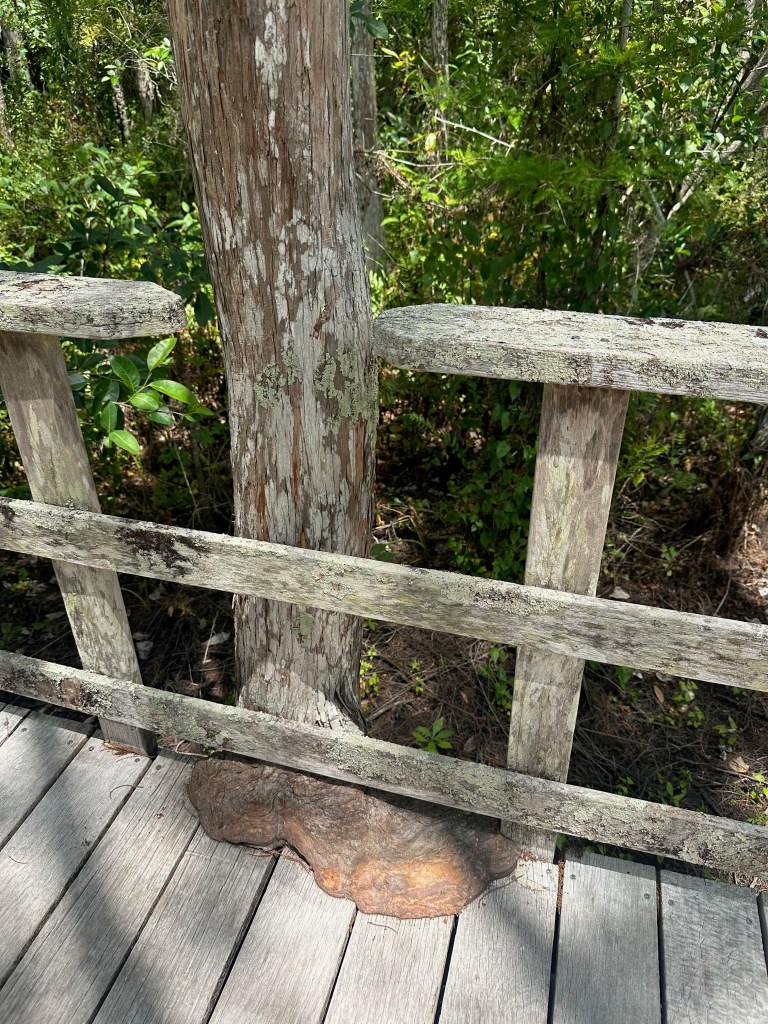
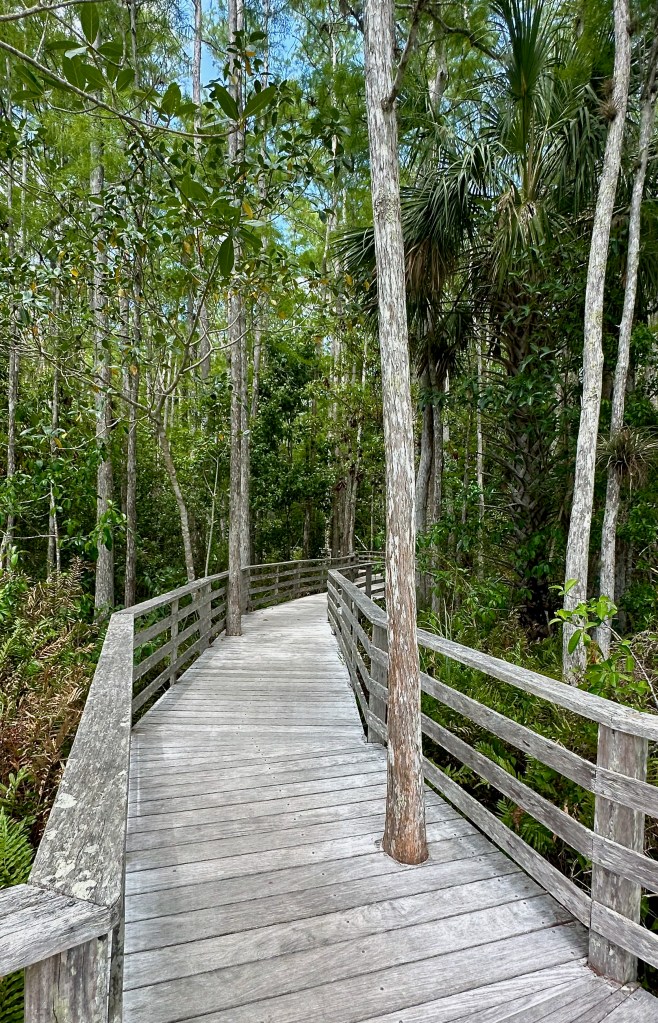
During my stroll along the two mile boardwalk, I found the area to be absolutely teeming with wildlife. Sanctuary indeed!