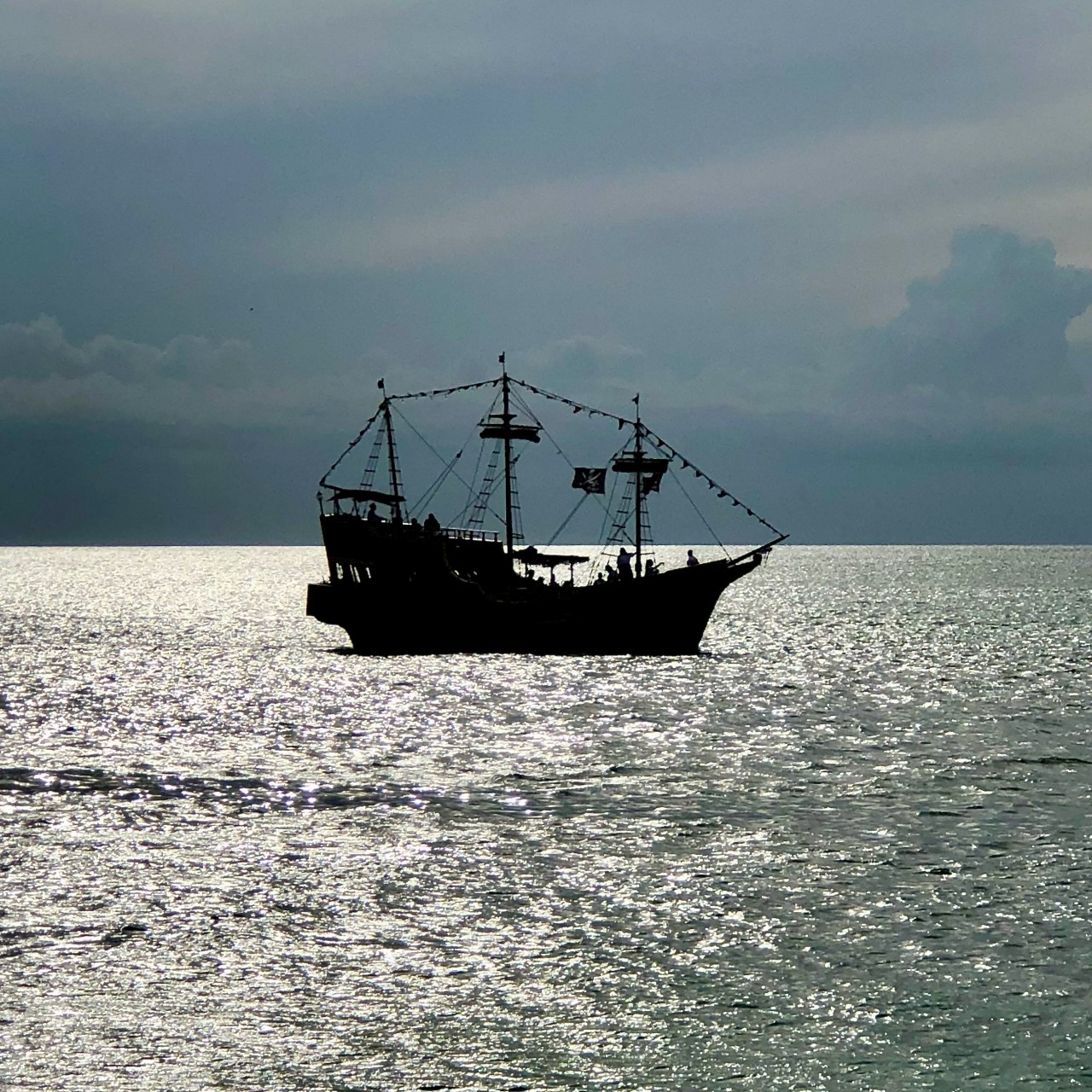
Pirate Ship, Treasure Island, Florida June 2020
Doesn’t this pirate ship look like a fun adventure? I mean, without all the pillaging and raiding, it’s basically just a pleasure cruise. And I think we could all use one of those nowadays…
Pirate Ship, Treasure Island, Florida June 2020
Doesn’t this pirate ship look like a fun adventure? I mean, without all the pillaging and raiding, it’s basically just a pleasure cruise. And I think we could all use one of those nowadays…
This video from a home in Venice, Florida made the news last week. Apparently, alligators think turtles are incredibly delicious! This one is certainly determined…


The diversity in coloration and even facial markings of Blue Jays is quite remarkable. There aren’t any plumage or size differences between the sexes, nor do they dress up for breeding season like other species. But each individual is slightly unique. I suppose as a communal bird that helps them tell each other apart?
As you may already know, their feathers are not actually blue. The blue we see is the result of light refracting through special structures on the feather barbs. The intensity of the blue is controlled by the amount of melanin, which is actually a brown pigment.
Apparently, Nature does not adhere to the What You See Is What You Get (WYSIWYG) principle.


Close-up, Walsingham Park, Largo, Florida June 2020
This Eastern Gray Squirrel (Sciurus carolinensis) decided its best course of action was to pretend to be a statue, “Nothing to see here, folks, I’m just a branch!”
If you look closely you can see my silhouette in its eye. Now don’t fret, my zoom lens afforded me that opportunity while I still maintained proper social distancing. I didn’t linger long before slowly backing away and allowing the squirrel to resume its busy lifestyle.
We’re all just walking each other home.
~ Ram Dass
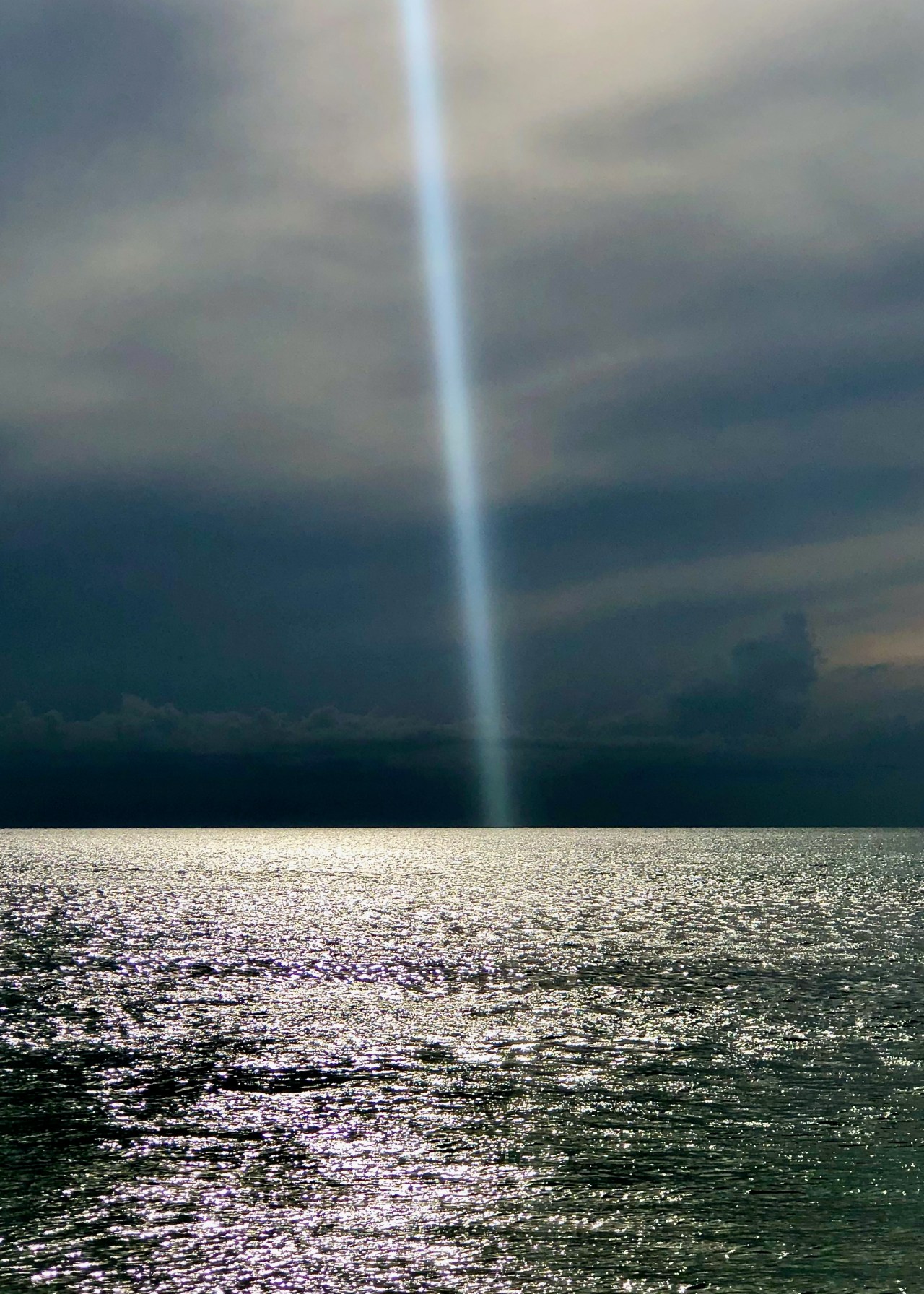
Following the Light, Treasure Island, Florida June 2020


Remember the poor beleaguered owlet that was taught a very powerful lesson about the daytime pecking order? Well, I was fortunate last week to stumble across the whole family.
Since the daytime temps and the humidity have been rising I’ve adopted a more crepuscular lifestyle; on the beach before noon, back to my house for lunch, then some sort of outdoor activity in the two hours before dusk.
The benefit to a nature stroll at that time of day is that wildlife viewing opportunities double: the diurnal animals are making the best of the remaining daylight before going home to rest, while the nocturnal ones are emerging and preparing for their night.
From right to left: I first located and spent time admiring one of the parents. I can’t be 100% positive but it seemed like the smaller of the two parents, so I’m going to call him Dad. Several soft chirps let me know there were other owls nearby. Then I spotted an owlet alone on a limb in the next tree over. Dad spooked when people walked by and I followed him to the top of a nearby pine where he settled next to another owlet. As I returned to the trail, I found Mom in a tree near the first owlet. Unlike the other day, this time the parents were keeping a good eye on their babies.
All I can say is, look out mice!
It is far better to light the candle than to curse the darkness.
~ William L. Watkinson
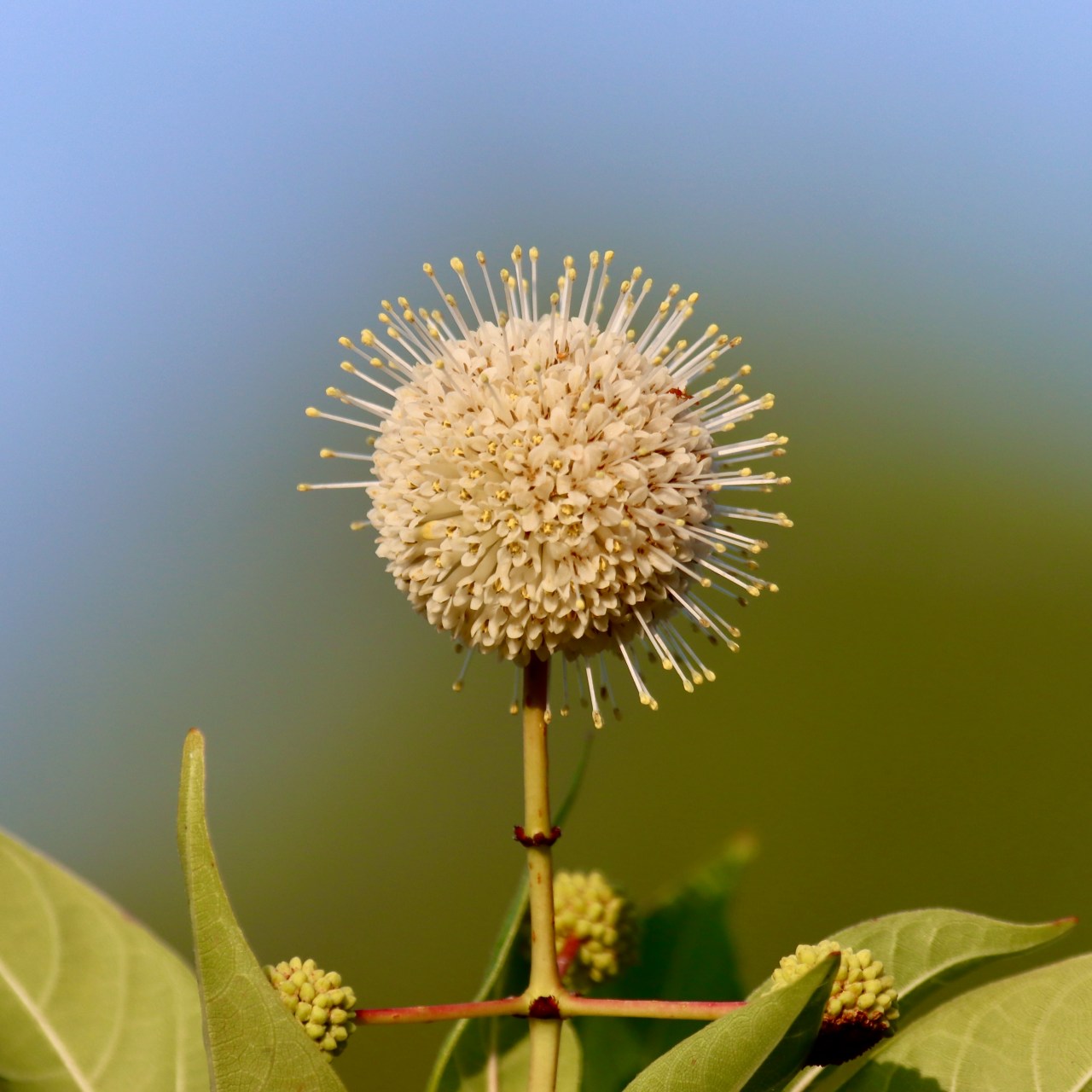
Buttonbush, Walsingham Park, Largo, Florida May 2020
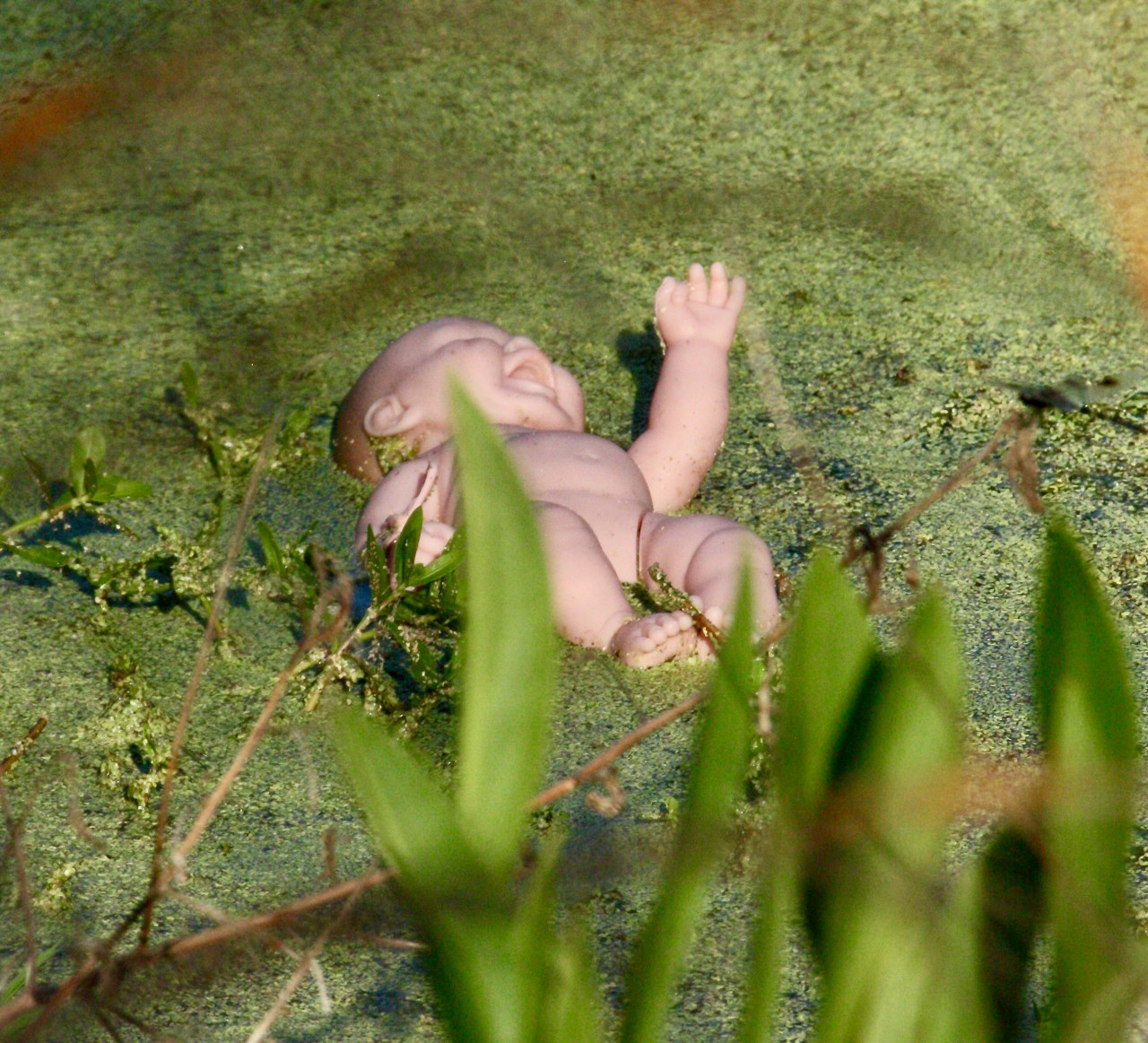
Walsingham Park, Largo, Florida May 2020
While this is filed under Funny Friday, I’m using the label with the slightly odd and creepy definition and not in the haha way. The only other thing I more disturbing than random, weird baby dolls in strange locations is clowns. Any clown, anywhere, any time. <Full body shudder>
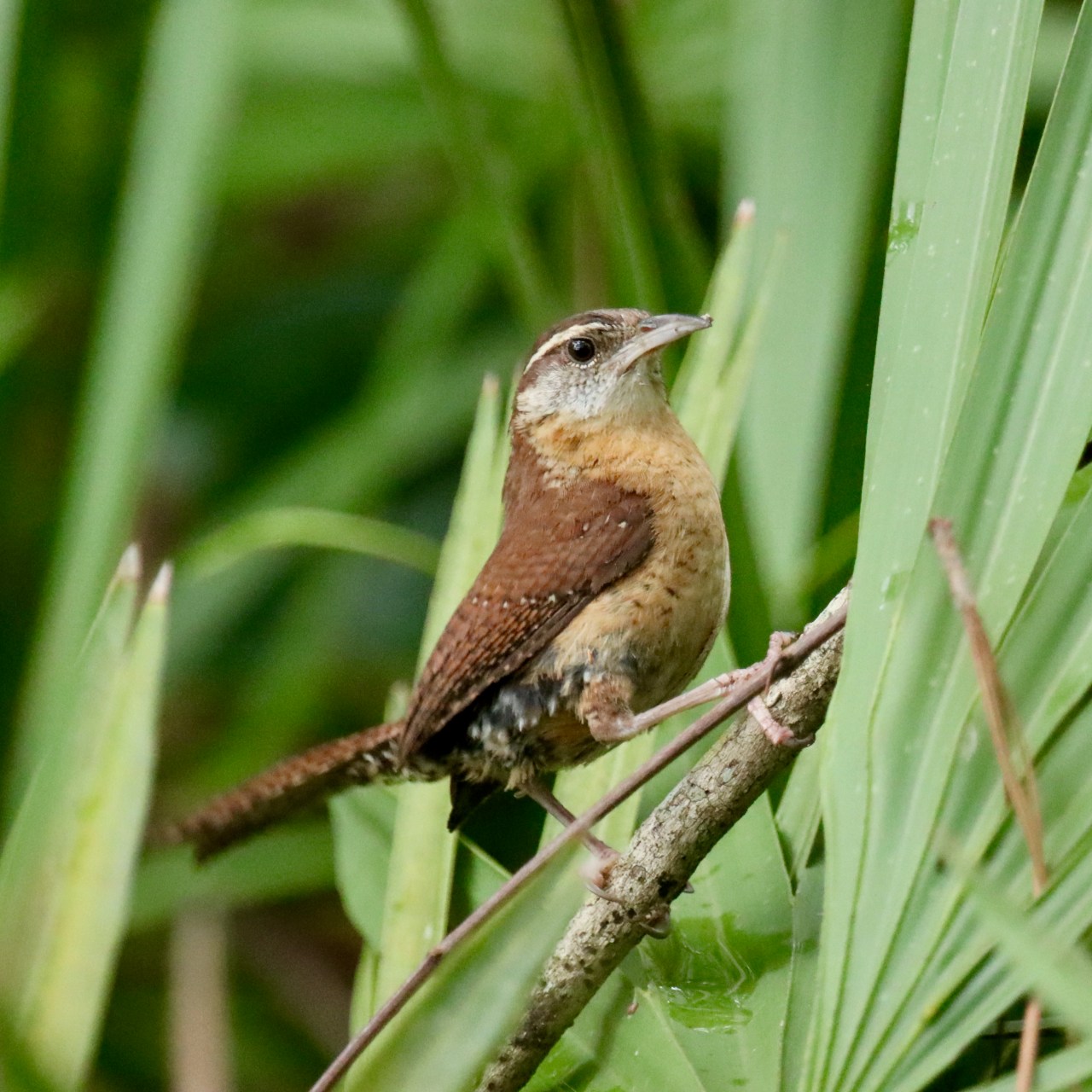
Carolina Wren, Lake Seminole Park, Seminole, Florida May 2020
It can be rather challenging to get a decent shot of a Carolina wren (Thryothorus ludovicianus) as they are rarely still. The genus certainly earned its name, Latin for reed jumper, which takes into account the species’ preference for riparian areas and incessant movement.
Found in most every woodland patch in the eastern US, this is our second largest wren (after the Cactus Wren, denizen of my old stomping grounds). Though I didn’t get a photo, there were three fledglings eagerly awaiting their parent’s return under a nearby bush.
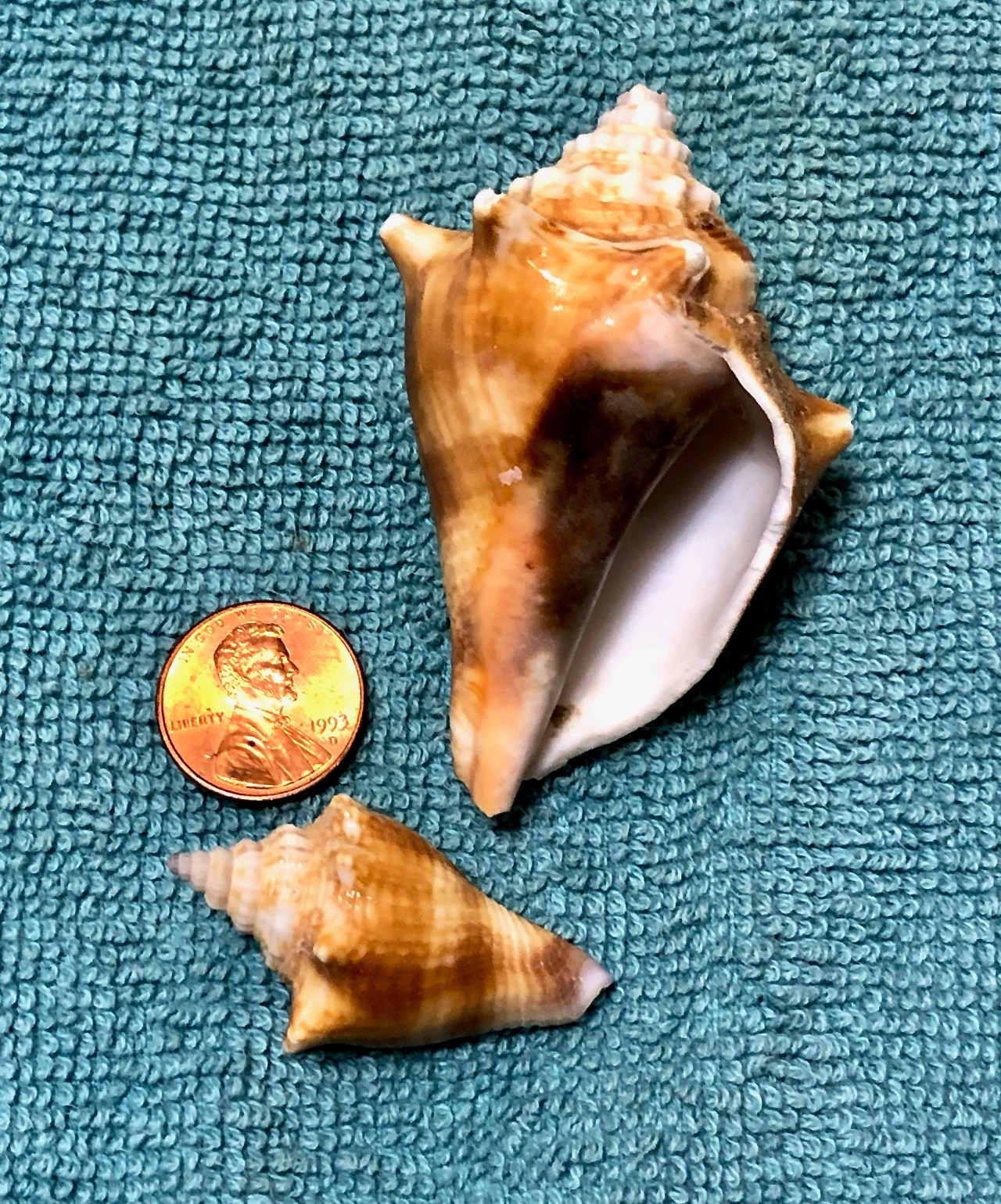
I was fortunate to find a couple Florida Fighting Conch (Strombus alatus) shells on my beach recently. The sturdy, butterscotch-colored shells are surprisingly heavy for their size.
This is a smaller relative of the West Indian Fighting Conch (Strombus pugilis). Though both share the territorial male behavior that earned them their names.
The rest of the time, the snails live peacefully in the intertidal feeding on algae. They are edible but since these only reach about 5″ they aren’t really worth the hassle. Besides, I’d rather have them out there keeping the algae under control!
 3rin's View...