I did then what I knew how to do. Now that I know better, I do better.
~ Maya Angelou
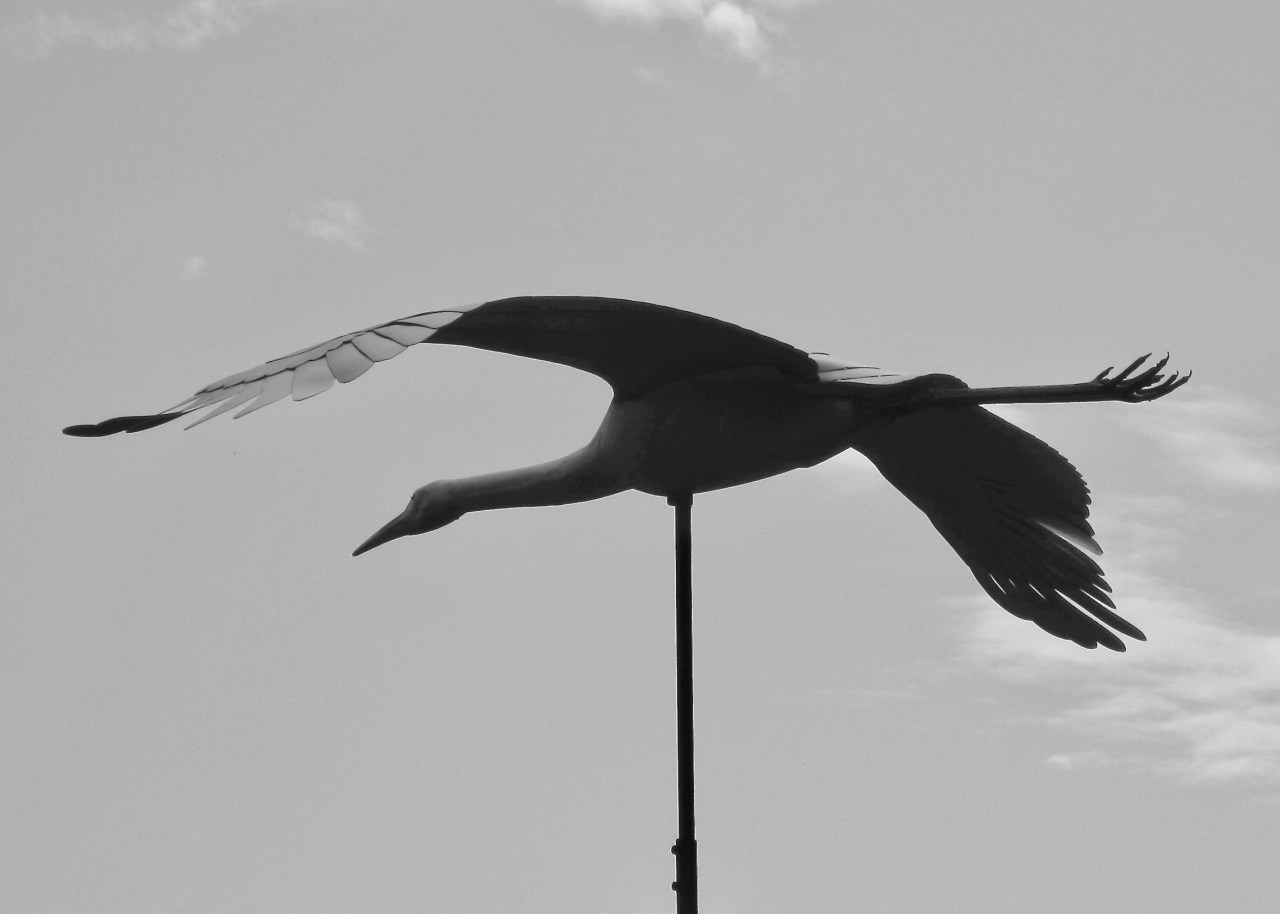
Crane Weathervane, International Crane Foundation, Baraboo, Wisconsin 2009
I did then what I knew how to do. Now that I know better, I do better.
~ Maya Angelou
Crane Weathervane, International Crane Foundation, Baraboo, Wisconsin 2009
Mesmerizing…
I’ve been absolutely terrified every moment of my life, and I’ve never let it keep me from doing a single thing that I’ve wanted to do.
~ Georgia O’Keeffe

Two-striped Garter Snake (Thamnophis hammondii), Whelan Lake, California 2008
Thousands of candles can be lighted from a single candle, and the life of the candle will not be shortened. Happiness never decreases by being shared.
~ Buddha
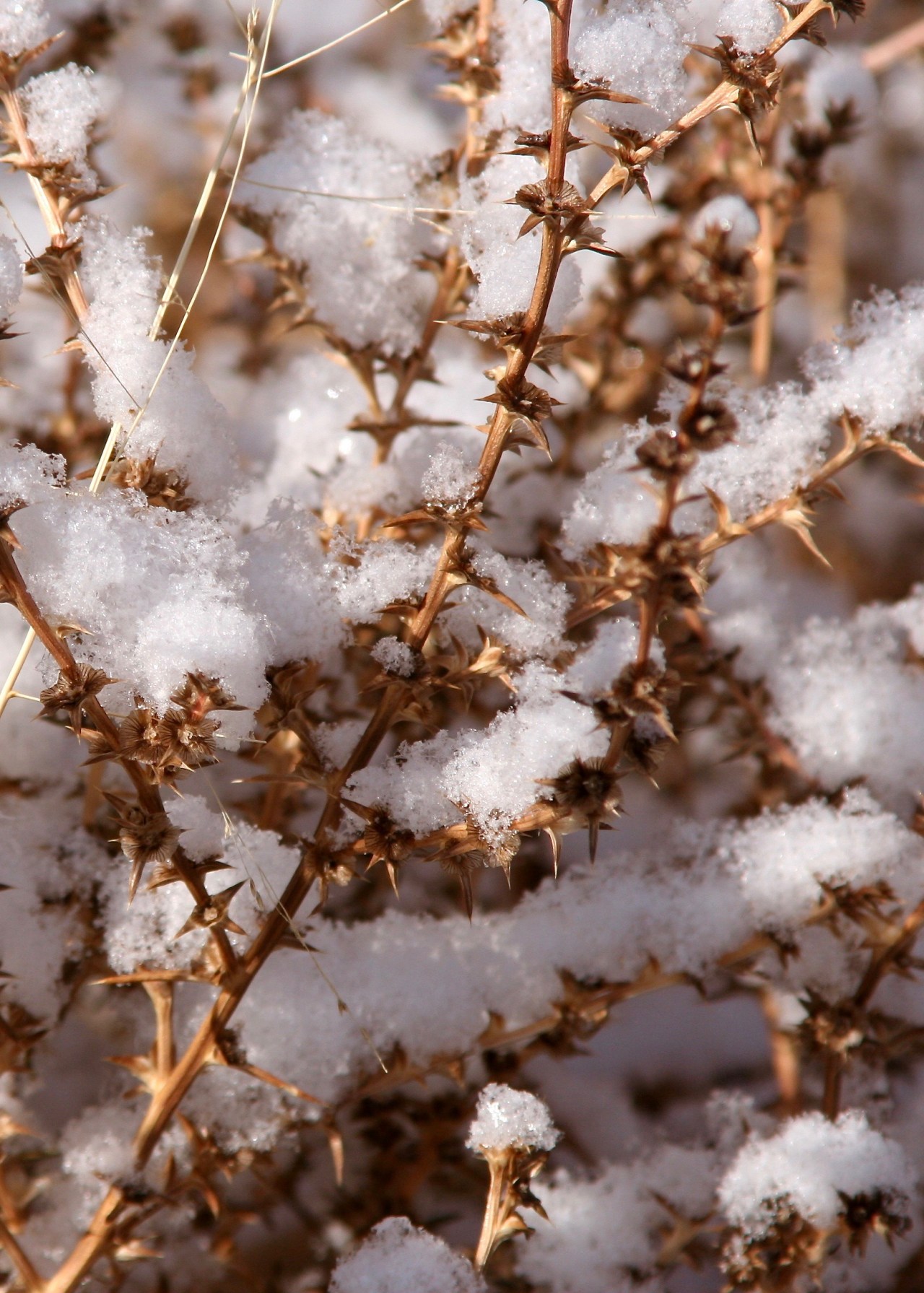
Snow on Tumbleweed, Balmorhea State Park, Texas 2006
If you are to be, you must begin by assuming responsibility. You alone are responsible for every moment of your life, for every one of your acts.
~ Antoine de Saint-Exupery

Immature White-crowned Sparrow, Whitewater Draw, Arizona 2008
There are just under 16 hours of daylight up here this time of year (if the clouds and fog allow the sunshine to reach the ground, and that is one big if). Which means that I can pack a lot of activity into each day. It also means that I don’t go to bed early. Unless I’m sick, it is hard to prepare for bed when the sun is still shining at 9pm!
It was easy to while away a long afternoon in Newport. There is a lot to see, if you take time to wander: spouting Gray Whale, Art Deco elements of the Yaquina Bay Bridge, Rogue Brewery, fishing boats at work and at ease in Yaquina Bay Harbor, undulating sea jellies, blue ribbon commemorating a fisherman lost at sea, sleepy Sea Lions, murals, and a good reminder.


I must go down to the seas again, to the vagrant gypsy life,
To the gull’s way and the whale’s way where the wind’s like a whetted knife;
And all I ask is a merry yarn from a laughing fellow-rover,
And quiet sleep and a sweet dream when the long trick’s over.
~ Excerpt from Sea Fever by John Masefield
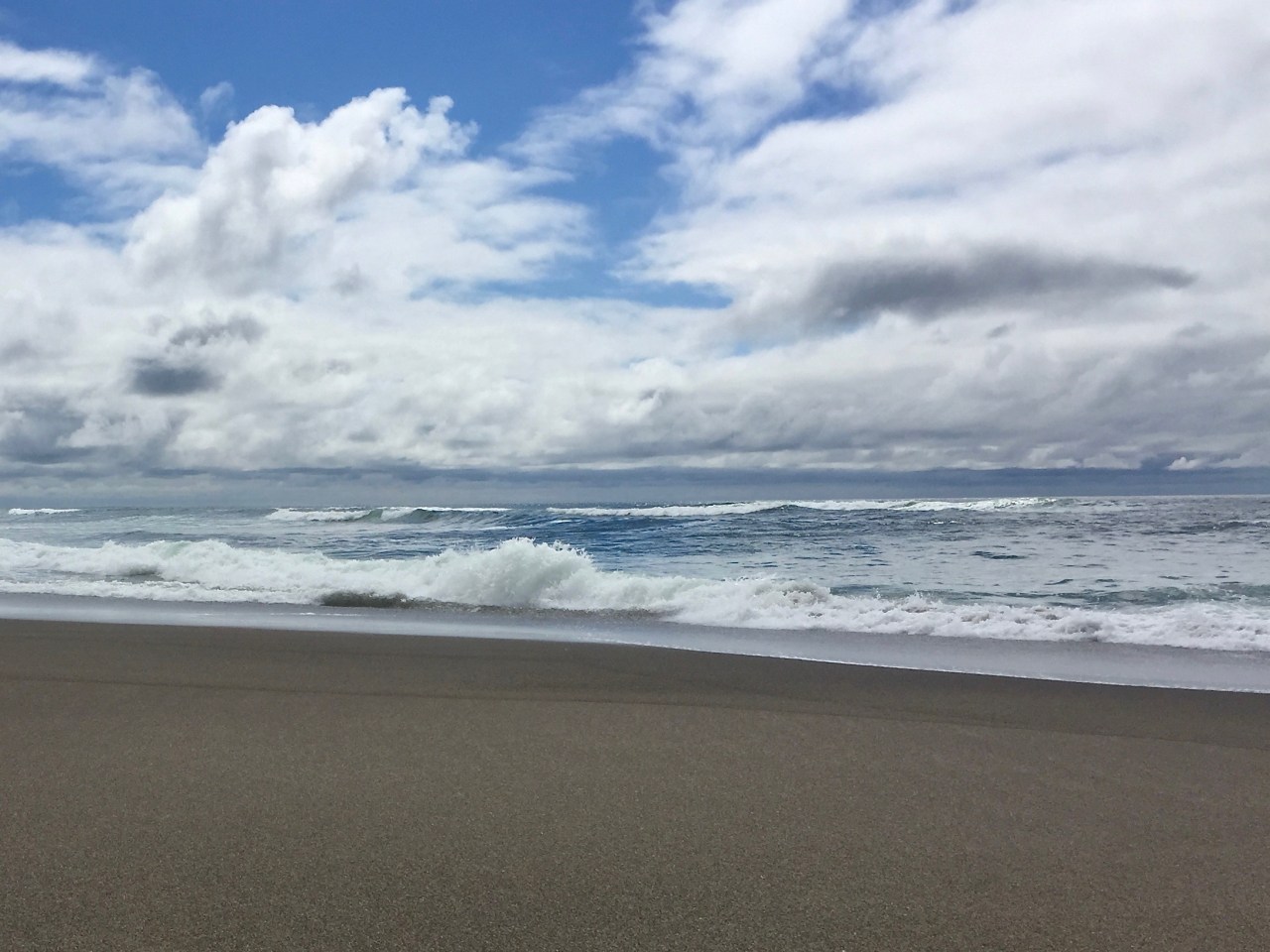
Sea View, Lincoln City, Oregon 2018
You see things; and you say, “Why?” But I dream things that never were; and I say, “Why not?”
~ George Bernard Shaw
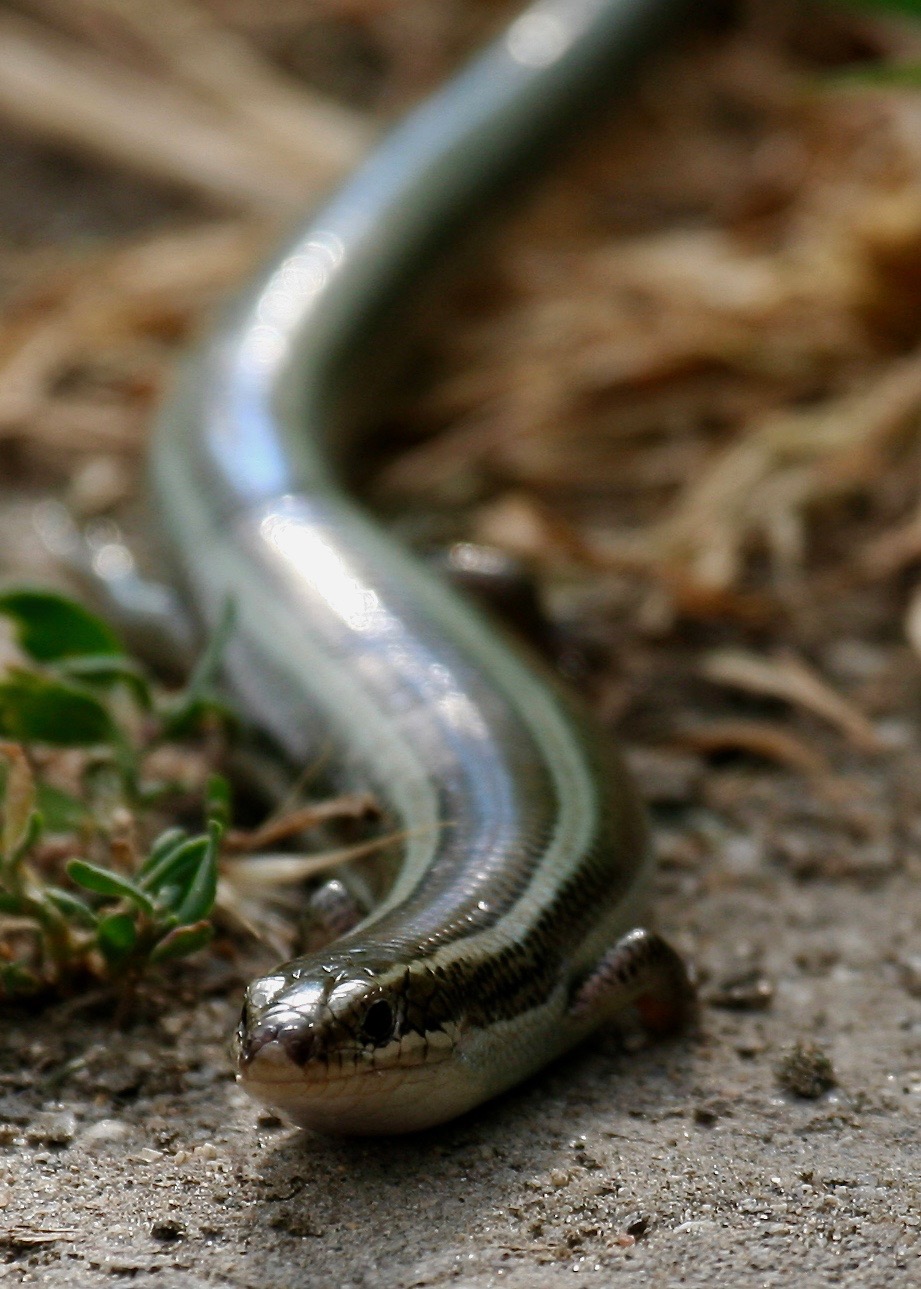
Juvenile Gilbert’s Skink (sp.), Whelan Lake, California 2008
I feel that there is an angel inside me whom I am constantly shocking.
~ Jean Cocteau
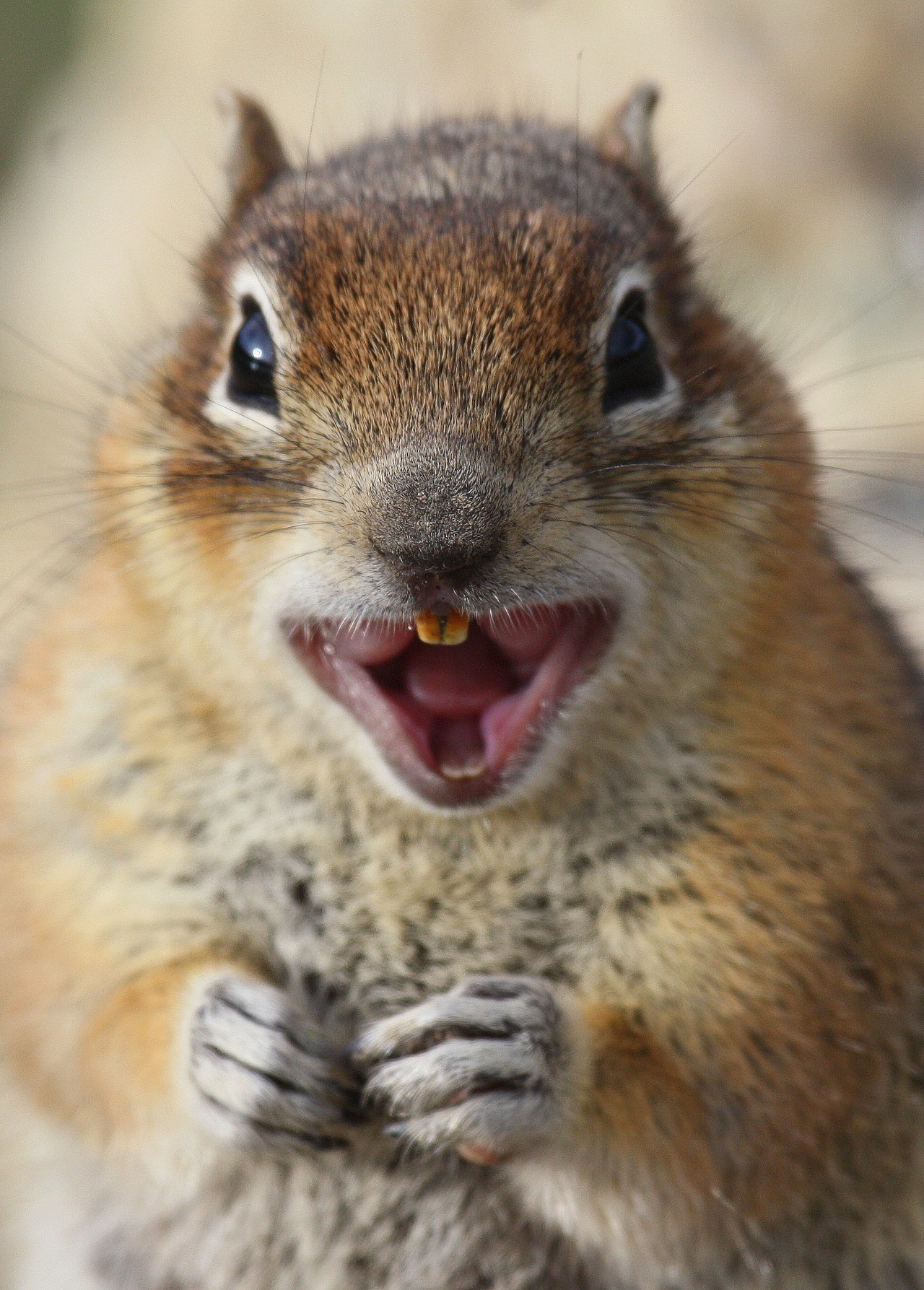
Golden-mantled Ground Squirrel, Rocky Mountain National Park, Colorado 2010
Treasure this day, and treasure yourself. Truly, neither will ever happen again.
~ Ray Bradbury

Widow Skimmer Dragonfly (Libellula luctuosa), immature male, Cuyahoga Valley National Park, Ohio 2011
 3rin's View...