
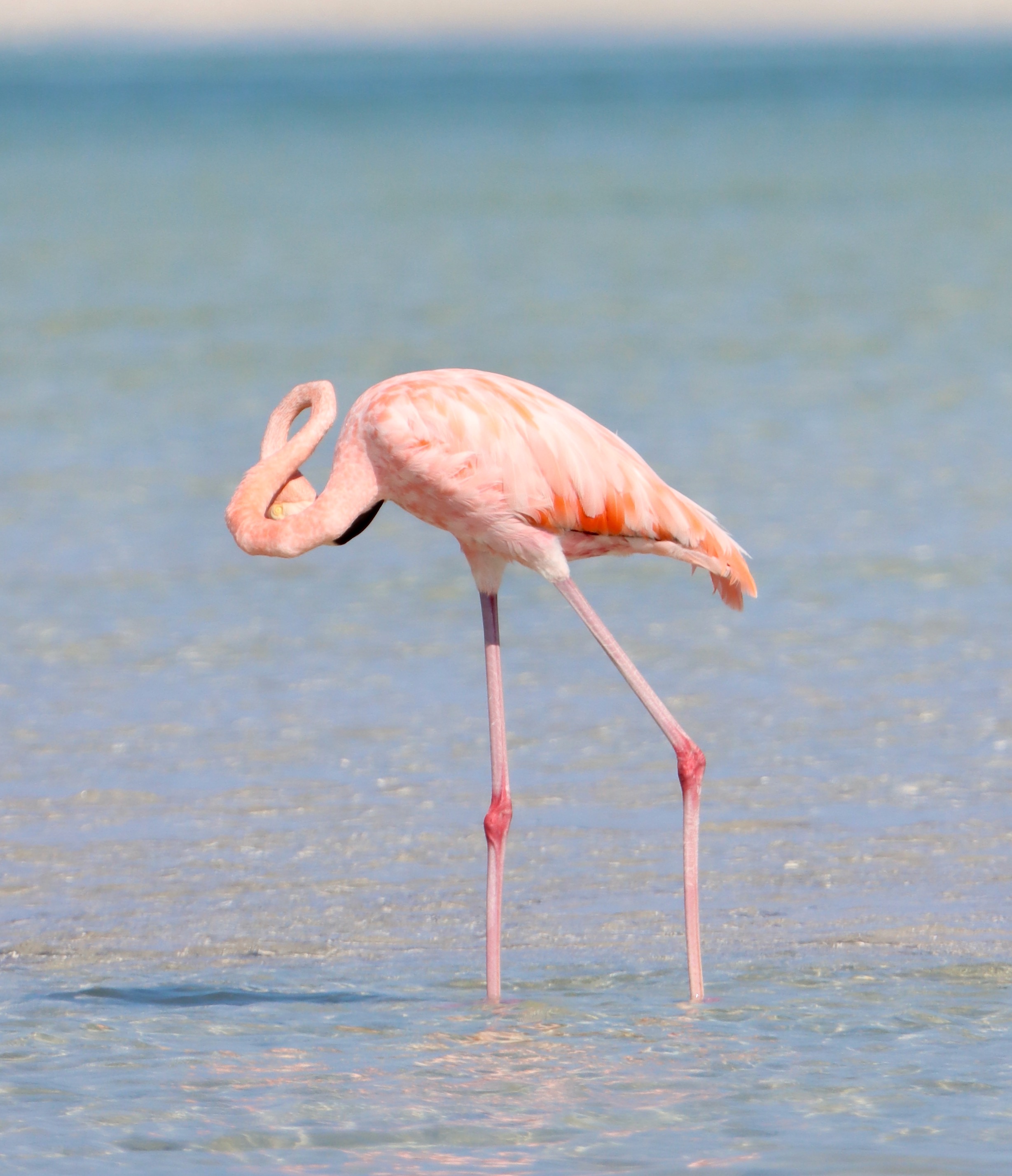
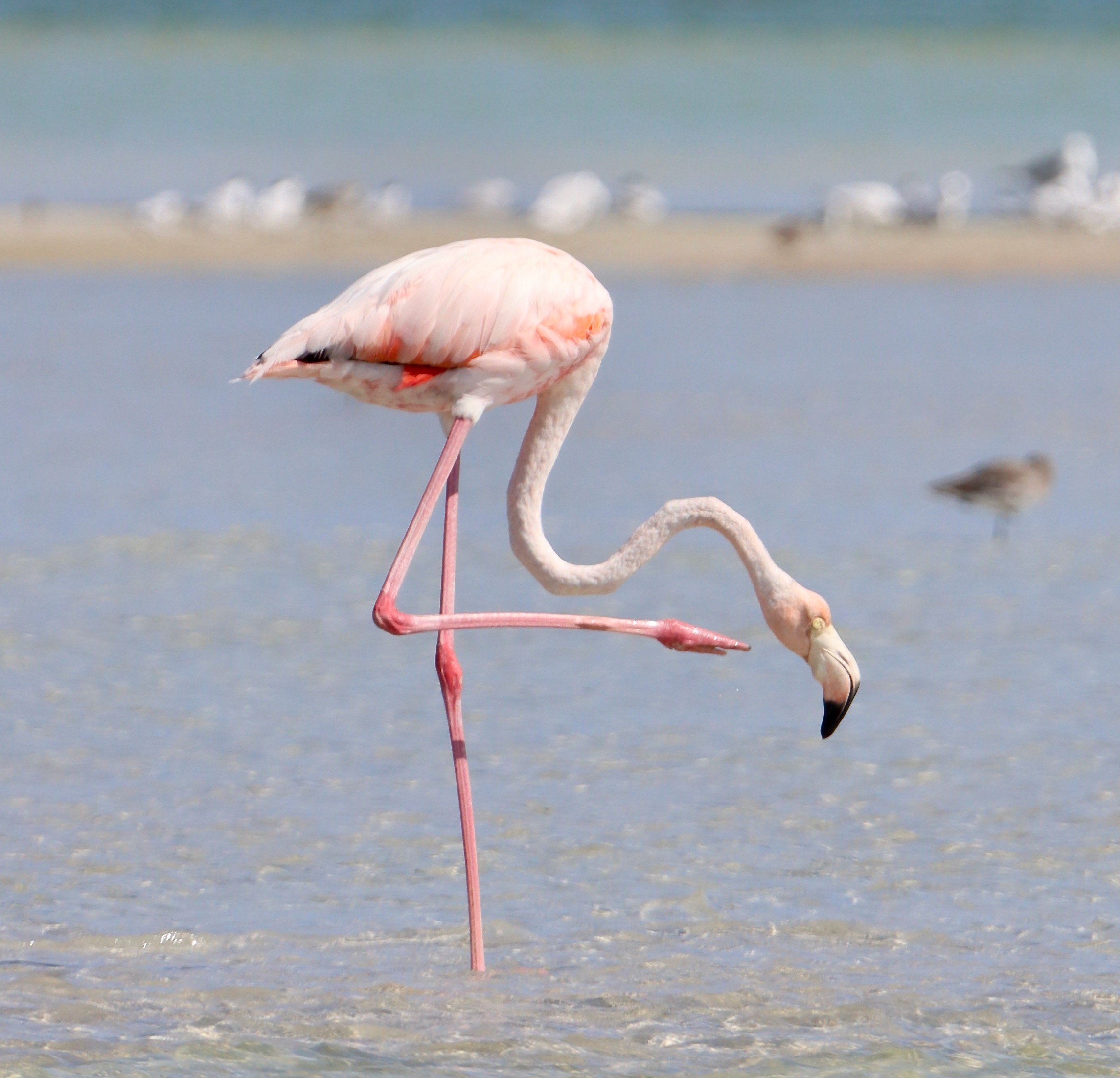


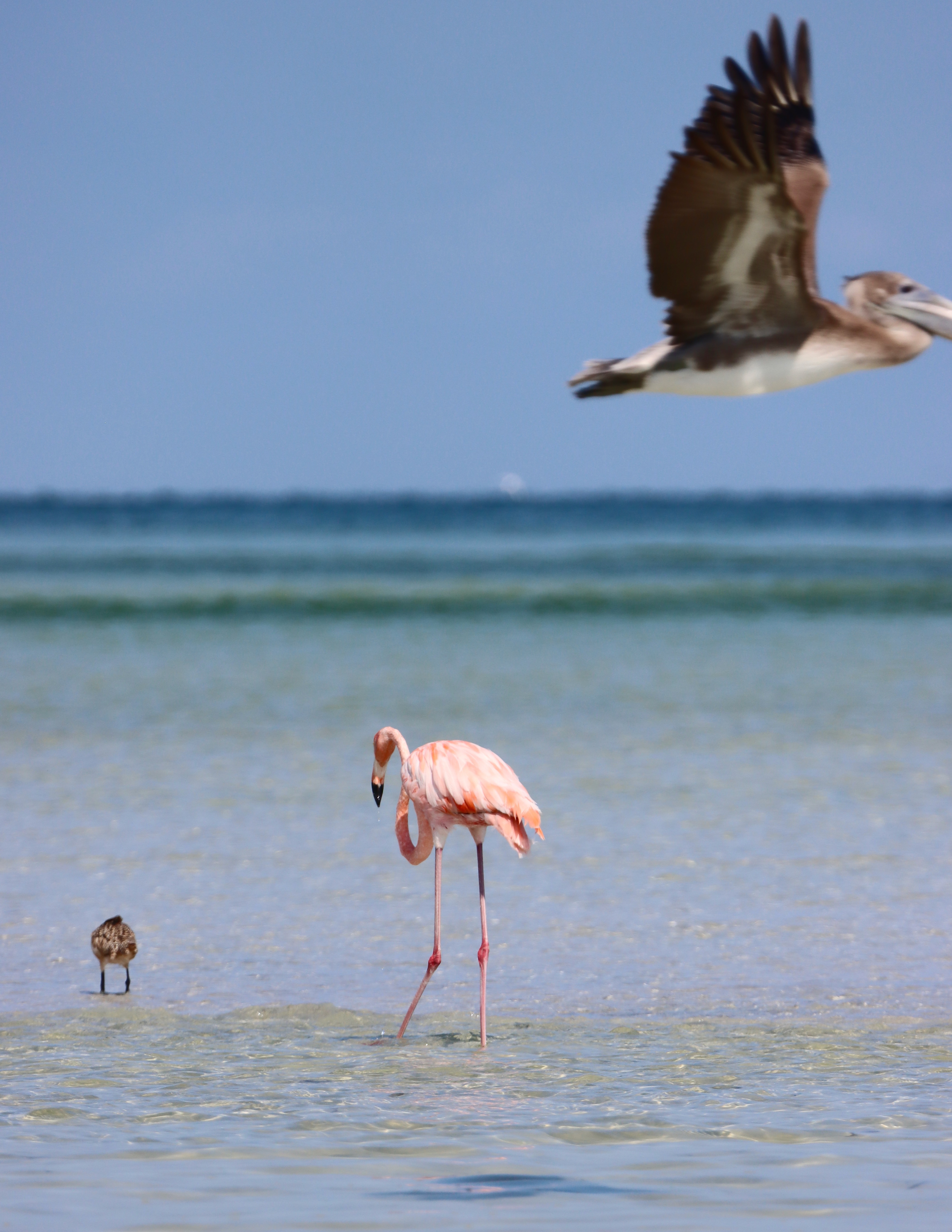
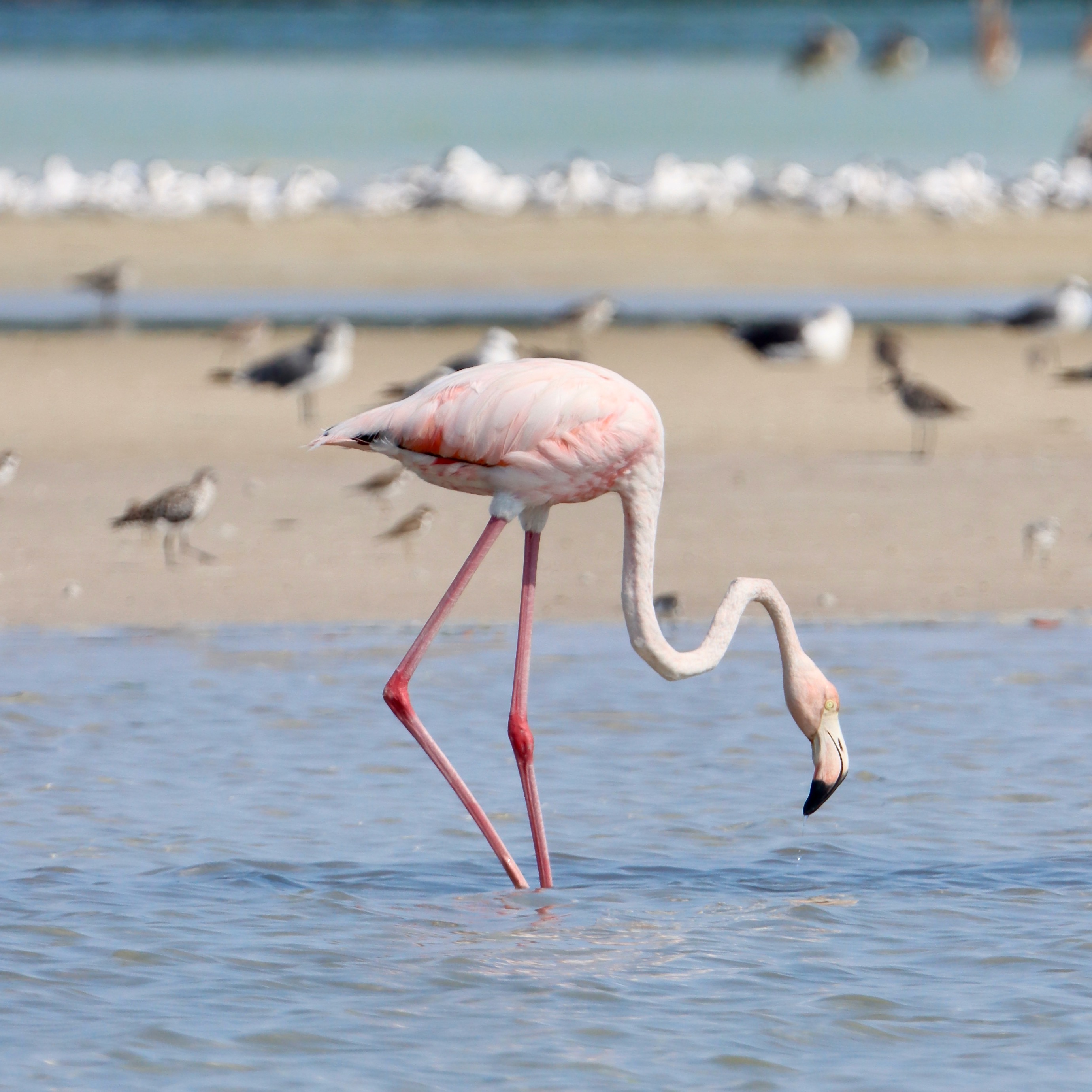

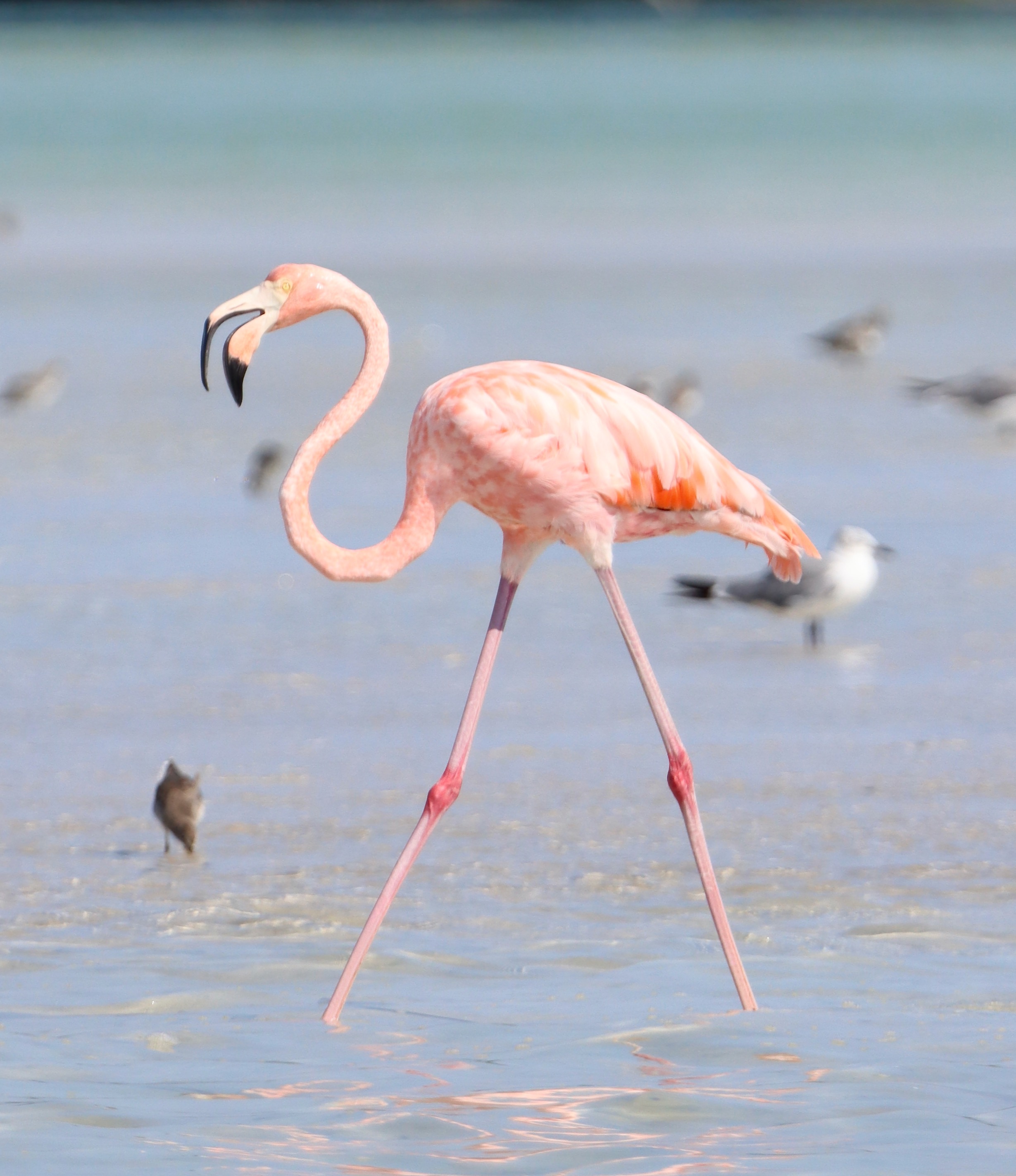
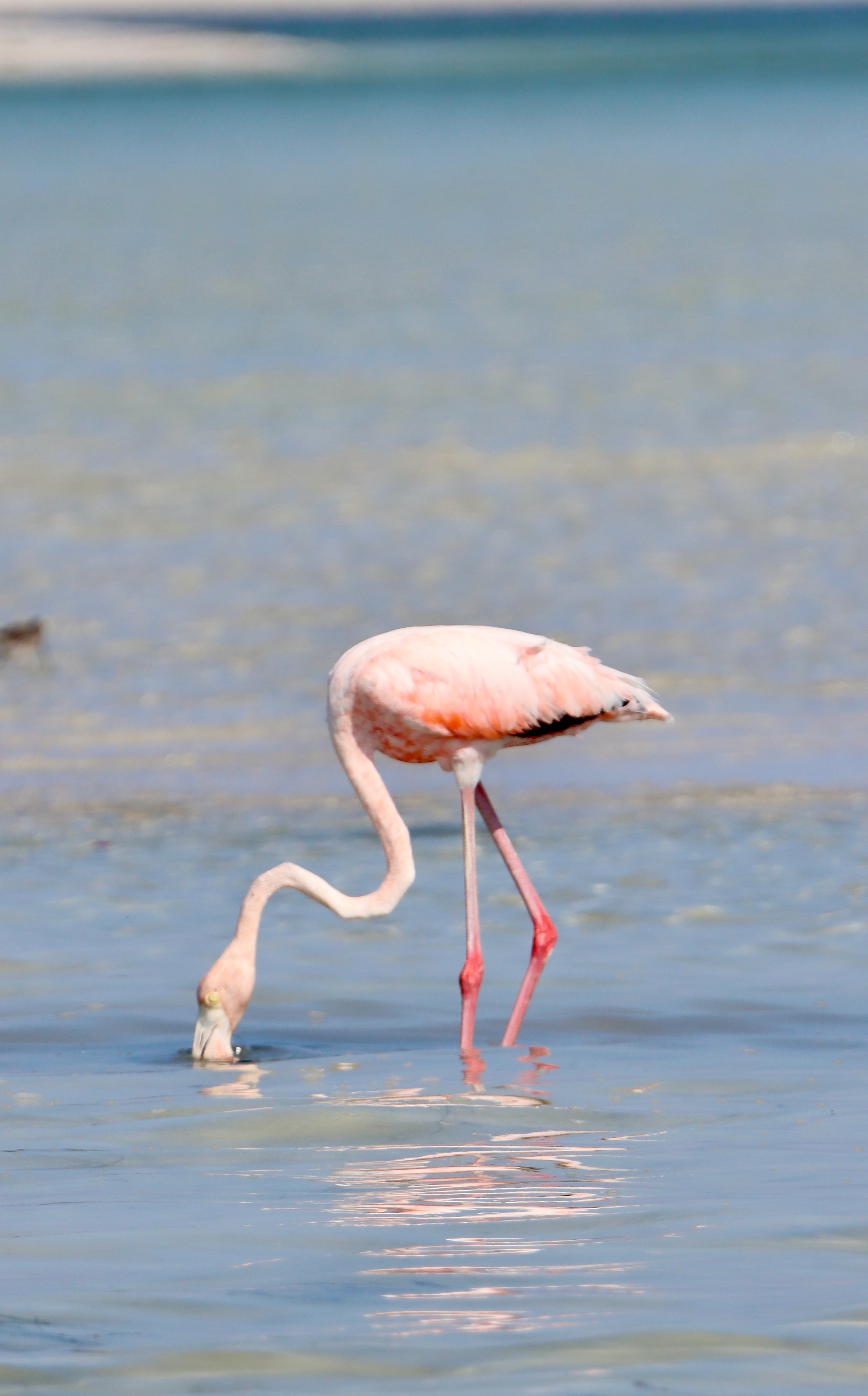


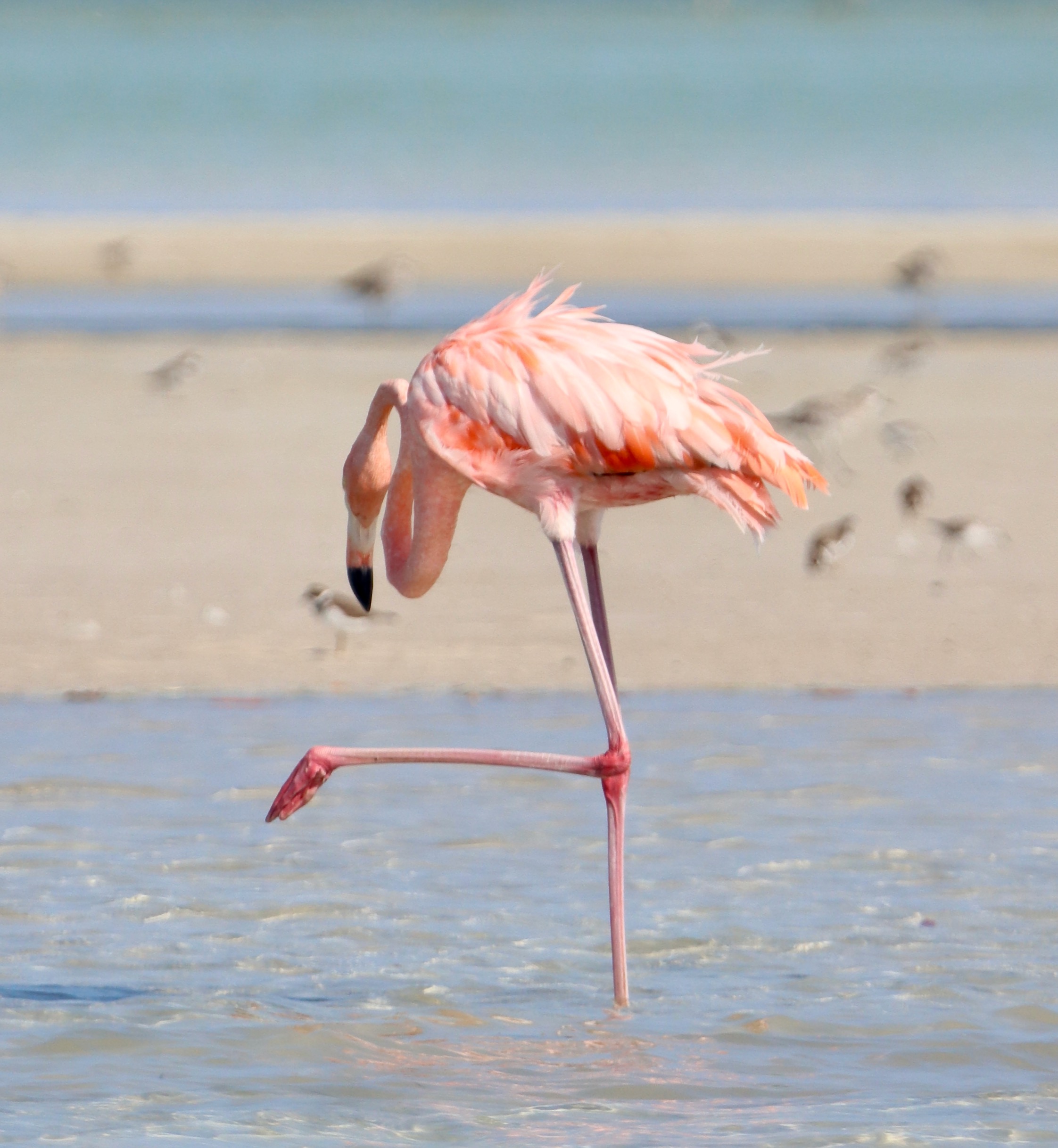
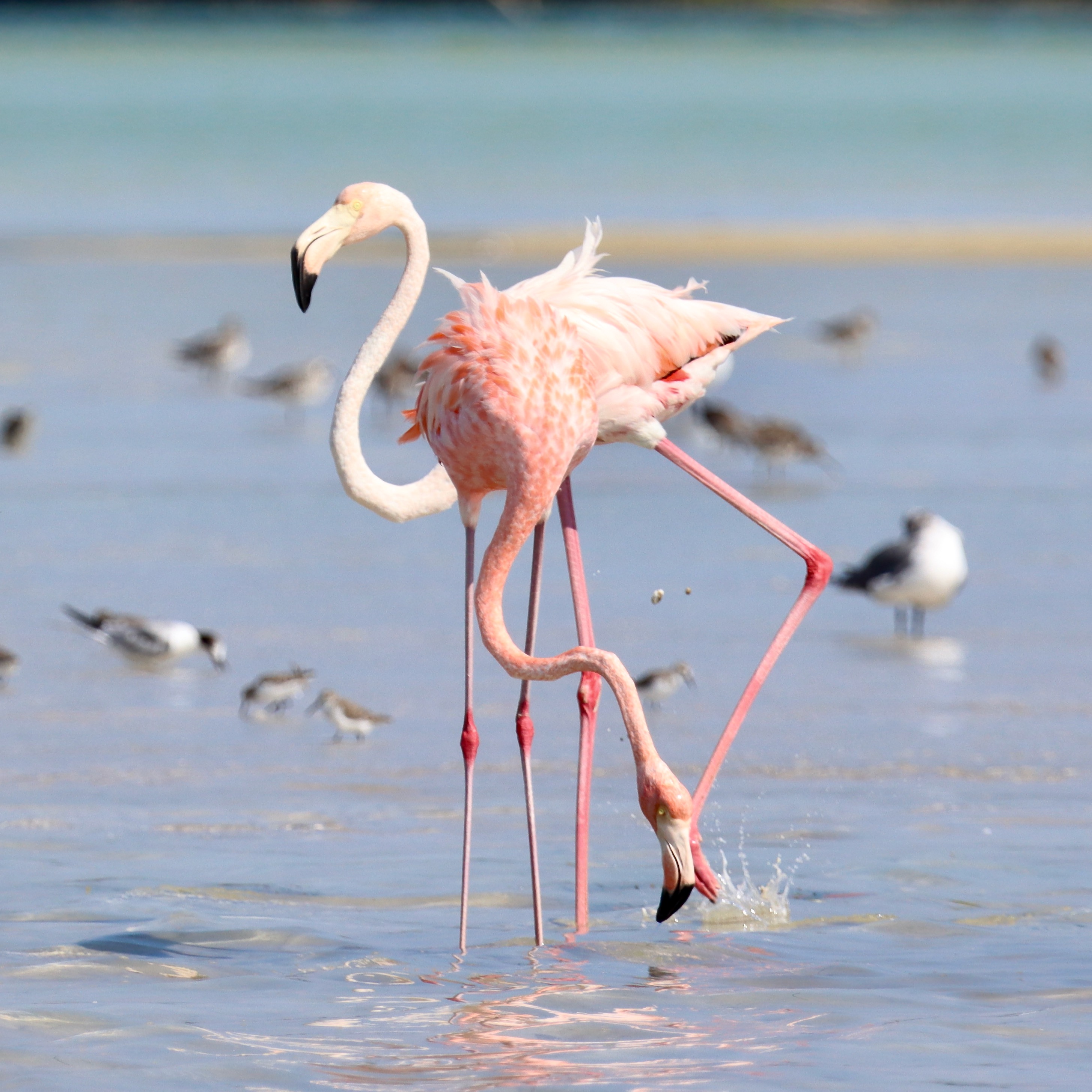


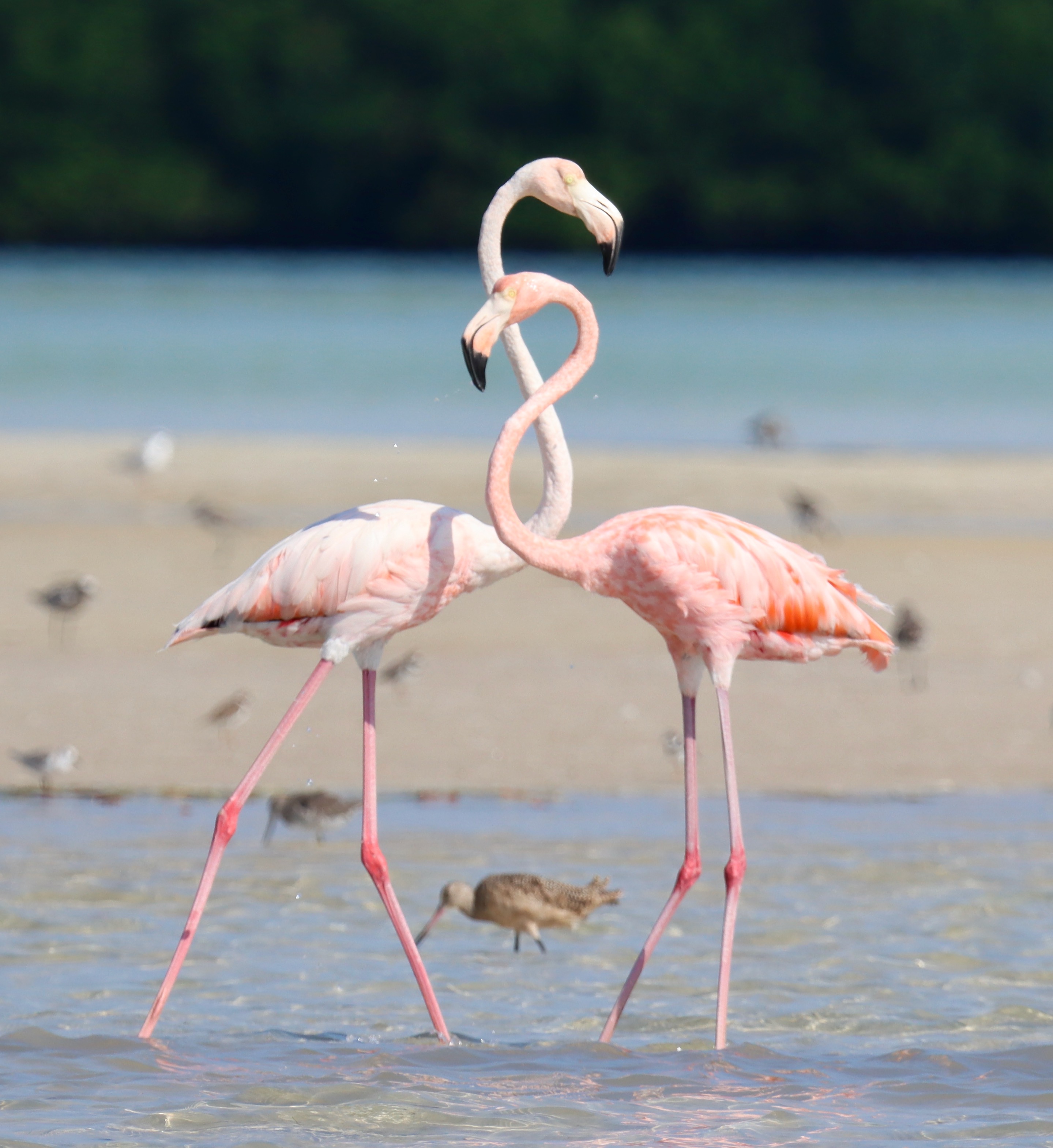


I was supposed to mow yesterday morning but when I heard there were flamingos at Shell Key I grabbed my paddle instead. The only good to come from Hurricane Idalia has been the multiple sightings of flamingos around the state.
At the end of August, Hurricane Idalia brought at least 20 flamingos to Florida (and points further inland). According to ornithologists, the birds were en route from the Yucatan Peninsula to Cuba when they were caught in the strong winds.
As wild animals, the birds have been moving around the state looking for food. There are at least 10 that have been spotted in various locations around Pinellas County. Wisely, a handful have recently gathered at Shell Key, a nearby wildlife preserve.
The various sandbars and mangrove islands that make up the preserve are a popular kayaking destination which I’ve paddled to before. It’s a lovely trip, even without flamingos. Lucky for me, four of them were hanging about. I had a fantastic time watching them, it was a great way to spend a morning (far better than mowing).
Here’s hoping that the flamingos find suitable habitat and decide to stay!

















 3rin's View...