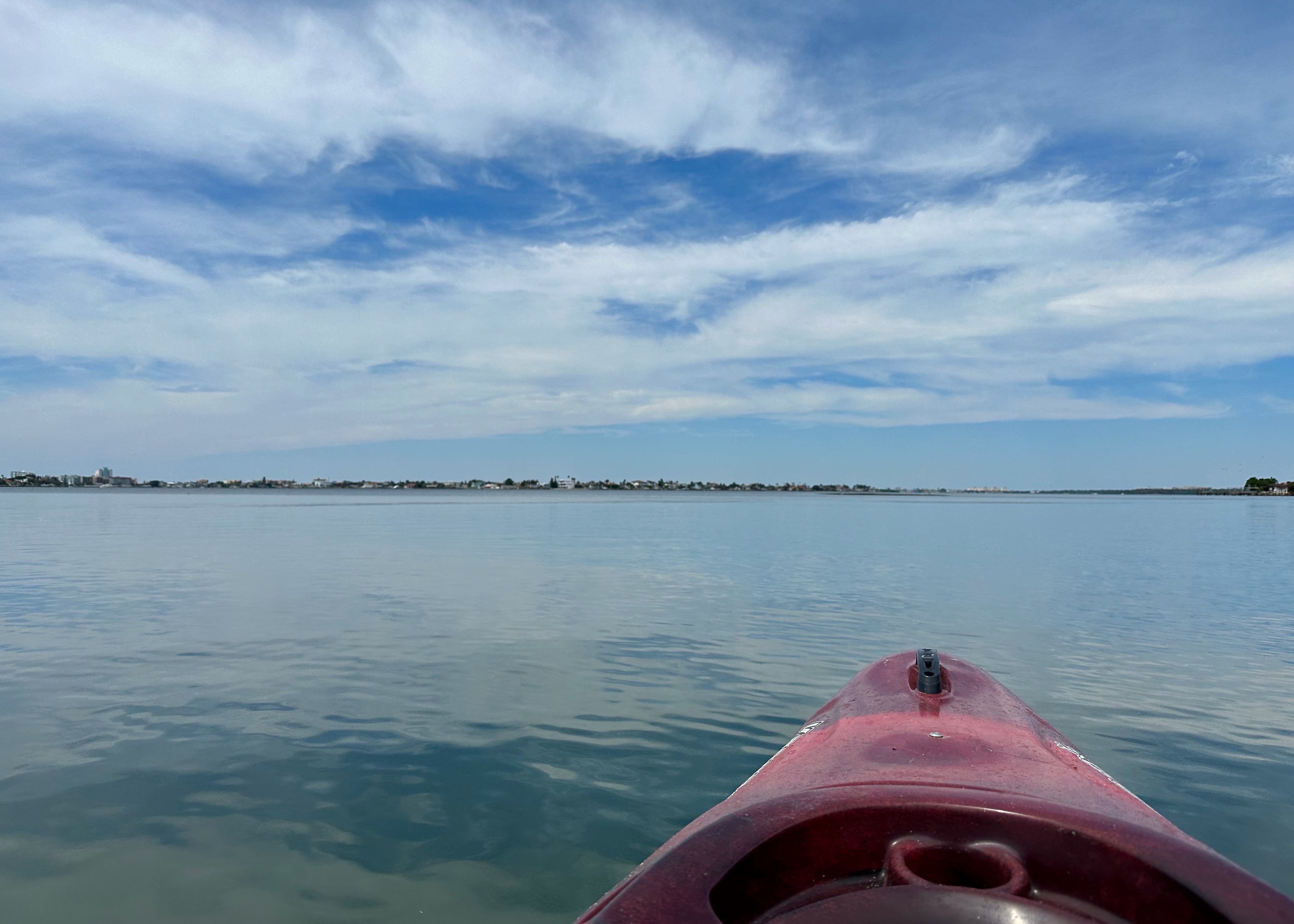
This past Sunday I hopped in my kayak and paddled over to check out part of a movie set. In late 1984 Ron Howard directed Cocoon which was filmed at various locations around St. Petersburg.
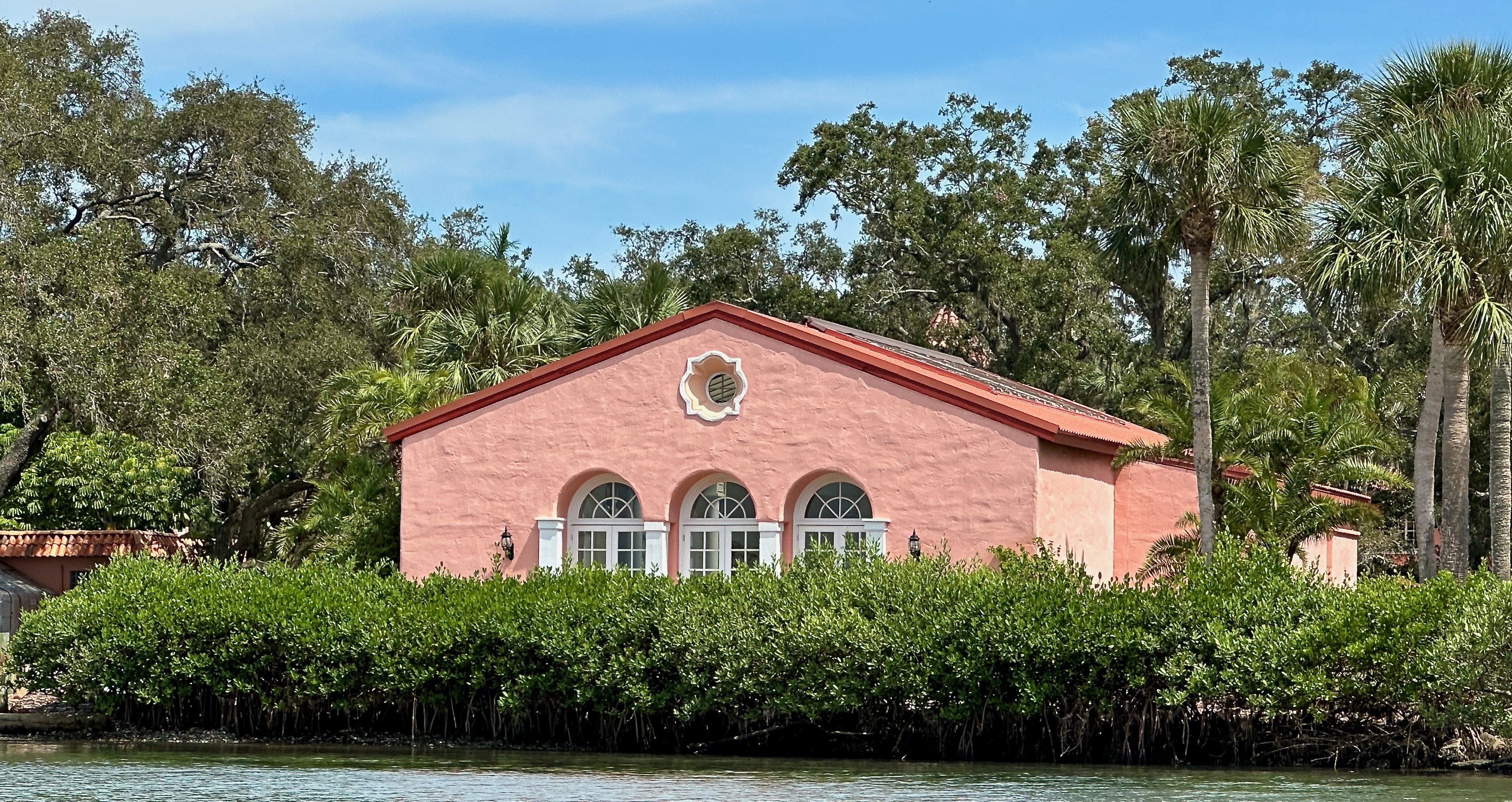
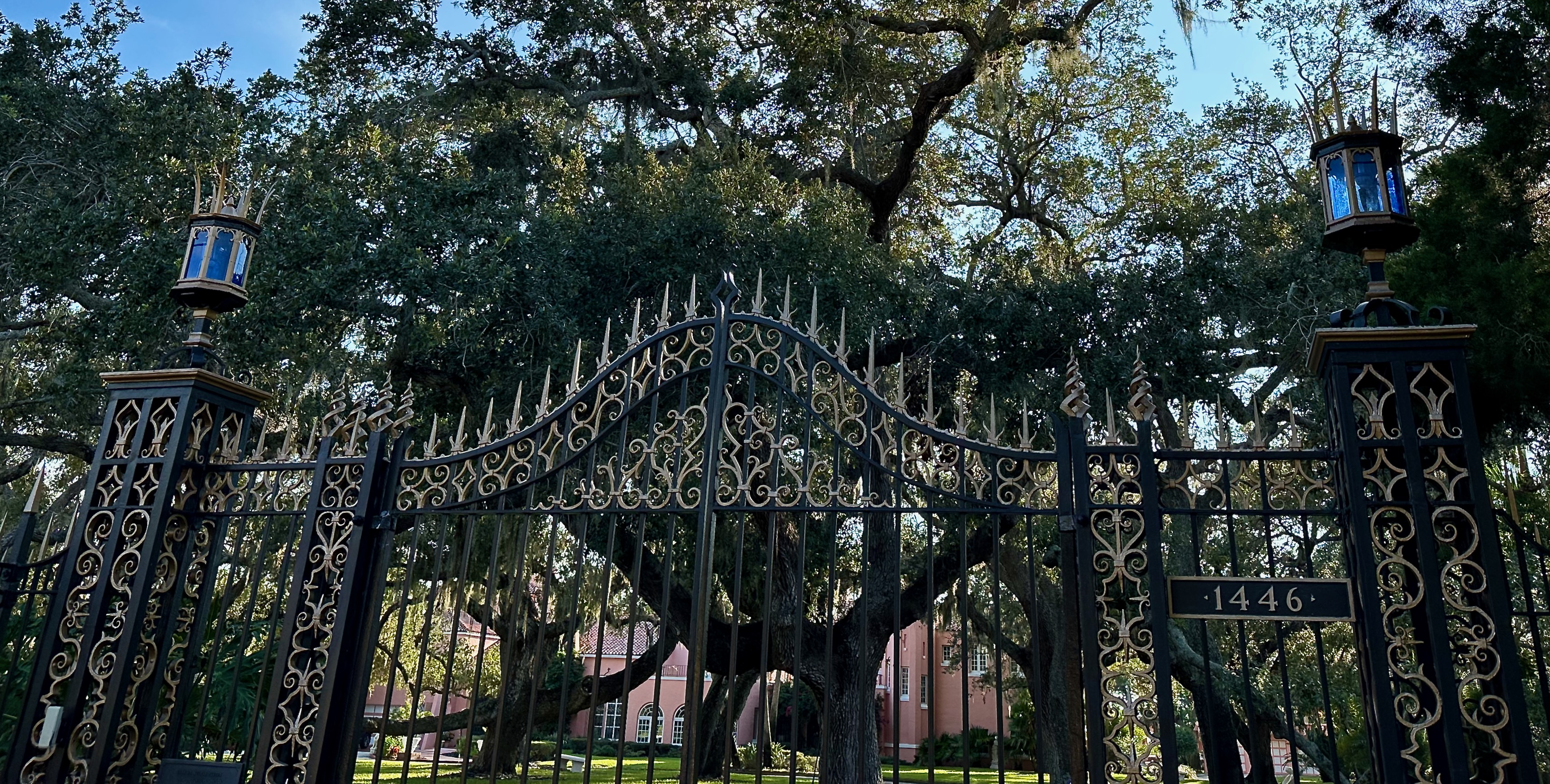
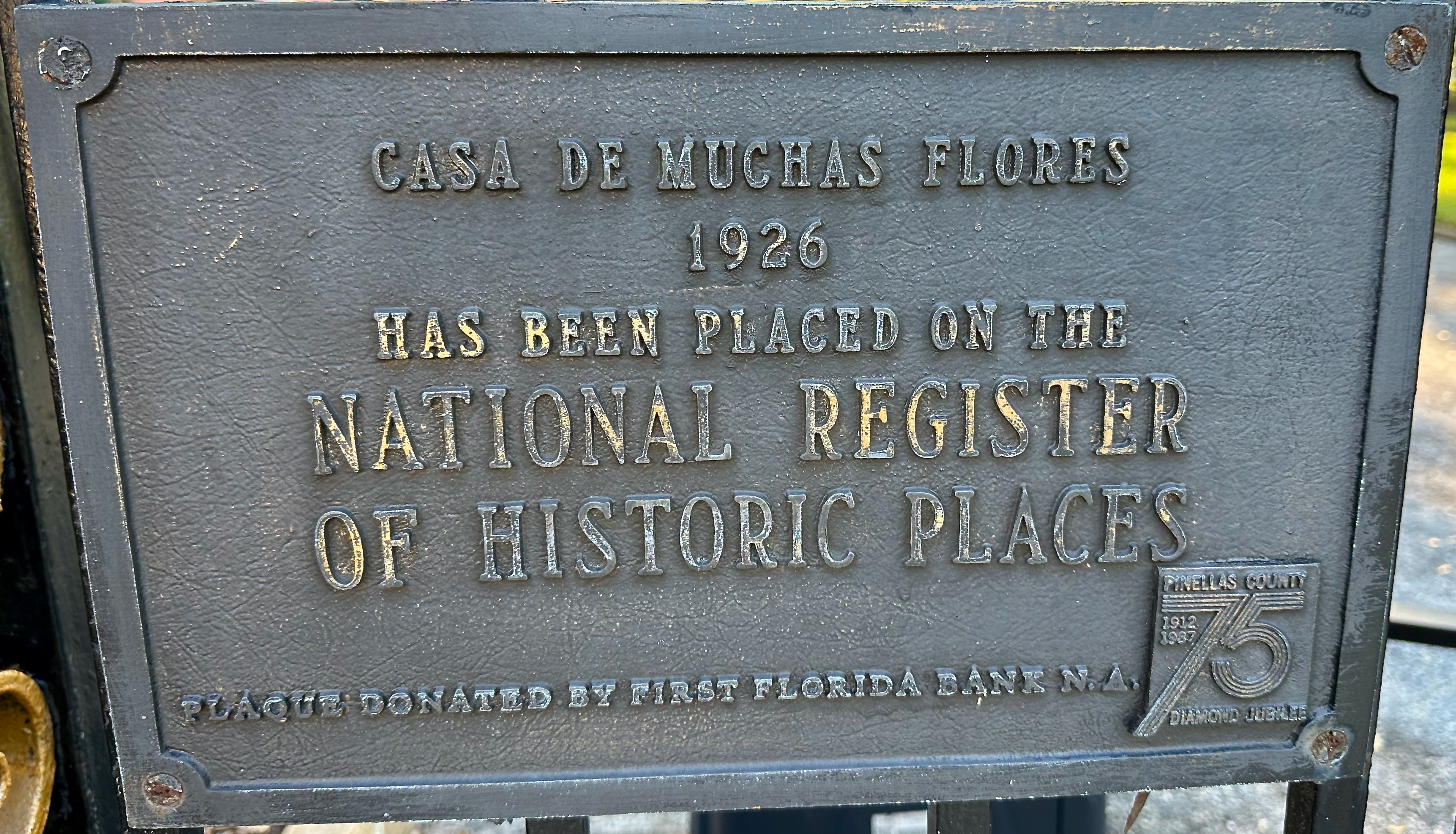
The scenes with the seniors frolicking in the regenerative pool were set at Casa de Muchas Flores. Dr. Chester Babat and his wife Doris had purchased the mansion a few years earlier and begun to restore the historic property. They fell in love with the pool house that the film company erected so they had a replica permanently built.
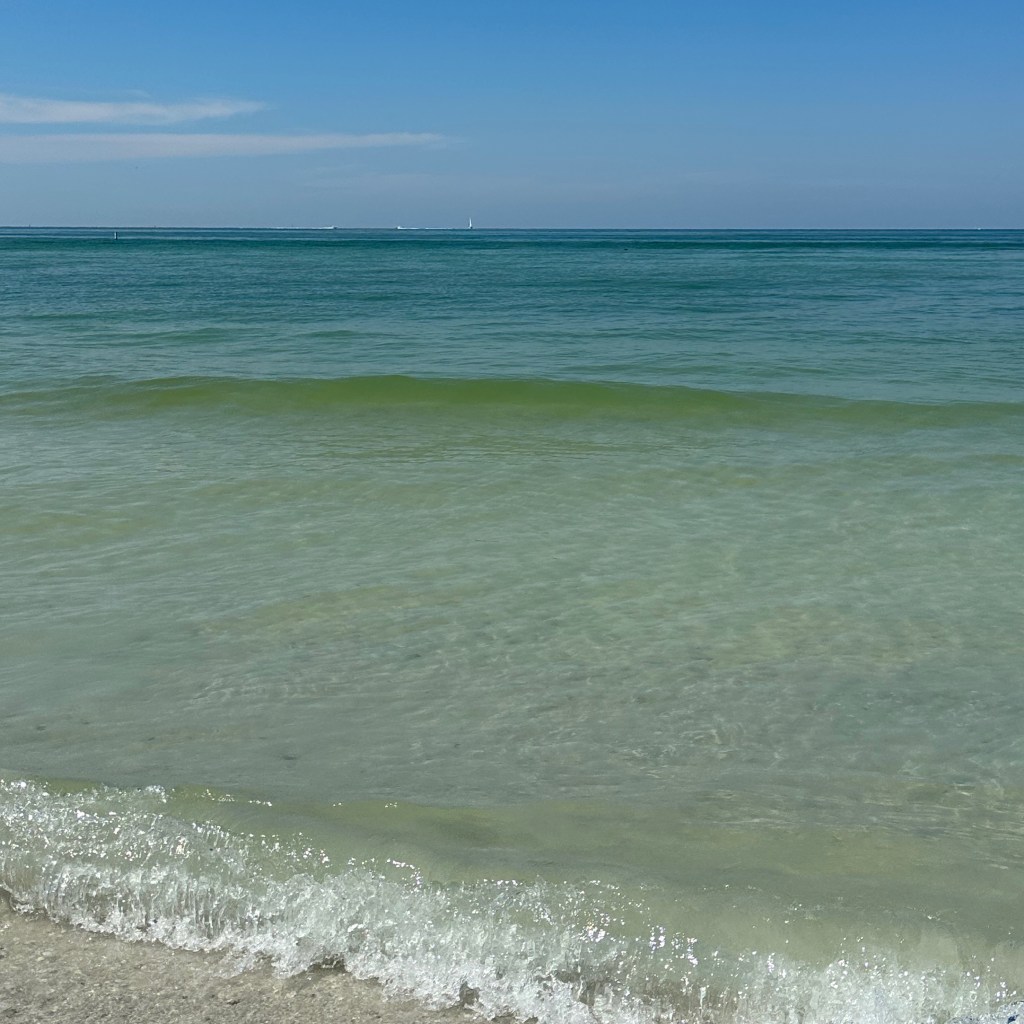
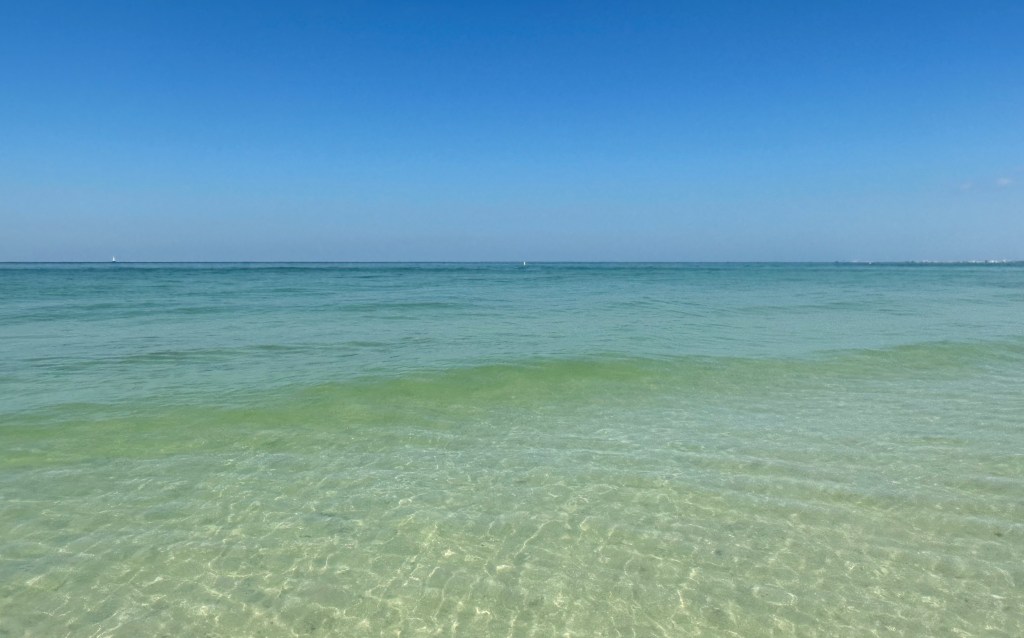
The pool house is not publicly visible by land, only by sea. I opted to paddle from my house, a little over six miles roundtrip. There were certainly easier ways to get there but, as you know, that’s just not my style. I snapped a few photos from my floating perch and later in the afternoon I drove by to capture the front of the mansion.
By the way, the property is for sale. It’s a mere eight minute drive from my house so, if you have $11.5 million laying around why not become my neighbor?














 3rin's View...