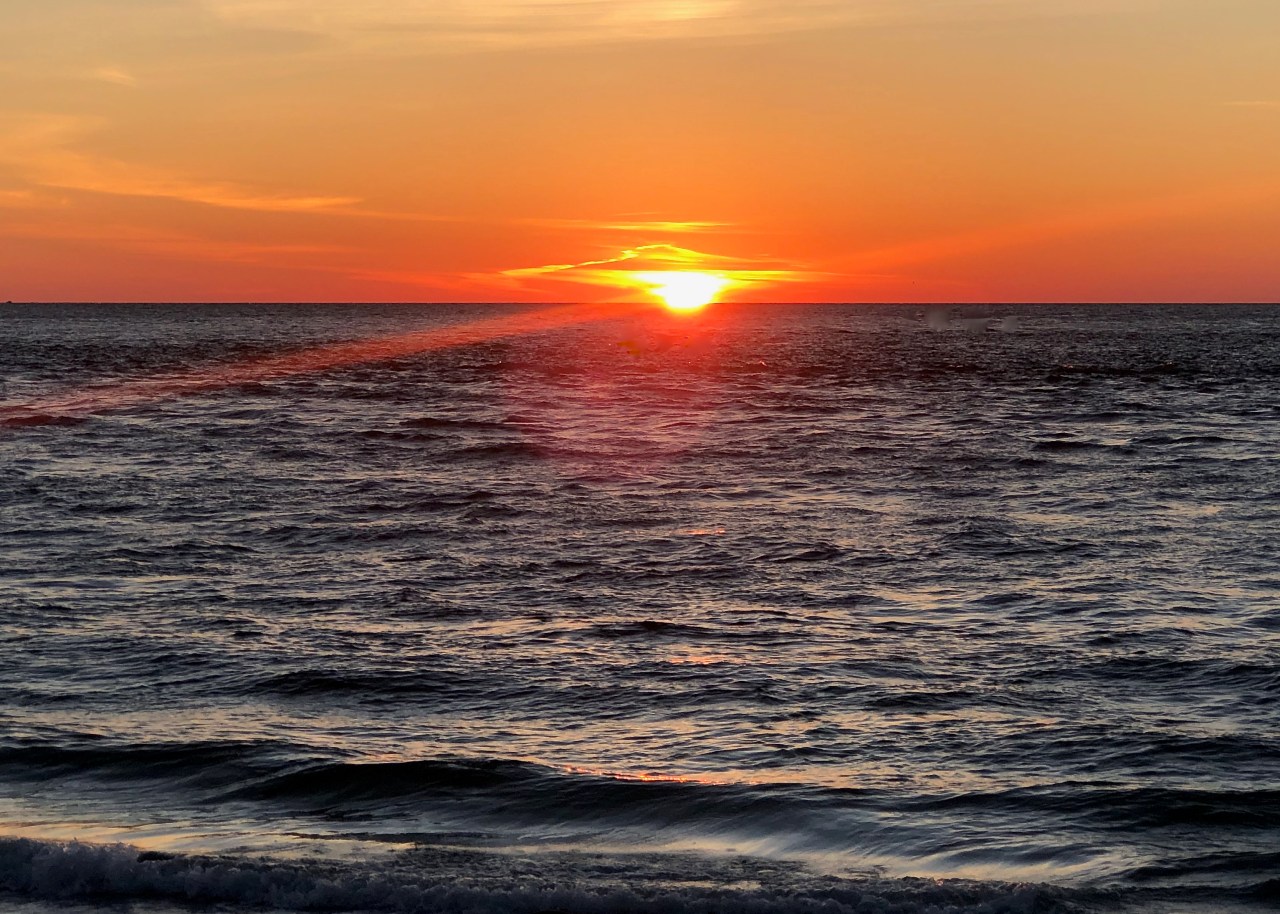
Treasure Island Sunset, Florida May 2020
Wrapped up another beautiful weekend here on the Gulf Coast of Florida. What a great way to finish it off!

Treasure Island Sunset, Florida May 2020
Wrapped up another beautiful weekend here on the Gulf Coast of Florida. What a great way to finish it off!
Do what you feel in your heart to be right –
for you’ll be criticized anyway.
~ Eleanor Roosevelt

Leaf, Walsingham Park, Largo, Florida May 2020
I stalked this skittish adult male Indigo Bunting (Passerina cyanea) through a field before finally catching him feeding on grass seeds. Though it looks like a sparrow in size and appearance, this species is actually in the cardinal family.
The genus name refers to true sparrows (picking up on the superficial resemblance), while the latter part of the binomial is based on the male’s brilliant coloration during breeding season.
This one, unfortunately, is not yet all dressed up for prom. Though he is in his nonbreeding plumage he is still a handsome bird! The female by contrast is always quite drab.

Female Indigo Bunting, Walsingham Park, Largo, Florida May 2020

Yellow-billed Cuckoo, Walsingham Park, Largo, Florida May 2020
Last week this secretive Yellow-billed Cuckoo (Coccyzus americanus) hopped around in the bushes evading me. Well, it alternated between hiding-from and looking-for me. In a rare display of patience, I stood completely still, camera at the ready, and waited.
Sure enough, within a couple moments it popped into an opening in the leaves and I was able to snap a couple photos. Though they are known for being easier to locate by sound than sight, I didn’t hear it’s distinctive croaking call that afternoon. You can bet that I’ll be listening for it next time I’m in the area!

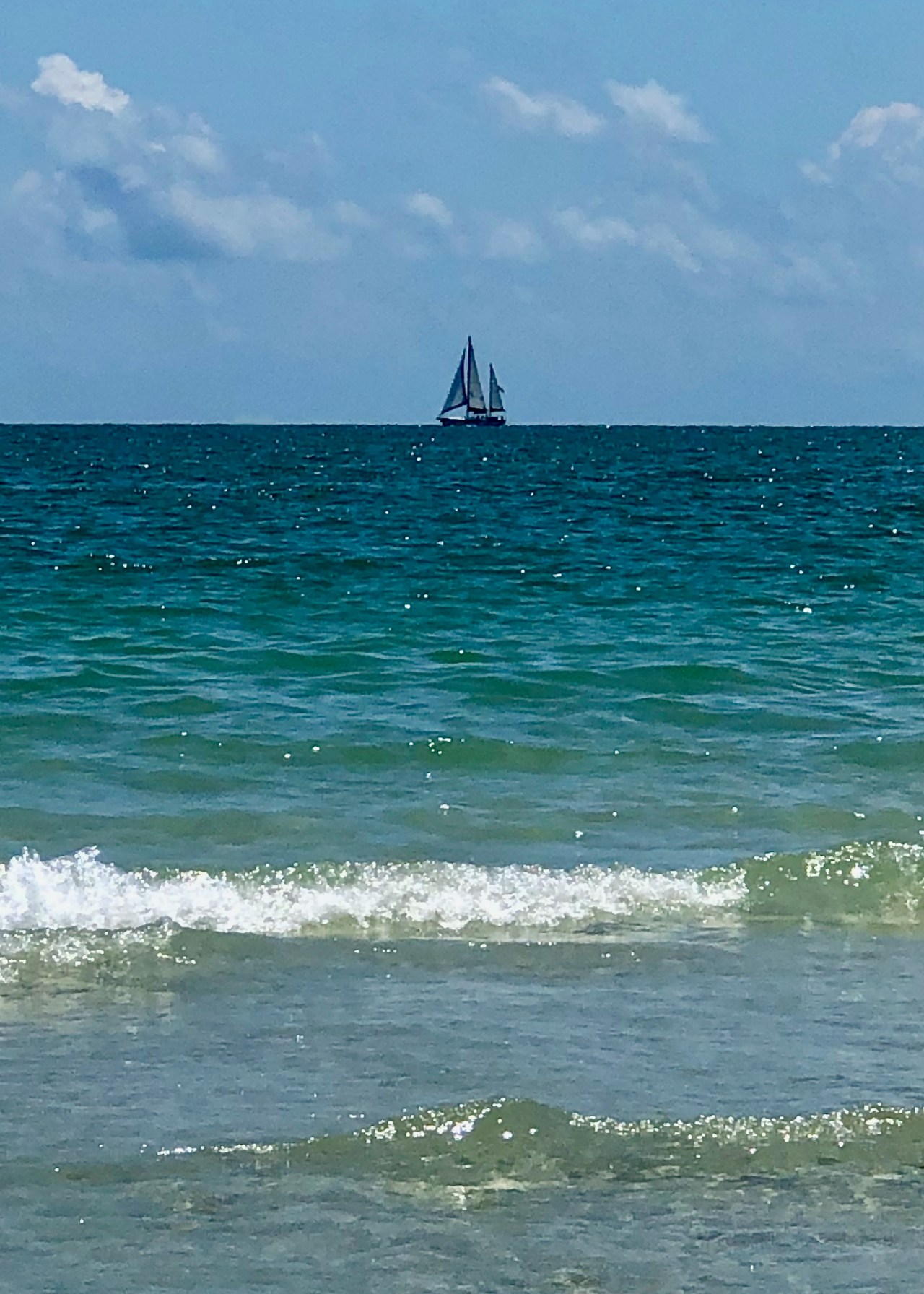
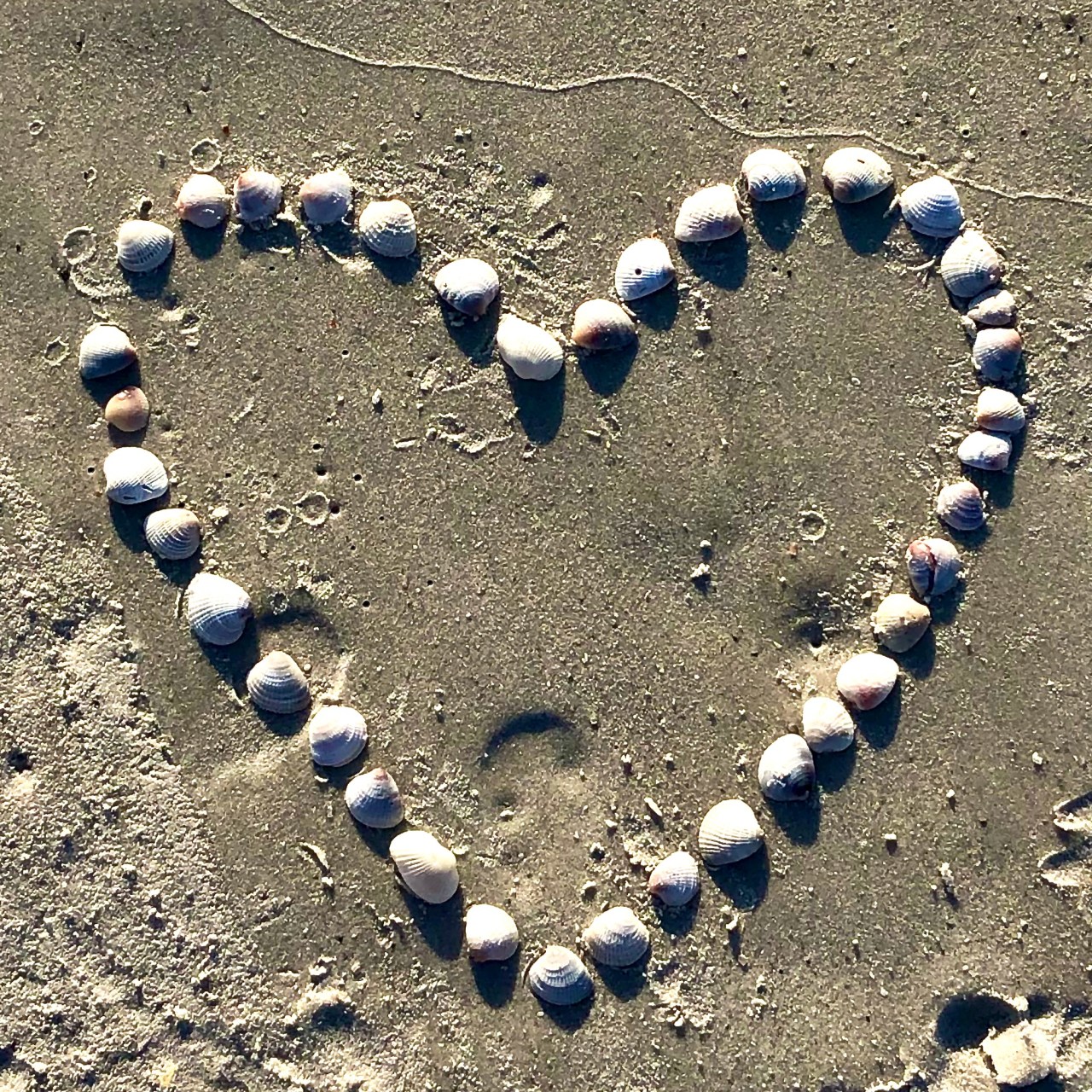
My Beach, Treasure Island, Florida May 2020
No matter what life throws my way, beach time never fails to improve my mood. If my toes are in the sand then I know things are going to be alright (eventually).

Black-crowned Night Heron, Walsingham Park, Largo, Florida April 2020
Near nightfall the aptly named, Black-crowned Night Heron (Nycticorax nycticorax), takes over for its egret and heron cousins on the daytime crew. This crepuscular bird ambush hunts at the edge of shallow water and has even been known to use tools, tossing in small objects to bait fish into coming closer.
They are short and stocky in comparison and possibly not as flashy looking as their relatives (why bother, when you’re mostly active at night?) but I think they are quite dignified looking.

Raccoon, Walsingham Park, Largo, Florida May 2020
During my training as a naturalist I was taught to avoid anthropomorphizing – inferring human emotions or characteristics upon animals. It can be challenging and I often fail, “Oh, look at those dolphins, they look like they’re playing, they’re having so much fun.” Hey, I’m only human and some animals do seem to embody pure joy (dolphins, otters, and puppies for instance).
I explained all that so that you can understand my thought process about this raccoon. I watched it for at least 30 minutes the other afternoon (from a safe distance away, using a zoom lens). It changed position exactly once in that entire time, carefully settling into the crotch of the branch.
Once I saw its distended belly pooch out on either side I occurred to me that the animal looked incredibly uncomfortable. Downright miserable, actually. Then I noted the fruit in the tree, and all the bird activity and droppings. Conclusion? Someone over indulged. Hey, we’ve all done it. Sorry little one, hope you feel better soon!

Florida Strangler Fig Fruit (Ficus aurea)
Though it is difficult to distinguish between the sexes in Great Egrets (Ardea alba), I will venture a guess that this brightly-colored one is a male. During breeding season the birds undergo certain enhancements to make them more appealing, in this case that means long, fluffy plume feathers, a more vivid bill, and most strikingly, flourescent green lores (skin patch between the eye and bill).
The male of the species tends to exaggerate these features more and the one I photographed was exceptionally vibrant, hence my determination. Putting on bling to attract a possible mate’s attention. Hmmm, sounds like humans on a Friday night…
It is a conservation success story that these birds are still commonly found. In the late 1800s the frenzy for their long ornamental feathers (used as fashion accessories) almost caused their extirpation. Instead, concerned citizens demanded protections for the birds which led to not only the creation of this country’s first bird sanctuary but the enactment of the Migratory Bird Treaty Act of 1918.
“The statute makes it unlawful without a waiver to pursue, hunt, take, capture, kill, or sell birds listed therein as migratory birds. The statute does not discriminate between live or dead birds and also grants full protection to any bird parts including feathers, eggs, and nests. Over 800 species are currently on the list.”
Do not be dismayed by the brokenness of the world. All things break. And all things can be mended. Not with time, as they say, but with intention. So go. Love intentionally, extravagantly, unconditionally. The broken world waits in darkness for the light that is you.
~ L.R. Knost

Day’s End, Walsingham Park, Largo, Florida May 2020
This video was posted a couple weeks ago by one of the local water tour companies. Here’s how they described it: “Fish kicking is one of the most common hunting techniques used by dolphins in the Tampa / St Pete, Florida area. It may seem like a lot of work, but it’s almost always easier to catch a meal by stunning or injuring a fish with a precisely timed flick of the tail than it is to just chase one down… like a cave dolphin 🙂 Not all dolphins learn the technique, and some are better at it than others, but the ones that learn it have an advantage.”
Though I watch dolphins most every evening at John’s Pass I have yet to witness this for myself. I plan on taking a kayak tour (when safe to do so) and hope to see this incredible behavior!