
Went to yoga on the beach with my friend Katie this evening. What better way to spend a rare Friday night off from work? So relaxing!

Went to yoga on the beach with my friend Katie this evening. What better way to spend a rare Friday night off from work? So relaxing!
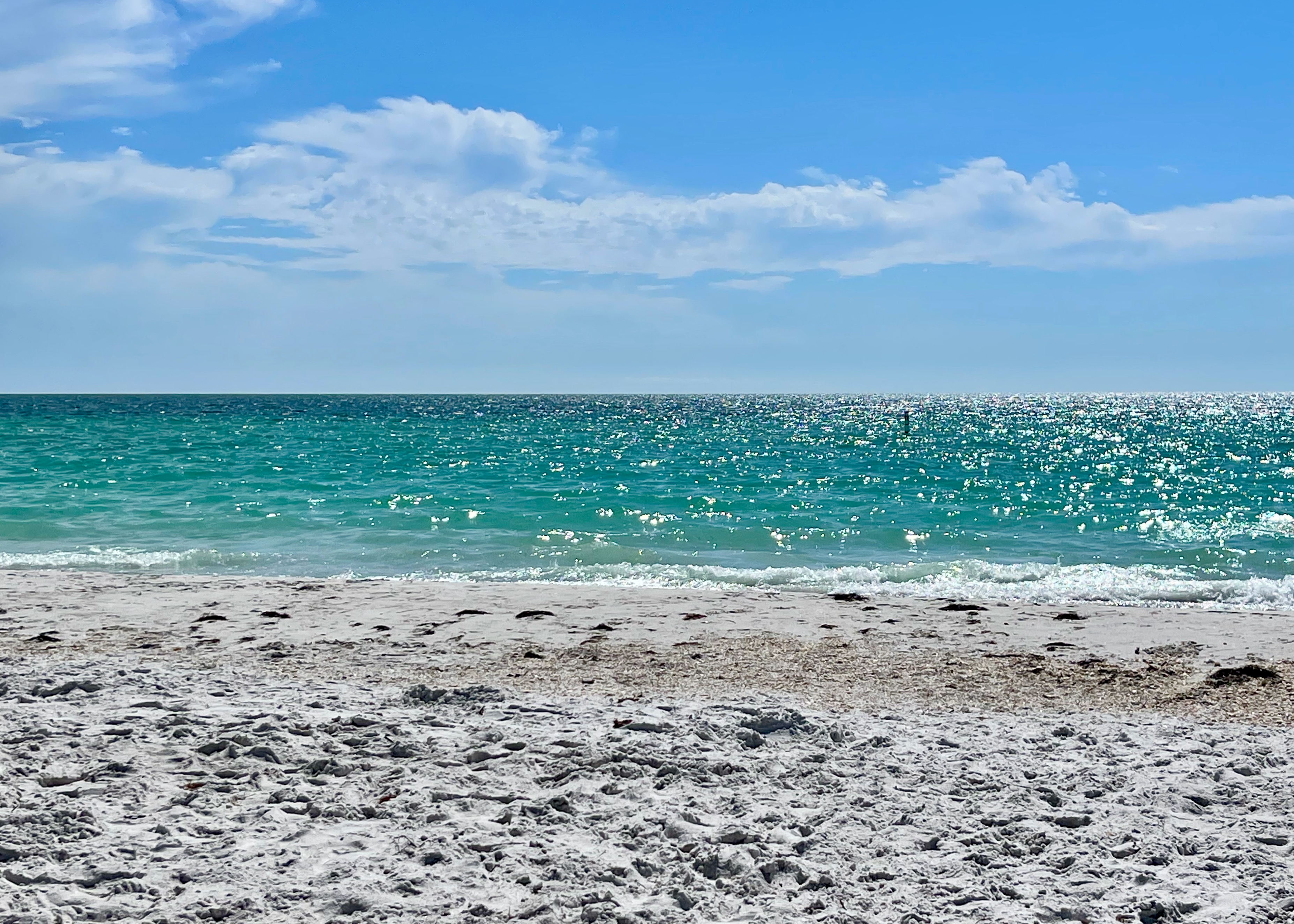

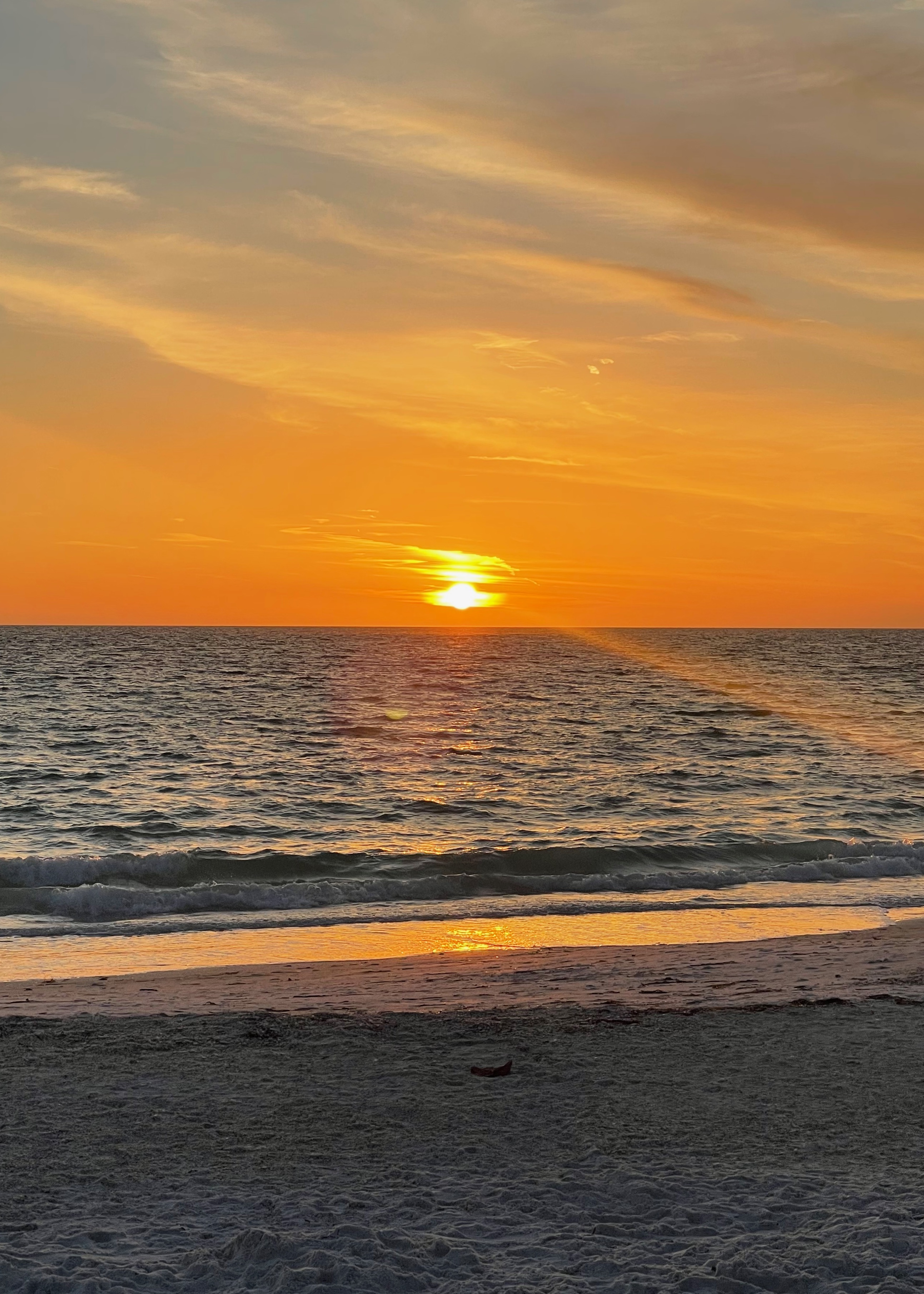
Friends and I wandered out to Anna Maria Island Sunday afternoon for a bit of relaxation. I can’t think of a better way to spend a day off.
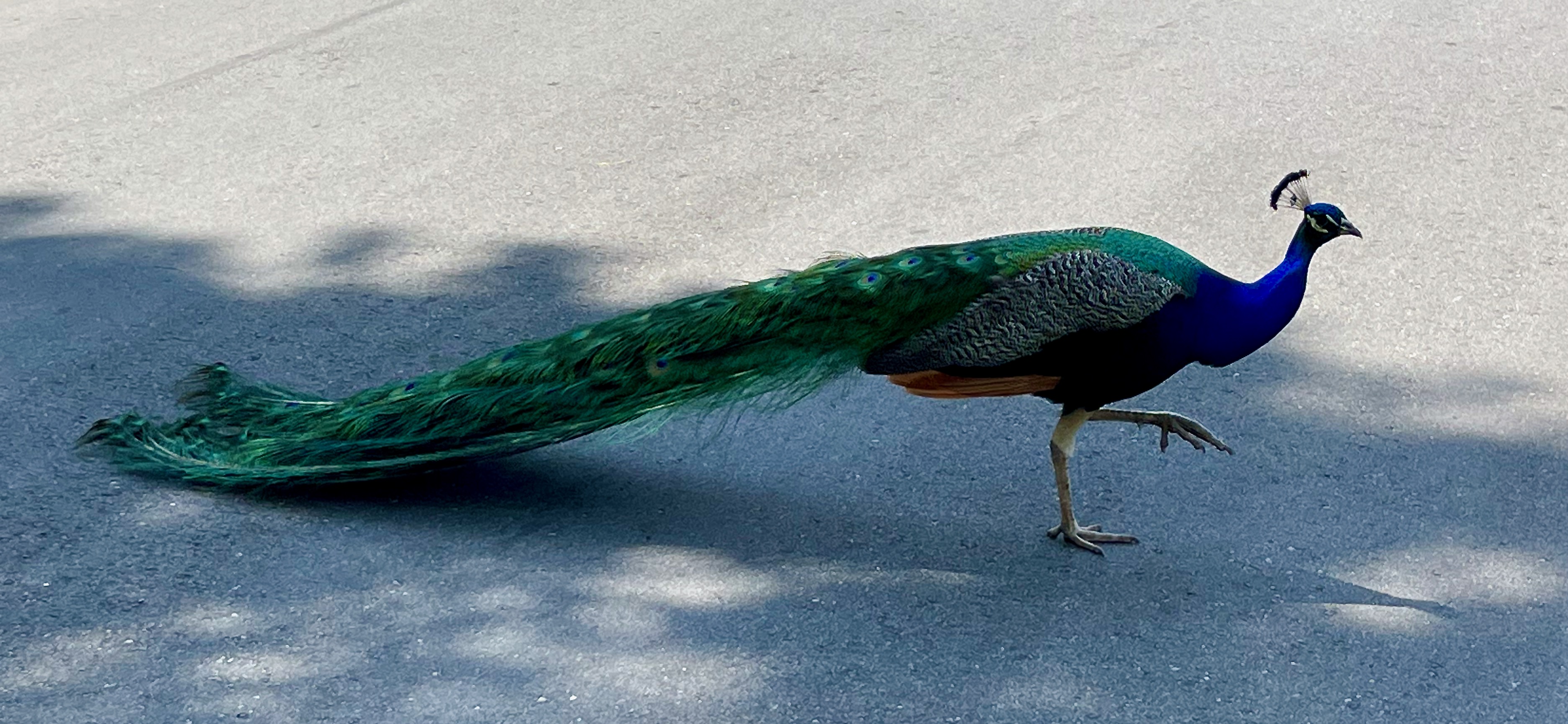
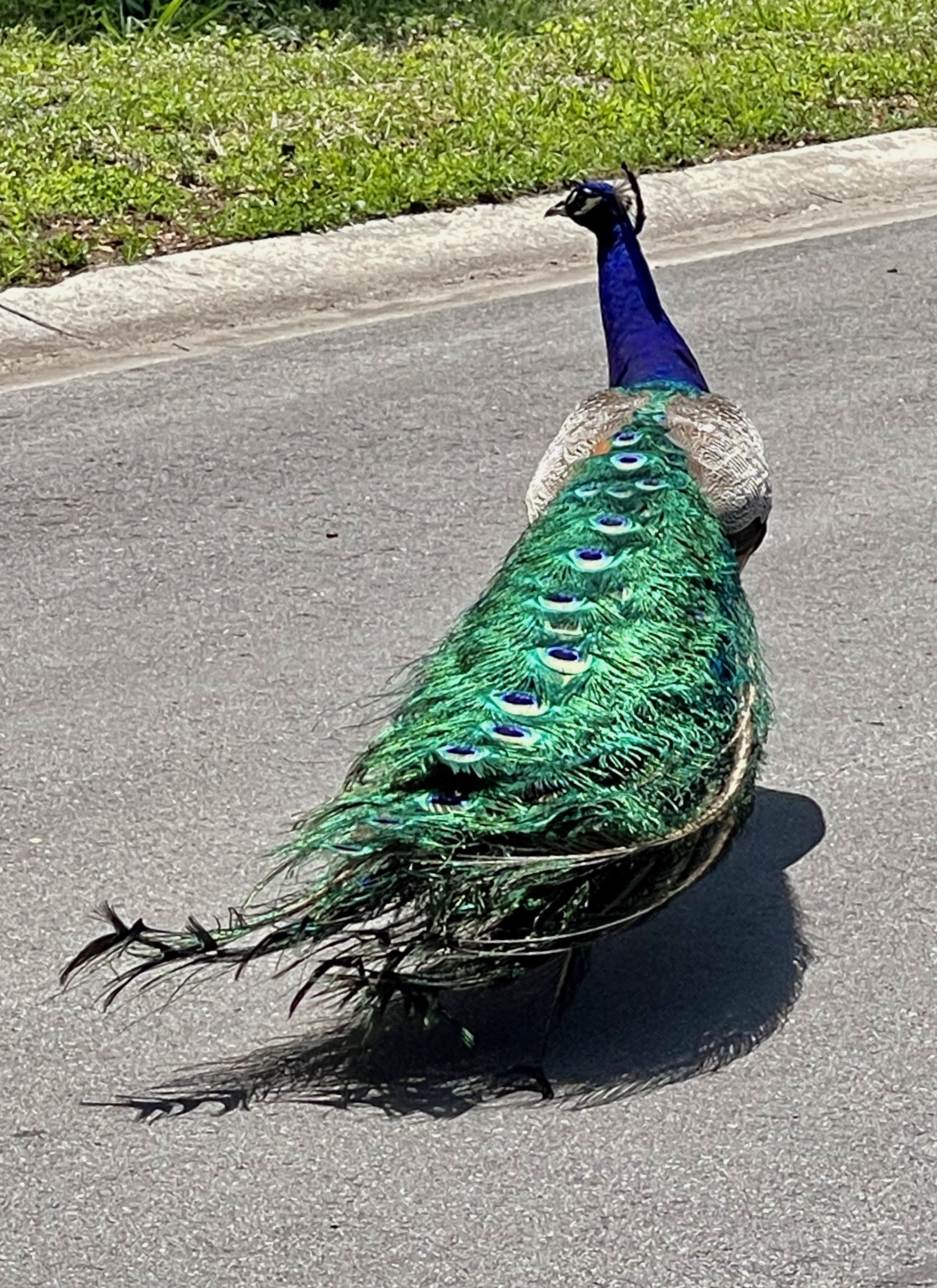
In an effort to avoid a serious backup on the highway, I took a side street to work the other day. Unfortunately, this new route didn’t turn out to be any faster since I encountered this handsome devil.
It’s breeding season and though I didn’t see any females nearby this guy was certainly strutting his stuff. A pleasant diversion to be sure.
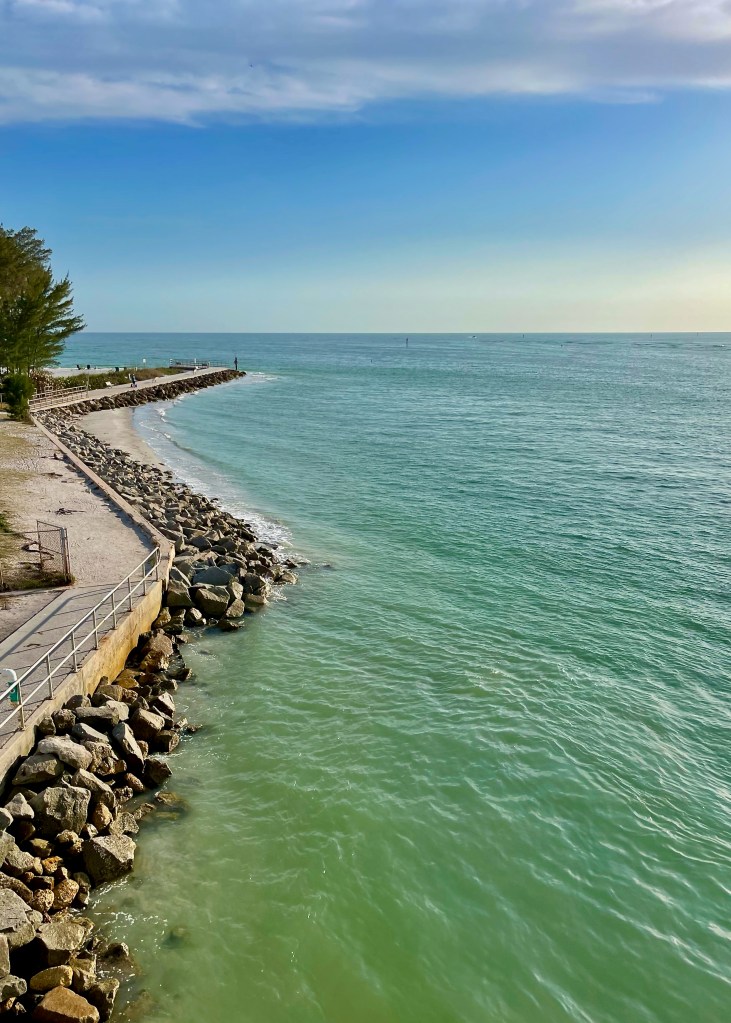
The colors were just lovely yesterday evening so I climbed up to the top of the bridge over John’s Pass to get a better look. This jetty at the north end of Treasure Island is my turn around spot when I walk the beach.
It’s a wonderful place to watch the water and relax.

Summer must be on the way! Not only are the days are getting longer (and warmer) but the tilting of our planet means the sun has once again started to line up with the opening in the John’s Pass bridge near me.
This year our 12+ hours of daylight started back on March 15th and will continue through September 26th. Interestingly, we’ll get within six minutes of 14 hours on June 20th. That’s a lot of sunlight to enjoy!
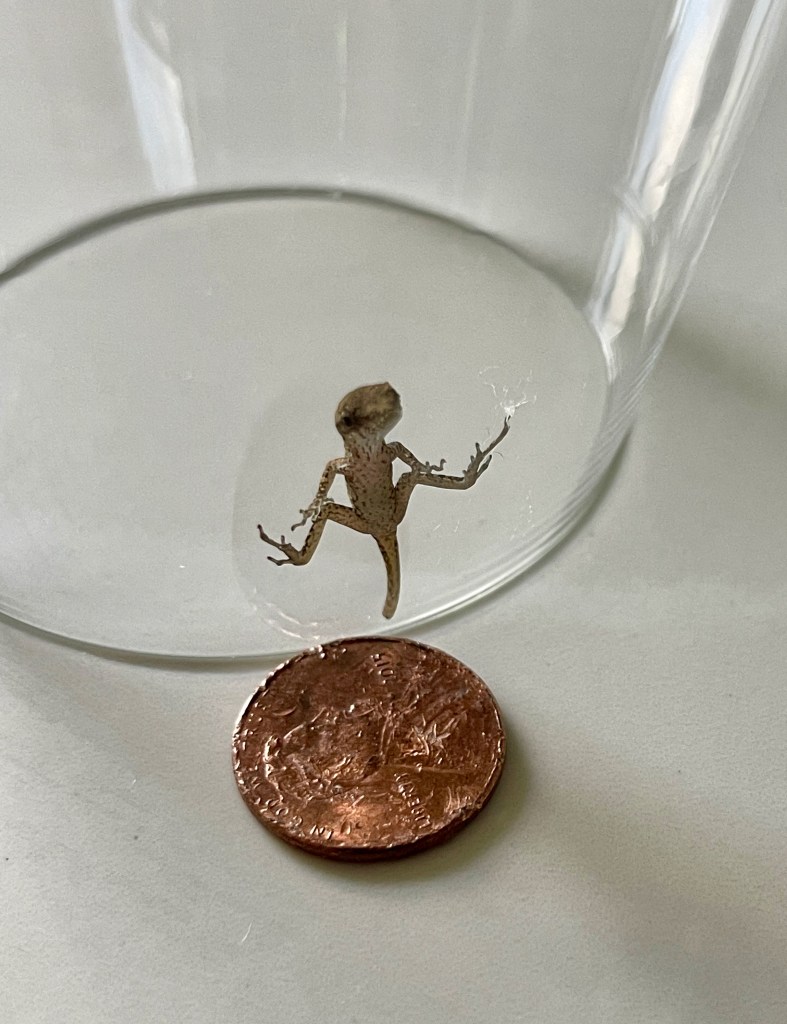
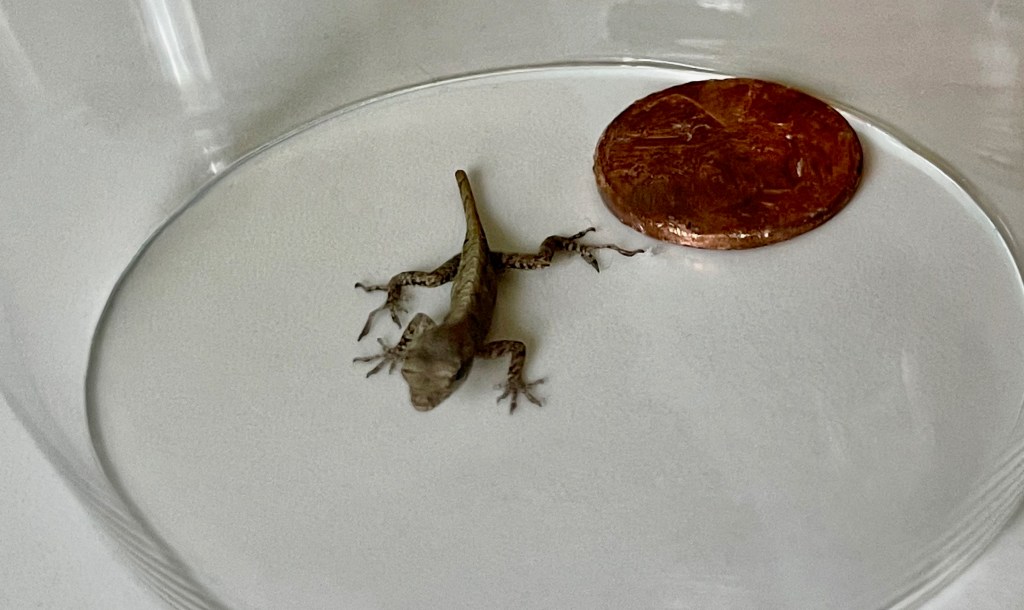
Had an uninvited guest at the house last week. It was a bit of a feat to capture him without doing any damage to the tiny thing. After a quick photo session I placed him outside under one of my rosemary bushes. Live long and eat lots of bugs, little dude!

In my ongoing effort to be careful with my money I stopped into a dollar store and picked up some new shoelaces. It was too good to be true and now I know why. And yes, I discovered this issue right before work so I had to watch my step that night.
Maybe I should get a cat…*
*When I had cats they eschewed all purchased cat toys in favor of household “trash”. Items like crumpled newspaper, paper bags, old shoelaces (and, of course, boxes of any size) were the toys of choice.
Hit a favorite fishing hole Sunday afternoon for a little relaxation. It was a very mellow outing, the fish decided not to bite until just before sundown (which is right when all the nasty bugs come out for a bite as well). We only caught a few Hardhead Catfish, not really edible but fun to pull in.
It doesn’t matter to me if I catch anything, I just enjoy being out in the fresh air and sunshine. Plus, I get to watch all the wildlife. A sleepy Red-breasted Merganser was the most unusual of the nearby birds. While I know they winter around here I don’t often see them.
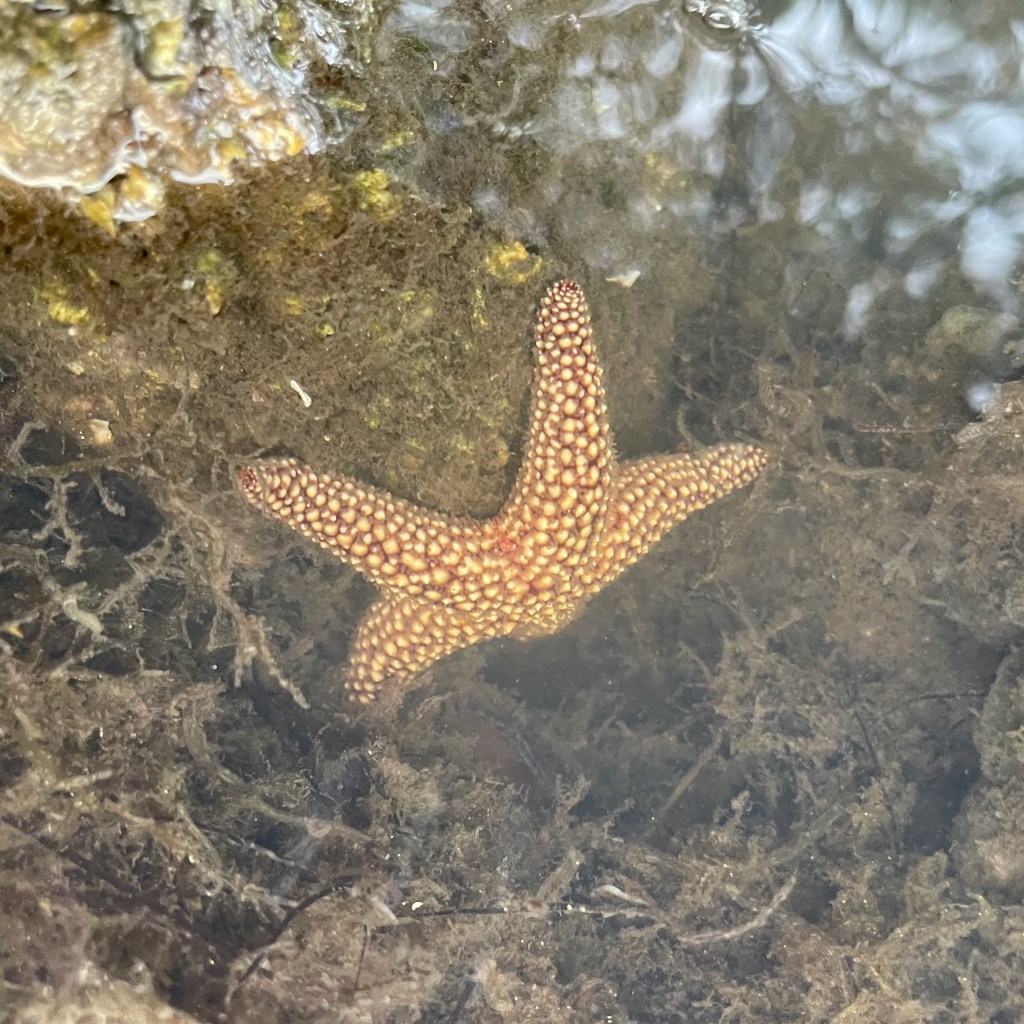
But the highlight of the day was this smallish sea star (Echinaster sp.). Unlike the rocky coastline in the Pacific Northwest where I regularly spotted sea stars during low tide, I rarely encounter them here. This shallow, sandy coast offers less suitable habitat (there are offshore reefs but as of yet I haven’t explored those). It was a treat to watch this one shuffle among the rocks in an effort to stay under the outgoing tide.
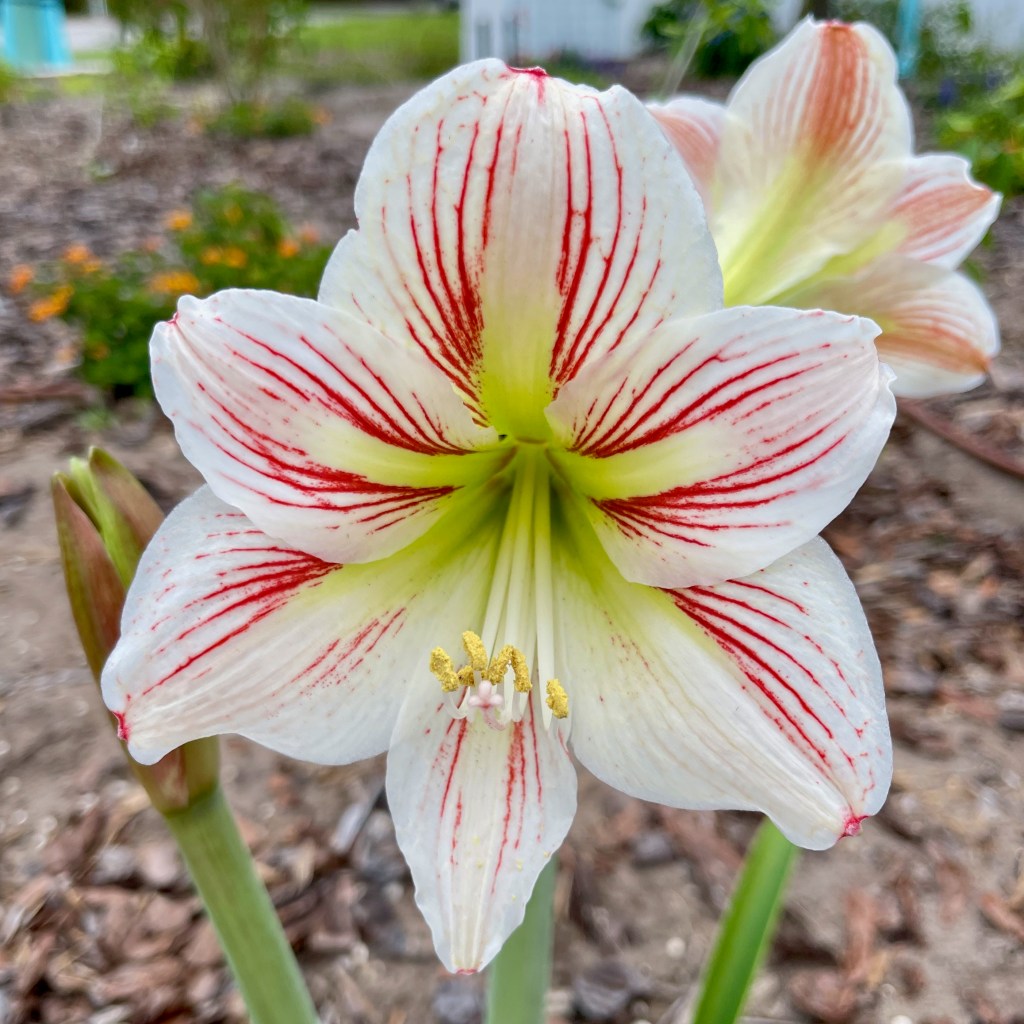
As with so many of the plants in my once barren yard, I was gifted these bulbs. When I planted them over a year ago I was told they were irises. Well, one of them finally just bloomed and lo and behold, it is a rather showy amaryllis!
I don’t really care what it is, I’m just glad it is doing so well. Certainly a cheery addition this Spring!
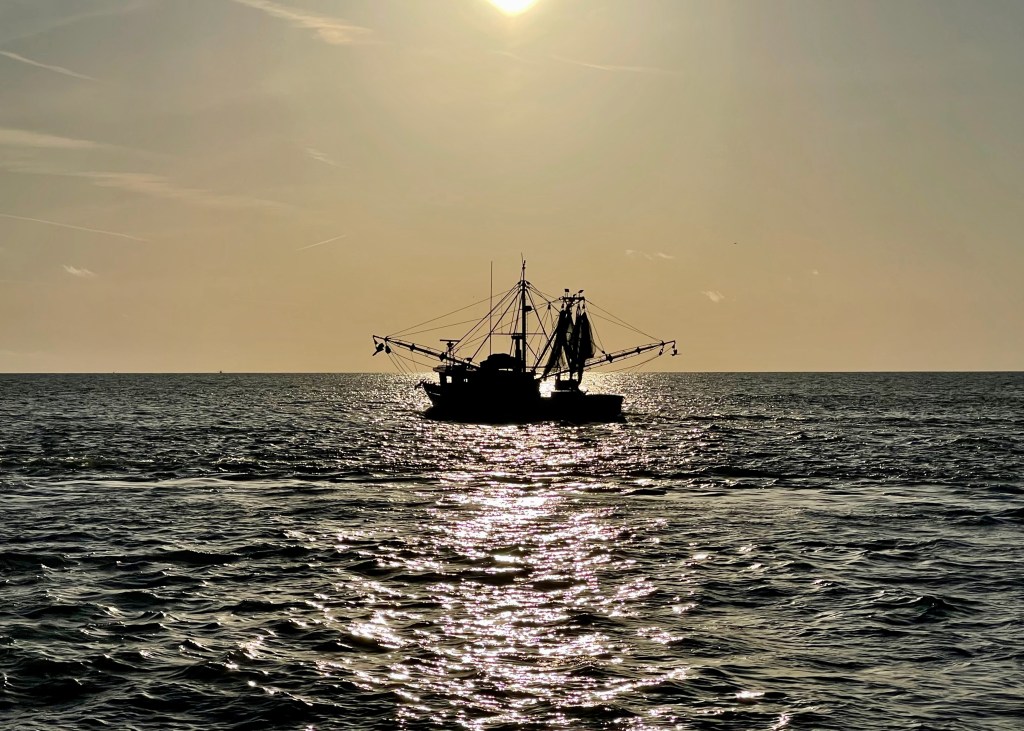
Unlike the Texas Gulf Coast, there are not a lot of commercial shrimping boats along the Florida Gulf Coast (at least not in my region). I watched this outrigger motor out of John’s Pass earlier this week.
Heading out to trawl for the “fruit of the sea” (according to Benjamin Buford Blue aka Bubba). I don’t know about you but I can’t think of shrimping without remembering that famous scene from Forrest Gump. And, if by chance, you haven’t seen this movie, don’t walk but run, Forrest, run!
 3rin's View...