I had fun playing on the beach yesterday morning. Even my shadow seemed to enjoy the lovely sunshine!

Note: Image not to scale. I do have long legs, but not THAT long!

I had fun playing on the beach yesterday morning. Even my shadow seemed to enjoy the lovely sunshine!
Note: Image not to scale. I do have long legs, but not THAT long!
We must welcome the future, remembering that soon it will be the past; and we must respect the past, remembering that it was once all that was humanly possible.
~ George Santayana

Hibiscus Flower, Independence, Missouri 2010
After a rainy beginning of November, this past week on the Oregon Coast we’ve been spoiled with mild, sunny days. As per usual, the wind picks up in the afternoon but the mornings, ah, the mornings have been stupendous. Thought I’d share a bit of my morning ocean with you.
Acknowledging a mistake just means that you are wiser today than you were yesterday.
~ Kelly Ann Rothaus

Yaquina Head Lighthouse, Newport, Oregon 2018
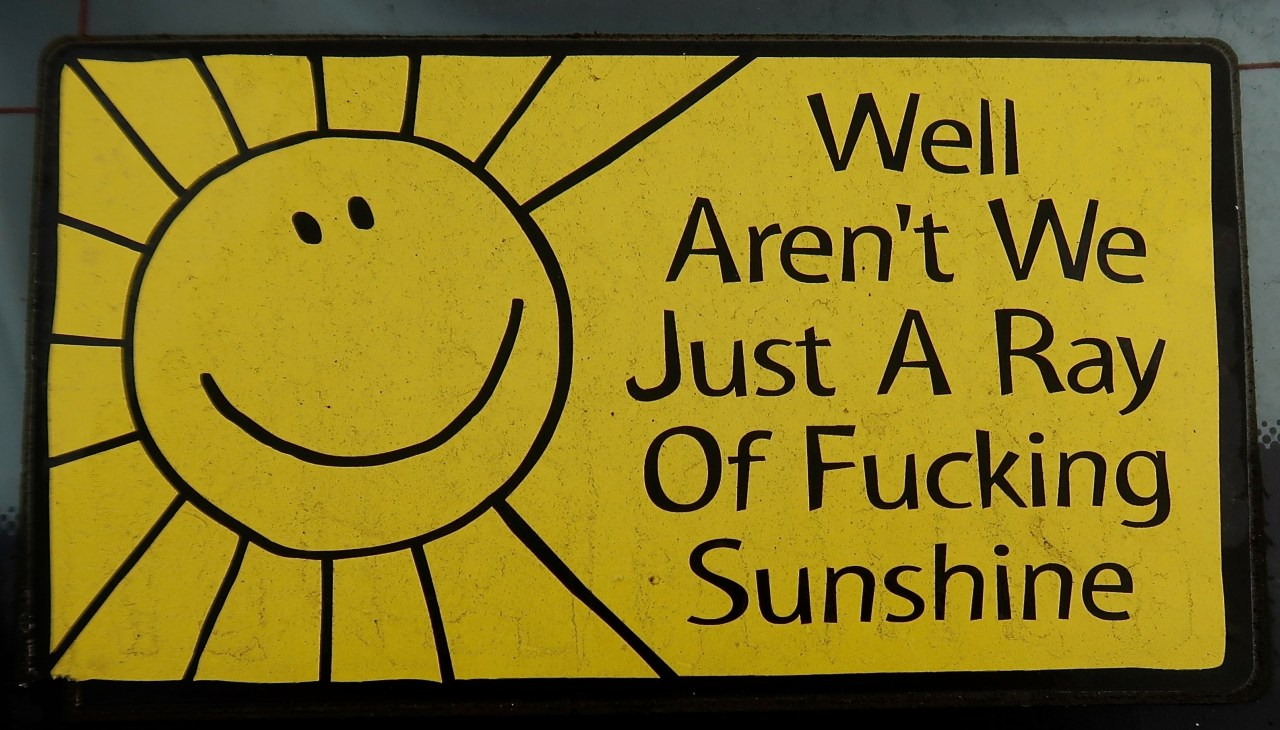
I don’t do bumperstickers but this one that I spotted recently in Bellingham, Washington is right up my alley:
And into the forest I go, to lose my mind and find my soul.
~ John Muir
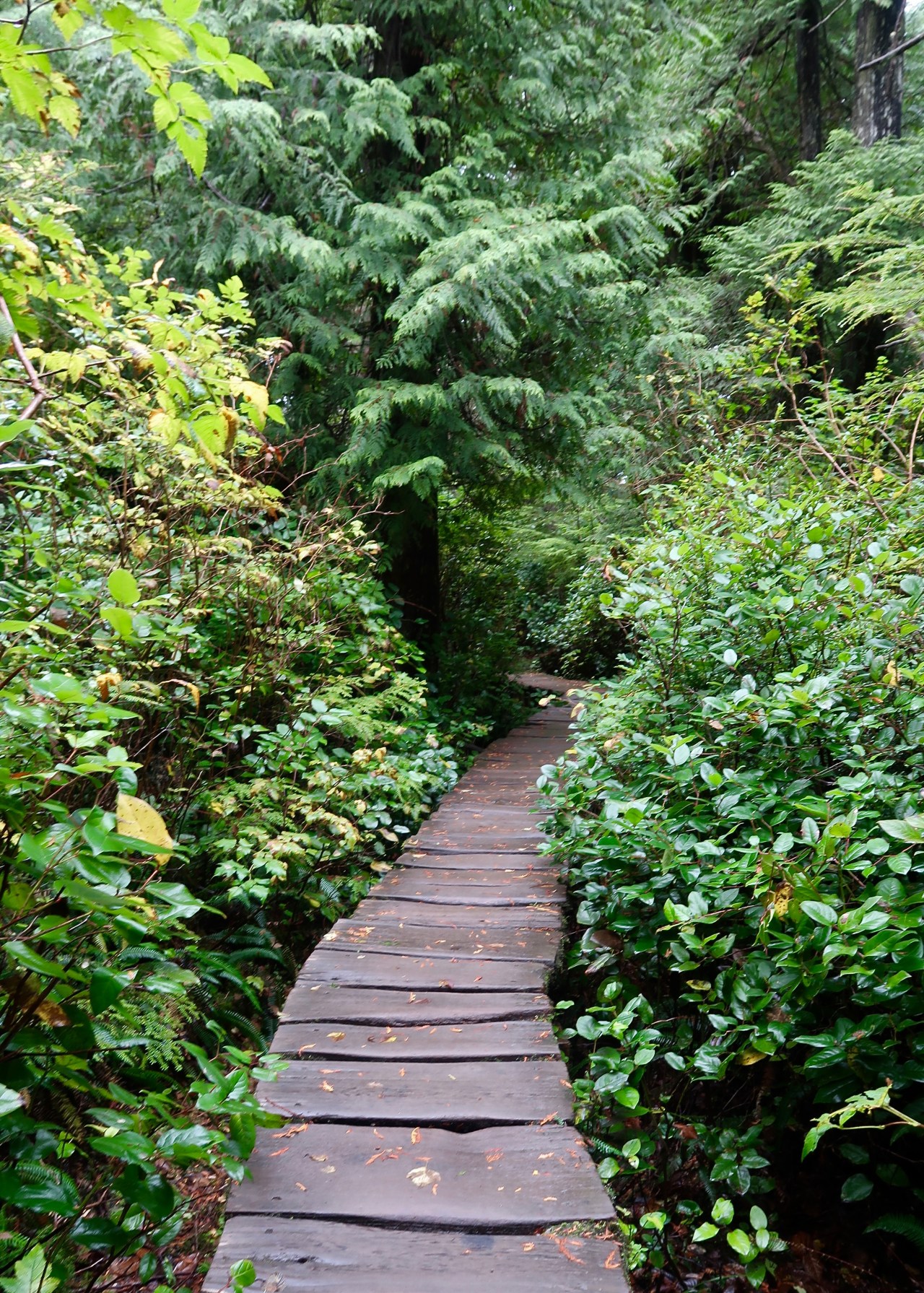
Ozette Loop Trail, Olympic National Park, Washington 2018
During the break between bands at the Stones Throw Brewery Fall Block Party in Bellingham, Washington I caught this joke:
“You wanna know why Washington outlawed square bales of hay? We wanted our cows to have a well-rounded diet!”
Feel free to groan. The two young ladies he was trying to impressed both did!
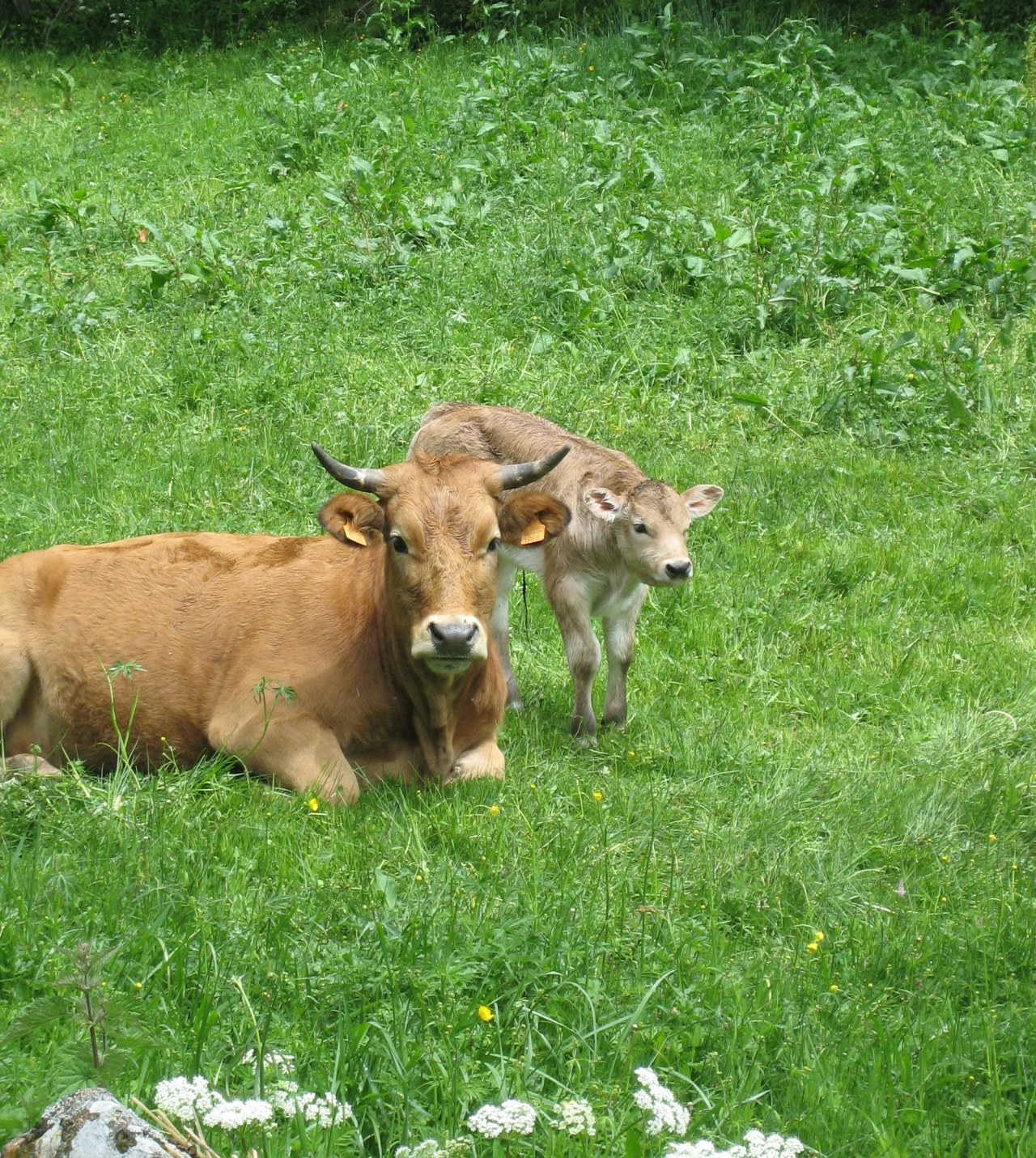
Unimpressed Cow and Calf, Villablino, Spain 2006
What we have once enjoyed, we can never lose. All that we love deeply becomes part of us.
~ Helen Keller

Indian Paintbrush, Glacier National Park, Montana 2018
I would rather die of passion than of boredom.
~ Émile Zola
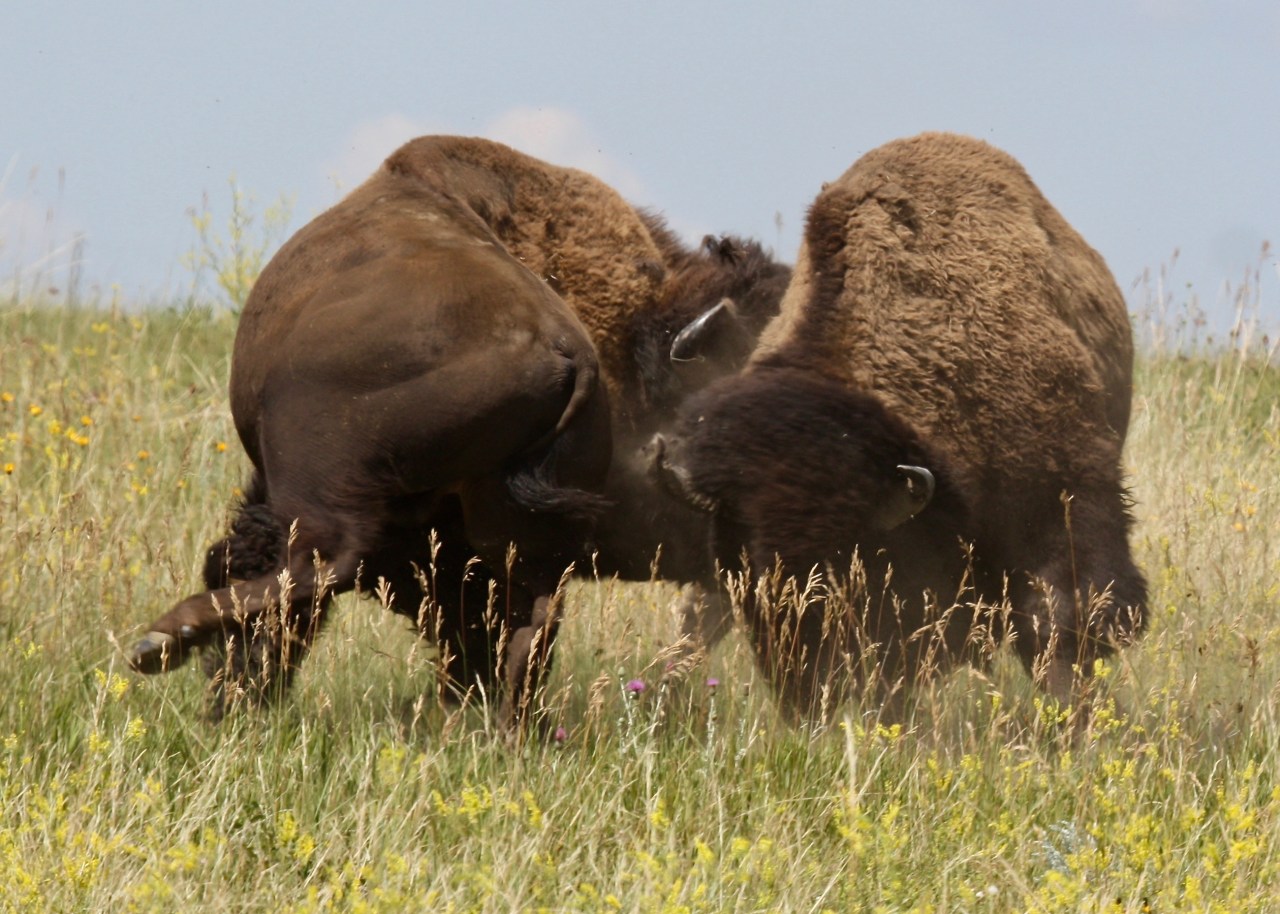
Bison Fight, Theodore Roosevelt National Park, North Dakota 2010
Oregon farmers wrapped up the fall harvest season just in time, since the winter rains returned this past week. I recently shared my experience with my first prune harvest. Unfortunately, I did not have an opportunity to be hands-on for a hazelnut harvest, but that didn’t squelch my curiosity.
My first introduction to hazelnuts was through work during my college years: the rich, nutty tortes I served at Ilsa’s Konditorei (a German bakery) and the smooth, sweet Frangelico liqueur that I mixed with coffee for guests at the Westin La Paloma Resort.
I am not much of a nut, cake, or coffee lover so it wasn’t until 1999 that I became intimately acquainted with hazelnuts. My backpacking trip through Europe that summer was akin to being thrown into the deep end of the hazelnut pool (I do believe most every confection in Europe has hazelnuts in it).
I didn’t escape hazelnuts upon my return stateside either as I visited Oregon to celebrate Lisa and Gino’s nuptials later that summer. Oregon produces 99% of the US hazelnut crop. Though at that time, most of the Oregon growers were calling them filberts (with the massive increase in hazelnut popularity Oregon has switched to the more common moniker, wisely reducing consumer confusion).
Turkey is the world’s largest producer of hazelnuts with 420 thousand tons, Italy produces less than a third of that, and the US contributes just over one quarter of Italy’s production. Though the US share is increasing rapidly. Oregon now has 70,000 acres of hazelnuts with another 8,000 acres added every year to meet rising demand.
Quick foray into the wild world of math: figure an average of 108 trees per acre x 8000 acres added each year = 864,000 trees x 25 pounds per tree = 10,800 additional tons of hazelnuts. Add in the roughly five years before trees reach peak production and the US should meet or exceed Italy’s production in about twelve years!
The near-insatiable global craving for hazelnuts can be blamed on a certain creamy spread. The creation of Nutella was the result of wartime shortages during WWII. During the war, Italian confectioner Pietro Ferrero couldn’t source enough cocoa for his bakery. So he creatively incorporated locally grown hazelnuts to stretch his cocoa. The first creation was a hard block, the creamy spread debuted in 1963, and the rest as they say, is history. Nutella is so popular that the company utilizes roughly 25% of the world’s supply of hazelnuts. 225,000 tons is a staggering amount of nuts!
There are a few reasons why growers appreciate hazelnuts: they fall from the tree and slip easily out of their husks when ripe (making them relatively easy to harvest); they have a low water budget (especially in contrast to the obscene amounts of water almonds demand); they are easy to extract from their shell; plus, each tree can drop 25 pounds and produce for at least 70 years.
On a personal level, I admire the striking-looking trees with their thick, knobby trunks as well as the striped, caramel-colored shells. Oh, and, yes I hear they are quite tasty, too!


 3rin's View...