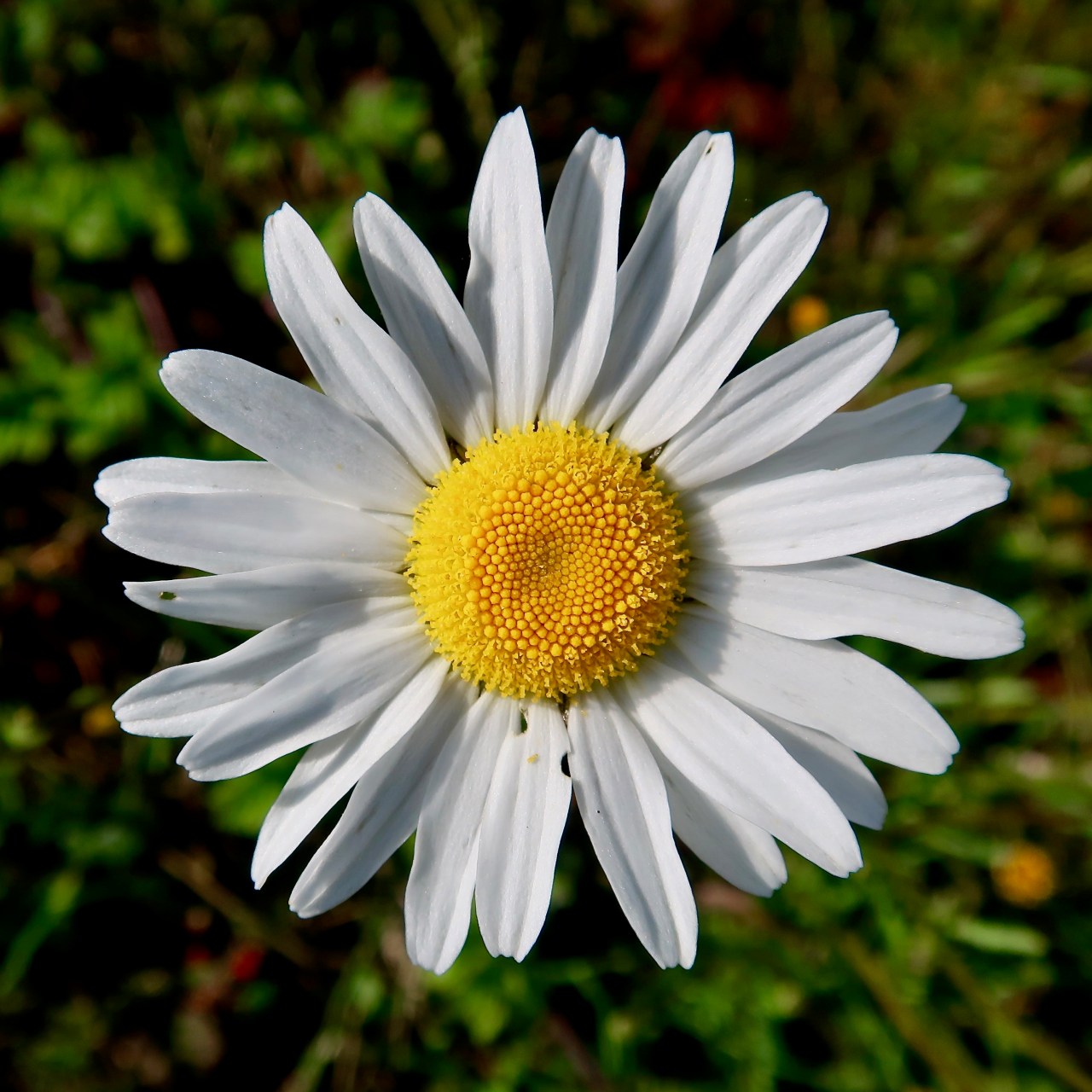
Daisy, Lincoln City, Oregon July 2019
Sometimes, you just need a pretty flower to brighten up your day!

Daisy, Lincoln City, Oregon July 2019
Sometimes, you just need a pretty flower to brighten up your day!


I recently zipped up to Oregon to visit my best friend Lisa. We headed out to the coast for some much needed relaxing girl time. We were pleasantly surprised as the weather cooperated (mostly). The mild temperatures combined with a minus tide made exploring along the coastline an absolute pleasure. As an added bonus I was able to hang out with my Lincoln City friends (and made a few new ones). Reminded me of all that I loved about living on the Oregon coast last year.
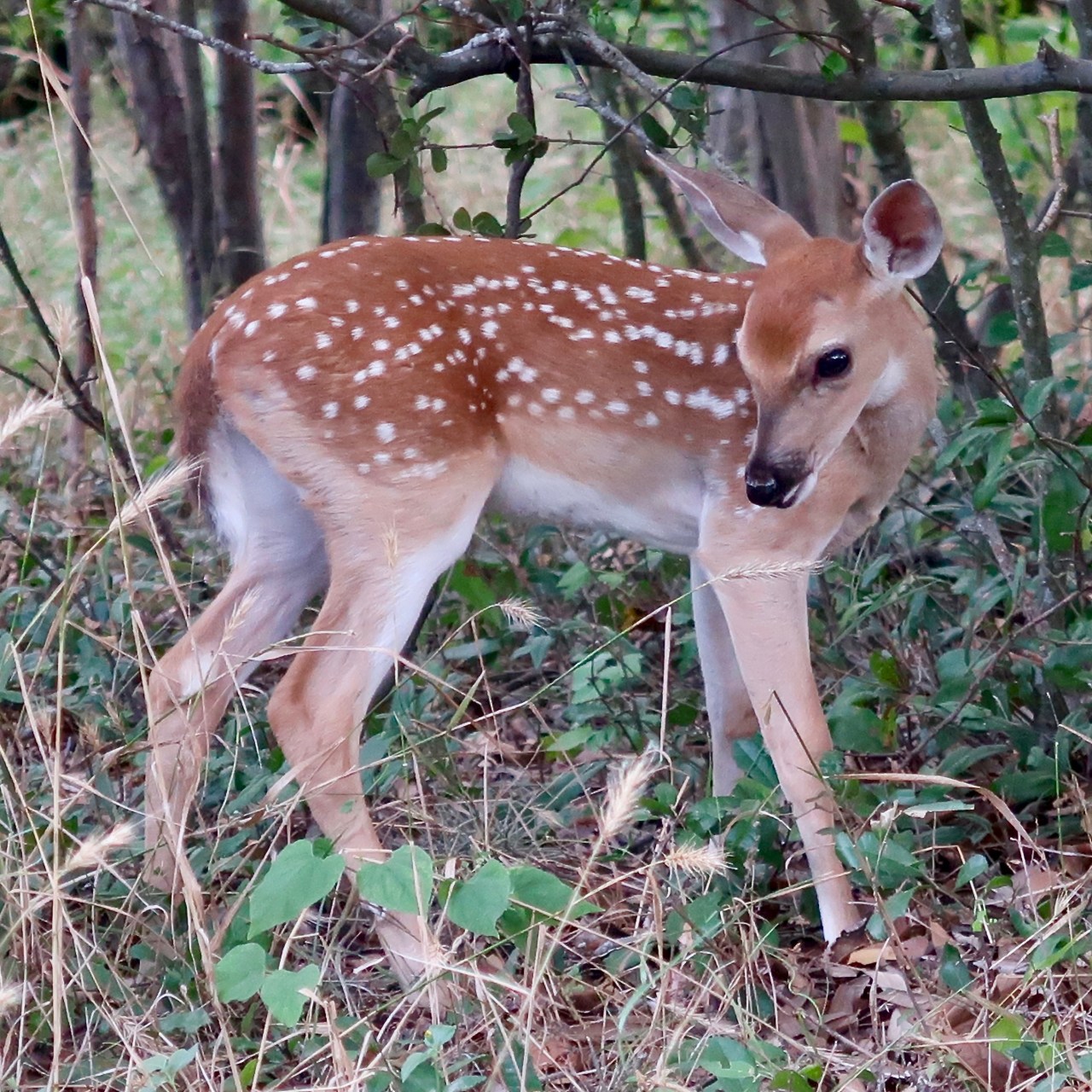
White-tailed Deer Fawn, Walker Ranch Historic Landmark Park, San Antonio, Texas July 2019
Since I had a super early flight out of San Antonio a couple weeks back I stayed overnight in the Alamo City. After a busy day of running errands, I opted to relax at a nearby park. As I sat quietly on my bench a small herd of deer wandered by. This little one was skittish at first but my patience paid off. A great way to wrap up my day!


Note the contrast between these Four-pennant Dragonflies, (Brachymesia gravida). One appears young and healthy while the other looks old and worn. Neither one was willing to share their section of the pond. After dashing out to chase off interlopers they would return to their respective perches. Just another busy day at Aransas National Wildlife Refuge…

Any Pac-12 basketball fan will agree with that first sentence. Though Bill Walton has some serious chops as a basketball player (and I share his love for the Grateful Dead), his rambling tangents during the games he’s announcing for ESPN are enough to drive anyone mad. To the point that I prefer to listen to my University of Arizona Wildcats radio announcers while watching the game with the TV muted.
So color me intrigued when I ran across this review of James Kirkland’s new book, “The Bill Walton Mysteries, Friend of the Devil” in the Willamette Week. The book got a pretty darn good review so I’ve added it to my reading list. Sounds like a great book for a day at the beach!
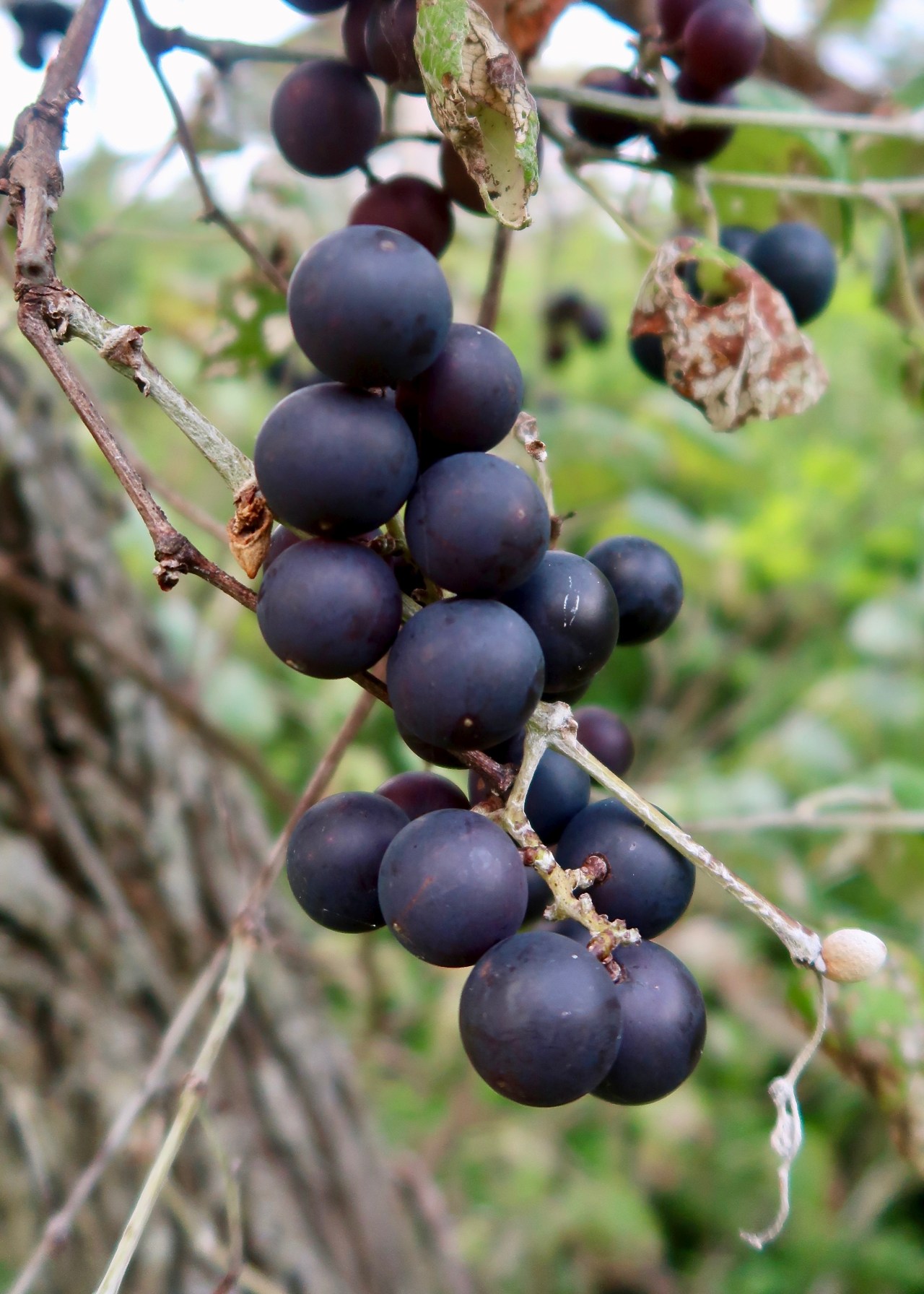
Mustang Grapes (Vitis mustangensis), Aransas National Wildlife Refuge, Tivoli, Texas July 2019
A couple months back I stumbled across some green Mustang Grapes and it made me so very curious to taste them once they ripened. Well, I finally got my wish a couple weeks back. The plump fruit was juicy and mildly sweet though the skin was quite tart. I employed a technique I learned as a kid when eating Concord grapes off the vines in our yard; I popped the entire globe in my mouth, sucked out the tender flesh, and spit out the skin (so not only were the grapes delicious, they were fun to eat, too).


I met these two fine young males at Aransas National Wildlife Refuge a couple weeks ago. I’m basing my super-scientific age guesstimate on the fact that they are near the end of their antler growing period and only have small racks.
In case you didn’t know, antler growth is controlled by photoperiod (length of day) and typically starts in March. Testosterone levels begin to rise in August, as the days grow shorter, which signals the end of antler growing (just in time for mating season).
Did you know that antlers are the fastest growing tissue among mammals? In just 120 days they can grow over 200 inches. That incredible spurt requires excellent nutrition which is provided by the vascular tissue (aka velvet). As the antlers harden, the velvet is shed, becoming a highly nutritious snack scavenged by all manner of wildlife.
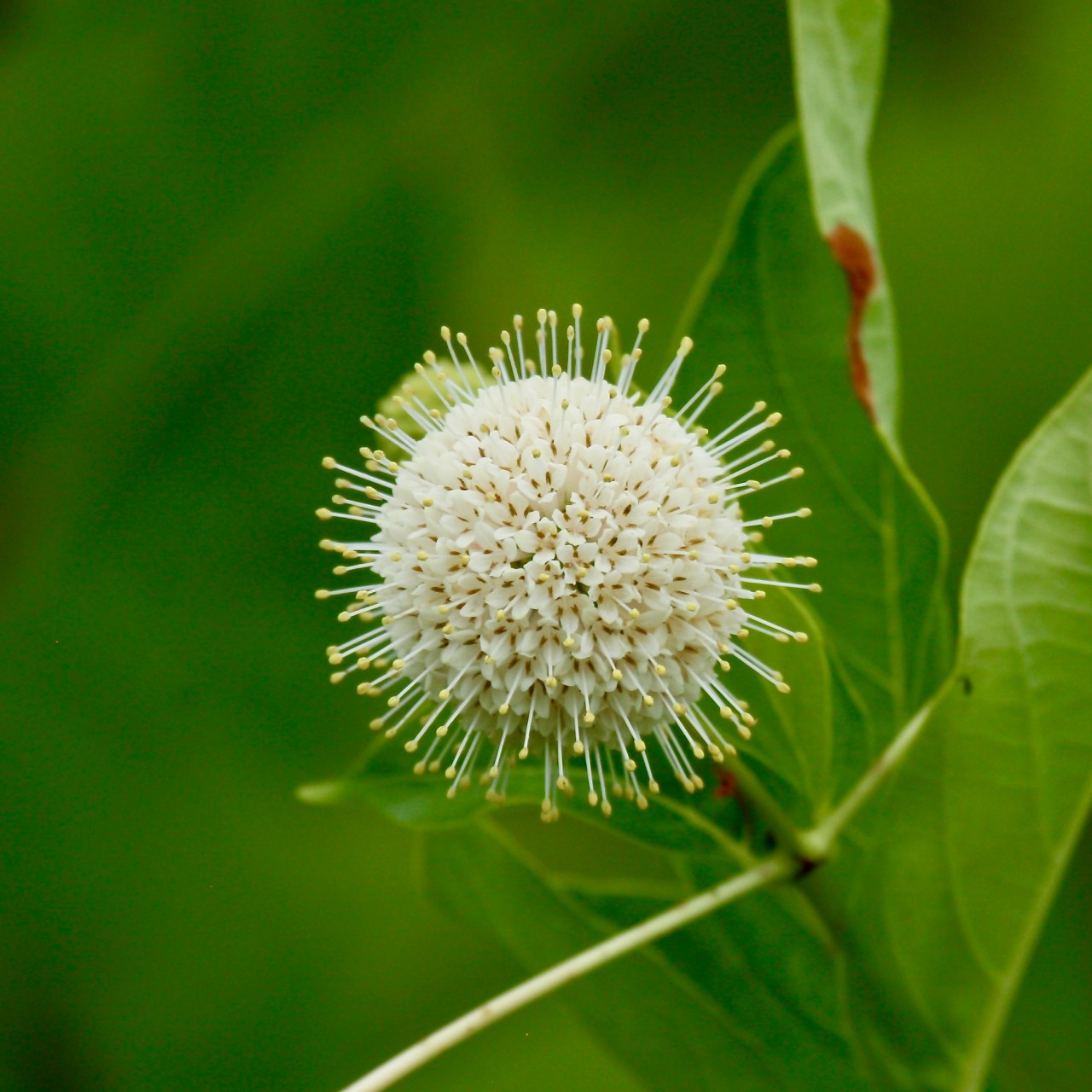
Buttonbush, Aransas National Wildlife Refuge, Texas July 2019
Apparently, Buttonbush (Cephalanthus occidentalis) is a wildlife favorite: deer browse on it, birds love the fruit, while bees, butterflies, and hummingbirds savor the nectar. Swallowtail butterflies were all over the flowers of this marsh shrub the other day, though sadly, they refused to pose for me.


Grain Sorghum Fields Near Tivoli, Texas July 2019
Drive inland from the beach a few miles and you are surrounded by fields. Interspersed between cattle pastures the main crops are cotton, corn, and grain sorghum. Of the three, grain sorghum (aka milo to the farmers) is by far the most eye appealing.
I can see why milo is a preferred crop out here, it’s drought-tolerant, cheaper to grow than cotton or GMO corn, and works as a good rotation crop (increasing future cotton yields by 26% according to a recent Texas A&M study). Milo is one of Texas’ top ten agricultural commodities and it is the 4th most produced cereal grain in the world, with the US leading in output. Sorghum is super!


I recently met Shelby at an outdoor venue where my friend’s band was playing a gig. Shelby started out looking pretty put together but as the night wore on Shelby’s do started to slip. By the end of the night she was akimbo and things were askew. Come on, fess up, we’ve all had a night like that, right?

